

XBP1
Open accessThe DOI matches its Crossref record; 34 of the 34 references it cites were found in a registry or an index.
Abstract
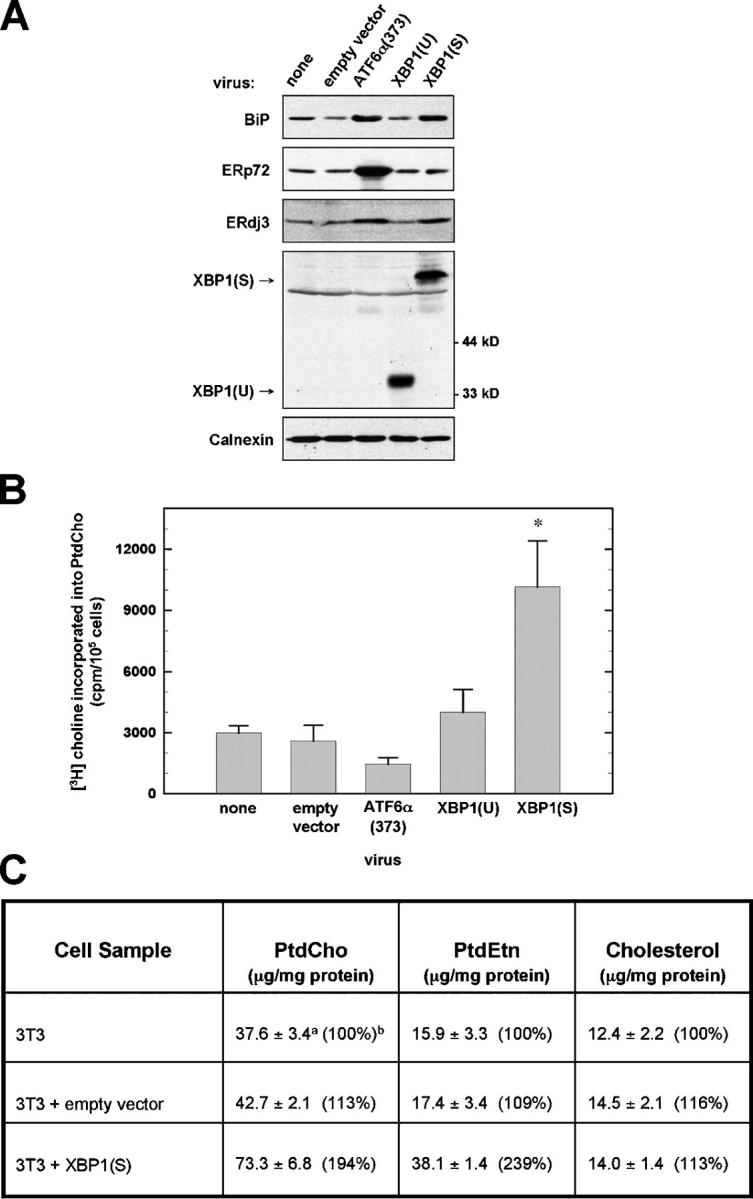
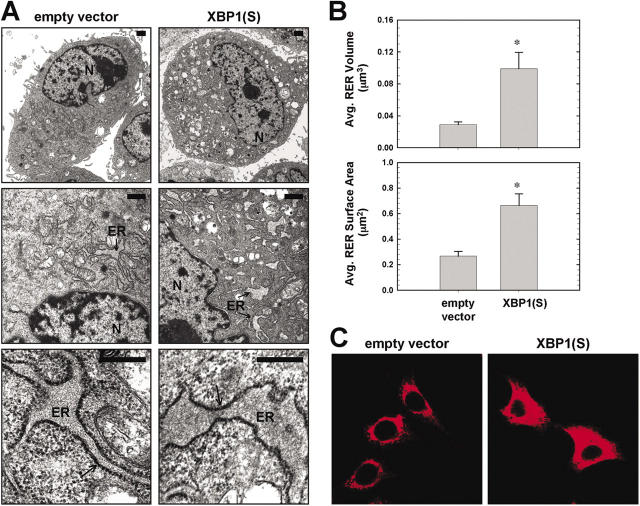
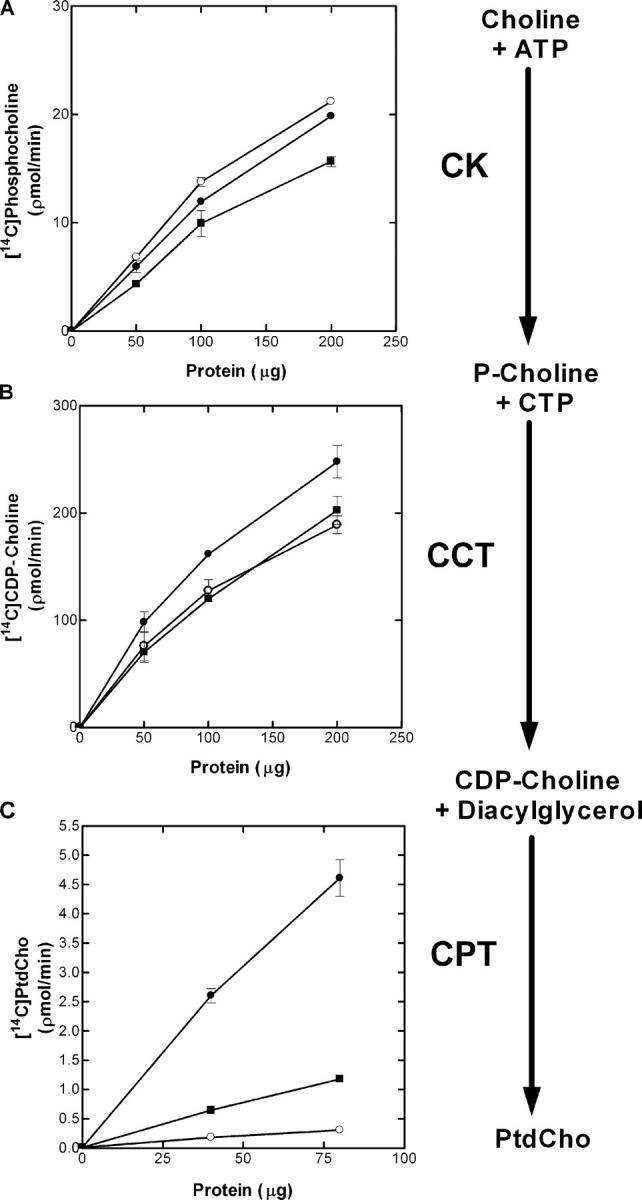
When the protein folding capacity of the endoplasmic reticulum (ER) is challenged, the unfolded protein response (UPR) maintains ER homeostasis by regulating protein synthesis and enhancing expression of resident ER proteins that facilitate protein maturation and degradation. Here, we report that enforced expression of XBP1(S), the active form of the XBP1 transcription factor generated by UPR-mediated splicing of XBP1 mRNA, is sufficient to induce synthesis of phosphatidylcholine, the primary phospholipid of the ER membrane. Cells overexpressing XBP1(S) exhibit elevated levels of membrane phospholipids, increased surface area and volume of rough ER, and enhanced activity of the cytidine diphosphocholine pathway of phosphatidylcholine biosynthesis. These data suggest that XBP1(S) links the mammalian UPR to phospholipid biosynthesis and ER biogenesis.
Overview
The claims and statistics of this paper haven’t been checked yet.
Free: it reads the open-access text and checks the first 5 claims that cite a source we can check. Create a free account to check every claim.
Integrity signals
Registry
Cites
Statistics
Figures


Verification
Claims the paper makes
The claims and statistics of this paper haven’t been checked yet.
Free: it reads the open-access text and checks the first 5 claims that cite a source we can check. Create a free account to check every claim.
Claims other papers make about this one
Each is checked against this paper’s own text: does it say what the citing paper says it does?
In the citing paper
“The increase in lysosomal proteins is consistent with the observations which found that the UPR remodels the lysosome as part of a pro‐survival response (Ron & Hampton, 2004; Sriburi et al, 2004; Brewer et al, 2008; Elfrink et al, 2013).”
From Differential dynamics of the mammalian mRNA and protein expression response to misfolding stress (2016) · cites this paper as Sriburi et al, 2004
Self-check
Percentages, sums and reported differences re-computed from the paper’s own numbers.
The self-check needs the paper’s full text.
Citations
Cites
A RAPID METHOD OF TOTAL LIPID EXTRACTION AND PURIFICATION
Bligh, E. G., & Dyer, W. J. (1959) · Canadian Journal of Biochemistry and Physiology · doi:10.1139/o59-099 · Cited by 54,751
Control of inositol 1,4,5-trisphosphate-induced Ca2+ release by cytosolic Ca2+
Bootman, M. D., Missiaen, L., Parys, J. B., De Smedt, H., & Casteels, R. (1995) · Biochemical Journal · doi:10.1042/bj3060445 · Cited by 5,120
Yoshida, H., Matsui, T., Yamamoto, A., Okada, T., & Mori, K. (2001) · Cell · doi:10.1016/s0092-8674(01)00611-0 · Cited by 4,039
Self-citationMutation of the mouse klotho gene leads to a syndrome resembling ageing
Kuro-o, M., Matsumura, Y., Aizawa, H., Kawaguchi, H., Suga, T., Utsugi, T., Ohyama, Y., Kurabayashi, M., Kaname, T., Kume, E., et al. (1997) · Nature · doi:10.1038/36285 · Cited by 3,837
IRE1 couples endoplasmic reticulum load to secretory capacity by processing the XBP-1 mRNA
Calfon, M., Zeng, H., Urano, F., Till, J. H., Hubbard, S. R., Harding, H. P., Clark, S. G., & Ron, D. (2002) · Nature · doi:10.1038/415092a · Cited by 2,820
Haze, K., Yoshida, H., Yanagi, H., Yura, T., & Mori, K. (1999) · Molecular Biology of the Cell · doi:10.1091/mbc.10.11.3787 · Cited by 2,069
Self-citationLee, A.-H., Iwakoshi, N. N., & Glimcher, L. H. (2003) · Molecular and Cellular Biology · doi:10.1128/mcb.23.21.7448-7459.2003 · Cited by 2,037
Principles and Techniques of Electron Microscopy
Mandal, A. K., Nordquist, J. A., & Hayat, M. A. (1981) · Transactions of the American Microscopical Society · doi:10.2307/3225561 · Cited by 1,433
A trip to the ER: coping with stress
Rutkowski, D. T., & Kaufman, R. J. (2004) · Trends in Cell Biology · doi:10.1016/j.tcb.2003.11.001 · Cited by 1,355
Shaffer, A. L., Shapiro-Shelef, M., Iwakoshi, N. N., Lee, A.-H., Qian, S.-B., Zhao, H., Yu, X., Yang, L., Tan, B. K., Rosenwald, A., et al. (2004) · Immunity · doi:10.1016/j.immuni.2004.06.010 · Cited by 1,054
Research works printed but not linked: 4
- 1959, Can. J. Med. Sci., 37, 911
- 2001, Biochem. J., 355, 19, 10.1042/bj3550019 · doi:10.1042/bj3550019 · Paper page
- 2003, Nat. Immunol., 4, 321
- 2001, Prog. Nucleic Acid Res. Mol. Biol., 65, 361
Cited by
Items 101–200 of 681
Lee, H., Noh, J.-Y., Oh, Y., Kim, Y., Chang, J.-W., Chung, C.-W., Lee, S.-T., Kim, M., Ryu, H., & Jung, Y.-K. (2012) · Human Molecular Genetics · doi:10.1093/hmg/ddr445 · Cited by 157
“Dominantnegative ATF6 [pATF6 DN; pCGN ATF6 (1-373) m1] was kindly provided by Dr R.”
InfluentialPreventing oxidative stress: a new role for XBP1
Liu, Y., Adachi, M., Zhao, S., Hareyama, M., Koong, A. C., Luo, D., Rando, T. A., Imai, K., & Shinomura, Y. (2009) · Cell Death & Differentiation · doi:10.1038/cdd.2009.14 · Cited by 150
Boslem, E., MacIntosh, G. L., Preston, A. M., Bartley, C., Busch, A. K., Fuller, M., Laybutt, D. R., Meikle, P. J., & Biden, T. J. (2011) · Biochemical Journal · doi:10.1042/bj20101867 · Cited by 166
Role of Endoplasmic Reticulum Stress, Autophagy, and Inflammation in Cardiovascular Disease
Zhang, C., Syed, T. W., Liu, R., & Yu, J. (2017) · Frontiers in Cardiovascular Medicine · doi:10.3389/fcvm.2017.00029 · Cited by 161
Dysfunction of Cellular Proteostasis in Parkinson’s Disease
Lehtonen, Š., Sonninen, T.-M., Wojciechowski, S., Goldsteins, G., & Koistinaho, J. (2019) · Frontiers in Neuroscience · doi:10.3389/fnins.2019.00457 · Cited by 147
Progressively impaired proteasomal capacity during terminal plasma cell differentiation
Cenci, S., Mezghrani, A., Cascio, P., Bianchi, G., Cerruti, F., Fra, A., Lelouard, H., Masciarelli, S., Mattioli, L., Oliva, L., et al. (2006) · The EMBO Journal · doi:10.1038/sj.emboj.7601009 · Cited by 159
Protein Folding in the Endoplasmic Reticulum and the Unfolded Protein Response
Zhang, K., & Kaufman, R. J. (2005) · Handbook of Experimental Pharmacology · doi:10.1007/3-540-29717-0_3 · Cited by 152
Wrabetz, L., D’Antonio, M., Pennuto, M., Dati, G., Tinelli, E., Fratta, P., Previtali, S., Imperiale, D., Zielasek, J., Toyka, K., et al. (2006) · The Journal of Neuroscience · doi:10.1523/jneurosci.3819-05.2006 · Cited by 151
ENDOPLASMIC RETICULUM STRESS IN SEPSIS
Khan, M. M., Yang, W.-L., & Wang, P. (2015) · Shock · doi:10.1097/shk.0000000000000425 · Cited by 155
Schwartz, R., Engel, I., Fallahi-Sichani, M., Petrie, H. T., & Murre, C. (2006) · Proceedings of the National Academy of Sciences · doi:10.1073/pnas.0603728103 · Cited by 144
Li, Y., Jiang, W., Niu, Q., Sun, Y., Meng, C., Tan, L., Song, C., Qiu, X., Liao, Y., & Ding, C. (2019) · Cell Death and Disease · doi:10.1038/s41419-019-2128-6 · Cited by 151
Mitochondrial aspartate regulates TNF biogenesis and autoimmune tissue inflammation
Wu, B., Zhao, T. V., Jin, K., Hu, Z., Abdel, M. P., Warrington, K. J., Goronzy, J. J., & Weyand, C. M. (2021) · Nature Immunology · doi:10.1038/s41590-021-01065-2 · Cited by 141
Building the cell: design principles of cellular architecture
Rafelski, S. M., & Marshall, W. F. (2008) · Nature Reviews Molecular Cell Biology · doi:10.1038/nrm2460 · Cited by 157
Small molecule strategies to harness the unfolded protein response: where do we go from here?
Grandjean, J. M. D., & Wiseman, R. L. (2020) · Journal of Biological Chemistry · doi:10.1074/jbc.rev120.010218 · Cited by 145
Engineering mammalian cells in bioprocessing – current achievements and future perspectives
Lim, Y., Wong, N. S. C., Lee, Y. Y., Ku, S. C. Y., Wong, D. C. F., & Yap, M. G. S. (2010) · Biotechnology and Applied Biochemistry · doi:10.1042/ba20090363 · Cited by 133
Dinnis, D. M., Stansfield, S. H., Schlatter, S., Smales, C. M., Alete, D., Birch, J. R., Racher, A. J., Marshall, C. T., Nielsen, L. K., & James, D. C. (2006) · Biotechnology and Bioengineering · doi:10.1002/bit.20899 · Cited by 139
Endoplasmic reticulum stress in obesity and obesity-related disorders: An expanded view
Pagliassotti, M. J., Kim, P. Y., Estrada, A. L., Stewart, C. M., & Gentile, C. L. (2016) · Metabolism · doi:10.1016/j.metabol.2016.05.002 · Cited by 134
Junjappa, R. P., Patil, P., Bhattarai, K. R., Kim, H., & Chae, H. (2018) · Frontiers in Immunology · doi:10.3389/fimmu.2018.01289 · Cited by 146
ER Stress Activates the NLRP3 Inflammasome: A Novel Mechanism of Atherosclerosis
Chen, X., Guo, X.-C., Ge, Q., Zhao, Y., Mu, H., & Zhang, J. (2019) · Oxidative Medicine and Cellular Longevity · doi:10.1155/2019/3462530 · Cited by 142
Martelli, A. M., Evangelisti, C., Chiarini, F., Grimaldi, C., Cappellini, A., Ognibene, A., & McCubrey, J. A. (2010) · Biochimica et Biophysica Acta (BBA) - Molecular Cell Research · doi:10.1016/j.bbamcr.2010.04.005 · Cited by 150
Scaling properties of cell and organelle size
Chan, Y.-H. M., & Marshall, W. F. (2010) · Organogenesis · doi:10.4161/org.6.2.11464 · Cited by 125
Hewett, J. W., Tannous, B. A., Niland, B. P., Nery, F. C., Zeng, J., Li, Y., & Breakefield, X. O. (2007) · Proceedings of the National Academy of Sciences · doi:10.1073/pnas.0701185104 · Cited by 148
Fung, T. S., Huang, M., & Liu, D. X. (2014) · Virus Research · doi:10.1016/j.virusres.2014.09.016 · Cited by 137
Unfolded protein response‐induced ERdj3 secretion links ER stress to extracellular proteostasis
Genereux, J. C., Qu, S., Zhou, M., Ryno, L. M., Wang, S., Shoulders, M. D., Kaufman, R. J., Lasmézas, C. I., Kelly, J. W., & Wiseman, R. L. (2014) · The EMBO Journal · doi:10.15252/embj.201488896 · Cited by 145
Food Perception Primes Hepatic ER Homeostasis via Melanocortin-Dependent Control of mTOR Activation
Brandt, C., Nolte, H., Henschke, S., Engström Ruud, L., Awazawa, M., Morgan, D. A., Gabel, P., Sprenger, H.-G., Hess, M. E., Günther, S., et al. (2018) · Cell · doi:10.1016/j.cell.2018.10.015 · Cited by 130
Sołtysik, K., Ohsaki, Y., Tatematsu, T., Cheng, J., & Fujimoto, T. (2019) · Nature Communications · doi:10.1038/s41467-019-08411-x · Cited by 132
Hsu, S., Chiu, C., Dahms, H.-U., Chou, C., Cheng, C., Chang, W., Cheng, K., Wang, H.-M. D., & Lin, I. (2019) · International Journal of Molecular Sciences · doi:10.3390/ijms20102518 · Cited by 139
Regulation of membrane phospholipid biosynthesis in mammalian cells
Morita, S., & Ikeda, Y. (2022) · Biochemical Pharmacology · doi:10.1016/j.bcp.2022.115296 · Cited by 133
From yeast to humans – roles of the Kennedy pathway for phosphatidylcholine synthesis
McMaster, C. R. (2018) · FEBS Letters · doi:10.1002/1873-3468.12919 · Cited by 120
Okunade, G. W., Miller, M. L., Azhar, M., Andringa, A., Sanford, L. P., Doetschman, T., Prasad, V., & Shull, G. E. (2007) · Journal of Biological Chemistry · doi:10.1074/jbc.m703029200 · Cited by 137
Bobrovnikova-Marjon, E., Pytel, D., Riese, M. J., Vaites, L. P., Singh, N., Koretzky, G. A., Witze, E. S., & Diehl, J. A. (2012) · Molecular and Cellular Biology · doi:10.1128/mcb.00063-12 · Cited by 118
Schröder, M. (2006) · Molecular Biotechnology · doi:10.1385/mb:34:2:279 · Cited by 147
Ufbp1 promotes plasma cell development and ER expansion by modulating distinct branches of UPR
Zhu, H., Bhatt, B., Sivaprakasam, S., Cai, Y., Liu, S. M., Kodeboyina, S. K., Patel, N., Savage, N. M., Sharma, A. K., Kaufman, R. J., et al. (2019) · Nature Communications · doi:10.1038/s41467-019-08908-5 · Cited by 125
AMPK Regulates ER Morphology and Function in Stressed Pancreatic β-Cells via Phosphorylation of DRP1
Wikstrom, J. D., Israeli, T., Bachar-Wikstrom, E., Swisa, A., Ariav, Y., Waiss, M., Kaganovich, D., Dor, Y., Cerasi, E., & Leibowitz, G. (2013) · Molecular Endocrinology · doi:10.1210/me.2013-1109 · Cited by 119
The Role of Brain-derived Neurotrophic Factor (BDNF)-induced XBP1 Splicing during Brain Development
Hayashi, A., Kasahara, T., Iwamoto, K., Ishiwata, M., Kametani, M., Kakiuchi, C., Furuichi, T., & Kato, T. (2007) · Journal of Biological Chemistry · doi:10.1074/jbc.m704300200 · Cited by 121
Martelli, A. M., Chiarini, F., Evangelisti, C., Cappellini, A., Buontempo, F., Bressanin, D., Fini, M., & McCubrey, J. A. (2012) · Oncotarget · doi:10.18632/oncotarget.477 · Cited by 127
Activation of the unfolded protein response by Listeria monocytogenes: Listeria and UPR
Pillich, H., Loose, M., Zimmer, K.-P., & Chakraborty, T. (2012) · Cellular Microbiology · doi:10.1111/j.1462-5822.2012.01769.x · Cited by 112
Gadolinium‐induced oxidative stress triggers endoplasmic reticulum stress in rat cortical neurons
Xia, Q., Feng, X., Huang, H., Du, L., Yang, X., & Wang, K. (2010) · Journal of Neurochemistry · doi:10.1111/j.1471-4159.2010.07162.x · Cited by 123
Conditions of Endoplasmic Reticulum Stress Favor the Accumulation of Cytosolic Prion Protein
Orsi, A., Fioriti, L., Chiesa, R., & Sitia, R. (2006) · Journal of Biological Chemistry · doi:10.1074/jbc.m605320200 · Cited by 112
Metabolic Links between Plasma Cell Survival, Secretion, and Stress
Lam, W. Y., & Bhattacharya, D. (2017) · Trends in Immunology · doi:10.1016/j.it.2017.08.007 · Cited by 122
ER stress signalling through eIF2α and CHOP, but not IRE1α, attenuates adipogenesis in mice
Han, J., Murthy, R., Wood, B., Song, B., Wang, S., Sun, B., Malhi, H., & Kaufman, R. J. (2013) · Diabetologia · doi:10.1007/s00125-012-2809-5 · Cited by 114
Spaan, C. N., Smit, W. L., de Jeude, J. F. V. L., Meijer, B. J., Muncan, V., van den Brink, G. R., & Heijmans, J. (2019) · Cell Death and Disease · doi:10.1038/s41419-019-1729-4 · Cited by 119
β cell ER stress and the implications for immunogenicity in type 1 diabetes
Marré, M. L., James, E. A., & Piganelli, J. D. (2015) · Frontiers in Cell and Developmental Biology · doi:10.3389/fcell.2015.00067 · Cited by 110
A new paradigm: innate immune sensing of viruses via the unfolded protein response
Smith, J. A. (2014) · Frontiers in Microbiology · doi:10.3389/fmicb.2014.00222 · Cited by 119
Unconventional Splicing of XBP-1 mRNA in the Unfolded Protein Response
Yoshida, H. (2007) · Antioxidants and Redox Signaling · doi:10.1089/ars.2007.1800 · Cited by 125
A functional link between the co-translational protein translocation pathway and the UPR
Plumb, R., Zhang, Z.-R., Appathurai, S., & Mariappan, M. (2015) · eLife · doi:10.7554/elife.07426 · Cited by 106
The Cell Biology of the Unfolded Protein Response
Diehl, J. A., Fuchs, S. Y., & Koumenis, C. (2011) · Gastroenterology · doi:10.1053/j.gastro.2011.05.018 · Cited by 115
Maiuolo, J., Bulotta, S., Verderio, C., Benfante, R., & Borgese, N. (2011) · Proceedings of the National Academy of Sciences · doi:10.1073/pnas.1101379108 · Cited by 107
Building an antibody factory: a job for the unfolded protein response
Brewer, J. W., & Hendershot, L. M. (2004) · Nature Immunology · doi:10.1038/ni1149 · Cited by 126
Self-citationPybus, L. P., Dean, G., West, N. R., Smith, A. B., Daramola, O., Field, R. P., Wilkinson, S. J., & James, D. C. (2013) · Biotechnology and Bioengineering · doi:10.1002/bit.25116 · Cited by 130
Constitutive Role for IRE1α-XBP1 Signaling Pathway in the Insulin-Mediated Hepatic Lipogenic Program
Ning, J., Hong, T., Ward, A., Pi, J., Liu, Z., Liu, H.-Y., & Cao, W. (2011) · Endocrinology · doi:10.1210/en.2010-1036 · Cited by 109
Mohamed, E. T., Cao, Y. Q., & Rodríguez, P. C. (2017) · Cancer Immunology Immunotherapy · doi:10.1007/s00262-017-2019-6 · Cited by 115
Libby, A. E., Bales, E. S., Orlicky, D. J., & McManaman, J. L. (2016) · Journal of Biological Chemistry · doi:10.1074/jbc.m116.759795 · Cited by 111
The dynamic ER: experimental approaches and current questions
Federovitch, C. M., Ron, D., & Hampton, R. Y. (2005) · Current Opinion in Cell Biology · doi:10.1016/j.ceb.2005.06.010 · Cited by 110
Boenisch, M. J., Broz, K., Purvine, S. O., Chrisler, W., Nicora, C., Connolly, L., Freitag, M., Baker, S., & Kistler, H. C. (2017) · Scientific Reports · doi:10.1038/srep44296 · Cited by 109
JUN is a key transcriptional regulator of the unfolded protein response in acute myeloid leukemia
Zhou, C., Martínez, E., Marcantonio, D. D., Solanki-Patel, N., Aghayev, T., Peri, S., Ferraro, F., Skórski, T., Scholl, C., Fröhling, S., et al. (2016) · Leukemia · doi:10.1038/leu.2016.329 · Cited by 106
The unfolded protein response in multiple sclerosis
Stone, S., & Lin, W. (2015) · Frontiers in Neuroscience · doi:10.3389/fnins.2015.00264 · Cited by 104
Bechill, J., Chen, Z., Brewer, J. W., & Baker, S. C. (2008) · Journal of Virology · doi:10.1128/jvi.00017-08 · Cited by 105
Self-citationThe physiological role of the unfolded protein response in plants
Moreno, A. A., & Orellana, A. (2011) · Biological Research · doi:10.4067/s0716-97602011000100010 · Cited by 100
Deep, G., & Schlaepfer, I. R. (2016) · International Journal of Molecular Sciences · doi:10.3390/ijms17071061 · Cited by 110
Regulated IRE1‐dependent decay participates in curtailing immunoglobulin secretion from plasma cells
Benhamron, S., Hadar, R., Iwawaky, T., So, J., Lee, A., & Tirosh, B. (2014) · European Journal of Immunology · doi:10.1002/eji.201343953 · Cited by 97
Endoplasmic Reticulum Stress and the Unfolded Protein Response in Nonalcoholic Fatty Liver Disease
Gentile, C. L., Frye, M. A., & Pagliassotti, M. J. (2010) · Antioxidants and Redox Signaling · doi:10.1089/ars.2010.3790 · Cited by 106
Kanehara, K., Yu, C., Cho, Y., Cheong, W., Torta, F. T., Shui, G., Wenk, M. R., & Nakamura, Y. (2015) · PLoS Genetics · doi:10.1371/journal.pgen.1005511 · Cited by 102
Engineering Cells for Cell Culture Bioprocessing – Physiological Fundamentals
Seth, G., Hossler, P., Yee, J. C., & Hu, W. (2006) · Advances in biochemical engineering, biotechnology · doi:10.1007/10_017 · Cited by 109
Mammalian cell factories for efficient and stable protein expression
Barnes, L. M., & Dickson, A. J. (2006) · Current Opinion in Biotechnology · doi:10.1016/j.copbio.2006.06.005 · Cited by 117
Intersection of the unfolded protein response and hepatic lipid metabolism
Lee, A.-H., & Glimcher, L. H. (2009) · Cellular and Molecular Life Sciences · doi:10.1007/s00018-009-0049-8 · Cited by 96
Bakunts, A. G., Orsi, A., Vitale, M., Cattaneo, A., Lari, F., Tadè, L., Sitia, R., Raimondi, A., Bachi, A., & van Anken, E. (2017) · eLife · doi:10.7554/elife.27518 · Cited by 99
Lavery, G. G., Walker, E. A., Turan, N., Rogoff, D., Ryder, J. W., Shelton, J. M., Richardson, J. A., Falciani, F., White, P. C., Stewart, P. M., et al. (2008) · Journal of Biological Chemistry · doi:10.1074/jbc.m710067200 · Cited by 99
Stressed out about obesity: IRE1α–XBP1 in metabolic disorders
Sha, H., He, Y., Yang, L., & Qi, L. (2011) · Trends in Endocrinology and Metabolism · doi:10.1016/j.tem.2011.05.002 · Cited by 106
Fucoidan Induces Cancer Cell Apoptosis by Modulating the Endoplasmic Reticulum Stress Cascades
Chen, S., Zhao, Y., Zhang, Y., & Zhang, D. (2014) · PLoS ONE · doi:10.1371/journal.pone.0108157 · Cited by 101
Martínez, B. A., Hoyle, R. G., Yeudall, S., Granade, M. E., Harris, T. E., Castle, J. D., Leitinger, N., & Bland, M. L. (2020) · PLoS Genetics · doi:10.1371/journal.pgen.1009192 · Cited by 104
Lipid biology of breast cancer
Baumann, J., Sevinsky, C. J., & Conklin, D. S. (2013) · Biochimica et Biophysica Acta (BBA) - Molecular and Cell Biology of Lipids · doi:10.1016/j.bbalip.2013.03.011 · Cited by 104
Prasad, V. R., & Greber, U. F. (2021) · FEMS Microbiology Reviews · doi:10.1093/femsre/fuab016 · Cited by 95
Potential for therapeutic manipulation of the UPR in disease
Park, S. W., & Özcan, U. (2013) · Seminars in Immunopathology · doi:10.1007/s00281-013-0370-z · Cited by 103
Phospholipid biosynthesis program underlying membrane expansion during B-lymphocyte differentiation
Fagone, P., Sriburi, R., Ward-Chapman, C., Frank, M., Wang, J., Gunter, C., Brewer, J. W., & Jackowski, S. (2007) · Journal of Biological Chemistry · doi:10.1074/jbc.m608175200 · Cited by 93
Self-citationSrivastava, R., Li, Z., Russo, G., Tang, J., Bi, R., Muppirala, U. K., Chudalayandi, S., Severin, A. J., He, M., Vaitkevicius, S. I., et al. (2018) · The Plant Cell · doi:10.1105/tpc.18.00153 · Cited by 94
Endoplasmic reticulum stress: A master regulator of metabolic syndrome
Mohan, S., R, P. R. M., Brown, L., Ayyappan, P., & Raghu, K. G. (2019) · European Journal of Pharmacology · doi:10.1016/j.ejphar.2019.172553 · Cited by 91
Baicalin inhibits autophagy induced by influenza A virus H3N2
Zhu, H., Han, L., Shi, X., Wang, B., Huang, H. Y., Wang, X., Chen, D., Ju, D., & Feng, M. (2014) · Antiviral Research · doi:10.1016/j.antiviral.2014.11.003 · Cited by 97
Bravo, R., Parra, V., Ortiz-Sandoval, C. G., Navarro-Márquez, M., Rodriguez, A. E., Díaz‐Valdivia, N., Sanhueza, C., López‐Crisosto, C., Tahbaz, N., Rothermel, B. A., et al. (2018) · Cell Death and Differentiation · doi:10.1038/s41418-018-0197-1 · Cited by 96
Redox regulation of UPR signalling and mitochondrial ER contact sites
Casas-Martinez, J. C., Samali, A., & McDonagh, B. (2024) · Cellular and Molecular Life Sciences · doi:10.1007/s00018-024-05286-0 · Cited by 95
Role of Endoplasmic Reticulum Stress in Cystic Fibrosis–Related Airway Inflammatory Responses
Ribeiro, C. M. P., & Boucher, R. C. (2010) · Proceedings of the American Thoracic Society · doi:10.1513/pats.201001-017aw · Cited by 95
Harding, H. P., Zhang, Y., Khersonsky, S. M., Marciniak, S. J., Scheuner, D., Kaufman, R. J., Javitt, N. B., Chang, Y., & Ron, D. (2005) · Cell Metabolism · doi:10.1016/j.cmet.2005.11.005 · Cited by 94
Marcucci, H., Paoletti, L., Jackowski, S., & Banchio, C. (2010) · Journal of Biological Chemistry · doi:10.1074/jbc.m110.139477 · Cited by 88
Self-citationThe molecular mechanism and functional diversity of UPR signaling sensor IRE1
Bashir, S., Banday, M., Qadri, O., Bashir, A., Hilal, N., Nida-i-Fatima, Rader, S. D., & Fazili, K. M. (2020) · Life Sciences · doi:10.1016/j.lfs.2020.118740 · Cited by 94
Structural and mutational analysis of the ribosome-arresting human XBP1u
Shanmuganathan, V., Schiller, N., Magoulopoulou, A., Cheng, J., Braunger, K., Cymer, F., Berninghausen, O., Beatrix, B., Kohno, K., von Heijne, G., et al. (2019) · eLife · doi:10.7554/elife.46267 · Cited by 81
The endoplasmic reticulum: Homeostasis and crosstalk in retinal health and disease
Zhang, S. X., Wang, J. J., Starr, C. R., Lee, E.-J., Park, K. S., Zhylkibayev, A. A., Medina, A., Lin, J. H., & Gorbatyuk, M. S. (2023) · Progress in Retinal and Eye Research · doi:10.1016/j.preteyeres.2023.101231 · Cited by 93
Nodal signaling activates differentiation genes during zebrafish gastrulation
Bennett, J. T., Joubin, K., Cheng, S. K., Aanstad, P., Herwig, R., Clark, M., Lehrach, H., & Schier, A. F. (2007) · Developmental Biology · doi:10.1016/j.ydbio.2007.01.012 · Cited by 91
From Sugar to Fat: How the Transcription Factor XBP1 Regulates Hepatic Lipogenesis
Glimcher, L. H., & Lee, A. (2009) · Annals of the New York Academy of Sciences · doi:10.1111/j.1749-6632.2009.04956.x · Cited by 98
Abnormal Expression of Collagen IV in Lens Activates Unfolded Protein Response Resulting in Cataract
Firtina, Z., Danysh, B. P., Bai, X., Gould, D. B., Kobayashi, T., & Duncan, M. K. (2009) · Journal of Biological Chemistry · doi:10.1074/jbc.m109.060384 · Cited by 84
XBP1-FoxO1 interaction regulates ER stress-induced autophagy in auditory cells
Kishino, A., Hayashi, K., Hidai, C., Masuda, T., Nomura, Y., & Oshima, T. (2017) · Scientific Reports · doi:10.1038/s41598-017-02960-1 · Cited by 87
Regulated IRE1α-dependent decay (RIDD)-mediated reprograming of lipid metabolism in cancer
Almanza, A., Mnich, K., Blomme, A., Robinson, C. M., Blanco, G. R., Kierszniowska, S., McGrath, E. P., Gallo, M. L., Pilalis, E. D., Swinnen, J. V., et al. (2022) · Nature Communications · doi:10.1038/s41467-022-30159-0 · Cited by 89
Novel Cis-acting Element GASE Regulates Transcriptional Induction by the Golgi Stress Response
Oku, M., Tanakura, S., Uemura, A., Sohda, M., Misumi, Y., Taniguchi, M., Wakabayashi, S., & Yoshida, H. (2011) · Cell Structure and Function · doi:10.1247/csf.10014 · Cited by 86
How Transmembrane Proteins Sense Endoplasmic Reticulum Stress
Kohno, K. (2007) · Antioxidants and Redox Signaling · doi:10.1089/ars.2007.1819 · Cited by 92
Wu, K., Luo, Z., Högstrand, C., Chen, G., Wei, C., & Li, D. (2018) · Environmental Science & Technology · doi:10.1021/acs.est.8b02967 · Cited by 84
Emerging Roles for the Unfolded Protein Response in the Developing Nervous System
Godin, J. D., Creppe, C., Laguesse, S., & Nguyen, L. (2016) · Trends in Neurosciences · doi:10.1016/j.tins.2016.04.002 · Cited by 86
X-Box Binding Protein 1 Is Essential for Insulin Regulation of Pancreatic α-Cell Function
Akiyama, M., Liew, C. W., Lu, S., Hu, J., Martinez, R., Hambro, B., Kennedy, R. T., & Kulkarni, R. N. (2013) · Diabetes · doi:10.2337/db12-1747 · Cited by 80
Chambers, J. E., & Marciniak, S. J. (2014) · American Journal of Physiology-Cell Physiology · doi:10.1152/ajpcell.00183.2014 · Cited by 90
Martino, M. E. B., Olsen, J. C., Fulcher, N. B., Wolfgang, M. C., O’Neal, W. K., & Ribeiro, C. M. P. (2009) · Journal of Biological Chemistry · doi:10.1074/jbc.m809180200 · Cited by 84
Ling, S.-C., Wu, K., Zhang, D.-G., & Luo, Z. (2019) · Journal of Nutrition · doi:10.1093/jn/nxz135 · Cited by 80
Physiological modulation of BiP activity by trans-protomer engagement of the interdomain linker
Preißler, S., Chambers, J. E., Crespillo-Casado, A., Avezov, E., Miranda, E., Perez, J., Hendershot, L. M., Harding, H. P., & Ron, D. (2015) · eLife · doi:10.7554/elife.08961 · Cited by 86
Metadata
- Authors
- Sriburi, R., Jackowski, S., Mori, K., & Brewer, J. W.
- Affiliations
- Loyola University Chicago (US)
- St. Jude Children's Research Hospital (US)
- Kyoto University (JP)
- Venue
- The Journal of Cell Biology
- Publisher
- Rockefeller University Press
- Published
- 2004-10-04
- Volume
- 167
- Issue
- 1
- Pages
- 35-41
- ISSN
- 0021-9525 (ISSN-L)
- 1540-8140
- PMC
- PMC2172532
- OpenAlex
- W2005129842
- Cited by
- 653
- References
- 33
- Citations by year
- 2026: 19 · 2025: 18 · 2024: 28 · 2023: 26 · 2022: 29 · 2021: 30 · 2020: 32 · 2019: 39 · 2018: 31 · 2017: 34 · 2016: 22 · 2015: 32 · 2014: 34 · 2013: 27 · 2012: 37
- FWCI
- 9.57
- Type
- journal article
- Language
- en
- Open access
- bronze
- doi.org
- Locations
- The Journal of Cell Biology (publishedVersion)
- PubMed Central (publishedVersion, cc-by-nc-sa)
- PubMed (publishedVersion)
- Funders
- American Lebanese Syrian Associated Charities (GM45737, CA 21765)
- National Institutes of Health (CA21765))
- National Cancer Institute (CA21765, P30CA021765)
- National Institute of General Medical Sciences (R01GM061970, R01GM045737, GM61970, GM45737)
- Topics
- Life Sciences › Biochemistry, Genetics and Molecular Biology › Cell Biology › Endoplasmic Reticulum Stress and Disease
- Life Sciences › Biochemistry, Genetics and Molecular Biology › Cell Biology › Cellular transport and secretion
- Life Sciences › Neuroscience › Sensory Systems › Ion Channels and Receptors
- Keywords
- XBP1, unfolded protein response, endoplasmic reticulum, phosphatidylcholine synthesis, XBP1 splicing, ER homeostasis
- MeSH terms
- Regulatory Factor X Transcription Factors, X-Box Binding Protein 1, Animals, DNA-Binding Proteins, Dose-Response Relationship, Drug, Endoplasmic Reticulum, Fibroblasts, Microscopy, Fluorescence, Models, Biological, Nuclear Proteins, Phosphatidylcholines, Phospholipids, Plasmids, RNA Splicing, RNA, Messenger, Time Factors, Transcription Factors, Blotting, Northern, Transcriptional Activation, 3T3 Cells, Protein Folding, Protein Isoforms, Reverse Transcriptase Polymerase Chain Reaction, NIH 3T3 Cells, Mice
About these checks
Registry, retraction, Cites and statistics results are computed, not judged, with one exception: a printed reference that no index lists is read once by a model before it counts as a citation error. Claims are extracted by a model and kept only when their quote appears verbatim in the text; each cited source is then checked, with a model’s help, for whether it says what the claim relies on. Those verdicts can be wrong — read the claim’s quote and the cited source before relying on one.
Statistics and arithmetic are recomputed, not judged.
Confidence bands are shown only for fields calibrated on our annotated test set. None is calibrated yet, so no band is shown.
What counts as a claim ›How we measure confidence ›How we check this ›
Are you an author, or do you see a problem with this page? Request a review
Data sources
Bibliographic data: Semantic Scholar, OpenAlex, Crossref.
Contains information from the Semantic Scholar Academic Graph Datasets, made available under the ODC Attribution License (ODC-BY 1.0).
Semantic Scholar’s data is described in: Kinney, R., et al. (2023). The Semantic Scholar Open Data Platform. arXiv:2301.10140.
