

XBP1
Open accessThe DOI matches its Crossref record; 34 of the 34 references it cites were found in a registry or an index.
Abstract
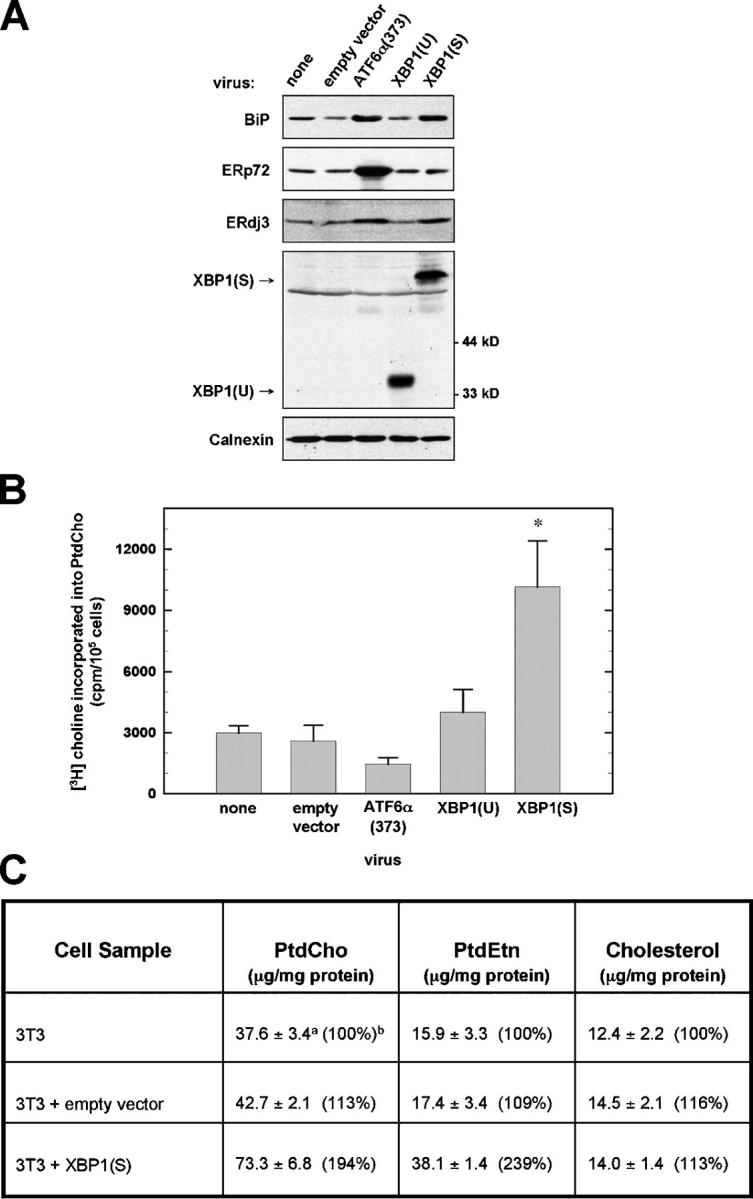
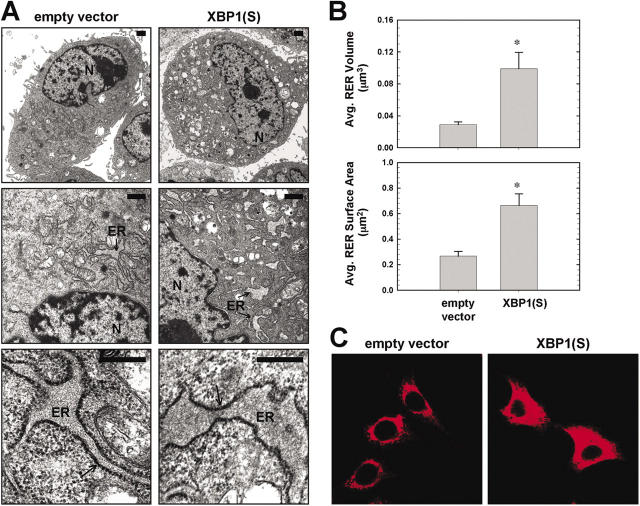
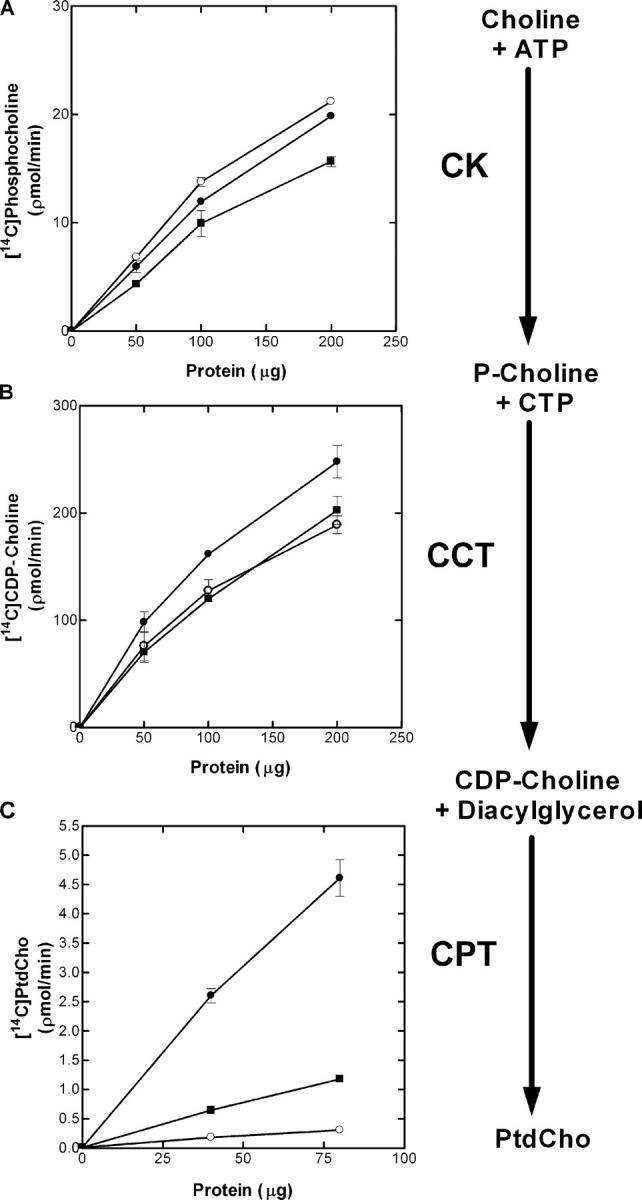
When the protein folding capacity of the endoplasmic reticulum (ER) is challenged, the unfolded protein response (UPR) maintains ER homeostasis by regulating protein synthesis and enhancing expression of resident ER proteins that facilitate protein maturation and degradation. Here, we report that enforced expression of XBP1(S), the active form of the XBP1 transcription factor generated by UPR-mediated splicing of XBP1 mRNA, is sufficient to induce synthesis of phosphatidylcholine, the primary phospholipid of the ER membrane. Cells overexpressing XBP1(S) exhibit elevated levels of membrane phospholipids, increased surface area and volume of rough ER, and enhanced activity of the cytidine diphosphocholine pathway of phosphatidylcholine biosynthesis. These data suggest that XBP1(S) links the mammalian UPR to phospholipid biosynthesis and ER biogenesis.
Overview
The claims and statistics of this paper haven’t been checked yet.
Free: it reads the open-access text and checks the first 5 claims that cite a source we can check. Create a free account to check every claim.
Integrity signals
Registry
Cites
Statistics
Figures


Verification
Claims the paper makes
The claims and statistics of this paper haven’t been checked yet.
Free: it reads the open-access text and checks the first 5 claims that cite a source we can check. Create a free account to check every claim.
Claims other papers make about this one
Each is checked against this paper’s own text: does it say what the citing paper says it does?
In the citing paper
“The increase in lysosomal proteins is consistent with the observations which found that the UPR remodels the lysosome as part of a pro‐survival response (Ron & Hampton, 2004; Sriburi et al, 2004; Brewer et al, 2008; Elfrink et al, 2013).”
From Differential dynamics of the mammalian mRNA and protein expression response to misfolding stress (2016) · cites this paper as Sriburi et al, 2004
Self-check
Percentages, sums and reported differences re-computed from the paper’s own numbers.
The self-check needs the paper’s full text.
Citations
Cites
A RAPID METHOD OF TOTAL LIPID EXTRACTION AND PURIFICATION
Bligh, E. G., & Dyer, W. J. (1959) · Canadian Journal of Biochemistry and Physiology · doi:10.1139/o59-099 · Cited by 54,751
Control of inositol 1,4,5-trisphosphate-induced Ca2+ release by cytosolic Ca2+
Bootman, M. D., Missiaen, L., Parys, J. B., De Smedt, H., & Casteels, R. (1995) · Biochemical Journal · doi:10.1042/bj3060445 · Cited by 5,120
Yoshida, H., Matsui, T., Yamamoto, A., Okada, T., & Mori, K. (2001) · Cell · doi:10.1016/s0092-8674(01)00611-0 · Cited by 4,039
Self-citationMutation of the mouse klotho gene leads to a syndrome resembling ageing
Kuro-o, M., Matsumura, Y., Aizawa, H., Kawaguchi, H., Suga, T., Utsugi, T., Ohyama, Y., Kurabayashi, M., Kaname, T., Kume, E., et al. (1997) · Nature · doi:10.1038/36285 · Cited by 3,837
IRE1 couples endoplasmic reticulum load to secretory capacity by processing the XBP-1 mRNA
Calfon, M., Zeng, H., Urano, F., Till, J. H., Hubbard, S. R., Harding, H. P., Clark, S. G., & Ron, D. (2002) · Nature · doi:10.1038/415092a · Cited by 2,820
Haze, K., Yoshida, H., Yanagi, H., Yura, T., & Mori, K. (1999) · Molecular Biology of the Cell · doi:10.1091/mbc.10.11.3787 · Cited by 2,069
Self-citationLee, A.-H., Iwakoshi, N. N., & Glimcher, L. H. (2003) · Molecular and Cellular Biology · doi:10.1128/mcb.23.21.7448-7459.2003 · Cited by 2,037
Principles and Techniques of Electron Microscopy
Mandal, A. K., Nordquist, J. A., & Hayat, M. A. (1981) · Transactions of the American Microscopical Society · doi:10.2307/3225561 · Cited by 1,433
A trip to the ER: coping with stress
Rutkowski, D. T., & Kaufman, R. J. (2004) · Trends in Cell Biology · doi:10.1016/j.tcb.2003.11.001 · Cited by 1,355
Shaffer, A. L., Shapiro-Shelef, M., Iwakoshi, N. N., Lee, A.-H., Qian, S.-B., Zhao, H., Yu, X., Yang, L., Tan, B. K., Rosenwald, A., et al. (2004) · Immunity · doi:10.1016/j.immuni.2004.06.010 · Cited by 1,054
Research works printed but not linked: 4
- 1959, Can. J. Med. Sci., 37, 911
- 2001, Biochem. J., 355, 19, 10.1042/bj3550019 · doi:10.1042/bj3550019 · Paper page
- 2003, Nat. Immunol., 4, 321
- 2001, Prog. Nucleic Acid Res. Mol. Biol., 65, 361
Cited by
Items 201–300 of 681
Regulatory crosstalk within the mammalian unfolded protein response
Brewer, J. W. (2013) · Cellular and Molecular Life Sciences · doi:10.1007/s00018-013-1490-2 · Cited by 82
Self-citationZha, B. S., Wan, X., Zhang, X., Zha, W., Zhou, J. L., Wabitsch, M., Wang, G., Lyall, V., Hylemon, P. B., & Zhou, H. (2013) · PLoS ONE · doi:10.1371/journal.pone.0059514 · Cited by 80
Phellinus linteus activates different pathways to induce apoptosis in prostate cancer cells
Zhu, T., Guo, J., Collins, L., Kelly, J., Xiao, Z. J., Kim, S.-H., & Chen, C.-Y. (2007) · British Journal of Cancer · doi:10.1038/sj.bjc.6603595 · Cited by 79
UPR ER promotes lipophagy independent of chaperones to extend life span
Daniele, J. R., Higuchi‐Sanabria, R., Durieux, J., Monshietehadi, S., Ramachandran, V., Tronnes, S. U., Kelet, N., Sanchez, M., Metcalf, M. G., Garcia, G., et al. (2020) · Science Advances · doi:10.1126/sciadv.aaz1441 · Cited by 80
The Unfolded Protein Response as a Guardian of the Secretory Pathway
Radanović, T., & Ernst, R. (2021) · Cells · doi:10.3390/cells10112965 · Cited by 80
Li, H., Zhang, X., Wu, T., Cheng, W., Liu, X., Jiang, T.-T., Wen, J., Li, J., Ma, Q., & Hua, Z. (2013) · Journal of Biological Chemistry · doi:10.1074/jbc.m112.407296 · Cited by 78
Ambrose, R. L., & Mackenzie, J. M. (2012) · Journal of Virology · doi:10.1128/jvi.02097-12 · Cited by 78
Kubisch, C. H., & Logsdon, C. D. (2007) · American Journal of Physiology-Gastrointestinal and Liver Physiology · doi:10.1152/ajpgi.00078.2007 · Cited by 80
Endoplasmic reticulum stress, an important factor in the development of Parkinson’s disease
Mou, Z., Yuan, Y., Zhang, Z., Song, L.-K., & Chen, N. (2020) · Toxicology Letters · doi:10.1016/j.toxlet.2020.01.019 · Cited by 79
O’Sullivan, N. C., Jahn, T. R., Reid, E., & O’Kane, C. J. (2012) · Human Molecular Genetics · doi:10.1093/hmg/dds167 · Cited by 82
Targeting unfolded protein response signaling pathways to ameliorate protein misfolding diseases
Ryno, L. M., Wiseman, R. L., & Kelly, J. W. (2013) · Current Opinion in Chemical Biology · doi:10.1016/j.cbpa.2013.04.009 · Cited by 75
FIT2 organizes lipid droplet biogenesis with ER tubule-forming proteins and septins
Chen, F., Yan, B., Ren, J., Lyu, R., Wu, Y., Guo, Y., Li, D., Zhang, H., & Hu, J. (2021) · The Journal of Cell Biology · doi:10.1083/jcb.201907183 · Cited by 80
ER Stress and Lipid Metabolism in Adipocytes
Zha, B. S., & Zhou, H. (2012) · Biochemistry Research International · doi:10.1155/2012/312943 · Cited by 79
Endoplasmic Reticulum Stress and Unfolded Protein Response in Infection By Intracellular Parasites
Galluzzi, L., Diotallevi, A., & Magnani, M. (2017) · Future Science OA · doi:10.4155/fsoa-2017-0020 · Cited by 76
Rath, E., & Haller, D. (2011) · European Journal of Nutrition · doi:10.1007/s00394-011-0197-0 · Cited by 76
Recent advances in dengue pathogenesis and clinical management
Simmons, C. P., McPherson, K., Châu, N. V. V., Tam, D. T. H., Young, P. R., Mackenzie, J. M., & Wills, B. A. (2015) · Vaccine · doi:10.1016/j.vaccine.2015.09.103 · Cited by 89
Gaspar, M. L., Jesch, S. A., Viswanatha, R., Antosh, A. L., Brown, W. J., Kohlwein, S. D., & Henry, S. A. (2008) · Journal of Biological Chemistry · doi:10.1074/jbc.m802685200 · Cited by 82
Insights into the role of endoplasmic reticulum stress in skin function and associated diseases
Park, K., Lee, S. E., Shin, K., & Uchida, Y. (2018) · FEBS Journal · doi:10.1111/febs.14739 · Cited by 79
Tirosh, B., Iwakoshi, N. N., Glimcher, L. H., & Ploegh, H. L. (2005) · The Journal of Experimental Medicine · doi:10.1084/jem.20050575 · Cited by 75
Peña, J., & Harris, E. (2012) · PLoS ONE · doi:10.1371/journal.pone.0038202 · Cited by 79
Endoplasmic reticulum stress and the ER mitochondria calcium cycle in amyotrophic lateral sclerosis
Lautenschläger, J., Prell, T., & Großkreutz, J. (2012) · Amyotrophic Lateral Sclerosis · doi:10.3109/17482968.2011.641569 · Cited by 82
He, J., Zhang, F., Tay, L. W. R., Boroda, S., Nian, W., Levental, K. R., Levental, I., Harris, T. E., Chang, J. T., & Du, G. (2017) · The FASEB Journal · doi:10.1096/fj.201601353r · Cited by 74
Lipid bilayer stress-activated IRE-1 modulates autophagy during endoplasmic reticulum stress
Koh, J. H., Wang, L., Beaudoin‐Chabot, C., & Thibault, G. (2018) · Journal of Cell Science · doi:10.1242/jcs.217992 · Cited by 76
Fun, X. H., & Thibault, G. (2019) · Biochimica et Biophysica Acta (BBA) - Molecular and Cell Biology of Lipids · doi:10.1016/j.bbalip.2019.04.009 · Cited by 78
Clarke, R. C., Shajahan‐Haq, A. N., Riggins, R. B., Cho, Y., Crawford, A. C., Xuan, J., Wang, Y., Zwart, A. L., Nehra, R., & Liu, M. (2009) · The Journal of Steroid Biochemistry and Molecular Biology · doi:10.1016/j.jsbmb.2008.12.023 · Cited by 73
Episcopio, D., Aminov, S., Benjamin-Davalos, S., Germain, G., Datan, E., Landazuri, J., Lockshin, R. A., & Zakeri, Z. F. (2019) · The FASEB Journal · doi:10.1096/fj.201900428rr · Cited by 73
The role of X-box binding protein-1 in tumorigenicity
Shajahan‐Haq, A. N., Riggins, R. B., & Clarke, R. C. (2009) · Drug News & Perspectives · doi:10.1358/dnp.2009.22.5.1378631 · Cited by 72
Leithner, K., Triebl, A., Trötzmüller, M., Hinteregger, B., Leko, P., Wieser, B. I., Grasmann, G., Bertsch, A., Züllig, T., Stacher, E., et al. (2018) · Proceedings of the National Academy of Sciences · doi:10.1073/pnas.1719871115 · Cited by 71
Cytokine secretion requires phosphatidylcholine synthesis
Tian, Y., Pate, C., Andreolotti, A. G., Wang, L., TUOMANEN, E. I., Boyd, K. L., Claro, E., & Jackowski, S. (2008) · The Journal of Cell Biology · doi:10.1083/jcb.200706152 · Cited by 70
Self-citationHendershot, L. M., Buck, T. M., & Brodsky, J. L. (2023) · Journal of Molecular Biology · doi:10.1016/j.jmb.2023.168418 · Cited by 74
La réponse UPR: Son rôle physiologique et physiopathologique
Foufelle, F., & Ferré, P. (2007) · médecine/sciences · doi:10.1051/medsci/2007233291 · Cited by 69
Lipin — The bridge between hepatic glycerolipid biosynthesis and lipoprotein metabolism
Khalil, M. B., Blais, A., Figeys, D., & Yao, Z. (2010) · Biochimica et Biophysica Acta (BBA) - Molecular and Cell Biology of Lipids · doi:10.1016/j.bbalip.2010.07.008 · Cited by 71
Interacting Cancer Machineries: Cell Signaling, Lipid Metabolism, and Epigenetics
Grunt, T. W. (2017) · Trends in Endocrinology and Metabolism · doi:10.1016/j.tem.2017.11.003 · Cited by 70
Biogenesis of secretory organelles during B cell differentiation
Kirk, S. J., Cliff, J. M., Thomas, J. A., & Ward, T. H. (2009) · Journal of Leukocyte Biology · doi:10.1189/jlb.1208774 · Cited by 68
CHOP deficiency results in elevated lipopolysaccharide-induced inflammation and kidney injury
Esposito, V., Grosjean, F., Tan, M. J., Huang, L., Zhu, L., Chen, J., Xiong, H., Striker, G. E., & Zheng, F. (2012) · American Journal of Physiology-Renal Physiology · doi:10.1152/ajprenal.00487.2011 · Cited by 68
Jaronen, M., Goldsteins, G., & Koistinaho, J. (2014) · Frontiers in Cellular Neuroscience · doi:10.3389/fncel.2014.00402 · Cited by 67
Phosphorylation of IRE1 at S729 regulates RIDD in B cells and antibody production after immunization
Tang, C.-H. A., Chang, S., Paton, A. W., Paton, J. C., Gabrilovich, D. I., Ploegh, H. L., Valle, J. R. D., & Hu, C. A. (2018) · The Journal of Cell Biology · doi:10.1083/jcb.201709137 · Cited by 69
Kettel, P., & Karagöz, G. E. (2024) · The International Journal of Biochemistry & Cell Biology · doi:10.1016/j.biocel.2024.106598 · Cited by 69
The Unfolded Protein Response and Diabetic Retinopathy
Hongjie, J., Wang, J. J., & Zhang, S. X. (2014) · Journal of Diabetes Research · doi:10.1155/2014/160140 · Cited by 68
Calcium Homeostasis and Ionic Mechanisms in Pulmonary Fibroblasts
Janssen, L. J., Mukherjee, S., & Ask, K. (2015) · American Journal of Respiratory Cell and Molecular Biology · doi:10.1165/rcmb.2014-0269tr · Cited by 63
Gao, P., Chai, Y., Song, J., Liu, T., Chen, P., Zhou, L., Ge, X., Guo, X., Han, J., & Yang, H. (2019) · PLoS Pathogens · doi:10.1371/journal.ppat.1008169 · Cited by 66
Nonmuscle Myosin IIB Links Cytoskeleton to IRE1α Signaling during ER Stress
He, Y., Beatty, A., Han, X., Ji, Y., Ma, X., Adelstein, R. S., Yates, J. R., Kemphues, K. J., & Qi, L. (2012) · Developmental Cell · doi:10.1016/j.devcel.2012.11.006 · Cited by 70
Stress hypERactivation in the β-cell
Fonseca, S. G., Urano, F., Burcin, M. M., & Gromada, J. (2010) · Islets · doi:10.4161/isl.2.1.10456 · Cited by 71
Hager, L., Li, L., Pun, H., Liu, L., Hossain, M. A., Maguire, G. F., Naples, M., Baker, C., Magomedova, L., Tam, J., et al. (2012) · Journal of Biological Chemistry · doi:10.1074/jbc.m112.340919 · Cited by 61
Endoplasmic Reticulum Stress and the Making of a Professional Secretory Cell
van Anken, E., & Braakman, I. (2005) · Critical Reviews in Biochemistry and Molecular Biology · doi:10.1080/10409230500315352 · Cited by 71
Montgomery, M. T., Sajuthi, S. P., Cho, S., Everman, J. L., Rios, C. L., Goldfarbmuren, K. C., Jackson, N. D., Saef, B. A., Cromie, M. M., Eng, C. S., et al. (2020) · American Journal of Respiratory Cell and Molecular Biology · doi:10.1165/rcmb.2019-0454oc · Cited by 68
Calcium-dependent protein folding in amyotrophic lateral sclerosis
Prell, T., Lautenschläger, J., & Großkreutz, J. (2013) · Cell Calcium · doi:10.1016/j.ceca.2013.05.007 · Cited by 67
Spliced or Unspliced, That Is the Question: The Biological Roles of XBP1 Isoforms in Pathophysiology
Luo, X., Alfason, L., Wei, M., Wu, S., & Kasim, V. (2022) · International Journal of Molecular Sciences · doi:10.3390/ijms23052746 · Cited by 66
Diabetes as a disease of endoplasmic reticulum stress
Thomas, S. E., Dalton, L. E., Daly, M., Malzer, E., & Marciniak, S. J. (2010) · Diabetes/Metabolism Research and Reviews · doi:10.1002/dmrr.1132 · Cited by 63
Lipid bilayer stress in obesity-linked inflammatory and metabolic disorders
Gianfrancesco, M. A., Paquot, N., Piette, J. G., & Legrand-Poels, S. (2018) · Biochemical Pharmacology · doi:10.1016/j.bcp.2018.02.022 · Cited by 63
Saito, A., & Imaizumi, K. (2018) · International Journal of Molecular Sciences · doi:10.3390/ijms19103215 · Cited by 64
Unfolded Protein Response after Neurotrauma
Larner, S. F., Hayes, R. L., & Wang, K. (2006) · Journal of Neurotrauma · doi:10.1089/neu.2006.23.807 · Cited by 64
UFMylation inhibits the proinflammatory capacity of interferon-γ–activated macrophages
Balce, D. R., Wang, Y., McAllaster, M. R., Dunlap, B. F., Orvedahl, A., Hykes, B. L., Droit, L., Handley, S. A., Wilen, C. B., Doench, J. G., et al. (2020) · Proceedings of the National Academy of Sciences · doi:10.1073/pnas.2011763118 · Cited by 62
Transcriptional regulation of phosphatidylcholine biosynthesis
Sugimoto, H., Banchio, C., & Vance, D. E. (2008) · Progress in Lipid Research · doi:10.1016/j.plipres.2008.01.002 · Cited by 66
Hussain, H., Maldonado‐Agurto, R., & Dickson, A. J. (2014) · Biotechnology Letters · doi:10.1007/s10529-014-1537-y · Cited by 68
Inhibition of IRE1α RNase activity reduces NLRP3 inflammasome assembly and processing of pro-IL1β
Talty, A., Deegan, S., Ljujić, M., Mnich, K., Naicker, S. D., Quandt, D., Zeng, Q., Patterson, J. B., Gorman, A. M., Griffin, M. D., et al. (2019) · Cell Death and Disease · doi:10.1038/s41419-019-1847-z · Cited by 62
Role of unfolded protein response in lipogenesis
Zheng, Z., Zhang, C., & Zhang, K. (2010) · World Journal of Hepatology · doi:10.4254/wjh.v2.i6.203 · Cited by 63
Dampening Ab responses using proteasome inhibitors following in vivo B cell activation
Cascio, P., Oliva, L., Cerruti, F., Mariani, E., Pasqualetto, E., Cenci, S., & Sitia, R. (2008) · European Journal of Immunology · doi:10.1002/eji.200737743 · Cited by 64
Auner, H. W., Moody, A. M., Ward, T. H., Kraus, M., Milan, E., May, P. C., Chaidos, A., Driessen, C., Cenci, S., Dazzi, F., et al. (2013) · PLoS ONE · doi:10.1371/journal.pone.0074415 · Cited by 59
Proteostenosis and plasma cell pathophysiology
Cenci, S., van Anken, E., & Sitia, R. (2010) · Current Opinion in Cell Biology · doi:10.1016/j.ceb.2010.11.004 · Cited by 64
Namba, T., Chu, K., Kodama, R., Byun, S., Yoon, K. W., Hiraki, M., Mandinova, A., & Lee, S. W. (2015) · Oncotarget · doi:10.18632/oncotarget.4598 · Cited by 60
Aragon, I. V., Barrington, R. A., Jackowski, S., Mori, K., & Brewer, J. W. (2012) · Molecular Immunology · doi:10.1016/j.molimm.2012.04.001 · Cited by 61
Self-citationRapamycin Inhibits Postprandial-Mediated X-Box-Binding Protein-1 Splicing in Rat Liver
Pfaffenbach, K. T., Nivala, A. M., Reese, L., Ellis, F., Wang, D., Wei, Y., & Pagliassotti, M. J. (2010) · Journal of Nutrition · doi:10.3945/jn.109.119883 · Cited by 58
Martelli, A. M., Evangelisti, C., Chiarini, F., Grimaldi, C., & McCubrey, J. A. (2010) · Cancers · doi:10.3390/cancers2031576 · Cited by 59
Parasite‐induced ER stress response in hepatocytes facilitates Plasmodium liver stage infection
Inácio, P., Zuzarte‐Luís, V., Ruivo, M. T. G., Falkard, B., Nagaraj, N., Rooijers, K., Mann, M., Mair, G. R., Fidock, D. A., & Mota, M. M. (2015) · EMBO Reports · doi:10.15252/embr.201439979 · Cited by 62
Plasma cells: You are what you eat
D’Souza, L. J., & Bhattacharya, D. (2019) · Immunological Reviews · doi:10.1111/imr.12732 · Cited by 61
Gjymishka, A., Su, N. Y., & Kilberg, M. S. (2008) · Biochemical Journal · doi:10.1042/bj20081706 · Cited by 62
Gunn, K., & Brewer, J. W. (2006) · The Journal of Immunology · doi:10.4049/jimmunol.177.6.3791 · Cited by 62
Self-citationClarke, R. C., Shajahan‐Haq, A. N., Wang, Y., Tyson, J. J., Riggins, R. B., Weiner, L. M., Baumann, W., Xuan, J., Zhang, B., Facey, C. O. B., et al. (2011) · Hormone Molecular Biology and Clinical Investigation · doi:10.1515/hmbci.2010.073 · Cited by 57
Generic membrane-spanning features endow IRE1α with responsiveness to membrane aberrancy
Kono, N., Amin-Wetzel, N., & Ron, D. (2017) · Molecular Biology of the Cell · doi:10.1091/mbc.e17-03-0144 · Cited by 60
Endothelial damage and stem cell repair in atherosclerosis
Bai, X., Wang, X., & Xu, Q. (2010) · Vascular Pharmacology · doi:10.1016/j.vph.2010.02.001 · Cited by 56
Bhatia, H., Verma, G., & Datta, M. (2014) · Biochimica et Biophysica Acta (BBA) - Gene Regulatory Mechanisms · doi:10.1016/j.bbagrm.2014.02.009 · Cited by 60
Regulation of the unfolded protein response by microRNAs
Bartoszewska, S., Kochan, K., Madanecki, P., Piotrowski, A., Ochocka, R., Collawn, J., & Bartoszewski, R. (2013) · Cellular and Molecular Biology Letters · doi:10.2478/s11658-013-0106-z · Cited by 55
Jesch, S. A., Liu, P., Zhao, X., Wells, M. T., & Henry, S. A. (2006) · Journal of Biological Chemistry · doi:10.1074/jbc.m604541200 · Cited by 65
Fu, X. L., & Gao, D. S. (2014) · BioFactors · doi:10.1002/biof.1194 · Cited by 58
Rath, E., & Haller, D. (2011) · Inflammatory Bowel Diseases · doi:10.1002/ibd.21944 · Cited by 56
Lee, J., Oney, M., Frizzell, K., Phadnis, N., & Hollien, J. (2015) · G3 Genes Genomes Genetics · doi:10.1534/g3.115.017269 · Cited by 59
Qiu, W., Su, Q., Rutledge, A. C., Zhang, J., & Adeli, K. (2009) · Journal of Lipid Research · doi:10.1194/jlr.m800343-jlr200 · Cited by 50
Endotoxin causes functional endoplasmic reticulum failure, possibly mediated by mitochondria
Kozlov, A. V., Duvigneau, J. C., Miller, I., Nürnberger, S., Gesslbauer, B., Kungl, A. J., Öhlinger, W., Hartl, R. T., Gille, L., Staniek, K., et al. (2009) · Biochimica et Biophysica Acta (BBA) - Molecular Basis of Disease · doi:10.1016/j.bbadis.2009.03.004 · Cited by 54
Kim, S. Y., Kyaw, Y. Y., & Cheong, J. (2017) · World Journal of Gastroenterology · doi:10.3748/wjg.v23.i43.7657 · Cited by 55
Adipocyte Xbp1s overexpression drives uridine production and reduces obesity
Deng, Y., Wang, Z. V., Gordillo, R., Zhu, Y., Ali, A., Zhang, C., Wang, X., Shao, M., Zhang, Z., Iyengar, P., et al. (2018) · Molecular Metabolism · doi:10.1016/j.molmet.2018.02.013 · Cited by 54
Salmonella exploits HLA-B27 and host unfolded protein responses to promote intracellular replication
Antoniou, A. N., Lenart, I., Kriston-Vizi, J., Iwawaki, T., Turmaine, M., McHugh, K., Ali, S., BLAKE, N. W., Bowness, P., Bajaj‐Elliott, M., et al. (2018) · Annals of the Rheumatic Diseases · doi:10.1136/annrheumdis-2018-213532 · Cited by 54
D’Antonio, M., Feltri, M. L., & Wrabetz, L. G. (2009) · Journal of Neuroscience Research · doi:10.1002/jnr.22066 · Cited by 54
Aizawa, S., Okamoto, T., Sugiyama, Y., Kouwaki, T., Ito, A., Suzuki, T., Ono, C., Fukuhara, T., Yamamoto, M., Okochi, M., et al. (2016) · Nature Communications · doi:10.1038/ncomms11379 · Cited by 52
The unfolded protein response in models of human mutant G93A amyotrophic lateral sclerosis
Prell, T., Lautenschläger, J., Witte, O. W., Carrì, M. T., & Großkreutz, J. (2012) · European Journal of Neuroscience · doi:10.1111/j.1460-9568.2012.08008.x · Cited by 54
Endoplasmic Reticulum Stress in Chronic Obstructive Lung Diseases
Ribeiro, C. M. P., & O’Neal, W. K. (2012) · Current Molecular Medicine · doi:10.2174/156652412801318791 · Cited by 51
Endoplasmic Reticulum Stress in Arterial Smooth Muscle Cells: A Novel Regulator of Vascular Disease
Shanahan, C. M., & Furmanik, M. (2016) · Current Cardiology Reviews · doi:10.2174/1573403x12666161014094738 · Cited by 54
Yang, J., Chen, C., McLaughlin, T., Wang, Y., Le, Y.-Z., Wang, J. J., & Zhang, S. X. (2019) · Diabetologia · doi:10.1007/s00125-018-4776-y · Cited by 51
Four-dimensional nuclear speckle phase separation dynamics regulate proteostasis
Dion, W. A., Ballance, H. I., Lee, J., Pan, Y., Irfan, S., Edwards, C., Sun, M., Zhang, J., Zhang, X., Liu, S., et al. (2022) · Science Advances · doi:10.1126/sciadv.abl4150 · Cited by 51
McGehee, A. M., Dougan, S. K., Klemm, E. J., Shui, G., Park, B., Kim, Y.-M., Watson, N., Wenk, M. R., Ploegh, H. L., & Hu, C.-C. A. (2009) · The Journal of Immunology · doi:10.4049/jimmunol.0900953 · Cited by 49
Kobylewski, S. E., Henderson, K. A., Yamada, K. E., & Eckhert, C. D. (2016) · Biological Trace Element Research · doi:10.1007/s12011-016-0824-y · Cited by 49
Wang, D., Hou, C., Cao, Y., Cheng, Q.-Y., Zhang, L., Li, H., Feng, L., & Shen, Y. (2018) · The International Journal of Biochemistry & Cell Biology · doi:10.1016/j.biocel.2018.04.007 · Cited by 52
Knockdown of p180 Eliminates the Terminal Differentiation of a Secretory Cell Line
Benyamini, P., Webster, P. C., & Meyer, D. I. (2008) · Molecular Biology of the Cell · doi:10.1091/mbc.e08-07-0682 · Cited by 53
Ribeiro, C. M. P. (2006) · Drugs in R&D · doi:10.2165/00126839-200607010-00002 · Cited by 51
Sánchez‐Álvarez, M., del Pozo, M. Á., & Bakal, C. (2017) · Scientific Reports · doi:10.1038/s41598-017-16662-1 · Cited by 49
Zaman, M. F., Nenadic, A., Radojičić, A., Rosado, A., & Beh, C. T. (2020) · Frontiers in Cell and Developmental Biology · doi:10.3389/fcell.2020.00675 · Cited by 51
Plasma cell survival: The intrinsic drivers, migratory signals, and extrinsic regulators
Nguyen, D. C., Duan, M., Ali, M., Ley, A. M., Sanz, I., & Lee, F. E.-H. (2021) · Immunological Reviews · doi:10.1111/imr.13013 · Cited by 52
Transcriptomic response of Arabidopsis thaliana to tunicamycin-induced endoplasmic reticulum stress
Iwata, Y., Sakiyama, M., Lee, M., & Koizumi, N. (2010) · Plant Biotechnology · doi:10.5511/plantbiotechnology.27.161 · Cited by 50
Kennelly, J. P., Carlin, S., Ju, T., van der Veen, J. N., Nelson, R. C., Buteau, J., Thiesen, A., Richard, C., Willing, B. P., & Jacobs, R. L. (2020) · Cellular and Molecular Gastroenterology and Hepatology · doi:10.1016/j.jcmgh.2020.11.006 · Cited by 50
Shah, P. P., & Beverly, L. J. (2015) · Oncotarget · doi:10.18632/oncotarget.3918 · Cited by 50
Metadata
- Authors
- Sriburi, R., Jackowski, S., Mori, K., & Brewer, J. W.
- Affiliations
- Loyola University Chicago (US)
- St. Jude Children's Research Hospital (US)
- Kyoto University (JP)
- Venue
- The Journal of Cell Biology
- Publisher
- Rockefeller University Press
- Published
- 2004-10-04
- Volume
- 167
- Issue
- 1
- Pages
- 35-41
- ISSN
- 0021-9525 (ISSN-L)
- 1540-8140
- PMC
- PMC2172532
- OpenAlex
- W2005129842
- Cited by
- 653
- References
- 33
- Citations by year
- 2026: 19 · 2025: 18 · 2024: 28 · 2023: 26 · 2022: 29 · 2021: 30 · 2020: 32 · 2019: 39 · 2018: 31 · 2017: 34 · 2016: 22 · 2015: 32 · 2014: 34 · 2013: 27 · 2012: 37
- FWCI
- 9.57
- Type
- journal article
- Language
- en
- Open access
- bronze
- doi.org
- Locations
- The Journal of Cell Biology (publishedVersion)
- PubMed Central (publishedVersion, cc-by-nc-sa)
- PubMed (publishedVersion)
- Funders
- American Lebanese Syrian Associated Charities (GM45737, CA 21765)
- National Institutes of Health (CA21765))
- National Cancer Institute (CA21765, P30CA021765)
- National Institute of General Medical Sciences (R01GM061970, R01GM045737, GM61970, GM45737)
- Topics
- Life Sciences › Biochemistry, Genetics and Molecular Biology › Cell Biology › Endoplasmic Reticulum Stress and Disease
- Life Sciences › Biochemistry, Genetics and Molecular Biology › Cell Biology › Cellular transport and secretion
- Life Sciences › Neuroscience › Sensory Systems › Ion Channels and Receptors
- Keywords
- XBP1, unfolded protein response, endoplasmic reticulum, phosphatidylcholine synthesis, XBP1 splicing, ER homeostasis
- MeSH terms
- Regulatory Factor X Transcription Factors, X-Box Binding Protein 1, Animals, DNA-Binding Proteins, Dose-Response Relationship, Drug, Endoplasmic Reticulum, Fibroblasts, Microscopy, Fluorescence, Models, Biological, Nuclear Proteins, Phosphatidylcholines, Phospholipids, Plasmids, RNA Splicing, RNA, Messenger, Time Factors, Transcription Factors, Blotting, Northern, Transcriptional Activation, 3T3 Cells, Protein Folding, Protein Isoforms, Reverse Transcriptase Polymerase Chain Reaction, NIH 3T3 Cells, Mice
About these checks
Registry, retraction, Cites and statistics results are computed, not judged, with one exception: a printed reference that no index lists is read once by a model before it counts as a citation error. Claims are extracted by a model and kept only when their quote appears verbatim in the text; each cited source is then checked, with a model’s help, for whether it says what the claim relies on. Those verdicts can be wrong — read the claim’s quote and the cited source before relying on one.
Statistics and arithmetic are recomputed, not judged.
Confidence bands are shown only for fields calibrated on our annotated test set. None is calibrated yet, so no band is shown.
What counts as a claim ›How we measure confidence ›How we check this ›
Are you an author, or do you see a problem with this page? Request a review
Data sources
Bibliographic data: Semantic Scholar, OpenAlex, Crossref.
Contains information from the Semantic Scholar Academic Graph Datasets, made available under the ODC Attribution License (ODC-BY 1.0).
Semantic Scholar’s data is described in: Kinney, R., et al. (2023). The Semantic Scholar Open Data Platform. arXiv:2301.10140.
