

XBP1
Open accessThe DOI matches its Crossref record; 34 of the 34 references it cites were found in a registry or an index.
Abstract
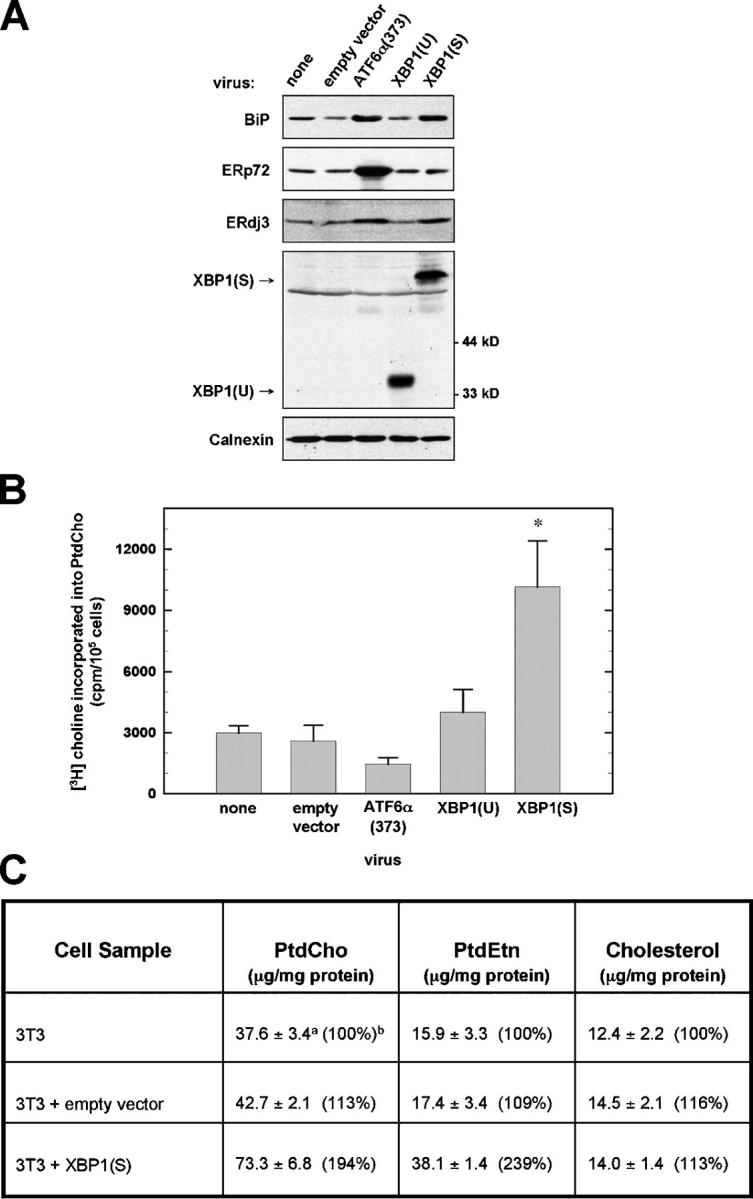
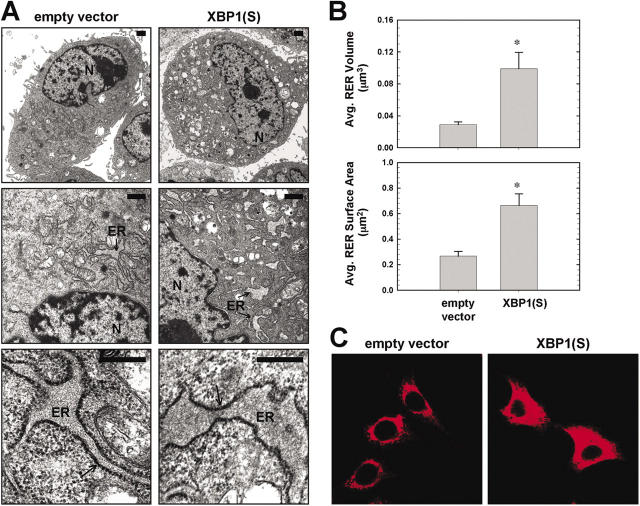
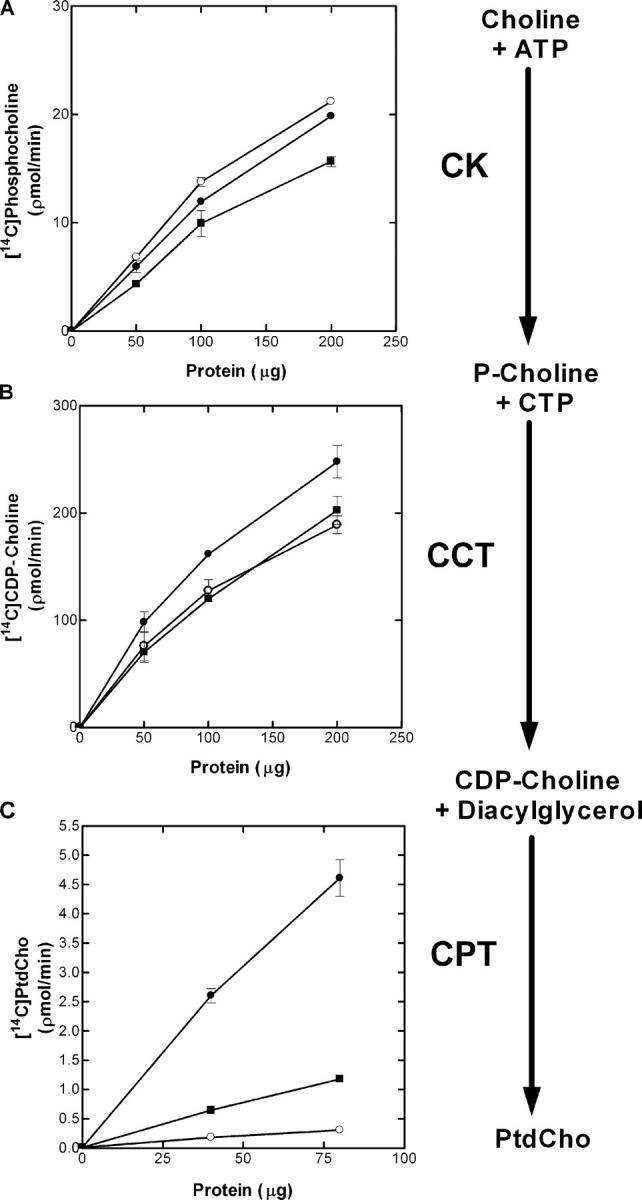
When the protein folding capacity of the endoplasmic reticulum (ER) is challenged, the unfolded protein response (UPR) maintains ER homeostasis by regulating protein synthesis and enhancing expression of resident ER proteins that facilitate protein maturation and degradation. Here, we report that enforced expression of XBP1(S), the active form of the XBP1 transcription factor generated by UPR-mediated splicing of XBP1 mRNA, is sufficient to induce synthesis of phosphatidylcholine, the primary phospholipid of the ER membrane. Cells overexpressing XBP1(S) exhibit elevated levels of membrane phospholipids, increased surface area and volume of rough ER, and enhanced activity of the cytidine diphosphocholine pathway of phosphatidylcholine biosynthesis. These data suggest that XBP1(S) links the mammalian UPR to phospholipid biosynthesis and ER biogenesis.
Overview
The claims and statistics of this paper haven’t been checked yet.
Free: it reads the open-access text and checks the first 5 claims that cite a source we can check. Create a free account to check every claim.
Integrity signals
Registry
Cites
Statistics
Figures


Verification
Claims the paper makes
The claims and statistics of this paper haven’t been checked yet.
Free: it reads the open-access text and checks the first 5 claims that cite a source we can check. Create a free account to check every claim.
Claims other papers make about this one
Each is checked against this paper’s own text: does it say what the citing paper says it does?
In the citing paper
“The increase in lysosomal proteins is consistent with the observations which found that the UPR remodels the lysosome as part of a pro‐survival response (Ron & Hampton, 2004; Sriburi et al, 2004; Brewer et al, 2008; Elfrink et al, 2013).”
From Differential dynamics of the mammalian mRNA and protein expression response to misfolding stress (2016) · cites this paper as Sriburi et al, 2004
Self-check
Percentages, sums and reported differences re-computed from the paper’s own numbers.
The self-check needs the paper’s full text.
Citations
Cites
A RAPID METHOD OF TOTAL LIPID EXTRACTION AND PURIFICATION
Bligh, E. G., & Dyer, W. J. (1959) · Canadian Journal of Biochemistry and Physiology · doi:10.1139/o59-099 · Cited by 54,751
Control of inositol 1,4,5-trisphosphate-induced Ca2+ release by cytosolic Ca2+
Bootman, M. D., Missiaen, L., Parys, J. B., De Smedt, H., & Casteels, R. (1995) · Biochemical Journal · doi:10.1042/bj3060445 · Cited by 5,120
Yoshida, H., Matsui, T., Yamamoto, A., Okada, T., & Mori, K. (2001) · Cell · doi:10.1016/s0092-8674(01)00611-0 · Cited by 4,039
Self-citationMutation of the mouse klotho gene leads to a syndrome resembling ageing
Kuro-o, M., Matsumura, Y., Aizawa, H., Kawaguchi, H., Suga, T., Utsugi, T., Ohyama, Y., Kurabayashi, M., Kaname, T., Kume, E., et al. (1997) · Nature · doi:10.1038/36285 · Cited by 3,837
IRE1 couples endoplasmic reticulum load to secretory capacity by processing the XBP-1 mRNA
Calfon, M., Zeng, H., Urano, F., Till, J. H., Hubbard, S. R., Harding, H. P., Clark, S. G., & Ron, D. (2002) · Nature · doi:10.1038/415092a · Cited by 2,820
Haze, K., Yoshida, H., Yanagi, H., Yura, T., & Mori, K. (1999) · Molecular Biology of the Cell · doi:10.1091/mbc.10.11.3787 · Cited by 2,069
Self-citationLee, A.-H., Iwakoshi, N. N., & Glimcher, L. H. (2003) · Molecular and Cellular Biology · doi:10.1128/mcb.23.21.7448-7459.2003 · Cited by 2,037
Principles and Techniques of Electron Microscopy
Mandal, A. K., Nordquist, J. A., & Hayat, M. A. (1981) · Transactions of the American Microscopical Society · doi:10.2307/3225561 · Cited by 1,433
A trip to the ER: coping with stress
Rutkowski, D. T., & Kaufman, R. J. (2004) · Trends in Cell Biology · doi:10.1016/j.tcb.2003.11.001 · Cited by 1,355
Shaffer, A. L., Shapiro-Shelef, M., Iwakoshi, N. N., Lee, A.-H., Qian, S.-B., Zhao, H., Yu, X., Yang, L., Tan, B. K., Rosenwald, A., et al. (2004) · Immunity · doi:10.1016/j.immuni.2004.06.010 · Cited by 1,054
Research works printed but not linked: 4
- 1959, Can. J. Med. Sci., 37, 911
- 2001, Biochem. J., 355, 19, 10.1042/bj3550019 · doi:10.1042/bj3550019 · Paper page
- 2003, Nat. Immunol., 4, 321
- 2001, Prog. Nucleic Acid Res. Mol. Biol., 65, 361
Cited by
Signal integration in the endoplasmic reticulum unfolded protein response
Ron, D., & Walter, P. (2007) · Nature Reviews Molecular Cell Biology · doi:10.1038/nrm2199 · Cited by 6,296
THE MAMMALIAN UNFOLDED PROTEIN RESPONSE
Schröder, M., & Kaufman, R. J. (2005) · Annual Review of Biochemistry · doi:10.1146/annurev.biochem.73.011303.074134 · Cited by 3,026
Mechanisms, regulation and functions of the unfolded protein response
Hetz, C., Zhang, K., & Kaufman, R. J. (2020) · Nature Reviews Molecular Cell Biology · doi:10.1038/s41580-020-0250-z · Cited by 2,666
Endoplasmic reticulum stress in liver disease
Malhi, H., & Kaufman, R. J. (2011) · Journal of Hepatology · doi:10.1016/j.jhep.2010.11.005 · Cited by 1,173
Yoshida, H. (2007) · The FEBS Journal · doi:10.1111/j.1742-4658.2007.05639.x · Cited by 1,086
Autophagy Counterbalances Endoplasmic Reticulum Expansion during the Unfolded Protein Response
Bernales, S., McDonald, K. L., & Walter, P. (2006) · PLoS Biology · doi:10.1371/journal.pbio.0040423 · Cited by 1,007
Islet Amyloid Polypeptide, Islet Amyloid, and Diabetes Mellitus
Westermark, P., Andersson, A., & Westermark, G. T. (2011) · Physiological Reviews · doi:10.1152/physrev.00042.2009 · Cited by 1,044
Endoplasmic reticulum stress signalling-from basic mechanisms to clinical applications
Almanza, A., Carlesso, A., Chintha, C., Creedican, S., Doultsinos, D., Leuzzi, B., Luís, A., McCarthy, N., Montibeller, L., More, S., et al. (2019) · The FEBS Journal · doi:10.1111/febs.14608 · Cited by 1,034
Regulation of Hepatic Lipogenesis by the Transcription Factor XBP1
Lee, A.-H., Scapa, E. F., Cohen, D. E., & Glimcher, L. H. (2008) · Science · doi:10.1126/science.1158042 · Cited by 977
Endoplasmic Reticulum Stress Signaling in Disease
Marciniak, S. J., & Ron, D. (2006) · Physiological Reviews · doi:10.1152/physrev.00015.2006 · Cited by 945
ER Stress Sensor XBP1 Controls Anti-tumor Immunity by Disrupting Dendritic Cell Homeostasis
Cubillos-Ruiz, J. R., Silberman, P. C., Rutkowski, M. R., Chopra, S., Perales-Puchalt, A., Song, M., Zhang, S., Bettigole, S. E., Gupta, D., Holcomb, K., et al. (2015) · Cell · doi:10.1016/j.cell.2015.05.025 · Cited by 933
“Consistent with previous reports linking XBP1 and lipid biosynthesis (Lee et al., 2008; Sriburi et al., 2004), we found that enhanced intracellular lipid accumulation by tDCs required ROS generation and IRE1a/XBP1 activation.”
BackgroundFrom acute ER stress to physiological roles of the Unfolded Protein Response
Wu, J., & Kaufman, R. J. (2006) · Cell Death & Differentiation · doi:10.1038/sj.cdd.4401840 · Cited by 868
ER stress: Autophagy induction, inhibition and selection
Rashid, H.-O., Yadav, R. K., Kim, H.-R., & Chae, H.-J. (2015) · Autophagy · doi:10.1080/15548627.2015.1091141 · Cited by 795
Proapoptotic BAX and BAK Modulate the Unfolded Protein Response by a Direct Interaction with IRE1α
Hetz, C., Bernasconi, P., Fisher, J., Lee, A.-H., Bassik, M. C., Antonsson, B., Brandt, G. S., Iwakoshi, N. N., Schinzel, A., Glimcher, L. H., et al. (2006) · Science · doi:10.1126/science.1123480 · Cited by 667
RetractedEndoplasmic reticulum stress responses
Schröder, M. (2008) · Cellular and Molecular Life Sciences · doi:10.1007/s00018-007-7383-5 · Cited by 672
Volmer, R., van der Ploeg, K., & Ron, D. (2013) · Proceedings of the National Academy of Sciences · doi:10.1073/pnas.1217611110 · Cited by 650
The endoplasmic reticulum stress response in immunity and autoimmunity
Todd, D. J., Lee, A.-H., & Glimcher, L. H. (2008) · Nature Reviews Immunology · doi:10.1038/nri2359 · Cited by 623
The Unfolded Protein Response: Integrating Stress Signals Through the Stress Sensor IRE1α
Hetz, C., Martinon, F., Rodriguez, D., & Glimcher, L. H. (2011) · Physiological Reviews · doi:10.1152/physrev.00001.2011 · Cited by 569
Schuck, S., Prinz, W. A., Thorn, K. S., Voss, C., & Walter, P. (2009) · Journal of Cell Biology · doi:10.1083/jcb.200907074 · Cited by 580
The unfolded protein response: A stress signaling pathway critical for health and disease
Zhang, K., & Kaufman, R. J. (2006) · Neurology · doi:10.1212/01.wnl.0000192306.98198.ec · Cited by 579
Endoplasmic Reticulum and the Unfolded Protein Response
(2013) · International Review of Cell and Molecular Biology · doi:10.1016/b978-0-12-407704-1.00005-1 · Cited by 548
Intracellular Signaling by the Unfolded Protein Response
Bernales, S., Papa, F. R., & Walter, P. (2006) · Annual Review of Cell and Developmental Biology · doi:10.1146/annurev.cellbio.21.122303.120200 · Cited by 541
Membrane phospholipid synthesis and endoplasmic reticulum function
Fagone, P., & Jackowski, S. (2009) · Journal of Lipid Research · doi:10.1194/jlr.r800049-jlr200 · Cited by 491
Self-citationErbay, E., Babaev, V. R., Mayers, J. R., Makowski, L., Charles, K. N., Snitow, M. E., Fazio, S., Wiest, M. M., Watkins, S. M., Linton, M. F., et al. (2009) · Nature Medicine · doi:10.1038/nm.2067 · Cited by 485
Molecular Biology of Atherosclerosis
Hopkins, P. N. (2013) · Physiological Reviews · doi:10.1152/physrev.00004.2012 · Cited by 459
XBP‐1 is required for biogenesis of cellular secretory machinery of exocrine glands
Lee, A., Chu, G. C., Iwakoshi, N. N., & Glimcher, L. H. (2005) · The EMBO Journal · doi:10.1038/sj.emboj.7600903 · Cited by 452
Microtubules and Their Role in Cellular Stress in Cancer
Parker, A. L., Kavallaris, M., & McCarroll, J. A. (2014) · Frontiers in Oncology · doi:10.3389/fonc.2014.00153 · Cited by 440
Lipson, K. L., Fonseca, S. G., Ishigaki, S., Nguyen, L. X., Foss, E., Bortell, R., Rossini, A. A., & Urano, F. (2006) · Cell Metabolism · doi:10.1016/j.cmet.2006.07.007 · Cited by 430
Fine-Tuning of the Unfolded Protein Response: Assembling the IRE1α Interactome
Hetz, C., & Glimcher, L. H. (2009) · Molecular Cell · doi:10.1016/j.molcel.2009.08.021 · Cited by 413
That which does not kill me makes me stronger: adapting to chronic ER stress
Rutkowski, D. T., & Kaufman, R. J. (2007) · Trends in Biochemical Sciences · doi:10.1016/j.tibs.2007.09.003 · Cited by 398
The yeast lipin Smp2 couples phospholipid biosynthesis to nuclear membrane growth
Santos‐Rosa, H., Leung, J., Grimsey, N., Peak‐Chew, S., & Siniossoglou, S. (2005) · The EMBO Journal · doi:10.1038/sj.emboj.7600672 · Cited by 384
Cellular responses to endoplasmic reticulum stress and apoptosis
Rasheva, V. I., & Domingos, P. M. (2009) · Apoptosis · doi:10.1007/s10495-009-0341-y · Cited by 377
The unfolded protein response transducer IRE1α prevents ER stress‐induced hepatic steatosis
Zhang, K., Wang, S., Malhotra, J., Hassler, J. R., Back, S. H., Wang, G., Chang, L., Xu, W., Miao, H., Leonardi, R., et al. (2011) · The EMBO Journal · doi:10.1038/emboj.2011.52 · Cited by 367
Self-citationDenoyelle, C., Abou-Rjaily, G., Bezrookove, V., Verhaegen, M., Johnson, T. M., Fullen, D. R., Pointer, J. N., Gruber, S. B., Su, L. D., Nikiforov, M. A., et al. (2006) · Nature Cell Biology · doi:10.1038/ncb1471 · Cited by 349
“ER stress can be activated by changes in protein and lipid metabolism that may not necessarily require a significant accumulation of unfolded protein”
BackgroundBAX Inhibitor-1 Is a Negative Regulator of the ER Stress Sensor IRE1α
Lisbona, F., Rojas-Rivera, D., Thielen, P., Zamorano, S., Todd, D., Martinon, F., Glavic, A., Kress, C., Lin, J. H., Walter, P., et al. (2009) · Molecular Cell · doi:10.1016/j.molcel.2009.02.017 · Cited by 318
Salminen, A., Kauppinen, A., Suuronen, T., Kaarniranta, K., & Ojala, J. (2009) · Journal of Neuroinflammation · doi:10.1186/1742-2094-6-41 · Cited by 329
Calcium signaling at the endoplasmic reticulum: fine-tuning stress responses
Carreras-Sureda, A., Pihán, P., & Hetz, C. (2018) · Cell Calcium · doi:10.1016/j.ceca.2017.08.004 · Cited by 311
McCubrey, J. A., Steelman, L. S., Chappell, W. H., Abrams, S. L., Montalto, G., Cervello, M., Nicoletti, F., Fagone, P., Malaponte, G., Mazzarino, M. C., et al. (2012) · Oncotarget · doi:10.18632/oncotarget.652 · Cited by 306
Agonist-Mediated Activation of STING Induces Apoptosis in Malignant B Cells
Tang, C.-H. A., Zundell, J. A., Ranatunga, S., Lin, C., Nefedova, Y., Del Valle, J. R., & Hu, C.-C. A. (2016) · Cancer Research · doi:10.1158/0008-5472.can-15-1885 · Cited by 319
Biology of Endoplasmic Reticulum Stress in the Heart
Groenendyk, J., Sreenivasaiah, P. K., Kim, D. H., Agellon, L. B., & Michalak, M. (2010) · Circulation Research · doi:10.1161/circresaha.110.227033 · Cited by 312
ATF6α induces XBP1-independent expansion of the endoplasmic reticulum
Bommiasamy, H., Back, S. H., Fagone, P., Lee, K., Meshinchi, S., Vink, E., Sriburi, R., Frank, M., Jackowski, S., Kaufman, R. J., et al. (2009) · Journal of Cell Science · doi:10.1242/jcs.045625 · Cited by 298
Self-citationThe ins and outs of endoplasmic reticulum‐controlled lipid biosynthesis
Jacquemyn, J., Cascalho, A., & Goodchild, R. E. (2017) · EMBO reports · doi:10.15252/embr.201643426 · Cited by 286
Regulation of glucose homeostasis through a XBP-1–FoxO1 interaction
Zhou, Y., Lee, J., Reno, C. M., Sun, C., Park, S. W., Chung, J., Lee, J., Fisher, S. J., White, M. F., Biddinger, S. B., et al. (2011) · Nature Medicine · doi:10.1038/nm.2293 · Cited by 295
Karagöz, G. E., Acosta-Alvear, D., & Walter, P. (2019) · Cold Spring Harbor Perspectives in Biology · doi:10.1101/cshperspect.a033886 · Cited by 310
Endoplasmic reticulum stress and atherosclerosis
Hotamisligil, G. S. (2010) · Nature Medicine · doi:10.1038/nm0410-396 · Cited by 299
Decrease in Membrane Phospholipid Unsaturation Induces Unfolded Protein Response
Ariyama, H., Kono, N., Matsuda, S., Inoue, T., & Arai, H. (2010) · Journal of Biological Chemistry · doi:10.1074/jbc.m110.126870 · Cited by 287
Margariti, A., Li, H., Chen, T., Martin, D., Vizcay-Barrena, G., Alam, S., Karamariti, E., Xiao, Q., Zampetaki, A., Zhang, Z., et al. (2013) · Journal of Biological Chemistry · doi:10.1074/jbc.m112.412783 · Cited by 284
Roles of XBP1s in Transcriptional Regulation of Target Genes
Park, S.-M., Kang, T.-I., & So, J.-S. (2021) · Biomedicines · doi:10.3390/biomedicines9070791 · Cited by 258
Park, S. W., Zhou, Y., Lee, J., Lu, A., Sun, C., Chung, J., Ueki, K., & Ozcan, U. (2010) · Nature Medicine · doi:10.1038/nm.2099 · Cited by 281
Lee, A.-H., Heidtman, K., Hotamisligil, G. S., & Glimcher, L. H. (2011) · Proceedings of the National Academy of Sciences · doi:10.1073/pnas.1105564108 · Cited by 277
Phosphatidylcholine and the CDP–choline cycle
Fagone, P., & Jackowski, S. (2013) · Biochimica et Biophysica Acta (BBA) - Molecular and Cell Biology of Lipids · doi:10.1016/j.bbalip.2012.09.009 · Cited by 265
Self-citationSriburi, R., Bommiasamy, H., Buldak, G. L., Robbins, G. R., Frank, M., Jackowski, S., & Brewer, J. W. (2007) · Journal of Biological Chemistry · doi:10.1074/jbc.m609490200 · Cited by 262
Self-citationGriffiths, B., Lewis, C. A., Bensaad, K., Ros, S., Zhang, Q., Ferber, E. C., Konisti, S., Peck, B., Miess, H., East, P., et al. (2013) · Cancer & Metabolism · doi:10.1186/2049-3002-1-3 · Cited by 269
Endoplasmic Reticulum Stress and Lipid Metabolism: Mechanisms and Therapeutic Potential
Basseri, S., & Austin, R. C. (2012) · Biochemistry Research International · doi:10.1155/2012/841362 · Cited by 254
Yu, C.-Y., Hsu, Y.-W., Liao, C.-L., & Lin, Y.-L. (2006) · Journal of Virology · doi:10.1128/jvi.00879-06 · Cited by 256
Shen, X., Ellis, R. E., Sakaki, K., & Kaufman, R. J. (2005) · PLoS Genetics · doi:10.1371/journal.pgen.0010037 · Cited by 250
Lipid-dependent regulation of the unfolded protein response
Volmer, R., & Ron, D. (2015) · Current Opinion in Cell Biology · doi:10.1016/j.ceb.2014.12.002 · Cited by 241
Martelli, A. M., Evangelisti, C., Chiarini, F., & McCubrey, J. A. (2010) · Oncotarget · doi:10.18632/oncotarget.114 · Cited by 248
Emerging functions of the unfolded protein response in immunity
Janssens, S., Pulendran, B., & Lambrecht, B. N. (2014) · Nature Immunology · doi:10.1038/ni.2991 · Cited by 236
Bcl-2 family on guard at the ER
Szegezdi, E., MacDonald, D. C., Ní Chonghaile, T., Gupta, S., & Samali, A. (2009) · American Journal of Physiology-Cell Physiology · doi:10.1152/ajpcell.00612.2008 · Cited by 241
The role of phospholipids in the biological activity and structure of the endoplasmic reticulum
Lagace, T. A., & Ridgway, N. D. (2013) · Biochimica et Biophysica Acta (BBA) - Molecular Cell Research · doi:10.1016/j.bbamcr.2013.05.018 · Cited by 232
Zeng, L., Zampetaki, A., Margariti, A., Pepe, A. E., Alam, S., Martin, D., Xiao, Q., Wang, W., Jin, Z.-G., Cockerill, G., et al. (2009) · Proceedings of the National Academy of Sciences · doi:10.1073/pnas.0903197106 · Cited by 229
Self-citationGoldfarbmuren, K. C., Jackson, N. D., Sajuthi, S. P., Dyjack, N., Li, K. S., Rios, C. L., Plender, E. G., Montgomery, M. T., Everman, J. L., Bratcher, P. E., et al. (2020) · Nature Communications · doi:10.1038/s41467-020-16239-z · Cited by 235
Laing, S., Wang, G., Briazova, T., Zhang, C., Wang, A., Zheng, Z., Gow, A., Chen, A. F., Rajagopalan, S., Chen, L. C., et al. (2010) · American Journal of Physiology-Cell Physiology · doi:10.1152/ajpcell.00529.2009 · Cited by 233
Differential dynamics of the mammalian mRNA and protein expression response to misfolding stress
Cheng, Z., Teo, G., Krueger, S., Rock, T. M., Koh, H. W., Choi, H., & Vogel, C. (2016) · Molecular Systems Biology · doi:10.15252/msb.20156423 · Cited by 227
Clarke, R., Cook, K. L., Hu, R., Facey, C. O. B., Tavassoly, I., Schwartz, J. L., Baumann, W. T., Tyson, J. J., Xuan, J., Wang, Y., et al. (2012) · Cancer Research · doi:10.1158/0008-5472.can-11-3213 · Cited by 217
Endoplasmic Reticulum Stress in Nonalcoholic Fatty Liver Disease
Pagliassotti, M. J. (2012) · Annual Review of Nutrition · doi:10.1146/annurev-nutr-071811-150644 · Cited by 220
p38 MAPK–mediated regulation of Xbp1s is crucial for glucose homeostasis
Lee, J., Sun, C., Zhou, Y., Lee, J., Gokalp, D., Herrema, H., Park, S. W., Davis, R. J., & Ozcan, U. (2011) · Nature Medicine · doi:10.1038/nm.2449 · Cited by 208
Nicolini, A., & Ferrari, P. (2024) · Frontiers in Immunology · doi:10.3389/fimmu.2024.1353787 · Cited by 182
O'Hara, L., Han, G.-S., Peak-Chew, S., Grimsey, N., Carman, G. M., & Siniossoglou, S. (2006) · Journal of Biological Chemistry · doi:10.1074/jbc.m606654200 · Cited by 216
Guerfal, M., Ryckaert, S., Jacobs, P. P., Ameloot, P., Van Craenenbroeck, K., Derycke, R., & Callewaert, N. (2010) · Microbial Cell Factories · doi:10.1186/1475-2859-9-49 · Cited by 216
Kanekura, K., Nishimoto, I., Aiso, S., & Matsuoka, M. (2006) · Journal of Biological Chemistry · doi:10.1074/jbc.m605049200 · Cited by 217
Modulation of bacterial outer membrane vesicle production by envelope structure and content
Schwechheimer, C., Kulp, A., & Kuehn, M. J. (2014) · BMC Microbiology · doi:10.1186/s12866-014-0324-1 · Cited by 200
Ambrose, R. L., & Mackenzie, J. M. (2011) · Journal of Virology · doi:10.1128/jvi.02050-10 · Cited by 208
XBP-1 regulates signal transduction, transcription factors and bone marrow colonization in B cells
Hu, C.-C. A., Dougan, S. K., McGehee, A. M., Love, J. C., & Ploegh, H. L. (2009) · The EMBO Journal · doi:10.1038/emboj.2009.117 · Cited by 197
Jäger, R., Bertrand, M. J. M., Gorman, A. M., Vandenabeele, P., & Samali, A. (2012) · Biology of the Cell · doi:10.1111/boc.201100055 · Cited by 208
Endoplasmic reticulum stress-sensing mechanisms in yeast and mammalian cells
Kimata, Y., & Kohno, K. (2011) · Current Opinion in Cell Biology · doi:10.1016/j.ceb.2010.10.008 · Cited by 200
Mechanisms of ER Stress-Induced Apoptosis in Atherosclerosis
Scull, C. M., & Tabas, I. (2011) · Arteriosclerosis, Thrombosis, and Vascular Biology · doi:10.1161/atvbaha.111.224881 · Cited by 197
Jwa, M., & Chang, P. (2012) · Nature Cell Biology · doi:10.1038/ncb2593 · Cited by 190
The ER stress transducer IRE1β is required for airway epithelial mucin production
Martino, M. B., Jones, L., Brighton, B., Ehre, C., Abdulah, L., Davis, C. W., Ron, D., O'Neal, W. K., & Ribeiro, C. M. P. (2013) · Mucosal Immunology · doi:10.1038/mi.2012.105 · Cited by 191
Flavonol Activation Defines an Unanticipated Ligand-Binding Site in the Kinase-RNase Domain of IRE1
Wiseman, R. L., Zhang, Y., Lee, K. P. K., Harding, H. P., Haynes, C. M., Price, J., Sicheri, F., & Ron, D. (2010) · Molecular Cell · doi:10.1016/j.molcel.2010.04.001 · Cited by 190
Regulation of lipid metabolism by the unfolded protein response
Moncan, M., Mnich, K., Blomme, A., Almanza, A., Samali, A., & Gorman, A. M. (2021) · Journal of Cellular and Molecular Medicine · doi:10.1111/jcmm.16255 · Cited by 189
Gomez, B. P., Riggins, R. B., Shajahan, A. N., Klimach, U., Wang, A., Crawford, A. C., Zhu, Y., Zwart, A., Wang, M., & Clarke, R. (2007) · The FASEB Journal · doi:10.1096/fj.06-7990com · Cited by 188
Intracellular Ca2+ storage in health and disease: A dynamic equilibrium
Sammels, E., Parys, J. B., Missiaen, L., De Smedt, H., & Bultynck, G. (2010) · Cell Calcium · doi:10.1016/j.ceca.2010.02.001 · Cited by 189
Wójcik, C., Rowicka, M., Kudlicki, A., Nowis, D., McConnell, E., Kujawa, M., & DeMartino, G. N. (2006) · Molecular Biology of the Cell · doi:10.1091/mbc.e06-05-0432 · Cited by 189
Cretenet, G., Le Clech, M., & Gachon, F. (2010) · Cell Metabolism · doi:10.1016/j.cmet.2009.11.002 · Cited by 187
The Unfolded Protein Response in Secretory Cell Function
Moore, K. A., & Hollien, J. (2012) · Annual Review of Genetics · doi:10.1146/annurev-genet-110711-155644 · Cited by 178
Inhibition of Fatty Acid Synthase Induces Endoplasmic Reticulum Stress in Tumor Cells
Little, J. L., Wheeler, F. B., Fels, D. R., Koumenis, C., & Kridel, S. J. (2007) · Cancer Research · doi:10.1158/0008-5472.can-06-1794 · Cited by 181
Tigges, M., & Fussenegger, M. (2006) · Metabolic Engineering · doi:10.1016/j.ymben.2006.01.006 · Cited by 178
Pfaffenbach, K. T., Gentile, C. L., Nivala, A. M., Wang, D., Wei, Y., & Pagliassotti, M. J. (2010) · American Journal of Physiology-Endocrinology and Metabolism · doi:10.1152/ajpendo.00642.2009 · Cited by 171
Integration of the Unfolded Protein and Oxidative Stress Responses through SKN-1/Nrf
Glover-Cutter, K. M., Lin, S., & Blackwell, T. K. (2013) · PLoS Genetics · doi:10.1371/journal.pgen.1003701 · Cited by 175
Wu, H., Wei, L., Fan, F., Ji, S., Zhang, S., Geng, J., Hong, L., Fan, X., Chen, Q., Tian, J., et al. (2015) · Nature Communications · doi:10.1038/ncomms7239 · Cited by 162
Heindryckx, F., Binet, F., Ponticos, M., Rombouts, K., Lau, J., Kreuger, J., & Gerwins, P. (2016) · EMBO Molecular Medicine · doi:10.15252/emmm.201505925 · Cited by 168
Bartoszewski, R., Brewer, J. W., Rab, A., Crossman, D. K., Bartoszewska, S., Kapoor, N., Fuller, C. M., Collawn, J. F., & Bebők, Z. (2011) · Journal of Biological Chemistry · doi:10.1074/jbc.m111.304956 · Cited by 163
Self-citationDinnis, D. M., & James, D. C. (2005) · Biotechnology and Bioengineering · doi:10.1002/bit.20499 · Cited by 159
Adaptive Unfolded Protein Response Attenuates Alcohol-Induced Pancreatic Damage
Lugea, A., Tischler, D., Nguyen, J., Gong, J., Gukovsky, I., French, S. W., Gorelick, F. S., & Pandol, S. J. (2011) · Gastroenterology · doi:10.1053/j.gastro.2010.11.038 · Cited by 160
Homeostasis control in health and disease by the unfolded protein response
Acosta‐Alvear, D., Harnoss, J. M., Walter, P., & Ashkenazi, A. (2024) · Nature Reviews Molecular Cell Biology · doi:10.1038/s41580-024-00794-0 · Cited by 168
Ins(1,4,5) P 3 receptor-mediated Ca 2+ signaling and autophagy induction are interrelated
Decuypere, J.-P., Welkenhuyzen, K., Luyten, T., Ponsaerts, R., Dewaele, M., Molgó, J., Agostinis, P., Missiaen, L., De Smedt, H., Parys, J. B., et al. (2011) · Autophagy · doi:10.4161/auto.7.12.17909 · Cited by 159
Shimizu, Y., & Hendershot, L. M. (2009) · Antioxidants and Redox Signaling · doi:10.1089/ars.2009.2501 · Cited by 165
An Emerging Role for Tubulin Isotypes in Modulating Cancer Biology and Chemotherapy Resistance
Parker, A. L., Teo, W. S., McCarroll, J. A., & Kavallaris, M. (2017) · International Journal of Molecular Sciences · doi:10.3390/ijms18071434 · Cited by 158
Metadata
- Authors
- Sriburi, R., Jackowski, S., Mori, K., & Brewer, J. W.
- Affiliations
- Loyola University Chicago (US)
- St. Jude Children's Research Hospital (US)
- Kyoto University (JP)
- Venue
- The Journal of Cell Biology
- Publisher
- Rockefeller University Press
- Published
- 2004-10-04
- Volume
- 167
- Issue
- 1
- Pages
- 35-41
- ISSN
- 0021-9525 (ISSN-L)
- 1540-8140
- PMC
- PMC2172532
- OpenAlex
- W2005129842
- Cited by
- 653
- References
- 33
- Citations by year
- 2026: 19 · 2025: 18 · 2024: 28 · 2023: 26 · 2022: 29 · 2021: 30 · 2020: 32 · 2019: 39 · 2018: 31 · 2017: 34 · 2016: 22 · 2015: 32 · 2014: 34 · 2013: 27 · 2012: 37
- FWCI
- 9.57
- Type
- journal article
- Language
- en
- Open access
- bronze
- doi.org
- Locations
- The Journal of Cell Biology (publishedVersion)
- PubMed Central (publishedVersion, cc-by-nc-sa)
- PubMed (publishedVersion)
- Funders
- American Lebanese Syrian Associated Charities (GM45737, CA 21765)
- National Institutes of Health (CA21765))
- National Cancer Institute (CA21765, P30CA021765)
- National Institute of General Medical Sciences (R01GM061970, R01GM045737, GM61970, GM45737)
- Topics
- Life Sciences › Biochemistry, Genetics and Molecular Biology › Cell Biology › Endoplasmic Reticulum Stress and Disease
- Life Sciences › Biochemistry, Genetics and Molecular Biology › Cell Biology › Cellular transport and secretion
- Life Sciences › Neuroscience › Sensory Systems › Ion Channels and Receptors
- Keywords
- XBP1, unfolded protein response, endoplasmic reticulum, phosphatidylcholine synthesis, XBP1 splicing, ER homeostasis
- MeSH terms
- Regulatory Factor X Transcription Factors, X-Box Binding Protein 1, Animals, DNA-Binding Proteins, Dose-Response Relationship, Drug, Endoplasmic Reticulum, Fibroblasts, Microscopy, Fluorescence, Models, Biological, Nuclear Proteins, Phosphatidylcholines, Phospholipids, Plasmids, RNA Splicing, RNA, Messenger, Time Factors, Transcription Factors, Blotting, Northern, Transcriptional Activation, 3T3 Cells, Protein Folding, Protein Isoforms, Reverse Transcriptase Polymerase Chain Reaction, NIH 3T3 Cells, Mice
About these checks
Registry, retraction, Cites and statistics results are computed, not judged, with one exception: a printed reference that no index lists is read once by a model before it counts as a citation error. Claims are extracted by a model and kept only when their quote appears verbatim in the text; each cited source is then checked, with a model’s help, for whether it says what the claim relies on. Those verdicts can be wrong — read the claim’s quote and the cited source before relying on one.
Statistics and arithmetic are recomputed, not judged.
Confidence bands are shown only for fields calibrated on our annotated test set. None is calibrated yet, so no band is shown.
What counts as a claim ›How we measure confidence ›How we check this ›
Are you an author, or do you see a problem with this page? Request a review
Data sources
Bibliographic data: Semantic Scholar, OpenAlex, Crossref.
Contains information from the Semantic Scholar Academic Graph Datasets, made available under the ODC Attribution License (ODC-BY 1.0).
Semantic Scholar’s data is described in: Kinney, R., et al. (2023). The Semantic Scholar Open Data Platform. arXiv:2301.10140.
