

The DOI matches its Crossref record; 68 of the 70 references it cites were found in a registry or an index.
Nf1 Regulates Hematopoietic Progenitor Cell Growth and Ras Signaling in Response to Multiple Cytokines
Open accessAbstract
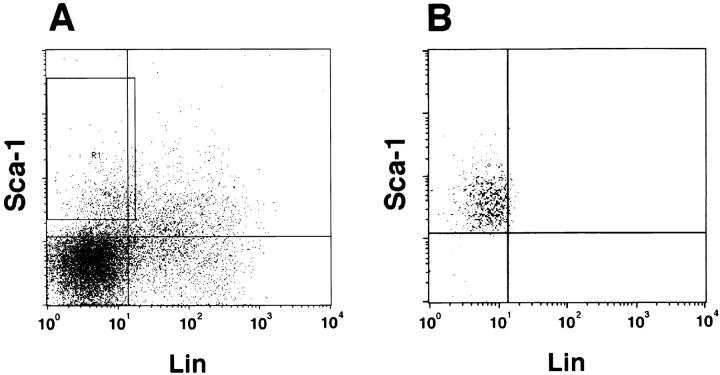
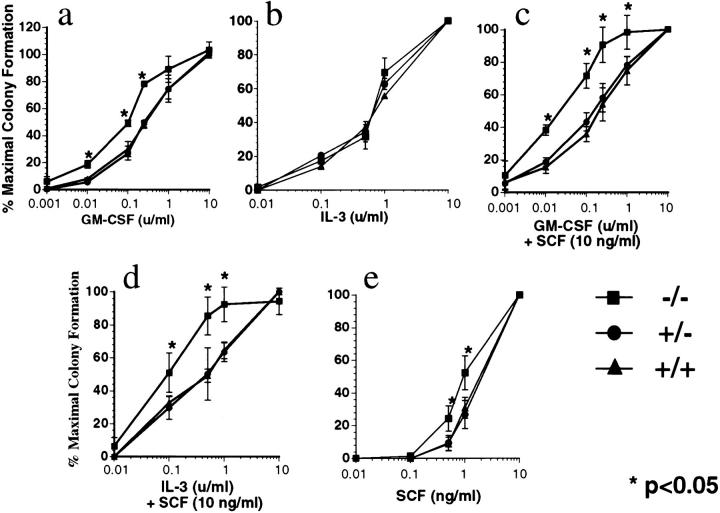
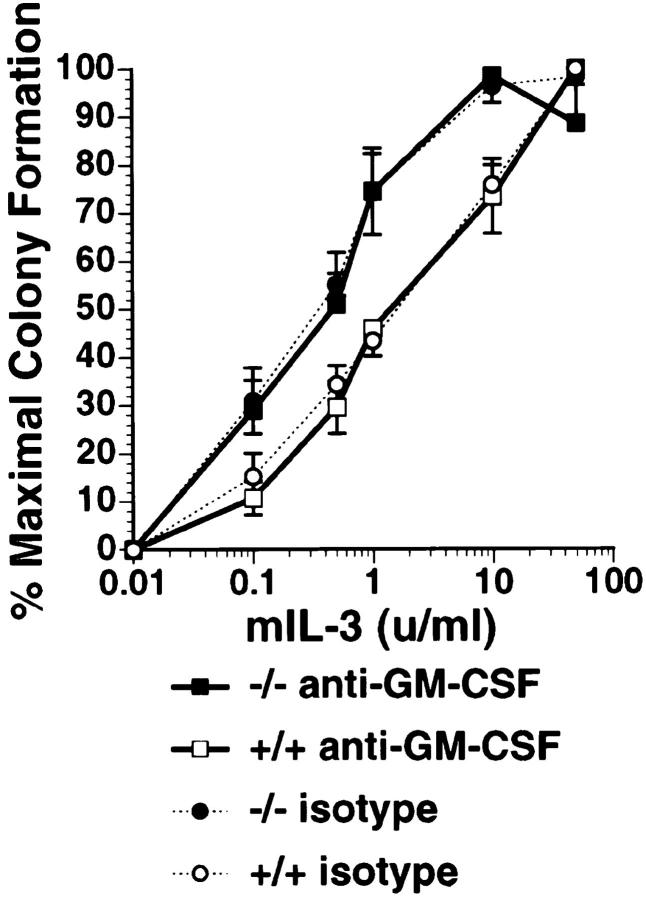
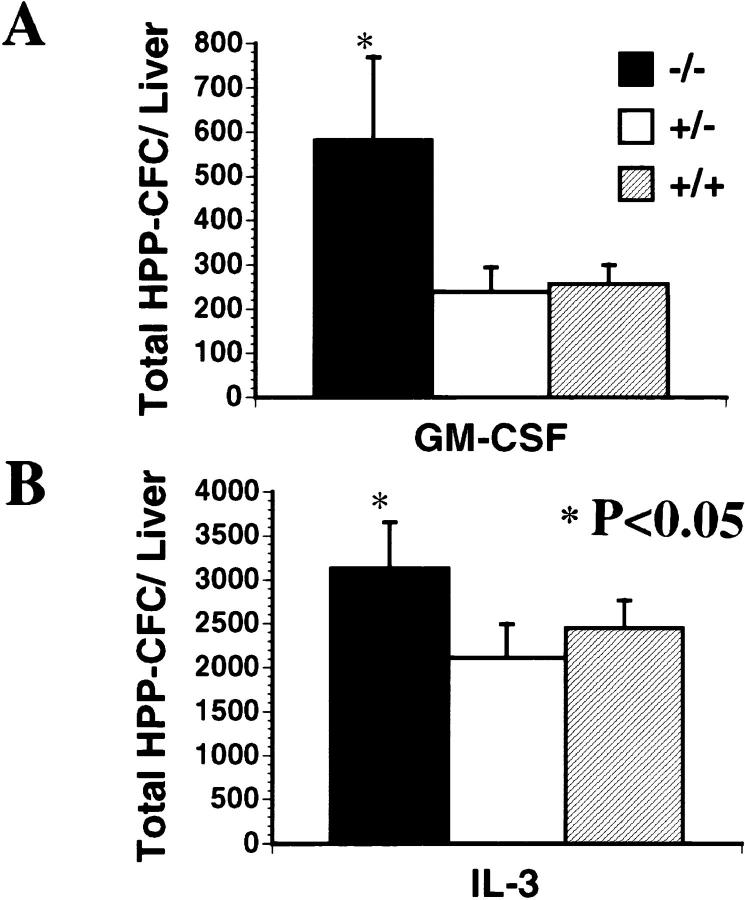
Neurofibromin, the protein encoded by the NF1 tumor-suppressor gene, negatively regulates the output of p21ras (Ras) proteins by accelerating the hydrolysis of active Ras-guanosine triphosphate to inactive Ras-guanosine diphosphate. Children with neurofibromatosis type 1 (NF1) are predisposed to juvenile chronic myelogenous leukemia (JCML) and other malignant myeloid disorders, and heterozygous Nf1 knockout mice spontaneously develop a myeloid disorder that resembles JCML. Both human and murine leukemias show loss of the normal allele. JCML cells and Nf1−/− hematopoietic cells isolated from fetal livers selectively form abnormally high numbers of colonies derived from granulocyte-macrophage progenitors in cultures supplemented with low concentrations of granulocyte-macrophage colony stimulating factor (GM-CSF). Taken together, these data suggest that neurofibromin is required to downregulate Ras activation in myeloid cells exposed to GM-CSF. We have investigated the growth and proliferation of purified populations of hematopoietic progenitor cells isolated from Nf1 knockout mice in response to the cytokines interleukin (IL)-3 and stem cell factor (SCF), as well as to GM-CSF. We found abnormal proliferation of both immature and lineage-restricted progenitor populations, and we observed increased synergy between SCF and either IL-3 or GM-CSF in Nf1−/− progenitors. Nf1−/− fetal livers also showed an absolute increase in the numbers of immature progenitors. We further demonstrate constitutive activation of the Ras-Raf-MAP (mitogen-activated protein) kinase signaling pathway in primary c-kit+ Nf1−/− progenitors and hyperactivation of MAP kinase after growth factor stimulation. The results of these experiments in primary hematopoietic cells implicate Nf1 as playing a central role in regulating the proliferation and survival of primitive and lineage-restricted myeloid progenitors in response to multiple cytokines by modulating Ras output.
Overview
The claims and statistics of this paper haven’t been checked yet.
Run the check — free, no account needed. It reads the open-access text and checks the sources it cites.
Integrity signals
Registry
Cites
Statistics
Figures
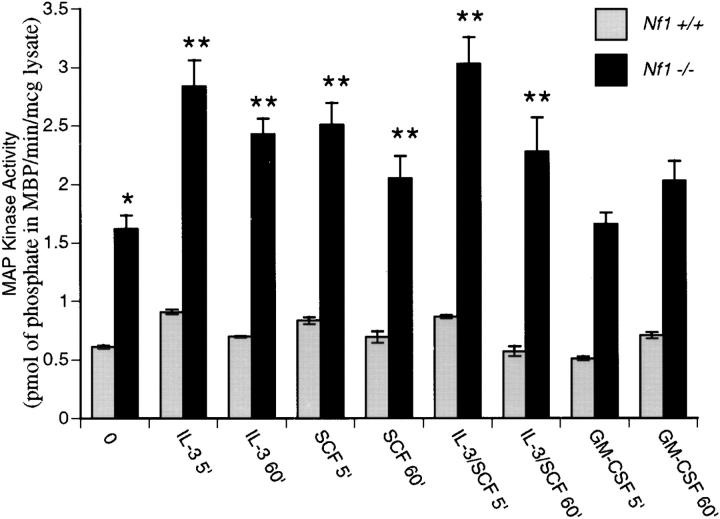
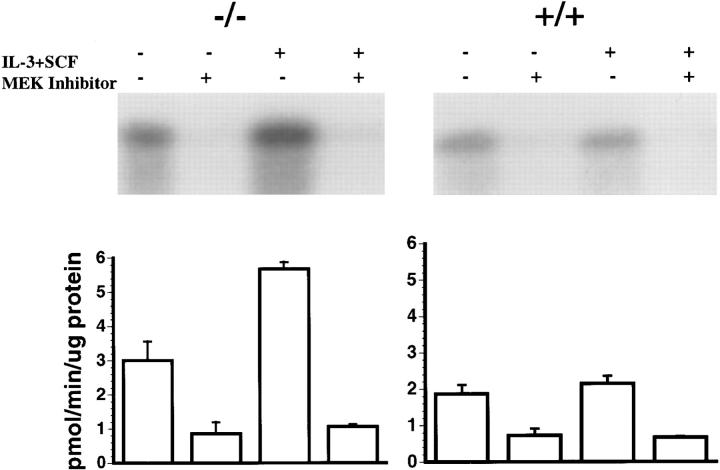
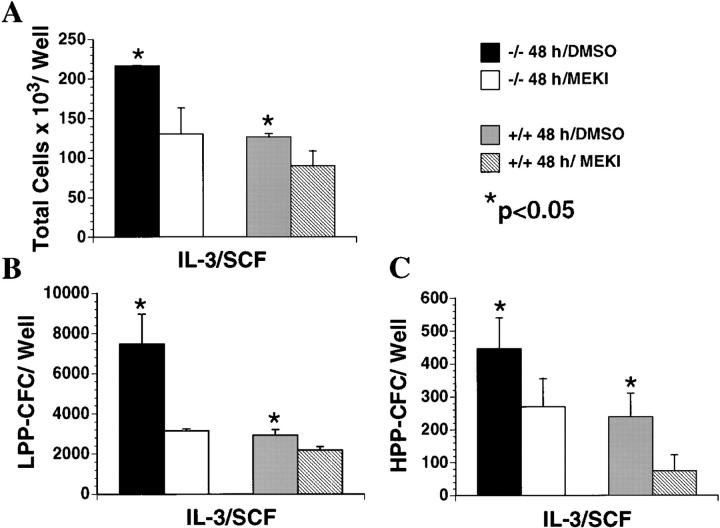
Verification
Claims the paper makes
The claims and statistics of this paper haven’t been checked yet.
Run the check — free, no account needed. It reads the open-access text and checks the sources it cites.
Claims other papers make about this one
Each is checked against this paper’s own text: does it say what the citing paper says it does?
The cited source says what the claim attributes to it.
In the citing paper
“Consistent with this, Nf1 deficiency induces a myeloproliferative disorder in murine models (8,9).”
Self-check
Percentages, sums and reported differences re-computed from the paper’s own numbers.
The self-check needs the paper’s full text.
Citations
Cites
ras oncogenes in human cancer: a review.
Bos, J. L. (1989) · PubMed · Cited by 5,061
Marshall, C. J. (1995) · Cell · doi:10.1016/0092-8674(95)90401-8 · Cited by 3,906
The GTPase superfamily: conserved structure and molecular mechanism
Bourne, H. R., Sanders, D. A., & McCormick, F. (1991) · Nature · doi:10.1038/349117a0 · Cited by 3,392
A synthetic inhibitor of the mitogen-activated protein kinase cascade.
Dudley, D. T., Pang, L., Decker, S. J., Bridges, A. J., & Saltiel, A. R. (1995) · Proceedings of the National Academy of Sciences · doi:10.1073/pnas.92.17.7686 · Cited by 2,679
The GTPase superfamily: a conserved switch for diverse cell functions
Bourne, H. R., Sanders, D. A. R., & McCormick, F. P. (1990) · Nature · doi:10.1038/348125a0 · Cited by 2,336
Proteins regulating Ras and its relatives
Boguski, M. S., & McCormick, F. P. (1993) · Nature · doi:10.1038/366643a0 · Cited by 1,905
SH2 and SH3 Domains: Elements that Control Interactions of Cytoplasmic Signaling Proteins
Koch, C. A., Anderson, D. H., Moran, M. F., Ellis, C. A., & Pawson, T. J. (1991) · Science · doi:10.1126/science.1708916 · Cited by 1,868
Zsebo, K. M., Williams, D. A., Geissler, E. N., Broudy, V. C., Martin, F. H., Atkins, H. L., Hsu, R.-Y., Birkett, N. C., Okino, K. H., Murdock, D. C., et al. (1990) · Cell · doi:10.1016/0092-8674(90)90302-u · Cited by 1,387
The neurofibromatosis type 1 gene encodes a protein related to GAP
Xu, G., O'Connell, P., Viskochil, D., Cawthon, R., Robertson, M., Culver, M., Dunn, D., Stevens, J., Gesteland, R., White, R., et al. (1990) · Cell · doi:10.1016/0092-8674(90)90024-9 · Cited by 1,095
Transcriptional Regulation by Extracellular signals: Mechanisms and Specificity
Hill, C. S., & Treisman, R. (1995) · Cell · doi:10.1016/0092-8674(95)90403-4 · Cited by 1,012
Research works printed but not linked: 2
- Bos, 1989, rasoncogenes in human cancer: a review, Cancer Res, 49, 4682
- Rodenhuis, 1992, rasand human tumors, Semin Cancer Biol, 3, 241
Cited by
Sorted by citations
The tyrosine phosphatase Shp2 (PTPN11) in cancer
Chan, G., Kalaitzidis, D., & Neel, B. G. (2008) · Cancer and Metastasis Reviews · doi:10.1007/s10555-008-9126-y · Cited by 392
Early signaling pathways activated by c-Kit in hematopoietic cells
Linnekin, D. (1999) · The International Journal of Biochemistry & Cell Biology · doi:10.1016/s1357-2725(99)00078-3 · Cited by 379
PTPN11 is the first identified proto-oncogene that encodes a tyrosine phosphatase
Chan, R. J., & Feng, G. (2006) · Blood · doi:10.1182/blood-2006-07-028829 · Cited by 378
Malignancy in Neurofibromatosis Type 1
Korf, B. R. (2000) · The Oncologist · doi:10.1634/theoncologist.5-6-477 · Cited by 328
Normal and Oncogenic Forms of the Receptor Tyrosine Kinase Kit
Lennartsson, J., Jelacic, T. M., Linnekin, D., & Shivakrupa, R. (2005) · Stem Cells · doi:10.1634/stemcells.2004-0117 · Cited by 320
Shu, X., Wu, W., Mosteller, R. D., & Broek, D. (2002) · Molecular and Cellular Biology · doi:10.1128/mcb.22.22.7758-7768.2002 · Cited by 278
The role of Shp2 (PTPN11) in cancer
Mohi, G., & Neel, B. G. (2007) · Current Opinion in Genetics & Development · doi:10.1016/j.gde.2006.12.011 · Cited by 282
Mohi, G., Williams, I. R., Dearolf, C. R., Chan, G., Kutok, J. L., Cohen, S. L., Morgan, K. J., Boulton, C. L., Shigematsu, H., Keilhack, H., et al. (2005) · Cancer Cell · doi:10.1016/j.ccr.2005.01.010 · Cited by 276
Oncogenic protein tyrosine kinases
Kitamura, Y., & Hirotab, S. (2004) · Cellular and Molecular Life Sciences · doi:10.1007/s00018-004-4273-y · Cited by 259
Cytokine Signaling and Hematopoietic Homeostasis Are Disrupted in Lnk-deficient Mice
Velazquez, L., Cheng, A. M., Fleming, H. E., Furlonger, C. L., Vesely, S. M., Bernstein, A., Paige, C. J., & Pawson, T. J. (2002) · The Journal of Experimental Medicine · doi:10.1084/jem.20011883 · Cited by 232
GTPase activating proteins: critical regulators of intracellular signaling
Donovan, S., Shannon, K., & Bollag, G. E. (2002) · Biochimica et Biophysica Acta (BBA) - Reviews on Cancer · doi:10.1016/s0304-419x(01)00041-5 · Cited by 215
Self-citationNF1 microdeletion breakpoints are clustered at flanking repetitive sequences
Dorschner, M. O. (2000) · Human Molecular Genetics · doi:10.1093/hmg/9.1.35 · Cited by 200
Daginakatte, G., & Gutmann, D. H. (2007) · Human Molecular Genetics · doi:10.1093/hmg/ddm059 · Cited by 193
Loss of FancC Function Results in Decreased Hematopoietic Stem Cell Repopulating Ability
Haneline, L. S., Gobbett, T. A., Ramani, R., Carreau, M., Buchwald, M., Yöder, M. C., & Clapp, D. W. (1999) · Blood · doi:10.1182/blood.v94.1.1.413k03_1_8 · Cited by 192
Neurofibromin Structure, Functions and Regulation
Bergoug, M., Doudeau, M., Godin, F., Mosrin-Huaman, C., Vallée, B., & Bénédetti, H. (2020) · Cells · doi:10.3390/cells9112365 · Cited by 182
Ingram, D. A., Yang, F., Travers, J. B., Wenning, M. J., Hiatt, K. K., New, S., Hood, A. F., Shannon, K., Williams, D. A., & Clapp, D. W. (2000) · The Journal of Experimental Medicine · doi:10.1084/jem.191.1.181 · Cited by 181
Self-citationLe, D., Kong, N., Zhu, Y., Lauchle, J., Aiyigari, A., Braun, B. S., Wang, E., Kogan, S. C., Beau, M. M. L., Parada, L. F., et al. (2004) · Blood · doi:10.1182/blood-2003-08-2650 · Cited by 178
Self-citationJuvenile myelomonocytic leukemia: who’s the driver at the wheel?
Niemeyer, C. M., & Flotho, C. (2019) · Blood · doi:10.1182/blood-2018-11-844688 · Cited by 157
Chan, R. J., Leedy, M. B., Munugalavadla, V., Voorhorst, C. S., Li, Y., Yu, M., & Kapur, R. (2005) · Blood · doi:10.1182/blood-2004-10-4002 · Cited by 156
Functional analysis of leukemia-associated PTPN11 mutations in primary hematopoietic cells
Schubbert, S., Lieuw, K. H., Rowe, S. L., Lee, C. M., Li, X., Loh, M. L., Clapp, D. W., & Shannon, K. (2005) · Blood · doi:10.1182/blood-2004-11-4207 · Cited by 148
Self-citationDynamic regulation of the Ras pathway via proteolysis of the NF1 tumor suppressorPreprint
Cichowski, K. M., Santiago, S., Jardim, M. J., Johnson, B. W., & Jacks, T. (2003) · Genes & Development · doi:10.1101/gad.1054703 · Cited by 144
Self-citationMcClatchey, A. I. (2007) · Annual Review of Pathology Mechanisms of Disease · doi:10.1146/annurev.pathol.2.010506.091940 · Cited by 147
Pathology of tumors of the peripheral nerve sheath in type 1 neurofibromatosis
Woodruff, J. M. (1999) · American Journal of Medical Genetics · doi:10.1002/(sici)1096-8628(19990326)89:1 · Cited by 228
Self-citationRas Proteins: Recent Advances and New Functions
Rebollo, A., & Martínez‐A, C. (1999) · Blood · doi:10.1182/blood.v94.9.2971 · Cited by 140
Nf1 and Gmcsf Interact in Myeloid Leukemogenesis
Birnbaum, R. A., O'Marcaigh, A. S., Wardak, Z., Zhang, Y., Dranoff, G., Jacks, T., Clapp, D. W., & Shannon, K. (2000) · Molecular Cell · doi:10.1016/s1097-2765(00)80415-3 · Cited by 138
Self-citationSocial learning and amygdala disruptions in Nf1 mice are rescued by blocking p21-activated kinase
Molosh, A. I., Johnson, P. L., Spence, J. P., Arendt, D. H., Federici, L. M., Bernabe, C., Janasik, S. P., Segu, Z. M., Khanna, R., Goswami, C. P., et al. (2014) · Nature Neuroscience · doi:10.1038/nn.3822 · Cited by 133
Ingram, D. A., Hiatt, K. K., King, A. J., Fisher, L., Shivakumar, R., Derstine, C., Wenning, M. J., Diaz, B., Travers, J. B., Hood, A. F., et al. (2001) · The Journal of Experimental Medicine · doi:10.1084/jem.194.1.57 · Cited by 134
Yang, F., Shi, C., Robling, A. G., Yu, X., Nebesio, T. D., Yan, J., Morgan, T., Li, X., Yuan, J., Hock, J. M., et al. (2006) · Journal of Clinical Investigation · doi:10.1172/jci29092 · Cited by 134
Neurofibromin GTPase-activating Protein-related Domains Restore Normal Growth in Nf1−/− Cells
Hiatt, K. K., Ingram, D. A., Zhang, Y., Bollag, G. E., & Clapp, D. W. (2001) · Journal of Biological Chemistry · doi:10.1074/jbc.m009202200 · Cited by 126
Self-citationKatz, D., Lazar, A. J., & Lev, D. C. (2009) · Expert Reviews in Molecular Medicine · doi:10.1017/s1462399409001227 · Cited by 124
MacNamara, K. C., Oduro, K. A., Martin, O., Jones, D. D., McLaughlin, M., Choi, K., Borjesson, D. L., & Winslow, G. M. (2010) · The Journal of Immunology · doi:10.4049/jimmunol.1001893 · Cited by 126
Mast cells and the neurofibroma microenvironment
Staser, K. W., Yang, F., & Clapp, D. W. (2010) · Blood · doi:10.1182/blood-2009-09-242875 · Cited by 125
Xu, D., Liu, X., Yu, W., Meyerson, H. J., Guo, C., Gerson, S. L., & Qu, C. (2011) · The Journal of Experimental Medicine · doi:10.1084/jem.20110450 · Cited by 115
Staser, K. W., Yang, F., & Clapp, D. W. (2011) · Annual Review of Pathology Mechanisms of Disease · doi:10.1146/annurev-pathol-011811-132441 · Cited by 113
Scheller, M., Foerster, J., Heyworth, C. M., Waring, J. F., Löhler, J., Gilmore, G. L., Shadduck, R. K., Dexter, T. M., & Horak, I. (1999) · Blood · doi:10.1182/blood.v94.11.3764 · Cited by 111
Molecular, Genetic, and Cellular Pathogenesis of Neurofibromas and Surgical Implications
Gottfried, O. N., Viskochil, D. H., Fults, D. W., & Couldwell, W. T. (2005) · Neurosurgery · doi:10.1227/01.neu.0000190651.45384.8b · Cited by 106
Inherited predispositions and hyperactive Ras in myeloid leukemogenesis
Lauchle, J. O., Braun, B. S., Loh, M. L., & Shannon, K. (2006) · Pediatric Blood & Cancer · doi:10.1002/pbc.20644 · Cited by 94
Self-citationNeurofibromatosis 1: closing the GAP between mice and men
Dasgupta, B., & Gutmann, D. H. (2003) · Current Opinion in Genetics & Development · doi:10.1016/s0959-437x(02)00015-1 · Cited by 94
Oppenheimer, C. W., Blalock, W. L., Steelman, L. S., Chang, F., & McCubrey, J. A. (2000) · Pharmacology & Therapeutics · doi:10.1016/s0163-7258(00)00085-1 · Cited by 93
Wu, X. (2006) · Human Molecular Genetics · doi:10.1093/hmg/ddl208 · Cited by 97
Oncogenic NRAS rapidly and efficiently induces CMML- and AML-like diseases in mice
Parikh, C., Subrahmanyam, R., & Ren, R. (2006) · Blood · doi:10.1182/blood-2004-08-009498 · Cited by 88
RAS and beyond: the many faces of the neurofibromatosis type 1 protein
Anastasaki, C., Orozco, P., & Gutmann, D. H. (2022) · Disease Models & Mechanisms · doi:10.1242/dmm.049362 · Cited by 86
Neurofibromatosis type 1 — a model for nervous system tumour formation?
Rubin, J. B., & Gutmann, D. H. (2005) · Nature reviews. Cancer · doi:10.1038/nrc1653 · Cited by 86
A Novel Cytokine Pathway Suppresses Glial Cell Melanogenesis after Injury to Adult Nerve
Rizvi, T. A., Huang, Y., Sidani, A., Atit, R. P., Largaespada, D. A., Boissy, R. E., & Ratner, N. (2002) · Journal of Neuroscience · doi:10.1523/jneurosci.22-22-09831.2002 · Cited by 80
Nonredundant Functions for Ras GTPase-Activating Proteins in Tissue Homeostasis
King, P. D., Lubeck, B. A., & Lapinski, P. E. (2013) · Science Signaling · doi:10.1126/scisignal.2003669 · Cited by 81
In Vitro and In Vivo Effects of a Farnesyltransferase Inhibitor onNf1-Deficient Hematopoietic Cells
Mahgoub, N., Taylor, B. R., Gratiot, M., Kohl, N. E., Gibbs, W. W., Jacks, T., & Shannon, K. (1999) · Blood · doi:10.1182/blood.v94.7.2469.419a01_2469_2476 · Cited by 80
Self-citationGenetic and cellular evidence of vascular inflammation in neurofibromin-deficient mice and humans
Lasater, E. A., Li, F., Bessler, W., Estes, M. L., Vemula, S., Hingtgen, C. M., Dinauer, M. C., Kapur, R., Conway, S. J., & Ingram, D. A. (2010) · Journal of Clinical Investigation · doi:10.1172/jci41443 · Cited by 81
Recent advances in genetic predisposition to pediatric acute lymphoblastic leukemia
Bloom, M., Maciaszek, J. L., Clark, M. E., Pui, C., & Nichols, K. E. (2019) · Expert Review of Hematology · doi:10.1080/17474086.2020.1685866 · Cited by 79
Wehrle‐Haller, B., Meller, M., & Weston, J. A. (2001) · Developmental Biology · doi:10.1006/dbio.2001.0167 · Cited by 75
Packer, R. J., Iavarone, A., Jones, D., Blakeley, J. O., Bouffet, É., Fisher, M. J., Hwang, E. I., Hawkins, C. E., Kilburn, L. B., MacDonald, T. J., et al. (2020) · Neuro-Oncology · doi:10.1093/neuonc/noaa036 · Cited by 73
Mouse Models of Neurofibromatosis 1 and 2
Gutmann, D. H., & Giovannini, M. (2002) · Neoplasia · doi:10.1038/sj.neo.7900249 · Cited by 72
Bennett, M., Rizvi, T. A., Karyala, S. V., Mckinnon, R., & Ratner, N. (2003) · Journal of Neuroscience · doi:10.1523/jneurosci.23-18-07207.2003 · Cited by 72
Li, X., Beau, M. M. L., Ciccone, S. L. M., Yang, F., Freie, B. W., Shi, C., Yuan, J., Hong, P., Orazi, A., Haneline, L. S., et al. (2005) · Blood · doi:10.1182/blood-2004-06-2483 · Cited by 66
Emerging functions of c-kit and its ligand stem cell factor in dendritic cells
Ray, P., Krishnamoorthy, N., & Ray, A. (2008) · Cell Cycle · doi:10.4161/cc.7.18.6752 · Cited by 65
Signaling of c‐kit in dendritic cells influences adaptive immunity
Ray, P., Krishnamoorthy, N., Oriss, T. B., & Ray, A. (2010) · Annals of the New York Academy of Sciences · doi:10.1111/j.1749-6632.2009.05122.x · Cited by 67
Emanuel, P. D., Snyder, R. C., Wiley, T. R., Gopurala, B., & Castleberry, R. P. (2000) · Blood · doi:10.1182/blood.v95.2.639 · Cited by 65
Neurofibromin (Nf1) is required for skeletal muscle development
Kossler, N., Stricker, S., Rödelsperger, C., Robinson, P. N., Kim, J., Dietrich, C., Osswald, M., Kühnisch, J., Stevenson, D. A., Braun, T. W., et al. (2011) · Human Molecular Genetics · doi:10.1093/hmg/ddr149 · Cited by 64
Donovan, S., See, W. L., Bonifas, J. M., Stokoe, D., & Shannon, K. (2002) · Cancer Cell · doi:10.1016/s1535-6108(02)00214-3 · Cited by 62
Self-citationTesting of new agents in childhood cancer preclinical models: meeting summary.
Houghton, P. J., Adamson, P. C., Blaney, S. M., Fine, H. A., Gorlick, R. G., Haber, M., Helman, L. J., Hirschfeld, S., Hollingshead, M. G., Israel, M. A., et al. (2002) · PubMed · Cited by 63
Self-citationLasater, E. A., Bessler, W., Mead, L. E., Horn, W., Clapp, D. W., Conway, S. J., Ingram, D. A., & Li, F. (2008) · Human Molecular Genetics · doi:10.1093/hmg/ddn134 · Cited by 62
Haworth, K. B., Arnold, M., Pierson, C. R., Choi, K., Yeager, N. D., Ratner, N., Roberts, R. D., Finlay, J. L., & Cripe, T. P. (2017) · Oncotarget · doi:10.18632/oncotarget.18301 · Cited by 61
Huang, W., Horvath, E., & Eklund, E. A. (2007) · Journal of Biological Chemistry · doi:10.1074/jbc.m607760200 · Cited by 58
Storlazzi, C. T., Brekke, H. R., Mandahl, N., Brosjö, O., Smeland, S., Lothe, R. A., & Mertens, F. (2006) · The Journal of Pathology · doi:10.1002/path.1998 · Cited by 55
Quantitative effects of Nf1 inactivation on in vivo hematopoiesis
Zhang, Y., Taylor, B. R., Shannon, K., & Clapp, D. W. (2001) · Journal of Clinical Investigation · doi:10.1172/jci12758 · Cited by 54
Self-citationIngram, D. A., Zhang, L., McCarthy, J., Wenning, M. J., Fisher, L., Yang, F., Clapp, D. W., & Kapur, R. (2002) · Blood · doi:10.1182/blood-2002-03-0734 · Cited by 52
Li, X., Yang, Y., Yuan, J., Hong, P., Freie, B. W., Orazi, A., Haneline, L. S., & Clapp, D. W. (2004) · Blood · doi:10.1182/blood-2004-03-1094 · Cited by 51
Yu, W., Daino, H., Chen, J., Bunting, K. D., & Qu, C. (2005) · Journal of Biological Chemistry · doi:10.1074/jbc.m507622200 · Cited by 51
Evidence that juvenile myelomonocytic leukemia can arise from a pluripotential stem cell
Cooper, L. J. N., Shannon, K., Loken, M. R., Weaver, M., Stephens, K. G., & Sievers, E. L. (2000) · Blood · doi:10.1182/blood.v96.6.2310 · Cited by 50
Self-citationMultiple increased osteoclast functions in individuals with neurofibromatosis type 1
Stevenson, D. A., Yan, J., He, Y., Li, H., Liu, Y., Zhang, Q., Jing, Y., Guo, Z., Zhang, W., Yang, D., et al. (2011) · American Journal of Medical Genetics Part A · doi:10.1002/ajmg.a.33965 · Cited by 49
Functional p85α gene is required for normal murine fetal erythropoiesis
Huddleston, H. M., Tan, B., Yang, F., White, H. A., Wenning, M. J., Orazi, A., Yöder, M. C., Kapur, R., & Ingram, D. A. (2003) · Blood · doi:10.1182/blood-2002-10-3245 · Cited by 49
Turbyville, T. J., Gursel, D. B., Tuskan, R. G., Walrath, J. C., Lipschultz, C. A., Lockett, S., Wiemer, D. F., Beutler, J. A., & Reilly, K. M. (2010) · Molecular Cancer Therapeutics · doi:10.1158/1535-7163.mct-09-0834 · Cited by 47
The therapeutic potential of neurofibromin signaling pathways and binding partners
Báez-Flores, J., Rodríguez-Martín, M., & Lacal, J. (2023) · Communications Biology · doi:10.1038/s42003-023-04815-0 · Cited by 52
Williams, J. P., Wu, J., Johansson, G., Rizvi, T. A., Miller, S. C., Geiger, H., Malik, P., Li, W., Mukouyama, Y., Cancelas, J. A., et al. (2008) · Cell stem cell · doi:10.1016/j.stem.2008.10.003 · Cited by 48
Circulating Growth Factor Levels Are Associated with Tumorigenesis in Neurofibromatosis Type 1
Mashour, G. A., Driever, P. H., Hartmann, M., Drissel, S. N., Zhang, T., Scharf, B., Felderhoff‐Müser, U., Sakuma, S., Friedrich, R. E., Martuza, R. L., et al. (2004) · Clinical Cancer Research · doi:10.1158/1078-0432.ccr-03-0769 · Cited by 46
Zhu, C., Saberwal, G., Lu, Y., Platanias, L. C., & Eklund, E. A. (2004) · Journal of Biological Chemistry · doi:10.1074/jbc.m405736200 · Cited by 45
Rap1 and SPA-1 in hematologic malignancy
Kometani, K., Ishida, D., Hattori, M., & Minato, N. (2004) · Trends in Molecular Medicine · doi:10.1016/j.molmed.2004.06.004 · Cited by 45
The role of the immune system in neurofibromatosis type 1-associated nervous system tumors
Karmakar, S., & Reilly, K. M. (2016) · CNS Oncology · doi:10.2217/cns-2016-0024 · Cited by 44
Storlazzi, C. T., von Steyern, F. V., Domanski, H. A., Mandahl, N., & Mertens, F. (2005) · International Journal of Cancer · doi:10.1002/ijc.21248 · Cited by 44
Normal hematopoiesis and neurofibromin-deficient myeloproliferative disease require Erk
Staser, K. W., Park, S.-J., Rhodes, S. D., Zeng, Y., He, Y. Z., Shew, M. A., Gehlhausen, J. R., Cerabona, D., Menon, K., Shi, C., et al. (2012) · Journal of Clinical Investigation · doi:10.1172/jci66167 · Cited by 43
Si, Y. C., Ciccone, S. L. M., Yang, F., Yuan, J., Zeng, D., Shi, C., van de Vrugt, H. J., Critser, J. K., Arwert, F., Haneline, L. S., et al. (2006) · Blood · doi:10.1182/blood-2006-03-007997 · Cited by 43
Shi, C., Burgin, S. J. M., McDaniel, A. S., Li, X., Yuan, J., Chen, M., Khalaf, W. F., Clapp, D. W., & Yang, F. (2010) · American Journal Of Pathology · doi:10.2353/ajpath.2010.100369 · Cited by 42
Sensory Neurons From Nf1 Haploinsufficient Mice Exhibit Increased Excitability
Wang, Y., Nicol, G. D., Clapp, D. W., & Hingtgen, C. M. (2005) · Journal of Neurophysiology · doi:10.1152/jn.00489.2005 · Cited by 42
Huang, W., Saberwal, G., Horvath, E., Zhu, C., Lindsey, S., & Eklund, E. A. (2006) · Molecular and Cellular Biology · doi:10.1128/mcb.00036-06 · Cited by 41
Neurofibromin as a regulator of melanocyte development and differentiation
Diwakar, G., Zhang, D., Jiang, S., & Hornyak, T. J. (2007) · Journal of Cell Science · doi:10.1242/jcs.013912 · Cited by 45
Arceci, R. J., Longley, B. J., & Emanuel, P. D. (2002) · Hematology · doi:10.1182/asheducation-2002.1.297 · Cited by 38
Zhang, X., Dormady, S. P., & Basch, R. S. (2000) · Experimental Hematology · doi:10.1016/s0301-472x(00)00539-7 · Cited by 37
A signaling mechanism for growth-related expression of fetal hemoglobin
Bhanu, N. V., Trice, T. A., Lee, Y. T., & Miller, J. L. (2003) · Blood · doi:10.1182/blood-2003-05-1624 · Cited by 36
Neurofibromatosis with Gastrointestinal Stromal Tumors: Insights into the Association
Cheng, S., Huang, M.-J., Yang, T., Tzen, C., Liu, C., Liu, T., & Hsiao, S.-C. (2004) · Digestive Diseases and Sciences · doi:10.1023/b:ddas.0000037806.14471.a2 · Cited by 35
Plexiform neurofibroma genesis: questions of Nf1 gene dose and hyperactive mast cells
Staser, K. W., Yang, F., & Clapp, D. W. (2010) · Current Opinion in Hematology · doi:10.1097/moh.0b013e328339511b · Cited by 35
Ras-Mek-Erk Signaling Regulates Nf1 Heterozygous Neointima Formation
Stansfield, B. K., Bessler, W., Mali, R. S., Mund, J. A., Downing, B., Kapur, R., & Ingram, D. A. (2013) · American Journal Of Pathology · doi:10.1016/j.ajpath.2013.09.022 · Cited by 32
Hingtgen, C. M., Roy, S., & Clapp, D. W. (2005) · Neuroscience · doi:10.1016/j.neuroscience.2005.09.030 · Cited by 31
Darley, R. L., & Burnett, A. K. (1999) · Experimental Hematology · doi:10.1016/s0301-472x(99)00100-9 · Cited by 30
Pak2 Regulates Hematopoietic Progenitor Cell Proliferation, Survival, and Differentiation
Zeng, Y., Broxmeyer, H. E., Staser, K. W., Chitteti, B. R., Park, S.-J., Hahn, S., Cooper, S. H., Sun, Z., Jiang, L., Yang, X., et al. (2015) · Stem Cells · doi:10.1002/stem.1951 · Cited by 30
Self-citationRepressible transgenic model of NRAS oncogene–driven mast cell disease in the mouse
Wiesner, S. M., Jones, J. M., Hasz, D. E., & Largaespada, D. A. (2005) · Blood · doi:10.1182/blood-2004-08-3306 · Cited by 29
Chronic myeloproliferative disorders
Niemeyer, C. M., & Locatelli, F. (2006) · Cambridge University Press eBooks · doi:10.1017/cbo9780511471001.023 · Cited by 27
Loss of the Nf1 Tumor Suppressor Gene Decreases Fas Antigen Expression in Myeloid Cells
Hiatt, K. K., Ingram, D. A., Huddleston, H. M., Spandau, D. F., Kapur, R., & Clapp, D. W. (2004) · American Journal Of Pathology · doi:10.1016/s0002-9440(10)63233-6 · Cited by 26
Reconstitution of the NF1 GAP-related domain in NF1-deficient human Schwann cells
Thomas, S. L., Deadwyler, G., Tang, J. M., Stubbs, E. B., Muir, D., Hiatt, K. K., Clapp, D. W., & Vries, G. H. D. (2006) · Biochemical and Biophysical Research Communications · doi:10.1016/j.bbrc.2006.07.159 · Cited by 29
β common receptor inactivation attenuates myeloproliferative disease in Nf1 mutant mice
Kim, A., Morgan, K. J., Hasz, D. E., Wiesner, S. M., Lauchle, J., Geurts, J. L., Diers, M. D., Le, D., Kogan, S. C., Parada, L. F., et al. (2006) · Blood · doi:10.1182/blood-2006-05-025395 · Cited by 25
Self-citationHematopoietic abnormalities in mice deficient in gp130-mediated STAT signaling
Jenkins, B. J., Quilici, C., Roberts, A. W., Grail, D., Dunn, A. R., & Ernst, M. (2002) · Experimental Hematology · doi:10.1016/s0301-472x(02)00929-3 · Cited by 26
Wu, J., Crimmins, J. T., Monk, K. R., Williams, J. P., Fitzgerald, M. E., Tedesco, S., & Ratner, N. (2006) · American Journal Of Pathology · doi:10.2353/ajpath.2006.050859 · Cited by 22
Metadata
- Authors
- Zhang, Y.-Y., Vik, T. A., Ryder, J. W., Srour, E. F., Jacks, T., Shannon, K., & Wade Clapp, D.
- Affiliations
- From the *Department of Pediatrics, the ‡Department of Microbiology and Immunology, the §Department of Medicine, and ‖The Herman B. Wells Center for Pediatric Research, Indiana University School of Medicine, Indianapolis, Indiana 46202; the ¶Howard Hughes Medical Institute and Center for Cancer Research, Massachusetts Institute of Technology, Cambridge, Massachusetts 02139; and the **Department of Pediatrics, University of California San Francisco, San Francisco, California 94143
- Howard Hughes Medical Institute (US)
- Venue
- The Journal of Experimental Medicine
- Publisher
- Rockefeller University Press
- Published
- 1998-06-01
- Volume
- 187
- Issue
- 11
- Pages
- 1893-1902
- ISSN
- 0022-1007 (ISSN-L)
- 1540-9538
- PMC
- PMC2212307
- OpenAlex
- W2156597055
- Cited by
- 150
- References
- 70
- Citations by year
- 2026: 3 · 2025: 1 · 2024: 1 · 2023: 3 · 2022: 2 · 2021: 1 · 2020: 2 · 2019: 3 · 2017: 2 · 2016: 4 · 2015: 2 · 2014: 2 · 2013: 3 · 2012: 6
- FWCI
- 6.35
- Type
- journal article
- Language
- en
- Open access
- green
- www.ncbi.nlm.nih.gov
- Licence
- cc-by-nc-sa
- Locations
- The Journal of Experimental Medicine (publishedVersion)
- PubMed Central (publishedVersion, cc-by-nc-sa)
- PubMed (publishedVersion)
- IUScholarWorks (Indiana University) (submittedVersion, cc-by-nc-sa)
- Funders
- National Cancer Institute (R29 CA74177-01, R29CA074177)
- National Institute of Diabetes and Digestive and Kidney Diseases (P50DK049218)
- Topics
- Health Sciences › Medicine › Clinical Neurology › Neurofibromatosis and Schwannoma Cases
- Life Sciences › Biochemistry, Genetics and Molecular Biology › Molecular Biology › Protein Tyrosine Phosphatases
- Health Sciences › Medicine › Hematology › Acute Myeloid Leukemia Research
- Keywords
- neurofibromin, Ras signaling, hematopoietic progenitor cells, juvenile myelomonocytic leukemia, neurofibromatosis type 1, GM-CSF, interleukin-3, stem cell factor, cytokine synergy
- MeSH terms
- Animals, Cell Division, Female, Hematopoietic Stem Cells, Interleukin-3, Macrophages, Male, Mice, Inbred C57BL, Proteins, Signal Transduction, Granulocyte-Macrophage Colony-Stimulating Factor, Proto-Oncogene Proteins p21(ras), Calcium-Calmodulin-Dependent Protein Kinases, Stem Cell Factor, Neurofibromin 1, Mice
About these checks
Registry, retraction, Cites and statistics results are computed, not judged, with one exception: a printed reference that no index lists is read once by a model before it counts as a citation error. Claims are extracted by a model and kept only when their quote appears verbatim in the text; each cited source is then checked, with a model’s help, for whether it says what the claim relies on. Those verdicts can be wrong — read the claim’s quote and the cited source before relying on one.
Statistics and arithmetic are recomputed, not judged.
Confidence bands are shown only for fields calibrated on our annotated test set. None is calibrated yet, so no band is shown.
What counts as a claim ›How we measure confidence ›How we check this ›
Are you an author, or do you see a problem with this page? Request a review
