

The DOI matches its Crossref record; 42 of the 42 references it cites were found in a registry or an index.
Heat Shock Protein 70 Promotes Cell Survival by Inhibiting Lysosomal Membrane Permeabilization
Open accessAbstract
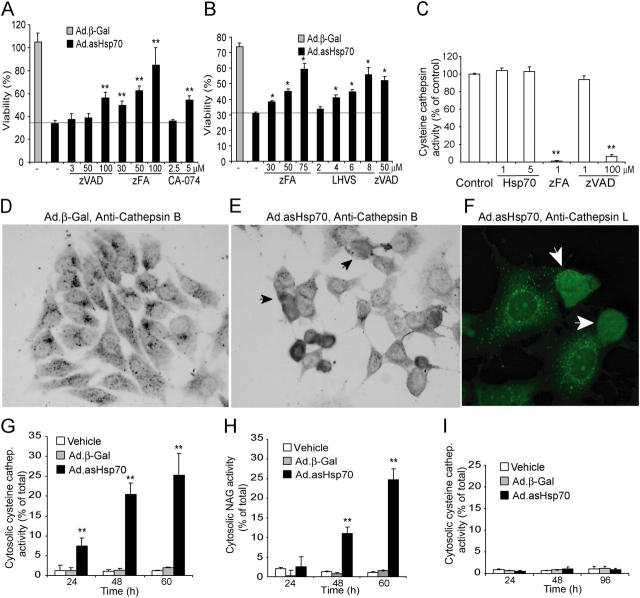
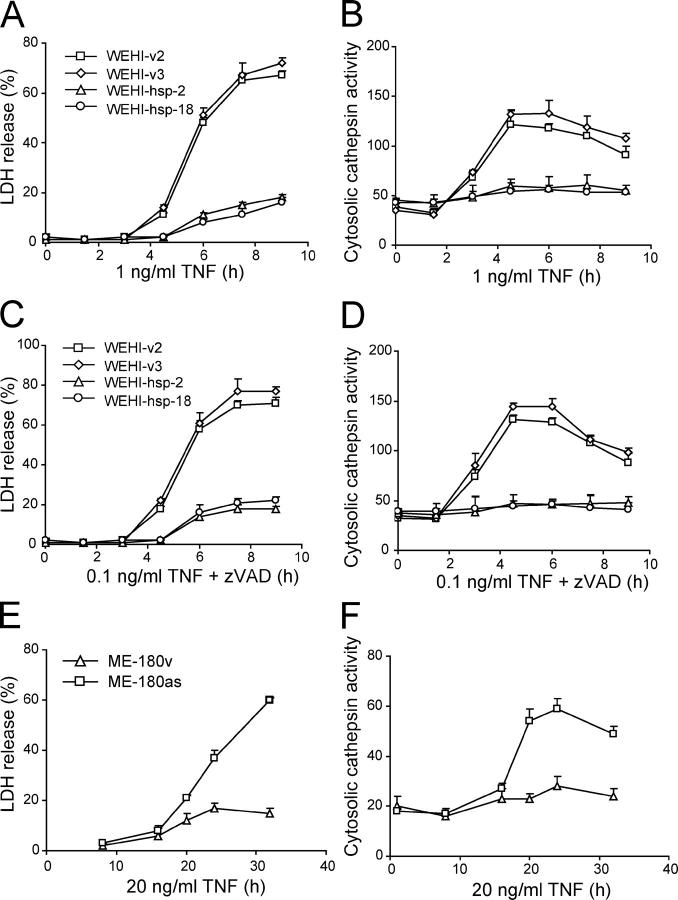
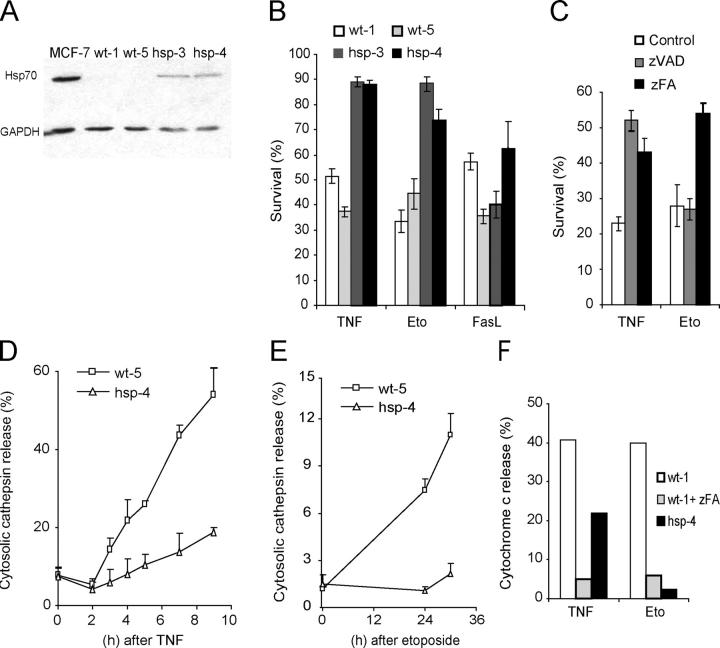
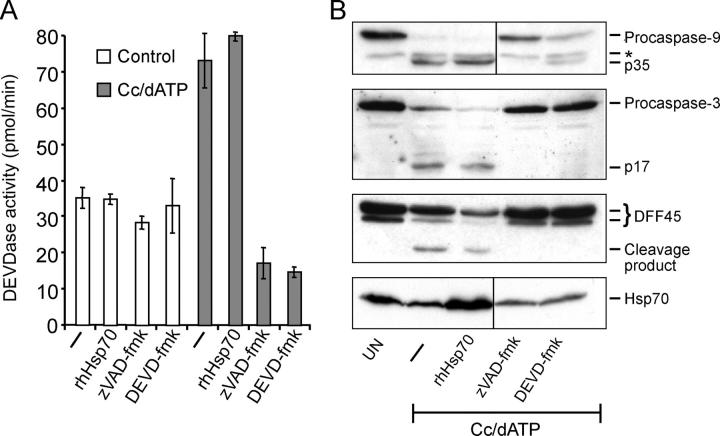
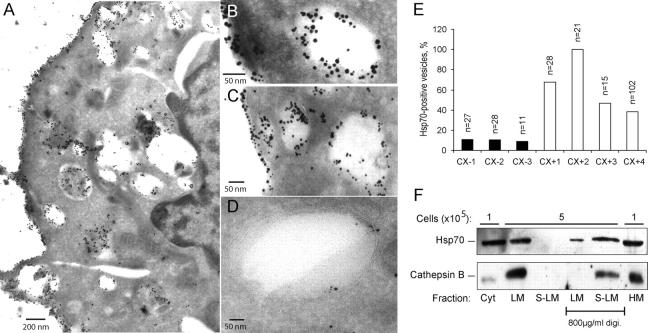
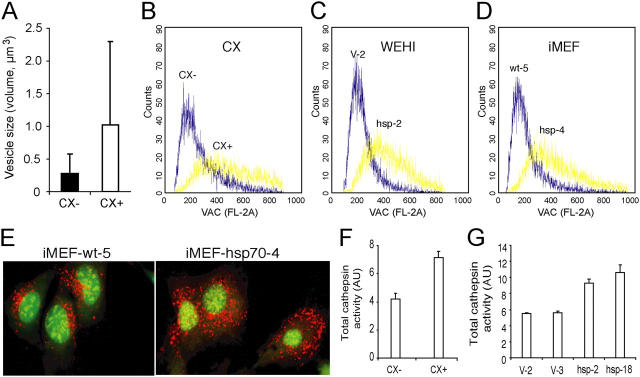
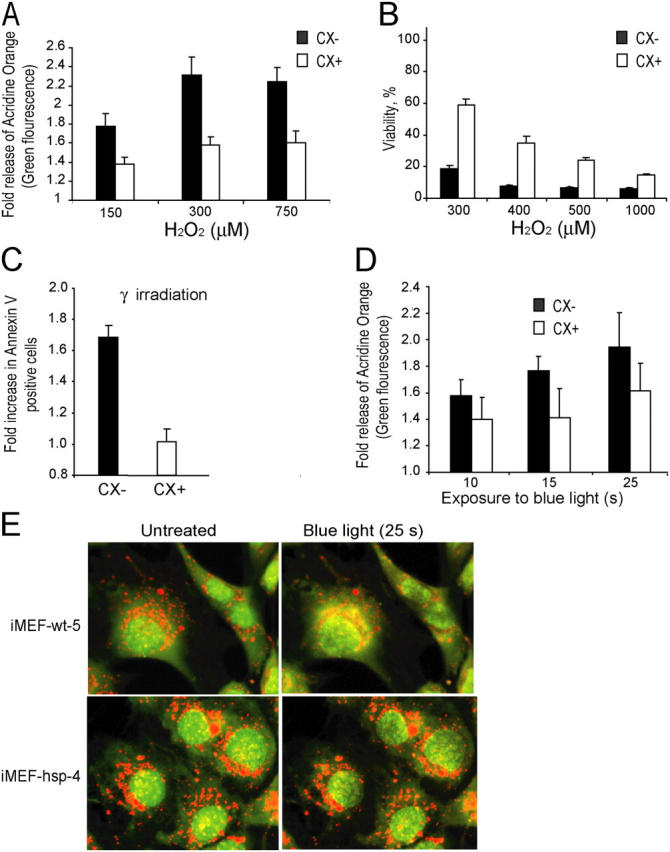
Heat shock protein 70 (Hsp70) is a potent survival protein whose depletion triggers massive caspase-independent tumor cell death. Here, we show that Hsp70 exerts its prosurvival function by inhibiting lysosomal membrane permeabilization. The cell death induced by Hsp70 depletion was preceded by the release of lysosomal enzymes into the cytosol and inhibited by pharmacological inhibitors of lysosomal cysteine proteases. Accordingly, the Hsp70-mediated protection against various death stimuli in Hsp70-expressing human tumor cells as well as in immortalized Hsp70 transgenic murine fibroblasts occurred at the level of the lysosomal permeabilization. On the contrary, Hsp70 failed to inhibit the cytochrome c–induced, apoptosome-dependent caspase activation in vitro and Fas ligand–induced, caspase-dependent apoptosis in immortalized fibroblasts. Immunoelectron microscopy revealed that endosomal and lysosomal membranes of tumor cells contained Hsp70. Permeabilization of purified endo/lysosomes by digitonin failed to release Hsp70, suggesting that it is physically associated with the membranes. Finally, Hsp70 positive lysosomes displayed increased size and resistance against chemical and physical membrane destabilization. These data identify Hsp70 as the first survival protein that functions by inhibiting the death-associated permeabilization of lysosomes.
Overview
The claims and statistics of this paper haven’t been checked yet.
Run the check — free, no account needed. It reads the open-access text and checks the sources it cites.
Integrity signals
Registry
Cites
Statistics
Figures
Verification
Claims the paper makes
The claims and statistics of this paper haven’t been checked yet.
Run the check — free, no account needed. It reads the open-access text and checks the sources it cites.
Claims other papers make about this one
Each is checked against this paper’s own text: does it say what the citing paper says it does?
In the citing paper
“Moreover, under physiological conditions, lysosomal membranes can be stabilized by altering lysosomal cholesterol content [788] or by boosting endogenous activity of heat shock protein family A (Hsp70) member 1A (HSPA1A; best known as HSP70) [789, 790].”
From Molecular mechanisms of cell death: recommendations of the nomenclature committee on cell death 2018. (2018) · cites this paper as [790]
Self-check
Percentages, sums and reported differences re-computed from the paper’s own numbers.
The self-check needs the paper’s full text.
Citations
Cites
Hanahan, D., & Weinberg, R. A. (2000) · Cell · doi:10.1016/s0092-8674(00)81683-9 · Cited by 29,219
Control of inositol 1,4,5-trisphosphate-induced Ca2+ release by cytosolic Ca2+
Bootman, M. D., Missiaen, L., Parys, J. B., SMEDT, H. D., & Casteels, R. (1995) · Biochemical Journal · doi:10.1042/bj3060445 · Cited by 5,131
Four deaths and a funeral: from caspases to alternative mechanisms
Leist, M., & Jäättelä, M. (2001) · Nature Reviews Molecular Cell Biology · doi:10.1038/35085008 · Cited by 1,600
Organelle-specific initiation of cell death pathways
Ferri, K. F., & Kroemer, G. (2001) · Nature Cell Biology · doi:10.1038/ncb1101-e255 · Cited by 1,455
A Role for a 70-Kilodalton Heat Shock Protein in Lysosomal Degradation of Intracellular Proteins
Chiang, H.-L., Terlecky, S. R., Plant, C. P., & Dice, J. F. (1989) · Science · doi:10.1126/science.2799391 · Cited by 982
Heat-shock protein 70 antagonizes apoptosis-inducing factor
Ravagnan, L., Gurbuxani, S. K., Susín, S. A., Maisse, C., Daugas, É., Zamzami, N., Mak, T. W., Jäättelä, M., Penninger, J. M., Garrido, C., et al. (2001) · Nature Cell Biology · doi:10.1038/ncb0901-839 · Cited by 859
The Chaperone Function of hsp70 Is Required for Protection against Stress-Induced Apoptosis
Mosser, D., Caron, A., Bourget, L., Meriin, A. B., Sherman, M., Morimoto, R., & Massie, B. (2000) · Molecular and Cellular Biology · doi:10.1128/mcb.20.19.7146-7159.2000 · Cited by 768
Guicciardi, M. E., Deussing, J. M., Miyoshi, H., Bronk, S. F., Svingen, P. A., Peters, C., Kaufmann, S. H., & Gores, G. J. (2000) · Journal of Clinical Investigation · doi:10.1172/jci9914 · Cited by 710
Hsp70 exerts its anti‐apoptotic function downstream of caspase‐3‐like proteases
Jäättelä, M., Wissing, D., Kokholm, K., Kallunki, T., & Egeblad, M. (1998) · The EMBO Journal · doi:10.1093/emboj/17.21.6124 · Cited by 679
Foghsgaard, L., Wissing, D., Mauch, D., Lademann, U. A., Bastholm, L., Boes, M. L., Elling, F., Leist, M., & Jäättelä, M. (2001) · The Journal of Cell Biology · doi:10.1083/jcb.153.5.999 · Cited by 629
Self-citation
Research works printed but not linked: 7
- 2001, Nat. Rev. Mol. Cell Biol., 2, 589
- 2002, Cancer Res., 62, 7139
- 1998, Int. J. Cancer., 73, 468
- 1996, Transgenics., 2, 111
- 2004, Cancer Res., In press
- 2001, Redox Rep., 6, 91, 10.1179/135100001101536094 · DOI
- 2003, Haematologica., 88, 474
Cited by
Sorted by citations
Items 301–400 of 545
Karlsson, M., Frennesson, C. I., Gustafsson, T., Brunk, U. T., NILSSON, S. E. G., & Kurz, T. (2013) · Experimental Eye Research · doi:10.1016/j.exer.2013.10.014 · Cited by 29
Cavanaugh, A. H., Juengst, B., Sheridan, K. M., Danella, J. F., & Williams, H. (2015) · Oncotarget · doi:10.18632/oncotarget.5496 · Cited by 29
Venkatesan, T., Choi, Y.-W., Mun, S. P., & Kim, Y. (2016) · Cell Biology and Toxicology · doi:10.1007/s10565-016-9346-9 · Cited by 31
MUC1c Regulates Cell Survival in Pancreatic Cancer by Preventing Lysosomal Permeabilization
Banerjee, S., Mujumdar, N. R., Dudeja, V., MacKenzie, T. N., Krosch, T. C. K., Sangwan, V., Vickers, S. M., & Saluja, A. K. (2012) · PLoS ONE · doi:10.1371/journal.pone.0043020 · Cited by 28
Proteomic study of the brackish water mussel Mytilopsis leucophaeata
Stekhoven, F. M. A. H. S., van der Velde, G., Lee, T., & Bottrill, A. R. (2015) · Zoological studies · doi:10.1186/s40555-014-0081-8 · Cited by 28
Mengel, K. E., Bembi, B., del Toro, M., Deodato, F., Gautschi, M., Grünewald, S., Grønborg, S. W., Héron, B., Maier, E. M., Roubertie, A., et al. (2020) · Orphanet Journal of Rare Diseases · doi:10.1186/s13023-020-01616-0 · Cited by 31
Role of cathepsin B in dengue virus-mediated apoptosis
Morchang, A., Panaampon, J., Suttitheptumrong, A., Yasamut, U., Noisakran, S., Yenchitsomanus, P., & Limjindaporn, T. (2013) · Biochemical and Biophysical Research Communications · doi:10.1016/j.bbrc.2013.07.009 · Cited by 28
Giusti, C., Luciani, M., Klein, G., Aubry, L., Tresse, E., Kosta, A., & Golstein, P. (2008) · Experimental Cell Research · doi:10.1016/j.yexcr.2008.09.028 · Cited by 30
Furukawa, A., Kawamoto, Y., Chiba, Y., Takei, S., Hasegawa‐Ishii, S., Kawamura, N., Yoshikawa, K., Hosokawa, M., Oikawa, S., Kato, M., et al. (2011) · Neurobiology of Disease · doi:10.1016/j.nbd.2011.05.024 · Cited by 28
Polycation-Mediated Integrated Cell Death Processes
Parhamifar, L., Andersen, H. B., Wu, L., Hall, A., Hudzech, D., & Moghimi, S. M. (2014) · Advances in genetics · doi:10.1016/b978-0-12-800148-6.00012-2 · Cited by 29
Proteomic analysis of exosomes derived from human lymphoma cells
Yao, Y., Wei, W., Sun, J., Chen, L., Deng, X., Ma, L., & Hao, S. (2015) · European journal of medical research · doi:10.1186/s40001-014-0082-4 · Cited by 27
Tang, M., Zhang, P., Liu, J., Long, Y., Cheng, Y. Z., & Zheng, H. (2020) · RSC Advances · doi:10.1039/d0ra02023k · Cited by 26
Lysosomal chloride transporter CLH-6 protects lysosome membrane integrity via cathepsin activation
Zhang, Q., Li, Y., Jian, Y., Li, M., & Wang, X. (2023) · The Journal of Cell Biology · doi:10.1083/jcb.202210063 · Cited by 30
HSP70 and lysosomal storage disorders: novel therapeutic opportunities
Petersen, N. H. T., & Kirkegaard, T. (2010) · Biochemical Society Transactions · doi:10.1042/bst0381479 · Cited by 28
Inducible Renitence Limits Listeria monocytogenes Escape from Vacuoles in Macrophages
Davis, M. J., Gregorka, B., Gestwicki, J. E., & Swanson, J. A. (2012) · The Journal of Immunology · doi:10.4049/jimmunol.1103158 · Cited by 27
Zhang, B., & Qi, R. (2025) · Frontiers in Immunology · doi:10.3389/fimmu.2025.1587414 · Cited by 29
HIV-1 transforms the monocyte plasma membrane proteome
Kadiu, I., Wang, T., Schlautman, J. D., Dubrovsky, L., Ciborowski, P. S., Bukrinsky, M., & Gendelman, H. E. (2009) · Cellular Immunology · doi:10.1016/j.cellimm.2009.03.012 · Cited by 28
Banik, D., Manna, S. K., Maiti, A., & Mahapatra, A. K. (2022) · Critical Reviews in Analytical Chemistry · doi:10.1080/10408347.2021.2023002 · Cited by 26
吉冨, 恵., Murakami, A., Yakabe, K., 末岡, 幸., 縄田, 修., & Sugino, N. (2014) · Journal of obstetrics and gynaecology research · doi:10.1111/jog.12325 · Cited by 26
The Necrotic Signal Induced by Mycophenolic Acid Overcomes Apoptosis-Resistance in Tumor Cells
Guidicelli, G., Chaigne-Delalande, B., Dilhuydy, M., Pinson, B., Mahfouf, W., Pasquet, J., Mahon, F., Pourquier, P., Moreau, J., & Legembre, P. (2009) · PLoS ONE · doi:10.1371/journal.pone.0005493 · Cited by 26
Drug‐induced Myc‐mediated apoptosis of cancer cells is inhibited by stress protein Hsp70
Afanasyeva, E. A., Komarova, E. Y., Larsson, L., Bahram, F., Margulis, B. A., & Guzhova, I. V. (2007) · International Journal of Cancer · doi:10.1002/ijc.22974 · Cited by 26
Yde, C. W., Gyrd‐Hansen, M., Lykkesfeldt, A. E., Issinger, O., & Stenvang, J. (2007) · Molecular Cancer Therapeutics · doi:10.1158/1535-7163.mct-07-0072 · Cited by 26
Self-citationSugahara, T., van der Zee, J., Kampinga, H. H., Vujaskovic, Z., Kondo, M., Ohnishi, T., Li, G. C., Park, H. J., Leeper, D. B., Ostapenko, V., et al. (2008) · International Journal of Hyperthermia · doi:10.1080/02656730701883675 · Cited by 26
Fogde, D. L., Xavier, C. P. R., Balnytė, K., Holland, L. K. K., Stahl-Meyer, K., Dinant, C., Corcelle–Termeau, E., Pereira‐Wilson, C., Maeda, K., & Jäättelä, M. (2022) · Cells · doi:10.3390/cells11244079 · Cited by 26
The heat shock proteins as targets for radiosensitization and chemosensitization in cancer
Guttmann, D. M., & Koumenis, C. (2011) · Cancer Biology & Therapy · doi:10.4161/cbt.12.12.18374 · Cited by 25
Hong, D. S., Said, R., Falchook, G. S., Naing, A., Moulder, S., Tsimberidou, A. M., Galluppi, G. R., Dakappagari, N. K., Storgard, C. M., Kurzrock, R., et al. (2013) · Clinical Cancer Research · doi:10.1158/1078-0432.ccr-13-0477 · Cited by 25
Ishaq, M., Ojha, R., Sharma, K., Sharma, G., Singh, S. K., & Majumdar, S. (2016) · Biochimica et Biophysica Acta (BBA) - Molecular Cell Research · doi:10.1016/j.bbamcr.2016.07.001 · Cited by 25
Hsp72 chaperone function is dispensable for protection against stress-induced apoptosis
Chow, A. M., Steel, R., & Anderson, R. L. (2008) · Cell Stress and Chaperones · doi:10.1007/s12192-008-0079-4 · Cited by 25
ErbB2‐associated changes in the lysosomal proteome
Nylandsted, J., Becker, A. C., Bunkenborg, J., Andersen, J., Dengjel, J., & Jäättelä, M. (2011) · PROTEOMICS · doi:10.1002/pmic.201000734 · Cited by 25
Self-citationRole of lysosomes in cancer therapy
Halaby, R. (2015) · Research and Reports in Biology · doi:10.2147/rrb.s83999 · Cited by 25
Wang, Y., & McAlpine, S. R. (2014) · Organic & Biomolecular Chemistry · doi:10.1039/c4ob02531h · Cited by 24
Gautam, A., Ray, A., Manna, S., Sarkar, M. P., Ghosh, A. R., Ray, M., & Ray, S. (2020) · Ecotoxicology and Environmental Safety · doi:10.1016/j.ecoenv.2020.110713 · Cited by 24
Intracellular antigens as targets for antibody based immunotherapy of malignant diseases
Wang, Y., Wang, X., Ferrone, C. R., Schwab, J. H., & Ferrone, S. (2015) · Molecular Oncology · doi:10.1016/j.molonc.2015.10.019 · Cited by 24
Abdin, A. A., Soliman, N. A., & Saied, E. M. (2014) · Pharmacological Reports · doi:10.1016/j.pharep.2014.07.010 · Cited by 24
PERK-dependent regulation of HSP70 expression and the regulation of autophagy
Park, M. A., Curiel, D. T., Koumenis, C., Graf, M. R., Chen, C., Fisher, P. B., Grant, S., & Dent, P. (2008) · Autophagy · doi:10.4161/auto.5593 · Cited by 23
Novel cell death pathways induced by N-(4-hydroxyphenyl)retinamide: therapeutic implications
Venè, R., Arena, G., Poggi, A. D., D’Arrigo, C., Mormino, M., Noonan, D. M., Albini, A., & Tosetti, F. (2007) · Molecular Cancer Therapeutics · doi:10.1158/1535-7163.mct-06-0346 · Cited by 23
Juhász, K., Thuenauer, R., Spachinger, A., Duda, E., Horváth, I., Vı́gh, L., Sonnleitner, A., & Balogi, Z. (2012) · Current Pharmaceutical Design · doi:10.2174/138161213804143644 · Cited by 23
Chung, M., Chen, K., Liang, H., Liao, Z., Chia, W., Younan Xia, A., & Sung, H. (2012) · Angewandte Chemie · doi:10.1002/ange.201205482 · Cited by 23
Kalra, R. S., Chaudhary, A., Omar, A., Cheung, C., Garg, S., Kaul, S. C., & Wadhwa, R. (2020) · Cell Stress and Chaperones · doi:10.1007/s12192-020-01088-y · Cited by 21
The heat shock connection: skeletal muscle hypertrophy and atrophy
Fennel, Z. J., Amorim, F. T., Deyhle, M. R., Hafen, P. S., & Mermier, C. M. (2022) · American Journal of Physiology-Regulatory, Integrative and Comparative Physiology · doi:10.1152/ajpregu.00048.2022 · Cited by 26
Role of Hsp70 in Cancer Growth and Survival
Hatfield, M. P. D., & Lovas, S. (2012) · Protein and Peptide Letters · doi:10.2174/092986612800493968 · Cited by 23
Quantifying pulsed electric field-induced membrane nanoporation in single cells
Moen, E., Ibey, B. L., Beier, H. T., & Armani, A. M. (2016) · Biochimica et Biophysica Acta (BBA) - Biomembranes · doi:10.1016/j.bbamem.2016.08.007 · Cited by 22
Wang, X., Fan, L., Zhang, X., Zan, Q., Dong, W., Shuang, S., & Dong, C. (2020) · The Analyst · doi:10.1039/d0an01141j · Cited by 22
Duan, M. M., Xu, R., Yuan, C. X., Li, Y. Y., Liu, Q., Cheng, G. F., Lin, J., & Feng, X. G. (2015) · Parasitology Research · doi:10.1007/s00436-015-4567-z · Cited by 22
Extracellular Hsp70 Enhances Mesoangioblast Migration via an Autocrine Signaling Pathway
Barreca, M. M., Spinello, W., Cavalieri, V., Turturici, G., Sconzo, G., Kaur, P., Tinnirello, R., Asea, A. A. A., & Geraci, F. (2016) · Journal of Cellular Physiology · doi:10.1002/jcp.25722 · Cited by 21
Qing, Y., Guo, Y., Zhao, Q.-W., Hu, P., Li, H., Yu, X., Zhu, M., Wang, H., Wang, Z., Xu, J., et al. (2023) · Clinical and Translational Medicine · doi:10.1002/ctm2.1229 · Cited by 21
Recent neuroimaging, neurophysiological, and neuropathological advances for the understanding of NPC
Benussi, A., Cotelli, M. S., Padovani, A., & Borroni, B. (2018) · F1000Research · doi:10.12688/f1000research.12361.1 · Cited by 20
Xu, J., Yin, B., Huang, B., Tang, S., Zhang, X., Sun, J., & Bao, E. (2018) · Poultry Science · doi:10.3382/ps/pey498 · Cited by 21
Autefage, H., Albinet, V., Garcia, V., Bergès, H., Nicolau-Travers, M.-L., Therville, N., Altié, M.-F., Caillaud, C., Levade, T., & Andrieu‐Abadie, N. (2009) · Journal of Biological Chemistry · doi:10.1074/jbc.m807151200 · Cited by 21
Implication of the cooking oil-peroxidation product “hydroxynonenal” for Alzheimer’s disease
Yamashima, T., Seike, T., Mochly‐Rosen, D., Chen, C., Kikuchi, M., & Mizukoshi, E. (2023) · Frontiers in Aging Neuroscience · doi:10.3389/fnagi.2023.1211141 · Cited by 20
Protective induction of Hsp70 in heat‐stressed primary myoblasts: Involvement of MAPKs
Bironaitė, D., Brunk, U. T., & Venalis, A. (2013) · Journal of Cellular Biochemistry · doi:10.1002/jcb.24550 · Cited by 20
Late endosomes promote microglia migration via cytosolic translocation of immature protease cathD
Liu, Y.-J., Zhang, T., Cheng, D., Yang, J., Chen, S., Wang, X., Li, X., Duan, D., Lou, H., Zhu, L., et al. (2020) · Science Advances · doi:10.1126/sciadv.aba5783 · Cited by 19
The Role of Hsp70 in Adaptation to Adverse Conditions and Its Possible Medical Application
Evgen’ev, M. B., Onikienko, S. B., Chuvakova, L. N., Garbuz, D. G., & Zatsepina, O. G. (2023) · Frontiers in Bioscience-Landmark · doi:10.31083/j.fbl2802025 · Cited by 19
Expression of Heat Shock Protein 70 Modulates the Chemoresponsiveness of Pancreatic Cancer
Hyun, J. J., Lee, H. S., Keum, B., Seo, Y. S., Jeen, Y. T., Chun, H. J., Um, S. H., & Kim, C. D. (2013) · Gut and Liver · doi:10.5009/gnl.2013.7.6.739 · Cited by 19
Oikawa, S., Kobayashi, H., Kitamura, Y., Zhu, H., Obata, K., Minabe, Y., Dazortsava, M., Ohashi, K., Tada‐Oikawa, S., Takahashi, H., et al. (2014) · Free Radical Research · doi:10.3109/10715762.2014.901509 · Cited by 19
Heat shock proteins: keys to healthy ageing?
Rodgers, K. J., Ford, J. L., & Brunk, U. T. (2009) · Redox Report · doi:10.1179/135100009x392593 · Cited by 19
Yang, Z., Zhang, L., Ottavi, S., Geri, J. B., Perkowski, A. J., Jiang, X., Pfau, D. J., Bryk, R., Aubé, J., Zimmerman, M. D., et al. (2025) · Proceedings of the National Academy of Sciences · doi:10.1073/pnas.2425309122 · Cited by 20
Kim, J., Kim, H. J., Choi, E., Cho, M., Choi, S., Jeon, M. A., Lee, J. S., & Park, H. (2024) · Cell Stress and Chaperones · doi:10.1016/j.cstres.2024.01.004 · Cited by 16
Membrane-bound Heat Shock Protein mHsp70 Is Required for Migration and Invasion of Brain Tumors
Shevtsov, M. A., Bobkov, D. E., Yudintceva, N. M., Likhomanova, R., Kim, A. V., Fedorov, E., Fedorov, V., Mikhailova, N., Oganesyan, E., Shabelnikov, S., et al. (2024) · Cancer Research Communications · doi:10.1158/2767-9764.crc-24-0094 · Cited by 18
Tuffy, L. P., Concannon, C. G., D’Orsi, B., King, M. A., Woods, I., Huber, H. J., Ward, M. W., & Prehn, J. H. M. (2010) · Molecular and Cellular Biology · doi:10.1128/mcb.00575-10 · Cited by 18
Activation of phospholipase A2 by Hsp70 in vitro
Mahalka, A. K., Code, C., Jahromi, B. R., Kirkegaard, T., Jäättelä, M., & Kinnunen, P. K. J. (2011) · Biochimica et Biophysica Acta (BBA) - Biomembranes · doi:10.1016/j.bbamem.2011.06.002 · Cited by 18
Han, C., Chen, T., Li, N., Yang, M., Wan, T. Y., & Cao, X. (2006) · Biochemical and Biophysical Research Communications · doi:10.1016/j.bbrc.2006.12.013 · Cited by 18
Liu, Q., Gao, J., Chen, X., Chen, Y., Chen, J., Wang, S., Liu, J., Liu, X., & Li, J. (2008) · Molecular Biotechnology · doi:10.1007/s12033-008-9080-5 · Cited by 18
Porta, A., Török, Z., Horváth, I., Franceschelli, S., Vı́gh, L., & Maresca, B. (2010) · Journal of Bacteriology · doi:10.1128/jb.00988-09 · Cited by 18
Min, K., Shahriyar, S. A., & Kwon, T. K. (2019) · Toxicological Research · doi:10.1007/s43188-019-00025-1 · Cited by 17
Gamre, S. S., Tyagi, M., Chatterjee, S., Patro, B. S., Chattopadhyay, S., & Goswami, D. (2021) · Journal of Natural Products · doi:10.1021/acs.jnatprod.0c01012 · Cited by 17
Häfner, S., Schmiech, M., & Lang, S. J. (2021) · Frontiers in Pharmacology · doi:10.3389/fphar.2021.611657 · Cited by 17
Singh, V., & Singh, S. M. (2007) · Anti-Cancer Drugs · doi:10.1097/cad.0b013e3282ef5281 · Cited by 16
Anti-apoptotic signaling and failure of apoptosis in the ischemic rat hippocampus
Müller, G. J., Lassmann, H., & Johansen, F. F. (2007) · Neurobiology of Disease · doi:10.1016/j.nbd.2006.11.009 · Cited by 17
Ghosh, S., Vashisth, K., Ghosh, S. B., Han, S. S., Bhaskar, R., & Sinha, J. K. (2023) · Journal of Biomolecular Structure and Dynamics · doi:10.1080/07391102.2023.2252509 · Cited by 16
Li, P., Zhang, M., Zou, Y., Sun, Z., Sun, C., Geng, Z., Xu, W., & Wang, D. (2017) · International Journal of Biological Macromolecules · doi:10.1016/j.ijbiomac.2017.08.121 · Cited by 16
Bambou, J., Gourdine, J.-L., Grondin, R., Vachiéry, N., & Renaudeau, D. (2011) · Tropical Animal Health and Production · doi:10.1007/s11250-011-9838-9 · Cited by 16
Beruto, D. T., Lagazzo, A., Frumento, D., & Converti, A. (2013) · Journal of Biotechnology · doi:10.1016/j.jbiotec.2013.10.035 · Cited by 15
15-Deoxyspergualin inhibits eukaryotic protein synthesis through eIF2α phosphorylation
Ramya, T. N. C., Surolia, N., & Surolia, A. (2006) · Biochemical Journal · doi:10.1042/bj20060879 · Cited by 16
Calvaresi, V., Truelsen, L. T., Larsen, S. B., Petersen, N. H. T., Kirkegaard, T., & Rand, K. D. (2021) · Communications Biology · doi:10.1038/s42003-021-02892-7 · Cited by 14
Cleavage of Hsp70.1 causes lysosomal cell death under stress conditions
Yamashima, T., Mochly‐Rosen, D., Wakatsuki, S., Mizukoshi, E., Seike, T., Larus, I., Chen, C., Takemura, M., Saitō, H., & Ohashi, A. (2024) · Frontiers in Molecular Biosciences · doi:10.3389/fmolb.2024.1378656 · Cited by 15
Radiosensitizing capacity of fenofibrate in glioblastoma cells depends on lipid metabolism
Alkotub, B., Bauer, L., Dezfouli, A. B., Hachani, K., Ntziachristos, V., Multhoff, G., & Kafshgari, M. H. (2024) · Redox Biology · doi:10.1016/j.redox.2024.103452 · Cited by 15
Self-citationRommelaere, G., Michel, S., Mercy, L., Fattaccioli, A., Demazy, C., Ninane, N., Houbion, A., Renard, P., & Arnould, T. (2010) · American Journal of Physiology-Cell Physiology · doi:10.1152/ajpcell.00037.2010 · Cited by 15
Kattaia, A. A. A., El-Baset, S. A. A., Mohamed, E. M., Abdul-Maksou, R. S., & elfakharany, Y. (2016) · Ultrastructural Pathology · doi:10.1080/01913123.2016.1252821 · Cited by 15
Quantitative Profiling of Lysosomal Lipidome by Shotgun Lipidomics
Bilgin, M., Nylandsted, J., Jäättelä, M., & Maeda, K. (2017) · Methods in molecular biology · doi:10.1007/978-1-4939-6934-0_2 · Cited by 15
Self-citationThe expression of FAS-associated factor 1 and heat shock protein 70 in ovarian cancer
Kang, H.-J., Moon, H. S., & Chung, H. (2014) · Obstetrics & Gynecology Science · doi:10.5468/ogs.2014.57.4.281 · Cited by 15
Chiarante, N., Vior, M. C. G., Rey, O., Marino, J., & Roguin, L. P. (2018) · The International Journal of Biochemistry & Cell Biology · doi:10.1016/j.biocel.2018.08.009 · Cited by 15
Vostakolaei, M. A., Molavi, O., Hejazi, M. S., Kordi, S., Rahmati, S., Barzegari, A., & Abdolalizadeh, J. (2019) · Journal of Cellular Biochemistry · doi:10.1002/jcb.28732 · Cited by 15
Youn, C. K., Lee, J.-H., Hariharasudhan, G., Kim, H.-B., Kim, J., Lee, S., Lim, S., Yoon, S. P., Park, S.-G., Chang, I. Y., et al. (2022) · Cell Death and Disease · doi:10.1038/s41419-022-04766-0 · Cited by 14
Sensitivity of skeletal muscle to pro-apoptotic factors
Otrocka‐Domagała, I. (2011) · Polish Journal of Veterinary Sciences · doi:10.2478/v10181-011-0104-x · Cited by 14
Choi, S., Lee‐Kwon, W., Lee, H. H., Lee, J.-H., Sanada, S., & Kwon, H. (2013) · American Journal of Physiology - Cell Physiology · doi:10.1152/ajpcell.00384.2012 · Cited by 15
Steel, R., Cross, R. S., Ellis, S. L., & Anderson, R. L. (2012) · PLoS ONE · doi:10.1371/journal.pone.0052351 · Cited by 14
Labavić, D., Ladjimi, M. T., Courtade, E., Pfeuty, B., & Thommen, Q. (2020) · International Journal of Hyperthermia · doi:10.1080/02656736.2020.1762005 · Cited by 13
Min, K., & Kwon, T. K. (2020) · Cancers · doi:10.3390/cancers12113388 · Cited by 14
Tomato LrgB regulates heat tolerance and the assimilation and partitioning of carbon
Zhang, S., Ai, G., Li, M., Ye, Z., & Zhang, J. (2018) · Plant Science · doi:10.1016/j.plantsci.2018.06.001 · Cited by 13
Gehrmann, M., Schönberger, J., Zilch, T., Rossbacher, L., Thonigs, G., Eilles, C., & Multhoff, G. (2005) · Cell Stress and Chaperones · doi:10.1379/csc-88r1.1 · Cited by 13
Self-citationJäättelä, M., & Nylandsted, J. (2015) · Cold Spring Harbor Protocols · doi:10.1101/pdb.prot086165 · Cited by 13
Self-citationExternally Applied Electromagnetic Fields and Hyperthermia Irreversibly Damage Cancer Cells
Obrador, E., Jihad-Jebbar, A., Palmer, R. S., López‐Blanch, R., Oriol‐Caballo, M., Moreno-Murciano, P., Navarro, E. A., de Anda, R. M. C. O., & Estrela, J. M. (2023) · Cancers · doi:10.3390/cancers15133413 · Cited by 12
Li, C., Wang, D., Dong, H., Xie, Z.-X., & Hong, H. (2012) · Chinese Science Bulletin · doi:10.1007/s11434-012-5156-5 · Cited by 12
Recombinant Arabidopsis HSP70 Sustains Cell Survival and Metastatic Potential of Breast Cancer Cells
Nigro, A., Mauro, L., Giordano, F., Panza, S., Iannacone, R., Liuzzi, G. M., Aquila, S., Amicis, F. D., Cellini, F., Indiveri, C., et al. (2016) · Molecular Cancer Therapeutics · doi:10.1158/1535-7163.mct-15-0830 · Cited by 12
Stroikin, Y., Johansson, U., Asplund, S., & Öllinger, K. M. (2006) · Biogerontology · doi:10.1007/s10522-006-9029-7 · Cited by 12
Natural Killer Cells Activity and Neuroimmunological Treatment of Cancer
Lechín, F., van der Dijs, B., & Lechin, A. E. (2004) · Clinical Cancer Research · doi:10.1158/1078-0432.ccr-04-1508 · Cited by 12
Lysosomes, curcumin, and anti-tumor effects: how are they linked?
Shen, Q., Pan, X., Li, Y., Li, J., Zhang, C., Jiang, X., Liu, F., & Pang, B. (2023) · Frontiers in Pharmacology · doi:10.3389/fphar.2023.1220983 · Cited by 11
Yan, Y., Truitt, B., Tao, J., Boyles, S. M., Antoine, D., Hulme, W. F., & Roy, S. (2023) · iScience · doi:10.1016/j.isci.2023.108166 · Cited by 14
Lennartz, P., Thölke, D., Dezfouli, A. B., Pilz, M., Lobinger, D., Messner, V., Zanth, H., Ainslie, K., Kafshgari, M. H., Rammes, G., et al. (2023) · Biomedicines · doi:10.3390/biomedicines11123235 · Cited by 11
Self-citation
Metadata
- Authors
- Nylandsted, J., Gyrd-Hansen, M., Danielewicz, A., Fehrenbacher, N., Lademann, U., Høyer-Hansen, M., Weber, E., Multhoff, G., Rohde, M., & Jäättelä, M.
- Affiliations
- Danish Cancer Society (DK)
- 1Department of Apoptosis, Institute for Cancer Biology, Danish Cancer Society, DK-2100 Copenhagen, Denmark
- Martin Luther University Halle-Wittenberg (DE)
- University Hospital Regensburg (DE)
- Venue
- The Journal of Experimental Medicine
- Publisher
- Rockefeller University Press
- Published
- 2004-08-16
- Volume
- 200
- Issue
- 4
- Pages
- 425-435
- ISSN
- 0022-1007 (ISSN-L)
- 1540-9538
- PMC
- PMC2211935
- OpenAlex
- W2108205327
- Cited by
- 545
- References
- 42
- Citations by year
- 2026: 6 · 2025: 15 · 2024: 13 · 2023: 20 · 2022: 17 · 2021: 29 · 2020: 20 · 2019: 13 · 2018: 22 · 2017: 23 · 2016: 30 · 2015: 35 · 2014: 33 · 2013: 45 · 2012: 20
- FWCI
- 10.32
- Type
- journal article
- Language
- en
- Open access
- bronze
- doi.org
- Locations
- The Journal of Experimental Medicine (publishedVersion)
- PubMed Central (publishedVersion, cc-by-nc-sa)
- PubMed (publishedVersion)
- University of Regensburg Publication Server (University of Regensburg) (acceptedVersion)
- Funders
- Kræftens Bekæmpelse
- Sundhed og Sygdom, Det Frie Forskningsråd
- European Commission
- Medical Research Council
- Topics
- Life Sciences › Biochemistry, Genetics and Molecular Biology › Molecular Biology › Heat shock proteins research
- Life Sciences › Biochemistry, Genetics and Molecular Biology › Molecular Biology › Cell death mechanisms and regulation
- Life Sciences › Biochemistry, Genetics and Molecular Biology › Cell Biology › Autophagy in Disease and Therapy
- Keywords
- HSP70, lysosomal membrane permeabilization, cell survival, lysosomal cysteine proteases, lysosomal enzyme release, caspase-independent cell death, apoptosis, endosomal membrane, cancer cell death
- MeSH terms
- Animals, Cathepsins, Cell Membrane Permeability, Cell Survival, HeLa Cells, Humans, Lysosomes, Tumor Cells, Cultured, Immunoblotting, Microscopy, Immunoelectron, Apoptosis, HSP70 Heat-Shock Proteins, Caspases, Mice
About these checks
Registry, retraction, Cites and statistics results are computed, not judged, with one exception: a printed reference that no index lists is read once by a model before it counts as a citation error. Claims are extracted by a model and kept only when their quote appears verbatim in the text; each cited source is then checked, with a model’s help, for whether it says what the claim relies on. Those verdicts can be wrong — read the claim’s quote and the cited source before relying on one.
Statistics and arithmetic are recomputed, not judged.
Confidence bands are shown only for fields calibrated on our annotated test set. None is calibrated yet, so no band is shown.
What counts as a claim ›How we measure confidence ›How we check this ›
Are you an author, or do you see a problem with this page? Request a review
