

The DOI matches its Crossref record; 42 of the 42 references it cites were found in a registry or an index.
Heat Shock Protein 70 Promotes Cell Survival by Inhibiting Lysosomal Membrane Permeabilization
Open accessAbstract
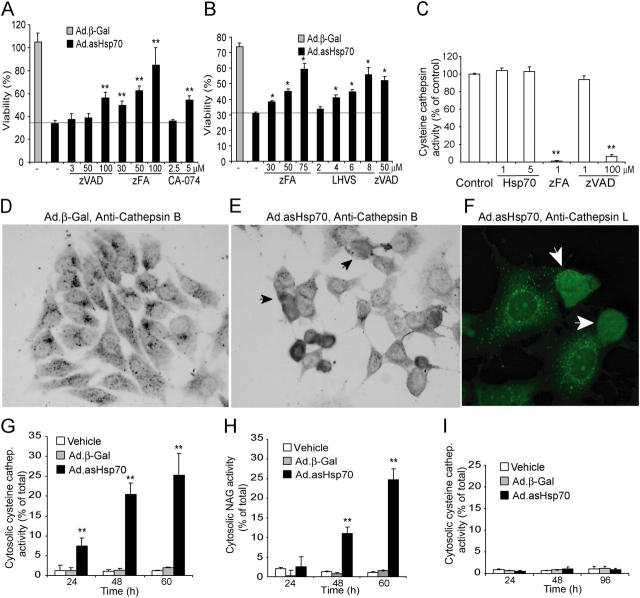
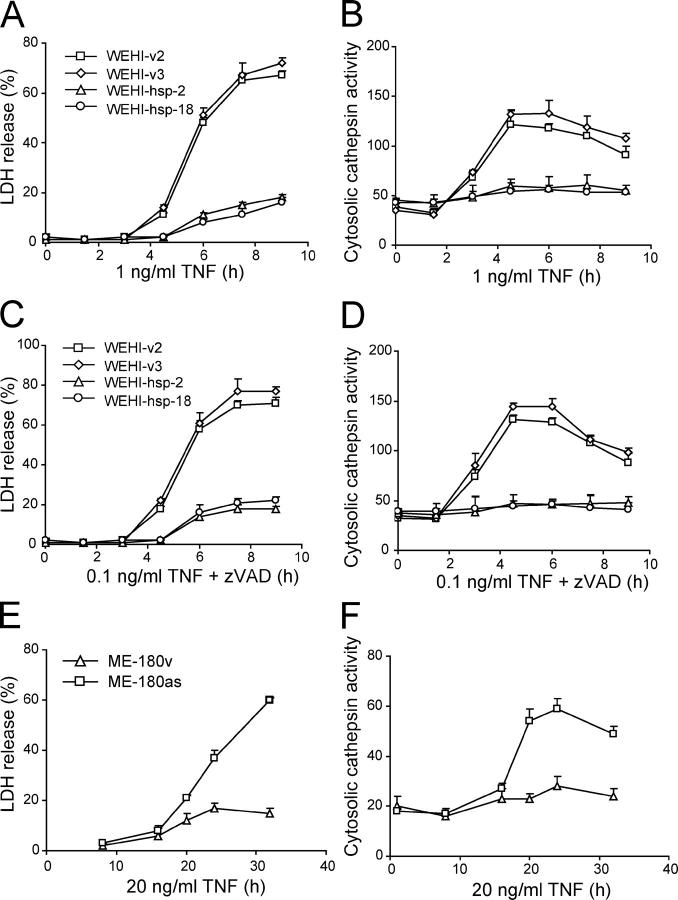
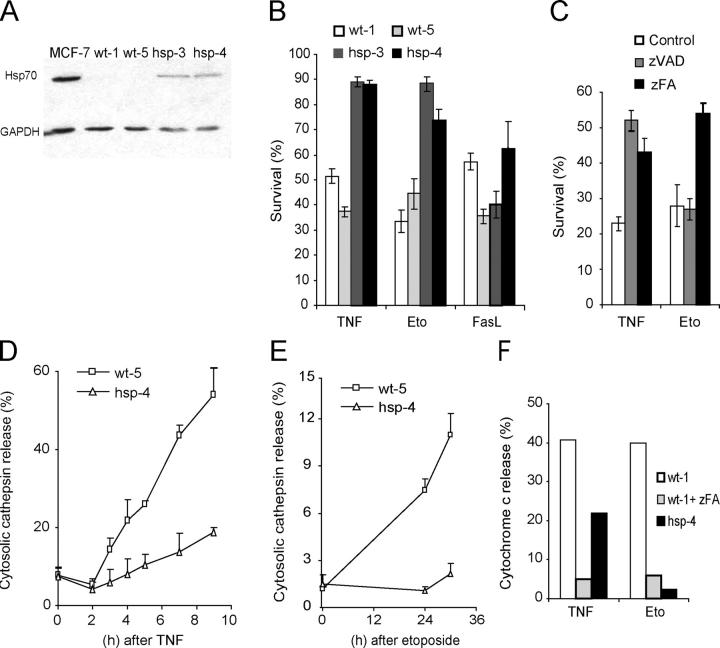
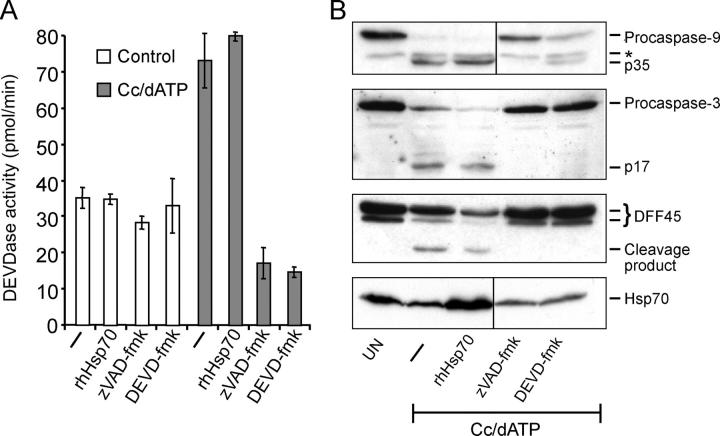
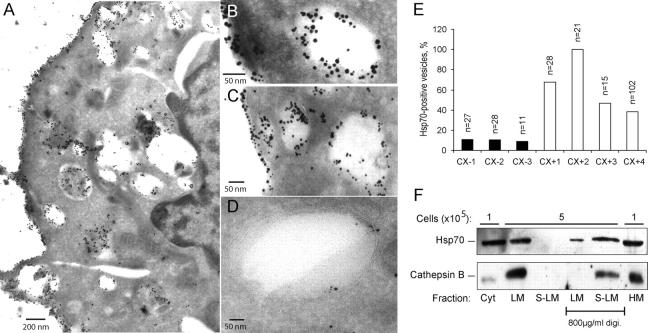
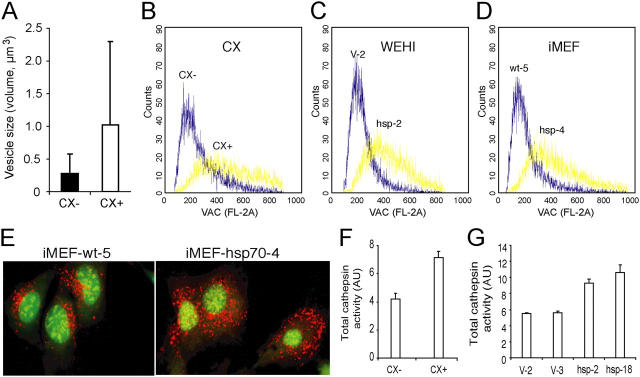
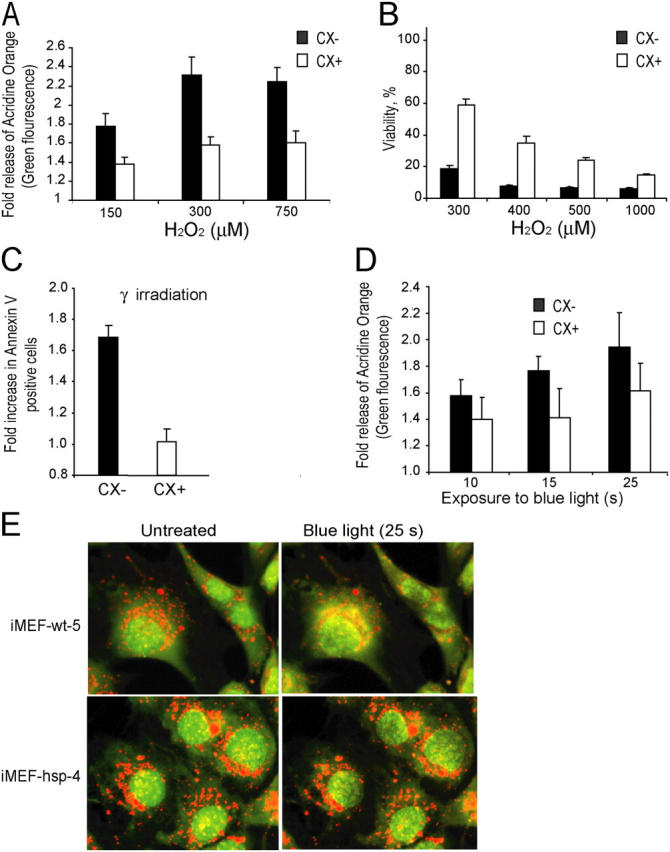
Heat shock protein 70 (Hsp70) is a potent survival protein whose depletion triggers massive caspase-independent tumor cell death. Here, we show that Hsp70 exerts its prosurvival function by inhibiting lysosomal membrane permeabilization. The cell death induced by Hsp70 depletion was preceded by the release of lysosomal enzymes into the cytosol and inhibited by pharmacological inhibitors of lysosomal cysteine proteases. Accordingly, the Hsp70-mediated protection against various death stimuli in Hsp70-expressing human tumor cells as well as in immortalized Hsp70 transgenic murine fibroblasts occurred at the level of the lysosomal permeabilization. On the contrary, Hsp70 failed to inhibit the cytochrome c–induced, apoptosome-dependent caspase activation in vitro and Fas ligand–induced, caspase-dependent apoptosis in immortalized fibroblasts. Immunoelectron microscopy revealed that endosomal and lysosomal membranes of tumor cells contained Hsp70. Permeabilization of purified endo/lysosomes by digitonin failed to release Hsp70, suggesting that it is physically associated with the membranes. Finally, Hsp70 positive lysosomes displayed increased size and resistance against chemical and physical membrane destabilization. These data identify Hsp70 as the first survival protein that functions by inhibiting the death-associated permeabilization of lysosomes.
Overview
The claims and statistics of this paper haven’t been checked yet.
Run the check — free, no account needed. It reads the open-access text and checks the sources it cites.
Integrity signals
Registry
Cites
Statistics
Figures
Verification
Claims the paper makes
The claims and statistics of this paper haven’t been checked yet.
Run the check — free, no account needed. It reads the open-access text and checks the sources it cites.
Claims other papers make about this one
Each is checked against this paper’s own text: does it say what the citing paper says it does?
In the citing paper
“Moreover, under physiological conditions, lysosomal membranes can be stabilized by altering lysosomal cholesterol content [788] or by boosting endogenous activity of heat shock protein family A (Hsp70) member 1A (HSPA1A; best known as HSP70) [789, 790].”
From Molecular mechanisms of cell death: recommendations of the nomenclature committee on cell death 2018. (2018) · cites this paper as [790]
Self-check
Percentages, sums and reported differences re-computed from the paper’s own numbers.
The self-check needs the paper’s full text.
Citations
Cites
Hanahan, D., & Weinberg, R. A. (2000) · Cell · doi:10.1016/s0092-8674(00)81683-9 · Cited by 29,219
Control of inositol 1,4,5-trisphosphate-induced Ca2+ release by cytosolic Ca2+
Bootman, M. D., Missiaen, L., Parys, J. B., SMEDT, H. D., & Casteels, R. (1995) · Biochemical Journal · doi:10.1042/bj3060445 · Cited by 5,131
Four deaths and a funeral: from caspases to alternative mechanisms
Leist, M., & Jäättelä, M. (2001) · Nature Reviews Molecular Cell Biology · doi:10.1038/35085008 · Cited by 1,600
Organelle-specific initiation of cell death pathways
Ferri, K. F., & Kroemer, G. (2001) · Nature Cell Biology · doi:10.1038/ncb1101-e255 · Cited by 1,455
A Role for a 70-Kilodalton Heat Shock Protein in Lysosomal Degradation of Intracellular Proteins
Chiang, H.-L., Terlecky, S. R., Plant, C. P., & Dice, J. F. (1989) · Science · doi:10.1126/science.2799391 · Cited by 982
Heat-shock protein 70 antagonizes apoptosis-inducing factor
Ravagnan, L., Gurbuxani, S. K., Susín, S. A., Maisse, C., Daugas, É., Zamzami, N., Mak, T. W., Jäättelä, M., Penninger, J. M., Garrido, C., et al. (2001) · Nature Cell Biology · doi:10.1038/ncb0901-839 · Cited by 859
The Chaperone Function of hsp70 Is Required for Protection against Stress-Induced Apoptosis
Mosser, D., Caron, A., Bourget, L., Meriin, A. B., Sherman, M., Morimoto, R., & Massie, B. (2000) · Molecular and Cellular Biology · doi:10.1128/mcb.20.19.7146-7159.2000 · Cited by 768
Guicciardi, M. E., Deussing, J. M., Miyoshi, H., Bronk, S. F., Svingen, P. A., Peters, C., Kaufmann, S. H., & Gores, G. J. (2000) · Journal of Clinical Investigation · doi:10.1172/jci9914 · Cited by 710
Hsp70 exerts its anti‐apoptotic function downstream of caspase‐3‐like proteases
Jäättelä, M., Wissing, D., Kokholm, K., Kallunki, T., & Egeblad, M. (1998) · The EMBO Journal · doi:10.1093/emboj/17.21.6124 · Cited by 679
Foghsgaard, L., Wissing, D., Mauch, D., Lademann, U. A., Bastholm, L., Boes, M. L., Elling, F., Leist, M., & Jäättelä, M. (2001) · The Journal of Cell Biology · doi:10.1083/jcb.153.5.999 · Cited by 629
Self-citation
Research works printed but not linked: 7
- 2001, Nat. Rev. Mol. Cell Biol., 2, 589
- 2002, Cancer Res., 62, 7139
- 1998, Int. J. Cancer., 73, 468
- 1996, Transgenics., 2, 111
- 2004, Cancer Res., In press
- 2001, Redox Rep., 6, 91, 10.1179/135100001101536094 · DOI
- 2003, Haematologica., 88, 474
Cited by
Sorted by citations
Galluzzi, L., Vitale, I., Aaronson, S. A., Abrams, J. M., Adam, D., Agostinis, P., Alnemri, E. S., Altucci, L., Amelio, I., Andrews, D. W., et al. (2018) · Cell Death & Differentiation · doi:10.1038/s41418-017-0012-4 · Cited by 6,680
Self-citationMolecular mechanisms of necroptosis: an ordered cellular explosion
Vandenabeele, P., Galluzzi, L., Vanden Berghe, T., & Kroemer, G. (2010) · Nature Reviews Molecular Cell Biology · doi:10.1038/nrm2970 · Cited by 2,382
Lysosomal membrane permeabilization in cell death
Boya, P., & Kroemer, G. (2008) · Oncogene · doi:10.1038/onc.2008.310 · Cited by 1,456
Lysosomes and autophagy in cell death control
Kroemer, G., & Jäättelä, M. (2005) · Nature reviews. Cancer · doi:10.1038/nrc1738 · Cited by 1,322
The heat shock protein 70 family: Highly homologous proteins with overlapping and distinct functions
Daugaard, M., Rohde, M., & Jäättelä, M. (2007) · FEBS Letters · doi:10.1016/j.febslet.2007.05.039 · Cited by 1,177
Self-citationHeat shock proteins in cancer: chaperones of tumorigenesis
Calderwood, S. K., Khaleque, A., Sawyer, D. B., & Ciocca, D. R. (2006) · Trends in Biochemical Sciences · doi:10.1016/j.tibs.2006.01.006 · Cited by 972
Necrotic death as a cell fatePreprint
Zong, W., & Thompson, C. B. (2006) · Genes & Development · doi:10.1101/gad.1376506 · Cited by 952
Cell Death Independent of Caspases: A Review
Bröker, L. E., Kruyt, F. A. E., & Giaccone, G. (2005) · Clinical Cancer Research · doi:10.1158/1078-0432.ccr-04-2223 · Cited by 914
Heat shock proteins: Biological functions, pathological roles, and therapeutic opportunities
Hu, C., Yang, J. C., Qi, Z., Wu, H., Wang, B., Zou, F., Mei, H., Liu, J. L., Wang, W., & Liu, Q. (2022) · MedComm · doi:10.1002/mco2.161 · Cited by 881
The lysosome: from waste bag to potential therapeutic target
Appelqvist, H., Wäster, P., Kågedal, K., & Öllinger, K. (2013) · Journal of Molecular Cell Biology · doi:10.1093/jmcb/mjt022 · Cited by 772
Molecular effectors of multiple cell death pathways initiated by photodynamic therapy
Buytaert, E., Dewaele, M., & Agostinis, P. (2007) · Biochimica et Biophysica Acta (BBA) - Reviews on Cancer · doi:10.1016/j.bbcan.2007.07.001 · Cited by 768
Cysteine cathepsin proteases: regulators of cancer progression and therapeutic response
Olson, O. C., & Joyce, J. A. (2015) · Nature reviews. Cancer · doi:10.1038/nrc4027 · Cited by 703
Heat Shock Proteins and Cancer
Wu, J., Liu, T., Rios, Z., Mei, Q., Lin, X., & Cao, S. (2016) · Trends in Pharmacological Sciences · doi:10.1016/j.tips.2016.11.009 · Cited by 726
Lysosomal cell death at a glance
Aits, S., & Jäättelä, M. (2013) · Journal of Cell Science · doi:10.1242/jcs.091181 · Cited by 667
The Lysosome as a Regulatory Hub
Perera, R. M., & Zoncu, R. (2016) · Annual Review of Cell and Developmental Biology · doi:10.1146/annurev-cellbio-111315-125125 · Cited by 698
The human HSP70 family of chaperones: where do we stand?
Radons, J. (2016) · Cell Stress and Chaperones · doi:10.1007/s12192-016-0676-6 · Cited by 603
Intracellular and extracellular functions of heat shock proteins: repercussions in cancer therapy
Schmitt, E., Gehrmann, M., Brunet, M., Multhoff, G., & Garrido, C. (2006) · Journal of Leukocyte Biology · doi:10.1189/jlb.0306167 · Cited by 589
Self-citationHsp70 stabilizes lysosomes and reverts Niemann–Pick disease-associated lysosomal pathology
Kirkegaard, T., Roth, A. G., Petersen, N. H. T., Mahalka, A. K., Olsen, O. D., Moilanen, I., Zylicz, A., Knudsen, J., Sandhoff, K., Arenz, C., et al. (2010) · Nature · doi:10.1038/nature08710 · Cited by 519
Self-citationHeat shock genes — integrating cell survival and death
Arya, R., Mallik, M., & Lakhotia, S. C. (2007) · Journal of Biosciences · doi:10.1007/s12038-007-0059-3 · Cited by 503
Murphy, M. E. (2013) · Carcinogenesis · doi:10.1093/carcin/bgt111 · Cited by 529
Targeting Heat Shock Proteins in Cancer: A Promising Therapeutic Approach
Chatterjee, S., & Burns, T. F. (2017) · International Journal of Molecular Sciences · doi:10.3390/ijms18091978 · Cited by 498
Heat shock proteins: essential proteins for apoptosis regulation
Lanneau, D., Brunet, M., Frisan, E., Solary, É., Fontenay, M., & Garrido, C. (2008) · Journal of Cellular and Molecular Medicine · doi:10.1111/j.1582-4934.2008.00273.x · Cited by 518
Altered lysosomal proteins in neural-derived plasma exosomes in preclinical Alzheimer disease
Goetzl, E. J., Boxer, A., Schwartz, J. B., Abner, E. L., Petersen, R. C., Miller, B. L., & Kapogiannis, D. (2015) · Neurology · doi:10.1212/wnl.0000000000001702 · Cited by 446
Regulation of apoptosis-associated lysosomal membrane permeabilization
Johansson, A., Appelqvist, H., Nilsson, C., Kågedal, K., Roberg, K. B., & Öllinger, K. M. (2010) · APOPTOSIS · doi:10.1007/s10495-009-0452-5 · Cited by 479
Membranes: A meeting point for lipids, proteins and therapies
Escribá, P. V., González‐Ros, J. M., Goñi, F. M., Kinnunen, P. K. J., Vigh, L., Sánchez‐Magraner, L., Fernández, A. M., Busquets, X., Horváth, I., & Barceló‐Coblijn, G. (2008) · Journal of Cellular and Molecular Medicine · doi:10.1111/j.1582-4934.2008.00281.x · Cited by 454
A Small Molecule Inhibitor of Inducible Heat Shock Protein 70
Leu, J. I.-J., Pimkina, J. S., Frank, A. K., Murphy, M. E., & George, D. L. (2009) · Molecular Cell · doi:10.1016/j.molcel.2009.09.023 · Cited by 451
Heat Shock Protein 70 (Hsp70) as an Emerging Drug Target
Evans, C. G., Chang, L., & Gestwicki, J. E. (2010) · Journal of Medicinal Chemistry · doi:10.1021/jm100054f · Cited by 447
Regulation of the Apaf-1–caspase-9 apoptosome
Bratton, S. B., & Salvesen, G. S. (2010) · Journal of Cell Science · doi:10.1242/jcs.073643 · Cited by 434
Hsp70 Inhibits Heat-induced Apoptosis Upstream of Mitochondria by Preventing Bax Translocation
Stankiewicz, A. R., Lachapelle, G., Foo, C. P. Z., Radicioni, S. M., & Mosser, D. D. (2005) · Journal of Biological Chemistry · doi:10.1074/jbc.m509497200 · Cited by 443
Members of the heat-shock protein 70 family promote cancer cell growth by distinct mechanismsPreprint
Rohde, M., Daugaard, M., Jensen, M. H., Helin, K., Nylandsted, J., & Jäättelä, M. (2005) · Genes & Development · doi:10.1101/gad.305405 · Cited by 417
Self-citationBeere, H. M. (2005) · Journal of Clinical Investigation · doi:10.1172/jci26471 · Cited by 417
Lysosomes and lysosomal cathepsins in cell death
Repnik, U., Stoka, V., Türk, V., & Turk, B. (2011) · Biochimica et Biophysica Acta (BBA) - Proteins and Proteomics · doi:10.1016/j.bbapap.2011.08.016 · Cited by 412
Lysosomal involvement in cell death and cancer
Kirkegaard, T., & Jäättelä, M. (2008) · Biochimica et Biophysica Acta (BBA) - Molecular Cell Research · doi:10.1016/j.bbamcr.2008.09.008 · Cited by 401
Programmed necrosis: backup to and competitor with apoptosis in the immune system
Han, J., Zhong, C., & Zhang, D. (2011) · Nature Immunology · doi:10.1038/ni.2159 · Cited by 375
Lysosomes as Targets for Cancer Therapy
Fehrenbacher, N., & Jäättelä, M. (2005) · Cancer Research · doi:10.1158/0008-5472.can-05-0476 · Cited by 324
Self-citationLow temperature photothermal therapy: Advances and perspectives
Yang, K., Zhao, S., Li, B., Wang, B., Lan, M., & Song, X. (2021) · Coordination Chemistry Reviews · doi:10.1016/j.ccr.2021.214330 · Cited by 312
Lysosomes in iron metabolism, ageing and apoptosis
Kurz, T., Terman, A., Gustafsson, B., & Brunk, U. T. (2008) · Histochemistry and Cell Biology · doi:10.1007/s00418-008-0394-y · Cited by 302
Dual Role of Heat Shock Proteins as Regulators of Apoptosis and Innate Immunity
Joly, A.-L., Wettstein, G., Mignot, G., Ghiringhelli, F., & Garrido, C. (2010) · Journal of Innate Immunity · doi:10.1159/000296508 · Cited by 300
Cancer-associated lysosomal changes: friends or foes?
Kallunki, T., Olsen, O. D., & Jäättelä, M. (2012) · Oncogene · doi:10.1038/onc.2012.292 · Cited by 301
Alduaij, W., Ivanov, A., Honeychurch, J., Cheadle, E. J., Potluri, S., Lim, S. H., Shimada, K., Chan, H. T. C., Tutt, A., Beers, S. A., et al. (2011) · Blood · doi:10.1182/blood-2010-07-296913 · Cited by 296
Nanopreparations for organelle-specific delivery in cancer
Biswas, S., & Torchilin, V. P. (2013) · Advanced Drug Delivery Reviews · doi:10.1016/j.addr.2013.11.004 · Cited by 298
Programmed Necrosis, Not Apoptosis, in the Heart
Kung, G., Konstantinidis, K., & Kitsis, R. N. (2011) · Circulation Research · doi:10.1161/circresaha.110.225730 · Cited by 292
Lysosomes and oxidative stress in aging and apoptosis
Kurz, T., Terman, A., Gustafsson, B., & Brunk, U. T. (2008) · Biochimica et Biophysica Acta (BBA) - General Subjects · doi:10.1016/j.bbagen.2008.01.009 · Cited by 287
Maio, A. D. (2010) · Cell Stress and Chaperones · doi:10.1007/s12192-010-0236-4 · Cited by 291
Low-Temperature Photothermal Therapy: Strategies and Applications
Yi, X., Duan, Q., & Wu, F. (2021) · Research · doi:10.34133/2021/9816594 · Cited by 282
HSP27, 70 and 90, anti-apoptotic proteins, in clinical cancer therapy
Wang, X., Chen, M., Zhou, J., & Zhang, X. (2014) · International Journal of Oncology · doi:10.3892/ijo.2014.2399 · Cited by 282
Lysosomes as “Suicide Bags” in Cell Death: Myth or Reality?
Turk, B., & Türk, V. (2009) · Journal of Biological Chemistry · doi:10.1074/jbc.r109.023820 · Cited by 276
Mechanisms of silver nanoparticle-induced toxicity and important role of autophagy
Mao, B.-H., Tsai, J., Chen, C.-W., Yan, S., & Wang, Y. (2016) · Nanotoxicology · doi:10.1080/17435390.2016.1189614 · Cited by 271
HSP70 Multi-Functionality in Cancer
Albakova, Z., Armeev, G. A., Kanevskiy, L. M., Kovalenko, E. I., & Sapozhnikov, A. M. (2020) · Cells · doi:10.3390/cells9030587 · Cited by 268
Conus, S., Perozzo, R., Reinheckel, T., Peters, C., Scapozza, L., Yousefi, S., & Simon, H. (2008) · The Journal of Experimental Medicine · doi:10.1084/jem.20072152 · Cited by 277
Høyer-Hansen, M. H., Bastholm, L., Mathiasen, I. S., Elling, F., & Jäättelä, M. (2005) · Cell Death and Differentiation · doi:10.1038/sj.cdd.4401651 · Cited by 254
Self-citationOld and new facts about hyperthermia-induced modulations of the immune system
Frey, B., Weiss, E., Rubner, Y., Wunderlich, R., Ott, O. J., Sauer, R., Fietkau, R., & Gaipl, U. S. (2012) · International Journal of Hyperthermia · doi:10.3109/02656736.2012.677933 · Cited by 252
Ostenfeld, M. S., Fehrenbacher, N., Høyer-Hansen, M. H., Thomsen, C., Farkas, T., & Jäättelä, M. (2005) · Cancer Research · doi:10.1158/0008-5472.can-05-0269 · Cited by 250
Self-citationInhibition of the Ubiquitin-Proteasome System Induces Stress Granule Formation
Mazrouï, R., Marco, S. D., Kaufman, R. J., & Gallouzi, I. (2007) · Molecular Biology of the Cell · doi:10.1091/mbc.e06-12-1079 · Cited by 255
Hsp70 – a master regulator in protein degradation
Fernández-Fernández, M. R., Gragera, M., Ochoa‐Ibarrola, L., Quintana‐Gallardo, L., & Valpuesta, J. (2017) · FEBS Letters · doi:10.1002/1873-3468.12751 · Cited by 260
Fehrenbacher, N., Bastholm, L., Kirkegaard‐Sørensen, T., Rafn, B., Bøttzauw, T., Nielsen, C. W., Weber, E., Shirasawa, S., Kallunki, T., & Jäättelä, M. (2008) · Cancer Research · doi:10.1158/0008-5472.can-08-0463 · Cited by 242
Self-citationMembrane-associated stress proteins: More than simply chaperones
Horváth, I., Multhoff, G., Sonnleitner, A., & Vı́gh, L. (2008) · Biochimica et Biophysica Acta (BBA) - Biomembranes · doi:10.1016/j.bbamem.2008.02.012 · Cited by 238
Self-citationDetection and Clearance of Damaged Lysosomes by the Endo-Lysosomal Damage Response and Lysophagy
Papadopoulos, C., & Meyer, H. (2017) · Current Biology · doi:10.1016/j.cub.2017.11.012 · Cited by 230
Recent advances in active targeting of nanomaterials for anticancer drug delivery
Dutta, B., Barick, K. C., & Hassan, P. A. (2021) · Advances in Colloid and Interface Science · doi:10.1016/j.cis.2021.102509 · Cited by 236
Lysosomal membrane permeabilization in cell death: Concepts and challenges
Repnik, U., Česen, M. H., & Turk, B. (2014) · Mitochondrion · doi:10.1016/j.mito.2014.06.006 · Cited by 245
Inhibition of HSP70: A challenging anti-cancer strategy
Goloudina, A. R., Demidov, O. N., & Garrido, C. (2012) · Cancer Letters · doi:10.1016/j.canlet.2012.06.003 · Cited by 237
Autophagy in the eye: Development, degeneration, and aging
Boya, P., Esteban‐Martínez, L., Serrano‐Puebla, A., Gómez‐Sintes, R., & Villarejo‐Zori, B. (2016) · Progress in Retinal and Eye Research · doi:10.1016/j.preteyeres.2016.08.001 · Cited by 236
Heat Shock Protein 70 Increases Tumorigenicity and Inhibits Apoptosis in Pancreatic Adenocarcinoma
Aghdassi, A. A., Phillips, P. A., Dudeja, V., Dhaulakhandi, D. B., Sharif, R., Dawra, R. K., Lerch, M. M., & Saluja, A. K. (2007) · Cancer Research · doi:10.1158/0008-5472.can-06-1567 · Cited by 230
Cathepsins: Key modulators of cell death and inflammatory responses
Conus, S., & Simon, H. (2008) · Biochemical Pharmacology · doi:10.1016/j.bcp.2008.07.041 · Cited by 232
Targeting lysosomes in human disease: from basic research to clinical applications
Cao, M., Luo, X., Wu, K., & He, X. (2021) · Signal Transduction and Targeted Therapy · doi:10.1038/s41392-021-00778-y · Cited by 225
Targeting Hsp70: A possible therapy for cancer
Kumar, S., Stokes, J. A., III, Singh, U. P., Gunn, K. S., Acharya, A., Manne, U., & Mishra, M. K. (2016) · Cancer Letters · doi:10.1016/j.canlet.2016.01.056 · Cited by 234
Histone deacetylase 10 promotes autophagy-mediated cell survival
Oehme, I., Linke, J.-P., Böck, B. C., Milde, T., Lodrini, M., Hartenstein, B., Wiegand, I., Eckert, C., Roth, W., Kool, M., et al. (2013) · Proceedings of the National Academy of Sciences · doi:10.1073/pnas.1300113110 · Cited by 221
Hovanessian, A. G., Soundaramourty, C., Khoury, D. E., Nondier, I., Svab, J., & Krust, B. (2010) · PLoS ONE · doi:10.1371/journal.pone.0015787 · Cited by 220
The lysosomal–mitochondrial axis theory of postmitotic aging and cell death
Terman, A., Gustafsson, B., & Brunk, U. T. (2006) · Chemico-Biological Interactions · doi:10.1016/j.cbi.2006.04.013 · Cited by 220
Lysosomal cell death mechanisms in aging
Gómez-Sintes, R., Ledesma, M. D., & Boya, P. (2016) · Ageing Research Reviews · doi:10.1016/j.arr.2016.02.009 · Cited by 216
Groth‐Pedersen, L., Ostenfeld, M. S., Høyer-Hansen, M. H., Nylandsted, J., & Jäättelä, M. (2007) · Cancer Research · doi:10.1158/0008-5472.can-06-3520 · Cited by 219
Self-citationHsp70 in cancer: back to the future
Sherman, M. Y., & Gabai, V. L. (2014) · Oncogene · doi:10.1038/onc.2014.349 · Cited by 213
Guo, F., Rocha, K., Bali, P., Pranpat, M., Fiskus, W. C., Boyapalle, S., Kumaraswamy, S., Balasis, M. E., Greedy, B. M., Armitage, E. S. M., et al. (2005) · Cancer Research · doi:10.1158/0008-5472.can-05-1799 · Cited by 212
Serrano‐Puebla, A., & Boya, P. (2016) · Annals of the New York Academy of Sciences · doi:10.1111/nyas.12966 · Cited by 204
Oberle, C., Huai, J., Reinheckel, T., Tacke, M., Rassner, M., Ekert, P. G., Buellesbach, J., & Borner, C. (2010) · Cell Death & Differentiation · doi:10.1038/cdd.2009.214 · Cited by 193
Combating apoptosis and multidrug resistant cancers by targeting lysosomes
Groth‐Pedersen, L., & Jäättelä, M. (2010) · Cancer Letters · doi:10.1016/j.canlet.2010.05.021 · Cited by 196
The role of lysosomal rupture in neuronal death
Yamashima, T., & Oikawa, S. (2009) · Progress in Neurobiology · doi:10.1016/j.pneurobio.2009.09.003 · Cited by 188
Lysosomal–mitochondrial cross-talk during cell death
Repnik, U., & Turk, B. (2010) · Mitochondrion · doi:10.1016/j.mito.2010.07.008 · Cited by 182
Hypoxia Compromises Anti-Cancer Immune Responses
Multhoff, G., & Vaupel, P. W. (2019) · Advances in experimental medicine and biology · doi:10.1007/978-3-030-34461-0_18 · Cited by 179
Self-citationGabandé‐Rodríguez, E., Boya, P., Labrador-Cantarero, V., Dotti, C. G., & Ledesma, M. D. (2014) · Cell Death and Differentiation · doi:10.1038/cdd.2014.4 · Cited by 177
Ivanov, A., Beers, S. A., Walshe, C. A., Honeychurch, J., Alduaij, W., Cox, K. L., Potter, K. N., Murray, S., Chan, H. T. C., Klymenko, T., et al. (2009) · Journal of Clinical Investigation · doi:10.1172/jci37884 · Cited by 177
Heat shock protein–based therapy as a potential candidate for treating the sphingolipidoses
Kirkegaard, T., Gray, J., Priestman, D. A., Wallom, K.-L., Atkins, J., Olsen, O. D., Klein, A., Drndarski, S., Petersen, N. H. T., Ingemann, L., et al. (2016) · Science Translational Medicine · doi:10.1126/scitranslmed.aad9823 · Cited by 173
Self-citationRole of Heat Shock Proteins (HSP70 and HSP90) in Viral Infection
Lubkowska, A., Pluta, W. W., Strońska-Pluta, A., & Lalko, A. (2021) · International Journal of Molecular Sciences · doi:10.3390/ijms22179366 · Cited by 168
Shen, S. (2007) · World Journal of Gastroenterology · doi:10.3748/wjg.v13.i13.1953 · Cited by 162
Killing a cancer: what are the alternatives?
Kreuzaler, P. A., & Watson, C. J. (2012) · Nature reviews. Cancer · doi:10.1038/nrc3264 · Cited by 164
Exosomes: A new delivery system for tumor antigens in cancer immunotherapy
Cho, J., Yeo, D.-J., Son, H., Kim, H., Jung, D., Ko, J., Koh, J. S., Kim, Y.-N., & Kim, C. (2004) · International Journal of Cancer · doi:10.1002/ijc.20757 · Cited by 160
Galluzzi, L., Berghe, T. V., Vanlangenakker, N., Büttner, S., Eisenberg, T., Vandenabeele, P., Madeo, F., & Kroemer, G. (2011) · International review of cytology · doi:10.1016/b978-0-12-386039-2.00001-8 · Cited by 152
Metallothionein protects against oxidative stress-induced lysosomal destabilization
Baird, S. K., Kurz, T., & Brunk, U. T. (2006) · Biochemical Journal · doi:10.1042/bj20051143 · Cited by 145
Sensitization to the Lysosomal Cell Death Pathway upon Immortalization and Transformation
Fehrenbacher, N., Gyrd‐Hansen, M., Poulsen, B., Felbor, U., Kallunki, T., Boes, M. L., Weber, E., Leist, M., & Jäättelä, M. (2004) · Cancer Research · doi:10.1158/0008-5472.can-04-1427 · Cited by 144
Self-citationHeat Shock Proteins in Diabetes and Wound Healing
Atalay, M., Oksala, N., Lappalainen, J., Laaksonen, D. E., Sen, C. K., & Roy, S. (2009) · Current Protein and Peptide Science · doi:10.2174/138920309787315202 · Cited by 145
Heat Shock Proteins: Endogenous Modulators of Apoptotic Cell Death
Mirjolet, C., Schmitt, E., Brunet, M., Maingret, L., Parcellier, A., & Garrido, C. (2005) · Springer eBooks · doi:10.1007/3-540-29717-0_8 · Cited by 149
Leu, J. I.-J., Pimkina, J. S., Pandey, P., Murphy, M. E., & George, D. L. (2011) · Molecular Cancer Research · doi:10.1158/1541-7786.mcr-11-0019 · Cited by 141
The Multifaceted Photocytotoxic Profile of Hypericin
Theodossiou, T. A., Hothersall, J. S., de Witte, P. A. M., Pantos, A., & Agostinis, P. (2009) · Molecular Pharmaceutics · doi:10.1021/mp900166q · Cited by 139
Mijatovic, T., Mathieu, V., Gaussin, J., Nève, N. D., Ribaucour, F., Quaquebeke, E. V., Dumont, P., Darro, F., & Robert Kiss, A. (2006) · Neoplasia · doi:10.1593/neo.05850 · Cited by 136
Therapeutic potential of AIF-mediated caspase-independent programmed cell death
Lorenzo, H. K., & Susín, S. A. (2007) · Drug Resistance Updates · doi:10.1016/j.drup.2007.11.001 · Cited by 140
Immunostimulatory functions of membrane-bound and exported heat shock protein 70
Radons, J., & Multhoff, G. (2026) · PubMed · doi:10.22029/eir.2005.1612 · Cited by 134
Self-citationChung, M., Chen, K., Liang, H., Liao, Z., Chia, W., Younan Xia, A., & Sung, H. (2012) · Angewandte Chemie International Edition · doi:10.1002/anie.201205482 · Cited by 133
Cell Death Pathways: a Novel Therapeutic Approach for Neuroscientists
Morris, G., Walker, A. J., Berk, M., Maes, M. H. J., & Puri, B. K. (2017) · Molecular Neurobiology · doi:10.1007/s12035-017-0793-y · Cited by 134
Dai, C. (2017) · Philosophical Transactions of the Royal Society B Biological Sciences · doi:10.1098/rstb.2016.0525 · Cited by 134
Kong, C., Li, Y., Liu, Z., Ye, J., Wang, Z., Zhang, L., Kong, W., Liu, H., Liu, C., Pang, H., et al. (2019) · ACS Nano · doi:10.1021/acsnano.8b08246 · Cited by 127
Metadata
- Authors
- Nylandsted, J., Gyrd-Hansen, M., Danielewicz, A., Fehrenbacher, N., Lademann, U., Høyer-Hansen, M., Weber, E., Multhoff, G., Rohde, M., & Jäättelä, M.
- Affiliations
- Danish Cancer Society (DK)
- 1Department of Apoptosis, Institute for Cancer Biology, Danish Cancer Society, DK-2100 Copenhagen, Denmark
- Martin Luther University Halle-Wittenberg (DE)
- University Hospital Regensburg (DE)
- Venue
- The Journal of Experimental Medicine
- Publisher
- Rockefeller University Press
- Published
- 2004-08-16
- Volume
- 200
- Issue
- 4
- Pages
- 425-435
- ISSN
- 0022-1007 (ISSN-L)
- 1540-9538
- PMC
- PMC2211935
- OpenAlex
- W2108205327
- Cited by
- 545
- References
- 42
- Citations by year
- 2026: 6 · 2025: 15 · 2024: 13 · 2023: 20 · 2022: 17 · 2021: 29 · 2020: 20 · 2019: 13 · 2018: 22 · 2017: 23 · 2016: 30 · 2015: 35 · 2014: 33 · 2013: 45 · 2012: 20
- FWCI
- 10.32
- Type
- journal article
- Language
- en
- Open access
- bronze
- doi.org
- Locations
- The Journal of Experimental Medicine (publishedVersion)
- PubMed Central (publishedVersion, cc-by-nc-sa)
- PubMed (publishedVersion)
- University of Regensburg Publication Server (University of Regensburg) (acceptedVersion)
- Funders
- Kræftens Bekæmpelse
- Sundhed og Sygdom, Det Frie Forskningsråd
- European Commission
- Medical Research Council
- Topics
- Life Sciences › Biochemistry, Genetics and Molecular Biology › Molecular Biology › Heat shock proteins research
- Life Sciences › Biochemistry, Genetics and Molecular Biology › Molecular Biology › Cell death mechanisms and regulation
- Life Sciences › Biochemistry, Genetics and Molecular Biology › Cell Biology › Autophagy in Disease and Therapy
- Keywords
- HSP70, lysosomal membrane permeabilization, cell survival, lysosomal cysteine proteases, lysosomal enzyme release, caspase-independent cell death, apoptosis, endosomal membrane, cancer cell death
- MeSH terms
- Animals, Cathepsins, Cell Membrane Permeability, Cell Survival, HeLa Cells, Humans, Lysosomes, Tumor Cells, Cultured, Immunoblotting, Microscopy, Immunoelectron, Apoptosis, HSP70 Heat-Shock Proteins, Caspases, Mice
About these checks
Registry, retraction, Cites and statistics results are computed, not judged, with one exception: a printed reference that no index lists is read once by a model before it counts as a citation error. Claims are extracted by a model and kept only when their quote appears verbatim in the text; each cited source is then checked, with a model’s help, for whether it says what the claim relies on. Those verdicts can be wrong — read the claim’s quote and the cited source before relying on one.
Statistics and arithmetic are recomputed, not judged.
Confidence bands are shown only for fields calibrated on our annotated test set. None is calibrated yet, so no band is shown.
What counts as a claim ›How we measure confidence ›How we check this ›
Are you an author, or do you see a problem with this page? Request a review
