

The DOI matches its Crossref record; 35 of the 35 references it cites were found in a registry or an index.
PDK1 regulation of mTOR and hypoxia-inducible factor 1 integrate metabolism and migration of CD8+ T cells
Open accessAbstract
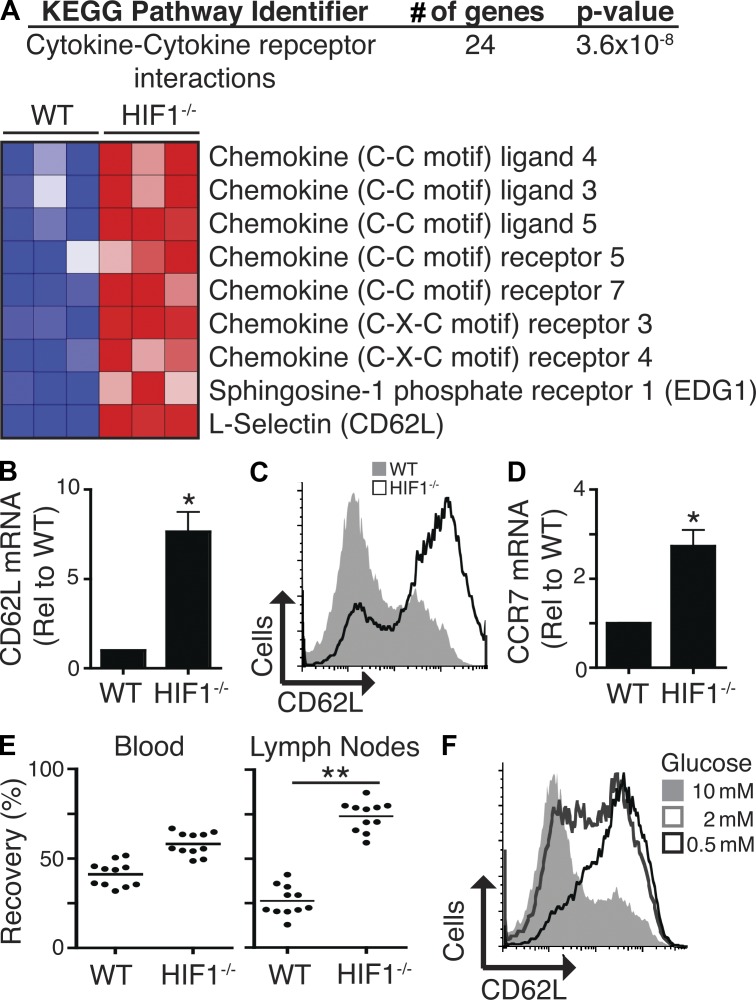
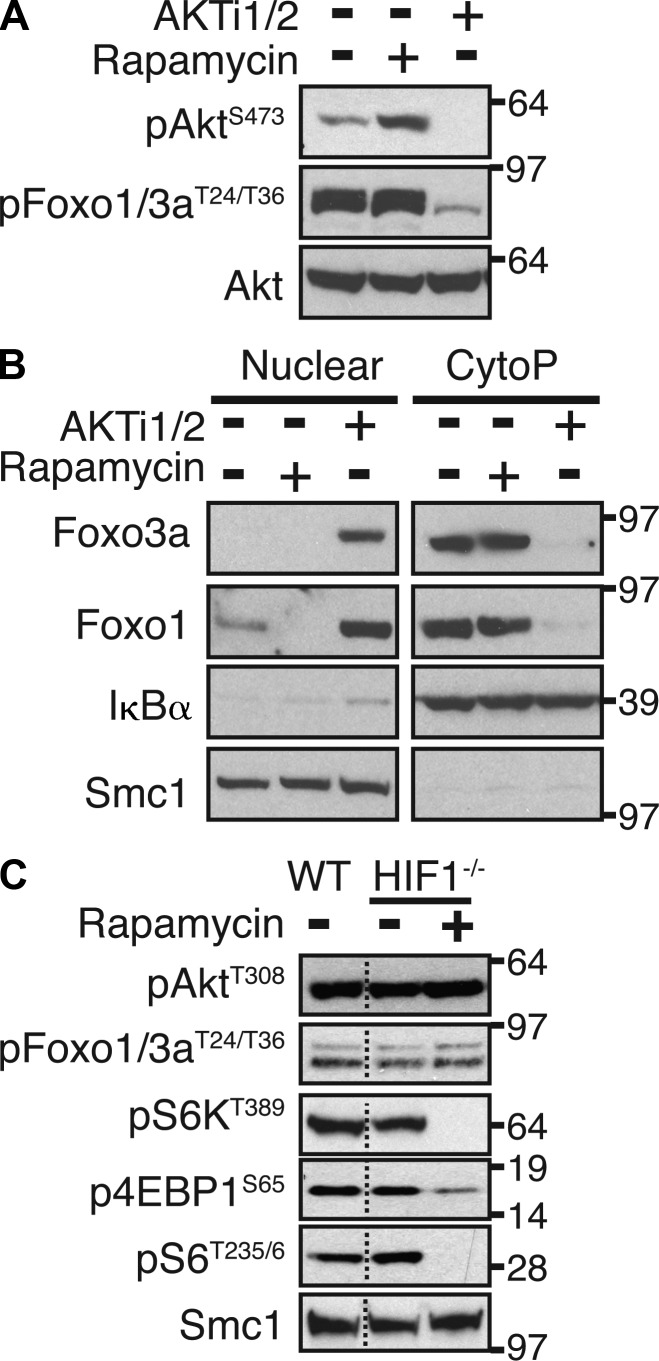
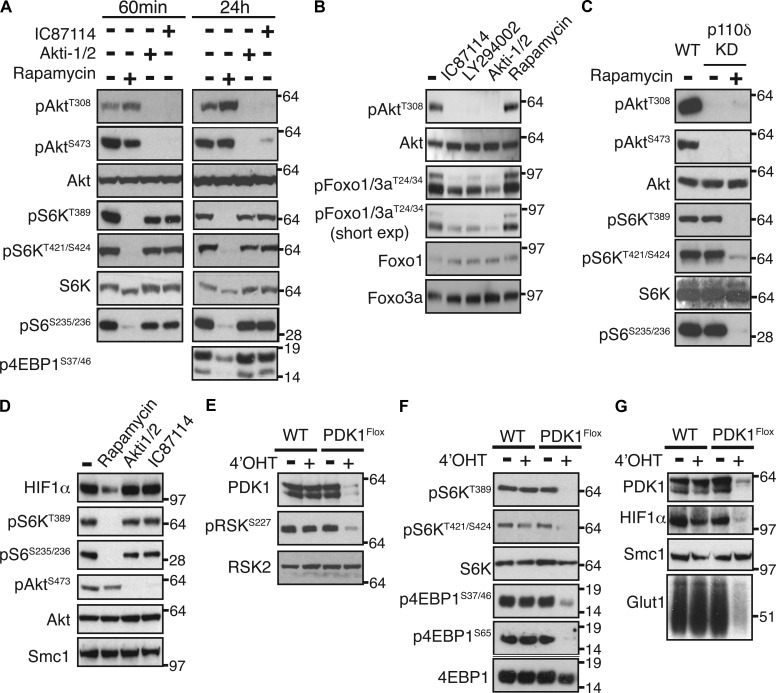
mTORC1 (mammalian target of rapamycin complex 1) controls transcriptional programs that determine CD8+ cytolytic T cell (CTL) fate. In some cell systems, mTORC1 couples phosphatidylinositol-3 kinase (PI3K) and Akt to the control of glucose uptake and glycolysis. However, PI3K–Akt-independent mechanisms control glucose metabolism in CD8+ T cells, and the role of mTORC1 has not been explored. The present study now demonstrates that mTORC1 activity in CD8+ T cells is not dependent on PI3K or Akt but is critical to sustain glucose uptake and glycolysis in CD8+ T cells. We also show that PI3K- and Akt-independent pathways mediated by mTORC1 regulate the expression of HIF1 (hypoxia-inducible factor 1) transcription factor complex. This mTORC1–HIF1 pathway is required to sustain glucose metabolism and glycolysis in effector CTLs and strikingly functions to couple mTORC1 to a diverse transcriptional program that controls expression of glucose transporters, multiple rate-limiting glycolytic enzymes, cytolytic effector molecules, and essential chemokine and adhesion receptors that regulate T cell trafficking. These data reveal a fundamental mechanism linking nutrient and oxygen sensing to transcriptional control of CD8+ T cell differentiation.
Overview
The claims and statistics of this paper haven’t been checked yet.
Run the check — free, no account needed. It reads the open-access text and checks the sources it cites.
Integrity signals
Registry
Cites
Statistics
Figures
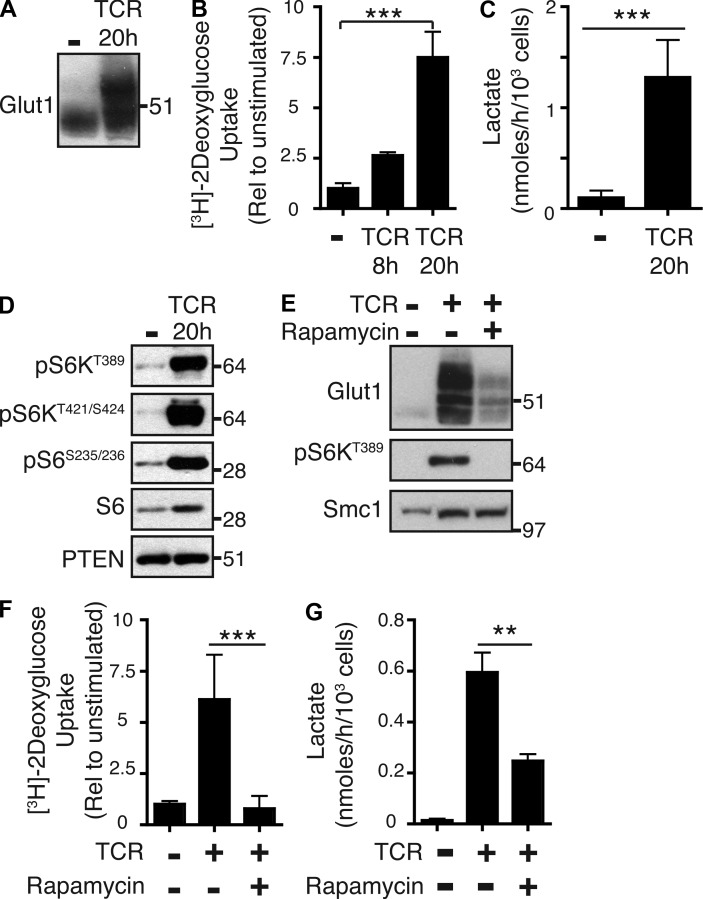
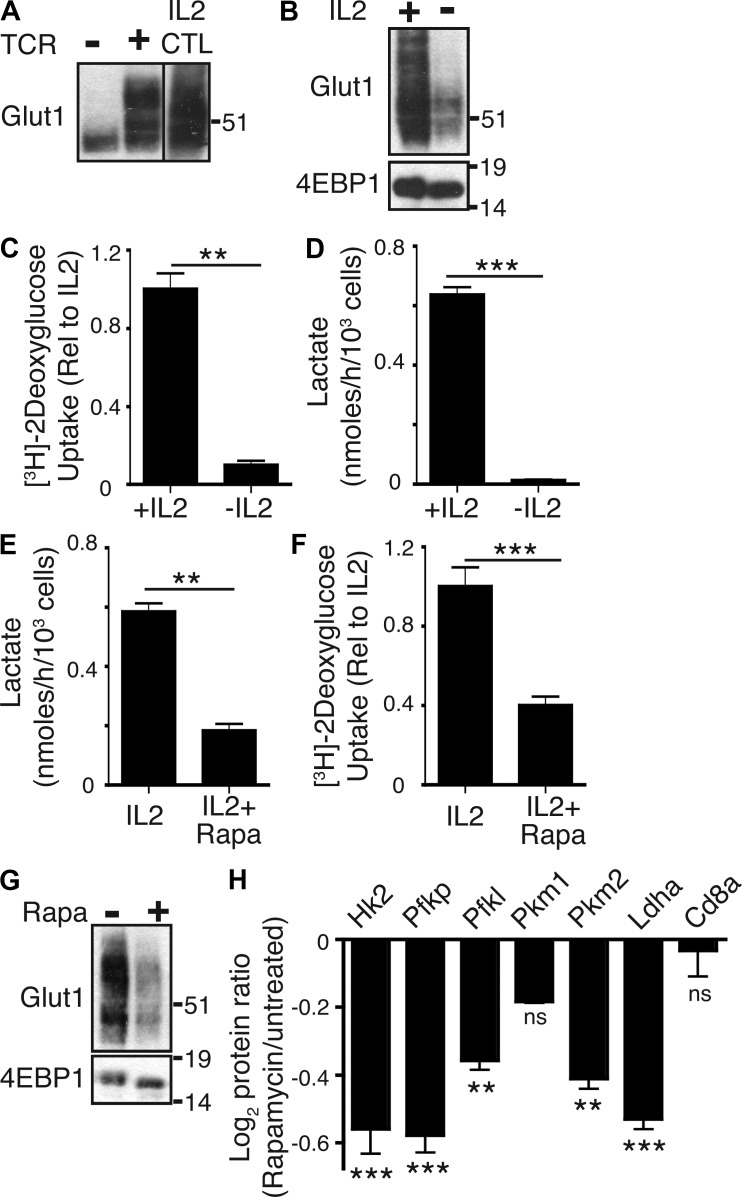
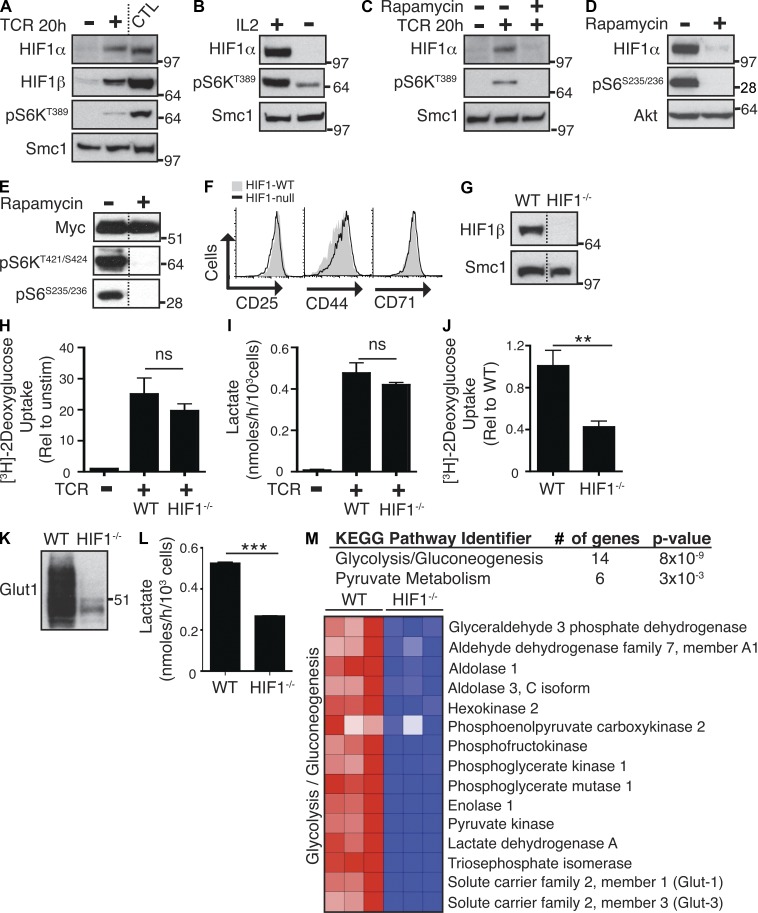
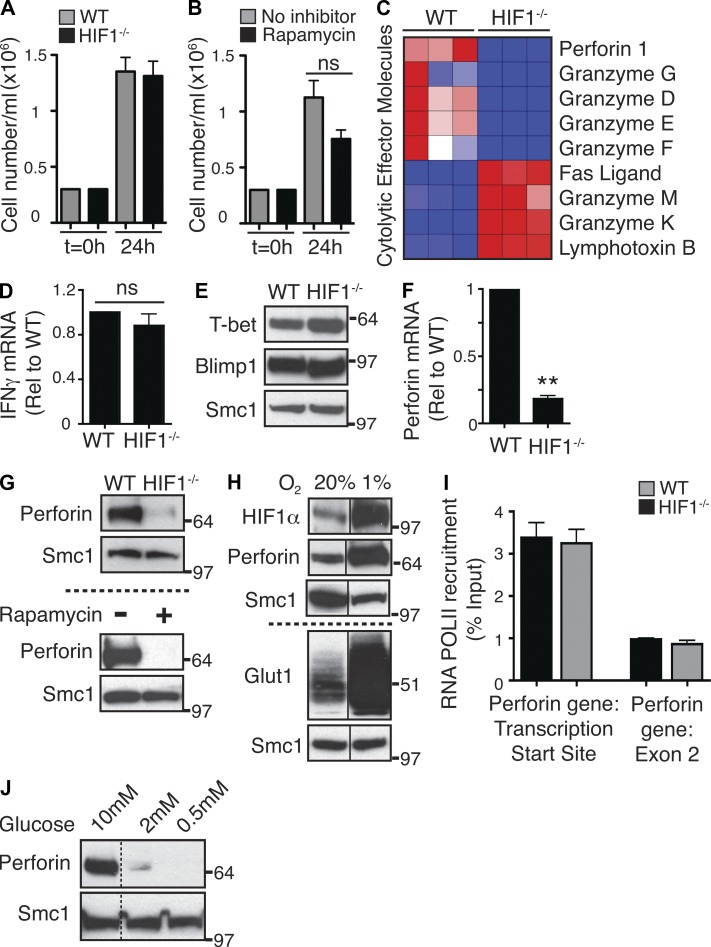
Verification
Claims the paper makes
The claims and statistics of this paper haven’t been checked yet.
Run the check — free, no account needed. It reads the open-access text and checks the sources it cites.
Claims other papers make about this one
Each is checked against this paper’s own text: does it say what the citing paper says it does?
In the citing paper
“D-2-HG activates NF-κB in bone marrow stromal cells in an IκB kinase-independent fashion, thus generating a stromal niche for IDH mutant AML development138.”
From Coupling Krebs cycle metabolites to signalling in immunity and cancer (2018) · cites this paper as [138]
Self-check
Percentages, sums and reported differences re-computed from the paper’s own numbers.
The self-check needs the paper’s full text.
Citations
Cites
Systematic and integrative analysis of large gene lists using DAVID bioinformatics resources
Huang, D. W., Sherman, B. T., & Lempicki, R. A. (2009) · Nature Protocols · doi:10.1038/nprot.2008.211 · Cited by 35,890
Cox, J., & Mann, M. (2008) · Nature Biotechnology · doi:10.1038/nbt.1511 · Cited by 14,855
Huang, D. W., Sherman, B. T., & Lempicki, R. A. (2009) · Nucleic Acids Research · doi:10.1093/nar/gkn923 · Cited by 14,108
Prolonged Rapamycin Treatment Inhibits mTORC2 Assembly and Akt/PKB
Sarbassov, D. D., Ali, S. M., Sengupta, S., Sheen, J.-H., Hsu, P. P., Bagley, A. F., Markhard, A. L., & Sabatini, D. M. (2006) · Molecular Cell · doi:10.1016/j.molcel.2006.03.029 · Cited by 2,365
The transcription factor Myc controls metabolic reprogramming upon T lymphocyte activation
Wang, R., Dillon, C. P., Shi, L. Z., Milasta, S., Carter, R., Finkelstein, D., McCormick, L. L., Fitzgerald, P., Chi, H., Munger, J., et al. (2011) · Immunity · doi:10.1016/j.immuni.2011.09.021 · Cited by 2,140 · cited 4×
“In this respect, a previous study has implicated c-myc as a major regulator of glucose metabolism in T cells (Wang et al., 2011).”
BackgroundInfluentialShi, L. Z., Wang, R., Huang, G., Vogel, P., Neale, G., Green, D. R., & Chi, H. (2011) · Journal of Experimental Medicine · doi:10.1084/jem.20110278 · Cited by 1,803
mTOR regulates memory CD8 T-cell differentiation
Araki, K., Turner, A. P., Shaffer, V. O., Gangappa, S., Keller, S. A., Bachmann, M. F., Larsen, C. P., & Ahmed, R. (2009) · Nature · doi:10.1038/nature08155 · Cited by 1,575
HIF-1: upstream and downstream of cancer metabolism
Semenza, G. L. (2009) · Current Opinion in Genetics & Development · doi:10.1016/j.gde.2009.10.009 · Cited by 1,437
Delgoffe, G. M., Pollizzi, K. N., Waickman, A. T., Heikamp, E., Meyers, D. J., Horton, M. R., Xiao, B., Worley, P. F., & Powell, J. D. (2011) · Nature Immunology · doi:10.1038/ni.2005 · Cited by 1,141
Tolerance induction in double specific T-cell receptor transgenic mice varies with antigen
Pircher, H., Bürki, K., Lang, R., Hengartner, H., & Zinkernagel, R. M. (1989) · Nature · doi:10.1038/342559a0 · Cited by 1,019
Cited by
Sorted by citations
Hypoxic microenvironment in cancer: molecular mechanisms and therapeutic interventions
Chen, Z., Han, F., Du, Y., Shi, H., & Zhou, W. (2023) · Signal Transduction and Targeted Therapy · doi:10.1038/s41392-023-01332-8 · Cited by 1,612
Phosphoenolpyruvate Is a Metabolic Checkpoint of Anti-tumor T Cell Responses
Ho, P.-C., Bihuniak, J. D., Macintyre, A. N., Staron, M., Liu, X., Amezquita, R., Tsui, Y.-C., Cui, G., Micevic, G., Perales, J. C., et al. (2015) · Cell · doi:10.1016/j.cell.2015.08.012 · Cited by 1,462
Kawalekar, O. U., O’Connor, R. S., Fraietta, J. A., Guo, L., McGettigan, S. E., Posey, A. D., Patel, P. R., Guedan, S., Scholler, J., Keith, B., et al. (2016) · Immunity · doi:10.1016/j.immuni.2016.01.021 · Cited by 1,267
Metabolic Instruction of Immunity
Buck, M. D., Sowell, R., Kaech, S. M., & Pearce, E. L. (2017) · Cell · doi:10.1016/j.cell.2017.04.004 · Cited by 1,270
T cell metabolism drives immunity
Buck, M. D., O’Sullivan, D., & Pearce, E. L. (2015) · The Journal of Experimental Medicine · doi:10.1084/jem.20151159 · Cited by 1,238
Metadata
- Authors
- Finlay, D. K., Rosenzweig, E., Sinclair, L. V., Feijoo-Carnero, C., Hukelmann, J. L., Rolf, J., Panteleyev, A. A., Okkenhaug, K., & Cantrell, D. A.
- Affiliations
- Trinity College Dublin (IE)
- University of Dundee (GB)
- Division of Cell Signalling and Immunology, College of Life Sciences 3 ; and 4
- Babraham Institute (GB)
- Corresponding author
- Finlay, David K.
- Cantrell, Doreen A.
- ORCID
- Venue
- Journal of Experimental Medicine
- Publisher
- Rockefeller University Press
- Published
- 2012-11-26
- Volume
- 209
- Issue
- 13
- Pages
- 2441-2453
- ISSN
- 0022-1007 (ISSN-L)
- 1540-9538
- PMC
- PMC3526360
- OpenAlex
- W2164164239
- Cited by
- 596
- References
- 35
- Citations by year
- 2026: 29 · 2025: 33 · 2024: 32 · 2023: 43 · 2022: 46 · 2021: 59 · 2020: 47 · 2019: 56 · 2018: 45 · 2017: 43 · 2016: 49 · 2015: 46 · 2014: 36 · 2013: 29 · 2012: 2
- FWCI
- 14.52
- Type
- journal article
- Language
- en
- Open access
- bronze
- doi.org
- Locations
- The Journal of Experimental Medicine (publishedVersion)
- Europe PMC (PubMed Central) (publishedVersion, cc-by-nc-sa)
- PubMed Central (publishedVersion, cc-by-nc-sa)
- PubMed (publishedVersion)
- Discovery Research Portal (University of Dundee) (acceptedVersion, other-oa)
- Arrow@dit (Dublin Institute of Technology) (acceptedVersion)
- Trinity's Access to Research Output (TARA) (Trinity College Dublin) (submittedVersion, cc-by-nc-sa)
- Apollo (University of Cambridge) (submittedVersion, cc-by-nc-sa)
- Apollo
- Funders
- University of Dundee
- Wellcome Trust (097418/Z/11/Z, 095691, 065975, 097418)
- Topics
- Life Sciences › Biochemistry, Genetics and Molecular Biology › Molecular Biology › PI3K/AKT/mTOR signaling in cancer
- Life Sciences › Immunology and Microbiology › Immunology › T-cell and B-cell Immunology
- Life Sciences › Biochemistry, Genetics and Molecular Biology › Cancer Research › Cancer, Hypoxia, and Metabolism
- Keywords
- mTORC1, CD8+ T cells, cytotoxic T lymphocytes, HIF-1, glucose metabolism, glycolysis, glucose uptake, T cell migration, T cell differentiation, nutrient sensing, oxygen sensing, glucose transporters, chemokine receptors, cell adhesion receptors
- MeSH terms
- Mechanistic Target of Rapamycin Complex 1, Animals, Cell Differentiation, Cell Movement, Gene Expression Regulation, Glucose, Glycolysis, Interleukin-2, Mice, Inbred C57BL, Mice, Mutant Strains, Mice, Transgenic, Proteins, Receptors, Antigen, T-Cell, Protein Serine-Threonine Kinases, CD8-Positive T-Lymphocytes, Chemokines, Receptors, Chemokine, Phosphatidylinositol 3-Kinases, Multiprotein Complexes, Proto-Oncogene Proteins c-akt, Mice, Aryl Hydrocarbon Receptor Nuclear Translocator, Hypoxia-Inducible Factor 1, Hypoxia-Inducible Factor 1, alpha Subunit, TOR Serine-Threonine Kinases, 3-Phosphoinositide-Dependent Protein Kinases
About these checks
Registry, retraction, Cites and statistics results are computed, not judged, with one exception: a printed reference that no index lists is read once by a model before it counts as a citation error. Claims are extracted by a model and kept only when their quote appears verbatim in the text; each cited source is then checked, with a model’s help, for whether it says what the claim relies on. Those verdicts can be wrong — read the claim’s quote and the cited source before relying on one.
Statistics and arithmetic are recomputed, not judged.
Confidence bands are shown only for fields calibrated on our annotated test set. None is calibrated yet, so no band is shown.
What counts as a claim ›How we measure confidence ›How we check this ›
Are you an author, or do you see a problem with this page? Request a review
