

The DOI matches its Crossref record; 35 of the 35 references it cites were found in a registry or an index.
PDK1 regulation of mTOR and hypoxia-inducible factor 1 integrate metabolism and migration of CD8+ T cells
Open accessAbstract
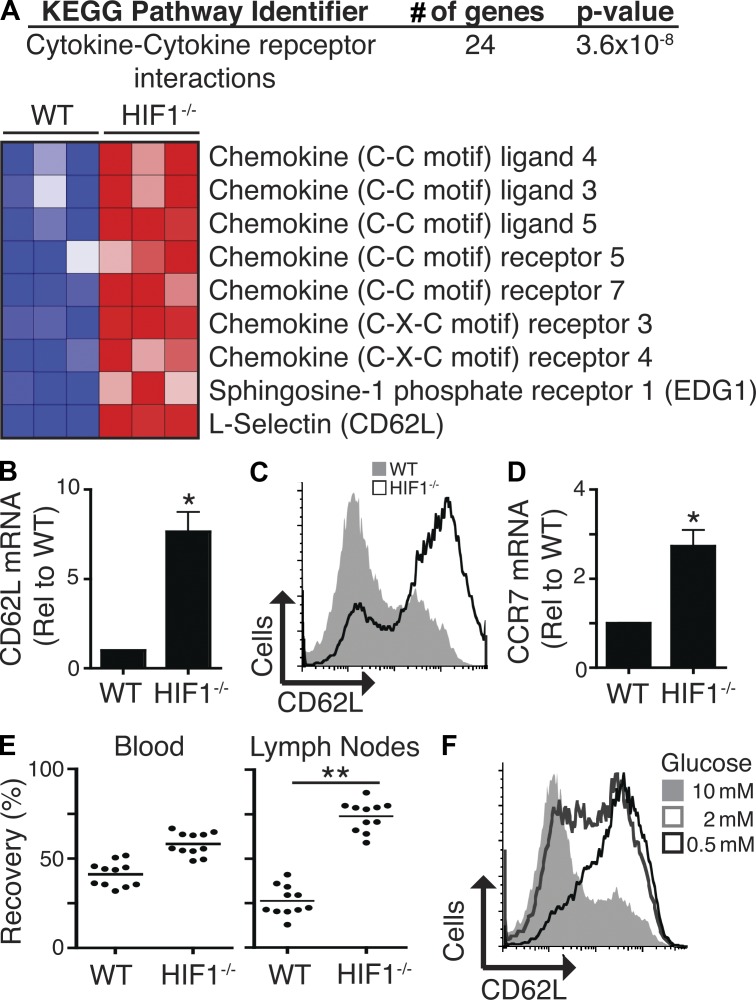
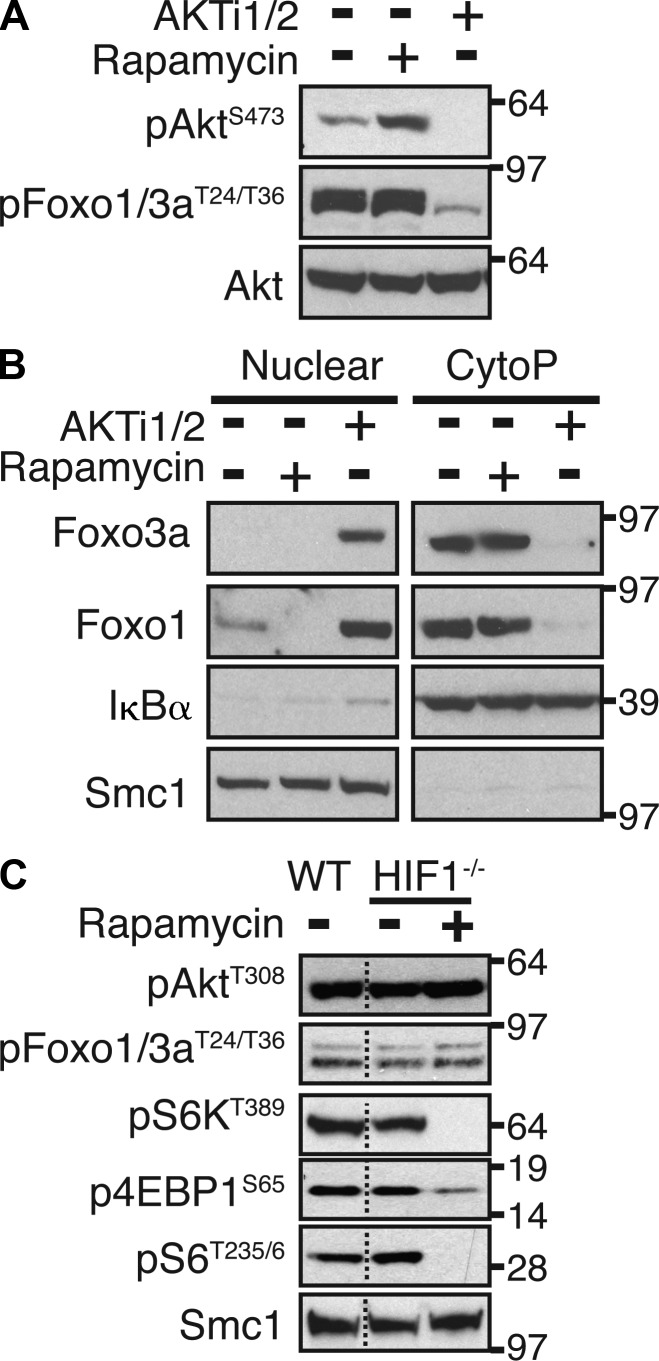
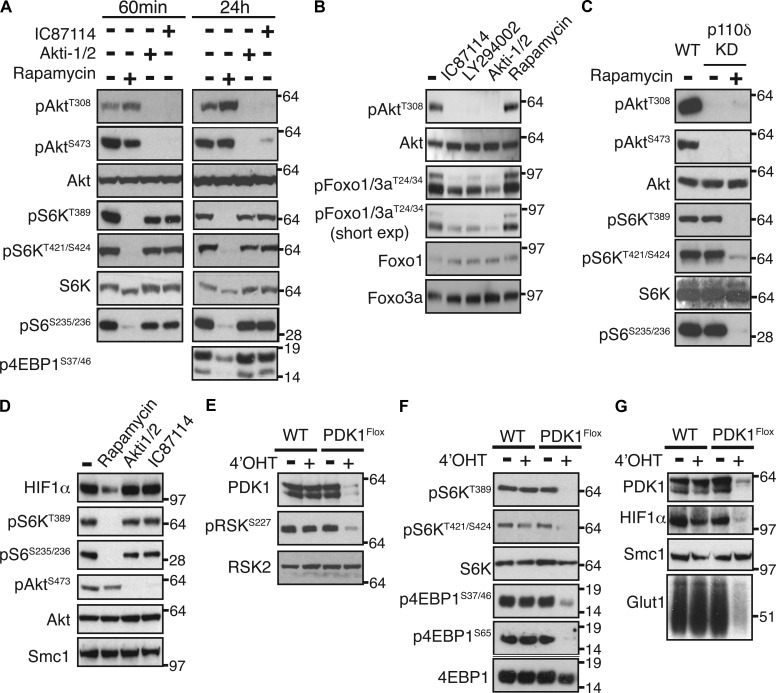
mTORC1 (mammalian target of rapamycin complex 1) controls transcriptional programs that determine CD8+ cytolytic T cell (CTL) fate. In some cell systems, mTORC1 couples phosphatidylinositol-3 kinase (PI3K) and Akt to the control of glucose uptake and glycolysis. However, PI3K–Akt-independent mechanisms control glucose metabolism in CD8+ T cells, and the role of mTORC1 has not been explored. The present study now demonstrates that mTORC1 activity in CD8+ T cells is not dependent on PI3K or Akt but is critical to sustain glucose uptake and glycolysis in CD8+ T cells. We also show that PI3K- and Akt-independent pathways mediated by mTORC1 regulate the expression of HIF1 (hypoxia-inducible factor 1) transcription factor complex. This mTORC1–HIF1 pathway is required to sustain glucose metabolism and glycolysis in effector CTLs and strikingly functions to couple mTORC1 to a diverse transcriptional program that controls expression of glucose transporters, multiple rate-limiting glycolytic enzymes, cytolytic effector molecules, and essential chemokine and adhesion receptors that regulate T cell trafficking. These data reveal a fundamental mechanism linking nutrient and oxygen sensing to transcriptional control of CD8+ T cell differentiation.
Overview
The claims and statistics of this paper haven’t been checked yet.
Run the check — free, no account needed. It reads the open-access text and checks the sources it cites.
Integrity signals
Registry
Cites
Statistics
Figures
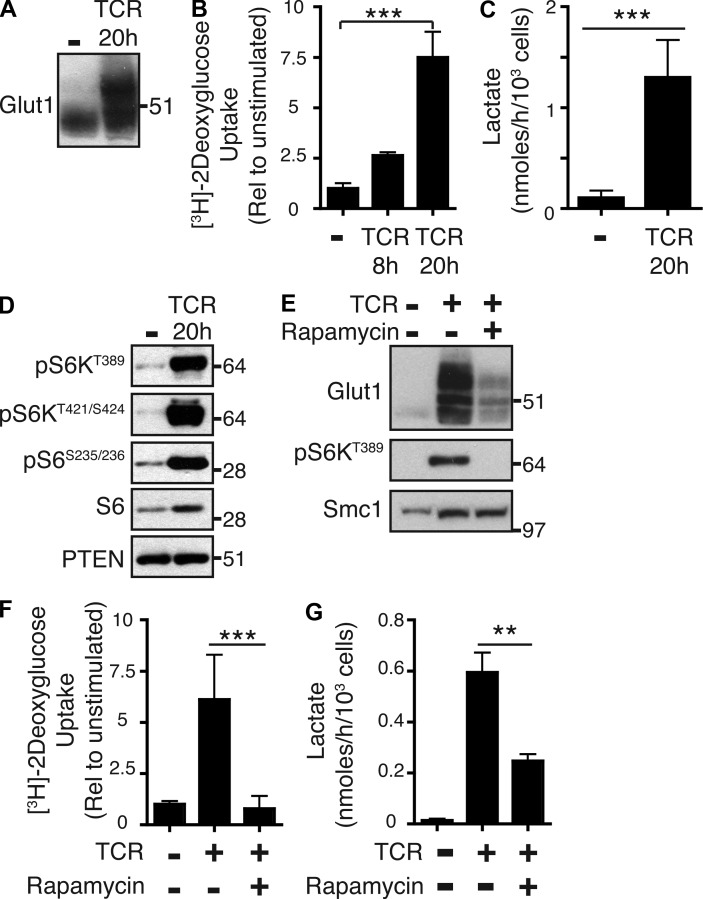
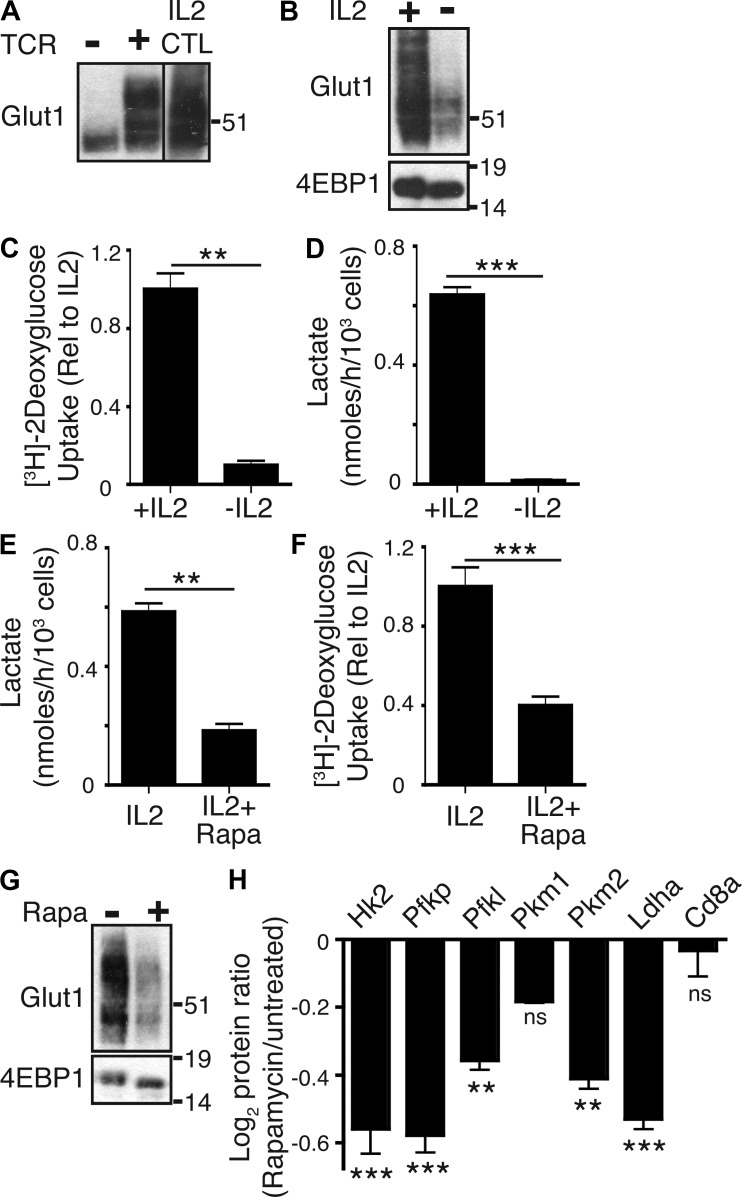
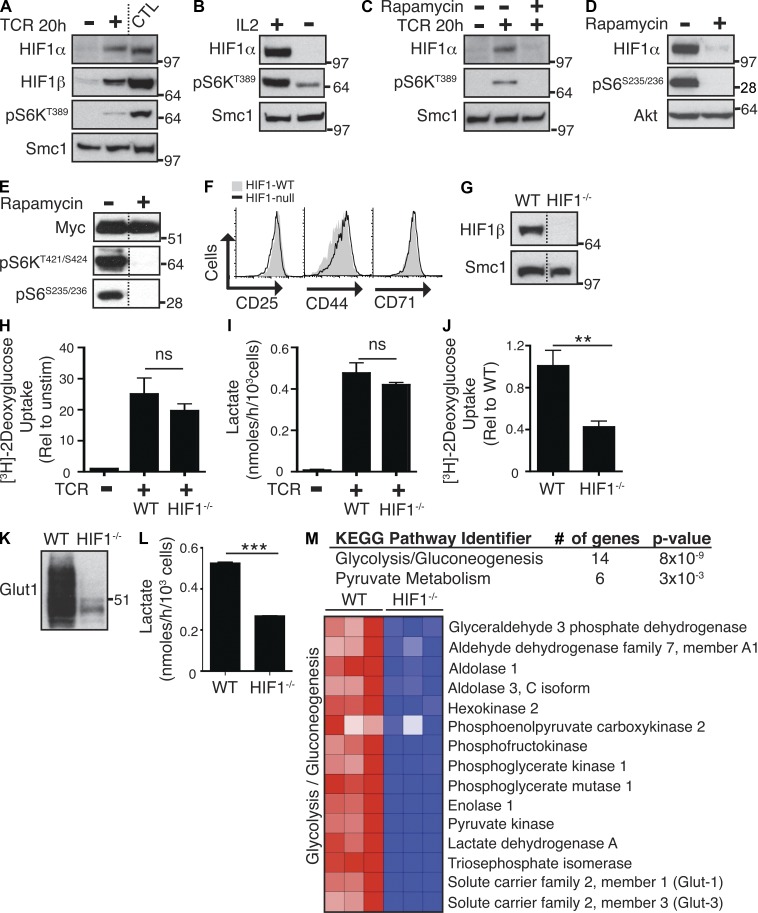
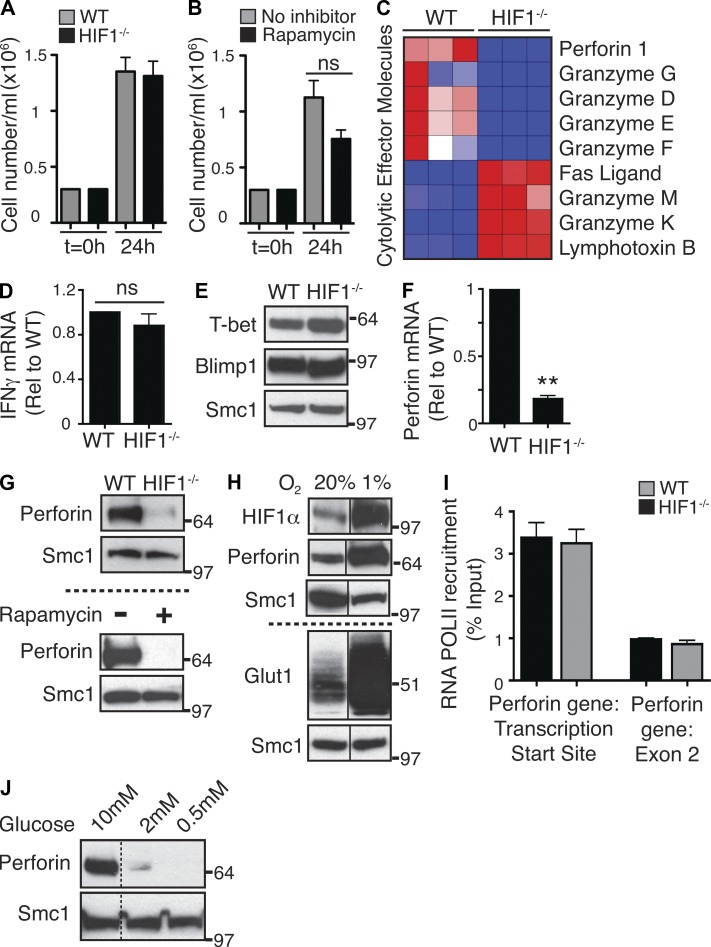
Verification
Claims the paper makes
The claims and statistics of this paper haven’t been checked yet.
Run the check — free, no account needed. It reads the open-access text and checks the sources it cites.
Claims other papers make about this one
Each is checked against this paper’s own text: does it say what the citing paper says it does?
In the citing paper
“D-2-HG activates NF-κB in bone marrow stromal cells in an IκB kinase-independent fashion, thus generating a stromal niche for IDH mutant AML development138.”
From Coupling Krebs cycle metabolites to signalling in immunity and cancer (2018) · cites this paper as [138]
Self-check
Percentages, sums and reported differences re-computed from the paper’s own numbers.
The self-check needs the paper’s full text.
Citations
Cites
Systematic and integrative analysis of large gene lists using DAVID bioinformatics resources
Huang, D. W., Sherman, B. T., & Lempicki, R. A. (2009) · Nature Protocols · doi:10.1038/nprot.2008.211 · Cited by 35,890
Cox, J., & Mann, M. (2008) · Nature Biotechnology · doi:10.1038/nbt.1511 · Cited by 14,855
Huang, D. W., Sherman, B. T., & Lempicki, R. A. (2009) · Nucleic Acids Research · doi:10.1093/nar/gkn923 · Cited by 14,108
Prolonged Rapamycin Treatment Inhibits mTORC2 Assembly and Akt/PKB
Sarbassov, D. D., Ali, S. M., Sengupta, S., Sheen, J.-H., Hsu, P. P., Bagley, A. F., Markhard, A. L., & Sabatini, D. M. (2006) · Molecular Cell · doi:10.1016/j.molcel.2006.03.029 · Cited by 2,365
The transcription factor Myc controls metabolic reprogramming upon T lymphocyte activation
Wang, R., Dillon, C. P., Shi, L. Z., Milasta, S., Carter, R., Finkelstein, D., McCormick, L. L., Fitzgerald, P., Chi, H., Munger, J., et al. (2011) · Immunity · doi:10.1016/j.immuni.2011.09.021 · Cited by 2,140 · cited 4×
“In this respect, a previous study has implicated c-myc as a major regulator of glucose metabolism in T cells (Wang et al., 2011).”
BackgroundInfluentialShi, L. Z., Wang, R., Huang, G., Vogel, P., Neale, G., Green, D. R., & Chi, H. (2011) · Journal of Experimental Medicine · doi:10.1084/jem.20110278 · Cited by 1,803
mTOR regulates memory CD8 T-cell differentiation
Araki, K., Turner, A. P., Shaffer, V. O., Gangappa, S., Keller, S. A., Bachmann, M. F., Larsen, C. P., & Ahmed, R. (2009) · Nature · doi:10.1038/nature08155 · Cited by 1,575
HIF-1: upstream and downstream of cancer metabolism
Semenza, G. L. (2009) · Current Opinion in Genetics & Development · doi:10.1016/j.gde.2009.10.009 · Cited by 1,437
Delgoffe, G. M., Pollizzi, K. N., Waickman, A. T., Heikamp, E., Meyers, D. J., Horton, M. R., Xiao, B., Worley, P. F., & Powell, J. D. (2011) · Nature Immunology · doi:10.1038/ni.2005 · Cited by 1,141
Tolerance induction in double specific T-cell receptor transgenic mice varies with antigen
Pircher, H., Bürki, K., Lang, R., Hengartner, H., & Zinkernagel, R. M. (1989) · Nature · doi:10.1038/342559a0 · Cited by 1,019
Cited by
Sorted by citations
Hypoxic microenvironment in cancer: molecular mechanisms and therapeutic interventions
Chen, Z., Han, F., Du, Y., Shi, H., & Zhou, W. (2023) · Signal Transduction and Targeted Therapy · doi:10.1038/s41392-023-01332-8 · Cited by 1,612
Phosphoenolpyruvate Is a Metabolic Checkpoint of Anti-tumor T Cell Responses
Ho, P.-C., Bihuniak, J. D., Macintyre, A. N., Staron, M., Liu, X., Amezquita, R., Tsui, Y.-C., Cui, G., Micevic, G., Perales, J. C., et al. (2015) · Cell · doi:10.1016/j.cell.2015.08.012 · Cited by 1,462
Kawalekar, O. U., O’Connor, R. S., Fraietta, J. A., Guo, L., McGettigan, S. E., Posey, A. D., Patel, P. R., Guedan, S., Scholler, J., Keith, B., et al. (2016) · Immunity · doi:10.1016/j.immuni.2016.01.021 · Cited by 1,267
Metabolic Instruction of Immunity
Buck, M. D., Sowell, R., Kaech, S. M., & Pearce, E. L. (2017) · Cell · doi:10.1016/j.cell.2017.04.004 · Cited by 1,270
T cell metabolism drives immunity
Buck, M. D., O’Sullivan, D., & Pearce, E. L. (2015) · The Journal of Experimental Medicine · doi:10.1084/jem.20151159 · Cited by 1,238
HIF transcription factors, inflammation, and immunity
Palazon, A., Goldrath, A. W., Nizet, V., & Johnson, R. S. (2014) · Immunity · doi:10.1016/j.immuni.2014.09.008 · Cited by 1,195
Signaling and Function of Interleukin-2 in T Lymphocytes
Ross, S. H., & Cantrell, D. A. (2018) · Annual Review of Immunology · doi:10.1146/annurev-immunol-042617-053352 · Cited by 1,025
Self-citationInhibiting glycolytic metabolism enhances CD8+ T cell memory and antitumor function
Sukumar, M., Liu, J., Ji, Y., Subramanian, M., Crompton, J. G., Yu, Z., Roychoudhuri, R., Palmer, D. C., Muranski, P., Karoly, E. D., et al. (2013) · Journal of Clinical Investigation · doi:10.1172/jci69589 · Cited by 952
Sinclair, L. V., Rolf, J., Emslie, E., Shi, Y.-B., Taylor, P. M., & Cantrell, D. A. (2013) · Nature Immunology · doi:10.1038/ni.2556 · Cited by 930
Self-citationMetabolism of immune cells in cancer
Leone, R. D., & Powell, J. D. (2020) · Nature Reviews Cancer · doi:10.1038/s41568-020-0273-y · Cited by 877
Keeping It All Going—Complement Meets Metabolism
Kolev, M. V., & Kemper, C. (2017) · Frontiers in Immunology · doi:10.3389/fimmu.2017.00001 · Cited by 824
The role of HIF in immunity and inflammation
McGettrick, A. F., & O’Neill, L. A. J. (2020) · Cell Metabolism · doi:10.1016/j.cmet.2020.08.002 · Cited by 768
Lucas, C. L., Kuehn, H. S., Zhao, F. R., Niemela, J. E., Deenick, E. K., Palendira, U., Avery, D. T., Moens, L., Cannons, J. L., Biancalana, M., et al. (2013) · Nature Immunology · doi:10.1038/ni.2771 · Cited by 678
Immune Landscape of Viral- and Carcinogen-Driven Head and Neck Cancer
Cillo, A. R., Kürten, C. H. L., Tabib, T., Qi, Z., Onkar, S., Wang, T., Liu, A., Duvvuri, U., Kim, S., Soose, R. J., et al. (2020) · Immunity · doi:10.1016/j.immuni.2019.11.014 · Cited by 677
Hypoxia-inducible factors enhance the effector responses of CD8(+) T cells to persistent antigen
Doedens, A. L., Phan, A. T., Stradner, M. H., Fujimoto, J. K., Nguyen, J. V., Yang, E., Johnson, R. S., & Goldrath, A. W. (2013) · Nature Immunology · doi:10.1038/ni.2714 · Cited by 660
Glycolysis – a key player in the inflammatory response
Soto‐Heredero, G., Heras, M. M. G. D. L., Gabandé‐Rodríguez, E., Oller, J., & Mittelbrunn, M. (2020) · FEBS Journal · doi:10.1111/febs.15327 · Cited by 660
mTORC1 signaling and the metabolic control of cell growth
Ben‐Sahra, I., & Manning, B. D. (2017) · Current Opinion in Cell Biology · doi:10.1016/j.ceb.2017.02.012 · Cited by 668
Metabolic reprogramming of natural killer cells in obesity limits antitumor responses
Michelet, X., Dyck, L., Hogan, A. E., Loftus, R. M., Duquette, D., Wei, K., Beyaz, S., Tavakkoli, A., Foley, C., Donnelly, R., et al. (2018) · Nature Immunology · doi:10.1038/s41590-018-0251-7 · Cited by 651
Self-citationZhang, Y., Kurupati, R. K., Liu, L., Zhou, X., Zhang, G., Hudaihed, A., Filisio, F., Giles‐Davis, W., Xu, X., Karakousis, G. C., et al. (2017) · Cancer Cell · doi:10.1016/j.ccell.2017.08.004 · Cited by 623
Marçais, A., Cherfils‐Vicini, J., Viant, C., Degouve, S., Viel, S., Fenis, A., Rabilloud, J., Mayol, K., Tavares, A., Bienvenu, J., et al. (2014) · Nature Immunology · doi:10.1038/ni.2936 · Cited by 643
Molecular regulation of effector and memory T cell differentiation
Chang, J. T., Wherry, E. J., & Goldrath, A. W. (2014) · Nature Immunology · doi:10.1038/ni.3031 · Cited by 604
Redox regulation of the immune response
Morris, G., Gevezova, M., Sarafian, V. S., & Maes, M. H. J. (2022) · Cellular and Molecular Immunology · doi:10.1038/s41423-022-00902-0 · Cited by 628
The Warburg effect then and now: From cancer to inflammatory diseases
Pålsson‐McDermott, E. M., & O'Neill, L. A. J. (2013) · BioEssays · doi:10.1002/bies.201300084 · Cited by 553
Metabolic modeling of single Th17 cells reveals regulators of autoimmunity
Wagner, A., Wang, C., Fessler, J., DeTomaso, D., Avila-Pacheco, J., Kaminski, J., Zaghouani, S., Christian, E., Thakore, P., Schellhaass, B., et al. (2021) · Cell · doi:10.1016/j.cell.2021.05.045 · Cited by 524
Klysz, D., Tai, X., Robert, P. A., Craveiro, M., Cretenet, G., Oburoglu, L., Mongellaz, C., Floess, S., Fritz, V., Matias, M. I., et al. (2015) · Science Signaling · doi:10.1126/scisignal.aab2610 · Cited by 522
An HIF-1α/VEGF-A Axis in Cytotoxic T Cells Regulates Tumor Progression
Palazon, A., Tyrakis, P. A., Macias, D., Veliça, P., Rundqvist, H., Fitzpatrick, S., Vojnovic, N., Phan, A. T., Loman, N., Hedenfalk, I., et al. (2017) · Cancer Cell · doi:10.1016/j.ccell.2017.10.003 · Cited by 521
“…CD8+ T cells impairs the expression of cytolytic effector molecules, including perforins and granzymes, and alters the expression of CD62L and cytokines and cytokine receptors involved in the migration of activated T cells from secondary lymphoid organs to peripheral tissues (Finlay et al., 2012).”
BackgroundCarretero, R., Sektioglu, I. M., Garbi, N., Salgado, O. C., Beckhove, P., & Hämmerling, G. J. (2015) · Nature Immunology · doi:10.1038/ni.3159 · Cited by 501
Redox regulation of immunometabolism
Muri, J., & Köpf, M. (2020) · Nature reviews. Immunology · doi:10.1038/s41577-020-00478-8 · Cited by 519
Rapid effector function of memory CD8+ T cells requires an immediate-early glycolytic switch
Gubser, P. M., Bantug, G. R., Razik, L., Fischer, M., Dimeloe, S., Höenger, G., Müller-Durovic, B., Jauch, A., & Hess, C. (2013) · Nature Immunology · doi:10.1038/ni.2687 · Cited by 500
mTORC1-Dependent Metabolic Reprogramming Is a Prerequisite for NK Cell Effector Function
Donnelly, R. P., Loftus, R. M., Keating, S. E., Liou, K. T., Biron, C. A., Gardiner, C. M., & Finlay, D. K. (2014) · The Journal of Immunology · doi:10.4049/jimmunol.1401558 · Cited by 509
Self-citationMetabolic pathways in T cell activation and lineage differentiation
Almeida, L., Lochner, M., Berod, L., & Sparwasser, T. D. (2016) · Seminars in Immunology · doi:10.1016/j.smim.2016.10.009 · Cited by 492
Obesity, Inflammation, and Immune System in Osteoarthritis
Nedunchezhiyan, U., Varughese, I., Sun, A. R., Wu, X., Crawford, R., & Prasadam, I. (2022) · Frontiers in Immunology · doi:10.3389/fimmu.2022.907750 · Cited by 507
Wei, J., Long, L., Yang, K., Guy, C., Shrestha, S., Chen, Z., Wu, C., Vogel, P., Neale, G., Green, D. R., et al. (2016) · Nature Immunology · doi:10.1038/ni.3365 · Cited by 470
Immunometabolism: Cellular Metabolism Turns Immune Regulator
Loftus, R. M., & Finlay, D. K. (2015) · Journal of Biological Chemistry · doi:10.1074/jbc.r115.693903 · Cited by 460
Self-citationSignaling by the Phosphoinositide 3-Kinase Family in Immune Cells
Okkenhaug, K. (2013) · Annual Review of Immunology · doi:10.1146/annurev-immunol-032712-095946 · Cited by 446
Self-citationImmunometabolism and natural killer cell responses
O’Brien, K., & Finlay, D. K. (2019) · Nature reviews. Immunology · doi:10.1038/s41577-019-0139-2 · Cited by 452
Self-citationS-2-hydroxyglutarate regulates CD8(+) T-lymphocyte fate
Tyrakis, P. A., Palazon, A., Macias, D., Lee, K. L., Phan, A. T., Veliça, P., You, J., Chia, G. S., Sim, J., Doedens, A., et al. (2016) · Nature · doi:10.1038/nature20165 · Cited by 433
Regulation of inflammation by the antioxidant haem oxygenase 1
Campbell, N. K., Fitzgerald, H. K., & Dunne, A. (2021) · Nature reviews. Immunology · doi:10.1038/s41577-020-00491-x · Cited by 440
Man, K., Miasari, M., Shi, W., Xin, A., Henstridge, D. C., Preston, S., Pellegrini, M., Belz, G. T., Smyth, G. K., Febbraio, M. A., et al. (2013) · Nature Immunology · doi:10.1038/ni.2710 · Cited by 412
Noman, M. Z., Hasmim, M., Messai, Y., Terry, S., Kiéda, C., Janji, B., & Chouaı̈b, S. (2015) · American Journal of Physiology-Cell Physiology · doi:10.1152/ajpcell.00207.2015 · Cited by 420
Coupling Krebs cycle metabolites to signalling in immunity and cancer
Ryan, D. G., Murphy, M. P., Frezza, C., Prag, H. A., Chouchani, E. T., O’Neill, L. A., & Mills, E. L. (2018) · Nature Metabolism · doi:10.1038/s42255-018-0014-7 · Cited by 398
Yang, K., Shrestha, S., Zeng, H., Karmaus, P. W. F., Neale, G. A. M., Vogel, P., Guertin, D. A., Lamb, R. F., & Chi, H. (2013) · Immunity · doi:10.1016/j.immuni.2013.09.015 · Cited by 397
Mitochondrial Membrane Potential Identifies Cells with Enhanced Stemness for Cellular Therapy
Sukumar, M., Liu, J., Mehta, G. U., Patel, S. J., Roychoudhuri, R., Crompton, J. G., Klebanoff, C. A., Ji, Y., Li, P., Yu, Z., et al. (2015) · Cell Metabolism · doi:10.1016/j.cmet.2015.11.002 · Cited by 400
Staron, M. M., Gray, S. M., Marshall, H. D., Parish, I. A., Chen, J. H., Perry, C. J., Cui, G., Li, M. O., & Kaech, S. M. (2014) · Immunity · doi:10.1016/j.immuni.2014.10.013 · Cited by 398
Loftus, R. M., Aßmann, N., Kedia-Mehta, N., O’Brien, K., Garcia, A., Gillespie, C. S., Hukelmann, J. L., Oefner, P. J., Lamond, A. I., Gardiner, C. M., et al. (2018) · Nature Communications · doi:10.1038/s41467-018-04719-2 · Cited by 403
Self-citationIntegrating canonical and metabolic signalling programmes in the regulation of T cell responses
Pollizzi, K. N., & Powell, J. D. (2014) · Nature reviews. Immunology · doi:10.1038/nri3701 · Cited by 395
Hypoxic stress: obstacles and opportunities for innovative immunotherapy of cancer
Chouaı̈b, S., Noman, M. Z., Kosmatopoulos, K., & Curran, M. A. (2016) · Oncogene · doi:10.1038/onc.2016.225 · Cited by 370
Ma, J., Zheng, B., Goswami, S., Lu, M., Zhang, D., Cao, C., Li, T., Zhu, F., Ma, L., Zhang, Z., et al. (2019) · Journal for ImmunoTherapy of Cancer · doi:10.1186/s40425-019-0814-7 · Cited by 358
Glucose and glutamine fuel protein O-GlcNAcylation to control T cell self-renewal and malignancy
Swamy, M., Pathak, S., Grzes, K. M., Damerow, S., Sinclair, L. V., van Aalten, D. M. F., & Cantrell, D. A. (2016) · Nature Immunology · doi:10.1038/ni.3439 · Cited by 366
Self-citationZeng, H., Cohen, S., Guy, C. S., Shrestha, S., Neale, G. A. M., Brown, S. A., Cloer, C., Kishton, R. J., Gao, X., Youngblood, B., et al. (2016) · Immunity · doi:10.1016/j.immuni.2016.08.017 · Cited by 347
Metabolic signaling in T cells
Shyer, J. A., Flavell, R. A., & Bailis, W. (2020) · Cell Research · doi:10.1038/s41422-020-0379-5 · Cited by 346
Zhong, X., He, X., Wang, Y., Hu, Z., Huang, H., Zhao, S., Wei, P., & Li, D. (2022) · Journal of Hematology & Oncology · doi:10.1186/s13045-022-01358-5 · Cited by 356
Wu, H., Zhao, X., Hochrein, S. M., Eckstein, M., Gubert, G. F., Knöpper, K., Mansilla, A. M., Öner, A., Doucet-Ladevèze, R., Schmitz, W., et al. (2023) · Nature Communications · doi:10.1038/s41467-023-42634-3 · Cited by 351
Immunometabolic Interplay in the Tumor Microenvironment
Kaymak, I., Williams, K. S., Cantor, J. R., & Jones, R. G. (2020) · Cancer Cell · doi:10.1016/j.ccell.2020.09.004 · Cited by 333
Metabolic Reprogramming Supports IFN-γ Production by CD56bright NK Cells
Keating, S. E., Zaiatz-Bittencourt, V., Loftus, R. M., Keane, C., Brennan, K., Finlay, D. K., & Gardiner, C. M. (2016) · The Journal of Immunology · doi:10.4049/jimmunol.1501783 · Cited by 326
Self-citationMetabolic regulation of inflammation
Gaber, T., Strehl, C., & Buttgereit, F. (2017) · Nature Reviews Rheumatology · doi:10.1038/nrrheum.2017.37 · Cited by 320
T cell metabolic fitness in antitumor immunity
Siska, P. J., & Rathmell, J. C. (2015) · Trends in Immunology · doi:10.1016/j.it.2015.02.007 · Cited by 317
Immunity, Hypoxia, and Metabolism–the Ménage à Trois of Cancer: Implications for Immunotherapy
Riera-Domingo, C., Audigé, A., Granja, S., Cheng, W.-C., Ho, P.-C., Baltazar, F., Stockmann, C., & Mazzone, M. (2020) · Physiological Reviews · doi:10.1152/physrev.00018.2019 · Cited by 310
Single-cell metabolic profiling of human cytotoxic T cells
Hartmann, F. J., Mrdjen, D., McCaffrey, E., Glass, D. R., Greenwald, N. F., Bharadwaj, A., Khair, Z., Verberk, S. G. S., Baranski, A., Baskar, R., et al. (2020) · Nature Biotechnology · doi:10.1038/s41587-020-0651-8 · Cited by 315
Targeting metabolism to regulate immune responses in autoimmunity and cancer
Patel, C. H., Leone, R. D., Horton, M. R., & Powell, J. D. (2019) · Nature Reviews Drug Discovery · doi:10.1038/s41573-019-0032-5 · Cited by 311
Linoleic acid potentiates CD8+ T cell metabolic fitness and antitumor immunity
Lauson, C. B. N., Tiberti, S., Corsetto, P. A., Conte, F., Tyagi, P., Machwirth, M., Ebert, S., Loffreda, A., Scheller, L., Sheta, D., et al. (2023) · Cell Metabolism · doi:10.1016/j.cmet.2023.02.013 · Cited by 302
Competition for nutrients and its role in controlling immune responses
Kedia-Mehta, N., & Finlay, D. K. (2019) · Nature Communications · doi:10.1038/s41467-019-10015-4 · Cited by 287
Self-citationMetabolic control of regulatory T cell development and function
Zeng, H., & Chi, H. (2014) · Trends in Immunology · doi:10.1016/j.it.2014.08.003 · Cited by 282
mTORC 1 and mTORC 2 as regulators of cell metabolism in immunity
Linke, M., Fritsch, S. D., Sukhbaatar, N., Hengstschläger, M., & Weichhart, T. (2017) · FEBS Letters · doi:10.1002/1873-3468.12711 · Cited by 283
Schurich, A., Pallett, L. J., Jajbhay, D., Wijngaarden, J. E., Otano, I., Gill, U. S., Hansi, N. K., Kennedy, P. T. F., Nastouli, E., Gilson, R. J. C., et al. (2016) · Cell Reports · doi:10.1016/j.celrep.2016.06.078 · Cited by 267
Targeting T cell metabolism for therapy
O’Sullivan, D., & Pearce, E. L. (2015) · Trends in Immunology · doi:10.1016/j.it.2014.12.004 · Cited by 261
Signaling networks in immunometabolism
Saravia, J., Raynor, J. L., Chapman, N. M., Lim, S. A., & Chi, H. (2020) · Cell Research · doi:10.1038/s41422-020-0301-1 · Cited by 258
The cytotoxic T cell proteome and its shaping by the kinase mTOR
Hukelmann, J. L., Anderson, K. E., Sinclair, L. V., Grzes, K. M., Murillo, A. B., Hawkins, P. T., Stephens, L. R., Lamond, A. I., & Cantrell, D. A. (2016) · Nature Immunology · doi:10.1038/ni.3314 · Cited by 249
Self-citationFrost, J., Galdeano, C., Soares, P., Gadd, M. S., Grzes, K. M., Ellis, L. C. J., Epemolu, O., Shimamura, S., Bantscheff, M., Grandi, P., et al. (2016) · Nature Communications · doi:10.1038/ncomms13312 · Cited by 247
Self-citationTumor stroma: a complexity dictated by the hypoxic tumor microenvironment
Casazza, A., Conza, G. D., Wenes, M., Finisguerra, V., Deschoemaeker, S., & Mazzone, M. (2013) · Oncogene · doi:10.1038/onc.2013.121 · Cited by 254
Metabolism, Activity, and Targeting of D- and L-2-Hydroxyglutarates
Ye, D., Guan, K.-L., & Xiong, Y. (2018) · Trends in Cancer · doi:10.1016/j.trecan.2017.12.005 · Cited by 242
Heterogeneity in Cancer Metabolism: New Concepts in an Old Field
Gentric, G., Mieulet, V., & Mechta‐Grigoriou, F. (2016) · Antioxidants and Redox Signaling · doi:10.1089/ars.2016.6750 · Cited by 248
Inflammation and Hypoxia: HIF and PHD Isoform Selectivity
Watts, E., & Walmsley, S. R. (2018) · Trends in Molecular Medicine · doi:10.1016/j.molmed.2018.10.006 · Cited by 248
Interferon Regulatory Factor 4 Sustains CD8+ T Cell Expansion and Effector Differentiation
Yao, S., Buzo, B. F. D., Pham, D., Jiang, L., Taparowsky, E. J., Kaplan, M. H., & Sun, J. (2013) · Immunity · doi:10.1016/j.immuni.2013.10.007 · Cited by 236
Pollizzi, K. N., Sun, I., Patel, C. H., Lo, Y.-C., Oh, M. H., Waickman, A. T., Tam, A. J., Blosser, R. L., Wen, J., Delgoffe, G. M., et al. (2016) · Nature Immunology · doi:10.1038/ni.3438 · Cited by 243
Moro‐García, M. A., Mayo, J. C., Sainz, R. M., & Alonso‐Arias, R. (2018) · Frontiers in Immunology · doi:10.3389/fimmu.2018.00339 · Cited by 241
Quantitative analysis of T cell proteomes and environmental sensors during T cell differentiation
Howden, A. J. M., Hukelmann, J. L., Brenes, A., Spinelli, L., Sinclair, L. V., Lamond, A. I., & Cantrell, D. A. (2019) · Nature Immunology · doi:10.1038/s41590-019-0495-x · Cited by 231
Self-citationHermans, D., Gautam, S., García‐Cañaveras, J. C., Gromer, D. J., Mitra, S., Spolski, R. J., Li, P., Christensen, S. M., Nguyen, R., Lin, J., et al. (2020) · Proceedings of the National Academy of Sciences · doi:10.1073/pnas.1920413117 · Cited by 232
Klebanoff, C. A., Crompton, J. G., Leonardi, A. J., Yamamoto, T. N., Chandran, S. S., Eil, R. L., Sukumar, M., Vodnala, S. K., Hu, J., Ji, Y., et al. (2017) · JCI Insight · doi:10.1172/jci.insight.95103 · Cited by 231
Antigen receptor control of methionine metabolism in T cells
Sinclair, L. V., Howden, A. J. M., Brenes, A. J., Spinelli, L., Hukelmann, J. L., Macintyre, A. N., Liu, X., Thomson, S., Taylor, P. M., Rathmell, J. C., et al. (2019) · eLife · doi:10.7554/elife.44210 · Cited by 225
Self-citationHypoxia-dependent regulation of inflammatory pathways in immune cells
Taylor, C. T., Doherty, G. A., Fallon, P. G., & Cummins, E. P. (2016) · Journal of Clinical Investigation · doi:10.1172/jci84433 · Cited by 224
Perl, A. (2015) · Annals of the New York Academy of Sciences · doi:10.1111/nyas.12756 · Cited by 218
mTOR Regulation of Glycolytic Metabolism in T Cells
Salmond, R. J. (2018) · Frontiers in Cell and Developmental Biology · doi:10.3389/fcell.2018.00122 · Cited by 211
Pantel, A. R., Teixeira, A., Haddad, E. K., Wood, E. G., Steinman, R. M., & Longhi, M. P. (2014) · PLoS Biology · doi:10.1371/journal.pbio.1001759 · Cited by 219
Regulation of Effector and Memory CD8 T Cell Differentiation by IL-2—A Balancing Act
Kalia, V., & Sarkar, S. (2018) · Frontiers in Immunology · doi:10.3389/fimmu.2018.02987 · Cited by 217
Metabolic Barriers to T Cell Function in Tumors
Sugiura, A., & Rathmell, J. C. (2018) · The Journal of Immunology · doi:10.4049/jimmunol.1701041 · Cited by 208
Phan, A. T., Doedens, A. L., Palazón, A., Tyrakis, P. A., Cheung, K. P., Johnson, R. S., & Goldrath, A. W. (2016) · Immunity · doi:10.1016/j.immuni.2016.10.017 · Cited by 207
Hypoxia, Metabolism and Immune Cell Function
Krzywińska, E., & Stockmann, C. (2018) · Biomedicines · doi:10.3390/biomedicines6020056 · Cited by 215
Regulation of T cells by mTOR: the known knowns and the known unknowns
Pollizzi, K. N., & Powell, J. D. (2014) · Trends in Immunology · doi:10.1016/j.it.2014.11.005 · Cited by 202
mTOR signaling in the differentiation and function of regulatory and effector T cells
Zeng, H., & Chi, H. (2017) · Current Opinion in Immunology · doi:10.1016/j.coi.2017.04.005 · Cited by 196
Lian, G., Gnanaprakasam, J. R., Wang, T., Wu, R., Chen, X., Liu, L., Shen, Y., Yang, M., Yang, J. J. J., Chen, Y., et al. (2018) · eLife · doi:10.7554/elife.36158 · Cited by 199
NFATc1 controls the cytotoxicity of CD8+ T cells
Klein‐Hessling, S., Muhammad, K., Klein, M., Pusch, T., Rudolf, R., Flöter, J., Qureischi, M., Beilhack, A., Vaeth, M., Kummerow, C., et al. (2017) · Nature Communications · doi:10.1038/s41467-017-00612-6 · Cited by 202
mTOR signaling at the crossroads of environmental signals and T‐cell fate decisions
Huang, H., Long, L., Zhou, P., Chapman, N. M., & Chi, H. (2020) · Immunological Reviews · doi:10.1111/imr.12845 · Cited by 193
Metabolism at the crossroads of inflammation and fibrosis in chronic kidney disease
Miguel, V., Shaw, I., & Kramann, R. (2024) · Nature Reviews Nephrology · doi:10.1038/s41581-024-00889-z · Cited by 216
Bcl-6 directly represses the gene program of the glycolysis pathway
Oestreich, K. J., Read, K. A., Gilbertson, S. E., Hough, K. P., McDonald, P. W., Krishnamoorthy, V., & Weinmann, A. S. (2014) · Nature Immunology · doi:10.1038/ni.2985 · Cited by 192
Glucose, glycolysis and lymphocyte responses
Donnelly, R. P., & Finlay, D. K. (2015) · Molecular Immunology · doi:10.1016/j.molimm.2015.07.034 · Cited by 193
Self-citationGómez‐Rodríguez, J., Wohlfert, E. A., Handon, R., Meylan, F., Wu, J. Z., Anderson, S. M., Kirby, M., Belkaid, Y., & Schwartzberg, P. L. (2014) · The Journal of Experimental Medicine · doi:10.1084/jem.20131459 · Cited by 186
Glucose represses dendritic cell-induced T cell responses
Lawless, S. J., Kedia-Mehta, N., Walls, J. F., McGarrigle, R., Convery, O., Sinclair, L. V., Navarro, M. N., Murray, J. T., & Finlay, D. K. (2017) · Nature Communications · doi:10.1038/ncomms15620 · Cited by 188
Self-citationFunctions of Thrombospondin-1 in the Tumor Microenvironment
Kaur, S., Bronson, S. M., Pal-Nath, D., Miller, T. W., Soto‐Pantoja, D. R., & Roberts, D. D. (2021) · International Journal of Molecular Sciences · doi:10.3390/ijms22094570 · Cited by 184
Preston, G., Sinclair, L. V., Kaskar, A., Hukelmann, J. L., Navarro, M. N., Ferrero, I., MacDonald, H. R., Cowling, V. H., & Cantrell, D. A. (2015) · The EMBO Journal · doi:10.15252/embj.201490252 · Cited by 169
Self-citation
Metadata
- Authors
- Finlay, D. K., Rosenzweig, E., Sinclair, L. V., Feijoo-Carnero, C., Hukelmann, J. L., Rolf, J., Panteleyev, A. A., Okkenhaug, K., & Cantrell, D. A.
- Affiliations
- Trinity College Dublin (IE)
- University of Dundee (GB)
- Division of Cell Signalling and Immunology, College of Life Sciences 3 ; and 4
- Babraham Institute (GB)
- Corresponding author
- Finlay, David K.
- Cantrell, Doreen A.
- ORCID
- Venue
- Journal of Experimental Medicine
- Publisher
- Rockefeller University Press
- Published
- 2012-11-26
- Volume
- 209
- Issue
- 13
- Pages
- 2441-2453
- ISSN
- 0022-1007 (ISSN-L)
- 1540-9538
- PMC
- PMC3526360
- OpenAlex
- W2164164239
- Cited by
- 596
- References
- 35
- Citations by year
- 2026: 29 · 2025: 33 · 2024: 32 · 2023: 43 · 2022: 46 · 2021: 59 · 2020: 47 · 2019: 56 · 2018: 45 · 2017: 43 · 2016: 49 · 2015: 46 · 2014: 36 · 2013: 29 · 2012: 2
- FWCI
- 14.52
- Type
- journal article
- Language
- en
- Open access
- bronze
- doi.org
- Locations
- The Journal of Experimental Medicine (publishedVersion)
- Europe PMC (PubMed Central) (publishedVersion, cc-by-nc-sa)
- PubMed Central (publishedVersion, cc-by-nc-sa)
- PubMed (publishedVersion)
- Discovery Research Portal (University of Dundee) (acceptedVersion, other-oa)
- Arrow@dit (Dublin Institute of Technology) (acceptedVersion)
- Trinity's Access to Research Output (TARA) (Trinity College Dublin) (submittedVersion, cc-by-nc-sa)
- Apollo (University of Cambridge) (submittedVersion, cc-by-nc-sa)
- Apollo
- Funders
- University of Dundee
- Wellcome Trust (097418/Z/11/Z, 095691, 065975, 097418)
- Topics
- Life Sciences › Biochemistry, Genetics and Molecular Biology › Molecular Biology › PI3K/AKT/mTOR signaling in cancer
- Life Sciences › Immunology and Microbiology › Immunology › T-cell and B-cell Immunology
- Life Sciences › Biochemistry, Genetics and Molecular Biology › Cancer Research › Cancer, Hypoxia, and Metabolism
- Keywords
- mTORC1, CD8+ T cells, cytotoxic T lymphocytes, HIF-1, glucose metabolism, glycolysis, glucose uptake, T cell migration, T cell differentiation, nutrient sensing, oxygen sensing, glucose transporters, chemokine receptors, cell adhesion receptors
- MeSH terms
- Mechanistic Target of Rapamycin Complex 1, Animals, Cell Differentiation, Cell Movement, Gene Expression Regulation, Glucose, Glycolysis, Interleukin-2, Mice, Inbred C57BL, Mice, Mutant Strains, Mice, Transgenic, Proteins, Receptors, Antigen, T-Cell, Protein Serine-Threonine Kinases, CD8-Positive T-Lymphocytes, Chemokines, Receptors, Chemokine, Phosphatidylinositol 3-Kinases, Multiprotein Complexes, Proto-Oncogene Proteins c-akt, Mice, Aryl Hydrocarbon Receptor Nuclear Translocator, Hypoxia-Inducible Factor 1, Hypoxia-Inducible Factor 1, alpha Subunit, TOR Serine-Threonine Kinases, 3-Phosphoinositide-Dependent Protein Kinases
About these checks
Registry, retraction, Cites and statistics results are computed, not judged, with one exception: a printed reference that no index lists is read once by a model before it counts as a citation error. Claims are extracted by a model and kept only when their quote appears verbatim in the text; each cited source is then checked, with a model’s help, for whether it says what the claim relies on. Those verdicts can be wrong — read the claim’s quote and the cited source before relying on one.
Statistics and arithmetic are recomputed, not judged.
Confidence bands are shown only for fields calibrated on our annotated test set. None is calibrated yet, so no band is shown.
What counts as a claim ›How we measure confidence ›How we check this ›
Are you an author, or do you see a problem with this page? Request a review
