

Engagement of the ICOS pathway markedly enhances efficacy of CTLA-4 blockade in cancer immunotherapy
Open accessThe DOI matches its Crossref record; 28 of the 28 references it cites were found in a registry or an index.
Abstract
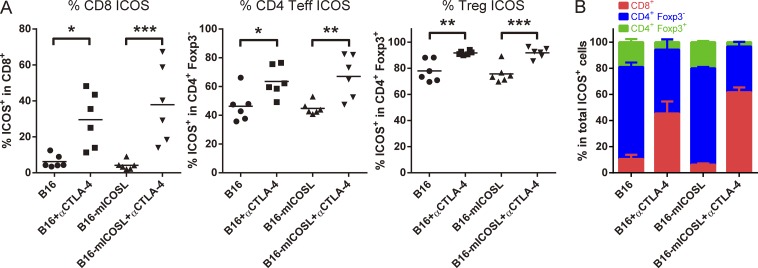
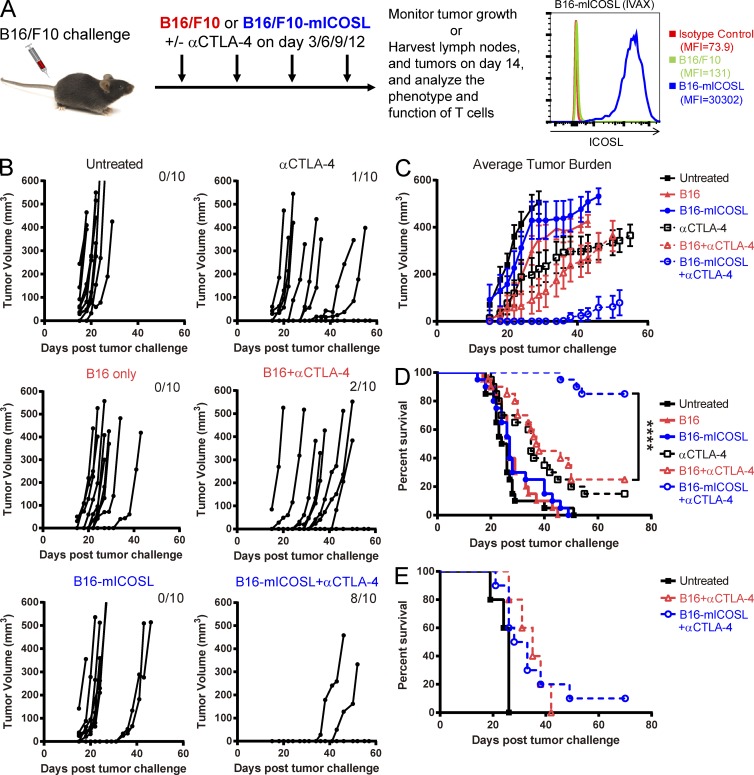
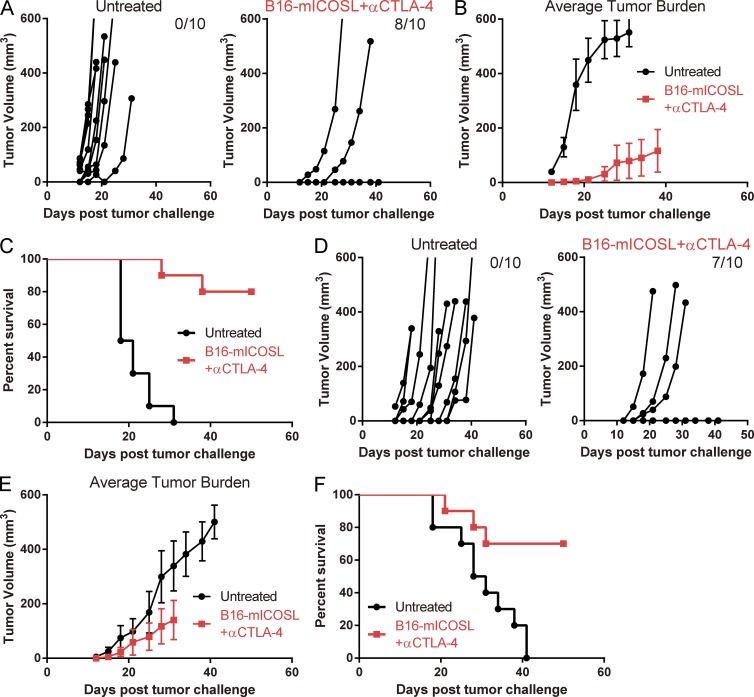
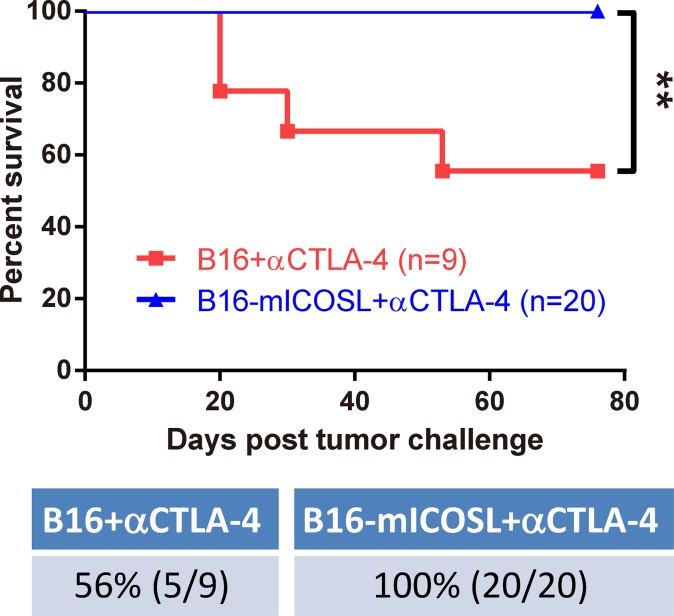
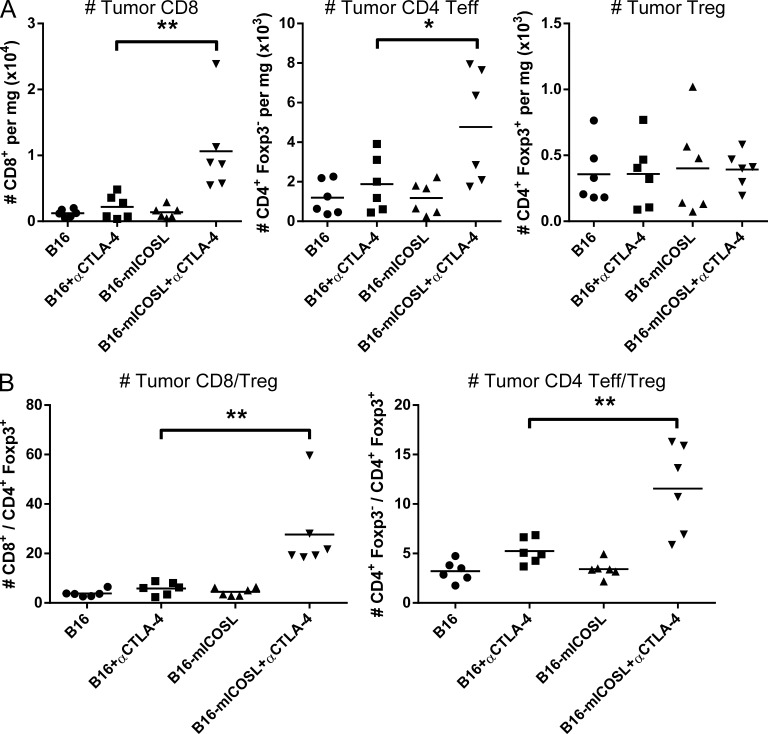
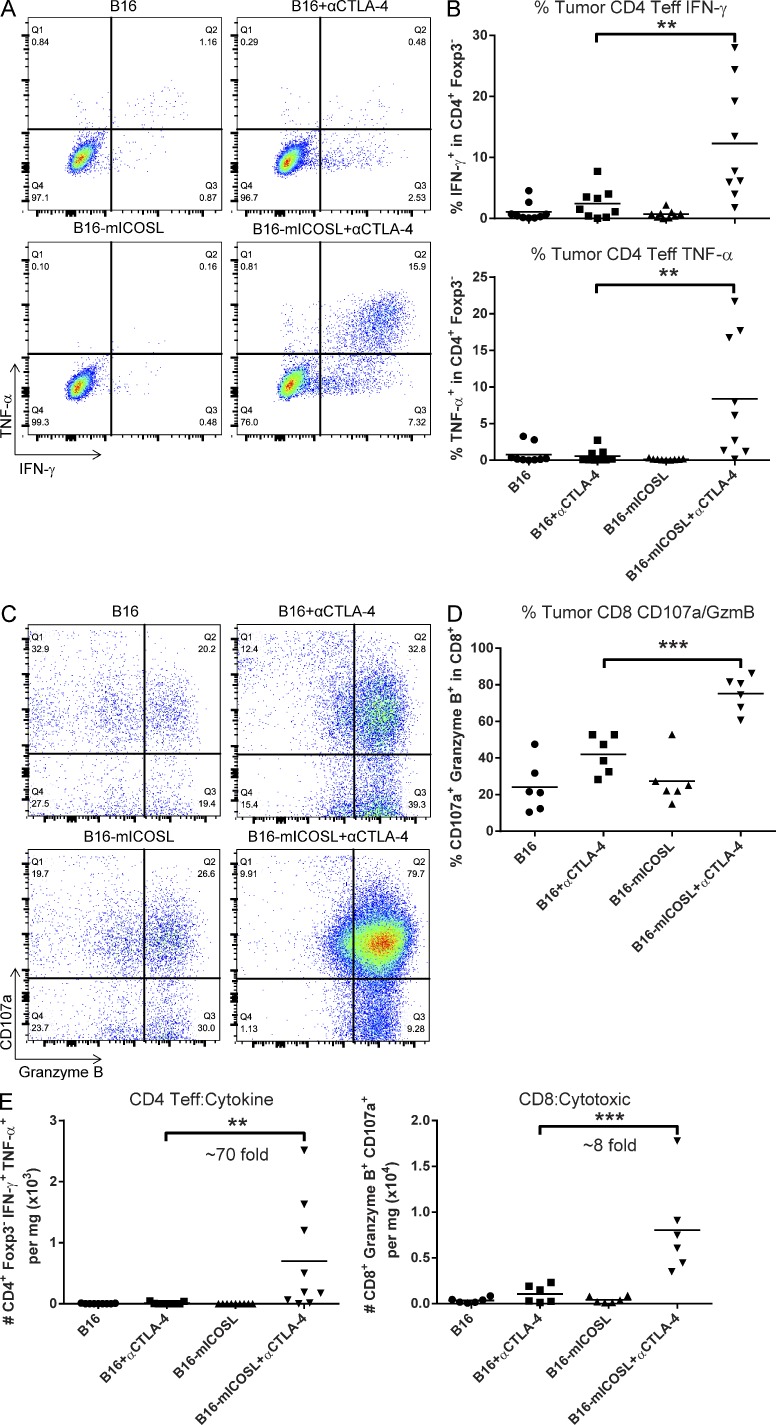
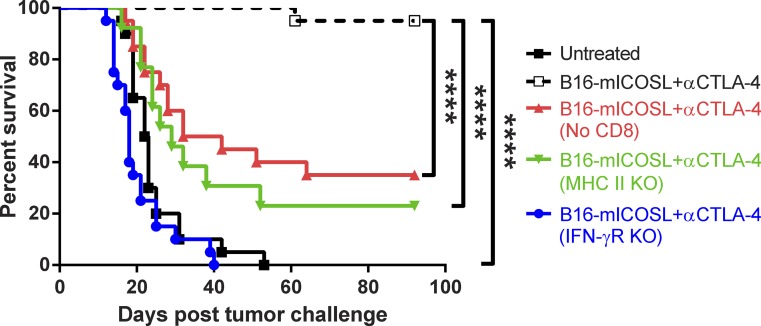
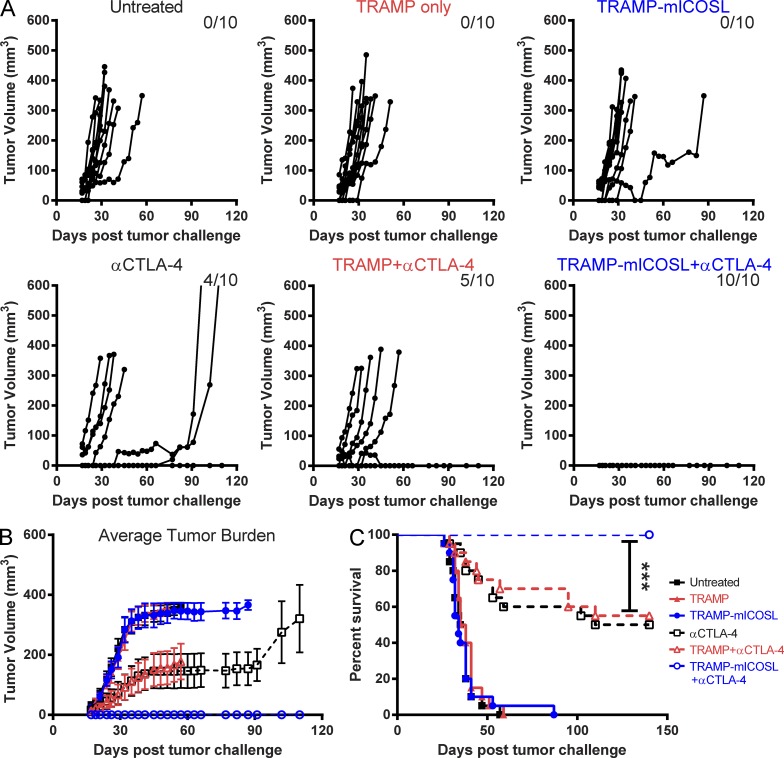
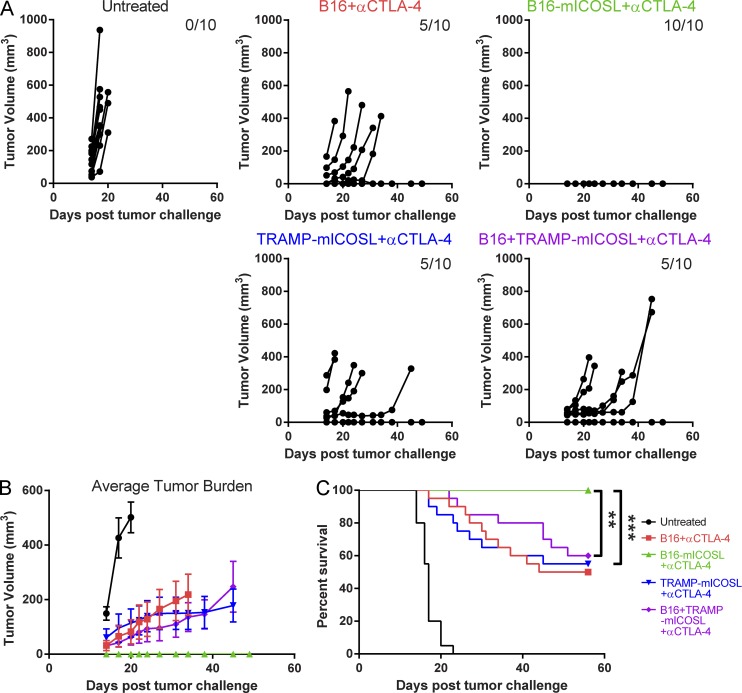
Cytotoxic T lymphocyte antigen-4 (CTLA-4) blockade with a monoclonal antibody yields durable responses in a subset of cancer patients and has been approved by the FDA as a standard therapy for late-stage melanoma. We recently identified inducible co-stimulator (ICOS) as a crucial player in the antitumor effects of CTLA-4 blockade. We now show that concomitant CTLA-4 blockade and ICOS engagement by tumor cell vaccines engineered to express ICOS ligand enhanced antitumor immune responses in both quantity and quality and significantly improved rejection of established melanoma and prostate cancer in mice. This study provides strong support for the development of combinatorial therapies incorporating anti-CTLA-4 and ICOS engagement.
Overview
The claims and statistics of this paper haven’t been checked yet.
Free: it reads the open-access text and checks the first 5 claims that cite a source we can check. Create a free account to check every claim.
Integrity signals
Registry
Cites
Statistics
Figures
Verification
Claims the paper makes
The claims and statistics of this paper haven’t been checked yet.
Free: it reads the open-access text and checks the first 5 claims that cite a source we can check. Create a free account to check every claim.
Claims other papers make about this one
Each is checked against this paper’s own text: does it say what the citing paper says it does?
The cited source says what the claim attributes to it.
In the citing paper
“In addition, the immune monitoring studies performed on the trial highlighted the reverse translational approach and identified ICOS + CD4 T cells as a novel subset of T cells associated with anti-CTLA4 therapy (17,18,171,172).”
From The Next Decade of Immune Checkpoint Therapy (2021) · cites this paper as [172]
Self-check
Percentages, sums and reported differences re-computed from the paper’s own numbers.
The self-check needs the paper’s full text.
Citations
Cites
Adverse Renal Effects of Immune Checkpoint Inhibitors: A Narrative Review
Wanchoo, R., Karam, S., Uppal, N. N., Barta, V. S., Deray, G., Devoe, C., Launay-Vacher, V., Jhaveri, K. D., & on behalf of Cancer and Kidney International Network Workgroup on Immune Checkpoint Inhibitors (2017) · American Journal of Nephrology · doi:10.1159/000455014 · Cited by 15,256
Improved Survival with Ipilimumab in Patients with Metastatic Melanoma
Hodi, F. S., O'Day, S. J., McDermott, D. F., Weber, R. W., Sosman, J. A., Haanen, J. B., Gonzalez, R., Robert, C., Schadendorf, D., Hassel, J. C., et al. (2010) · New England Journal of Medicine · doi:10.1056/nejmoa1003466 · Cited by 15,155 · cited 1×
“ICOS is a T cell–specific molecule that belongs to the CD28/CTLA-4 family (Hutloff et al., 1999; Sharpe and Freeman, 2002).”
BackgroundIpilimumab plus Dacarbazine for Previously Untreated Metastatic Melanoma
Robert, C., Thomas, L., Bondarenko, I., O'Day, S., Weber, J., Garbe, C., Lebbe, C., Baurain, J.-F., Testori, A., Grob, J.-J., et al. (2011) · New England Journal of Medicine · doi:10.1056/nejmoa1104621 · Cited by 4,496 · cited 1×
“Ipilimumab was the first therapy of any kind to show a survival benefit in phase III trials (Hodi et al., 2010; Robert et al., 2011) for patients with advanced melanoma and was approved in March 2011 by the Food and Drug Administration (FDA) as both first and second line therapy for the treatment…”
BackgroundNivolumab plus Ipilimumab in Advanced Melanoma
Wolchok, J. D., Kluger, H., Callahan, M. K., Postow, M. A., Rizvi, N. A., Lesokhin, A. M., Segal, N. H., Ariyan, C. E., Gordon, R.-A., Reed, K., et al. (2013) · New England Journal of Medicine · doi:10.1056/nejmoa1302369 · Cited by 4,230 · cited 1×
“ELISA of tissue culture supernatant from these cells failed to show the presence of soluble/ (nivolumab) in metastatic melanoma showed an objective response rate of 50% (Wolchok et al., 2013).”
BackgroundEnhancement of Antitumor Immunity by CTLA-4 Blockade
Leach, D. R., Krummel, M. F., & Allison, J. P. (1996) · Science · doi:10.1126/science.271.5256.1734 · Cited by 3,955 · cited 2×
“In a presurgical clinical trial in which patients with localized bladder cancer were treated with ipilimumab, the frequency of T cells expressing inducible co-stimulator (ICOS) was significantly increased both in tumor tissues and peripheral blood of patients (Liakou et al., 2008).”
BackgroundSelf-citationCD28 and CTLA-4 have opposing effects on the response of T cells to stimulation.
Krummel, M. F., & Allison, J. P. (1995) · The Journal of experimental medicine · doi:10.1084/jem.182.2.459 · Cited by 2,245 · cited 1×
“…we showed that inhibitory signals mediated by CTLA-4 were responsible for limiting antitumor responses in a series of mouse models because administration of antibodies blocking the interaction of CTLA-4 with its ligands could result in tumor rejection and long-lived immunity (Leach et al., 1996).”
BackgroundSelf-citationCTLA-4 can function as a negative regulator of T cell activation
Walunas, T. L., Lenschow, D. J., Bakker, C. Y., Linsley, P. S., Freeman, G. J., Green, J. M., Thompson, C. B., & Bluestone, J. A. (1994) · Immunity · doi:10.1016/1074-7613(94)90071-x · Cited by 2,222 · cited 1×
“CD28 co-stimulation is subject to down-regulation by inhibitory molecules such as cytotoxic T lymphocyte antigen-4 (CTLA-4; Walunas et al., 1994; Krummel and Allison, 1995).”
BackgroundSharpe, A. H., & Freeman, G. J. (2002) · Nature Reviews Immunology · doi:10.1038/nri727 · Cited by 1,712 · cited 2×
“ICOS is a T cell–specific molecule that belongs to the CD28/CTLA-4 family (Hutloff et al., 1999; Sharpe and Freeman, 2002).”
BackgroundHarding, F. A., McArthur, J. G., Gross, J. A., Raulet, D. H., & Allison, J. P. (1992) · Nature · doi:10.1038/356607a0 · Cited by 1,559 · cited 1×
“Early T cell activation requires an antigen-specific signal mediated by the TCR plus additional costimulatory signals generated by engagement of molecules such as CD28 with their ligands (Harding et al., 1992).”
BackgroundSelf-citationICOS is an inducible T-cell co-stimulator structurally and functionally related to CD28
Hutloff, A., Dittrich, A. M., Beier, K. C., Eljaschewitsch, B., Kraft, R., Anagnostopoulos, I., & Kroczek, R. A. (1999) · Nature · doi:10.1038/16717 · Cited by 1,482
Cited by
Items 101–200 of 307
Immune checkpoint combinations from mouse to man
Ai, M., & Curran, M. A. (2015) · Cancer Immunology Immunotherapy · doi:10.1007/s00262-014-1650-8 · Cited by 47
Late-Stage Tumor Regression after PD-L1 Blockade Plus a Concurrent OX40 Agonist
Polesso, F., Weinberg, A. D., & Moran, A. E. (2019) · Cancer Immunology Research · doi:10.1158/2326-6066.cir-18-0222 · Cited by 48
Wekking, D., van den Ende, T., Bijlsma, M. F., Vidal-Itriago, A., Nieuwdorp, M., & van Laarhoven, H. W. M. (2025) · Cancer Treatment Reviews · doi:10.1016/j.ctrv.2025.103025 · Cited by 46
Regulation of cancer immune escape: The roles of miRNAs in immune checkpoint proteins
Yang, Q., Cao, W., Wang, Z., Zhang, B., & Liu, J. (2018) · Cancer Letters · doi:10.1016/j.canlet.2018.05.015 · Cited by 46
Current and emerging systemic therapies for cutaneous metastatic melanoma
Mason, R., Au, L., Garces, A. I., & Larkin, J. (2019) · Expert Opinion on Pharmacotherapy · doi:10.1080/14656566.2019.1601700 · Cited by 46
“ICOS Inducible costimulator (ICOS) is expressed on CD4 T cells and is upregulated in activated T lymphocytes particularly following anti-CTLA4 therapies [79].”
BackgroundResisting Resistance to Immune Checkpoint Therapy: A Systematic Review
Haibe, Y., Husseini, Z. E., Sayed, R. E., & Shamseddine, A. I. (2020) · International Journal of Molecular Sciences · doi:10.3390/ijms21176176 · Cited by 48
“use has been proven to synergize with and potentiate the activity of CTLA-4 [167,168] as well as PD-1 inhibitors [169].”
BackgroundMajchrzak, K., Nelson, M. H., Bowers, J. S., Bailey, S. R., Wyatt, M. M., Wrangle, J. M., Rubinstein, M. P., Varela, J. C., Li, Z., Himes, R. A., et al. (2017) · JCI Insight · doi:10.1172/jci.insight.90547 · Cited by 43
“Our laboratory is engaged in answering that very question using Th17 cells deficient in Tcf7, β-catenin, p110δ, or ICOS-YF (46, 47).”
BackgroundThe Inducible Costimulator Augments Tc17 Cell Responses to Self and Tumor Tissue
Nelson, M. H., Kundimi, S., Bowers, J. S., Rogers, C. E., Huff, L. W., Schwartz, K. M., Thyagarajan, K., Little, E. C., Mehrotra, S., Cole, D. J., et al. (2015) · The Journal of Immunology · doi:10.4049/jimmunol.1401082 · Cited by 45
“(57) revealed that this might not be the case.”
BackgroundImmune Checkpoint Therapy and the Search for Predictive Biomarkers
Sharma, P. (2016) · The Cancer Journal · doi:10.1097/ppo.0000000000000185 · Cited by 46
Self-citationRoux, D. T., Sautreuil, M., Bentriou, M., Verine, J., Palma, M. B., Daouya, M., Bouhidel, F. A., Lemler, S., LeMaoult, J., Desgrandchamps, F., et al. (2020) · Cancer Immunology Immunotherapy · doi:10.1007/s00262-020-02530-x · Cited by 46
“1 3 engagement of ICOS (stimulatory IC) enhanced anti-tumor responses and significantly improved tumor rejection [34].”
BackgroundSharma, N., Fan, X., Atolagbe, O. T., Ge, Z., Dao, K., Sharma, P., & Allison, J. P. (2024) · The Journal of Experimental Medicine · doi:10.1084/jem.20231263 · Cited by 44
“As demonstrated previously (Fan et al., 2014) and reiterated in this study, combination therapy of IVAX and CTLA-4 blockade dramatically increases the density and frequencies of CD8 T cells and CD4 + Foxp3 − effector T cells (CD4 Teffs).”
BackgroundMethodResultInfluentialSelf-citationImmunotherapy for Gastric Cancer: A Focus on Immune Checkpoints
Alsina, M., Moehler, M. H., Hierro, C., Guardeño, R., & Tabernero, J. M. (2016) · Targeted Oncology · doi:10.1007/s11523-016-0421-1 · Cited by 45
“A partial list of new immune checkpoints that are being evaluated in tumor models and/or in the clinic include LAG-3 [64], TIM-3 [65], and VISTA [66], whereas co-stimulatory molecules include ICOS [67], OX40 [68], and 4-1BB [69].”
BackgroundNettey, L., Giles, A. J., & Chattopadhyay, P. K. (2018) · Cytometry Part A · doi:10.1002/cyto.a.23608 · Cited by 45
Immunotherapy in extensive small cell lung cancer
Verma, V., Sharma, G., & Singh, A. (2019) · Experimental Hematology and Oncology · doi:10.1186/s40164-019-0129-x · Cited by 47
IL-32γ potentiates tumor immunity in melanoma
Gruber, T., Kremenovic, M., Sadozai, H., Rombini, N., Bäriswyl, L., Maibach, F., Modlin, R. L., Gilliet, M. F., von Werdt, D., Hunger, R. E., et al. (2020) · JCI Insight · doi:10.1172/jci.insight.138772 · Cited by 46
Gleisner, M. A., Pereda, C., Tittarelli, A., Navarrete, M., Fuentes, C., Ávalos, I., Tempio, F., Araya, J. P., Becker, M. I., González, F. E., et al. (2020) · Journal for ImmunoTherapy of Cancer · doi:10.1136/jitc-2020-000999 · Cited by 43
Co-stimulatory agonists: An insight into the immunotherapy of cancer
Pourakbari, R., Hajizadeh, F., Parhizkar, F., Aghebati-Maleki, A., Mansouri, S., & Maleki, L. A. (2021) · EXCLI journal · doi:10.17179/excli2021-3522 · Cited by 47
“…that the combination of CTLA-4 blockade and ICOS engagement by tumor cell vaccines, engineered to express ICOS ligand, qualitatively and quantitatively increased antitumor immune responses and considerably promoted the rejection of developed prostate and melanoma cancer in mice (Fan et al., 2014).”
BackgroundToker, A., & Ohashi, P. S. (2019) · Advances in cancer research · doi:10.1016/bs.acr.2019.05.001 · Cited by 41
Hanson, A., Elpek, K., Duong, E., Shallberg, L., Fan, M., Johnson, C., Wallace, M., Mabry, G. R., Sazinsky, S., Pepper, L., et al. (2020) · PLOS ONE · doi:10.1371/journal.pone.0239595 · Cited by 39
“Moreover, anti-tumor efficacy in pre-clinical studies observed through an ICOSL vaccination approach or recombinant oncolytic viral delivery suggests that agonism of the ICOS/ICOSL pathway can provide therapeutic benefit in the setting of cancer immunotherapy [7, 8].”
BackgroundEdwards, J. J., Tasker, A. T., da Silva, I. P., Quek, C. Y. J., Batten, M., Ferguson, A. L., Allen, R. O., Allanson, B. M., Saw, R. P. M., Thompson, J. F., et al. (2019) · Clinical Cancer Research · doi:10.1158/1078-0432.ccr-18-4011 · Cited by 40
“Distant Metastasis (DM) 31 (32) 22 (54)”
BackgroundHarnessing the Complete Repertoire of Conventional Dendritic Cell Functions for Cancer Immunotherapy
Amon, L., Hatscher, L., Heger, L., Dudziak, D., & Lehmann, C. H. K. (2020) · Pharmaceutics · doi:10.3390/pharmaceutics12070663 · Cited by 41
“Interestingly, the simultaneous application of ICOS agonists together with checkpoint inhibitors was protective in several murine cancer models [398,407].”
BackgroundTrial Watch: Immunostimulatory monoclonal antibodies for oncological indications
Cabo, M., Offringa, R., Zitvogel, L., Kroemer, G., Muntasell, A., & Galluzzi, L. (2017) · OncoImmunology · doi:10.1080/2162402x.2017.1371896 · Cited by 37
“The ICOS/ICOSL pathway is required for optimal antitumor responses mediated by anti-CTLA-4 therapy.”
BackgroundInfluentialMyeloid-derived suppressor cells and their role in CTLA-4 blockade therapy
de Coaña, Y. P., Masucci, G. V., Hansson, J., & Kiessling, R. W. (2014) · Cancer Immunology Immunotherapy · doi:10.1007/s00262-014-1570-7 · Cited by 40
“This costimulatory molecule showed to be essential for antitumoral responses during CTLa-4 blockade in mice [36, 37], and its expression is increased in ipilimumabtreated patients [38].”
BackgroundChung, D. J., Carvajal, R. D., Postow, M. A., Sharma, S., Pronschinske, K. B., Shyer, J. A., Singh-Kandah, S. V., Dickson, M. A., D’Angelo, S. P., Wolchok, J. D., et al. (2017) · OncoImmunology · doi:10.1080/2162402x.2017.1372081 · Cited by 37
“In this study, LC vaccines also induced CD4 and CD8 T-cell expression of ICOS, which predicts response to ipilimumab therapy.(27,28) These findings, as well as emerging preclinical(29-31) and clinical(32-34) data, support the sequential administration of vaccines followed by immune checkpoint blockade to augment T-cel…”
BackgroundLuo, J., Pang, S. S., Hui, Z., Zhao, H., Xu, S., Yu, W., Yang, L., Sun, Q., Hao, X., Wei, F., et al. (2023) · Theranostics · doi:10.7150/thno.86792 · Cited by 36
“Fan et al. [52] reported that α-CTLA-4 therapy led to a systemically circulating population of specific CD4 + Th1-like effector CD4 + T, components that are critical for antitumor response.”
BackgroundWalker, J. M., Rolig, A. S., Charych, D. H., Hoch, U., Kasiewicz, M. J., Rose, D. C., McNamara, M. J., Hilgart-Martiszus, I., & Redmond, W. L. (2020) · Journal for ImmunoTherapy of Cancer · doi:10.1136/jitc-2019-000464 · Cited by 35
“While PD-1 and Tim-3 are known to be upregulated on functionally exhausted CD8 + T cells, 39 40 these antigens are also upregulated during acute T cell activation.”
A deep learning approach reveals unexplored landscape of viral expression in cancer
Elbasir, A., Ye, Y., Schäffer, D. E., Xue, H., Wickramasinghe, J. M., Tsingas, K., Lieberman, P. M., Long, Q., Morris, Q., Zhang, R., et al. (2022) · Nature Communications · doi:10.1038/s41467-023-36336-z · Cited by 36
Anti-CTLA-4 generates greater memory response than anti-PD-1 via TCF-1
Mok, S., Liu, H., Çobanoğlu, D. A., Anang, N.-A. A. S., Mancuso, J. J., Wherry, E. J., & Allison, J. P. (2025) · Proceedings of the National Academy of Sciences · doi:10.1073/pnas.2418985122 · Cited by 34
“This finding is consistent with previous studies demonstrating that anti - CTLA - 4 specifically expands ICOS+ Th1 - like CD4 effectors ( 24 , 33 – 35 ).”
Self-citationFranzese, O., Palermo, B., Donna, C. D., Sperduti, I., Ferraresi, V., Stabile, H., Gismondi, A., Santoni, A., & Nisticò, P. (2016) · OncoImmunology · doi:10.1080/2162402x.2015.1114203 · Cited by 39
Influence of ipilimumab on expanded tumour derived T cells from patients with metastatic melanoma
Bjoern, J., Lyngaa, R., Andersen, R. S., Hölmich, L. R., Hadrup, S. R., Donia, M., & Svane, I. M. (2017) · Oncotarget · doi:10.18632/oncotarget.16003 · Cited by 34
“However, Ipilimumab induces an influx of cells with a more naïve phenotype into the tumour microenvironment [32], which may not be capable of producing cytokines without further differentiation [10] and can be especially evident in short-term in vitro assays providing temporary limited stimuli.”
BackgroundPleiotropic Role and Bidirectional Immunomodulation of Innate Lymphoid Cells in Cancer
An, Z., Flores‐Borja, F., Irshad, S., Deng, J., & Ng, T. (2020) · Frontiers in Immunology · doi:10.3389/fimmu.2019.03111 · Cited by 31
The immunological synapse as a pharmacological target
Finetti, F., & Baldari, C. T. (2018) · Pharmacological Research · doi:10.1016/j.phrs.2018.06.009 · Cited by 32
A narrative review of immune checkpoint mechanisms and current immune checkpoint therapy
Peng, S., & Bao, Y. (2022) · Annals of Blood · doi:10.21037/aob-21-3 · Cited by 33
“Application T cells with high expression of ICOS had stronger immune response, upon using anti-CTLA-4 or anti-PD-1 mAbs to treat tumour of mice and patients, suggesting that ICOS maybe a useful target of tumour treatment (121-123).”
BackgroundLung Cancer Immunotherapy: Beyond Common Immune Checkpoints Inhibitors
Catalano, M., Shabani, S., Venturini, J., Ottanelli, C., Voltolini, L., & Roviello, G. (2022) · Cancers · doi:10.3390/cancers14246145 · Cited by 32
Immunotherapy and delivery systems for melanoma
Liu, H., Gou, X., Tan, Y., Fan, Q., & Chen, J. (2024) · Human Vaccines & Immunotherapeutics · doi:10.1080/21645515.2024.2394252 · Cited by 30
“42 B and T lymphocyte attenuators were identified as a novel inhibitory receptor with structural and functional similarities to CTLA-4, capable of inhibiting human CD8+ cancer-specific T cell function and may be an important target for immunotherapy.”
BackgroundEpstein-Barr virus–encoded EBNA2 downregulates ICOSL by inducing miR-24 in B-cell lymphoma
Leopizzi, M., Mundo, L., Messina, E., Campolo, F., Lazzi, S., Angeloni, A., Marchese, C., Leoncini, L., Giordano, C., Slack, F. J., et al. (2023) · Blood · doi:10.1182/blood.2023021346 · Cited by 28
Maurer, D. M., Adamik, J., Santos, P. M. L., Shi, J., Shurin, M. R., Kirkwood, J. M., Storkus, W. J., & Butterfield, L. H. (2020) · Cancer Immunology Research · doi:10.1158/2326-6066.cir-20-0274 · Cited by 30
“Treatment with vaccines engineered to express ICOSL, along with coadministered CTLA-4 blockade, increases T-cell responses in prostate and melanoma mouse models, suggesting an important role of ICOS signaling in the development of antitumor immunity (35).”
BackgroundICOS limits memory-like properties and function of exhausted PD-1 + CD8 T cells
Humblin, É., Korpas, I., Prokhnevska, N., Vaidya, A. B., Filipescu, D., Lu, J., van der Heide, V., Fraga, C. A. D. C., Bobrowski, T., Marks, A. R., et al. (2024) · Immunity · doi:10.1016/j.immuni.2025.06.001 · Cited by 28
Chester, C., Marabelle, A., Houot, R., & Kohrt, H. E. K. (2015) · Current Opinion in Immunology · doi:10.1016/j.coi.2014.12.010 · Cited by 28
Ohaegbulam, K. C., Liu, W., Jeon, H., Almo, S. C., & Zang, X. (2017) · Oncotarget · doi:10.18632/oncotarget.21098 · Cited by 27
“On the other hand, we also found that tumoral B7x expression caused a marked reduction of ICOS on antigen-specific CD8+ T cells, a marker indicative of effector function in T cell subsets [40, 41].”
BackgroundT Lymphocyte–Based Cancer Immunotherapeutics
Borrie, A. E., & Vareki, S. M. (2018) · International review of cytology · doi:10.1016/bs.ircmb.2018.05.010 · Cited by 29
Tumor immunology and cancer immunotherapy: summary of the 2014 SITC primer
Page, D. B., Bourla, A. B., Daniyan, A. F., Naidoo, J., Smith, E. L., Smith, M. M., Friedman, C. F., Khalil, D. N., Funt, S. A., Shoushtari, A. N., et al. (2015) · Journal for ImmunoTherapy of Cancer · doi:10.1186/s40425-015-0072-2 · Cited by 28
“Ongoing preclinical work with an ICOSligand expressing vaccine in murine models shows improvements in anti-tumor responses to CTLA4 inhibition [54].”
BackgroundSelf-citationEmerson, D. A., & Redmond, W. L. (2018) · BioDrugs · doi:10.1007/s40259-018-0277-2 · Cited by 27
“model, CTLA-4 blockade and an agonist aICOS mAb synergized to provide protection that the monotherapies did not [103].”
Advances in Cell and Immune Therapies for Melanoma
Timis, T., Buruiana, S., Dima, D. M., Nistor, M., Mureșan, X. M., Cenariu, D., Țigu, A. B., & Tomuleasa, C. (2025) · Biomedicines · doi:10.3390/biomedicines13010098 · Cited by 26
Freimark, B. D., Gong, J., Ye, D., Gray, M. J., Nguyen, V., Yin, S., Hatch, M. M. S., Hughes, C. C. W., Schroit, A. J., Hutchins, J. T., et al. (2016) · Cancer Immunology Research · doi:10.1158/2326-6066.cir-15-0250 · Cited by 25
“20, 21), OX40 (22, 23), inducible T-cell costimulator (24), and GITR.”
Immune checkpoint blockade in lymphoid malignancies
Thanarajasingam, G., Thanarajasingam, U., & Ansell, S. M. (2016) · FEBS Journal · doi:10.1111/febs.13668 · Cited by 27
Evaluation of ultra-low input RNA sequencing for the study of human T cell transcriptome
Wang, J., Rieder, S. A., Wu, J., Hayes, S., Halpin, R., Reyes, M. D. L., Shrestha, Y., Kolbeck, R., & Raja, R. G. (2019) · Scientific Reports · doi:10.1038/s41598-019-44902-z · Cited by 29
Expression and Prognostic Value of the Immune Checkpoints Galectin-9 and PD-L1 in Glioblastomas
Knudsen, A. M., Rudkjøbing, S. J., Sørensen, M. D., Dahlrot, R. H., & Kristensen, B. W. (2021) · Journal of Neuropathology & Experimental Neurology · doi:10.1093/jnen/nlab041 · Cited by 27
Anticancer natural products targeting immune checkpoint protein network
Chun, K., Kim, D., Raut, P. K., & Surh, Y. (2021) · Seminars in Cancer Biology · doi:10.1016/j.semcancer.2021.11.006 · Cited by 26
Miyashita, H., Kurzrock, R., Bevins, N., Thangathurai, K., Lee, S., Pabla, S., Nesline, M., Glenn, S. T., Conroy, J. M., DePietro, P., et al. (2023) · npj Genomic Medicine · doi:10.1038/s41525-023-00359-8 · Cited by 25
Burlion, A., Ramos, R. N., Pukar, K. C., Sendeyo, K., Corneau, A., Ménétrier‐Caux, C., Piaggio, E., Olive, D., Caux, C., & Marodon, G. (2019) · OncoImmunology · doi:10.1080/2162402x.2019.1596005 · Cited by 26
“Additionally, the engagement of the ICOS/ICOS-L pathway is required for anti-CTLA-4 efficacy in some models.(36) Several mAbs targeting Treg are in development or already approved, including but not limited to anti-CCR4,(37) anti-OX-40,(38) antiGITR(39) and anti-CD25 mAb.”
BackgroundFromm, G. J., de Silva, S., Giffin, L., Xu, X., Rose, J., & Schreiber, T. H. (2016) · Cancer Immunology Research · doi:10.1158/2326-6066.cir-15-0228 · Cited by 23
Pauken, K. E., Alhalabi, O., Goswami, S., & Sharma, P. (2025) · Cancer Cell · doi:10.1016/j.ccell.2025.03.005 · Cited by 22
Self-citationHarnessing the immune system for cancer therapy
Smith, E. L., Zamarin, D., & Lesokhin, A. M. (2014) · Current Opinion in Oncology · doi:10.1097/cco.0000000000000128 · Cited by 27
“[46] recently demonstrated that targeting of the ICOS with a cellular vaccine expressing ICOSL can significantly enhance the efficacy of CTLA-4 blockade in animal models of B16 melanoma and TRAMP C2 prostate cancer, thus validating ICOS as an additional target for immunotherapeutic targeting [46].”
Backgroundde Goeje, P. L., Klaver, Y., Kaijen-Lambers, M. E. H., Langerak, A. W., Vroman, H. H., Kunert, A., Lamers, C. H. J., Aerts, J. G. J. V., Debets, R., & Hendriks, R. W. (2018) · Frontiers in Immunology · doi:10.3389/fimmu.2018.02034 · Cited by 22
“Furthermore, Fan and colleagues have described a functional role for ICOS in the anti-tumor immune response (31), providing a rationale for the combination of DC immunotherapy and engagement of ICOS-signaling in future treatments.”
BackgroundMelanoma immunotherapy: strategies to overcome pharmacological resistance
Trojaniello, C., Vitale, M. G., Scarpato, L., Esposito, A., & Ascierto, P. A. (2020) · Expert Review of Anticancer Therapy · doi:10.1080/14737140.2020.1745634 · Cited by 23
“responses in both quantity and quality and significantly improved rejection of established melanoma [191].”
BackgroundWhat does the future hold for immunotherapy in cancer?
Naidoo, J., Li, B. T., Schindler, K., & Page, D. B. (2016) · Annals of Translational Medicine · doi:10.21037/atm.2016.04.05 · Cited by 22
“These findings also suggested that the combination of CTLA-4 blockade and increased ICOS activity could potentially improve upon the efficacy of CTLA-4 blockade alone (78).”
BackgroundTherapy: This time it's personal
Gravitz, L. (2014) · Nature · doi:10.1038/509s52a · Cited by 21
Zhang, J., Liu, D., Liu, J., Han, Y., Xu, H., Leng, X., Kong, D., & Liu, L. (2020) · Biomaterials Science · doi:10.1039/d0bm00908c · Cited by 21
Novel immune targets for the treatment of triple-negative breast cancer
Corti, C., Nicolò, E., & Curigliano, G. (2021) · Expert Opinion on Therapeutic Targets · doi:10.1080/14728222.2021.2006187 · Cited by 21
Tune Up In Situ Autovaccination against Solid Tumors with Oncolytic Viruses
Nguyen, T. T., Avci, N. G., Shin, D. H., Martínez-Vélez, N., & Jiang, H. (2018) · Cancers · doi:10.3390/cancers10060171 · Cited by 23
“It was later found that ICOS pathway enhanced the efficacy of CTLA-4 blockade [122,123].”
BackgroundT cell Co-Stimulatory molecules ICOS and CD28 stratify idiopathic pulmonary fibrosis survival
Bonham, C. A., Hrusch, C. L., Blaine, K. M., Manns, S. T., Vij, R., Oldham, J. M., Churpek, M. M., Strek, M. E., Noth, I., & Sperling, A. I. (2019) · Respiratory Medicine X · doi:10.1016/j.yrmex.2019.100002 · Cited by 25
Discovery of ICOS‐Targeted Small Molecules Using Pharmacophore‐Based Screening
Calvo‐Barreiro, L., Talagayev, V., Pach, S., Abdel‐Rahman, S. A., Wolber, G., & Gabr, M. T. (2023) · ChemMedChem · doi:10.1002/cmdc.202300305 · Cited by 20
Discovery of ICOS‐Targeted Small Molecules Using Affinity Selection Mass Spectrometry Screening
Zhang, L., Calvo‐Barreiro, L., Batista, V. S., Świderek, K., & Gabr, M. T. (2024) · ChemMedChem · doi:10.1002/cmdc.202400545 · Cited by 19
Kong, B. Y., Bolton, H. A., Kim, J. W., Silveira, P. A., Fromm, P. D., & Clark, G. J. (2019) · Frontiers in Oncology · doi:10.3389/fonc.2019.00050 · Cited by 22
“treated subjects (59) Agonist • GSK3359609# • MEDI-570# • JTX-2011# • Controls CD40L dependent antibody”
BackgroundThe PD-1/PD-L1 pathway and Epstein–Barr virus
Wang, H., Zhang, N., Xu, R., Ji, C., Wei, Y., Liu, Z., & Mi, Q. S. (2025) · European journal of medical research · doi:10.1186/s40001-025-02694-1 · Cited by 20
“Studies have shown that the latent EBV gene expression program mirrors that observed in malignancies linked to EBV, suggesting that immune regulation is a critical factor in preventing these latent programs from transforming into lymphomas [102, 103].”
Development of interleukin-17-producing Vγ2+ γδ T cells is reduced by ICOS signaling in the thymus
Buus, T. B., Schmidt, J. D., Bonefeld, C. M., Geisler, C., & Lauritsen, J. P. H. (2016) · Oncotarget · doi:10.18632/oncotarget.8464 · Cited by 20
“A recent study has shown promising indications for utilizing the ICOS-ICOS-L pathway in the context of anti-CTLA-4 immunotherapy for cancer treatment [46].”
BackgroundPerspective on the dynamics of cancer
Derbal, Y. (2017) · Theoretical Biology and Medical Modelling · doi:10.1186/s12976-017-0066-5 · Cited by 21
Hilton, J. F., Ott, P. A., Hansen, A. R., Li, Z., Mathew, M., Messina, C. H., Dave, V., Ji, X., Karpinich, N. O., Hirschfeld, S., et al. (2024) · Cancer Immunology Immunotherapy · doi:10.1007/s00262-023-03623-z · Cited by 17
“Suppression of cytotoxic T-lymphocyte-associated protein 4 (CTLA-4) upregulates ICOS expression on T cells [9].”
BackgroundSharma, A., Campbell, M. T., Yee, C., Goswami, S., & Sharma, P. (2019) · Elsevier eBooks · doi:10.1016/b978-0-7020-6896-6.00077-6 · Cited by 24
Self-citationYadavilli, S., Waight, J. D., Brett, S. J., Bi, M., Zhang, T., Liu, Y.-B., Ellis, C. E., Turner, D. C., Hahn, A., Shi, H., et al. (2023) · Cancer Research Communications · doi:10.1158/2767-9764.crc-22-0293 · Cited by 17
Next‐Generation Immune Checkpoints and Tumor Microenvironment Modulation in Cancer Immunotherapy
Bautista, J., Echeverría, C. E., Maldonado-Noboa, I., Adatty-Molina, J., Urresta, S. S., Coral-Riofrio, E. C., Araujo‐Abad, S., Kyriakidis, N. C., & López-Cortés, A. (2026) · Journal of Immunology Research · doi:10.1155/jimr/7864229 · Cited by 16
Detection of clinically relevant immune checkpoint markers by multicolor flow cytometry
Cunningham, R., Holland, M., McWilliams, E. M., Hodi, F. S., & Severgnini, M. (2019) · Journal of Biological Methods · doi:10.14440/jbm.2019.283 · Cited by 18
“These have attracted interest in recent years due to successes in animal models [16,17] and clinical trials [18].”
BackgroundNovel Checkpoints and Cosignaling Molecules in Cancer Immunotherapy
Giuroiu, I., & Weber, J. S. (2017) · The Cancer Journal · doi:10.1097/ppo.0000000000000241 · Cited by 16
Immunotherapy for head and neck cancer: Fundamentals and therapeutic development
Okano, S. (2024) · Auris Nasus Larynx · doi:10.1016/j.anl.2024.05.001 · Cited by 15
Immune engineering: From systems immunology to engineering immunity
Jiang, N. J. (2017) · Current Opinion in Biomedical Engineering · doi:10.1016/j.cobme.2017.03.002 · Cited by 15
The tumor microenvironment: Thousand obstacles for effector T cells
Massa, C., & Seliger, B. (2017) · Cellular Immunology · doi:10.1016/j.cellimm.2017.12.004 · Cited by 16
Tremble, L. F., O'Brien, M. A., Forde, P. F., & Soden, D. M. (2018) · Cancer Letters · doi:10.1016/j.canlet.2018.01.081 · Cited by 15
Alsaid, H., Cheng, S., Bi, M., Xie, F., Rambo, M. V., Skedzielewski, T., Hoang, B. Q., Mohanan, S., Comroe, D., Gehman, A., et al. (2022) · Molecular Imaging and Biology · doi:10.1007/s11307-022-01781-7 · Cited by 15
“Accordingly, improved antitumor efficacy has been observed with the combination of anti-PD-1 or anti-CTLA-4 in the context of ICOS co-stimulation (i.e., forced ICOSL expression and/or ICOS agonist antibody) in mouse syngeneic tumor models [5–7].”
BackgroundScutti, J. B. (2018) · International Journal of Oncology · doi:10.3892/ijo.2018.4283 · Cited by 14
“Unfortunately, surgical resection is not a feasible option, radiation therapy results only in temporary stabilization of symptoms, and several chemotherapy trials developed for adult glioma have not demonstrated satisfactory results to date (215).”
YAMASHITA, M., Tasaki, M., Murakami, R., Arai, Y., Nakamura, T., & Nakao, S. (2021) · Molecular Therapy — Oncolytics · doi:10.1016/j.omto.2021.01.016 · Cited by 14
“20 March 2021 expression of ICOS in CD8 T cells has been reported to play a crucial role in the antitumor efficacy of anti-CTLA4 antibody.(20,22)”
BackgroundTang, W., Liu, H., Li, X., Ooi, T. C., Rajab, N. F., Cao, H., & Sharif, R. (2022) · Aging · doi:10.18632/aging.204380 · Cited by 14
“, by blocking CTLA-4 and participating in ICOS with tumor cell vaccine, engineered expression of ICOS ligand resulted in a qualitative and quantitative increase in the anti-tumor immune response in mice that had developed prostate cancer and melanoma significantly promoted rejection [38].”
BackgroundDetection of Tumor Antigen-Specific T-Cell Responses After Oncolytic Vaccination
Pol, J. G., Bridle, B. W., & Lichty, B. D. (2019) · Methods in molecular biology · doi:10.1007/978-1-4939-9794-7_12 · Cited by 18
Tarantino, P., Antonarelli, G., Ascione, L., & Curigliano, G. (2021) · Expert Opinion on Investigational Drugs · doi:10.1080/13543784.2021.1972968 · Cited by 14
“● Clinical evidence in this setting has recently emerged, with early phase trials of anti-LAG3, anti-TIM3, and anti-ICOS antibodies reporting an overall good safety and initial signs of antitumor activity.”
BackgroundInfluentialZhang, M., Zhou, F., Zhang, H., Cui, M., Wang, M., & Liu, K. (2021) · European Journal of Pharmaceutical Sciences · doi:10.1016/j.ejps.2021.106044 · Cited by 14
The role of immune checkpoint molecules in cancers
Zhang, M., Xu, J., Zheng, Z., Guo, Z., Wang, H., Zhou, M., Tang, H., & Zhu, L. (2026) · Frontiers in Immunology · doi:10.3389/fimmu.2025.1674818 · Cited by 18
The reactive stroma response regulates the immune landscape in prostate cancer
Thomas, R., Jerome, J. M., Krieger, K. L., Ashraf, N., & Rowley, D. R. (2024) · Journal of Translational Genetics and Genomics · doi:10.20517/jtgg.2024.15 · Cited by 14
Archetypes of checkpoint-responsive immunity
Im, K. W., Combes, A. J., Spitzer, M. H., Satpathy, A. T., & Krummel, M. F. (2021) · Trends in Immunology · doi:10.1016/j.it.2021.09.007 · Cited by 15
The future of targeting cytotoxic T-lymphocyte-associated protein-4: Is there a role?
Giacomo, A. M. D., Lahn, M., Eggermont, A. M. M., Fox, B. A., Ibrahim, R. A., Sharma, P., Allison, J. P., & Maio, M. (2023) · European Journal of Cancer · doi:10.1016/j.ejca.2023.113501 · Cited by 14
“This was further confirmed in animal studies, where concomitant CTLA-4 blockade and ICOS engagement increased antitumor responses [32]; however, in spite of these intriguing results, combined targeting of CTLA-4 and ICOS has unfortunately not reached the clinic.”
Self-citationCao, L., Peng, H., Chen, Y., Xia, B., Zeng, T., Guo, J., Yu, F., Ye, H., Zhang, H., & Chen, X. (2024) · Journal for ImmunoTherapy of Cancer · doi:10.1136/jitc-2024-010028 · Cited by 12
“Overall, our findings highlight the potential clinical utility of ICOS as a promising strategy for addressing TNBC recurrence and metastasis.”
Research advances in immune checkpoint drugs for non-small cell lung cancer
Shen, Y., Chen, J., & Li, X. (2023) · Journal of drug targeting · doi:10.1080/1061186x.2023.2235098 · Cited by 12
Immune Checkpoint Inhibitors in Melanoma
Cooper, A. J., Carlino, M. S., & Kefford, R. F. (2015) · Melanoma Management · doi:10.2217/mmt.15.17 · Cited by 14
Xiao, L., Duan, R., Liu, W., Zhang, C., Ma, X., Xian, M., Wang, Q., Guo, Q., Xiong, W., Pan, S., et al. (2025) · Nature Cancer · doi:10.1038/s43018-025-00935-0 · Cited by 12
“CD44 and CD69 expression indicates a T cell activation status and inducible T cell costimulator (ICOS) + programmed cell death protein 1 (PD1) low CD4 + T cells are T helper 1(Th1)-like effector CD4 + T cells that are critical for the antitumor response 19,29 .”
InfluentialSoldevilla, M. M., Villanueva, H., Martínez-Vélez, N., Meraviglia-Crivelli, D., Alonso, M. M., Cebollero, J., Menon, A. P., Puigdelloses, M., & Pastor, F. (2018) · OncoImmunology · doi:10.1080/2162402x.2018.1450711 · Cited by 11
“That can be accomplished by using exogenous artificial agonistic molecules against costimulatory receptors (4-1BB, OX40, etc)(6-7) or by directly inducing the expression of the costimulatory ligands in the tumor (ICOSL, B7, etc).(8-10) Costimulatory ligands are expressed on activated antigen-presenting cells (APC) suc…”
BackgroundICOS-expressing Regulatory T Cells Influence the Composition of Antitumor CTL Populations
Diamantopoulos, N., Li, J., Bouchard, A., Joumier, L., Mohammaei, S., Panneton, V., Chang, J., Malleshaiah, M. K., & Suh, W. (2024) · The Journal of Immunology · doi:10.4049/jimmunol.2300154 · Cited by 10
Hu, X., Wu, J. H., An, J., Hu, Y., Shen, Y., Liu, C., & Zhang, X. (2016) · International Immunopharmacology · doi:10.1016/j.intimp.2016.04.019 · Cited by 10
Emerging Targets of Immunotherapy in Gynecologic Cancer
Cheng, H., Zong, L., Kong, Y., Gu, Y. L., Yang, J., & Xiang, Y. (2020) · OncoTargets and Therapy · doi:10.2147/ott.s282530 · Cited by 13
Exploring Synergy in Combinations of Tumor-Derived Vaccines That Harbor 4-1BBL, OX40L, and GM-CSF
Manrique-Rincón, A., Beraldo, C. M., Toscaro, J. M., & Bajgelman, M. C. (2017) · Frontiers in Immunology · doi:10.3389/fimmu.2017.01150 · Cited by 10
“J Immunol Methods (1995) 181(1):45–54.”
Loss of ACSM3 confers worsened prognosis and immune exclusion to cutaneous melanoma
Zhu, Z., Wang, D., & Shen, Y. (2020) · Journal of Cancer · doi:10.7150/jca.48354 · Cited by 10
“Later, the TracerX melanoma project seeks to address the immunological landscapes of MM [5, 6].”
BackgroundAgonizing over the Stimulatory Immune Checkpoint ICOS
Lee, J. C., & Fong, L. H. (2022) · Clinical Cancer Research · doi:10.1158/1078-0432.ccr-22-1520 · Cited by 10
Metadata
- Authors
- Fan, X., Quezada, S. A., Sepulveda, M. A., Sharma, P., & Allison, J. P.
- Affiliations
- The University of Texas MD Anderson Cancer Center (US)
- University College London (GB)
- Ludwig Center for Cancer Immunotherapy 4 , 5 , and 6
- Memorial Sloan Kettering Cancer Center (US)
- Corresponding author
- Sharma, Padmanee
- Allison, James P.
- Venue
- Journal of Experimental Medicine
- Publisher
- Rockefeller University Press
- Published
- 2014-03-31
- Volume
- 211
- Issue
- 4
- Pages
- 715-725
- ISSN
- 0022-1007 (ISSN-L)
- 1540-9538
- PMC
- PMC3978270
- OpenAlex
- W2157041114
- Cited by
- 300
- References
- 28
- Citations by year
- 2026: 7 · 2025: 22 · 2024: 15 · 2023: 26 · 2022: 22 · 2021: 30 · 2020: 31 · 2019: 36 · 2018: 32 · 2017: 27 · 2016: 23 · 2015: 21 · 2014: 8
- FWCI
- 12.72
- Type
- journal article
- Language
- en
- Open access
- green
- www.ncbi.nlm.nih.gov
- Licence
- cc-by-nc-sa
- Locations
- The Journal of Experimental Medicine (publishedVersion)
- Europe PMC (PubMed Central) (publishedVersion, cc-by-nc-sa)
- PubMed Central (publishedVersion, cc-by-nc-sa)
- PubMed (publishedVersion)
- UCL Discovery (University College London) (submittedVersion)
- Funders
- Cancer Research UK (12100)
- National Cancer Institute (R01CA163793, P30CA016672)
- Topics
- Health Sciences › Medicine › Oncology › Cancer Immunotherapy and Biomarkers
- Life Sciences › Immunology and Microbiology › Immunology › Immunotherapy and Immune Responses
- Life Sciences › Immunology and Microbiology › Immunology › T-cell and B-cell Immunology
- Keywords
- CTLA-4 blockade, ICOS ligand, cancer immunotherapy, melanoma, prostate cancer, tumor cell vaccine, antitumor immunity, combination therapy, immune checkpoint blockade
- MeSH terms
- Animals, Antibodies, Monoclonal, Disease Models, Animal, Immunologic Memory, Immunosuppression Therapy, Immunotherapy, Ligands, Male, Melanoma, Experimental, Prostatic Neoplasms, Signal Transduction, CD4-Positive T-Lymphocytes, Up-Regulation, Cytokines, Lymphocytes, Tumor-Infiltrating, Antigen Presentation, CD8-Positive T-Lymphocytes, Cancer Vaccines, Mice, Inducible T-Cell Co-Stimulator Protein, CTLA-4 Antigen
About these checks
Registry, retraction, Cites and statistics results are computed, not judged, with one exception: a printed reference that no index lists is read once by a model before it counts as a citation error. Claims are extracted by a model and kept only when their quote appears verbatim in the text; each cited source is then checked, with a model’s help, for whether it says what the claim relies on. Those verdicts can be wrong — read the claim’s quote and the cited source before relying on one.
Statistics and arithmetic are recomputed, not judged.
Confidence bands are shown only for fields calibrated on our annotated test set. None is calibrated yet, so no band is shown.
What counts as a claim ›How we measure confidence ›How we check this ›
Are you an author, or do you see a problem with this page? Request a review
Data sources
Bibliographic data: Semantic Scholar, OpenAlex, Crossref.
Contains information from the Semantic Scholar Academic Graph Datasets, made available under the ODC Attribution License (ODC-BY 1.0).
Semantic Scholar’s data is described in: Kinney, R., et al. (2023). The Semantic Scholar Open Data Platform. arXiv:2301.10140.
