

Engagement of the ICOS pathway markedly enhances efficacy of CTLA-4 blockade in cancer immunotherapy
Open accessThe DOI matches its Crossref record; 28 of the 28 references it cites were found in a registry or an index.
Abstract
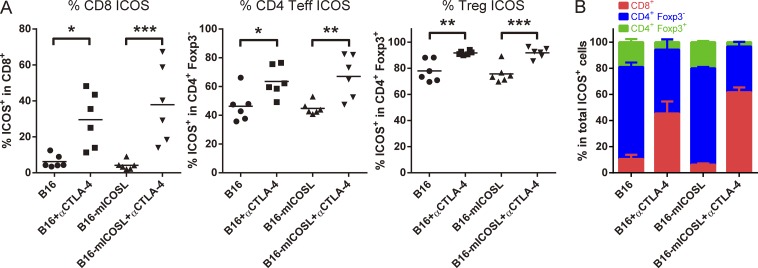
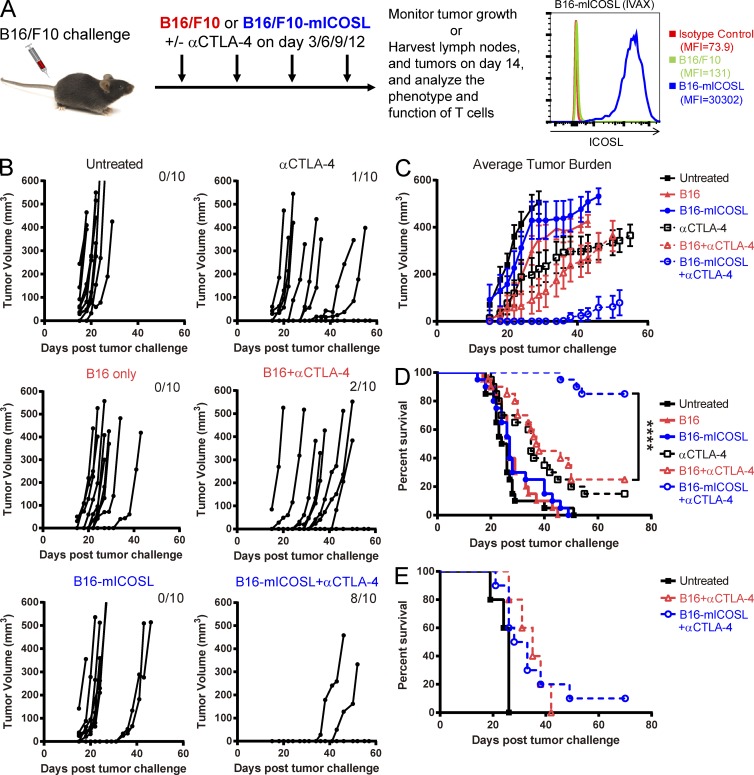
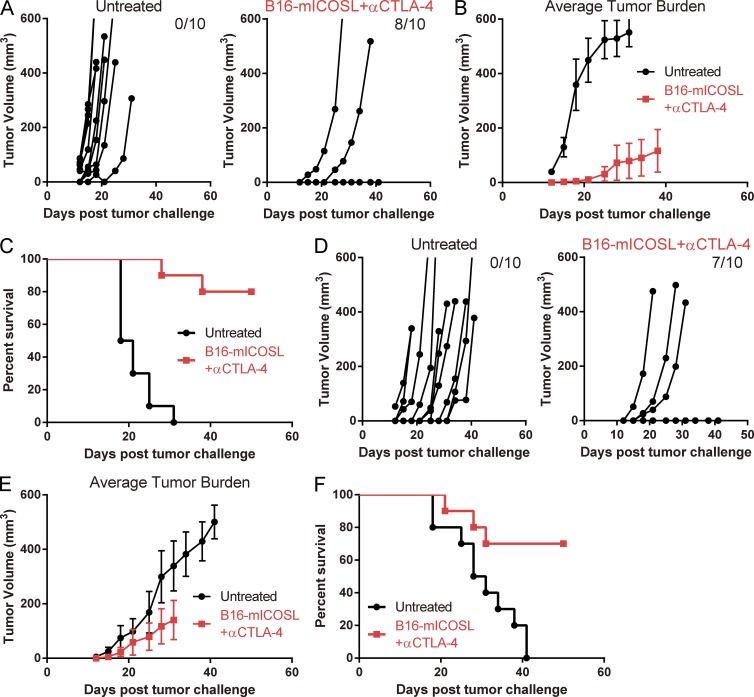
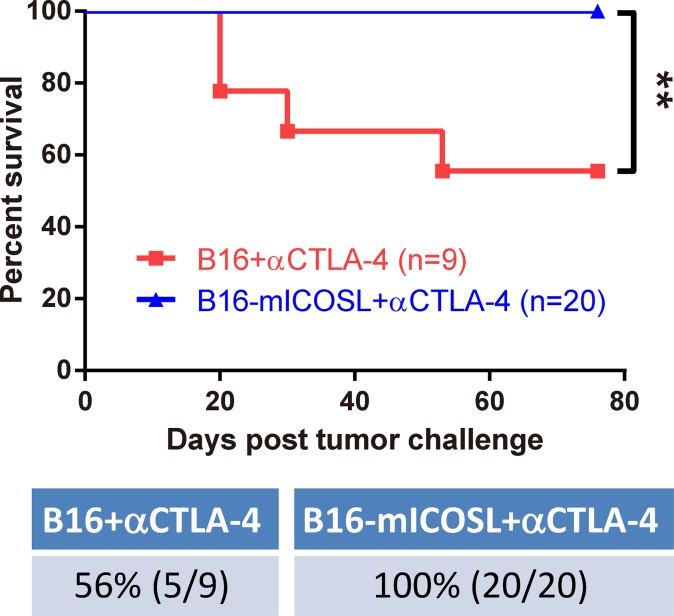
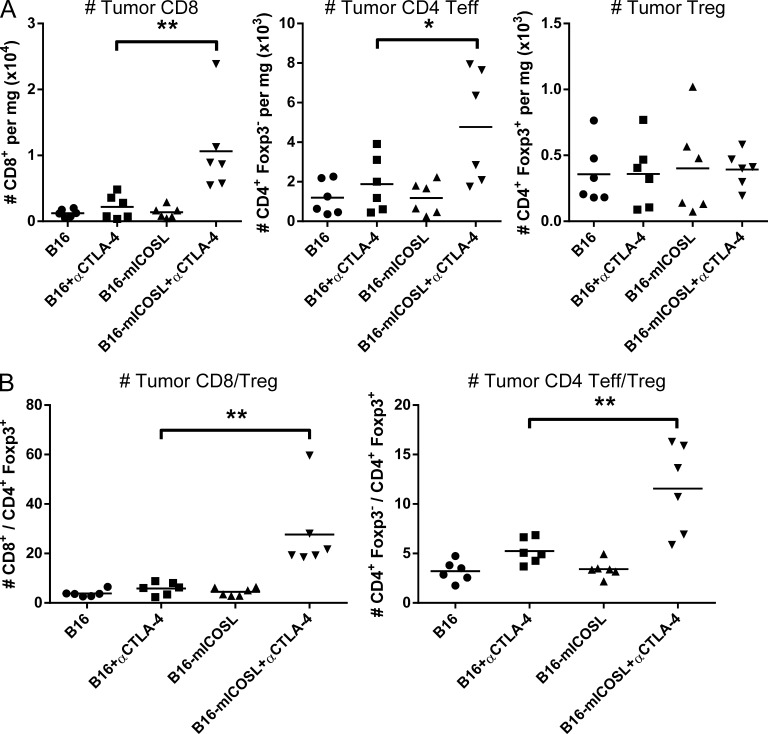
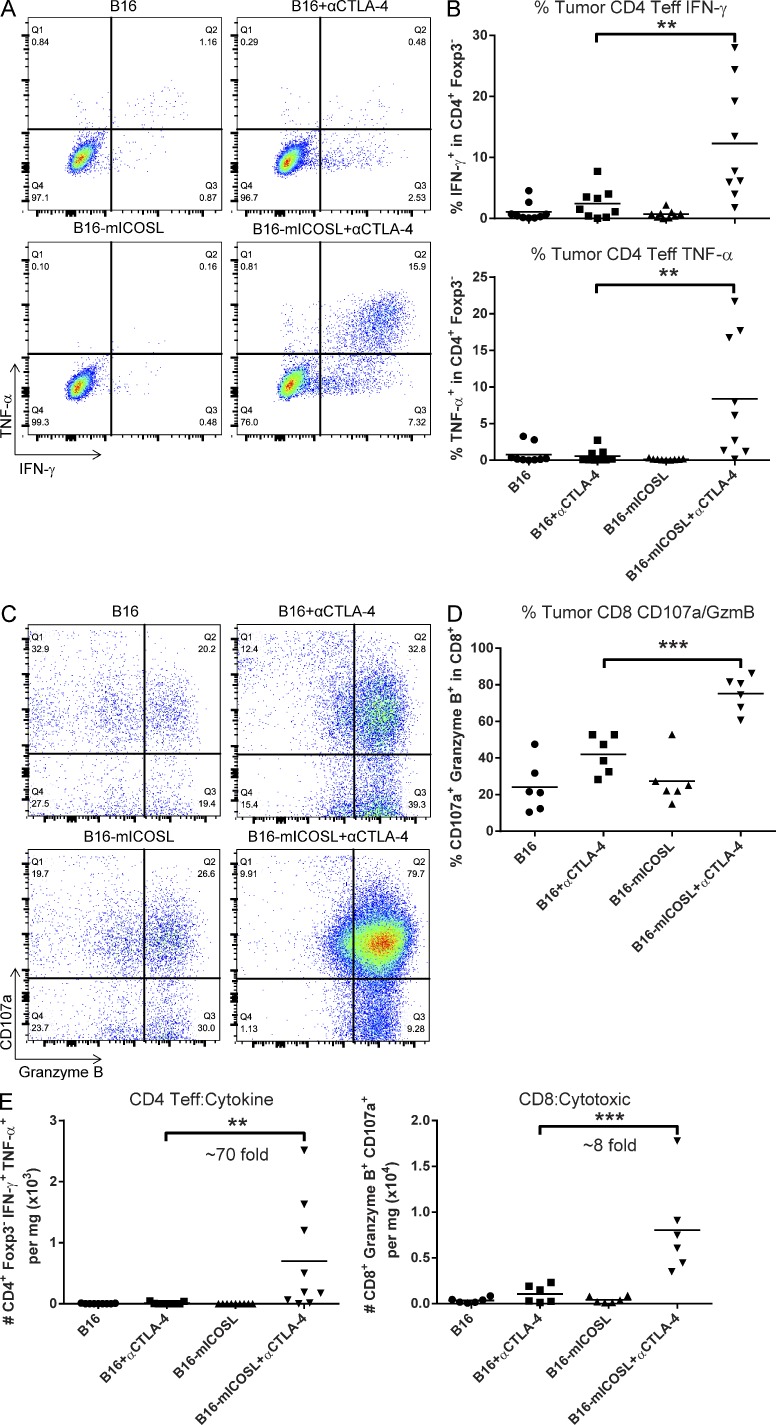
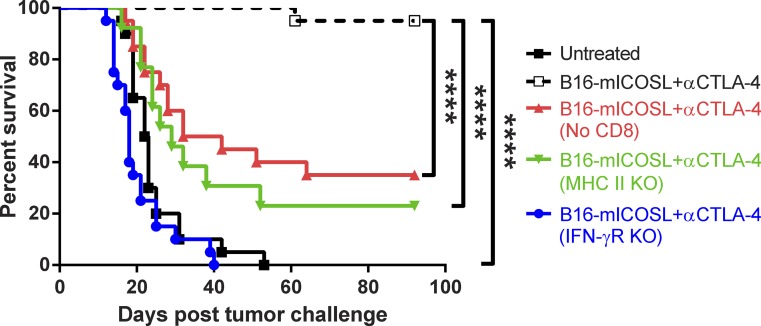
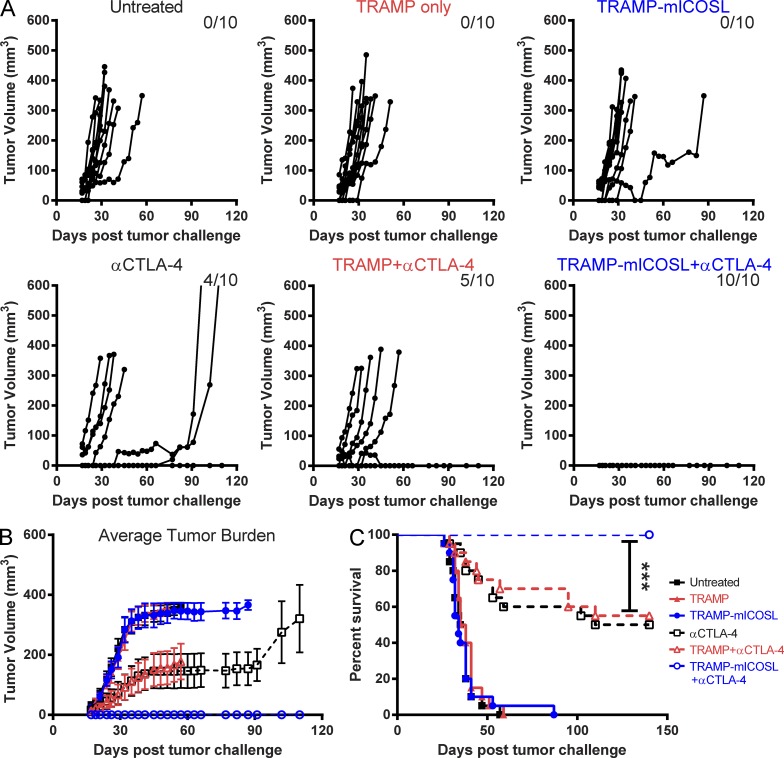
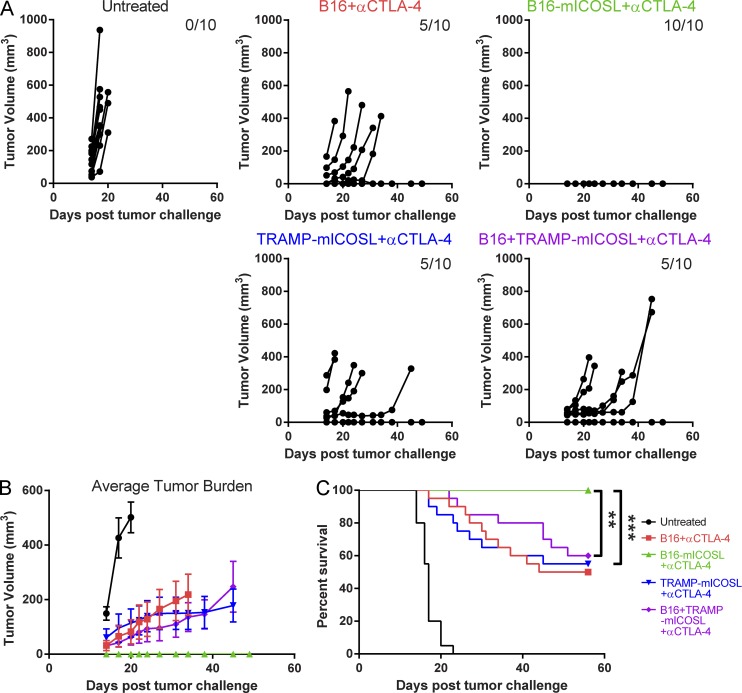
Cytotoxic T lymphocyte antigen-4 (CTLA-4) blockade with a monoclonal antibody yields durable responses in a subset of cancer patients and has been approved by the FDA as a standard therapy for late-stage melanoma. We recently identified inducible co-stimulator (ICOS) as a crucial player in the antitumor effects of CTLA-4 blockade. We now show that concomitant CTLA-4 blockade and ICOS engagement by tumor cell vaccines engineered to express ICOS ligand enhanced antitumor immune responses in both quantity and quality and significantly improved rejection of established melanoma and prostate cancer in mice. This study provides strong support for the development of combinatorial therapies incorporating anti-CTLA-4 and ICOS engagement.
Overview
The claims and statistics of this paper haven’t been checked yet.
Free: it reads the open-access text and checks the first 5 claims that cite a source we can check. Create a free account to check every claim.
Integrity signals
Registry
Cites
Statistics
Figures
Verification
Claims the paper makes
The claims and statistics of this paper haven’t been checked yet.
Free: it reads the open-access text and checks the first 5 claims that cite a source we can check. Create a free account to check every claim.
Claims other papers make about this one
Each is checked against this paper’s own text: does it say what the citing paper says it does?
The cited source says what the claim attributes to it.
In the citing paper
“In addition, the immune monitoring studies performed on the trial highlighted the reverse translational approach and identified ICOS + CD4 T cells as a novel subset of T cells associated with anti-CTLA4 therapy (17,18,171,172).”
From The Next Decade of Immune Checkpoint Therapy (2021) · cites this paper as [172]
Self-check
Percentages, sums and reported differences re-computed from the paper’s own numbers.
The self-check needs the paper’s full text.
Citations
Cites
Adverse Renal Effects of Immune Checkpoint Inhibitors: A Narrative Review
Wanchoo, R., Karam, S., Uppal, N. N., Barta, V. S., Deray, G., Devoe, C., Launay-Vacher, V., Jhaveri, K. D., & on behalf of Cancer and Kidney International Network Workgroup on Immune Checkpoint Inhibitors (2017) · American Journal of Nephrology · doi:10.1159/000455014 · Cited by 15,256
Improved Survival with Ipilimumab in Patients with Metastatic Melanoma
Hodi, F. S., O'Day, S. J., McDermott, D. F., Weber, R. W., Sosman, J. A., Haanen, J. B., Gonzalez, R., Robert, C., Schadendorf, D., Hassel, J. C., et al. (2010) · New England Journal of Medicine · doi:10.1056/nejmoa1003466 · Cited by 15,155 · cited 1×
“ICOS is a T cell–specific molecule that belongs to the CD28/CTLA-4 family (Hutloff et al., 1999; Sharpe and Freeman, 2002).”
BackgroundIpilimumab plus Dacarbazine for Previously Untreated Metastatic Melanoma
Robert, C., Thomas, L., Bondarenko, I., O'Day, S., Weber, J., Garbe, C., Lebbe, C., Baurain, J.-F., Testori, A., Grob, J.-J., et al. (2011) · New England Journal of Medicine · doi:10.1056/nejmoa1104621 · Cited by 4,496 · cited 1×
“Ipilimumab was the first therapy of any kind to show a survival benefit in phase III trials (Hodi et al., 2010; Robert et al., 2011) for patients with advanced melanoma and was approved in March 2011 by the Food and Drug Administration (FDA) as both first and second line therapy for the treatment…”
BackgroundNivolumab plus Ipilimumab in Advanced Melanoma
Wolchok, J. D., Kluger, H., Callahan, M. K., Postow, M. A., Rizvi, N. A., Lesokhin, A. M., Segal, N. H., Ariyan, C. E., Gordon, R.-A., Reed, K., et al. (2013) · New England Journal of Medicine · doi:10.1056/nejmoa1302369 · Cited by 4,230 · cited 1×
“ELISA of tissue culture supernatant from these cells failed to show the presence of soluble/ (nivolumab) in metastatic melanoma showed an objective response rate of 50% (Wolchok et al., 2013).”
BackgroundEnhancement of Antitumor Immunity by CTLA-4 Blockade
Leach, D. R., Krummel, M. F., & Allison, J. P. (1996) · Science · doi:10.1126/science.271.5256.1734 · Cited by 3,955 · cited 2×
“In a presurgical clinical trial in which patients with localized bladder cancer were treated with ipilimumab, the frequency of T cells expressing inducible co-stimulator (ICOS) was significantly increased both in tumor tissues and peripheral blood of patients (Liakou et al., 2008).”
BackgroundSelf-citationCD28 and CTLA-4 have opposing effects on the response of T cells to stimulation.
Krummel, M. F., & Allison, J. P. (1995) · The Journal of experimental medicine · doi:10.1084/jem.182.2.459 · Cited by 2,245 · cited 1×
“…we showed that inhibitory signals mediated by CTLA-4 were responsible for limiting antitumor responses in a series of mouse models because administration of antibodies blocking the interaction of CTLA-4 with its ligands could result in tumor rejection and long-lived immunity (Leach et al., 1996).”
BackgroundSelf-citationCTLA-4 can function as a negative regulator of T cell activation
Walunas, T. L., Lenschow, D. J., Bakker, C. Y., Linsley, P. S., Freeman, G. J., Green, J. M., Thompson, C. B., & Bluestone, J. A. (1994) · Immunity · doi:10.1016/1074-7613(94)90071-x · Cited by 2,222 · cited 1×
“CD28 co-stimulation is subject to down-regulation by inhibitory molecules such as cytotoxic T lymphocyte antigen-4 (CTLA-4; Walunas et al., 1994; Krummel and Allison, 1995).”
BackgroundSharpe, A. H., & Freeman, G. J. (2002) · Nature Reviews Immunology · doi:10.1038/nri727 · Cited by 1,712 · cited 2×
“ICOS is a T cell–specific molecule that belongs to the CD28/CTLA-4 family (Hutloff et al., 1999; Sharpe and Freeman, 2002).”
BackgroundHarding, F. A., McArthur, J. G., Gross, J. A., Raulet, D. H., & Allison, J. P. (1992) · Nature · doi:10.1038/356607a0 · Cited by 1,559 · cited 1×
“Early T cell activation requires an antigen-specific signal mediated by the TCR plus additional costimulatory signals generated by engagement of molecules such as CD28 with their ligands (Harding et al., 1992).”
BackgroundSelf-citationICOS is an inducible T-cell co-stimulator structurally and functionally related to CD28
Hutloff, A., Dittrich, A. M., Beier, K. C., Eljaschewitsch, B., Kraft, R., Anagnostopoulos, I., & Kroczek, R. A. (1999) · Nature · doi:10.1038/16717 · Cited by 1,482
Cited by
The future of immune checkpoint therapy
Sharma, P., & Allison, J. P. (2015) · Science · doi:10.1126/science.aaa8172 · Cited by 4,878
Self-citationA guide to cancer immunotherapy: from T cell basic science to clinical practice
Waldman, A. D., Fritz, J. M., & Lenardo, M. J. (2020) · Nature Reviews Immunology · doi:10.1038/s41577-020-0306-5 · Cited by 4,154
Immune checkpoint targeting in cancer therapy: toward combination strategies with curative potential
Sharma, P., & Allison, J. P. (2015) · Cell · doi:10.1016/j.cell.2015.03.030 · Cited by 2,345
“Anti-ICOS antibodies are expected to enter into clinical trials in 2015.”
BackgroundInfluentialSelf-citationDistinct cellular mechanisms underlie anti-CTLA-4 and anti-PD-1 checkpoint blockade
Wei, S. C., Levine, J. H., Cogdill, A. P., Zhao, Y., Anang, N.-A. A. S., Andrews, M. C., Sharma, P., Wang, J., Wargo, J. A., Pe’er, D., et al. (2017) · Cell · doi:10.1016/j.cell.2017.07.024 · Cited by 1,302
Self-citationCombination cancer immunotherapy and new immunomodulatory targets
Mahoney, K. M., Rennert, P. D., & Freeman, G. J. (2015) · Nature Reviews Drug Discovery · doi:10.1038/nrd4591 · Cited by 1,294
Immune checkpoint therapy—current perspectives and future directions
Sharma, P., Goswami, S., Raychaudhuri, D., Siddiqui, B. A., Singh, P., Nagarajan, A., Liu, J., Subudhi, S. K., Poon, C., Gant, K. L., et al. (2023) · Cell · doi:10.1016/j.cell.2023.03.006 · Cited by 1,206
Self-citationGide, T. N., Quek, C., Menzies, A. M., Tasker, A. T., Shang, P., Holst, J., Madore, J., Lim, S. Y., Velickovic, R., Wongchenko, M., et al. (2019) · Cancer Cell · doi:10.1016/j.ccell.2019.01.003 · Cited by 1,047
Next generation of immune checkpoint therapy in cancer: new developments and challenges
Marin-Acevedo, J. A., Dholaria, B., Soyano, A. E., Knutson, K. L., Chumsri, S., & Lou, Y. (2018) · Journal of Hematology & Oncology · doi:10.1186/s13045-018-0582-8 · Cited by 804
“Its levels are upregulated in activated T lymphocytes, especially after the use of anti-CTLA4 therapies, and its expression is considered a biomarker to indicate that anti-CTLA4 agents are binding its target [86].”
BackgroundThe Next Decade of Immune Checkpoint Therapy
Sharma, P., Siddiqui, B. A., Anandhan, S., Yadav, S. S., Subudhi, S. K., Gao, J., Goswami, S., & Allison, J. P. (2021) · Cancer Discovery · doi:10.1158/2159-8290.cd-20-1680 · Cited by 750
Self-citationUnleashing Type-2 Dendritic Cells to Drive Protective Antitumor CD4+ T Cell Immunity
Binnewies, M., Mujal, A. M., Pollack, J. L., Combes, A. J., Hardison, E. A., Barry, K. C., Tsui, J., Ruhland, M. K., Kersten, K., Abushawish, M. A., et al. (2019) · Cell · doi:10.1016/j.cell.2019.02.005 · Cited by 629
“Notably, effective antiCTLA-4 therapy generates ICOSPD-1 CD4 T helper 1-like (Th1-like) effector CD4 + Tconv critical for an antitumor response (Fan et al., 2014).”
BackgroundFecal microbiota transplantation plus anti-PD-1 immunotherapy in advanced melanoma: a phase I trial
Routy, B., Lenehan, J. G., Miller, W. H., Jamal, R., Messaoudene, M., Daisley, B. A., Hes, C., Al, K. F., Martinez-Gili, L., Punčochář, M., et al. (2023) · Nature Medicine · doi:10.1038/s41591-023-02453-x · Cited by 526
Therapeutic targets and biomarkers of tumor immunotherapy: response versus non-response
Wang, D.-R., Wu, X.-L., & Sun, Y.-L. (2022) · Signal Transduction and Targeted Therapy · doi:10.1038/s41392-022-01136-2 · Cited by 501
Dissecting the mechanisms of immune checkpoint therapy
Sharma, P., & Allison, J. P. (2020) · Nature Reviews Immunology · doi:10.1038/s41577-020-0275-8 · Cited by 434
Self-citationThe promise and challenges of immune agonist antibody development in cancer
Mayes, P. A., Hance, K. W., & Hoos, A. (2018) · Nature Reviews Drug Discovery · doi:10.1038/nrd.2018.75 · Cited by 355
ICOS-based chimeric antigen receptors program bipolar TH17/TH1 cells
Guedan, S., Chen, X., Madar, A., Carpenito, C., McGettigan, S. E., Frigault, M. J., Lee, J., Posey, A. D., Scholler, J., Scholler, N., et al. (2014) · Blood · doi:10.1182/blood-2013-10-535245 · Cited by 353
“Of note, a report showed that concomitant CTLA-4 blockade and ICOS engagement by tumor cell vaccines engineered to express ICOS ligand significantly improved rejection of establishedmelanoma and prostate cancer in mice.(37) Our findings are consistent with reports suggesting that ICOS expression on CD4(1) T cells is a…”
Emerging targets in cancer immunotherapy
Burugu, S., Dancsok, A. R., & Nielsen, T. O. (2018) · Seminars in Cancer Biology · doi:10.1016/j.semcancer.2017.10.001 · Cited by 314
Regulatory T cell control of systemic immunity and immunotherapy response in liver metastasis
Lee, J. C., Mehdizadeh, S., Smith, J., Young, A., Mufazalov, I. A., Mowery, C. T., Daud, A., & Bluestone, J. A. (2020) · Science Immunology · doi:10.1126/sciimmunol.aba0759 · Cited by 308
“ICOS is an activation marker crucial in the function and identity of active antitumor T cells in the tumor microenvironment (20, 25) and is correlated with the strength of CD28-CD80/86 costimulation signals provided to T cells locally (56, 57).”
BackgroundResultComplement Signals Determine Opposite Effects of B Cells in Chemotherapy-Induced Immunity
Lu, Y., Zhao, Q., Liao, J.-Y., Song, E., Xia, Q., Pan, J., Li, Y., Li, J., Zhou, B., Ye, Y., et al. (2020) · Cell · doi:10.1016/j.cell.2020.02.015 · Cited by 280
Checkpoint inhibitor immunotherapy in kidney cancer
Xu, W., Atkins, M. B., & McDermott, D. F. (2020) · Nature Reviews Urology · doi:10.1038/s41585-020-0282-3 · Cited by 261
Chae, Y. K., Chang, S., Ko, T., Anker, J., Agte, S., Iams, W., Choi, W. M., Lee, K., & Cruz, M. (2018) · Scientific Reports · doi:10.1038/s41598-018-21061-1 · Cited by 253
Khair, D. O., Bax, H. J., Mele, S., Crescioli, S., Pellizzari, G., Khiabany, A., Nakamura, M., Harris, R. J., French, E., Hoffmann, R. M., et al. (2019) · Frontiers in Immunology · doi:10.3389/fimmu.2019.00453 · Cited by 245
“The combination has been shown to lead to effector cell migration to and survival in the TME, and consequent enhanced tumor elimination in murine models (110) (Figure 3A).”
BackgroundLearning from clinical trials of neoadjuvant checkpoint blockade
Versluis, J. M., Long, G. V., & Blank, C. U. (2020) · Nature Medicine · doi:10.1038/s41591-020-0829-0 · Cited by 234
Relevance of tumor-infiltrating lymphocytes in breast cancer
Dushyanthen, S., Beavis, P. A., Savas, P., Teo, Z. L., Zhou, C., Mansour, M., Darcy, P. K., & Loi, S. (2015) · BMC Medicine · doi:10.1186/s12916-015-0431-3 · Cited by 227
“Both PD-1 and CTLA-4 blockade have proven to be very effective in preclinical animal models of melanoma and some breast cancer models [14–17].”
BackgroundMcArthur, H. L., Diab, A., Page, D. B., Yuan, J., Solomon, S. B., Sacchini, V., Comstock, C., Durack, J. C., Maybody, M., Sung, J., et al. (2016) · Clinical Cancer Research · doi:10.1158/1078-0432.ccr-16-0190 · Cited by 226
“Signaling via the ICOS pathway has been shown in mice to promote antitumor activity associated with anti-CTLA-4 (23).”
BackgroundInfluentialSelf-citationThe Evolving Role of CD8+CD28− Immunosenescent T Cells in Cancer Immunology
Huff, W. X., Kwon, J. H., Henriquez, M., Fetcko, K., & Dey, M. (2019) · International Journal of Molecular Sciences · doi:10.3390/ijms20112810 · Cited by 217
“Blockade of inhibitory receptor CTLA‐4 have been shown to be effective in enhancing CD28 signaling and augmenting ICOS stimulation [74,81].”
BackgroundWilliams, J. B., Horton, B. L., Zheng, Y., Duan, Y., Powell, J. D., & Gajewski, T. F. (2017) · Journal of Experimental Medicine · doi:10.1084/jem.20160485 · Cited by 210
“In addition, recent studies indicate that targeting these receptors can be therapeutic in murine models of cancer (Fan et al., 2014; Johnston et al., 2014).”
BackgroundCurrent Perspectives in Cancer Immunotherapy
Christofi, T., Baritaki, S., Falzone, L., Libra, M., & Zaravinos, A. (2019) · Cancers · doi:10.3390/cancers11101472 · Cited by 210
Immunoregulatory functions of VISTA
Nowak, E. C., Lines, J. L., Varn, F. S., Deng, J., Sarde, A., Mabaera, R., Kuta, A., Le Mercier, I., Cheng, C., & Noelle, R. J. (2017) · Immunological Reviews · doi:10.1111/imr.12525 · Cited by 197
Yang, J., & Hu, L. (2019) · Medicinal Research Reviews · doi:10.1002/med.21530 · Cited by 190
“Of interest, a study has demonstrated that the therapeutic effects of the anti‐CTLA‐4 monoclonal antibody ipilimumab can be enhanced by the simultaneous engagement of the ICOS/ICOSL pathway.(42) Currently, JTX‐2011, an ICOS agonist monoclonal antibody, is being studied in the phase 1/2 trial ICONIC as”
BackgroundSanmamed, M. F., Pastor, F., Rodriguez, A., Perez-Gracia, J. L., Rodriguez-Ruiz, M. E., Jure-Kunkel, M., & Melero, I. (2015) · Seminars in Oncology · doi:10.1053/j.seminoncol.2015.05.014 · Cited by 190
The rationale behind targeting the ICOS-ICOS ligand costimulatory pathway in cancer immunotherapy
Solinas, C., Gu-Trantien, C., & Willard-Gallo, K. (2020) · ESMO Open · doi:10.1136/esmoopen-2019-000544 · Cited by 177
Feucht, J., Kayser, S., Gorodezki, D., Hamieh, M., Döring, M., Blaeschke, F., Schlegel, P., Bösmüller, H., Quintanilla-Fend, L., Ebinger, M., et al. (2016) · Oncotarget · doi:10.18632/oncotarget.12357 · Cited by 171
“Recent advances were achieved by targeting immune escape checkpoints such as CTLA-4 or PD-1 [13, 18, 19].”
BackgroundMechanism of Action of Immunotherapy
Disis, M. L. (2014) · Seminars in Oncology · doi:10.1053/j.seminoncol.2014.09.004 · Cited by 175
Horton, B. L., Williams, J. B., Cabanov, A., Spranger, S., & Gajewski, T. F. (2018) · Cancer Immunology Research · doi:10.1158/2326-6066.cir-17-0249 · Cited by 168
“T cell–expressed ICOS is also necessary for the optimal effects of anti–CTLA-4–based immunotherapy (26).”
BackgroundImmune Checkpoint Inhibitor Combinations in Solid Tumors: Opportunities and Challenges
Kyi, C., & Postow, M. A. (2016) · Immunotherapy · doi:10.2217/imt-2016-0002 · Cited by 165
Novel targets for immune-checkpoint inhibition in cancer
Borgeaud, M., Sandoval, J. L., Obéid, M., Banna, G. L., Michielin, O. A., Addeo, A., & Friedlaender, A. (2023) · Cancer Treatment Reviews · doi:10.1016/j.ctrv.2023.102614 · Cited by 159
Zamarin, D., Holmgaard, R. B., Ricca, J., Plitt, T., Palese, P., Sharma, P., Merghoub, T., Wolchok, J. D., & Allison, J. P. (2017) · Nature Communications · doi:10.1038/ncomms14340 · Cited by 139
Self-citationKordbacheh, T., Honeychurch, J., Blackhall, F. H., Finn, C. F., & Illidge, T. (2017) · Annals of Oncology · doi:10.1093/annonc/mdx790 · Cited by 152
Hossain, M. A., Liu, G., Dai, B., Si, Y., Yang, Q., Wazir, J., Birnbaumer, L., & Yang, Y. (2020) · Medicinal Research Reviews · doi:10.1002/med.21727 · Cited by 154
Trial Watch: Immunomodulatory monoclonal antibodies for oncological indications
Buqué, A., Bloy, N., Aranda, F., Castoldi, F., Eggermont, A., Cremer, I., Fridman, W. H., Fucikova, J., Galon, J., Marabelle, A., et al. (2015) · OncoImmunology · doi:10.1080/2162402x.2015.1008814 · Cited by 136
Baksh, K. A., & Weber, J. S. (2015) · Seminars in Oncology · doi:10.1053/j.seminoncol.2015.02.015 · Cited by 146
Role of Inducible Co-Stimulator (ICOS) in cancer immunotherapy
Amatore, F., Gorvel, L., & Olive, D. (2019) · Expert Opinion on Biological Therapy · doi:10.1080/14712598.2020.1693540 · Cited by 130
Barriga, F. M., Tsanov, K. M., Ho, Y.-J., Sohail, N., Zhang, A., Baslan, T., Wuest, A. N., Del Priore, I., Meškauskaitė, B., Livshits, G., et al. (2022) · Nature Cancer · doi:10.1038/s43018-022-00443-5 · Cited by 125
Germline genetic polymorphisms influence tumor gene expression and immune cell infiltration
Lim, Y. W., Chen-Harris, H., Mayba, O., Lianoglou, S., Wuster, A., Bhangale, T., Khan, Z., Mariathasan, S., Daemen, A., Reeder, J., et al. (2018) · Proceedings of the National Academy of Sciences · doi:10.1073/pnas.1804506115 · Cited by 121
“Additionally, activating ICOS has been shown to enhance tumor immunity in mice (29), and agonist antibodies are being developed for cancer immunotherapy in humans (27).”
BackgroundWood, O., Woo, J., Seumois, G., Savelyeva, N., McCann, K. J., Singh, D. K., Jones, T. M., Peel, L., Breen, M. S., Ward, M. J., et al. (2016) · Oncotarget · doi:10.18632/oncotarget.10788 · Cited by 123
“Interestingly, when a stimulatory ICOS antibody was used in combination with anti-CTLA-4, there was a significant improvement in tumor rejection in both melanoma and colon cancer mouse models, suggesting that HPV(+) tumors expressing high levels of ICOSLG may respond better to anti-CTLA-4 therapy [35].”
Therapeutic use of anti-CTLA-4 antibodies
Blank, C. U., & Enk, A. (2015) · International Immunology · doi:10.1093/intimm/dxu076 · Cited by 115
Clinical Insights Into Novel Immune Checkpoint Inhibitors
Lee, J. B., Ha, S.-J., & Kim, H. R. (2021) · Frontiers in Pharmacology · doi:10.3389/fphar.2021.681320 · Cited by 112
“Dual blockade of ICOS with anti-CTLA-4 has been effective in eliciting anti-tumor responses in ICOS knockout mice that were unresponsive to anti-CTLA-4 monotherapy (Fu et al., 2011; Fan et al., 2014).”
BackgroundCTLA-4 correlates with immune and clinical characteristics of glioma
Liu, F., Huang, J., Liu, X., Cheng, Q., Luo, C., & Liu, Z. (2020) · Cancer Cell International · doi:10.1186/s12935-019-1085-6 · Cited by 132
Newcastle Disease Virus at the Forefront of Cancer Immunotherapy
Burman, B., Pesci, G., & Zamarin, D. (2020) · Cancers · doi:10.3390/cancers12123552 · Cited by 114
“Targeting of ICOS within the context of tumor microenvironment using engineered cellular vaccines expressing ICOS ligand (ICOSL) has in particular been previously demonstrated to improve systemic efficacy of CTLA-4 blockade through potentiation of cytotoxic T cell function [85].”
BackgroundEngineered materials for cancer immunotherapy
Cheung, A. S., & Mooney, D. J. (2015) · Nano Today · doi:10.1016/j.nantod.2015.06.007 · Cited by 111
Atherosclerosis With Immune Checkpoint Inhibitor Therapy
Suero‐Abreu, G. A., Zanni, M. V., & Neilan, T. G. (2022) · JACC CardioOncology · doi:10.1016/j.jaccao.2022.11.011 · Cited by 107
Monoclonal Antibodies for the Treatment of Cancer
Pento, J. T. (2017) · Anticancer Research · doi:10.21873/anticanres.12040 · Cited by 129
Co-stimulatory and co-inhibitory pathways in cancer immunotherapy
O’Neill, R., & Cao, X. (2019) · Advances in cancer research · doi:10.1016/bs.acr.2019.03.003 · Cited by 110
“Then the engagement of ICOS, through the IVAX vaccine, a whole cell vaccine consisting of ICOS-L expressing B16 melanoma, is able to further enhance T cell proliferation, survival and migration into the tumor [67].”
Xu-Monette, Z. Y., Li, L., Byrd, J. C., Jabbar, K. J., Manyam, G. C., de Winde, C. M., van den Brand, M., Tzankov, A., Visco, C., Wang, J., et al. (2016) · Blood · doi:10.1182/blood-2016-05-715094 · Cited by 107
“Clinical outcomes may be further improved by combiningwith Bruton tyrosine kinase inhibitors that inhibit BCR and CXCR4 signaling,(60) PD-L1 inhibitors, ICOS agonists, and immunoregulatory lenalidomide.(28,40,61) For CD37(2) DLBCL with immunosuppressive mechanisms and decreased CD20 levels, PD-1 blockade and ICOS agon…”
BackgroundThe Multifaceted Role of Th1, Th9, and Th17 Cells in Immune Checkpoint Inhibition Therapy
Lee, J., Lozano‐Ruiz, B., Yang, F. M., Fan, D. D., Shen, L., & González-Navajas, J. M. (2021) · Frontiers in Immunology · doi:10.3389/fimmu.2021.625667 · Cited by 147
“Additionally, concomitant CTLA-4 blockade and ICOS engagement by tumor cells that express ICOSL significantly improved rejection of established melanoma and prostate cancer in mice (51).”
BackgroundInfluentialFcγ receptors and immunomodulatory antibodies in cancer
Gálvez‐Cancino, F., Simpson, A. P., Costoya, C., Matos, I. G., Qian, D., Peggs, K. S., Litchfield, K., & Quezada, S. A. (2023) · Nature reviews. Cancer · doi:10.1038/s41568-023-00637-8 · Cited by 104
“121) and preclinical work demonstrating that delivery of ICOS signals via overexpression of ICOSL in tumour cell-based vaccines synergizes with CTLA4 antibodies to promote tumour control 188 .”
Self-citationBartkowiak, T., Singh, S., Yang, G., Sierra, G., Haria, D., Ai, M., Allison, J. P., Sastry, K. J., & Curran, M. A. (2015) · Proceedings of the National Academy of Sciences · doi:10.1073/pnas.1514418112 · Cited by 111
“Given that ICOS expression has been associated with enhanced T-cell effector function and prolonged survival, we hypothesize that the ICOS ThEO and TcEO T cells formed by the combination of vaccination and α41BB may have an unparalleled potential to eliminate established tumors (22, 23).”
BackgroundSelf-citationThe evolving landscape of ‘next-generation’ immune checkpoint inhibitors: A review
Mazzarella, L., Duso, B. A., Trapani, D., Belli, C., D’Amico, P., Ferraro, E., Viale, G., & Curigliano, G. (2019) · European Journal of Cancer · doi:10.1016/j.ejca.2019.04.035 · Cited by 106
Naturally occurring T cell mutations enhance engineered T cell therapies
Garcia, J. M., Daniels, J., Lee, Y., Zhu, I., Cheng, K., Liu, Q., Goodman, D. B., Burnett, C. E., Law, C., Thienpont, C., et al. (2024) · Nature · doi:10.1038/s41586-024-07018-7 · Cited by 100
Current modalities in cancer immunotherapy: Immunomodulatory antibodies, CARs and vaccines
Lohmueller, J. J., & Finn, O. J. (2017) · Pharmacology & Therapeutics · doi:10.1016/j.pharmthera.2017.03.008 · Cited by 101
Inducible Co-Stimulator (ICOS) as a potential therapeutic target for anti-cancer therapy
Amatore, F., Gorvel, L., & Olive, D. (2018) · Expert Opinion on Therapeutic Targets · doi:10.1080/14728222.2018.1444753 · Cited by 98
Pérez-Baños, A., Gleisner, M. A., Flores, I., Pereda, C., Navarrete, M., Araya, J. P., Navarro, G., Quezada-Monrás, C., Tittarelli, A., & Salazar‐Onfray, F. (2023) · British Journal of Cancer · doi:10.1038/s41416-023-02327-6 · Cited by 101
Immunotherapy of gastric cancer: Past, future perspective and challenges
Xie, J., Fu, L., & Li, J. (2020) · Pathology - Research and Practice · doi:10.1016/j.prp.2020.153322 · Cited by 92
Bridge, J. A., Lee, J., DAUD, A. I., Wells, J. W., & Bluestone, J. A. (2018) · Frontiers in Medicine · doi:10.3389/fmed.2018.00351 · Cited by 90
Immune checkpoint modulation: Rational design of combination strategies
Zamarin, D., & Postow, M. A. (2015) · Pharmacology & Therapeutics · doi:10.1016/j.pharmthera.2015.01.003 · Cited by 91
CTLA-4 (CD152): A versatile receptor for immune-based therapy
Lingel, H., & Brunner-Weinzierl, M. C. (2019) · Seminars in Immunology · doi:10.1016/j.smim.2019.101298 · Cited by 80
Immunotherapy for cancer in the central nervous system: Current and future directions
Binder, D. C., Davis, A. A., & Wainwright, D. A. (2015) · OncoImmunology · doi:10.1080/2162402x.2015.1082027 · Cited by 83
“provides improved antitumor control against preclinical murine melanoma and prostate cancer.(61) This strategy may also be effective in GBM, as triple therapy with RT com-”
BackgroundCheng, W., Fu, D., Xu, F., & Zhang, Z. (2018) · Oncogenesis · doi:10.1038/s41389-017-0013-7 · Cited by 81
Sharma, N., Vacher, J., & Allison, J. P. (2019) · Proceedings of the National Academy of Sciences · doi:10.1073/pnas.1819004116 · Cited by 75
Self-citationCo-Stimulatory Receptors in Cancers and Their Implications for Cancer Immunotherapy
Jeong, S., & Park, S. (2020) · Immune Network · doi:10.4110/in.2020.20.e3 · Cited by 84
“ICOS co-stimulation reportedly also enhances the effect of CTLA-4 blockade on tumor immunity (40,41).”
BackgroundNext generation immune-checkpoints for cancer therapy
Donini, C., D’Ambrosio, L., Grignani, G., Aglietta, M., & Sangiolo, D. (2018) · Journal of Thoracic Disease · doi:10.21037/jtd.2018.02.79 · Cited by 82
“ICOS stimulation may significantly enhance the immune-stimulatory effect of CTLA4 blocking antibodies that, conversely, is impaired in ICOS knock-out models (27,28).”
BackgroundDetection of Immune Checkpoint Receptors – A Current Challenge in Clinical Flow Cytometry
Shibru, B., Fey, K., Fricke, S., Blaudszun, A., Fürst, F., Weise, M., Seiffert, S., Weyh, M. K., Koehl, U., Sack, U., et al. (2021) · Frontiers in Immunology · doi:10.3389/fimmu.2021.694055 · Cited by 85
Zhou, W., Yu, M., Mao, X., Pan, H., Tang, X., Ji, W., Che, N., Xie, H., Ling, L., Zhao, Y., et al. (2022) · Advanced Science · doi:10.1002/advs.202200033 · Cited by 76
Metabolic Consequences of T-cell Costimulation in Anticancer Immunity
Teijeira, A., Garasa, S., Etxeberria, I., Gato-Cañas, M., Melero, I., & Delgoffe, G. M. (2019) · Cancer Immunology Research · doi:10.1158/2326-6066.cir-19-0115 · Cited by 72
“Although ICOS activation has been used and proposed as a target in cancer immunotherapy, both by agonist pharmacologic activation (32) and by inclusion of its cytoplasmic tail in CARs (33), very little information is available on how its ligation promotes T-cell metabolism in the context of cancer immunotherapy.”
BackgroundCutting-Edge: Preclinical and Clinical Development of the First Approved Lag-3 Inhibitor
Chocarro, L., Bocanegra, A., Blanco, E., Fernández, L., Arasanz, H., Echaide, M., Garnica, M., Ramos, P., Piñeiro‐Hermida, S., Vera, R., et al. (2022) · Cells · doi:10.3390/cells11152351 · Cited by 77
“Interestingly, preclinical results demonstrated a strong synergy between ICOS antibodies and other ICB agents, such as CTLA-4 or PD-1/PD-L1 [209].”
BackgroundInfluentialICOS Promotes the Function of CD4+ Effector T Cells during Anti-OX40–Mediated Tumor Rejection
Metzger, T. C., Long, H., Potluri, S., Pertel, T., Bailey-Bucktrout, S. L., Lin, J. C.-Y., Fu, T., Sharma, P., Allison, J. P., & Feldman, R. M. R. (2016) · Cancer Research · doi:10.1158/0008-5472.can-15-3412 · Cited by 73
“7 We next sought to determine whether a combination immunotherapy strategy targeting ICOS and OX40 might drive enhanced tumor efficacy, as ICOS is known to have a key role in supporting the efficacy of Treg-depleting anti-CTLA-4 therapy (8, 9, 22, 23).”
BackgroundResultSelf-citationICOS-L as a Potential Therapeutic Target for Cancer Immunotherapy
Marinelli, O., Nabissi, M., Morelli, M. B., Torquati, L., Amantini, C., & Santoni, G. (2018) · Current Protein and Peptide Science · doi:10.2174/1389203719666180608093913 · Cited by 70
“According to this evidence, ICOS/ICOS-L pathway could be another 213 therapeutic target and it may have implications in the development of novel combined cancer immunotherapy strategies 214 [22,23].”
BackgroundInfluentialO’Brien, S. A., Orf, J. N., Skrzypczynska, K. M., Tan, H. L. E., Kim, J., DeVoss, J., Belmontes, B., & Egen, J. G. (2021) · Cancer Immunology Immunotherapy · doi:10.1007/s00262-021-02861-3 · Cited by 74
Wang, M., Liu, Y., Cheng, Y., Wei, Y., & Wei, X. (2019) · Biochimica et Biophysica Acta (BBA) - Reviews on Cancer · doi:10.1016/j.bbcan.2018.12.002 · Cited by 66
Autoimmunity by haploinsufficiency
Rieux‐Laucat, F., & Casanova, J. (2014) · Science · doi:10.1126/science.1260791 · Cited by 66
Zhou, W., Yu, M., Pan, H., Qiu, W., Wang, H., Qian, M., Che, N., Zhang, K., Mao, X., Li, L., et al. (2021) · Journal for ImmunoTherapy of Cancer · doi:10.1136/jitc-2021-002343 · Cited by 67
Immunotherapy for Gastric Cancer: Time for a Personalized Approach?
Dolcetti, R., Re, V. D., & Canzonieri, V. (2018) · International Journal of Molecular Sciences · doi:10.3390/ijms19061602 · Cited by 65
“Up-regulation of ICOS is frequently found in activated T lymphocytes, particularly in patients treated with anti-CTLA4 antibodies, and its expression is regarded as a biomarker that is indicative of the binding of an anti-CTLA4 antibody to its cognate target [112].”
BackgroundOur current understanding of checkpoint inhibitor therapy in cancer immunotherapy
Goleva, E., Lyubchenko, T. A., Kraehenbuehl, L., Lacouture, M. E., Leung, D. Y. M., & Kern, J. A. (2021) · Annals of Allergy Asthma & Immunology · doi:10.1016/j.anai.2021.03.003 · Cited by 66
Emerging immunotherapies for metastasis
Edwards, S. C., Hoevenaar, W. H. M., & Coffelt, S. B. (2020) · British Journal of Cancer · doi:10.1038/s41416-020-01160-5 · Cited by 67
Understanding of Immune Escape Mechanisms and Advances in Cancer Immunotherapy
Aktar, N., Yueting, C., Abbas, M., Zafar, H., Paiva‐Santos, A. C., Zhang, Q., Chen, T., Ahmed, M., Raza, F., & Zhou, X. (2022) · Journal of Oncology · doi:10.1155/2022/8901326 · Cited by 63
T cell costimulation, checkpoint inhibitors and anti-tumor therapy
Nandi, D., Pathak, S., Verma, T., Singh, M., Chattopadhyay, A., Thakur, S., Raghavan, A., Gokhroo, A., & Vijayamahantesh, V. (2020) · Journal of Biosciences · doi:10.1007/s12038-020-0020-2 · Cited by 61
“(Fan et al. 2014).”
The role of CD4+ T cells in tumor and chronic viral immune responses
Xie, L., Fang, J., Yu, J., Zhang, W., He, Z., Ye, L., & Wang, H. (2023) · MedComm · doi:10.1002/mco2.390 · Cited by 62
Knowns and Unknowns about CAR-T Cell Dysfunction
Titov, A., Kaminskiy, Y., Ganeeva, I., Zmievskaya, E., Valiullina, A., Rakhmatullina, A., Petukhov, A., Рифкатовна, М. Р., Rizvanov, A. A., & Bulatov, E. (2022) · Cancers · doi:10.3390/cancers14041078 · Cited by 59
“Examples include PD-1 blockade and 4–1BB stimulation in chronic LCMV [75]; PD-1 blockade and OX-40 stimulation in ovarian cancer [76]; CTLA-4 blockade and ICOS or 4–1BB stimulation in melanoma [44,77]; and PD-1 blockade and CD28 stimulation in prostate cancer [78].”
BackgroundSainson, R. C. A., Thotakura, A. K., Kosmač, M., Borhis, G., Parveen, N., Kimber, R., Carvalho, J. A., Henderson, S. J., Pryke, K. L., Okell, T., et al. (2020) · Cancer Immunology Research · doi:10.1158/2326-6066.cir-20-0034 · Cited by 58
“The relative expression of ICOS varies between T-cell subtypes,with intratumoral Treg exhibiting higher ICOS expression followed by CD4þ and CD8þ TEff cells (12, 17, 19, 22).”
BackgroundRujas, E., Cui, H., Sicard, T., Semesi, A., & Julien, J. (2020) · Nature Communications · doi:10.1038/s41467-020-18828-4 · Cited by 57
Dietrich, P., Kuphal, S., Spruss, T., Hellerbrand, C., & Bosserhoff, A. (2018) · Oncogene · doi:10.1038/onc.2017.391 · Cited by 51
Hong, M. M. Y., & Vareki, S. M. (2022) · Cancers · doi:10.3390/cancers14061580 · Cited by 55
“Concurrent ICOS pathway engagement further suppressed tumor growth, established a more robust memory response than anti-CTLA-4 alone, and increased survival in those models [48,49].”
BackgroundSoldevilla, M. M., Villanueva, H., Meraviglia-Crivelli, D., Menon, A. P., Ruiz, M., Cebollero, J., Villalba-Esparza, M., Moreno, B., Lozano, T., Llópiz, D., et al. (2019) · Molecular Therapy · doi:10.1016/j.ymthe.2019.07.013 · Cited by 53
“Other findings indicate that anti-CTLA-4 antibodies with immunoglobulin G2a (IgG2a) murine isotope or IgG1 human isotope could trigger depletion of tumor-infiltrating Tregs in some instances.(6,14,25) A recent publication claims that ipilimumab actually does not deplete tumor Tregs in spite of being humanized with IgG…”
BackgroundInfluentialImmunotherapy in Cancer: A Combat between Tumors and the Immune System; You Win Some, You Lose Some
Rowdo, F. P. M., Barón, A., Urrutia, M., & Mordoh, J. (2015) · Frontiers in Immunology · doi:10.3389/fimmu.2015.00127 · Cited by 56
“The combination of anti-CTLA-4 antibody and ICOS activation, which was mediated by tumor vaccines engineered to express the ICOS ligand, enhanced anti-tumor response (121).”
BackgroundMo, L., Chen, Q., Zhang, X., Shi, X., Wei, L., Zheng, D., Li, H., Gao, J., Li, J., & Hu, Z. (2017) · Vaccine · doi:10.1016/j.vaccine.2017.08.093 · Cited by 51
Immuno-regulatory antibodies for the treatment of cancer
Honeychurch, J., Cheadle, E. J., Dovedi, S. J., & Illidge, T. (2015) · Expert Opinion on Biological Therapy · doi:10.1517/14712598.2015.1036737 · Cited by 56
“Likewise, upregulation of the ICOS on TIL and CD4 T-cells in the peripheral blood following ipilimumab therapy has been associated with increased clinical activity in cancer patients [93,94], with concomitant CTLA-4 blockade and ICOS engagement leading to enhanced antitumor activity in pre-clinical melanoma and prosta…”
BackgroundInducible T‐cell co‐stimulator: Signaling mechanisms in T follicular helper cells and beyond
Panneton, V., Chang, J., Witalis, M., Li, J., & Suh, W. (2019) · Immunological Reviews · doi:10.1111/imr.12771 · Cited by 60
Blockade of CTLA-4 and PD-1 Enhances Adoptive T-cell Therapy Efficacy in an ICOS-Mediated Manner
Shi, L. Z., Goswami, S., Fu, T., Guan, B., Chen, J., Xiong, L., Zhang, J., Tang, D. N., Zhang, X., Vence, L. M., et al. (2019) · Cancer Immunology Research · doi:10.1158/2326-6066.cir-18-0873 · Cited by 49
“The importance of ICOS signaling in CD8þ T cells in antitumor response has been suggested in early studies that used ICOSL-overexpressing tumormodels (40), IVAX vaccine (15), soluble ICOSL (41), or locoregional application oncolytic virus encoding ICOSL (42).”
BackgroundMethodSelf-citationDynamic host immune response in virus-associated cancers
Cao, S., Wylie, K. M., Wyczalkowski, M. A., Karpova, A., Ley, J. C., Sun, S. Q., Mashl, R. J., Liang, W.-W., Wang, X., Johnson, K. J., et al. (2019) · Communications Biology · doi:10.1038/s42003-019-0352-3 · Cited by 51
Discovery of Small Molecules for the Reversal of T Cell Exhaustion
Marro, B. S., Žák, J., Zavareh, R. B., Teijaro, J. R., Lairson, L. L., & Oldstone, M. B. A. (2019) · Cell Reports · doi:10.1016/j.celrep.2019.10.119 · Cited by 50
Metadata
- Authors
- Fan, X., Quezada, S. A., Sepulveda, M. A., Sharma, P., & Allison, J. P.
- Affiliations
- The University of Texas MD Anderson Cancer Center (US)
- University College London (GB)
- Ludwig Center for Cancer Immunotherapy 4 , 5 , and 6
- Memorial Sloan Kettering Cancer Center (US)
- Corresponding author
- Sharma, Padmanee
- Allison, James P.
- Venue
- Journal of Experimental Medicine
- Publisher
- Rockefeller University Press
- Published
- 2014-03-31
- Volume
- 211
- Issue
- 4
- Pages
- 715-725
- ISSN
- 0022-1007 (ISSN-L)
- 1540-9538
- PMC
- PMC3978270
- OpenAlex
- W2157041114
- Cited by
- 300
- References
- 28
- Citations by year
- 2026: 7 · 2025: 22 · 2024: 15 · 2023: 26 · 2022: 22 · 2021: 30 · 2020: 31 · 2019: 36 · 2018: 32 · 2017: 27 · 2016: 23 · 2015: 21 · 2014: 8
- FWCI
- 12.72
- Type
- journal article
- Language
- en
- Open access
- green
- www.ncbi.nlm.nih.gov
- Licence
- cc-by-nc-sa
- Locations
- The Journal of Experimental Medicine (publishedVersion)
- Europe PMC (PubMed Central) (publishedVersion, cc-by-nc-sa)
- PubMed Central (publishedVersion, cc-by-nc-sa)
- PubMed (publishedVersion)
- UCL Discovery (University College London) (submittedVersion)
- Funders
- Cancer Research UK (12100)
- National Cancer Institute (R01CA163793, P30CA016672)
- Topics
- Health Sciences › Medicine › Oncology › Cancer Immunotherapy and Biomarkers
- Life Sciences › Immunology and Microbiology › Immunology › Immunotherapy and Immune Responses
- Life Sciences › Immunology and Microbiology › Immunology › T-cell and B-cell Immunology
- Keywords
- CTLA-4 blockade, ICOS ligand, cancer immunotherapy, melanoma, prostate cancer, tumor cell vaccine, antitumor immunity, combination therapy, immune checkpoint blockade
- MeSH terms
- Animals, Antibodies, Monoclonal, Disease Models, Animal, Immunologic Memory, Immunosuppression Therapy, Immunotherapy, Ligands, Male, Melanoma, Experimental, Prostatic Neoplasms, Signal Transduction, CD4-Positive T-Lymphocytes, Up-Regulation, Cytokines, Lymphocytes, Tumor-Infiltrating, Antigen Presentation, CD8-Positive T-Lymphocytes, Cancer Vaccines, Mice, Inducible T-Cell Co-Stimulator Protein, CTLA-4 Antigen
About these checks
Registry, retraction, Cites and statistics results are computed, not judged, with one exception: a printed reference that no index lists is read once by a model before it counts as a citation error. Claims are extracted by a model and kept only when their quote appears verbatim in the text; each cited source is then checked, with a model’s help, for whether it says what the claim relies on. Those verdicts can be wrong — read the claim’s quote and the cited source before relying on one.
Statistics and arithmetic are recomputed, not judged.
Confidence bands are shown only for fields calibrated on our annotated test set. None is calibrated yet, so no band is shown.
What counts as a claim ›How we measure confidence ›How we check this ›
Are you an author, or do you see a problem with this page? Request a review
Data sources
Bibliographic data: Semantic Scholar, OpenAlex, Crossref.
Contains information from the Semantic Scholar Academic Graph Datasets, made available under the ODC Attribution License (ODC-BY 1.0).
Semantic Scholar’s data is described in: Kinney, R., et al. (2023). The Semantic Scholar Open Data Platform. arXiv:2301.10140.
