

Engagement of the ICOS pathway markedly enhances efficacy of CTLA-4 blockade in cancer immunotherapy
Open accessThe DOI matches its Crossref record; 28 of the 28 references it cites were found in a registry or an index.
Abstract
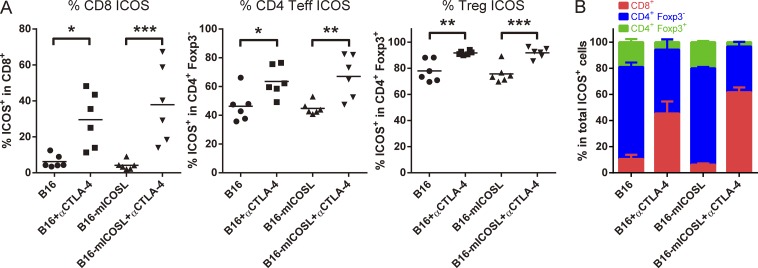
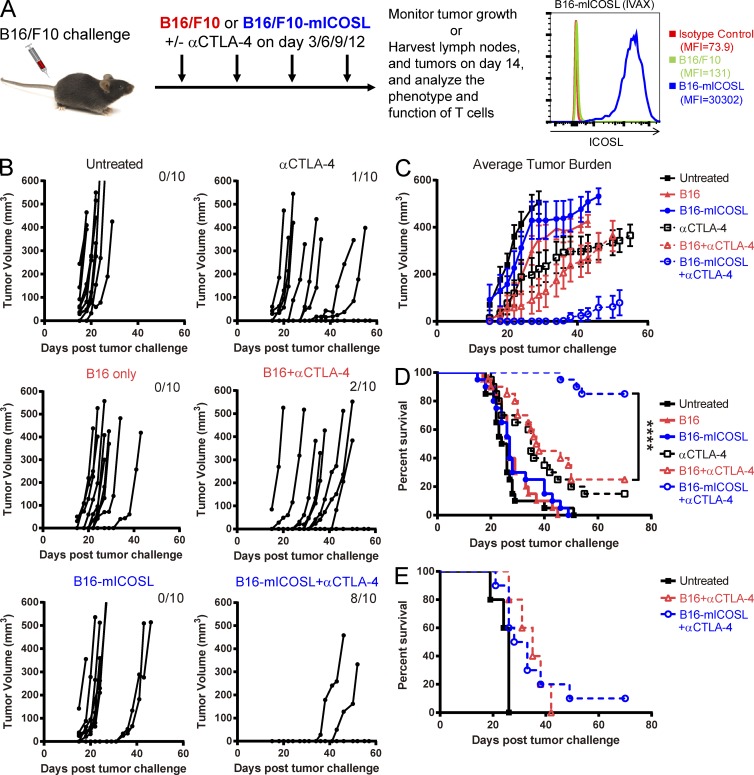
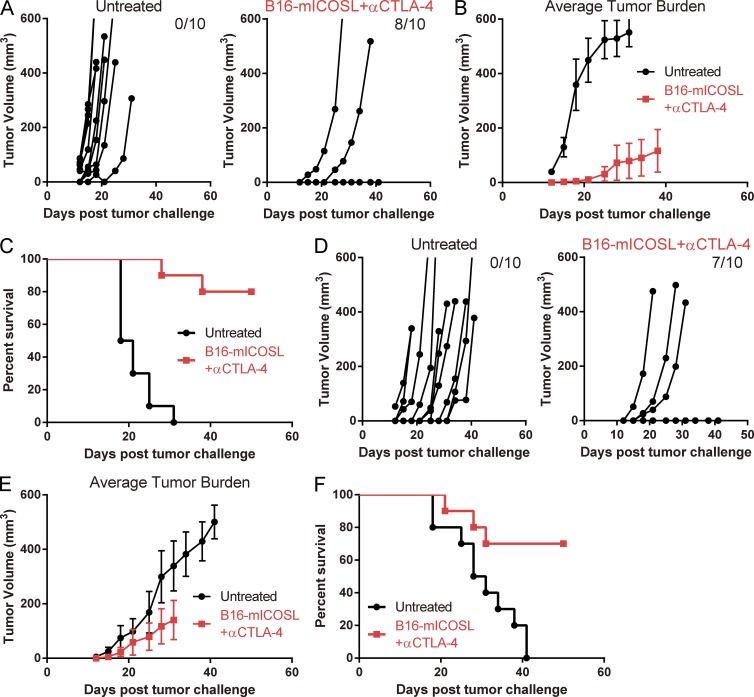
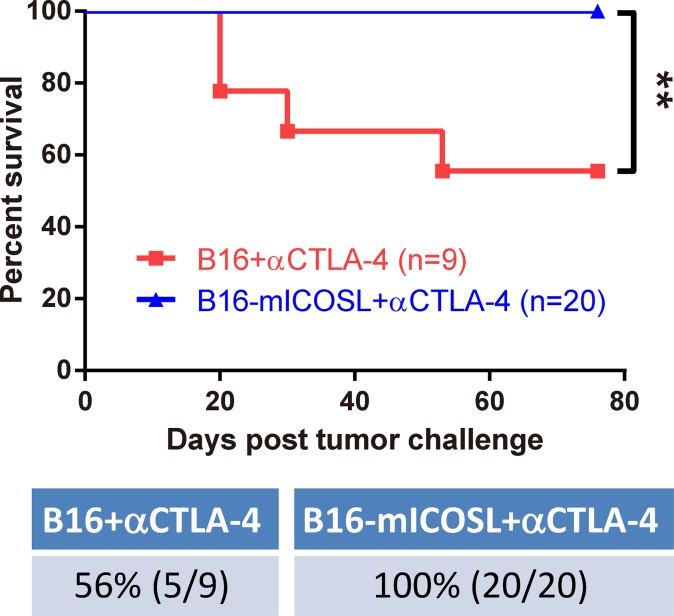
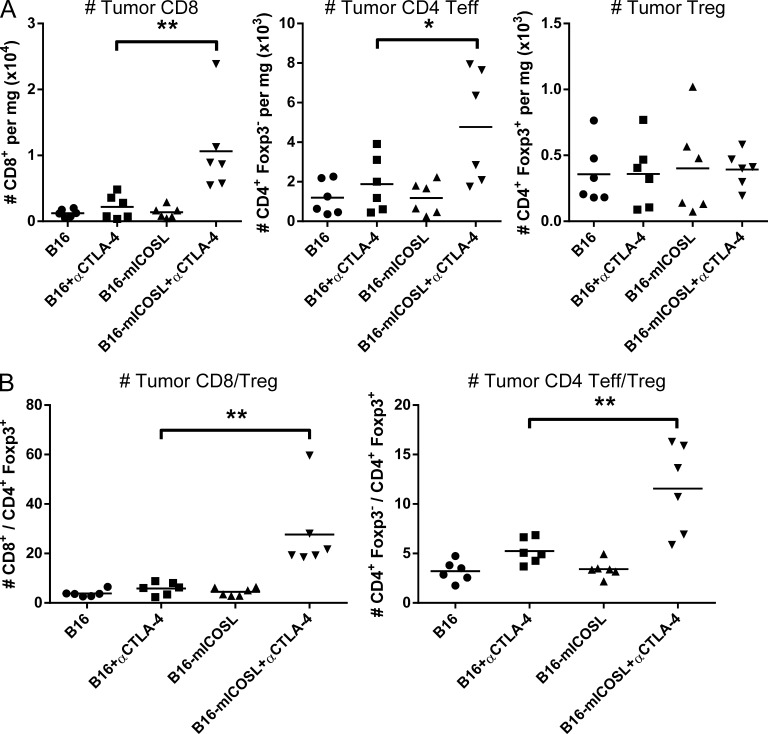
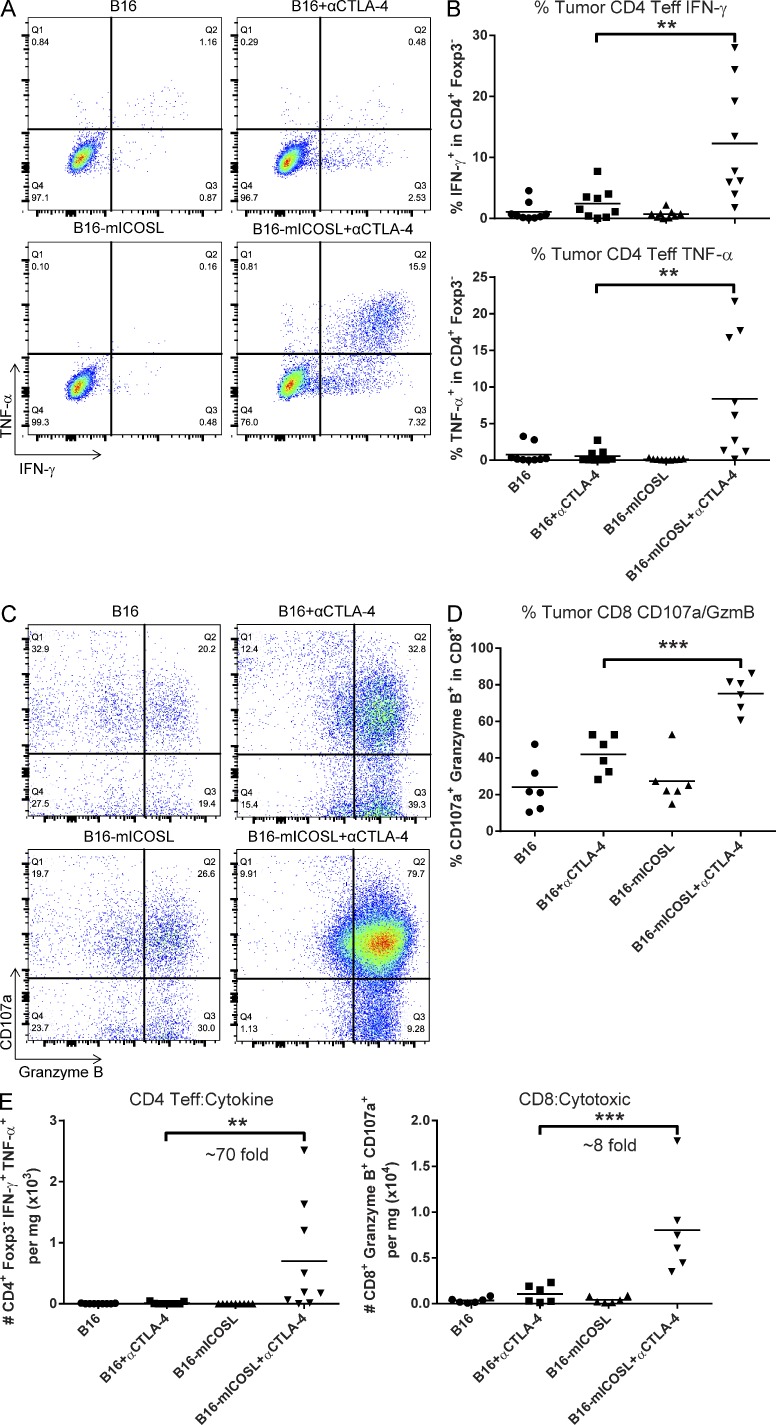
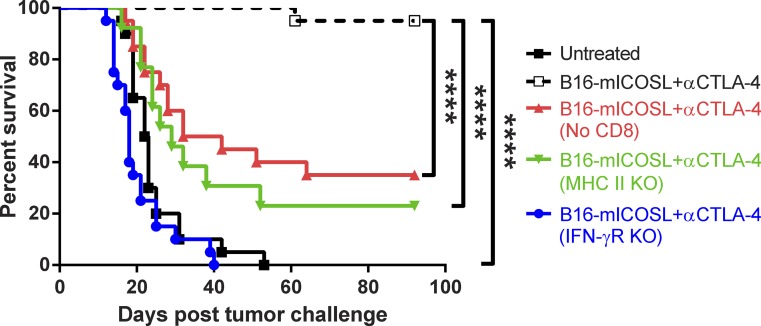
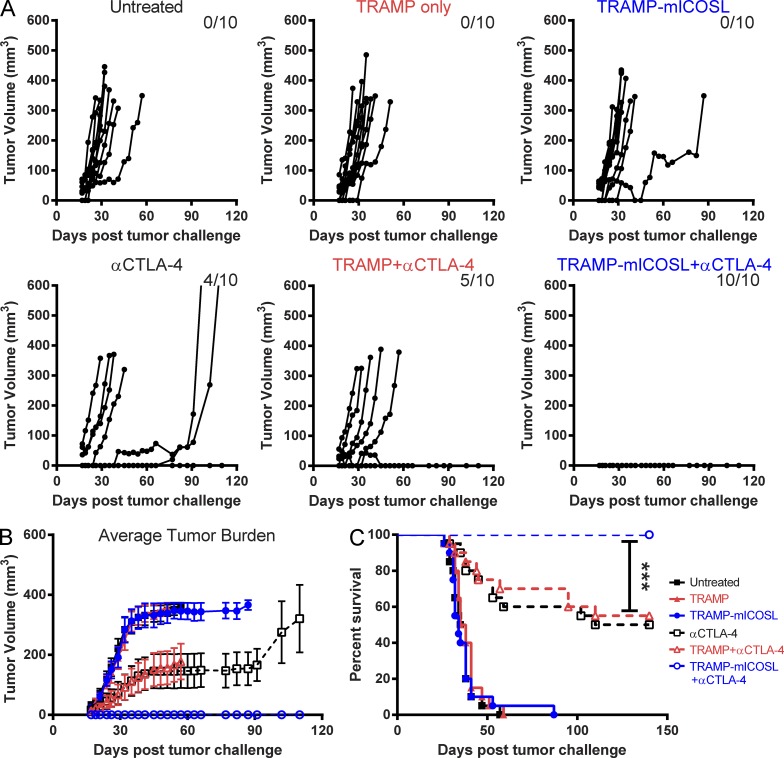
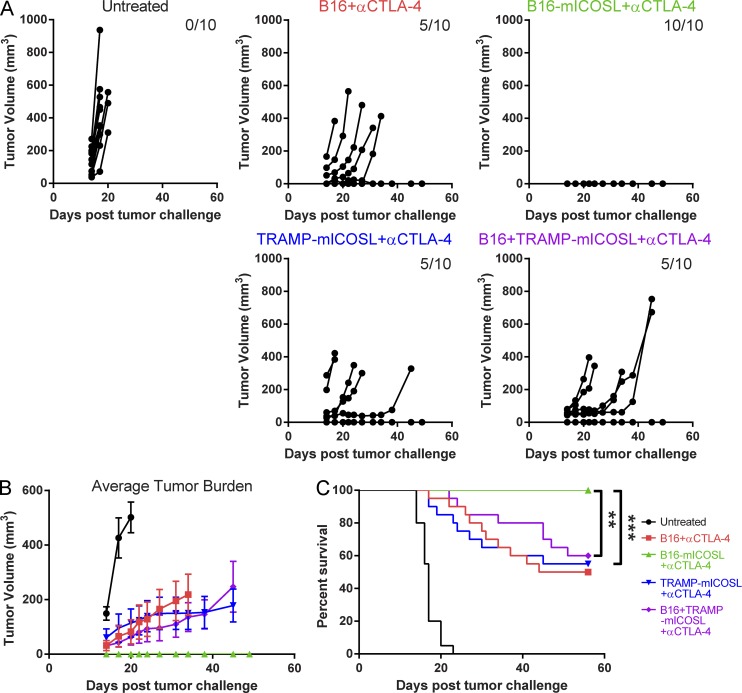
Cytotoxic T lymphocyte antigen-4 (CTLA-4) blockade with a monoclonal antibody yields durable responses in a subset of cancer patients and has been approved by the FDA as a standard therapy for late-stage melanoma. We recently identified inducible co-stimulator (ICOS) as a crucial player in the antitumor effects of CTLA-4 blockade. We now show that concomitant CTLA-4 blockade and ICOS engagement by tumor cell vaccines engineered to express ICOS ligand enhanced antitumor immune responses in both quantity and quality and significantly improved rejection of established melanoma and prostate cancer in mice. This study provides strong support for the development of combinatorial therapies incorporating anti-CTLA-4 and ICOS engagement.
Overview
The claims and statistics of this paper haven’t been checked yet.
Free: it reads the open-access text and checks the first 5 claims that cite a source we can check. Create a free account to check every claim.
Integrity signals
Registry
Cites
Statistics
Figures
Verification
Claims the paper makes
The claims and statistics of this paper haven’t been checked yet.
Free: it reads the open-access text and checks the first 5 claims that cite a source we can check. Create a free account to check every claim.
Claims other papers make about this one
Each is checked against this paper’s own text: does it say what the citing paper says it does?
The cited source says what the claim attributes to it.
In the citing paper
“In addition, the immune monitoring studies performed on the trial highlighted the reverse translational approach and identified ICOS + CD4 T cells as a novel subset of T cells associated with anti-CTLA4 therapy (17,18,171,172).”
From The Next Decade of Immune Checkpoint Therapy (2021) · cites this paper as [172]
Self-check
Percentages, sums and reported differences re-computed from the paper’s own numbers.
The self-check needs the paper’s full text.
Citations
Cites
Adverse Renal Effects of Immune Checkpoint Inhibitors: A Narrative Review
Wanchoo, R., Karam, S., Uppal, N. N., Barta, V. S., Deray, G., Devoe, C., Launay-Vacher, V., Jhaveri, K. D., & on behalf of Cancer and Kidney International Network Workgroup on Immune Checkpoint Inhibitors (2017) · American Journal of Nephrology · doi:10.1159/000455014 · Cited by 15,256
Improved Survival with Ipilimumab in Patients with Metastatic Melanoma
Hodi, F. S., O'Day, S. J., McDermott, D. F., Weber, R. W., Sosman, J. A., Haanen, J. B., Gonzalez, R., Robert, C., Schadendorf, D., Hassel, J. C., et al. (2010) · New England Journal of Medicine · doi:10.1056/nejmoa1003466 · Cited by 15,155 · cited 1×
“ICOS is a T cell–specific molecule that belongs to the CD28/CTLA-4 family (Hutloff et al., 1999; Sharpe and Freeman, 2002).”
BackgroundIpilimumab plus Dacarbazine for Previously Untreated Metastatic Melanoma
Robert, C., Thomas, L., Bondarenko, I., O'Day, S., Weber, J., Garbe, C., Lebbe, C., Baurain, J.-F., Testori, A., Grob, J.-J., et al. (2011) · New England Journal of Medicine · doi:10.1056/nejmoa1104621 · Cited by 4,496 · cited 1×
“Ipilimumab was the first therapy of any kind to show a survival benefit in phase III trials (Hodi et al., 2010; Robert et al., 2011) for patients with advanced melanoma and was approved in March 2011 by the Food and Drug Administration (FDA) as both first and second line therapy for the treatment…”
BackgroundNivolumab plus Ipilimumab in Advanced Melanoma
Wolchok, J. D., Kluger, H., Callahan, M. K., Postow, M. A., Rizvi, N. A., Lesokhin, A. M., Segal, N. H., Ariyan, C. E., Gordon, R.-A., Reed, K., et al. (2013) · New England Journal of Medicine · doi:10.1056/nejmoa1302369 · Cited by 4,230 · cited 1×
“ELISA of tissue culture supernatant from these cells failed to show the presence of soluble/ (nivolumab) in metastatic melanoma showed an objective response rate of 50% (Wolchok et al., 2013).”
BackgroundEnhancement of Antitumor Immunity by CTLA-4 Blockade
Leach, D. R., Krummel, M. F., & Allison, J. P. (1996) · Science · doi:10.1126/science.271.5256.1734 · Cited by 3,955 · cited 2×
“In a presurgical clinical trial in which patients with localized bladder cancer were treated with ipilimumab, the frequency of T cells expressing inducible co-stimulator (ICOS) was significantly increased both in tumor tissues and peripheral blood of patients (Liakou et al., 2008).”
BackgroundSelf-citationCD28 and CTLA-4 have opposing effects on the response of T cells to stimulation.
Krummel, M. F., & Allison, J. P. (1995) · The Journal of experimental medicine · doi:10.1084/jem.182.2.459 · Cited by 2,245 · cited 1×
“…we showed that inhibitory signals mediated by CTLA-4 were responsible for limiting antitumor responses in a series of mouse models because administration of antibodies blocking the interaction of CTLA-4 with its ligands could result in tumor rejection and long-lived immunity (Leach et al., 1996).”
BackgroundSelf-citationCTLA-4 can function as a negative regulator of T cell activation
Walunas, T. L., Lenschow, D. J., Bakker, C. Y., Linsley, P. S., Freeman, G. J., Green, J. M., Thompson, C. B., & Bluestone, J. A. (1994) · Immunity · doi:10.1016/1074-7613(94)90071-x · Cited by 2,222 · cited 1×
“CD28 co-stimulation is subject to down-regulation by inhibitory molecules such as cytotoxic T lymphocyte antigen-4 (CTLA-4; Walunas et al., 1994; Krummel and Allison, 1995).”
BackgroundSharpe, A. H., & Freeman, G. J. (2002) · Nature Reviews Immunology · doi:10.1038/nri727 · Cited by 1,712 · cited 2×
“ICOS is a T cell–specific molecule that belongs to the CD28/CTLA-4 family (Hutloff et al., 1999; Sharpe and Freeman, 2002).”
BackgroundHarding, F. A., McArthur, J. G., Gross, J. A., Raulet, D. H., & Allison, J. P. (1992) · Nature · doi:10.1038/356607a0 · Cited by 1,559 · cited 1×
“Early T cell activation requires an antigen-specific signal mediated by the TCR plus additional costimulatory signals generated by engagement of molecules such as CD28 with their ligands (Harding et al., 1992).”
BackgroundSelf-citationICOS is an inducible T-cell co-stimulator structurally and functionally related to CD28
Hutloff, A., Dittrich, A. M., Beier, K. C., Eljaschewitsch, B., Kraft, R., Anagnostopoulos, I., & Kroczek, R. A. (1999) · Nature · doi:10.1038/16717 · Cited by 1,482
Cited by
Items 201–300 of 307
Unlocking new frontiers: novel immune targets for next-generation cancer immunotherapy
Zaheer, S., & Sureka, N. (2025) · Korean Journal of Clinical Oncology · doi:10.14216/kjco.24322 · Cited by 9
“A study by Fan et al. [162] observed that in mouse models of melanoma and prostate cancer, simultaneous CTLA-4 blockade and ICOS engagement through tumor cell vaccines engineered to express the ICOS ligand enhanced anti-tumor immune responses both quantitatively and qualitatively, significantly…”
Future of Immune Checkpoint Inhibitors
Maawy, A. A., & Ito, F. (2018) · Elsevier eBooks · doi:10.1016/b978-0-323-54948-6.00012-3 · Cited by 10
Chapoval, A. I., Chapoval, S. P., Shcherbakova, N. S., & Щербаков, Д. Н. (2019) · Russian Journal of Bioorganic Chemistry · doi:10.1134/s1068162019040101 · Cited by 10
Transcriptome profile and clinical characterization of ICOS expression in gliomas
Wang, J., Shi, F., & Shan, A. (2022) · Frontiers in Oncology · doi:10.3389/fonc.2022.946967 · Cited by 9
“(53) also reported a synergistic anti-tumor response of CTLA-4 blockade combined with ICOS stimulation in a mouse cancer model.”
BackgroundThe PD-1/PD-L1 pathway in advanced prostate cancer—have we milked this cow?
Picardo, S. L., & Hansen, A. R. (2019) · Annals of Translational Medicine · doi:10.21037/atm.2019.05.86 · Cited by 10
“Agonists to molecules such as TLR4, ICOS and CD27 have shown promise in pre-clinical work and phase I/II trials are ongoing (24-26).”
BackgroundWojas‐Krawczyk, K., Paśnik, I., Kucharczyk, T., Wieleba, I., Krzyżanowska, N., Gil, M., Krawczyk, P. A., & Milanowski, J. (2021) · International Journal of Molecular Sciences · doi:10.3390/ijms22179133 · Cited by 9
Molecular insights into the development of T cell-based immunotherapy for prostate cancer
Dong, B., Minze, L. J., Xue, W., & Chen, W. (2014) · Expert Review of Clinical Immunology · doi:10.1586/1744666x.2014.962515 · Cited by 9
“By using TRAMP and other mouse models, researchers have also investigated the critical molecular mechanisms of antitumor immunity [77,84], the treatment strategies [85] and the effects of combination therapies on prostate cancer [86,87].”
Immunotherapy in genitourinary malignancies
Wattenberg, M. M., Fong, L. H., Madan, R. A., & Gulley, J. L. (2016) · Current Opinion in Urology · doi:10.1097/mou.0000000000000331 · Cited by 9
Advancements in immunotherapy for hepatocellular carcinoma
Ascari, S., Chen, R., Vivaldi, C., Stefanini, B., Sinno, A. D., Dalbeni, A., Federico, P., & Tovoli, F. (2025) · Expert Review of Anticancer Therapy · doi:10.1080/14737140.2025.2461631 · Cited by 9
Wang, G., Fu, X., Chang, Y., Li, X., Wu, X., Li, L., Zhang, L., Sun, Z., Zhang, X., & Zhang, M. (2019) · Aging · doi:10.18632/aging.102025 · Cited by 8
“com 3947 AGING enhances the efficacy of CTLA-4 blockade in cancer immunotherapy, while inhibiting the ICOS pathway reduces the efficacy of anti-CTLA-4 drugs and reduces tumor rejection [30, 31].”
BackgroundJogdand, G. M., Sengupta, S., Bhattacharya, G., Singh, S. K., Barik, P. K., & Devadas, S. (2018) · Frontiers in Immunology · doi:10.3389/fimmu.2018.01041 · Cited by 8
McLeod, R. L., Angagaw, M. H., Baral, T. N., Liu, L., Moniz, R. J., Laskey, J., Hsieh, S., Lee, M., Han, J., Issafras, H., et al. (2018) · Oncotarget · doi:10.18632/oncotarget.26108 · Cited by 8
“In previous studies, it has been demonstrated that one of the co-stimulatory receptors, inducible co-stimulator (ICOS) is expressed on CD8+ T cells when an immune check point blockade is effective [26].”
BackgroundLiu, D., Suchard, S. J., Nadler, S., & Ford, M. L. (2015) · PLoS ONE · doi:10.1371/journal.pone.0130490 · Cited by 8
“showing that ICOS expression can be blunted by CTLA-4 engagement [35], and more recently studies by Allison’s group have showed that CTLA-4 blockade combined with a tumor cell vaccine engineered to express ICOS ligand significantly enhanced tumor-specific CD8+ T cell responses and improve tumor clearance in a B16 mela…”
BackgroundTumor-infiltrating regulatory T cell: A promising therapeutic target in tumor microenvironment
Huang, T., Li, F., Wang, Y., Gu, J., & Lü, L. (2024) · Chinese Medical Journal · doi:10.1097/cm9.0000000000003450 · Cited by 8
Tili, E., Michaille, J., & Croce, C. M. (2025) · Pharmacological Reviews · doi:10.1016/j.pharmr.2025.100088 · Cited by 7
“113 These findings provide robust evidence supporting earlier research that demonstrated the necessity of ICOSL for optimal antitumor responses elicited by anti-CTLA-4 therapy.”
Targeting Immune Checkpoint Pathways in Melanoma: Triumphs and Challenges
Back, P. I., Rascon, K., Islam, M. R., Selby, C., & La-Beck, N. M. (2023) · Future Drug Discovery · doi:10.4155/fdd-2022-0010 · Cited by 8
The Regulatory Effects of MicroRNAs on Tumor Immunity
Lu, Y., Deng, M., Wang, K., Peng, Y., & Ouyang, M. (2022) · BioMed Research International · doi:10.1155/2022/2121993 · Cited by 7
“ICOS molecules are abundantly expressed in the mouse model tumor treated with anti-CTLA-4 [81], suggesting that ICOS may improve the e ffi cacy of immunotherapy.”
Wang, P., Zhang, Q., Zhang, H., Shao, J., Zhang, H., & Wang, Z. (2023) · PLoS ONE · doi:10.1371/journal.pone.0293469 · Cited by 8
Herbrich, S. M., Chaib, M., & Sharma, P. (2025) · Journal for ImmunoTherapy of Cancer · doi:10.1136/jitc-2025-011564 · Cited by 7
“8 9 In fact, these studies were the first to demonstrate a role for the ICOS/ICOSL pathway in anti-tumor responses.”
Self-citationCalvo‐Barreiro, L., Secor, M., Damjanovic, J., Abdel‐Rahman, S. A., Lin, Y., & Gabr, M. T. (2025) · Chemical Biology & Drug Design · doi:10.1111/cbdd.70117 · Cited by 6
“Recently, the promotion of antitumor immune responses by targeting both negative and positive immune checkpoints has been described as a promising strategy in immunotherapy (Hui et al. 2017; Fan et al. 2014).”
Decoding signaling architectures: CAR versus TCR dynamics in solid tumor immunotherapy
Chen, Z., & Zhou, X. (2025) · Acta Biochimica et Biophysica Sinica · doi:10.3724/abbs.2025190 · Cited by 7
“ICOS expression on T cells is correlated with better outcomes in patients receiving immune checkpoint blockade therapies targeting PD - 1 and CTLA - 4 [103,104].”
Chen, J., Fang, M., Li, Y., Ding, H., Zhang, X., Jiang, X., Zhang, J., Zhang, C. C., Lu, Z., & Luo, M. (2024) · Life Medicine · doi:10.1093/lifemedi/lnae031 · Cited by 7
“B7-H2/CD28 and CTLA-4 [76, 203], B7-H5/CD28H [77], SALM5-HVEM [142], and CD8 α - PILR α [204] interactions have also been validated or identified using genome-scale secretome interaction arrays, and the safety and effectiveness of these targets need to be explored in the clinic.”
Inducible Costimulator Contributes to Methicillin-Resistant Staphylococcus aureus Pneumonia
Pires, S., Jacquet, R., & Parker, D. (2018) · The Journal of Infectious Diseases · doi:10.1093/infdis/jix664 · Cited by 6
“Engagement of ICOS has proven effective along with CTLA-4 blockade in cancer immunotherapy [39], while its suppression is being investigated in the context of systemic lupus erythematosus [15].”
BackgroundNovel immune checkpoints beyond PD-1 in advanced melanoma
Zila, N., Höeller, C., & Paulitschke, V. (2021) · memo - Magazine of European Medical Oncology · doi:10.1007/s12254-021-00699-0 · Cited by 7
Wang, C., Lu, T., Xu, R., Luo, S., Zhao, J., & Zhang, L. (2022) · Computational and Structural Biotechnology Journal · doi:10.1016/j.csbj.2022.08.067 · Cited by 6
“High expression of CTLA-4 was a classic indicator of the effectiveness of antiCTLA-4 therapies, and ICOS was is also important in response to anti-CTLA-4 therapy, and therapies to stimulate ICOS checkpoints were also being developed [41].”
BackgroundWang, L., Wu, P. S., Shen, Z., Yu, Q., Zhang, Y., Ye, F., Chen, K., & Zhao, J. (2023) · International Immunopharmacology · doi:10.1016/j.intimp.2023.109827 · Cited by 6
First-in-human phase 1 study of the ICOS agonist feladilimab on patients with advanced solid tumors
Maio, M., Moreno, V., Martín-Liberal, J., Opdam, F. L., Hansen, A. R., Bauer, T. M., Tourneau, C. L., Italiano, A., Rischin, D., Ellis, C. E., et al. (2025) · Journal for ImmunoTherapy of Cancer · doi:10.1136/jitc-2025-011475 · Cited by 5
Hussain, T., Saha, D., & Chakraborty, A. (2025) · Journal of Cancer Immunology · doi:10.33696/cancerimmunol.7.113 · Cited by 5
Prospects for the use of ipilimumab in treating advanced prostate cancer
Wei, X. X., Fong, L. H., & Small, E. J. (2015) · Expert Opinion on Biological Therapy · doi:10.1517/14712598.2016.1136284 · Cited by 5
Cancer-immune therapy: restoration of immune response in cancer by immune cell modulation
Panda, A. K., Bose, S., Sarkar, T., Roy, D., Chakraborty, D., Chakraborty, S., Sarkar, I., & Sa, G. (2017) · The Nucleus · doi:10.1007/s13237-017-0194-7 · Cited by 5
“Another interesting approach is the combination of agonist anti-TNFR antibodies in combination with checkpoint blockading antibodies, such as anti-CTLA4 (ipilimumab) or anti-PD-1 [24].”
Zang, P. D., Silva, D. M. D., Liu, Z., Kandukuri, S. R., Tsao-Wei, D. D., D'souza, A., Kast, W. M., Pal, S. K., Kefauver, C. A., Juanqueira, M., et al. (2025) · Cancers · doi:10.3390/cancers17101730 · Cited by 4
“In addition, the combination of ICOS blockade with the inhibition of other checkpoints, such as CTLA-4, seems to be particularly effective in generating anti-tumor responses in prostate preclinical models [24].”
Campbell, M. T., Siefker-Radtke, A. O., & Gao, J. (2016) · The Cancer Journal · doi:10.1097/ppo.0000000000000175 · Cited by 5
“Inducible costimulatory is now being explored as a target to improve responses with anti–CTLA-4.(38) Combination strategies of anti–CTLA-4 with anti–programmed death receptor 1 (anti–PD-1) are currently also being explored, in addition to combinationswith chemotherapy as referenced in Table 1.”
BackgroundPapadimitriou, M., Liakouli, Z., & PAPADIMITRIOU, C. A. (2021) · Journal of Cancer Metastasis and Treatment · doi:10.20517/2394-4722.2021.138 · Cited by 9
IMMUNE MODULATION OF CANCER: MECHANISMS AND RESISTANCE
Lisi, L., Cari, L., Sorrentino, R., Mini, E., Fimognari, C., & Nocentini, G. (2021) · doi:10.36118/pharmadvances.2021.07 · Cited by 4
Tran, R. L., Li, T., de la Cerda, J., Schuler, F. W., Khaled, A. S., Pudakalakatti, S., Bhattacharya, P. K., Sinharay, S., & Pagel, M. D. (2025) · British Journal of Cancer · doi:10.1038/s41416-025-02962-1 · Cited by 5
Meenakshi, S., Maharana, K. C., Nama, L., Vadla, U. K., Dhingra, S., Ravichandiran, V., Murti, K., & Kumar, N. (2023) · Current Neuropharmacology · doi:10.2174/1570159x21666230809110444 · Cited by 3
“…fibrinogen-like protein 2 (FGL2) [147], colony stimulating factor-1 receptor (CSF-1R), T-cell immunoglobulin mucin domain (TIM)-3 [148], V-domain Ig suppressor of T cell activation (VISTA) [149], inducible co-stimulator (ICOS) [150], OX40 [151], and 4-1BB [152] have entered into clinical trials.”
Luo, Y., Li, H., Fang, H., Gong, T., Zhao, Y., Cao, W., Yu, M., Wang, T., Lin, H., & Zhong, M. (2025) · The Journal of Immunology · doi:10.1093/jimmun/vkaf040 · Cited by 4
Wojas‐Krawczyk, K., Krawczyk, P. A., Gil, M., & Strzemski, M. (2021) · Cancers · doi:10.3390/cancers13112836 · Cited by 5
Dendritic Cells (DCs) in Innate Immunity
Kim, C.-H. (2022) · Springer eBooks · doi:10.1007/978-981-16-9081-5_2 · Cited by 3
Basics of immunooncology and immunotherapy in oncology
Логинова, Е. Н., Lyalyukova, E. A., Nadey, E. V., & Semenova, E. V. (2022) · Экспериментальная и клиническая гастроэнтерология · doi:10.31146/1682-8658-ecg-205-9-129-139 · Cited by 4
Trilla‐Fuertes, L., Gámez‐Pozo, A., Prado-Vázquez, G., López‐Vacas, R., Zapater‐Moros, A., López‐Camacho, E., Lumbreras-Herrera, M. I., Soriano, V., Garicano, F., Lecumberri, M. J., et al. (2023) · International Journal of Molecular Sciences · doi:10.3390/ijms24010801 · Cited by 3
“Engagement of ICOS pathway significantly enhances the efficacy of CTLA-4 blockade [35].”
BackgroundSimonetti, E., Cutarella, S., Valente, M., Sani, T., Ravara, M., Maio, M., & Giacomo, A. M. D. (2023) · OncoTargets and Therapy · doi:10.2147/ott.s368408 · Cited by 3
“Among co-stimulatory molecules, ICOS has recently raised great interest due to its potential synergistic activity when combined with ICI.(12,13) The ICOS agonist mAb, vopratelimab, has been investigated in combination with anti-PD-1 and anti-CTLA-4 mAb in the Phase I ICONIC trial (NCT02904226).”
BackgroundInfluentialEllison, J. M., & Nohria, A. (2023) · Current Cardiology Reports · doi:10.1007/s11886-023-01908-4 · Cited by 3
Immunostimulatory Monoclonal Antibodies and Immunomodulation: Harvesting the Crop
Berraondo, P., Ochoa, M. C., Rodriguez-Ruiz, M. E., Minute, L., Lasarte, J. J., & Melero, I. (2016) · Cancer Research · doi:10.1158/0008-5472.can-15-3279 · Cited by 4
“Pam Sharma gave an example of the usefulness of this approach, unraveling this complex issue to show that increased expression of ICOS in CD4þ T cells of ipilimumab-treated patients provided the rationale for a synergistic combination treatment (9).”
BackgroundBelmar, N. A., Chan, S. W., Fox, M., Samayoa, J. A., Stickler, M. M., Tran, N., Akamatsu, Y., Hollenbaugh, D. L., Harding, F., & Alvarez, H. M. (2017) · The Journal of Immunology · doi:10.4049/jimmunol.1601512 · Cited by 3
Gubin, M. M. (2017) · Cancer Immunology Research · doi:10.1158/2326-6066.cir-17-0224 · Cited by 3
“Similar to what she previously described (5, 6), increased numbers of ICOSþ T cells were found in prostate tumors after ipilimumab; however, clinical response was not robust.”
BackgroundResultInfluentialWeeden, C. E., Gayevskiy, V., Trussart, M., Marceaux, C., Ribera, N. T., Batey, D., Teh, C. E., Mitchell, A. J., Antippa, P. N., Leong, T. L., et al. (2021) · bioRxiv (Cold Spring Harbor Laboratory) · doi:10.1101/2021.04.20.440373 · Cited by 3
Beadnell, T. C., Borriello, L., Christenson, J. L., Fornetti, J., Guldner, I. H., Hanna, A., Kyjacová, L., Whately, K. M., Martins, P. C. D. M., Rotinen, M., et al. (2019) · Clinical & Experimental Metastasis · doi:10.1007/s10585-018-09953-y · Cited by 2
Advancing ICOS agonism in solid tumors: lessons from INDUCE-1
Habibzadeh, P., & Davar, D. (2026) · Journal for ImmunoTherapy of Cancer · doi:10.1136/jitc-2025-013991 · Cited by 2
Wang, H., Gong, L., Huang, X., White, S. D., Chung, H. T.-K., Vesprini, D., Petchiny, T. N., Fokas, E., He, H. H., Kerbel, R. S., et al. (2024) · Cancers · doi:10.3390/cancers16162839 · Cited by 1
“Previous pre-clinical studies using the TRAMP model revealed the efficacy of anti-CTLA4 therapy following the administration of an irradiated cell-based cancer vaccine in radiation-naïve cancer through the activation of effector T-cell response [55–57].”
MethodCST7+ macrophages/monocytes in melanoma: single-cell insights into immunotherapy response
Yao, K., Wu, F., Liu, D., Zheng, B., Li, J., Liu, Y., Li, Y., Zheng, L., Li, Z., & Zhou, G. (2025) · Translational Cancer Research · doi:10.21037/tcr-2025-1943 · Cited by 1
“In a melanoma mouse model, concurrent CTLA-4 blockade and ICOS activation not only selectively stimulated CD8 + T cells over Tregs but also reprogrammed TAMs toward a proinflammatory (M1-like) phenotype, collectively enhancing antitumor immunity (63,64).”
Jung, S. A., Gates, K., Collins, H., Oyenuga, M., Emiloju, O. E., Hannan, L. M., & Alese, O. B. (2026) · Current Problems in Cancer Case Reports · doi:10.1016/j.cpccr.2026.100414 · Cited by 1
Akama‐Garren, E. H., Zhang, Y., Heesters, B. A., Fallon, P. G., & Carroll, M. C. (2026) · Immunity · doi:10.1016/j.immuni.2026.10.001 · Cited by 1
Harnessing the immune system to control cancer
Luo, C., & Han, W. (2016) · Chinese Science Bulletin (Chinese Version) · doi:10.1360/n972016-00276 · Cited by 1
Jurišević, M., Jagić, N., Gajović, N., Arsenijević, A., Jovanović, M. B., Milovanović, M., Pantic, J. M., Jovanović, I., Sabo, T. J., Radosavljevic, G. D., et al. (2018) · Vojnosanitetski pregled · doi:10.2298/vsp180723149j · Cited by 1
“Both PD-1 and CTLA-4 blockade, as well as their combination, have proven to be very effective in animal models of melanoma and some breast cancer models (50-53).”
BackgroundEl-Aziz, N. A., Gohary, G. E., Mohamed, S. A. A., & El-Saleh, K. (2019) · IntechOpen eBooks · doi:10.5772/intechopen.79168 · Cited by 1
“This costimulatory process is tightly regulated by both “agonist” molecules (e.g., GITR, OX40, ICOS) and inhibitory signals on both the APC and T cells, often collectively referred to as “immune checkpoint” molecules.”
BackgroundTherapeutic Approaches to Employ Monoclonal Antibody for Cancer Treatment
Martins, S., Salvi, P., Lavuri, S. T., Srivastava, M., Sakthivel, S., Barman, M. K., Chand, K., Singh, M., Sonkar, S. C., & Bhukya, P. (2020) · Advances in medical diagnosis, treatment, and care (AMDTC) book series · doi:10.4018/978-1-7998-6530-8.ch002 · Cited by 1
Checkpoint inhibition in the fight against cancer: NK cells have some to say in it
Sordo‐Bahamonde, C., Lorenzo‐Herrero, S., González, A. P., & Gonzalez, S. R. (2021) · Elsevier eBooks · doi:10.1016/b978-0-12-824375-6.00013-8 · Cited by 1
Gayen, S., Mukherjee, S., Dasgupta, S., & Roy, S. (2024) · APOPTOSIS · doi:10.1007/s10495-024-02022-8 · Cited by 1
“ICOS-mediated co-stimulation significantly enhanced the blockade of CTLA-4 expression on tumor immunity [ 170, 171].”
Immune Checkpoint Blockade and Immune Monitoring
Scutti, J. A. B., Travassos, L. R., & Vence, L. M. (2018) · InTech eBooks · doi:10.5772/intechopen.74688 · Cited by 1
“molecule (Inducible T cell co-stimulator) to be selectively upregulated in intratumor CD8+ and CD4+ T effector cells [110].”
BackgroundBrossart, P., Grünwald, V., & Ochsenreither, S. (2021) · Springer Reference Medizin · doi:10.1007/978-3-662-46764-0_54-1 · Cited by 1
Attenuation of Immune Suppression to Complement Glioma Immunotherapy
Field, C. S. (2016) · Open Access Victoria University of Wellington | Te Herenga Waka (Figshare) · doi:10.26686/wgtn.17013761 · Cited by 1
Targeting Histone Deacetylases in Melanoma and T-cells to Improve Cancer Immunotherapy
Laino, A. S. (2016) · Digital Commons - University of South Florida (University of South Florida)
Novel Immunomodulatory Pathways in the Immunoglobulin Superfamily
Rennert, P. D. (2016) · Springer eBooks · doi:10.1007/978-3-319-29827-6_2
PD1 and PD-L1 Immune Checkpoint Inhibitors in Gastrointestinal Cancer
Pectasides, E., & McDermott, D. F. (2017) · Springer eBooks · doi:10.1007/978-3-319-43063-8_6 · Cited by 2
The Future of Checkpoint Blockade to Treat Cancer Patients
Scutti, J. A. B. (2016) · Journal of Cancer Prevention & Current Research · doi:10.15406/jcpcr.2016.06.00216
Bartkowiak, T. (2017) · Digital Commons-TMC (Texas Medical Center)
Gassen, R. B. (2019) · LA Referencia (Red Federada de Repositorios Institucionales de Publicaciones Científicas)
Defining and targeting combination immunotherapies in mouse models of cancer
Demane, F., & Demane, D. F. (2019) · UCL Discovery (University College London)
Balanzá, M. B. (2018) · Gredos (University of Salamanca) · doi:10.14201/gredos.140306 · Cited by 1
T cell Immune Pathways Current and Future Implementation in Cancer Immunotherapy
Shabrawy, R. M. E. (2019) · Novel Approaches in Cancer Study · doi:10.31031/nacs.2019.03.000570
“Also, mouse models demonstrate that ICOS expression may enhance the antitumor response of NK cells [28].”
BackgroundFuture Therapies for Malignant Brainstem Tumors
Zhou, Z., & Souweidane, M. M. (2020) · Springer eBooks · doi:10.1007/978-3-030-38774-7_15
McKinski, K., McNulty, D. E., Zappacosta, F., Birchler, M., Szapacs, M., & Evans, C. A. (2021) · Journal of Pharmaceutical Analysis · doi:10.1016/j.jpha.2021.06.008
“However, one group found that sICOS was not detectable in melanoma tumor tissue cell supernatant using an unspecified ELISA [4].”
Immune Checkpoints are Important Therapeutic Targets in Cancer Immunotherapy
Ratna, A., Mukherjee, S., & Das, S. K. (2021) · Cancer Science & Research · doi:10.33425/2639-8478.1079
“Further, it was also reported that combination therapy including ICOS agonist together with CTLA-4 blockade markedly enhanced the efficacy in mice [64].”
BackgroundSharma, P., Subudhi, S. K., Peggs, K. S., Goswami, S., Gao, J., Quezada, S. A., & Allison, J. P. (2017) · Wiley eBooks · doi:10.1002/9781119000822.hfcm068
Self-citationMa, X. (2021) · Faculty Opinions – Post-Publication Peer Review of the Biomedical Literature · doi:10.3410/f.738784119.793583429
Maurer, D. M., Adamik, J., Santos, P. M., Shi, J. R., Shurin, M. R., Kirkwood, J. M., Storkus, W. J., & Butterfield, L. H. (2023) · doi:10.1158/2326-6066.c.6550006
Sainson, R. C. A., Thotakura, A. K., Kosmač, M., Borhis, G., Parveen, N., Kimber, R., Carvalho, J., Henderson, S. J., Pryke, K. L., Okell, T., et al. (2023) · doi:10.1158/2326-6066.c.6550282
Maurer, D. M., Adamik, J., Santos, P. M., Shi, J. R., Shurin, M. R., Kirkwood, J. M., Storkus, W. J., & Butterfield, L. H. (2023) · doi:10.1158/2326-6066.c.6550006.v1
Yadavilli, S., Waight, J. D., Brett, S. J., Bi, M., Zhang, T., Liu, Y.-B., Ellis, C. E., Turner, D. C., Hahn, A., Shi, H., et al. (2023) · doi:10.1158/2767-9764.c.6749780
Identification de nouvelles cibles potentielles impliquées dans l’immunomodulation tumorale
Aubert, N. (2022) · theses.fr (ABES) · doi:10.70675/9de9ead5z7e27z483bzb011z1abda090fa04
OX40 and CD40 Agonists for the Treatment of Lung Cancer
Verma, N., Thapa, K., Kanojia, N., Sood, P., Kumar, J., Thakur, N., & Dua, K. (2024) · Springer eBooks · doi:10.1007/978-981-99-7141-1_10
Effet du microbiote intestinal sur la pharmaco-onco-immunologie des statines
Pukar, K. C. (2020) · theses.fr (ABES) · doi:10.70675/ff8b34e6z83e6z4a77z8a50z14b3a52080e9
Nicola, C., Pédard, M., Dubois, M., Desrues, L., Neveu, P., Riou, G., Johnston, I., Kleouforo, P. D., Lecras, P., Vaudry, D., et al. (2025) · bioRxiv (Cold Spring Harbor Laboratory) · doi:10.1101/2025.09.03.673981
An overview of small molecule approaches in cancer immunotherapy
Chisholm, J. D., & Kerr, W. G. (2025) · Elsevier eBooks · doi:10.1016/b978-0-443-29808-0.00039-x
IRES-based RNAs expressing co-stimulatory molecules: Promising candidates for cancer immunotherapy
Kim, Y. J., Bang, J. Y., Yu, H.-W., Lim, Y., Lee, J., Park, H., Seo, Y., & Hong, S.-Y. (2025) · Molecular Therapy — Nucleic Acids · doi:10.1016/j.omtn.2025.102800
Role of FcγRs in anti-OX40 based immunotherapies
Costoya, C. (2023) · UCL Discovery (University College London)
Maurer, D. M. (2020) · D-Scholarship@Pitt (University of Pittsburgh)
Gu, J., Qi, Q., Mao, X., Cong, R., Sun, Y., Tang, X., Guan, X., Ji, W., Yu, M., Wang, S., et al. (2025) · Breast Cancer Research · doi:10.1186/s13058-025-02205-4
“In addition, T06_CD4-FOXP3 clusters expressed ICOS, indicating that they might play a role in the antitumor effects mediated by anti-CTLA-4 therapy [42, 43].”
Adams, K., Bruner, J., Ameziane, S., Brown, A., Gbadamosi, M. O., & Moore, H. (2026) · arXiv (Cornell University) · doi:10.48550/arxiv.2601.12455
“CTLs are critical players in the TME; they are a valuable prognostic metric and vital to anti-PD-1 therapy.”
Devi-Marulkar, P. (2015) · theses.fr (ABES) · doi:10.70675/1afef94czc6daz4936zb0d3z44f75d1762b1
Vétizou, M. (2015) · theses.fr (ABES) · doi:10.70675/6ad24363zc086z46fczb9dazca490b1580b3
Rôle de la Neuropiline-1 dans les fonctions effectrices des lymphocytes T CD8 antitumoraux
Leclerc, M. (2018) · theses.fr (ABES) · doi:10.70675/13aee211zad7bz4b07z9a5fz29b15750d99c
Dendritic Cells in Head and Neck Cancer Microenvironment : From Mechanisms to Biomarkers
Hoffmann, C. (2019) · theses.fr (ABES) · doi:10.70675/7f14ed99zef37z40dfz90c8z771964ff8a4a
Normal and pathological functions of the T cell signaling protein, THEMIS, in CD4+ T cells
Yang, C. (2021) · theses.fr (ABES) · doi:10.70675/59026c4ezea46z4241za55azd03232fac9cd
Metadata
- Authors
- Fan, X., Quezada, S. A., Sepulveda, M. A., Sharma, P., & Allison, J. P.
- Affiliations
- The University of Texas MD Anderson Cancer Center (US)
- University College London (GB)
- Ludwig Center for Cancer Immunotherapy 4 , 5 , and 6
- Memorial Sloan Kettering Cancer Center (US)
- Corresponding author
- Sharma, Padmanee
- Allison, James P.
- Venue
- Journal of Experimental Medicine
- Publisher
- Rockefeller University Press
- Published
- 2014-03-31
- Volume
- 211
- Issue
- 4
- Pages
- 715-725
- ISSN
- 0022-1007 (ISSN-L)
- 1540-9538
- PMC
- PMC3978270
- OpenAlex
- W2157041114
- Cited by
- 300
- References
- 28
- Citations by year
- 2026: 7 · 2025: 22 · 2024: 15 · 2023: 26 · 2022: 22 · 2021: 30 · 2020: 31 · 2019: 36 · 2018: 32 · 2017: 27 · 2016: 23 · 2015: 21 · 2014: 8
- FWCI
- 12.72
- Type
- journal article
- Language
- en
- Open access
- green
- www.ncbi.nlm.nih.gov
- Licence
- cc-by-nc-sa
- Locations
- The Journal of Experimental Medicine (publishedVersion)
- Europe PMC (PubMed Central) (publishedVersion, cc-by-nc-sa)
- PubMed Central (publishedVersion, cc-by-nc-sa)
- PubMed (publishedVersion)
- UCL Discovery (University College London) (submittedVersion)
- Funders
- Cancer Research UK (12100)
- National Cancer Institute (R01CA163793, P30CA016672)
- Topics
- Health Sciences › Medicine › Oncology › Cancer Immunotherapy and Biomarkers
- Life Sciences › Immunology and Microbiology › Immunology › Immunotherapy and Immune Responses
- Life Sciences › Immunology and Microbiology › Immunology › T-cell and B-cell Immunology
- Keywords
- CTLA-4 blockade, ICOS ligand, cancer immunotherapy, melanoma, prostate cancer, tumor cell vaccine, antitumor immunity, combination therapy, immune checkpoint blockade
- MeSH terms
- Animals, Antibodies, Monoclonal, Disease Models, Animal, Immunologic Memory, Immunosuppression Therapy, Immunotherapy, Ligands, Male, Melanoma, Experimental, Prostatic Neoplasms, Signal Transduction, CD4-Positive T-Lymphocytes, Up-Regulation, Cytokines, Lymphocytes, Tumor-Infiltrating, Antigen Presentation, CD8-Positive T-Lymphocytes, Cancer Vaccines, Mice, Inducible T-Cell Co-Stimulator Protein, CTLA-4 Antigen
About these checks
Registry, retraction, Cites and statistics results are computed, not judged, with one exception: a printed reference that no index lists is read once by a model before it counts as a citation error. Claims are extracted by a model and kept only when their quote appears verbatim in the text; each cited source is then checked, with a model’s help, for whether it says what the claim relies on. Those verdicts can be wrong — read the claim’s quote and the cited source before relying on one.
Statistics and arithmetic are recomputed, not judged.
Confidence bands are shown only for fields calibrated on our annotated test set. None is calibrated yet, so no band is shown.
What counts as a claim ›How we measure confidence ›How we check this ›
Are you an author, or do you see a problem with this page? Request a review
Data sources
Bibliographic data: Semantic Scholar, OpenAlex, Crossref.
Contains information from the Semantic Scholar Academic Graph Datasets, made available under the ODC Attribution License (ODC-BY 1.0).
Semantic Scholar’s data is described in: Kinney, R., et al. (2023). The Semantic Scholar Open Data Platform. arXiv:2301.10140.
