

A handheld bioprinter for multi-material printing of complex constructs
Open accessThe DOI matches its Crossref record; 49 of the 49 references it cites were found in a registry or an index.
Abstract
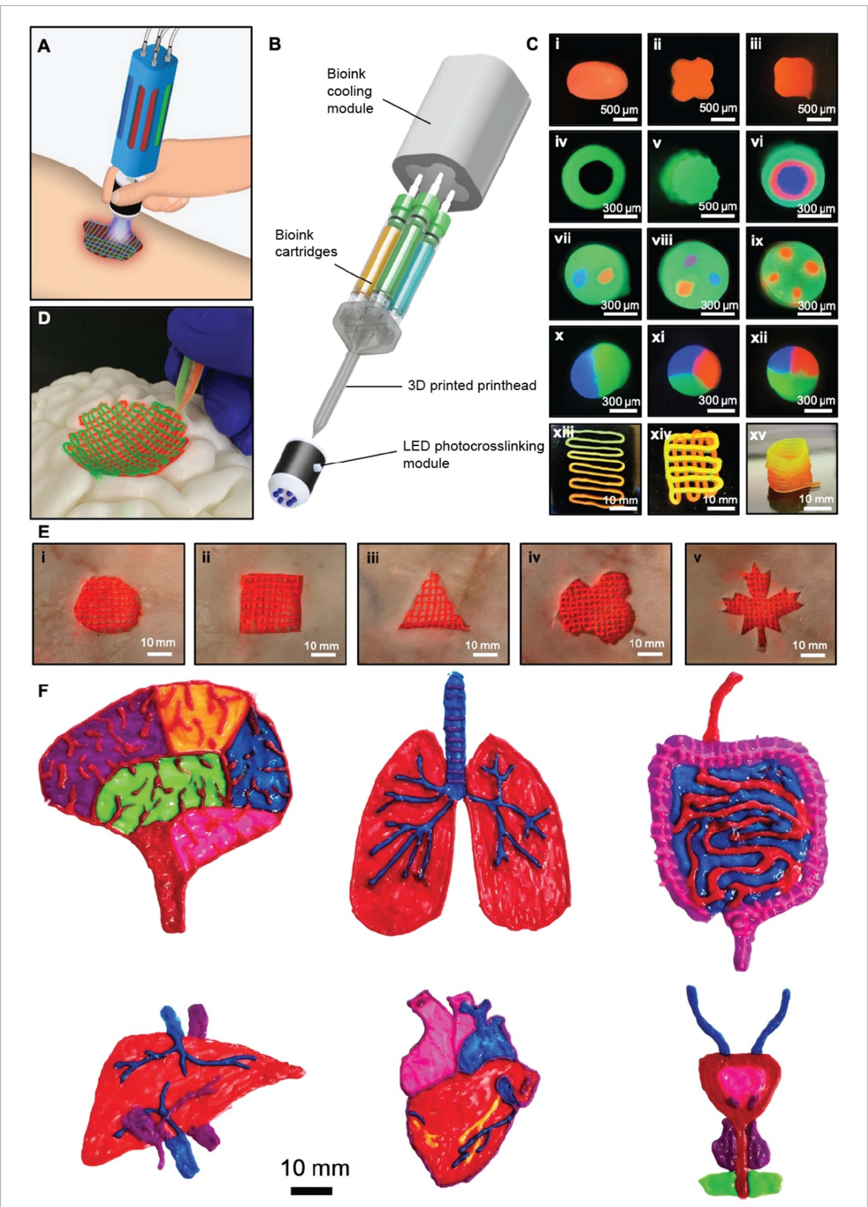
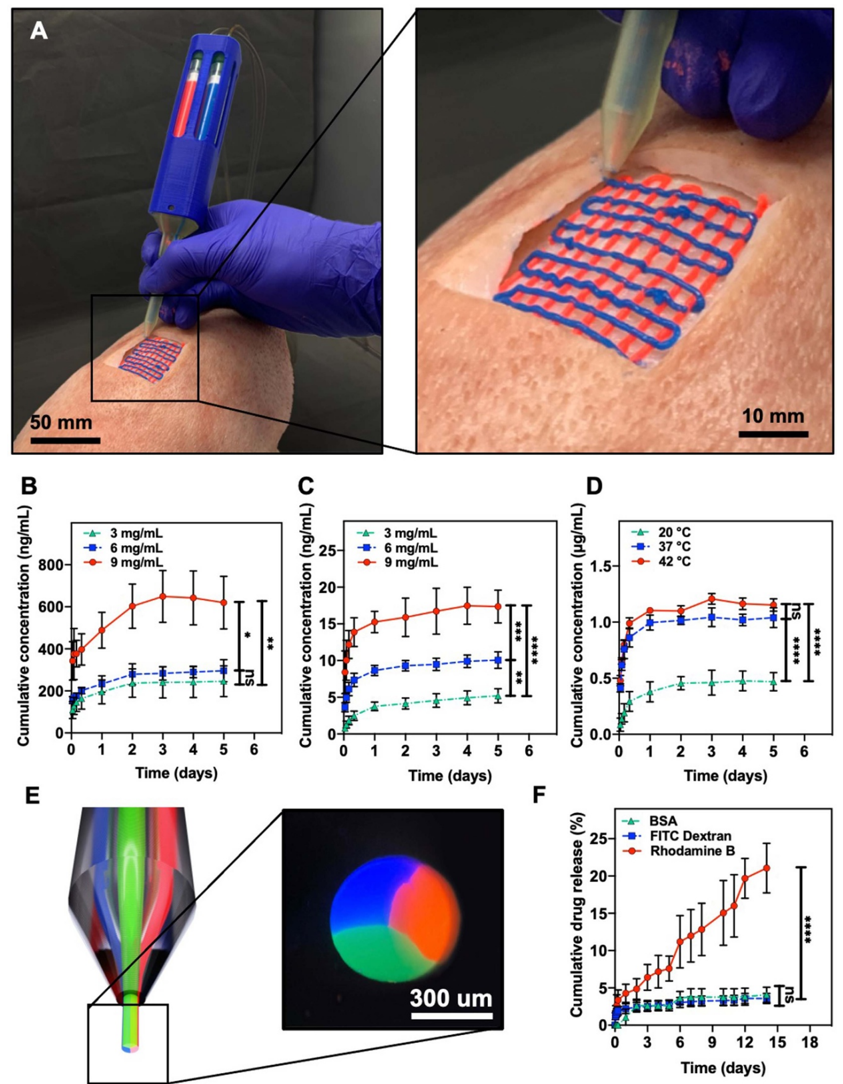
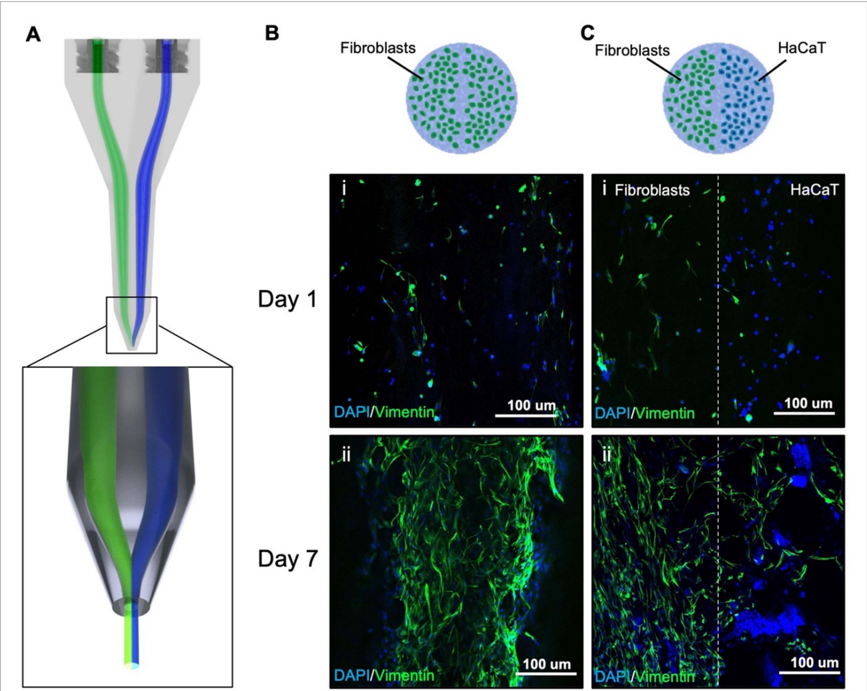
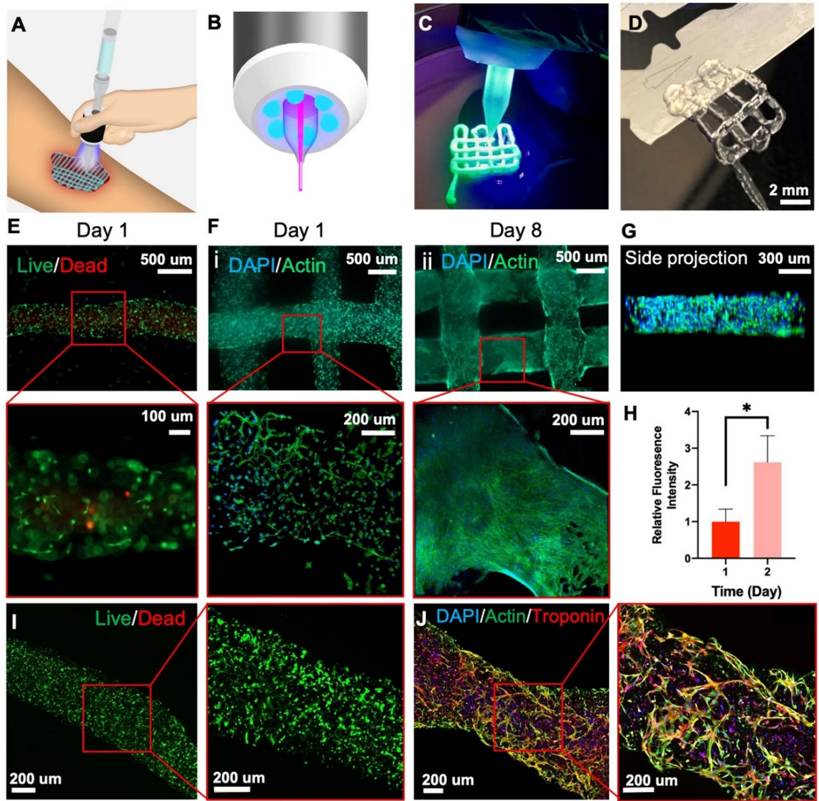
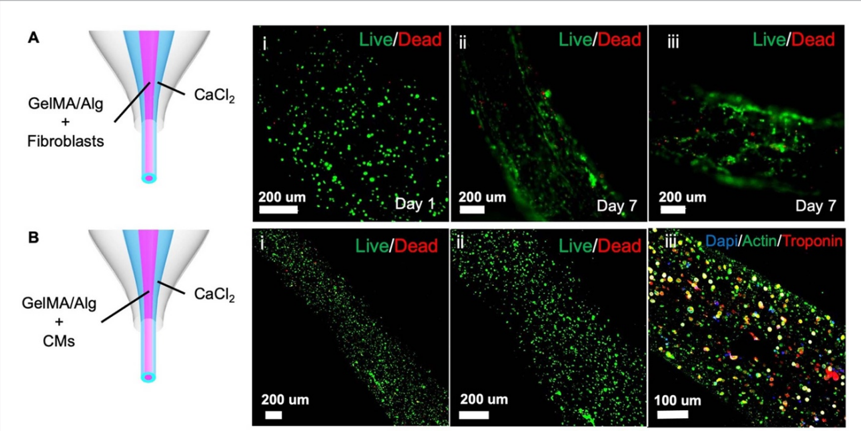
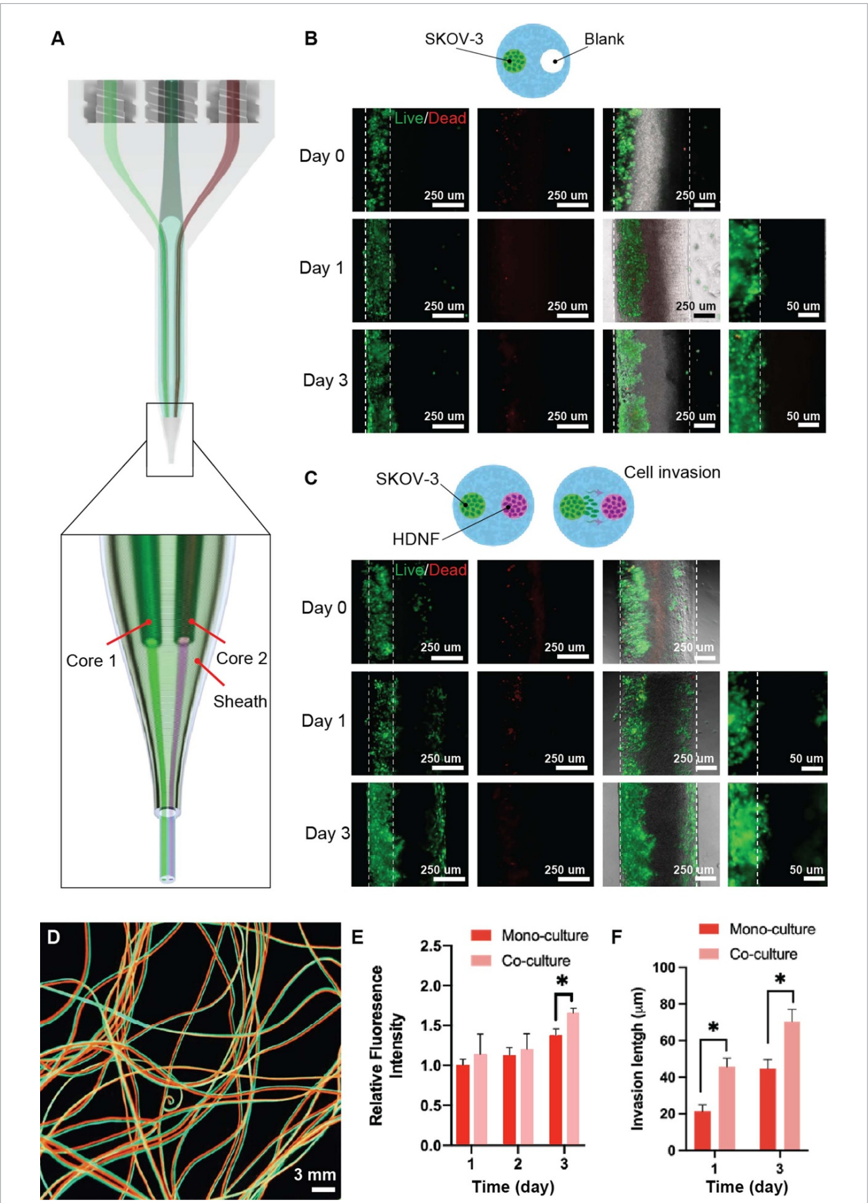
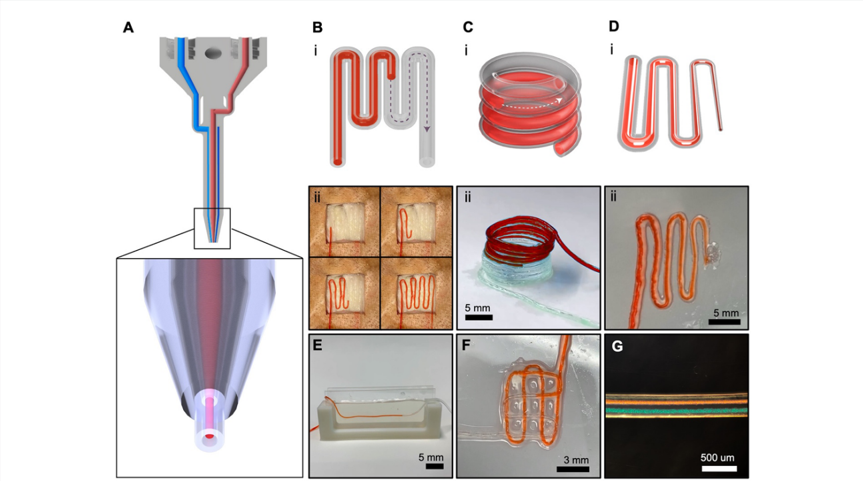
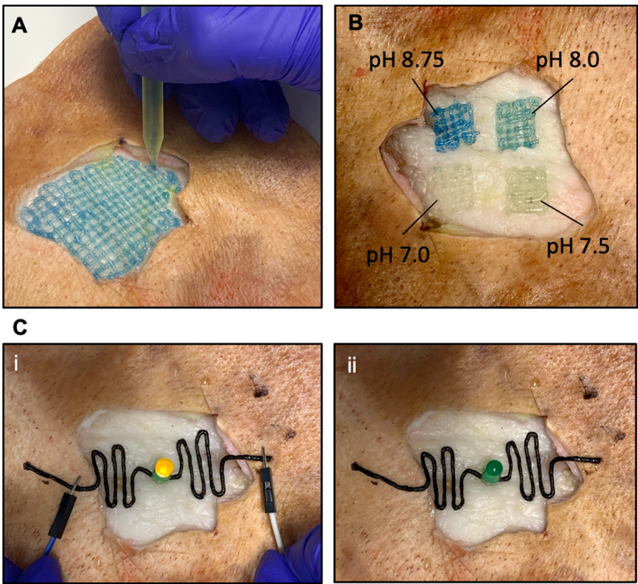
In situ bioprinting—the process of depositing bioinks at a defected area, has recently emerged as a versatile technology for tissue repair and restoration via site-specific delivery of pro-healing constructs. The ability to print multiple materials in situ is an exciting approach that allows simultaneous or sequential dispensing of different materials and cells to achieve tissue biomimicry. Herein, we report a modular handheld bioprinter that deposits a variety of bioinks in situ with exquisite control over their physical and chemical properties. Combined stereolithography 3D printing and microfluidic technologies allowed us to develop a novel low-priced handheld bioprinter. The ergonomic design of the handheld bioprinter facilitate the shape-controlled biofabrication of multi-component fibers with different cross-sectional shapes and material compositions. Furthermore, the capabilities of the produced fibers in the local delivery of therapeutic agents was demonstrated by incorporating drug-loaded microcarriers, extending the application of the printed fibers to on-demand, temporal, and dosage-control drug delivery platforms. Also, the versatility of this platform to produce biosensors and wearable electronics was demonstrated via incorporating conductive materials and integrating pH-responsive dyes. The handheld printer’s efficacy in generating cell-laden fibers with high cell viability for site-specific cell delivery was shown by producing single-component and multi-component cell-laden fibers. In particular, the multi-component fibers were able to model the invasion of cancer cells into the adjacent tissue.
Overview
The claims and statistics of this paper haven’t been checked yet.
Free: it reads the open-access text and checks the first 5 claims that cite a source we can check. Create a free account to check every claim.
Integrity signals
Registry
Cites
Statistics
Figures
Verification
Claims the paper makes
The claims and statistics of this paper haven’t been checked yet.
Free: it reads the open-access text and checks the first 5 claims that cite a source we can check. Create a free account to check every claim.
Claims other papers make about this one
Each is checked against this paper’s own text: does it say what the citing paper says it does?
The cited source says what the claim attributes to it.
In the citing paper
“Handheld 3D bioprinters offer a potential solution for implementing in situ 3D bioprinting technology in tissue repair approaches [11–13].”
From Development of silk microfiber-reinforced bioink for muscle tissue engineering and in situ printing by a handheld 3D printer (2025) · cites this paper as [11]
The cited source says what the claim attributes to it.
In the citing paper
“Different materials and cell types can be printed making it well-suited to address multicellular complexity in tissue repair and regeneration [11, 12, 14, 15].”
From Development of silk microfiber-reinforced bioink for muscle tissue engineering and in situ printing by a handheld 3D printer (2025) · cites this paper as [11]
Self-check
Percentages, sums and reported differences re-computed from the paper’s own numbers.
The self-check needs the paper’s full text.
Citations
Cites
U1 snRNP regulates cancer cell migration and invasion in vitro
Oh, J.-M., Venters, C. C., Di, C., Pinto, A. M., Wan, L., Younis, I., Cai, Z., Arai, C., So, B. R., Duan, J., et al. (2020) · Nature Communications · doi:10.1038/s41467-019-13993-7 · Cited by 7,157
3D bioprinting of tissues and organs
Murphy, S. V., & Atala, A. (2014) · Nature Biotechnology · doi:10.1038/nbt.2958 · Cited by 7,034 · cited 1×
“Since its inception in the mid-1980s, threedimensional (3D) printing has emerged as a transformative tool that can benefit and advance medicine by rapidly prototyping medical devices, implants, drug delivery systems, and complex tissues [1].”
Background3D bioprinting of collagen to rebuild components of the human heart
Lee, A., Hudson, A. R., Shiwarski, D. J., Tashman, J. W., Hinton, T. J., Yerneni, S., Bliley, J. M., Campbell, P. G., & Feinberg, A. W. (2019) · Science · doi:10.1126/science.aav9051 · Cited by 1,782
Multivascular networks and functional intravascular topologies within biocompatible hydrogels
Grigoryan, B., Paulsen, S. J., Corbett, D. C., Sazer, D. W., Fortin, C. L., Zaita, A. J., Greenfield, P. T., Calafat, N. J., Gounley, J. P., Ta, A. H., et al. (2019) · Science · doi:10.1126/science.aav9750 · Cited by 1,396
Progress in 3D bioprinting technology for tissue/organ regenerative engineering
Matai, I., Kaur, G., Seyedsalehi, A., McClinton, A., & Laurencin, C. T. (2020) · Biomaterials · doi:10.1016/j.biomaterials.2019.119536 · Cited by 1,156 · cited 2×
“pH-responsive bioink was prepared using the method described in our previous work [4] with slight modifications.”
BackgroundMethodVascularization is the key challenge in tissue engineering
Novosel, E. C., Kleinhans, C., & Kluger, P. J. (2011) · Advanced Drug Delivery Reviews · doi:10.1016/j.addr.2011.03.004 · Cited by 1,062
A Review of 3D Printing Technology for Medical Applications
Yan, Q., Dong, H., Su, J., Han, J., Song, B., Wei, Q., & Shi, Y. (2018) · Engineering · doi:10.1016/j.eng.2018.07.021 · Cited by 720 · cited 1×
“Printing tissues in dishes for organ transplantation face a few practical challenges, including considerable processing times, the need for perfusable bioreactors that mimic the in vivo environment for tissue maturation, and inadequate mechanical properties of the final construct that impede itsmanipulation postfabric…”
BackgroundHan, L., Lu, X., Wang, M., Gan, D., Deng, W., Wang, K., Fang, L., Liu, K., Chan, C. W., Tang, Y., et al. (2017) · Small · doi:10.1002/smll.201601916 · Cited by 699 · cited 1×
“This feature is widely applicable in developing biosensors, wearable or implantable bioelectronics, and heating element to trigger on-demand temperature-responsive drug release [32].”
BackgroundDirect Human Cartilage Repair Using Three-Dimensional Bioprinting Technology
Cui, X., Breitenkamp, K., Finn, M. G., Lotz, M., & D'Lima, D. D. (2012) · Tissue Engineering Part A · doi:10.1089/ten.tea.2011.0543 · Cited by 686 · cited 1×
“It should be noted that the constructs made of photocrosslikable polymers have been shown to have high printing resolution [26].”
BackgroundPhotopolymerizable Biomaterials and Light-Based 3D Printing Strategies for Biomedical Applications
Yu, C., Schimelman, J., Wang, P., Miller, K. L., Ma, X., You, S., Guan, J., Sun, B., Zhu, W., & Chen, S. (2020) · Chemical Reviews · doi:10.1021/acs.chemrev.9b00810 · Cited by 579 · cited 1×
“Accurate deposition of bioinks is typically accomplished by a variety of techniques that include micro-extrusion- [5], droplet- [6], inkjet[7], microfluidic(-assisted)- [8], and light-based 3D printing [9].”
Background
Cited by
Hydrogel Fibers‐Based Biointerfacing
Chen, X., Feng, Y., Zhang, P., Ni, Z., Xue, Y., & Liu, J. (2024) · Advanced Materials · doi:10.1002/adma.202413476 · Cited by 110
Jafari, A., Niknezhad, S. V., Kaviani, M., Saleh, W. F., Wong, N., Vliet, P. P. V., Moraes, C., Ajji, A., Kadem, L., Azarpira, N., et al. (2023) · Advanced Functional Materials · doi:10.1002/adfm.202305188 · Cited by 76
Self-citation3D Bioprinting for Vascularization
Mir, A., Lee, E., Shih, W., Koljaka, S., Wang, A., Jorgensen, C., Hurr, R., Dave, A., Sudheendra, K., & Hibino, N. (2023) · Bioengineering · doi:10.3390/bioengineering10050606 · Cited by 76
Eslahi, N., Soleimani, F., Lotfi, R., Mohandes, F., Simchi, A., & Razavi, M. (2024) · Progress in Materials Science · doi:10.1016/j.pmatsci.2024.101293 · Cited by 49
In Situ Bioprinting: Process, Bioinks, and Applications
Jain, P., Kathuria, H., Ramakrishna, S., Parab, S., Pandey, M. M., & Dubey, N. (2024) · ACS Applied Bio Materials · doi:10.1021/acsabm.3c01303 · Cited by 55
Recent advances in 3D bioprinting of tissues and organs for transplantation and drug screening
Sun, X., Ren, W., Xie, L., Ren, Q., Zhu, Z., Jia, Q., Jiang, W., Jin, Z., & Yu, Y. (2024) · Virtual and Physical Prototyping · doi:10.1080/17452759.2024.2384662 · Cited by 37
“Li et al . developed a novel low-cost handheld bioprinter to enable shape control of multicomponent fibers with varying cross-sectional shapes and material compositions [95].”
Mousavi, A., Hedayatnia, A., Vliet, P. P. V., Dartora, D. R., Wong, N., Rafatian, N., Nuyt, A. M., Moraes, C., Ajji, A., Andelfinger, G., et al. (2023) · Applied Materials Today · doi:10.1016/j.apmt.2023.102035 · Cited by 34
Self-citationMicrofluidic fiber spinning for 3D bioprinting: Harnessing microchannels to build macrotissues
Serpe, F., Casciola, C. M., Ruocco, G., Cidonio, G., & Scognamiglio, C. (2024) · International Journal of Bioprinting · doi:10.36922/ijb.1404 · Cited by 25
Kumar, P., Sharma, J., Kumar, R., Najser, J., Frantík, J., Manuja, A., Sunnam, N., & Praveenkumar, S. (2025) · Biomaterials Science · doi:10.1039/d4bm01606h · Cited by 28
Bioinspired Printable Tough Adhesives with In Situ Benignly Triggered Mechanical Enhancements
Ma, Z., Huo, R., Nottegar, A., Chung‐Tze‐Cheong, C., Gao, Q., Lan, X., Gao, Z., & Li, J. (2024) · Advanced Functional Materials · doi:10.1002/adfm.202403290 · Cited by 21
Li, S., Zhang, H., Sun, L., Zhang, X., Guo, M., Liu, J., Wang, W., & Zhao, N. (2024) · International Journal of Biological Macromolecules · doi:10.1016/j.ijbiomac.2024.135999 · Cited by 20
Hooper, R., Cummings, C. C., Beck, A., Vazquez-Armendariz, J., Rodriguez, C. A., & Dean, D. (2024) · Biofabrication · doi:10.1088/1758-5090/ad30c8 · Cited by 23
“In addition to achieving high resolutions, bioprinting must also incorporate multiple materials and cell types to replicate the highly structured spatial patterning of different cell types found in native, functional tissues [25].”
BackgroundKamaraj, M., Rezayof, O., Barer, A., Kim, H., Moghimi, N., Joshi, A., Dokmeci, M. R., Khademhosseini, A., Alambeigi, F., & John, J. V. (2025) · Biomaterials Advances · doi:10.1016/j.bioadv.2024.214057 · Cited by 17
Self-citationExtrusion bioprinting: meeting the promise of human tissue biofabrication?
Holland, I. (2025) · Progress in Biomedical Engineering · doi:10.1088/2516-1091/adb254 · Cited by 26
“Even extrusion bioprinter designs with multiple bioink cartridges [138, 147, 148] cannot reach this range of cells and materials.”
Self-driving bioprinting laboratories
Liu, S., Kaur, N., Song, D.-H., Moses, J. C., & Ozbolat, I. T. (2026) · Biofabrication · doi:10.1088/1758-5090/ae3645 · Cited by 23
“Modular handheld bioprinters have been developed as flexible intraoperative tools, enabling controlled deposition of multiple biomaterials and cell types with defined geometries and compositions, offering promising potential for clinical applications [52].”
From lab to life: advances in in-situ bioprinting and bioink technology
Kumar, M. S., Varma, P., & Kandasubramanian, B. (2024) · Biomedical Materials · doi:10.1088/1748-605x/ad9dd0 · Cited by 17
Bioprinting-By-Design of Hydrogel-Based Biomaterials for In Situ Skin Tissue Engineering
Douglas, A., Chen, Y. A., Elloso, M. S., Levschuk, A., & Jeschke, M. G. (2025) · Gels · doi:10.3390/gels11020110 · Cited by 19
“UV light at 405 nm was used for crosslinking most bioinks and calcium chloride was used for alginate [51].”
Chehri, B., Liu, K., Vaseghi, G., Seyfoori, A., & Akbari, M. (2024) · Cells · doi:10.3390/cells13040363 · Cited by 13
“This handheld bioprinter can print multi-material hydrogels capable of delivering up to four biomaterials including different therapeutic agents to the point of need [18].”
BackgroundMethodSelf-citationRamasubbu, K., Venkatraman, G., Ramanathan, G., Dhanasekar, S., & Rajeswari, V. D. (2024) · Life Sciences · doi:10.1016/j.lfs.2024.122640 · Cited by 11
Recent Advances in Handheld and Robotic Bioprinting Approach for Tissue Engineering
Kamaraj, M., Moghimi, N., Joshi, A., Rezayof, O., Barer, A., Cao, S., Orkin, R., Alambeigi, F., & John, J. V. (2025) · Advanced Materials Technologies · doi:10.1002/admt.202500206 · Cited by 10
Ren, J., Liu, D., Zhang, B., Wang, J., Chen, H., Yao, Y., Wang, Z., & Zhou, N. (2024) · Additive manufacturing · doi:10.1016/j.addma.2024.104234 · Cited by 12
Budharaju, H., K, P. K. S., Rajendran, M., Sivasubramanian, M., Sethuraman, S., & Sundaramurthi, D. (2026) · ACS Biomaterials Science & Engineering · doi:10.1021/acsbiomaterials.5c01868 · Cited by 6
Non-planar additive manufacturing with hydrogels: a review of flow control and toolpath strategies
van der Valk, P. C. W. M., & Mirzaali, M. J. (2025) · npj Soft Matter · doi:10.1038/s44431-025-00006-5 · Cited by 7
“Zhao et al. 47 developed a compact bioprinter for direct manual depositionof hydrogel-based scaffolds, suitable for applications such as bone, skin, muscle, and dental pulp reconstruction (see Fig.”
Mousavi, A., Boghdady, C.-M., Cui, S., Rostami, S., Shakeri, A., Rafatian, N., Aurousseau, M. R. P., Andelfinger, G., Radisic, M., Moraes, C., et al. (2025) · Small · doi:10.1002/smll.202504493 · Cited by 6
“Primary ventricular CMs and cardiac fibroblasts (CFs) were isolated from neonatal Sprague-Dawley rats (Charles River Lab-oratories, Canada) using a Neonatal Heart Dissociation Kit (Miltenyi Biotec, Germany), following the protocol described in our previous reports [31, 32].”
Self-citationDing, H., Lin, P., Wu, W., Zhou, G., Fu, Q., Li, G., Jin, J., Wang, Y., Meng, F., Xu, X., et al. (2026) · ACS Applied Bio Materials · doi:10.1021/acsabm.5c01879 · Cited by 4
A Pill That Prints‐An Ingestible Bioprinter for Non‐Invasive Structured Bioink Deposition
Manoharan, S., & Subramanian, V. (2025) · Advanced Science · doi:10.1002/advs.202512411 · Cited by 4
Hyaluronic acid chemistry and biomedical material design
Li, P. C., & Chen, Y. M. (2025) · Carbohydrate Polymers · doi:10.1016/j.carbpol.2025.124834 · Cited by 4
Mirlohi, M. S., Akar, S., Yazdani, K., Sardroud, H. A., Fardindoost, S., Taemeh, M. A., Achuthan, M., Singh, S., Tibbits, G. F., Hadjati, J., et al. (2026) · Advanced Drug Delivery Reviews · doi:10.1016/j.addr.2026.115865 · Cited by 4
Self-citationMeyer, L. O., Jérôme, V., & Freitag, R. (2025) · Biomedical Materials · doi:10.1088/1748-605x/add230 · Cited by 3
Klochko, O. O., Zakovorotniy, A. Y., Naboka, O. V., Hlavcheva, Y., & Yevsiukova, F. (2024) · Vestnik Nacionalʹnogo tehničeskogo universiteta "HPI". Tehnologii v mašinostroenii/Vìsnik Nacìonalʹnogo tehnìčnogo unìversitetu HPÌ. Serìâ: Tehnologìï v mašinobuduvannì · doi:10.20998/2079-004x.2024.1(9).11 · Cited by 1
High-speed cell partitioning through reactive machine learning-guided inkjet printing
Cheng, E., Chang, G., MacDonald, H., Ramirez, M., Hoodless, P. A., Coope, R., Steif, A., & Cheung, K. C. (2025) · Lab on a Chip · doi:10.1039/d5lc00514k · Cited by 1
Owida, H. A., Mohammad, S. I., Oraini, B. A., & Vasudevan, A. (2025) · Regenerative Engineering and Translational Medicine · doi:10.1007/s40883-025-00480-3 · Cited by 3
Bioink-based 3D bioprinting: Paving the path for regenerative medicine
Patel, D. D., Jha, S., Virpankar, K., Mounika, M., Singh, R., Nayak, V., Joshi, S., Tiwari, A. K., Banerjee, J., & Banerjee, S. (2025) · International review of cytology · doi:10.1016/bs.ircmb.2025.12.007 · Cited by 1
Aragón-Lozano, D., Flores-Jiménez, M. S., García, A., Perfecto‐Avalos, Y., Rho-Mas, F., Gamboa, R. G., Fuentes-Aguilar, R. Q., & Chaírez, I. (2025) · Rapid Prototyping Journal · doi:10.1108/rpj-08-2024-0358 · Cited by 1
Nanomaterial Synthesis and Surface Functionalization
Al‐Malah, K. (2025) · BENTHAM SCIENCE PUBLISHERS eBooks · doi:10.2174/9789815324273125010006
Mousavi, A., Mouttet, L., Cui, S., Hekmatnia, Y., Mottahedi, M., Derish, I., Rafatian, N., Aurousseau, M. R. P., Andelfinger, G., Cecere, R., et al. (2025) · bioRxiv (Cold Spring Harbor Laboratory) · doi:10.64898/2025.12.20.695633
Self-citationSingh, S., Wei, L., Samiei, E., Gaber, K., Gao, Q., Persad, A. H., Veres, T., & Günther, A. (2026) · Biofabrication · doi:10.1088/1758-5090/ae4ccd · Cited by 1
“While post-printing crosslinking strategies, such as photopolymerization [35] or click chemistry [36] can enhance feature fidelity, they may introduce residual reagents or reactive species that persist after implantation, raising potential safety concerns [37, 38].”
Next-generation portable bioprinters for in situ cartilage engineering
Qiu, L., & Sun, Y. (2026) · Polymer Bulletin · doi:10.1007/s00289-026-06450-1
A Hand-Held Digital Printer for On-Site Fabrication of Micro/Nano Composite Dressings
Cai, W., Liu, H., Guo, Z., 钟双英, Luo, K., Zhang, J., Zhang, Y., Cai, H., Jin, W., Dong, X., et al. (2026) · ACS Applied Materials & Interfaces · doi:10.1021/acsami.6c03701
Öztürk, S., Elçin, A. E., & Elçin, Y. M. (2026) · Stem cell biology and regenerative medicine · doi:10.1007/978-3-032-30294-6_7
3D bioprinting under extreme environments: Progress, opportunities, and challenges
Xu, Y., Liao, X., Pan, Y., Zhu, S., Liu, R., & Tao, J. (2026) · Applied Physics Reviews · doi:10.1063/5.0301195
Torkay, G., Kocaağa, B., Kala, Z. M., AKSU, M. B., Şardaş, S., Üstündağ, C. B., Guner, F. S., & Bal‐Öztürk, A. (2026) · International Journal of Biological Macromolecules · doi:10.1016/j.ijbiomac.2026.154192
Choi, T., & Lee, H. (2026) · Virtual and Physical Prototyping · doi:10.1080/17452759.2026.2740858
Metadata
- Authors
- Pagan, E., Stefanek, E., Seyfoori, A., Razzaghi, M., Chehri, B., Mousavi, A., Arnaldi, P., Ajji, Z., Dartora, D. R., Dabiri, S. M. H., Nuyt, A. M., Khademhosseini, A., Savoji, H., & Akbari, M.
- Affiliations
- University of Victoria (CA)
- Centre Hospitalier Universitaire Sainte-Justine (CA)
- Terasaki Foundation (US)
- University of British Columbia (CA)
- Corresponding author
- Akbari, Mohsen
- ORCID
- Venue
- Biofabrication
- Publisher
- IOP Publishing
- Published
- 2023-05-02
- Volume
- 15
- Issue
- 3
- Pages
- 035012
- ISSN
- 1758-5082 (ISSN-L)
- 1758-5090
- OpenAlex
- W4324131326
- Cited by
- 43
- References
- 49
- Citations by year
- 2026: 11 · 2025: 15 · 2024: 14 · 2023: 3
- FWCI
- 3.40
- Type
- journal article
- Language
- en
- Open access
- hybrid
- doi.org
- Licence
- cc-by
- creativecommons.org/licenses/by/4.0 (vor)
- iopscience.iop.org/info/page/text-and-data-mining (tdm)
- Locations
- Biofabrication (publishedVersion, cc-by)
- PubMed (publishedVersion)
- UVic’s Research and Learning Repository (University of Victoria) (submittedVersion)
- PolyPublie (École Polytechnique de Montréal) (submittedVersion)
- Funders
- Canadian Foundation for Innovation
- Terasaki Institute for Biomedical Innovation
- Natural Sciences and Engineering Research Council of Canada
- Canadian Institutes for Health research
- Topics
- Physical Sciences › Engineering › Biomedical Engineering › 3D Printing in Biomedical Research
- Physical Sciences › Materials Science › Biomaterials › Electrospun Nanofibers in Biomedical Applications
- Health Sciences › Medicine › Surgery › Tissue Engineering and Regenerative Medicine
- Keywords
- in situ bioprinting, stereolithography 3D printing, on-demand drug delivery, biosensors, wearable electronics, pH-responsive dyes, tissue repair
- MeSH terms
- Cell Survival, Hydrogels, Tissue Engineering, Microfluidics, Tissue Scaffolds, Bioprinting, Printing, Three-Dimensional
About these checks
Registry, retraction, Cites and statistics results are computed, not judged, with one exception: a printed reference that no index lists is read once by a model before it counts as a citation error. Claims are extracted by a model and kept only when their quote appears verbatim in the text; each cited source is then checked, with a model’s help, for whether it says what the claim relies on. Those verdicts can be wrong — read the claim’s quote and the cited source before relying on one.
Statistics and arithmetic are recomputed, not judged.
Confidence bands are shown only for fields calibrated on our annotated test set. None is calibrated yet, so no band is shown.
What counts as a claim ›How we measure confidence ›How we check this ›
Are you an author, or do you see a problem with this page? Request a review
Data sources
Bibliographic data: Semantic Scholar, OpenAlex, Crossref.
Contains information from the Semantic Scholar Academic Graph Datasets, made available under the ODC Attribution License (ODC-BY 1.0).
Semantic Scholar’s data is described in: Kinney, R., et al. (2023). The Semantic Scholar Open Data Platform. arXiv:2301.10140.
