

Inhibition of nuclear factor-erythroid 2–related factor (Nrf2) by caveolin-1 promotes stress-induced premature senescence
Open accessThe DOI matches its Crossref record; 51 of the 51 references it cites were found in a registry or an index.
Abstract
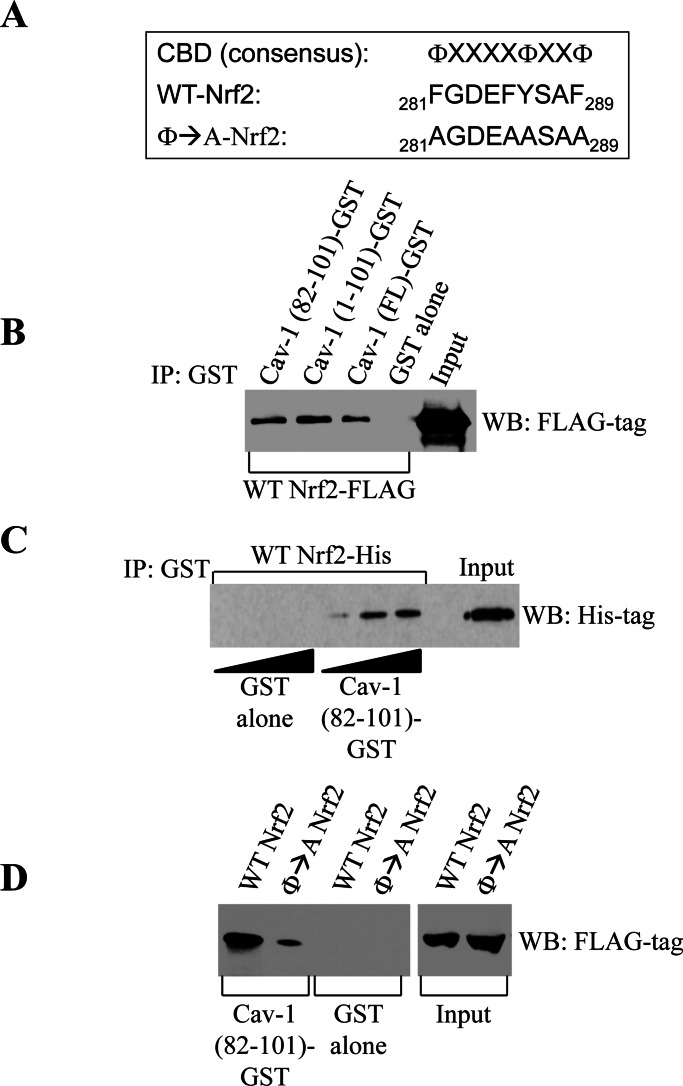
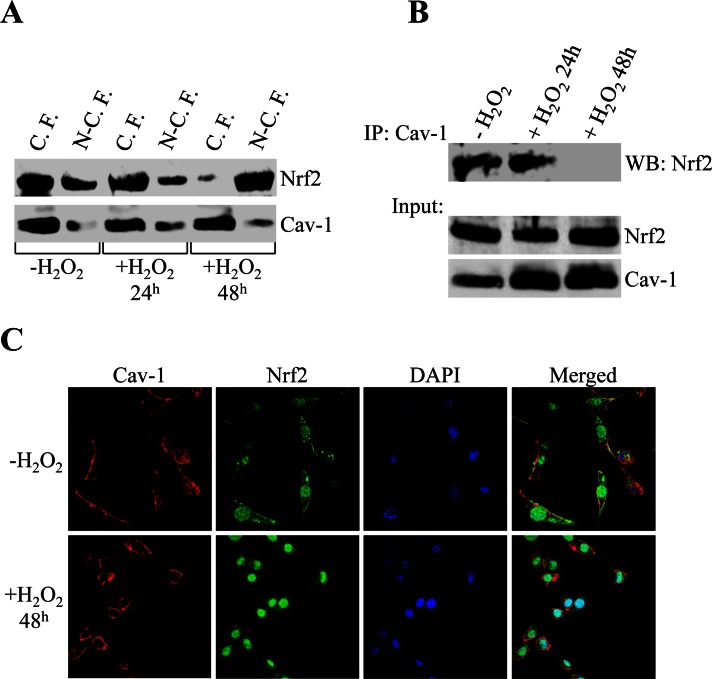
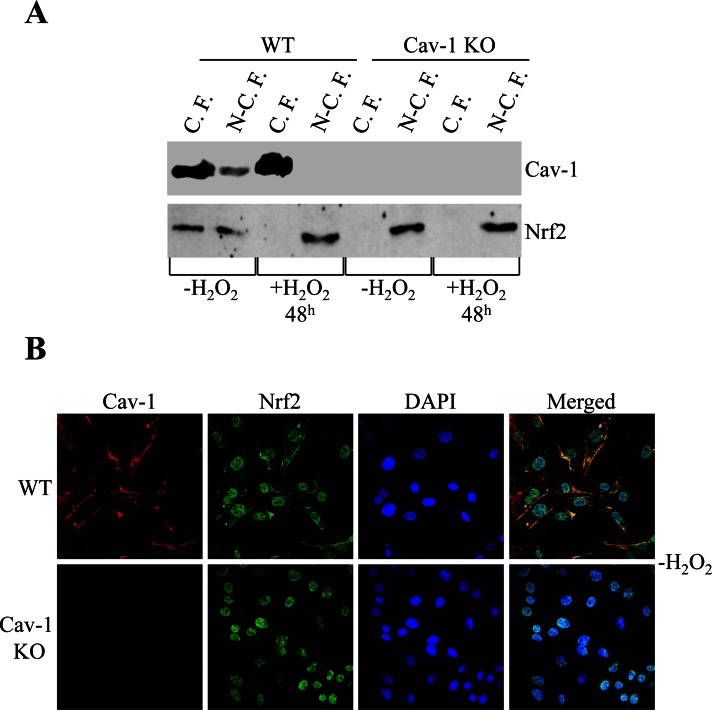
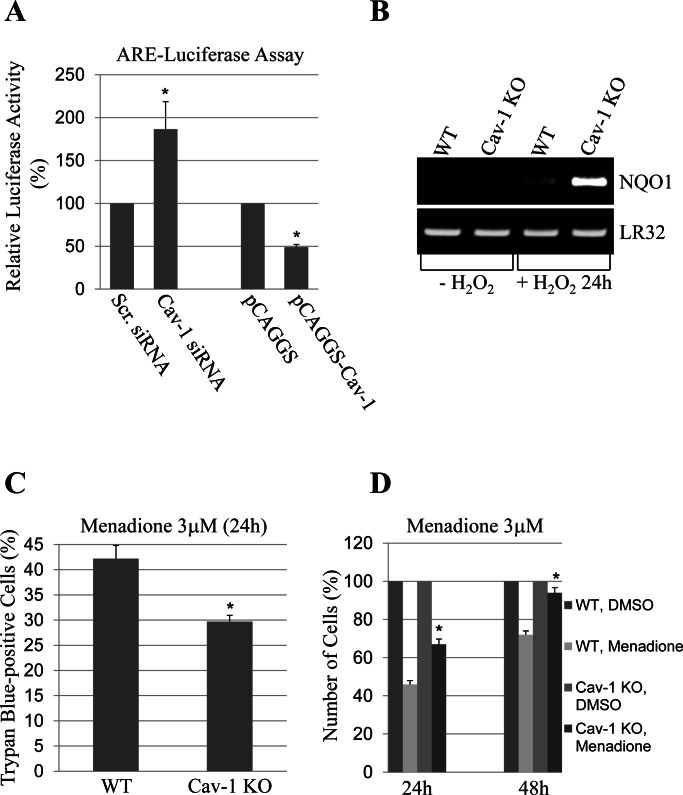
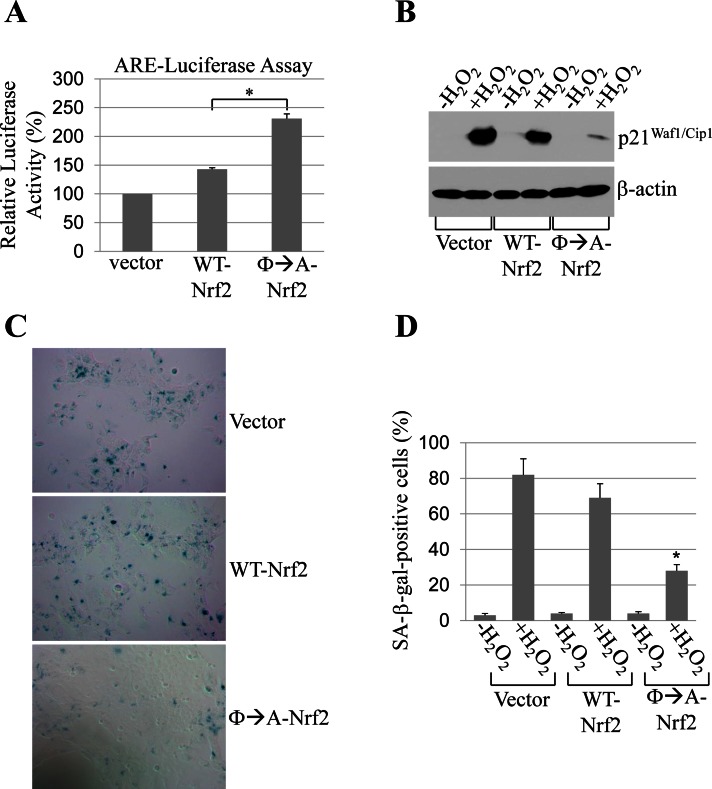
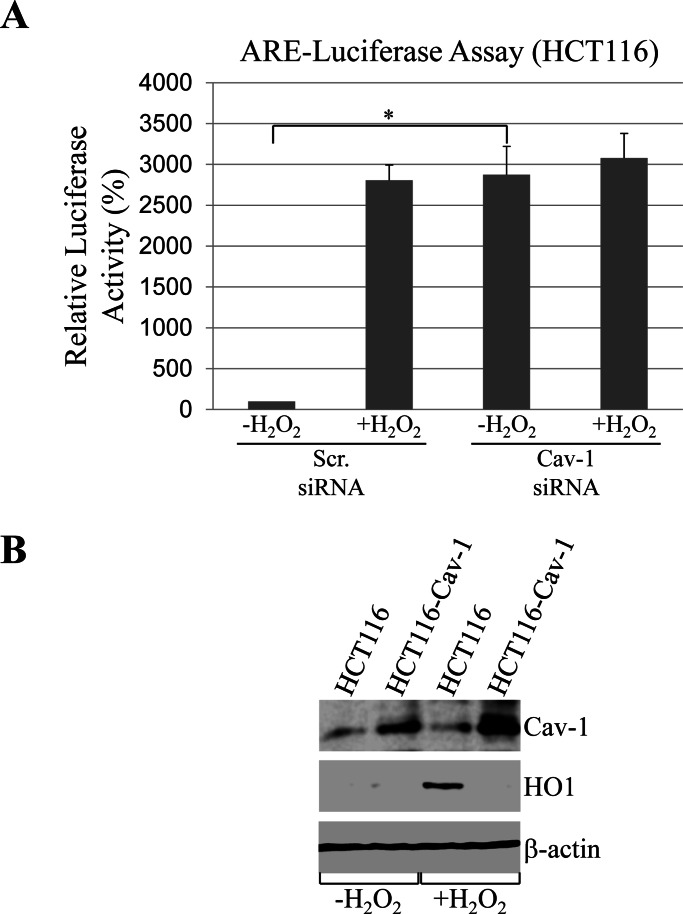
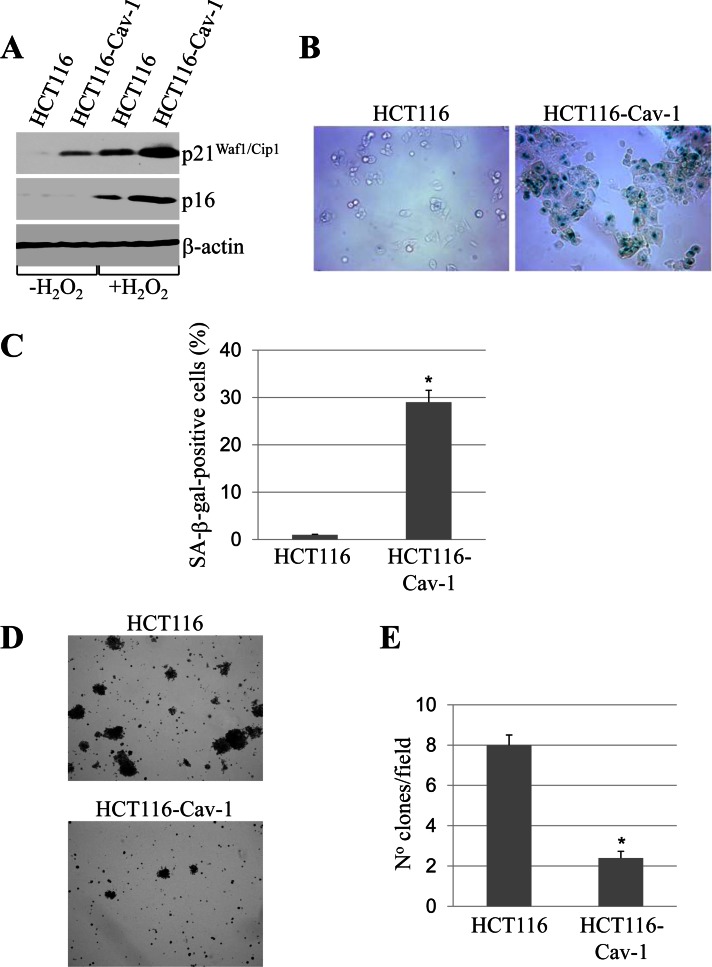
Reactive oxygen species (ROS) can induce premature cellular senescence, which is believed to contribute to aging and age-related diseases. The nuclear erythroid 2 p45–related factor-2 (Nrf2) is a transcription factor that mediates cytoprotective responses against stress. We demonstrate that caveolin-1 is a direct binding partner of Nrf2, as shown by the binding of the scaffolding domain of caveolin-1 (amino acids 82–101) to the caveolin-binding domain of Nrf2 (amino acids 281–289). Biochemical studies show that Nrf2 is concentrated into caveolar membranes in human and mouse fibroblasts, where it colocalizes with caveolin-1, under resting conditions. After oxidative stress, caveolin-1 limits the movement of Nrf2 from caveolar membranes to the nucleus. In contrast, Nrf2 is constitutively localized to the nucleus before and after oxidative stress in caveolin-1–null mouse embryonic fibroblasts (MEFs), which do not express caveolin-1. Functional studies demonstrate that caveolin-1 acts as an endogenous inhibitor of Nrf2, as shown by the enhanced up-regulation of NQO1, an Nrf2 target gene, in caveolin-1–null MEFs and the activation or inhibition of a luciferase construct carrying an antioxidant responsive element (ARE) after down-regulation of caveolin-1 by small interfering RNA or overexpression of caveolin-1, respectively. Expression of a mutant form of Nrf2 that cannot bind to caveolin-1 (Φ→A-Nrf2) hyperactivates ARE and inhibits oxidative stress–induced activation of the p53/p21 Waf1/Cip1 pathway and induction of premature senescence in fibroblasts. Finally, we show that overexpression of caveolin-1 in colon cancer cells inhibits oxidant-induced activation of Nrf2-dependent signaling, promotes premature senescence, and inhibits their transformed phenotype. Thus, by inhibiting Nrf2-mediated signaling, caveolin-1 links free radicals to the activation of the p53/senescence pathway.
Overview
The claims and statistics of this paper haven’t been checked yet.
Free: it reads the open-access text and checks the first 5 claims that cite a source we can check. Create a free account to check every claim.
Integrity signals
Registry
Cites
Statistics
Figures
Verification
Claims the paper makes
The claims and statistics of this paper haven’t been checked yet.
Free: it reads the open-access text and checks the first 5 claims that cite a source we can check. Create a free account to check every claim.
Claims other papers make about this one
Each is checked against this paper’s own text: does it say what the citing paper says it does?
The source backs part of the claim, not all of it — or backs it for a different population, condition or comparison.
In the citing paper
“Upregulations were predictably followed by premature senescence of fibroblasts [121, 122], which unavoidably disturbed stem cell-niche cross talk [123].”
From Ultraviolet Radiation‐Induced Skin Aging: The Role of DNA Damage and Oxidative Stress in Epidermal Stem Cell Damage Mediated Skin Aging (2016) · cites this paper as [122]
Experimental — accuracy not yet measuredThe source backs part of the claim, not all of it — or backs it for a different population, condition or comparison.
In the citing paper
“Exposure of human skin fibroblasts, an important cellular component of skin microenvironment, to UVR has been shown to result in oxidative stress and enhanced expression of cell cycle inhibitors p16INK4A and p53/p21WAF1/CIP1.”
From Ultraviolet Radiation‐Induced Skin Aging: The Role of DNA Damage and Oxidative Stress in Epidermal Stem Cell Damage Mediated Skin Aging (2016) · cites this paper as [122]
Experimental — accuracy not yet measuredThe cited source says what the claim attributes to it.
In the citing paper
“silencing Nrf2 gene induces premature senescence”
From Rapamycin inhibits the secretory phenotype of senescent cells by a Nrf2-independent mechanism (2017) · cites this paper as Volonte et al., 2013
In the citing paper
“inhibition of Nrf2 by caveolin‐1 promotes stress‐induced premature senescence”
From Rapamycin inhibits the secretory phenotype of senescent cells by a Nrf2-independent mechanism (2017) · cites this paper as Volonte et al., 2013
Self-check
Percentages, sums and reported differences re-computed from the paper’s own numbers.
The self-check needs the paper’s full text.
Citations
Cites
1 retracted
Malhotra, D., Thimmulappa, R., Navas-Acien, A., Sandford, A., Elliott, M., Singh, A., Chen, L., Zhuang, X., Hogg, J., Pare, P., et al. (2008) · American Journal of Respiratory and Critical Care Medicine · doi:10.1164/rccm.200803-380oc · Cited by 357
RetractedA biomarker that identifies senescent human cells in culture and in aging skin in vivo.
Dimri, G. P., Lee, X., Basile, G., Acosta, M., Scott, G., Roskelley, C., Medrano, E. E., Linskens, M., Rubelj, I., & Pereira-Smith, O. (1995) · Proceedings of the National Academy of Sciences · doi:10.1073/pnas.92.20.9363 · Cited by 7,477 · cited 1×
“Our data provide new insight into the molecular mechanisms that link oxidative stress to cellular senescence and age-related diseases.”
BackgroundCellular response to oxidative stress: Signaling for suicide and survival*
Martindale, J. L., & Holbrook, N. J. (2002) · Journal of Cellular Physiology · doi:10.1002/jcp.10119 · Cited by 2,297 · cited 4×
“are subjected to oxidative stress and within the first 24 h after oxidant stimulation? Sublethal oxidative stress induces premature senescence in cells (Chen and Ames, 1994; Chen et al., 1998; Frippiat et al., 2001, 2002; Martindale and Holbrook, 2002; Finkel, 2003).”
BackgroundInfluentialMarnett, L. J. (2000) · Carcinogenesis · doi:10.1093/carcin/21.3.361 · Cited by 1,883 · cited 2×
“This oxidative stress can damage macromolecules, including proteins, nucleic acids, and lipids (Yla-Herttuala, 1999; Marnett, 2000; Stadtman and Levine, 2000), and lead to cellular dysfunctions such as premature senescence (Chen and Ames, 1994; Chen et al.”
BackgroundOxidant signals and oxidative stress
Finkel, T. (2003) · Current Opinion in Cell Biology · doi:10.1016/s0955-0674(03)00002-4 · Cited by 1,393 · cited 4×
“are subjected to oxidative stress and within the first 24 h after oxidant stimulation? Sublethal oxidative stress induces premature senescence in cells (Chen and Ames, 1994; Chen et al., 1998; Frippiat et al., 2001, 2002; Martindale and Holbrook, 2002; Finkel, 2003).”
BackgroundInfluential(2002) · PubMed · Cited by 1,190
Self-citationCellular Senescence in Aging Primates
Herbig, U., Ferreira, M., Condel, L., Carey, D., & Sedivy, J. M. (2006) · Science · doi:10.1126/science.1122446 · Cited by 1,101 · cited 2×
“However, senescent cells accumulate over time (Dimri et al., 1995; Melk et al., 2003; Kishi, 2004; Herbig et al., 2006; Jeyapalan et al., 2007) and are believed to contribute to aging and age-related pathologies (Campisi, 1997).”
BackgroundSTADTMAN, E. R., & LEVINE, R. L. (2000) · Annals of the New York Academy of Sciences · doi:10.1111/j.1749-6632.2000.tb06187.x · Cited by 1,007 · cited 2×
“This oxidative stress can damage macromolecules, including proteins, nucleic acids, and lipids (Yla-Herttuala, 1999; Marnett, 2000; Stadtman and Levine, 2000), and lead to cellular dysfunctions such as premature senescence (Chen and Ames, 1994; Chen et al.”
BackgroundGenetic ablation of Nrf2 enhances susceptibility to cigarette smoke–induced emphysema in mice
Rangasamy, T., Cho, C. Y., Thimmulappa, R. K., Zhen, L., Srisuma, S. S., Kensler, T. W., Yamamoto, M., Petrache, I., Tuder, R. M., & Biswal, S. (2004) · Journal of Clinical Investigation · doi:10.1172/jci200421146 · Cited by 991 · cited 1×
“This scenario is consistent with data showing that Nrf2 depletion in mice enhances susceptibility to cigarette smoke-induced emphysema (Rangasamy et al., 2004) and patients with emphysema have a decline in Nrf2-dependent signaling (Malhotra et al.”
Self-citationIdentification of Peptide and Protein Ligands for the Caveolin-scaffolding Domain
Couet, J., Li, S., Okamoto, T., Ikezu, T., & Lisanti, M. P. (1997) · Journal of Biological Chemistry · doi:10.1074/jbc.272.10.6525 · Cited by 918 · cited 2×
“RESULTS Caveolin-1 directly binds to Nrf2 The scaffolding domain of caveolin-1 (CSD), which is represented by residues 82–101, mediates direct protein–protein interactions between caveolin-1 and a variety of signaling molecules carrying the caveolin-binding domain (CBD; ΦXΦXXXXΦ, ΦXXXXΦXXΦ, or ΦXΦXXXXΦXXΦ, where Φ rep…”
BackgroundSelf-citation
Cited by
Nrf2-Keap1 signaling in oxidative and reductive stress
Bellezza, I., Giambanco, I., Minelli, A., & Donato, R. (2018) · Biochimica et Biophysica Acta (BBA) - Molecular Cell Research · doi:10.1016/j.bbamcr.2018.02.010 · Cited by 2,053
NRF2 and the Hallmarks of Cancer
Rojo de la Vega, M., Chapman, E., & Zhang, D. D. (2018) · Cancer Cell · doi:10.1016/j.ccell.2018.03.022 · Cited by 1,672
Oxidative stress response and Nrf2 signaling in aging
Zhang, H., Davies, K. J. A., & Forman, H. J. (2015) · Free Radical Biology and Medicine · doi:10.1016/j.freeradbiomed.2015.05.036 · Cited by 804
“Accumulating evidence suggest that the decline of the adaptive response of antioxidant to oxidative stimuli, especially the Nrf2/EpRE signaling system, also plays a key role in the accumulation of oxidative damage in aging [21-23].”
Koushki, K., Shahbaz, S. K., Mashayekhi, K., Sadeghi, M., Zayeri, Z. D., Taba, M. Y., Banach, M., Al-Rasadi, K., Johnston, T. P., & Sahebkar, A. (2021) · Clinical Reviews in Allergy & Immunology · doi:10.1007/s12016-020-08791-9 · Cited by 382
“This is because enzyme and inflammatory cytokine production are directly related to increased TLR expression via NF-ĸB [74].”
BackgroundPanich, U., Sittithumcharee, G., Rathviboon, N., & Jirawatnotai, S. (2016) · Stem Cells International · doi:10.1155/2016/7370642 · Cited by 374
Rapamycin inhibits the secretory phenotype of senescent cells by a Nrf2-independent mechanism
Wang, R., Yu, Z., Sunchu, B., Shoaf, J., Dang, I., Zhao, S., Caples, K., Bradley, L., Beaver, L. M., Ho, E., et al. (2017) · Aging Cell · doi:10.1111/acel.12587 · Cited by 360
“Similarly, inhibition of Nrf2 by caveolin-1 promotes stress-induced premature senescence (Volonte et al., 2013).”
BackgroundChronic Inflammation in Chronic Kidney Disease Progression: Role of Nrf2
Stenvinkel, P., Chertow, G. M., Devarajan, P., Levin, A., Andreoli, S. P., Bangalore, S., & Warady, B. A. (2021) · Kidney International Reports · doi:10.1016/j.ekir.2021.04.023 · Cited by 297
Inflammation and Premature Ageing in Chronic Kidney Disease
Ebert, T., Pawelzik, S.-C., Witasp, A., Arefin, S., Hobson, S., Kublickiene, K., Shiels, P. G., Bäck, M., & Stenvinkel, P. (2020) · Toxins · doi:10.3390/toxins12040227 · Cited by 242
“Furthermore, caveolin-induced NRF2 inhibition induces senescence in murine adipocytes in vitro and, conversely, less inhibition of NRF2-dependent anti-oxidant signaling results in decreased senescence, as assessed by SA-β-gal and p21Waf1/Cip1 [119].”
BackgroundNrf2: Molecular and epigenetic regulation during aging
Silva-Palacios, A., Ostolga-Chavarría, M., Zazueta, C., & Königsberg, M. (2018) · Ageing Research Reviews · doi:10.1016/j.arr.2018.06.003 · Cited by 198
Effect of statins on toll-like receptors: a new insight to pleiotropic effects
Bahrami, A., Parsamanesh, N., Atkin, S. L., Banach, M., & Sahebkar, A. (2018) · Pharmacological Research · doi:10.1016/j.phrs.2018.08.014 · Cited by 188
The role of transcription factor Nrf2 in skin cells metabolism
Gęgotek, A., & Skrzydlewska, E. (2015) · Archives of Dermatological Research · doi:10.1007/s00403-015-1554-2 · Cited by 180
“Except for the cytoplasmic inhibitor, Keap1, fibroblasts also have a second mechanism of binding and inactivation of Nrf2 using a caveolae that are a vesicular structures formed by a dent fibroblast cell membranes [117].”
BackgroundBiotinylation by antibody recognition—a method for proximity labeling
Bar, D. Z., Atkatsh, K., Tavarez, U., Erdos, M. R., Gruenbaum, Y., & Collins, F. S. (2018) · Nature Methods · doi:10.1038/nmeth.4533 · Cited by 172
“Interestingly, lamin A is known to regulate PTRF transcription 28 and PTRF and CAV1 inhibit NRF2, promoting stress-induced premature senescence 29 .”
Cellular Senescence: From Mechanisms to Current Biomarkers and Senotherapies
Lucas, V., Cavadas, C., & Aveleira, C. A. (2023) · Pharmacological Reviews · doi:10.1124/pharmrev.122.000622 · Cited by 160
Nrf2-Mediated Fibroblast Reprogramming Drives Cellular Senescence by Targeting the Matrisome
Hiebert, P., Wietecha, M. S., Cangkrama, M., Haertel, E., Mavrogonatou, E., Stumpe, M., Steenbock, H., Grossi, S., Beer, H.-D., Angel, P., et al. (2018) · Developmental Cell · doi:10.1016/j.devcel.2018.06.012 · Cited by 165
Nrf2 deficiency in aged mice exacerbates cellular senescence promoting cerebrovascular inflammation
Fülöp, G., Kiss, T., Tarantini, S., Balasubramanian, P., Yabluchanskiy, A., Farkas, E., Bari, F., Ungvari, Z. I., & Csiszár, A. (2018) · GeroScience · doi:10.1007/s11357-018-0047-6 · Cited by 163
Role of the Keap1–Nrf2 Pathway in Cancer
(2014) · Advances in Cancer Research · doi:10.1016/b978-0-12-420117-0.00008-6 · Cited by 158
“Conversely, it was recently shown that caveolin-1-dependent repression of Nrf2 signaling activates the p53/p21 pathway, thereby promoting premature senescence and inhibitingmalignant transformation (Volonte et al., 2013).”
BackgroundBellaver, B., Souza, D. G., Souza, D. O., & Quincozes-Santos, A. (2017) · Molecular Neurobiology · doi:10.1007/s12035-016-9880-8 · Cited by 135
Modulation of NRF2 signaling pathway by nuclear receptors: Implications for cancer
Namani, A., Li, Y., Wang, X. J., & Tang, X. (2014) · Biochimica et Biophysica Acta (BBA) - Molecular Cell Research · doi:10.1016/j.bbamcr.2014.05.003 · Cited by 126
Xu, Q., Shi, W., Lv, P., Meng, W., Mao, G., Gong, C., Chen, Y., Wei, Y., He, X., Zhao, J., et al. (2020) · Cell Death and Disease · doi:10.1038/s41419-019-2197-6 · Cited by 131
Nrf2-driven TERT regulates pentose phosphate pathway in glioblastoma
Ahmad, F., Dixit, D., Sharma, V., Kumar, A., Joshi, S. D., Sarkar, C., & Sen, E. (2016) · Cell Death and Disease · doi:10.1038/cddis.2016.117 · Cited by 120
“Telomere dysfunction is associated with senescence,(21) and inhibition of Nrf2 triggers stress-induced premature senescence.(33) Costunolide-induced increase in”
BackgroundYang, Y., Li, W., Li, Y., Wang, Q., Gao, L., & Zhao, J. (2014) · Oxidative Medicine and Cellular Longevity · doi:10.1155/2014/145641 · Cited by 108
Volonte, D., Zou, H., Bartholomew, J. N., Liu, Z., Morel, P. A., & Galbiati, F. (2015) · Journal of Biological Chemistry · doi:10.1074/jbc.m114.598268 · Cited by 104
Self-citationCytoprotection “gone astray’’: Nrf2 and its role in cancer
Schäfer, H., Geismann, C., Arlt, A., & Sebens, S. (2014) · OncoTargets and Therapy · doi:10.2147/ott.s36624 · Cited by 120
“When restoring caveolin 1 expression, a p53-dependent senescence pathway is initiated, due to the suppressed oxidative stress response.(212) Caveolin 1 has been shown also to modulate TFGβ1-dependent signaling”
Extracellular matrix-mediated regulation of cancer stem cells and chemoresistance
Brown, Y., Hua, S., & Tanwar, P. S. (2019) · The International Journal of Biochemistry & Cell Biology · doi:10.1016/j.biocel.2019.02.002 · Cited by 100
Shin, J.-H., Jeon, H.-J., Park, J., & Chang, M.-S. (2016) · International Journal of Molecular Medicine · doi:10.3892/ijmm.2016.2694 · Cited by 84
“The inhibition of Nrf2 by caveolin-1, a structural protein of caveolae, reduces its cellular antioxidant response following H 2 O 2 exposure (29).”
Caveolae and lipid sorting: Shaping the cellular response to stress
Parton, R. G., Kozlov, M. M., & Ariotti, N. (2020) · The Journal of Cell Biology · doi:10.1083/jcb.201905071 · Cited by 82
“…2016; Tran et al., 2016; Yang et al., 2016 Oxidative Garćıa-Cardeña et al., 1996; Aoki et al., 1999; Peterson et al., 1999; Volonté et al., 2001; Volonte et al., 2002, 2009, 2013, 2015; Sanguinetti et al., 2003; Cao et al., 2004; Karaa et al., 2005; Dai et al., 2006; Dasari et al., 2006;…”
Malavolta, M., Bracci, M., Santarelli, L., Sayeed, M. A., Pierpaoli, E., Giacconi, R., Costarelli, L., Piacenza, F., Basso, A., Cardelli, M., et al. (2018) · Mediators of Inflammation · doi:10.1155/2018/4159013 · Cited by 81
“Among these enzymes, we can mention γ-glutamylcysteine ligase (γ-GCL), glutathione peroxidase (GPx), heme oxygenase 1 (HO-1), superoxide dismutase (SOD), glutathione S-transferase (GST), and NADPH-quinone oxidoreductase (NQO1) which have been frequently studied in the context of a protective response against cell deat…”
Targeting metabolism in cellular senescence, a role for intervention
Nacarelli, T., & Sell, C. (2016) · Molecular and Cellular Endocrinology · doi:10.1016/j.mce.2016.08.049 · Cited by 85
“Activation of this pathway has been shown to provide resistance against replicative (Atamna et al., 2015) and oxidative stress-induced cellular senescence (Volonte et al., 2013,Yang et al., 2013).”
BackgroundStenvinkel, P., Meyer, C. J., Block, G. A., Chertow, G. M., & Shiels, P. G. (2020) · Nephrology Dialysis Transplantation · doi:10.1093/ndt/gfz120 · Cited by 72
“NRF2 activity decreases with ageing in mice [30] and when the NRF2 gene is inhibited, this promotes stress-induced premature senescence [31].”
BackgroundReview of Major Theories of Skin Aging
Gragnani, A., Cornick, S. M., Chominski, V., Ribeiro de Noronha, S. M., Alves Corrêa de Noronha, S. A., & Ferreira, L. M. (2014) · Advances in Aging Research · doi:10.4236/aar.2014.34036 · Cited by 73
“Thus, by inhibiting Nrf2-mediated signaling, caveolin-1 links free radicals to the activation of the p53/senescence pathway [32].”
BackgroundThe NRF2 transcription factor plays a dual role in colorectal cancer: A systematic review
González-Donquiles, C., Alonso-Molero, J., Fernández‐Villa, T., Vilorio-Marqués, L., Molina, A. J., & Martín, V. (2017) · PLoS ONE · doi:10.1371/journal.pone.0177549 · Cited by 72
Luo, W., Wang, Y., Yang, H., Dai, C., Hong, H., Li, J., Liu, Z., Guo, Z., Chen, X., He, P., et al. (2018) · Aging · doi:10.18632/aging.101506 · Cited by 74
“4) [55-57], and that inhibition of Nrf2 significantly promotes cellular senescence [58, 59], these findings suggest that HO-1, as one of the most important downstream target genes of Nrf2, contributes to the anti-senescent effects of Nrf2.”
BackgroundSelf-citationCaveolin-1, a master regulator of cellular senescence
Volonté, D., & Galbiati, F. (2020) · Cancer and Metastasis Reviews · doi:10.1007/s10555-020-09875-w · Cited by 84
“SIPS is independent of telomere status but shares many molecular and functional features with replicative senescence.”
BackgroundInfluentialSelf-citationKobatake, E., Nakagawa, H., Seki, T., & Miyazaki, T. (2017) · PLoS ONE · doi:10.1371/journal.pone.0177106 · Cited by 75
Nrf2: bane or blessing in cancer?
Xiang, M., Namani, A., Wu, S., & Wang, X. (2014) · Journal of Cancer Research and Clinical Oncology · doi:10.1007/s00432-014-1627-1 · Cited by 77
Effect of ultraviolet radiation on the Nrf2 signaling pathway in skin cells
Ryšavá, A., Vostálová, J., & Svobodová, A. R. (2021) · International Journal of Radiation Biology · doi:10.1080/09553002.2021.1962566 · Cited by 74
Effects of sulforaphane on D-galactose-induced liver aging in rats: Role of keap-1/nrf-2 pathway.
Saleh, D. O., Mansour, D. F., Hashad, I. M., & Bakeer, R. M. (2019) · European Journal of Pharmacology · doi:10.1016/j.ejphar.2019.04.043 · Cited by 70
Modulatory role of dietary polyunsaturated fatty acids in Nrf2-mediated redox homeostasis
Abrescia, P., Treppiccione, L., Rossi, M., & Bergamo, P. (2020) · Progress in Lipid Research · doi:10.1016/j.plipres.2020.101066 · Cited by 62
Maurya, M., Bora, K., Blomfield, A. K., Pavlovich, M. C., Huang, S., Liu, C.-H., & Chen, J. (2023) · Neural Regeneration Research · doi:10.4103/1673-5374.369098 · Cited by 63
Arfmann-Knübel, S., Struck, B., Genrich, G., Helm, O., Sipos, B., Sebens, S., & Schäfer, H. (2015) · PLoS ONE · doi:10.1371/journal.pone.0132978 · Cited by 70
“Moreover, through the downregulation of E-cadherin along with TGF-β1 induced EMT, E-cadherin dependent Nrf2-inhibition [45] may be abrogated resulting in an increased Nrf2 activity, whereas TGF-β1 may indirectly suppress Nrf2 activation through an elevated expression of Caveolin-1 known to inhibit Nrf2 [46].”
BackgroundCardnell, R. J., Behrens, C., Diao, L., Fan, Y.-H., Tang, X., Tong, P., Minna, J. D., Mills, G. B., Heymach, J. V., Wistuba, I. I., et al. (2015) · Clinical Cancer Research · doi:10.1158/1078-0432.ccr-14-3286 · Cited by 65
“Thus, an Nrf2 inhibitor or the inhibition of Nrf2 by increasing the expression of caveolin (52) may be of therapeutic benefit in all TTF1-negative LUAD.”
Ocak, P. E., Ocak, U., Sherchan, P., Gamdzyk, M., Tang, J., & Zhang, J. H. (2020) · Experimental Neurology · doi:10.1016/j.expneurol.2020.113203 · Cited by 60
Feng, X., Luo, J., Liu, M., Yan, W., Zhou, Z., Xia, Y., Tu, W., Li, P., Feng, Z., & Tian, D. (2015) · Cancer Science · doi:10.1111/cas.12632 · Cited by 56
Altered endocytosis in cellular senescence
Shin, E., Soung, N., Schwartz, M. A., & Kim, E. (2021) · Ageing Research Reviews · doi:10.1016/j.arr.2021.101332 · Cited by 58
Sze, S. C. W., Zhang, L., Zhang, S., Lin, K., Ng, T. B., Ng, M. L., Lee, C., Lam, J. K. W., Zhang, Z., & Yung, K. K. L. (2022) · International Journal of Molecular Sciences · doi:10.3390/ijms232012689 · Cited by 53
“The decline in the adaptive response of antioxidants to oxidative stimuli, such as the accumulation of oxidative damage with age, involves Keap1-Nrf2 signaling [59,60].”
BackgroundHart, P. C., Ratti, B. A., Mao, M., Ansenberger-Fricano, K., Shajahan-Haq, A. N., Tyner, A. L., Minshall, R. D., & Bonini, M. G. (2016) · Oncotarget · doi:10.18632/oncotarget.5687 · Cited by 46
“When transiently activated by spikes in H2O2 production, Nrf2 activates protective antioxidant defenses [8]; however, if persistently activated, Nrf2 leads to prolonged and marked enhancement of MnSOD expression that is sufficient to overcome antioxidant defenses and activate glycolysis, a form of metabolism permissiv…”
BackgroundMathur, A., Rizvi, F., & Kakkar, P. (2016) · Food and Chemical Toxicology · doi:10.1016/j.fct.2016.01.001 · Cited by 46
Nrf2 in aging – Focus on the cardiovascular system
Klóska, D., Kopacz, A., Piechota-Polańczyk, A., Nowak, W. N., Dulak, J., Józkowicz, A., & Grochot‐Przeczek, A. (2018) · Vascular Pharmacology · doi:10.1016/j.vph.2018.08.009 · Cited by 49
Ishii, T., Warabi, E., & Mann, G. E. (2022) · Free Radical Biology and Medicine · doi:10.1016/j.freeradbiomed.2022.08.036 · Cited by 52
Chen, M., Fang, Y., Ge, Y., Qiu, S., Dworkin, L. D., & Gong, R. (2024) · Redox Biology · doi:10.1016/j.redox.2024.103127 · Cited by 53
Caveolin-1 promotes the tumor suppressor properties of oncogene-induced cellular senescence
Volonté, D., Vyas, A. R., Chen, C., Đačić, S., Stabile, L. P., Kurland, B. F., Abberbock, S. R., Burns, T. F., Herman, J. G., Di, Y. P., et al. (2017) · Journal of Biological Chemistry · doi:10.1074/jbc.m117.815902 · Cited by 49
Self-citationProteostasis Decline and Redox Imbalance in Age-Related Diseases: The Therapeutic Potential of NRF2
Buttari, B., Tramutola, A., Rojo, A. I., Chondrogianni, N., Saha, S., Berry, A., Giona, L., Miranda, J. P., Profumo, E., Davinelli, S., et al. (2025) · Biomolecules · doi:10.3390/biom15010113 · Cited by 49
“More specifically, premature cellular senescence occurs upon the knockdown or inhibition of NRF2 in human primary HFL-1 fibroblasts [64,65] and endothelial progenitor cells [66].”
Cellular Senescence in Health, Disease, and Lens Aging
Qin, Y., Liu, H., & Wu, H. (2025) · Pharmaceuticals · doi:10.3390/ph18020244 · Cited by 55
“Nrf2 activity often declines with age or under persistent stress conditions, reducing the cell’s capacity to counteract oxidative damage and enhancing the susceptibility to senescence [43,44].”
Mougeolle, A., Poussard, S., Décossas, M., Lamaze, C., Lambert, O., & Dargelos, É. (2015) · PLoS ONE · doi:10.1371/journal.pone.0122654 · Cited by 50
“More recently, several authors suggested that caveolin 1 could be responsible for negatively regulating antioxidant defenses in fibroblasts through its interaction with Nrf2 transcription factor [20, 42].”
BackgroundZhang, M., Yu, X., Li, D., Ma, N., Wei, Z., Ci, X., & Zhang, S. (2022) · Frontiers in Pharmacology · doi:10.3389/fphar.2022.810524 · Cited by 44
“Studies have shown that Nrf2 knockouts can contribute to an increase in the prevalence of age-related diseases, such as cancers, kidney damage, pulmonary vascular remodeling, liver damage and coronary heart disease, and could be associated with reduced life expectancy and premature aging (Volonte et al., 2013; Duarte…”
BackgroundWu, Y., Lim, Y., Stroud, D. A., Martel, N., Hall, T. E., Lo, H. P., Ferguson, C., Ryan, M. T., McMahon, K., & Parton, R. G. (2023) · Developmental Cell · doi:10.1016/j.devcel.2023.02.004 · Cited by 39
Yang, H., Hong, H., Luo, W., Dai, C.-M., Chen, X.-Y., Wang, L., Li, Q., Li, Z., Liu, P., & Li, Z.-M. (2018) · Acta Pharmacologica Sinica · doi:10.1038/s41401-018-0079-6 · Cited by 39
Zangui, M., Atkin, S. L., Majeed, M. A., & Sahebkar, A. (2019) · Pharmacological Research · doi:10.1016/j.phrs.2019.01.020 · Cited by 41
“Among those target genes are glutathione peroxidase (GPx), heme oxygenase 1 (HO1), superoxide dismutase (SOD), glutathione-S-transferase (GST) and NADPH-quinone oxidoreductase (NQO1) [78].”
BackgroundCaveolin-1-Knockout Mouse as a Model of Inflammatory Diseases
Codrici, E., Albulescu, L., Popescu, I. D., Mihai, S., Enciu, A., Albulescu, R., Tănase, C., & Hinescu, M. E. (2018) · Journal of Immunology Research · doi:10.1155/2018/2498576 · Cited by 41
“In this regard, inhibition of NRF2-mediated signaling by CAV1 activates the p53/senescence pathway [53] and inhibits antioxidant enzymes with antioxidant response element- (ARE-) dependent gene sequences [55].”
BackgroundVersatile Functions of Caveolin-1 in Aging-related Diseases
Nguyen, K. C. T., & Cho, K. A. (2017) · Chonnam Medical Journal · doi:10.4068/cmj.2017.53.1.28 · Cited by 37
Failure to reabsorb the primary cilium induces cellular senescence
Jeffries, E. P., Filippo, M. D., & Galbiati, F. (2018) · The FASEB Journal · doi:10.1096/fj.201801382r · Cited by 41
Self-citationModulation of caveolae by insulin/IGF‐1 signaling regulates aging of Caenorhabditis elegans
Roitenberg, N., Bejerano‐Sagie, M., Boocholez, H., Moll, L., Marques, F. C., Golodetzki, L., Nevo, Y., Elami, T., & Cohen, E. (2018) · EMBO Reports · doi:10.15252/embr.201745673 · Cited by 34
“Since in cells, CAV-1 expression is associated with the onset of cellular senescence [33], we hypothesized that cav-1 is involved in the regulation of lifespan.”
The Role of Glycocalyx and Caveolae in Vascular Homeostasis and Diseases
Potje, S. R., de Paula, T. D., Paulo, M., & Bendhack, L. M. (2021) · Frontiers in Physiology · doi:10.3389/fphys.2020.620840 · Cited by 39
“Curiously, Cav-1 seems to repress this migration given that Cav-1 knockout mice constantly present high Nrf-2 levels in nucleus (Volonte et al., 2013).”
BackgroundCho, S., Kim, A. Y., Kim, J., Choi, D. H., Son, E., & Shin, D. W. (2019) · British Journal of Dermatology · doi:10.1111/bjd.17824 · Cited by 37
Oh, S., Choi, C. H., Lee, B.-J., Park, J.-H., Son, K., & Byun, K. (2021) · Molecules · doi:10.3390/molecules26237128 · Cited by 34
“In addition, inhibition of Nrf2 by caveolin-1 enhances premature senescence [42].”
Bubb, K. J., Birgisdottir, Å. B., Tang, O., Hansen, T., & Figtree, G. A. (2017) · Free Radical Biology and Medicine · doi:10.1016/j.freeradbiomed.2017.02.012 · Cited by 32
PCB 126 toxicity is modulated by cross-talk between caveolae and Nrf2 signaling
Petriello, M. C., Han, S. G., Newsome, B. J., & Hennig, B. (2014) · Toxicology and Applied Pharmacology · doi:10.1016/j.taap.2014.03.018 · Cited by 30
“Now, evidence points to interactions between Cav-1, AhR, and Nrf2, all proteins involved in inflammation and toxicant-induced disease (Li et al., 2012; Lim et al., 2008; Volonte et al., 2013).”
BackgroundCaveolae as Potential Hijackable Gates in Cell Communication
Dudău, M., Codrici, E., Tănase, C., Gherghiceanu, M., Enciu, A., & Hinescu, M. E. (2020) · Frontiers in Cell and Developmental Biology · doi:10.3389/fcell.2020.581732 · Cited by 29
Zhou, S., He, J., Zhou, Z.-W., Yin, J., He, C.-Q., & Yu, Y. (2014) · Drug Design Development and Therapy · doi:10.2147/dddt.s68501 · Cited by 36
“35,44,45 Nrf2 is considered to play an important role in the cellular defense mechanisms against xenobiotic toxicity and carcinogenicity.”
Caveolin-1 controls mitochondrial function through regulation of m-AAA mitochondrial protease
Volonté, D., Liu, Z., Shiva, S., & Galbiati, F. (2016) · Aging · doi:10.18632/aging.101051 · Cited by 30
Self-citationIshii, T., Warabi, E., & Mann, G. E. (2021) · Redox Biology · doi:10.1016/j.redox.2021.102103 · Cited by 31
“As nSMase2 and its substrate sphingomyelin reside in lipid rafts/caveolae, we propose that PKCζ/CK2 signaling induces preferential phosphorylation of Nrf2 associated with Cav1, leading to nuclear translocation of Nrf2 and Nrf2/ARE-mediated gene expression.”
BackgroundInfluentialDoes Nrf2 Play a Role of a Master Regulator of Mammalian Aging?
Zinovkin, R. A., Kondratenko, N. D., & Zinovkina, L. A. (2022) · Biochemistry (Moscow) · doi:10.1134/s0006297922120045 · Cited by 32
“Under oxidative stress the caveolin-1 overexpression leads to inhibition of Nrf2 signaling and development of premature cell aging [50].”
BackgroundBae, W. J., Zhu, G., Choi, S. W., Jeong, H. C., Bashraheel, F., Kim, K. S., Kim, S. J., Cho, H. J., Ha, U., Hong, S., et al. (2017) · Oxidative Medicine and Cellular Longevity · doi:10.1155/2017/6024839 · Cited by 26
Zhang, D., Ding, Y., Wang, X., Xin, W., Du, W., Chen, W., Zhang, X., & Li, P. (2020) · European Journal of Clinical Pharmacology · doi:10.1007/s00228-020-02882-4 · Cited by 25
Shilovsky, G. A. (2022) · Biochemistry (Moscow) · doi:10.1134/s0006297922010060 · Cited by 26
Wang, Z., Ma, J., He, Y., Miu, K.-K., Yao, S., Tang, C., Ye, Y., & Lin, G. (2022) · Phytomedicine · doi:10.1016/j.phymed.2022.154162 · Cited by 27
Implications of endoplasmic reticulum stress and autophagy in aging and cardiovascular diseases
Ma, C., Liu, Y., & Fu, Z. (2024) · Frontiers in Pharmacology · doi:10.3389/fphar.2024.1413853 · Cited by 29
Role of caveolin-1 in asthma and chronic inflammatory respiratory diseases
Royce, S. G., & Saux, C. J. L. (2014) · Expert Review of Respiratory Medicine · doi:10.1586/17476348.2014.905915 · Cited by 23
Zhang, T., Hu, Y., Wang, T., & Cai, P. (2017) · International Journal of Molecular Medicine · doi:10.3892/ijmm.2017.2980 · Cited by 24
“Since previous researchers have demonstrated the direct association between Cav1 upregulation and the inhibition of Nrf2 activation (22,23), our results suggested that Cav1 may play an important role in triggering the activation of the cell death pathway by inhibiting the Nrf2-mediated signaling pathway following trea…”
BackgroundInfluentialGuo, J., Cai, L., Yang, C., Li, B., Wei, J., Lin, Y., Ye, P., Hu, G., & Li, J. (2018) · Molecular Medicine Reports · doi:10.3892/mmr.2018.8919 · Cited by 28
“NRF2 is well known to induce the expression of ARE-containing genes encoding antioxidant enzymes in response to cellular stresses, including ROS (34).”
BackgroundDeciphering the relationship between caveolae-mediated intracellular transport and signalling events
Popov, L. (2022) · Cellular Signalling · doi:10.1016/j.cellsig.2022.110399 · Cited by 27
Nrf2 dependent antiaging effect of milk‐derived bioactive peptide in old fibroblasts
Kumar, N., Reddi, S., Devi, S., Mada, S. B., Kapila, R., & Kapila, S. (2018) · Journal of Cellular Biochemistry · doi:10.1002/jcb.28246 · Cited by 22
“According to the free radical theory of aging,(32) aging and its accompanying chronic diseases are attributed to the deleterious effect of free radicals on antioxidative defense system and can be countered by antioxidants that induced Nrf2 associated network of internal defense proteins.(33) Taken together, the study…”
BackgroundSenescence of alveolar stem cells drives progressive pulmonary fibrosisPreprint
Yao, C., Guan, X., Carraro, G., Parimon, T., Liu, X., Huang, G.-L., Soukiasian, H., David, G., Weigt, S., Belperio, J., et al. (2019) · bioRxiv · doi:10.1101/820175 · Cited by 21
“(21-24), phagosome maturation (58, 59), VEGF signaling (60), integrin signaling (61), NRF2mediated oxidative stress (62-65), actin nucleation (66), and MAPK signaling (67-69) (Fig 2H).”
BackgroundCaveolae and the oxidative stress response
Wu, Y., Lim, Y., & Parton, R. G. (2023) · Biochemical Society Transactions · doi:10.1042/bst20230121 · Cited by 20
Su, S., Zhu, X., Lin, L., Chen, X., Wang, Y., Zi, J., Dong, Y., Xie, Y., Zhu, Y., Zhang, J., et al. (2015) · Molecular & Cellular Proteomics · doi:10.1074/mcp.m115.050179 · Cited by 23
Song, Z., Li, B., Li, M., Luo, J., Hong, Y., He, Y., Chen, S., Yang, Z., Chen, L., & Yang, Z. (2022) · International Journal of Molecular Sciences · doi:10.3390/ijms23073699 · Cited by 19
“In colon cancer cells, Caveolin-1 can promote premature senescence through inhibiting Nrf2-dependent signaling [36].”
BackgroundDorai, T., Shah, A., Summers, F., Mathew, R., Huang, J. L., Hsieh, T., & WU, J. M. (2018) · The Prostate · doi:10.1002/pros.23693 · Cited by 21
“Its localization in the caveolae and its specific interaction with caveolin-1 suggests that it is specifically regulated by caveolin-1, similar to the way caveolin-1 suppresses the oncogenic signaling molecules such as src, Akt, Nrf2, thioredoxin-1, β-catenin etc (40-42).”
BackgroundCaveolin-1: an ambiguous entity in breast cancer
Chintalaramulu, N., Singh, D. P., Sapkota, B., Raman, D., Alahari, S. K., & Francis, J. (2025) · Molecular Cancer · doi:10.1186/s12943-025-02297-8 · Cited by 22
“In another study, Cav-1 was reported to sequester nuclear erythroid 2 p45-related factor-2 (Nrf2) in the plasma membrane after OS, thereby limiting the translocation of Nrf2 to the nucleus and inhibiting the transcription of antioxidant response element (ARE) [108].”
Crosstalk between Lipid Rafts and Aging: New Frontiers for Delaying Aging
Zhang, S., Zhu, N., Gu, J., Li, H., Qiu, Y., Liao, D.-F., & Li, Q. (2022) · Aging and Disease · doi:10.14336/ad.2022.0116 · Cited by 16
“Furthermore, caveolin-1 can directly bind Nrf2 and prevent oxidant-induced Nrf2-related signaling, thereby accelerating aging [110].”
BackgroundEffect of Nrf2 loss on senescence and cognition of tau-based P301S mice
Riordan, R., Wang, R., Yu, Z., Ross, G., Valerio, J., Dimas-Muñoz, J., Heredia, V., Magnusson, K. R., Galván, V., & Pérez, V. (2023) · GeroScience · doi:10.1007/s11357-023-00760-2 · Cited by 15
Simvastatin reduces plasma membrane caveolae and caveolin-1 in uterine leiomyomas
Afrin, S., Sabeh, M. E., Miyashita‐Ishiwata, M., Charewycz, N., Singh, B., & Borahay, M. A. (2022) · Life Sciences · doi:10.1016/j.lfs.2022.120708 · Cited by 14
Senescent Astrocytes: A New Player in Brain Aging and Cognitive Decline
Pessoa, B., Hayashide, L. D. S., Dias, G. R., Pontes, B., Pinto, R. S., & Diniz, L. P. (2026) · Brain Sciences · doi:10.3390/brainsci16010076 · Cited by 14
“Among these stressors are DNA damage [54], oxidative stress [55], mitochondrial dysfunction [56], ionizing radiation [57], genotoxic agents [58], and oncogene activation [59].”
Therapy-induced senescence in breast cancer: an overview
Narayanan, C. S., & Lindsay, A. J. (2024) · Exploration of Targeted Anti-tumor Therapy · doi:10.37349/etat.2024.00254 · Cited by 15
Scutt, G., Overall, A. D. J., Bakrania, P., Krasteva, E., Parekh, N., Ali, K., Davies, G., & Rajkumar, C. (2019) · The Journals of Gerontology Series A · doi:10.1093/gerona/glz131 · Cited by 10
“recent evidence from rodent models shows that the activity of Nrf2 declines with age, along with a decrease in downstream anti-oxidant protein levels (8), increasing susceptibility to age-related diseases and the signs of ageing (9-13).”
BackgroundEustress, distress, and oxidative stress: Promising pathways for mind-body medicine
Aschbacher, K., & Mason, A. E. (2019) · Elsevier eBooks · doi:10.1016/b978-0-12-818606-0.00029-8 · Cited by 12
Luteolin Induces Nrf2 Activity in C2C12 Cells: Implications for Muscle Health
Böttcher, N., Suhr, F., Pufe, T., Wruck, C. J., & Fragoulis, A. (2025) · International Journal of Molecular Sciences · doi:10.3390/ijms26094092 · Cited by 10
“However, disturbances in the Nrf2-Keap1 signaling pathway may contribute to age-related SkM damage via oxidative distress [6], including conditions such as sarcopenia and cachexia [7–9].”
Decrease in cholesterol in the cell membrane is essential for Nrf2 activation by quercetin
Matsushima, M., Nose, H., Tsuzuki, H., Takekoshi, M., Kusatsugu, Y., Taniguchi, H., Ohdachi, T., Hashimoto, N., Sato, M., & Kawabe, T. (2023) · The Journal of Nutritional Biochemistry · doi:10.1016/j.jnutbio.2023.109329 · Cited by 9
Chen, M., Luo, Y. M., Men, L., Lin, B., Lin, H., Li, Y., Zhong, G., Zhong, X., Fu, W., Zhou, H., et al. (2021) · Aging · doi:10.18632/aging.202832 · Cited by 9
“The results above indicated that TGLQ could suppress the production of TNF-α, IL-1β and IL-6 in macrophages stimulated by ox-LDL (Figure 10A–10C).”
BackgroundInfluentialCould caveolae be acting as warnings of mitochondrial ageing?
Caravia, L. G., Dudău, M., Gherghiceanu, M., Tănase, C., & Enciu, A. (2015) · Mechanisms of Ageing and Development · doi:10.1016/j.mad.2015.04.003 · Cited by 11
Mohamed, A. S., Elkaffas, M., Metwally, K., Abdelfattah, M., Elsery, E. A., Elshazly, A., Gomaa, H. E., Alsayed, A., El-Desouky, S., El‐Gamal, R., et al. (2024) · Journal of Inflammation · doi:10.1186/s12950-024-00396-9 · Cited by 9
“Different studies had demonstrated Nrf2 reduction in normal aging and diseases like AD and PD, in both experimental and clinical set ups [44–48].”
Background
Metadata
- Authors
- Volonte, D., Liu, Z., Musille, P. M., Stoppani, E., Wakabayashi, N., Di, Y.-P., Lisanti, M. P., Kensler, T. W., & Galbiati, F.
- Affiliations
- Department of Pharmacology and Chemical Biology, University of Pittsburgh School of Medicine, Pittsburgh, PA 15261
- University of Pittsburgh (US)
- Department of Environmental and Occupational Health, University of Pittsburgh School of Medicine, Pittsburgh, PA 15261
- University of Manchester (GB)
- Corresponding author
- Galbiati, Ferruccio
- ORCID
- Venue
- Molecular Biology of the Cell
- Published
- 2013-06-15
- Volume
- 24
- Issue
- 12
- Pages
- 1852-1862
- ISSN
- 1059-1524 (ISSN-L)
- 1939-4586
- PMC
- PMC3681691
- OpenAlex
- W2056982404
- Cited by
- 119
- References
- 51
- Citations by year
- 2026: 1 · 2025: 6 · 2024: 6 · 2023: 8 · 2022: 11 · 2021: 12 · 2020: 10 · 2019: 9 · 2018: 18 · 2017: 10 · 2016: 7 · 2015: 10 · 2014: 10 · 2013: 1
- FWCI
- 4.18
- Type
- journal article
- Language
- en
- Open access
- green
- europepmc.org
- Licence
- cc-by-nc-sa
- Locations
- Molecular Biology of the Cell (publishedVersion)
- Europe PMC (PubMed Central) (publishedVersion, cc-by-nc-sa)
- PubMed Central (publishedVersion, cc-by-nc-sa)
- PubMed (publishedVersion)
- Research Explorer (The University of Manchester) (submittedVersion)
- Funders
- American Heart Association
- University of Pittsburgh
- Medical Center, University of Pittsburgh
- National Institute on Aging (R01AG030636)
- National Heart, Lung, and Blood Institute (R01HL091938)
- Topics
- Life Sciences › Biochemistry, Genetics and Molecular Biology › Molecular Biology › Genomics, phytochemicals, and oxidative stress
- Life Sciences › Biochemistry, Genetics and Molecular Biology › Cell Biology › Caveolin-1 and cellular processes
- Life Sciences › Biochemistry, Genetics and Molecular Biology › Cell Biology › Telomeres, Telomerase, and Senescence
- Keywords
- Nrf2, caveolin-1, stress-induced premature senescence, reactive oxygen species, oxidative stress, Nrf2 inhibition, NQO1, antioxidant response element, p53/p21 pathway, colon cancer, fibroblasts, protein-protein interaction, aging
- MeSH terms
- Animals, Cell Line, Cell Nucleus, Cells, Cultured, Embryo, Mammalian, Fibroblasts, Humans, Hydrogen Peroxide, Microscopy, Fluorescence, Protein Binding, Immunoblotting, Oxidants, Cellular Senescence, Mice, Knockout, Oxidative Stress, Active Transport, Cell Nucleus, Caveolae, RNA Interference, NIH 3T3 Cells, HCT116 Cells, Caveolin 1, NF-E2-Related Factor 2, Mice
About these checks
Registry, retraction, Cites and statistics results are computed, not judged, with one exception: a printed reference that no index lists is read once by a model before it counts as a citation error. Claims are extracted by a model and kept only when their quote appears verbatim in the text; each cited source is then checked, with a model’s help, for whether it says what the claim relies on. Those verdicts can be wrong — read the claim’s quote and the cited source before relying on one.
Statistics and arithmetic are recomputed, not judged.
Confidence bands are shown only for fields calibrated on our annotated test set. None is calibrated yet, so no band is shown.
What counts as a claim ›How we measure confidence ›How we check this ›
Are you an author, or do you see a problem with this page? Request a review
Data sources
Bibliographic data: Semantic Scholar, OpenAlex, Crossref.
Contains information from the Semantic Scholar Academic Graph Datasets, made available under the ODC Attribution License (ODC-BY 1.0).
Semantic Scholar’s data is described in: Kinney, R., et al. (2023). The Semantic Scholar Open Data Platform. arXiv:2301.10140.
