

Effects of a diet based on inulin-rich vegetables on gut health and nutritional behavior in healthy humans
Open accessThe DOI matches its Crossref record; 55 of the 55 references it cites were found in a registry or an index.
Abstract
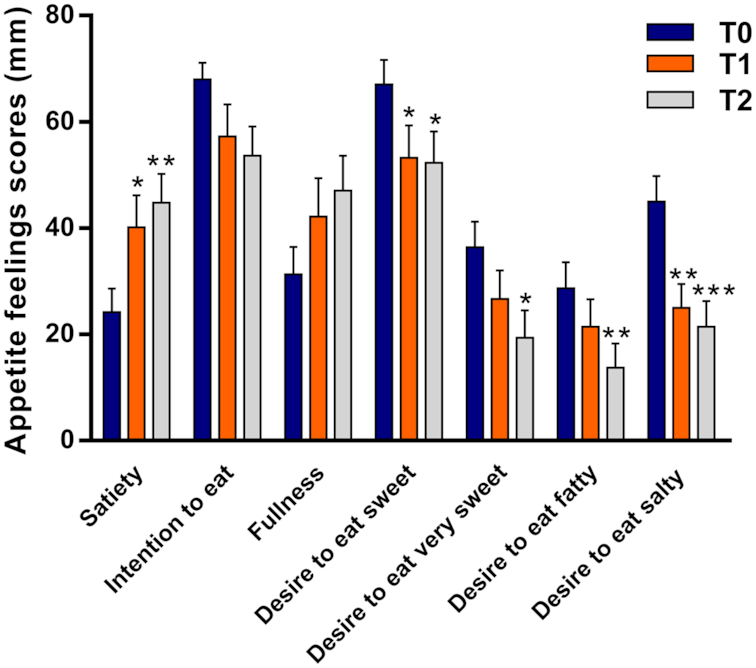
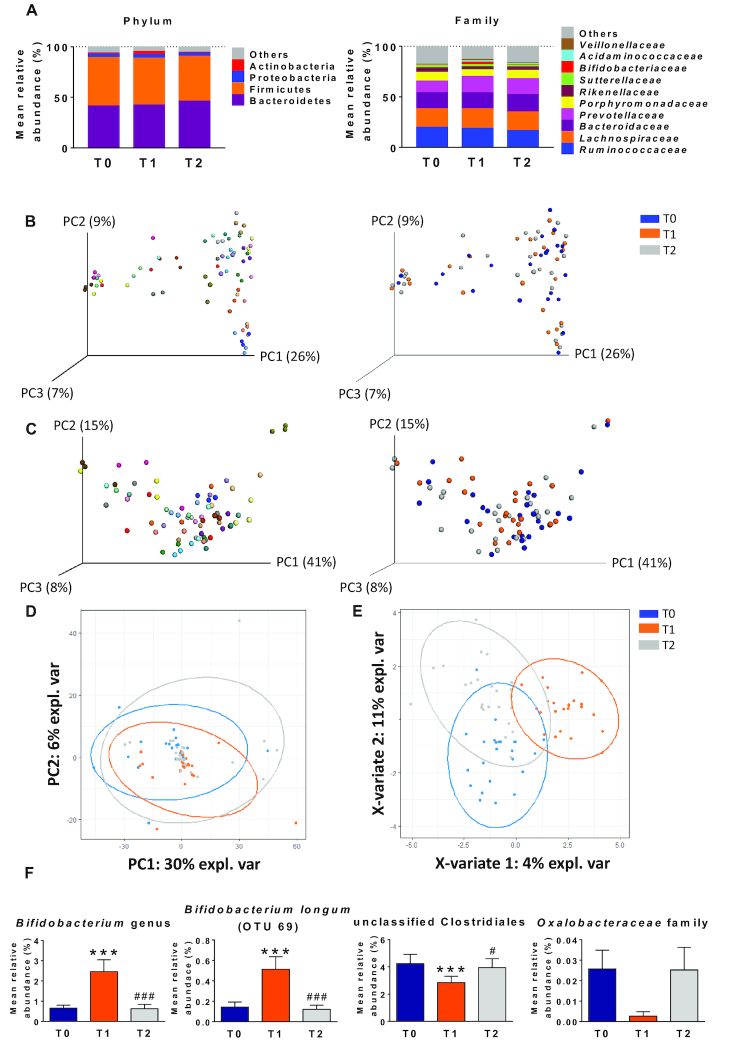
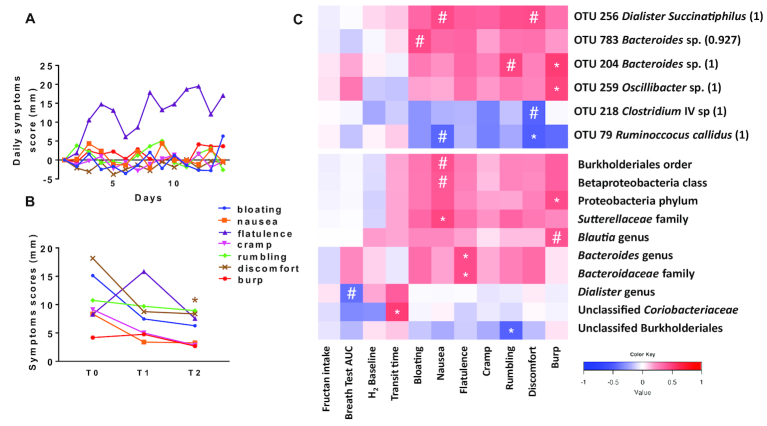
BACKGROUND: Inulin-type fructans (ITFs) are a type of fermentable dietary fiber that can confer beneficial health effects through changes in the gut microbiota. However, their effect on gut sensitivity and nutritional behavior is a matter of debate. OBJECTIVE: We evaluated the impact of consuming ITF-rich vegetables daily on gut microbiota, gastro-intestinal symptoms, and food-related behavior in healthy individuals. METHODS: A single group-design trial was conducted in 26 healthy individuals. During 2 wk, the participants were instructed to adhere to a controlled diet based on ITF-rich vegetables (providing a mean intake of 15 g ITF/d). Three test days were organized: before and after the nutritional intervention and 3 wk after returning to their usual diet. We assessed nutrient intake, food-related behavior, fecal microbiota composition, microbial fermentation, and gastrointestinal symptoms. RESULTS: The major microbial modifications during the intervention were an increased proportion of the Bifidobacterium genus, a decreased level of unclassified Clostridiales, and a tendency to decrease Oxalobacteraceae. These changes were reversed 3 wk after the intervention. The volunteers showed greater satiety, a reduced desire to eat sweet, salty, and fatty food, and a trend to increase hedonic attitudes towards some inulin-rich vegetables. Only flatulence episodes were reported during the dietary intervention, whereas intestinal discomfort, inversely associated with Clostridium cluster IV and Ruminococcus callidus, was improved at the end of the intervention. CONCLUSIONS: A higher consumption of ITF-rich vegetables allows a substantial increase in well-tolerated dietary fiber, which may in turn improve food-related behavior. Moreover, it leads to beneficial modifications of the gut microbiota composition and function. This trial is registered at clinicaltrial.gov as NCT03540550.
Overview
The claims and statistics of this paper haven’t been checked yet.
Free: it reads the open-access text and checks the first 5 claims that cite a source we can check. Create a free account to check every claim.
Integrity signals
Registry
Cites
Statistics
Figures
Verification
Claims the paper makes
The claims and statistics of this paper haven’t been checked yet.
Free: it reads the open-access text and checks the first 5 claims that cite a source we can check. Create a free account to check every claim.
Claims other papers make about this one
Each is checked against this paper’s own text: does it say what the citing paper says it does?
The source backs part of the claim, not all of it — or backs it for a different population, condition or comparison.
In the citing paper
“Many bacteria associated with ICI response have known dietary associations, such that specific dietary patterns (e.g., plant-based versus western diet) are associated with increased or decreased relative abundances of these candidate taxa.131–135”
From Melanoma and microbiota: Current understanding and future directions (2024) · cites this paper as [135]
Experimental — accuracy not yet measuredIn the citing paper
“Among the interventional studies using whole-dietary approaches published to date, only one included healthy adults as volunteers, and reported improved nutritional behaviors and intrapersonal emotional competence following a diet rich in inulin-type fructans (331).”
From Diet and the Microbiota–Gut–Brain Axis: Sowing the Seeds of Good Mental Health (2021) · cites this paper as [331]
In the citing paper
“Other groups have additionally reported positive associations between the genera Parabacteroides and Bacteroides and increased flatulence.”
From Adaptation to tolerate high doses of arabinoxylan is associated with fecal levels of Bifidobacterium longum (2024) · cites this paper as [67]
Self-check
Percentages, sums and reported differences re-computed from the paper’s own numbers.
The self-check needs the paper’s full text.
Citations
Cites
Controlling the False Discovery Rate: A Practical and Powerful Approach to Multiple Testing
Benjamini, Y., & Hochberg, Y. (1995) · Journal of the Royal Statistical Society Series B: Statistical Methodology · doi:10.1111/j.2517-6161.1995.tb02031.x · Cited by 109,482 · cited 1×
“for multiple tests according to the Benjamini and Hochberg procedure (32).”
MethodSchloss, P. D., Westcott, S. L., Ryabin, T., Hall, J. R., Hartmann, M., Hollister, E. B., Lesniewski, R. A., Oakley, B. B., Parks, D. H., Robinson, C. J., et al. (2009) · Applied and Environmental Microbiology · doi:10.1128/aem.01541-09 · Cited by 19,549 · cited 1×
“0 (26) to avoid large disparities in the number of sequences.”
BackgroundUPARSE: highly accurate OTU sequences from microbial amplicon reads
Edgar, R. C. (2013) · Nature Methods · doi:10.1038/nmeth.2604 · Cited by 16,707 · cited 1×
“1001 (27) was used to further process the sequences.”
MethodGibson, G. R., Hutkins, R., Sanders, M. E., Prescott, S. L., Reimer, R. A., Salminen, S. J., Scott, K., Stanton, C., Swanson, K. S., Cani, P. D., et al. (2017) · Nature Reviews Gastroenterology & Hepatology · doi:10.1038/nrgastro.2017.75 · Cited by 5,634
Self-citationRibosomal Database Project: data and tools for high throughput rRNA analysis
Cole, J. R., Wang, Q., Fish, J. A., Chai, B., McGarrell, D. M., Sun, Y., Brown, C. T., Porras-Alfaro, A., Kuske, C. R., & Tiedje, J. M. (2014) · Nucleic Acids Research · doi:10.1093/nar/gkt1244 · Cited by 4,367 · cited 2×
“Nonchimeric sequences were also subjected to taxonomic classification using the RDP MultiClassifier 1.1 from the Ribosomal Database Project (28) for phylum to genus characterization of the fecal microbiome.”
BackgroundInfluentialmixOmics: An R package for ‘omics feature selection and multiple data integration
Rohart, F., Gautier, B., Singh, A., & Lê Cao, K.-A. (2017) · PLOS Computational Biology · doi:10.1371/journal.pcbi.1005752 · Cited by 4,056
Gut bacteria selectively promoted by dietary fibers alleviate type 2 diabetes
Zhao, L., Zhang, F., Ding, X., Wu, G., Lam, Y. Y., Wang, X., Fu, H., Xue, X., Lu, C., Ma, J., et al. (2018) · Science · doi:10.1126/science.aao5774 · Cited by 2,304 · cited 1×
“Interestingly, a recent study showed that prebiotic supplementation in individuals with type 2 diabetes mellitus decreases gene richness in addition to a significant clinical improvement (42).”
BackgroundSwanson, K. S., Gibson, G. R., Hutkins, R., Reimer, R. A., Reid, G., Verbeke, K., Scott, K. P., Holscher, H. D., Azad, M. B., Delzenne, N. M., et al. (2020) · Nature Reviews Gastroenterology & Hepatology · doi:10.1038/s41575-020-0344-2 · Cited by 2,196
Self-citationPyrosequencing study of fecal microflora of autistic and control children
Finegold, S. M., Dowd, S. E., Gontcharova, V., Liu, C., Henley, K. E., Wolcott, R. D., Youn, E., Summanen, P. H., Granpeesheh, D., Dixon, D., et al. (2010) · Anaerobe · doi:10.1016/j.anaerobe.2010.06.008 · Cited by 977 · cited 1×
“Alterations of the gut microbiota composition have been associated with a wide variety of conditions such as obesity (1), type 2 diabetes (2), inflammatory bowel disease (3), autism (4), and behavioral disorders (5).”
BackgroundLeclercq, S., Matamoros, S., Cani, P. D., Neyrinck, A. M., Jamar, F., Stärkel, P., Windey, K., Tremaroli, V., Bäckhed, F., Verbeke, K., et al. (2014) · Proceedings of the National Academy of Sciences · doi:10.1073/pnas.1415174111 · Cited by 972 · cited 1×
“Alterations of the gut microbiota composition have been associated with a wide variety of conditions such as obesity (1), type 2 diabetes (2), inflammatory bowel disease (3), autism (4), and behavioral disorders (5).”
BackgroundSelf-citation
Cited by
Items 101–200 of 207
Debras, C., Chazelas, E., Srour, B., Julia, C., Schneider, É., Kesse‐Guyot, E., Agaësse, C., Druesne‐Pecollo, N., Andreeva, V. A., Wendeu-Foyet, M. G., et al. (2021) · Journal of Nutrition · doi:10.1093/jn/nxab379 · Cited by 11
Lares-Michel, M., Housni, F. E., Reyes-Castillo, Z., Huertas, J. R., Cervantes, V. G. A., & Nava, R. M. M. (2023) · British Journal Of Nutrition · doi:10.1017/s0007114523000843 · Cited by 11
Bester, A., O’Brien, M., Cotter, P. D., Dam, S. A., & Civai, C. (2023) · Foods · doi:10.3390/foods12132480 · Cited by 11
Plateau Environment, Gut Microbiota, and Depression: A Possible Concealed Connection?
Qiao, Y., Cheng, R., Li, X., Zheng, H., Guo, J., Wei, L., Gao, T., & Bi, H. (2025) · Current Issues in Molecular Biology · doi:10.3390/cimb47070487 · Cited by 10
“Another study indicated that after two weeks of supplementation with inulin-rich vegetables, Bifidobacteria levels increased 3.8-fold, leading to a slight improvement in intrinsic emotional capacity [202].”
InfluentialFruit and Vegetable Consumption Behavior Among Asian Americans: A Thematic Analysis
Dai, C., Sharma, M., Haider, T., & Sunchu, H. (2021) · Journal of Primary Care & Community Health · doi:10.1177/2150132720984776 · Cited by 10
Editorial: Vegan diets: what is the benefit?
Soeters, P. B. (2020) · Current Opinion in Clinical Nutrition & Metabolic Care · doi:10.1097/mco.0000000000000623 · Cited by 13
Vega-Sagardía, M., Cebrián, E., Delgado, J., Ruiz‐Moyano, S., & Garrido, D. A. (2023) · Probiotics and Antimicrobial Proteins · doi:10.1007/s12602-023-10083-5 · Cited by 9
“Plants rich in inulin lead to beneficial modifications in the composition and function of the intestinal microbiome [56].”
BackgroundXie, Z., Huang, A., Cai, J., Huang, R. Y., Chen, M., Yu, S., Zhang, F., & Zhu, Z. (2023) · Food Safety and Health · doi:10.1002/fsh3.12025 · Cited by 9
Zanzer, Y. C., & Theis, S. (2023) · Journal of Functional Foods · doi:10.1016/j.jff.2023.105914 · Cited by 10
Determinants of prebiotic vegetable consumption: the extended theory of planned behaviour
Broers, V., van den Broucke, S., & Luminet, O. (2020) · Archives of Public Health · doi:10.1186/s13690-020-00408-z · Cited by 6
Self-citationDiet-Induced Alterations in Gut Microbiota Composition and Function
Rinninella, E., Cintoni, M., Raoul, P. C., Ianiro, G., Laterza, L., Ponziani, F. R., Pulcini, G., Gasbarrini, A., & Mele, M. C. (2021) · Elsevier eBooks · doi:10.1016/b978-0-12-819265-8.00035-8 · Cited by 11
Abreu, C. D. D., Caldas, B. V., Ribeiro, G. H. M., Aguilar, C. M., Farias, L. C., Guimarães, A. L. S., de Paula, A. M. B., Glória, M. B. A., & Santos, S. H. S. (2022) · PharmaNutrition · doi:10.1016/j.phanu.2022.100316 · Cited by 10
Healthy human gut microbiome: Towards standardized research
Glazunova, E., Molodtsova, P. A., Grabarnik, I., Kurnosov, A., Bikaeva, I., Shipulin, G., & Zlobovskaya, O. (2025) · AIMS Microbiology · doi:10.3934/microbiol.2025034 · Cited by 10
Li, J., Hu, X., Tao, X., Li, Y., Jiang, W., Zhao, M., Ma, Z., Chen, B., Sheng, S., Tong, J., et al. (2025) · Frontiers in Cellular and Infection Microbiology · doi:10.3389/fcimb.2025.1433131 · Cited by 9
The Human Gut Microbiota in all its States: From Disturbance to Resilience
Tap, J., Ruppé, É., & Derrien, M. (2021) · Elsevier eBooks · doi:10.1016/b978-0-12-819265-8.00039-5 · Cited by 9
Gual‐Grau, A., Guirro, M., Crescenti, A., Boqué, N., & Arola, L. (2021) · International Journal of Food Sciences and Nutrition · doi:10.1080/09637486.2021.1954144 · Cited by 9
“For instance, inulin-type fructans favour the growth of beneficial bacteria, SCFA production, fat oxidation and reduced food intake during overweight and obesity (Vandeputte et al. 2017; van der Beek et al. 2018; Hiel et al. 2019).”
BackgroundChunyan, L. I. U., Yuan, P., Ying, W. A. N. G., Xuelian, Y. A. N. G., Xu, Y., ZHANG, W., Han, X. N., Chen, K., Wang, G., & Shao, T. (2023) · Journal of Veterinary Medical Science · doi:10.1292/jvms.22-0530 · Cited by 8
“Due to these benefits, ITFs are eaten as a dietary fiber source by humans in their daily diet [3, 16, 21, 32].”
BackgroundInulin as a multifunctional prebiotic: from gut modulation to systemic health benefits
Şanlıer, N., Keskin, M. G., & Öz, F. (2026) · Food Quality and Safety · doi:10.1093/fqsafe/fyag006 · Cited by 10
Abordagens emergentes para o tratamento da obesidade e síndrome metabólica
Hanna, A. C. L., Costa, A. A. D. O., Carmo, A. S. M. D. S., de Oliveira, A. F., Autran, G. N. V. S., Wu, M. F., Cezar, V. T., Costa, C. C., Covre, A. H., Magalhães, K. A., et al. (2023) · Brazilian Journal of Health Review · doi:10.34119/bjhrv6n3-240 · Cited by 17
Freijy, T. M., Cribb, L., Oliver, G., Metri, N., Opie, R., Jacka, F. N., Hawrelak, J. A., Rucklidge, J. J., Ng, C. H., & Sarris, J. J. (2024) · Nutritional Neuroscience · doi:10.1080/1028415x.2024.2425570 · Cited by 7
Li, H., Gu, X., Qiu, L., Wang, X., & Li, Y. (2024) · Journal of Renal Nutrition · doi:10.1053/j.jrn.2024.07.016 · Cited by 7
Neyrinck, A. M., Rodriguez, J., Sánchez, C. R., Autuori, M., Cani, P. D., Bindels, L. B., Bindelle, J., & Delzenne, N. M. (2025) · European Journal of Nutrition · doi:10.1007/s00394-025-03640-x · Cited by 9
“…on a selection of ITF-rich vegetables during 2 weeks (to reach a minimum intake of at least 9 g ITF/d) allows an increase in well-tolerated dietary fibre, associated with an improvement of food-related behavior such as a greater satiety and a reduced desire to eat sweet, salty and fatty food [10].”
Self-citationPaterson, S., Majchrzak, M., Gómez-Garre, D., Ortega-Hernández, A., Sánchez-González, S., de la Fuente, M. Á., Gómez-Cortés, P., & Hernández-Ledesma, B. (2024) · doi:10.20944/preprints202411.1270.v1 · Cited by 6
He, P., Chen, S., Lyu, C., An, R., & Wang, D. (2025) · Molecular Nutrition & Food Research · doi:10.1002/mnfr.70140 · Cited by 7
“Inulin could not only stimulate the growth of a number of beneficial microbes [48–51], such as Anaerostipes , Akkermansia , Bifidobacterium , and Eubacterium , but also decrease the abundance of Alistipes , which are elevated in constipated patients (Figure 2) [52].”
Kuang, S.-F., Mei, F., Fu, W., Zhong, X., Bao, C., Peng, R., & Tao, Y. (2024) · LWT · doi:10.1016/j.lwt.2024.116936 · Cited by 6
Silva-Adame, M. B., Martínez-Alvarado, A., Martínez-Silva, V. A., Samaniego-Méndez, V., & López, M. G. (2022) · Foods · doi:10.3390/foods11050670 · Cited by 6
“Data were collected by measuring the distance (in centimeters) with a ruler and registered every day in a week for each of the five doses [24].”
MethodThe gut microbiome and eating behavior outcomes: A systematic review
Chimera, B., Hoobler, R., Deschasaux, M., Merris, E. V., Roels, O., Playdon, M. C., Michels, N., & Huybrechts, I. (2024) · Obesity Reviews · doi:10.1111/obr.13880 · Cited by 5
“Satiety was frequently included as a component of appetite, but only five studies 22,46,49 – 51 independently assessed satiety as an outcome.”
InfluentialFrom Fork to Feelings: How Foods Shape Mental Health via the Microbiota–Gut–Brain Axis
Ferri, A., Paes, L. T., Schneider, E., Clarke, G. A., & Cryan, J. F. (2026) · Annual Review of Food Science and Technology · doi:10.1146/annurev-food-053124-110137 · Cited by 7
Shevlyakov, A., Nikogosov, D. A., Stewart, L.-A., & Toribio-Mateas, M. A. (2021) · Public Health Nutrition · doi:10.1017/s1368980021002524 · Cited by 5
“Dietary fibre and gut microbiota Fibre serves as a substrate for beneficial bacteria to feed on(39,70,71), and modifying its intake can shift microbial abundance and diversity.”
BackgroundLetourneau, J., Neubert, B. C., Dayal, D., Carrion, V. M., Durand, H. K., Dallow, E. P., Jiang, S., Kirtley, M. C., Ginsburg, G. S., Doraiswamy, P. M., et al. (2024) · International Journal of Food Sciences and Nutrition · doi:10.1080/09637486.2024.2372590 · Cited by 5
“Our finding that changes in microbiome composition relate to tolerance is consistent with work indicating that microbiome composition may be associated with side effects of increased consumption of inulin-rich vegetables (Hiel et al. 2019).”
Narayanan, S., & Pitchumoni, C. S. (2020) · Springer eBooks · doi:10.1007/978-3-319-90761-1_27-1 · Cited by 5
Utami, N. N., Lestari, L. A., Nurliyani, N., & Harmayani, E. (2021) · Food Research · doi:10.26656/fr.2017.5(3).461 · Cited by 5
“These prebiotic properties are found in porang glucomannan (Harmayani et al., 2014) and inulin (Roberfroid, 2005; Hiel et al., 2019).”
BackgroundAdvanced Understanding of Dietary Fiber With Omics
Park, S., Park, J., Lee, Y. S., Shin, N., & Yang, M. (2025) · Food Supplements and Biomaterials for Health · doi:10.52361/fsbh.2025.5.e13 · Cited by 4
Shanmukha, K. D., Pasupuleti, V., Yadav, K., Baviskar, S. M., Pradhan, M., Vora, L. K., & Khatri, D. K. (2025) · Probiotics and Antimicrobial Proteins · doi:10.1007/s12602-025-10796-9 · Cited by 9
ВЛИЯНИЕ ОБОГАЩЕНИЯ РАЦИОНА КРЫС ИНУЛИНОМ НА УСВОЕНИЕ НЕКОТОРЫХ ВИТАМИНОВ И МИНЕРАЛЬНЫХ ВЕЩЕСТВ
ФГБУН «Федеральный исследовательский центр питания, Б. И. Б. П., Бекетова, Н. А., Kodentsova, V. M., ФГБУН «Федеральный исследовательский центр питания, Б. И. Б. П., Николаевна, Л. С., ФГБУН «Федеральный исследовательский центр питания, Б. И. Б. П., Kosheleva, O. V., ФГБУН «Федеральный исследовательский центр питания, Б. И. Б. П., Вржесинская, О. А., ФГБУН «Федеральный исследовательский центр питания, Б. И. Б. П., et al. (2021) · Trace Elements in Medicine (Moscow) · doi:10.19112/2413-6174-2021-22-3-47-57 · Cited by 4
A MULTIFACETED BIOACTIVITY OF HONEY: INTERACTIONS BETWEEN BEES, PLANTS AND MICROORGANISMS
Ilyasov, R. A., Boguslavsky, D. V., Ilyasova, A. Y., Sattarov, V. N., & Даниленко, В. Н. (2024) · Uludağ Arıcılık Dergisi · doi:10.31467/uluaricilik.1511847 · Cited by 5
Aron‐Wisnewsky, J., Lefevre, C., & Bindels, L. B. (2022) · Médecine des Maladies Métaboliques · doi:10.1016/j.mmm.2022.01.004 · Cited by 4
Self-citationVieira, L. G., Noronha, S. I. S. R., Chírico, M. T. T., de Souza, A. B., de Matos, N. A., Chianca, D. A., Bezerra, F. S., & de Menezes, R. C. A. (2024) · Behavioural Brain Research · doi:10.1016/j.bbr.2024.115048 · Cited by 4
Ojo, B. A., Alake, S. E., Kaur, A., Wong, S. Y., Keirns, B. H., Ritchey, J. W., Chowanadisai, W., Lin, D., Clarke, S. L., Smith, B. J., et al. (2022) · Current Developments in Nutrition · doi:10.1016/j.cdnut.2022.100023 · Cited by 4
Li, F., Han, X., Tang, T., Wang, Z., Zhao, Q., Wang, Z., Xu, Z., Chang, Y., Gou, Z., & Li, Y. (2024) · Research Square · doi:10.21203/rs.3.rs-3897238/v1 · Cited by 6
Gut Microbiota Modulation of Dementia Related Complications
Su, X., Chen, Y., & Yuan, X. (2025) · Aging and Disease · doi:10.14336/ad.2025.0108 · Cited by 5
Fibre, microbes and radiotherapy: unravelling the gut’s impact on radiotherapy in cancer
Twhigg, L., Ng, H. M., Glyn, T., Wall, C., & Purcell, R. V. (2025) · ESMO Gastrointestinal Oncology · doi:10.1016/j.esmogo.2025.100174 · Cited by 5
“For example, interventions using inulin tend to show increased abundance of Bi fi dobacterium , Faecalibacterium and Lactobacillus 11,22,23 but not Ruminococcus .”
Ledwith, A. E., Prendeville, H., Johnston, C. J. H. H., Cunningham, S. P., McGrath, J. P., Corkish, C., Walsh, A. M., Koç, F., Charles‐Messance, H., Sularea, V. M., et al. (2026) · Cell Reports · doi:10.1016/j.celrep.2026.117648 · Cited by 3
I’ll have what they’re having: a descriptive social norm increases choice for vegetables in students
Claassen, M. A., Klein, P., & Klein, O. (2023) · Social Influence · doi:10.1080/15534510.2023.2261178 · Cited by 3
“These vegetables have positive effects on the microbiota and help regulate appetite (Hiel et al., 2019).”
BackgroundImpact of Folate Intake on Bone Mineral Density in Patients with Inflammatory Bowel Disease
Ratajczak, A. E., Szymczak‐Tomczak, A., Michalak, M., Rychter, A. M., Zawada, A. E., Skoracka, K., Dobrowolska, A., & Krela‐Kaźmierczak, I. (2023) · Nutrients · doi:10.3390/nu16010006 · Cited by 3
“Diets with a high intake of inulin-rich vegetables increase in bificobateria [49].”
BackgroundBiomarkers of Total Dietary Fiber Intake: A Challenge to Meet
Natella, F., Devirgiliis, C., Roselli, M., Sette, S., Bo’, C. D., Cioffi, I., Polito, A., & Canali, R. (2025) · Nutrition Reviews · doi:10.1093/nutrit/nuaf095 · Cited by 4
Manish, & Chauhan, S. (2023) · Journal of Molecular Liquids · doi:10.1016/j.molliq.2023.123149 · Cited by 3
Too Much of a Good Thing: Imposing an Upper Limit to a High Fiber Diet
Lemons, J. M. S. (2023) · Gastroenterology · doi:10.1053/j.gastro.2023.11.290 · Cited by 3
Irritable bowel syndrome with constipation: possibilities of prebiotic therapy
Zvyagintseva, T. D., & Chernobay, A. І. (2020) · Ukrainian Therapeutical Journal · doi:10.30978/utj2020-3-37 · Cited by 2
Role of rs9939506 polymorphism of FTO gene in resistance to eating in male adolescents
Shaker, A., Shekari, S., Zeinalabedini, M., Salimi, Z., Roumi, Z., Mobarakeh, K. A., Shamsi‐Goushki, A., Masoumvand, M., Mohammadian, M. K., Samani, P., et al. (2023) · BMC Pediatrics · doi:10.1186/s12887-023-04310-9 · Cited by 2
“According to previous studies, a diet high in vegetables is associated with high satiety and less desire for sweet, salty, and fatty foods [32].”
MethodBatur, L. K., Yavaş, C., & Hekim, N. (2025) · Oncology Letters · doi:10.3892/ol.2025.15306 · Cited by 2
“The Purple Collagen complex (PCC) incorporates several bioactive compounds known for their diverse health benefits, including inulin which is a prebi‑ otic fiber that promotes gut health by stimulating the growth of beneficial intestinal bacteria (12).”
Mou, J., Xu, L., Luo, Y., Tao, Q., Wang, Z., Chen, M., & Zheng, H. (2025) · Nutrition Reviews · doi:10.1093/nutrit/nuaf204 · Cited by 2
Patel, N., Mishra, R., Kulshrestha, R., & Haider, T. (2025) · Elsevier eBooks · doi:10.1016/b978-0-443-36617-8.00001-0 · Cited by 3
Walton, S. D., Dasinger, J. H., Burns-Ray, E. C., Hartenburg, L., Baldwin, K., Lin, J. S., Cherian‐Shaw, M., Tummala, R., Joe, B., Mattson, D. L., et al. (2026) · American Journal of Physiology-Renal Physiology · doi:10.1152/ajprenal.00359.2025 · Cited by 2
Sun, X., Shao, K., Kuang, X., Chen, J., Yang, Q., Feng, C., Liu, Q., Wang, K., (20183), H. L., & Dai, J. (2026) · Food Research International · doi:10.1016/j.foodres.2026.119667 · Cited by 2
Bayazitov, K. R., Ivanov, M. S., Gelazov, R. K., Barua, S., Lavrentev, F. V., Antsyperova, M. А., Fedorov, A. А., & Iakovchenko, N. V. (2024) · Plant Foods for Human Nutrition · doi:10.1007/s11130-024-01195-6 · Cited by 2
Potential of Inulin to Revolutionize Pharmaceutical Industries
Guptha, P. M., Deepan, T., Alekkhya, V., Gunda, R. K., Babu, M. R., & Pamu, S. (2025) · Springer eBooks · doi:10.1007/978-981-97-9056-2_16 · Cited by 2
Bhatnagar, A., Bhadouriya, K., Haider, T., Akram, W., Pathan, H. K., & Mishra, N. (2025) · Springer eBooks · doi:10.1007/978-981-97-9056-2_1 · Cited by 2
Usman, M., Noor, M., Ahmed, U., Khan, A. R., Ahmad, S., Khan, A., Rehman, A., Kazmi, S. U. E. F., Arshad, U., & Abdullah, O. M. (2025) · Indus journal of bioscience research. · doi:10.70749/ijbr.v3i2.748 · Cited by 2
Modulatory Effects of Tetraselmis chuii Gastrointestinal Digests on Human Colonic Microbiota
Majchrzak, M., Paterson, S., Gutiérrez-Corral, J., Gómez‐Garré, D., Ortega‐Hernández, A., de la Fuente, M. Á., Hernández‐Ledesma, B., & Gómez‐Cortés, P. (2025) · Foods · doi:10.3390/foods14122106 · Cited by 2
“…from a healthy volunteer who maintained a balanced and diverse diet, free of any dietary limitations, and exhibited a stool consistency corresponding to type 4 on the Bristol Stool Scale [20], with 10 mL of PBS solution (pH 7.0), and homogenized using a Stomacher 400 Circulator (Seward, AK, USA).”
InfluentialHaiming, C., Yijing, L. I., Tang, B., Ma, X., Hailun, L., Meiting, D., Li, Z., Zheng, X., Yujie, Y., Zuqing, S., et al. (2025) · Carbohydrate Polymers · doi:10.1016/j.carbpol.2025.124143 · Cited by 5
Food-gut microbiota interactions
Berding, K., Kaulmann, D., & Cryan, J. F. (2022) · Elsevier eBooks · doi:10.1016/b978-0-323-85170-1.00011-7 · Cited by 3
Narayanan, S., & Pitchumoni, C. S. (2021) · Springer eBooks · doi:10.1007/978-3-030-30192-7_27 · Cited by 3
Reply to ‘Simpson’s paradox in proof-of-concept studies’
Cani, P. D., & Depommier, C. (2019) · Nature Medicine · doi:10.1038/s41591-019-0625-x · Cited by 2
Self-citationHuang, C.-L., Li, M., Liu, B., Zhu, H., Dai, Q., Fan, X., Mehta, K. D., Huang, C. H., Neupane, P. R., Wang, F., et al. (2020) · Research Square · doi:10.21203/rs.3.rs-73124/v1 · Cited by 2
Benefit and concern of ketogenic and vegan diets: A revisit to pathophysiology
Soeters, P. B., & de Leeuw, P. W. (2021) · Elsevier eBooks · doi:10.1016/b978-0-12-820205-0.00008-6 · Cited by 1
Çolak, O., BÜLBÜL, S., & Eker, N. (2025) · Özgür Yayınları eBooks · doi:10.58830/ozgur.pub1024 · Cited by 1
Probiotics, prebiotics, and synbiotics as functional foods
Pandey, S., Dhawan, K., Murali, S., Altaf, A., Rexwal, Y., Gupta, A., Mahato, D. K., Kamle, M., & Kumar, P. (2026) · Elsevier eBooks · doi:10.1016/b978-0-443-33853-3.00011-9 · Cited by 1
Matcha Tea Quality and Functional Effects on Gut Microbiome: A Comprehensive Systematic Review
Gerasopoulos, A., Gerasopoulos, G., Giota, E., & Lazari, D. M. (2026) · Food Reviews International · doi:10.1080/87559129.2026.2653654 · Cited by 1
Emerging Role of Microbiota in Precision Nutrition Approaches
Zec, M. M. (2021) · Elsevier eBooks · doi:10.1016/b978-0-12-819265-8.00046-2 · Cited by 1
Microbiota as a Regulator of Circadian Rhythms—Special Focus on Sleep and Metabolism
Parkar, S. G., & Blum, D. J. (2021) · Elsevier eBooks · doi:10.1016/b978-0-12-819265-8.00109-1 · Cited by 1
Are Probiotics Needed in Nephrology?
Kuznetzova, A. B., Prazdnova, E. V., Chistyakov, V. A., Kutsevalova, O. Y., & Батюшин, М. М. (2022) · Nephrology (Saint-Petersburg) · doi:10.36485/1561-6274-2022-26-4-18-30 · Cited by 1
Future-Proof a Mediterranean Soup
Costa-Camilo, E., Rovisco, B., Duarte, I., Pinheiro, C., & Carvalho, G. P. (2024) · Lecture notes on multidisciplinary industrial engineering · doi:10.1007/978-3-031-80330-7_34 · Cited by 1
Regulatory Aspects of Inulin-Based Pharmaceutical Products
Jindal, P., Raikwar, S., Kurmi, B. D., & Vishwakarma, N. (2025) · Springer eBooks · doi:10.1007/978-981-97-9056-2_13 · Cited by 1
Tian, S., Goand, U. K., Paudel, D., Le, G. V., Tiwari, A. K., Prabhu, K. S., & Singh, V. (2025) · npj Science of Food · doi:10.1038/s41538-025-00472-1 · Cited by 1
Immunoengineering Approaches for the Treatment of Cancer and Prevention of Infectious Diseases
Park, C. (2021) · Deep Blue (University of Michigan) · doi:10.7302/1513
[Ultraviolet fluorescence of live and dead cells of blood and bone marrow in irradiated animals].
Safronova, V. G., & Iagunov, A. S. (1968) · PubMed · Cited by 1
van Trijp, M. P. H. (2022) · doi:10.18174/558735 · Cited by 1
Effects of pre-treatment with inulin on the kidney in lipopolysaccharide-induced endotoxemia in rats
Kandil, A. (2022) · Polish Journal of Veterinary Sciences · doi:10.24425/pjvs.2022.140846
Effect of Intestinal Flora on Composition of Urinary Calculi
周, 亚. (2022) · Advances in Clinical Medicine · doi:10.12677/acm.2022.126776
Nutrition and Microbiome: In Preparation for Pregnancy
Belew, C. (2022) · Springer eBooks · doi:10.1007/978-3-031-06322-0_4 · Cited by 1
FREQUENCY OF FOOD CRAVINGS IN ADULTS CONSUMING ANIMAL- OR PLANT-BASED DIETS
Thomas, K. (2022) · Digital Commons - URI (University of Rhode Island) · doi:10.23860/thesis-thomas-kate-2022 · Cited by 1
Targeting the Gut Microbiota for Health
Ishiguro, E. E., Haskey, N., & Campbell, K. (2023) · Elsevier eBooks · doi:10.1016/b978-0-323-91387-4.00005-3 · Cited by 1
Boyd, C. (2023) · San José State University ScholarWorks (San Jose State University) · doi:10.31979/etd.a3sr-e84v
Nkeck, J. R., Tchuisseu‐Kwangoua, L. A., Pelda, A., Tamko, W. C., Hamadjoda, S., Essama, D. B., Fojo, B., Niasse, M., Diallo, S., & Ngandeu-Singwé, M. (2024) · Mediterranean Journal of Rheumatology · doi:10.31138/mjr.240224.cap
“107,108 This sub-Saharan diet, rich in fibre and polysaccharides, is a potential therapeutic and probiotic food for the intestinal microbiome dysbiosis and need to be more evaluated and therefore promoted.”
BackgroundManish, & Chauhan, S. (2024) · Asian Journal of Chemistry · doi:10.14233/ajchem.2024.32387
Xu, D., Li, S., Zong, X., & Nie, S. (2025) · Elsevier eBooks · doi:10.1016/b978-0-443-21630-5.00005-8
Inulin and Gastrointestinal Disorders
Kadiri, S. K., Tiwari, P. K., Khobragade, D. S., & Sathavalli, D. (2025) · Springer eBooks · doi:10.1007/978-981-97-9056-2_11 · Cited by 3
Киселева, Т. Л., Киселева, М. А., & Хлебников, Е. В. (2025) · Традиционная медицина · doi:10.54296/18186173_2025_1_15
Mzoughi, M., Adal, S., Ayar, E. N., & Sağlam, K. (2025) · Elsevier eBooks · doi:10.1016/b978-0-443-36617-8.00012-5
Innovations in inulin extraction and production
Akanda, M. K. M., & Mehjabin, S. (2025) · Elsevier eBooks · doi:10.1016/b978-0-443-36617-8.00002-2
Ross, I. A. (2025) · Springer eBooks · doi:10.1007/978-3-032-04239-2_11
Andrés‐Hernández, L. (2021) · Cross Connect (Southern Cross University) · doi:10.25918/thesis.157
Increasing the Impact of Dietary Fiber from Grains on Human Health through Gut Microbiome
Liu, S. (2024) · Lincoln (University of Nebraska) · Cited by 1
Хавкин, А. И., Новикова, В. П., & Евдокимова, Н. В. (2022) · Open Access Repository (Belgorod State National Research University) · Cited by 1
Gut microbiome in integrative oncology
Lacey, J., Stringer, A. M., Cross, C., & Wardill, H. R. (2026) · Elsevier eBooks · doi:10.1016/b978-0-443-30194-0.00004-7
Bedu-Ferrari, C. (2022) · theses.fr (ABES) · doi:10.70675/17cf5e69z9e36z4daczb0b6z93f0767b79db · Cited by 2
Metadata
- Authors
- Hiel, S., Bindels, L. B., Pachikian, B. D., Kalala, G., Broers, V., Zamariola, G., Chang, B. P. I., Kambashi, B., Rodriguez, J., Cani, P. D., Neyrinck, A. M., Thissen, J.-P., Luminet, O., Bindelle, J., & Delzenne, N. M.
- Affiliations
- UCLouvain (BE)
- Université Libre de Bruxelles (BE)
- University of Liège (BE)
- Walloon Excellence in Lifesciences and Biotechnology (BE)
- Corresponding author
- Delzenne, Nathalie M
- ORCID
- Venue
- The American Journal of Clinical Nutrition
- Publisher
- Elsevier BV
- Published
- 2019-06
- Volume
- 109
- Issue
- 6
- Pages
- 1683-1695
- ISSN
- 0002-9165 (ISSN-L)
- PMC
- PMC6537941
- OpenAlex
- W2942098219
- Cited by
- 197
- References
- 55
- Citations by year
- 2026: 12 · 2025: 33 · 2024: 23 · 2023: 30 · 2022: 33 · 2021: 39 · 2020: 24 · 2019: 1
- FWCI
- 18.46
- Type
- journal article
- Language
- en
- Open access
- hybrid
- doi.org
- Licence
- cc-by-nc
- www.elsevier.com/tdm/userlicense/1.0/ (tdm)
- creativecommons.org/licenses/by-nc/4.0/ (vor)
- Locations
- American Journal of Clinical Nutrition (publishedVersion, cc-by-nc)
- PubMed Central (publishedVersion, cc-by-nc)
- PubMed (publishedVersion)
- Digital Access to Libraries (Université catholique de Louvain (UCL), l'Université de Namur (UNamur) and the Université Saint-Louis (USL-B)) (submittedVersion, other-oa)
- Dépôt institutionnel de l'Université libre de Bruxelles (Université Libre de Bruxelles) (submittedVersion, other-oa)
- Funders
- Fonds de la Recherche Scientifique (WELBIO-CGR-2017-C2)
- European Research Council (336452-ENIGMO)
- Topics
- Health Sciences › Nursing › Nutrition and Dietetics › Microbial Metabolites in Food Biotechnology
- Life Sciences › Biochemistry, Genetics and Molecular Biology › Molecular Biology › Gut microbiota and health
- Health Sciences › Medicine › Gastroenterology › Gastrointestinal motility and disorders
- Keywords
- inulin-type fructans, gut microbiota, dietary fiber, food-related behavior, satiety, gastrointestinal symptoms, flatulence, Bifidobacterium, Clostridiales, Oxalobacteraceae, Clostridium cluster IV, microbial fermentation, healthy adults
- MeSH terms
- Gastrointestinal Microbiome, Adolescent, Adult, Aged, Bacteria, Diet, Dietary Fiber, Feces, Feeding Behavior, Female, Humans, Inulin, Male, Middle Aged, Vegetables, Young Adult, Prebiotics, Healthy Volunteers
About these checks
Registry, retraction, Cites and statistics results are computed, not judged, with one exception: a printed reference that no index lists is read once by a model before it counts as a citation error. Claims are extracted by a model and kept only when their quote appears verbatim in the text; each cited source is then checked, with a model’s help, for whether it says what the claim relies on. Those verdicts can be wrong — read the claim’s quote and the cited source before relying on one.
Statistics and arithmetic are recomputed, not judged.
Confidence bands are shown only for fields calibrated on our annotated test set. None is calibrated yet, so no band is shown.
What counts as a claim ›How we measure confidence ›How we check this ›
Are you an author, or do you see a problem with this page? Request a review
Data sources
Bibliographic data: Semantic Scholar, OpenAlex, Crossref.
Contains information from the Semantic Scholar Academic Graph Datasets, made available under the ODC Attribution License (ODC-BY 1.0).
Semantic Scholar’s data is described in: Kinney, R., et al. (2023). The Semantic Scholar Open Data Platform. arXiv:2301.10140.
