

Effects of a diet based on inulin-rich vegetables on gut health and nutritional behavior in healthy humans
Open accessThe DOI matches its Crossref record; 55 of the 55 references it cites were found in a registry or an index.
Abstract
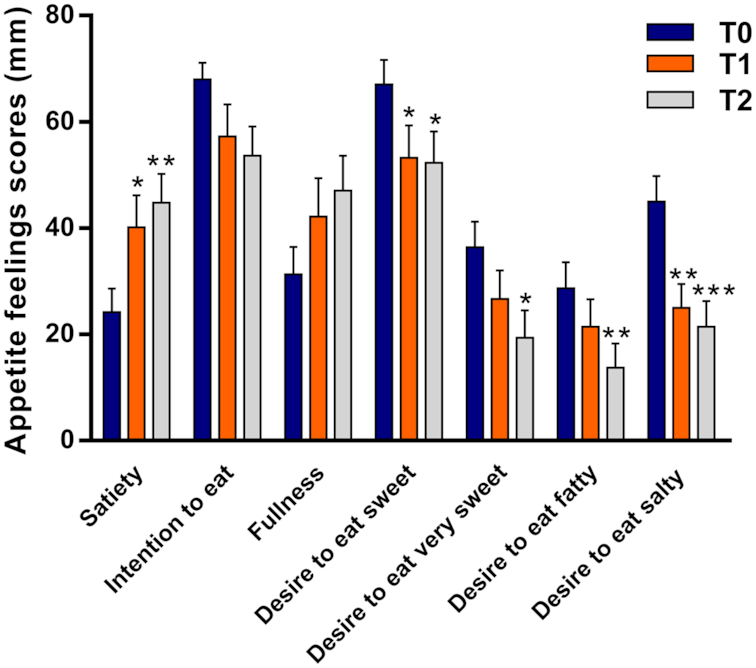
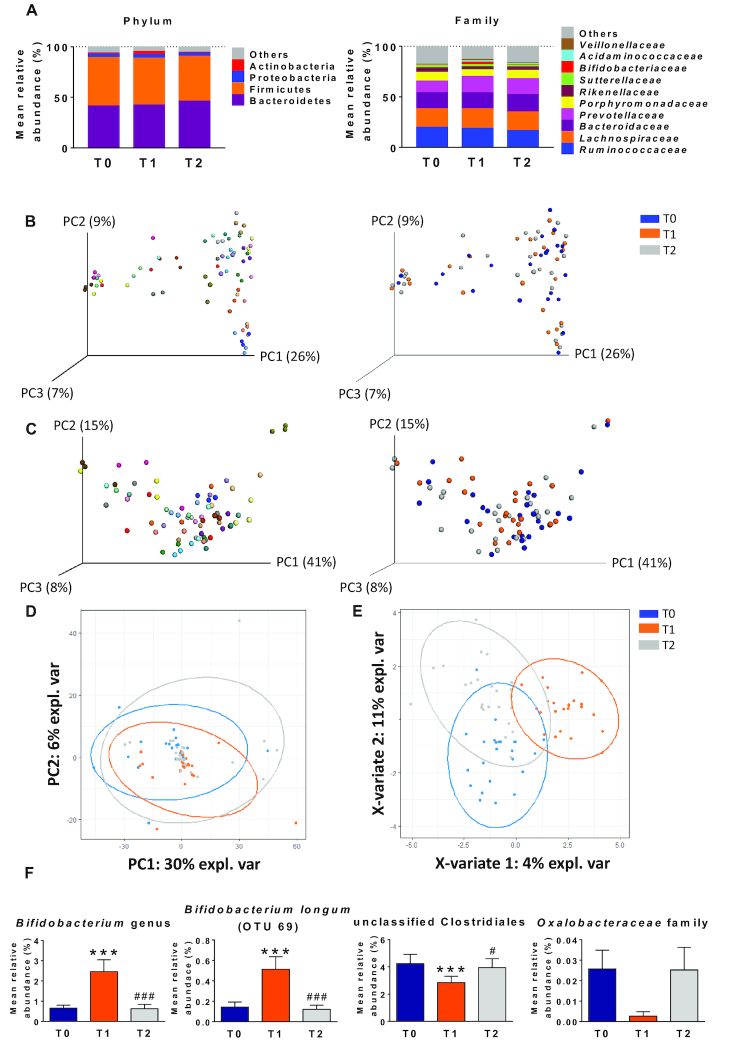
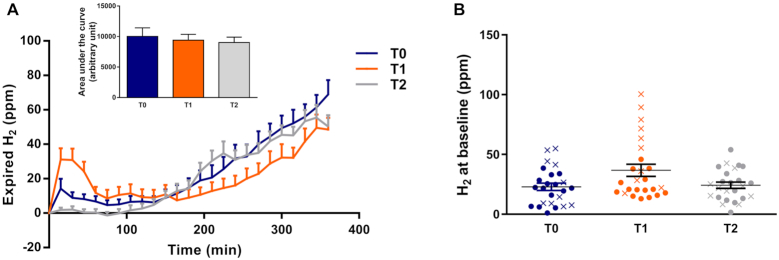
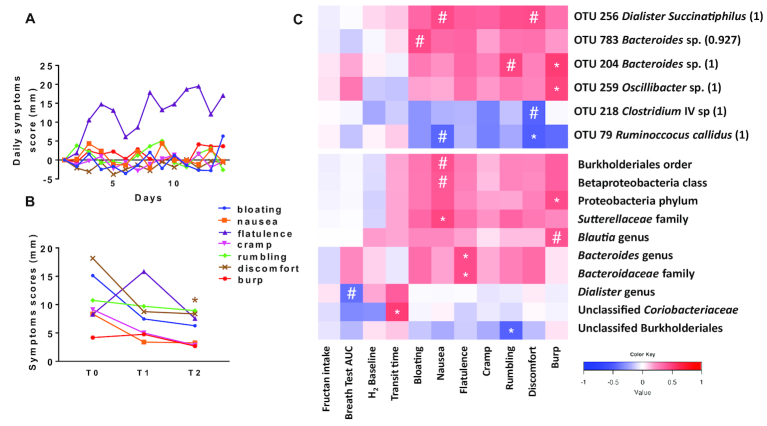
BACKGROUND: Inulin-type fructans (ITFs) are a type of fermentable dietary fiber that can confer beneficial health effects through changes in the gut microbiota. However, their effect on gut sensitivity and nutritional behavior is a matter of debate. OBJECTIVE: We evaluated the impact of consuming ITF-rich vegetables daily on gut microbiota, gastro-intestinal symptoms, and food-related behavior in healthy individuals. METHODS: A single group-design trial was conducted in 26 healthy individuals. During 2 wk, the participants were instructed to adhere to a controlled diet based on ITF-rich vegetables (providing a mean intake of 15 g ITF/d). Three test days were organized: before and after the nutritional intervention and 3 wk after returning to their usual diet. We assessed nutrient intake, food-related behavior, fecal microbiota composition, microbial fermentation, and gastrointestinal symptoms. RESULTS: The major microbial modifications during the intervention were an increased proportion of the Bifidobacterium genus, a decreased level of unclassified Clostridiales, and a tendency to decrease Oxalobacteraceae. These changes were reversed 3 wk after the intervention. The volunteers showed greater satiety, a reduced desire to eat sweet, salty, and fatty food, and a trend to increase hedonic attitudes towards some inulin-rich vegetables. Only flatulence episodes were reported during the dietary intervention, whereas intestinal discomfort, inversely associated with Clostridium cluster IV and Ruminococcus callidus, was improved at the end of the intervention. CONCLUSIONS: A higher consumption of ITF-rich vegetables allows a substantial increase in well-tolerated dietary fiber, which may in turn improve food-related behavior. Moreover, it leads to beneficial modifications of the gut microbiota composition and function. This trial is registered at clinicaltrial.gov as NCT03540550.
Overview
The claims and statistics of this paper haven’t been checked yet.
Free: it reads the open-access text and checks the first 5 claims that cite a source we can check. Create a free account to check every claim.
Integrity signals
Registry
Cites
Statistics
Figures
Verification
Claims the paper makes
The claims and statistics of this paper haven’t been checked yet.
Free: it reads the open-access text and checks the first 5 claims that cite a source we can check. Create a free account to check every claim.
Claims other papers make about this one
Each is checked against this paper’s own text: does it say what the citing paper says it does?
The source backs part of the claim, not all of it — or backs it for a different population, condition or comparison.
In the citing paper
“Many bacteria associated with ICI response have known dietary associations, such that specific dietary patterns (e.g., plant-based versus western diet) are associated with increased or decreased relative abundances of these candidate taxa.131–135”
From Melanoma and microbiota: Current understanding and future directions (2024) · cites this paper as [135]
Experimental — accuracy not yet measuredIn the citing paper
“Among the interventional studies using whole-dietary approaches published to date, only one included healthy adults as volunteers, and reported improved nutritional behaviors and intrapersonal emotional competence following a diet rich in inulin-type fructans (331).”
From Diet and the Microbiota–Gut–Brain Axis: Sowing the Seeds of Good Mental Health (2021) · cites this paper as [331]
In the citing paper
“Other groups have additionally reported positive associations between the genera Parabacteroides and Bacteroides and increased flatulence.”
From Adaptation to tolerate high doses of arabinoxylan is associated with fecal levels of Bifidobacterium longum (2024) · cites this paper as [67]
Self-check
Percentages, sums and reported differences re-computed from the paper’s own numbers.
The self-check needs the paper’s full text.
Citations
Cites
Controlling the False Discovery Rate: A Practical and Powerful Approach to Multiple Testing
Benjamini, Y., & Hochberg, Y. (1995) · Journal of the Royal Statistical Society Series B: Statistical Methodology · doi:10.1111/j.2517-6161.1995.tb02031.x · Cited by 109,482 · cited 1×
“for multiple tests according to the Benjamini and Hochberg procedure (32).”
MethodSchloss, P. D., Westcott, S. L., Ryabin, T., Hall, J. R., Hartmann, M., Hollister, E. B., Lesniewski, R. A., Oakley, B. B., Parks, D. H., Robinson, C. J., et al. (2009) · Applied and Environmental Microbiology · doi:10.1128/aem.01541-09 · Cited by 19,549 · cited 1×
“0 (26) to avoid large disparities in the number of sequences.”
BackgroundUPARSE: highly accurate OTU sequences from microbial amplicon reads
Edgar, R. C. (2013) · Nature Methods · doi:10.1038/nmeth.2604 · Cited by 16,707 · cited 1×
“1001 (27) was used to further process the sequences.”
MethodGibson, G. R., Hutkins, R., Sanders, M. E., Prescott, S. L., Reimer, R. A., Salminen, S. J., Scott, K., Stanton, C., Swanson, K. S., Cani, P. D., et al. (2017) · Nature Reviews Gastroenterology & Hepatology · doi:10.1038/nrgastro.2017.75 · Cited by 5,634
Self-citationRibosomal Database Project: data and tools for high throughput rRNA analysis
Cole, J. R., Wang, Q., Fish, J. A., Chai, B., McGarrell, D. M., Sun, Y., Brown, C. T., Porras-Alfaro, A., Kuske, C. R., & Tiedje, J. M. (2014) · Nucleic Acids Research · doi:10.1093/nar/gkt1244 · Cited by 4,367 · cited 2×
“Nonchimeric sequences were also subjected to taxonomic classification using the RDP MultiClassifier 1.1 from the Ribosomal Database Project (28) for phylum to genus characterization of the fecal microbiome.”
BackgroundInfluentialmixOmics: An R package for ‘omics feature selection and multiple data integration
Rohart, F., Gautier, B., Singh, A., & Lê Cao, K.-A. (2017) · PLOS Computational Biology · doi:10.1371/journal.pcbi.1005752 · Cited by 4,056
Gut bacteria selectively promoted by dietary fibers alleviate type 2 diabetes
Zhao, L., Zhang, F., Ding, X., Wu, G., Lam, Y. Y., Wang, X., Fu, H., Xue, X., Lu, C., Ma, J., et al. (2018) · Science · doi:10.1126/science.aao5774 · Cited by 2,304 · cited 1×
“Interestingly, a recent study showed that prebiotic supplementation in individuals with type 2 diabetes mellitus decreases gene richness in addition to a significant clinical improvement (42).”
BackgroundSwanson, K. S., Gibson, G. R., Hutkins, R., Reimer, R. A., Reid, G., Verbeke, K., Scott, K. P., Holscher, H. D., Azad, M. B., Delzenne, N. M., et al. (2020) · Nature Reviews Gastroenterology & Hepatology · doi:10.1038/s41575-020-0344-2 · Cited by 2,196
Self-citationPyrosequencing study of fecal microflora of autistic and control children
Finegold, S. M., Dowd, S. E., Gontcharova, V., Liu, C., Henley, K. E., Wolcott, R. D., Youn, E., Summanen, P. H., Granpeesheh, D., Dixon, D., et al. (2010) · Anaerobe · doi:10.1016/j.anaerobe.2010.06.008 · Cited by 977 · cited 1×
“Alterations of the gut microbiota composition have been associated with a wide variety of conditions such as obesity (1), type 2 diabetes (2), inflammatory bowel disease (3), autism (4), and behavioral disorders (5).”
BackgroundLeclercq, S., Matamoros, S., Cani, P. D., Neyrinck, A. M., Jamar, F., Stärkel, P., Windey, K., Tremaroli, V., Bäckhed, F., Verbeke, K., et al. (2014) · Proceedings of the National Academy of Sciences · doi:10.1073/pnas.1415174111 · Cited by 972 · cited 1×
“Alterations of the gut microbiota composition have been associated with a wide variety of conditions such as obesity (1), type 2 diabetes (2), inflammatory bowel disease (3), autism (4), and behavioral disorders (5).”
BackgroundSelf-citation
Cited by
Diet and depression: Exploring the biological mechanisms of action
Marx, W., Lane, M., Hockey, M., Aslam, H., Berk, M., Walder, K., Borsini, A., Firth, J., Pariante, C. M., Berding, K., et al. (2021) · Molecular Psychiatry · doi:10.1038/s41380-020-00925-x · Cited by 685
Self-citationDietary Fiber Intake and Gut Microbiota in Human Health
Fu, J., Zheng, Y., Gao, Y., & Xu, W. (2022) · Microorganisms · doi:10.3390/microorganisms10122507 · Cited by 394
“Interventions using inulin [72,87,96,97], guar gum [98], resistant starch [88,91,99], GOS [75,76,95,100], FOS [76], or arabinoxylan oligosaccharide (a kind of FOS) [85,101,102] consistently resulted in an increased abundance of Bifidobacterium, while intake of a specific fiber type led to the promotion of Faecalibacte…”
BackgroundDiet and the Microbiota–Gut–Brain Axis: Sowing the Seeds of Good Mental Health
Berding, K., Vlckova, K., Marx, W., Schellekens, H., Stanton, C., Clarke, G., Jacka, F., Dinan, T. G., & Cryan, J. F. (2021) · Advances in Nutrition · doi:10.1093/advances/nmaa181 · Cited by 451
The Prebiotic Potential of Inulin-Type Fructans: A Systematic Review
Hughes, R. L., Alvarado, D. A., Swanson, K. S., & Holscher, H. D. (2022) · Advances in Nutrition · doi:10.1093/advances/nmab119 · Cited by 293
“Of the included studies, clostridia abundance decreased following ITF intake in 4 studies (30, 40, 43, 55), increased in abundance in 1 study (36), and were unchanged in 2 studies (28, 54).”
BackgroundResultInfluentialFeeding gut microbes to nourish the brain: unravelling the diet–microbiota–gut–brain axis
Schneider, E., O’Riordan, K. J., Clarke, G., & Cryan, J. F. (2024) · Nature Metabolism · doi:10.1038/s42255-024-01108-6 · Cited by 272
Mechanisms of Action of Prebiotics and Their Effects on Gastro-Intestinal Disorders in Adults
Guarino, M., Altomare, A., Emerenziani, S., Di Rosa, C., Ribolsi, M., Balestrieri, P., Iovino, P., Rocchi, G., & Cicala, M. (2020) · Nutrients · doi:10.3390/nu12041037 · Cited by 274
“[22], three weeks after the end of inulin-rich vegetables diet, the levels of Bifidobacterium genus and Clostridiales were shown to have returned to the previous levels.”
BackgroundRethinking healthy eating in light of the gut microbiome
Armet, A. M., Deehan, E. C., O’Sullivan, A. F., Mota, J. F., Field, C. J., Prado, C. M., Lucey, A. J., & Walter, J. (2022) · Cell Host & Microbe · doi:10.1016/j.chom.2022.04.016 · Cited by 252
Scorletti, E., Afolabi, P. R., Miles, E. A., Smith, D. E., Almehmadi, A., Alshathry, A., Childs, C. E., Del Fabbro, S., Bilson, J., Moyses, H. E., et al. (2020) · Gastroenterology · doi:10.1053/j.gastro.2020.01.031 · Cited by 237
Self-citationThe Development and Evaluation of a Literature-Based Dietary Index for Gut Microbiota
Kase, B. E., Liese, A. D., Zhang, J., Murphy, E. A., Zhao, L., & Steck, S. E. (2024) · Nutrients · doi:10.3390/nu16071045 · Cited by 221
“…ten intervention studies were included in the vegetable group, which examined the effects of green leafy vegetables [100], kimchi [101,102], inulin-type fructans-Nutrients rich vegetables [103], broccoli [104–106], cruciferous vegetables [107], tomato and carrot juice [108], and ginger juice [109].”
BackgroundTawfick, M. M., Xie, H., Zhao, C., Shao, P., & Farag, M. A. (2022) · International Journal of Biological Macromolecules · doi:10.1016/j.ijbiomac.2022.03.218 · Cited by 196
Inulin supplementation ameliorates hyperuricemia and modulates gut microbiota in Uox-knockout mice
Guo, Y., Yu, Y., Li, H., Ding, X., Li, X., Jing, X., Chen, J., Liu, G., Lin, Y., Jiang, C., et al. (2021) · European Journal of Nutrition · doi:10.1007/s00394-020-02414-x · Cited by 200
Gut microbiome, endocrine control of gut barrier function and metabolic diseases
Régnier, M., Van Hul, M., Knauf, C., & Cani, P. D. (2021) · Journal of Endocrinology · doi:10.1530/joe-20-0473 · Cited by 179
Self-citationHiel, S., Gianfrancesco, M. A., Rodriguez, J., Portheault, D., Leyrolle, Q., Bindels, L. B., Gomes da Silveira Cauduro, C., Mulders, M. D. G. H., Zamariola, G., Azzi, A.-S., et al. (2020) · Clinical Nutrition · doi:10.1016/j.clnu.2020.04.005 · Cited by 170
“between gut microbiota and controlled trial, Clinical Nutr behavior [7].”
BackgroundSelf-citationPlant Prebiotics and Their Role in the Amelioration of Diseases
Kaur, A. P., Bhardwaj, S., Dhanjal, D. S., Nepovimova, E., Cruz-Martins, N., Kuča, K., Chopra, C., Singh, R., Kumar, H., Șen, F., et al. (2021) · Biomolecules · doi:10.3390/biom11030440 · Cited by 168
“Hiel and colleagues reported that the consumption of a diet with inulin-rich vegetables for three weeks substantially improved the levels of Bifidobacterium and Clostridiales in the gut [32].”
BackgroundIntestinal Microbiota as a Contributor to Chronic Inflammation and Its Potential Modifications
Potrykus, M., Czaja-Stolc, S., Stankiewicz, M., Kaska, Ł., & Małgorzewicz, S. (2021) · Nutrients · doi:10.3390/nu13113839 · Cited by 157
“After three weeks from the end of the intervention, the bacterial content in the feces returned to the initial values [88].”
BackgroundEcological dynamics of the gut microbiome in response to dietary fiber
Liu, H., Liao, C., Wu, L. H., Tang, J., Chen, J., Lei, C., Zheng, L., Zhang, C., Liu, Y., Xavier, J. B., et al. (2022) · The ISME Journal · doi:10.1038/s41396-022-01253-4 · Cited by 153
“303 Diet-induced changes in SCFAs are often transient and vanish shortly after cessation of dietary 304 intervention [9, 55-57].”
BackgroundPaone, P., Suriano, F., Jian, C., Korpela, K., Delzenne, N. M., Hul, M. V., Salonen, A., & Cani, P. D. (2022) · Gut Microbes · doi:10.1080/19490976.2022.2152307 · Cited by 136
Self-citationThe gut microbiome and dietary fibres: implications in obesity, cardiometabolic diseases and cancer
Delzenne, N. M., Bindels, L. B., Neyrinck, A. M., & Walter, J. (2024) · Nature Reviews Microbiology · doi:10.1038/s41579-024-01108-z · Cited by 126
“microorganisms) or through the loss of bacterial species 20,23 .”
Self-citationTicinesi, A., Nouvenne, A., Chiussi, G., Castaldo, G., Guerra, A., & Meschi, T. (2020) · Nutrients · doi:10.3390/nu12020548 · Cited by 110
High animal protein diet and gut microbiota in human health
Cai, J., Chen, Z., Wu, W., Lin, Q., & Liang, Y. (2021) · Critical Reviews in Food Science and Nutrition · doi:10.1080/10408398.2021.1898336 · Cited by 107
“…of Prevotellaceae "; (Serena et al. 2018) Polysaccharides isolated from Hirsutella sinensis Parabacteroides goldsteinii ", Clostridiales #; (Hiel et al. 2019) 29% protein, 66% fat, 5% carbohydrates Roseburia #, SCFAs #, toxic metabolites (N-nitroso compounds) "; (Russell et al.…”
BackgroundCo-Encapsulated Synbiotics and Immobilized Probiotics in Human Health and Gut Microbiota Modulation
Kvaková, M., Bertková, I., Štofilová, J., & Savidge, T. (2021) · Foods · doi:10.3390/foods10061297 · Cited by 116
“However, Bifidobacterium abundance returned to baseline levels three weeks after the end of the treatment [64].”
BackgroundGut microbiota in pathophysiology, diagnosis, and therapeutics of inflammatory bowel disease
Pandey, H., Jain, D., Tang, D. W. T., Wong, S. H., & Lal, D. (2023) · Intestinal Research · doi:10.5217/ir.2023.00080 · Cited by 102
Álvarez‐Mercado, A. I., & Plaza‐Díaz, J. (2022) · Nutrients · doi:10.3390/nu14194116 · Cited by 107
“↑ Bifidobacterium Hiel et al., 2019, [114] Clinical trial Consumption of inulin-type fructan-rich vegetables on gut microbiota, gastrointestinal symptoms, and food-related behavior in healthy individuals N = 26 healthy individuals, BMI = 20–25 kg/m2.”
BackgroundFlexibility of Gut Microbiota in Ageing Individuals during Dietary Fiber Long‐Chain Inulin Intake
Kiewiet, M. B. G., Elderman, M. E., Aidy, S. E., Burgerhof, J. G. M., Visser, H., Vaughan, E. E., Faas, M. M., & de Vos, P. (2021) · Molecular Nutrition & Food Research · doi:10.1002/mnfr.202000390 · Cited by 99
Melanoma and microbiota: Current understanding and future directions
Routy, B., Jackson, T., Mählmann, L., Baumgartner, C. K., Blaser, M., Byrd, A., Corvaia, N., Couts, K., Davar, D., Derosa, L., et al. (2024) · Cancer Cell · doi:10.1016/j.ccell.2023.12.003 · Cited by 89
Bacteroides acidifaciens and its derived extracellular vesicles improve DSS-induced colitis
Zheng, C., Zhong, Y., Xie, J., Wang, Z., Zhang, W., Pi, Y., Zhang, W., Liu, L., Luo, J. F., & Xu, W. (2023) · Frontiers in Microbiology · doi:10.3389/fmicb.2023.1304232 · Cited by 91
Illescas, O., Rodríguez‐Sosa, M., & Gariboldi, M. (2021) · Nutrients · doi:10.3390/nu13072234 · Cited by 98
Freijy, T. M., Cribb, L., Oliver, G., Metri, N., Opie, R., Jacka, F. N., Hawrelak, J. A., Rucklidge, J. J., Ng, C. H., & Sarris, J. J. (2023) · Frontiers in Neuroscience · doi:10.3389/fnins.2022.1097278 · Cited by 101
Friend or foe? The roles of inulin-type fructans
Man, S., Liu, T., Yao, Y., Lu, Y., Ma, L., & Lu, F. (2020) · Carbohydrate Polymers · doi:10.1016/j.carbpol.2020.117155 · Cited by 91
Puhlmann, M.-L., & de Vos, W. M. (2022) · Frontiers in Immunology · doi:10.3389/fimmu.2022.954845 · Cited by 87
By-Products of Dates, Cherries, Plums and Artichokes: A Source of Valuable Bioactive Compounds
Soares Mateus, A. R., Pena, A., Sendón, R., Almeida, C., Nieto, G. A., Khwaldia, K., & Sanches Silva, A. (2023) · Trends in Food Science & Technology · doi:10.1016/j.tifs.2022.12.004 · Cited by 73
Correa, A. D. C., Lopes, M. S., Perna, R. F., & Silva, E. K. (2023) · Carbohydrate Polymers · doi:10.1016/j.carbpol.2023.121396 · Cited by 81
The Role of Gut Microbiota and Leaky Gut in the Pathogenesis of Food Allergy
Poto, R., Fusco, W., Rinninella, E., Cintoni, M., Kaitsas, F., Raoul, P. C., Caruso, C., Mele, M. C., Varricchi, G., Gasbarrini, A., et al. (2023) · Nutrients · doi:10.3390/nu16010092 · Cited by 83
Metabolite profiling reveals the interaction of chitin-glucan with the gut microbiota
Rodriguez, J., Neyrinck, A. M., Zhang, Z., Seethaler, B., Nazare, J., Sánchez, C. R., Roumain, M., Muccioli, G. G., Bindels, L. B., Cani, P. D., et al. (2020) · Gut Microbes · doi:10.1080/19490976.2020.1810530 · Cited by 76
“A previous study supported the strategy to use the same individual as own control in order to highlight microbial signature of a prebiotic DF.(38) By taking advantage of samples collected in 13 individuals enrolled in the chitin-glucan intervention protocol 30 days before the start of the study, we were able to show t…”
BackgroundMethodSelf-citationHighlighting the Relevance of Gut Microbiota Manipulation in Inflammatory Bowel Disease
Pavel, F. M., Vesa, C. M., Gheorghe, G., Diaconu, C. C., Stoicescu, M., Munteanu, M. A., Babeş, E. E., Ţiţ, D. M., Toma, M. M., & BUNGAU, S. G. (2021) · Diagnostics · doi:10.3390/diagnostics11061090 · Cited by 72
Huang, C.-L., Li, M., Liu, B., Zhu, H., Dai, Q., Fan, X., Mehta, K. D., Huang, C. H., Neupane, P. C., Wang, F., et al. (2021) · Frontiers in Oncology · doi:10.3389/fonc.2021.642110 · Cited by 68
Medawar, E., Beyer, F., Thieleking, R., Haange, S., Rolle-Kampczyk, U. E., Reinicke, M., Chakaroun, R., von Bergen�, M., Stümvoll, M., Villringer, A., et al. (2023) · Gut · doi:10.1136/gutjnl-2023-330365 · Cited by 65
“40 In the current study, we similarly observed changes in multiple bacterial genera abundances after prebiotics compared with placebo, mainly increases in Actinobacteria phylum (eg, Bifidobacteria ) and Firmicutes phylum (eg, Lactobacillus ).”
ResultBack to the Roots: Revisiting the Use of the Fiber-Rich Cichorium intybus L. Taproots
Puhlmann, M.-L., & de Vos, W. M. (2020) · Advances in Nutrition · doi:10.1093/advances/nmaa025 · Cited by 63
“One very recent study investigated the effect of inulin-containing vegetables instead of isolated inulin on food intake and GI health (158), but did not include chicory roots.”
BackgroundAmadieu, C., Coste, V., Neyrinck, A. M., Thijssen, V., Leyrolle, Q., Bindels, L. B., Piessevaux, H. H., Stärkel, P., de Timary, P., Delzenne, N. M., et al. (2021) · Gut Microbes · doi:10.1080/19490976.2021.2007042 · Cited by 66
“It has been shown in healthy individuals that inulin increased softening of feces and flatulence episodes.(28,37) In our study, AUD patients supplemented with inulin had a mean Bristol score between 4 and 5 at day 18, which corresponds to a normal score.”
BackgroundSelf-citationCo-Design Practices in Diet and Nutrition Research: An Integrative Review
Tay, B. S. J., Cox, D. N., Brinkworth, G. D., Davis, A., Edney, S. M., Gwilt, I., & Ryan, J. C. (2021) · Nutrients · doi:10.3390/nu13103593 · Cited by 66
“Participants included Indigenous adults from Australia and Canada [24,26], community-dwelling older adults [27,29,50], African American women and children [28,33,35], health professionals [25,29,50,51], workplace employees [32,39], individuals with chronic disease [25,29,36,44,45,47,48,50,51], healthy individuals [43,…”
BackgroundInfluentialLeung, R., & Covașă, M. (2021) · Nutrients · doi:10.3390/nu13082581 · Cited by 57
“Interestingly, however, a 2-week inulin-rich vegetable diet was found to reduce desires for sweet, salty, and fatty foods, while also increasing hedonic attitudes toward some inulin-rich vegetables [107].”
BackgroundChauhan, J., & Sharma, R. K. (2023) · International Journal of Biological Macromolecules · doi:10.1016/j.ijbiomac.2023.125873 · Cited by 60
Advancing Insights into Probiotics during Vegetable Fermentation
Yuan, Y., Yang, Y., Xiao, L., Qu, L., Zhang, X., & Wei, Y. (2023) · Foods · doi:10.3390/foods12203789 · Cited by 61
Dietary Fiber and Its Potential Role in Obesity: A Focus on Modulating the Gut Microbiota
Tian, S., Chu, Q., Ma, S., Ma, H., & Song, H. (2023) · Journal of Agricultural and Food Chemistry · doi:10.1021/acs.jafc.3c03923 · Cited by 56
Characterization of fructans and dietary fibre profiles in raw and steamed vegetables
Kalala, G., Kambashi, B., Everaert, N., Beckers, Y., Richel, A., Pachikian, B. D., Neyrinck, A. M., Delzenne, N. M., & Bindelle, J. (2017) · International Journal of Food Sciences and Nutrition · doi:10.1080/09637486.2017.1412404 · Cited by 53
Self-citationKohnert, E., Kreutz, C., Binder, N., Hannibal, L., Gorkiewicz, G., Müller, A., Storz, M. A., Huber, R., & Lederer, A. (2021) · Microorganisms · doi:10.3390/microorganisms9040727 · Cited by 55
Cao, R., He, P., & Lei, S.-F. (2021) · Journal of Bone and Mineral Metabolism · doi:10.1007/s00774-021-01247-w · Cited by 55
Influence of the gut microbiota on satiety signaling
Bastings, J. J. A. J., Venema, K., Blaak, E. E., & Adam, T. C. (2023) · Trends in Endocrinology and Metabolism · doi:10.1016/j.tem.2023.02.003 · Cited by 50
The human gut microbiota and uric acid metabolism: genes, metabolites, and diet
Sun, L., Zhang, M., Zhao, J., Chen, W., & Wang, G. (2025) · Critical Reviews in Food Science and Nutrition · doi:10.1080/10408398.2025.2475238 · Cited by 59
“An inulin-rich diet can increase the abundance of Bifidobacterium by threefold, while guar gum can increase the abundance of Bifidobacterium from a baseline of 8% to 12% (Hiel et al. 2019; Kiewiet et al. 2021).”
Rubel, I. A., Iraporda, C., Manrique, G. D., Genovese, D. B., & Abraham, A. G. (2021) · Bioactive Carbohydrates and Dietary Fibre · doi:10.1016/j.bcdf.2021.100281 · Cited by 46
High-Protein Bar as a Meal Replacement in Elite Sports Nutrition: A Pilot Study
Jovanov, P. T., Sakač, M. B., Jurdana, M., Pražnikar, Z. J., Kenig, S., Hadnađev, M. S., Jakus, T., Petelin, A., Škrobot, D., & Marić, A. (2021) · Foods · doi:10.3390/foods10112628 · Cited by 56
“Inulin was added to the created bar formulation due to its known positive effects on gut microbiota [40], and intestinal wall integrity [41], which could lead to reduced inflammation.”
Calcaterra, V., Rossi, V., Magenes, V. C., Baldassarre, P., Grazi, R., Loiodice, M., Fabiano, V., & Zuccotti, G. (2024) · Frontiers in Pediatrics · doi:10.3389/fped.2024.1368283 · Cited by 46
“As shown by Hiel et al. (122), a diet rich in inulin-type fructans, a type of fermentable dietary fi ber, increases Bi fi dobacterium spp., enhancing satiety and intrapersonal competence without affecting mood or perceived stress (122).”
Melilli, M. G., Buzzanca, C., & Stefano, V. A. D. (2024) · Carbohydrate Polymers · doi:10.1016/j.carbpol.2024.121918 · Cited by 42
Quantifying the varying harvest of fermentation products from the human gut microbiota
Arnoldini, M., Sharma, R., Moresi, C., Chure, G., Chabbey, J., Slack, E. M. C., & Cremer, J. (2025) · Cell · doi:10.1016/j.cell.2025.07.005 · Cited by 42
Chen, O., Sudakaran, S., Blonquist, T., Mah, E., Durkee, S., & Bellamine, A. (2021) · Nutrition · doi:10.1016/j.nut.2021.111273 · Cited by 43
Neyrinck, A. M., Rodriguez, J., Zhang, Z., Nazare, J., Bindels, L. B., Cani, P. D., Maquet, V., Laville, M., Bischoff, S. C., Walter, J., et al. (2022) · EBioMedicine · doi:10.1016/j.ebiom.2022.104051 · Cited by 40
Self-citationLu, Y., Wu, J., Huang, J., Zheng, M., Hong, Z.-Z., Manzoor, M. F., Huang, Y., & Zeng, X. (2024) · International Journal of Food Science & Technology · doi:10.1111/ijfs.17222 · Cited by 37
Jin, J. B., Cha, J. W., Shin, I., Jeon, J. Y., Hyun, K., & Pan, C. (2020) · Journal of the Science of Food and Agriculture · doi:10.1002/jsfa.10321 · Cited by 35
Targeting the gut microbiota by Asian and Western dietary constituents: a new avenue for diabetes
Conteh, A. R., & Huang, R. (2020) · Toxicology Research · doi:10.1093/toxres/tfaa065 · Cited by 36
“[61], they found that participants consumed with inulin-rich vegetables increased the proportion of the Bifi-”
BackgroundClark, J. S., Simpson, B. S., & Murphy, K. J. (2021) · British Journal Of Nutrition · doi:10.1017/s0007114521003251 · Cited by 38
Pötgens, S. A., Havelange, V., Lecop, S., Li, F., Neyrinck, A. M., Bindels, F., Neveux, N., Demoulin, J., Moors, I., Kerre, T. C. C., et al. (2024) · Haematologica · doi:10.3324/haematol.2023.284138 · Cited by 33
Self-citationSzrejder, M., & Piwkowska, A. (2025) · Nutrients · doi:10.3390/nu17172904 · Cited by 37
Mei, H., Fan, M., Li, Z., Sha, J., Li, S., & Sun, Y. (2021) · Journal of Functional Foods · doi:10.1016/j.jff.2021.104534 · Cited by 33
Fu, J., Xu, K., Ni, X., Li, X., Zhu, X., & Xu, W. (2022) · Nutrients · doi:10.3390/nu14051003 · Cited by 35
“Genus Ruminococcus was observed to be less abundant in humans taking rich-vegetable diets [41], and was consistently associated with an increased risk of T2DM [34].”
BackgroundIron Biofortification of Greenhouse Cherry Tomatoes Grown in a Soilless System
Buturi, C. V., Coelho, S. R. M., Cannata, C., Basile, F., Giuffrida, F., Leonardi, C., & Mauro, R. P. (2022) · Horticulturae · doi:10.3390/horticulturae8100858 · Cited by 35
“Vegetables represent healthy food products that are a natural source of vitamins, minerals, and fibers [8,9], and are therefore good candidates for biofortification programs.”
BackgroundHe, J., Li, H., Jia, J., Liu, Y., Zhang, N., Wang, R., Qu, W., Liu, Y., & Jia, L. (2023) · Molecular Biomedicine · doi:10.1186/s43556-023-00157-9 · Cited by 34
“Consumption of inulin-type fructans can promote Bifidobacterium growth and enhance satiety [197].”
BackgroundSignificance of African Diets in Biotherapeutic Modulation of the Gut Microbiome
Isibor, P. O., Akinduti, P. A., Aworunse, O. S., Oyewale, J., Oshamika, O. O., Ugboko, H. U., Taiwo, O., Ahuekwe, E. F., Obafemi, Y. D., Onibokun, E. A., et al. (2021) · Bioinformatics and Biology Insights · doi:10.1177/11779322211012697 · Cited by 32
Harastani, R., James, L. J., Ghosh, S. K., Rosenthal, A. J., & Woolley, E. (2021) · Foods · doi:10.3390/foods10081883 · Cited by 30
“However, recent studies show that consuming a diet that contains inulin-rich vegetables or inulin supplements is linked to a higher satiety and fullness feeling, and a decreased hunger and desire to eat fatty, sugary and salty foods [66,67].”
BackgroundZiaei, R., Shahshahan, Z., Tehrani, H. G., Heidari, Z., Campbell, M. S., & Ghiasvand, R. (2023) · Food Science & Nutrition · doi:10.1002/fsn3.3899 · Cited by 32
“Moreover, ITFs induce satiety and reduce food intake through increased secretion of anoretic hormones such as glucagon-like peptide-1 (GLP-1) in animal and human studies (Alptekin et al., 2022 ; Hiel et al., 2019).”
BackgroundRubin, I. M. C., Mollerup, S., Broholm, C., Baker, A., Holm, M. K. A., Pedersen, M. S., Pinholt, M., Westh, H., & Petersen, A. M. (2022) · Applied and Environmental Microbiology · doi:10.1128/aem.01087-22 · Cited by 30
“Recent literature has suggested a beneficial role of a diet rich in inulin both in the gut microbiome and in food-related behavior, such as satiety and reduced desire to eat sweet and salty food (24).”
BackgroundResultInfluentialAgarwal, N., Kolba, N., Khen, N., Even, C., Turjeman, S., Koren, O., & Tako, E. (2022) · Nutrients · doi:10.3390/nu14030448 · Cited by 29
Fernandez-Lazaro, C. I., Toledo, E., Buil‐Cosiales, P., Salas‐Salvadó, J., Corella, D., Fitó, M., Martínez, J. A., Alonso‐Gómez, Á. M., Wärnberǵ, J., Vioqué, J., et al. (2021) · European Journal of Nutrition · doi:10.1007/s00394-021-02697-8 · Cited by 28
Bertuccioli, A., Cardinali, M., Biagi, M., Moricoli, S., Morganti, I., Zonzini, G. B., & Rigillo, G. (2021) · Microorganisms · doi:10.3390/microorganisms9122427 · Cited by 30
Gut microbiota and cognitive performance: A bidirectional two-sample Mendelian randomization
Wang, Q., Song, Y.-X., Wu, X., Luo, Y.-G., Miao, R., Yu, X.-M., Guo, X., Wu, D.-Z., Bao, R., Mi, W., et al. (2024) · Journal of Affective Disorders · doi:10.1016/j.jad.2024.02.083 · Cited by 25
Micronutrients: Essential Treatment for Inflammatory Arthritis?
Banuls-Mirete, M., Ogdie, A., & Gumá, M. (2020) · Current Rheumatology Reports · doi:10.1007/s11926-020-00962-z · Cited by 24
Plant fructans: Recent advances in metabolism, evolution aspects and applications for human health
Han, Z., Si, D., Li, L., Li, C., Liu, J., Zhang, X., Chen, D., & Si, J. (2023) · Current Research in Food Science · doi:10.1016/j.crfs.2023.100595 · Cited by 24
“have become one of the main strategies to modulate the composition and function of the gut microbiota (Carbonero, 2021; Vandeputte et al., 2017; Hiel et al., 2019).”
BackgroundGut microbes and immunotherapy for non-small cell lung cancer: a systematic review
Jin, Y., Jie, Z., & Fan, X. (2025) · Frontiers in Oncology · doi:10.3389/fonc.2025.1518474 · Cited by 24
Kim, H., Chijiki, H., Nanba, T., Ozaki, M., Sasaki, H., Takahashi, M., & Shibata, S. (2020) · Nutrients · doi:10.3390/nu12103035 · Cited by 41
Aldubayan, M. A., Mao, X., Laursen, M. F., Pigsborg, K., Christensen, L. H., Roager, H. M., Nielsen, D. S., Hjorth, M. F., & Magkos, F. (2023) · Frontiers in Nutrition · doi:10.3389/fnut.2023.1108088 · Cited by 24
Johnstone, N., Dart, S., Knytl, P., Nauta, A., Hart, K. H., & Kadosh, K. C. (2021) · Nutrients · doi:10.3390/nu13124384 · Cited by 23
“However, several other studies have illustrated that food interventions (typically of fibers) can change food choice behaviors [62,63] and appetite [64].”
BackgroundA single serving of mixed spices alters gut microflora composition: a dose–response randomised trial
Khine, W. W. T., Haldar, S., Loi, S. D., & Lee, Y. K. (2021) · Scientific Reports · doi:10.1038/s41598-021-90453-7 · Cited by 23
Prebiotics in food and dietary supplements: a roadmap to EU health claims
Tuohy, K. M., Vaughan, E. E., Harthoorn, L. F., Blaak, E. E., Burnet, P. W. J., Busetti, A., Chakrabarti, A., Delzenne, N. M., de Vos, P., Dye, L., et al. (2024) · Gut Microbes · doi:10.1080/19490976.2024.2428848 · Cited by 25
“This coincided with a 3.8-fold increase in the Bifidobacterium genus and a reduction in unclassified Clostridiales – an increased level of Clostridiales having previously been connected with a high-fat diet in rats (Hiel et al. 2019).”
InfluentialSelf-citationIntestinal microbiota-mediated dietary fiber bioavailability
Guo, K., Yao, Z., & Yang, T. (2022) · Frontiers in Nutrition · doi:10.3389/fnut.2022.1003571 · Cited by 22
“Unlike protein, which can directly participate in the regulation of physiological function, dietary fiber is mainly directly or indirectly used by intestinal flora through its special structure, affecting the structure of intestinal flora and its metabolites (14) and then regulating the physiological function of the b…”
BackgroundDietary factors and brain health
Lefèvre‐Arbogast, S., Thomas, A., & Samieri, C. (2021) · Current Opinion in Lipidology · doi:10.1097/mol.0000000000000803 · Cited by 20
“are considered as ‘psychobiotics’ for their potential to produce gamma-aminobutyric acid and serotonin, reduce stress and cytokine production, and improve memory [23].”
BackgroundHuang, K. D., Müller, M., Sivapornnukul, P., Bielecka, A. A., Amend, L., Tawk, C., Bruns, A., Lesker, T.-R., Hahn, A., & Strowig, T. (2024) · Cell Reports · doi:10.1016/j.celrep.2024.115067 · Cited by 21
Alyousif, Z., Rivero‐Mendoza, D., Auger, J., Carvalho, V. D., Amos, S., Sims, C. A., & Dahl, W. J. (2020) · Current Developments in Nutrition · doi:10.1093/cdn/nzaa005 · Cited by 22
“Recently, a suppression of unclassified Clostridiales after feeding vegetables high in fructans (artichokes and leeks) was reported (54).”
BackgroundPuhlmann, M.-L., Jokela, R., van Dongen, K. C. W., Bui, T. P. N., Hangelbroek, R., Smidt, H., de Vos, W. M., & Feskens, E. J. M. (2022) · Gut Microbiome · doi:10.1017/gmb.2022.4 · Cited by 20
“One study in healthy subjects consuming inulin-rich foods instead of purified ITF for 2 weeks also observed a four-fold increase in Bifidobacterium spp. but no changes in Anaerostipes spp. (Hiel et al., 2019).”
BackgroundYoon, L. S., & Michels, K. B. (2021) · Nutrients · doi:10.3390/nu13061937 · Cited by 21
“A similar decrease in alpha diversity was also found in a single-group dietary inulin-type fructan intervention study [6].”
BackgroundKang, J. W., Tang, X., Walton, C. J., Brown, M. J., Brewer, R. A., Maddela, R. L., Zheng, J. J., Agus, J., & Zivkovic, A. M. (2022) · Frontiers in Nutrition · doi:10.3389/fnut.2022.908534 · Cited by 20
Delzenne, N. M., & Rodriguez, J. (2022) · Handbook of experimental pharmacology · doi:10.1007/164_2022_588 · Cited by 18
Self-citationAnderson-Dekkers, I., Nouwens-Roest, M., Peters, B., & Vaughan, E. (2021) · Handbook of Hydrocolloids · doi:10.1016/b978-0-12-820104-6.00015-2
Krishnarjuna, B., Marte, J. A., Ravula, T., & Ramamoorthy, A. (2022) · Journal of Colloid and Interface Science · doi:10.1016/j.jcis.2022.12.112 · Cited by 18
Yao, Q., Zhang, W., Wang, Y., Shi, L., Zhao, Y., Liang, J., Zhao, Y. P., Kang, J., Zheng, X., Guo, R., et al. (2025) · Nutrients · doi:10.3390/nu17101670 · Cited by 18
“…(XOS), and inulin have also been shown to have similar effects as probiotics, including the mitigation of abdominal symptoms and the modulation of the composition of the gut microbiota [27,28], elevation of short-chain fatty acids (SCFAs) levels, and enhancement of gut barrier integrity [29,30].”
Garlic consumption in relation to colorectal cancer risk and to alterations of blood bacterial DNA
Speciani, M. C., Gargari, G., Penagini, R., Mutignani, M., Ferraroni, M., Natale, A., Katsoulis, M., Cintolo, M., Leone, P., Airoldi, A., et al. (2023) · European Journal of Nutrition · doi:10.1007/s00394-023-03110-2 · Cited by 19
“Results on taxa belonging to Corynobacteriales and Clostridiales (Family XI) orders were confirmed also after restricting the analyses to controls only (Supplementary Table 1).”
BackgroundInfluentialDeehan, E. C., Zhang, Z., Nguyen, N. K., Perez-Muñoz, M. E., Cole, J., Riva, A., Berry, D., Prado, C. M., & Walter, J. (2024) · Gut Microbes · doi:10.1080/19490976.2024.2363021 · Cited by 15
“67,68 Overall, these findings provide further support that the gut microbiota can adapt toward dietary fiber to attenuate GI symptoms and suggest that habitual diet might be an important factor in this process that contributes to personalized tolerance of fibers.”
Macronutrients, microbiome and precision nutrition
O’Grady, J., & Shanahan, F. (2020) · Current Opinion in Gastroenterology · doi:10.1097/mog.0000000000000705 · Cited by 15
“In a 2-week study, participants also demonstrated greater satiety and reduced desire for sweet or fatty foods [14].”
BackgroundImpact of Fermented Dairy on Gastrointestinal Health and Associated Biomarkers
Bui, G., & Marco, M. L. (2025) · Nutrition Reviews · doi:10.1093/nutrit/nuaf114 · Cited by 17
Komati, N., Ríboli, E., Dore, J. M., Boyland, E. J., Cravedi, J., Folkvord, F., Lecerf, J., Lescourret, F., Peeters, A., Reynolds, C. J., et al. (2025) · European Journal of Nutrition · doi:10.1007/s00394-025-03610-3 · Cited by 14
“…fructans translates into significant changes in microbiome (increase in specific Bifi-dobacteria and targeted modification of other species) and participate to personalized gut microbial modulation and related health outcomes, food-related behaviour and gastro-intestinal tolerance [68, 69].”
Self-citationBañares, C., Paterson, S., Gómez‐Garré, D., Ortega‐Hernández, A., Sánchez-González, S., Cueva, C., de la Fuente, M. Á., Hernández‐Ledesma, B., & Gómez‐Cortés, P. (2025) · International Journal of Molecular Sciences · doi:10.3390/ijms26062754 · Cited by 13
“Others two aliquots of 2 mL were centrifuged at 10,000 rpm for 10 min at 4 ◦ C; the supernatants were filtered through a 0.22 µ m filter and stored at − 20 ◦ C for SCFA and ammonium analysis, while the pellets were stored at − 80 ◦ C for 16S ribosomal RNA gene analysis.”
InfluentialBourgot, C. L., Rigaudier, F., Juhel, C., Herpin, F., & Meunier, C. (2022) · Nutrients · doi:10.3390/nu14071461 · Cited by 13
Metadata
- Authors
- Hiel, S., Bindels, L. B., Pachikian, B. D., Kalala, G., Broers, V., Zamariola, G., Chang, B. P. I., Kambashi, B., Rodriguez, J., Cani, P. D., Neyrinck, A. M., Thissen, J.-P., Luminet, O., Bindelle, J., & Delzenne, N. M.
- Affiliations
- UCLouvain (BE)
- Université Libre de Bruxelles (BE)
- University of Liège (BE)
- Walloon Excellence in Lifesciences and Biotechnology (BE)
- Corresponding author
- Delzenne, Nathalie M
- ORCID
- Venue
- The American Journal of Clinical Nutrition
- Publisher
- Elsevier BV
- Published
- 2019-06
- Volume
- 109
- Issue
- 6
- Pages
- 1683-1695
- ISSN
- 0002-9165 (ISSN-L)
- PMC
- PMC6537941
- OpenAlex
- W2942098219
- Semantic Scholar
- 262aadd7dc935401ccdfc57f4eab9fd664199099
- Cited by
- 197
- References
- 55
- Citations by year
- 2026: 12 · 2025: 33 · 2024: 23 · 2023: 30 · 2022: 33 · 2021: 39 · 2020: 24 · 2019: 1
- FWCI
- 18.46
- Type
- journal article
- Language
- en
- Open access
- hybrid
- doi.org
- Licence
- cc-by-nc
- www.elsevier.com/tdm/userlicense/1.0/ (tdm)
- creativecommons.org/licenses/by-nc/4.0/ (vor)
- Locations
- American Journal of Clinical Nutrition (publishedVersion, cc-by-nc)
- PubMed Central (publishedVersion, cc-by-nc)
- PubMed (publishedVersion)
- Digital Access to Libraries (Université catholique de Louvain (UCL), l'Université de Namur (UNamur) and the Université Saint-Louis (USL-B)) (submittedVersion, other-oa)
- Dépôt institutionnel de l'Université libre de Bruxelles (Université Libre de Bruxelles) (submittedVersion, other-oa)
- Funders
- Fonds de la Recherche Scientifique (WELBIO-CGR-2017-C2)
- European Research Council (336452-ENIGMO)
- Topics
- Health Sciences › Nursing › Nutrition and Dietetics › Microbial Metabolites in Food Biotechnology
- Life Sciences › Biochemistry, Genetics and Molecular Biology › Molecular Biology › Gut microbiota and health
- Health Sciences › Medicine › Gastroenterology › Gastrointestinal motility and disorders
- Keywords
- inulin-type fructans, gut microbiota, dietary fiber, food-related behavior, satiety, gastrointestinal symptoms, flatulence, Bifidobacterium, Clostridiales, Oxalobacteraceae, Clostridium cluster IV, microbial fermentation, healthy adults
- MeSH terms
- Gastrointestinal Microbiome, Adolescent, Adult, Aged, Bacteria, Diet, Dietary Fiber, Feces, Feeding Behavior, Female, Humans, Inulin, Male, Middle Aged, Vegetables, Young Adult, Prebiotics, Healthy Volunteers
About these checks
Registry, retraction, Cites and statistics results are computed, not judged, with one exception: a printed reference that no index lists is read once by a model before it counts as a citation error. Claims are extracted by a model and kept only when their quote appears verbatim in the text; each cited source is then checked, with a model’s help, for whether it says what the claim relies on. Those verdicts can be wrong — read the claim’s quote and the cited source before relying on one.
Statistics and arithmetic are recomputed, not judged.
Confidence bands are shown only for fields calibrated on our annotated test set. None is calibrated yet, so no band is shown.
What counts as a claim ›How we measure confidence ›How we check this ›
Are you an author, or do you see a problem with this page? Request a review
Data sources
Bibliographic data: Semantic Scholar, OpenAlex, Crossref.
Contains information from the Semantic Scholar Academic Graph Datasets, made available under the ODC Attribution License (ODC-BY 1.0).
Semantic Scholar’s data is described in: Kinney, R., et al. (2023). The Semantic Scholar Open Data Platform. arXiv:2301.10140.
