

Features that define the best ChIP-seq peak calling algorithms
Open accessPublished version of a preprint
The DOI matches its Crossref record; 50 of the 50 references it cites were found in a registry or an index.
Abstract
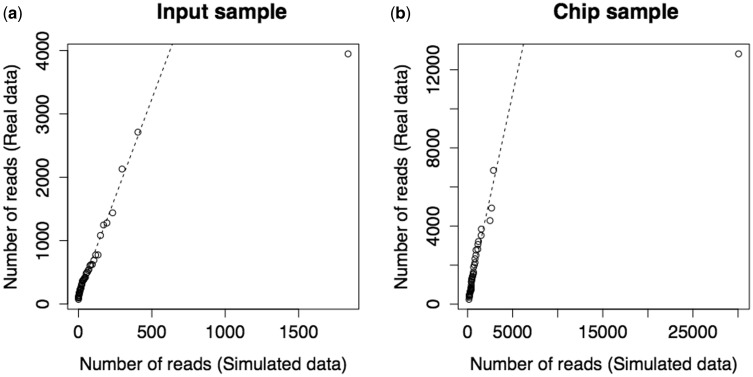
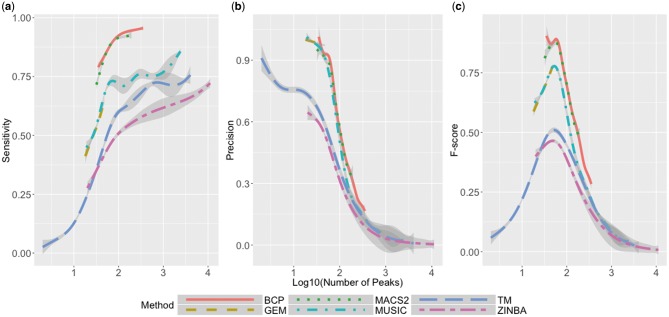
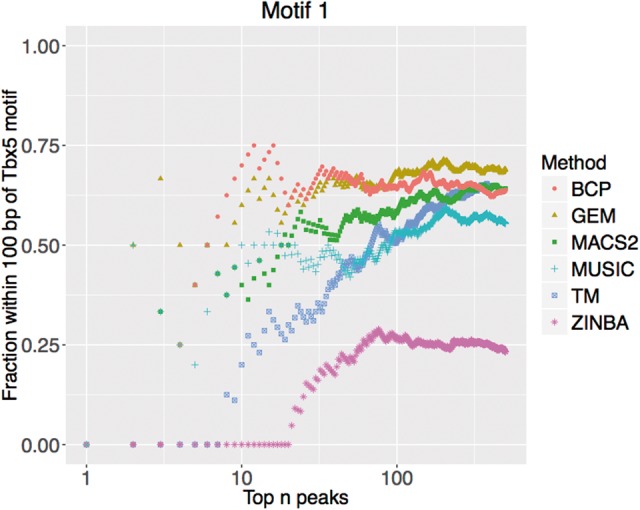
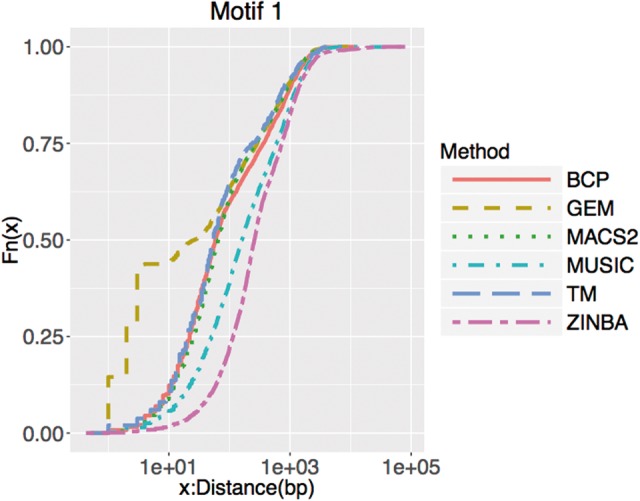
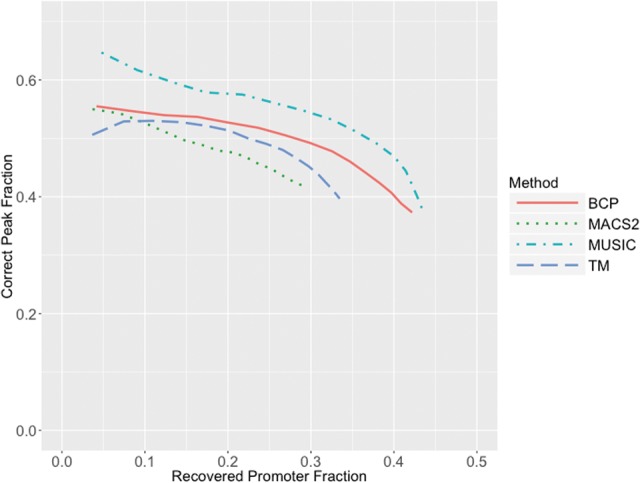
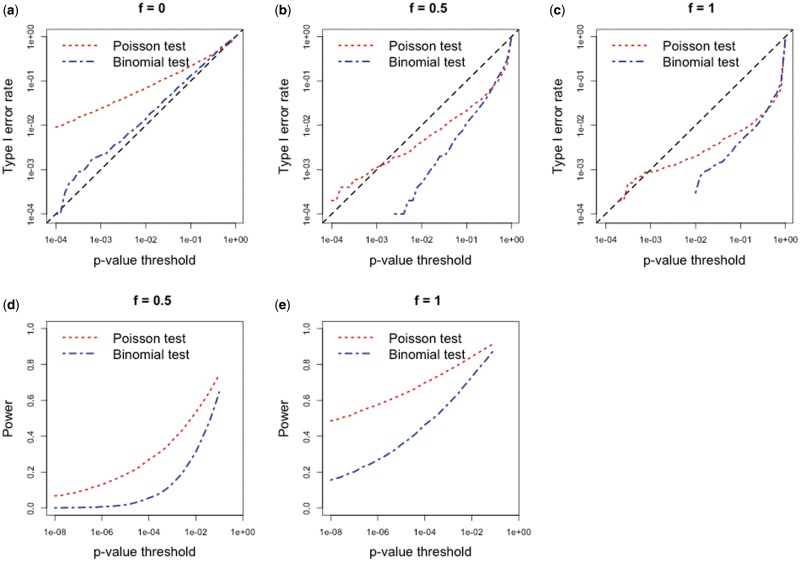
Chromatin immunoprecipitation followed by sequencing (ChIP-seq) is an important tool for studying gene regulatory proteins, such as transcription factors and histones. Peak calling is one of the first steps in the analysis of these data. Peak calling consists of two sub-problems: identifying candidate peaks and testing candidate peaks for statistical significance. We surveyed 30 methods and identified 12 features of the two sub-problems that distinguish methods from each other. We picked six methods GEM, MACS2, MUSIC, BCP, Threshold-based method (TM) and ZINBA] that span this feature space and used a combination of 300 simulated ChIP-seq data sets, 3 real data sets and mathematical analyses to identify features of methods that allow some to perform better than the others. We prove that methods that explicitly combine the signals from ChIP and input samples are less powerful than methods that do not. Methods that use windows of different sizes are more powerful than the ones that do not. For statistical testing of candidate peaks, methods that use a Poisson test to rank their candidate peaks are more powerful than those that use a Binomial test. BCP and MACS2 have the best operating characteristics on simulated transcription factor binding data. GEM has the highest fraction of the top 500 peaks containing the binding motif of the immunoprecipitated factor, with 50% of its peaks within 10 base pairs of a motif. BCP and MUSIC perform best on histone data. These findings provide guidance and rationale for selecting the best peak caller for a given application.
Overview
The claims and statistics of this paper haven’t been checked yet.
Free: it reads the open-access text and checks the first 5 claims that cite a source we can check. Create a free account to check every claim.
Integrity signals
Registry
Cites
Statistics
Figures

Verification
Claims the paper makes
The claims and statistics of this paper haven’t been checked yet.
Free: it reads the open-access text and checks the first 5 claims that cite a source we can check. Create a free account to check every claim.
Claims other papers make about this one
Each is checked against this paper’s own text: does it say what the citing paper says it does?
The cited source says what the claim attributes to it.
In the citing paper
“For peak calling we followed the guidelines described in (Thomas et al., 2016).”
From Targeted Degradation of CTCF Decouples Local Insulation of Chromosome Domains from Genomic Compartmentalization (2017) · cites this paper as Thomas et al., 2016
Self-check
Percentages, sums and reported differences re-computed from the paper’s own numbers.
The self-check needs the paper’s full text.
Citations
Cites
R: A Language and Environment for Statistical Computing
R Core Team (2025) · doi:10.32614/r.manuals · Cited by 352,181
Fast gapped-read alignment with Bowtie 2
Langmead, B., & Salzberg, S. L. (2012) · Nature Methods · doi:10.1038/nmeth.1923 · Cited by 56,400
HTSeq—a Python framework to work with high-throughput sequencing data
Anders, S., Pyl, P. T., & Huber, W. (2015) · Bioinformatics · doi:10.1093/bioinformatics/btu638 · Cited by 21,464
Model-based Analysis of ChIP-Seq (MACS)
Zhang, Y., Liu, T., Meyer, C. A., Eeckhoute, J., Johnson, D. S., Bernstein, B. E., Nusbaum, C., Myers, R. M., Brown, M., Li, W., et al. (2008) · Genome Biology · doi:10.1186/gb-2008-9-9-r137 · Cited by 18,386
Mapping and quantifying mammalian transcriptomes by RNA-Seq
Mortazavi, A., Williams, B. A., McCue, K., Schaeffer, L., & Wold, B. (2008) · Nature Methods · doi:10.1038/nmeth.1226 · Cited by 13,696
Bioconductor: open software development for computational biology and bioinformatics
Gentleman, R. C., Carey, V. J., Bates, D. M., Bolstad, B., Dettling, M., Dudoit, S., Ellis, B., Gautier, L., Ge, Y., Gentry, J., et al. (2004) · Genome Biology · doi:10.1186/gb-2004-5-10-r80 · Cited by 12,172
High-Resolution Profiling of Histone Methylations in the Human Genome
Barski, A., Cuddapah, S., Cui, K., Roh, T.-Y., Schones, D. E., Wang, Z., Wei, G., Chepelev, I., & Zhao, K. (2007) · Cell · doi:10.1016/j.cell.2007.05.009 · Cited by 6,845
Hastie, T., & Tibshirani, R. (1986) · Statistical Science · doi:10.1214/ss/1177013604 · Cited by 3,409
The ENCODE (ENCyclopedia Of DNA Elements) Project
(2004) · Science · doi:10.1126/science.1105136 · Cited by 2,390
ChIP-seq guidelines and practices of the ENCODE and modENCODE consortia
Landt, S. G., Marinov, G. K., Kundaje, A., Kheradpour, P., Pauli, F., Batzoglou, S., Bernstein, B. E., Bickel, P., Brown, J. B., Cayting, P., et al. (2012) · Genome Research · doi:10.1101/gr.136184.111 · Cited by 2,033
Research works printed but not linked: 2
- Bhattachayya A. On a measure of divergence between two statistical population defined by their population distributions. Bull Cal Math Soc 1943; 35: 99– 109.
- Durrett R. Probability Theories and Examples. Duxbury Press, 1996.
Cited by
HiGlass: web-based visual exploration and analysis of genome interaction maps
Kerpedjiev, P., Abdennur, N., Lekschas, F., McCallum, C., Dinkla, K., Strobelt, H., Luber, J. M., Ouellette, S. B., Azhir, A., Kumar, N., et al. (2018) · Genome Biology · doi:10.1186/s13059-018-1486-1 · Cited by 2,453
“In the case of ChIP-seq data, for example, peak callers identify regions where proteins bind (Thomas et al. 2017) and an analyst would verify that the regions contain an elevated number of read counts relative to the surrounding regions.”
BackgroundNora, E. P., Goloborodko, A., Valton, A.-L., Gibcus, J. H., Uebersohn, A., Abdennur, N., Dekker, J., Mirny, L. A., & Bruneau, B. G. (2017) · Cell · doi:10.1016/j.cell.2017.05.004 · Cited by 1,709
“For peak calling we followed the guidelines described in (Thomas et al., 2016).”
Peak calling by Sparse Enrichment Analysis for CUT&RUN chromatin profiling
Meers, M. P., Tenenbaum, D., & Henikoff, S. (2019) · Epigenetics & Chromatin · doi:10.1186/s13072-019-0287-4 · Cited by 556
“Such algorithms frequently employ Poisson or negative binomial models of global and local read distributions to derive statistical measures of signal enrichment over background, and extensive efforts have been dedicated to evaluating the merits of such design choices [8].”
BackgroundFrom reads to insight: a hitchhiker’s guide to ATAC-seq data analysis
Yan, F., Powell, D. R., Curtis, D. J., & Wong, N. C. (2020) · Genome Biology · doi:10.1186/s13059-020-1929-3 · Cited by 473
“A similar process has been comprehensively reviewed for ChIP-seq [58, 59] and DNase-seq [60].”
MethodMethods for ChIP-seq analysis: A practical workflow and advanced applications
Nakato, R., & Sakata, T. (2021) · Methods · doi:10.1016/j.ymeth.2020.03.005 · Cited by 267
The Bivalent Genome: Characterization, Structure, and Regulation
Blanco, E., González-Ramírez, M., Alcaine-Colet, A., Aranda, S., & Di Croce, L. (2020) · Trends in Genetics · doi:10.1016/j.tig.2019.11.004 · Cited by 217
Gene regulatory network inference resources: A practical overview
Mercatelli, D., Scalambra, L., Triboli, L., Ray, F., & Giorgi, F. M. (2020) · Biochimica et Biophysica Acta (BBA) - Gene Regulatory Mechanisms · doi:10.1016/j.bbagrm.2019.194430 · Cited by 161
RM2Target: a comprehensive database for targets of writers, erasers and readers of RNA modifications
Bao, X., Zhang, Y., Li, H., Teng, Y., Ma, L., Chen, Z., Luo, X., Zheng, J., Zhao, A., Ren, J. M., et al. (2022) · Nucleic Acids Research · doi:10.1093/nar/gkac945 · Cited by 130
“For modification enrichment, MeRIPseqPipe (30) was used to automatically analyze MeRIP-seq data, where MACS2 and MeTPeak (31) were used for m6A peak calling and DESeq2 was set to compare the modification levels (P-value < 0.05, fold change > 1.5).”
MethodInfluentialAn AI Agent for Fully Automated Multi‐Omic Analyses
Zhou, J., Zhang, B., Li, G., Chen, X., Li, H., Xu, X., Chen, S., He, W., Xu, C., Liu, L., et al. (2024) · Advanced Science · doi:10.1002/advs.202407094 · Cited by 134
Hota, S. K., Johnson, J. R., Verschueren, E., Thomas, R., Blotnick, A. M., Zhu, Y., Sun, X., Pennacchio, L. A., Krogan, N. J., & Bruneau, B. G. (2019) · Development · doi:10.1242/dev.174086 · Cited by 65
“Statistically enriched bins with a P-value threshold set to 1×10(6) were determined (Thomas et al., 2017).”
BackgroundMethodChIP-R: Assembling reproducible sets of ChIP-seq and ATAC-seq peaks from multiple replicates
Newell, R., Pienaar, R., Balderson, B., Piper, M., Essebier, A., & Bodén, M. (2021) · Genomics · doi:10.1016/j.ygeno.2021.04.026 · Cited by 68
scATAC-pro: a comprehensive workbench for single-cell chromatin accessibility sequencing data
Yu, W., Uzun, Y., Zhu, Q., Chen, C., & Tan, K. (2020) · Genome Biology · doi:10.1186/s13059-020-02008-0 · Cited by 60
“For example, the genome wide event finding and motif discovery algorithm, GEM [24], was shown to have better performance in identifying peaks overlapping with transcription factor binding sites (TFBS) [25].”
MethodFerrai, C., Triglia, E. T., Risner-Janiczek, J. R., Rito, T., Rackham, O. J. L., de Santiago, I., Kukalev, A., Nicodemi, M., Akalin, A., Li, M., et al. (2017) · Molecular Systems Biology · doi:10.15252/msb.20177754 · Cited by 61
GoPeaks: histone modification peak calling for CUT&Tag
Yashar, W. M., Kong, G., VanCampen, J., Curtiss, B. M., Coleman, D. J., Carbone, L., Yardımcı, G. G., Maxson, J. E., & Braun, T. P. (2022) · Genome biology · doi:10.1186/s13059-022-02707-w · Cited by 62
LanceOtron: a deep learning peak caller for genome sequencing experiments
Hentges, L. D., Sergeant, M. J., Cole, C. B., Downes, D. J., Hughes, J. R., & Taylor, S. (2022) · Bioinformatics · doi:10.1093/bioinformatics/btac525 · Cited by 60
Fu, S., Wang, Q., Moore, J. E., Purcaro, M. J., Pratt, H., Fan, K., Gu, C., Jiang, C., Zhu, R., Kundaje, A. B., et al. (2018) · Nucleic Acids Research · doi:10.1093/nar/gky753 · Cited by 41
“(58) selected six out D ow naded rom http/academ ic.”
BackgroundNi, Y., Zhao, Y., Ma, L., Wang, Z., Ni, L., Hu, L., & Fu, Z. (2020) · Metabolism · doi:10.1016/j.metabol.2020.154409 · Cited by 39
HiGlass: Web-based Visual Exploration and Analysis of Genome Interaction MapsPreprint
Kerpedjiev, P., Abdennur, N. A., Lekschas, F., McCallum, C., Dinkla, K., Strobelt, H., Luber, J. M., Ouellette, S., Azhir, A., Kumar, N., et al. (2017) · bioRxiv (Cold Spring Harbor Laboratory) · doi:10.1101/121889 · Cited by 43
Oh, D., Strattan, J. S., Hur, J. K., Bento, J., Urban, A. E., Song, G., & Cherry, J. M. (2020) · Scientific Reports · doi:10.1038/s41598-020-64655-4 · Cited by 41
“An important task of any peak-calling algorithm is to give a significance score to each peak 32 .”
BackgroundMethodGenome-wide recruitment profiling of transcription factor Crz1 in response to high pH stress
Roque, A., Petrezsélyová, S., Serra‐Cardona, A., & Ariño, J. (2016) · BMC Genomics · doi:10.1186/s12864-016-3006-6 · Cited by 38
A survey on algorithms to characterize transcription factor binding sites
Tognon, M., Giugno, R., & Pinello, L. (2023) · Briefings in Bioinformatics · doi:10.1093/bib/bbad156 · Cited by 36
Considerations in the analysis of plant chromatin accessibility data
Bubb, K. L., & Deal, R. B. (2020) · Current Opinion in Plant Biology · doi:10.1016/j.pbi.2020.01.003 · Cited by 39
Computational Methods for Assessing Chromatin Hierarchy
Chang, P. P.-C., Gohain, M., Yen, M., & Chen, P. (2018) · Computational and Structural Biotechnology Journal · doi:10.1016/j.csbj.2018.02.003 · Cited by 34
“As algorithms exhibit various sensitivities and speci fi cities, it is bene fi cial to analyze data using more than one tool because discrepancies in peak calling have been reported [53,95].”
MethodBeetch, M., Boycott, C., Harandi‐Zadeh, S., Yang, T., Martin, B. J. E., Dixon-McDougall, T., Ren, K., Gacad, A., Dupuis, J. H., Ullmer, M., et al. (2021) · The Journal of Nutritional Biochemistry · doi:10.1016/j.jnutbio.2021.108815 · Cited by 31
Integrative analysis of epigenetics data identifies gene-specific regulatory elements
Schmidt, F., Marx, A., Baumgarten, N., Hebel, M., Wegner, M., Kaulich, M., Leisegang, M. S., Brandes, R. P., Göke, J., Vreeken, J., et al. (2021) · Nucleic Acids Research · doi:10.1093/nar/gkab798 · Cited by 33
Epigenetic changes in human model KMT2A leukemias highlight early events during leukemogenesis
Milan, T., Celton, M., Lagacé, K., Roques, É., Safa-Tahar-Henni, S., Bresson, E., Bergeron, A., Hébert, J., Meshinchi, S., Cellot, S., et al. (2020) · Haematologica · doi:10.3324/haematol.2020.271619 · Cited by 30
A practical guide for DNase-seq data analysis: from data management to common applications
Liu, Y., Fu, L.-Y., Kaufmann, K., Chen, D., & Chen, M. (2018) · Briefings in Bioinformatics · doi:10.1093/bib/bby057 · Cited by 28
Pterostilbene Changes Epigenetic Marks at Enhancer Regions of Oncogenes in Breast Cancer Cells
Harandi‐Zadeh, S., Boycott, C., Beetch, M., Yang, T., Martin, B. J. E., Ren, K., Kwasniak, A., Dupuis, J. H., Lubecka, K., Yada, R. Y., et al. (2021) · Antioxidants · doi:10.3390/antiox10081232 · Cited by 24
“calling software was used to identify distinct patterns of enrichment in control-treated versus PTS-treated samples and to generate fold enrichment tracks [35,36].”
MethodCharacterizing Genetic Regulatory Elements in Ovine Tissues
Davenport, K. M., Massa, A. T., Bhattarai, S., McKay, S., Mousel, M. R., Herndon, M. K., White, S. N., Cockett, N. E., Smith, T. P. L., & Murdoch, B. M. (2021) · Frontiers in Genetics · doi:10.3389/fgene.2021.628849 · Cited by 25
Su, G., Guo, D., Chen, J., Liu, M., Zheng, J., Wang, W., Zhao, X., Yin, Q., Zhang, L., Zhao, Z., et al. (2019) · Nucleic Acids Research · doi:10.1093/nar/gkz482 · Cited by 21
“MACS2 was used to call peaks using a default P-value cut-off of 1e-5 (45).”
MethodZhang, Q., Cheng, T., Jin, S., Guo, Y., Wu, Y., Liu, D., Xu, X., Sun, Y., Li, Z., He, H., et al. (2017) · Scientific Reports · doi:10.1038/s41598-017-13186-6 · Cited by 24
Höllbacher, B., Balázs, K., Heinig, M., & Uhlenhaut, N. H. (2020) · Computational and Structural Biotechnology Journal · doi:10.1016/j.csbj.2020.05.018 · Cited by 21
“MACS2 is a reliable choice for TF binding data [39], but Bayesian Change-Point (BCP) [40] and MUltiScale enrichment Calling for ChIP-seq (MUSIC) [41] slightly outperform it when calling broad peaks.”
BackgroundLanderas-Bueno, S., Wasserman, H., Oliveira, G., VanAernum, Z. L., Büsch, F., Salie, Z. L., Wysocki, V. H., Andersen, K. G., & Saphire, E. O. (2021) · Cell Reports · doi:10.1016/j.celrep.2021.108986 · Cited by 18
“Weusedthegenome-wideevent finding and motif discovery (GEM) algorithm to identify nucleotide-binding motifs (Guo et al., 2012; Thomas et al., 2017).”
(2016) · doi:10.1101/095802 · Cited by 17
Molecular and computational approaches to map regulatory elements in 3D chromatin structure
Lee, B. H., & Rhie, S. K. (2021) · Epigenetics & Chromatin · doi:10.1186/s13072-021-00390-y · Cited by 19
“Third, using aligned reads from the ChIP sample and input sample, which indicates background signals, significantly enriched genomic regions are called with peak calling software programs [30–32] such as SPP [33] and MACS2 [34].”
MethodAssay for Transposase‐Accessible Chromatin Using Sequencing (ATAC‐seq) Data Analysis
Miskimen, K. L. S., Chan, E. R., & Haines, J. L. (2017) · Current Protocols in Human Genetics · doi:10.1002/cphg.32 · Cited by 21
“Like all chromatin accessibility assays, it is important to be aware of the limitations and bias that are present in the ATAC-seq assay when analyzing and interpreting results (Meyer and Liu, 2014; Tsompana and Buck, 2014).”
MethodSage controls silk gland development by regulating Dfd in Bombyx mori
Hou, S., Tao, C., Yang, H., Cheng, T., & Liu, C. (2021) · Insect Biochemistry and Molecular Biology · doi:10.1016/j.ibmb.2021.103568 · Cited by 15
LanceOtron: a deep learning peak caller for ATAC-seq, ChIP-seq, and DNase-seqPreprint
Hentges, L. D., Sergeant, M. J., Downes, D. J., Hughes, J. R., & Taylor, S. (2021) · bioRxiv (Cold Spring Harbor Laboratory) · doi:10.1101/2021.01.25.428108 · Cited by 15
“While the Poisson distribution models this better than other distributions 4 , background is in fact nonrandom 5 , appearing at increased levels in areas of open chromatin 6 , at sites with inherent sequence bias and over regions of varying copy number 7 .”
BackgroundChIP-AP: an integrated analysis pipeline for unbiased ChIP-seq analysis
Suryatenggara, J., Yong, K. J., Tenen, D. E., Tenen, D. G., & Bassal, M. A. (2021) · Briefings in Bioinformatics · doi:10.1093/bib/bbab537 · Cited by 16
“We selected peak callers that generate a statistical model of the background signal to ascertain a peak significance, as this has been shown to have superior performance to other approaches [35].”
BackgroundSpikChIP: a novel computational methodology to compare multiple ChIP-seq using spike-in chromatin
Blanco, E., Croce, L. D., & Aranda, S. (2021) · NAR Genomics and Bioinformatics · doi:10.1093/nargab/lqab064 · Cited by 17
“However, the addition of a computational step to pre-select the real signal loci in this strategy could introduce an additional bias step, as the consistency in the outcome of available peak calling tools is limited (15).”
Hiranuma, N., Lundberg, S., & Lee, S. (2019) · Nucleic Acids Research · doi:10.1093/nar/gkz156 · Cited by 12
“MACS2, in particular, has been favored by the research community due to its simplicity and steady performance as validated by many comparative studies of peak calling algorithms (20,21,32).”
BackgroundRonzio, M., Zambelli, F., Dolfini, D., Mantovani, R., & Pavesi, G. (2020) · Frontiers in Genetics · doi:10.3389/fgene.2020.00072 · Cited by 12
BET Protein Inhibition Regulates Macrophage Chromatin Accessibility and Microbiota-Dependent Colitis
Hoffner, M., Berglind, A., Ng, M. M. K., Keith, B. P., Lynch, Z. J., Schaner, M. R., Steinbach, E. C., Herzog, J., Trad, O. K., Jeck, W. R., et al. (2022) · Frontiers in Immunology · doi:10.3389/fimmu.2022.856966 · Cited by 15
“Peaks were called on individual samples using MACS2 (52, 53).”
MethodWACS: improving ChIP-seq peak calling by optimally weighting controls
Awdeh, A., Turcotte, M., & Perkins, T. J. (2021) · BMC Bioinformatics · doi:10.1186/s12859-020-03927-2 · Cited by 11
“Many peak calling methods have been proposed for the identification of regions of enrichment (putative binding sites) in ChIP-seq data [3–7].”
BackgroundNovel ChIP-seq simulating program with superior versatility: isChIP
Subkhankulova, T., Naumenko, F. M., Tolmachov, O. E., & Orlov, Y. L. (2020) · Briefings in Bioinformatics · doi:10.1093/bib/bbaa352 · Cited by 28
Saelens, W., Pushkarev, O., & Deplancke, B. (2025) · Nature Communications · doi:10.1038/s41467-024-55447-9 · Cited by 9
Tognon, M., Kumbara, A., Betti, A., Ruggeri, L., & Giugno, R. (2025) · Briefings in Bioinformatics · doi:10.1093/bib/bbaf363 · Cited by 14
“Fragments are then mapped to the genome, where peak-calling algorithms [18–20] identify binding regions by detecting significant enrichment compared to control samples.”
Recursive Motif Analyses Identify Brain Epigenetic Transcription Regulatory Modules
Banerjee, S., Wei, X., & Xie, H. (2019) · Computational and Structural Biotechnology Journal · doi:10.1016/j.csbj.2019.04.003 · Cited by 9
CisCross: A gene list enrichment analysis to predict upstream regulators in Arabidopsis thaliana
Lavrekha, V. V., Levitsky, V. G., Tsukanov, A. V., Bogomolov, A. G., Grigorovich, D. A., OMELYANCHUK, N. A., Ubogoeva, E. V., Zemlyanskaya, E. V., & Mironova, V. (2022) · Frontiers in Plant Science · doi:10.3389/fpls.2022.942710 · Cited by 16
“In a benchmark study (Thomas et al., 2017) MACS2 peak caller outperformed GEM in terms of sensitivity and precision.”
BackgroundMethodF-Seq2: improving the feature density based peak caller with dynamic statistics
Zhao, N., & Boyle, A. P. (2021) · NAR Genomics and Bioinformatics · doi:10.1093/nargab/lqab012 · Cited by 9
“Hundred treatment datasets and their paired control samples were simulated to closely approximate real ChIP-seq datasets (16), allowing for the evaluation of the peak callers under different scenarios where the ground truth is known.”
MethodEvolution of the Genome 3D Organization: Comparison of Fused and Segregated Globin Gene Clusters
Kovina, A. P., Petrova, N. V., Gushchanskaya, E. S., Dolgushin, K. V., Gerasimov, E. S., Galitsyna, A. A., Penin, A. A., Flyamer, I. M., Ioudinkova, E. S., Gavrilov, A. A., et al. (2017) · Molecular Biology and Evolution · doi:10.1093/molbev/msx100 · Cited by 9
“It has been reported that popular peakcalling algorithms perform very differently especially when used with various broad markers (Rye et al. 2011; Thomas et al. 2016).”
BackgroundOrg, T., Hensen, K., Kreevan, R., Mark, E., Sarv, O., Andreson, R., Jaakma, Ü., Salumets, A., & Kurg, A. (2019) · PLoS ONE · doi:10.1371/journal.pone.0225801 · Cited by 11
“Some studies imply that they do even worse and should be used only for peak prioritization [71].”
BackgroundConsiderations on Experimental Design and Data Analysis of Chromatin Immunoprecipitation Experiments
Jordán‐Pla, A., & Visa, N. (2017) · Methods in molecular biology · doi:10.1007/978-1-4939-7380-4_2 · Cited by 8
Meiler, A., Marchianò, F., Haering, M., Weitkunat, M., Schnorrer, F., & Habermann, B. H. (2021) · Scientific Reports · doi:10.1038/s41598-021-94805-1 · Cited by 8
Moshref, M., Questa, M., Cervantes, V. L., Sears, T. K., Greathouse, R. L., Crawford, C. K., & Kol, A. (2021) · Frontiers in Veterinary Science · doi:10.3389/fvets.2021.716570 · Cited by 8
“1 canine genome assembly using Burrows– Wheeler Alignment tools for alignment, SAMtools (34) for filtering, and macs2 (35) for peak calling, as previously described (11).”
MethodRanciati, S., Viroli, C., & Wit, E. C. (2017) · Biometrical Journal · doi:10.1002/bimj.201600131 · Cited by 7
A flexible ChIP-sequencing simulation toolkit
Zheng, A., Lamkin, M., Qiu, Y., Ren, K., Goren, A., & Gymrek, M. (2021) · BMC Bioinformatics · doi:10.1186/s12859-021-04097-5 · Cited by 9
“To quantitatively evaluate the quality of the predicted peaks, we followed the metrics used in [7] and trimmed each peak to 200bp around its summit.”
MethodOsato, N. (2018) · BMC Genomics · doi:10.1186/s12864-017-4339-5 · Cited by 6
“However, the detection of 326 ChIP-seq peaks is also changed depending on the methods to identify them and the 327 depth of DNA sequencing of ChIP-seq experiments [15].”
MethodBao, X., Jiang, Q., Chen, W., Li, H., Li, X., Zuo, X., Lin, Z., Huang, Y., Li, L., Yang, A., et al. (2025) · Nucleic Acids Research · doi:10.1093/nar/gkaf1206 · Cited by 7
“To identify potential associations through protein–DNA interactions, preprocessed ChIP-seq data were aligned to the reference genome using Bowtie2 [ 32 ], and peaks were called us-ing MACS2 [ 33 ].”
InfluentialÁlvarez, J. M., Hinckley, W. E., Leonelli, L., Brooks, M. D., & Coruzzi, G. M. (2023) · Methods in molecular biology · doi:10.1007/978-1-0716-3354-0_7 · Cited by 6
Population size estimation for quality control of ChIP-Seq datasets
Kolmykov, S. K., Kondrakhin, Y. V., Yevshin, I., Sharipov, R., Ryabova, A. S., & Kolpakov, F. (2019) · PLoS ONE · doi:10.1371/journal.pone.0221760 · Cited by 5
Differential ATAC-seq and ChIP-seq peak detection using ROTS
Faux, T., Rytkönen, K. T., Mahmoudian, M., Paulin, N., Junttila, S., Laiho, A., & Elo, L. L. (2021) · NAR Genomics and Bioinformatics · doi:10.1093/nargab/lqab059 · Cited by 7
“Overall our findings extend the previous notion that MACS2 peak caller accurately detects peaks (30) in the context of differential peak calling by showing that it tends to detect peak borders more accurately compared to the peak calling steps by the one-step methods.”
MethodResultRescuing biologically relevant consensus regions across replicated samples
Jalili, V., Cremona, M. A., & Palluzzi, F. (2023) · BMC Bioinformatics · doi:10.1186/s12859-023-05340-x · Cited by 5
Optimized functional annotation of ChIP-seq data
Khomtchouk, B. B., Koehler, W. C., Booven, D. J. V., & Wahlestedt, C. (2019) · F1000Research · doi:10.12688/f1000research.18966.1 · Cited by 5
Differentially expressed genes prediction by multiple self-attention on epigenetics data
Huang, Z., Wang, J., Yan, Z., & Guo, M. (2022) · Briefings in Bioinformatics · doi:10.1093/bib/bbac117 · Cited by 5
A comprehensive resource for retrieving, visualizing, and integrating functional genomics data
Blum, M., Cholley, P., Malysheva, V., Nicaise, S., Moehlin, J., Gronemeyer, H., & Mendoza-Parra, M. A. (2019) · Life Science Alliance · doi:10.26508/lsa.201900546 · Cited by 6
“For TF ChIP-seq pro fi les, we have previously demonstrated that local QC regions correspond to highly con fi dent binding events, which are generally identi fi ed by peak calling (Zhang et al, 2008; Mendoza-Parra et al, 2013a; Thomas et al, 2017).”
BackgroundRaditsa, V. V., Tsukanov, A. V., Bogomolov, A. G., & Levitsky, V. G. (2024) · NAR Genomics and Bioinformatics · doi:10.1093/nargab/lqae090 · Cited by 8
“It produces thousands of genomic loci or peaks enriched by protein binding ( 3 ,4 ).”
BackgroundCat8 Response to Nutritional Changes and Interaction With Ehrlich Pathway Related Factors
Du, Z., Deng, H. X., Cheng, Y., Zhai, Z., Guo, X., Wang, Z., & He, X. (2022) · Frontiers in Microbiology · doi:10.3389/fmicb.2022.898938 · Cited by 9
Turki, T., Roy, S. S., & Taguchi, Y. (2023) · Algorithms · doi:10.3390/a16090401 · Cited by 4
Accurate chromatin marks peak calling with Omnipeak
Shpynov, O., & Artyomov, M. N. (2025) · Nucleic Acids Research · doi:10.1093/nar/gkaf1454 · Cited by 4
“4 A) inspired by a previously published benchmark [ 36 ] to assess the consistency between peak signal confidence and transcription.”
Chromatin Immunoprecipitation: An Introduction, Overview, and Protocol
Martin, E. M., On, D. M., Bowers, E. C., & McCullough, S. D. (2018) · Elsevier eBooks · doi:10.1016/b978-0-12-812433-8.00014-9 · Cited by 3
Differential Analysis of Protein-DNA Binding Using ChIP-Seq Data
Boeckel, C., Pastor, X., Heinig, M., & Walzthoeni, T. (2024) · Methods in molecular biology · doi:10.1007/978-1-0716-4071-5_5 · Cited by 3
Denecker, T., & Lelandais, G. (2018) · BMC Research Notes · doi:10.1186/s13104-018-3802-y · Cited by 3
“A considerable number of peak calling software packages have been developed (for instance [3, 4], etc.) and choosing the appropriate software, optimized for a specific biological system of interest, is a prerequisite for successful ChIP-seq data interpretation.”
BackgroundPredicting Functional Interactions Among DNA-Binding Proteins
Khushi, M., Choudhury, N., Arthur, J. W., Clarke, C. L., & Graham, J. D. (2018) · Lecture notes in computer science · doi:10.1007/978-3-030-04221-9_7 · Cited by 3
Zheng, J., Su, G., Wang, W., Zhao, X., Liu, M., Bi, J., Zhao, Z., Shi, J., Lu, W., & Zhang, L. (2021) · Stem Cells and Development · doi:10.1089/scd.2021.0020 · Cited by 3
“MACS2 was used to call peaks using a default P -value cutoff of 1e-5 [33].”
Bioinformatics Methods for ChIP-seq Histone Analysis
Servant, N. (2022) · Methods in molecular biology · doi:10.1007/978-1-0716-2481-4_13 · Cited by 2
Analyzing histone ChIP-seq data with a bin-based probability of being signal
Hecht, V. C., Dong, K., Rajesh, S., Shpilker, P., Wekhande, S., & Shoresh, N. (2023) · PLoS Computational Biology · doi:10.1371/journal.pcbi.1011568 · Cited by 2
“In particular, histone modifications with very broad, flat regions of enrichment may remain undetected by many peak callers, which typically search for defined regions with elevated signal compared to a local background [6].”
BackgroundWang, Y., Xiao, K., Tao, T., Zhang, R., Shu, H., & Sun, X. S. (2025) · International Journal of Molecular Sciences · doi:10.3390/ijms26031268 · Cited by 2
TRCMGene: A two-step referential compression method for the efficient storage of genetic data
Tang, Y. X., Li, M., Sun, J., Zhang, T., Zhang, J., & Zheng, P. (2018) · PLoS ONE · doi:10.1371/journal.pone.0206521 · Cited by 2
Evaluation and measurement of epigenetic modifications in population-based studies
Stirzaker, C., & Armstrong, N. (2021) · Twin and Family Studies of Epigenetics · doi:10.1016/b978-0-12-820951-6.00014-4 · Cited by 2
Integration of Count Difference and Curve Similarity in Negative Regulatory Element Detection
He, N., Wang, W., Fang, C., Tan, Y., Li, L., & Hou, C. (2022) · Frontiers in Genetics · doi:10.3389/fgene.2022.818344 · Cited by 6
“In this research, we provide a program Fast-NR that is designed for the identi fi cation of silencers using STARR-seq-generated datasets by integrating the sequenced read count and signal shape features which are considered in the design of many ChIP-seq peak callers including Polyapeak, PICS, and CLC (Thomas et al., 2…”
MethodBioinformatics of epigenetic data generated from next-generation sequencing
Sheu, C.-Y. L., Huang, Y., Lin, P.-Y., Lin, G.-J., & Chen, P. (2023) · Elsevier eBooks · doi:10.1016/b978-0-443-18661-5.00006-3 · Cited by 5
Harmanci, A. O., Harmanci, A. O., Swaminathan, J., & Gopalakrishnan, V. (2019) · Bioinformatics · doi:10.1093/bioinformatics/btz702 · Cited by 3
GoPeaks: Histone Modification Peak Calling for CUT&TagPreprint
Yashar, W. M., Kong, G., VanCampen, J., Curtiss, B. M., Coleman, D. J., Carbone, L., Yardımcı, G. G., Maxson, J. E., & Braun, T. P. (2022) · bioRxiv (Cold Spring Harbor Laboratory) · doi:10.1101/2022.01.10.475735 · Cited by 2
“MACS2 was designed to identify narrow transcription factor peaks in ChIP-seq data 21 , so its bias for narrow peaks is unsurprising.”
BackgroundZarrineh, P., Darieva, Z. A., & Bobola, N. (2022) · bioRxiv (Cold Spring Harbor Laboratory) · doi:10.1101/2022.09.22.509048 · Cited by 1
“The count values in the genomic regions are usually modelled by Poisson or negative binomial distributions (Thomas et al 2017).”
BackgroundMethodBest practices for ChIP-seq and its data analysis
Hou, H., Hudson, M., & Liang, M. (2024) · Elsevier eBooks · doi:10.1016/b978-0-12-817218-6.00019-x · Cited by 2
A personal journey on cracking the genomic codes
Zhang, M. Q. (2021) · Quantitative Biology · doi:10.15302/j-qb-021-0245 · Cited by 1
“…to develop a novel and fast ChIP-seq analysis tool based on the exact BCP model [101,102] in 2011 (see independent benchmark of different tools [103]), BCP also performed well in revealing FoxO function in Treg cells [104] in collaboration with Ming Li Memorial Sloan-Kettering Cancer Center…”
MethodA ChIC solution for ChIP-seq quality assessmentPreprint
Livi, C. M., Tagliaferri, I., Pal, K., Sebestyén, E., Lucini, F., Bianchi, A., Valsoni, S., Lanzuolo, C., & Ferrari, F. (2020) · bioRxiv (Cold Spring Harbor Laboratory) · doi:10.1101/2020.05.19.103887 · Cited by 1
“Among the many tools for ChIP-seq analysis that have been introduced over the years [6, 9, 10], including peak callers [11–15] or complete analysis pipelines [16, 17], only a few of them report quality metrics.”
MethodChromatin remodeler Brahma safeguards canalization in cardiac mesoderm differentiationPreprint
Hota, S. K., Blair, A. P., Rao, K. S., So, K., Blotnick, A. M., Desai, R. V., Weinberger, L. S., Kathiriya, I. S., & Bruneau, B. G. (2020) · bioRxiv (Cold Spring Harbor Laboratory) · doi:10.1101/2020.06.03.132654 · Cited by 1
Hota, S. K., Johnson, J. R., Verschueren, E., Thomas, R., Blotnick, A. M., Zhu, Y., Sun, X., Pennacchio, L. A., Krogan, N. J., & Bruneau, B. G. (2017) · bioRxiv (Cold Spring Harbor Laboratory) · doi:10.1101/166983 · Cited by 1
Tognon, M., Kumbara, A., Betti, A., Ruggeri, L., & Giugno, R. (2025) · bioRxiv (Cold Spring Harbor Laboratory) · doi:10.1101/2025.03.20.644354 · Cited by 1
Analysis of Controls in ChIP-seq
Awdeh, A., & Perkins, T. J. (2017) · ACM International Conference on Bioinformatics, Computational Biology, and Health Informatics (ACM-BCB) · doi:10.1145/3107411.3108230
Twenty-First Century Glucocorticoid Receptor Molecular Biology
Wang, C., Oldenkamp, R., Oellers, R., & Logie, C. (2018) · InTech eBooks · doi:10.5772/intechopen.72016
“Nowadays, the co-immunoprecipitated DNA fragments are prepared as DNA libraries that can be sequenced on next-generation sequencing (NGS) platforms, followed by computational mapping of the obtained reads to a reference genome [15].”
BackgroundComputational Methods for Epigenomic Analysis
Chung, H. (2019) · Elsevier eBooks · doi:10.1016/b978-0-12-814513-5.00002-7 · Cited by 1
How Low Can You Go? Calling Robust ATAC-Seq Peaks Through Read Down-SamplingPreprint
Lihm, J., Ahrens, S., Ballouz, S., Lee, H., Crow, M., Tollkühn, J., McCarthy, S., Li, B., McCombie, W. R., & Gillis, J. (2018) · SSRN Electronic Journal · doi:10.2139/ssrn.3266868
Sequencing technologies for epigenetics: From basics to applications
Piro, R. M. (2020) · Elsevier eBooks · doi:10.1016/b978-0-12-817964-2.00007-1 · Cited by 3
Regulation of Transposable Elements by Tumor Suppressor Protein 53
Rosato, A. J. (2020) · RIT Scholar Works (Rochester Institute of Technology)
Genome-wide discovery of gene regulatory networks in the midgestation mouse placenta
Starks, R. R. (2020) · Iowa State University Digital Repository (Iowa State University) · doi:10.31274/etd-20210114-144
Kenter, A. L. (2019) · Faculty Opinions – Post-Publication Peer Review of the Biomedical Literature · doi:10.3410/f.727626056.793558059
(2022) · International Multiconference on Bioinformatics of Genome Regulation and Structure / Systems Biology (BGRS/SB) · doi:10.18699/sbb-2022-374
Metadata
- Authors
- Thomas, R., Thomas, S., Holloway, A. K., & Pollard, K. S.
- Affiliations
- Gladstone Institutes (US)
- Corresponding author
- Thomas, Reuben
- Venue
- Briefings in Bioinformatics
- Publisher
- Oxford University Press (OUP)
- Published
- 2016-05-11
- Volume
- 18
- Issue
- 3
- Pages
- bbw035
- ISSN
- 1467-5463 (ISSN-L)
- 1477-4054
- PMC
- PMC5429005
- OpenAlex
- W2385696187
- Cited by
- 112
- References
- 49
- Citations by year
- 2026: 2 · 2025: 8 · 2024: 5 · 2023: 10 · 2022: 13 · 2021: 20 · 2020: 15 · 2019: 15 · 2018: 12 · 2017: 10 · 2016: 2
- FWCI
- 6.72
- Type
- journal article
- Language
- en
- Open access
- hybrid
- doi.org
- Licence
- cc-by-nc
- Locations
- Briefings in Bioinformatics (publishedVersion, cc-by-nc)
- bioRxiv (Cold Spring Harbor Laboratory) (acceptedVersion, cc-by-nc-nd)
- Europe PMC (PubMed Central) (publishedVersion, cc-by-nc)
- PubMed Central (publishedVersion, cc-by-nc)
- PubMed (publishedVersion)
- eScholarship (California Digital Library) (submittedVersion)
- Funders
- Gladstone Institutes
- National Heart, Lung, and Blood Institute (HL098179, UM1HL098179, P01HL089707, HL089707, U01HL098179)
- Topics
- Life Sciences › Biochemistry, Genetics and Molecular Biology › Molecular Biology › Genomics and Chromatin Dynamics
- Life Sciences › Biochemistry, Genetics and Molecular Biology › Molecular Biology › Genomics and Phylogenetic Studies
- Life Sciences › Biochemistry, Genetics and Molecular Biology › Molecular Biology › Bioinformatics and Genomic Networks
- Keywords
- ChIP-seq, peak calling, statistical significance testing, binomial test, transcription factor binding, histone modifications, MACS2, gems, BCP
- MeSH terms
- Algorithms, Binding Sites, Histones, Transcription Factors, Sequence Analysis, DNA, Oligonucleotide Array Sequence Analysis, Chromatin Immunoprecipitation, High-Throughput Nucleotide Sequencing
About these checks
Registry, retraction, Cites and statistics results are computed, not judged, with one exception: a printed reference that no index lists is read once by a model before it counts as a citation error. Claims are extracted by a model and kept only when their quote appears verbatim in the text; each cited source is then checked, with a model’s help, for whether it says what the claim relies on. Those verdicts can be wrong — read the claim’s quote and the cited source before relying on one.
Statistics and arithmetic are recomputed, not judged.
Confidence bands are shown only for fields calibrated on our annotated test set. None is calibrated yet, so no band is shown.
What counts as a claim ›How we measure confidence ›How we check this ›
Are you an author, or do you see a problem with this page? Request a review
Data sources
Bibliographic data: Semantic Scholar, OpenAlex, Crossref.
Contains information from the Semantic Scholar Academic Graph Datasets, made available under the ODC Attribution License (ODC-BY 1.0).
Semantic Scholar’s data is described in: Kinney, R., et al. (2023). The Semantic Scholar Open Data Platform. arXiv:2301.10140.
