

Clinical review on triglycerides
Open accessThe DOI matches its Crossref record; 101 of the 101 references it cites were found in a registry or an index; 38 of the 145 sources its claims cite were checked for support.
Abstract
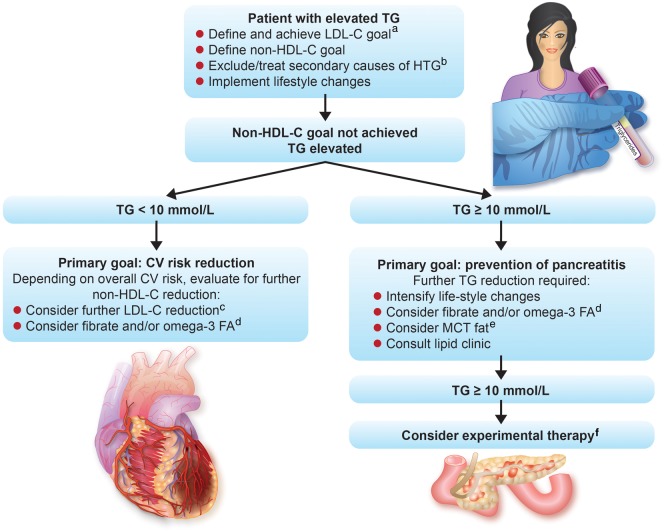
Hypertriglyceridaemia is a common clinical problem. Epidemiologic and genetic studies have established that triglyceride-rich lipoproteins (TRL) and their remnants as important contributors to ASCVD while severe hypertriglyceridaemia raises risk of pancreatitis. While low-density lipoprotein is the primary treatment target for lipid lowering therapy, secondary targets that reflect the contribution of TRL such as apoB and non-HDL-C are recommended in the current guidelines. Reduction of severely elevated triglycerides is important to avert or reduce the risk of pancreatitis. Here we discuss interventions for hypertriglyceridaemia, including diet and lifestyle, established treatments such as fibrates and omega-3 fatty acid preparations and emerging therapies, including various biological agents.
Overview
CoChat Summary
TL;DR
This clinical review summarizes that triglyceride-rich lipoproteins and their remnants contribute to atherosclerotic cardiovascular disease, while severe hypertriglyceridaemia raises pancreatitis risk. It discusses lifestyle, established fibrates/omega-3/niacin, and emerging therapies including apo C-III and ANGPTL3 inhibitors.
Key findings
- Hypertriglyceridaemia is common, with prevalence ∼10% in adults; severe HTG (TG >10 mmol/L) has prevalence 0.10–0.20%, and very severe HTG (TG >20 mmol/L) 0.014%. Genetic and epidemiologic data establish TRL/remnants as ASCVD contributors; rare heterozygous APOC3 loss-of-function variants are associated with ∼50% reduced TG levels and reduced ASCVD risk.
- HTG is believed causative in 1–10% of acute pancreatitis episodes. Pancreatitis risk is elevated (HR 2.4) at TG 2.0–3.0 mmol/L but absolute risk remains low (5.5 events per 10 000 patient-years); acute pancreatitis may occur in 3% of those with TG 10–20 mmol/L and 15% of those with TG >20 mmol/L, while a German cohort reported 19% with TG >1000 mg/dL.
- Fibrates can reduce TG by up to 70%; statins, ezetimibe, and PCSK9 inhibitors reduce TG by 5–15%; high-dose omega-3 fatty acids (>2 g/day) variably decrease TG. In REDUCE-IT, 4 g icosapent ethyl in >9000 high-risk patients produced an ASCVD hazard ratio of 0.75 over 4.9 years.
- Volanesorsen reduced TG by 77% vs an 18% increase with placebo in APPROACH, and by 72% vs 1% increase in COMPASS. Emerging agents include pemafibrate (35–45% TG reduction), evinacumab (TG and LDL-C reductions up to 75% and 23%), IONIS-ANGPTL3-LRx (TG and LDL-C reductions up to 63.1% and 32.9%), and pradigastat (70% fasting TG reduction in six FCS patients).
Methods
- Narrative clinical review; no primary data collection. It synthesizes epidemiologic, genetic, mechanistic, and randomized trial evidence and includes tables on primary/secondary causes, lifestyle effect sizes, randomized cardiovascular outcome trials, acute pancreatitis treatment, and emerging therapies.
- Main analysis is qualitative synthesis; no systematic search strategy, inclusion criteria, or formal risk-of-bias assessment is described.
Limitations
- Stated: randomized controlled trial evidence for specific dietary recommendations is lacking; there is a lack of convincing outcomes evidence for ASCVD reduction when fibrates, omega-3 fatty acids, or niacin are added to statin therapy; no high-quality trial data demonstrate that acute pancreatitis risk decreases with specific TG-lowering therapy; efficacy and safety of emerging treatments need assessment in outcome trials.
- Evident: as a narrative review, it does not report a systematic literature search or formal quality appraisal, and conclusions rely on selected studies and ongoing trials.
Model-written summary. Check it against the paper before relying on it.
Integrity signals
Registry
Cites
Statistics
Figures
Verification
Claims the paper makes
19 Valid · 13 Not valid · 76 Not checked · 34 Own results and interpretations
The cited sources support only part of this claim — read each source’s verdict below.
In the paper
“Serum TRL are consistently associated with ASCVD risk, probably independent of other metabolic disturbances.17”
§ Clinical review on triglycerides > Triglyceride-rich lipoproteins and risk of atherosclerotic cardiovascular disease
What the sources say
- Partly supportedcites [17] Ganda OP, Bhatt DL, Mason RP, Miller M, Boden WE. Unmet need for adjunctive dyslipidemia therapy in hypertriglyceridemia management. J Am Coll Cardiol 2018; 72: 330– 343. 29935936 sourceExperimental — accuracy not yet measured
Our copy supports the association half: the INTRODUCTION states that epidemiological studies show elevated TG and low HDL-C as predictors of CHD risk, the National Health and Nutrition Examination section reports that 'Meta-analyses of long-term prospective studies have reported an association between elevated TG levels and ASCVD,' and Figure 1/Central Illustration lists triglyceride-rich lipoproteins among biomarkers for which 'Mendelian randomization supports causal relationship.' The added qualifier 'probably independent of other metabolic disturbances' is not what this paper asserts: the same section says the TG–ASCVD association 'is attenuated after adjustment for HDL-C level, as these 2 lipid parameters are highly inversely correlated,' and the Central Illustration cautions that 'interpretation of genetic linkage studies may be complicated by other pleiotropic effects' (apo A5 example with concurrent LDL/apo B elevation), adding that TG levels are 'accentuated by environmental factors such as lifestyle, obesity, and certain drugs.' So the independence-from-other-metabolic-disturbances part attributed to this source is not supported by our copy. (LLM, conf=0.70)
hedgedstates an association- Asserted: passes — The authors put it forward as true.
- Checkable: passes — It can be checked against evidence.
- Load-bearing: passes — The paper’s conclusions depend on it.
- Based: passes — The paper gives a reason why it holds.
- Partly supported
Every source the paper cites for this claim was checked and supports it.
In the paper
“Such LOF variants of APOC3 are also associated with reduced ASCVD risk.10”
§ Clinical review on triglycerides > Genetic hypotriglyceridaemia
What the sources say
- Supportedcites [10] Jorgensen AB, Frikke-Schmidt R, Nordestgaard BG, Tybjaerg-Hansen A. Loss-of-function mutations in APOC3 and risk of ischemic vascular disease. N Engl J Med 2014; 371: 32– 41. 24941082 source
The Discussion (page not supplied) identifies the study’s principal finding as reduced risks of ischemic vascular disease and ischemic heart disease among people with APOC3 loss-of-function mutations. This supports the citing sentence’s paraphrase of reduced ASCVD risk. (LLM, conf=0.92)
plainstates an association- Asserted: passes — The authors put it forward as true.
- Checkable: passes — It can be checked against evidence.
- Load-bearing: passes — The paper’s conclusions depend on it.
- Based: passes — The paper gives a reason why it holds.
- Supported
The cited sources support only part of this claim — read each source’s verdict below.
In the paper
“With regard to specific dietary recommendations, refined carbohydrate-rich foods as well as sucrose and fructose increase TG much more compared to fibre-rich, low glycaemic index foods.41”
§ Clinical review on triglycerides > Therapy—lifestyle
What the sources say
- Partly supportedcites [41] De Natale C, Annuzzi G, Bozzetto L, Mazzarella R, Costabile G, Ciano O, Riccardi G, Rivellese AA. Effects of a plant-based high-carbohydrate/high-fiber diet versus high-monounsaturated fat/low-carbohydrate diet on postprandial lipids in type 2 diabetic patients. Diabetes Care 2009; 32: 2168– 2173. 19741188 PMC2782970 sourceExperimental — accuracy not yet measured
The Results (page unavailable) report 31% lower postprandial plasma triglyceride response after the high-carbohydrate/high-fiber diet than after the low-carbohydrate/high-MUFA diet. The paper also says high-fiber, low-glycemic-index carbohydrate foods can avoid adverse triglyceride effects. It does not compare those foods with refined carbohydrate-rich foods, sucrose, or fructose, so the claim’s specific comparison is unsupported. (LLM, conf=0.86)
plainstates a cause- Asserted: passes — The authors put it forward as true.
- Checkable: passes — It can be checked against evidence.
- Load-bearing: passes — The paper’s conclusions depend on it.
- Based: passes — The paper gives a reason why it holds.
- Partly supported
None of the sources cited for this claim have been checked yet.
In the paper
“For example, in a German cohort, 19% of those with TG >1000 mg/dL (>11.3 mmol/L) had pancreatitis.26,28”
§ Clinical review on triglycerides > Triglyceride and risk of pancreatitis
What the sources say
- Not checked yetcites [26] Valdivielso P, Ramirez-Bueno A, Ewald N. Current knowledge of hypertriglyceridemic pancreatitis. Eur J Intern Med 2014; 25: 689– 694. 25269432 source
- Could not verifycites [28] Sandhu S, Al-Sarraf A, Taraboanta C, Frohlich J, Francis GA. Incidence of pancreatitis, secondary causes, and treatment of patients referred to a specialty lipid clinic with severe hypertriglyceridemia: a retrospective cohort study. Lipids Health Dis 2011; 10: 157. 21906399 PMC3180406 sourceExperimental — accuracy not yet measured
The Results (“History of Pancreatitis”; page unavailable) report that 15.8% of patients referred to this specialty lipid clinic with TG above 20 mmol/L had a history of pancreatitis. The Discussion equates 1000 mg/dL with 11.3 mmol/L, but the passages found when searching for a German cohort and 19% do not report that cohort or figure. The clinic’s different result does not establish what happened in a German cohort. (LLM, conf=0.76)
plainstates an association- Asserted: passes — The authors put it forward as true.
- Checkable: passes — It can be checked against evidence.
- Load-bearing: unclear — It is unclear whether the paper’s conclusions depend on it.
- Based: passes — The paper gives a reason why it holds.
The cited sources support only part of this claim — read each source’s verdict below.
In the paper
“Although LDL-lowering drugs have only moderate effects on TG levels, they reduce ASCVD risk in patients with and without HTG.42”
§ Clinical review on triglycerides > Therapy—approved pharmacologic treatments
What the sources say
- Partly supportedcites [42] Collins R, Reith C, Emberson J, Armitage J, Baigent C, Blackwell L, Blumenthal R, Danesh J, Smith GD, DeMets D, Evans S, Law M, MacMahon S, Martin S, Neal B, Poulter N, Preiss D, Ridker P, Roberts I, Rodgers A, Sandercock P, Schulz K, Sever P, Simes J, Smeeth L, Wald N, Yusuf S, Peto R. Interpretation of the evidence for the efficacy and safety of statin therapy. Lancet 2016; 388: 2532– 2561. 27616593 sourceExperimental — accuracy not yet measured
The 'Proven benefits of lowering LDL cholesterol with effective statin regimens' section (page unavailable) reports that statins reduce major vascular events across several patient groups. It does not establish the claimed benefit separately in patients with and without hypertriglyceridaemia, and its evidence here concerns statins rather than LDL-lowering drugs generally. Searches for triglycerides and hypertriglyceridaemia found no relevant subgroup result in our copy. (LLM, conf=0.84)
plainstates a cause- Asserted: passes — The authors put it forward as true.
- Checkable: passes — It can be checked against evidence.
- Load-bearing: passes — The paper’s conclusions depend on it.
- Based: passes — The paper gives a reason why it holds.
- Partly supported
75 more claims · 9 with their cited sources checked
Create a free account to see all 142 claims and to verify the 107 references still open.
- It may state two separate claims as one. 52
- Probably not a substantial claim. 15
- The quote only partly states this claim. 1
Claims other papers make about this one
Each is checked against this paper’s own text: does it say what the citing paper says it does?
The source backs part of the claim, not all of it — or backs it for a different population, condition or comparison.
In the citing paper
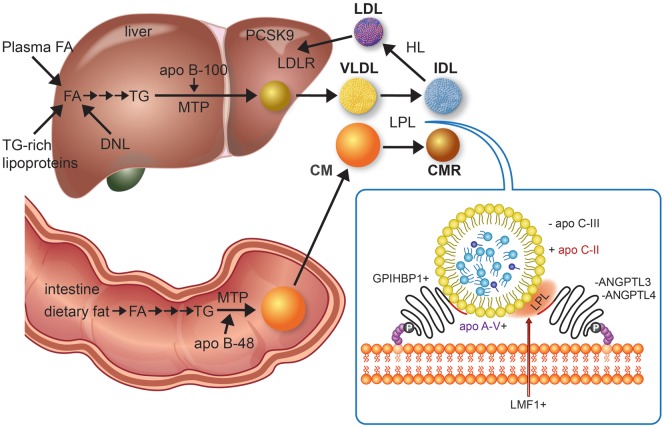
“Smaller VLDL2 is also made by the liver and can be delipidated to intermediate-density lipoprotein and low-density lipoprotein (for more detail see refs43–45).”
From Triglyceride-rich lipoproteins and their remnants: metabolic insights, role in atherosclerotic cardiovascular disease, and emerging therapeutic strategies—a consensus statement from the European Atherosclerosis Society (2021) · cites this paper as [43]
Experimental — accuracy not yet measuredThe source backs part of the claim, not all of it — or backs it for a different population, condition or comparison.
In the citing paper
“The absence of LPL activity renders standard lipid-lowering therapies—such as fibrates and omega-3 fatty acids—largely ineffective. Similarly, statins often fail to achieve adequate TG reduction in these patients.”
From The Efficacy and Safety of Plozasiran on Lipid Profile in Dyslipidemic Disorders: A Systematic Review and Meta-Analysis (2026) · cites this paper as [8]
Experimental — accuracy not yet measuredThe source backs part of the claim, not all of it — or backs it for a different population, condition or comparison.
In the citing paper
“Moreover, currently available therapies haven’t been effective enough to reach guideline-recommended therapeutic goals in acquired severe hypertriglyceridemia [5, 7, 8].”
From The Efficacy and Safety of Plozasiran on Lipid Profile in Dyslipidemic Disorders: A Systematic Review and Meta-Analysis (2026) · cites this paper as [8]
Experimental — accuracy not yet measuredThe source backs part of the claim, not all of it — or backs it for a different population, condition or comparison.
In the citing paper
“However, these approaches have shown limited efficacy in reducing triglyceride levels and preventing acute pancreatitis in clinical trials [8, 36, 37].”
From The Efficacy and Safety of Plozasiran on Lipid Profile in Dyslipidemic Disorders: A Systematic Review and Meta-Analysis (2026) · cites this paper as [8]
Experimental — accuracy not yet measuredThe source backs part of the claim, not all of it — or backs it for a different population, condition or comparison.
In the citing paper
“In those with fasting or nonfasting hypertriglyceridemia, such counseling is especially important due to the established atherogenicity of triglyceride-rich remnant lipoproteins and the benefits of lifestyle interventions in reduction of these particles (117,118).”
From 2021 ACC Expert Consensus Decision Pathway on the Management of ASCVD Risk Reduction in Patients With Persistent Hypertriglyceridemia (2021) · cites this paper as [117]
Experimental — accuracy not yet measured
2 more claims about this paper
Create a free account to see every claim other papers make about this one.
Self-check
Percentages, sums and reported differences re-computed from the paper’s own numbers.
Each contradiction between two passages listed here was confirmed by an independent check.
Rated minor: it would not touch a result — a value no result rests on, a p-value that stays on the same side of the significance level, or a conflict that is clerical, resolved elsewhere in the paper, or outside its own findings.
In the paper
§ Clinical review on triglycerides > Novel and emerging treatments for triglycerides > New fibrate and omega-3 preparation
“| Volanesorsen (Waylivra) | Akcea | APOC3 | First-generation anti-APOC3 ASO | FCS | Approved in Europe but not North America | Reduces TG, increases HDL-C | Possible special access for high-risk patients |”
§ Clinical review on triglycerides > Novel and emerging treatments for triglycerides > Treatments to reduce apolipoprotein C-III
“Volanesorsen (Waylivra; ISIS 304801 or IONIS-APOCIIIRx; Ionis/Akcea), a subcutaneously injected second-generation 2'-O-methoxyethyl chimeric antisense inhibitor, impairs translation of apolipoprotein (apo) C-III mRNA.”
Rated minor: it would not touch a result — a value no result rests on, a p-value that stays on the same side of the significance level, or a conflict that is clerical, resolved elsewhere in the paper, or outside its own findings.
In the paper
§ Clinical review on triglycerides > Therapy—approved pharmacologic treatments
“In >9000 high-risk patients, a dramatic risk reduction (HR 0.75) for ASCVD events was observed over a period of 4.9 years.”
§ Clinical review on triglycerides > Therapy—approved pharmacologic treatments
“| REDUCE-IT | Icosapent ethyl 4 g | High TG + ASCVD or high-risk DM | 8179 | MI + stroke + CVD death + angina + revascularization | Yes | Yes | 30415628 |”
Citations
Cites
Grundy, S. M., Stone, N. J., Bailey, A. L., Beam, C., Birtcher, K. K., Blumenthal, R. S., Braun, L. T., de Ferranti, S., Faiella-Tommasino, J., Forman, D. E., et al. (2019) · Circulation · doi:10.1161/cir.0000000000000625 · Cited by 6,185
Helsinki Heart Study: Primary-Prevention Trial with Gemfibrozil in Middle-Aged Men with Dyslipidemia
Frick, M. H., Elo, O., Haapa, K., Heinonen, O. P., Heinsalmi, P., Helo, P., Huttunen, J. K., Kaitaniemi, P., Koskinen, P., Manninen, V., et al. (1987) · New England Journal of Medicine · doi:10.1056/nejm198711123172001 · Cited by 3,881
Rubins, H. B., Robins, S. J., Collins, D., Fye, C. L., Anderson, J. W., Elam, M. B., Faas, F. H., Linares, E., Schaefer, E. J., Schectman, G., et al. (1999) · New England Journal of Medicine · doi:10.1056/nejm199908053410604 · Cited by 3,439
Cardiovascular Risk Reduction with Icosapent Ethyl for Hypertriglyceridemia
Bhatt, D. L., Steg, P. G., Miller, M., Brinton, E. A., Jacobson, T. A., Ketchum, S. B., Doyle, R. T., Juliano, R. A., Jiao, L., Granowitz, C., et al. (2019) · New England Journal of Medicine · doi:10.1056/nejmoa1812792 · Cited by 3,317 · cited 1×
“9 years.(52) It is currently unclear whether the observed benefit relates to the particular omega-3 fatty acid formulation used (icosapent ethyl), the high daily dose of 4 g, the carefully selected study population, or a possible deleterious effect of the mineral oil comparator used as placebo.”
2016 ESC/EAS Guidelines for the Management of Dyslipidaemias
Catapano, A. L., Graham, I., De Backer, G., Wiklund, O., Chapman, M. J., Drexel, H., Hoes, A. W., Jennings, C. S., Landmesser, U., Pedersen, T. R., et al. (2016) · European Heart Journal · doi:10.1093/eurheartj/ehw272 · Cited by 3,162
Effects of Combination Lipid Therapy in Type 2 Diabetes Mellitus
(2010) · New England Journal of Medicine · doi:10.1056/nejmoa1001282 · Cited by 2,837
Grundy, S. M., Stone, N. J., Bailey, A. L., Beam, C., Birtcher, K. K., Blumenthal, R. S., Braun, L. T., de Ferranti, S., Faiella-Tommasino, J., Forman, D. E., et al. (2019) · Journal of the American College of Cardiology · doi:10.1016/j.jacc.2018.11.003 · Cited by 2,691
Interpretation of the evidence for the efficacy and safety of statin therapy
Collins, R., Reith, C., Emberson, J., Armitage, J., Baigent, C., Blackwell, L., Blumenthal, R., Danesh, J., Smith, G. D., DeMets, D., et al. (2016) · The Lancet · doi:10.1016/s0140-6736(16)31357-5 · Cited by 1,857 · cited 1×
“Although LDL-lowering drugs 42 Therefore, depending on the absolute risk, specific LDL-C and non-HDL-C goals should be achieved.”
BackgroundTriglycerides and cardiovascular disease
Nordestgaard, B. G., & Varbo, A. (2014) · The Lancet · doi:10.1016/s0140-6736(14)61177-6 · Cited by 1,419 · cited 3×
“21 A causal relationship between TRL and ASCVD is supported by Mendelian randomization studies and in conditions as dysbetalipo-proteinaemia, which is typically seen in some patients homozygous for the E2 allele (<1% of Europeans) 18,21,22 ; lipoproteins with this form of apo E bind defectively cell surface receptors.”
BackgroundSarwar, N., Danesh, J., Eiriksdottir, G., Sigurdsson, G., Wareham, N., Bingham, S., Boekholdt, S. M., Khaw, K.-T., & Gudnason, V. (2007) · Circulation · doi:10.1161/circulationaha.106.637793 · Cited by 1,408 · cited 2×
“…between TRL and ASCVD is supported by Mendelian randomization studies and in conditions as dysbetalipo-proteinaemia, which is typically seen in some patients homozygous for the E2 allele (<1% of Europeans) 18,21,22 ; lipoproteins with this form of apo E bind defectively cell surface receptors.”
Background
Cited by
Items 101–200 of 573
Szili‐Török, T., Sokooti, S., Osté, M. C. J., Neto, A. W. G., Dullaart, R. P. F., Bakker, S. J. L., & Tietge, U. J. F. (2022) · Cardiovascular Diabetology · doi:10.1186/s12933-022-01475-y · Cited by 27
Park, H., Arsanjani, R., Hong, S., Yi, J., & Yi, S. (2023) · European Journal of Preventive Cardiology · doi:10.1093/eurjpc/zwad330 · Cited by 29
Keeping remnants in perspective
Borén, J., & Packard, C. J. (2021) · European Heart Journal · doi:10.1093/eurheartj/ehab531 · Cited by 27
“However, mounting evidence has established that triglyceride-rich lipoproteins (TRLs) and their remnants are also causal factors in atherosclerotic cardiovascular disease (ASCVD), and their contribution to pathological processes appears statistically independent of, and additional to, that of LDL.3,4 Remnants are part…”
BackgroundInfluentialZhang, S., Sun, L., Xu, X., Zhang, Y., & Chen, Q. (2024) · BMC Cardiovascular Disorders · doi:10.1186/s12872-024-04321-z · Cited by 25
“This synergistic effect not only improves therapeutic efficacy but also reduces statin dosage and potential side effects [34].”
BackgroundD’Erasmo, L., Gallo, A., Costanzo, A. D., Bruckert, É., & Arca, M. (2020) · Expert Opinion on Pharmacotherapy · doi:10.1080/14656566.2020.1787380 · Cited by 25
Jobe, M., Agbla, S. C., Todorčević, M., Darboe, B., Danso, E., de Barros, J.-P. P., Lagrost, L., Karpe, F., & Prentice, A. M. (2022) · International Journal of Obesity · doi:10.1038/s41366-022-01193-1 · Cited by 25
Johansen, M. Ø., Afzal, S., Vedel‐Krogh, S., Nielsen, S. F., Smith, G. D., & Nordestgaard, B. G. (2023) · European Heart Journal · doi:10.1093/eurheartj/ehad330 · Cited by 26
Volanesorsen for treatment of familial chylomicronemia syndrome
Lazarte, J., & Hegele, R. A. (2021) · Expert Review of Cardiovascular Therapy · doi:10.1080/14779072.2021.1955348 · Cited by 26
“tions of mild-to-moderate or severe HTG, showing relative reductions in TG levels of 25% to 40% [1].”
BackgroundSelf-citationMartínez-Vizcaíno, V., Amaro-Gahete, F. J., Fernández-Rodríguez, R., Garrido-Miguel, M., Cavero-Redondo, I., & Pozuelo-Carrascosa, D. P. (2022) · Sports Medicine · doi:10.1007/s40279-021-01607-6 · Cited by 24
“Although the polypill reductions in LDL-c levels were higher than those for exercise interventions, Combined 0.41 (0.17 to 0.64) − 0.04 (− 0.30 to 0.23) − 0.38 (− 0.75 to − 0.01) − 0.15 (− 0.44 to 0.14) NA NA NA NA Mind–body 0.43 (0.12 to 0.73) − 0.01 (− 0.34 to 0.31) − 0.36 (− 0.77 to 0.06) − 0.13 (− 0.49 to 0.24) 0.…”
BackgroundResultInfluentialFolwaczny, A., Waldmann, E., Altenhofer, J., Henze, K., & Parhofer, K. G. (2021) · Nutrients · doi:10.3390/nu13051737 · Cited by 26
Self-citationNeglia, D., Aimo, A., Lorenzoni, V., Caselli, C., & Gimelli, A. (2021) · European Heart Journal Open · doi:10.1093/ehjopen/oeab004 · Cited by 24
“Besides LDL cholesterol, plasma triglycerides (TGs) may contribute to the atherosclerosis process.(9) Higher TGs levels have been associated with type 2 diabetes mellitus, obesity and high fasting plasma glucose (FPG)(9) as well as with cardiac events in the general populations,(10,11) and in patients on statins after…”
BackgroundLipid profile and lipoprotein(a) testing
Parhofer, K. G., & Laufs, U. (2023) · Deutsches Ärzteblatt international · doi:10.3238/arztebl.m2023.0150 · Cited by 38
Self-citationCharacteristics, Physiopathology and Management of Dyslipidemias in Pregnancy: A Narrative Review
Formisano, E., Proietti, E., Perrone, G., Demarco, V., Galoppi, P., Stefanutti, C., & Pisciotta, L. (2024) · Nutrients · doi:10.3390/nu16172927 · Cited by 33
“Fibrate therapy reduces serum TG levels by 50–70% [214,215], although favorable clinical effects are limited.”
BackgroundTan, H. L. E., McDonald, G., Payne, A. R., Yu, W., Ismadi, Z., Tran, H. A., Gani, J., & Wynne, K. (2020) · Journal of Clinical Medicine · doi:10.3390/jcm9123954 · Cited by 25
Huynh, E., Wiley, E., Noguchi, K. S., Fang, H., Beauchamp, M., MacDonald, M. J., & Tang, A. (2024) · Women s Health · doi:10.1177/17455057241290889 · Cited by 31
Sakboonyarat, B., Poovieng, J., Jongcherdchootrakul, K., Srisawat, P., Hatthachote, P., Mungthin, M., & Rangsin, R. (2022) · BMC Public Health · doi:10.1186/s12889-022-13992-2 · Cited by 25
“Hypertriglyceridemia is a common health problem independently associated with an increased risk of atherosclerosis cardiovascular diseases (ASCVD), including ischemic heart disease and stroke [3, 4].”
BackgroundElke, G., Hartl, W. H., Adolph, M., Angstwurm, M., Brunkhorst, F. M., Edel, A., de Heer, G., Felbinger, T. W., Goeters, C., Hill, A., et al. (2023) · Medizinische Klinik - Intensivmedizin und Notfallmedizin · doi:10.1007/s00063-023-01001-2 · Cited by 23
Guo, R., Wei, L., Cao, Y., & Zhao, W. (2024) · Frontiers in Endocrinology · doi:10.3389/fendo.2024.1330650 · Cited by 24
Dai, W., Lund, H., Chen, Y., Zhang, J., Osinski, K. I., Zellner-Jones, S., Kreuziger, L. B., López, J. A., Benjamin, I. J., Silverstein, R. L., et al. (2021) · Journal of clinical lipidology · doi:10.1016/j.jacl.2021.08.002 · Cited by 23
Triglyceride-Rich Lipoproteins and Atherosclerotic Cardiovascular Disease Risk
Duell, P. B. (2023) · Journal of the American College of Cardiology · doi:10.1016/j.jacc.2022.11.013 · Cited by 23
Ballantyne, C. M., Gaudet, D., Rosenson, R. S., Hegele, R. A., Zhou, R., Melquist, S., Hellawell, J. L., & Leeper, N. J. (2025) · Journal of the American College of Cardiology · doi:10.1016/j.jacc.2025.03.496 · Cited by 23
Self-citationPatel, S. B., Belalcazar, L. M., Afreen, S., Balderas, R., Hegele, R. A., Karpe, F., Ponte-Negretti, C. I., & Rajpal, A. (2025) · Endocrine Practice · doi:10.1016/j.eprac.2025.07.014 · Cited by 23
Self-citationWolf, H. A. D., Langlois, M. R., Suvisaari, J. V. J., Aakre, K. M., Baum, H. H. E., Collinson, P. O., Duff, C. J., Gruson, D., Hammerer‐Lercher, A., Pulkki, K. J., et al. (2020) · Clinica Chimica Acta · doi:10.1016/j.cca.2020.05.038 · Cited by 24
“Less than one-fourth of the laboratories flag severe hypertriglyceridemia for risk of acute pancreatitis [22].”
BackgroundThe Causal Effects of Lipid Profiles on Sleep Apnea
Tang, H., Zhou, Q. T., Zheng, F., Wu, T., Tang, Y., & Jiang, J. (2022) · Frontiers in Nutrition · doi:10.3389/fnut.2022.910690 · Cited by 25
“Two reviews pointed out that obesity was an important factor increasing the prevalence of hypertriglyceridemia (67, 68).”
BackgroundHypertriglyceridemia-induced acute pancreatitis in children: A mini-review
Grisham, J. M., Tran, A. H., & Ellery, K. (2022) · Frontiers in Pediatrics · doi:10.3389/fped.2022.931336 · Cited by 24
“As indicated by its name, multifactorial/polygenic chylomicronemia can be caused by multiple factors including heterozygous variants in the aforementioned monogenic chylomicronemia genes or from combination of several TG-raising polymorphisms leading to clinical manifestations similar to monogenic chylomicronemia (15).”
BackgroundInfluentialAbert, H. O., Aduwamai, U. H., & Adamu, S. S. (2022) · Biochemistry Research International · doi:10.1155/2022/9311227 · Cited by 22
Silbernagel, G., Chen, Y., Rief, M., Kleber, M. E., Hoffmann, M. M., Stojaković, T., Stang, A., Sarzynski, M. A., Bouchard, C., März, W., et al. (2023) · European Heart Journal · doi:10.1093/eurheartj/ehad261 · Cited by 21
Chan, D. C., & Watts, G. F. (2024) · Current Atherosclerosis Reports · doi:10.1007/s11883-024-01254-y · Cited by 24
“Dyslip-idemia is a key risk factor for ASCVD characterized by increased plasma levels of low-density lipoprotein (LDL) contributes to residual ASCVD risk [ 7, 8 ].”
Recent advances in molecularly imprinted polymers toward biomedical healthcare devices
Seo, Y., Kim, Y.-H., Kim, J., Jung, H. G., Jang, J. W., Kim, H., Hwang, K. S., Lee, D., Lee, S. W., Lee, J. H., et al. (2025) · Biosensors and Bioelectronics · doi:10.1016/j.bios.2025.117637 · Cited by 21
The year in cardiology: cardiovascular prevention
Ray, K. K., Laufs, U., Cosentino, F., Lobo, M. D., & Landmesser, U. (2020) · European Heart Journal · doi:10.1093/eurheartj/ehz929 · Cited by 20
Self-citationGenetic determinants of pancreatitis: relevance in severe hypertriglyceridemia
Hang, S., Hegele, R. A., & Berberich, A. J. (2023) · Current Opinion in Lipidology · doi:10.1097/mol.0000000000000866 · Cited by 21
Self-citationLi, Z., Yu, C., Zhang, H., Chen, R., Zhao, Y., & Zheng, Z. (2025) · Cardiovascular Diabetology · doi:10.1186/s12933-024-02537-z · Cited by 20
Fogacci, F., Strocchi, E., Veronesi, M., Borghi, C., & Cicero, A. F. G. (2020) · Marine Drugs · doi:10.3390/md18060292 · Cited by 20
Tremblay, K., Gaudet, D., Khoury, É., & Brisson, D. (2020) · Journal of the Endocrine Society · doi:10.1210/jendso/bvaa056 · Cited by 21
“emerging therapies have been specifically developed for FCS while others target MCM, increasing the need for precise diagnosis [22].”
BackgroundAncestry-specific profiles of genetic determinants of severe hypertriglyceridemia
Gill, P. K., Dron, J. S., Dilliott, A. A., McIntyre, A. D., Cao, H., Wang, J., Movsesyan, I., Malloy, M. J., Pullinger, C. R., Kane, J. P., et al. (2020) · Journal of clinical lipidology · doi:10.1016/j.jacl.2020.11.007 · Cited by 22
Self-citationCruz‐Bautista, I., Huerta‐Chagoya, A., Moreno-Macías, H., Rodríguez-Guillén, R., Ordóñez-Sánchez, M. L., Segura-Kato, Y., Mehta, R., Almeda‐Valdés, P., Gómez-Munguía, L., Chávez, X. R.-D., et al. (2021) · Lipids in Health and Disease · doi:10.1186/s12944-021-01436-6 · Cited by 23
Is Genetic Testing in Hypertriglyceridemia Useful?
Hegele, R. A. (2022) · Arteriosclerosis Thrombosis and Vascular Biology · doi:10.1161/atvbaha.122.318621 · Cited by 20
Self-citationMoravcová, K., Sovová, M., Ožana, J., Karbanová, M., Klásek, J., Kolasińska, A. B., & Sovová, E. (2024) · Nutrients · doi:10.3390/nu16101510 · Cited by 22
“Notably, following the intervention period, the average concentration of triacylglycerols decreased to levels within the recommended healthy range of less than 1.7 mmol/L [35].”
BackgroundInfluentialLa, R., Yin, Y., Ding, W., He, Z., Lu, L., Xu, B., Jiang, D., Huang, L., Jiang, J. C., Zhou, L., et al. (2024) · Lipids in Health and Disease · doi:10.1186/s12944-024-02154-5 · Cited by 19
“Hyper-lipidemia poses a considerable threat to human health, including cardiovascular and cerebrovascular incidents, such as coronary heart disease and stroke, as well as digestive disorders, such as fatty liver and pancreatitis [1, 2].”
BackgroundA Tale of Two New Targets for Hypertriglyceridaemia: Which Choice of Therapy?
Ward, N. C., Chan, D. C., & Watts, G. F. (2022) · BioDrugs · doi:10.1007/s40259-022-00520-2 · Cited by 21
“Animal experiments utilising ANGPTL3 loss-of-function (LOF) mutations and large-scale genomic studies in humans provide significant evidence for the inhibition of ANGPTL3 as a therapeutic target in ASCVD [5, 47–52].”
BackgroundInfluentialPerera, S. D., Wang, J., McIntyre, A. D., & Hegele, R. A. (2023) · Journal of clinical lipidology · doi:10.1016/j.jacl.2023.08.003 · Cited by 19
Self-citationTan, S.-H., Wu, J.-L., Zhuo, S.-X., Zhang, Y., & Wang, M. (2026) · World Journal of Cardiology · doi:10.4330/wjc.v18.i2.114960 · Cited by 20
“V, apoC-II, LMF1, and GPIHBP1[42].”
Jiang, S., Wang, Y., Wang, Z., Zhang, L., Jin, F., & Li, B. (2023) · BMC Public Health · doi:10.1186/s12889-023-16566-y · Cited by 18
“Hyperlipidemia is pivotal to cardiovascular disease, stroke, nonalcoholic fatty liver disease (NAFLD), and acute pancreatitis [1, 2].”
BackgroundAngiopoietin-like 3 inhibition and the liver: less is more?
Oostveen, R. F., Hovingh, G. K., & Stroes, E. S. G. (2023) · Current Opinion in Lipidology · doi:10.1097/mol.0000000000000898 · Cited by 18
Yang, W., Tan, Z., Yu, S., Ren, Y., Pan, R. K., & Yu, X. (2023) · International Journal of Biological Macromolecules · doi:10.1016/j.ijbiomac.2023.128353 · Cited by 18
Multifactorial chylomicronemia syndrome
Chait, A. (2023) · Current Opinion in Endocrinology Diabetes and Obesity · doi:10.1097/med.0000000000000846 · Cited by 18
Myerson, M. L., Paparodis, R. D., Block, R., Karalis, D. G., Mintz, G. L., Brinton, E. A., & Wild, R. A. (2024) · Journal of clinical lipidology · doi:10.1016/j.jacl.2024.04.131 · Cited by 19
Urinary polycyclic aromatic hydrocarbon metabolites and hyperlipidemia: NHANES 2007–2016
Ye, C., Liu, Y., He, Z., Huang, W., Chen, G., Peng, T., & Li, K. (2024) · Lipids in Health and Disease · doi:10.1186/s12944-024-02153-6 · Cited by 19
“Hyperlipidemia, a systemic metabolic disorder, manifests through elevated plasma levels of one or more lipid fractions beyond normative thresholds, affecting approximately 10% of adults [1].”
BackgroundLawler, P. R., Rosenson, R. S., & Ko, D. T. (2020) · European Heart Journal · doi:10.1093/eurheartj/ehaa078 · Cited by 18
Hu, W., Zhang, P., Su, Q., Li, D., Hang, Y., Ye, X., Guan, P., Dong, J., & Lü, Y. (2020) · Atherosclerosis · doi:10.1016/j.atherosclerosis.2020.07.009 · Cited by 22
Jia, X., Liu, J., Mehta, A., Ballantyne, C. M., & Virani, S. S. (2020) · Cardiovascular Drugs and Therapy · doi:10.1007/s10557-020-07082-x · Cited by 19
de Carvalho, T. S., Sánchez-Mendoza, E. H., Moreira, A. R. S., Melo, L. M. N., Wang, C., Sardari, M., Hagemann, N., Doeppner, T. R., Kleinschnitz, C., & Hermann, D. M. (2020) · Molecular Neurobiology · doi:10.1007/s12035-020-02207-7 · Cited by 18
Transcriptomic Therapy for Dyslipidemias Utilizing Nucleic Acids Targeted at ANGPTL3
Watts, G. F., Raal, F. J., & Chan, D. C. (2021) · Future Cardiology · doi:10.2217/fca-2021-0096 · Cited by 18
Recent Updates in Hypertriglyceridemia Management for Cardiovascular Disease Prevention
Quispe, R., Sweeney, T. E., Varma, B., Agarwala, A., & Michos, E. D. (2022) · Current Atherosclerosis Reports · doi:10.1007/s11883-022-01052-4 · Cited by 18
Sun, Y., Lu, B., Su, W., Song, X., Shang, X., Zheng, J., Wang, J., & Yun, H. (2024) · Medicine · doi:10.1097/md.0000000000037494 · Cited by 18
Peng, Q., Zhan, C., Shen, Y., Xu, Y., Ren, B., Feng, Z., Wang, Y., Zhu, Y., & Shen, Y. (2024) · BMC Cancer · doi:10.1186/s12885-024-13265-8 · Cited by 22
Fantino, M., Paquette, M., Blais, C., Saint-Pierre, N., Bourque, L., Baass, A. W., & Bernard, S. (2022) · Nutrition Research · doi:10.1016/j.nutres.2022.02.001 · Cited by 17
Wang, J.-S., Chiang, H., Wang, Y.-C., Yeh, H., Ting, I., Liang, C., Wang, M.-C., Lin, C., Hsiao, C.-T., Shen, M., et al. (2022) · Nutrition Metabolism and Cardiovascular Diseases · doi:10.1016/j.numecd.2022.05.006 · Cited by 17
Bogari, N. M., Aljohani, A., Dannoun, A. I., ElKhateeb, O. E., Porqueddu, M., Amin, A. A., Bogari, D. N., Taher, M. M., Buba, F., Allam, R. M., et al. (2020) · Saudi Journal of Biological Sciences · doi:10.1016/j.sjbs.2020.06.029 · Cited by 18
Pan, H., Liu, B., Luo, X., Shen, X., Sun, J., & Zhang, A. (2023) · Lipids in Health and Disease · doi:10.1186/s12944-023-01966-1 · Cited by 20
“For every kilogramme of weight lost, the ALT level decreases by 0.83 units [72], and the TG level decreases by approximately 8 mg/dL [73].”
BackgroundInfluentialChan, W. C., Liu, L., Bouras, E., Zuber, V., Wen, W., Long, J., Gill, D., Murphy, N., Gunter, M. J., Assimes, T. L., et al. (2024) · British Journal of Cancer · doi:10.1038/s41416-024-02900-7 · Cited by 16
Rodríguez, F. H., Estrada-Álvarez, J. M., Quintero, H. M. A., Nogueira, J. P., & Porras-Hurtado, G. L. (2023) · Lipids in Health and Disease · doi:10.1186/s12944-022-01768-x · Cited by 16
Capra, M. E., Biasucci, G., Banderali, G., & Pederiva, C. (2023) · Nutrients · doi:10.3390/nu15051088 · Cited by 15
Fish consumption and its lipid modifying effects – A review of intervention studies
McMullan, J. E., Yeates, A. J., Allsopp, P. J., Mulhern, M. S., Strain, J. J., van Wijngaarden, E., MYERS, G. J., Shroff, E. H., Shamlaye, C. F., & McSorley, E. M. (2023) · NeuroToxicology · doi:10.1016/j.neuro.2023.10.003 · Cited by 18
Yu, H., Armstrong, N. D., Pavela, G., & Kaiser, K. A. (2023) · JAMA Network Open · doi:10.1001/jamanetworkopen.2023.47171 · Cited by 15
Zhao, J., Gao, G., Ding, J., Liu, W., Wang, T., Zhao, L., Xu, J., Zhang, Z., Zhang, X., & Xie, Z. (2024) · Journal of Agricultural and Food Chemistry · doi:10.1021/acs.jafc.4c03172 · Cited by 15
Han, L., Hu, C., Du, Z., Yu, H., Du, Y., Li, L., Li, F., Wang, Y., Gao, X., Sun, X., et al. (2024) · Frontiers in Cellular and Infection Microbiology · doi:10.3389/fcimb.2024.1439744 · Cited by 17
de Souza, M. D. M., Mendes, B. X., Defante, M. L. R., Morais, B. A. D. A. D. H., Martins, O. C., Prizão, V. M., & Romaniello, G. (2025) · Metabolism · doi:10.1016/j.metabol.2025.156187 · Cited by 16
Acute Pancreatitis in Children: It’s Not Just a Simple Attack
Ahmed, F., & Abu‐El‐Haija, M. A. (2025) · Gastroenterology · doi:10.1053/j.gastro.2025.04.001 · Cited by 15
The triglyceride to HDL-cholesterol ratio and chronic graft failure in renal transplantation
Anderson, J. L. C., Bakker, S. J. L., & Tietge, U. J. F. (2021) · Journal of clinical lipidology · doi:10.1016/j.jacl.2021.01.009 · Cited by 19
Picard, F. A., Bhatt, D. L., Ducrocq, G., Ohman, E. M., Goto, S., Eagle, K. A., Wilson, P. W. F., Smith, S. C., Elbez, Y., & Steg, P. G. (2021) · International Journal of Cardiology · doi:10.1016/j.ijcard.2021.08.031 · Cited by 16
Mycoprotein: A futuristic portrayal
Derbyshire, E. J., & Finnigan, T. J. A. (2022) · Elsevier eBooks · doi:10.1016/b978-0-323-91001-9.00037-2 · Cited by 22
A Machine Learning Model to Aid Detection of Familial Hypercholesterolemia
Gratton, J., Futema, M., Humphries, S. E., Hingorani, A. D., Finan, C., & Schmidt, A. F. (2023) · JACC Advances · doi:10.1016/j.jacadv.2023.100333 · Cited by 15
Egyptian practical guidance in lipid management 2020
Taha, H., Badran, H. M., Kandil, H., Farag, N. M., Oraby, A., Sharkawy, M. E., Shokry, K., Fawzy, F., Mahrous, H. A., Bahgat, J., et al. (2021) · The Egyptian Heart Journal · doi:10.1186/s43044-021-00140-1 · Cited by 15
Recent Apolipoprotein CIII trials
Tramontano, D., Bini, S., D’Erasmo, L., & Arca, M. (2022) · Current Opinion in Lipidology · doi:10.1097/mol.0000000000000849 · Cited by 14
Kyhl, L. K., Nordestgaard, B. G., Tybjærg‐Hansen, A., & Nielsen, S. F. (2025) · Atherosclerosis · doi:10.1016/j.atherosclerosis.2025.120551 · Cited by 16
Wang, J., Sun, X., Jiao, L., Xiao, Z., Riaz, F., Zhang, Y., Xu, P., Liu, R., Tang, T., Liu, M., et al. (2022) · Frontiers in Genetics · doi:10.3389/fgene.2022.916672 · Cited by 16
“Epidemiological survey data show that the morbidity of HTG in adults was 10–20% (Parhofer and Laufs 2019; Laufs et al., 2020), but there are no relevant investigation data of infants for use.”
BackgroundAkhtar, N., Singh, R., Kamran, S., Joseph, S., Morgan, D., Uy, R. T., Treit, S., & Shuaib, A. M. (2024) · BMC Neurology · doi:10.1186/s12883-024-03572-9 · Cited by 17
“Genetic, dietary and life-style factors contribute to the higher prevalence of HT in these populations [4] HT is increasingly recognized as an important risk factor for both coronary artery disease (CAD) [1] and stroke [5].”
BackgroundResultLin, Y., Wang, S., Li, Z., Zhou, Y., Wang, R., Wang, Y., & Chen, Y. (2024) · Advanced Science · doi:10.1002/advs.202403451 · Cited by 15
Is the triglyceride-glucose index ready for cardiovascular risk assessment?
D’Elia, L. (2024) · Nutrition Metabolism and Cardiovascular Diseases · doi:10.1016/j.numecd.2024.103834 · Cited by 18
Longitudinal changes in remnant cholesterol and the risk of cardiovascular disease
Zhang, Y., Xu, Q., Tian, X., Xia, X., Chen, S., Liu, F., Wu, S., & Wang, A. (2025) · Cardiovascular Diabetology · doi:10.1186/s12933-024-02556-w · Cited by 15
Metabolismo de los triglicéridos y clasificación de las hipertrigliceridemias
Ibarretxe, D., & Masana, L. (2021) · Clínica e Investigación en Arteriosclerosis · doi:10.1016/j.arteri.2021.02.004 · Cited by 19
Zhang, W., Li, J., Zhao, N., Li, P., Zhang, W., Wang, H., & Tang, B. (2022) · Analytica Chimica Acta · doi:10.1016/j.aca.2022.339825 · Cited by 15
Gonçalves, V., da Fonsêca, V. S., Faria, D. D. P., Izidoro, M. A., Berretta, A. A., de Almeida, A.-C. G., Fonseca, F. L. A., Scorza, F. A., & Scorza, C. A. (2022) · Frontiers in Pharmacology · doi:10.3389/fphar.2022.1013703 · Cited by 14
“Epidemiological and genetic studies in human subjects show that a high concentration of triglycerides is a risk factor for cardiovascular diseases, in light of the fact that the accumulation of triglyceride-rich lipoproteins is causally associated with atherosclerosis and all-cause mortality (Laufs et al., 2019; Sande…”
BackgroundMszar, R., Bart, S., Sakers, A. P., Soffer, D. E., & Karalis, D. G. (2023) · Journal of Clinical Medicine · doi:10.3390/jcm12041382 · Cited by 17
Reyes‐Soffer, G. (2021) · Current Opinion in Endocrinology Diabetes and Obesity · doi:10.1097/med.0000000000000619 · Cited by 13
Hipertrigliceridemias secundarias
Viñals, C., Zambón, D., Yago, G., Doménech, M., & Ortega, E. (2021) · Clínica e Investigación en Arteriosclerosis · doi:10.1016/j.arteri.2021.02.006 · Cited by 18
Saadatagah, S., Naderian, M., Larouche, M., Gaudet, D., Kullo, I. J., & Ballantyne, C. M. (2025) · Journal of clinical lipidology · doi:10.1016/j.jacl.2025.02.008 · Cited by 12
Nordestgaard, L. T., Hanson, A., Sanderson, E. C. M., Anderson, E. L., Walker, V. M., Tybjærg‐Hansen, A., Smith, G. D., & Nordestgaard, B. G. (2025) · Alzheimer s & Dementia · doi:10.1002/alz.70638 · Cited by 13
“10 Even though gene therapy for LPL deficiency lowers triglyceride concentrations in patients with familial chylomicronemia syndrome, it is no longer marketed.”
Prevention and treatment of hypertriglyceridemia-mediated acute pancreatitis: A narrative review
Subramanian, S., Soran, H., Kessler, A. S., McClain, M. R., Eckel, R. H., & Rosenson, R. S. (2025) · European Journal of Internal Medicine · doi:10.1016/j.ejim.2025.106648 · Cited by 13
Approach to the Adult Patient with Chylomicronemia
Hegele, R. A. (2025) · The Journal of Clinical Endocrinology & Metabolism · doi:10.1210/clinem/dgaf701 · Cited by 14
Self-citationA practical guide to the management of dyslipidaemia
Siegel, P. M., Katzmann, J. L., Weinmann‐Menke, J., Landmesser, U., Schunkert, H., Baldus, S. E., Böhm, M., Laufs, U., Lüscher, T. F., & Hilgendorf, I. (2026) · Clinical Research in Cardiology · doi:10.1007/s00392-025-02833-y · Cited by 15
“If HTG is diagnosed, patients should first be evaluated for secondary causes including but not limited to alcohol abuse, pregnancy, diet (high glycaemic load), obesity, type 2 diabetes, hypothyroidism, renal disease, and medications [57, 58].”
Self-citationDoghmane, A., Aouacheri, O., Laouaichia, R., & Saka, S. (2021) · Journal of Diabetes & Metabolic Disorders · doi:10.1007/s40200-021-00764-9 · Cited by 13
“demonstrated that the inactivation of the lipoprotein-lipase increases the circulatory triglycerides and represses the LDL catabolism [54], which is responsible for the transport of cholesterol from the liver to the peripheral tissues, and then as a consequence, a high concentration of serum TC, TG, and LDL [42].”
BackgroundKhalaf, R. A., Awad, M., Al‐Qirim, T. M., & Sabbah, D. A. (2021) · Medicinal Chemistry · doi:10.2174/1573406417666210830125431 · Cited by 12
Abedi, A. H., Şimşir, İ. Y., Bayram, F., Önay, H., Özgür, S., McIntyre, A. D., Toth, P. P., & Hegele, R. A. (2023) · Turk Kardiyoloji Dernegi Arsivi-Archives of the Turkish Society of Cardiology · doi:10.5543/tkda.2022.98544 · Cited by 12
Self-citationNing, L., He, C., Lu, C., Huang, W., Zeng, T., & Su, Q. (2024) · Heliyon · doi:10.1016/j.heliyon.2024.e28154 · Cited by 12
Mendelian randomization study of whole blood viscosity and cardiovascular diseases
Bhak, Y., & Tenesa, A. (2024) · PLoS ONE · doi:10.1371/journal.pone.0294095 · Cited by 13
Lee, H., Kim, J., & Shin, H. (2024) · JMIR Public Health and Surveillance · doi:10.2196/52103 · Cited by 12
“Additionally, our findings revealed a pronounced association between triglyceride levels and the transition to MUO, connecting high triglyceride levels with prevalent issues such as type 2 diabetes and abnormal HDL in people with obesity [38].”
BackgroundCampos-Ramírez, C., Ramírez-Amaya, V., Olalde-Mendoza, L., Palacios-Delgado, J., & Anaya‐Loyola, M. A. (2020) · Foods · doi:10.3390/foods9121760 · Cited by 13
Moliterno, P., Donangelo, C. M., Borgarello, L., Pécora, M., Olascoaga, A., Noboa, O. A., & Boggia, J. G. (2021) · Nutrients · doi:10.3390/nu13072213 · Cited by 12
Metadata
- Authors
- Laufs, U., Parhofer, K. G., Ginsberg, H. N., & Hegele, R. A.
- Affiliations
- University Hospital Leipzig (DE)
- Ludwig-Maximilians-Universität München (DE)
- Columbia University (US)
- Western University (CA)
- Corresponding author
- Laufs, Ulrich
- Venue
- European Heart Journal
- Publisher
- Oxford University Press (OUP)
- Published
- 2019-11-25
- Volume
- 41
- Issue
- 1
- Pages
- 99-109c
- ISSN
- 0195-668X (ISSN-L)
- 1522-9645
- PMC
- PMC6938588
- OpenAlex
- W2991262768
- Semantic Scholar
- 37744b8e99d37180e349091fc1c078fc678f2f84
- Cited by
- 544
- References
- 101
- Citations by year
- 2026: 62 · 2025: 81 · 2024: 99 · 2023: 90 · 2022: 84 · 2021: 74 · 2020: 50 · 2019: 3
- FWCI
- 10.88
- Type
- journal article
- Language
- en
- Open access
- hybrid
- doi.org
- Licence
- Locations
- European Heart Journal (publishedVersion, cc-by-nc)
- Europe PMC (PubMed Central) (publishedVersion, cc-by-nc)
- PubMed Central (publishedVersion, cc-by-nc)
- PubMed (publishedVersion)
- Topics
- Health Sciences › Medicine › Cardiology and Cardiovascular Medicine › Lipoproteins and Cardiovascular Health
- Health Sciences › Medicine › Cardiology and Cardiovascular Medicine › Lipid metabolism and disorders
- Health Sciences › Medicine › Endocrinology, Diabetes and Metabolism › Diabetes, Cardiovascular Risks, and Lipoproteins
- Keywords
- hypertriglyceridemia, triglyceride-rich lipoproteins, atherosclerotic cardiovascular disease, pancreatitis, non-HDL cholesterol, apolipoprotein B, LDL cholesterol, fibrates, omega-3 fatty acids, lipid-lowering therapy, diet and lifestyle, new drugs
- MeSH terms
- Humans, Life Style, Triglycerides, Hypertriglyceridemia
About these checks
Registry, retraction, Cites and statistics results are computed, not judged, with one exception: a printed reference that no index lists is read once by a model before it counts as a citation error. Claims are extracted by a model and kept only when their quote appears verbatim in the text; each cited source is then checked, with a model’s help, for whether it says what the claim relies on. Those verdicts can be wrong — read the claim’s quote and the cited source before relying on one.
The claim verdicts this report counts are experimental: their accuracy is not yet measured.
A language model drew the claims from the paper on 2026-10-04, under version 3 of the claim definition (model deepseek-v4.1-flash, prompt extract-v3).
A second model labelled each claim on 2026-10-04 (model jev-1.13-20260917, definition revision gold-guideline-v0.2).
Cited sources are checked with a language model’s help (qwen3.8-omni-flash and gpt-6-sol).
Statistics and arithmetic are recomputed, not judged.
Confidence bands are shown only for fields calibrated on our annotated test set. None is calibrated yet, so no band is shown.
What counts as a claim ›How we measure confidence ›How we check this ›
Are you an author, or do you see a problem with this page? Request a review
Data sources
Bibliographic data: Semantic Scholar, OpenAlex, Crossref.
Contains information from the Semantic Scholar Academic Graph Datasets, made available under the ODC Attribution License (ODC-BY 1.0).
Semantic Scholar’s data is described in: Kinney, R., et al. (2023). The Semantic Scholar Open Data Platform. arXiv:2301.10140.
