

Clinical review on triglycerides
Open accessThe DOI matches its Crossref record; 101 of the 101 references it cites were found in a registry or an index; 38 of the 145 sources its claims cite were checked for support.
Abstract
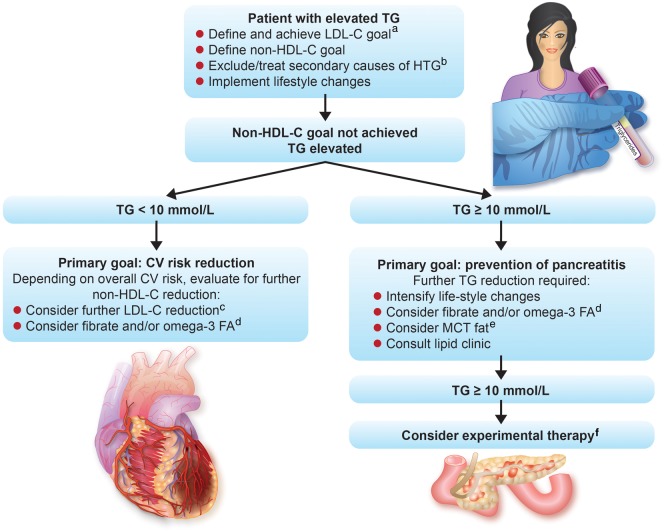
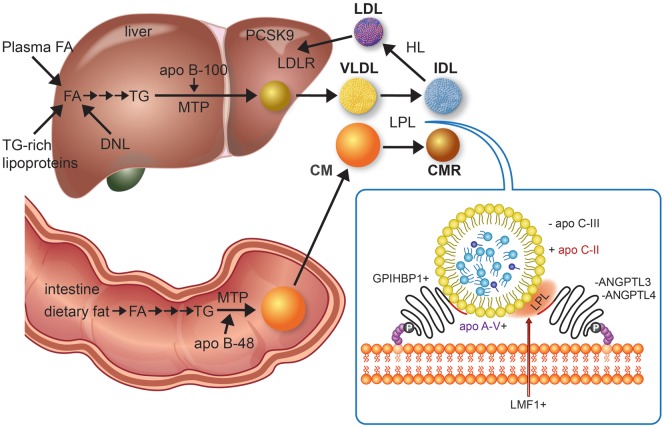
Hypertriglyceridaemia is a common clinical problem. Epidemiologic and genetic studies have established that triglyceride-rich lipoproteins (TRL) and their remnants as important contributors to ASCVD while severe hypertriglyceridaemia raises risk of pancreatitis. While low-density lipoprotein is the primary treatment target for lipid lowering therapy, secondary targets that reflect the contribution of TRL such as apoB and non-HDL-C are recommended in the current guidelines. Reduction of severely elevated triglycerides is important to avert or reduce the risk of pancreatitis. Here we discuss interventions for hypertriglyceridaemia, including diet and lifestyle, established treatments such as fibrates and omega-3 fatty acid preparations and emerging therapies, including various biological agents.
Overview
CoChat Summary
TL;DR
This clinical review summarizes that triglyceride-rich lipoproteins and their remnants contribute to atherosclerotic cardiovascular disease, while severe hypertriglyceridaemia raises pancreatitis risk. It discusses lifestyle, established fibrates/omega-3/niacin, and emerging therapies including apo C-III and ANGPTL3 inhibitors.
Key findings
- Hypertriglyceridaemia is common, with prevalence ∼10% in adults; severe HTG (TG >10 mmol/L) has prevalence 0.10–0.20%, and very severe HTG (TG >20 mmol/L) 0.014%. Genetic and epidemiologic data establish TRL/remnants as ASCVD contributors; rare heterozygous APOC3 loss-of-function variants are associated with ∼50% reduced TG levels and reduced ASCVD risk.
- HTG is believed causative in 1–10% of acute pancreatitis episodes. Pancreatitis risk is elevated (HR 2.4) at TG 2.0–3.0 mmol/L but absolute risk remains low (5.5 events per 10 000 patient-years); acute pancreatitis may occur in 3% of those with TG 10–20 mmol/L and 15% of those with TG >20 mmol/L, while a German cohort reported 19% with TG >1000 mg/dL.
- Fibrates can reduce TG by up to 70%; statins, ezetimibe, and PCSK9 inhibitors reduce TG by 5–15%; high-dose omega-3 fatty acids (>2 g/day) variably decrease TG. In REDUCE-IT, 4 g icosapent ethyl in >9000 high-risk patients produced an ASCVD hazard ratio of 0.75 over 4.9 years.
- Volanesorsen reduced TG by 77% vs an 18% increase with placebo in APPROACH, and by 72% vs 1% increase in COMPASS. Emerging agents include pemafibrate (35–45% TG reduction), evinacumab (TG and LDL-C reductions up to 75% and 23%), IONIS-ANGPTL3-LRx (TG and LDL-C reductions up to 63.1% and 32.9%), and pradigastat (70% fasting TG reduction in six FCS patients).
Methods
- Narrative clinical review; no primary data collection. It synthesizes epidemiologic, genetic, mechanistic, and randomized trial evidence and includes tables on primary/secondary causes, lifestyle effect sizes, randomized cardiovascular outcome trials, acute pancreatitis treatment, and emerging therapies.
- Main analysis is qualitative synthesis; no systematic search strategy, inclusion criteria, or formal risk-of-bias assessment is described.
Limitations
- Stated: randomized controlled trial evidence for specific dietary recommendations is lacking; there is a lack of convincing outcomes evidence for ASCVD reduction when fibrates, omega-3 fatty acids, or niacin are added to statin therapy; no high-quality trial data demonstrate that acute pancreatitis risk decreases with specific TG-lowering therapy; efficacy and safety of emerging treatments need assessment in outcome trials.
- Evident: as a narrative review, it does not report a systematic literature search or formal quality appraisal, and conclusions rely on selected studies and ongoing trials.
Model-written summary. Check it against the paper before relying on it.
Integrity signals
Registry
Cites
Statistics
Figures
Verification
Claims the paper makes
19 Valid · 13 Not valid · 76 Not checked · 34 Own results and interpretations
The cited sources support only part of this claim — read each source’s verdict below.
In the paper
“Serum TRL are consistently associated with ASCVD risk, probably independent of other metabolic disturbances.17”
§ Clinical review on triglycerides > Triglyceride-rich lipoproteins and risk of atherosclerotic cardiovascular disease
What the sources say
- Partly supportedcites [17] Ganda OP, Bhatt DL, Mason RP, Miller M, Boden WE. Unmet need for adjunctive dyslipidemia therapy in hypertriglyceridemia management. J Am Coll Cardiol 2018; 72: 330– 343. 29935936 sourceExperimental — accuracy not yet measured
Our copy supports the association half: the INTRODUCTION states that epidemiological studies show elevated TG and low HDL-C as predictors of CHD risk, the National Health and Nutrition Examination section reports that 'Meta-analyses of long-term prospective studies have reported an association between elevated TG levels and ASCVD,' and Figure 1/Central Illustration lists triglyceride-rich lipoproteins among biomarkers for which 'Mendelian randomization supports causal relationship.' The added qualifier 'probably independent of other metabolic disturbances' is not what this paper asserts: the same section says the TG–ASCVD association 'is attenuated after adjustment for HDL-C level, as these 2 lipid parameters are highly inversely correlated,' and the Central Illustration cautions that 'interpretation of genetic linkage studies may be complicated by other pleiotropic effects' (apo A5 example with concurrent LDL/apo B elevation), adding that TG levels are 'accentuated by environmental factors such as lifestyle, obesity, and certain drugs.' So the independence-from-other-metabolic-disturbances part attributed to this source is not supported by our copy. (LLM, conf=0.70)
hedgedstates an association- Asserted: passes — The authors put it forward as true.
- Checkable: passes — It can be checked against evidence.
- Load-bearing: passes — The paper’s conclusions depend on it.
- Based: passes — The paper gives a reason why it holds.
- Partly supported
Every source the paper cites for this claim was checked and supports it.
In the paper
“Such LOF variants of APOC3 are also associated with reduced ASCVD risk.10”
§ Clinical review on triglycerides > Genetic hypotriglyceridaemia
What the sources say
- Supportedcites [10] Jorgensen AB, Frikke-Schmidt R, Nordestgaard BG, Tybjaerg-Hansen A. Loss-of-function mutations in APOC3 and risk of ischemic vascular disease. N Engl J Med 2014; 371: 32– 41. 24941082 source
The Discussion (page not supplied) identifies the study’s principal finding as reduced risks of ischemic vascular disease and ischemic heart disease among people with APOC3 loss-of-function mutations. This supports the citing sentence’s paraphrase of reduced ASCVD risk. (LLM, conf=0.92)
plainstates an association- Asserted: passes — The authors put it forward as true.
- Checkable: passes — It can be checked against evidence.
- Load-bearing: passes — The paper’s conclusions depend on it.
- Based: passes — The paper gives a reason why it holds.
- Supported
The cited sources support only part of this claim — read each source’s verdict below.
In the paper
“With regard to specific dietary recommendations, refined carbohydrate-rich foods as well as sucrose and fructose increase TG much more compared to fibre-rich, low glycaemic index foods.41”
§ Clinical review on triglycerides > Therapy—lifestyle
What the sources say
- Partly supportedcites [41] De Natale C, Annuzzi G, Bozzetto L, Mazzarella R, Costabile G, Ciano O, Riccardi G, Rivellese AA. Effects of a plant-based high-carbohydrate/high-fiber diet versus high-monounsaturated fat/low-carbohydrate diet on postprandial lipids in type 2 diabetic patients. Diabetes Care 2009; 32: 2168– 2173. 19741188 PMC2782970 sourceExperimental — accuracy not yet measured
The Results (page unavailable) report 31% lower postprandial plasma triglyceride response after the high-carbohydrate/high-fiber diet than after the low-carbohydrate/high-MUFA diet. The paper also says high-fiber, low-glycemic-index carbohydrate foods can avoid adverse triglyceride effects. It does not compare those foods with refined carbohydrate-rich foods, sucrose, or fructose, so the claim’s specific comparison is unsupported. (LLM, conf=0.86)
plainstates a cause- Asserted: passes — The authors put it forward as true.
- Checkable: passes — It can be checked against evidence.
- Load-bearing: passes — The paper’s conclusions depend on it.
- Based: passes — The paper gives a reason why it holds.
- Partly supported
None of the sources cited for this claim have been checked yet.
In the paper
“For example, in a German cohort, 19% of those with TG >1000 mg/dL (>11.3 mmol/L) had pancreatitis.26,28”
§ Clinical review on triglycerides > Triglyceride and risk of pancreatitis
What the sources say
- Not checked yetcites [26] Valdivielso P, Ramirez-Bueno A, Ewald N. Current knowledge of hypertriglyceridemic pancreatitis. Eur J Intern Med 2014; 25: 689– 694. 25269432 source
- Could not verifycites [28] Sandhu S, Al-Sarraf A, Taraboanta C, Frohlich J, Francis GA. Incidence of pancreatitis, secondary causes, and treatment of patients referred to a specialty lipid clinic with severe hypertriglyceridemia: a retrospective cohort study. Lipids Health Dis 2011; 10: 157. 21906399 PMC3180406 sourceExperimental — accuracy not yet measured
The Results (“History of Pancreatitis”; page unavailable) report that 15.8% of patients referred to this specialty lipid clinic with TG above 20 mmol/L had a history of pancreatitis. The Discussion equates 1000 mg/dL with 11.3 mmol/L, but the passages found when searching for a German cohort and 19% do not report that cohort or figure. The clinic’s different result does not establish what happened in a German cohort. (LLM, conf=0.76)
plainstates an association- Asserted: passes — The authors put it forward as true.
- Checkable: passes — It can be checked against evidence.
- Load-bearing: unclear — It is unclear whether the paper’s conclusions depend on it.
- Based: passes — The paper gives a reason why it holds.
The cited sources support only part of this claim — read each source’s verdict below.
In the paper
“Although LDL-lowering drugs have only moderate effects on TG levels, they reduce ASCVD risk in patients with and without HTG.42”
§ Clinical review on triglycerides > Therapy—approved pharmacologic treatments
What the sources say
- Partly supportedcites [42] Collins R, Reith C, Emberson J, Armitage J, Baigent C, Blackwell L, Blumenthal R, Danesh J, Smith GD, DeMets D, Evans S, Law M, MacMahon S, Martin S, Neal B, Poulter N, Preiss D, Ridker P, Roberts I, Rodgers A, Sandercock P, Schulz K, Sever P, Simes J, Smeeth L, Wald N, Yusuf S, Peto R. Interpretation of the evidence for the efficacy and safety of statin therapy. Lancet 2016; 388: 2532– 2561. 27616593 sourceExperimental — accuracy not yet measured
The 'Proven benefits of lowering LDL cholesterol with effective statin regimens' section (page unavailable) reports that statins reduce major vascular events across several patient groups. It does not establish the claimed benefit separately in patients with and without hypertriglyceridaemia, and its evidence here concerns statins rather than LDL-lowering drugs generally. Searches for triglycerides and hypertriglyceridaemia found no relevant subgroup result in our copy. (LLM, conf=0.84)
plainstates a cause- Asserted: passes — The authors put it forward as true.
- Checkable: passes — It can be checked against evidence.
- Load-bearing: passes — The paper’s conclusions depend on it.
- Based: passes — The paper gives a reason why it holds.
- Partly supported
75 more claims · 9 with their cited sources checked
Create a free account to see all 142 claims and to verify the 107 references still open.
- It may state two separate claims as one. 52
- Probably not a substantial claim. 15
- The quote only partly states this claim. 1
Claims other papers make about this one
Each is checked against this paper’s own text: does it say what the citing paper says it does?
The source backs part of the claim, not all of it — or backs it for a different population, condition or comparison.
In the citing paper
“Smaller VLDL2 is also made by the liver and can be delipidated to intermediate-density lipoprotein and low-density lipoprotein (for more detail see refs43–45).”
From Triglyceride-rich lipoproteins and their remnants: metabolic insights, role in atherosclerotic cardiovascular disease, and emerging therapeutic strategies—a consensus statement from the European Atherosclerosis Society (2021) · cites this paper as [43]
Experimental — accuracy not yet measuredThe source backs part of the claim, not all of it — or backs it for a different population, condition or comparison.
In the citing paper
“The absence of LPL activity renders standard lipid-lowering therapies—such as fibrates and omega-3 fatty acids—largely ineffective. Similarly, statins often fail to achieve adequate TG reduction in these patients.”
From The Efficacy and Safety of Plozasiran on Lipid Profile in Dyslipidemic Disorders: A Systematic Review and Meta-Analysis (2026) · cites this paper as [8]
Experimental — accuracy not yet measuredThe source backs part of the claim, not all of it — or backs it for a different population, condition or comparison.
In the citing paper
“Moreover, currently available therapies haven’t been effective enough to reach guideline-recommended therapeutic goals in acquired severe hypertriglyceridemia [5, 7, 8].”
From The Efficacy and Safety of Plozasiran on Lipid Profile in Dyslipidemic Disorders: A Systematic Review and Meta-Analysis (2026) · cites this paper as [8]
Experimental — accuracy not yet measuredThe source backs part of the claim, not all of it — or backs it for a different population, condition or comparison.
In the citing paper
“However, these approaches have shown limited efficacy in reducing triglyceride levels and preventing acute pancreatitis in clinical trials [8, 36, 37].”
From The Efficacy and Safety of Plozasiran on Lipid Profile in Dyslipidemic Disorders: A Systematic Review and Meta-Analysis (2026) · cites this paper as [8]
Experimental — accuracy not yet measuredThe source backs part of the claim, not all of it — or backs it for a different population, condition or comparison.
In the citing paper
“In those with fasting or nonfasting hypertriglyceridemia, such counseling is especially important due to the established atherogenicity of triglyceride-rich remnant lipoproteins and the benefits of lifestyle interventions in reduction of these particles (117,118).”
From 2021 ACC Expert Consensus Decision Pathway on the Management of ASCVD Risk Reduction in Patients With Persistent Hypertriglyceridemia (2021) · cites this paper as [117]
Experimental — accuracy not yet measured
2 more claims about this paper
Create a free account to see every claim other papers make about this one.
Self-check
Percentages, sums and reported differences re-computed from the paper’s own numbers.
Each contradiction between two passages listed here was confirmed by an independent check.
Rated minor: it would not touch a result — a value no result rests on, a p-value that stays on the same side of the significance level, or a conflict that is clerical, resolved elsewhere in the paper, or outside its own findings.
In the paper
§ Clinical review on triglycerides > Novel and emerging treatments for triglycerides > New fibrate and omega-3 preparation
“| Volanesorsen (Waylivra) | Akcea | APOC3 | First-generation anti-APOC3 ASO | FCS | Approved in Europe but not North America | Reduces TG, increases HDL-C | Possible special access for high-risk patients |”
§ Clinical review on triglycerides > Novel and emerging treatments for triglycerides > Treatments to reduce apolipoprotein C-III
“Volanesorsen (Waylivra; ISIS 304801 or IONIS-APOCIIIRx; Ionis/Akcea), a subcutaneously injected second-generation 2'-O-methoxyethyl chimeric antisense inhibitor, impairs translation of apolipoprotein (apo) C-III mRNA.”
Rated minor: it would not touch a result — a value no result rests on, a p-value that stays on the same side of the significance level, or a conflict that is clerical, resolved elsewhere in the paper, or outside its own findings.
In the paper
§ Clinical review on triglycerides > Therapy—approved pharmacologic treatments
“In >9000 high-risk patients, a dramatic risk reduction (HR 0.75) for ASCVD events was observed over a period of 4.9 years.”
§ Clinical review on triglycerides > Therapy—approved pharmacologic treatments
“| REDUCE-IT | Icosapent ethyl 4 g | High TG + ASCVD or high-risk DM | 8179 | MI + stroke + CVD death + angina + revascularization | Yes | Yes | 30415628 |”
Citations
Cites
Grundy, S. M., Stone, N. J., Bailey, A. L., Beam, C., Birtcher, K. K., Blumenthal, R. S., Braun, L. T., de Ferranti, S., Faiella-Tommasino, J., Forman, D. E., et al. (2019) · Circulation · doi:10.1161/cir.0000000000000625 · Cited by 6,185
Helsinki Heart Study: Primary-Prevention Trial with Gemfibrozil in Middle-Aged Men with Dyslipidemia
Frick, M. H., Elo, O., Haapa, K., Heinonen, O. P., Heinsalmi, P., Helo, P., Huttunen, J. K., Kaitaniemi, P., Koskinen, P., Manninen, V., et al. (1987) · New England Journal of Medicine · doi:10.1056/nejm198711123172001 · Cited by 3,881
Rubins, H. B., Robins, S. J., Collins, D., Fye, C. L., Anderson, J. W., Elam, M. B., Faas, F. H., Linares, E., Schaefer, E. J., Schectman, G., et al. (1999) · New England Journal of Medicine · doi:10.1056/nejm199908053410604 · Cited by 3,439
Cardiovascular Risk Reduction with Icosapent Ethyl for Hypertriglyceridemia
Bhatt, D. L., Steg, P. G., Miller, M., Brinton, E. A., Jacobson, T. A., Ketchum, S. B., Doyle, R. T., Juliano, R. A., Jiao, L., Granowitz, C., et al. (2019) · New England Journal of Medicine · doi:10.1056/nejmoa1812792 · Cited by 3,317 · cited 1×
“9 years.(52) It is currently unclear whether the observed benefit relates to the particular omega-3 fatty acid formulation used (icosapent ethyl), the high daily dose of 4 g, the carefully selected study population, or a possible deleterious effect of the mineral oil comparator used as placebo.”
2016 ESC/EAS Guidelines for the Management of Dyslipidaemias
Catapano, A. L., Graham, I., De Backer, G., Wiklund, O., Chapman, M. J., Drexel, H., Hoes, A. W., Jennings, C. S., Landmesser, U., Pedersen, T. R., et al. (2016) · European Heart Journal · doi:10.1093/eurheartj/ehw272 · Cited by 3,162
Effects of Combination Lipid Therapy in Type 2 Diabetes Mellitus
(2010) · New England Journal of Medicine · doi:10.1056/nejmoa1001282 · Cited by 2,837
Grundy, S. M., Stone, N. J., Bailey, A. L., Beam, C., Birtcher, K. K., Blumenthal, R. S., Braun, L. T., de Ferranti, S., Faiella-Tommasino, J., Forman, D. E., et al. (2019) · Journal of the American College of Cardiology · doi:10.1016/j.jacc.2018.11.003 · Cited by 2,691
Interpretation of the evidence for the efficacy and safety of statin therapy
Collins, R., Reith, C., Emberson, J., Armitage, J., Baigent, C., Blackwell, L., Blumenthal, R., Danesh, J., Smith, G. D., DeMets, D., et al. (2016) · The Lancet · doi:10.1016/s0140-6736(16)31357-5 · Cited by 1,857 · cited 1×
“Although LDL-lowering drugs 42 Therefore, depending on the absolute risk, specific LDL-C and non-HDL-C goals should be achieved.”
BackgroundTriglycerides and cardiovascular disease
Nordestgaard, B. G., & Varbo, A. (2014) · The Lancet · doi:10.1016/s0140-6736(14)61177-6 · Cited by 1,419 · cited 3×
“21 A causal relationship between TRL and ASCVD is supported by Mendelian randomization studies and in conditions as dysbetalipo-proteinaemia, which is typically seen in some patients homozygous for the E2 allele (<1% of Europeans) 18,21,22 ; lipoproteins with this form of apo E bind defectively cell surface receptors.”
BackgroundSarwar, N., Danesh, J., Eiriksdottir, G., Sigurdsson, G., Wareham, N., Bingham, S., Boekholdt, S. M., Khaw, K.-T., & Gudnason, V. (2007) · Circulation · doi:10.1161/circulationaha.106.637793 · Cited by 1,408 · cited 2×
“…between TRL and ASCVD is supported by Mendelian randomization studies and in conditions as dysbetalipo-proteinaemia, which is typically seen in some patients homozygous for the E2 allele (<1% of Europeans) 18,21,22 ; lipoproteins with this form of apo E bind defectively cell surface receptors.”
Background
Cited by
Items 501–573 of 573
Akhtar, N., Singh, R., Kamran, S., Joseph, S., Morgan, D., Uy, R. T., Treit, S., & Shuaib, A. M. (2024) · Figshare · doi:10.6084/m9.figshare.25347101
La, R., Yin, Y., Ding, W., He, Z., Lu, L., Xu, B., Jiang, D., Huang, L., Jiang, J., Zhou, L., et al. (2024) · Figshare · doi:10.6084/m9.figshare.25909969
Makhmudova, U., Schulze, P. C., Lorkowski, S., März, W., Geiling, J.-A., & Weingärtner, O. (2024) · Figshare · doi:10.6084/m9.figshare.26732413
Morieri, M. L., Avogaro, A., & Fadini, G. P. (2020) · Figshare · doi:10.6084/m9.figshare.13219472
Upala, P., Apidechkul, T., Wongfu, C., Khunthason, S., Kullawong, N., Keawdounglek, V., Chomchoei, C., Yeemard, F., & Tamornpark, R. (2021) · Figshare · doi:10.6084/m9.figshare.14302869
Pan, H., Liu, B., Luo, X., Shen, X., Sun, J., & Zhang, A. (2023) · Figshare · doi:10.6084/m9.figshare.24634489
Zhang, G., Hu, Y., Yang, Q., Pu, N., Li, G., Zhang, J., Tong, Z., Masson, E., Cooper, D. N., Chen, J.-M., et al. (2023) · Figshare · doi:10.6084/m9.figshare.23935806
Pan, H., Liu, B., Luo, X., Shen, X., Sun, J., & Zhang, A. (2024) · Figshare · doi:10.6084/m9.figshare.24634582
Pan, H., Liu, B., Luo, X., Shen, X., Sun, J., & Zhang, A. (2024) · Figshare · doi:10.6084/m9.figshare.26645161
Ye, C., Liu, Y., He, Z., Huang, W., Chen, G., Peng, T., & Li, K. (2024) · Figshare · doi:10.6084/m9.figshare.25910006
Cardiovascular risk factors in alzheimer's disease-a metaanalysis
Saiz-Vázquez, O., Landa, S. U., & Santamaría Vázquez, M. (2023) · Repositorio Institucional de la Universidad de Burgos (University of Burgos)
Gauthier, E. (2023) · Corpus Université Laval (Université Laval)
Murga Cabrera, A. X. (2024) · Repositorio Académico UPC (Universidad Peruana de Ciencias Aplicadas)
Cardiovascular disease prediction and screening using genomics
Gratton, J. (2023) · UCL Discovery (University College London)
Torkamaneh, S. (2023) · Repository of Digital Objects for Teaching Research and Culture (University of Valencia)
Vpliv časovno omejenega prehranjevanja na biokemijske krvne parametre
Gligorević, V. (2023) · Repository of the University of Primorsk (University of Primorska)
Škorc, M. (2023) · Repository of the University of Primorsk (University of Primorska)
Lipemia and its associations with liver disease and dyslipidemia: a cross-sectional study
Osawa, M., Matsuda, Y., Ushiki, T., & Wakai, T. (2025) · Lipids in Health and Disease · doi:10.1186/s12944-025-02845-7
“The clinical management of atherosclerotic disease risk depends crucially on measuring blood lipid and lipoprotein levels [43, 44], and lipemia is commonly considered a potential contributor enhancing the risk of cardiovascular disease (CVD) [45].”
Wieczorek, E., Feliksiak, M., Kuchta, A., Jankowski, M., & Ćwiklińska, A. (2026) · International Journal of Molecular Sciences · doi:10.3390/ijms27020556
“HTG, defined as a serum triglyceride (TG) concentration above 150 mg/dL, is a well-established risk factor for CVD [4].”
Gao, Z., Gao, Y., Fang, C., Chen, Z., Zhang, D., Hao, W., Jia, H., Hu, S., & Yu, B. (2026) · Frontiers in Cardiovascular Medicine · doi:10.3389/fcvm.2025.1734117
“Firstly, patients with reduced EF often exhibit overactivation of the renin-angiotensin-aldosterone system (RAAS) and the sympathetic nervous system (25), which in itself creates a potent background for elevated blood pressure.”
Biya, T., Sanusi, H. D., & Aman, A. M. (2025) · Romanian Journal of Medical Practice · doi:10.37897/rjmp.2025.4.10
“In states of hypertriglyceridemia, particularly at triglyceride concentrations above approximately 260 mg/dL, impaired lipolysis and increased secretion of triglyceride-rich lipoproteins lead to the accumulation of VLDL and chylomicron remnants in the circulation [19,20].”
Sensing changes in triglyceride concentration in blood solution using diffuse optical spectroscopy
Liang, S., Wan, N., Chen, G., Chen, S.-L., & Seong, M. (2026) · Optics & Laser Technology · doi:10.1016/j.optlastec.2026.114767
The year in cardiology: Cardiovascular prevention
Ray, K. K., Laufs, U., Cosentino, F., Lobo, M. D., & Landmesser, U. (2019) · Srce i krvni sudovi · doi:10.5937/siks1904184r
Self-citationThe year in cardiology: Cardiovascular prevention
Ray, K. K., Laufs, U., Cosentino, F., Lobo, M. D., & Landmesser, U. (2019) · Srce i krvni sudovi · doi:10.5937/siks1902107r
Self-citationSheng, B., Zhang, S., Gao, Y., Xia, S., Chen, Y., & Yan, J. (2026) · Medicine · doi:10.1097/md.0000000000047424
“[25] Triglycerides constitute an important component of lipids in the blood and serve as a significant indicator in blood lipid tests.”
New insights into the treatment of hyperlipidemia: An expert review
Tomlinson, B. (2026) · 童綜合醫學雜誌 · doi:10.4103/etmj.etmj-d-25-00051
Bakbak, E. (2024) · TSpace (University of Toronto)
Vergès, B. L. (2026) · EMC - Endocrinologie - Nutrition · doi:10.1016/s1155-1941(24)48948-8
Gong, Y., Zhang, Q., Wang, G., & Li, Y. (2026) · Research Square · doi:10.21203/rs.3.rs-8867531/v1
Nguyen, M. K. H. M., Carlsen, K. R. R., Andersen, V. H., Schmidt, E. B., Venø, S. K., & Bork, C. (2026) · Clinical Nutrition Open Science · doi:10.1016/j.nutos.2026.100653
Şahin, F., Saral, N. Y., Toker, A., Tay, İ., Tekin, N., Serteser, M., & Baykal, A. T. (2026) · Scientific Reports · doi:10.1038/s41598-026-42349-7
“Lipids are hydrophobic and circulate in plasma bound to lipoprotein particles composed of lipids and apolipoproteins 1–3 .”
Cheng, C., Wang, W.-C., Chen, P., Jhan, S.-J., Chang, W.-C., Randolph, C. E., Su, T., & Kuo, C. (2026) · Clinical Nutrition · doi:10.1016/j.clnu.2026.106664
Enyi, C. U., Ojimelukwe, P. C., Ugwuona, F. U., & Enyi, O. O. (2026) · Food Chemistry Advances · doi:10.1016/j.focha.2026.101344
Shin, H., Kim, N. M., & Song, Y. (2026) · INQUIRY The Journal of Health Care Organization Provision and Financing · doi:10.1177/00469580261460622
“1 Collectively, these findings underscore the need for sex-specific TG monitoring, particularly in women, in whom TG elevation may signal a disproportionately higher cardiovascular risk.”
Garg, R., & Thakre, A. (2026) · Journal of the Indian Medical Association · doi:10.5005/jima-11070-0020
Yang, Y., Zhang, F., Peng, Z., Wu, Y., Li, L., Shen, Z., Ye, Q., Yue, J., & Na, S. (2026) · Acta Pharmaceutica Sinica B · doi:10.1016/j.apsb.2026.06.029
Бубнова, М. Г., Владиславович, Е. М., Dm, A., Сарварович, Г. А., Савельевич, Г. В., Дупляков, Д. В., Зафираки, В. К., Станиславовна, К. Н., Васильевич, К. В., Александрович, К. Г., et al. (2025) · Cardiosomatics
НОВІТНЯ ЛІПІДОЗНИЖУЮЧА ТЕРАПІЯ: ЗА МЕЖАМИ СТАТИНІВ
Руснак-Каушанська, О. В., Колодніцька, Н., Курелюк, А., & Велієва, Н. (2026) · ГРААЛЬ НАУКИ · doi:10.36074/grail-of-science.29.05.2026.158
“…type 9 (evolocumab, alirocumab), which prevent lysosomal degradation of low-density lipoprotein receptors [2, 3], to the introduction of the innovative small interfering RNA (inclisiran) technology, which achieves a long-lasting effect through the mechanism of intracellular gene silencing [4].”
InfluentialAmigó, N., Dalli, E., Díaz-Díaz, J. L., Oterino, A., Cabau, L., Ballestín, J. B., García–Moll, X., Masana, L., Ibarretxe, D., Pont, M. M., et al. (2026) · Nutrition Metabolism and Cardiovascular Diseases · doi:10.1016/j.numecd.2026.104852
Kassem, B. A., Shaik, F. A., Sorour, O., Abdelhamid, A. H., Fazal, A., Dakroub, A. H., & Eid, A. H. (2026) · Journal of Cardiovascular Pharmacology · doi:10.1097/fjc.0000000000001846
Nuwaylati, D. A., Mensink, R. P., Joris, P. J., Coort, S. L., & Plat, J. (2026) · Journal of clinical lipidology · doi:10.1016/j.jacl.2026.06.019
Tang, S., & Tao, Y. (2026) · Nutrition Metabolism and Cardiovascular Diseases · doi:10.1016/j.numecd.2026.104862
Kronenberg, F., Höllerl, F., Brath, H., Rega‐Kaun, G., Greber‐Platzer, S., Weiser, C., Klein, D. P., Riesenhuber, N., Binder, C. J., Brix, J. M., et al. (2026) · Wiener klinische Wochenschrift · doi:10.1007/s00508-026-02760-6
Rethinking cardiometabolic risk: The role of childhood neglect and biomarker decoupling
Jopling, E. N., Mens, M. M. J., Hare, M. M., Drury, S. S., Fox, N. A., Nelson, C. A., Zeanah, C. H., & Slopen, N. B. (2026) · Annals of Epidemiology · doi:10.1016/j.annepidem.2026.110201 · Cited by 1
Duan, Y., Gong, K., & Wang, D. (2026) · Elsevier eBooks · doi:10.1016/b978-0-443-34186-1.01002-1
The Role of Triglycerides in the Development of Atherosclerosis
Cerebiejūtė, V., Girkantaitė, Ž., Rinkūnienė, E., Gimžauskaitė, S., & Badarienė, J. (2026) · Acta medica Lituanica · doi:10.15388/amed.2026.33.1.4
“Accordingly, in light of recent evidence, novel therapeutic strategies are being actively developed to reduce circulating TG, TRLs, and their remnants with the aim of achieving an additional cardio-vascular benefit [16,31].”
Patterns of Antidiabetic Therapy and Associated Metabolic Profiles in Routine Clinical Practice
Moisi, M. I., Vesa, C. M., Dorobanțu, F. R., Cinezan, C., Ghitea, T. C., & Brata, R. D. (2026) · Diabetology · doi:10.3390/diabetology7080145
“Longer diabetes duration was independently associated with poor glycemic con-trol, consistent with progressive β -cell dysfunction and increasing treatment complexity over time [26,27].”
Zhang, Y., Jing, Z., Liu, Z., Lai, A., Tan, G., & Yan, B. P. (2026) · Lipids in Health and Disease · doi:10.1186/s12944-026-03022-0
“%) and higher risks of cardiovascular events and mortality [36, 46], supporting further evaluation of non-HDL-C-targeted therapies for residual cardio-vascular risk after optimal LDL-C control [47, 48].”
Li, X., Yang, L., Zhou, X., Ta, N., Zhang, Y., & Liu, Y. (2026) · Journal of clinical lipidology · doi:10.1016/j.jacl.2026.07.040
Cerrato, A., Laganà, A., Montone, C. M., Taglioni, E., Weissman, D., & Capriotti, A. L. (2026) · Talanta · doi:10.1016/j.talanta.2026.130396
Yang, Q., Zou, W., Pu, N., Li, Y., Hu, Y., Wang, Y., Liu, X., Génin, E., Masson, E., Wang, J., et al. (2026) · bioRxiv (Cold Spring Harbor Laboratory) · doi:10.64898/2026.08.12.744351
“In the context of LPL deficiency, complete or near-complete loss of LPL function causes FCS, whereas heterozygous c/nc-LoF variants, which are expected to reduce physiological LPL function by approximately 50%, confer increased susceptibility to severe HTG [20-22, 25, 60].”
D’Amuri, A., Cristini, I., Tebaldi, S., Speziali, A., Scopa, A., Pagani, M., Pellegrini, G., Santacà, K., Forti, A., Visigalli, C., et al. (2026) · Nutrition Metabolism and Cardiovascular Diseases · doi:10.1016/j.numecd.2026.104967
Coan, A. C. C., Katsuyama, E. S., Lopes, R. A., Sanchez, C. V., Prata, A. A., Fukunaga, C. K., Talavera, A., & Shapiro, M. D. (2026) · Journal of Pharmacology and Experimental Therapeutics · doi:10.1016/j.jpet.2026.105022
Matsubayashi, S., Ito, S., Hosaka, Y., Yoshida, M., Kadota, T., Hashimoto, M., Hatano, S., Maruyama, T., Fujimoto, S., Nishioka, S., et al. (2026) · medRxiv · doi:10.64898/2026.08.31.26361865
Qadir, A. M., Omer, R. A., Barzani, H. A. H., & Sulaiman, S. H. (2026) · Russian Journal of Bioorganic Chemistry · doi:10.1134/s1068162025603581
Zeng, J., Wang, H., & Shi, F. (2026) · Metabolites · doi:10.3390/metabo16090683
“Hyper-triglyceridemia is also closely linked to insulin resistance, ectopic fat accumulation, obesity, type 2 diabetes, and non-alcoholic fatty liver disease, making TGs a clinically relevant target across diverse metabolic phenotypes [3,4].”
Dyslipidemia and the Consumption of Mineral Waters: A Narrative Review
Vieira, D. C., Pinheiro, D., Pereira, C. D., Monteiro, R., & Martins, M. J. (2026) · Water · doi:10.3390/w18182350
Zha, Y., Feng, L., Zhang, T., Yan, K., Wang, X., Cheng, Y., & Liang, J. (2026) · Journal of Lipid Research · doi:10.1016/j.jlr.2026.101151
“In humans, APOA5 loss-of-function variants are an established cause of hypertriglyceridemia-induced acute pancreatitis (2, 30, 31) and the recent APOA5 -knockout hamster developed acute pancreatitis when challenged with a cerulein protocol (16).”
Liu, Q., Wang, X., Shu, Z., Xia, Y., Zhang, Q., Ahmad, M., Wayne, R., Yang, M., Li, L., & Welsh, P. I. (2026) · Diabetes Obesity and Metabolism · doi:10.1111/dom.71372
Kastelein, J. J. P., Skjæret, T., Jeannin, S., Besuyen, R., Fraser, D. A., & Maki, K. C. (2026) · Journal of clinical lipidology · doi:10.1016/j.jacl.2026.09.016
Olezarsen for the Treatment of Hypertriglyceridemia
Rodriguez, A. S. H., & Yokota, T. (2026) · Methods in molecular biology · doi:10.1007/978-1-0716-5476-7_6
Hypertriglyceridemia: Causes, Consequences, Diagnosis, and Management
Qi, S., Chen, W., Chen, K., Yang, S., Wang, S., Ni, T., Xu, D., Mao, E., Chen, E., & Chen, Y. (2026) · MedComm · doi:10.1002/mco2.70956
“Alcohol intake, excessive intake of dietary fat or simple carbohydrates, pregnancy, TG-raising medications, kidney disease, and autoimmune diseases, such as SLE [ 2, 50, 51 ].”
InfluentialRamadhani, L., Hardianto, N., & Utami, A. P. (2026) · Jurnal Kesehatan Tambusai
Vakulenko, A. S., Polyakova, E. A., & Zaslavskaya, E. L. (2026) · The future of medicine · doi:10.67666/3033-9057-2026-1-2-30-36
Zimerman, A., & Marston, N. (2026) · Current Atherosclerosis Reports · doi:10.1007/s11883-026-01472-6
Ganguly, P., Jackson, B., Vergara‐Sanchez, C., Turchin, S., & Harris, D. M. (2026) · Journal of Primary Care & Community Health · doi:10.1177/21501319261505033
Amalraj, A., Kuppadakath, S. A., Reshna, K. R., C., K. V. A., Balakrishnan, P. L., & Gopi, S. (2026) · ACS Nutrition Science · doi:10.1021/acsnutrsci.6c00093
Gao, X., Xu, Y., Yang, Y., Zhang, G., Wang, B., Xu, X., Wang, J., Chunmin, M. A., & Zhang, N. (2026) · Food Chemistry · doi:10.1016/j.foodchem.2026.151925
Parhofer, K. G. (2026) · Elsevier eBooks · doi:10.1016/b978-3-437-23857-4.00037-0
Self-citationAggarwal, R., Bursill, C. A., Figtree, G. A., HOCKING, S. L., Mason, R. P., Michos, E. D., Miller, M. J., Nelson, A. J., Nicholls, S. J., Rye, K., et al. (2026) · Nature Reviews Cardiology · doi:10.1038/s41569-026-01358-9
Metadata
- Authors
- Laufs, U., Parhofer, K. G., Ginsberg, H. N., & Hegele, R. A.
- Affiliations
- University Hospital Leipzig (DE)
- Ludwig-Maximilians-Universität München (DE)
- Columbia University (US)
- Western University (CA)
- Corresponding author
- Laufs, Ulrich
- Venue
- European Heart Journal
- Publisher
- Oxford University Press (OUP)
- Published
- 2019-11-25
- Volume
- 41
- Issue
- 1
- Pages
- 99-109c
- ISSN
- 0195-668X (ISSN-L)
- 1522-9645
- PMC
- PMC6938588
- OpenAlex
- W2991262768
- Semantic Scholar
- 37744b8e99d37180e349091fc1c078fc678f2f84
- Cited by
- 544
- References
- 101
- Citations by year
- 2026: 62 · 2025: 81 · 2024: 99 · 2023: 90 · 2022: 84 · 2021: 74 · 2020: 50 · 2019: 3
- FWCI
- 10.88
- Type
- journal article
- Language
- en
- Open access
- hybrid
- doi.org
- Licence
- Locations
- European Heart Journal (publishedVersion, cc-by-nc)
- Europe PMC (PubMed Central) (publishedVersion, cc-by-nc)
- PubMed Central (publishedVersion, cc-by-nc)
- PubMed (publishedVersion)
- Topics
- Health Sciences › Medicine › Cardiology and Cardiovascular Medicine › Lipoproteins and Cardiovascular Health
- Health Sciences › Medicine › Cardiology and Cardiovascular Medicine › Lipid metabolism and disorders
- Health Sciences › Medicine › Endocrinology, Diabetes and Metabolism › Diabetes, Cardiovascular Risks, and Lipoproteins
- Keywords
- hypertriglyceridemia, triglyceride-rich lipoproteins, atherosclerotic cardiovascular disease, pancreatitis, non-HDL cholesterol, apolipoprotein B, LDL cholesterol, fibrates, omega-3 fatty acids, lipid-lowering therapy, diet and lifestyle, new drugs
- MeSH terms
- Humans, Life Style, Triglycerides, Hypertriglyceridemia
About these checks
Registry, retraction, Cites and statistics results are computed, not judged, with one exception: a printed reference that no index lists is read once by a model before it counts as a citation error. Claims are extracted by a model and kept only when their quote appears verbatim in the text; each cited source is then checked, with a model’s help, for whether it says what the claim relies on. Those verdicts can be wrong — read the claim’s quote and the cited source before relying on one.
The claim verdicts this report counts are experimental: their accuracy is not yet measured.
A language model drew the claims from the paper on 2026-10-04, under version 3 of the claim definition (model deepseek-v4.1-flash, prompt extract-v3).
A second model labelled each claim on 2026-10-04 (model jev-1.13-20260917, definition revision gold-guideline-v0.2).
Cited sources are checked with a language model’s help (qwen3.8-omni-flash and gpt-6-sol).
Statistics and arithmetic are recomputed, not judged.
Confidence bands are shown only for fields calibrated on our annotated test set. None is calibrated yet, so no band is shown.
What counts as a claim ›How we measure confidence ›How we check this ›
Are you an author, or do you see a problem with this page? Request a review
Data sources
Bibliographic data: Semantic Scholar, OpenAlex, Crossref.
Contains information from the Semantic Scholar Academic Graph Datasets, made available under the ODC Attribution License (ODC-BY 1.0).
Semantic Scholar’s data is described in: Kinney, R., et al. (2023). The Semantic Scholar Open Data Platform. arXiv:2301.10140.
