

Clinical review on triglycerides
Open accessThe DOI matches its Crossref record; 101 of the 101 references it cites were found in a registry or an index; 38 of the 145 sources its claims cite were checked for support.
Abstract
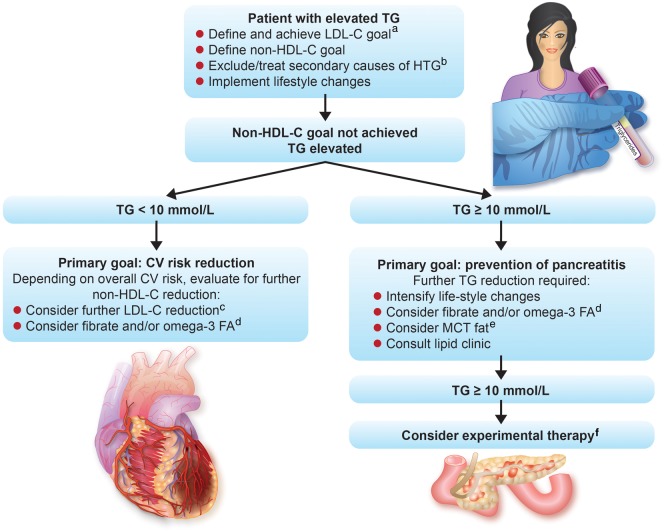
Hypertriglyceridaemia is a common clinical problem. Epidemiologic and genetic studies have established that triglyceride-rich lipoproteins (TRL) and their remnants as important contributors to ASCVD while severe hypertriglyceridaemia raises risk of pancreatitis. While low-density lipoprotein is the primary treatment target for lipid lowering therapy, secondary targets that reflect the contribution of TRL such as apoB and non-HDL-C are recommended in the current guidelines. Reduction of severely elevated triglycerides is important to avert or reduce the risk of pancreatitis. Here we discuss interventions for hypertriglyceridaemia, including diet and lifestyle, established treatments such as fibrates and omega-3 fatty acid preparations and emerging therapies, including various biological agents.
Overview
CoChat Summary
TL;DR
This clinical review summarizes that triglyceride-rich lipoproteins and their remnants contribute to atherosclerotic cardiovascular disease, while severe hypertriglyceridaemia raises pancreatitis risk. It discusses lifestyle, established fibrates/omega-3/niacin, and emerging therapies including apo C-III and ANGPTL3 inhibitors.
Key findings
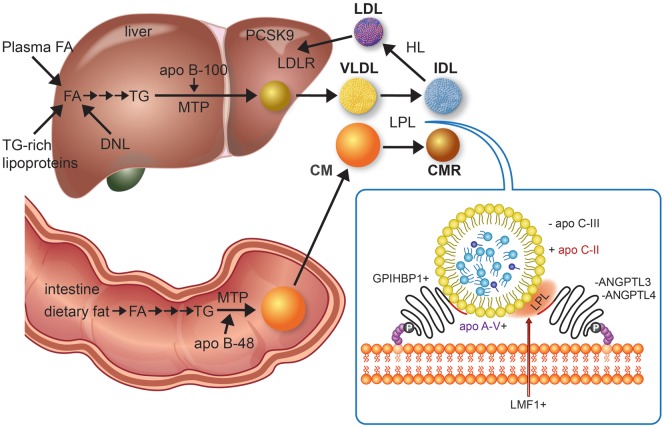
- Hypertriglyceridaemia is common, with prevalence ∼10% in adults; severe HTG (TG >10 mmol/L) has prevalence 0.10–0.20%, and very severe HTG (TG >20 mmol/L) 0.014%. Genetic and epidemiologic data establish TRL/remnants as ASCVD contributors; rare heterozygous APOC3 loss-of-function variants are associated with ∼50% reduced TG levels and reduced ASCVD risk.
- HTG is believed causative in 1–10% of acute pancreatitis episodes. Pancreatitis risk is elevated (HR 2.4) at TG 2.0–3.0 mmol/L but absolute risk remains low (5.5 events per 10 000 patient-years); acute pancreatitis may occur in 3% of those with TG 10–20 mmol/L and 15% of those with TG >20 mmol/L, while a German cohort reported 19% with TG >1000 mg/dL.
- Fibrates can reduce TG by up to 70%; statins, ezetimibe, and PCSK9 inhibitors reduce TG by 5–15%; high-dose omega-3 fatty acids (>2 g/day) variably decrease TG. In REDUCE-IT, 4 g icosapent ethyl in >9000 high-risk patients produced an ASCVD hazard ratio of 0.75 over 4.9 years.
- Volanesorsen reduced TG by 77% vs an 18% increase with placebo in APPROACH, and by 72% vs 1% increase in COMPASS. Emerging agents include pemafibrate (35–45% TG reduction), evinacumab (TG and LDL-C reductions up to 75% and 23%), IONIS-ANGPTL3-LRx (TG and LDL-C reductions up to 63.1% and 32.9%), and pradigastat (70% fasting TG reduction in six FCS patients).
Methods
- Narrative clinical review; no primary data collection. It synthesizes epidemiologic, genetic, mechanistic, and randomized trial evidence and includes tables on primary/secondary causes, lifestyle effect sizes, randomized cardiovascular outcome trials, acute pancreatitis treatment, and emerging therapies.
- Main analysis is qualitative synthesis; no systematic search strategy, inclusion criteria, or formal risk-of-bias assessment is described.
Limitations
- Stated: randomized controlled trial evidence for specific dietary recommendations is lacking; there is a lack of convincing outcomes evidence for ASCVD reduction when fibrates, omega-3 fatty acids, or niacin are added to statin therapy; no high-quality trial data demonstrate that acute pancreatitis risk decreases with specific TG-lowering therapy; efficacy and safety of emerging treatments need assessment in outcome trials.
- Evident: as a narrative review, it does not report a systematic literature search or formal quality appraisal, and conclusions rely on selected studies and ongoing trials.
Model-written summary. Check it against the paper before relying on it.
Integrity signals
Registry
Cites
Statistics
Figures
Verification
Claims the paper makes
19 Valid · 13 Not valid · 76 Not checked · 34 Own results and interpretations
The cited sources support only part of this claim — read each source’s verdict below.
In the paper
“Serum TRL are consistently associated with ASCVD risk, probably independent of other metabolic disturbances.17”
§ Clinical review on triglycerides > Triglyceride-rich lipoproteins and risk of atherosclerotic cardiovascular disease
What the sources say
- Partly supportedcites [17] Ganda OP, Bhatt DL, Mason RP, Miller M, Boden WE. Unmet need for adjunctive dyslipidemia therapy in hypertriglyceridemia management. J Am Coll Cardiol 2018; 72: 330– 343. 29935936 sourceExperimental — accuracy not yet measured
Our copy supports the association half: the INTRODUCTION states that epidemiological studies show elevated TG and low HDL-C as predictors of CHD risk, the National Health and Nutrition Examination section reports that 'Meta-analyses of long-term prospective studies have reported an association between elevated TG levels and ASCVD,' and Figure 1/Central Illustration lists triglyceride-rich lipoproteins among biomarkers for which 'Mendelian randomization supports causal relationship.' The added qualifier 'probably independent of other metabolic disturbances' is not what this paper asserts: the same section says the TG–ASCVD association 'is attenuated after adjustment for HDL-C level, as these 2 lipid parameters are highly inversely correlated,' and the Central Illustration cautions that 'interpretation of genetic linkage studies may be complicated by other pleiotropic effects' (apo A5 example with concurrent LDL/apo B elevation), adding that TG levels are 'accentuated by environmental factors such as lifestyle, obesity, and certain drugs.' So the independence-from-other-metabolic-disturbances part attributed to this source is not supported by our copy. (LLM, conf=0.70)
hedgedstates an association- Asserted: passes — The authors put it forward as true.
- Checkable: passes — It can be checked against evidence.
- Load-bearing: passes — The paper’s conclusions depend on it.
- Based: passes — The paper gives a reason why it holds.
- Partly supported
Every source the paper cites for this claim was checked and supports it.
In the paper
“Such LOF variants of APOC3 are also associated with reduced ASCVD risk.10”
§ Clinical review on triglycerides > Genetic hypotriglyceridaemia
What the sources say
- Supportedcites [10] Jorgensen AB, Frikke-Schmidt R, Nordestgaard BG, Tybjaerg-Hansen A. Loss-of-function mutations in APOC3 and risk of ischemic vascular disease. N Engl J Med 2014; 371: 32– 41. 24941082 source
The Discussion (page not supplied) identifies the study’s principal finding as reduced risks of ischemic vascular disease and ischemic heart disease among people with APOC3 loss-of-function mutations. This supports the citing sentence’s paraphrase of reduced ASCVD risk. (LLM, conf=0.92)
plainstates an association- Asserted: passes — The authors put it forward as true.
- Checkable: passes — It can be checked against evidence.
- Load-bearing: passes — The paper’s conclusions depend on it.
- Based: passes — The paper gives a reason why it holds.
- Supported
The cited sources support only part of this claim — read each source’s verdict below.
In the paper
“With regard to specific dietary recommendations, refined carbohydrate-rich foods as well as sucrose and fructose increase TG much more compared to fibre-rich, low glycaemic index foods.41”
§ Clinical review on triglycerides > Therapy—lifestyle
What the sources say
- Partly supportedcites [41] De Natale C, Annuzzi G, Bozzetto L, Mazzarella R, Costabile G, Ciano O, Riccardi G, Rivellese AA. Effects of a plant-based high-carbohydrate/high-fiber diet versus high-monounsaturated fat/low-carbohydrate diet on postprandial lipids in type 2 diabetic patients. Diabetes Care 2009; 32: 2168– 2173. 19741188 PMC2782970 sourceExperimental — accuracy not yet measured
The Results (page unavailable) report 31% lower postprandial plasma triglyceride response after the high-carbohydrate/high-fiber diet than after the low-carbohydrate/high-MUFA diet. The paper also says high-fiber, low-glycemic-index carbohydrate foods can avoid adverse triglyceride effects. It does not compare those foods with refined carbohydrate-rich foods, sucrose, or fructose, so the claim’s specific comparison is unsupported. (LLM, conf=0.86)
plainstates a cause- Asserted: passes — The authors put it forward as true.
- Checkable: passes — It can be checked against evidence.
- Load-bearing: passes — The paper’s conclusions depend on it.
- Based: passes — The paper gives a reason why it holds.
- Partly supported
None of the sources cited for this claim have been checked yet.
In the paper
“For example, in a German cohort, 19% of those with TG >1000 mg/dL (>11.3 mmol/L) had pancreatitis.26,28”
§ Clinical review on triglycerides > Triglyceride and risk of pancreatitis
What the sources say
- Not checked yetcites [26] Valdivielso P, Ramirez-Bueno A, Ewald N. Current knowledge of hypertriglyceridemic pancreatitis. Eur J Intern Med 2014; 25: 689– 694. 25269432 source
- Could not verifycites [28] Sandhu S, Al-Sarraf A, Taraboanta C, Frohlich J, Francis GA. Incidence of pancreatitis, secondary causes, and treatment of patients referred to a specialty lipid clinic with severe hypertriglyceridemia: a retrospective cohort study. Lipids Health Dis 2011; 10: 157. 21906399 PMC3180406 sourceExperimental — accuracy not yet measured
The Results (“History of Pancreatitis”; page unavailable) report that 15.8% of patients referred to this specialty lipid clinic with TG above 20 mmol/L had a history of pancreatitis. The Discussion equates 1000 mg/dL with 11.3 mmol/L, but the passages found when searching for a German cohort and 19% do not report that cohort or figure. The clinic’s different result does not establish what happened in a German cohort. (LLM, conf=0.76)
plainstates an association- Asserted: passes — The authors put it forward as true.
- Checkable: passes — It can be checked against evidence.
- Load-bearing: unclear — It is unclear whether the paper’s conclusions depend on it.
- Based: passes — The paper gives a reason why it holds.
The cited sources support only part of this claim — read each source’s verdict below.
In the paper
“Although LDL-lowering drugs have only moderate effects on TG levels, they reduce ASCVD risk in patients with and without HTG.42”
§ Clinical review on triglycerides > Therapy—approved pharmacologic treatments
What the sources say
- Partly supportedcites [42] Collins R, Reith C, Emberson J, Armitage J, Baigent C, Blackwell L, Blumenthal R, Danesh J, Smith GD, DeMets D, Evans S, Law M, MacMahon S, Martin S, Neal B, Poulter N, Preiss D, Ridker P, Roberts I, Rodgers A, Sandercock P, Schulz K, Sever P, Simes J, Smeeth L, Wald N, Yusuf S, Peto R. Interpretation of the evidence for the efficacy and safety of statin therapy. Lancet 2016; 388: 2532– 2561. 27616593 sourceExperimental — accuracy not yet measured
The 'Proven benefits of lowering LDL cholesterol with effective statin regimens' section (page unavailable) reports that statins reduce major vascular events across several patient groups. It does not establish the claimed benefit separately in patients with and without hypertriglyceridaemia, and its evidence here concerns statins rather than LDL-lowering drugs generally. Searches for triglycerides and hypertriglyceridaemia found no relevant subgroup result in our copy. (LLM, conf=0.84)
plainstates a cause- Asserted: passes — The authors put it forward as true.
- Checkable: passes — It can be checked against evidence.
- Load-bearing: passes — The paper’s conclusions depend on it.
- Based: passes — The paper gives a reason why it holds.
- Partly supported
75 more claims · 9 with their cited sources checked
Create a free account to see all 142 claims and to verify the 107 references still open.
- It may state two separate claims as one. 52
- Probably not a substantial claim. 15
- The quote only partly states this claim. 1
Claims other papers make about this one
Each is checked against this paper’s own text: does it say what the citing paper says it does?
The source backs part of the claim, not all of it — or backs it for a different population, condition or comparison.
In the citing paper
“Smaller VLDL2 is also made by the liver and can be delipidated to intermediate-density lipoprotein and low-density lipoprotein (for more detail see refs43–45).”
From Triglyceride-rich lipoproteins and their remnants: metabolic insights, role in atherosclerotic cardiovascular disease, and emerging therapeutic strategies—a consensus statement from the European Atherosclerosis Society (2021) · cites this paper as [43]
Experimental — accuracy not yet measuredThe source backs part of the claim, not all of it — or backs it for a different population, condition or comparison.
In the citing paper
“The absence of LPL activity renders standard lipid-lowering therapies—such as fibrates and omega-3 fatty acids—largely ineffective. Similarly, statins often fail to achieve adequate TG reduction in these patients.”
From The Efficacy and Safety of Plozasiran on Lipid Profile in Dyslipidemic Disorders: A Systematic Review and Meta-Analysis (2026) · cites this paper as [8]
Experimental — accuracy not yet measuredThe source backs part of the claim, not all of it — or backs it for a different population, condition or comparison.
In the citing paper
“Moreover, currently available therapies haven’t been effective enough to reach guideline-recommended therapeutic goals in acquired severe hypertriglyceridemia [5, 7, 8].”
From The Efficacy and Safety of Plozasiran on Lipid Profile in Dyslipidemic Disorders: A Systematic Review and Meta-Analysis (2026) · cites this paper as [8]
Experimental — accuracy not yet measuredThe source backs part of the claim, not all of it — or backs it for a different population, condition or comparison.
In the citing paper
“However, these approaches have shown limited efficacy in reducing triglyceride levels and preventing acute pancreatitis in clinical trials [8, 36, 37].”
From The Efficacy and Safety of Plozasiran on Lipid Profile in Dyslipidemic Disorders: A Systematic Review and Meta-Analysis (2026) · cites this paper as [8]
Experimental — accuracy not yet measuredThe source backs part of the claim, not all of it — or backs it for a different population, condition or comparison.
In the citing paper
“In those with fasting or nonfasting hypertriglyceridemia, such counseling is especially important due to the established atherogenicity of triglyceride-rich remnant lipoproteins and the benefits of lifestyle interventions in reduction of these particles (117,118).”
From 2021 ACC Expert Consensus Decision Pathway on the Management of ASCVD Risk Reduction in Patients With Persistent Hypertriglyceridemia (2021) · cites this paper as [117]
Experimental — accuracy not yet measured
2 more claims about this paper
Create a free account to see every claim other papers make about this one.
Self-check
Percentages, sums and reported differences re-computed from the paper’s own numbers.
Each contradiction between two passages listed here was confirmed by an independent check.
Rated minor: it would not touch a result — a value no result rests on, a p-value that stays on the same side of the significance level, or a conflict that is clerical, resolved elsewhere in the paper, or outside its own findings.
In the paper
§ Clinical review on triglycerides > Novel and emerging treatments for triglycerides > New fibrate and omega-3 preparation
“| Volanesorsen (Waylivra) | Akcea | APOC3 | First-generation anti-APOC3 ASO | FCS | Approved in Europe but not North America | Reduces TG, increases HDL-C | Possible special access for high-risk patients |”
§ Clinical review on triglycerides > Novel and emerging treatments for triglycerides > Treatments to reduce apolipoprotein C-III
“Volanesorsen (Waylivra; ISIS 304801 or IONIS-APOCIIIRx; Ionis/Akcea), a subcutaneously injected second-generation 2'-O-methoxyethyl chimeric antisense inhibitor, impairs translation of apolipoprotein (apo) C-III mRNA.”
Rated minor: it would not touch a result — a value no result rests on, a p-value that stays on the same side of the significance level, or a conflict that is clerical, resolved elsewhere in the paper, or outside its own findings.
In the paper
§ Clinical review on triglycerides > Therapy—approved pharmacologic treatments
“In >9000 high-risk patients, a dramatic risk reduction (HR 0.75) for ASCVD events was observed over a period of 4.9 years.”
§ Clinical review on triglycerides > Therapy—approved pharmacologic treatments
“| REDUCE-IT | Icosapent ethyl 4 g | High TG + ASCVD or high-risk DM | 8179 | MI + stroke + CVD death + angina + revascularization | Yes | Yes | 30415628 |”
Citations
Cites
Grundy, S. M., Stone, N. J., Bailey, A. L., Beam, C., Birtcher, K. K., Blumenthal, R. S., Braun, L. T., de Ferranti, S., Faiella-Tommasino, J., Forman, D. E., et al. (2019) · Circulation · doi:10.1161/cir.0000000000000625 · Cited by 6,185
Helsinki Heart Study: Primary-Prevention Trial with Gemfibrozil in Middle-Aged Men with Dyslipidemia
Frick, M. H., Elo, O., Haapa, K., Heinonen, O. P., Heinsalmi, P., Helo, P., Huttunen, J. K., Kaitaniemi, P., Koskinen, P., Manninen, V., et al. (1987) · New England Journal of Medicine · doi:10.1056/nejm198711123172001 · Cited by 3,881
Rubins, H. B., Robins, S. J., Collins, D., Fye, C. L., Anderson, J. W., Elam, M. B., Faas, F. H., Linares, E., Schaefer, E. J., Schectman, G., et al. (1999) · New England Journal of Medicine · doi:10.1056/nejm199908053410604 · Cited by 3,439
Cardiovascular Risk Reduction with Icosapent Ethyl for Hypertriglyceridemia
Bhatt, D. L., Steg, P. G., Miller, M., Brinton, E. A., Jacobson, T. A., Ketchum, S. B., Doyle, R. T., Juliano, R. A., Jiao, L., Granowitz, C., et al. (2019) · New England Journal of Medicine · doi:10.1056/nejmoa1812792 · Cited by 3,317 · cited 1×
“9 years.(52) It is currently unclear whether the observed benefit relates to the particular omega-3 fatty acid formulation used (icosapent ethyl), the high daily dose of 4 g, the carefully selected study population, or a possible deleterious effect of the mineral oil comparator used as placebo.”
2016 ESC/EAS Guidelines for the Management of Dyslipidaemias
Catapano, A. L., Graham, I., De Backer, G., Wiklund, O., Chapman, M. J., Drexel, H., Hoes, A. W., Jennings, C. S., Landmesser, U., Pedersen, T. R., et al. (2016) · European Heart Journal · doi:10.1093/eurheartj/ehw272 · Cited by 3,162
Effects of Combination Lipid Therapy in Type 2 Diabetes Mellitus
(2010) · New England Journal of Medicine · doi:10.1056/nejmoa1001282 · Cited by 2,837
Grundy, S. M., Stone, N. J., Bailey, A. L., Beam, C., Birtcher, K. K., Blumenthal, R. S., Braun, L. T., de Ferranti, S., Faiella-Tommasino, J., Forman, D. E., et al. (2019) · Journal of the American College of Cardiology · doi:10.1016/j.jacc.2018.11.003 · Cited by 2,691
Interpretation of the evidence for the efficacy and safety of statin therapy
Collins, R., Reith, C., Emberson, J., Armitage, J., Baigent, C., Blackwell, L., Blumenthal, R., Danesh, J., Smith, G. D., DeMets, D., et al. (2016) · The Lancet · doi:10.1016/s0140-6736(16)31357-5 · Cited by 1,857 · cited 1×
“Although LDL-lowering drugs 42 Therefore, depending on the absolute risk, specific LDL-C and non-HDL-C goals should be achieved.”
BackgroundTriglycerides and cardiovascular disease
Nordestgaard, B. G., & Varbo, A. (2014) · The Lancet · doi:10.1016/s0140-6736(14)61177-6 · Cited by 1,419 · cited 3×
“21 A causal relationship between TRL and ASCVD is supported by Mendelian randomization studies and in conditions as dysbetalipo-proteinaemia, which is typically seen in some patients homozygous for the E2 allele (<1% of Europeans) 18,21,22 ; lipoproteins with this form of apo E bind defectively cell surface receptors.”
BackgroundSarwar, N., Danesh, J., Eiriksdottir, G., Sigurdsson, G., Wareham, N., Bingham, S., Boekholdt, S. M., Khaw, K.-T., & Gudnason, V. (2007) · Circulation · doi:10.1161/circulationaha.106.637793 · Cited by 1,408 · cited 2×
“…between TRL and ASCVD is supported by Mendelian randomization studies and in conditions as dysbetalipo-proteinaemia, which is typically seen in some patients homozygous for the E2 allele (<1% of Europeans) 18,21,22 ; lipoproteins with this form of apo E bind defectively cell surface receptors.”
Background
Cited by
Items 401–500 of 573
Triglyceride Turmoil: Unraveling a Complex Case
Sarvanandan, T., Ratnasingam, J., Sthaneshwar, P., Murakami, M., & Lim, S. K. (2025) · Clinical Chemistry · doi:10.1093/clinchem/hvaf103 · Cited by 1
Miyauchi, S., Utsunomiya, Y., Okamoto, M., Akesaka, K., Ono, K., Hara, Y., Miyazaki, M., Nakaguchi, H., Miyake, T., Furukawa, S., et al. (2026) · Endocrinology Diabetes and Metabolism Case Reports · doi:10.1530/edm-25-0084 · Cited by 1
Wang, X., Tang, Y., Zeng, S., Li, L., Hou, Y., Liu, D., Tian, P., & Song, G. (2026) · Frontiers in Endocrinology · doi:10.3389/fendo.2026.1729571 · Cited by 2
“Given practical considerations and the potential to improve patient compliance, non-fasting sampling is recommended (27).”
Gan, W., Feng, B., Liu, Q., & Liu, Y. (2026) · Biochemia Medica · doi:10.11613/bm.2026.011002 · Cited by 1
Hypertriglyceridemia: updates from clinical trials of new agents and real-world registries
Haseef, M., Li, S. C. H., Gaitt, T., Chan, D. C., Pang, J., & Watts, G. F. (2026) · Current Opinion in Endocrinology Diabetes and Obesity · doi:10.1097/med.0000000000000955 · Cited by 1
Vitali, C., Banerjee, P., Pordy, R. C., Ehmann, P. J., Rosenson, R. S., & Rader, D. J. (2026) · Journal of Lipid Research · doi:10.1016/j.jlr.2026.101020 · Cited by 2
“In the United States, more than 3 million adults are estimated to be affected by sHTG (3). sHTG is a known risk factor not only for atherosclerotic cardiovascular disease but also for acute pancreatitis (AP), for which it is estimated to cause or contribute to ∼ 10% of cases (4).”
Beyond Fasting Lipids: Nutritional and Clinical Perspectives on Postprandial Triglycerides
Pătru, O., Păunescu, A., Enache, B., Luca, S. A., Văcărescu, C., Ciornei, A.-I., Cozma, D. C., Bena, A., Luca, C. T., & Crișan, S. (2026) · Nutrients · doi:10.3390/nu18081222 · Cited by 1
“Pharmacologic therapies, when indicated, serve as an adjunct for patients with persistent hypertriglyceridemia or elevated cardiometabolic risk despite optimized lifestyle measures [19].”
Wang, M., Niu, H., Du, H., & Liu, X. (2026) · International Journal of Obesity · doi:10.1038/s41366-026-02089-0 · Cited by 1
Kirkpatrick, C. F., & Bittner, V. (2026) · Journal of clinical lipidology · doi:10.1016/j.jacl.2026.05.224 · Cited by 1
Green, B., Leitersdorf, E., Shpitzen, S., Alyan, R., Schurr, D., Talmon, A., Tal, Y., Kaplan, M., Weiss, R., & Durst, R. Y. (2026) · Journal of Lipid Research · doi:10.1016/j.jlr.2026.101162 · Cited by 1
A compass for navigating the perils of hypertriglyceridaemia
Watts, G. F., & Ward, N. C. (2021) · The Lancet Diabetes & Endocrinology · doi:10.1016/s2213-8587(21)00077-2 · Cited by 1
Triglicéridos: ¿son o no son un factor de riesgo cardiovascular?
Álvarez‐López, H., Díaz-Aragón, A., & Ruiz-Gastélum, E. (2021) · Cardiovascular and Metabolic Science · doi:10.35366/100803 · Cited by 1
Minimum pathology reporting standard for gastro-intestinal cancers in Nigeria: A draft proposal
Obaseki, D., Abdulkareem, F. B., Rotimi, O., Ogunbiyi, O. J., Oluwasola, S., Ojo, O., Duduyemi, B., & Igbokwe, U. (2013) · Nigerian Journal of Gastroenterology and Hepatology · Cited by 2
Peng, Y., Guo, D., Jiang, S., & Zheng, H. (2021) · Chinese Medical Journal · doi:10.1097/cm9.0000000000001896 · Cited by 1
“However, statins aremainlyusedtoreduceLDL-c,andTGisdecreasedby5% to 15%([4]); the cardiovascular benefitof n–3 fatty acids is only found in icosapent ethyl, where TG is decreased by 20%([5]); fibrates are not effective for chylomicronemia with genetic mutations; other new TG-lowering drugs are in clinical trials, and…”
BackgroundHohes Pankreatitisrisiko bei familiärem Chylomikronämie-Syndrom
Klose, G. (2021) · Gastro-News · doi:10.1007/s15036-021-2424-8 · Cited by 1
Genkel, V. V., Кузнецова, А. С., Pykhova, L., Никушкина, К. В., Savochkina, A. Y., Dolgushin, I. I., & Иосифович, Ш. И. (2022) · Endocrine Metabolic & Immune Disorders - Drug Targets · doi:10.2174/1871530322666220427094330 · Cited by 1
Huff, M. W., & Rayner, K. J. (2021) · Elsevier eBooks · doi:10.1016/b978-0-12-824048-9.00013-4 · Cited by 1
Dawood, Z. A., Algburi, F. S., & Naji, N. A. (2022) · Tikrit Journal of Pure Science · doi:10.25130/tjps.v27i2.62 · Cited by 1
Bashir, B., Iqbal, Z., Schofield, J. D., & Soran, H. (2023) · Elsevier eBooks · doi:10.1016/b978-0-323-99991-5.00012-7 · Cited by 1
Müller, M., Classen, M. H., & Kamber, N. (2023) · Praxis · doi:10.1024/1661-8157/a004060 · Cited by 1
Modern prospects of targeted hypolipidemic therapy
Kuchmin, A. N., Борисович, Н. М., Grachev, A. M., & Смирнова, Е. В. (2023) · Bulletin of the Russian Military Medical Academy · doi:10.17816/brmma321350 · Cited by 1
Dyslipidemia - the known unknown
Šatný, M. (2023) · Vnitřní lékařství · doi:10.36290/vnl.2023.060 · Cited by 1
Variety of clinical manifestations of hypertriglyceridemia: a case series
Зафираки, В. К., Муратович, Н. А., Гилевич, И. В., Gradovskaya, M. V., Malyarevskaya, O. V., & Витальевна, К. К. (2023) · Russian Journal of Cardiology · doi:10.15829/1560-4071-2023-5545 · Cited by 1
Carrero, R. S. D. V., Blanco, A., Daimiel, L., Blanco, M. J., Segovia, R. C., de la Garza, R. G., & Martínez‐Urbistondo, D. (2024) · Biomedicines · doi:10.3390/biomedicines12030692 · Cited by 1
Hipertrigliceridemia - epidemiologia, fisiopatologia e manejo terapêutico
Lima, R. C. D. P. S., Silveira, E. P. P., Guimarães, M. S. M., Alvim, A. L., & de Oliveira, J. S. M. (2024) · Brazilian Journal of Health Review · doi:10.34119/bjhrv7n2-238 · Cited by 1
Congenital Hyperlipidemia in Infants for Congenital Cardiac Surgery
YADAV, M. A., Trivedi, D., Chandra, H., Reddy, S. N., Subramaniam, G. K., & Nambathula, S. (2024) · JACC Case Reports · doi:10.1016/j.jaccas.2024.102368 · Cited by 1
He, B., Li, Y., & Zhou, N. (2025) · Cytokine · doi:10.1016/j.cyto.2025.156941 · Cited by 1
Li, Q., Qi, K., Wu, S., Shen, A., & Zhao, L. (2025) · Biochemical Pharmacology · doi:10.1016/j.bcp.2025.117351 · Cited by 2
‘The lower the better’ revisited: the new lipid targets in high risk patients
Lüscher, T. F. (2020) · European Heart Journal · doi:10.1093/eurheartj/ehz960 · Cited by 2
Editorial: Highlights in Lipids in Cardiovascular Disease: 2021
Boucheniata, C., Tessier, N., & Martel, C. (2022) · Frontiers in Cardiovascular Medicine · doi:10.3389/fcvm.2022.915262 · Cited by 1
“The subsequent “cholesterol hypothesis” that raised proposed that LDL-cholesterol (LDL-C) is instrumental for the development of atherosclerosis, the main underlying cause of CVD. Specific classes of lipoproteins thus began to be identified as triggers in the inflammatory processes, thereby promoting blood vessel infl…”
BackgroundInfluentialStankov, S. G., Vitali, C., Park, J., Nguyen, D., Mayne, L. C., Englander, S. W., Levin, M. G., Vujković, M., Hand, N. J., Phillips, M. C., et al. (2023) · medRxiv · doi:10.1101/2023.02.21.23286268 · Cited by 1
Klingenberg, R. (2023) · European Journal of Preventive Cardiology · doi:10.1093/eurjpc/zwad315 · Cited by 1
Xu, L., Yu, W., Que, D., Yan, J., Zhang, X., Zhu, Y., Wang, Y.-X., Yang, Y., Song, X., & Yang, P. (2024) · Research Square · doi:10.21203/rs.3.rs-5242718/v1 · Cited by 1
Outland, E. H., Xin, Y., Dickson, A. L., Mundo, S., Tao, R., Zhong, X. Y., Karakoc, G., Serley, S., Jiang, L., Cox, N. J., et al. (2025) · medRxiv · doi:10.1101/2025.03.07.25323588 · Cited by 1
Dietary Interventions for Hypertriglyceridemia
Kirkpatrick, C. F., Petersen, K. S., Kris-Etherton, P. M., & Maki, K. C. (2026) · Current Atherosclerosis Reports · doi:10.1007/s11883-026-01444-w
“Hepatic output of VLDL-TG, intestinal formation of chylomicron particles, and the efficiency of both LPL-mediated lipoly - sis and hepatic uptake of TRLs will determine fasting and postprandial TG concentrations [2, 15].”
InfluentialLipids and lipid‐modifying therapy
Kirby, M. G. (2021) · Trends in Urology & Men s Health · doi:10.1002/tre.803
Bruckert, É. (2020) · Médecine des Maladies Métaboliques · doi:10.1016/j.mmm.2020.03.001
Update Lipidologie: Evidenzbasierte Behandlung von Fettstoffwechselstörungen
Parhofer, K. G. (2020) · Der Internist · doi:10.1007/s00108-020-00799-9
Self-citationSevere hypertriglyceridemia (hyperchylomicronemia), an actual challenge in daily clinic
Roeck, Y. D., & Twickler, M. (2020) · European Journal of Clinical Investigation · doi:10.1111/eci.13399
Lipidsenkung jenseits des LDL-Cholesterins
Katzmann, J. L., & Laufs, U. (2021) · Kardiologie up2date · doi:10.1055/a-0897-2742
Self-citationHIV-Infektion und Lipidentgleisung — Gründe und Gegenmaßnahmen: Kardiovaskuläre Erkrankungen
Hollstein, T., Schumann, F., & Kassner, U. (2020) · MMW - Fortschritte der Medizin · doi:10.1007/s15006-020-0015-9
Therapie und Risikoabschätzung bei Fettstoffwechselstörungen
Parhofer, K. G. (2021) · MMW - Fortschritte der Medizin · doi:10.1007/s15006-021-0282-0
Self-citationAnderson, J. L. C. (2021) · University of Groningen research database (University of Groningen / Centre for Information Technology) · doi:10.33612/diss.192996734
Dyslipidämien: Aktuelles Lipid-Management
Müller‐Wieland, D., Lehrke, M., Lebherz, C., Schütt, K. S., & Marx, N. (2020) · Deutsches Ärzteblatt · doi:10.3238/persdia.2020.05.15.02
Ferreira, G. D. S. (2021) · Digital Library of Theses and Dissertations (Universidade de São Paulo) · doi:10.11606/t.5.2021.tde-07012022-133712
Wójcik, C. (2022) · Springer eBooks · doi:10.1007/978-3-030-54441-6_126
Ipertrigliceridemia: fisiopatologia e significato clinico
Olivieri, C., Pisati, D., Sironi, F. M., Roversi, T., & Magni, P. (2022) · L Endocrinologo · doi:10.1007/s40619-022-01059-8 · Cited by 1
Maindad, D. G., SUKHADYAL, D., & AKHIL, N. (2022) · Asian Journal of Pharmaceutical and Clinical Research · doi:10.22159/ajpcr.2022.v15i3.43909
Zufallsbefund Hypertriglyceridämie
Parhofer, K. G. (2020) · MMW - Fortschritte der Medizin · doi:10.1007/s15006-020-0105-8
Self-citationWójcik, C. (2020) · Springer eBooks · doi:10.1007/978-1-4939-0779-3_126-2
Primär genetische Dyslipoproteinämien und Atheroskleroserisiko
Schwab, K. O., & Doerfer, J. (2022) · Springer eBooks · doi:10.1007/978-3-662-63320-5_3
Triglyceride-Rich Lipoproteins
Bazarbashi, N., & Miller, M. J. (2022) · Contemporary cardiology · doi:10.1007/978-3-030-98824-1_12
Wu, B., Qu, Y., Lu, Y., Ji, S., Ding, L., Li, Z., Zhang, M., Gu, H., Sun, Q., Ying, B., et al. (2022) · Environmental Pollution · doi:10.1016/j.envpol.2022.119904 · Cited by 1
Miura, K., Yu, R., Entwistle, T. R., McKenzie, S. C., & Green, A. C. (2022) · The International Journal of Artificial Organs · doi:10.1177/03913988221118942
“Dilated cardiomyopathy 80 (34) 58 (31) 22 (46) Otherb 75 (32) 62 (33) 13 (27) Year transplanted 1990–2004 113 (48) 109 (58) 4 (8) <0.”
Hypertriglyceridaemia: a commentary
Ryan, A., Simpson, W. G., & Twomey, P. J. (2022) · Journal of Clinical Pathology · doi:10.1136/jcp-2022-208513
Weingärtner, O., Marx, N., Klose, G., & Laufs, U. (2022) · Diabetes aktuell · doi:10.1055/a-1979-7992
Self-citationRehman, Y. U., Gul, F., Qaiser, M., Kanwal, F., Ahmad, M., Salehazada, N., & Bangash, J. A. (2022) · International Journal of Biosciences (IJB) · doi:10.12692/ijb/21.6.341-347
Approach to Hypertriglyceridemia
Hegele, R. A. (2023) · Springer eBooks · doi:10.1007/978-3-031-24113-0_9
Self-citationOverview of Lipids and Atherosclerosis
Libby, P. (2023) · Elsevier eBooks · doi:10.1016/b978-0-323-88286-6.00001-7 · Cited by 1
Pancreatite aguda induzida por hipertrigliceridemia: métodos diagnósticos e manejo terapêutico
Baptista, M. M., Bueno, P. V. R., Sanguedo, M. C. D. A., Reis, M. D. S. B., Custódio, P. D. S., Escocard, A. L. M. M., Monteiro, L. R. S. M., Lança, A. N., Dias, I. M. C., & Lemos, L. S. B. (2023) · Brazilian Journal of Development · doi:10.34117/bjdv9n5-139
Guía Esencial de Medicina Interna en el Primer Nivel de Atención Tomo 1
González, A. E. B., Macias, S. A. R., Guanoluisa, C. M. A., Espinoza, A. L. V., Jara, V. C. L., Guajala, R. G. Y., Torres, M. M. T., Muñoz, F. M. G., Mancero, R. D. A., & Bonifaz, D. A. S. (2023) · Juan Cuevas eBooks · doi:10.56470/978-9942-627-54-4
Guía Esencial de Medicina Interna en el Primer Nivel de Atención Tomo 2
Arévalo, J. X. L., Blanco, L. E. B., Maigualema, B. A. L., Díaz, J. J. V., Indaburo, K. M. B., Alvario, A. E. P., Tóala Mosquera Md, M., Salazar, V. C. B., Silva, F. J. G., Yapud, A. L. A., et al. (2023) · Juan Cuevas eBooks · doi:10.56470/978-9942-627-71-1
Severe Hypertriglyceridemia: A 10-Year Review in a Portuguese Hospital
Laranjeira, F. S., Neves, N. M., Raimundo, A., & Horta, A. B. (2023) · Cureus · doi:10.7759/cureus.41239
“The etiology of hypertriglyceridemia (HTG) can be divided into primary and secondary [1].”
BackgroundResultInfluentialGilyarevskiy, S. R. (2023) · Meditsinskiy sovet = Medical Council · doi:10.21518/ms2023-268
Pharmacology and Enzyme Inhibitory Potentials of Myrtus communis L. Fruits Grown in Oman
Alsenaidi, W. A., Amush, H. A., Ullah, S., Baniorabe, N. S., Khan, A., Al-Touby, S. S. J., Rehman, N. U., Al‐Harrasi, A., & Weli, A. M. (2023) · Trends in Medical Research · doi:10.3923/tmr.2023.143.151 · Cited by 1
Normal dan Dislipidemia: Profil Lipid Pasien Hipertensi- Prolanis di Kota Pontianak
Sen, S., Nuswantoro, A., Kamilla, L., & Aprillia, D. (2023) · MAHESA Malahayati Health Student Journal · doi:10.33024/mahesa.v4i1.13266
“…berat (>885 mg/dL) dan sangat berat (>1770 mg/dL) masih sangat jarang ditemukan, dengan prevalensi masing-masing 0,1 - 0,2% dan 0,014% namun, hipertrigliseridemia ringan hingga sedang menjadi lebih umum seiring dengan peningkatan obesitas dan diabetes tipe 2 (Laufs et al., 2020).”
BackgroundIschaemic Heart Disease in Diabetes
Lehrke, M., & Marx, N. (2024) · Wiley eBooks · doi:10.1002/9781119697473.ch49
Insulina vs heparina en el tratamiento de la pancreatitis aguda secundaria a hipertrigliceridemia
Carrera, S. F. O., Asanza, J. L. C., Ortiz, F. B. G., & Bravo, A. C. O. (2023) · Revista Ecuatoriana de Ciencia Tecnología e Innovación en Salud Pública · doi:10.31790/inspilip.v7iespecial.484
La importancia de la genética en el estudio de la hipertrigliceridemia
Rosales‐Castillo, A., Bustos-Merlo, A., & Sevilla, J. E. (2024) · Hipertensión y Riesgo Vascular · doi:10.1016/j.hipert.2023.12.001
Guía Esencial de Medicina Interna en el Primer Nivel de Atención Tomo 15
Villamar, J. A. M., Verduga, J. A. N., Verduga, M. D. F. N., López, J. A. M., Almeida, M. N. M., Álava, A. O. C., Villavicencio, J. J. A., Caiza, A. M. B., Chico, M. J. Z., Taylor, D. E. C., et al. (2024) · Juan Cuevas eBooks · doi:10.56470/978-9942-660-00-8
Jada, M. S., Stephen, H., Zailani, H. A., & Wurochekke, A. U. (2024) · Caliphate Journal of Science and Technology · doi:10.4314/cajost.v6i1.6
“The results demonstrated a significant reduction in LDL cholesterol across all treatment groups (Laufs et al. , 2019).”
BackgroundGuía Esencial de Medicina Interna en el Primer Nivel de Atención Tomo 14
Coello, M. G. M., Betancourth, N. N. O., Lucio, Á. B. C., Cando, D. I. G., Alvarado, A. M. H., Malavé, B. P. R., Cedeño, A. M. Q., Vargas, D. A. G., Cobo, F. C. A., Zambrano, S. D. C., et al. (2024) · Juan Cuevas eBooks · doi:10.56470/978-9942-650-95-5
Guía Esencial de Medicina Interna en el Primer Nivel de Atención Tomo 19
Vera, A. G. M., Cueva, P. M. G., Tobar, J. C. Y., Cantillo, F. A. A., Franco, D. R. C., Castro, J. J. G., Mendoza, H. E. G., Mendoza, N. M. G., Briones, A. E. Q., Villegas, H. A. G., et al. (2024) · Juan Cuevas eBooks · doi:10.56470/978-9942-660-17-6
Moderne Strategien zur Lipidsenkung – die frühe Kombinationstherapie
Geiling, J. A., Schulze, P. C., & Weingärtner, O. (2024) · Zeitschrift für Herz- Thorax- und Gefäßchirurgie · doi:10.1007/s00398-024-00650-5
Metabolic background as the basis for comorbidity in patients with type 2 diabetes mellitus
Demidova, T. Y., & Омариевна, У. Ф. (2024) · Meditsinskiy sovet = Medical Council · doi:10.21518/ms2024-137
张, 卓. (2024) · Advances in Clinical Medicine · doi:10.12677/acm.2024.1451662
Schäffler, A., & Karrasch, T. (2024) · Springer eBooks · doi:10.1007/978-3-662-68563-1_3
A Novel Ai Model that Predicts Elevated Triglycerides Through Liver Cse-Mri Fat MapsPreprint
Jiang, B., Situ, W., Hu, J., Chen, X., Wang, Y., Kuang, J., Xiao, X., Wu, X., Yang, H., & Deng, K. (2024) · SSRN Electronic Journal · doi:10.2139/ssrn.4870169
Evaluation of proprotein convertase subtilsin /kexin 9(PCSK9) in serum of men hypertensive patients
Al-mohtaser, Y. A. H. M., & Al-Dujaili, A. N. (2024) · Cardiometry · doi:10.18137/cardiometry.2024.31.174184
The Correlation between Laboratory Metabolic Profile and Blood Pressure
Samara, D., Wartono, M., & Kosasih, A. (2024) · Jurnal Biomedika dan Kesehatan · doi:10.18051/jbiomedkes.2024.v7.61-70
Kontush, A. (2024) · Wiley eBooks · doi:10.1002/9781394158393.ch21b
Biochemical Assessment of Chronic Kidney Disease in Iraq Patients
Abbas, Z. A. K., & Al-Salihi, Z. S. A. (2024) · Academic International Journal of Medical Sciences · doi:10.59675/m214
Marín‐Serrano, E., Fuentes, A. E. K., Fernández-Martos, R., Prieto, J. M. M., Llorente, A. V., Cano, A. B., Hernández, P. L. M., & Martín‐Arranz, M. D. (2024) · Gastroenterología y Hepatología (English Edition) · doi:10.1016/j.gastre.2024.502229
Schäffler, A., & Karrasch, T. (2024) · Springer eBooks · doi:10.1007/978-3-662-70260-4_3
The Importance of Hypertriglyceridemia: Risk of Atherosclerosis and Available Treatments
Hegele, R. A. (2025) · Canadian Cardiology Today · doi:10.58931/cct.2025.113
Self-citationGiannopoulos, A. J., Kottaras, S., Allanigue, B., Coish, J. M., Ditor, D. S., Fajardo, V. A., & Klentrou, P. (2025) · Nutrients · doi:10.3390/nu17071265 · Cited by 1
“This style of eating can lead to an increase in circulating cholesterol and triglycerides [42,43].”
56-Year-Old Man With Abdominal Pain, Decreased Urine Output, Nausea, and Vomiting
Liberto, J. D., Butt, A. J., & Bhuiyan, M. N. (2025) · Mayo Clinic Proceedings · doi:10.1016/j.mayocp.2024.05.036
Mănescu, I. B., Pál, K., & Dobreanu, M. (2025) · Revista română de medicină de laborator · doi:10.2478/rrlm-2025-0014
Guan, W.-X., Zhuo-Lan, Luo, X.-J., Gao, J.-X., & Bai, C.-X. (2025) · Scientific Reports · doi:10.1038/s41598-025-93583-4
“Triglycerides are essential for energy storage and safeguarding of internal organs; however, elevated TG levels may signify the onset of metabolic diseases, including hyperlipidaemia, diabetes, and cardiovascular conditions 10 .”
Modeling the postprandial CETP-mediated lipid redistribution between chylomicrons, LDL and HDL
Jansen, M., Contini, C., Hoffmann, M. M., & Pütz, G. (2025) · Journal of Lipid Research · doi:10.1016/j.jlr.2025.100847 · Cited by 1
Shahir, A. A. A., Ghaderi, A., Navaei, N., Zahedpasha, R., Ghorbani, S., Banafshe, H. R., Hashemian, S.-S., & Omidi, A. (2025) · Journal of Education and Health Promotion · doi:10.4103/jehp.jehp_146_24
“[48] The search did not provide specific information about how TG is related to BD.”
Ereqat, S., Sharabati, M., Abuhilal, M., & Nasereddin, A. (2025) · Cureus · doi:10.7759/cureus.88597 · Cited by 1
Erdoğan, K. M., Akcan, M. B., Yazıcı, H., Özyılmaz, B., Özdemir, T. R., Kaya, Ö. Ö., Kırbıyık, Ö., Er, E., Kutbay, Y. B., Güvenç, M. S., et al. (2025) · Annals of Human Genetics · doi:10.1111/ahg.70028
Shi, X. L., & Wang, R. (2025) · Elsevier eBooks · doi:10.1016/b978-0-443-24044-7.00008-0
Lipid-based nanomaterials for enhanced photodynamic therapy
Ricken, Y. S., da Silva, M. M. L., Doring, H. D., Latocheski, E., da Silva, A. C. P., Estevão, B. M., Tessaro, A. L., & de Freitas, C. F. (2025) · Elsevier eBooks · doi:10.1016/b978-0-443-40431-3.00011-6
Using Yogic Intervention Reduces Serum Lipids and Atherogenic Indices: A Comprehensive Study
Rahaman, A., & Pramanik, T. N. (2025) · Physical Education Theory and Methodology · doi:10.17309/tmfv.2025.6.04
“Epidemiological and genetic studies have identified triglyceride-rich lipoproteins (TRL) and their remnants as key contributors to atherosclerotic cardiovascular disease (ASCVD) (Laufs et al., 2020; Zhang et al., 2022).”
Seaweed-based dessert as a nutraceutical for cardiovascular diseases
Valado, A., Cotas, J., Caseiro, A., Mendes, M., & Pereira, L. (2025) · Journal of Applied Phycology · doi:10.1007/s10811-025-03721-8
Remnant Cholesterol as a Predictor of Target-Vessel Failure in Patients With In-Stent Restenosis
Kong, X.-H., Lv, Z.-H., Wang, Y.-F., Sun, Y.-D., Xu, T., You, W., Meng, P.-N., Wu, X., Wu, Z., Jia, H.-B., et al. (2025) · Reviews in Cardiovascular Medicine · doi:10.31083/rcm43867
“Increased RC is related to a higher frequency of insulin resistance and pro-inflammatory status, which further amplifies its effect on cardiovascular events [61,62].”
Cruz-Bautista, I., Huerta‐Chagoya, A., Moreno-Macías, H., Rodríguez-Guillén, R., Ordóñez-Sánchez, M. L., Segura-Kato, Y., Mehta, R., Almeda-Valdés, P., Gómez-Munguía, L., Chávez, X. R.-D., et al. (2021) · Figshare · doi:10.6084/m9.figshare.14037373
Cruz-Bautista, I., Huerta‐Chagoya, A., Moreno-Macías, H., Rodríguez-Guillén, R., Ordóñez-Sánchez, M. L., Segura-Kato, Y., Mehta, R., Almeda-Valdés, P., Gómez-Munguía, L., Chávez, X. R.-D., et al. (2021) · Figshare · doi:10.6084/m9.figshare.14037370
Metadata
- Authors
- Laufs, U., Parhofer, K. G., Ginsberg, H. N., & Hegele, R. A.
- Affiliations
- University Hospital Leipzig (DE)
- Ludwig-Maximilians-Universität München (DE)
- Columbia University (US)
- Western University (CA)
- Corresponding author
- Laufs, Ulrich
- Venue
- European Heart Journal
- Publisher
- Oxford University Press (OUP)
- Published
- 2019-11-25
- Volume
- 41
- Issue
- 1
- Pages
- 99-109c
- ISSN
- 0195-668X (ISSN-L)
- 1522-9645
- PMC
- PMC6938588
- OpenAlex
- W2991262768
- Semantic Scholar
- 37744b8e99d37180e349091fc1c078fc678f2f84
- Cited by
- 544
- References
- 101
- Citations by year
- 2026: 62 · 2025: 81 · 2024: 99 · 2023: 90 · 2022: 84 · 2021: 74 · 2020: 50 · 2019: 3
- FWCI
- 10.88
- Type
- journal article
- Language
- en
- Open access
- hybrid
- doi.org
- Licence
- Locations
- European Heart Journal (publishedVersion, cc-by-nc)
- Europe PMC (PubMed Central) (publishedVersion, cc-by-nc)
- PubMed Central (publishedVersion, cc-by-nc)
- PubMed (publishedVersion)
- Topics
- Health Sciences › Medicine › Cardiology and Cardiovascular Medicine › Lipoproteins and Cardiovascular Health
- Health Sciences › Medicine › Cardiology and Cardiovascular Medicine › Lipid metabolism and disorders
- Health Sciences › Medicine › Endocrinology, Diabetes and Metabolism › Diabetes, Cardiovascular Risks, and Lipoproteins
- Keywords
- hypertriglyceridemia, triglyceride-rich lipoproteins, atherosclerotic cardiovascular disease, pancreatitis, non-HDL cholesterol, apolipoprotein B, LDL cholesterol, fibrates, omega-3 fatty acids, lipid-lowering therapy, diet and lifestyle, new drugs
- MeSH terms
- Humans, Life Style, Triglycerides, Hypertriglyceridemia
About these checks
Registry, retraction, Cites and statistics results are computed, not judged, with one exception: a printed reference that no index lists is read once by a model before it counts as a citation error. Claims are extracted by a model and kept only when their quote appears verbatim in the text; each cited source is then checked, with a model’s help, for whether it says what the claim relies on. Those verdicts can be wrong — read the claim’s quote and the cited source before relying on one.
The claim verdicts this report counts are experimental: their accuracy is not yet measured.
A language model drew the claims from the paper on 2026-10-04, under version 3 of the claim definition (model deepseek-v4.1-flash, prompt extract-v3).
A second model labelled each claim on 2026-10-04 (model jev-1.13-20260917, definition revision gold-guideline-v0.2).
Cited sources are checked with a language model’s help (qwen3.8-omni-flash and gpt-6-sol).
Statistics and arithmetic are recomputed, not judged.
Confidence bands are shown only for fields calibrated on our annotated test set. None is calibrated yet, so no band is shown.
What counts as a claim ›How we measure confidence ›How we check this ›
Are you an author, or do you see a problem with this page? Request a review
Data sources
Bibliographic data: Semantic Scholar, OpenAlex, Crossref.
Contains information from the Semantic Scholar Academic Graph Datasets, made available under the ODC Attribution License (ODC-BY 1.0).
Semantic Scholar’s data is described in: Kinney, R., et al. (2023). The Semantic Scholar Open Data Platform. arXiv:2301.10140.
