

Clinical review on triglycerides
Open accessThe DOI matches its Crossref record; 101 of the 101 references it cites were found in a registry or an index; 38 of the 145 sources its claims cite were checked for support.
Abstract
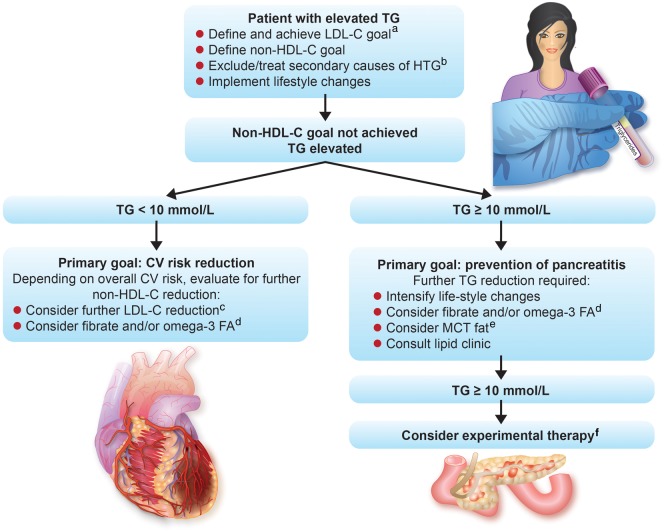
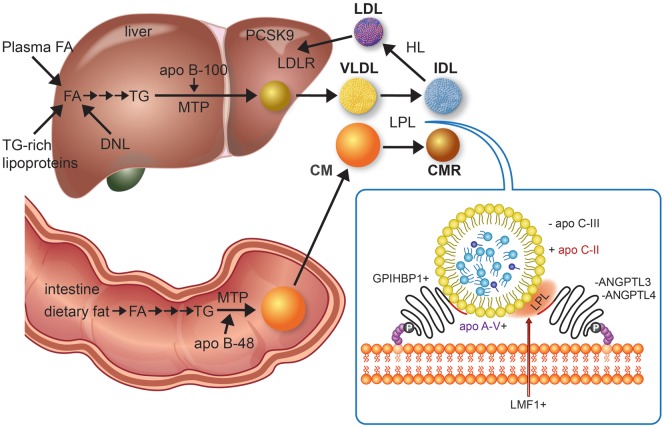
Hypertriglyceridaemia is a common clinical problem. Epidemiologic and genetic studies have established that triglyceride-rich lipoproteins (TRL) and their remnants as important contributors to ASCVD while severe hypertriglyceridaemia raises risk of pancreatitis. While low-density lipoprotein is the primary treatment target for lipid lowering therapy, secondary targets that reflect the contribution of TRL such as apoB and non-HDL-C are recommended in the current guidelines. Reduction of severely elevated triglycerides is important to avert or reduce the risk of pancreatitis. Here we discuss interventions for hypertriglyceridaemia, including diet and lifestyle, established treatments such as fibrates and omega-3 fatty acid preparations and emerging therapies, including various biological agents.
Overview
CoChat Summary
TL;DR
This clinical review summarizes that triglyceride-rich lipoproteins and their remnants contribute to atherosclerotic cardiovascular disease, while severe hypertriglyceridaemia raises pancreatitis risk. It discusses lifestyle, established fibrates/omega-3/niacin, and emerging therapies including apo C-III and ANGPTL3 inhibitors.
Key findings
- Hypertriglyceridaemia is common, with prevalence ∼10% in adults; severe HTG (TG >10 mmol/L) has prevalence 0.10–0.20%, and very severe HTG (TG >20 mmol/L) 0.014%. Genetic and epidemiologic data establish TRL/remnants as ASCVD contributors; rare heterozygous APOC3 loss-of-function variants are associated with ∼50% reduced TG levels and reduced ASCVD risk.
- HTG is believed causative in 1–10% of acute pancreatitis episodes. Pancreatitis risk is elevated (HR 2.4) at TG 2.0–3.0 mmol/L but absolute risk remains low (5.5 events per 10 000 patient-years); acute pancreatitis may occur in 3% of those with TG 10–20 mmol/L and 15% of those with TG >20 mmol/L, while a German cohort reported 19% with TG >1000 mg/dL.
- Fibrates can reduce TG by up to 70%; statins, ezetimibe, and PCSK9 inhibitors reduce TG by 5–15%; high-dose omega-3 fatty acids (>2 g/day) variably decrease TG. In REDUCE-IT, 4 g icosapent ethyl in >9000 high-risk patients produced an ASCVD hazard ratio of 0.75 over 4.9 years.
- Volanesorsen reduced TG by 77% vs an 18% increase with placebo in APPROACH, and by 72% vs 1% increase in COMPASS. Emerging agents include pemafibrate (35–45% TG reduction), evinacumab (TG and LDL-C reductions up to 75% and 23%), IONIS-ANGPTL3-LRx (TG and LDL-C reductions up to 63.1% and 32.9%), and pradigastat (70% fasting TG reduction in six FCS patients).
Methods
- Narrative clinical review; no primary data collection. It synthesizes epidemiologic, genetic, mechanistic, and randomized trial evidence and includes tables on primary/secondary causes, lifestyle effect sizes, randomized cardiovascular outcome trials, acute pancreatitis treatment, and emerging therapies.
- Main analysis is qualitative synthesis; no systematic search strategy, inclusion criteria, or formal risk-of-bias assessment is described.
Limitations
- Stated: randomized controlled trial evidence for specific dietary recommendations is lacking; there is a lack of convincing outcomes evidence for ASCVD reduction when fibrates, omega-3 fatty acids, or niacin are added to statin therapy; no high-quality trial data demonstrate that acute pancreatitis risk decreases with specific TG-lowering therapy; efficacy and safety of emerging treatments need assessment in outcome trials.
- Evident: as a narrative review, it does not report a systematic literature search or formal quality appraisal, and conclusions rely on selected studies and ongoing trials.
Model-written summary. Check it against the paper before relying on it.
Integrity signals
Registry
Cites
Statistics
Figures
Verification
Claims the paper makes
19 Valid · 13 Not valid · 76 Not checked · 34 Own results and interpretations
The cited sources support only part of this claim — read each source’s verdict below.
In the paper
“Serum TRL are consistently associated with ASCVD risk, probably independent of other metabolic disturbances.17”
§ Clinical review on triglycerides > Triglyceride-rich lipoproteins and risk of atherosclerotic cardiovascular disease
What the sources say
- Partly supportedcites [17] Ganda OP, Bhatt DL, Mason RP, Miller M, Boden WE. Unmet need for adjunctive dyslipidemia therapy in hypertriglyceridemia management. J Am Coll Cardiol 2018; 72: 330– 343. 29935936 sourceExperimental — accuracy not yet measured
Our copy supports the association half: the INTRODUCTION states that epidemiological studies show elevated TG and low HDL-C as predictors of CHD risk, the National Health and Nutrition Examination section reports that 'Meta-analyses of long-term prospective studies have reported an association between elevated TG levels and ASCVD,' and Figure 1/Central Illustration lists triglyceride-rich lipoproteins among biomarkers for which 'Mendelian randomization supports causal relationship.' The added qualifier 'probably independent of other metabolic disturbances' is not what this paper asserts: the same section says the TG–ASCVD association 'is attenuated after adjustment for HDL-C level, as these 2 lipid parameters are highly inversely correlated,' and the Central Illustration cautions that 'interpretation of genetic linkage studies may be complicated by other pleiotropic effects' (apo A5 example with concurrent LDL/apo B elevation), adding that TG levels are 'accentuated by environmental factors such as lifestyle, obesity, and certain drugs.' So the independence-from-other-metabolic-disturbances part attributed to this source is not supported by our copy. (LLM, conf=0.70)
hedgedstates an association- Asserted: passes — The authors put it forward as true.
- Checkable: passes — It can be checked against evidence.
- Load-bearing: passes — The paper’s conclusions depend on it.
- Based: passes — The paper gives a reason why it holds.
- Partly supported
Every source the paper cites for this claim was checked and supports it.
In the paper
“Such LOF variants of APOC3 are also associated with reduced ASCVD risk.10”
§ Clinical review on triglycerides > Genetic hypotriglyceridaemia
What the sources say
- Supportedcites [10] Jorgensen AB, Frikke-Schmidt R, Nordestgaard BG, Tybjaerg-Hansen A. Loss-of-function mutations in APOC3 and risk of ischemic vascular disease. N Engl J Med 2014; 371: 32– 41. 24941082 source
The Discussion (page not supplied) identifies the study’s principal finding as reduced risks of ischemic vascular disease and ischemic heart disease among people with APOC3 loss-of-function mutations. This supports the citing sentence’s paraphrase of reduced ASCVD risk. (LLM, conf=0.92)
plainstates an association- Asserted: passes — The authors put it forward as true.
- Checkable: passes — It can be checked against evidence.
- Load-bearing: passes — The paper’s conclusions depend on it.
- Based: passes — The paper gives a reason why it holds.
- Supported
The cited sources support only part of this claim — read each source’s verdict below.
In the paper
“With regard to specific dietary recommendations, refined carbohydrate-rich foods as well as sucrose and fructose increase TG much more compared to fibre-rich, low glycaemic index foods.41”
§ Clinical review on triglycerides > Therapy—lifestyle
What the sources say
- Partly supportedcites [41] De Natale C, Annuzzi G, Bozzetto L, Mazzarella R, Costabile G, Ciano O, Riccardi G, Rivellese AA. Effects of a plant-based high-carbohydrate/high-fiber diet versus high-monounsaturated fat/low-carbohydrate diet on postprandial lipids in type 2 diabetic patients. Diabetes Care 2009; 32: 2168– 2173. 19741188 PMC2782970 sourceExperimental — accuracy not yet measured
The Results (page unavailable) report 31% lower postprandial plasma triglyceride response after the high-carbohydrate/high-fiber diet than after the low-carbohydrate/high-MUFA diet. The paper also says high-fiber, low-glycemic-index carbohydrate foods can avoid adverse triglyceride effects. It does not compare those foods with refined carbohydrate-rich foods, sucrose, or fructose, so the claim’s specific comparison is unsupported. (LLM, conf=0.86)
plainstates a cause- Asserted: passes — The authors put it forward as true.
- Checkable: passes — It can be checked against evidence.
- Load-bearing: passes — The paper’s conclusions depend on it.
- Based: passes — The paper gives a reason why it holds.
- Partly supported
None of the sources cited for this claim have been checked yet.
In the paper
“For example, in a German cohort, 19% of those with TG >1000 mg/dL (>11.3 mmol/L) had pancreatitis.26,28”
§ Clinical review on triglycerides > Triglyceride and risk of pancreatitis
What the sources say
- Not checked yetcites [26] Valdivielso P, Ramirez-Bueno A, Ewald N. Current knowledge of hypertriglyceridemic pancreatitis. Eur J Intern Med 2014; 25: 689– 694. 25269432 source
- Could not verifycites [28] Sandhu S, Al-Sarraf A, Taraboanta C, Frohlich J, Francis GA. Incidence of pancreatitis, secondary causes, and treatment of patients referred to a specialty lipid clinic with severe hypertriglyceridemia: a retrospective cohort study. Lipids Health Dis 2011; 10: 157. 21906399 PMC3180406 sourceExperimental — accuracy not yet measured
The Results (“History of Pancreatitis”; page unavailable) report that 15.8% of patients referred to this specialty lipid clinic with TG above 20 mmol/L had a history of pancreatitis. The Discussion equates 1000 mg/dL with 11.3 mmol/L, but the passages found when searching for a German cohort and 19% do not report that cohort or figure. The clinic’s different result does not establish what happened in a German cohort. (LLM, conf=0.76)
plainstates an association- Asserted: passes — The authors put it forward as true.
- Checkable: passes — It can be checked against evidence.
- Load-bearing: unclear — It is unclear whether the paper’s conclusions depend on it.
- Based: passes — The paper gives a reason why it holds.
The cited sources support only part of this claim — read each source’s verdict below.
In the paper
“Although LDL-lowering drugs have only moderate effects on TG levels, they reduce ASCVD risk in patients with and without HTG.42”
§ Clinical review on triglycerides > Therapy—approved pharmacologic treatments
What the sources say
- Partly supportedcites [42] Collins R, Reith C, Emberson J, Armitage J, Baigent C, Blackwell L, Blumenthal R, Danesh J, Smith GD, DeMets D, Evans S, Law M, MacMahon S, Martin S, Neal B, Poulter N, Preiss D, Ridker P, Roberts I, Rodgers A, Sandercock P, Schulz K, Sever P, Simes J, Smeeth L, Wald N, Yusuf S, Peto R. Interpretation of the evidence for the efficacy and safety of statin therapy. Lancet 2016; 388: 2532– 2561. 27616593 sourceExperimental — accuracy not yet measured
The 'Proven benefits of lowering LDL cholesterol with effective statin regimens' section (page unavailable) reports that statins reduce major vascular events across several patient groups. It does not establish the claimed benefit separately in patients with and without hypertriglyceridaemia, and its evidence here concerns statins rather than LDL-lowering drugs generally. Searches for triglycerides and hypertriglyceridaemia found no relevant subgroup result in our copy. (LLM, conf=0.84)
plainstates a cause- Asserted: passes — The authors put it forward as true.
- Checkable: passes — It can be checked against evidence.
- Load-bearing: passes — The paper’s conclusions depend on it.
- Based: passes — The paper gives a reason why it holds.
- Partly supported
75 more claims · 9 with their cited sources checked
Create a free account to see all 142 claims and to verify the 107 references still open.
- It may state two separate claims as one. 52
- Probably not a substantial claim. 15
- The quote only partly states this claim. 1
Claims other papers make about this one
Each is checked against this paper’s own text: does it say what the citing paper says it does?
The source backs part of the claim, not all of it — or backs it for a different population, condition or comparison.
In the citing paper
“Smaller VLDL2 is also made by the liver and can be delipidated to intermediate-density lipoprotein and low-density lipoprotein (for more detail see refs43–45).”
From Triglyceride-rich lipoproteins and their remnants: metabolic insights, role in atherosclerotic cardiovascular disease, and emerging therapeutic strategies—a consensus statement from the European Atherosclerosis Society (2021) · cites this paper as [43]
Experimental — accuracy not yet measuredThe source backs part of the claim, not all of it — or backs it for a different population, condition or comparison.
In the citing paper
“The absence of LPL activity renders standard lipid-lowering therapies—such as fibrates and omega-3 fatty acids—largely ineffective. Similarly, statins often fail to achieve adequate TG reduction in these patients.”
From The Efficacy and Safety of Plozasiran on Lipid Profile in Dyslipidemic Disorders: A Systematic Review and Meta-Analysis (2026) · cites this paper as [8]
Experimental — accuracy not yet measuredThe source backs part of the claim, not all of it — or backs it for a different population, condition or comparison.
In the citing paper
“Moreover, currently available therapies haven’t been effective enough to reach guideline-recommended therapeutic goals in acquired severe hypertriglyceridemia [5, 7, 8].”
From The Efficacy and Safety of Plozasiran on Lipid Profile in Dyslipidemic Disorders: A Systematic Review and Meta-Analysis (2026) · cites this paper as [8]
Experimental — accuracy not yet measuredThe source backs part of the claim, not all of it — or backs it for a different population, condition or comparison.
In the citing paper
“However, these approaches have shown limited efficacy in reducing triglyceride levels and preventing acute pancreatitis in clinical trials [8, 36, 37].”
From The Efficacy and Safety of Plozasiran on Lipid Profile in Dyslipidemic Disorders: A Systematic Review and Meta-Analysis (2026) · cites this paper as [8]
Experimental — accuracy not yet measuredThe source backs part of the claim, not all of it — or backs it for a different population, condition or comparison.
In the citing paper
“In those with fasting or nonfasting hypertriglyceridemia, such counseling is especially important due to the established atherogenicity of triglyceride-rich remnant lipoproteins and the benefits of lifestyle interventions in reduction of these particles (117,118).”
From 2021 ACC Expert Consensus Decision Pathway on the Management of ASCVD Risk Reduction in Patients With Persistent Hypertriglyceridemia (2021) · cites this paper as [117]
Experimental — accuracy not yet measured
2 more claims about this paper
Create a free account to see every claim other papers make about this one.
Self-check
Percentages, sums and reported differences re-computed from the paper’s own numbers.
Each contradiction between two passages listed here was confirmed by an independent check.
Rated minor: it would not touch a result — a value no result rests on, a p-value that stays on the same side of the significance level, or a conflict that is clerical, resolved elsewhere in the paper, or outside its own findings.
In the paper
§ Clinical review on triglycerides > Novel and emerging treatments for triglycerides > New fibrate and omega-3 preparation
“| Volanesorsen (Waylivra) | Akcea | APOC3 | First-generation anti-APOC3 ASO | FCS | Approved in Europe but not North America | Reduces TG, increases HDL-C | Possible special access for high-risk patients |”
§ Clinical review on triglycerides > Novel and emerging treatments for triglycerides > Treatments to reduce apolipoprotein C-III
“Volanesorsen (Waylivra; ISIS 304801 or IONIS-APOCIIIRx; Ionis/Akcea), a subcutaneously injected second-generation 2'-O-methoxyethyl chimeric antisense inhibitor, impairs translation of apolipoprotein (apo) C-III mRNA.”
Rated minor: it would not touch a result — a value no result rests on, a p-value that stays on the same side of the significance level, or a conflict that is clerical, resolved elsewhere in the paper, or outside its own findings.
In the paper
§ Clinical review on triglycerides > Therapy—approved pharmacologic treatments
“In >9000 high-risk patients, a dramatic risk reduction (HR 0.75) for ASCVD events was observed over a period of 4.9 years.”
§ Clinical review on triglycerides > Therapy—approved pharmacologic treatments
“| REDUCE-IT | Icosapent ethyl 4 g | High TG + ASCVD or high-risk DM | 8179 | MI + stroke + CVD death + angina + revascularization | Yes | Yes | 30415628 |”
Citations
Cites
Grundy, S. M., Stone, N. J., Bailey, A. L., Beam, C., Birtcher, K. K., Blumenthal, R. S., Braun, L. T., de Ferranti, S., Faiella-Tommasino, J., Forman, D. E., et al. (2019) · Circulation · doi:10.1161/cir.0000000000000625 · Cited by 6,185
Helsinki Heart Study: Primary-Prevention Trial with Gemfibrozil in Middle-Aged Men with Dyslipidemia
Frick, M. H., Elo, O., Haapa, K., Heinonen, O. P., Heinsalmi, P., Helo, P., Huttunen, J. K., Kaitaniemi, P., Koskinen, P., Manninen, V., et al. (1987) · New England Journal of Medicine · doi:10.1056/nejm198711123172001 · Cited by 3,881
Rubins, H. B., Robins, S. J., Collins, D., Fye, C. L., Anderson, J. W., Elam, M. B., Faas, F. H., Linares, E., Schaefer, E. J., Schectman, G., et al. (1999) · New England Journal of Medicine · doi:10.1056/nejm199908053410604 · Cited by 3,439
Cardiovascular Risk Reduction with Icosapent Ethyl for Hypertriglyceridemia
Bhatt, D. L., Steg, P. G., Miller, M., Brinton, E. A., Jacobson, T. A., Ketchum, S. B., Doyle, R. T., Juliano, R. A., Jiao, L., Granowitz, C., et al. (2019) · New England Journal of Medicine · doi:10.1056/nejmoa1812792 · Cited by 3,317 · cited 1×
“9 years.(52) It is currently unclear whether the observed benefit relates to the particular omega-3 fatty acid formulation used (icosapent ethyl), the high daily dose of 4 g, the carefully selected study population, or a possible deleterious effect of the mineral oil comparator used as placebo.”
2016 ESC/EAS Guidelines for the Management of Dyslipidaemias
Catapano, A. L., Graham, I., De Backer, G., Wiklund, O., Chapman, M. J., Drexel, H., Hoes, A. W., Jennings, C. S., Landmesser, U., Pedersen, T. R., et al. (2016) · European Heart Journal · doi:10.1093/eurheartj/ehw272 · Cited by 3,162
Effects of Combination Lipid Therapy in Type 2 Diabetes Mellitus
(2010) · New England Journal of Medicine · doi:10.1056/nejmoa1001282 · Cited by 2,837
Grundy, S. M., Stone, N. J., Bailey, A. L., Beam, C., Birtcher, K. K., Blumenthal, R. S., Braun, L. T., de Ferranti, S., Faiella-Tommasino, J., Forman, D. E., et al. (2019) · Journal of the American College of Cardiology · doi:10.1016/j.jacc.2018.11.003 · Cited by 2,691
Interpretation of the evidence for the efficacy and safety of statin therapy
Collins, R., Reith, C., Emberson, J., Armitage, J., Baigent, C., Blackwell, L., Blumenthal, R., Danesh, J., Smith, G. D., DeMets, D., et al. (2016) · The Lancet · doi:10.1016/s0140-6736(16)31357-5 · Cited by 1,857 · cited 1×
“Although LDL-lowering drugs 42 Therefore, depending on the absolute risk, specific LDL-C and non-HDL-C goals should be achieved.”
BackgroundTriglycerides and cardiovascular disease
Nordestgaard, B. G., & Varbo, A. (2014) · The Lancet · doi:10.1016/s0140-6736(14)61177-6 · Cited by 1,419 · cited 3×
“21 A causal relationship between TRL and ASCVD is supported by Mendelian randomization studies and in conditions as dysbetalipo-proteinaemia, which is typically seen in some patients homozygous for the E2 allele (<1% of Europeans) 18,21,22 ; lipoproteins with this form of apo E bind defectively cell surface receptors.”
BackgroundSarwar, N., Danesh, J., Eiriksdottir, G., Sigurdsson, G., Wareham, N., Bingham, S., Boekholdt, S. M., Khaw, K.-T., & Gudnason, V. (2007) · Circulation · doi:10.1161/circulationaha.106.637793 · Cited by 1,408 · cited 2×
“…between TRL and ASCVD is supported by Mendelian randomization studies and in conditions as dysbetalipo-proteinaemia, which is typically seen in some patients homozygous for the E2 allele (<1% of Europeans) 18,21,22 ; lipoproteins with this form of apo E bind defectively cell surface receptors.”
Background
Cited by
Items 301–400 of 573
Alcover, S., Ramos-Regalado, L., Muñoz‐García, N., Girón, G. O., Otero, S., López, S., Padró, T., Badimón, L., & Vilahur, G. (2026) · European Heart Journal · doi:10.1093/eurheartj/ehag187 · Cited by 4
“28 In addition, the high-sucrose-fed animals exhibited a 2.8-fold increase in TG relative to the CD group, a magnitude of elevation that closely mirrors that described in the hereditary HTG rat model.”
InfluentialAndersson, D. P., Littmann, K., Kindborg, G., Eklund, D., Sejersen, K., Yan, J., Hogling, D. E., Parini, P., & Brinck, J. W. (2024) · European Heart Journal Open · doi:10.1093/ehjopen/oeae010 · Cited by 4
Ou, G., Zhang, Y., Cai, H., Yao, K., Qiu, Z., Chen, Y., Yang, Y., Chen, Q., & Chen, X. (2024) · Frontiers in Cardiovascular Medicine · doi:10.3389/fcvm.2024.1446610 · Cited by 4
Watts, G. F., & Chan, D. C. (2025) · European Heart Journal · doi:10.1093/eurheartj/ehae931 · Cited by 4
Choi, R., Seo, J. D., Cho, E., Lee, W., & Yun, Y. (2025) · Annals of Laboratory Medicine · doi:10.3343/alm.2024.0317 · Cited by 4
“Triglycerides, the primary constituents of body fat in humans, are crucial biomarkers for cardiovascular health and metabolic disorders [1, 2].”
Pang, J., Li, S., Chan, D. C., SULLIVAN, D. R., Woodward, A.-M., & Watts, G. F. (2022) · Current Opinion in Endocrinology Diabetes and Obesity · doi:10.1097/med.0000000000000715 · Cited by 4
Therapieoptionen zur LDL-C-Senkung zusätzlich zu Statinen
Weingärtner, O., Marx, N., Klose, G., & Laufs, U. (2022) · DMW - Deutsche Medizinische Wochenschrift · doi:10.1055/a-1516-2631 · Cited by 4
Self-citationUpdate on management of paediatric dyslipidaemia
Bansal, N., Kumar, S., & Brar, P. C. (2022) · Current Opinion in Endocrinology Diabetes and Obesity · doi:10.1097/med.0000000000000794 · Cited by 4
Yıldız, M., Miedema, M. D., Murthy, A., Henry, T. D., Bergstedt, S., Okeson, B. K., Schmidt, C. W., Volpenhein, L., Garcia, S. A., Sharkey, S. W., et al. (2023) · Heliyon · doi:10.1016/j.heliyon.2023.e17308 · Cited by 4
“Remnants, compared to other particles, can infiltrate into the vessel wall and induce atherosclerosis [22].”
BackgroundSu, W., Gao, Y., Wang, X., Wang, D., Feng, B., Wu, Y., Zheng, H., & Guo, F. (2023) · Scientific Reports · doi:10.1038/s41598-023-40287-2 · Cited by 4
“…that the therapeutic effect of DFPP treatment is based on the immediate physical extracorporeal elimination of TG-rich lipoproteins from plasma, subsequently reducing other patho-physiological processes of pancreatitis, such as inflammation, oxidative stress, and impaired rheology 4,5,12–14 .”
Song, J., Cui, Y., Song, J., Lee, C., Wu, M., & Chen, H. (2023) · Journal of Medical Internet Research · doi:10.2196/44610 · Cited by 4
“Hypertriglyceridemia is a common lipid disorder that may lead to cardiovascular diseases with a worldwide prevalence of 10% in the adult population [1,2].”
Hernández-Baixauli, J., Chomiciute, G., Alcaide‐Hidalgo, J. M., Crescenti, A., Baselga‐Escudero, L., Palacios-Jordan, H., Foguet‐Romero, E., Pedret, A., Valls, R. M., Solà, R., et al. (2023) · Scientific Reports · doi:10.1038/s41598-023-49277-w · Cited by 4
Hypertriglyceridemia – a new and important present
Васильевна, Ц. О., Apartseva, N. E., & As, A. (2023) · Endocrinology News Opinions Training · doi:10.33029/2304-9529-2023-12-4-99-111 · Cited by 4
The role of lipase maturation factor 1 in hypertriglyceridaemia and atherosclerosis: An update
Dabravolski, S. A., Churov, A. V., Sukhorukov, V. N., Kovyanova, T. I., Beloyartsev, D. F., Lyapina, I. N., & Orekhov, A. N. (2024) · SAGE Open Medicine · doi:10.1177/20503121241289828 · Cited by 5
The year in cardiology: cardiovascular prevention. The year in cardiology 2019.
Ray, K. K., Laufs, U., Cosentino, F., Lobo, M. D., & Landmesser, U. (2020) · SA Heart · doi:10.24170/17-1-4022 · Cited by 5
Self-citationThe next chapter of prevention: from LDL-cholesterol to lipoprotein(a) and triglycerides
Lüscher, T. F. (2020) · European Heart Journal · doi:10.1093/eurheartj/ehaa552 · Cited by 4
Modern principles of atherogenic dyslipidemia management in special groups of patients
Bubnova, M. G., & Евгеньевич, П. Л. (2020) · Cardiosomatics · doi:10.26442/22217185.2020.1.200089 · Cited by 4
Roy, P., Koetter, P., Cunningham, J. M., Komanduri, S., & Cinicola, J. (2021) · Medicine · doi:10.1097/md.0000000000026237 · Cited by 4
“If triglyceride levels are persistently high, pharmacological intervention is warranted, beginning with fibrates, which are shown to lower triglyceride levels up to 70%.([11]) Fenofibrate is generally preferred over gemfibrozil due to the increased risk of muscle toxicity when used together with statins.”
BackgroundTratamiento actual de la hipertrigliceridemia
Álvarez‐López, H., Ruiz-Gastélum, E., & Díaz-Aragón, A. (2021) · Cardiovascular and Metabolic Science · doi:10.35366/100805 · Cited by 5
Guerriero, T. D., & James, C. S. (2021) · Journal of Clinical and Translational Endocrinology Case Reports · doi:10.1016/j.jecr.2021.100102 · Cited by 4
Feng, L., Sun, Y., Liu, F., Wang, C., Zhang, C., Liu, J., & Jiang, L. (2022) · Current Research in Translational Medicine · doi:10.1016/j.retram.2022.103337 · Cited by 4
New and Emerging Therapies for Dyslipidemia
Zambon, A., Averna, M. R., D’Erasmo, L., Arca, M., & Catapano, A. L. (2022) · Endocrinology and Metabolism Clinics of North America · doi:10.1016/j.ecl.2022.02.004 · Cited by 5
Predictors and morphological properties of culprit healed plaques in patients with angina pectoris
Yao, H.-Y., Guo, Q.-Y., Cheng, Y.-J., Zhu, T.-Y., Ma, Q., & Zhou, Y. (2022) · Clinical Cardiology · doi:10.1002/clc.23896 · Cited by 3
Pharmacotherapeutics for dyslipidemia management
Hussein, M. T. E., Sharma, A., Parmar, K., & Shelat, K. (2023) · The Nurse Practitioner · doi:10.1097/01.npr.0000000000000059 · Cited by 4
Molavizadeh, D., Cheraghloo, N., Tohidi, M., Taghizadeh, K., Abiri, B., Azizi, F., & Hadaegh, F. (2025) · Journal of clinical lipidology · doi:10.1016/j.jacl.2025.09.010 · Cited by 5
Meta meta-analysis of cardiovascular risk factors in Alzheimer's disease
Saiz-Vázquez, O., Landa, S. U., & Puente-Martínez, A. (2025) · eNeurologicalSci · doi:10.1016/j.ensci.2025.100590 · Cited by 3
“Triglycerides are a type of lipoprotein that accumulate in the arteries and can produce adverse side effects in the human body [25].”
Zheng, X., Xia, P., Yue, C., Xia, J., Zhou, Y., Chen, L., Song, Y., Gao, J., Li, N., Li, X., et al. (2025) · BMC Pregnancy and Childbirth · doi:10.1186/s12884-025-08222-7 · Cited by 3
“Severely elevated triglyceride (TG > 10 mmol/L) affects 1 to 2 in 1000 [1].”
Bubnova, M. G., Ezhov, M. N., Aronov, D. M., Galyavich, A. S., Gurevich, V. S., Duplyakov, D. V., Zafiraki, V. K., Karamnova, N. S., Kashtalap, V. V., Konovalov, G. A., et al. (2025) · Russian Journal of Cardiology · doi:10.15829/1560-4071-2025-6364 · Cited by 6
Wei, T., Qian, N., Wang, H., Song, Y., Wang, W., Li, Y., Zhao, Z., Xu, F., & Yang, W. (2026) · Frontiers in Microbiology · doi:10.3389/fmicb.2025.1714276 · Cited by 4
Rousseau, A., Cavalier, E., Lambermont, B. C., Colson, C., Minguet, P., Neis-Gilson, S., Kuksi, E., Esser, N., & Preiser, J. (2026) · Journal of Critical Care · doi:10.1016/j.jcrc.2026.155483 · Cited by 3
Watts, G. F., Scott, R., Sullivan, D., BAKER, J., Clifton, P. M., Hamilton, J., Given, B. D., Melquist, S., Zhou, R., Gaudet, D., et al. (2026) · Nature Medicine · doi:10.1038/s41591-026-04307-8 · Cited by 3
Self-citationLi, Y., Zhou, X., Wen, Y., Huang, Q., Yang, X., Mukherjee, R., Sutton, R., Liu, T., Cai, W., & Huang, W. (2026) · Biomedicines · doi:10.3390/biomedicines14071574 · Cited by 3
Habibi, N., Leemaqz, S., Louie, J. C. Y., Wycherley, T. P., & Grieger, J. A. (2023) · Nutrients · doi:10.3390/nu15245137 · Cited by 3
“[50].”
Diévart, F., Bruckert, É., Aboyans, V., Bekka, S., Boccara, F., Munoz, B. B. B., Emmerich, J., Farnier, M., Gallo, A., Lemesle, G., et al. (2024) · Archives of cardiovascular diseases · doi:10.1016/j.acvd.2024.02.004 · Cited by 4
Triglycerides and metabolic syndrome: from basic to mechanism – A narrative review
Prabhu, G. S., & Concessao, P. L. (2024) · Archives of Physiology and Biochemistry · doi:10.1080/13813455.2024.2426496 · Cited by 5
“…have reported that tRls mark the important cause for cardiovascular risks. circulating tG is brought by vlDl particles which contain apolipoprotein B. these along with lDl particles have a single apolipoprotein B molecule which has a similar effect on cardiovascular risks (laufs et al. 2020).”
Lee, A., Kim, S. H., & Kim, S.-K. (2025) · Italian Journal of Animal Science · doi:10.1080/1828051x.2025.2477029 · Cited by 4
“Triglycerides (TG), which are composed of glycerol and three fatty acids molecules, increase when excess energy is converted into fat (Laufs et al. 2020).”
Ruiz‐García, A., Pallarés‐Carratalá, V., Serrano-Cumplido, A., Pascual-Fuster, V., Arranz-Martínez, E., & Escobar, C. (2025) · Journal of Clinical Medicine · doi:10.3390/jcm14113940 · Cited by 3
“On the other hand, some studies have shown associations between HTG and an increased ASCVD risk [56,57], although there are also other lipid and metabolic disorders that could bias this relationship [58].”
Zambon, A., Gentile, L., Galimberti, F., Manzato, E., Giaccari, A., Sesti, G., Belfiore, A., Norata, G. D., Temporelli, P. L., Frulloni, L., et al. (2025) · Nutrition Metabolism and Cardiovascular Diseases · doi:10.1016/j.numecd.2025.104214 · Cited by 3
An infant with hypertriglyceridemia presenting as failure to thrive: a case report
Srinivas, R. K., Gupta, A., Mathur, P., Agarwal, K. K., & Sharma, A. K. (2021) · International Journal of Contemporary Pediatrics · doi:10.18203/2349-3291.ijcp20210673 · Cited by 3
“numerous GWAS loci including APOA1-C3-A4 A5; TRIB1, LPL, MLXIPL, GCKR, FADS1-2-3, NCAN, APOB, PLTP, ANGPTL3) and transient infantile HTG (glycerol-3-phosphate dehydrogenase 1 deficiency) from bi-allelic GPD1 gene mutation.(7) Secondary causes of hypertriglyceridemia include Metabolic syndrome with triglyceride levels…”
BackgroundThe role of icosapent ethyl in cardiovascular risk reduction
Goldenberg, R., CHENG, A. Y. Y., Gilbert, J. D., Lonn, E., Pedersen, S. D., & Verma, S. (2021) · Current Opinion in Cardiology · doi:10.1097/hco.0000000000000873 · Cited by 3
“Among those with significant elevations in TG, weight loss, less alcohol intake and other healthy behaviour interventions are viable strategies for improving TG levels [68].”
BackgroundMolina, D. I., Villar-Moya, R., Villar-Henríquez, M., & Murillo-Aranguren, M. C. (2022) · Revista Colombiana de Cardiología · doi:10.24875/rccar.m21000053 · Cited by 7
Falck, R. S., Best, J. R., Davis, J. C., Barha, C. K., Khan, K. M., & Liu-Ambrose, T. Y. L. (2021) · Applied Physiology, Nutrition, and Metabolism · doi:10.1139/apnm-2021-0227 · Cited by 3
Kuo, W., Ersig, A. L., Johnson, H. M., Brown, R., Oakley, L. D., Hagen, E. W., Barnet, J. H., & Peppard, P. E. (2022) · European Journal of Cardiovascular Nursing · doi:10.1093/eurjcn/zvac032 · Cited by 3
Uji Aktivitas Antikolesterol Kombinasi Ekstrak Teh Oolong, Buncis Dan Kayu Manis
Fauzi, A., Sujono, T. A., Saifudin, A., & Wahyuni, A. S. (2022) · Pharmacon Jurnal Farmasi Indonesia · doi:10.23917/pharmacon.v19i1.18193 · Cited by 3
Inhibition of ANGPTL3 as a Target for Treating Dyslipidemias
Watts, G. F., Chan, D. C., & Raal, F. J. (2023) · Elsevier eBooks · doi:10.1016/b978-0-323-88286-6.00027-3 · Cited by 3
Sudirman, S., Pujiastuti, N., Janna, M., Herpandi, & Widiastuti, İ. (2023) · Tropical Journal of Natural Product Research · doi:10.26538/tjnpr/v7i6.17 · Cited by 3
Liang, S., Miyake, T., & Shimizu, K. (2023) · Biomedical Optics Express · doi:10.1364/boe.510245 · Cited by 3
Shi, X., Song, Y., Zhang, X., Ding, L., Shangguan, H., Wang, X., Liu, J., Shi, Y., Xu, X., & Xie, Y. (2025) · Bioorganic & Medicinal Chemistry Letters · doi:10.1016/j.bmcl.2025.130116 · Cited by 3
Fiber in the Treatment of Dyslipidemia in Pediatric Patients
Capra, M. E., Biasucci, G., Travaglia, E., Sodero, R., Banderali, G., & Pederiva, C. (2025) · Children · doi:10.3390/children12040427 · Cited by 4
“…calories) and a marked reduction in simple sugars (maximum 10% of total daily calories), while the consumption of low-fat protein foods, such as beans, lentils, chicken (breast), sole, and egg whites, as well as complex carbohydrates, such as brown rice, oats, and quinoa, is recommended [83–86].”
Rehman, A., Rajdeep, D., Mohnkern, J. D., & Lin, J. (2026) · Digestive Diseases and Sciences · doi:10.1007/s10620-026-09846-1 · Cited by 2
“Hypertriglyceridemia is a common lipid disorder that presents significant clinical challenges, having a strong association with cardiovascular disease, pancreatitis, and metabolic syndrome [1, 2].”
Ali, J. B., Musa, A. B., Danladi, A., Nyakuma, B. B., Usman, J., Mamza, P. A., Mohamad, Z., & Shuaibu, I. (2024) · Caliphate Journal of Science and Technology · doi:10.4314/cajost.v6i1.8 · Cited by 2
Russo, G. T., Manicardi, V., Rocca, A., Nicolucci, A., Giandalia, A., Lucisano, G., Rossi, M. C., Graziano, G., Bartolo, P. D., Cosmo, S. D., et al. (2024) · Metabolic Syndrome and Related Disorders · doi:10.1089/met.2024.0093 · Cited by 2
Bedoya, C., Thomas, R., Bjarvin, A., Ji, W., Samara, H., Tai, J., Green, L., Frost, P. H., Malloy, M. J., Pullinger, C. R., et al. (2024) · Journal of clinical lipidology · doi:10.1016/j.jacl.2024.10.004 · Cited by 2
Heterozygous pathogenic PPARG variants in patients with severe hypertriglyceridemia
Hang, S., Wang, J., Taboun, Z., McIntyre, A. D., & Hegele, R. A. (2025) · Journal of clinical lipidology · doi:10.1016/j.jacl.2025.05.021 · Cited by 4
Self-citationYakout, S. M., Hussain, S. D., Alnaami, A. M., & Al‐Daghri, N. M. (2025) · International Journal of Clinical and Experimental Pathology · doi:10.62347/gmtv5559 · Cited by 3
Leiviskä, J., Sundvall, J., Jauhiainen, M., Kotseva, K., Tuomilehto, J., Backer, G. D., Tokgözoğlu, L. S., Reiner, Ž., & Bacquer, D. D. (2025) · Clinica Chimica Acta · doi:10.1016/j.cca.2025.120653 · Cited by 2
Association between coronary heart disease and cardiometabolic index: a study from NHANES 1999–2018
Yang, C., Wang, X., Kong, Y., Liu, X., Sun, Q., Huang, X., Gao, B., & Huang, J. (2025) · BMC Cardiovascular Disorders · doi:10.1186/s12872-025-05302-6 · Cited by 2
Cardoso, M. I. O., Oliveira, J., Bassaneze, V., & Amaral, D. T. (2026) · Journal of Chemistry · doi:10.1155/joch/5448761 · Cited by 2
Katzmann, J. L., & Laufs, U. (2026) · Current Atherosclerosis Reports · doi:10.1007/s11883-026-01390-7 · Cited by 2
“New agents with more favorable side effect pro - file are under investigation [ 20] (Fig.”
Self-citationThe evaluation of plozasiran for the treatment of familial chylomicronemia syndrome
Hang, S., & Hegele, R. A. (2026) · Expert Review of Endocrinology & Metabolism · doi:10.1080/17446651.2026.2646166 · Cited by 2
“Severe HTG, typically defined as fasting TG levels >10 mmol/L (>885 mg/dL), represents a heterogeneous phenotype with significant clinical consequences, most notably increased risk of acute pancreatitis [5].”
Self-citationCurrent and Emerging Pharmacological Therapies for Hypertriglyceridemia
Alhomoud, I. S. (2026) · International Journal of Molecular Sciences · doi:10.3390/ijms27083573 · Cited by 2
“Triglyc-erides in the human body are derived from two main sources: exogenous triglycerides synthesized in enterocytes following dietary lipid absorption, and endogenous triglycerides synthesized primarily in the liver from carbohydrates and fatty acids [13].”
Unraveling the physiological impact of ANGPTL8 loss-of-function variants in humans
Abadi, A., Chen, Y. Q., Khalid, S., Williams, K., Zhen, E. Y., Li, H., Siegel, R. W., Hartley, M., Beyer, T. P., DeBowles, D., et al. (2026) · Scientific Reports · doi:10.1038/s41598-026-50362-z · Cited by 2
Kelly, M. S., Lewis, J., Zuch, D., Rogowsky, M. R., & Dixon, D. L. (2026) · Journal of Cardiovascular Pharmacology · doi:10.1097/fjc.0000000000001854 · Cited by 2
Unfried, M., Cazenave‐Gassiot, A., Bischof, E. Y., Holčapek, M., Scheibye‐Knudsen, M., Wenk, M. R., Gruber, J., & Kennedy, B. K. (2026) · Aging and Disease · doi:10.14336/ad.2026.0300 · Cited by 2
Management of hypertriglyceridemia-induced pancreatitis – A review of updates from the past decade
Ata, F., Yousaf, Z., & Khan, A. A. (2022) · Yemen Journal of Medicine · doi:10.32677/yjm.v1i1.3347 · Cited by 2
“The prevalence of HTG with varying severity is estimated to be present in approximately 10% to 27% of adults [9,10].”
Rais, N., Ved, A., Ahmad, R., & Parveen, A. (2023) · Current Diabetes Reviews · doi:10.2174/0115733998252495231011182012 · Cited by 3
¿Qué es el riesgo cardiovascular residual? Etiología, lípidos e inflamación
Badimón, L., Vilahur, G., Padró, T., & Mendieta, G. (2023) · Revista Española de Cardiología Suplementos · doi:10.1016/s1131-3587(23)00008-0 · Cited by 4
Marín‐Serrano, E., Fuentes, A. E. K., Fernández-Martos, R., Mostaza, J. M., Llorente, A. V., Cano, A. B., Hernández, P. L. M., & Martín‐Arranz, M. D. (2024) · Gastroenterología y Hepatología · doi:10.1016/j.gastrohep.2024.502229 · Cited by 2
Hu, X., Xu, J., & Gu, Y. (2024) · Frontiers in Cardiovascular Medicine · doi:10.3389/fcvm.2024.1433884 · Cited by 2
“A review highlighted that obesity was a signi fi cant factor contributing to the increased prevalence of hypertriglyceridemia (58).”
Lipoprotein Lipase Deficiency: heterozygotes match homozygotes in severity
Szczęśniak, D., Bednarska‐Makaruk, M., Drgas, O., Kowalczyk, K., Kacprzak, M. M., Aleksandrowicz, P. M., Kotuła, L., & Mroczek, M. (2025) · Archives of Medical Science · doi:10.5114/aoms/201448 · Cited by 2
“Hypertriglyceridemia (HTG) is the most common lipid disorder, affecting approximately 10% of the world’s population [1, 2].”
InfluentialNuwanthika, W. K., Welivitigoda, D. I. K., Senadeera, S. P. N. N., Kottahachchi, D. U., Ranaweera, C. B., & Wijesinghe, N. (2025) · American Journal of Cardiovascular Disease · doi:10.62347/lkah6981 · Cited by 2
Соколенко, В. Л., & Соколенко, С. В. (2020) · Physical Education of Students · doi:10.15561/20755279.2020.0506 · Cited by 2
Tünnemann-Tarr, A., Scharnagl, H., Katzmann, J. L., Stürzebecher, P. E., & Laufs, U. (2021) · Medicine · doi:10.1097/md.0000000000027573 · Cited by 2
“The estimated prevalence of the FCS is 1 to 10 per million.([3]) We report a case of FCS that is of interest because of a novel mutation, a heterozygote large deletion within the chromosome 8, and the effects of treatment with the apolipoprotein CIII (apoCIII) inhibitor volanesorsen on serum lipoproteins.”
Self-citationHypertriglyceridaemia: Contemporary management of a neglected cardiovascular risk factor
Khan, T. Z., Schatz, U., Bornstein, S. R., & Barbir, M. (2021) · Global Cardiology Science and Practice · doi:10.21542/gcsp.2021.19 · Cited by 3
Pathophysiologische Prinzipien von Dyslipoproteinämien
Müller‐Wieland, D., Merkel, M., Verket, M., März, W., & von Eckardstein, A. (2021) · DMW - Deutsche Medizinische Wochenschrift · doi:10.1055/a-1516-2441 · Cited by 2
“1 Klassifikation der primären und sekundären Fettstoffwechselstörungen nach dem Lipid-Phänotyp. primäre Fettstoffwechselstörungen sekundäre Fettstoffwechselstörungen (Beispiele) veränderte Lipid- und Lipoproteinkonzentrationen familiäre Hypercholesterinämie Cholestase ⬆⬆ TC ⬆⬆ LDL-C polygene Hypercholesterinämie ⬆ TC…”
BackgroundInfluentialZiegler, O. (2022) · Médecine des Maladies Métaboliques · doi:10.1016/j.mmm.2021.12.007 · Cited by 2
Shahryari, A., Nazari, Z., Jazi, M. S., Hashemi-Shahraki, F., Wißmiller, K., Xu, W., Burtscher, I., & Lickert, H. (2022) · Elsevier eBooks · doi:10.1016/b978-0-12-820472-6.00213-9 · Cited by 2
Li, H., Yu, L., Wang, T.-T., Wu, J., Liu, T., Xu, L., Feng, J., Zhang, H., Shen, H., & Sun, L. (2023) · Endocrine Metabolic & Immune Disorders - Drug Targets · doi:10.2174/1871530323666230209113011 · Cited by 3
Kimura, M., Takeda, T., Tsujino, Y., Matsumoto, Y., Yamaji, M., Sakaguchi, T., Maeda, K., Mabuchi, H., & Murakami, T. (2023) · Journal of Atherosclerosis and Thrombosis · doi:10.5551/jat.64010 · Cited by 2
“Fibrates and peroxisome proliferator-activated receptor alpha (PPAR α ) agonists are the most widely used drugs to lower TG levels and modestly increase HDL-C levels; however, several randomized fibrate trials for AD treatment have found conflicting results 43) .”
BackgroundGaudet, D. (2023) · Elsevier eBooks · doi:10.1016/b978-0-323-88286-6.00035-2 · Cited by 2
Hypertriglyceridaemia and cardiovascular mortality: insights from a large-scale study
Patel, H., Grant, J. K., & Martin, S. S. (2023) · European Journal of Preventive Cardiology · doi:10.1093/eurjpc/zwad391 · Cited by 2
Elbahloul, M. A., Gamal, A., Maihoub, O., Elbaz Hassan, M. M., Attia, M. K., Salah, A. M., Elboraay, T., Awad, A. K., Akoum, A., Elazab, A., et al. (2026) · Diabetes, Obesity and Metabolism · doi:10.1111/dom.70717 · Cited by 1
Raja, A., Shafique, M. A., Raja, S., Mustafa, M. S., Shuja, M. H., Ahmed, M., Alim Ur Rahman, H., & Asghar, M. S. (2025) · American Journal of Therapeutics · doi:10.1097/mjt.0000000000001877 · Cited by 1
Egyptian practical guidance in hypertriglyceridemia management 2021
Taha, H., Kandil, H., Farag, N. M., Oraby, A., Sharkawy, M. E., Fawzy, F., Mahrous, H. A., Bahgat, J., Samy, M., Aboul, M., et al. (2021) · The Egyptian Heart Journal · doi:10.1186/s43044-021-00235-9 · Cited by 1
“Caveats of statin use in CKD include the need for dose adjustment of some statins and the higher risk of rhabdomyolysis when used with cyclosporine or fibrates [11].”
BackgroundCruz‐Bautista, I. (2021) · Cardiovascular and Metabolic Science · doi:10.35366/100804 · Cited by 1
Braga, P. G. S., & Giampá, S. Q. D. C. (2024) · The Journal of Physiology · doi:10.1113/jp286370 · Cited by 1
“Previous analyses showed the presence of VLDL on atherosclerotic plaques, attracting innovative therapies focused on VLDL reduction (Bhatt et al., 2019; Laufs et al., 2020).”
Dey, H., Agarwal, V., Ali, M. N., Upadhyay, A., Shafieq, S., Dixit, B., Tomar, S., & Tarannum, M. (2024) · Journal of Drug Delivery and Therapeutics · doi:10.22270/jddt.v14i4.6533 · Cited by 1
“74 Importantly, these reductions have been observed in both heterozygous FH (HeFH) and homozygous FH (HoFH) patients 75 , as well as individuals with refractory hypercholesterolemia 76 , indicating the broad applicability of evinacumab across different patient populations.”
BackgroundCarotid intima-medial thickness in patients with severe hypertriglyceridemia
Ahmad, M., Kennedy, B. A., Son, S., McIntyre, A. D., Lazarte, J., Wang, J., & Hegele, R. A. (2024) · Atherosclerosis Plus · doi:10.1016/j.athplu.2024.04.001 · Cited by 1
“In addition to genetic susceptibility, severe HTG is often precipitated by secondary factors such as obesity, alcohol, uncontrolled diabetes, and metabolic syndrome [5].”
BackgroundSelf-citationLipids, Lipoproteins, and Cardiovascular Outcomes
Sakers, A. P., Mszar, R., & Soffer, D. E. (2024) · Contemporary cardiology · doi:10.1007/978-3-031-54960-1_9 · Cited by 1
Симонова, Г. И., Щербакова, Л. В., Malyutina, S. K., Каширина, А. П., & Ragino, Y. I. (2024) · Ateroscleroz · doi:10.52727/2078-256x-2024-20-3-326-344 · Cited by 1
Reduced lipoprotein (a) in patients with severe hypertriglyceridaemia
Jacob, E. O., McIntyre, A. D., Wang, J., & Hegele, R. A. (2024) · Journal of International Medical Research · doi:10.1177/03000605241289294 · Cited by 1
Self-citationAssociation between serum hypertriglyceridemia and hematological indices: data mining approaches
Hafezi, S. G., Mansoori, A., Kooshki, A., Hosseini, M., Ghoflchi, S., Ghamsary, M. G., Ferns, G. A., Esmaily, H., & Ghayour‐Mobarhan, M. (2024) · BMC Medical Informatics and Decision Making · doi:10.1186/s12911-024-02835-2 · Cited by 1
Triglycerides and Residual Risk of CVD
Higashiyama, A., & Fujiyoshi, A. (2025) · Journal of Atherosclerosis and Thrombosis · doi:10.5551/jat.ed283 · Cited by 1
Masana, L., Torné, P., García–Moll, X., Dalli, E., & Amigó, N. (2025) · Nutrition Metabolism and Cardiovascular Diseases · doi:10.1016/j.numecd.2025.104199 · Cited by 1
Gong, Y., Wang, G., Zhang, Q., Xu, J., Zhu, Z., & Li, Y. (2025) · Frontiers in Endocrinology · doi:10.3389/fendo.2025.1616907 · Cited by 1
“With an estimated prevalence of 10% (3), Hypertriglyceridemia (HTG) signi fi cantly elevated the risk of atherosclerotic cardiovascular disease (ASCVD) through triglyceride-rich lipoproteins (TRLs) and their remnants (4).”
Emerging Triglyceride-Rich Lipoprotein Targeted Therapies: An Unmet Need in Cardiometabolic Disease
Ferreira, J., Domingues, M., & Ferreira, A. M. (2025) · Pharmaceutics · doi:10.3390/pharmaceutics17091107 · Cited by 1
“The fatty acid chains may vary in length and degree of saturation, contributing to the physical and metabolic properties of the triglyceride (TG) molecule [1,2].”
InfluentialBubnova, M. G., Ezhov, M. V., Aronov, D. M., Galyаvich, A. S., Gurevich, V. S., Duplyakov, D. V., Zafiraki, V. K., Karamnova, N. S., Kashtalap, V. V., Konovalov, G. A., et al. (2025) · Cardiosomatics · doi:10.17816/cs688224 · Cited by 1
Qiao, L., Miao, J., Du, W., Liu, Y., Chen, Y., Xu, K., Wang, C., & Chen, H. (2025) · Frontiers in Clinical Diabetes and Healthcare · doi:10.3389/fcdhc.2025.1688715 · Cited by 1
Metabolic effects of broccoli sprouts in mice with cafeteria diet-induced obesity
Ivanochko, M. V., Dmytriv, T. R., Yatskiv, I. M., Bayliak, M. M., & Lushchak, V. I. (2025) · The Ukrainian Biochemical Journal · doi:10.15407/ubj97.06.065 · Cited by 1
Hypertriglyceridaemia and elevated cardiovascular risk: will ANGPTL4 inhibition address both?
Katzmann, J. L., & Laufs, U. (2025) · Cardiovascular Research · doi:10.1093/cvr/cvaf250 · Cited by 1
Self-citation
Metadata
- Authors
- Laufs, U., Parhofer, K. G., Ginsberg, H. N., & Hegele, R. A.
- Affiliations
- University Hospital Leipzig (DE)
- Ludwig-Maximilians-Universität München (DE)
- Columbia University (US)
- Western University (CA)
- Corresponding author
- Laufs, Ulrich
- Venue
- European Heart Journal
- Publisher
- Oxford University Press (OUP)
- Published
- 2019-11-25
- Volume
- 41
- Issue
- 1
- Pages
- 99-109c
- ISSN
- 0195-668X (ISSN-L)
- 1522-9645
- PMC
- PMC6938588
- OpenAlex
- W2991262768
- Semantic Scholar
- 37744b8e99d37180e349091fc1c078fc678f2f84
- Cited by
- 544
- References
- 101
- Citations by year
- 2026: 62 · 2025: 81 · 2024: 99 · 2023: 90 · 2022: 84 · 2021: 74 · 2020: 50 · 2019: 3
- FWCI
- 10.88
- Type
- journal article
- Language
- en
- Open access
- hybrid
- doi.org
- Licence
- Locations
- European Heart Journal (publishedVersion, cc-by-nc)
- Europe PMC (PubMed Central) (publishedVersion, cc-by-nc)
- PubMed Central (publishedVersion, cc-by-nc)
- PubMed (publishedVersion)
- Topics
- Health Sciences › Medicine › Cardiology and Cardiovascular Medicine › Lipoproteins and Cardiovascular Health
- Health Sciences › Medicine › Cardiology and Cardiovascular Medicine › Lipid metabolism and disorders
- Health Sciences › Medicine › Endocrinology, Diabetes and Metabolism › Diabetes, Cardiovascular Risks, and Lipoproteins
- Keywords
- hypertriglyceridemia, triglyceride-rich lipoproteins, atherosclerotic cardiovascular disease, pancreatitis, non-HDL cholesterol, apolipoprotein B, LDL cholesterol, fibrates, omega-3 fatty acids, lipid-lowering therapy, diet and lifestyle, new drugs
- MeSH terms
- Humans, Life Style, Triglycerides, Hypertriglyceridemia
About these checks
Registry, retraction, Cites and statistics results are computed, not judged, with one exception: a printed reference that no index lists is read once by a model before it counts as a citation error. Claims are extracted by a model and kept only when their quote appears verbatim in the text; each cited source is then checked, with a model’s help, for whether it says what the claim relies on. Those verdicts can be wrong — read the claim’s quote and the cited source before relying on one.
The claim verdicts this report counts are experimental: their accuracy is not yet measured.
A language model drew the claims from the paper on 2026-10-04, under version 3 of the claim definition (model deepseek-v4.1-flash, prompt extract-v3).
A second model labelled each claim on 2026-10-04 (model jev-1.13-20260917, definition revision gold-guideline-v0.2).
Cited sources are checked with a language model’s help (qwen3.8-omni-flash and gpt-6-sol).
Statistics and arithmetic are recomputed, not judged.
Confidence bands are shown only for fields calibrated on our annotated test set. None is calibrated yet, so no band is shown.
What counts as a claim ›How we measure confidence ›How we check this ›
Are you an author, or do you see a problem with this page? Request a review
Data sources
Bibliographic data: Semantic Scholar, OpenAlex, Crossref.
Contains information from the Semantic Scholar Academic Graph Datasets, made available under the ODC Attribution License (ODC-BY 1.0).
Semantic Scholar’s data is described in: Kinney, R., et al. (2023). The Semantic Scholar Open Data Platform. arXiv:2301.10140.
