

The DOI matches its Crossref record; 64 of the 64 references it cites were found in a registry or an index.
Validity of polygenic risk scores: are we measuring what we think we are?
Open accessAbstract
Polygenic risk scores (PRSs) have become the standard for quantifying genetic liability in the prediction of disease risks. PRSs are generally constructed as weighted sum scores of risk alleles using effect sizes from genome-wide association studies as their weights. The construction of PRSs is being improved with more appropriate selection of independent single-nucleotide polymorphisms (SNPs) and optimized estimation of their weights but is rarely reflected upon from a theoretical perspective, focusing on the validity of the risk score. Borrowing from psychometrics, this paper discusses the validity of PRSs and introduces the three main types of validity that are considered in the evaluation of tests and measurements: construct, content, and criterion validity. This introduction is followed by a discussion of three topics that challenge the validity of PRS, namely, their claimed independence of clinical risk factors, the consequences of relaxing SNP inclusion thresholds and the selection of SNP weights. This discussion of the validity of PRS reminds us that we need to keep questioning if weighted sums of risk alleles are measuring what we think they are in the various scenarios in which PRSs are used and that we need to keep exploring alternative modeling strategies that might better reflect the underlying biological pathways.
Overview
The claims and statistics of this paper haven’t been checked yet.
Run the check — free, no account needed. It reads the open-access text and checks the sources it cites.
Integrity signals
Registry
Cites
Statistics
Figures
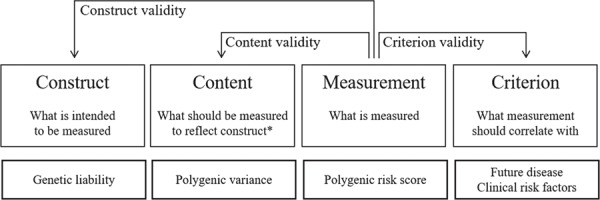
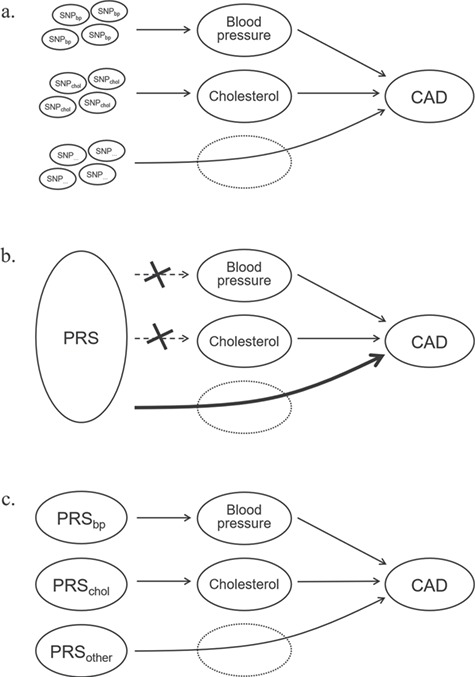
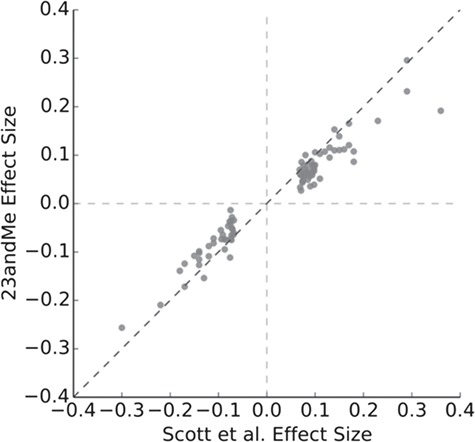
Verification
Claims the paper makes
The claims and statistics of this paper haven’t been checked yet.
Run the check — free, no account needed. It reads the open-access text and checks the sources it cites.
Claims other papers make about this one
Each is checked against this paper’s own text: does it say what the citing paper says it does?
The source backs part of the claim, not all of it — or backs it for a different population, condition or comparison.
In the citing paper
“Genetic data are increasingly cost effective, requiring only a one-in-a-lifetime ascertainment, but they also have limited predictive ability on their own 27 .”
From Multimodal biomedical AI (2022) · cites this paper as [27]
Experimental — accuracy not yet measured
Self-check
Percentages, sums and reported differences re-computed from the paper’s own numbers.
The self-check needs the paper’s full text.
Citations
Cites
Construct validity in psychological tests.
Cronbach, L. J., & Meehl, P. E. (1955) · Psychological Bulletin · doi:10.1037/h0040957 · Cited by 11,195 · cited 2×
“This paper aimed to reflect on the validity of PRSs by introducing the types of validity that are deemed important in the design of measurements, tests or questionnaires (20).”
BackgroundQuality criteria were proposed for measurement properties of health status questionnaires
Terwee, C. B., Bot, S. D. M., de Boer, M. R., van der Windt, D. A. W. M., Knol, D. L., Dekker, J., Bouter, L. M., & de Vet, H. C. W. (2007) · Journal of Clinical Epidemiology · doi:10.1016/j.jclinepi.2006.03.012 · Cited by 10,764 · cited 1×
“The validity of a test or measurement indicates whether it measures what it intends to measure (20,21).”
BackgroundMoons, K. G. M., Altman, D. G., Reitsma, J. B., Ioannidis, J. P. A., Macaskill, P., Steyerberg, E. W., Vickers, A. J., Ransohoff, D. F., & Collins, G. S. (2015) · Annals of Internal Medicine · doi:10.7326/m14-0698 · Cited by 5,147 · cited 1×
“The validity of clinical risk models needs to be demonstrated, and the choices in the model development need to be justified (64).”
BackgroundCommon polygenic variation contributes to risk of schizophrenia and bipolar disorder
The International Schizophrenia Consortium (2009) · Nature · doi:10.1038/nature08185 · Cited by 4,821 · cited 2×
“These PRSs go beyond only including genome-wide significant SNPs from GWASs and beyond setting lower thresholds (higher P-values) than genome-wide significance for the selection of SNPs (7).”
BackgroundXV.—The Correlation between Relatives on the Supposition of Mendelian Inheritance.
Fisher, R. A. (1919) · Transactions of the Royal Society of Edinburgh · doi:10.1017/s0080456800012163 · Cited by 4,387 · cited 1×
“weak effects (11,12), (2) there seems to be no evidence for strong gene–gene interaction (12) and (3) these PRSs generally hold their discriminative ability in external validation samples”
BackgroundKhera, A. V., Chaffin, M., Aragam, K. G., Haas, M. E., Roselli, C., Choi, S. H., Natarajan, P., Lander, E. S., Lubitz, S. A., Ellinor, P. T., et al. (2018) · Nature Genetics · doi:10.1038/s41588-018-0183-z · Cited by 2,953 · cited 4×
“A recent trend in the construction of PRSs is to use millions of SNPs in the prediction of risks (27,57,58).”
BackgroundMethodInfluential23andMe Research Team, Lee, J. J., COGENT (Cognitive Genomics Consortium), Social Science Genetic Association Consortium, Wedow, R., Okbay, A., Kong, E., Maghzian, O., Zacher, M., Nguyen-Viet, T. A., et al. (2018) · Nature Genetics · doi:10.1038/s41588-018-0147-3 · Cited by 2,470 · cited 1×
“disease risk, and should they be included in the PRS? When a PRS is constructed based on 2 million of SNPs of which, say, 100 are able to change predicted risks before the decimal, will we tell a patient that their risk is calculated using 2 million or 100 SNPs? When researchers relax the SNP inclusion thresholds to i…”
BackgroundCausal diagrams for empirical research
PEARL, J. (1995) · Biometrika · doi:10.1093/biomet/82.4.669 · Cited by 2,355
The personal and clinical utility of polygenic risk scores
Torkamani, A., Wineinger, N. E., & Topol, E. J. (2018) · Nature Reviews Genetics · doi:10.1038/s41576-018-0018-x · Cited by 1,655 · cited 4×
“It may be that researchers are aware and accept that the validity is imperfect as many more genetic associations remain to be identified (2), all models have limitations, and they can be useful even when imperfect.”
BackgroundInfluentialGenetic Risk, Adherence to a Healthy Lifestyle, and Coronary Disease
Khera, A. V., Emdin, C. A., Drake, I., Natarajan, P., Bick, A. G., Cook, N. R., Chasman, D. I., Baber, U., Mehran, R., Rader, D. J., et al. (2016) · New England Journal of Medicine · doi:10.1056/nejmoa1605086 · Cited by 1,460 · cited 1×
“These independent effects have been observed for lifestyle in stroke (32), coronary heart disease (33,34), adiposity (35,36), diabetes (37) and breast cancer (38), and for stressful life events in depression (39).”
Background
Research works printed but not linked: 1
- Multhaup, 2019, White Paper: the Science Behind 23andMe’s Type 2 Diabetes Report
Cited by
Sorted by citations
Tutorial: a guide to performing polygenic risk score analyses
Choi, S. W., Mak, T. S. H., & O’Reilly, P. F. (2020) · Nature Protocols · doi:10.1038/s41596-020-0353-1 · Cited by 2,058
Acosta, J. N., Falcone, G. J., Rajpurkar, P., & Topol, E. J. (2022) · Nature Medicine · doi:10.1038/s41591-022-01981-2 · Cited by 1,365
Polygenic risk scores: from research tools to clinical instruments
Lewis, C. M., & Vassos, E. (2020) · Genome Medicine · doi:10.1186/s13073-020-00742-5 · Cited by 1,360
“Despite methodological concerns about construct, content, and criterion validity of PRS [1], many studies have shown that PRSs can predict disease status in researchbased case-control studies [2–4].”
BackgroundImproving reporting standards for polygenic scores in risk prediction studies
Wand, H., Lambert, S. A., Tamburro, C. P., Iacocca, M. A., O’Sullivan, J. W., Sillari, C. H., Kullo, I. J., Rowley, R. K., Dron, J. S., Brockman, D., et al. (2021) · Nature · doi:10.1038/s41586-021-03243-6 · Cited by 484
Self-citationAdult Hippocampal Neurogenesis in Major Depressive Disorder and Alzheimer’s Disease
Berger, T., Lee, H. A., Young, A. H., Aarsland, D., & Thuret, S. (2020) · Trends in Molecular Medicine · doi:10.1016/j.molmed.2020.03.010 · Cited by 206
The Molecular Basis of Predicting Atherosclerotic Cardiovascular Disease Risk
Nayor, M. G., Brown, K., & Vasan, R. S. (2021) · Circulation Research · doi:10.1161/circresaha.120.315890 · Cited by 149
Dennis, J. K., Sealock, J., Straub, P., Lee, Y. A., Hucks, D., Actkins, K. V., Faucon, A. B., Feng, Y. A., Ge, T., Goleva, S. B., et al. (2021) · Genome Medicine · doi:10.1186/s13073-020-00820-8 · Cited by 132
“addition to other known sources of technical and experimental artifacts [37, 38].”
BackgroundImplementation and implications for polygenic risk scores in healthcare
Slunecka, J. L., van der Zee, M. D., Beck, J. J., Johnson, B. N., Finnicum, C. T., Pool, R., Hottenga, J., de Geus, E. J. C., & Ehli, E. A. (2021) · Human Genomics · doi:10.1186/s40246-021-00339-y · Cited by 120
The emerging field of polygenic risk scores and perspective for use in clinical care
Yanes, T., McInerney-Leo, A. M., Law, M. H., & Cummings, S. A. (2020) · Human Molecular Genetics · doi:10.1093/hmg/ddaa136 · Cited by 75
Liu, C., Zeinomar, N., Chung, W. K., Kiryluk, K., Gharavi, A. G., Hripcsak, G. M., Crew, K. D., Shang, N., Khan, A., Fasel, D. A., et al. (2021) · JAMA Network Open · doi:10.1001/jamanetworkopen.2021.19084 · Cited by 75
Page, S. C., Sripathy, S. R., Farinelli, F., Ye, Z., Wang, Y., Hiler, D. J., Pattie, E. A., Nguyen, C. V., Tippani, M., Moses, R. L., et al. (2022) · Proceedings of the National Academy of Sciences · doi:10.1073/pnas.2109395119 · Cited by 62
Evaluation of a Multiethnic Polygenic Risk Score Model for Prostate Cancer
Plym, A., Penney, K. L., Kalia, S. S., Kraft, P., Conti, D. V., Haiman, C. A., Mucci, L. A., & Kibel, A. S. (2021) · JNCI Journal of the National Cancer Institute · doi:10.1093/jnci/djab058 · Cited by 64
“While the association between the PRS from the multiethnic GWAS and prostate cancer was confirmed in the replication samples, it is unrealistic to assume that genetic variants influence the risk of prostate cancer equally in all populations (6).”
BackgroundSteinfeldt, J., Buergel, T., Loock, L., Kittner, P., Ruyoga, G., zu Belzen, J. U., Sasse, S., Strangalies, H., Christmann, L., Hollmann, N., et al. (2022) · The Lancet Digital Health · doi:10.1016/s2589-7500(21)00249-1 · Cited by 56
Polygenic risk scores for predicting outcomes and treatment response in psychiatry: hope or hype?
Fusar‐Poli, L., Rutten, B. P. F., van Os, J., Aguglia, E., & Gülöksüz, S. (2022) · International Review of Psychiatry · doi:10.1080/09540261.2022.2101352 · Cited by 56
“Thus, it has been argued that the utilization of a ‘residual’ PRS – that is a PRS capturing the genetic liability to the outcome minus the liability for the clinical factor – might improve the validity (Janssens, 2019).”
BackgroundImproving reporting standards for polygenic scores in risk prediction studiesPreprint
Wand, H., Lambert, S. A., Tamburro, C. P., Iacocca, M. A., O’Sullivan, J. W., Sillari, C. H., Kullo, I. J., Rowley, R. K., Dron, J. S., Brockman, D., et al. (2020) · medRxiv · doi:10.1101/2020.04.23.20077099 · Cited by 55
Self-citationRoberts, R., Chang, C. C., & Hadley, T. D. (2021) · JACC Basic to Translational Science · doi:10.1016/j.jacbts.2020.09.004 · Cited by 54
“Because the anticipated use of a CAD GRS for risk stratification, further work will also be necessary to evaluate the validity of the CAD GRS before it can be brought to the clinic (116).”
MethodIncluding diverse and admixed populations in genetic epidemiology research
Caliebe, A., Ayele, F. T., Darst, B. F., Wang, X., Song, Y. E., Gui, J., Sebro, R., Balding, D. J., Saad, M., & Dubé, M. (2022) · Genetic Epidemiology · doi:10.1002/gepi.22492 · Cited by 46
“This variant is rare in European or Asian ancestry individuals, and was only discovered because the GWAS was performed in African ancestry individuals.”
BackgroundInfluentialValidity and Prognostic Value of a Polygenic Risk Score for Parkinson’s Disease
Sendel, S., Laabs, B., Kasten, M., Vollstedt, E., Becktepe, J. S., Brüggemann, N., Franke, A., Krämer, U. M., Kuhlenbäumer, G., Lieb, W., et al. (2021) · Genes · doi:10.3390/genes12121859 · Cited by 38
Chapman, C. R. (2022) · Journal of Community Genetics · doi:10.1007/s12687-022-00625-9 · Cited by 36
“…and criterion validity of PRS, to explore alternative ways of quantifying polygenic risk, and to rigorously compare new and current methods” (Janssens 2019) “There remains a gap in evidence from prospective observational studies or treatment trials regarding the appropriate placement of…”
Your height affects your health: genetic determinants and health-related outcomes in Taiwan
Chiou, J., Cheng, C., Liang, W., Chou, C.-H., Wang, C., Lin, W., Chiu, M.-L., Cheng, W., Lin, C., Lin, T., et al. (2022) · BMC Medicine · doi:10.1186/s12916-022-02450-w · Cited by 35
“PRS is the sum of the weighted risk alleles from a combination of independent SNPs, usually with genome-wide significance, derived from GWAS results [13, 35, 36].”
BackgroundFranco, N. R., Massi, M. C., Ieva, F., Manzoni, A., Paganoni, A. M., Zunino, P., Veldeman, L., Ost, P., Fonteyne, V., Talbot, C. J., et al. (2021) · Radiotherapy and Oncology · doi:10.1016/j.radonc.2021.03.024 · Cited by 31
“While there is currently little evidence for including SNP-SNP interactions in PRS, there is a recognised need to explore alternative modeling strategies [15].”
BackgroundPolygenic risk prediction models for colorectal cancer: a systematic review
Sassano, M., Mariani, M., Quaranta, G., Pastorino, R., & Boccia, S. (2022) · BMC Cancer · doi:10.1186/s12885-021-09143-2 · Cited by 33
“constructed 30 PRSs using millions of SNPs for five common diseases, obtaining PRSs with lower AUC values than those based on genome-wide significant SNPs only [69, 70].”
MethodEthical layering in AI-driven polygenic risk scores—New complexities, new challenges
Fritzsche, M.-C., Akyüz, K., Abadía, M. C., McLennan, S., Marttinen, P., Mayrhofer, M. T., & Buyx, A. (2023) · Frontiers in Genetics · doi:10.3389/fgene.2023.1098439 · Cited by 41
“Scientific and clinical validity are challenges on multiple levels (Janssens, 2019; Lewis and Vassos, 2020; Knoppers et al., 2021), which touch ethical as well as epistemic concerns.”
BackgroundTaha, B. A., Abdulrahm, Z. M., Addie, A. J., Haider, A. J., Alkawaz, A. N., Yaqoob, I. A. M., & Arsad, N. (2025) · Talanta · doi:10.1016/j.talanta.2025.127693 · Cited by 34
Newson, A. J. (2021) · Human Genetics · doi:10.1007/s00439-021-02269-0 · Cited by 32
“The use of tools like polygenic risk scores is also not yet ready for population implementation, including on equity grounds (Hunter and Drazen 2019; Janssens 2019; Martin et al.”
MethodSaad, M., Mokrab, Y., Halabi, N. M., Shan, J., Razali, R., Kunji, K. B., Syed, N., Temanni, R., Subramanian, M., Ceccarelli, M., et al. (2022) · The Lancet Oncology · doi:10.1016/s1470-2045(21)00752-x · Cited by 29
Bowman‐Smart, H., Gyngell, C., Mand, C., Amor, D. J., Delatycki, M. B., & Savulescu, J. (2021) · The American Journal of Bioethics · doi:10.1080/15265161.2021.1996659 · Cited by 33
Matthews, L. J., Lebowitz, M. S., Ottman, R., & Appelbaum, P. S. (2021) · Social Psychology of Education · doi:10.1007/s11218-021-09632-z · Cited by 28
“2019; Janssens, 2019; Krapohl et al.”
Dogan, M. V., Knight, S., Dogan, T., Knowlton, K. U., & Philibert, R. A. (2021) · Epigenomics · doi:10.2217/epi-2021-0123 · Cited by 24
Segura, À. G., Martínez-Pinteño, A., Gassó, P., Rodríguez, N., Bioque, M., Cuesta, M. J., González‐Peñas, J., García‐Rizo, C., Lobo, A., González-Pinto, A. M., et al. (2022) · Schizophrenia Research · doi:10.1016/j.schres.2022.05.021 · Cited by 22
The genetics of bipolar disorder with obesity and type 2 diabetes
Miola, A., Filippis, E. D., Veldić, M., Ho, A. M., Winham, S. J., Mendoza, M., Romo‐Nava, F., Núñez, N. A., Gardea‐Resendez, M., Prieto, M. L., et al. (2022) · Journal of Affective Disorders · doi:10.1016/j.jad.2022.06.084 · Cited by 26
Torres, G. G., Dose, J., Hasenbein, T. P., Nygaard, M., Krause‐Kyora, B., Mengel‐From, J., Christensen, K., Andersen‐Ranberg, K., Kolbe, D., Lieb, W., et al. (2022) · International Journal of Molecular Sciences · doi:10.3390/ijms231810949 · Cited by 20
James, J. E., Riddle, L. S., Koenig, B. A., & Joseph, G. (2021) · PLoS ONE · doi:10.1371/journal.pone.0258571 · Cited by 23
Glaucoma Genetic Risk Scores in the Million Veteran Program
Waksmunski, A. R., Kinzy, T. G., Cruz, L. A., Nealon, C. L., Halladay, C. W., Simpson, P., Canania, R. L., Anthony, S. A., Roncone, D. P., Rogers, L. R. S., et al. (2022) · Ophthalmology · doi:10.1016/j.ophtha.2022.06.012 · Cited by 20
The False Dawn of Polygenic Risk Scores for Human Disease Prediction
Herzig, A. F., Clerget‐Darpoux, F., & Génin, E. (2022) · Journal of Personalized Medicine · doi:10.3390/jpm12081266 · Cited by 22
Epistemological Pitfalls in the Proxy Theory of Race: The Case of Genomics-Based Medicine
Malinowska, J. K., & Serpico, D. (2023) · The British Journal for the Philosophy of Science · doi:10.1086/727957 · Cited by 20
Hughes, J., Shymka, M., Ng, T., Phulka, J., Safabakhsh, S., & Laksman, Z. (2024) · Genes · doi:10.3390/genes15121581 · Cited by 17
Krogager, M. L., Skals, R. K., Appel, E. V. R., Schnurr, T. M., Engelbrechtsen, L., Have, C. T., Pedersen, O. B., Engstrøm, T., Roden, D. M., Gislason, G., et al. (2018) · PLoS ONE · doi:10.1371/journal.pone.0208645 · Cited by 17
Heritability: What's the point? What is it not for? A human genetics perspective
Robette, N., Génin, E., & Clerget‐Darpoux, F. (2022) · Genetica · doi:10.1007/s10709-022-00149-7 · Cited by 20
Han, H. Y., Masip, G., Meng, T., & Nielsen, D. E. (2024) · Journal of Nutrition · doi:10.1016/j.tjnut.2024.10.014 · Cited by 20
Hereditary Breast and Ovarian Cancer
Bellcross, C. A. (2022) · Obstetrics and Gynecology Clinics of North America · doi:10.1016/j.ogc.2021.11.005 · Cited by 16
BURT, C. H. (2024) · Sociological Methodology · doi:10.1177/00811750241236482 · Cited by 17
Genetic risk score is associated with T2DM and diabetes complications risks
Hubacek, J. A., Dlouhá, L., Adámková, V., Dlouhá, D., Pácal, L., Kaňková, K., Galuška, D., Lánská, V., Veleba, J., & Pelikánová, T. (2022) · Gene · doi:10.1016/j.gene.2022.146921 · Cited by 20
The role of polygenic risk scores in breast cancer risk perception and decision-making
Riddle, L. S., Joseph, G., Caruncho, M., Koenig, B. A., & James, J. E. (2023) · Journal of Community Genetics · doi:10.1007/s12687-023-00655-x · Cited by 15
An Academic Clinician’s Road Map to Hypertension Genomics
Magavern, E. F., Warren, H. R., Ng, F. L., Cabrera, C., Munroe, P. B., & Caulfield, M. J. (2021) · Hypertension · doi:10.1161/hypertensionaha.120.14535 · Cited by 15
Chen, X., Chen, D. G., Zhao, Z., Zhan, J. Z., Ji, C., & Chen, J. (2021) · Patterns · doi:10.1016/j.patter.2021.100303 · Cited by 14
Infrastructuring Educational Genomics: Associations, Architectures, and Apparatuses
Williamson, B., Kotouza, D., Pickersgill, M. D., & Pykett, J. (2024) · Postdigital Science and Education · doi:10.1007/s42438-023-00451-3 · Cited by 24
Purvis, R., Forrest, L. E., Young, M., Limb, S., James, P. A., & Taylor, N. (2025) · Genetics in Medicine · doi:10.1016/j.gim.2025.101414 · Cited by 14
Yang, J., Liu, T., Lu, H., Tsai, S., Liao, W., Chiu, Y., Wang, Y., & Tsai, F. (2024) · Molecular Medicine Reports · doi:10.3892/mmr.2024.13239 · Cited by 13
“Through this approach, healthcare practi‑ tioners can prescribe preventive measures that are customized to the genetic profile of each patient (23,27,28).”
BackgroundMethodFolsom, A. R., Tang, W., Hong, C.-P., Rosamond, W. D., Lane, J., Cushman, M., & Pankratz, N. (2023) · PLoS ONE · doi:10.1371/journal.pone.0280657 · Cited by 9
“Secondly, researchers have pointed out limitations to GRS modeling to date and the need for better models [25, 26].”
BackgroundSatny, M., Todorovová, V., Altschmiedová, T., Hubacek, J. A., Dlouhá, L., Lánská, V., Soška, V., Kyselák, O., Freiberger, T., Bobák, M., et al. (2023) · Journal of clinical lipidology · doi:10.1016/j.jacl.2023.11.010 · Cited by 9
Kang, S., Kim, K., Jun, S., Lee, S., Kim, J., Shin, J., Kim, Y., Kim, M., Park, S.-G., & Kang, N. (2021) · Pharmaceutics · doi:10.3390/pharmaceutics13122006 · Cited by 8
Importance of GWAS in finding un-targeted genetic association of sporadic Alzheimer’s disease
Bagaria, J., Nho, K. T., & An, S. S. A. (2021) · Molecular & Cellular Toxicology · doi:10.1007/s13273-021-00130-z · Cited by 8
Learning high-order interactions for polygenic risk prediction
Massi, M. C., Franco, N. R., Manzoni, A., Paganoni, A. M., Park, H. A., Hoffmeister, M., Brenner, H., Chang-Claude, J. C., Ieva, F., & Zunino, P. (2023) · PLoS ONE · doi:10.1371/journal.pone.0281618 · Cited by 7
“covariates when estimating SNPs effect on complex diseases [7], and that (iv) those 56 models incorporate strict assumptions, e.”
BackgroundZhou, J., Indik, C. E., Kuipers, T. B., Li, C., Nivard, M. G., Ryan, C. P., Tucker–Drob, E. M., Taeubert, M. J., Wang, S., Wang, T., et al. (2024) · American Journal of Epidemiology · doi:10.1093/aje/kwae376 · Cited by 6
Bhatt, I. S., Ramadugu, S. K., Goodman, S. S., Bhagavan, S. G., Ingalls, V., Dias, R., & Torkamani, A. (2023) · Journal of the Association for Research in Otolaryngology · doi:10.1007/s10162-023-00911-4 · Cited by 6
“Large-scale studies involving population-based cohorts and electronic medical databases have documented the predictive utility of PRS models e.g., [24–26], despite methodological challenges in their design and verification [27].”
BackgroundReview on application and development of pharmacogenomics of adverse drug reactions
Bi, H., Zhu, J., Cai, Y., Shangguan, X., Chen, Z., Ahmed, M. S., & Huang, R. (2025) · Journal of Holistic Integrative Pharmacy · doi:10.1016/j.jhip.2025.03.005 · Cited by 6
Ershova, A. I., Meshkov, A. N., Kutsenko, V. A., Vyatkin, Y. V., Kiseleva, A. V., Сотникова, Е. А., Limonova, A. S., Garbuzova, E. V., Аркадьевна, М. Г., Zaicenoka, M., et al. (2024) · CARDIOVASCULAR THERAPY AND PREVENTION · doi:10.15829/1728-8800-2023-3856 · Cited by 7
Tharabenjasin, P., Pabalan, N., Jarjanazi, H., & Jinawath, N. (2021) · Osteoporosis International · doi:10.1007/s00198-021-06161-5 · Cited by 6
Govindaraju, D. R., & Goldstein, A. M. (2025) · Evolution Education and Outreach · doi:10.1186/s12052-025-00218-3 · Cited by 5
A Blueprint for Genetic Determinism
Joseph, J. (2022) · The American Journal of Psychology · doi:10.5406/19398298.135.4.13 · Cited by 6
Robust Bioinformatics Approaches Result in the First Polygenic Risk Score for BMI in Greek Adults
Kafyra, M., Kalafati, I. P., Dimitriou, M., Grigoriou, E., Kokkinos, A. D., Rallidis, L. S., Kolovou, G. D., Trovas, G., Marouli, E., Deloukas, P., et al. (2023) · Journal of Personalized Medicine · doi:10.3390/jpm13020327 · Cited by 5
Evaluating the impact of family history and polygenic risk scores on cardiometabolic disease risk
Onyenobi, E., Oyibo, K., Zhong, M., & Adebamowo, S. N. (2026) · BMC Medicine · doi:10.1186/s12916-026-04666-6 · Cited by 4
“These findings indicate that PRS does not fully capture inherited risk [56, 57].”
Polygenic Risk Scores: The Next Step for Improved Risk Stratification in Coronary Artery Disease?
Stein, R., Ferrari, F., & García-Giustiniani, D. A. (2024) · Arquivos Brasileiros de Cardiologia · doi:10.36660/abc.20240252i · Cited by 4
A Wolf in Sheep's Clothing: Idealisations and the aims of polygenic scores
Serpico, D. (2023) · Studies in History and Philosophy of Science Part A · doi:10.1016/j.shpsa.2023.10.006 · Cited by 3
Lee, S., & Shin, D. (2024) · Nutrition Research and Practice · doi:10.4162/nrp.2024.18.5.721 · Cited by 3
Tiezzi, F., Goda, K., & Morgante, F. (2025) · Genetics · doi:10.1093/genetics/iyaf089 · Cited by 4
“This bias can then affect predictions negatively, as has been shown for PGS when effect sizes are inflated by winner’s curse (Janssens 2019; Forde et al. 2023).”
Brookes, K. J., Guetta‐Baranes, T., Thomas, A. J., & Morgan, K. (2023) · Frontiers in Dementia · doi:10.3389/frdem.2023.1120206 · Cited by 3
“…this has provided greater discriminability (Escott-Price et al., 2015), the clinical utility of including such SNPs, often with negligible effect sizes, is questionable; if they do not impact the biology of the disease or suggest a druggable target, are they useful to include (Janssens, 2019).”
BackgroundInfluentialExome risk score for predicting susceptibility to and severity of isolated thoracic aortic aneurysm
Li, Y., Song, L., Rong, W., Zhang, Y., Yao, X., Fang, X., Li, Y., & Du, J. (2022) · Human Molecular Genetics · doi:10.1093/hmg/ddac099 · Cited by 3
Dai, Y., Shi, G., Chen, M., Chen, G., & Wu, Q. (2022) · Journal of Fungi · doi:10.3390/jof8090914 · Cited by 3
Do we measure or compute polygenic risk scores? Why language matters
Penders, B., & Janssens, A. C. J. W. (2021) · Human Genetics · doi:10.1007/s00439-021-02262-7 · Cited by 3
“This has led to an ongoing conversation about PRS and questions about the validity, limits, character and characteristics of the method (Janssens 2019).”
MethodSelf-citationTrochet, H., Pelletier, J., Tadros, R., & Hussin, J. (2020) · bioRxiv (Cold Spring Harbor Laboratory) · doi:10.1101/2020.08.09.243287 · Cited by 3
“Clearly the scores use markers associated with these risk factors, and it may make sense to build separate PRS for each of them, and then combine them into a risk model, as discussed previously [28].”
BackgroundAtrial Fibrillation Identification Using CNNs Based on Genomic Data
Lee, J., Kwon, O., Ryu, G., Shin, H., & Pak, H. (2024) · Journal of Electrical Engineering and Technology · doi:10.1007/s42835-024-01998-2 · Cited by 2
Cuesta, M. J., Papiol, S., Giné-Servén, E., Ballesteros, A., Gil‐Berrozpe, G. J., Peralta, D., Crespo‐Facorro, B., Sánchez-Torres, A. M., Peralta, V., SEGPEPs group, et al. (2025) · Schizophrenia Bulletin · doi:10.1093/schbul/sbaf158 · Cited by 2
Genetic risk of steatotic liver disease: Pathogenesis, prognosis, and implications for treatment
Kozlitina, J., Romeo, S., & Hobbs, H. H. (2026) · Hepatology · doi:10.1097/hep.0000000000001758 · Cited by 2
Stein, R., Ferrari, F., & García-Giustiniani, D. (2024) · Arquivos Brasileiros de Cardiologia · doi:10.36660/abc.20240252 · Cited by 1
Navigating the Future of Polygenic Risk Scores: Insights from Child and Adolescent Psychiatrists
Trotter, P. M., Merner, A. R., Ginn, L. A., Martinez, A. C., Battaglino, A. L., Craig, K. P., Bach, J., Freedberg, K. J., Soda, T., Storch, E. A., et al. (2025) · Child Psychiatry & Human Development · doi:10.1007/s10578-025-01854-y · Cited by 2
van der Heide, F. C. T., Steens, I. L. M., Singh‐Manoux, A., Sabia, S., Zhou, T. L., Köhler, S., Schram, M. T., Kallen, C., Berendschot, T. T. J. M., Webers, C. A. B., et al. (2025) · Cardiovascular Diabetology · doi:10.1186/s12933-025-02888-1 · Cited by 2
Fisch, G. S. (2021) · Genetica · doi:10.1007/s10709-021-00138-2 · Cited by 2
Emerging risk factors for QT interval prolongation and torsades de pointes
Lazzerini, P. E., Pasini, F. L., Capecchi, P. L., & Boutjdir, M. (2022) · Elsevier eBooks · doi:10.1016/b978-0-12-821446-6.00009-2 · Cited by 2
Brookes, K. J. (2023) · International Journal of Molecular Sciences · doi:10.3390/ijms241612799 · Cited by 2
Cho, S., Yeh, T., Wang, H., Du, J., Gau, Y., Lin, Y., Chuang, B. T.-M., Liu, Y., Hsiao, H., & Moi, S. (2024) · Scientific Reports · doi:10.1038/s41598-024-56583-4 · Cited by 2
“This approach enables the comprehensive assessment of the collective impact of multiple genetic variants associated with a specific condition 30,31 .”
BackgroundHerzig, A. F., Noûs, C., Pierre, A. S., & Perdry, H. (2026) · Theoretical Population Biology · doi:10.1016/j.tpb.2026.06.003 · Cited by 2
Herle, M., Pickles, A. R., Pain, O., Viner, R., Pingault, J., & Stavola, B. L. D. (2023) · European Journal of Epidemiology · doi:10.1007/s10654-023-00980-y · Cited by 1
“Regardless, PGS have been described as promising tools in precision medicine and are commonly used in epidemiological research [24], but at the same time have been criticised for the their lack of theoretical and empirical evaluation [25, 26].”
BackgroundMethodThe implementation of genomics in healthcare: The challenge of justice
Clarke, A. J. (2024) · Elsevier eBooks · doi:10.1016/b978-0-323-91799-5.00002-4 · Cited by 1
Genetics for ‘equality’? The politics of knowledge production in educational genomics
Kotouza, D. (2025) · History of the Human Sciences · doi:10.1177/09526951251314314 · Cited by 1
Evaluating genetic-based disease prediction approaches through simulation
Shpak, M., Parfitt, E. J., Mahmoudiandehkordi, S., Maadooliat, M., & Schrodi, S. J. (2026) · Human Genetics · doi:10.1007/s00439-025-02798-y · Cited by 2
Fu, R., Wang, S., Wu, Y., Qin, X., Huang, T., Li, Y., & Xu, M. (2026) · Food & Function · doi:10.1039/d5fo05425g · Cited by 1
Genetic analysis of neurodegenerative diseases
Grassano, M., Schindler, A. B., Traynor, B. J., & Scholz, S. W. (2026) · Journal of Clinical Investigation · doi:10.1172/jci199840 · Cited by 1
“Essentially, TWAS combines eQTL data with GWAS effect sizes to assess whether environmental factors (164, 165).”
Deep Cross Networks for Intelligent Risk Prediction of Prostate Cancer
Xu, H., Zhang, G., Lin, H., Grosser, M., & Jie Lu, B. (2026) · Lecture notes in computer science · doi:10.1007/978-981-95-7394-3_24 · Cited by 1
Fu, R., Wang, S., Wu, Y., Qin, X. Y., Huang, T., Li, Y., & Xu, M. (2026) · Aging Cell · doi:10.1111/acel.70581 · Cited by 1
“To capture overall genetic susceptibility, polygenic risk scores (PRS) have been established as composite measures integrating multiple SNP effects (Janssens 2019); for instance, PRS derived from obesity-associated loci have been reported to influence metabolic responses to dietary interventions…”
Kelly, C. M., Onuorah, O., & Gilbert, E. (2026) · Human Genetics · doi:10.1007/s00439-026-02852-3 · Cited by 1
“…by the fact that PRS models are often constructed with SNPs which fall well below the canonical genome-wide significance threshold, plausibly increasing the risk that genetic background and environmental confounding effects will be exploited during prediction (Choi et al. 2020; Janssens 2019).”
Development and Implementation of Polygenic Risk Score in Vietnamese Population
Hùng, N. T. T., & Le, D. (2019) · Research and Development on Information and Communication Technology · doi:10.32913/mic-ict-research.v2019.n2.893 · Cited by 1
“Therefore, there are numerous considerations and thresholds related to developing and validating the formula of PRS that are still controversial [5].”
BackgroundCholesterol associated genetic risk score and acute coronary syndrome in Czech males
Hubacek, J. A., Adámková, V., Lánská, V., Staněk, V., Mrázková, J., Gebauerova, M., Kettner, J., Kautzner, J., & Pitha, J. V. (2024) · Molecular Biology Reports · doi:10.1007/s11033-023-09128-3 · Cited by 1
Yao, M., Daniels, J. A., Grosvenor, L. P., Morrill, V. N., Feinberg, J. I., Bakulski, K. M., Piven, J., Hazlett, H. C., Shen, M. D., Newschaffer, C. J., et al. (2024) · Journal of Neurodevelopmental Disorders · doi:10.1186/s11689-024-09571-8 · Cited by 1
Will Genetic Data Significantly Change Cardiovascular Risk Prediction in Daily Practice?
Young, W. J., Ramírez, J., van Duijvenboden, S., Tinker, A., Lambiase, P. D., Munroe, P. B., & Orini, M. (2020) · Computing in cardiology · doi:10.22489/cinc.2020.481 · Cited by 1
“Different P-value thresholds, quality control metrics such as imputation quality, and the effect of underlying population stratification, can significantly influence the resulting PRS [7].”
BackgroundGenetics of Schizophrenia and Bipolar Disorder: Potential Clinical Applications
Gupta, R., Bigdeli, T. B., Buckley, P. F., & Fanous, A. H. (2021) · Psychiatric Annals · doi:10.3928/00485713-20210310-01 · Cited by 1
Dai, Y. L., Shi, G., Chen, M., Chen, G., & Wu, Q. (2022) · bioRxiv (Cold Spring Harbor Laboratory) · doi:10.1101/2022.07.07.499257 · Cited by 1
Vercellini, P., Artoni, A., Abbattista, M., Martinelli, I., Pillinini, C., & Forzano, F. (2024) · American Journal of Obstetrics and Gynecology · doi:10.1016/j.ajog.2024.04.038 · Cited by 1
Usage of biobank data for psychiatric genomics and promotion of precision psychiatry
Davis, L. K., & Dennis, J. K. (2022) · Elsevier eBooks · doi:10.1016/b978-0-12-819602-1.00018-8
Metadata
- Authors
- Janssens, A. C. J. W.
- Affiliations
- Emory University (US)
- Corresponding author
- Janssens, A Cecile J W
- Venue
- Human Molecular Genetics
- Publisher
- Oxford University Press (OUP)
- Published
- 2019-08-28
- Volume
- 28
- Issue
- R2
- Pages
- R143-R150
- ISSN
- 0964-6906 (ISSN-L)
- 1460-2083
- PMC
- PMC7013150
- OpenAlex
- W2970478489
- Cited by
- 129
- References
- 64
- Citations by year
- 2026: 13 · 2025: 14 · 2024: 24 · 2023: 16 · 2022: 31 · 2021: 22 · 2020: 7 · 2019: 1
- FWCI
- 2.04
- Type
- journal article
- Language
- en
- Open access
- hybrid
- doi.org
- Licence
- Locations
- Human Molecular Genetics (publishedVersion, cc-by-nc)
- PubMed Central (publishedVersion, cc-by-nc)
- PubMed (publishedVersion)
- Topics
- Life Sciences › Biochemistry, Genetics and Molecular Biology › Genetics › Genetic Associations and Epidemiology
- Life Sciences › Biochemistry, Genetics and Molecular Biology › Genetics › Genomics and Rare Diseases
- Life Sciences › Biochemistry, Genetics and Molecular Biology › Genetics › Genetic and phenotypic traits in livestock
- Keywords
- polygenic risk score, validity, construct validity, content validity, criterion validity, psychometrics, single nucleotide polymorphisms, SNP selection, genetic susceptibility, disease risk prediction, clinical risk factors
- MeSH terms
- Alleles, Diabetes Mellitus, Type 2, Genotype, Humans, Models, Genetic, Psychometrics, Risk Factors, Reproducibility of Results, Genetic Predisposition to Disease, Multifactorial Inheritance, Polymorphism, Single Nucleotide, Genome-Wide Association Study
About these checks
Registry, retraction, Cites and statistics results are computed, not judged, with one exception: a printed reference that no index lists is read once by a model before it counts as a citation error. Claims are extracted by a model and kept only when their quote appears verbatim in the text; each cited source is then checked, with a model’s help, for whether it says what the claim relies on. Those verdicts can be wrong — read the claim’s quote and the cited source before relying on one.
Statistics and arithmetic are recomputed, not judged.
Confidence bands are shown only for fields calibrated on our annotated test set. None is calibrated yet, so no band is shown.
What counts as a claim ›How we measure confidence ›How we check this ›
Are you an author, or do you see a problem with this page? Request a review
