

Progesterone receptor ligands for the treatment of endometriosis: the mechanisms behind therapeutic success and failure
Open accessThe DOI matches its Crossref record; 210 of the 210 references it cites were found in a registry or an index.
Abstract
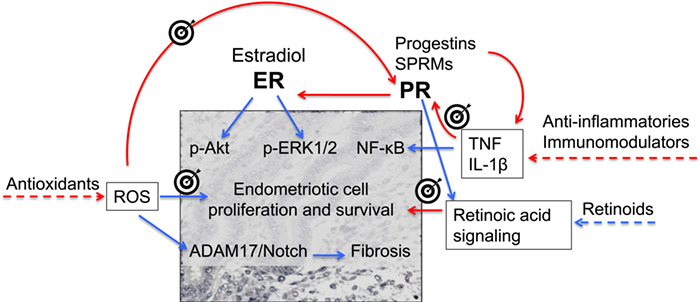
BACKGROUND: Despite intense research, it remains intriguing why hormonal therapies in general and progestins in particular sometimes fail in endometriosis. OBJECTIVE AND RATIONALE: We review here the action mechanisms of progesterone receptor ligands in endometriosis, identify critical differences between the effects of progestins on normal endometrium and endometriosis and envisage pathways to escape drug resistance and improve the therapeutic response of endometriotic lesions to such treatments. SEARCH METHODS: We performed a systematic Pubmed search covering articles published since 1958 about the use of progestins, estro-progestins and selective progesterone receptor modulators, to treat endometriosis and its related symptoms. Two reviewers screened the titles and abstracts to select articles for full-text assessment. OUTCOMES: Progesterone receptor signalling leads to down-regulation of estrogen receptors and restrains local estradiol production through interference with aromatase and 17 beta-hydroxysteroid dehydrogenase type 1. Progestins inhibit cell proliferation, inflammation, neovascularisation and neurogenesis in endometriosis. However, progesterone receptor expression is reduced and disrupted in endometriotic lesions, with predominance of the less active isoform (PRA) over the full-length, active isoform (PRB), due to epigenetic abnormalities affecting the PGR gene transcription. Oxidative stress is another mechanism involved in progesterone resistance in endometriosis. Among the molecular targets of progesterone in the normal endometrium that resist progestin action in endometriotic cells are the nuclear transcription factor FOXO1, matrix metalloproteinases, the transmembrane gap junction protein connexin 43 and paracrine regulators of estradiol metabolism. Compared to other phenotypes, deep endometriosis appears to be more resistant to size regression upon medical treatments. Individual genetic characteristics can affect the bioavailability and pharmacodynamics of hormonal drugs used to treat endometriosis and, hence, explain part of the variability in the therapeutic response. WIDER IMPLICATIONS: Medical treatment of endometriosis needs urgent innovation, which should start by deeper understanding of the disease core features and diverse phenotypes and idiosyncrasies, while moving from pure hormonal treatments to drug combinations or novel molecules capable of restoring the various homeostatic mechanisms disrupted by endometriotic lesions.
Overview
The claims and statistics of this paper haven’t been checked yet.
Free: it reads the open-access text and checks the first 5 claims that cite a source we can check. Create a free account to check every claim.
Integrity signals
Registry
Cites
Statistics
Figures
Verification
Claims the paper makes
The claims and statistics of this paper haven’t been checked yet.
Free: it reads the open-access text and checks the first 5 claims that cite a source we can check. Create a free account to check every claim.
Claims other papers make about this one
Each is checked against this paper’s own text: does it say what the citing paper says it does?
The source backs part of the claim, not all of it — or backs it for a different population, condition or comparison.
In the citing paper
“Moreover, they have antiestrogenic effect causing endometrial pseudodecidualisation, inhibit inflammatory response, provoke apoptosis of endometriotic cells, reduce oxidative stress, inhibit angiogenesis and suppress expression of matrix metalloproteinases [5, 26] (Fig. 4).”
From Hormonal treatments for endometriosis: The endocrine background (2022) · cites this paper as [5]
Experimental — accuracy not yet measuredThe cited source says what the claim attributes to it.
In the citing paper
“Reis et al. [56] summarized the effect of progestins on endometriotic lesions as generating different levels of downregulation of ERs, a drop in local E2 production, a reduction in inflammation, and creation of a pseudo-pregnancy condition.”
From Endometriosis and Medical Therapy: From Progestogens to Progesterone Resistance to GnRH Antagonists: A Review (2021) · cites this paper as [56]
The check wasn’t confident either way, so it gives no verdict — never disputed.
In the citing paper
“the risk of venous or arterial thrombosis is not negligible [54,55,56,57,58,59,60,61,62,63,64,65,66,67].”
From Endometriosis and Medical Therapy: From Progestogens to Progesterone Resistance to GnRH Antagonists: A Review (2021) · cites this paper as [56]
Experimental — accuracy not yet measuredIn the citing paper
“A recent review by Reis et al. [56] also confirms that deep endometriosis appears to be more resistant to regression upon medical treatment.”
From Endometriosis and Medical Therapy: From Progestogens to Progesterone Resistance to GnRH Antagonists: A Review (2021) · cites this paper as [56]
In the citing paper
“In the present paper, we thoroughly scrutinized the concept of progesterone resistance as an explanation for why 33% of patients do not respond to OCPs and progestins, with this percentage climbing even higher in women with deep nodular endometriosis [46,47,56,58].”
From Endometriosis and Medical Therapy: From Progestogens to Progesterone Resistance to GnRH Antagonists: A Review (2021) · cites this paper as [56]
Self-check
Percentages, sums and reported differences re-computed from the paper’s own numbers.
The self-check needs the paper’s full text.
Citations
Cites
Sampson, J. A. (1927) · American Journal of Obstetrics and Gynecology · doi:10.1016/s0002-9378(15)30003-x · Cited by 2,334 · cited 1×
“In the twenties of the last century, John Sampson coined the name ‘endometriosis’ and proposed the ‘retrograde menstruation theory’ to explain its pathogenesis (Sampson, 1927).”
BackgroundNisolle, M., & Donnez, J. (1997) · Fertility and Sterility · doi:10.1016/s0015-0282(97)00191-x · Cited by 1,279
Cyclic Decidualization of the Human Endometrium in Reproductive Health and Failure
Gellersen, B., & Brosens, J. J. (2014) · Endocrine Reviews · doi:10.1210/er.2014-1045 · Cited by 1,139
(1927) · PubMed Central · Cited by 1,008
Global gene profiling in human endometrium during the window of implantation
Kao, L. C., Tulac, S., Lobo, S., Imani, B., Yang, J. P., Germeyer, A., Osteen, K., Taylor, R. N., Lessey, B. A., & Giudice, L. C. (2002) · Endocrinology · doi:10.1210/endo.143.6.8885 · Cited by 727 · cited 1×
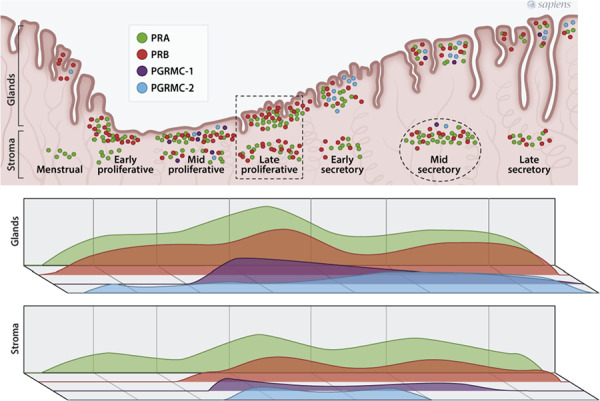
“PGRMC-1 transcript (Kao et al., 2002) and protein (Chen et al.”
BackgroundWorld Endometriosis Society consensus on the classification of endometriosis
Johnson, N. P., Hummelshoj, L., Adamson, G. D., Keckstein, J., Taylor, H. S., Abrao, M. S., Bush, D., Kiesel, L., Tamimi, R., Sharpe-Timms, K. L., et al. (2017) · Human Reproduction · doi:10.1093/humrep/dew293 · Cited by 664
Progesterone action in endometrial cancer, endometriosis, uterine fibroids, and breast cancer
Kim, J. J., Kurita, T., & Bulun, S. E. (2013) · Endocrine Reviews · doi:10.1210/er.2012-1043 · Cited by 520
Stanczyk, F. Z., Hapgood, J. P., Winer, S., & Mishell, D. R. (2013) · Endocrine Reviews · doi:10.1210/er.2012-1008 · Cited by 429
Role of nuclear progesterone receptor isoforms in uterine pathophysiology
Patel, B., Elguero, S., Thakore, S., Dahoud, W., Bedaiwy, M., & Mesiano, S. (2015) · Human Reproduction Update · doi:10.1093/humupd/dmu056 · Cited by 353 · cited 1×
“However, the evidence available thus far suggests that both PR isoforms mediate the anti-inflammatory actions of progesterone in the endometrium (Patel et al., 2015).”
BackgroundSapkota, Y., Steinthorsdottir, V., Morris, A. P., Fassbender, A., Rahmioglu, N., De Vivo, I., Buring, J. E., Zhang, F., Edwards, T. L., Jones, S., et al. (2017) · Nature Communications · doi:10.1038/ncomms15539 · Cited by 344 · cited 1×
“metabolism have been investigated in women with endometriosis (Bozdag et al., 2010; Moreno et al., 2012; Sapkota et al., 2017), but the association of such polymorphisms with the individual response”
Background
Research works printed but not linked: 4
- Andrews WC Hormone therapy of endometriosis - estrogen, androgens, progestin estrogens. Excerpta Med 1976; 368: 46– 59.
- Gerdes D, Wehling M, Leube B, Falkenstein E Cloning and tissue expression of two putative steroid membrane receptors. Biol Chem 1998; 379: 907– 911. 9705155
- Iskhakova GM, Abazova EF, Viktorova TV, Kudakaeva LR Polymorphism of the arylamine-n-acetyltransferase gene in endometriosis patients in the Republic of Bashkortostan. Balk J Med Genet 2006; 9: 55– 60.
- Rokitansky C Über Uterusdrüsen-Neubildungen in Uterus- und Ovarial-Sarcomen. Zeitschrift der Kaiserlich Koenigl Gesellschaft der Aerzte zu Wien 1860; 37: 577– 581.
Cited by
Endometriosis: Etiology, pathobiology, and therapeutic prospects
Saunders, P. T. K., & Horne, A. W. (2021) · Cell · doi:10.1016/j.cell.2021.04.041 · Cited by 961
Hormonal treatments for endometriosis: The endocrine background
Vannuccini, S., Clemenza, S., Rossi, M., & Petraglia, F. (2022) · Reviews in Endocrine and Metabolic Disorders · doi:10.1007/s11154-021-09666-w · Cited by 336
“The pathophysiology of endometriosis is still a matter of investigation, but endocrine and inflammatory backgrounds are well characterized, recognizing an estrogen-dependency [4] and a progesterone-resistance [5].”
BackgroundSelf-citationDonnez, J., & Dolmans, M.-M. (2021) · Journal of Clinical Medicine · doi:10.3390/jcm10051085 · Cited by 182
Progesterone Actions and Resistance in Gynecological Disorders
MacLean, J. A., & Hayashi, K. (2022) · Cells · doi:10.3390/cells11040647 · Cited by 176
“While PRA and PRB isoforms are detected in human eutopic endometrium with endometriosis during the menstrual cycle, both the expression of PRA and PRB are generally lower in any type of ectopic lesions [56].”
BackgroundProgesterone Resistance in Endometriosis: Current Evidence and Putative Mechanisms
Zhang, P., & Wang, G. (2023) · International Journal of Molecular Sciences · doi:10.3390/ijms24086992 · Cited by 162
Epigenetic Dysregulation in Endometriosis: Implications for Pathophysiology and Therapeutics
Marquardt, R. M., Tran, D. N., Lessey, B. A., Rahman, M. S., & Jeong, J. (2023) · Endocrine Reviews · doi:10.1210/endrev/bnad020 · Cited by 148
A Lifelong Impact on Endometriosis: Pathophysiology and Pharmacological Treatment
Chen, L.-H., Lo, W.-C., Huang, H.-Y., & Wu, H. (2023) · International Journal of Molecular Sciences · doi:10.3390/ijms24087503 · Cited by 112
New Therapeutics in Endometriosis: A Review of Hormonal, Non-Hormonal, and Non-Coding RNA Treatments
Brichant, G., Laraki, I., Henry, L., Munaut, C., & Nisolle, M. (2021) · International Journal of Molecular Sciences · doi:10.3390/ijms221910498 · Cited by 113
Hormonal drugs for the treatment of endometriosis
Capezzuoli, T., Rossi, M., Torre, F. L., Vannuccini, S., & Petraglia, F. (2022) · Current Opinion in Pharmacology · doi:10.1016/j.coph.2022.102311 · Cited by 92
Self-citationMedical Treatment for Endometriosis: Tolerability, Quality of Life and Adherence
Barbàra, G., Buggio, L., Facchin, F., & Vercellini, P. (2021) · Frontiers in Global Women s Health · doi:10.3389/fgwh.2021.729601 · Cited by 85
The role of mitogen‐activated protein kinase signaling pathway in endometriosis
Bora, G., & Yaba, A. (2021) · Journal of obstetrics and gynaecology research · doi:10.1111/jog.14710 · Cited by 80
Donnez, J., Becker, C. M., Taylor, H. S., Carmona, F., Donnez, O., Horne, A. W., Paszkowski, M., Petraglia, F., Renner, S. P., Patel, A., et al. (2024) · Human Reproduction · doi:10.1093/humrep/deae076 · Cited by 69
Self-citationDonnez, J., & Dolmans, M. (2021) · International Journal of Molecular Sciences · doi:10.3390/ijms222111342 · Cited by 61
Lu, J., Ling, X., Liu, L., Jiang, A., Ren, C., Lü, C., & Yu, Z. (2022) · Biochimica et Biophysica Acta (BBA) - Molecular Cell Research · doi:10.1016/j.bbamcr.2022.119381 · Cited by 57
Mehdizadehkashi, A., Niakan, G., Ebrahimpour, M., Allahqoli, L., Hassanlouei, B., Gitas, G., & Alkatout, İ. (2021) · International Journal of Gynecology & Obstetrics · doi:10.1002/ijgo.13677 · Cited by 52
Update on the pathogenesis of endometriosis-related infertility based on contemporary evidence
Qi, Q., Li, Y., Chen, Z., Luo, Z., Zhou, T., Zhou, J., Zhang, Y., Chen, S., & Wang, L. (2025) · Frontiers in Endocrinology · doi:10.3389/fendo.2025.1558271 · Cited by 49
Chiu, C.-C., Hsu, T., Jiang, L.-Y., Chan, I., Shih, Y.-C., Chang, Y., Wang, P., & Chen, Y. (2022) · Journal of Minimally Invasive Gynecology · doi:10.1016/j.jmig.2021.11.024 · Cited by 50
Park, S., Ham, J., Yang, C., Park, W., Park, H., An, G., Song, J., Hong, T., Park, S. J., Kim, H. S., et al. (2022) · Journal of Pineal Research · doi:10.1111/jpi.12842 · Cited by 46
Long-term treatment for endometriosis with dienogest: efficacy, side effects and tolerability
Torre, F. L., Vannuccini, S., Toscano, F., Gallucci, E., Orlandi, G., Manzi, V., & Petraglia, F. (2024) · Gynecological Endocrinology · doi:10.1080/09513590.2024.2336121 · Cited by 44
Self-citationEmerging Drug Targets for Endometriosis
Dolmans, M., & Donnez, J. (2022) · Biomolecules · doi:10.3390/biom12111654 · Cited by 42
Simancas‐Racines, D., Jiménez-Flores, E., Montalván, M., Horowitz, R., Araujo, V., & Reytor-González, C. (2026) · International Journal of Molecular Sciences · doi:10.3390/ijms27020908 · Cited by 40
Targeting YAP1 ameliorates progesterone resistance in endometriosis
Lin, S., Li, W., Lin, S.-C., Hou, H.-T., Tsai, Y.-C., Lin, T.-C., Wu, M., & Tsai, S. (2023) · Human Reproduction · doi:10.1093/humrep/dead071 · Cited by 40
Immune and endocrine regulation in endometriosis: what we know
Zhang, H., Sheng, S., Pan, Z., Zhao, L., Yang, C., Li, C., & Wang, F. (2023) · Journal of Endometriosis and Uterine Disorders · doi:10.1016/j.jeud.2023.100049 · Cited by 39
An update for endometriosis management: a position statement
Petraglia, F., Vannuccini, S., Santulli, P., Marcellin, L., & Chapron, C. (2024) · Journal of Endometriosis and Uterine Disorders · doi:10.1016/j.jeud.2024.100062 · Cited by 38
Self-citationAdvances in targeting estrogen synthesis and receptors in patients with endometriosis
Clemenza, S., Vannuccini, S., Ruotolo, A., Capezzuoli, T., & Petraglia, F. (2022) · Expert Opinion on Investigational Drugs · doi:10.1080/13543784.2022.2152325 · Cited by 38
Self-citationSukhikh, G. T., Adamyan, L. V., Олеговна, Д. С., Baranov, I. I., Bezhenar, V. F., Kozachenko, A. V., Radzinsky, V. E., Orazov, M. R., Yarmolinskaya, M. I., & Olofsson, J. I. (2021) · Fertility and Sterility · doi:10.1016/j.fertnstert.2021.07.1194 · Cited by 40
MicroRNAs in Endometriosis: Insights into Inflammation and Progesterone Resistance
Hon, J.-X., Wahab, N. A., Karim, A., Mokhtar, N. M., & Mokhtar, M. H. (2023) · International Journal of Molecular Sciences · doi:10.3390/ijms241915001 · Cited by 36
Lin, Y., Li, Y., Li, Y., Li, D., Wang, X., Wang, L., Yu, M., Zhu, Y. Z., Cheng, J.-J., & Du, M. (2022) · Frontiers in Endocrinology · doi:10.3389/fendo.2022.858176 · Cited by 31
Wang, Y., Chen, Y., Xiao, Y., Ruan, J., Tian, Q., Cheng, Q., Chang, K., & Yi, X. (2023) · Frontiers in Immunology · doi:10.3389/fimmu.2023.1133672 · Cited by 30
Casto, K. V., Jordan, T. R., & Petersen, N. (2022) · Frontiers in Neuroendocrinology · doi:10.1016/j.yfrne.2022.101036 · Cited by 29
WEE1 promotes endometriosis via the Wnt/β-catenin signaling pathway
Shi, L., Xue, X., Tian, H., Ye, H., Wang, H., Wang, R., Liu, Y., Zhang, C., Chen, Q., & Sun, L. (2021) · Reproductive Biology and Endocrinology · doi:10.1186/s12958-021-00844-8 · Cited by 29
Szydłowska, I., Grabowska, M., Nawrocka-Rutkowska, J., Piasecka, M., & Starczewski, A. (2021) · Journal of Clinical Medicine · doi:10.3390/jcm10040562 · Cited by 28
Donnez, J., Cacciottola, L., Squifflet, J.-L., & Dolmans, M. (2023) · Drug Design Development and Therapy · doi:10.2147/dddt.s269976 · Cited by 25
Barretta, M., Vignali, M., Marca, A. L., & Grandi, G. (2024) · Expert Opinion on Drug Metabolism & Toxicology · doi:10.1080/17425255.2024.2441981 · Cited by 24
Hossain, M. M., Nakayama, K., Shanta, K., Razia, S., Ishikawa, M., Ishibashi, T., Yamashita, H., Sato, S., Iida, K., Kanno, K., et al. (2021) · Cancers · doi:10.3390/cancers13133174 · Cited by 24
Przewoźny, S., Rogaliński, J., de Mezer, M., Markowska, A., Markowska, J., & Żurawski, J. (2024) · Diagnostics · doi:10.3390/diagnostics14030322 · Cited by 22
Progesterone signaling in uterine leiomyoma biology: Implications for potential targeted therapy
Szucio, W., Bernaczyk, P., Ponikwicka‐Tyszko, D., Milewska, G., Pawelczyk, A., Wołczyński, S., & Rahman, N. A. (2024) · Advances in Medical Sciences · doi:10.1016/j.advms.2024.01.001 · Cited by 21
Insights from genomic studies on the role of sex steroids in the aetiology of endometriosis
Saunders, P. T. K. (2022) · Reproduction and Fertility · doi:10.1530/raf-21-0078 · Cited by 21
Bıyık, İ., Kalkan, Ü., & Şimşek, S. (2021) · Taiwanese Journal of Obstetrics and Gynecology · doi:10.1016/j.tjog.2021.09.017 · Cited by 19
Endometriosis in Transgender Men: Bridging Gaps in Research and Care—A Narrative Review
Kaltsas, A., Stavropoulos, M., Symeonidis, E. N., Kratiras, Z., Zachariou, A., Zikopoulos, A., Chrisofos, E. E., Dimitriadis, F., Sofikitis, N., & Chrisofos, M. (2024) · Biomedicines · doi:10.3390/biomedicines12071481 · Cited by 19
The endocrine aspects of endometriosis
Petraglia, F., Vannuccini, S., Dolmans, M., Speciale, A. R., Bourdon, M., Marcellin, L., Donnez, J., & Chapron, C. (2025) · European Journal of Endocrinology · doi:10.1093/ejendo/lvaf192 · Cited by 18
Self-citationCurrent and emerging therapies for endometriosis-associated pain: a review
Tijani, E. O., Ajayi, L. O., Tijani, O. S., Akano, O. P., & Ajayi, A. F. (2025) · Middle East Fertility Society Journal · doi:10.1186/s43043-025-00221-0 · Cited by 18
Rossi, M., Seidita, I., Vannuccini, S., Prisinzano, M., Donati, C., & Petraglia, F. (2023) · Vitamins and hormones · doi:10.1016/bs.vh.2023.01.007 · Cited by 18
Self-citationThieffry, C., Wynendaele, M. V., Aynaci, A., Maja, M., Dupuis, C., Loriot, A. E., Marbaix, É., & Henriet, P. (2021) · Biomolecules · doi:10.3390/biom11101472 · Cited by 18
The Role of Dydrogesterone in the Management of Luteal Phase Defect: A Comprehensive Review
Muneeba, S., Acharya, N., & Mohammad, S. (2023) · Cureus · doi:10.7759/cureus.48194 · Cited by 18
Long-term treatment of endometriosis-related pain among women seeking hormonal contraception
Vannuccini, S., Biagiotti, C., Esposto, M. C., Torre, F. L., Clemenza, S., Orlandi, G., Capezzuoli, T., & Petraglia, F. (2022) · Gynecological Endocrinology · doi:10.1080/09513590.2022.2047172 · Cited by 17
Self-citationPostmenopausal endometriosis: a challenging condition beyond menopause
Vallée, A., Carbonnel, M., Ceccaldi, P., Féki, A., & Ayoubi, J.-M. (2024) · Menopause The Journal of The North American Menopause Society · doi:10.1097/gme.0000000000002338 · Cited by 17
Sphingosine 1-phosphate signaling in uterine fibroids: implication in activin A pro-fibrotic effect
Bernacchioni, C., Ciarmela, P., Vannuzzi, V., Greco, S., Vannuccini, S., Malentacchi, F., Pellegrino, P., Capezzuoli, T., Sorbi, F., Cencetti, F., et al. (2021) · Fertility and Sterility · doi:10.1016/j.fertnstert.2020.12.022 · Cited by 17
Self-citationMicrobiota insights in endometriosis
Parpex, G., Nicco, C., Chassaing, B., Santulli, P., Chouzenoux, S., Bourdon, M., Maignien, C., Doridot, L., Batteux, F., Chapron, C., et al. (2025) · Microbiome · doi:10.1186/s40168-025-02243-2 · Cited by 16
Self-citationLoss of KLF15 impairs endometrial receptivity by inhibiting EMT in endometriosis
Huang, Y., Wang, Z., Li, B., Ke, L., Xiong, Y., & Zhang, Y. (2024) · Journal of Endocrinology · doi:10.1530/joe-23-0319 · Cited by 16
Hou, S., Zhang, J., Zhang, Z., Qu, H., Li, S., Jiang, Y., & Liu, C. (2025) · Clinical and Translational Medicine · doi:10.1002/ctm2.70216 · Cited by 15
From Inflammation to Malignancy: The Link Between Endometriosis and Gynecological Cancers
Kłodnicka, K., Michalska, A., Januszewski, J., Forma, A., Teresiński, G., Flieger, J., Bogucki, J., Maciejewski, M., Syty, K., & Baj, J. (2025) · International Journal of Molecular Sciences · doi:10.3390/ijms262411816 · Cited by 14
Dienogest in conjunction with GnRH-a for postoperative management of endometriosis
Ma, Y., Wang, W., & Zhao, Y. (2024) · Frontiers in Pharmacology · doi:10.3389/fphar.2024.1373582 · Cited by 14
Progesterone receptor ligands for the treatment of endometriosis
Clemenza, S., Capezzuoli, T., Eren, E., GARCIA, J. M. G., Vannuccini, S., & Petraglia, F. (2022) · Minerva Obstetrics and Gynecology · doi:10.23736/s2724-606x.22.05157-0 · Cited by 13
Self-citationMoreira, M. D. F., Gamboa, O. L., & Oliveira, M. A. P. (2023) · Archives of Women s Mental Health · doi:10.1007/s00737-023-01381-6 · Cited by 13
Richard, E., Morin, J., Murji, A., Lemyre, M., Laberge, P. Y., & Maheux‐Lacroix, S. (2022) · Obstetrics and Gynecology · doi:10.1097/aog.0000000000004811 · Cited by 13
Medical treatments of endometriosis: a review
Elbasueny, B., Geerts, M., Yang, E. C., Allaire, C., Yong, P. J., & Bedaiwy, M. A. (2022) · Reproductive and Developmental Medicine · doi:10.1097/rd9.0000000000000053 · Cited by 12
Clinical Aspects of Adolescent Endometriosis
Nakamura, T. (2021) · Endocrines · doi:10.3390/endocrines2030028 · Cited by 12
Yin, M., Zhang, J., Zeng, X., Zhang, H., & Gao, Y. (2021) · Fertility and Sterility · doi:10.1016/j.fertnstert.2021.01.027 · Cited by 12
Ma, J., Liao, Z., Li, J., Li, X. F., Guo, H., Zhong, Q., Huang, J., Shuai, X., & Chen, S. (2025) · Biomaterials Science · doi:10.1039/d4bm01506a · Cited by 12
Sivakumar, M., Roshni, J., Raman, J., Ahmad, S. F., Al‐Mazroua, H. A., & Ahmed, S. S. S. J. (2024) · Cell Biochemistry and Biophysics · doi:10.1007/s12013-024-01420-8 · Cited by 12
Tarumi, Y., Mori, T., Shimura, K., Izumi, Y., Okimura, H., Kataoka, H., Kokabu, T., Ito, F., Koshiba, A., Khan, K. N., et al. (2022) · The Journal of Clinical Endocrinology & Metabolism · doi:10.1210/clinem/dgac118 · Cited by 12
Advances in the molecular mechanisms underlying progestin resistance in endometrial cancer
Liu, J., Zhou, J., Wang, Y., Xue, F., Chen, X., Chen, G., & Wang, J. (2023) · Fundamental Research · doi:10.1016/j.fmre.2023.07.008 · Cited by 12
Riaz, M. A., Kary, F. L., Jensen, A. D., Zeppernick, F. A., Meinhold-Heerlein, I. M., & Konrad, L. (2024) · Cells · doi:10.3390/cells13100811 · Cited by 12
Horizons in Endometriosis: Proceedings of the Montreux Reproductive Summit, 14-15 July 2023
Vallée, A., Sarıdoğan, E., Petraglia, F., Keckstein, J., Polyzos, N. P., Wyns, C., Gianaroli, L., Tarlatzis, B. C., Ayoubi, J. M., & Féki, A. (2024) · Facts Views and Vision in ObGyn · doi:10.52054/fvvo.16.s1.011 · Cited by 11
Self-citationZou, F., Wang, Y., Yu, D., Liu, C., Lu, J., Zhao, M., Ma, M., Wang, W., Jiang, W., Gao, Y., et al. (2022) · European Journal of Medicinal Chemistry · doi:10.1016/j.ejmech.2022.114679 · Cited by 11
The Flavonoid Baicalein Negatively Regulates Progesterone Target Genes in the Uterus in Vivo
Li, K., Diakite, D., Austin, J. R., Lee, J.-H., Lantvit, D. D., Murphy, B. T., & Burdette, J. E. (2021) · Journal of Natural Products · doi:10.1021/acs.jnatprod.1c01008 · Cited by 11
Clinical Management of Endometriosis in Menopause: A Narrative Review
Dave, D., Page, H. E., & Carrubba, A. R. (2024) · Medicina · doi:10.3390/medicina60081341 · Cited by 10
An update on endometriosis biomarkers
Le, K., NEZHAT, C. R., NEZHAT, C. H., Benor, A. Z., & DeCherney, A. H. (2024) · Minerva Obstetrics and Gynecology · doi:10.23736/s2724-606x.23.05369-1 · Cited by 10
Bioinformatics-based analysis of the roles of sex hormone receptors in endometriosis development
Zhao, X., Kong, W., Zhou, C., Deng, B., Zhang, H., Guo, H., Chen, S., & Pan, Z. (2023) · International Journal of Medical Sciences · doi:10.7150/ijms.79516 · Cited by 9
Thieffry, C., Wynendaele, M. V., Samain, L., Tyteca, D., Pierreux, C. E., Marbaix, É., & Henriet, P. (2022) · The Journal of Steroid Biochemistry and Molecular Biology · doi:10.1016/j.jsbmb.2022.106153 · Cited by 9
Lesion Genotype Modifies High-Fat Diet Effects on Endometriosis Development in Mice
Heard‐Lipsmeyer, M. E., Alhallak, I., Simmen, F. A., Melnyk, S. B., & Simmen, R. C. M. (2021) · Frontiers in Physiology · doi:10.3389/fphys.2021.702674 · Cited by 9
Cartwright, M., Toit, R. L.-D., Jackson, H., van Vuuren, M. J., & Africander, D. (2023) · The Journal of Steroid Biochemistry and Molecular Biology · doi:10.1016/j.jsbmb.2023.106348 · Cited by 9
Dutta, S., Lee, J., Banu, S. K., & Arosh, J. A. (2024) · Molecular and Cellular Endocrinology · doi:10.1016/j.mce.2024.112290 · Cited by 9
Role of hormonal therapies in endometriosis: balancing efficacy and safety
Ferrero, S., Paudice, M., Perrone, U., Rosato, F. P., Gullo, G., Vellone, V. G., & Barra, F. (2026) · Expert Opinion on Pharmacotherapy · doi:10.1080/14656566.2026.2685064 · Cited by 8
Omenge, H., Kempa, P. A., Jeong, J.-W., So, K. A., & Kim, T. H. (2026) · Endocrine Reviews · doi:10.1210/endrev/bnag019 · Cited by 8
Perioperative hormone treatment of endometriosis
Farkas, W., Lazaridis, A., Odejinmi, F., & Hirsch, M. (2023) · Current Opinion in Obstetrics & Gynecology · doi:10.1097/gco.0000000000000902 · Cited by 8
Yan, S., Man, Y. M., Lu, J., Cui, L., Niu, F., & Qin, J. (2023) · Frontiers in Endocrinology · doi:10.3389/fendo.2023.1224763 · Cited by 8
The heterogeneity of endometriotic lesions could be explained by their progesterone resistance
Donnez, J. (2021) · Human Reproduction · doi:10.1093/humrep/deab151 · Cited by 8
Progesterone Resistance in Endometriosis
Poorasamy, J., Sengupta, J., Patil, A., & Ghosh, D. (2022) · EMJ Reproductive Health · doi:10.33590/emjreprohealth/22-00109 · Cited by 8
Fu, Z., Zhou, H., Liu, H., Li, X., Cao, L., & Zheng, W. (2025) · Journal of Ethnopharmacology · doi:10.1016/j.jep.2025.120153 · Cited by 7
Quishpe, M., Endara-Mina, J., Caizapanta-Tapia, J. J., Guzmán, A., Tenesaca, D., Asto, D., Mena, O., Rengel, N., Avilés, J., Vaca, G., et al. (2025) · Cureus · doi:10.7759/cureus.92149 · Cited by 7
T-Cadherin, E-Cadherin, PR-A, and ER-α Levels in Deep Infiltrating Endometriosis
Kalkan, Ü., Biyik, I., & Simsek, S. (2022) · International Journal of Gynecological Pathology · doi:10.1097/pgp.0000000000000860 · Cited by 7
Endometriosis: a guide to investigations and treatment in the emergency department
Nadeau, C., McGhee, S., & Gonzalez, J. M. (2021) · Emergency Nurse · doi:10.7748/en.2021.e2110 · Cited by 7
Liu, F., Zhou, J., Zhang, X., Fang, S.-F., Liu, R., Chen, G., Luo, Y., Zhang, Z., Cheng, Y., Wang, L., et al. (2022) · Human Molecular Genetics · doi:10.1093/hmg/ddac062 · Cited by 8
The roles of chromatin regulatory factors in endometriosis
Luo, L., Zhao, L., Cui, L., Peng, C., Ou, S., Zeng, Y., & Liu, B. (2024) · Journal of Assisted Reproduction and Genetics · doi:10.1007/s10815-024-03026-8 · Cited by 7
Progestins and combined oral contraceptives in the hormonal treatment of endometriosis – a review
Rojek, K. (2023) · European Journal of Clinical and Experimental Medicine · doi:10.15584/ejcem.2023.2.21 · Cited by 6
Endometriosis and the Hallmarks of Cancer
Ellis, K. B., & Wood, R. (2025) · Reproductive Sciences · doi:10.1007/s43032-025-02024-0 · Cited by 6
An overview of endometriosis and molecular target-based therapeutic approach
Paul, D., Agrawal, R., & Iqbal, M. J. (2025) · Middle East Fertility Society Journal · doi:10.1186/s43043-025-00219-8 · Cited by 6
Xue, H., Hao, W.-J., & Wang, B. (2023) · Pakistan Journal of Medical Sciences · doi:10.12669/pjms.39.5.7138 · Cited by 6
Yuane, E., Dewanto, A., & Widad, S. (2023) · The Indonesian Biomedical Journal · doi:10.18585/inabj.v15i1.2114 · Cited by 5
Vastrad, B. M., & Vastrad, C. M. (2024) · Egyptian Journal of Medical Human Genetics · doi:10.1186/s43042-024-00572-9 · Cited by 5
Kalaitzopoulos, D. R., Burla, L., Farkas, F., Eberhard, M., & Samartzis, N. (2024) · Journal of Minimally Invasive Gynecology · doi:10.1016/j.jmig.2024.02.003 · Cited by 5
dos Reis, F. M., Chouzenoux, S., Bourdon, M., Jeljeli, M. M., Chapron, C., & Batteux, F. (2023) · Reproductive Sciences · doi:10.1007/s43032-023-01341-6 · Cited by 5
Self-citationChapron, C., Parpex, G., den Bosch, T. V., Hend, A. A., Gargiulo, A., Stockwell, E., Taylor, H., McCarus, S. D., & Petraglia, F. (2026) · Reproductive BioMedicine Online · doi:10.1016/j.rbmo.2026.105642 · Cited by 4
Self-citationNemeti, G. I., Craciun, A. E., Măgureanu, D. C., Militaru, F. C., Bocșan, I. C., Crăciun, C.-I., Rusu, A., Melincovici, C. S., Buzoianu, A. D., Mureșan, D., et al. (2026) · International Journal of Molecular Sciences · doi:10.3390/ijms27114883 · Cited by 4
Advances in Endometriosis Research: From Pathogenesis to Prevention
Ashish, A., Mishra, S., Rai, S., Kusum, K., Rai, G., & Singh, R. (2024) · Obstetrics and gynecology. · doi:10.5772/intechopen.1007830 · Cited by 4
Liu, W., Shen, J., You, J., Wang, T., Yang, P., Miao, Y., Peng, X., Yu, Y., Liu, C., Li, A., et al. (2025) · Materials Today Bio · doi:10.1016/j.mtbio.2025.102041 · Cited by 4
Ovarian endometriosis and fertility preservation problem
Евгеньевна, Ч. Г., Равилевна, Д. М., & Ильина, Л. М. (2021) · GYNECOLOGY · doi:10.26442/20795696.2021.2.200822 · Cited by 5
The overlooked uterine factor: unlocking endometrium potential in premature ovarian insufficiency
Zeng, Z., Mo, D., Liu, Y., Yu, Y., & Li, R. (2025) · Trends in Molecular Medicine · doi:10.1016/j.molmed.2025.11.004 · Cited by 4
Metadata
- Authors
- Reis, F. M., Coutinho, L. M., Vannuccini, S., Batteux, F., Chapron, C., & Petraglia, F.
- Affiliations
- Universidade Federal de Minas Gerais (BR)
- University of Siena (IT)
- Inserm (FR)
- Azienda Ospedaliero-Universitaria Careggi (IT)
- Corresponding author
- Petraglia, Felice
- ORCID
- Venue
- Human Reproduction Update
- Publisher
- Oxford University Press (OUP)
- Published
- 2020-05-16
- Volume
- 26
- Issue
- 4
- Pages
- 565-585
- ISSN
- 1355-4786 (ISSN-L)
- 1460-2369
- PMC
- PMC7317284
- OpenAlex
- W3026807961
- Cited by
- 166
- References
- 210
- Citations by year
- 2026: 30 · 2025: 23 · 2024: 29 · 2023: 26 · 2022: 27 · 2021: 30 · 2020: 1
- FWCI
- 3.14
- Type
- journal article
- Language
- en
- Open access
- hybrid
- doi.org
- Licence
- Locations
- Human Reproduction Update (publishedVersion, cc-by-nc)
- PubMed Central (publishedVersion, cc-by-nc)
- PubMed (publishedVersion)
- Florence Research (University of Florence) (submittedVersion)
- Funders
- Conselho Nacional de Desenvolvimento Científico e Tecnológico (201876/2017-5)
- Topics
- Health Sciences › Medicine › Reproductive Medicine › Endometriosis Research and Treatment
- Health Sciences › Medicine › Obstetrics and Gynecology › Ectopic Pregnancy Diagnosis and Management
- Life Sciences › Biochemistry, Genetics and Molecular Biology › Endocrinology › Estrogen and related hormone effects
- Keywords
- endometriosis, progesterone receptor, progestins, selective progesterone receptor modulators, drug resistance, progesterone receptor isoforms, epigenetic regulation, oxidative stress, FOXO1, matrix metalloproteinases, connexin 43, aromatase, estradiol metabolism, deep infiltrating endometriosis, endometriosis phenotypes, hormone therapy
- MeSH terms
- Endometriosis, Endometrium, Female, Fertility Agents, Female, Humans, Ligands, Peritoneal Diseases, Progestins, Progesterone, Receptors, Progesterone, Uterine Diseases, Treatment Outcome
About these checks
Registry, retraction, Cites and statistics results are computed, not judged, with one exception: a printed reference that no index lists is read once by a model before it counts as a citation error. Claims are extracted by a model and kept only when their quote appears verbatim in the text; each cited source is then checked, with a model’s help, for whether it says what the claim relies on. Those verdicts can be wrong — read the claim’s quote and the cited source before relying on one.
Statistics and arithmetic are recomputed, not judged.
Confidence bands are shown only for fields calibrated on our annotated test set. None is calibrated yet, so no band is shown.
What counts as a claim ›How we measure confidence ›How we check this ›
Are you an author, or do you see a problem with this page? Request a review
Data sources
Bibliographic data: Semantic Scholar, OpenAlex, Crossref.
Contains information from the Semantic Scholar Academic Graph Datasets, made available under the ODC Attribution License (ODC-BY 1.0).
Semantic Scholar’s data is described in: Kinney, R., et al. (2023). The Semantic Scholar Open Data Platform. arXiv:2301.10140.
