

Genetic variants underlying risk of endometriosis: insights from meta-analysis of eight genome-wide association and replication datasets
Open accessThe DOI matches its Crossref record; 90 of the 91 references it cites were found in a registry or an index.
Abstract
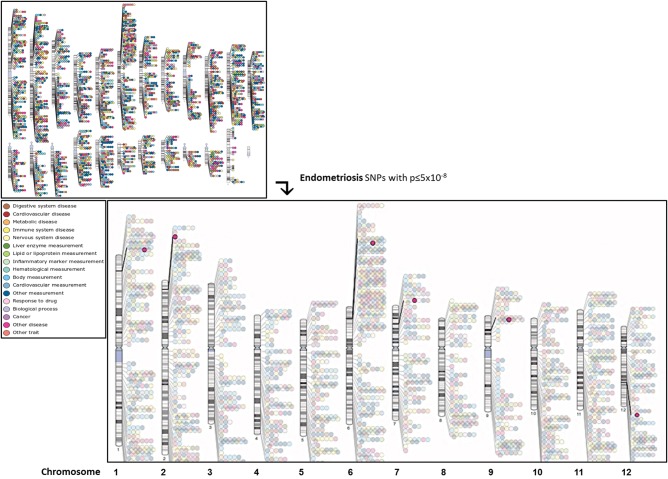
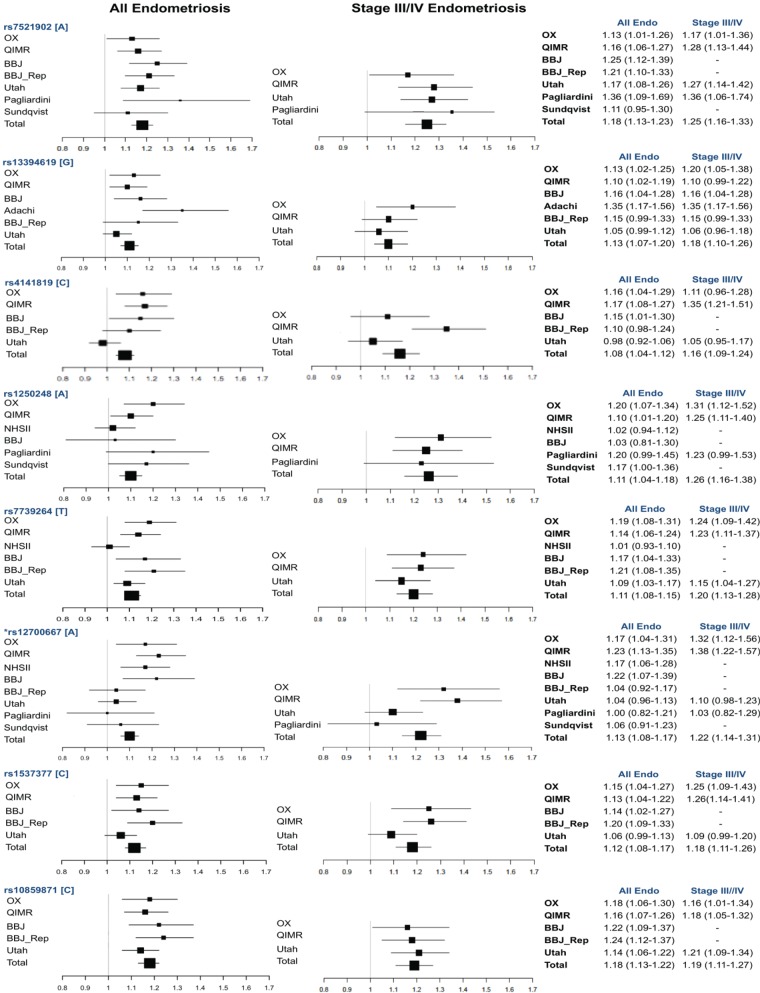
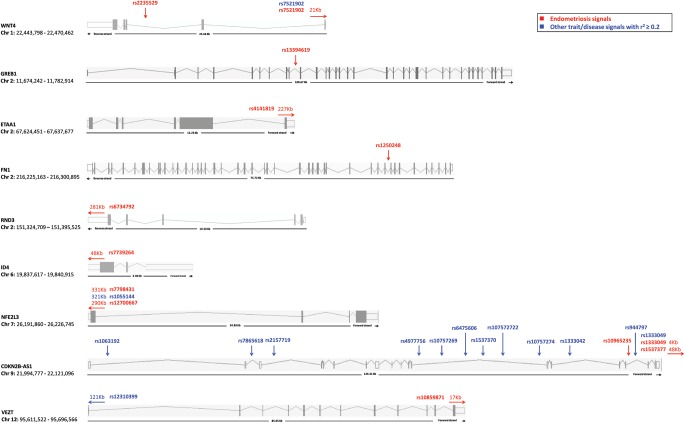
BACKGROUND: Endometriosis is a heritable common gynaecological condition influenced by multiple genetic and environmental factors. Genome-wide association studies (GWASs) have proved successful in identifying common genetic variants of moderate effects for various complex diseases. To date, eight GWAS and replication studies from multiple populations have been published on endometriosis. In this review, we investigate the consistency and heterogeneity of the results across all the studies and their implications for an improved understanding of the aetiology of the condition. METHODS: Meta-analyses were conducted on four GWASs and four replication studies including a total of 11 506 cases and 32 678 controls, and on the subset of studies that investigated associations for revised American Fertility Society (rAFS) Stage III/IV including 2859 cases. The datasets included 9039 cases and 27 343 controls of European (Australia, Belgium, Italy, UK, USA) and 2467 cases and 5335 controls of Japanese ancestry. Fixed and Han and Elkin random-effects models, and heterogeneity statistics (Cochran's Q test), were used to investigate the evidence of the nine reported genome-wide significant loci across datasets and populations. RESULTS: Meta-analysis showed that seven out of nine loci had consistent directions of effect across studies and populations, and six out of nine remained genome-wide significant (P < 5 × 10(-8)), including rs12700667 on 7p15.2 (P = 1.6 × 10(-9)), rs7521902 near WNT4 (P = 1.8 × 10(-15)), rs10859871 near VEZT (P = 4.7 × 10(-15)), rs1537377 near CDKN2B-AS1 (P = 1.5 × 10(-8)), rs7739264 near ID4 (P = 6.2 × 10(-10)) and rs13394619 in GREB1 (P = 4.5 × 10(-8)). In addition to the six loci, two showed borderline genome-wide significant associations with Stage III/IV endometriosis, including rs1250248 in FN1 (P = 8 × 10(-8)) and rs4141819 on 2p14 (P = 9.2 × 10(-8)). Two independent inter-genic loci, rs4141819 and rs6734792 on chromosome 2, showed significant evidence of heterogeneity across datasets (P < 0.005). Eight of the nine loci had stronger effect sizes among Stage III/IV cases, implying that they are likely to be implicated in the development of moderate to severe, or ovarian, disease. While three out of nine loci were inter-genic, the remaining were in or near genes with known functions of biological relevance to endometriosis, varying from roles in developmental pathways to cellular growth/carcinogenesis. CONCLUSIONS: Our meta-analysis shows remarkable consistency in endometriosis GWAS results across studies, with little evidence of population-based heterogeneity. They also show that the phenotypic classifications used in GWAS to date have been limited. Stronger associations with Stage III/IV disease observed for most loci emphasize the importance for future studies to include detailed sub-phenotype information. Functional studies in relevant tissues are needed to understand the effect of the variants on downstream biological pathways.
Overview
The claims and statistics of this paper haven’t been checked yet.
Free: it reads the open-access text and checks the first 5 claims that cite a source we can check. Create a free account to check every claim.
Integrity signals
Registry
Cites
Statistics
Figures
Verification
Claims the paper makes
The claims and statistics of this paper haven’t been checked yet.
Free: it reads the open-access text and checks the first 5 claims that cite a source we can check. Create a free account to check every claim.
Claims other papers make about this one
Each is checked against this paper’s own text: does it say what the citing paper says it does?
The source backs part of the claim, not all of it — or backs it for a different population, condition or comparison.
In the citing paper
“Multiple independent loci in the CDKN2BAS1 (also known as ANRIL) region on chromosome 9p21 have been robustly associated with endometriosis in genome-wide association studies in Japanese and European ancestry populations,(38, 39)”
From Endometriosis and Risk of Coronary Heart Disease (2016) · cites this paper as [38]
Experimental — accuracy not yet measuredThe source backs part of the claim, not all of it — or backs it for a different population, condition or comparison.
In the citing paper
“A meta-analysis of eight GWASs published to date (24) demonstrated SNPs in six genetic loci, including 7p15.2,WNT4, VEZT, CDKN2B-AS1, ID4, and GREB1 across European, American, and Japanese women with stage III-IV endometriosis.”
From Biomarkers in endometriosis: Challenges and opportunities (2017) · cites this paper as [24]
Experimental — accuracy not yet measuredThe source backs part of the claim, not all of it — or backs it for a different population, condition or comparison.
In the citing paper
“Even though GWASs have identified numerous SNPs associated with endometriosis risk across multiple populations, the strengths of the studies are affected by unstandardized methods of biologic sample collection, storage, and phenotyping of samples across studies, which may invariably lead to heterogeneous interpretations and findings (24).”
From Biomarkers in endometriosis: Challenges and opportunities (2017) · cites this paper as [24]
Experimental — accuracy not yet measuredThe cited source says what the claim attributes to it.
In the citing paper
“Additionally, endometriosis and CHD may share common genetic susceptibilities.”
From Endometriosis and Risk of Coronary Heart Disease (2016) · cites this paper as [38]
The cited source says what the claim attributes to it.
In the citing paper
“Previous GWA studies of endometriosis have implicated WNT signalling, oestrogen responsive genes and genes involved in the actin cytoskeleton and cellular adhesion1233.”
From Meta-analysis identifies five novel loci associated with endometriosis highlighting key genes involved in hormone metabolism (2017) · cites this paper as [12]
Self-check
Percentages, sums and reported differences re-computed from the paper’s own numbers.
The self-check needs the paper’s full text.
Citations
Cites
Quantifying heterogeneity in a meta‐analysis
Higgins, J. P. T., & Thompson, S. G. (2002) · Statistics in Medicine · doi:10.1002/sim.1186 · Cited by 36,763 · cited 1×
“Between-study heterogeneity was indicated by Q statistic P values , 0.1 (Ioannidis et al., 2007), as well as the I2 index, which indicates the percentage of variance attributable to heterogeneity (Higgins and Thompson, 2002).”
MethodInfluentialAn integrated encyclopedia of DNA elements in the human genome
The ENCODE Project Consortium (2012) · Nature · doi:10.1038/nature11247 · Cited by 18,072
Haploview: analysis and visualization of LD and haplotype maps
Barrett, J. C., Fry, B., Maller, J., & Daly, M. J. (2005) · Bioinformatics · doi:10.1093/bioinformatics/bth457 · Cited by 14,525 · cited 2×
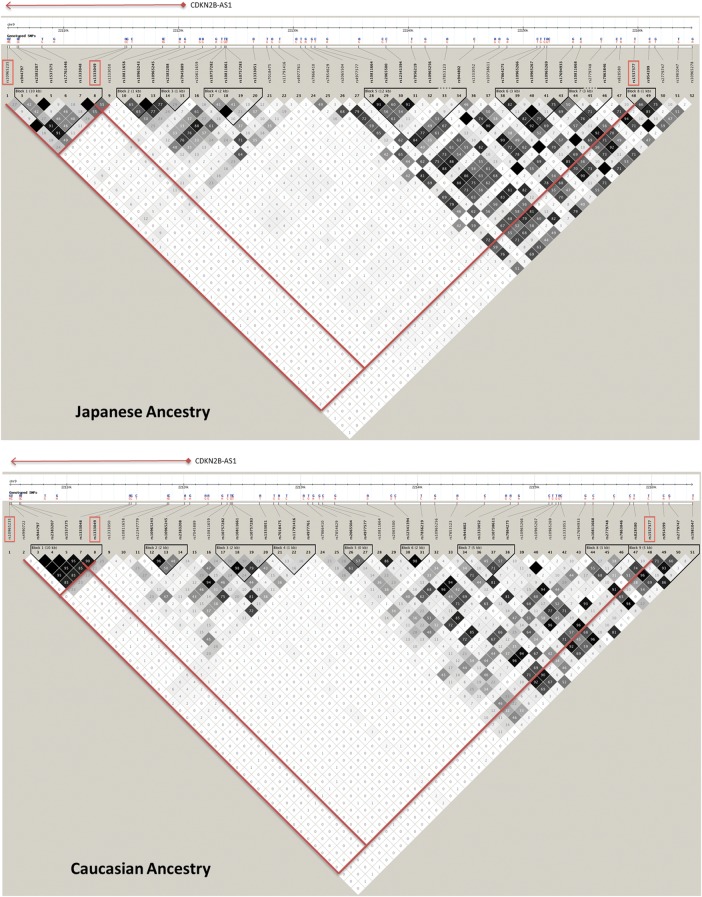
“We determined the distance between each endometriosis SNP and SNPs associated with other diseases/traits in each chromosomal segment, and assessed LD (correlation, r2) between each SNP pair in the Caucasian and Japanese populations using the 1000 Genomes Pilot CEU and JPT data reference panels, implemented in Haplovie…”
MethodA haplotype map of the human genome
The International HapMap Consortium (2005) · Nature · doi:10.1038/nature04226 · Cited by 5,858
Wnt/β-Catenin Signaling in Development and Disease
Clevers, H. (2006) · Cell · doi:10.1016/j.cell.2006.10.018 · Cited by 5,568 · cited 1×
“Moreover, the Wnt/ b-catenin pathway is involved in development, tissue self-renewal and in various cancers and other disease such as type II diabetes and osteoporosis (Clevers, 2006; Klaus and Birchmeier, 2008; Clevers and Nusse, 2012).”
Wnt/β-catenin signaling and disease
Clevers, H., & Nusse, R. (2012) · Cell · doi:10.1016/j.cell.2012.05.012 · Cited by 5,554 · cited 1×
“Moreover, the Wnt/ b-catenin pathway is involved in development, tissue self-renewal and in various cancers and other disease such as type II diabetes and osteoporosis (Clevers, 2006; Klaus and Birchmeier, 2008; Clevers and Nusse, 2012).”
BackgroundThe combination of estimates from different experiments
Cochran, W. G. (1954) · Biometrics · doi:10.2307/3001666 · Cited by 5,380 · cited 2×
“Heterogeneity of allelic effects across studies was examined using the Cochran’s Q test (Cochran, 1954).”
MethodResultHost–microbe interactions have shaped the genetic architecture of inflammatory bowel disease
The International IBD Genetics Consortium (IIBDGC), Jostins, L., Ripke, S., Weersma, R. K., Duerr, R. H., McGovern, D. P., Hui, K. Y., Lee, J. C., Philip Schumm, L., Sharma, Y., et al. (2012) · Nature · doi:10.1038/nature11582 · Cited by 4,722 · cited 2×
“…to 100 000 cases, and have identified around 65 genome-wide significant variants associated with disease (Morris et al., 2012); the count of genome-wide significant loci associated with inflammatory bowel disease, involving up to 37 000 cases and controls, is as high as 163 (Jostins et al., 2012).”
BackgroundHindorff, L. A., Sethupathy, P., Junkins, H. A., Ramos, E. M., Mehta, J. P., Collins, F. S., & Manolio, T. A. (2009) · Proceedings of the National Academy of Sciences · doi:10.1073/pnas.0903103106 · Cited by 4,013 · cited 5×
“%) of genes, demonstrating that the interpretation of the signals typically requires further studies exploring the functionality of these regions (Hindorff et al., 2009).”
BackgroundMethodInfluentialGiudice, L. C., & Kao, L. C. (2004) · The Lancet · doi:10.1016/s0140-6736(04)17403-5 · Cited by 3,166
Cited by
Items 101–200 of 267
Rossi, H., Uimari, O., Terho, A., Pesonen, P., Koivurova, S., & Piltonen, T. (2022) · Fertility and Sterility · doi:10.1016/j.fertnstert.2022.09.361 · Cited by 25
WNT4 Balances Development vs Disease in Gynecologic Tissues and Women’s Health
Pitzer, L. M., Moroney, M. R., Nokoff, N., & Sikora, M. J. (2021) · Endocrinology · doi:10.1210/endocr/bqab093 · Cited by 24
Ahmad, S. F., Akoum, A., & Horne, A. W. (2015) · Molecular Human Reproduction · doi:10.1093/molehr/gav056 · Cited by 24
Analysis of WNT4 polymorphism in Chinese Han women with endometriosis
Wu, Z., Yuan, M., Li, Y., Fu, F., Ma, W., Li, H., Wang, W., & Wang, S. (2015) · Reproductive BioMedicine Online · doi:10.1016/j.rbmo.2014.12.010 · Cited by 23
A PubMed-wide study of endometriosis
Liu, J., & Zhao, M. (2016) · Genomics · doi:10.1016/j.ygeno.2016.10.003 · Cited by 23
Lipophilic statins inhibit growth and reduce invasiveness of human endometrial stromal cells
Sokalska, A., Hawkins, A. B., Yamaguchi, T., & Dulęba, A. J. (2018) · Journal of Assisted Reproduction and Genetics · doi:10.1007/s10815-018-1352-9 · Cited by 23
Clinical management of endometriosis
Russo, M. L., Chalif, J., & Falcone, T. (2020) · Minerva Obstetrics and Gynecology · doi:10.23736/s0026-4784.20.04544-x · Cited by 22
Li, Y., Hao, N., Wang, Y., & Kang, S. (2017) · Reproductive Sciences · doi:10.1177/1933719116650753 · Cited by 21
Insights from genomic studies on the role of sex steroids in the aetiology of endometriosis
Saunders, P. T. K. (2022) · Reproduction and Fertility · doi:10.1530/raf-21-0078 · Cited by 21
Association of endometriosis with Sjögren's syndrome: Genetic insights (Review)
Zervou, M. I., Tarlatzis, B. C., Grimbizis, G., Spandidos, D. A., Niewold, T. B., & Goulielmos, G. N. (2024) · International Journal of Molecular Medicine · doi:10.3892/ijmm.2024.5344 · Cited by 20
Wang, W., Li, Y., Li, S., Wu, Z., Yuan, M., Wang, T., & Wang, S. (2016) · Reproductive Sciences · doi:10.1177/1933719116657191 · Cited by 20
“These risk genetic loci from GWAS for endometriosis showed heterogeneity in different populations.(11) Therefore, it is meaningful to conduct a GWAS in Chinese patients with endometriosis.”
BackgroundOsiński, M., Mostowska, A., Wirstlein, P., Wender-Ożegowska, E., Jagodziński, P. P., & Szczepańska, M. (2018) · Ginekologia Polska · doi:10.5603/gp.a2018.0052 · Cited by 19
Shared genetic basis between reproductive behaviors and anxiety-related disorders
Ohi, K., Kuramitsu, A., Fujikane, D., Takai, K., Sugiyama, S., & Shioiri, T. (2022) · Molecular Psychiatry · doi:10.1038/s41380-022-01667-8 · Cited by 19
Bulun, S. E. (2019) · Elsevier eBooks · doi:10.1016/b978-0-323-47912-7.00025-1 · Cited by 19
Mier‐Cabrera, J., Cruz-Orozco, O., la Jara-Díaz, J. F. D., Galicia-Castillo, O., Buenrostro-Jáuregui, M. H., Parra‐Carriedo, A., & Hernández‐Guerrero, C. (2022) · BMC Women s Health · doi:10.1186/s12905-022-01941-5 · Cited by 20
May, K., Sames, L., Scheper, C., & König, S. (2021) · Journal of Dairy Science · doi:10.3168/jds.2021-20685 · Cited by 18
Genome-wide identification and characterization of lncRNAs in sunflower endosperm
Yu, S., Zhang, Z., Li, J., Zhu, Y., Yin, Y., Zhang, X., Dai, Y., Zhang, A., Li, C., Zhu, Y., et al. (2022) · BMC Plant Biology · doi:10.1186/s12870-022-03882-5 · Cited by 18
“The ncRNAs are functional RNA molecules that do not encode proteins and possess key regulatory functions [4].”
BackgroundEvolutionary justifications for human reproductive limitations
Lubinsky, M. (2018) · Journal of Assisted Reproduction and Genetics · doi:10.1007/s10815-018-1285-3 · Cited by 17
NAT2 gene polymorphisms and endometriosis risk: A PRISMA-compliant meta-analysis
Wei, Z., Zhang, M., Zhang, X., Yi, M., Xia, X., & Fang, X. (2019) · PLoS ONE · doi:10.1371/journal.pone.0227043 · Cited by 16
Association between the Exposure to Phthalates and the Risk of Endometriosis: An Updated Review
Ribeiro, B., Mariana, M., Lorigo, M., Oliani, D. C. M. V., Ramalhinho, A. C., & Cairrão, E. (2024) · Biomedicines · doi:10.3390/biomedicines12081932 · Cited by 15
Ochoa, S., Rasquel-Oliveira, F. S., McKinnon, B. D., Haro, M., Subramaniam, S., Yu, P. H., Coetzee, S. G., Anglesio, M. S., Wright, K. N., Meyer, R., et al. (2025) · Advanced Science · doi:10.1002/advs.202415285 · Cited by 17
Self-citationPoli‐Neto, O. B., Carlos, D., Favaretto, A. L., Silva, J. C. R. E., Meola, J., & Tiezzi, D. G. (2021) · Journal of Reproductive Immunology · doi:10.1016/j.jri.2021.103307 · Cited by 17
Reproductomics: Exploring the Applications and Advancements of Computational Tools
Sengupta, P., Dutta, S., Liew, F. F., Samrot, A. V., Dasgupta, S., Rajput, M., Sláma, P., Kolesárová, A., & Roychoudhury, S. (2024) · Physiological Research · doi:10.33549/physiolres.935389 · Cited by 14
Female Genomics: Infertility and Overall Health
Joshi, N., & Chan, J. L. (2017) · Seminars in Reproductive Medicine · doi:10.1055/s-0037-1603095 · Cited by 14
Badie, A., Saliminejad, K., Salahshourifar, I., & Khorshid, H. R. K. (2019) · Gynecological Endocrinology · doi:10.1080/09513590.2019.1631790 · Cited by 14
“On the other hands, variability in phenotypic characterization of endometriosis patients between studies may contribute to the heterogeneity in findings, and result undetected genetic risk factors due to the dilution of the strength of association [22].”
BackgroundTapmeier, T. T., Nazri, H. M., Subramaniam, K. S., Manek, S., Garbutt, K., Flint, E. J., Cheuk, C. S. K., Hubbard, C., Barrett, K., Shepherd, E., et al. (2020) · BMJ Open · doi:10.1136/bmjopen-2019-032220 · Cited by 14
Self-citationMolecular-genetic determinants of the development of endometriosis
Ponomarenko, I., Polonikov, A., Николаевна, В. И., & Churnosov, M. I. (2019) · Voprosy ginekologii akušerstva i perinatologii · doi:10.20953/1726-1678-2019-1-82-86 · Cited by 14
Santos, C. M. D. A. M., de Souza, A. T. B., Neta, A. P. R., Freire, L. V. P., Sarmento, A. C. A., de Medeiros, K. S., Luchessi, A. D., Cobucci, R. N., Gonçalves, A. K., & Crispim, J. C. D. O. (2025) · International Journal of Molecular Sciences · doi:10.3390/ijms26104564 · Cited by 13
“Certain genetic loci reside in intergenic or intronic regions that, while non-coding, may still influence gene expression [11,12].”
TLR4 T399I Polymorphism and Endometriosis in a Cohort of Italian Women
Marchionni, E., Porpora, M. G., Megiorni, F., Piacenti, I., Giovannetti, A., Marchese, C., Panici, P. B., & Pizzuti, A. (2020) · Diagnostics · doi:10.3390/diagnostics10050255 · Cited by 13
“GWAS, however, cannot identify genetic specific associations in different populations [10], since there are differences in terms of genetic susceptibility and disease manifestations, as demonstrated by genetic association studies in selective populations [11].”
The sexual selection of endometriosis.
Crespi, B., & Dinsdale, N. L. (2023) · Evolutionary Behavioral Sciences · doi:10.1037/ebs0000275 · Cited by 12
Genetic factors involved in the co‑occurrence of endometriosis with ankylosing spondylitis (Review)
Zervou, M. I., Papageorgiou, L., Vlachakis, D. P., Spandidos, D. A., Eliopoulos, E., & Goulielmos, G. N. (2023) · Molecular Medicine Reports · doi:10.3892/mmr.2023.12983 · Cited by 11
Modern non-invasive diagnosis of endometriosis
Kudryavtseva, E. V., Геец, А. В., Mangileva, Y. A., Chizhova, A. V., & Patsyuk, O. V. (2023) · Ural Medical Journal · doi:10.52420/2071-5943-2023-22-4-140-147 · Cited by 11
Age at first birth and lung cancer: a two-sample Mendelian randomization study
Peng, H., Wu, X., Wen, Y., Du, X., Li, C., Liang, H., Lin, J., Liu, J., Ge, F., Huo, Z., et al. (2021) · Translational Lung Cancer Research · doi:10.21037/tlcr-20-1216 · Cited by 11
“Actually, the genetic architecture of AFB is closely relevant to health, human development, psychiatric disorders and so on (47-49).”
Molecular Biology of Endometriosis
Sengupta, J., Geethadevi, A., Bhat, M. A., & Ghosh, D. (2016) · Wiley eBooks · doi:10.1002/9781118849613.ch3 · Cited by 12
Zinc deficiency is associated with the development of ovarian endometrial cysts.
Onuma, T., Mizutani, T., Fujita, Y., Ohgami, N., Ohnuma, S., Kato, M., & Yoshida, Y. (2023) · PubMed Central · Cited by 10
The codon 72 polymorphism of the TP53 gene and endometriosis risk: a meta-analysis
Feng, Y., Wu, Y., Li, L., Luo, Z., Zhong, L., Zhou, Y., Yi, T., Lin, X., Zhao, Q.-Y., & Zhao, X. (2015) · Reproductive BioMedicine Online · doi:10.1016/j.rbmo.2015.05.017 · Cited by 10
Birke, L., Baston-Büst, D. M., Krüssel, J.-S., Fehm, T. N., & Bielfeld, A. P. (2021) · BMC Women s Health · doi:10.1186/s12905-021-01474-3 · Cited by 10
“Several single nucleotide polymorphism (SNPs) have been associated with the disease, for example in the region of the wingless-type mammalian mouse tumor integration site family member 4 (WNT4), vezatin (VEZT) and follicle stimulating hormone beta polypeptide (FSHB) [30, 31].”
BackgroundGenetic association study in a three-generation family with seven members with endometriosis
Matalliotakis, M., Zervou, M. I., Matalliotaki, C., Arici, A. M., Spandidos, D. A., Matalliotakis, I., & Goulielmos, G. N. (2017) · Molecular Medicine Reports · doi:10.3892/mmr.2017.7337 · Cited by 10
“…number of these loci is on the increase as the proportion of cases analyzed are limited to more severe disease stages (stage III/IV endometriosis) rather than stage I/II, thus indicating that moderate to severe endometriosis cases have greater genetic burden relative to minimal or mild disease (5).”
Predeus, A. V., Vashukova, E. S., Glotov, A. S., Danilova, M. M., Osinovskaya, N. S., Malysheva, O. V., Shved, N. Y., Ganbarli, N. F., Yarmolinskaya, M. I., Иващенко, Т. Э., et al. (2018) · Russian Journal of Genetics · doi:10.1134/s1022795418110133 · Cited by 10
Sheu, J. J.-C., Lin, W.-Y., Liu, T.-Y., Chang, C. Y.-Y., Cheng, J., Li, Y.-H., Chen, C.-M., Tseng, C.-C., Ding, W. Y., Chung, C., et al. (2024) · Journal of Human Genetics · doi:10.1038/s10038-024-01270-5 · Cited by 9
“In addition to genetic variations in several well-known protein-coding genes such as WNT4 [8], GREB1 [8], CCDC170 [9], ESR1 [9], NGF [10], and mucins [11 – 14], recent studies also revealed the involvement of non-coding RNAs in endometriosis development, including microRNAs (miRNAs) [15, 16] and…”
InfluentialRamayanam, N. R., Amarnath, R. N., Ramasamy, M., & Vijayakumar, T. M. (2023) · Journal of Applied Pharmaceutical Science · doi:10.7324/japs.2023.90044 · Cited by 9
Hassani, M., Saliminejad, K., Heidarizadeh, M., Kamali, K., Memariani, T., & Khorshid, H. R. K. (2016) · International Journal of Reproductive BioMedicine (IJRM) · doi:10.29252/ijrm.14.4.241 · Cited by 9
Familial deep endometriosis: A rare monogenic disease?
Isidor, B., Latypova, X., & Ploteau, S. (2017) · European Journal of Obstetrics & Gynecology and Reproductive Biology · doi:10.1016/j.ejogrb.2017.11.025 · Cited by 9
A Rare Case of Acute Mechanical Intestinal Obstruction: Colonic Endometriosis
Buldanlı, M. Z., Özemir, İ. A., Yener, O., & Dölek, Y. (2018) · Turkish Journal of Trauma and Emergency Surgery · doi:10.5505/tjtes.2018.62705 · Cited by 9
“Environmental toxins, genetic predisposition, retrograd menstruation, stem cells, mullerianosis, coelomic metaplasia, neural growth, vasculogenesis and autoimmunity are thought to be responsible in the pathophysiology of endometriosis.[1,2] While the major symptom of this disease is pelvic pain, dysmenorrhea, dyspareu…”
BackgroundOvarian endometriosis associated infertility: a modern view to the problem
Orazov, M. R., Khamoshina, M. B., Abitova, M. Z., Михалева, Л. М., Владимировна, В. С., Aryutin, D. G., & Shustova, V. B. (2020) · GYNECOLOGY · doi:10.26442/20795696.2020.5.200405 · Cited by 9
Endometriose em adultos: Patogênese, epidemiologia e impacto clínico
Luquetti, C. M., da Costa, A. L. G., D’Oliveira, M. E., Nascimento, A. B., Alves, T. F. R., Neto, J. T. D. C., Marcelo, J. A. P., Zamora, P. H. F., Gusso, C. D., Passos, M. S., et al. (2024) · Brazilian Journal of Implantology and Health Sciences · doi:10.36557/2674-8169.2024v6n8p2107-2121 · Cited by 8
“Estudos genéticos, incluindo associação do genoma e sequenciamento do exoma, identificaram e anormalidades em genes condutores de câncer (PIK3CA, KRAS, ARID1A) [10-11].”
BackgroundPissetti, C. W., Tanaka, S. C. S. V., Hortolani, A. C. C., & de Marqui, A. B. T. (2018) · Revista Brasileira Ginecologia e Obstetrícia · doi:10.1055/s-0038-1667183 · Cited by 8
Genetics and Genomics of Endometriosis
Giudice, L. C., Burney, R. O., Becker, C. M., Missmer, S. A., Montgomery, G. W., Rahmioğlu, N., Rogers, P. A. W., & Zondervan, K. T. (2018) · Elsevier eBooks · doi:10.1016/b978-0-12-813570-9.00018-8 · Cited by 8
Self-citationOMICs Studies and Endometriosis Biomarker Identification
Saare, M., Peters, M., Aints, A., Laisk, T., Salumets, A., & Altmäe, S. (2017) · Springer eBooks · doi:10.1007/978-3-319-59856-7_12 · Cited by 9
Genome-wide association studies on endometriosis and endometriosis-related infertilityPreprint
Galarneau, G., Fontanillas, P., Clementi, C., Hu-Seliger, T. T., Parfitt, D.-E., Tung, J. Y., & Beim, P. Y. (2018) · bioRxiv (Cold Spring Harbor Laboratory) · doi:10.1101/401448 · Cited by 8
DNA Repair Gene XRCC1 and XRCC4 Variations and Risk of Endometriosis: An Association Study
Saliminejad, K., Saket, M., Kamali, K., Memariani, T., & Khorshid, H. R. K. (2015) · Gynecologic and Obstetric Investigation · doi:10.1159/000366444 · Cited by 7
Papageorgiou, L., Andreou, A., Zervou, M. I., Vlachakis, D. P., Goulielmos, G. N., & Eliopoulos, E. (2023) · World Academy of Sciences Journal · doi:10.3892/wasj.2023.189 · Cited by 7
Meidyana, S., Isfandiary, S., & Primariawan, R. Y. (2024) · European Journal of Obstetrics & Gynecology and Reproductive Biology · doi:10.1016/j.ejogrb.2024.01.038 · Cited by 6
Regulatory Effects of Endometriosis-Associated Genetic Variants: A Multi-Tissue eQTL Analysis
Garibaldi-Ríos, A. F., Rodríguez-Gutiérrez, P. G., García-Díaz, J. M., Zúñiga‐González, G. M., Figuera, L. E., Gómez‐Meda, B. C., Puebla‐Pérez, A. M., Dávalos‐Rodríguez, I. P., Torres-Mendoza, B. M., Gutiérrez-Hurtado, I. A., et al. (2025) · Diseases · doi:10.3390/diseases13080248 · Cited by 6
Novel missense variant of CIITA contributing to endometriosis
Zhu, Y., Pan, H., Han, Y., Li, T., Liu, K., & Wang, B. (2022) · Reproductive BioMedicine Online · doi:10.1016/j.rbmo.2022.05.011 · Cited by 6
Deraya, I. E., Hestiantoro, A., Muharam, R., Marwali, M. L. S., Darmawi, D., & Asmarinah, A. (2020) · IOP Conference Series Earth and Environmental Science · doi:10.1088/1755-1315/457/1/012079 · Cited by 6
King, L. A., Wentzensen, N., Purdue, M. P., Katki, H. A., Pinto, L. A., & Trabert, B. L. (2021) · Annals of Epidemiology · doi:10.1016/j.annepidem.2021.12.003 · Cited by 6
Co-Occurrence of Endometriosis with Systemic Lupus Erythematosus: Genetic Aspects
Zervou, M. I., Tarlatzi, T. B., Grimbizis, G., Niewold, T. B., Tarlatzis, B. C., Bertsias, G. K., & Goulielmos, G. N. (2025) · International Journal of Molecular Sciences · doi:10.3390/ijms26146841 · Cited by 5
“Studies in SLE have emphasized the role of autoimmunity, proliferation and activation of immune cells, inflammation, vascular damage and tissue injury in the disease’s development [8,23] (Figure 1).”
Interventional Radiology Treatments to Address Chronic Pelvic Pain in Females
Risner, V., Gonzales, E., McColgan, Y., & Salazar, G. (2024) · CardioVascular and Interventional Radiology · doi:10.1007/s00270-024-03823-9 · Cited by 5
“[12] Having a first-degree relative with endometriosis increases risk 7-to tenfold, therefore emphasizing the importance of family history [33].”
Molecular-genetic factors of genital endometriosis
Ponomarenko, I. V., Altuchova, O. B., Golovchenko, O., Sorokina, I. N., Polonikov, A. V., Bushueva, O. Y., & Churnosov, M. I. (2016) · Open Access Repository (Belgorod State National Research University) · Cited by 5
Genetic Risk Factors for Endometriosis
Fung, J. N., Sapkota, Y., Nyholt, D. R., & Montgomery, G. W. (2017) · Journal of Endometriosis and Pelvic Pain Disorders · doi:10.5301/je.5000273 · Cited by 5
Self-citationGenetic Biomarkers for Endometriosis
Lee, S., Sapkota, Y., Fung, J. N., & Montgomery, G. W. (2017) · Springer eBooks · doi:10.1007/978-3-319-59856-7_5 · Cited by 6
Self-citationA modern view of the problem of endometriosis from a genetic point of view (literature review)
Бондаренко, Н. П., Курочка, В. В., Maidannyk, I. V., Chorna, O. O., & Babenko, M. (2025) · Medicine Today and Tomorrow · doi:10.35339/msz.2025.94.3.bkm · Cited by 4
Dou, S., Wei, Y., Lin, Z., Wu, H., Yang, F., Cen, X., Lu, W., Qin, H., Wang, R., & Wang, J. (2025) · Functional & Integrative Genomics · doi:10.1007/s10142-025-01543-y · Cited by 4
“In recent years, genome-wide association studies (GWAS) have made significant progress in identifying genetic variants associated with endometriosis (Rahmioglu et al. 2014, Genome-wide 2024).”
Aspirin does not modify cardiovascular event risk in endometriosis in the California Teachers Study
Seitz, A., Zhang, C., Bull, L. E., Kamel, H., White, H., Navi, B. B., Shin, J. H., Berkin, J. A., Kaiser, J. H., Liao, V., et al. (2025) · European Heart Journal Open · doi:10.1093/ehjopen/oeaf023 · Cited by 4
Identification of Important Genes Associated with Total Cholesterol using Bioinformatics Analysis
Mo, X., Zhang, H., Xu, T., Lei, S., & Zhang, Y.-H. (2016) · Pharmacogenomics · doi:10.2217/pgs.15.164 · Cited by 4
D’Hooghe, T. M., Grechukhina, O., Cho, S., Fassbender, A., Dorien, O., Peterse, D., Weidhaas, J. B., & Taylor, H. S. (2019) · Gynecologic and Obstetric Investigation · doi:10.1159/000500626 · Cited by 4
Poli‐Neto, O. B., Meola, J., & Silva, J. C. R. E. (2020) · Revista Brasileira Ginecologia e Obstetrícia · doi:10.1055/s-0040-1713807 · Cited by 4
Бесплодие, ассоциированное с эндометриозом яичников: современный взгляд на проблему
Рахимбердыевич, О. М., Борисовна, Х. М., Заурбиевна, А. М., Михайловна, М. Л., Владимировна, В. С., Геннадьевич, А. Д., & Борисовна, Ш. В. (2020) · GYNECOLOGY · Cited by 4
Endometriosis: The Enigma That It Continues to Be
Sharma, S., & Tripathi, A. (2024) · IntechOpen eBooks · doi:10.5772/intechopen.108774 · Cited by 4
The importance of gene polymorphism in familial inheritance of endometriosis
Celik, H. G., Eker, C., Güzelbağ, B., Baştu, E., & Günel, T. (2026) · International Journal of Gynecology & Obstetrics · doi:10.1002/ijgo.70946 · Cited by 3
“23,26,27 In our study group, the rs7521902 SNP1 (C > A) variant of the WNT4 gene was found at similar frequencies among endometriosis patients with the homozygous AA genotype and healthy controls.”
Reproductive performance: at the cross-road of genetics, technologies and environment
Vaiman, D. (2014) · Reproduction Fertility and Development · doi:10.1071/rd14316 · Cited by 3
Zhu, Y., Ryu, S., Tare, A., Barzilai, N., Atzmon, G., & Suh, Y. (2023) · Aging Cell · doi:10.1111/acel.13962 · Cited by 3
Co‑occurrence of endometriosis with psoriasis and psoriatic arthritis: Genetic insights (Review)
Goulielmos, G. N., Tarlatzi, T. B., Grimbizis, G., Spandidos, D. A., Niewold, T. B., Bertsias, G. K., Tarlatzis, B. C., & Zervou, M. I. (2025) · Experimental and Therapeutic Medicine · doi:10.3892/etm.2025.12921 · Cited by 3
Епідеміологія синдрому полікістозних яєчників, ендометріозу та їх коморбідного перебігу
Досвальд, А. С. Х., Khmil, M. S., & Хміль, С. В. (2022) · Bulletin Of Medical And Biological Research · doi:10.11603/bmbr.2706-6290.2021.4.12662 · Cited by 3
The Basic Science of Endometriosis
Yong, P. J. (2020) · Wiley eBooks · doi:10.1002/9781119482598.ch33 · Cited by 3
Баранов, В. С. (2017) · Nauchno-prakticheskii zhurnal «Patogenez» · doi:10.25557/gm.2017.3.8492 · Cited by 3
Genetics and genomics of endometriosis☆
Giudice, L. C., Burney, R. O., Becker, C. M., Missmer, S. A., Montgomery, G. W., Rahmioğlu, N., Rogers, P. A. W., & Zondervan, K. T. (2023) · Elsevier eBooks · doi:10.1016/b978-0-323-91380-5.00018-6 · Cited by 3
Self-citationEndometriosis: Epidemiology, Risk Factors, Molecular Mechanisms, Diagnosis, and Management
Wang, K., He, D., Wang, Y., Liu, X., & Liu, L. (2026) · MedComm · doi:10.1002/mco2.70852 · Cited by 2
“Subsequent GWAS, including meta-analyses of over 150,000 cases and controls, have expanded the list to more than 40 susceptibility loci [ 33 ].”
Nursing Genetic Research: New Insights Linking Breast Cancer Genetics and Bone Density
Sanchez-Fernandez, A., Roncero‐Martín, R., Morán, J. M., García, J. M. L., Puerto-Parejo, L. M., López‐Espuela, F., Aliaga, I. J., & Pedrera-Canal, M. (2020) · Healthcare · doi:10.3390/healthcare8020172 · Cited by 2
“Similarly, meta-analyses conducted on four genome-wide association studies showed that rs13394619 in GREB1 was associated with endometriosis with little evidence of population-based heterogeneity [35].”
ResultCYFRA 21-1 Protein - a Potential Marker of Endometriosis
Višnić, A., Jurešić, G. Č., Barišić, D., Smajla, N., Šepić, T. S., & Severinski, N. S. (2023) · Medicina Fluminensis · doi:10.21860/medflum2023_306342 · Cited by 2
Burney, R. O., & Giudice, L. C. (2015) · Elsevier eBooks · doi:10.1016/b978-0-323-18907-1.00130-x · Cited by 2
Computational Approaches in Reproductomics
Vargas, E., Esteban, F. J., & Altmäe, S. (2018) · Elsevier eBooks · doi:10.1016/b978-0-12-812571-7.00019-8 · Cited by 2
Crespi, B. J., & Yang, N. Y. (2022) · Biological Journal of the Linnean Society · doi:10.1093/biolinnean/blac068 · Cited by 2
Gonçalves, M. J. F. (2016) · Portuguese National Funding Agency for Science, Research and Technology (RCAAP Project by FCT) · doi:10.34626/5jje-0060 · Cited by 2
Venturella, R., Sacchinelli, A., Rania, E., Lico, D., Cello, A. D., Rocca, M. L., Mocciaro, R., Zullo, F., & Morelli, M. (2015) · Journal of Endometriosis and Pelvic Pain Disorders · doi:10.5301/je.5000205 · Cited by 1
“In the near future, the chance to also increase the positive predictive value of our test is greatly promising, thanks to the association of our clinical parameters to specific genetic markers, such as those discovered by means of genome-wide association studies (28).”
BackgroundSima, R., Albu, D. N., Ionescu, A. C., Dimitriu, M. C. T., Popescu, M., Tomescu, D. R., Chicea, R., Ceauşu, I., Iordache, I.-I., Poenaru, M. O., et al. (2019) · Revista de Chimie · doi:10.37358/rc.19.4.7158 · Cited by 1
Soliman, M. H., & Amin, A. I. (2018) · The Egyptian Journal of Medical Microbiology · doi:10.21608/ejmm.2018.285637 · Cited by 1
Lin, Y., Naiki, Y., Kojima, S., Hakamata, M., Fukatsu, H., Hasegawa, Y., Wakatsuki, A., Koide, N., & Umezawa, K. (2025) · Molecular Medicine Reports · doi:10.3892/mmr.2025.13648 · Cited by 1
Kitahara, Y., Ideno, Y., Tomiyoshi, K., Onizuka, Y., Nagai, K., Iwase, A., Shimada, J., Ohnishi, H., & Hayashi, K. (2025) · Reproductive Medicine and Biology · doi:10.1002/rmb2.12675 · Cited by 1
“Their stability over time and potential for identifying genetic predispositions make them particularly useful in studying complex diseases, including endometriosis [12, 13].”
Systematic analyses uncover endocrine-disrupting chemical-responsive genes linked to endometriosis
Hong, Y., Zhang, T., Zhou, J., Wang, L., Wang, Y., Shu, W., Wang, H., & Chen, H. (2025) · Reproductive Toxicology · doi:10.1016/j.reprotox.2025.109148 · Cited by 1
Is Recurrent Endometriosis a Reprogrammed Disease? Molecular Persistence Beyond Surgical Clearance
Palumbo, M., Corte, L. D., Conte, M. R., D’Angelo, G., Ascione, M., Pollio, A., Giampaolino, P., & Bifulco, G. (2026) · Cells · doi:10.3390/cells15100951 · Cited by 1
“The timing and intensity of these interactions may critically influence the trajectory of the disease, particularly during key biological windows such as puberty and early reproductive life [16,31,32].”
Sobral, C., Afonso, J., Correia‐Pinto, J., Baltazar, F., & Nogueira-Silva, C. (2026) · Journal of Clinical Medicine · doi:10.3390/jcm15155774 · Cited by 1
Endometriosis-derived iPSCs reveal conserved stromal maturation and endocrine responsiveness
McDowell, H. B., Sun, S., McNally, R. P., Huerta, C. B., Asif, H., Yoon, J., Alvarez, A. A., Yıldız, Ş., Foley, K. G., Boots, C. E., et al. (2026) · Science Advances · doi:10.1126/sciadv.aeg2362 · Cited by 1
Pagliardini, L., Vanni, V. S., Papaleo, E., Corti, L., Candiani, M., & Viganò, P. (2015) · Journal of Endometriosis and Pelvic Pain Disorders · doi:10.5301/je.5000210 · Cited by 1
Summary of Future Developments
Zolton, J. R., & DeCherney, A. H. (2017) · Clinical Obstetrics & Gynecology · doi:10.1097/grf.0000000000000310 · Cited by 1
Current Approach to Genetic Causes of Female Infertility and Genetic Counseling
Shirinova, N. V. C., YALÇIN, F. Z., & Bozdoğan, S. T. (2022) · Düzce Tıp Fakültesi Dergisi · doi:10.18678/dtfd.1183278 · Cited by 1
A MODERN NONINVASIVE METHODS OF DIAGNOSIS GENITAL ENDOMETRIOSIS ASSOCIATED WITH INFERTILITY
Bakun, O. V. (2024) · Clinical anatomy and operative surgery · doi:10.24061/1727-0847.23.1.2024.21 · Cited by 1
NOD1, NOD2, PYDC1, and PYDC2 gene polymorphisms in ovarian endometriosis
Kula, H., Balbal, B., Timur, T., Yalcın, P., Yavuz, O., Kızıldağ, S., Ulukuş, E. Ç., & Posacı, C. (2025) · Frontiers in Medicine · doi:10.3389/fmed.2024.1495002 · Cited by 1
Uterine Brain-derived Neurotrophic Factor and Endometriosis
Wessels, J. M. (2015) · MacSphere (McMaster University) · doi:10.71548/21313 · Cited by 1
Metadata
- Authors
- Rahmioglu, N., Nyholt, D. R., Morris, A. P., Missmer, S. A., Montgomery, G. W., & Zondervan, K. T.
- Affiliations
- QIMR Berghofer Medical Research Institute (AU)
- Centre for Human Genetics (GB)
- Brigham and Women's Hospital (US)
- Venue
- Human Reproduction Update
- Publisher
- Oxford University Press (OUP)
- Published
- 2014-03-27
- Volume
- 20
- Issue
- 5
- Pages
- 702-716
- ISSN
- 1355-4786 (ISSN-L)
- 1460-2369
- PMC
- PMC4132588
- OpenAlex
- W2119663632
- Semantic Scholar
- f116daee458b8f44b1c06c6bfbf2209f8c51a7d5
- Cited by
- 238
- References
- 91
- Citations by year
- 2026: 13 · 2025: 18 · 2024: 13 · 2023: 17 · 2022: 20 · 2021: 16 · 2020: 27 · 2019: 17 · 2018: 24 · 2017: 25 · 2016: 24 · 2015: 20 · 2014: 4
- FWCI
- 3.81
- Type
- journal article
- Language
- en
- Open access
- hybrid
- doi.org
- Licence
- cc-by
- Locations
- Human Reproduction Update (publishedVersion, cc-by)
- PubMed Central (publishedVersion, cc-by)
- PubMed (publishedVersion)
- QUT ePrints (Queensland University of Technology) (submittedVersion)
- Digital Access to Scholarship at Harvard (DASH) (Harvard University) (submittedVersion, cc-by)
- HighWire Press Open Archive (submittedVersion)
- Faculty of Health; Institute of Health and Biomedical Innovation
- Funders
- Wellcome Trust (098017, 085235, 084766, WT085235/Z/08/Z, 090532)
- Medical Research Council (MR/K011480/1)
- National Human Genome Research Institute
- Topics
- Health Sciences › Medicine › Reproductive Medicine › Endometriosis Research and Treatment
- Life Sciences › Biochemistry, Genetics and Molecular Biology › Genetics › Genetic Associations and Epidemiology
- Life Sciences › Agricultural and Biological Sciences › Ecology, Evolution, Behavior and Systematics › Plant and fungal interactions
- Keywords
- endometriosis, genetic susceptibility, genetic variants, genome-wide association study, replication study, study heterogeneity, Wnt4, CDKN2B-AS1, Id4, GREB1, FN1, advanced-stage endometriosis, Japanese ancestry, European ancestry
- MeSH terms
- Endometriosis, Female, Humans, Phenotype, Risk, Genetic Predisposition to Disease, White People, Genome-Wide Association Study
About these checks
Registry, retraction, Cites and statistics results are computed, not judged, with one exception: a printed reference that no index lists is read once by a model before it counts as a citation error. Claims are extracted by a model and kept only when their quote appears verbatim in the text; each cited source is then checked, with a model’s help, for whether it says what the claim relies on. Those verdicts can be wrong — read the claim’s quote and the cited source before relying on one.
Statistics and arithmetic are recomputed, not judged.
Confidence bands are shown only for fields calibrated on our annotated test set. None is calibrated yet, so no band is shown.
What counts as a claim ›How we measure confidence ›How we check this ›
Are you an author, or do you see a problem with this page? Request a review
Data sources
Bibliographic data: Semantic Scholar, OpenAlex, Crossref.
Contains information from the Semantic Scholar Academic Graph Datasets, made available under the ODC Attribution License (ODC-BY 1.0).
Semantic Scholar’s data is described in: Kinney, R., et al. (2023). The Semantic Scholar Open Data Platform. arXiv:2301.10140.
