

Genetic variants underlying risk of endometriosis: insights from meta-analysis of eight genome-wide association and replication datasets
Open accessThe DOI matches its Crossref record; 90 of the 91 references it cites were found in a registry or an index.
Abstract
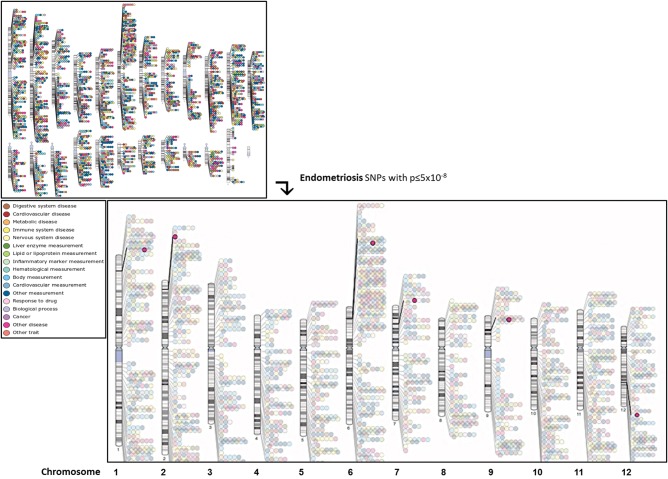
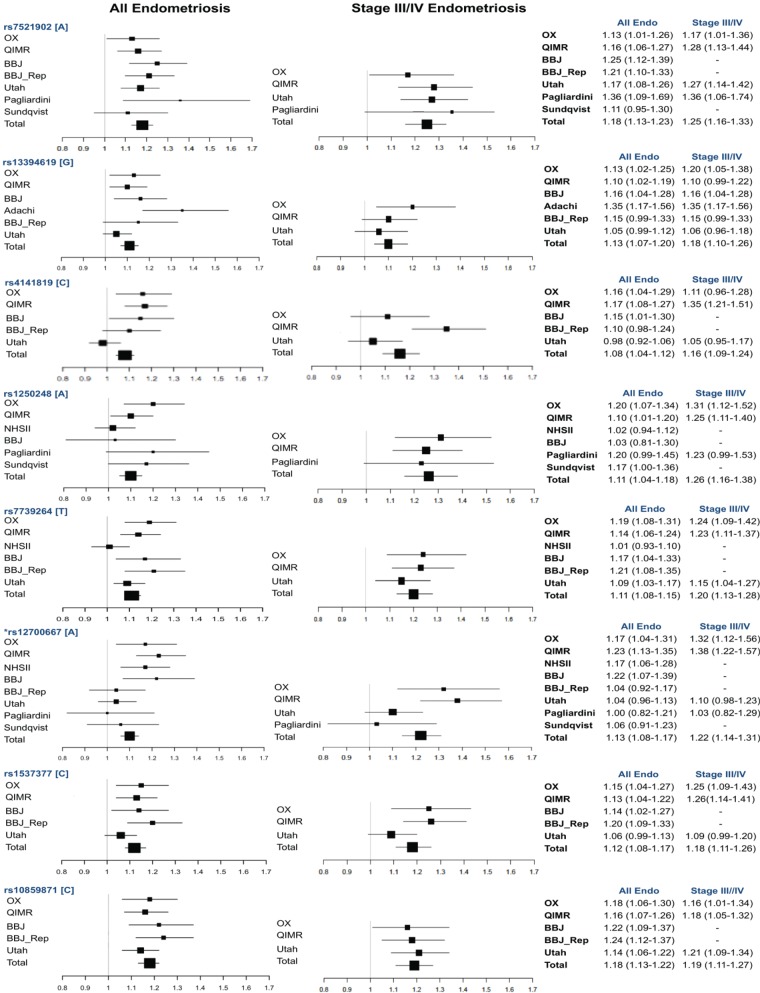
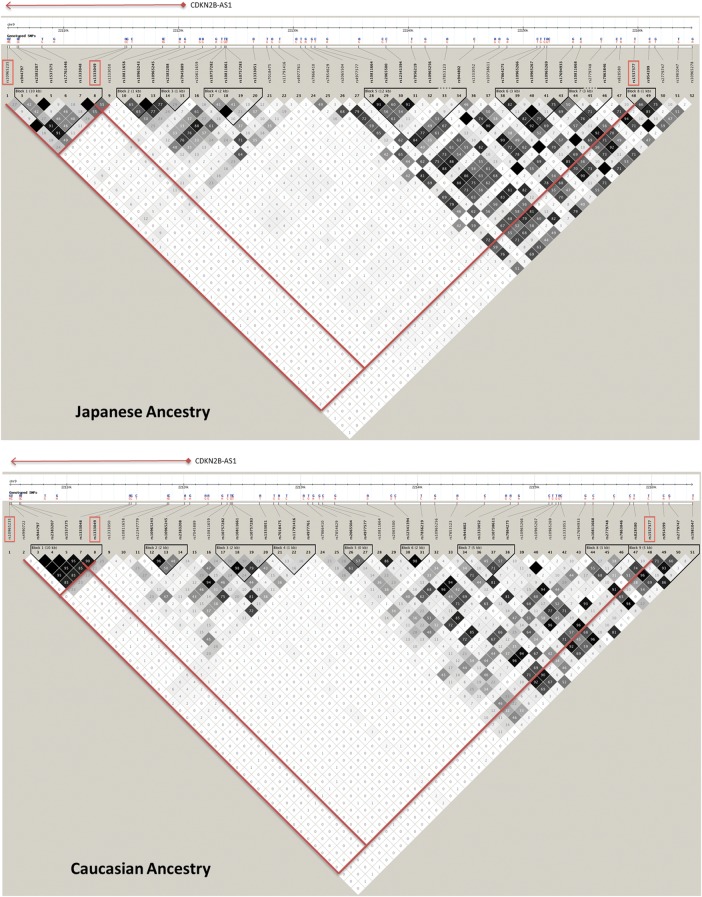
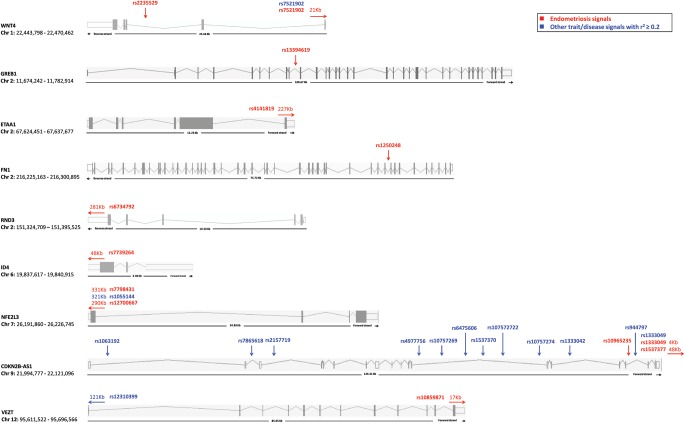
BACKGROUND: Endometriosis is a heritable common gynaecological condition influenced by multiple genetic and environmental factors. Genome-wide association studies (GWASs) have proved successful in identifying common genetic variants of moderate effects for various complex diseases. To date, eight GWAS and replication studies from multiple populations have been published on endometriosis. In this review, we investigate the consistency and heterogeneity of the results across all the studies and their implications for an improved understanding of the aetiology of the condition. METHODS: Meta-analyses were conducted on four GWASs and four replication studies including a total of 11 506 cases and 32 678 controls, and on the subset of studies that investigated associations for revised American Fertility Society (rAFS) Stage III/IV including 2859 cases. The datasets included 9039 cases and 27 343 controls of European (Australia, Belgium, Italy, UK, USA) and 2467 cases and 5335 controls of Japanese ancestry. Fixed and Han and Elkin random-effects models, and heterogeneity statistics (Cochran's Q test), were used to investigate the evidence of the nine reported genome-wide significant loci across datasets and populations. RESULTS: Meta-analysis showed that seven out of nine loci had consistent directions of effect across studies and populations, and six out of nine remained genome-wide significant (P < 5 × 10(-8)), including rs12700667 on 7p15.2 (P = 1.6 × 10(-9)), rs7521902 near WNT4 (P = 1.8 × 10(-15)), rs10859871 near VEZT (P = 4.7 × 10(-15)), rs1537377 near CDKN2B-AS1 (P = 1.5 × 10(-8)), rs7739264 near ID4 (P = 6.2 × 10(-10)) and rs13394619 in GREB1 (P = 4.5 × 10(-8)). In addition to the six loci, two showed borderline genome-wide significant associations with Stage III/IV endometriosis, including rs1250248 in FN1 (P = 8 × 10(-8)) and rs4141819 on 2p14 (P = 9.2 × 10(-8)). Two independent inter-genic loci, rs4141819 and rs6734792 on chromosome 2, showed significant evidence of heterogeneity across datasets (P < 0.005). Eight of the nine loci had stronger effect sizes among Stage III/IV cases, implying that they are likely to be implicated in the development of moderate to severe, or ovarian, disease. While three out of nine loci were inter-genic, the remaining were in or near genes with known functions of biological relevance to endometriosis, varying from roles in developmental pathways to cellular growth/carcinogenesis. CONCLUSIONS: Our meta-analysis shows remarkable consistency in endometriosis GWAS results across studies, with little evidence of population-based heterogeneity. They also show that the phenotypic classifications used in GWAS to date have been limited. Stronger associations with Stage III/IV disease observed for most loci emphasize the importance for future studies to include detailed sub-phenotype information. Functional studies in relevant tissues are needed to understand the effect of the variants on downstream biological pathways.
Overview
The claims and statistics of this paper haven’t been checked yet.
Free: it reads the open-access text and checks the first 5 claims that cite a source we can check. Create a free account to check every claim.
Integrity signals
Registry
Cites
Statistics
Figures
Verification
Claims the paper makes
The claims and statistics of this paper haven’t been checked yet.
Free: it reads the open-access text and checks the first 5 claims that cite a source we can check. Create a free account to check every claim.
Claims other papers make about this one
Each is checked against this paper’s own text: does it say what the citing paper says it does?
The source backs part of the claim, not all of it — or backs it for a different population, condition or comparison.
In the citing paper
“Multiple independent loci in the CDKN2BAS1 (also known as ANRIL) region on chromosome 9p21 have been robustly associated with endometriosis in genome-wide association studies in Japanese and European ancestry populations,(38, 39)”
From Endometriosis and Risk of Coronary Heart Disease (2016) · cites this paper as [38]
Experimental — accuracy not yet measuredThe source backs part of the claim, not all of it — or backs it for a different population, condition or comparison.
In the citing paper
“A meta-analysis of eight GWASs published to date (24) demonstrated SNPs in six genetic loci, including 7p15.2,WNT4, VEZT, CDKN2B-AS1, ID4, and GREB1 across European, American, and Japanese women with stage III-IV endometriosis.”
From Biomarkers in endometriosis: Challenges and opportunities (2017) · cites this paper as [24]
Experimental — accuracy not yet measuredThe source backs part of the claim, not all of it — or backs it for a different population, condition or comparison.
In the citing paper
“Even though GWASs have identified numerous SNPs associated with endometriosis risk across multiple populations, the strengths of the studies are affected by unstandardized methods of biologic sample collection, storage, and phenotyping of samples across studies, which may invariably lead to heterogeneous interpretations and findings (24).”
From Biomarkers in endometriosis: Challenges and opportunities (2017) · cites this paper as [24]
Experimental — accuracy not yet measuredThe cited source says what the claim attributes to it.
In the citing paper
“Additionally, endometriosis and CHD may share common genetic susceptibilities.”
From Endometriosis and Risk of Coronary Heart Disease (2016) · cites this paper as [38]
The cited source says what the claim attributes to it.
In the citing paper
“Previous GWA studies of endometriosis have implicated WNT signalling, oestrogen responsive genes and genes involved in the actin cytoskeleton and cellular adhesion1233.”
From Meta-analysis identifies five novel loci associated with endometriosis highlighting key genes involved in hormone metabolism (2017) · cites this paper as [12]
Self-check
Percentages, sums and reported differences re-computed from the paper’s own numbers.
The self-check needs the paper’s full text.
Citations
Cites
Quantifying heterogeneity in a meta‐analysis
Higgins, J. P. T., & Thompson, S. G. (2002) · Statistics in Medicine · doi:10.1002/sim.1186 · Cited by 36,763 · cited 1×
“Between-study heterogeneity was indicated by Q statistic P values , 0.1 (Ioannidis et al., 2007), as well as the I2 index, which indicates the percentage of variance attributable to heterogeneity (Higgins and Thompson, 2002).”
MethodInfluentialAn integrated encyclopedia of DNA elements in the human genome
The ENCODE Project Consortium (2012) · Nature · doi:10.1038/nature11247 · Cited by 18,072
Haploview: analysis and visualization of LD and haplotype maps
Barrett, J. C., Fry, B., Maller, J., & Daly, M. J. (2005) · Bioinformatics · doi:10.1093/bioinformatics/bth457 · Cited by 14,525 · cited 2×
“We determined the distance between each endometriosis SNP and SNPs associated with other diseases/traits in each chromosomal segment, and assessed LD (correlation, r2) between each SNP pair in the Caucasian and Japanese populations using the 1000 Genomes Pilot CEU and JPT data reference panels, implemented in Haplovie…”
MethodA haplotype map of the human genome
The International HapMap Consortium (2005) · Nature · doi:10.1038/nature04226 · Cited by 5,858
Wnt/β-Catenin Signaling in Development and Disease
Clevers, H. (2006) · Cell · doi:10.1016/j.cell.2006.10.018 · Cited by 5,568 · cited 1×
“Moreover, the Wnt/ b-catenin pathway is involved in development, tissue self-renewal and in various cancers and other disease such as type II diabetes and osteoporosis (Clevers, 2006; Klaus and Birchmeier, 2008; Clevers and Nusse, 2012).”
Wnt/β-catenin signaling and disease
Clevers, H., & Nusse, R. (2012) · Cell · doi:10.1016/j.cell.2012.05.012 · Cited by 5,554 · cited 1×
“Moreover, the Wnt/ b-catenin pathway is involved in development, tissue self-renewal and in various cancers and other disease such as type II diabetes and osteoporosis (Clevers, 2006; Klaus and Birchmeier, 2008; Clevers and Nusse, 2012).”
BackgroundThe combination of estimates from different experiments
Cochran, W. G. (1954) · Biometrics · doi:10.2307/3001666 · Cited by 5,380 · cited 2×
“Heterogeneity of allelic effects across studies was examined using the Cochran’s Q test (Cochran, 1954).”
MethodResultHost–microbe interactions have shaped the genetic architecture of inflammatory bowel disease
The International IBD Genetics Consortium (IIBDGC), Jostins, L., Ripke, S., Weersma, R. K., Duerr, R. H., McGovern, D. P., Hui, K. Y., Lee, J. C., Philip Schumm, L., Sharma, Y., et al. (2012) · Nature · doi:10.1038/nature11582 · Cited by 4,722 · cited 2×
“…to 100 000 cases, and have identified around 65 genome-wide significant variants associated with disease (Morris et al., 2012); the count of genome-wide significant loci associated with inflammatory bowel disease, involving up to 37 000 cases and controls, is as high as 163 (Jostins et al., 2012).”
BackgroundHindorff, L. A., Sethupathy, P., Junkins, H. A., Ramos, E. M., Mehta, J. P., Collins, F. S., & Manolio, T. A. (2009) · Proceedings of the National Academy of Sciences · doi:10.1073/pnas.0903103106 · Cited by 4,013 · cited 5×
“%) of genes, demonstrating that the interpretation of the signals typically requires further studies exploring the functionality of these regions (Hindorff et al., 2009).”
BackgroundMethodInfluentialGiudice, L. C., & Kao, L. C. (2004) · The Lancet · doi:10.1016/s0140-6736(04)17403-5 · Cited by 3,166
Cited by
Bulun, S. E., Yilmaz, B. D., Sison, C., Miyazaki, K., Bernardi, L., Liu, S., Kohlmeier, A., Yin, P., Milad, M., & Wei, J. (2019) · Endocrine Reviews · doi:10.1210/er.2018-00242 · Cited by 844
Risk for and consequences of endometriosis: A critical epidemiologic review
Shafrir, A. L., Farland, L. V., Shah, D. K., Harris, H. R., Kvaskoff, M., Zondervan, K., & Missmer, S. A. (2018) · Best Practice & Research Clinical Obstetrics & Gynaecology · doi:10.1016/j.bpobgyn.2018.06.001 · Cited by 823
Self-citationClinical Management of Endometriosis
Falcone, T., & Flyckt, R. (2018) · Obstetrics & Gynecology · doi:10.1097/aog.0000000000002469 · Cited by 569
Endometriosis: a high-risk population for major chronic diseases?
Kvaskoff, M., Mu, F., Terry, K. L., Harris, H. R., Poole, E. M., Farland, L., & Missmer, S. A. (2015) · Human Reproduction Update · doi:10.1093/humupd/dmv013 · Cited by 439
“Familial aggregation of endometriosis additionally suggests a genetic contribution to the disease (Montgomery et al., 2008), and some genetic factors have been identified in genome-wide association studies (Rahmioglu et al., 2014).”
BackgroundSelf-citationFertile ground: human endometrial programming and lessons in health and disease
Evans, J., Salamonsen, L. A., Winship, A., Menkhorst, E., Nie, G., Gargett, C. E., & Dimitriadis, E. (2016) · Nature Reviews Endocrinology · doi:10.1038/nrendo.2016.116 · Cited by 368
Melzer, D., Pilling, L. C., & Ferrucci, L. (2020) · Nature Reviews Genetics · doi:10.1038/s41576-019-0183-6 · Cited by 363
Epidemiology of endometriosis and its comorbidities
Parazzini, F., Esposito, G., Tozzi, L., Noli, S., & Bianchi, S. (2017) · European Journal of Obstetrics & Gynecology and Reproductive Biology · doi:10.1016/j.ejogrb.2016.04.021 · Cited by 349
Sapkota, Y., Steinthorsdottir, V., Morris, A. P., Fassbender, A., Rahmioglu, N., De Vivo, I., Buring, J. E., Zhang, F., Edwards, T. L., Jones, S., et al. (2017) · Nature Communications · doi:10.1038/ncomms15539 · Cited by 344
Self-citationGenome-wide analysis identifies 12 loci influencing human reproductive behavior
BIOS Consortium, Barban, N., Study, L. C., Jansen, R., de Vlaming, R., Vaez, A., Mandemakers, J. J., Tropf, F. C., Shen, X., Wilson, J. F., et al. (2016) · Nature Genetics · doi:10.1038/ng.3698 · Cited by 318
Self-citationAta, B., Yildiz, S., Turkgeldi, E., Brocal, V. P., Dinleyici, E. C., Moya, A., & Urman, B. (2019) · Scientific Reports · doi:10.1038/s41598-019-39700-6 · Cited by 291
Nebert, D. W. (2017) · Progress in Lipid Research · doi:10.1016/j.plipres.2017.06.001 · Cited by 275
GnRH and GnRH receptors in the pathophysiology of the human female reproductive system
Maggi, R., Cariboni, A. M., Marelli, M. M., Moretti, R. M., Andrè, V., Marzagalli, M., & Limonta, P. (2016) · Human Reproduction Update · doi:10.1093/humupd/dmv059 · Cited by 269
“Hormonal, genetic and immune factors are believed to be involved in the aetiology of endometriosis (Montgomery et al., 2008; Herington et al., 2011; Rahmioglu et al., 2014).”
BackgroundBiomarkers in endometriosis: Challenges and opportunities
Ahn, S. H., Singh, V., & Tayade, C. (2017) · Fertility and Sterility · doi:10.1016/j.fertnstert.2017.01.009 · Cited by 242
Endometriosis-Associated Macrophages: Origin, Phenotype, and Function
Hogg, C., Horne, A. W., & Greaves, E. (2020) · Frontiers in Endocrinology · doi:10.3389/fendo.2020.00007 · Cited by 238
“A meta-analysis of eight genome-wide association studies (GWAS) elucidated six loci associated with endometriosis(23) Genes implicated in disease 135”
MethodEndometriosis and Risk of Coronary Heart Disease
Mu, F., Rich-Edwards, J., Rimm, E. B., Spiegelman, D., & Missmer, S. A. (2016) · Circulation: Cardiovascular Quality and Outcomes · doi:10.1161/circoutcomes.115.002224 · Cited by 235
“Multiple independent loci in the CDKN2BAS1 (also known as ANRIL) region on chromosome 9p21 have been robustly associated with endometriosis in genome-wide association studies in Japanese and European ancestry populations,(38, 39) and has also been robustly associated with CHD outcomes.”
Self-citationInflammation and nerve fiber interaction in endometriotic pain
McKinnon, B. D., Bertschi, D., Bersinger, N. A., & Mueller, M. D. (2015) · Trends in Endocrinology & Metabolism · doi:10.1016/j.tem.2014.10.003 · Cited by 213
Saha, R., Pettersson, H. J., Svedberg, P., Olovsson, M., Bergqvist, A., Marions, L., Tornvall, P., & Kuja-Halkola, R. (2015) · Fertility and Sterility · doi:10.1016/j.fertnstert.2015.06.035 · Cited by 211
Kinase signalling pathways in endometriosis: potential targets for non-hormonal therapeutics
McKinnon, B. D., Kocbek, V., Nirgianakis, K., Bersinger, N. A., & Mueller, M. D. (2016) · Human Reproduction Update · doi:10.1093/humupd/dmv060 · Cited by 192
“Through the use of robust and reproducible genome wide association studies, the genetic basis of endometriosis is increasingly being elucidated (Rahmioglu et al., 2014) as are the peripheral changes and the extracellular environment that influence the disease progression and symptomology (Morotti…”
MethodImmune-inflammation gene signatures in endometriosis patients
Ahn, S. H., Khalaj, K., Young, S. L., Lessey, B. A., Koti, M., & Tayade, C. (2016) · Fertility and Sterility · doi:10.1016/j.fertnstert.2016.07.005 · Cited by 186
“Studies of genomewide association (21, 22) and microarrays have been conducted in the hopes of identifying nonhormonal therapeutic regimens and identifying biologic pathways relevant to endometriosis pathogenesis (23).”
BackgroundPeter, A. W., Adamson, G. D., Al-Jefout, M., Becker, C. M., D’Hooghe, T. M., Dunselman, G. A. J., Fazleabas, A., Giudice, L. C., Horne, A. W., Hull, M. L., et al. (2017) · Reproductive Sciences · doi:10.1177/1933719116654991 · Cited by 185
Self-citationThe role of TGF-β in the pathophysiology of peritoneal endometriosis
Young, V. J., Ahmad, S. F., Duncan, W. C., & Horne, A. W. (2017) · Human Reproduction Update · doi:10.1093/humupd/dmx016 · Cited by 184
New developments in the medical treatment of endometriosis
Bedaiwy, M. A., Alfaraj, S., Yong, P., & Casper, R. (2017) · Fertility and Sterility · doi:10.1016/j.fertnstert.2016.12.025 · Cited by 176
Recent insights on the genetics and epigenetics of endometriosis
Borghese, B., Zondervan, K. T., Abrao, M. S., Chapron, C., & Vaiman, D. (2017) · Clinical Genetics · doi:10.1111/cge.12897 · Cited by 165
Self-citationNon-coding RNAs in endometriosis: a narrative review
Panir, K., Schjenken, J. E., Robertson, S. A., & Hull, M. L. (2018) · Human Reproduction Update · doi:10.1093/humupd/dmy014 · Cited by 152
Park, S., Lim, W., Bazer, F. W., Whang, K., & Song, G. (2018) · The Journal of Nutritional Biochemistry · doi:10.1016/j.jnutbio.2018.09.024 · Cited by 157
Menstruation pulls the trigger for inflammation and pain in endometriosis
Laux-Biehlmann, A., d’Hooghe, T., & Zollner, T. M. (2015) · Trends in Pharmacological Sciences · doi:10.1016/j.tips.2015.03.004 · Cited by 150
Agrawal, S., Tapmeier, T. T., Rahmioglu, N., Kirtley, S., Zondervan, K. T., & Becker, C. M. (2018) · International Journal of Molecular Sciences · doi:10.3390/ijms19020599 · Cited by 128
“Increasing evidence suggests that genetic factors play a significant role in the pathophysiology of endometriosis; however, the implicated genetic loci typically reside in intergenic or intronic regions that may regulate gene expression [33,34], rather than in coding regions.”
BackgroundSelf-citationEpigenetic Dysregulation in Endometriosis: Implications for Pathophysiology and Therapeutics
Marquardt, R. M., Tran, D. N., Lessey, B. A., Rahman, M. S., & Jeong, J. (2023) · Endocrine Reviews · doi:10.1210/endrev/bnad020 · Cited by 148
Endometriosis: current challenges in modeling a multifactorial disease of unknown etiology
Malvezzi, H., Marengo, E. B., Podgaec, S., & Piccinato, C. D. A. (2020) · Journal of Translational Medicine · doi:10.1186/s12967-020-02471-0 · Cited by 135
“Some of these studies revealed, for instance, novel associations between endometriosis (and some specific phenotypes) with the Wnt Family Member 4 (WNT4) locus [91] and the mitogenactivated protein kinase (MAPK)-related pathway [90].”
BackgroundThe genetic architecture of sporadic and multiple consecutive miscarriage
Laisk, T., Soares, A. L. G., Ferreira, T., Painter, J. N., Censin, J. C., Laber, S., Bacelis, J., Chen, C.-Y., Lepamets, M., Lin, K., et al. (2020) · Nature Communications · doi:10.1038/s41467-020-19742-5 · Cited by 111
Self-citationMcNamara, H. C., Frawley, H., Donoghue, J. F., Readman, E., Healey, M., Ellett, L., Reddington, C., Hicks, L. J., Harlow, K., Rogers, P. A. W., et al. (2021) · Frontiers in Reproductive Health · doi:10.3389/frph.2021.729642 · Cited by 125
Guo, M., Bafligil, C., Tapmeier, T. T., Hubbard, C., Manek, S., Shang, C. A., Martínez, F. O., Schmidt, N., Obendorf, M., Hess‐Stumpp, H., et al. (2020) · BMC Medicine · doi:10.1186/s12916-019-1470-y · Cited by 116
Self-citationUimari, O., Rahmioglu, N., Nyholt, D. R., Vincent, K., Missmer, S. A., Becker, C., Morris, A. P., Montgomery, G. W., & Zondervan, K. T. (2017) · Human Reproduction · doi:10.1093/humrep/dex024 · Cited by 107
“The GWAS for endometriosis conducted to date have identi fi ed 10 genome-wide signi fi cantly associated variants (Rahmioglu et al. , 2014; Zondervan et al. , 2016), in data sets including women of European and Japanese ancestry (Uno et al. , 2010; Painter et al. , 2011; Nyholt et al. , 2012;…”
BackgroundInfluentialSelf-citationPathophysiology and management of urinary tract endometriosis
Nezhat, C., Falik, R., McKinney, S., & King, L. P. (2017) · Nature Reviews Urology · doi:10.1038/nrurol.2017.58 · Cited by 113
Epithelial Mutations in Endometriosis: Link to Ovarian Cancer
Bulun, S. E., Wan, Y., & Matei, D. (2019) · Endocrinology · doi:10.1210/en.2018-00794 · Cited by 104
Tarín, J. J., García‐Pérez, M. Á., Hamatani, T., & Cano, A. (2015) · Reproductive Biology and Endocrinology · doi:10.1186/s12958-015-0029-9 · Cited by 111
“The etiology of endometriosis is still unknown but it is thought it is influenced by genetic, epigenetic, hormonal, environmental and immunological factors (for reviews, see [81,83,86-88]).”
Fruit and vegetable consumption and risk of endometriosis
Harris, H. R., Eke, A. C., Chavarro, J. E., & Missmer, S. A. (2018) · Human Reproduction · doi:10.1093/humrep/dey014 · Cited by 109
Self-citationGenetic, Epigenetic, and Steroidogenic Modulation Mechanisms in Endometriosis
Zubrzycka, A., Zubrzycki, M., Perdas, E., & Zubrzycka, M. (2020) · Journal of Clinical Medicine · doi:10.3390/jcm9051309 · Cited by 92
Dawson, A., Llauradó Fernandez, M., Anglesio, M., Yong, P. J., & Carey, M. S. (2018) · ecancermedicalscience · doi:10.3332/ecancer.2018.803 · Cited by 106
Pathogenesis of Endometriosis and Endometriosis-Associated Cancers
Adilbayeva, A., & Kunz, J. (2024) · International Journal of Molecular Sciences · doi:10.3390/ijms25147624 · Cited by 107
“GREB1 , which has been identified in previous GWASs [82,83], is a target gene of E2/ER α [84] and functions as a chromatin-bound estrogen receptor cofactor in endometriosis, promoting the growth and proliferation of estrogen-responsive cells [84–87].”
BackgroundEndometriosis-Related Chronic Pelvic Pain
Song, S. Y., Jung, Y. W., Shin, W., Park, M., Lee, G. W., Jeong, S., An, S., Kim, K.-M., Ko, Y. B., Lee, K. H., et al. (2023) · Biomedicines · doi:10.3390/biomedicines11102868 · Cited by 97
Stem Cell Trafficking During Endometriosis: May Epigenetics Play a Pivotal Role?
Laganà, A. S., Salmeri, F. M., Vitale, S. G., Triolo, O., & Götte, M. (2018) · Reproductive Sciences · doi:10.1177/1933719116687661 · Cited by 91
Endometriosis and polycystic ovary syndrome are diametric disorders
Dinsdale, N. L., & Crespi, B. J. (2021) · Evolutionary Applications · doi:10.1111/eva.13244 · Cited by 90
“…2015; Sampson, 1927; Sasson & Taylor, 2008), identification of predisposing genes and environmental risk factors (García- Peñarrubia et al., 2020; Rahmioglu et al., 2014), and studies of steroid and immunological pathways that promote lesion establishment and growth (García- Gómez et al., 2020;…”
BackgroundThe bidirectional relationship between endometriosis and microbiome
Uzuner, C., Mak, J., El‐Assaad, F., & Condous, G. S. (2023) · Frontiers in Endocrinology · doi:10.3389/fendo.2023.1110824 · Cited by 88
Beyond Endometriosis Genome-Wide Association Study: From Genomics to Phenomics to the Patient
Rahmioglu, N., Morris, A., Nyholt, D., Montgomery, G., Becker, C., Missmer, S., & Zondervan, K. (2016) · Seminars in Reproductive Medicine · doi:10.1055/s-0036-1585408 · Cited by 84
Self-citationRahmioglu, N., Montgomery, G. W., & Zondervan, K. T. (2015) · Women's Health · doi:10.2217/whe.15.41 · Cited by 73
Self-citationOrigins and Progression of Adolescent Endometriosis
Brosens, I. A., Gargett, C. E., Guo, S., Puttemans, P., Gordts, S., Brosens, J. J., & Benagiano, G. (2016) · Reproductive Sciences · doi:10.1177/1933719116637919 · Cited by 78
The role of gene polymorphisms in endometriosis
Matalliotakis, M., Zervou, M. I., Matalliotaki, C., Rahmioglu, N., Koumantakis, G., Kalogiannidis, I., Prapas, I., Zondervan, K., Spandidos, D. A., Matalliotakis, I., et al. (2017) · Molecular Medicine Reports · doi:10.3892/mmr.2017.7398 · Cited by 75
“The rs10859871 is located in the chromosome 12q22 region, 17 kb upstream of the VEZT gene (14).”
InfluentialSelf-citationGiacomini, E., Minetto, S., Piani, L. L., Pagliardini, L., Somigliana, E., & Viganò, P. (2021) · International Journal of Molecular Sciences · doi:10.3390/ijms22169033 · Cited by 76
“In general, GWAS investigates associations between common genetic variants and complex diseases, while pathway analysis is critical to detect the effects of GWAS variant data in genes, highlighting the pathogenic pathways involved [31].”
BackgroundIdentifying the Biological Basis of GWAS Hits for Endometriosis1
Fung, J. N., Rogers, P. A. W., & Montgomery, G. W. (2015) · Biology of Reproduction · doi:10.1095/biolreprod.114.126458 · Cited by 70
“Results have been summarized [11, 18], and a recent meta-analysis was conducted combining data from all of these studies [11].”
BackgroundMethodInfluentialSelf-citationBorghese, B., Santulli, P., Marcellin, L., & Chapron, C. (2018) · Gynécologie Obstétrique Fertilité & Sénologie · doi:10.1016/j.gofs.2018.02.017 · Cited by 78
New biomarkers in endometriosis
(2019) · Advances in clinical chemistry · doi:10.1016/bs.acc.2018.12.002 · Cited by 72
Approach to Diagnosis and Management of Chronic Pelvic Pain in Women
Till, S. R., Nakamura, R., Schrepf, A., & As‐Sanie, S. (2022) · Obstetrics and Gynecology Clinics of North America · doi:10.1016/j.ogc.2022.02.006 · Cited by 69
Martire, F. G., Giorgi, M., d’Abate, C., Colombi, I., Ginetti, A., Cannoni, A., Fedele, F., Exacoustós, C., Centini, G., Zupi, E., et al. (2024) · Journal of Clinical Medicine · doi:10.3390/jcm13020550 · Cited by 70
“Two aberrant loci (i.e., 10q26 and 7p13–15) coding for harboring genes, including CYP2C19, INHBA, SFRP4 and HOXA10, had a positive correlation with endometriosis [48].”
BackgroundRole for Growth Regulation by Estrogen in Breast Cancer 1 (GREB1) in Hormone-Dependent Cancers
Cheng, M., Michalski, S., & Kommagani, R. (2018) · International Journal of Molecular Sciences · doi:10.3390/ijms19092543 · Cited by 64
Endometriosis research in the -omics era
Goulielmos, G. N., Matalliotakis, M., Matalliotaki, C., Eliopoulos, E., Matalliotakis, I., & Zervou, M. I. (2020) · Gene · doi:10.1016/j.gene.2020.144545 · Cited by 62
Angioni, S. L., D’Alterio, M. N., Coiana, A., Anni, F., Gessa, S., & Deiana, D. (2020) · International Journal of Molecular Sciences · doi:10.3390/ijms21051765 · Cited by 61
Vannuccini, S., Lazzeri, L., Orlandini, C., Tosti, C., Clifton, V. L., & Petraglia, F. (2016) · Fertility and Sterility · doi:10.1016/j.fertnstert.2015.12.127 · Cited by 63
Current biomarkers for the detection of endometriosis
Tian, Z., Chang, X., Zhao, Y. P., & Zhu, H. (2020) · Chinese Medical Journal · doi:10.1097/cm9.0000000000001063 · Cited by 60
“The emergence of genome-wide association studies makes it possible to detect single-nucleotide polymorphisms which are closely related to the high risk of a particular disease or condition.([60,61]) Single-nucleotide polymorphisms in six genomic regions have been identified to be possibly involved in endometriosis pat…”
BackgroundMetabolic risk factors and fertility disorders: A narrative review of the female perspective
Westerman, R., & Kuhnt, A. (2021) · Reproductive Biomedicine & Society Online · doi:10.1016/j.rbms.2021.09.002 · Cited by 59
New Insights into Genetics of Endometriosis—A Comprehensive Literature Review
Chiorean, D. M., Mitranovici, M.-I., Toru, H. S., Cotoi, T. C., Tomuț, A. N., Turdean, S. G., & Cotoi, O. S. (2023) · Diagnostics · doi:10.3390/diagnostics13132265 · Cited by 52
Rahmioğlu, N., Drong, A., Lockstone, H. E., Tapmeier, T. T., Hellner, K., Saare, M., Laisk, T., Dew, C., Tough, E., Nicholson, G., et al. (2017) · Epigenetics · doi:10.1080/15592294.2017.1367475 · Cited by 50
Self-citationCandidate genes for age at menarche are associated with endometriosis
Ponomarenko, I., Reshetnikov, E., Polonikov, A., Verzilina, I., Sorokina, I., Elgaeva, E. E., Tsepilov, Y. A., Yermachenko, A., Dvornyk, V., & Churnosov, M. (2020) · Reproductive BioMedicine Online · doi:10.1016/j.rbmo.2020.04.016 · Cited by 49
“However, only few of the GWAS-identified significant SNPs were replicated (Pagliardini et al., 2013, 2015; Sundqvist et al., 2013; Rahmioglu et al., 2014; Sapkota et al., 2015, 2017b).”
BackgroundCommon variants upstream of KDR encoding VEGFR2 and in TTC39B associate with endometriosis
Steinthorsdottir, V., Thorleifsson, G., Aradottir, K., Feenstra, B., Sigurdsson, A., Stefansdottir, L., Kristinsdottir, A. M., Zink, F., Halldorsson, G. H., Munk Nielsen, N., et al. (2016) · Nature Communications · doi:10.1038/ncomms12350 · Cited by 48
Functional evaluation of genetic variants associated with endometriosis near GREB1
Fung, J. N., Holdsworth-Carson, S. J., Sapkota, Y., Zhao, Z. Z., Jones, L., Girling, J. E., Paiva, P., Healey, M., Nyholt, D. R., Rogers, P. A. W., et al. (2015) · Human Reproduction · doi:10.1093/humrep/dev051 · Cited by 46
Self-citationEpidemiological and Clinical Risk Factors for Endometriosis
Farland, L. V., Shah, D. K., Kvaskoff, M., Zondervan, K. T., & Missmer, S. A. (2017) · Springer eBooks · doi:10.1007/978-3-319-59856-7_6 · Cited by 48
Self-citationButler, M. G., McGuire, A., & Manzardo, A. M. (2015) · Journal of Assisted Reproduction and Genetics · doi:10.1007/s10815-014-0411-0 · Cited by 46
Albertsen, H., & Ward, K. J. (2017) · Reproductive Sciences · doi:10.1177/1933719116660847 · Cited by 46
Schwartz, N. R. M., Afeiche, M. C., Terry, K. L., Farland, L. V., Chavarro, J. E., Missmer, S. A., & Harris, H. R. (2022) · Journal of Nutrition · doi:10.1093/jn/nxac107 · Cited by 46
Self-citationCellular Origins of Endometriosis: Towards Novel Diagnostics and Therapeutics
Filby, C. E., Rombauts, L. J. F., Montgomery, G. W., Giudice, L. C., & Gargett, C. E. (2020) · Seminars in Reproductive Medicine · doi:10.1055/s-0040-1713429 · Cited by 45
Self-citationIndependent Replication and Meta-Analysis for Endometriosis Risk Loci
Sapkota, Y., Fassbender, A., Bowdler, L., Fung, J. N., Peterse, D., O, D., Montgomery, G. W., Nyholt, D. R., & D'Hooghe, T. M. (2015) · Twin Research and Human Genetics · doi:10.1017/thg.2015.61 · Cited by 43
“Association signal at this locus was also not replicated in a recent meta-analysis for endometriosis (Rahmioglu et al., 2014), suggesting that further investigation is required to confirm a role for this locus in the risk of endometriosis.”
ResultSelf-citationEarly-life factors, in-utero exposures and endometriosis risk: a meta-analysis
Ottolina, J., Schimberni, M., Makieva, S., Bartiromo, L., Fazia, T., Bernardinelli, L., Viganò, P., Candiani, M., & Gentilini, D. (2020) · Reproductive BioMedicine Online · doi:10.1016/j.rbmo.2020.04.005 · Cited by 42
Genetics of endometriosis: state of the art on genetic risk factors for endometriosis
Fung, J. N., & Montgomery, G. W. (2018) · Best Practice & Research Clinical Obstetrics & Gynaecology · doi:10.1016/j.bpobgyn.2018.01.012 · Cited by 41
Self-citationEndometrial vezatin and its association with endometriosis risk
Holdsworth-Carson, S. J., Fung, J. N., Luong, H. T. T., Sapkota, Y., Bowdler, L. M., Wallace, L., Teh, W. T., Powell, J. E., Girling, J. E., Healey, M., et al. (2016) · Human Reproduction · doi:10.1093/humrep/dew047 · Cited by 41
Self-citationEast and South East Asian Ethnicity and Moderate-to-Severe Endometriosis
Williams, C., Long, A. J., Noga, H. L., Allaire, C., Bedaiwy, M. A., Lisonkova, S., & Yong, P. J. (2018) · Journal of Minimally Invasive Gynecology · doi:10.1016/j.jmig.2018.06.009 · Cited by 41
Role of HOXA10 in pathologies of the endometrium
Mishra, A., & Modi, D. N. (2024) · Reviews in Endocrine and Metabolic Disorders · doi:10.1007/s11154-024-09923-8 · Cited by 39
Bylińska, A., Wilczyńska, K., Malejczyk, J., Milewski, Ł., Wagner, M., Jasek, M., Niepiekło-Miniewska, W., Wiśniewski, A., Płoski, R., Barcz, E., et al. (2018) · Molecular Genetics and Genomics · doi:10.1007/s00438-017-1404-3 · Cited by 38
“Previous GWA studies of endometriosis have implicated WNT (wingless-type MMTV integration site) signaling and oestrogen responsive genes, genes involved in the actin cytoskeleton and cellular adhesion (Rahmioglu et al. 2014; Nyholt et al. 2012), the CDKN2BAS locus encoding the cyclin-dependent kinase inhibitor 2B anti…”
BackgroundEndometriosis and risk of cardiovascular disease: a systematic review and meta-analysis
Parsa, S., Noroozpoor, R., Dehghanbanadaki, H., Khateri, S., & Moradi, Y. (2025) · BMC Public Health · doi:10.1186/s12889-025-21486-0 · Cited by 40
Endometriosis: new insights and opportunities for relief of symptoms
Saunders, P. T. K., & Horne, A. W. (2025) · Biology of Reproduction · doi:10.1093/biolre/ioaf164 · Cited by 40
Pagliardini, L., Gentilini, D., Sanchez, A. M., Candiani, M., Viganò, P., & Di Blasio, A. M. (2015) · Human Reproduction · doi:10.1093/humrep/dev022 · Cited by 37
“The present study also confirms the CDKN2B-AS1 locus as significantly associated with the disease (Uno et al., 2010; Nyholt et al., 2012; Pagliardini et al., 2013; Rahmioglu et al., 2014).”
BackgroundMethodResultInfluentialThe genetic regulation of transcription in human endometrial tissue
Fung, J. N., Girling, J. E., Lukowski, S. W., Sapkota, Y., Wallace, L., Holdsworth-Carson, S. J., Henders, A. K., Healey, M., Rogers, P. A. W., Powell, J. E., et al. (2017) · Human Reproduction · doi:10.1093/humrep/dex006 · Cited by 35
Self-citationAssociation of endometriosis with cardiovascular disease: Genetic aspects (Review)
Vazgiourakis, V., Zervou, M. I., Papageorgiou, L., Chaniotis, D. I., Spandidos, D. A., Vlachakis, D. P., Eliopoulos, E., & Goulielmos, G. N. (2023) · International Journal of Molecular Medicine · doi:10.3892/ijmm.2023.5232 · Cited by 37
Systematic review of genome-wide association studies on susceptibility to endometriosis
Cardoso, J. V., Perini, J. A., Machado, D. E., Pinto, R., & Medeiros, R. (2020) · European Journal of Obstetrics & Gynecology and Reproductive Biology · doi:10.1016/j.ejogrb.2020.10.017 · Cited by 36
Tan, J., Xu, T., Gou, Y., Wang, H., Liang, Z., Cao, Y., Wang, H., Yu, Y., Jiao, N., & Zhang, Z. (2022) · Stem Cell Research & Therapy · doi:10.1186/s13287-022-02981-2 · Cited by 37
Physiomimetic Models of Adenomyosis
Gnecco, J. S., Brown, A. T., Kan, E. L., Baugh, L. M., Ives, C., Loring, M., & Griffith, L. G. (2020) · Seminars in Reproductive Medicine · doi:10.1055/s-0040-1719084 · Cited by 34
Datkhayeva, Z., Iskakova, A., Mireeva, A., Seitaliyeva, A., Skakova, R., Kulniyazova, G., Shayakhmetova, A., Koshkimbayeva, G., Sarmuldayeva, C., Nurseitova, L., et al. (2025) · Medicina · doi:10.3390/medicina61050811 · Cited by 33
“An SCFA deficiency may contribute to increased inflammation by promoting the activation of the NOD-like receptor pyrin domain-containing 3 (NLRP3) inflammasome, further linking gut dysbiosis to EM pathogenesis [76–78].”
The role of IL‑16 gene polymorphisms in endometriosis
Matalliotakis, M., Zervou, M. I., Eliopoulos, E., Matalliotaki, C., Rahmioğlu, N., Kalogiannidis, I. A., Zondervan, K. T., Spandidos, D. A., Matalliotakis, I., & Goulielmos, G. N. (2018) · International Journal of Molecular Medicine · doi:10.3892/ijmm.2018.3368 · Cited by 33
Self-citationRole of FN1 and GREB1 gene polymorphisms in endometriosis
Matalliotaki, C., Matalliotakis, M., Rahmioglu, N., Mavromatidis, G., Matalliotakis, I., Koumantakis, G., Zondervan, K., Spandidos, D., Goulielmos, G., & Zervou, M. (2019) · Molecular Medicine Reports · doi:10.3892/mmr.2019.10247 · Cited by 8
Self-citationSapkota, Y., Vivo, I. D., Steinthorsdottir, V., Fassbender, A., Bowdler, L., Buring, J. E., Edwards, T. L., Jones, S., O, D., Peterse, D., et al. (2017) · Scientific Reports · doi:10.1038/s41598-017-10440-9 · Cited by 29
Self-citationZubrzycka, A., Migdalska‐Sęk, M., Jędrzejczyk, S., & Brzeziańska‐Lasota, E. (2021) · Current Issues in Molecular Biology · doi:10.3390/cimb43020064 · Cited by 31
Endometriosis biomarkers of the disease: an update
Soto, D. E., Rassier, S. L. C., Green, I. C., Burnett, T. L., Khan, Z., & Cope, A. G. (2022) · Current Opinion in Obstetrics & Gynecology · doi:10.1097/gco.0000000000000798 · Cited by 31
Endométriose : physiopathologie, facteurs génétiques et diagnostic clinique
Daraï, É., Ploteau, S., Ballester, M., & Bendifallah, S. (2017) · La Presse Médicale · doi:10.1016/j.lpm.2017.10.003 · Cited by 34
Epidemiology of subtle, typical, cystic, and deep endometriosis: a systematic review
Koninckx, P. R., Ussia, A., Keckstein, J., Wattiez, A., & Adamyan, L. (2016) · Gynecological Surgery · doi:10.1007/s10397-016-0970-4 · Cited by 30
'Behind blue eyes': the association between eye colour and deep infiltrating endometriosis
Vercellini, P., Buggio, L., Somigliana, E., Dridi, D., Marchese, M. A., & Viganò, P. (2014) · Human Reproduction · doi:10.1093/humrep/deu169 · Cited by 28
Xin, L., Hou, Q., Xiong, Q., & DING, X. (2015) · Biomedical Reports · doi:10.3892/br.2015.447 · Cited by 28
Баранов, В. С., Ivaschenko, T. E., & Yarmolinskaya, M. I. (2016) · Systems Biology in Reproductive Medicine · doi:10.3109/19396368.2015.1123325 · Cited by 28
“The rest are candidate genes identified in functional mapping studies [Rahmioglu et al. 2014; Baranov et al. 2015].”
BackgroundEndometrial Mesenchymal Stem/Stromal Cells, Their Fibroblast Progeny in Endometriosis, and More1
Gargett, C. E., & Gurung, S. (2016) · Biology of Reproduction · doi:10.1095/biolreprod.116.141325 · Cited by 28
Genetic Causes of Female Infertility
Beke, A. (2019) · Experientia supplementum · doi:10.1007/978-3-030-25905-1_17 · Cited by 28
Hodgkinson, K. M., & Vanderhyden, B. C. (2014) · Expert Opinion on Therapeutic Targets · doi:10.1517/14728222.2014.936382 · Cited by 28
“The odds ratio for the GREB1 SNP (and 5/6 of the other SNPs) increased as the proportion of advanced (III/IV) stage cases increased, suggesting that they are involved in the progression of the disease [48].”
BackgroundIncreased risk of rheumatoid arthritis in patients with endometriosis: genetic aspects
Zervou, M. I., Vlachakis, D. P., Papageorgiou, L., Eliopoulos, E., & Goulielmos, G. N. (2022) · Rheumatology · doi:10.1093/rheumatology/keac143 · Cited by 26
Metadata
- Authors
- Rahmioglu, N., Nyholt, D. R., Morris, A. P., Missmer, S. A., Montgomery, G. W., & Zondervan, K. T.
- Affiliations
- QIMR Berghofer Medical Research Institute (AU)
- Centre for Human Genetics (GB)
- Brigham and Women's Hospital (US)
- Venue
- Human Reproduction Update
- Publisher
- Oxford University Press (OUP)
- Published
- 2014-03-27
- Volume
- 20
- Issue
- 5
- Pages
- 702-716
- ISSN
- 1355-4786 (ISSN-L)
- 1460-2369
- PMC
- PMC4132588
- OpenAlex
- W2119663632
- Semantic Scholar
- f116daee458b8f44b1c06c6bfbf2209f8c51a7d5
- Cited by
- 238
- References
- 91
- Citations by year
- 2026: 13 · 2025: 18 · 2024: 13 · 2023: 17 · 2022: 20 · 2021: 16 · 2020: 27 · 2019: 17 · 2018: 24 · 2017: 25 · 2016: 24 · 2015: 20 · 2014: 4
- FWCI
- 3.81
- Type
- journal article
- Language
- en
- Open access
- hybrid
- doi.org
- Licence
- cc-by
- Locations
- Human Reproduction Update (publishedVersion, cc-by)
- PubMed Central (publishedVersion, cc-by)
- PubMed (publishedVersion)
- QUT ePrints (Queensland University of Technology) (submittedVersion)
- Digital Access to Scholarship at Harvard (DASH) (Harvard University) (submittedVersion, cc-by)
- HighWire Press Open Archive (submittedVersion)
- Faculty of Health; Institute of Health and Biomedical Innovation
- Funders
- Wellcome Trust (098017, 085235, 084766, WT085235/Z/08/Z, 090532)
- Medical Research Council (MR/K011480/1)
- National Human Genome Research Institute
- Topics
- Health Sciences › Medicine › Reproductive Medicine › Endometriosis Research and Treatment
- Life Sciences › Biochemistry, Genetics and Molecular Biology › Genetics › Genetic Associations and Epidemiology
- Life Sciences › Agricultural and Biological Sciences › Ecology, Evolution, Behavior and Systematics › Plant and fungal interactions
- Keywords
- endometriosis, genetic susceptibility, genetic variants, genome-wide association study, replication study, study heterogeneity, Wnt4, CDKN2B-AS1, Id4, GREB1, FN1, advanced-stage endometriosis, Japanese ancestry, European ancestry
- MeSH terms
- Endometriosis, Female, Humans, Phenotype, Risk, Genetic Predisposition to Disease, White People, Genome-Wide Association Study
About these checks
Registry, retraction, Cites and statistics results are computed, not judged, with one exception: a printed reference that no index lists is read once by a model before it counts as a citation error. Claims are extracted by a model and kept only when their quote appears verbatim in the text; each cited source is then checked, with a model’s help, for whether it says what the claim relies on. Those verdicts can be wrong — read the claim’s quote and the cited source before relying on one.
Statistics and arithmetic are recomputed, not judged.
Confidence bands are shown only for fields calibrated on our annotated test set. None is calibrated yet, so no band is shown.
What counts as a claim ›How we measure confidence ›How we check this ›
Are you an author, or do you see a problem with this page? Request a review
Data sources
Bibliographic data: Semantic Scholar, OpenAlex, Crossref.
Contains information from the Semantic Scholar Academic Graph Datasets, made available under the ODC Attribution License (ODC-BY 1.0).
Semantic Scholar’s data is described in: Kinney, R., et al. (2023). The Semantic Scholar Open Data Platform. arXiv:2301.10140.
