

Quantifying microbial guilds
Open accessPublished version of a preprint
The DOI matches its Crossref record; 122 of the 122 references it cites were found in a registry or an index.
Abstract
The ecological role of microorganisms is of utmost importance due to their multiple interactions with the environment. However, assessing the contribution of individual taxonomic groups has proven difficult despite the availability of high throughput data, hindering our understanding of such complex systems. Here, we propose a quantitative definition of guild that is readily applicable to metagenomic data. Our framework focuses on the functional character of protein sequences, as well as their diversifying nature. First, we discriminate functional sequences from the whole sequence space corresponding to a gene annotation to then quantify their contribution to the guild composition across environments. In addition, we identify and distinguish functional implementations, which are sequence spaces that have different ways of carrying out the function. In contrast, we found that orthology delineation did not consistently align with ecologically (or functionally) distinct implementations of the function. We demonstrate the value of our approach with two case studies: the ammonia oxidation and polyamine uptake guilds from the Malaspina circumnavigation cruise, revealing novel ecological dynamics of the latter in marine ecosystems. Thus, the quantification of guilds helps us to assess the functional role of different taxonomic groups with profound implications on the study of microbial communities.
Overview
The claims and statistics of this paper haven’t been checked yet.
Free: it reads the open-access text and checks the first 5 claims that cite a source we can check. Create a free account to check every claim.
Integrity signals
Registry
Cites
Statistics
Figures
Verification
Claims the paper makes
The claims and statistics of this paper haven’t been checked yet.
Free: it reads the open-access text and checks the first 5 claims that cite a source we can check. Create a free account to check every claim.
Claims other papers make about this one
Each is checked against this paper’s own text: does it say what the citing paper says it does?
In the citing paper
“Originally an ecological concept, guilds are groups of species that use similar resources in similar ways and contribute to the same ecological function.179,180”
From Gut dysbiosis in oncology: a risk factor for immunoresistance (2026) · doi:10.1038/s41422-025-01212-6 · cites this paper as [179]
Self-check
Percentages, sums and reported differences re-computed from the paper’s own numbers.
The self-check needs the paper’s full text.
Citations
Cites
1 retracted
Molecular characterization of Legionella pneumophila-induced interleukin-8 expression in T cells
Takamatsu, R., Teruya, H., Takeshima, E., Ishikawa, C., Matsumoto, K., Mukaida, N., Li, J.-D., Heuner, K., Higa, F., Fujita, J., et al. (2010) · BMC Microbiology · doi:10.1186/1471-2180-10-1 · Cited by 337
RetractedIQ-TREE 2: New Models and Efficient Methods for Phylogenetic Inference in the Genomic Era
Minh, B. Q., Schmidt, H. A., Chernomor, O., Schrempf, D., Woodhams, M. D., von Haeseler, A., & Lanfear, R. (2020) · Molecular Biology and Evolution · doi:10.1093/molbev/msaa015 · Cited by 16,873 · cited 1×
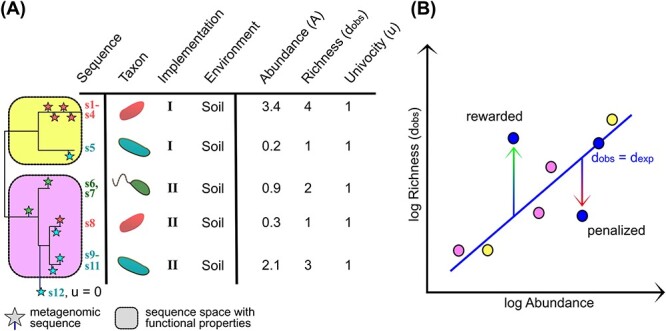
“Consequently, when computing the impact coefficients later in Equation (2), the term d obs, s / d exp, s rewards sequences that display a larger richness than expected.”
BackgroundCd-hit: Accelerated for clustering the next-generation sequencing data
Fu, L., Niu, B., Zhu, Z., Wu, S., & Li, W. (2012) · Bioinformatics · doi:10.1093/bioinformatics/bts565 · Cited by 11,175 · cited 1×
“Consequently, when computing the impact coefficients later in Equation (2), the term d obs, s / d exp, s rewards sequences that display a larger richness than expected.”
BackgroundMUSCLE: a multiple sequence alignment method with reduced time and space complexity
Edgar, R. C. (2004) · BMC Bioinformatics · doi:10.1186/1471-2105-5-113 · Cited by 8,970
GTDB-Tk: a toolkit to classify genomes with the Genome Taxonomy Database
Chaumeil, P.-A., Mussig, A. J., Hugenholtz, P., & Parks, D. H. (2020) · Bioinformatics · doi:10.1093/bioinformatics/btz848 · Cited by 5,259 · cited 1×
“Consequently, when computing the impact coefficients later in Equation (2), the term d obs, s / d exp, s rewards sequences that display a larger richness than expected.”
BackgroundLetunic, I., & Bork, P. (2016) · Nucleic Acids Research · doi:10.1093/nar/gkw290 · Cited by 5,016 · cited 2×
“The phylogenetic placement tree was visualized using the Interactive Tree of Life [51].”
MethodDecoupling function and taxonomy in the global ocean microbiome
Louca, S., Parfrey, L. W., & Doebeli, M. (2016) · Science · doi:10.1126/science.aaf4507 · Cited by 3,510 · cited 1×
“Then, we placed query sequences with the tool EPA-ng 0.3.8 [49].”
MethodInfluentialSeqKit: A Cross-Platform and Ultrafast Toolkit for FASTA/Q File Manipulation
Shen, W., Le, S., Li, Y., & Hu, F. (2016) · PLOS ONE · doi:10.1371/journal.pone.0163962 · Cited by 3,380 · cited 1×
“Consequently, when computing the impact coefficients later in Equation (2), the term d obs, s / d exp, s rewards sequences that display a larger richness than expected.”
BackgroundStructure and function of the global ocean microbiome
Sunagawa, S., Coelho, L. P., Chaffron, S., Kultima, J. R., Labadie, K., Salazar, G., Djahanschiri, B., Zeller, G., Mende, D. R., Alberti, A., et al. (2015) · Science · doi:10.1126/science.1261359 · Cited by 2,921 · cited 1×
“…− 5 × percent contamination ≥ 50; the collection compiled by Paoli et al. [35], which includes genomes from various origins such as TARA OCEANS [36] and XORG—in this case, only genomes passing the same quality filter applied in OceanDNA were kept, amounting to a total of 26,942 additional…”
BackgroundRotthauwe, J. H., Witzel, K. P., & Liesack, W. (1997) · Applied and Environmental Microbiology · doi:10.1128/aem.63.12.4704-4712.1997 · Cited by 2,873
Huang, D. W., Sherman, B. T., Tan, Q., Collins, J. R., Alvord, W. G., Roayaei, J., Stephens, R., Baseler, M. W., Lane, H. C., & Lempicki, R. A. (2007) · Genome Biology · doi:10.1186/gb-2007-8-9-r183 · Cited by 2,479
ModelTest-NG: A New and Scalable Tool for the Selection of DNA and Protein Evolutionary Models
Darriba, D., Posada, D., Kozlov, A. M., Stamatakis, A., Morel, B., & Flouri, T. (2020) · Molecular Biology and Evolution · doi:10.1093/molbev/msz189 · Cited by 2,105
Patterns and Processes of Microbial Community Assembly
Nemergut, D. R., Schmidt, S. K., Fukami, T., O'Neill, S. P., Bilinski, T. M., Stanish, L. F., Knelman, J. E., Darcy, J. L., Lynch, R. C., Wickey, P., et al. (2013) · Microbiology and Molecular Biology Reviews · doi:10.1128/mmbr.00051-12 · Cited by 1,984 · cited 1×
“Other authors proposed that guilds should be restricted to taxa exploiting the same resource in a given space and time [30, 31], but guild membership should not be bounded spatially or temporally,as microbes from different communities may contribute to the same guild.”
BackgroundMicrobial diversity and function in soil: from genes to ecosystems
Torsvik, V., & Øvreås, L. (2002) · Current Opinion in Microbiology · doi:10.1016/s1369-5274(02)00324-7 · Cited by 1,922 · cited 1×
“In contrast, microbial feeding phenotypes are much closer to their genotypes [20].”
BackgroundThe Niche Exploitation Pattern of the Blue‐Gray Gnatcatcher
Root, R. B. (1967) · Ecological Monographs · doi:10.2307/1942327 · Cited by 1,806 · cited 1×
“The classical definitionof a guild is “a group of species thatexploitthesameclassofenvironmentalresourcesinasimilar way [ .. ] without regard to taxonomic position, that overlaps significantly in their niche requirements” [14].”
BackgroundAmmonia oxidation kinetics determine niche separation of nitrifying Archaea and Bacteria
Martens-Habbena, W., Berube, P. M., Urakawa, H., de la Torre, J. R., & Stahl, D. A. (2009) · Nature · doi:10.1038/nature08465 · Cited by 1,651 · cited 1×
“Each occupies different niches [68] and acts differently on the key substrate: AOA-amoA proteins display a ≈ 200-fold higher affinity for ammonia, dominating in oligotrophic environments [69].”
BackgroundHidden Markov model speed heuristic and iterative HMM search procedure
Johnson, L. S., Eddy, S. R., & Portugaly, E. (2010) · BMC Bioinformatics · doi:10.1186/1471-2105-11-431 · Cited by 1,378 · cited 1×
“Consequently, when computing the impact coefficients later in Equation (2), the term d obs, s / d exp, s rewards sequences that display a larger richness than expected.”
BackgroundOrthologs, Paralogs, and Evolutionary Genomics
Koonin, E. V. (2005) · Annual Review of Genetics · doi:10.1146/annurev.genet.39.073003.114725 · Cited by 1,323
Genetic drift, selection and the evolution of the mutation rate
Lynch, M., Ackerman, M. S., Gout, J.-F., Long, H., Sung, W., Thomas, W. K., & Foster, P. L. (2016) · Nature Reviews Genetics · doi:10.1038/nrg.2016.104 · Cited by 911 · cited 1×
“First, proteins may diverge due to evolution, mainly through gene duplication, adaptation, and drift [2–6].”
BackgroundChiel, H. J., & Beer, R. D. (1997) · Trends in Neurosciences · doi:10.1016/s0166-2236(97)01149-1 · Cited by 864
On Certain Unifying Principles in Ecology
Margalef, R. (1963) · The American Naturalist · doi:10.1086/282286 · Cited by 795 · cited 1×
“In fact, it is a general postulate of ecology that the richness of the ecosystem’s constituent elements is synonymous with its complexity and maturity [54,55].”
BackgroundPyEvolve: a toolkit for statistical modelling of molecular evolution
Butterfield, A., Vedagiri, V., Lang, E., Lawrence, C., Wakefield, M. J., Isaev, A., & Huttley, G. A. (2004) · BMC Bioinformatics · doi:10.1186/1471-2105-5-1 · Cited by 726
Salt-dependent properties of proteins from extremely halophilic bacteria
Lanyi, J. K. (1974) · Bacteriological Reviews · doi:10.1128/br.38.3.272-290.1974 · Cited by 724
Detection of gene pathways with predictive power for breast cancer prognosis
Ma, S., & Kosorok, M. R. (2010) · BMC Bioinformatics · doi:10.1186/1471-2105-11-1 · Cited by 690
EPA-ng: Massively Parallel Evolutionary Placement of Genetic Sequences
Barbera, P., Kozlov, A. M., Czech, L., Morel, B., Darriba, D., Flouri, T., & Stamatakis, A. (2019) · Systematic Biology · doi:10.1093/sysbio/syy054 · Cited by 687
Enzyme promiscuity: mechanism and applications
Hult, K., & Berglund, P. (2007) · Trends in Biotechnology · doi:10.1016/j.tibtech.2007.03.002 · Cited by 642 · cited 1×
“First, diversification of a protein can lead to promiscuity or pleiotropy [77, 78], especially when horizontal transfer events occur [79].”
BackgroundPassy, S. I. (2007) · Aquatic Botany · doi:10.1016/j.aquabot.2006.09.018 · Cited by 589 · cited 1×
“76 A rather ingenious idea attempted to discriminate between different guilds of diatoms based 77 on the morphology and motility of these single-celled organisms (Passy, 2007).”
BackgroundSqueezeMeta, A Highly Portable, Fully Automatic Metagenomic Analysis Pipeline
Tamames, J., & Puente-Sánchez, F. (2019) · Frontiers in Microbiology · doi:10.3389/fmicb.2018.03349 · Cited by 496
Self-citationSimplifying the Jargon of Community Ecology: A Conceptual Approach
Fauth, J. E., Bernardo, J., Camara, M., Resetarits, Van Buskirk, J., & McCollum, S. A. (1996) · The American Naturalist · doi:10.1086/285850 · Cited by 485
Functional horizontal gene transfer from bacteria to eukaryotes
Husnik, F., & McCutcheon, J. P. (2018) · Nature Reviews Microbiology · doi:10.1038/nrmicro.2017.137 · Cited by 480
Recently identified microbial guild mediates soil N2O sink capacity
Jones, C. M., Spor, A., Brennan, F. P., Breuil, M.-C., Bru, D., Lemanceau, P., Griffiths, B., Hallin, S., & Philippot, L. (2014) · Nature Climate Change · doi:10.1038/nclimate2301 · Cited by 472
Gierse, J. K., McDonald, J. J., Hauser, S. D., Rangwala, S. H., Koboldt, C. M., & Seibert, K. (1996) · Journal of Biological Chemistry · doi:10.1074/jbc.271.26.15810 · Cited by 410
Biosynthetic potential of the global ocean microbiome
Paoli, L., Ruscheweyh, H.-J., Forneris, C. C., Hubrich, F., Kautsar, S., Bhushan, A., Lotti, A., Clayssen, Q., Salazar, G., Milanese, A., et al. (2022) · Nature · doi:10.1038/s41586-022-04862-3 · Cited by 384
Genesis and Gappa: processing, analyzing and visualizing phylogenetic (placement) data
Czech, L., Barbera, P., & Stamatakis, A. (2020) · Bioinformatics · doi:10.1093/bioinformatics/btaa070 · Cited by 371
Alves, R. J. E., Minh, B. Q., Urich, T., von Haeseler, A., & Schleper, C. (2018) · Nature Communications · doi:10.1038/s41467-018-03861-1 · Cited by 344
Protein Adaptations in Archaeal Extremophiles
Reed, C. J., Lewis, H., Trejo, E., Winston, V., & Evilia, C. (2013) · Archaea · doi:10.1155/2013/373275 · Cited by 343
Causes of molecular convergence and parallelism in protein evolution
Storz, J. F. (2016) · Nature Reviews Genetics · doi:10.1038/nrg.2016.11 · Cited by 316 · cited 1×
“There are other mechanisms to acquire functions not related to inheritance, such as unrelated proteins converging in function [12, 13].”
BackgroundGenome Size Evolution in Animals
GREGORY, T. R. (2005) · The Evolution of the Genome · doi:10.1016/b978-012301463-4/50003-6 · Cited by 314 · cited 1×
“The acquisition of a nutrient by prokaryotes depends almost exclusively on a few proteins [21, 22].”
BackgroundDeclines of Aerial Insectivores in North America Follow a Geographic Gradient
Nebel, S., Mills, A., McCracken, J. D., & Taylor, P. D. (2010) · Avian Conservation and Ecology · doi:10.5751/ace-00391-050201 · Cited by 302
Experimental demonstration of chaotic instability in biological nitrification
Graham, D. W., Knapp, C. W., Van Vleck, E. S., Bloor, K., Lane, T. B., & Graham, C. E. (2007) · The ISME Journal · doi:10.1038/ismej.2007.45 · Cited by 300 · cited 1×
“Wu et al. [26] use the term “microbial guild” to assign a functional value based on spatial co-occurrence among taxa, yet co-occurrence in space does not necessarily imply sharing the same function [27], although it might help functional prediction [28].”
BackgroundThe neutral theory of molecular evolution: A review of recent evidence
KIMURA, M. (1991) · The Japanese Journal of Genetics · doi:10.1266/jjg.66.367 · Cited by 295 · cited 1×
“After generating a list of synteny-complaint target-peptide matches,we followed the same protocol to reduce database size when required to meet the established reference database size threshold value.”
MethodSequence Divergence, Functional Constraint, and Selection in Protein Evolution
Fay, J. C., & Wu, C.-I. (2003) · Annual Review of Genomics and Human Genetics · doi:10.1146/annurev.genom.4.020303.162528 · Cited by 294
Stability and species richness in complex communities
Ives, A. R., Klug, J. L., & Gross, K. (2000) · Ecology Letters · doi:10.1046/j.1461-0248.2000.00144.x · Cited by 285 · cited 1×
“…and efficientproteins reasonably favor the function’s output, we also include richness as it typically promotes functional stability in communities and is thus of considerable importance [52], especially in microbiomes where levels of functional redundancy and niche overlap are very high [53].”
BackgroundThe Stress of Protein Misfolding: From Single Cells to Multicellular Organisms
Gidalevitz, T., Prahlad, V., & Morimoto, R. I. (2011) · Cold Spring Harbor Perspectives in Biology · doi:10.1101/cshperspect.a009704 · Cited by 253
Cold Spring Harbor Symposia on Quantitative Biology
(1937) · Protoplasma · doi:10.1007/bf01625030 · Cited by 244
The measurement of sea water pH
Dickson, A. G. (1993) · Marine Chemistry · doi:10.1016/0304-4203(93)90198-w · Cited by 233 · cited 1×
“In our dataset, this remarkable increase is shown to be exclusive for this type of implementation, and can be explained by the rapid depth-dependent acidification, a characteristic feature of the mesopelagic oxycline [112, 113].”
BackgroundSeafaring in the 21St Century: The Malaspina 2010 Circumnavigation Expedition
Duarte, C. M. (2015) · Limnology and Oceanography Bulletin · doi:10.1002/lob.10008 · Cited by 223
The interface of protein structure, protein biophysics, and molecular evolution
Liberles, D. A., Teichmann, S. A., Bahar, I., Bastolla, U., Bloom, J., Bornberg‐Bauer, E., Colwell, L. J., de Koning, A. P. J., Dokholyan, N. V., Echave, J., et al. (2012) · Protein Science · doi:10.1002/pro.2071 · Cited by 217 · cited 1×
“1) [7, 8].”
Standardized benchmarking in the quest for orthologs
Quest for Orthologs consortium, Altenhoff, A. M., Boeckmann, B., Capella-Gutierrez, S., Dalquen, D. A., DeLuca, T., Forslund, K., Huerta-Cepas, J., Linard, B., Pereira, C., et al. (2016) · Nature Methods · doi:10.1038/nmeth.3830 · Cited by 214 · cited 1×
“After generating a list of synteny-complaint target-peptide matches,we followed the same protocol to reduce database size when required to meet the established reference database size threshold value.”
MethodDiversity and stability: a practical proposal and a model of interdependence.
Margalef, R. (1969) · PubMed · Cited by 213
Environmental distribution of prokaryotic taxa
Tamames, J., Abellan, J. J., Pignatelli, M., Camacho, A., & Moya, A. (2010) · BMC Microbiology · doi:10.1186/1471-2180-10-85 · Cited by 206
Self-citationBergauer, K., Fernandez-Guerra, A., Garcia, J. A. L., Sprenger, R. R., Stepanauskas, R., Pachiadaki, M. G., Jensen, O. N., & Herndl, G. J. (2018) · Proceedings of the National Academy of Sciences · doi:10.1073/pnas.1708779115 · Cited by 203 · cited 2×
“The phylogenetic placement tree was visualized using the Interactive Tree of Life [51].”
BackgroundMethodGuild-based analysis for understanding gut microbiome in human health and diseases
Wu, G., Zhao, N., Zhang, C., Lam, Y. Y., & Zhao, L. (2021) · Genome Medicine · doi:10.1186/s13073-021-00840-y · Cited by 203
In vitro activation of ammonia monooxygenase from Nitrosomonas europaea by copper
Ensign, S. A., Hyman, M. R., & Arp, D. J. (1993) · Journal of Bacteriology · doi:10.1128/jb.175.7.1971-1980.1993 · Cited by 189
Huerta-Cepas, J., Dopazo, H., Dopazo, J., & Gabaldón, T. (2007) · Genome Biology · doi:10.1186/gb-2007-8-6-r109 · Cited by 176 · cited 1×
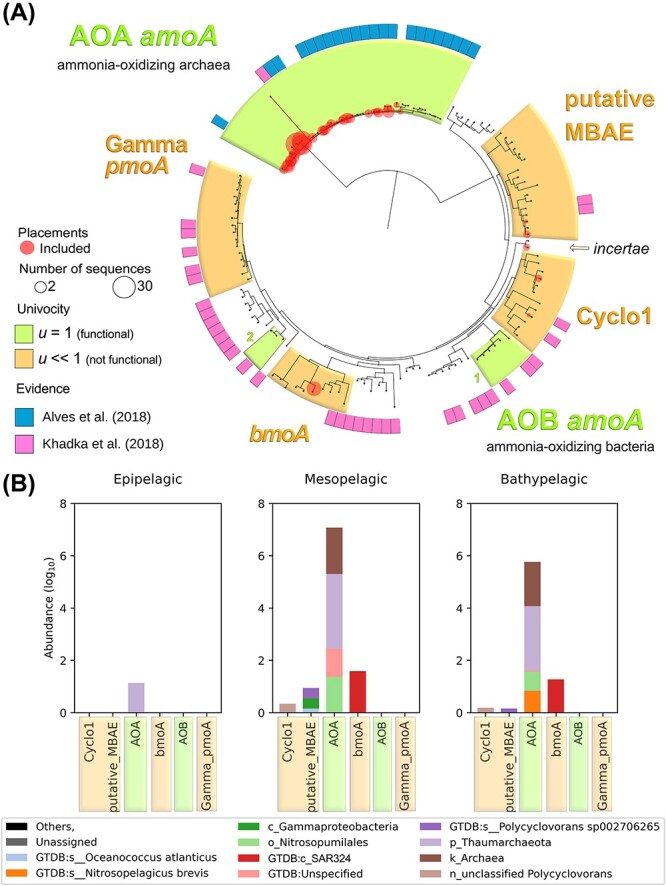
“We clustered the amoA tree by means of orthology delineation with possvm [83], which relies on the species overlap algorithm[84](Fig.”
MethodKinetic studies on ammonia and methane oxidation by Nitrosococcus oceanus
Ward, B. B. (1987) · Archives of Microbiology · doi:10.1007/bf00415273 · Cited by 169 · cited 1×
“Therefore, other closely related enzymes retained some promiscuity or ambivalence; e.g. particulate methane monooxygenases (pMMO) are able to oxidize ammonia even though their main substrate is methane [63,64],or pBMO, which, apart from oxidizing butane, can hydroxylate other short alkanes (C 1 –”
BackgroundThe neutral theory is dead. Long live the neutral theory
Kreitman, M. (1996) · BioEssays · doi:10.1002/bies.950180812 · Cited by 167 · cited 1×
“The phylogenetic placement tree was visualized using the Interactive Tree of Life [51].”
MethodMasel, J. (2011) · Current Biology · doi:10.1016/j.cub.2011.08.007 · Cited by 162
Inferring Orthology and Paralogy
Altenhoff, A. M., Glover, N. M., & Dessimoz, C. (2019) · Methods in Molecular Biology · doi:10.1007/978-1-4939-9074-0_5 · Cited by 148
Evolution of an antifreeze protein by neofunctionalization under escape from adaptive conflict
Deng, C., Cheng, C.-H. C., Ye, H., He, X., & Chen, L. (2010) · Proceedings of the National Academy of Sciences · doi:10.1073/pnas.1007883107 · Cited by 147 · cited 1×
“After generating a list of synteny-complaint target-peptide matches,we followed the same protocol to reduce database size when required to meet the established reference database size threshold value.”
MethodWeak Selection and Protein Evolution
Akashi, H., Osada, N., & Ohta, T. (2012) · Genetics · doi:10.1534/genetics.112.140178 · Cited by 141 · cited 1×
“, 2020), a result in 338 line with the weak selection concept (Akashi et al., 2012).”
BackgroundDissociation of Enzyme Oligomers: A Mechanism for Allosteric Regulation
Traut, T. W. (1994) · Critical Reviews in Biochemistry and Molecular Biology · doi:10.3109/10409239409086799 · Cited by 140 · cited 2×
“Regarding the quaternary structure, the protein subunits evolve to remain bound under physiological conditions, and to monomerize in out-of-range environments [96].”
BackgroundInferring Orthology and Paralogy
Altenhoff, A. M., & Dessimoz, C. (2012) · Methods in Molecular Biology · doi:10.1007/978-1-61779-582-4_9 · Cited by 133
Panja, A. S., Maiti, S., & Bandyopadhyay, B. (2020) · Scientific Reports · doi:10.1038/s41598-020-58825-7 · Cited by 132
The sequence–structure relationship and protein function prediction
Sadowski, M. I., & Jones, D. T. (2009) · Current Opinion in Structural Biology · doi:10.1016/j.sbi.2009.03.008 · Cited by 130
The MAR databases: development and implementation of databases specific for marine metagenomics
Klemetsen, T., Raknes, I. A., Fu, J., Agafonov, A., Balasundaram, S. V., Tartari, G., Robertsen, E., & Willassen, N. P. (2018) · Nucleic Acids Research · doi:10.1093/nar/gkx1036 · Cited by 128 · cited 1×
“Briefly, we assess the expected richness by fitting where s are the sequences considered for a taxon, implementation, and environment, abundance is measured in TPM, richness is the natural number of unique sequences, and where c s and γ s are constants.”
MethodThe relationship between functional and taxonomic homogenization
Baiser, B., & Lockwood, J. L. (2010) · Global Ecology and Biogeography · doi:10.1111/j.1466-8238.2010.00583.x · Cited by 125 · cited 1×
“Second, most proteins are inherited vertically, and therefore taxonomically related organisms will often share a similar set of functions [9].”
BackgroundPistocchi, R., Kashiwagi, K., Miyamoto, S., Nukui, E., Sadakata, Y., Kobayashi, H., & Igarashi, K. (1993) · Journal of Biological Chemistry · doi:10.1016/s0021-9258(18)54126-0 · Cited by 122 · cited 1×
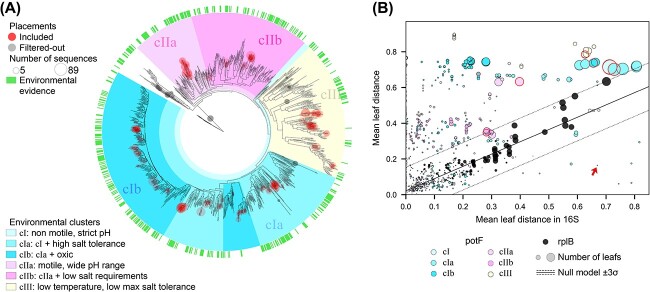
“4A), but using the HMM corresponding to polyamine binding, KEGG K11073 [71] (File S2) to identify functional sequences with the same oceanic database.”
MethodAutomatic annotation of protein function
Valencia, A. (2005) · Current Opinion in Structural Biology · doi:10.1016/j.sbi.2005.05.010 · Cited by 121 · cited 1×
“1) [56].”
Nishimura, Y., & Yoshizawa, S. (2022) · Scientific Data · doi:10.1038/s41597-022-01392-5 · Cited by 111
Fisher, M., Gokhman, I., Pick, U., & Zamir, A. (1997) · Journal of Biological Chemistry · doi:10.1074/jbc.272.3.1565 · Cited by 109
On the subunit structure of wild-type versus complemented β-galactosidase of Escherichia coli
Ullmann, A., Jacob, F., & Monod, J. (1968) · Journal of Molecular Biology · doi:10.1016/0022-2836(68)90140-x · Cited by 109 · cited 1×
“Next, we used the previous alignment and IQ-TREE [45] with default parameter values to build a reference phylogenetic tree for each target gene.”
MethodEnzymatic Hydroxylations of sp3-Carbons
Münch, J., Püllmann, P., Zhang, W., & Weissenborn, M. J. (2021) · ACS Catalysis · doi:10.1021/acscatal.1c00759 · Cited by 109
Ecosystem-wide metagenomic binning enables prediction of ecological niches from genomes
Alneberg, J., Bennke, C. M., Beier, S., Bunse, C., Quince, C., Ininbergs, K., Riemann, L., Ekman, M., Jürgens, K., Labrenz, M., et al. (2020) · Communications Biology · doi:10.1038/s42003-020-0856-x · Cited by 106
Alam†, M. S., Garg†, S. K., & Agrawal, P. (2008) · FEBS Journal · doi:10.1111/j.1742-4658.2008.06755.x · Cited by 95 · cited 1×
“However, the observed functional plasticity in a population of sequences may be constrained by selection, allowing different kinetics in diverse environments, even modifying the substrate preferences [86–88].”
BackgroundVariability of the transporter gene complement in ammonia-oxidizing archaea
Offre, P., Kerou, M., Spang, A., & Schleper, C. (2014) · Trends in Microbiology · doi:10.1016/j.tim.2014.07.007 · Cited by 93
Inhibition of Ammonia Monooxygenase from Ammonia-Oxidizing Archaea by Linear and Aromatic Alkynes
Wright, C. L., Schatteman, A., Crombie, A. T., Murrell, J. C., & Lehtovirta‐Morley, L. E. (2020) · Applied and Environmental Microbiology · doi:10.1128/aem.02388-19 · Cited by 88 · cited 1×
“Within the tree,we identified regions containing functional or non-functional sequences based on experimental evidence from the literature [59–61].”
MethodSpermidine-preferential Uptake System in Escherichia coli
Kashiwagi, K., Pistocchi, R., Shibuya, S., Sugiyama, S., Morikawa, K., & Igarashi, K. (1996) · Journal of Biological Chemistry · doi:10.1074/jbc.271.21.12205 · Cited by 86
Puente‐Sánchez, F., Pascual‐García, A., Bastolla, U., Pedrós‐Alió, C., & Tamames, J. (2024) · Communications Biology · doi:10.1038/s42003-024-06616-5 · Cited by 85 · cited 1×
“The phylogenetic placement tree was visualized using the Interactive Tree of Life [51].”
MethodSelf-citationTemporal and spatial archaeal colonization of hydrothermal vent deposits
Pagé, A., Tivey, M. K., Stakes, D. S., & Reysenbach, A. (2008) · Environmental Microbiology · doi:10.1111/j.1462-2920.2007.01505.x · Cited by 82 · cited 1×
“There are other mechanisms to acquire functions not related to inheritance, such as unrelated proteins converging in function [12, 13].”
BackgroundHow enzyme promiscuity and horizontal gene transfer contribute to metabolic innovation
Glasner, M. E., Truong, D. P., & Morse, B. C. (2020) · FEBS Journal · doi:10.1111/febs.15185 · Cited by 82 · cited 1×
“After generating a list of synteny-complaint target-peptide matches,we followed the same protocol to reduce database size when required to meet the established reference database size threshold value.”
MethodHohberg, K. (2003) · Applied Soil Ecology · doi:10.1016/s0929-1393(02)00135-x · Cited by 73
Marine ammonia-oxidising archaea and bacteria occupy distinct iron and copper niches
Shafiee, R. T., Diver, P., Snow, J. T., Zhang, Q., & Rickaby, R. E. M. (2021) · ISME Communications · doi:10.1038/s43705-021-00001-7 · Cited by 69 · cited 1×
“Each occupies different niches [68] and acts differently on the key substrate: AOA-amoA proteins display a ≈ 200-fold higher affinity for ammonia, dominating in oligotrophic environments [69].”
BackgroundPseudomonas putida Response to Cadmium: Changes in Membrane and Cytosolic Proteomes
Manara, A., DalCorso, G., Baliardini, C., Farinati, S., Cecconi, D., & Furini, A. (2012) · Journal of Proteome Research · doi:10.1021/pr300281f · Cited by 64
Evolutionary History of Copper Membrane Monooxygenases
Khadka, R., Clothier, L., Wang, L., Lim, C. K., Klotz, M. G., & Dunfield, P. F. (2018) · Frontiers in Microbiology · doi:10.3389/fmicb.2018.02493 · Cited by 63
Liver fatty acid binding protein: species variation and the accommodation of different ligands
Thompson, J. R., Reese-Wagoner, A., & Banaszak, L. J. (1999) · Biochimica et Biophysica Acta (BBA) - Molecular and Cell Biology of Lipids · doi:10.1016/s1388-1981(99)00146-8 · Cited by 61
Huston, A. L., Haeggström, J. Z., & Feller, G. (2008) · Biochimica et Biophysica Acta (BBA) - Proteins and Proteomics · doi:10.1016/j.bbapap.2008.06.002 · Cited by 58 · cited 1×
“Nodes with an average value of the z -score larger than 3 (i.e.”
BackgroundAnnotation-free discovery of functional groups in microbial communities
Shan, X., Goyal, A., Gregor, R., & Cordero, O. X. (2023) · Nature Ecology & Evolution · doi:10.1038/s41559-023-02021-z · Cited by 57 · cited 1×
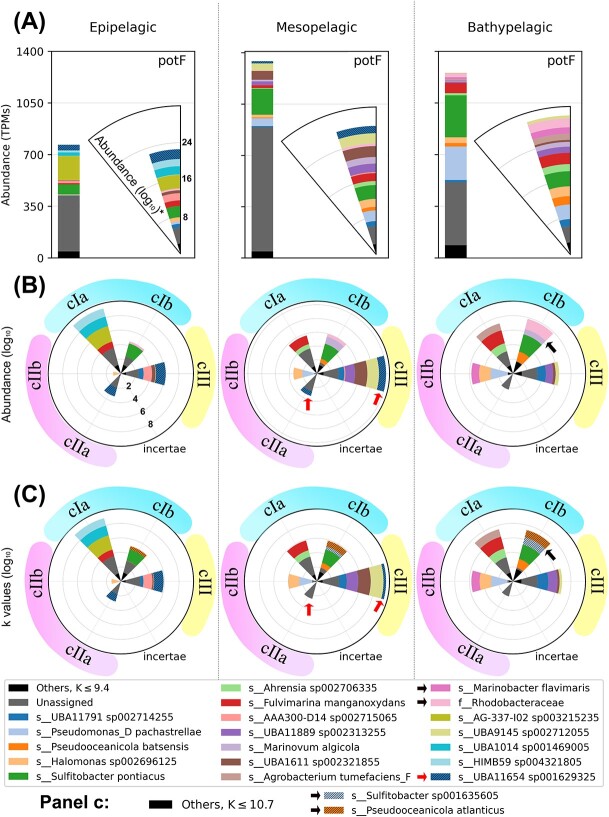
“Despite this, some recent efforts have attempted to statistically infer microbial guilds through patterns of variation in species assignments and ecosystem properties related to the samples [110].”
BackgroundLadero, M., Ruiz, G., Pessela, B. C. C., Vián, A., Santos, A., & García‐Ochoa, F. (2006) · Biochemical Engineering Journal · doi:10.1016/j.bej.2006.05.012 · Cited by 55
Sayavedra‐Soto, L. A., Hamamura, N., Liu, C., Kimbrel, J. A., Chang, J. H., & Arp, D. J. (2011) · Environmental Microbiology Reports · doi:10.1111/j.1758-2229.2010.00239.x · Cited by 55
Functional Divergence for Every Paralog
Soria, P. S., McGary, K. L., & Rokas, A. (2014) · Molecular Biology and Evolution · doi:10.1093/molbev/msu050 · Cited by 55 · cited 1×
“Thus, diversification of the function-capable sequences is not only expected but frequently observed [74–76].”
BackgroundPascual‐García, A., Abia, D., Méndez, R., Nido, G. S., & Bastolla, U. (2010) · Proteins: Structure, Function, and Bioinformatics · doi:10.1002/prot.22616 · Cited by 52
Temporal turnover of the soil microbiome composition is guild‐specific
Martinović, T., Odriozola, I., Mašínová, T., Bahnmann, B. D., Kohout, P., Sedlák, P., Merunková, K., Větrovský, T., Tomšovský, M., Ovaskainen, O., et al. (2021) · Ecology Letters · doi:10.1111/ele.13896 · Cited by 49 · cited 1×
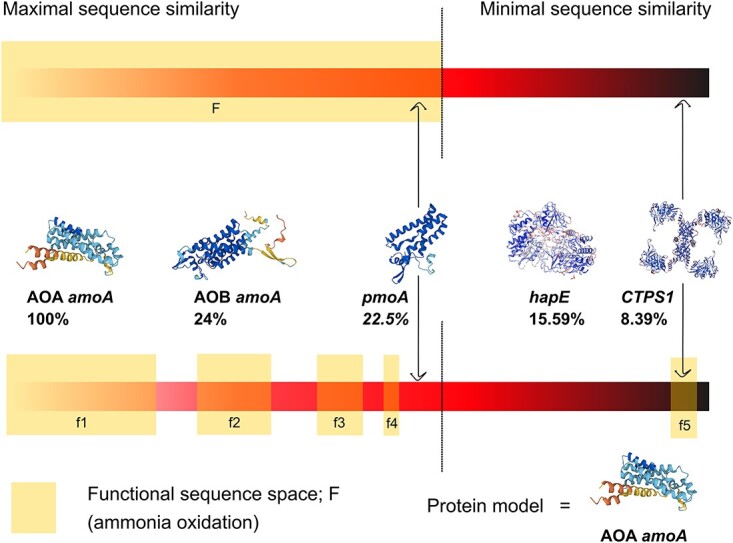
“Top : traditionally, automatic annotation considers any given protein sequence below a dissimilarity threshold as functional.”
BackgroundOn the optimality of the enzyme–substrate relationship in bacteria
Dourado, H., Mori, M., Hwa, T., & Lercher, M. J. (2021) · PLOS Biology · doi:10.1371/journal.pbio.3001416 · Cited by 40
What are ecological guilds? Dilemma of guild concepts
Korňan, M., & Kropil, R. (2014) · Russian Journal of Ecology · doi:10.1134/s1067413614050178 · Cited by 38 · cited 1×
“For example, all 56 insect predators can be studied together as they are members of the insectivorous guild, without 57 considering the taxonomic group they currently belong to (Koran and Kropil, 2014; Nebel et al., 58 2010).”
BackgroundPark, K. (1966) · Science · doi:10.1126/science.154.3756.1540 · Cited by 37 · cited 1×
“In our dataset, this remarkable increase is shown to be exclusive for this type of implementation, and can be explained by the rapid depth-dependent acidification, a characteristic feature of the mesopelagic oxycline [112, 113].”
BackgroundComparative Genomics in Prokaryotes
Gregory, T. R., & DeSalle, R. (2005) · Elsevier eBooks · doi:10.1016/b978-012301463-4/50012-7 · Cited by 35
Moreno‐Ulloa, A., Diaz, V. S., Mora, J. A. T., Contreras, M. I. M., Castillo, F. D., Guerrero, A., González-Sánchez, R., Mendoza‐Porras, O., Vázquez-Duhalt, R., & Licea-Navarro, A. F. (2020) · mSystems · doi:10.1128/msystems.00824-20 · Cited by 35
Evolution of Biological Catalysis: Ribozyme to RNP Enzyme
Cech, T. R. (2009) · Cold Spring Harbor Symposia on Quantitative Biology · doi:10.1101/sqb.2009.74.024 · Cited by 33 · cited 1×
“However, these functions involve a plethora of substrates and biocatalysts of varying nature, such as proteins [1], which are subject to evolutionary forces.”
BackgroundSánchez, P., Coutinho, F. H., Sebastián, M., Pernice, M. C., Rodríguez‐Martínez, R., Salazar, G., Cornejo‐Castillo, F. M., Pesant, S., Lopez, X., López-García, E. M., et al. (2024) · Scientific Data · doi:10.1038/s41597-024-02974-1 · Cited by 33 · cited 1×
“Then, we retrieved amoA sequences from Malaspina metagenomes [70] and placed them on to the tree (Fig.”
MethodThe role of pHT measurements in marine CO2-system characterizations
Byrne, R. H., McElligott, S., Feely, R. A., & Millero, F. J. (1999) · Deep Sea Research Part I Oceanographic Research Papers · doi:10.1016/s0967-0637(99)00031-x · Cited by 32
Toward an Autecology of Bacterioplankton
Pedrós‐Alió, C. (1989) · Brock/Springer series in contemporary bioscience · doi:10.1007/978-3-642-74890-5_8 · Cited by 31 · cited 1×
“Last, Pedrós-Alió [32] defined microbial guilds as “a group of microorganisms using the same energy and carbon sources and the same electron donors and acceptors”.”
BackgroundSelf-citationOrthology Clusters from Gene Trees with Possvm
Grau‐Bové, X., & Sebé-Pedrós, A. (2021) · Molecular Biology and Evolution · doi:10.1093/molbev/msab234 · Cited by 30 · cited 1×
“We clustered the amoA tree by means of orthology delineation with possvm [83], which relies on the species overlap algorithm[84](Fig.”
MethodEstimation of functional diversity and species traits from ecological monitoring data
Ryabov, A. B., Blasius, B., Hillebrand, H., Olenina, I., & Groß, T. (2022) · Proceedings of the National Academy of Sciences · doi:10.1073/pnas.2118156119 · Cited by 29 · cited 1×
“Wu et al. [26] use the term “microbial guild” to assign a functional value based on spatial co-occurrence among taxa, yet co-occurrence in space does not necessarily imply sharing the same function [27], although it might help functional prediction [28].”
BackgroundRochman, F. F., Kwon, M., Khadka, R., Tamaš, I., Lopez-Jauregui, A. A., Sheremet, A., Smirnova, A. V., Malmstrom, R. R., Yoon, S., Woyke, T., et al. (2019) · The ISME Journal · doi:10.1038/s41396-019-0561-2 · Cited by 25
Sexual dimorphism in wolves (Canis lupus) of the Keewatin District, Northwest Territories, Canada
Hillis, T. L., & Mallory, F. F. (1996) · Canadian Journal of Zoology · doi:10.1139/z96-081 · Cited by 24
Tamames, J., Sánchez, P. D., Nikel, P. I., & Pedrós‐Alió, C. (2016) · Frontiers in Microbiology · doi:10.3389/fmicb.2016.00433 · Cited by 24 · cited 2×
“In addition to those arguments, there is some research actually focused on decoupling taxonomy from functional assets [107, 108].”
BackgroundSelf-citationSpecies richness and redundancy promote persistence of exploited mutualisms in yeast
Vidal, M. C., Wang, S. P., Rivers, D. M., Althoff, D. M., & Segraves, K. A. (2020) · Science · doi:10.1126/science.abb6703 · Cited by 23 · cited 1×
“Bottom: we exemplify these scenarios with real protein sequences related to the α -subunit of the ammonia monooxygenase ( amoA ).”
BackgroundA Mutation–Selection Model of Protein Evolution under Persistent Positive Selection
Tamuri, A. U., & dos Reis, M. (2021) · Molecular Biology and Evolution · doi:10.1093/molbev/msab309 · Cited by 23
Horizontal Gene Transfer and Ecosystem Function Dynamics
van de Guchte, M. (2017) · Trends in Microbiology · doi:10.1016/j.tim.2017.07.002 · Cited by 21 · cited 1×
“The main one is horizontal transfer [10], which has been reported even among organisms belonging to remarkably distant lineages [11].”
BackgroundLibbrecht, M. W., Bilmes, J. A., & Noble, W. S. (2018) · Proteins Structure Function and Bioinformatics · doi:10.1002/prot.25461 · Cited by 19 · cited 1×
“Consequently, when computing the impact coefficients later in Equation (2), the term d obs, s / d exp, s rewards sequences that display a larger richness than expected.”
BackgroundA novel relationship for the maximum specific growth rate of a microbial guild
Veshareh, M. J., & Nick, H. M. (2021) · FEMS Microbiology Letters · doi:10.1093/femsle/fnab064 · Cited by 18
Interaction between mutation type and gene pleiotropy drives parallel evolution in the laboratory
Ruelens, P., Wynands, T., & de Visser, J. A. G. M. (2023) · Philosophical Transactions of the Royal Society B Biological Sciences · doi:10.1098/rstb.2022.0051 · Cited by 14
Interactive Analysis of Functional Residues in Protein Families
Price, M. N., & Arkin, A. P. (2022) · mSystems · doi:10.1128/msystems.00705-22 · Cited by 12 · cited 1×
“A single amino acid change may be crucial for the specificity between the substrate and 324 its binding site (Gierse et al., 1996; Price and Arkin, 2022).”
BackgroundOudova‐Rivera, B., Wright, C. L., Crombie, A. T., Murrell, J. C., & Lehtovirta‐Morley, L. E. (2023) · Environmental Microbiology · doi:10.1111/1462-2920.16316 · Cited by 12
Temperature‐Dependent Molecular Adaptations, Microbial Proteins
Kumar, S., Singh, S. K., & Gromiha, M. M. (2010) · Wiley eBooks · doi:10.1002/9780470054581.eib516 · Cited by 11
Ternon, J., Oudot, C., Gourlaouen, V., & Diverrès, D. (2001) · Journal of Marine Systems · doi:10.1016/s0924-7963(01)00038-0 · Cited by 11
Structure-Guided Rule-Based Annotation of Protein Functional Sites in UniProt Knowledgebase
Vasudevan, S., Vinayaka, C. R., Natale, D. A., Huang, H., Kahsay, R., & Wu, C. H. (2010) · Methods in molecular biology · doi:10.1007/978-1-60761-977-2_7 · Cited by 9 · cited 1×
“Consequently, when computing the impact coefficients later in Equation (2), the term d obs, s / d exp, s rewards sequences that display a larger richness than expected.”
BackgroundMolecular and thermodynamic mechanisms for protein adaptation
Zhao, Q. (2022) · European Biophysics Journal · doi:10.1007/s00249-022-01618-9 · Cited by 9 · cited 2×
“According to these and other previous results, salinity, pH, and temperature would represent the major environmental drivers of how proteins evolve [4, 102–104], modifying the catalytic kinetics, substrate specificityor conditionalstabilitywhilemaintainingthe same function [88, 105].”
BackgroundResultPuente‐Sánchez, F., Pascual‐García, A., Bastolla, U., et al. (2022) · bioRxiv (Cold Spring Harbor Laboratory) · doi:10.1101/2022.09.11.507163 · Cited by 4
The evolution of the AMOA, PMOA and BMOA genes measured by ka/ks ratios.
Lau, E., Lukich, D., & Le, T. (2016) · Proceedings of the West Virginia Academy of Science · doi:10.55632/pwvas.v88i1.10 · Cited by 2 · cited 1×
“affinity for a broad spectrum of substrates to a restricted substrate specificity, suboptimal for the 179 substrate preference of each organism (Lau et al., 2016).”
BackgroundIdentifying microbial guilds on the basis of ecological patterns
(2023) · Nature Ecology & Evolution · doi:10.1038/s41559-023-02030-y · Cited by 2 · cited 1×
“The phylogenetic placement tree was visualized using the Interactive Tree of Life [51].”
Method
Research works printed but not linked: 1
- Semidán Robaina-Estévez. Pynteny: Synteny-aware hmm searches made easy. Zenodo, 2022.
Cited by
Gut dysbiosis in oncology: a risk factor for immunoresistance
(2026) · doi:10.1038/s41422-025-01212-6 · Cited by 24
“179 Closing this gap will require systematic mapping of the metabolic pathways that distinguish one guild from another, whether fi ber digestion and SCFA biosynthesis in health-promoting consortia or virulence and antibiotic-resistance pathways in pathogenic groupings.”
Schreiber, S., Waetzig, G. H., López-Agudelo, V. A., Geisler, C., Schlicht, K., Franzenburg, S., di Giuseppe, R., Pape, D., Bahmer, T., Krawczak, M., et al. (2025) · Nature Metabolism · doi:10.1038/s42255-025-01290-1 · Cited by 15
“It also highlights the concept of ‘functional microbiota guilds,’ which exhibit consistent functional signals despite considerable taxonomic heterogeneity between individuals 38 .”
Timescale of environmental change modulates metabolic guild cohesion in microbial communities
Crocker, K., Skwara, A., Kannan, R., Murugan, A., & Kuehn, S. (2025) · The ISME Journal · doi:10.1093/ismejo/wraf186 · Cited by 14
“In particular, the inference of metabolic guilds has recently been a topic of interest in microbial ecology and microbiology [44–46].”
Nitrogen cycling during an Arctic bloom: from chemolithotrophy to nitrogen assimilation
Laso-Pérez, R., Rivas-Santisteban, J., Fernández‐González, N., Mundy, C. J., Tamames, J., & Pedrós‐Alió, C. (2025) · mBio · doi:10.1128/mbio.00749-25 · Cited by 7
“Physiological studies have shown the ability of some clades of marine AOA to use urea (52, 53), although this metabolism is not present in all strains of Candidatus Nitrosopumilus (54).”
Self-citationMicrobial functional guilds respond cohesively to rapidly fluctuating environmentsPreprint
Crocker, K., Skwara, A., Kannan, R., Murugan, A., & Kuehn, S. (2025) · bioRxiv (Cold Spring Harbor Laboratory) · doi:10.1101/2025.01.30.635766 · Cited by 4
Metadata
- Authors
- Rivas-Santisteban, J., Yubero, P., Robaina-Estévez, S., González, J. M., Tamames, J., & Pedrós-Alió, C.
- Affiliations
- Consejo Superior de Investigaciones Científicas (ES)
- Department of Microbiology, University of La Laguna , Spain
- Universidad de La Laguna (ES)
- Microbiome Analysis Laboratory , Centro Nacional de Biotecnología , Madrid, 28049 , Spain
- Corresponding author
- Rivas-Santisteban, Juan
- Venue
- ISME Communications
- Publisher
- Oxford University Press (OUP)
- Published
- 2024-01-01
- Volume
- 4
- Issue
- 1
- Pages
- ycae042-ycae042
- ISSN
- 2730-6151 (ISSN-L)
- PMC
- PMC11069341
- OpenAlex
- W4393215781
- Cited by
- 15
- References
- 121
- Citations by year
- 2026: 6 · 2025: 8 · 2024: 1
- FWCI
- 4.12
- Type
- journal article
- Language
- en
- Open access
- gold
- doi.org
- Licence
- Locations
- ISME Communications (publishedVersion, cc-by)
- bioRxiv (Cold Spring Harbor Laboratory) (acceptedVersion, cc-by-nc-nd)
- PubMed Central (publishedVersion, cc-by)
- PubMed (publishedVersion)
- Funders
- CSIC Open Access Publication Support Initiative
- Unit of Information Resources for Research
- Spanish Ministerio de Ciencia e Innovación and the European Social Fund (PRE2020-096130)
- Topics
- Physical Sciences › Environmental Science › Ecology › Microbial Community Ecology and Physiology
- Life Sciences › Biochemistry, Genetics and Molecular Biology › Molecular Biology › Genomics and Phylogenetic Studies
- Physical Sciences › Environmental Science › Ecology › Environmental DNA in Biodiversity Studies
- Keywords
- microbial guilds, metagenomics, sequence spaces, orthology, ammonia oxidation, polyamine uptake, marine microbial communities, microbial ecology
About these checks
Registry, retraction, Cites and statistics results are computed, not judged, with one exception: a printed reference that no index lists is read once by a model before it counts as a citation error. Claims are extracted by a model and kept only when their quote appears verbatim in the text; each cited source is then checked, with a model’s help, for whether it says what the claim relies on. Those verdicts can be wrong — read the claim’s quote and the cited source before relying on one.
Statistics and arithmetic are recomputed, not judged.
Confidence bands are shown only for fields calibrated on our annotated test set. None is calibrated yet, so no band is shown.
What counts as a claim ›How we measure confidence ›How we check this ›
Are you an author, or do you see a problem with this page? Request a review
Data sources
Bibliographic data: Semantic Scholar, OpenAlex, Crossref.
Contains information from the Semantic Scholar Academic Graph Datasets, made available under the ODC Attribution License (ODC-BY 1.0).
Semantic Scholar’s data is described in: Kinney, R., et al. (2023). The Semantic Scholar Open Data Platform. arXiv:2301.10140.
