

Mouse Genome Database (MGD)-2018: knowledgebase for the laboratory mouse
Open accessThe DOI matches its Crossref record; 21 of the 21 references it cites were found in a registry or an index.
Abstract
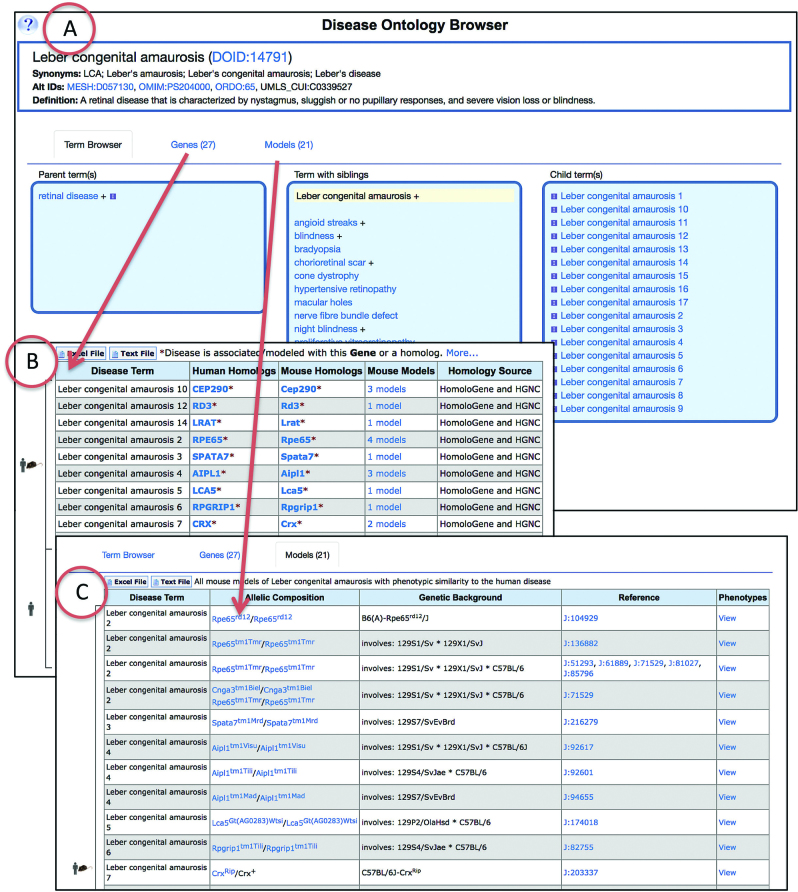
The Mouse Genome Database (MGD; http://www.informatics.jax.org) is the key community mouse database which supports basic, translational and computational research by providing integrated data on the genetics, genomics, and biology of the laboratory mouse. MGD serves as the source for biological reference data sets related to mouse genes, gene functions, phenotypes and disease models with an increasing emphasis on the association of these data to human biology and disease. We report here on recent enhancements to this resource, including improved access to mouse disease model and human phenotype data and enhanced relationships of mouse models to human disease.
Overview
The claims and statistics of this paper haven’t been checked yet.
Free: it reads the open-access text and checks the first 5 claims that cite a source we can check. Create a free account to check every claim.
Integrity signals
Registry
Cites
Statistics
Figures
Verification
Claims the paper makes
The claims and statistics of this paper haven’t been checked yet.
Free: it reads the open-access text and checks the first 5 claims that cite a source we can check. Create a free account to check every claim.
Claims other papers make about this one
Each is checked against this paper’s own text: does it say what the citing paper says it does?
In the citing paper
“Analysis of the osteocyte transcriptome signature showed it was enriched with genes associated with skeletal biological processes in the GO database40 (4.5-fold-enrichment (FE), P = 1.0 × 10−67), and with skeletal phenotypes in the Mouse Genome Informatics database41 (MGI, 2.7 FE, P = 4.7 × 10⁻³⁵).”
From Osteocyte transcriptome mapping identifies a molecular landscape controlling skeletal homeostasis and susceptibility to skeletal disease (2021) · cites this paper as [41]
Self-check
Percentages, sums and reported differences re-computed from the paper’s own numbers.
The self-check needs the paper’s full text.
Citations
Cites
Gene Ontology Consortium: going forward
The Gene Ontology Consortium (2015) · Nucleic Acids Research · doi:10.1093/nar/gku1179 · Cited by 3,492
Amberger, J. S., Bocchini, C. A., Schiettecatte, F., Scott, A. F., & Hamosh, A. (2015) · Nucleic Acids Research · doi:10.1093/nar/gku1205 · Cited by 2,691
The Human Phenotype Ontology in 2017
Köhler, S., Vasilevsky, N. A., Engelstad, M., Foster, E., McMurry, J., Aymé, S., Baynam, G., Bello, S. M., Boerkoel, C. F., Boycott, K. M., et al. (2017) · Nucleic Acids Research · doi:10.1093/nar/gkw1039 · Cited by 754 · cited 5×
“MGD has also implemented a new browser created by MGI that features the Human Phenotype Ontology (17) developed by Peter Robinson and colleagues (http://www. informatics.jax.org/vocab/hp ontology).”
MethodResultInfluentialSelf-citationThe diversity outbred mouse population
Churchill, G. A., Gatti, D. M., Munger, S. C., & Svenson, K. L. (2012) · Mammalian Genome · doi:10.1007/s00335-012-9414-2 · Cited by 458 · cited 1×
“Resources such as the Collaborative Cross (6) and Diversity Outbred projects (7) capture most of the genetic variation present in laboratory mouse strains and serve as unique platforms for studies of human relevant quantitative traits and complex inherited syndromes.”
BackgroundGlobal genetic analysis in mice unveils central role for cilia in congenital heart disease
Li, Y., Klena, N. T., Gabriel, G. C., Liu, X., Kim, A. J., Lemke, K., Chen, Y., Chatterjee, B., Devine, W., Damerla, R. R., et al. (2015) · Nature · doi:10.1038/nature14269 · Cited by 432
Self-citationThe Mouse Genome Database (MGD): facilitating mouse as a model for human biology and disease
Eppig, J. T., Blake, J. A., Bult, C. J., Kadin, J. A., Richardson, J. E., & The Mouse Genome Database Group (2015) · Nucleic Acids Research · doi:10.1093/nar/gku967 · Cited by 357 · cited 1×
“org/batch) (21) is used for retrieving bulk data about lists of genome features.”
MethodSelf-citationThe mammalian gene function resource: the international knockout mouse consortium
Bradley, A., Anastassiadis, K., Ayadi, A., Battey, J. F., Bell, C., Birling, M.-C., Bottomley, J., Brown, S. D., Bürger, A., Bult, C. J., et al. (2012) · Mammalian Genome · doi:10.1007/s00335-012-9422-2 · Cited by 312 · cited 1×
“All of the DMDD mouse lines are derived from International Knockout Mouse Consortium (IKMC)’s Knockout Mouse Project (KOMP) or European Conditional Mouse Mutagenesis Program (EUCOMM) ES cells (19) or CRISPR-induced lines (20).”
MethodSelf-citationMouse Genome Database (MGD)-2017: community knowledge resource for the laboratory mouse
Blake, J. A., Eppig, J. T., Kadin, J. A., Richardson, J. E., Smith, C. L., Bult, C. J., & the Mouse Genome Database Group (2017) · Nucleic Acids Research · doi:10.1093/nar/gkw1040 · Cited by 262 · cited 1×
“The Mouse Genome Database (MGD) is the primary community knowledgebase for mouse phenotype and gene function and mouse models of human disease (9).”
BackgroundSelf-citationTen Years of the Collaborative Cross
Threadgill, D. W., & Churchill, G. A. (2012) · Genetics · doi:10.1534/genetics.111.138032 · Cited by 186
Smith, C. L., & Eppig, J. T. (2012) · Mammalian Genome · doi:10.1007/s00335-012-9421-3 · Cited by 174 · cited 1×
“The relevance of laboratory mouse to biomedical research includes its extensive experimental genetics capabilities, fullysequenced inbred strain genomes, published genotype to phenotype associations, and data for genome wide coverage of induced variation from mouse large-scale mutagenesis programs (1–4) and reviewed i…”
BackgroundSelf-citation
Cited by
Items 101–200 of 224
Music-performance regulates microRNAs in professional musicians
Nair, P. S., Kuusi, T., Ahvenainen, M., Philips, A. K., & Järvelä, I. E. (2019) · PeerJ · doi:10.7717/peerj.6660 · Cited by 31
“norvegicus are involved in long-term synaptic potentiation and sensory perception of sound (Smith et al., 2018).”
BackgroundThe JAX Synteny Browser for mouse-human comparative genomics
Kolishovski, G., Lamoureux, A., Hale, P., Richardson, J. E., Recla, J. M., Adesanya, O., Simons, A., Kunde‐Ramamoorthy, G., & Bult, C. J. (2019) · Mammalian Genome · doi:10.1007/s00335-019-09821-4 · Cited by 28
Self-citationLukacs, M., Roberts, T., Chatuverdi, P., & Stottmann, R. W. (2019) · eLife · doi:10.7554/elife.45248 · Cited by 27
“Our manual review of the MGI database found 102 GPI-APs have been genetically manipulated and phenotyped in mice (Smith et al., 2018).”
Methodvan Drongelen, V., Scavuzzi, B. M., Nogueira, S. V., Miller, F. W., Sawalha, A. H., & Holoshitz, J. (2021) · Scientific Reports · doi:10.1038/s41598-021-82195-3 · Cited by 26
Boso, G., Shaffer, E., Liu, Q., Cavanna, K., Buckler-White, A. J., & Kozak, C. A. (2019) · Scientific Reports · doi:10.1038/s41598-019-47720-5 · Cited by 26
Network analysis of membranous glomerulonephritis based on metabolomics data
Taherkhani, A., Kalantari, S., Oskouie, A. A., Nafar, M., Taghizadeh, M. T., & Tabar, K. (2018) · Molecular Medicine Reports · doi:10.3892/mmr.2018.9477 · Cited by 25
Dantoft, W., Robertson, K. A., Watkins, W. J., Strobl, B., & Ghazal, P. (2019) · Frontiers in Microbiology · doi:10.3389/fmicb.2019.00355 · Cited by 24
Zhang, H., Wang, Y., Hu, Z., Wu, Y., Chen, N., Zhu, Y., Yu, Y., Fan, H., & Wang, H. (2024) · Advanced Science · doi:10.1002/advs.202308496 · Cited by 32
Common Genetic Variants Modulate the Electrocardiographic Tpeak-to-Tend Interval
Ramírez, J., van Duijvenboden, S., Young, W. J., Orini, M., Lambiase, P. D., Munroe, P. B., & Tinker, A. (2020) · The American Journal of Human Genetics · doi:10.1016/j.ajhg.2020.04.009 · Cited by 24
Bacterial translocation in acute lymphocytic leukemia
Song, Y., & Gyarmati, P. (2019) · PLoS ONE · doi:10.1371/journal.pone.0214526 · Cited by 21
Molecular Mechanism of Congenital Heart Disease and Pulmonary Hypertension
Nakanishi, T., Baldwin, H. S., Fineman, J. R., & Yamagishi, H. (2020) · Springer eBooks · doi:10.1007/978-981-15-1185-1 · Cited by 21
“In addition, PGE2 inhibits the transition of fibroblasts to myofibroblasts [80] and is capable of suppressing fibroblast proliferation and collagen synthesis through EP2 receptor-mediated pathways [81].”
BackgroundWang, X., Li, G., Ruan, D., Zhuang, Z., Ding, R., Quan, J., Wang, S., Jiang, Y., Huang, J., Gu, T., et al. (2022) · Frontiers in Veterinary Science · doi:10.3389/fvets.2022.832633 · Cited by 22
The microtubule skeleton and the evolution of neuronal complexity in vertebrates
Trushina, N. I., Mulkidjanian, A. Y., & Brandt, R. (2019) · Biological Chemistry · doi:10.1515/hsz-2019-0149 · Cited by 21
Genome-Wide Analysis of MicroRNA-related Single Nucleotide Polymorphisms (SNPs) in Mouse Genome
Omariba, G., Xu, F., Wang, M., Li, K., Zhou, Y., & Xiao, J. (2020) · Scientific Reports · doi:10.1038/s41598-020-62588-6 · Cited by 21
Duan, Y.-Y., Chen, X., Zhu, R., Jia, Y., Huang, X., Zhang, M., Yang, N., Dong, S., Zeng, M., Feng, Z., et al. (2023) · The American Journal of Human Genetics · doi:10.1016/j.ajhg.2023.07.002 · Cited by 31
Feoktistova, M., Makarov, R., Brenji, S., Schneider, A. T., Hooiveld, G. J. E. J., Luedde, T., Leverkus, M., Yazdi, A. S., & Panayotova‐Dimitrova, D. (2020) · Cells · doi:10.3390/cells9020351 · Cited by 19
“The celldeath-related gene list was obtained from the MGI database [34] and contained probe sets that were up- or downregulated by more than 1.”
MethodFranchini, P., Kautt, A. F., Nater, A., Antonini, G., Castiglia, R., Meyer, A., & Solano, E. (2020) · Molecular Biology and Evolution · doi:10.1093/molbev/msaa118 · Cited by 19
2017 WONOEP appraisal: Studying epilepsy as a network disease using systems biology approaches
Mahoney, J. M., Mills, J. D., Mühlebner, A., Noebels, J. L., Potschka, H., Simonato, M., & Kobow, K. (2019) · Epilepsia · doi:10.1111/epi.15216 · Cited by 19
Bhardwaj, P., Ikeda, T., Zhou, X. K., Wang, H., Zheng, X., Giri, D. D., Elemento, O., Verma, A., Miyazawa, M., Mukherjee, S., et al. (2019) · Carcinogenesis · doi:10.1093/carcin/bgz088 · Cited by 19
Bunu, G., Toren, D., Ion, C.-F., Barardo, D., Sârghie, L., Grigore, L. G., de Magalhães, J. P., Fraifeld, V. E., & Tăcutu, R. (2020) · Scientific Data · doi:10.1038/s41597-020-00710-z · Cited by 19
Giblin, K. A., Basili, D., Afzal, A. M., Rosenbrier-Ribeiro, L., Greene, N., Barrett, I., Hughes, S. J., & Bender, A. (2021) · Chemical Research in Toxicology · doi:10.1021/acs.chemrestox.0c00311 · Cited by 18
Yousaf, H., Fatima, A., Ali, Z., Baig, S. M., Toft, M., & Iqbal, Z. (2022) · Genes · doi:10.3390/genes13091667 · Cited by 18
Normal spermatogenesis in Fank1 (fibronectin type 3 and ankyrin repeat domains 1) mutant mice
Zhang, J., Zhang, X., Zhang, Y., Zeng, W., Zhao, S., & Liu, M. (2019) · PeerJ · doi:10.7717/peerj.6827 · Cited by 18
“…editor Pedro Silva Additional Information and Declarations can be found on page 11 DOI 10.7717/peerj.6827 Copyright 2019 Zhang et al. Distributed under Creative Commons CC-BY 4.0 more mouse models have been recorded in the Mouse Genome Informatics database (Smith et al., 2018).”
InfluentialMaynard, R. D., & Ackert‐Bicknell, C. L. (2019) · Frontiers in Endocrinology · doi:10.3389/fendo.2019.00277 · Cited by 17
Ontology based text mining of gene-phenotype associations: application to candidate gene prediction
Kafkas, Ş., & Hoehndorf, R. (2019) · Database · doi:10.1093/database/baz019 · Cited by 20
“Many of these phenotype associations come from high-throughput phenotyping experiments such as those performed as part of the International Mouse Phenotyping Consortium (IMPC) (13) while others are based on literature curation (12).”
BackgroundMethodThree miRNAs cooperate with host genes involved in human cardiovascular disease
Zhu, Y. Y., Xie, J., & Sun, H. (2019) · Human Genomics · doi:10.1186/s40246-019-0232-4 · Cited by 16
Wang, J., Geisert, E. E., & Struebing, F. L. (2019) · PubMed Central · doi:10.60944/dzne-2020-07116 · Cited by 15
Genes Implicated in Rare Congenital Inner Ear and Cochleovestibular Nerve Malformations
Kari, E., Llaci, L., Go, J. L., Naymik, M., Knowles, J. A., Leal, S. M., Rangasamy, S., Huentelman, M. J., Liang, W. S., Friedman, R. A., et al. (2020) · Ear and Hearing · doi:10.1097/aud.0000000000000819 · Cited by 15
“(Arg3992Ser)], both genes known to impact embryonic development of various tissues (Costell et al. 1999; Buonomo et al. 2009; Smith et al. 2018).”
BackgroundGene discoveries in autism are biased towards comorbidity with intellectual disability
Jensen, M., Smolen, C., & Girirajan, S. (2020) · Journal of Medical Genetics · doi:10.1136/jmedgenet-2019-106476 · Cited by 15
Revealing lineage-related signals in single-cell gene expression using random matrix theory
Nitzan, M., & Brenner, M. P. (2021) · Proceedings of the National Academy of Sciences · doi:10.1073/pnas.1913931118 · Cited by 16
“We use gene ontology (GO) enrichment analysis (39, 40) to identify the biological processes that are statistically significantly enriched in the modes corresponding to the power-law regime (SI Appendix).”
MethodYang, Y., Yao, S., Ding, J., Chen, W., & Guo, Y. (2020) · Diabetes & Metabolism Journal · doi:10.4093/dmj.2019.0204 · Cited by 15
Illa, S. K., Mumtaz, S., Nath, S., Mukherjee, S., & Mukherjee, A. (2023) · Journal of Applied Genetics · doi:10.1007/s13353-023-00816-1 · Cited by 15
“We identified a candidate gene CA5A which is known to regulate body size (Smith et al. 2018).”
Genetic identification of Ly75 as a novel quantitative trait gene for resistance to obesity in mice
Makino, K., & Ishikawa, A. (2018) · Scientific Reports · doi:10.1038/s41598-018-36073-0 · Cited by 17
Using Context-Sensitive Text Mining to Identify miRNAs in Different Stages of Atherosclerosis
Joppich, M., Weber, C., & Zimmer, R. (2019) · Thrombosis and Haemostasis · doi:10.1055/s-0039-1693165 · Cited by 14
A new evolutionary model for the vertebrate actin family including two novel groups
Witjes, L., Troys, M. V., Vandekerckhove, J. S., Vandepoele, K., & Ampè, C. (2019) · Molecular Phylogenetics and Evolution · doi:10.1016/j.ympev.2019.106632 · Cited by 16
Xu, F., Guo, G., Zhu, F., Tan, X., & Fan, L. (2021) · Information Fusion · doi:10.1016/j.inffus.2021.04.012 · Cited by 14
Cornetti, L., & Tschirren, B. (2020) · Molecular Ecology · doi:10.1111/mec.15410 · Cited by 16
Wu, Z., Wang, X., Wu, H., Du, S., Wang, Z., Xie, S., Zhang, R., Chen, G., & Chen, H. (2024) · Computers in Biology and Medicine · doi:10.1016/j.compbiomed.2024.108307 · Cited by 13
Cheng, W., Ramachandran, S., & Crawford, L. A. (2020) · PLoS Genetics · doi:10.1371/journal.pgen.1008855 · Cited by 14
Mitochondrial polymorphisms contribute to aging phenotypes in MNX mouse models
Vivian, C. J., Hagedorn, T. M., Jensen, R. A., Brinker, A. E., & Welch, D. R. (2018) · Cancer and Metastasis Reviews · doi:10.1007/s10555-018-9773-6 · Cited by 12
“atherosclerosis [15], and develop an auditory deficiency [16], but are generally resistant to developing cancers [17, 18].”
Brain Wiring and Supragranular-Enriched Genes Linked to Protracted Human Frontal Cortex Development
Hendy, J. P., Takahashi, E., van der Kouwe, A. J. W., & Charvet, C. J. (2020) · Cerebral Cortex · doi:10.1093/cercor/bhaa135 · Cited by 12
Cavga, A. D., Tardu, M., Korkmaz, T., Keskin, Ö., Öztürk, N., Gürsoy, A., & Kavaklı, İ. H. (2019) · Functional & Integrative Genomics · doi:10.1007/s10142-019-00680-5 · Cited by 13
LIVE: a manually curated encyclopedia of experimentally validated interactions of lncRNAs
An, G., Sun, J., Ren, C., Ouyang, Z., Zhu, L., Bo, X., Peng, S., & Shu, W. (2019) · Database · doi:10.1093/database/baz011 · Cited by 11
Thomas, S. P., Domm, J. M., van Vloten, J. P., Xu, L., Vadivel, A., Yates, J. G. E., Pei, Y., Ingrao, J. C., van Lieshout, L. P., Jackson, S. R., et al. (2023) · Molecular Therapy · doi:10.1016/j.ymthe.2023.10.002 · Cited by 13
Ultra-rare genetic variation in relapsing polychondritis: a whole-exome sequencing study
Luo, Y., Ferrada, M. A., Sikora, K. A., Rankin, C., Alessi, H. D., Kastner, D. L., Deng, Z., Zhang, M., Merkel, P. A., Kraus, V. B., et al. (2023) · Annals of the Rheumatic Diseases · doi:10.1136/ard-2023-224732 · Cited by 10
“Animal and in-vitro studies have suggested that DCBLD2 is involved in cardiac function, vascular repair, and thrombosis (22-26).”
BackgroundTFBSPred: A functional transcription factor binding site prediction webtool for humans and mice
Zogopoulos, V. L., Spaho, K., Ntouka, C., Lappas, G., Kyranis, I., Bagos, P. G., Spandidos, D. A., & Michalopoulos, I. (2021) · International Journal of Epigenetics · doi:10.3892/ije.2021.9 · Cited by 10
“Using in‑house PHP scripts, the present study downloaded and processed various Homo sapiens and Mus musculus genomic data, such as gene symbols and annotations from HGNC (32) and MGI (33), as well as gene stable IDs, transcript stable IDs and transcription start site (TSS) information from Ensembl (34) through BioMart…”
Bajpai, A. K., Gu, Q., Orgil, B., Xu, F., Torres-Rojas, C., Zhao, W., Chen, C., Starlard‐Davenport, A., Jones, B. C., Lebeche, D., et al. (2023) · Frontiers in Cardiovascular Medicine · doi:10.3389/fcvm.2023.1089963 · Cited by 11
Li, Z. A., Bajpai, A. K., Wang, R., Liu, Y., Webby, R. J., Wilk, E., Gu, W., Schughart, K., Li, K., & Lu, L. (2024) · Virus Research · doi:10.1016/j.virusres.2024.199335 · Cited by 10
“…functionally important in lung infection, we used the following public databases: Mouse Genome Informatics (MGI, http://www. informatics.jax.org/) (Smith et al., 2018), Rat Genome Database (RGD, www.rgd.mcw.edu) (Smith et al., 2020), International Mouse Phenotyping Consortium (IMPC,…”
MethodChen, Y., & Agellon, L. B. (2020) · Genes · doi:10.3390/genes11080943 · Cited by 10
Bajpai, A. K., Gu, Q., Orgil, B., Alberson, N. R., Towbin, J. A., Martinez, H. R., Lu, L., & Purevjav, E. (2023) · Genes · doi:10.3390/genes15010053 · Cited by 9
“…available databases pertaining to rodents including Mouse Genome Informatics (MGI, http://www.informatics.jax.org/, accessed on 18 August 2022) [25], International Mouse Phenotyping Consortium (IMPC, http://www.mousephenotype.org/, accessed on 18 August 2022) [26] and Rat Genome Database (RGD,…”
BackgroundChen, X., Duan, Y.-Y., Jia, Y., Dong, Q.-H., Shi, W., Zhang, Y., Dong, S., Li, M., Liu, Z., Chen, F., et al. (2024) · Cell Genomics · doi:10.1016/j.xgen.2024.100501 · Cited by 11
Proteomics and Precision Medicine
Ding, C., Qin, Z., Li, Y., Shi, W., Li, L., Zhan, D., & Yang, W. (2019) · Small Methods · doi:10.1002/smtd.201900075 · Cited by 9
Gustafson, J. A., Park, S. S., & Cunningham, M. L. (2019) · PLoS ONE · doi:10.1371/journal.pone.0221402 · Cited by 9
Chai, R. C. C., Lundberg, M., Freudenthal, B., Smith, J. T., Boughton, A. P., Zhang, Y., Flynn, K. A., Frysz, M., Corr, A. P., Khoo, W. H., et al. (2026) · Nature Genetics · doi:10.1038/s41588-026-02640-9 · Cited by 11
“MGI abnormal skeletal phenotype genes: genes identified from the MGI database 71 (MP:0005390) causing abnormal skeletal phenotypes when mutated in mice.”
Turley, T. N., Theis, J. L., Evans, J. M., Fogarty, Z. C., Gulati, R., Hayes, S. N., Tweet, M. S., & Olson, T. M. (2023) · Journal of Cardiovascular Development and Disease · doi:10.3390/jcdd10090393 · Cited by 9
“A link to a vascular disease phenotype was identified based upon (1) a genetic mouse model reported in Mouse Genome Informatics (MGI) [30], (2) an established genetic link to vascular disease in humans reported in HGMD [22], or (3) a vascular disease-associated trait annotated in the GWAS Catalog…”
MethodFine mapping of the major bleomycin-induced pulmonary fibrosis susceptibility locus in mice
Bergeron, M.-E., Stefanov, A. N., & Haston, C. K. (2018) · Mammalian Genome · doi:10.1007/s00335-018-9774-3 · Cited by 8
Southwood, D., & Ranganathan, S. (2018) · Elsevier eBooks · doi:10.1016/b978-0-12-809633-8.20754-1 · Cited by 8
Pasini, E., Baciu, C., Angeli, M., Arendt, B. M., Pellegrina, D. V. D. S., Reimand, J., Patel, K., TOMLINSON, G. A., Mazhab‐Jafari, M. T., Kotra, L. P., et al. (2024) · International Journal of Hepatology · doi:10.1155/2024/5560676 · Cited by 7
Stroup, B. M., Murali, S. G., Schwahn, D. J., Sawin, E. A., Lankey, E. M., Bächinger, H. P., & Ney, D. M. (2019) · Physiological Reports · doi:10.14814/phy2.14251 · Cited by 7
Yu, T., Zhang, H., Zhang, C., Ma, G., Shen, T., Luan, Y., & Zhang, Z. (2025) · Cells · doi:10.3390/cells14161240 · Cited by 6
“CREB5 serves as a regulator in various biological processes, such as cartilage formation, embryonic development, and dopamine receptor-related neuroplasticity [6–8].”
TAGOOS: genome-wide supervised learning of non-coding loci associated to complex phenotypes
González, A., Artufel, M., & Rihet, P. (2019) · Nucleic Acids Research · doi:10.1093/nar/gkz320 · Cited by 6
“Among TFs bound preferentially to TAGOOS-significant SNPs, MYC, MED1, RUNX1 in intronic and AR and GATA2 in intergenic regions, are annotated as related to body size in the Mouse Genome Informatics (MGI) and EnrichR databases (32,62) (Figure 6E, F).”
BackgroundRau, A., Dhara, S. P., Udvadia, A. J., & Auer, P. L. (2019) · G3 Genes Genomes Genetics · doi:10.1534/g3.119.400729 · Cited by 7
Discovery of Virus-Host interactions using bioinformatic tools
Marques-Pereira, C., Pires, M., & Moreira, I. S. (2022) · Methods in cell biology · doi:10.1016/bs.mcb.2022.02.001 · Cited by 6
Butenko, S., Satyanarayanan, S. K., Assi, S., Schif‐Zuck, S., Barkan, D., Sher, N., & Ariel, A. (2020) · Frontiers in Immunology · doi:10.3389/fimmu.2020.01003 · Cited by 6
Louer, E., Lorés‐Motta, L., Ion, A. M., den Hollander, A. I., & Deen, P. M. T. (2019) · RNA Biology · doi:10.1080/15476286.2019.1643100 · Cited by 5
Massive Loss of Transcription Factors Promotes the Initial Diversification of Placental Mammals
Zhao, X., Wu, J., Kishino, H., & Chen, L. (2022) · International Journal of Molecular Sciences · doi:10.3390/ijms23179720 · Cited by 5
DUAN, Y., Ke, X., Wu, H., Yao, S., Shi, W., Han, J., Zhu, R., Wang, J., Jia, Y., Yang, T., et al. (2023) · Diabetes Obesity and Metabolism · doi:10.1111/dom.15298 · Cited by 5
“Meanwhile, we also used Mouse Genome Informatics to check whether the potential causal genes are related to IR-relevant phenotypes in gene knockout mice (http://www.informatics. jax.org/) 45 (Supplementary methods in Data S2).”
MethodBecker, H., Greve, G., Kataoka, K., Mallm, J., Duque‐Afonso, J., Ma, T., Niemöller, C., Pantić, M., Duyster, J., Cleary, M. L., et al. (2019) · Blood Advances · doi:10.1182/bloodadvances.2018023879 · Cited by 5
Multi-dimensional annotation of porcine variants using genomic and epigenomic features in pigs
Yin, H. H., Yang, L., Zhao, Q., Yao, W., Teng, J., Gao, Y., Xu, Z., Lin, Q., Diao, S., Liu, X., et al. (2025) · BMC Biology · doi:10.1186/s12915-025-02279-8 · Cited by 4
“In mice, ARSB is associated with abnormal morphology of the head, nose, and tail verte-bra, as well as reduced body size at birth and adulthood, and altered fat/triglyceride levels [36].”
A Simple Evolutionary Model of Genetic Robustness After Gene Duplication
Gu, X. (2022) · Journal of Molecular Evolution · doi:10.1007/s00239-022-10065-1 · Cited by 4
Using mouse genetics to understand human skeletal disease
Youlten, S. E., & Baldock, P. A. J. (2019) · Bone · doi:10.1016/j.bone.2019.02.015 · Cited by 5
Vec2SPARQL: integrating SPARQL queries and knowledge graph embeddingsPreprint
Kulmanov, M., Kafkas, S., Karwath, A., Malic, A., Gkoutos, G. V., Dumontier, M., & Hoehndorf, R. (2018) · bioRxiv (Cold Spring Harbor Laboratory) · doi:10.1101/463778 · Cited by 6
“PREFIX MGI:”
MethodInfluentialPhenotypic, functional and taxonomic features predict host-pathogen interactionsPreprint
Liu-Wei, W., Kafkas, Ş., & Hoehndorf, R. (2018) · bioRxiv (Cold Spring Harbor Laboratory) · doi:10.1101/508762 · Cited by 4
Simak, M., Lu, H. H., & Yang, J. (2019) · Journal of the Chinese Medical Association · doi:10.1097/jcma.0000000000000180 · Cited by 3
An atlas of evidence-based phenotypic associations across the mouse phenome
Tanaka, N., & Masuya, H. (2020) · Scientific Reports · doi:10.1038/s41598-020-60891-w · Cited by 3
Multiple Isolated Transcription Factors Act as Switches and Contribute to Species Uniqueness
Zhao, X., & Kishino, H. (2020) · Genes · doi:10.3390/genes11101148 · Cited by 3
Interplay between caveolin-1 and mineralocorticoid receptor in cardiometabolic disease
Czarzasta, K., & Pojoga, L. H. (2024) · Journal of Endocrinology · doi:10.1530/joe-23-0341 · Cited by 3
Xia, J., Bajpai, A. K., Liu, Y., Yu, L., Dong, Y., Li, F., Chen, F., Lu, L., & Feng, S. (2025) · Genes · doi:10.3390/genes16050605 · Cited by 3
“…to autism were identified using the keyword “Autism” from rodent databases, Mouse Genome Informatics (MGI, http://www.informatics.jax.org, accessed on 16 January 2024) [54] and Rat Genome Database (RGD, https://rgd.mcw.edu, accessed on 16 January 2024) [55], and human databases, GeneCards v5.”
Orgil, B., Bajpai, A. K., Alberson, N. R., Lander, M., Batsaikhan, E., Martinez, H. R., Towbin, J. A., Lu, L., & Purevjav, E. (2025) · Cardio-Oncology · doi:10.1186/s40959-025-00349-y · Cited by 3
“…RNA-seq; 7) Functional relevance in the heart based on genes collected from Mouse Genome Informatics (MGI, https:// www. infor matics. jax. org/) [44], International Mouse Phenotyping Consortium (IMPC, https:// www. mouse pheno type. org/ [45], and Rat Genome Data-base (RGD, https:// www. rgd.…”
Genetic effects on efficacy to fluticasone propionate/salmeterol treatment in COPD
Condreay, L. D., Qu, X. A., Anderson, J. A., Compton, C. H., & Ghosh, S. (2019) · Respiratory Medicine · doi:10.1016/j.rmed.2019.06.023 · Cited by 2
Tran, T. Q., Hsu, Y., Huang, Y.-C., Chen, C., Lin, W.-D., Lin, Y., Liao, W., Lin, W., Yang, J., Sheu, J. J., et al. (2019) · Journal of Diabetes & Metabolic Disorders · doi:10.1007/s40200-019-00453-8 · Cited by 2
“The linkage of murine to human studies was conducted with the MGI database [30, 31].”
MethodA New Mouse Model for Usher Syndrome Crossing Kunming Mice with CBA/J Mice
Li, S., Jiang, Y., Zhang, L., Yan, W., Wei, D., Zhang, M., Zhu, B., Chen, T., Wang, X., Zhang, Z., et al. (2024) · Gene · doi:10.1016/j.gene.2024.148562 · Cited by 2
Talevi, V., Wen, J., Lalla, R. V., Brennan, M. T., Mougeot, F. B., & Mougeot, J.-L. (2020) · Oral Surgery Oral Medicine Oral Pathology and Oral Radiology · doi:10.1016/j.oooo.2020.02.013 · Cited by 4
Old Principles – New Methods in the Volatile Oils Approach
Tofană, M., Socaci, S., Mudura, E., Truta, D. M., & MICHIU, D. (2010) · Bulletin of University of Agricultural Sciences and Veterinary Medicine Cluj-Napoca Agriculture · doi:10.15835/buasvmcn-agr:5171 · Cited by 2
Tran, A., Folch, G., Giudicelli, V., Lefranc, M., & Κοσσίδα, Σ. (2021) · EMBnet journal · doi:10.14806/ej.26.a.953 · Cited by 1
Atad1 Is a Potential Candidate Gene for Prepulse Inhibition
Bajpai, A. K., Freels, T. G., Lu, L., & Cook, M. N. (2025) · Genes · doi:10.3390/genes16101139 · Cited by 1
“…and (e) functional significance to PPI (score = 3), based on resources including Mouse Genome Informatics (MGI, http://www.informatics.jax.org/) [41], the Rat Genome Database (RGD, www.rgd.mcw.edu) [42], the International Mouse Pheno-typing Consortium (IMPC, http://www.mousephenotype.org/)…”
Biallelic TMEM72 Variants in Patients with a Nephronophthisis-Like Phenotype
Claus, L. R., Snoek, R., Faber, S., Roskothen-Shevchuk, A. J. C., Garví, E. S., Peters, E. D. J., Savelberg, S. M. C., Duran, K. J., van der Zwaag, B., Nguyen, T. Q., et al. (2025) · The Nephron journals/Nephron journals · doi:10.1159/000549598 · Cited by 1
“…in a renal phenotype in knock-out mice either (e.g., in Nphp4 knock-out mice no renal phenotype was explicitly reported, and also in Iqcb1 , Wdr19 , Cep83 , and Zfp423 knock-out mice only nonrenal phenotypes are reported, although it is unclear whether kidney phenotypes were fully assessed) [77].”
Identification of CTHRC1 as a novel candidate for neurodevelopmental disorders
Xu, J., He, Y., Li, Z., Zhou, W.-X., Huang, C., Lu, L., Bajpai, A. K., & Li, M. (2026) · Frontiers in Aging Neuroscience · doi:10.3389/fnagi.2026.1737003 · Cited by 1
“…in the following databases/ repositories: Mouse Genome Informatics (MGI) phenotype/disease association (Human-Mouse: Disease Connection) 11 (Smith et al., 2018), the NHGRI-EBI GWAS Catalog 12 (Buniello et al., 2019), and the International Mouse Phenotyping Consortium (IMPC) 13 (Groza et…”
Variant Interpretation and Genomic Medicine
Carss, K., Goldstein, D. B., Aggarwal, V. S., & Petrovski, S. (2019) · Wiley eBooks · doi:10.1002/9781119487845.ch27 · Cited by 1
Steimle, J. D., Laforest, B., Nadadur, R. D., Broman, M., & Moskowitz, I. P. G. (2020) · Springer eBooks · doi:10.1007/978-981-15-1185-1_51 · Cited by 1
Vec2SPARQL: integrating SPARQL queries and knowledge graph embeddings
Kulmanov, M., Kafkas, Ş., Karwath, A., Malic, A., Gkoutos, G. V., Dumontier, M., & Hoehndorf, R. (2018) · Figshare · doi:10.6084/m9.figshare.7356416.v2 · Cited by 1
Casingal, C. R., Kikkawa, T., Inada, H., & Osumi, N. (2019) · bioRxiv (Cold Spring Harbor Laboratory) · doi:10.1101/769026 · Cited by 2
Cheng, W., Ramachandran, S., & Crawford, L. A. (2019) · bioRxiv (Cold Spring Harbor Laboratory) · doi:10.1101/597484 · Cited by 2
Liu-Wei, W. (2020) · King Abdullah University of Science and Technology Repository (King Abdullah University of Science and Technology) · doi:10.25781/kaust-nd1n5 · Cited by 1
“The phenotypes associated with human genes were collected from the Human Phenotype Ontology (HPO) database [29], and the phenotypes associated with mouse genes and the orthologous gene mappings from mouse genes to human genes originated from the Mouse Genome Informatics (MGI) database [30].”
MethodO’Brien, A. R. (2021) · ANU Open Research (Australian National University) · doi:10.25911/4fks-3905 · Cited by 1
Wang, X., Xu, Y., Chang, Y., Ju, S., Liu, Y., Qian, Q., Chen, Y., Chen, S., Qin, N., Ma, Z., et al. (2019) · bioRxiv (Cold Spring Harbor Laboratory) · doi:10.1101/608877
Alkaissi, H. (2018) · Linköping University medical dissertations · doi:10.3384/diss.diva-152259
Mušo, M. (2019) · Oxford University Research Archive (ORA) (University of Oxford) · doi:10.5287/ora-9o7qgrezm
Predicting Gene Functions and Phenotypes by combining Deep Learning and Ontologies
Kulmanov, M. (2020) · King Abdullah University of Science and Technology Repository (King Abdullah University of Science and Technology) · doi:10.25781/kaust-13x08 · Cited by 1
Insights on the Regulation of the PERIOD 2 Gene in the Cellular Response to DNA Damage
Liang, J. (2019) · VTechWorks (Virginia Tech)
Metadata
- Authors
- Smith, C. L., Blake, J. A., Kadin, J. A., Richardson, J. E., Bult, C. J., & the Mouse Genome Database Group
- Affiliations
- Jackson Laboratory (US)
- Corresponding author
- Smith, Cynthia L
- Venue
- Nucleic Acids Research
- Publisher
- Oxford University Press (OUP)
- Published
- 2017-10-30
- Volume
- 46
- Issue
- D1
- Pages
- D836-D842
- ISSN
- 0305-1048 (ISSN-L)
- 1362-4962
- PMC
- PMC5753350
- OpenAlex
- W2786189816
- Cited by
- 219
- References
- 21
- Citations by year
- 2026: 2 · 2025: 7 · 2024: 9 · 2023: 9 · 2022: 6 · 2021: 17 · 2020: 62 · 2019: 75 · 2018: 30
- FWCI
- 18.89
- Type
- journal article
- Language
- en
- Open access
- gold
- doi.org
- Licence
- Locations
- Nucleic Acids Research (publishedVersion, cc-by)
- PubMed Central (publishedVersion, cc-by)
- PubMed (publishedVersion)
- The Mouseion at the JAXlibrary (Jackson Laboratory) (submittedVersion, cc-by)
- Funders
- National Institutes of Health (HG000330)
- National Human Genome Research Institute (HG000330, U41HG002223, R25HG007053, U41HG000330, HG002223, HG007053)
- National Cancer Institute (P30CA034196)
- Topics
- Health Sciences › Medicine › Health Informatics › Biomedical Text Mining and Ontologies
- Life Sciences › Biochemistry, Genetics and Molecular Biology › Molecular Biology › Bioinformatics and Genomic Networks
- Life Sciences › Biochemistry, Genetics and Molecular Biology › Molecular Biology › Genomics and Phylogenetic Studies
- Keywords
- Mouse Genome Database, laboratory mice, mouse genetics, mouse genomics, mouse phenotypes, mouse models of human disease, human disease models, gene function, knowledge base
- MeSH terms
- Animals, Disease Models, Animal, Humans, Software, Species Specificity, User-Computer Interface, Information Storage and Retrieval, Genome, Access to Information, Genomics, Databases, Genetic, Mice, Web Browser, Data Curation
About these checks
Registry, retraction, Cites and statistics results are computed, not judged, with one exception: a printed reference that no index lists is read once by a model before it counts as a citation error. Claims are extracted by a model and kept only when their quote appears verbatim in the text; each cited source is then checked, with a model’s help, for whether it says what the claim relies on. Those verdicts can be wrong — read the claim’s quote and the cited source before relying on one.
Statistics and arithmetic are recomputed, not judged.
Confidence bands are shown only for fields calibrated on our annotated test set. None is calibrated yet, so no band is shown.
What counts as a claim ›How we measure confidence ›How we check this ›
Are you an author, or do you see a problem with this page? Request a review
Data sources
Bibliographic data: Semantic Scholar, OpenAlex, Crossref.
Contains information from the Semantic Scholar Academic Graph Datasets, made available under the ODC Attribution License (ODC-BY 1.0).
Semantic Scholar’s data is described in: Kinney, R., et al. (2023). The Semantic Scholar Open Data Platform. arXiv:2301.10140.
