

Mouse Genome Database (MGD)-2018: knowledgebase for the laboratory mouse
Open accessThe DOI matches its Crossref record; 21 of the 21 references it cites were found in a registry or an index.
Abstract
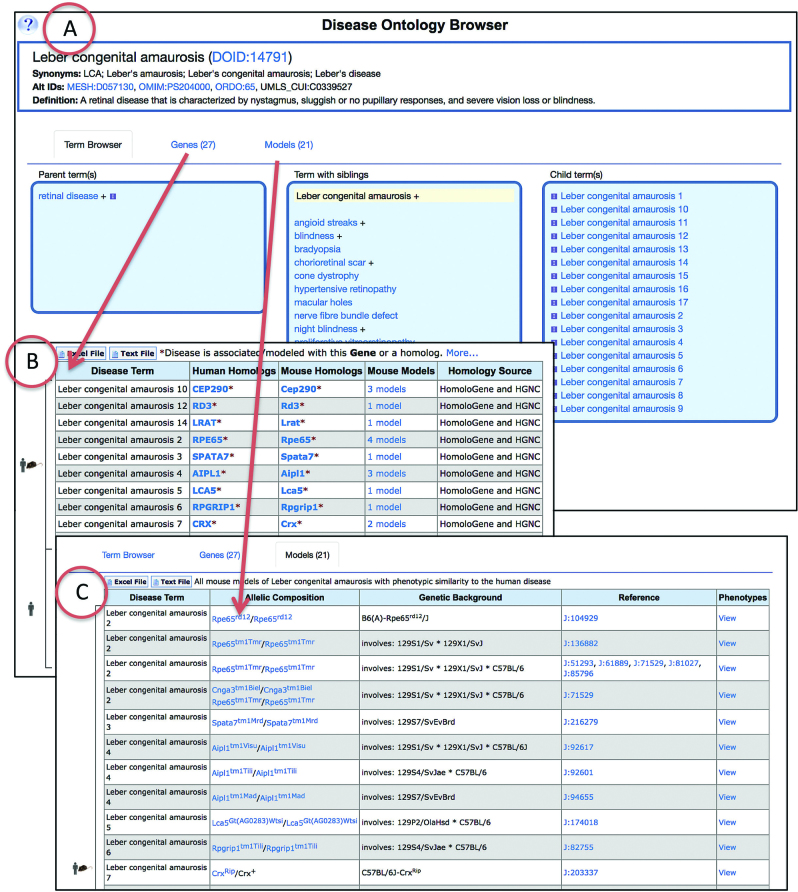
The Mouse Genome Database (MGD; http://www.informatics.jax.org) is the key community mouse database which supports basic, translational and computational research by providing integrated data on the genetics, genomics, and biology of the laboratory mouse. MGD serves as the source for biological reference data sets related to mouse genes, gene functions, phenotypes and disease models with an increasing emphasis on the association of these data to human biology and disease. We report here on recent enhancements to this resource, including improved access to mouse disease model and human phenotype data and enhanced relationships of mouse models to human disease.
Overview
The claims and statistics of this paper haven’t been checked yet.
Free: it reads the open-access text and checks the first 5 claims that cite a source we can check. Create a free account to check every claim.
Integrity signals
Registry
Cites
Statistics
Figures
Verification
Claims the paper makes
The claims and statistics of this paper haven’t been checked yet.
Free: it reads the open-access text and checks the first 5 claims that cite a source we can check. Create a free account to check every claim.
Claims other papers make about this one
Each is checked against this paper’s own text: does it say what the citing paper says it does?
In the citing paper
“Analysis of the osteocyte transcriptome signature showed it was enriched with genes associated with skeletal biological processes in the GO database40 (4.5-fold-enrichment (FE), P = 1.0 × 10−67), and with skeletal phenotypes in the Mouse Genome Informatics database41 (MGI, 2.7 FE, P = 4.7 × 10⁻³⁵).”
From Osteocyte transcriptome mapping identifies a molecular landscape controlling skeletal homeostasis and susceptibility to skeletal disease (2021) · cites this paper as [41]
Self-check
Percentages, sums and reported differences re-computed from the paper’s own numbers.
The self-check needs the paper’s full text.
Citations
Cites
Gene Ontology Consortium: going forward
The Gene Ontology Consortium (2015) · Nucleic Acids Research · doi:10.1093/nar/gku1179 · Cited by 3,492
Amberger, J. S., Bocchini, C. A., Schiettecatte, F., Scott, A. F., & Hamosh, A. (2015) · Nucleic Acids Research · doi:10.1093/nar/gku1205 · Cited by 2,691
The Human Phenotype Ontology in 2017
Köhler, S., Vasilevsky, N. A., Engelstad, M., Foster, E., McMurry, J., Aymé, S., Baynam, G., Bello, S. M., Boerkoel, C. F., Boycott, K. M., et al. (2017) · Nucleic Acids Research · doi:10.1093/nar/gkw1039 · Cited by 754 · cited 5×
“MGD has also implemented a new browser created by MGI that features the Human Phenotype Ontology (17) developed by Peter Robinson and colleagues (http://www. informatics.jax.org/vocab/hp ontology).”
MethodResultInfluentialSelf-citationThe diversity outbred mouse population
Churchill, G. A., Gatti, D. M., Munger, S. C., & Svenson, K. L. (2012) · Mammalian Genome · doi:10.1007/s00335-012-9414-2 · Cited by 458 · cited 1×
“Resources such as the Collaborative Cross (6) and Diversity Outbred projects (7) capture most of the genetic variation present in laboratory mouse strains and serve as unique platforms for studies of human relevant quantitative traits and complex inherited syndromes.”
BackgroundGlobal genetic analysis in mice unveils central role for cilia in congenital heart disease
Li, Y., Klena, N. T., Gabriel, G. C., Liu, X., Kim, A. J., Lemke, K., Chen, Y., Chatterjee, B., Devine, W., Damerla, R. R., et al. (2015) · Nature · doi:10.1038/nature14269 · Cited by 432
Self-citationThe Mouse Genome Database (MGD): facilitating mouse as a model for human biology and disease
Eppig, J. T., Blake, J. A., Bult, C. J., Kadin, J. A., Richardson, J. E., & The Mouse Genome Database Group (2015) · Nucleic Acids Research · doi:10.1093/nar/gku967 · Cited by 357 · cited 1×
“org/batch) (21) is used for retrieving bulk data about lists of genome features.”
MethodSelf-citationThe mammalian gene function resource: the international knockout mouse consortium
Bradley, A., Anastassiadis, K., Ayadi, A., Battey, J. F., Bell, C., Birling, M.-C., Bottomley, J., Brown, S. D., Bürger, A., Bult, C. J., et al. (2012) · Mammalian Genome · doi:10.1007/s00335-012-9422-2 · Cited by 312 · cited 1×
“All of the DMDD mouse lines are derived from International Knockout Mouse Consortium (IKMC)’s Knockout Mouse Project (KOMP) or European Conditional Mouse Mutagenesis Program (EUCOMM) ES cells (19) or CRISPR-induced lines (20).”
MethodSelf-citationMouse Genome Database (MGD)-2017: community knowledge resource for the laboratory mouse
Blake, J. A., Eppig, J. T., Kadin, J. A., Richardson, J. E., Smith, C. L., Bult, C. J., & the Mouse Genome Database Group (2017) · Nucleic Acids Research · doi:10.1093/nar/gkw1040 · Cited by 262 · cited 1×
“The Mouse Genome Database (MGD) is the primary community knowledgebase for mouse phenotype and gene function and mouse models of human disease (9).”
BackgroundSelf-citationTen Years of the Collaborative Cross
Threadgill, D. W., & Churchill, G. A. (2012) · Genetics · doi:10.1534/genetics.111.138032 · Cited by 186
Smith, C. L., & Eppig, J. T. (2012) · Mammalian Genome · doi:10.1007/s00335-012-9421-3 · Cited by 174 · cited 1×
“The relevance of laboratory mouse to biomedical research includes its extensive experimental genetics capabilities, fullysequenced inbred strain genomes, published genotype to phenotype associations, and data for genome wide coverage of induced variation from mouse large-scale mutagenesis programs (1–4) and reviewed i…”
BackgroundSelf-citation
Cited by
The Gene Ontology Resource: 20 years and still GOing strong
The Gene Ontology Consortium (2019) · Nucleic Acids Research · doi:10.1093/nar/gky1055 · Cited by 4,747
“The GO ribbon visualization metaphor borrows from a viewer originally developed by the Mouse Genome Database team (28), but in contrast, the GO ribbon was developed as a lightweight, reusable widget that can be embedded in any website, and retrieves data directly from the GO resource via API.”
MethodThe BioGRID interaction database: 2019 update
Oughtred, R., Stark, C., Breitkreutz, B.-J., Rust, J., Boucher, L., Chang, C., Kolas, N., O’Donnell, L., Leung, G., McAdam, R., et al. (2019) · Nucleic Acids Research · doi:10.1093/nar/gky1079 · Cited by 1,473
A reference map of the human binary protein interactome
Luck, K., Kim, D.-K., Lambourne, L., Spirohn, K., Begg, B. E., Bian, W., Brignall, R., Cafarelli, T., Campos-Laborie, F. J., Charloteaux, B., et al. (2020) · Nature · doi:10.1038/s41586-020-2188-x · Cited by 1,197
The NASA Twins Study: A multidimensional analysis of a year-long human spaceflight
Garrett-Bakelman, F. E., Darshi, M., Green, S. J., Gur, R. C., Lin, L., Macias, B. R., McKenna, M. J., Meydan, C., Mishra, T., Nasrini, J., et al. (2019) · Science · doi:10.1126/science.aau8650 · Cited by 1,128
The UCSC Genome Browser database: 2019 update
Haeussler, M., Zweig, A. S., Tyner, C., Speir, M. L., Rosenbloom, K. R., Raney, B. J., Lee, C. M., Lee, B. T., Hinrichs, A. S., Gonzalez, J. N., et al. (2019) · Nucleic Acids Research · doi:10.1093/nar/gky1095 · Cited by 877
FlyBase 2.0: the next generation
Thurmond, J., Goodman, J. L., Strelets, V. B., Attrill, H., Gramates, L. S., Marygold, S. J., Matthews, B. B., Millburn, G., Antonazzo, G., Trovisco, V., et al. (2019) · Nucleic Acids Research · doi:10.1093/nar/gky1003 · Cited by 733
Mouse Genome Database (MGD) 2019
Bult, C. J., Blake, J. A., Smith, C. L., Kadin, J. A., Richardson, J. E., the Mouse Genome Database Group, Anagnostopoulos, A., Asabor, R., Baldarelli, R. M., Beal, J. S., et al. (2019) · Nucleic Acids Research · doi:10.1093/nar/gky1056 · Cited by 686
Self-citationNrf2 Activation Promotes Lung Cancer Metastasis by Inhibiting the Degradation of Bach1
Lignitto, L., LeBoeuf, S. E., Homer, H., Jiang, S., Askenazi, M., Karakousi, T. R., Pass, H. I., Bhutkar, A. J., Tsirigos, A., Ueberheide, B., et al. (2019) · Cell · doi:10.1016/j.cell.2019.06.003 · Cited by 573
Developmental cell programs are co-opted in inflammatory skin disease
Reynolds, G., Vegh, P., Fletcher, J., Poyner, E. F. M., Stephenson, E., Goh, I., Botting, R. A., Huang, N., Olabi, B., Dubois, A., et al. (2021) · Science · doi:10.1126/science.aba6500 · Cited by 529
Open Targets Platform: new developments and updates two years on
Carvalho-Silva, D., Pierleoni, A., Pignatelli, M., Ong, C., Fumis, L., Karamanis, N., Carmona, M., Faulconbridge, A., Hercules, A., McAuley, E., et al. (2019) · Nucleic Acids Research · doi:10.1093/nar/gky1133 · Cited by 472
“We list the annotated strain-specific phenotypes and the allelic composition of every laboratory mouse with a knockout gene curated by and available in the Mouse Genome Informatics database (23).”
MethodSafran, M., Rosen, N., Twik, M., BarShir, R., Stein, T. I., Dahary, D., Fishilevich, S., & Lancet, D. (2021) · Practical Guide to Life Science Databases · doi:10.1007/978-981-16-5812-9_2 · Cited by 429
da Silveira, W. A., Fazelinia, H., Rosenthal, S. B., Laiakis, E. C., Kim, M. S., Meydan, C., Kidane, Y., Rathi, K. S., Smith, S. M., Stear, B., et al. (2020) · Cell · doi:10.1016/j.cell.2020.11.002 · Cited by 402
Volpato, V., & Webber, C. (2020) · Disease Models & Mechanisms · doi:10.1242/dmm.042317 · Cited by 379
“…small number of genetic backgrounds within all other major modelling communities (e.g. mouse, fly, etc) has enabled gene function comparison across studies, empowering systematic genotype/phenotype projects and enabling cross-study knowledge gathering (Doetschman et al., 2009; Smith et al., 2018).”
A comprehensive single cell transcriptional landscape of human hematopoietic progenitors
Pellin, D., Loperfido, M., Baricordi, C., Wolock, S. L., Montepeloso, A., Weinberg, O. K., Biffi, A., Klein, A. M., & Biasco, L. (2019) · Nature Communications · doi:10.1038/s41467-019-10291-0 · Cited by 360
RNAcentral: a hub of information for non-coding RNA sequences
The RNAcentral Consortium, Sweeney, B. A., Petrov, A. I., Burkov, B., Finn, R. D., Bateman, A., Szymanski, M., Karlowski, W. M., Gorodkin, J., Seemann, S. E., et al. (2019) · Nucleic Acids Research · doi:10.1093/nar/gky1034 · Cited by 299
Self-citationDEG 15, an update of the Database of Essential Genes that includes built-in analysis tools
Luo, H., Lin, Y., Liu, T., Lai, F.-L., Zhang, C.-T., Gao, F., & Zhang, R. (2021) · Nucleic Acids Research · doi:10.1093/nar/gkaa917 · Cited by 271
Apollo: Democratizing genome annotation
Dunn, N. A., Unni, D. R., Diesh, C., Munoz-Torres, M., Harris, N. L., Yao, E., Rasche, H., Holmes, I. H., Elsik, C. G., & Lewis, S. E. (2019) · PLOS Computational Biology · doi:10.1371/journal.pcbi.1006790 · Cited by 257
Transgenic Mouse Models in Cancer Research
Lampreht Tratar, U., Horvat, S., & Cemazar, M. (2018) · Frontiers in Oncology · doi:10.3389/fonc.2018.00268 · Cited by 214
“Additionally, the mouse genome informatics database (10), the main database resource for the laboratory mouse, lists mutant alleles for each gene in several categories, including “transgenic models” similar to the definition in reference 8 above and “targeted,” which encompasses both targeted knockout and knock-in mod…”
BackgroundA systematic review and standardized clinical validity assessment of male infertility genes
Oud, M. S., Volozonoka, L., Smits, R. M., Vissers, L. E. L. M., Ramos, L., & Veltman, J. A. (2019) · Human Reproduction · doi:10.1093/humrep/dez022 · Cited by 208
“…evidence, we critically reviewed available information from the original articles, cited papers, other (more recent) papers from Pubmed, the Protein Atlas database(Uhlen et al. 2015), the STRING database (Szklarczyk et al. 2017) and the Mouse Genome Informatics database (Smith et al. 2018).”
MethodGene expression imputation across multiple brain regions provides insights into schizophrenia risk
CommonMind Consortium, Huckins, L. M., The Schizophrenia Working Group of the Psychiatric Genomics Consortium, iPSYCH-GEMS Schizophrenia Working Group, Dobbyn, A., Ruderfer, D. M., Hoffman, G., Wang, W., Pardiñas, A. F., Rajagopal, V. M., et al. (2019) · Nature Genetics · doi:10.1038/s41588-019-0364-4 · Cited by 188
Butler, D., Mozsary, C., Meydan, C., Foox, J., Rosiene, J., Shaiber, A., Danko, D., Afshinnekoo, E., MacKay, M., Sedlazeck, F. J., et al. (2021) · Nature Communications · doi:10.1038/s41467-021-21361-7 · Cited by 200
Standing genetic variation as the predominant source for adaptation of a songbird
Lai, Y.-T., Yeung, C. K. L., Omland, K. E., Pang, E.-L., Hao, Y., Liao, B.-Y., Cao, H.-F., Zhang, B.-W., Yeh, C.-F., Hung, C.-M., et al. (2019) · Proceedings of the National Academy of Sciences · doi:10.1073/pnas.1813597116 · Cited by 159
Luo, Y., Xie, C., Brocker, C. N., Fan, J., Wu, X., Feng, L., Wang, Q., Zhao, J., Lu, D., Tandon, M., et al. (2019) · Gastroenterology · doi:10.1053/j.gastro.2019.05.057 · Cited by 172
R2DT is a framework for predicting and visualising RNA secondary structure using templates
Sweeney, B. A., Hoksza, D., Nawrocki, E. P., Ribas, C. E., Madeira, F., Cannone, J. J., Gutell, R., Maddala, A., Meade, C. D., Williams, L. D., et al. (2021) · Nature Communications · doi:10.1038/s41467-021-23555-5 · Cited by 143
Batlle, R., Andrés, E., Gonzalez, L., Llonch, E., Igea, A., Gutierrez-Prat, N., Berenguer-Llergo, A., & Nebreda, A. R. (2019) · Nature Communications · doi:10.1038/s41467-019-10946-y · Cited by 142
Fujimaki, K., Li, R., Chen, H., Della Croce, K., Zhang, H. H., Xing, J., Bai, F., & Yao, G. (2019) · Proceedings of the National Academy of Sciences · doi:10.1073/pnas.1915905116 · Cited by 132
Youlten, S. E., Kemp, J. P., Logan, J. G., Ghirardello, E. J., Sergio, C. M., Dack, M. R. G., Guilfoyle, S. E., Leitch, V. D., Butterfield, N. C., Komla-Ebri, D., et al. (2021) · Nature Communications · doi:10.1038/s41467-021-22517-1 · Cited by 133
Genetic contributors to risk of schizophrenia in the presence of a 22q11.2 deletion
Cleynen, I., Engchuan, W., Hestand, M. S., Heung, T., Holleman, A. M., Johnston, H. R., Monfeuga, T., McDonald-McGinn, D. M., Gur, R. E., Morrow, B. E., et al. (2021) · Molecular Psychiatry · doi:10.1038/s41380-020-0654-3 · Cited by 126
refTSS: A Reference Data Set for Human and Mouse Transcription Start Sites
Abugessaisa, I., Noguchi, S., Hasegawa, A., Kondo, A., Kawaji, H., Carninci, P., & Kasukawa, T. (2019) · Journal of Molecular Biology · doi:10.1016/j.jmb.2019.04.045 · Cited by 126
Biswas, D., Duffley, L., & Pulinilkunnil, T. (2019) · The FASEB Journal · doi:10.1096/fj.201802842rr · Cited by 133
MitoMiner v4.0: an updated database of mitochondrial localization evidence, phenotypes and diseases
Smith, A. C., & Robinson, A. J. (2019) · Nucleic Acids Research · doi:10.1093/nar/gky1072 · Cited by 125
Resident macrophages reprogram toward a developmental state after acute kidney injury
Lever, J. M., Hull, T. D., Boddu, R., Pepin, M. E., Black, L. M., Adedoyin, O. O., Yang, Z., Traylor, A., Jiang, Y., Li, Z., et al. (2019) · JCI Insight · doi:10.1172/jci.insight.125503 · Cited by 128
The mouse Gene Expression Database (GXD): 2019 update
Smith, C. M., Hayamizu, T. F., Finger, J. H., Bello, S. M., McCright, I. J., Xu, J., Baldarelli, R. M., Beal, J. S., Campbell, J., Corbani, L. E., et al. (2019) · Nucleic Acids Research · doi:10.1093/nar/gky922 · Cited by 119
Self-citationLarge-scale discovery of male reproductive tract-specific genes through analysis of RNA-seq datasets
Robertson, M. J., Kent, K., Tharp, N., Nozawa, K., Dean, L., Mathew, M., Grimm, S. L., Yu, Z., Légaré, C., Fujihara, Y., et al. (2020) · BMC Biology · doi:10.1186/s12915-020-00826-z · Cited by 109
Human and mouse essentiality screens as a resource for disease gene discovery
Cacheiro, P., Muñoz-Fuentes, V., Murray, S. A., Dickinson, M. E., Bucan, M., Nutter, L. M. J., Peterson, K. A., Haselimashhadi, H., Flenniken, A. M., Morgan, H., et al. (2020) · Nature Communications · doi:10.1038/s41467-020-14284-2 · Cited by 106
Chromatin accessibility landscape and regulatory network of high-altitude hypoxia adaptation
Xin, J., Zhang, H., He, Y., Duren, Z., Bai, C., Chen, L., Luo, X., Yan, D.-S., Zhang, C., Zhu, X., et al. (2020) · Nature Communications · doi:10.1038/s41467-020-18638-8 · Cited by 122
An Atlas of Protein-Protein Interactions Across Mouse Tissues
Skinnider, M. A., Scott, N. E., Prudova, A., Kerr, C. H., Stoynov, N., Stacey, R. G., Chan, Q. W. T., Rattray, D., Gsponer, J., & Foster, L. J. (2021) · Cell · doi:10.1016/j.cell.2021.06.003 · Cited by 114
Rudolph, J. D., & Cox, J. (2019) · Journal of Proteome Research · doi:10.1021/acs.jproteome.8b00927 · Cited by 103
Mouse germ line mutations due to retrotransposon insertions
Gagnier, L., Belancio, V. P., & Mager, D. L. (2019) · Mobile DNA · doi:10.1186/s13100-019-0157-4 · Cited by 96
Peng, Y., Tang, Y., Lee, S., Zhu, Y., Summers, R. M., & Lu, Z. (2021) · IEEE Transactions on Big Data · doi:10.1109/tbdata.2020.3035935 · Cited by 90
“, figures and tables) provide key information in many scientific documents and are considered in many tasks, including search engine and knowledge base construction [18], [19].”
BackgroundCREB5 promotes invasiveness and metastasis in colorectal cancer by directly activating MET
Wang, S., Qiu, J., Liu, L., Su, C., Qi, L., Huang, C., Chen, X., Zhang, Y., Ye, Y., Ding, Y., et al. (2020) · Journal of Experimental & Clinical Cancer Research · doi:10.1186/s13046-020-01673-0 · Cited by 103
Computational Drug Repurposing: Current Trends
Karaman, B., & Sippl, W. (2018) · Current Medicinal Chemistry · doi:10.2174/0929867325666180530100332 · Cited by 96
The role of epigenetic modifications in neurodevelopmental disorders: A systematic review
Dall’Aglio, L., Muka, T., Cecil, C. A. M., Bramer, W. M., Verbiest, M. M. P. J., Nano, J., Hidalgo, A. C., Franco, O. H., & Tiemeier, H. (2018) · Neuroscience & Biobehavioral Reviews · doi:10.1016/j.neubiorev.2018.07.011 · Cited by 78
Liu-Wei, W., Kafkas, Ş., Chen, J., Dimonaco, N. J., Tegnér, J., & Hoehndorf, R. (2021) · Bioinformatics · doi:10.1093/bioinformatics/btab147 · Cited by 74
Overbey, E. G., da Silveira, W. A., Stanbouly, S., Nishiyama, N. C., Roque‐Torres, G. D., Pecaut, M. J., Zawieja, D. C., Wang, C., Willey, J. S., Delp, M. D., et al. (2019) · Scientific Reports · doi:10.1038/s41598-019-49453-x · Cited by 82
Charvet, C. J., & Finlay, B. L. (2018) · Frontiers in Neuroscience · doi:10.3389/fnins.2018.00706 · Cited by 76
Hall, L. S., Medway, C. W., Pain, O., Pardiñas, A. F., Rees, E., Escott‐Price, V., Pocklington, A. J., Bray, N. J., Holmans, P., Walters, J., et al. (2019) · Human Molecular Genetics · doi:10.1093/hmg/ddz253 · Cited by 74
The genetics of situs inversus without primary ciliary dyskinesia
Postema, M. C., Carrión-Castillo, A., Fisher, S. E., Vingerhoets, G., & Francks, C. (2020) · Scientific Reports · doi:10.1038/s41598-020-60589-z · Cited by 77
Cipriani, V., Pontikos, N., Arno, G., Sergouniotis, P. I., Lenassi, E., Thawong, P., Daniš, D., Michaelides, M., Webster, A. R., Moore, A. T., et al. (2020) · Genes · doi:10.3390/genes11040460 · Cited by 72
The role of the histone H3 variant CENPA in prostate cancer
Saha, A. K., Contreras-Galindo, R., Niknafs, Y. S., Iyer, M. K., Qin, T., Padmanabhan, K., Siddiqui, J., Palande, M., Wang, C., Qian, B., et al. (2020) · Journal of Biological Chemistry · doi:10.1074/jbc.ra119.010080 · Cited by 70
Casingal, C. R., Kikkawa, T., Inada, H., Sasaki, Y., & Osumi, N. (2020) · Molecular Brain · doi:10.1186/s13041-020-00706-1 · Cited by 71
The Mechanisms and Efficacy of Photobiomodulation Therapy for Arthritis: A Comprehensive Review
Zhang, R., & Qu, J. (2023) · International Journal of Molecular Sciences · doi:10.3390/ijms241814293 · Cited by 75
Hwang, J. H., Seo, J.-H., Beshiri, M. L., Wankowicz, S., Liu, D., Cheung, A., Li, J., Qiu, X., Hong, A. L., Botta, G., et al. (2019) · Cell Reports · doi:10.1016/j.celrep.2019.10.068 · Cited by 70
Kim, A., Savary, C., Dubourg, C., Carré, W., Mouden, C., Hamdi‐Rozé, H., Guyodo, H., Douce, J. L., Génin, E., Campion, D., et al. (2018) · Brain · doi:10.1093/brain/awy290 · Cited by 68
New models for human disease from the International Mouse Phenotyping Consortium
Cacheiro, P., Haendel, M. A., & Smedley, D. P. (2019) · Mammalian Genome · doi:10.1007/s00335-019-09804-5 · Cited by 67
Mechanisms of Developmental Toxicity of Dioxins and Related Compounds
Yoshioka, W., & Tohyama, C. (2019) · International Journal of Molecular Sciences · doi:10.3390/ijms20030617 · Cited by 66
Atypical cerebral palsy: genomics analysis enables precision medicine
Matthews, A., Blydt-Hansen, I., Al-Jabri, B. A., Andersen, J. C., Tarailo‐Graovac, M., Price, M., Selby, K., Demos, M. K., Connolly, M. B., Drögemöller, B. I., et al. (2018) · Genetics in Medicine · doi:10.1038/s41436-018-0376-y · Cited by 64
Barnes, I. H. A., Ibarra-Soria, X., Fitzgerald, S., Gonzalez, J. M., Davidson, C., Hardy, M. P., Manthravadi, D., Van Gerven, L., Jorissen, M., Zeng, Z., et al. (2020) · BMC Genomics · doi:10.1186/s12864-020-6583-3 · Cited by 56
“We compared our set of annotated OR genes and pseudogenes to the gene models present in other databases: RefSeq for both species (14), HORDE for human (15) and MGI for mouse (16).”
ResultThompson, B. S., Davidson, E. A., Liu, W., Nebert, D. W., Bruford, E. A., Zhao, H., Dermitzakis, E. T., Thompson, D. C., & Vasiliou, V. (2020) · Human Genetics · doi:10.1007/s00439-020-02212-9 · Cited by 66
A web server for comparative analysis of single-cell RNA-seq data
Alavi, A., Ruffalo, M., Parvangada, A., Huang, Z., & Bar-Joseph, Z. (2018) · Nature Communications · doi:10.1038/s41467-018-07165-2 · Cited by 60
Predicting candidate genes from phenotypes, functions and anatomical site of expression
Chen, J., Althagafi, A., & Hoehndorf, R. (2020) · Bioinformatics · doi:10.1093/bioinformatics/btaa879 · Cited by 64
A unified nomenclature for vertebrate olfactory receptors
Olender, T., Jones, T. E. M., Twik, M., Bruford, E. A., & Lancet, D. (2020) · BMC Evolutionary Biology · doi:10.1186/s12862-020-01607-6 · Cited by 61
Chromatin capture links the metabolic enzyme AHCY to stem cell proliferation
Aranda, S., Alcaine-Colet, A., Blanco, E., Borràs, E., Caillot, C., Sabidó, E., & Croce, L. D. (2019) · Science Advances · doi:10.1126/sciadv.aav2448 · Cited by 62
Functions and therapeutic potential of protein phosphatase 1: Insights from mouse genetics
Ferreira, M., Beullens, M., Bollen, M., & Eynde, A. V. (2018) · Biochimica et Biophysica Acta (BBA) - Molecular Cell Research · doi:10.1016/j.bbamcr.2018.07.019 · Cited by 59
“org/) [23] as well as scientific literature (Fig.”
BackgroundInfluentialModel organism data evolving in support of translational medicine
Howe, D. G., Blake, J. A., Bradford, Y. M., Bult, C. J., Calvi, B. R., Engel, S. R., Kadin, J. A., Kaufman, T. C., Kishore, R., Laulederkind, S. J. F., et al. (2018) · Lab Animal · doi:10.1038/s41684-018-0150-4 · Cited by 60
Self-citationMusic-listening regulates human microRNA expression
Nair, P. S., Raijas, P., Ahvenainen, M., Philips, A. K., Ukkola‐Vuoti, L., & Järvelä, I. E. (2020) · Epigenetics · doi:10.1080/15592294.2020.1809853 · Cited by 61
Dynamic expression of genes associated with schizophrenia and bipolar disorder across development
Clifton, N. E., Hannon, E. J., Harwood, J. C., Florio, A. D., Thomas, K. L., Holmans, P., Walters, J., O’Donovan, M. C., Owen, M. J., Pocklington, A. J., et al. (2019) · Translational Psychiatry · doi:10.1038/s41398-019-0405-x · Cited by 56
Dolan, M. E., Hill, D. P., Mukherjee, G., McAndrews-Hill, M., Chesler, E. J., & Blake, J. A. (2020) · Scientific Reports · doi:10.1038/s41598-020-77632-8 · Cited by 61
Self-citationVolkmar, N., & Christianson, J. C. (2020) · Journal of Cell Science · doi:10.1242/jcs.243519 · Cited by 51
Figure and caption extraction from biomedical documents
Li, P., Jiang, X., & Shatkay, H. (2019) · Bioinformatics · doi:10.1093/bioinformatics/btz228 · Cited by 49
Functional and population genetic features of copy number variations in two dairy cattle populations
Lee, Y.-L., Bosse, M., Mullaart, E., Groenen, M. A. M., Veerkamp, R. F., & Bouwman, A. C. (2020) · BMC Genomics · doi:10.1186/s12864-020-6496-1 · Cited by 61
CYP2J2 Molecular Recognition: A New Axis for Therapeutic Design
Das, A., Weigle, A. T., Arnold, W. R., Kim, J. S., Carnevale, L. N., & Huff, H. C. (2020) · Pharmacology & Therapeutics · doi:10.1016/j.pharmthera.2020.107601 · Cited by 49
A Survey of Gene Prioritization Tools for Mendelian and Complex Human Diseases
Zolotareva, O., & Kleine, M. (2019) · Journal of Integrative Bioinformatics · doi:10.1515/jib-2018-0069 · Cited by 46
Yang, L., Yang, Y., Yuan, J., Sun, Y., Dai, J., & Su, B. (2018) · Cerebral Cortex · doi:10.1093/cercor/bhy286 · Cited by 46
“More importantly, in the mouse gene-knockout models (Mouse Genome Informatics, http://www.informatics.jax.org), 10 genes showed abnormal behavioral or neural defects (Table 1).”
MethodIntegrated Analysis of Whole Exome Sequencing and Copy Number Evaluation in Parkinson’s Disease
Alyemni, E. A., Monies, D., Alkhairallah, T., Bohlega, S., Abouelhoda, M. I., Magrashi, A. I., Mustafa, A., Al-Abdulaziz, B., Al‐Hamed, M. H., Baz, B., et al. (2019) · Scientific Reports · doi:10.1038/s41598-019-40102-x · Cited by 46
Harzandi, A., Lee, S., Bidkhori, G., Saha, S. K., Hendry, B. M., Mardinoğlu, A., Shoaie, S., & Sharpe, C. C. (2020) · iScience · doi:10.1016/j.isci.2021.102046 · Cited by 46
Ehrmann, I. E., Crichton, J. H., Gazzara, M. R., James, K., Liu, Y., Grellscheid, S. N., Curk, T., de Rooij, D. G., Steyn, J. S., Cockell, S., et al. (2019) · eLife · doi:10.7554/elife.39304 · Cited by 45
Dawes, R., Lek, M., & Cooper, S. T. (2019) · npj Genomic Medicine · doi:10.1038/s41525-019-0081-z · Cited by 44
Deep learning decodes the principles of differential gene expression
Tasaki, S., Gaiteri, C., Mostafavi, S., & Wang, Y. (2020) · Nature Machine Intelligence · doi:10.1038/s42256-020-0201-6 · Cited by 44
Strategies to Uplift Novel Mendelian Gene Discovery for Improved Clinical Outcomes
Seaby, E. G., Rehm, H. L., & O’Donnell‐Luria, A. (2021) · Frontiers in Genetics · doi:10.3389/fgene.2021.674295 · Cited by 46
Jivanji, S., Worth, G., Lopdell, T. J., Yeates, A., Couldrey, C., Reynolds, E., Tiplady, K., McNaughton, L., Johnson, T. J. J., Davis, S. R., et al. (2019) · Genetics Selection Evolution · doi:10.1186/s12711-019-0506-2 · Cited by 41
Egbert, J. R., Fahey, P. G., Reimer, J., Owen, C. M., Evsikov, A. V., Nikolaev, V. O., Griesbeck, O., Ray, R. S., Tolias, A. S., & Jaffe, L. A. (2019) · Biology of Reproduction · doi:10.1093/biolre/ioz085 · Cited by 54
Microarray analysis of miRNA expression profiles following whole body irradiation in a mouse model
Aryankalayil, M. J., Chopra, S., Makinde, A. Y., Eke, I., LEVIN, J. M., Shankavaram, U. T., MacMillan, L., Vanpouille‐Box, C., Demaria, S., & Coleman, C. N. (2018) · Biomarkers · doi:10.1080/1354750x.2018.1479771 · Cited by 40
An interaction-based model for neuropsychiatric features of copy-number variants
Jensen, M., & Girirajan, S. (2019) · PLoS Genetics · doi:10.1371/journal.pgen.1007879 · Cited by 43
Vitsios, D., & Petrovski, S. (2020) · The American Journal of Human Genetics · doi:10.1016/j.ajhg.2020.03.012 · Cited by 40
Butenko, S., Satyanarayanan, S. K., Assi, S., Schif‐Zuck, S., Barkan, D., Sher, N., & Ariel, A. (2020) · Frontiers in Immunology · doi:10.3389/fimmu.2020.00405 · Cited by 39
mTOR Signaling Pathway Regulates Sperm Quality in Older Men
Silva, J. V., Cabral, M., Correia, B. R., Carvalho, P., Sousa, M., Oliveira, P. F., & Fardilha, M. (2019) · Cells · doi:10.3390/cells8060629 · Cited by 47
Supervised learning is an accurate method for network-based gene classification
Liu, R., Mancuso, C. A., Yannakopoulos, A., Johnson, K. A., & Krishnan, A. (2020) · Bioinformatics · doi:10.1093/bioinformatics/btaa150 · Cited by 38
EM-mosaic detects mosaic point mutations that contribute to congenital heart disease
Hsieh, A., Morton, S. U., Willcox, J. A. L., Gorham, J., Tai, A. C., Qi, H., DePalma, S. R., McKean, D. M., Griffin, E., Manheimer, K. B., et al. (2020) · Genome Medicine · doi:10.1186/s13073-020-00738-1 · Cited by 35
A comparative study of endoderm differentiation in humans and chimpanzees
Blake, L. E., Thomas, S. M., Blischak, J., Hsiao, C. J., Chavarria, C. I., Myrthil, M., Gilad, Y., & Pavlovic, B. J. (2018) · Genome biology · doi:10.1186/s13059-018-1490-5 · Cited by 42
Dynamic Alternative Splicing During Mouse Preimplantation Embryo Development
Xing, Y., Yang, W., Liu, G., Cui, X., Meng, H., Zhao, H., Zhao, X., Li, J., Liu, Z., Zhang, M. Q., et al. (2020) · Frontiers in Bioengineering and Biotechnology · doi:10.3389/fbioe.2020.00035 · Cited by 38
Genomic Basis of Convergent Island Phenotypes in Boa Constrictors
Card, D. C., Adams, R. H. J., Schield, D. R., Perry, B. W., Corbin, A. B., Pasquesi, G. I. M., Row, K., Kleeck, M. J. V., Daza, J. M., Booth, W., et al. (2019) · Genome Biology and Evolution · doi:10.1093/gbe/evz226 · Cited by 36
Zhang, T., Chen, J., Zhang, J., Guo, Y., Zhou, X., Li, M., Zheng, Z., Zhang, T., Murphy, R. W., Nevo, E., et al. (2021) · Molecular Ecology · doi:10.1111/mec.16174 · Cited by 36
Toward Development of the Male Pill: A Decade of Potential Non-hormonal Contraceptive Targets
Kent, K., Johnston, M., Strump, N., & Garcia, T. X. (2020) · Frontiers in Cell and Developmental Biology · doi:10.3389/fcell.2020.00061 · Cited by 33
Kelley, C. M., Ginsberg, S. D., Alldred, M. J., Strupp, B. J., & Mufson, E. J. (2019) · Developmental Neurobiology · doi:10.1002/dneu.22700 · Cited by 31
“All genes represented by the membrane embedded probes were re‐identified using the Mouse Genome Informatics (MGI) online databases accessed September 2018 (Jackson Laboratories, Bar Harbor, ME, USA) (Smith et al., 2018) and represent the most recent nomenclature using genome build GRCm38.”
MethodLewis, M. A., Domenico, F. D., Ingham, N. J., Prosser, H. M., & Steel, K. P. (2021) · Disease Models & Mechanisms · doi:10.1242/dmm.047225 · Cited by 32
Meta-analysis of gene expression profiles in preeclampsia
Vennou, K. E., Kontou, P. I., Braliou, G. G., & Bagos, P. G. (2019) · Pregnancy Hypertension · doi:10.1016/j.preghy.2019.12.007 · Cited by 32
Mistry, B. V., Alanazi, M., Fitwi, H., Al‐Harazi, O., Rajab, M., Altorbag, A., Almohanna, F., Çolak, D., & Assiri, A. M. (2020) · BMC Genomics · doi:10.1186/s12864-020-07016-9 · Cited by 29
Genetic association of FMRP targets with psychiatric disorders
Clifton, N. E., Rees, E., Holmans, P., Pardiñas, A. F., Harwood, J. C., Florio, A. D., Kirov, G., Walters, J., O’Donovan, M. C., Owen, M. J., et al. (2020) · Molecular Psychiatry · doi:10.1038/s41380-020-00912-2 · Cited by 33
Validation of Hepatocellular Carcinoma Experimental Models for TGF-β Promoting Tumor Progression
Mancarella, S., Krol, S., Crovace, A. M., Leporatti, S., Dituri, F., Frusciante, M., & Giannelli, G. (2019) · Cancers · doi:10.3390/cancers11101510 · Cited by 29
Metadata
- Authors
- Smith, C. L., Blake, J. A., Kadin, J. A., Richardson, J. E., Bult, C. J., & the Mouse Genome Database Group
- Affiliations
- Jackson Laboratory (US)
- Corresponding author
- Smith, Cynthia L
- Venue
- Nucleic Acids Research
- Publisher
- Oxford University Press (OUP)
- Published
- 2017-10-30
- Volume
- 46
- Issue
- D1
- Pages
- D836-D842
- ISSN
- 0305-1048 (ISSN-L)
- 1362-4962
- PMC
- PMC5753350
- OpenAlex
- W2786189816
- Cited by
- 219
- References
- 21
- Citations by year
- 2026: 2 · 2025: 7 · 2024: 9 · 2023: 9 · 2022: 6 · 2021: 17 · 2020: 62 · 2019: 75 · 2018: 30
- FWCI
- 18.89
- Type
- journal article
- Language
- en
- Open access
- gold
- doi.org
- Licence
- Locations
- Nucleic Acids Research (publishedVersion, cc-by)
- PubMed Central (publishedVersion, cc-by)
- PubMed (publishedVersion)
- The Mouseion at the JAXlibrary (Jackson Laboratory) (submittedVersion, cc-by)
- Funders
- National Institutes of Health (HG000330)
- National Human Genome Research Institute (HG000330, U41HG002223, R25HG007053, U41HG000330, HG002223, HG007053)
- National Cancer Institute (P30CA034196)
- Topics
- Health Sciences › Medicine › Health Informatics › Biomedical Text Mining and Ontologies
- Life Sciences › Biochemistry, Genetics and Molecular Biology › Molecular Biology › Bioinformatics and Genomic Networks
- Life Sciences › Biochemistry, Genetics and Molecular Biology › Molecular Biology › Genomics and Phylogenetic Studies
- Keywords
- Mouse Genome Database, laboratory mice, mouse genetics, mouse genomics, mouse phenotypes, mouse models of human disease, human disease models, gene function, knowledge base
- MeSH terms
- Animals, Disease Models, Animal, Humans, Software, Species Specificity, User-Computer Interface, Information Storage and Retrieval, Genome, Access to Information, Genomics, Databases, Genetic, Mice, Web Browser, Data Curation
About these checks
Registry, retraction, Cites and statistics results are computed, not judged, with one exception: a printed reference that no index lists is read once by a model before it counts as a citation error. Claims are extracted by a model and kept only when their quote appears verbatim in the text; each cited source is then checked, with a model’s help, for whether it says what the claim relies on. Those verdicts can be wrong — read the claim’s quote and the cited source before relying on one.
Statistics and arithmetic are recomputed, not judged.
Confidence bands are shown only for fields calibrated on our annotated test set. None is calibrated yet, so no band is shown.
What counts as a claim ›How we measure confidence ›How we check this ›
Are you an author, or do you see a problem with this page? Request a review
Data sources
Bibliographic data: Semantic Scholar, OpenAlex, Crossref.
Contains information from the Semantic Scholar Academic Graph Datasets, made available under the ODC Attribution License (ODC-BY 1.0).
Semantic Scholar’s data is described in: Kinney, R., et al. (2023). The Semantic Scholar Open Data Platform. arXiv:2301.10140.
