

The mouse Gene Expression Database (GXD): 2019 update
Open accessThe DOI matches its Crossref record; 12 of the 15 references it cites were found in a registry or an index.
Abstract
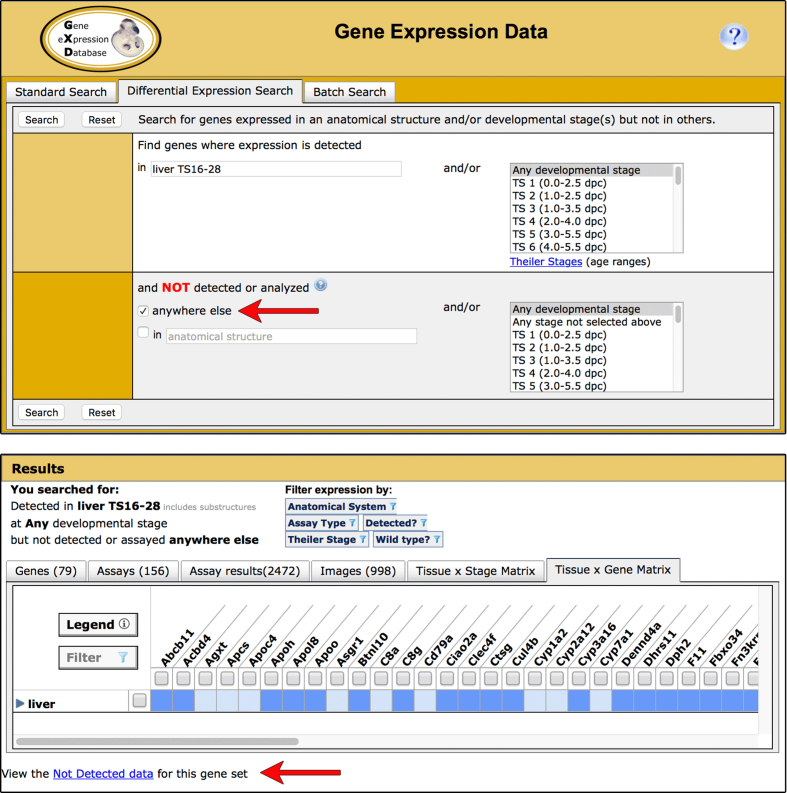
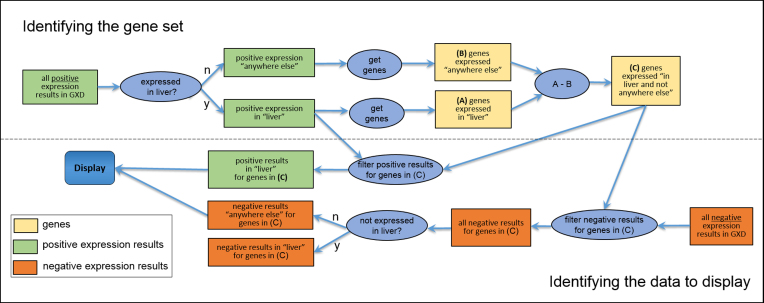
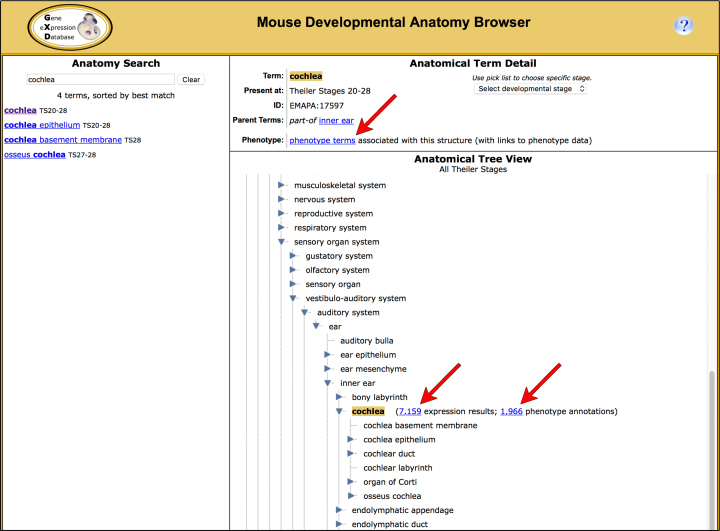
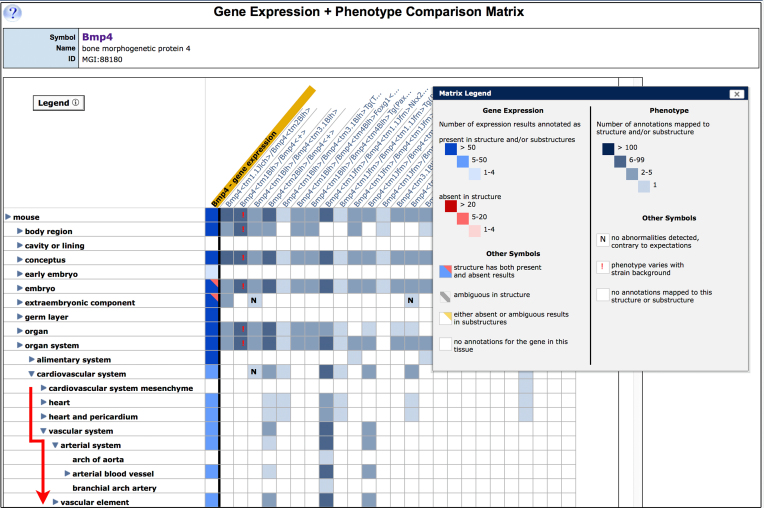
The mouse Gene Expression Database (GXD) is an extensive, well-curated community resource freely available at www.informatics.jax.org/expression.shtml. Covering all developmental stages, GXD includes data from RNA in situ hybridization, immunohistochemistry, RT-PCR, northern blot and western blot experiments in wild-type and mutant mice. GXD's gene expression information is integrated with the other data in Mouse Genome Informatics and interconnected with other databases, placing these data in the larger biological and biomedical context. Since the last report, the ability of GXD to provide insights into the molecular mechanisms of development and disease has been greatly enhanced by the addition of new data and by the implementation of new web features. These include: improvements to the Differential Gene Expression Data Search, facilitating searches for genes that have been shown to be exclusively expressed in a specified structure and/or developmental stage; an enhanced anatomy browser that now provides access to expression data and phenotype data for a given anatomical structure; direct access to the wild-type gene expression data for the tissues affected in a specific mutant; and a comparison matrix that juxtaposes tissues where a gene is normally expressed against tissues, where mutations in that gene cause abnormalities.
Overview
The claims and statistics of this paper haven’t been checked yet.
Free: it reads the open-access text and checks the first 5 claims that cite a source we can check. Create a free account to check every claim.
Integrity signals
Registry
Cites
Statistics
Figures
Verification
Claims the paper makes
The claims and statistics of this paper haven’t been checked yet.
Free: it reads the open-access text and checks the first 5 claims that cite a source we can check. Create a free account to check every claim.
Claims other papers make about this one
Each is checked against this paper’s own text: does it say what the citing paper says it does?
The check wasn’t confident either way, so it gives no verdict — never disputed.
In the citing paper
“Most (15/16) of nearby genes or 3D interaction genes were expressed in branchial arch and embryo ectoderm in mice [36,37].”
From Combined genome-wide association study of 136 quantitative ear morphology traits in multiple populations reveal 8 novel loci (2023) · cites this paper as [36]
Experimental — accuracy not yet measured
Self-check
Percentages, sums and reported differences re-computed from the paper’s own numbers.
The self-check needs the paper’s full text.
Citations
Cites
Mouse Genome Database (MGD)-2018: knowledgebase for the laboratory mouse
Smith, C. L., Blake, J. A., Kadin, J. A., Richardson, J. E., Bult, C. J., & the Mouse Genome Database Group (2018) · Nucleic Acids Research · doi:10.1093/nar/gkx1006 · Cited by 219
Self-citationSmith, C. L., & Eppig, J. T. (2012) · Mammalian Genome · doi:10.1007/s00335-012-9421-3 · Cited by 174 · cited 1×
“MGD, another important component of MGI, uses the Mammalian Phenotype (MP) Ontology to annotate phenotypic data (11).”
MethodSelf-citationUnification of multi-species vertebrate anatomy ontologies for comparative biology in Uberon
Haendel, M. A., Balhoff, J. P., Bastian, F. B., Blackburn, D. C., Blake, J. A., Bradford, Y., Comte, A., Dahdul, W. M., Dececchi, T. A., Druzinsky, R. E., et al. (2014) · Journal of Biomedical Semantics · doi:10.1186/2041-1480-5-21 · Cited by 164 · cited 1×
“The MP ontology incorporates equivalence axioms to anatomical concepts in the cross-species UBERON anatomy ontology (12), and UBERON includes cross-references to EMAPA.”
MethodSelf-citationA Database for Mouse Development
Ringwald, M., Baldock, R., Bard, J., Kaufman, M. H., Eppig, J. T., Richardson, J. E., Nadeau, J. H., & Davidson, D. R. (1994) · Science · doi:10.1126/science.8091224 · Cited by 110 · cited 1×
“Designed as an open-ended system that can integrate different types of expression data, GXD collects RNA and protein expression information from RNA in situ hybridization, immunohistochemistry, in situ reporter (knock in), RT-PCR, northern blot and western blot experiments (1,2).”
BackgroundSelf-citationThe mouse Gene Expression Database (GXD): 2017 update
Finger, J. H., Smith, C. M., Hayamizu, T. F., McCright, I. J., Xu, J., Law, M., Shaw, D. R., Baldarelli, R. M., Beal, J. S., Blodgett, O., et al. (2017) · Nucleic Acids Research · doi:10.1093/nar/gkw1073 · Cited by 76 · cited 2×
“Based on our previous work on Tissue-by-Gene expression matrix displays (8), we have developed an interactive matrix view that allows users to compare gene expression and phenotype data for a given gene (Figure 4).”
BackgroundMethodSelf-citationEMAP/EMAPA ontology of mouse developmental anatomy: 2013 update
Hayamizu, T. F., Wicks, M. N., Davidson, D. R., Burger, A., Ringwald, M., & Baldock, R. (2013) · Journal of Biomedical Semantics · doi:10.1186/2041-1480-4-15 · Cited by 51 · cited 1×
“GXD uses the Mouse Developmental Anatomy (EMAPA) Ontology to describe gene expression patterns (9,10).”
MethodSelf-citationMouse anatomy ontologies: enhancements and tools for exploring and integrating biomedical data
Hayamizu, T. F., Baldock, R. A., & Ringwald, M. (2015) · Mammalian Genome · doi:10.1007/s00335-015-9584-9 · Cited by 48 · cited 1×
“GXD uses the Mouse Developmental Anatomy (EMAPA) Ontology to describe gene expression patterns (9,10).”
MethodSelf-citationGXD: a Gene Expression Database for the laboratory mouse
Ringwald, M., Mangan, M. E., Eppig, J. T., Kadin, J. A., Richardson, J. E., & the Gene Expression Database Group (1999) · Nucleic Acids Research · doi:10.1093/nar/27.1.106 · Cited by 39
Self-citationGXD: a community resource of mouse Gene Expression Data
Smith, C. M., Finger, J. H., Hayamizu, T. F., McCright, I. J., Xu, J., Eppig, J. T., Kadin, J. A., Richardson, J. E., & Ringwald, M. (2015) · Mammalian Genome · doi:10.1007/s00335-015-9563-1 · Cited by 24
Self-citationSmith, C. M., Finger, J. H., Kadin, J. A., Richardson, J. E., & Ringwald, M. (2014) · Developmental Dynamics · doi:10.1002/dvdy.24155 · Cited by 20 · cited 1×
“GXD and its user interfaces have been described previously (6,7).”
MethodSelf-citation
Cited by
Mouse Genome Database (MGD) 2019
Bult, C. J., Blake, J. A., Smith, C. L., Kadin, J. A., Richardson, J. E., the Mouse Genome Database Group, Anagnostopoulos, A., Asabor, R., Baldarelli, R. M., Beal, J. S., et al. (2019) · Nucleic Acids Research · doi:10.1093/nar/gky1056 · Cited by 686
Self-citationPadeken, J., Methot, S. P., & Gasser, S. M. (2022) · Nature Reviews Molecular Cell Biology · doi:10.1038/s41580-022-00483-w · Cited by 514
Mouse genome database (MGD): Knowledgebase for mouse-human comparative biology
Blake, J. A., Baldarelli, R., Kadin, J. A., Richardson, J. E., Smith, C. L., Bult, C. J., the Mouse Genome Database Group, Anagnostopoulos, A. V., Beal, J. S., Bello, S. M., et al. (2021) · Nucleic Acids Research · doi:10.1093/nar/gkaa1083 · Cited by 422
Self-citationMouse Genome Informatics: an integrated knowledgebase system for the laboratory mouse
Baldarelli, R. M., Smith, C. L., Ringwald, M., Richardson, J. E., Bult, C. J., Mouse Genome Informatics Group, Anagnostopoulos, A., Begley, D. A., Bello, S. M., Christie, K., et al. (2024) · GENETICS · doi:10.1093/genetics/iyae031 · Cited by 227
“It is composed of several interrelated resources, the core being the Mouse Genome Database (MGD) (Blake et al. 2021) and the Gene Expression Database (GXD) (Finger et al. 2017; Smith et al. 2019).”
BackgroundMethodSelf-citationThe Bgee suite: integrated curated expression atlas and comparative transcriptomics in animals
Bastian, F. B., Roux, J., Niknejad, A., Comte, A., Fonseca Costa, S. S., de Farias, T. M., Moretti, S., Parmentier, G., de Laval, V. R., Rosikiewicz, M., et al. (2021) · Nucleic Acids Research · doi:10.1093/nar/gkaa793 · Cited by 188
The mouse Gene Expression Database (GXD): 2021 update
Baldarelli, R. M., Smith, C. M., Finger, J. H., Hayamizu, T. F., McCright, I. J., Xu, J., Shaw, D. R., Beal, J. S., Blodgett, O., Campbell, J., et al. (2020) · Nucleic Acids Research · doi:10.1093/nar/gkaa914 · Cited by 172
“liver and no evidence of expression in any other structure [see (2) for more detail].”
BackgroundSelf-citationIncomplete lineage sorting and phenotypic evolution in marsupials
Feng, S., Bai, M., Rivas-González, I., Li, C., Liu, S., Tong, Y., Yang, H., Chen, G., Xie, D., Sears, K. E., et al. (2022) · Cell · doi:10.1016/j.cell.2022.03.034 · Cited by 178
Hunker, A. C., Soden, M. E., Krayushkina, D., Heymann, G., Awatramani, R. B., & Zweifel, L. S. (2020) · Cell Reports · doi:10.1016/j.celrep.2020.02.092 · Cited by 128
Revealing the role of the human blood plasma proteome in obesity using genetic drivers
Zaghlool, S. B., Sharma, S., Molnar, M., Matías-García, P. R., Elhadad, M. A., Waldenberger, M., Peters, A., Rathmann, W., Graumann, J., Gieger, C., et al. (2021) · Nature Communications · doi:10.1038/s41467-021-21542-4 · Cited by 102
SOMDE: a scalable method for identifying spatially variable genes with self-organizing map
Hao, M., Hua, K., & Zhang, X. (2021) · Bioinformatics · doi:10.1093/bioinformatics/btab471 · Cited by 115
Epigenetic activation of a RAS/MYC axis in H3.3K27M-driven cancer
Pajovic, S., Siddaway, R., Bridge, T., Sheth, J., Rakopoulos, P., Kim, B., Ryall, S. T., Agnihotri, S., Phillips, L., Yu, M., et al. (2020) · Nature Communications · doi:10.1038/s41467-020-19972-7 · Cited by 71
Defining the Role of Anti- and Pro-inflammatory Outcomes of Interleukin-6 in Mental Health
García‐Juárez, M., & Camacho‐Morales, A. (2022) · Neuroscience · doi:10.1016/j.neuroscience.2022.03.020 · Cited by 79
KDM5A mutations identified in autism spectrum disorder using forward genetics
Hayek, L. E., Tuncay, İ. O., Nijem, N., Russell, J. L., Ludwig, S. M., Kaur, K. J., Li, X., Anderton, P. D., Tang, M., Gerard, A., et al. (2020) · eLife · doi:10.7554/elife.56883 · Cited by 66
“It is expressed ubiquitously in humans and mice (Smith et al., 2019), including in the brain (Figure 1— figure supplement 2).”
BackgroundReorganized 3D Genome Structures Support Transcriptional Regulation in Mouse Spermatogenesis
Luo, Z., Wang, X., Jiang, H., Wang, R., Chen, J., Chen, Y., Xu, Q., Cao, J., Gong, X., Wu, J., et al. (2020) · iScience · doi:10.1016/j.isci.2020.101034 · Cited by 61
“1-5 from MGI-Mouse Gene Expression Database (Smith et al., 2019).”
BackgroundResultInfluentialMouse Genome Informatics (MGI): latest news from MGD and GXD
Ringwald, M., Richardson, J. E., Baldarelli, R. M., Blake, J. A., Kadin, J. A., Smith, C. L., & Bult, C. J. (2021) · Mammalian Genome · doi:10.1007/s00335-021-09921-0 · Cited by 57
“This browser, used to search for anatomical structures and to look up the associated expression data, has been enhanced to display phenotype data associated with corresponding structures as well (Smith et al. 2019).”
MethodSelf-citationThe Rat: A Model Used in Biomedical Research
Smith, J. R., Bolton, E. R., & Dwinell, M. R. (2019) · Methods in molecular biology · doi:10.1007/978-1-4939-9581-3_1 · Cited by 73
Assessing evolutionary and developmental transcriptome dynamics in homologous cell types
Feregrino, C., & Tschopp, P. (2021) · Developmental Dynamics · doi:10.1002/dvdy.384 · Cited by 62
Ghosh, A., Syed, S. M., Kumar, M., Carpenter, T. J., Teixeira, J. M., Houairia, N., Negi, S., & Tanwar, P. S. (2020) · Cell Reports · doi:10.1016/j.celrep.2020.107631 · Cited by 54
“During early embryonic development, CSPG4 is broadly expressed in mesenchymal cells, and later on, its expression is limited to a subset of mesenchymal cells known as pericytes (Smith et al., 2019).”
BackgroundInfluentialMechanistic Drivers of Müllerian Duct Development and Differentiation Into the Oviduct
González, L. S., Rota, I. A., Artibani, M., Morotti, M., Hu, Z., Wietek, N. C., Alsaadi, A., Albukhari, A., Sauka‐Spengler, T., & Ahmed, A. A. (2021) · Frontiers in Cell and Developmental Biology · doi:10.3389/fcell.2021.605301 · Cited by 56
Vijayakumar, S., Conway, M., Lió, P., & Angione, C. (2017) · Briefings in Bioinformatics · doi:10.1093/bib/bbx053 · Cited by 56
Biological Network Approaches and Applications in Rare Disease Studies
Zhang, P., & Itan, Y. (2019) · Genes · doi:10.3390/genes10100797 · Cited by 50
Rödelsperger, C., Ebbing, A., Sharma, D. R., Okumura, M., Sommer, R. J., & Korswagen, H. C. (2020) · Molecular Biology and Evolution · doi:10.1093/molbev/msaa207 · Cited by 47
“However, for a long time, their small body size has also hindered the generation of large-scale tissue-specific expression catalogs that are comparable to mammals (Dupuy et al. 2007; Spencer et al. 2011; GTEx Consortium 2013; Smith et al. 2019).”
BackgroundHistone H1 facilitates restoration of H3K27me3 during DNA replication by chromatin compaction
Liu, C., Yu, J., Song, A., Wang, M., Hu, J., Chen, P., Zhao, J., & Li, G. (2023) · Nature Communications · doi:10.1038/s41467-023-39846-y · Cited by 50
“To address the correlation between restoration rate and gene function in mESCs, we next collected the housekeeping, ES-speci fi c, bivalent and tissue-speci fi c gene lists from publications 31 – 36 and divided H3K27me3 target genes into four categories.”
Orekhov, A. N., Oishi, Y., Nikiforov, N. G., Zhelankin, A. V., Dubrovsky, L., Sobenin, I. A., Kel, A. E., Stelmashenko, D., Makeev, V. J., Foxx, K. K., et al. (2018) · Current Pharmaceutical Design · doi:10.2174/1381612824666180911120039 · Cited by 43
Beyond Neurons: Long Distance Communication in Development and Cancer
McMillen, P. T., Oudin, M. J., Levin, M. G., & Payne, S. L. (2021) · Frontiers in Cell and Developmental Biology · doi:10.3389/fcell.2021.739024 · Cited by 40
“Once TAMs are recruited to the tumor site, they in turn secrete factors that act on tumor cells to support their growth and metastasis (Coussens et al., 2000) and suppress the immune response against cancer cells (Solinas et al., 1950; Pathria et al., 2019).”
BackgroundKaplow, I. M., Schäffer, D. E., Wirthlin, M. E., Lawler, A. J., Brown, A. R., Kleyman, M., & Pfenning, A. R. (2022) · BMC Genomics · doi:10.1186/s12864-022-08450-7 · Cited by 39
Hepatic FGF21: Its Emerging Role in Inter-Organ Crosstalk and Cancers
Sui, Y., & Chen, J. (2022) · International Journal of Biological Sciences · doi:10.7150/ijbs.76924 · Cited by 36
“Considering the extremely low/absent expression of FGF21 detected in the visual system [82], it is plausible to postulate that the protective effect of FGF21 on the eye is mainly realized by the circulating FGF21, though further studies are necessary.”
Janda, E., Nepveu, F., Calamini, B., Ferry, G., & Boutin, J. A. (2020) · Molecular Pharmacology · doi:10.1124/molpharm.120.000105 · Cited by 33
“In adult mice, the tissue expression pattern is similar, except for a low or undetectable expression in skeletal muscles (Long and Jaiswal, 2000a; Smith et al., 2019).”
BackgroundVersatile enzymology and heterogeneous phenotypes in cobalamin complementation type C disease
Esser, A. J., Mukherjee, S., Dereven’kov, I. А., Makarov, S. V., Jacobsen, D. W., Spiekerkoetter, U., & Hannibal, L. (2022) · iScience · doi:10.1016/j.isci.2022.104981 · Cited by 32
“Colonic bacteria produce structural analogs of vitamin B12 (Allen and Stabler, 2008; Sokolovskaya et al., 2020) that have been reported to inhibit the two B12dependent enzymes in rodents (Stabler et al., 1991) and humans (Bito et al., 2020; Sokolovskaya et al., 2021, 2019).”
Oligodendrocyte precursor cells prune axons in the mouse neocortexPreprint
Buchanan, J., Elabbady, L., Collman, F., Jorstad, N. L., Bakken, T. E., Ott, C. M., Glatzer, J. C., Bleckert, A., Bodor, Á. L., Brittan, D., et al. (2021) · bioRxiv (Cold Spring Harbor Laboratory) · doi:10.1101/2021.05.29.446047 · Cited by 28
RGS14 Regulation of Post-Synaptic Signaling and Spine Plasticity in Brain
Harbin, N. H., Bramlett, S. N., Montañez‐Miranda, C., Terzioğlu, G., & Hepler, J. R. (2021) · International Journal of Molecular Sciences · doi:10.3390/ijms22136823 · Cited by 24
“Data were aggregated from the following sources: ProteomicsDB [49], Mouse Gene Expression Database (GXD) [50], Global Proteome Machine Database (GPMDB) [51], Allen Human Brain Atlas [52], Allen Mouse Brain Atlas [53], Human Protein Atlas [54], Ensembl [55], Evans et al. 2014 [27], Squires et al. 2018 [26], and Foster…”
MethodAxin-Mediated Regulation of Lifespan and Muscle Health in C. elegans Requires AMPK-FOXO Signaling
Mallick, A., Ranawade, A., van den Berg, W., & Gupta, B. P. (2020) · iScience · doi:10.1016/j.isci.2020.101843 · Cited by 30
µ-Crystallin: A thyroid hormone binding protein
Kinney, C. J., & Bloch, R. J. (2021) · Endocrine Regulations · doi:10.2478/enr-2021-0011 · Cited by 30
“Some Crym expressing organs such as the renal medulla of the kidney increase in expression of Crym postnatally while other organs continue to express Crym, albeit at lower levels than in utero (Smith et al. 2019).”
BackgroundHomologous gene regulatory networks control development of apical organs and brains in Bilateria
Feuda, R., & Peter, I. S. (2022) · Science Advances · doi:10.1126/sciadv.abo2416 · Cited by 28
Hecker, N., Lächele, U., Stuckas, H., Giere, P., & Hiller, M. (2019) · Molecular Ecology · doi:10.1111/mec.15180 · Cited by 26
Mitochondrial spongiotic brain disease: astrocytic stress and harmful rapamycin and ketosis effect
Ignatenko, O., Nikkanen, J., Kononov, A., Zamboni, N., Ince-Dunn, G., & Suomalainen, A. (2020) · Life Science Alliance · doi:10.26508/lsa.202000797 · Cited by 25
“12-Cre used to generate TwKOastro is expressed by subpopulations of neurons in the mouse cortex, and by specific peripheral tissues (Bush et al, 1998; Smith et al, 2019).”
MethodQuantitative Proteomics Links the LRRC59 Interactome to mRNA Translation on the ER Membrane
Hannigan, M. M., Hoffman, A. M., Thompson, J. W., Zheng, T., & Nicchitta, C. V. (2020) · Molecular & Cellular Proteomics · doi:10.1074/mcp.ra120.002228 · Cited by 24
Absence of Atg7 in the liver disturbed hepatic regeneration after liver injury
Römermann, D., Ansari, N., Moreira, A. R. S., Michael, A., Marhenke, S., Hardtke‐Wolenski, M., Longerich, T., Manns, M. P., Wedemeyer, H. H., Vogel, A., et al. (2020) · Liver International · doi:10.1111/liv.14425 · Cited by 28
Riddle, M. R., Aspiras, A. C., Damen, F., Hutchinson, J. N., Chinnapen, D. J. ‐., Tabin, J. A., & Tabin, C. J. (2020) · Journal of Experimental Zoology Part B Molecular and Developmental Evolution · doi:10.1002/jez.b.22954 · Cited by 24
Cell-to-cell variation in gene expression and the aging process
Mendenhall, A., Martin, G. M., Kaeberlein, M. R., & Anderson, R. M. (2021) · GeroScience · doi:10.1007/s11357-021-00339-9 · Cited by 23
Exome sequencing of families from Ghana reveals known and candidate hearing impairment genes
Wonkam, A., Adadey, S. M., Schrauwen, I., Aboagye, E. T., Wonkam‐Tingang, E., Esoh, K. K., Popel, K., Manyisa, N. R., Jonas, M., de Kock, C. A., et al. (2022) · Communications Biology · doi:10.1038/s42003-022-03326-8 · Cited by 24
A portal to visualize transcriptome profiles in mouse models of neurological disorders
Al-Ouran, R., Wan, Y.-W., Mangleburg, C. G., Lee, T. V., Allison, K., Shulman, J. M., & Liu, Z. (2019) · Genes · doi:10.3390/genes10100759 · Cited by 19
In Vitro, In Vivo, and In Silico Methods for Assessment of Muscle Size and Muscle Growth Regulation
Rupert, J. E., Jengelley, D. H. A., & Zimmers, T. A. (2020) · Shock · doi:10.1097/shk.0000000000001498 · Cited by 20
“Detailed explanations and instructions are available at the website and are frequently updated (80).”
BackgroundSTAT3 maintains skin barrier integrity by modulating SPINK5 and KLK5 expression in keratinocytes
Kim, J., Kim, M., Jeong, S. H., Kim, H. J., & Son, S. W. (2021) · Experimental Dermatology · doi:10.1111/exd.14445 · Cited by 18
Fu, C., Lou, S., Zhu, G., Fan, L., Yu, X., Zhu, W., Ma, L., Wang, L., & Pan, Y. (2021) · Frontiers in Cell and Developmental Biology · doi:10.3389/fcell.2021.631057 · Cited by 19
SSSPTA is essential for serine palmitoyltransferase function during development and hematopoiesis
Parthibane, V., Lin, J. P., Acharya, D., Abimannan, T., Madabushi, S. S., Klarmann, K. D., Yang, A., Soheilian, F., Nagashima, K., Fox, S. D., et al. (2021) · Journal of Biological Chemistry · doi:10.1016/j.jbc.2021.100491 · Cited by 18
SGID: a comprehensive and interactive database of the silkworm
Zhu, Z., Guan, Z., Liu, G., Wang, Y.-W., & Zhang, Z. (2019) · Database · doi:10.1093/database/baz134 · Cited by 18
“, 2018) for Drosophila and MGI (Bult et al., 2019; Smith et al., 2019) for mouse.”
IL11 activates the placental inflammasome to drive preeclampsia
Menkhorst, E. M., Santos, L. L., Zhou, W., Yang, G., Winship, A., Rainczuk, K., Nguyen, P., Zhang, J., Moore, P., Williams, M., et al. (2023) · Frontiers in Immunology · doi:10.3389/fimmu.2023.1175926 · Cited by 20
“mRNA were identified and kept according to MGI-Mouse Gene Expression Database (GXD) (28).”
MethodLindberg, F. A., Nordenankar, K., & Fredriksson, R. (2022) · Frontiers in Behavioral Neuroscience · doi:10.3389/fnbeh.2022.840987 · Cited by 16
“5-8.75) (Smith et al., 2019).”
InfluentialGlial Bmal1 role in mammalian retina daily changes
Riccitelli, S., Boi, F., Lonardoni, D., Giantomasi, L., Barca‐Mayo, O., Tonelli, D. D. P., Bisti, S., Marco, S. D., & Berdondini, L. (2022) · Scientific Reports · doi:10.1038/s41598-022-25783-1 · Cited by 14
Bender, J. M., & Worman, H. J. (2021) · Journal of Clinical and Translational Hepatology · doi:10.14218/jcth.2020.00171 · Cited by 15
Lim, J., Ramesh, A., Shioda, T., Leon, K., & Luderer, U. (2021) · Endocrinology · doi:10.1210/endocr/bqab228 · Cited by 13
Hub Proteins Involved in RAW 264.7 Macrophages Exposed to Direct Current Electric Field
Li, H., Liu, S., Du, Y., Tan, J., Luo, J., & Sun, Y. (2020) · International Journal of Molecular Sciences · doi:10.3390/ijms21124505 · Cited by 13
“org) [37,38] [date of retrieving data: August 12, 2019].”
Protocol to Design, Clone, and Validate sgRNAs for In Vivo Reverse Genetic Studies
Hunker, A. C., & Zweifel, L. S. (2020) · STAR Protocols · doi:10.1016/j.xpro.2020.100070 · Cited by 16
Beatty, A. E., & Schwartz, T. S. (2020) · Physiological Genomics · doi:10.1152/physiolgenomics.00059.2020 · Cited by 13
Nahia, K. A., Migdał, M., Quinn, T. A., Poon, K., Łapiński, M., Sulej, A., Liu, J., Mondal, S. S., Pawlak, M., Bugajski, Ł., et al. (2021) · Cellular and Molecular Life Sciences · doi:10.1007/s00018-021-03939-y · Cited by 14
“Signatures were retrieved from MGI and ZFIN databases and used to identify molecular markers associated with AVC expressed in the studied dataset (padj 0.05).”
InfluentialPostnatal expression of IGF2 is the norm in amniote vertebrates
Beatty, A. E., Rubin, A. M., Wada, H., Heidinger, B. J., Hood, W. R., & Schwartz, T. S. (2022) · Proceedings of the Royal Society B Biological Sciences · doi:10.1098/rspb.2021.2278 · Cited by 11
Nim, H. T., Dang, L., Thiyagarajah, H., Bakopoulos, D., See, M., Charitakis, N., Sibbritt, T., Eichenlaub, M. P., Archer, S. K., Fossat, N., et al. (2021) · Genome Biology · doi:10.1186/s13059-021-02539-0 · Cited by 11
The HAPSTR2 retrogene buffers stress signaling and resilience in mammals
Amici, D. R., Cingoz, H., Alasady, M. J., Alhayek, S., Phoumyvong, C. M., Sahni, N., Yi, S. S., & Mendillo, M. L. (2023) · Nature Communications · doi:10.1038/s41467-022-35697-1 · Cited by 12
Cytokine Receptor-Like Factor 3 (CRLF3) Contributes to Early Zebrafish Hematopoiesis
Taznin, T., Perera, K. L., Gibert, Y., Ward, A. C., & Liongue, C. (2022) · Frontiers in Immunology · doi:10.3389/fimmu.2022.910428 · Cited by 9
Mouat, M. A., Jackson, K. L., Coleman, J. L. J., Paterson, M. R., Graham, R. M., Head, G. A., & Smith, N. J. (2021) · Frontiers in Pharmacology · doi:10.3389/fphar.2020.600266 · Cited by 9
The effects of Tbx15 and Pax1 on facial and other physical morphology in mice
Qian, Y., Xiong, Z., Li, Y., Kayser, M., Liu, L., & Liu, F. (2021) · FASEB BioAdvances · doi:10.1096/fba.2021-00094 · Cited by 10
Li, Y., Xiong, Z., Zhang, M., Hysi, P. G., Qian, Y., Adhikari, K., Weng, J., Wu, S., Du, S., Gonzalez-Jose, R., et al. (2023) · PLOS Genetics · doi:10.1371/journal.pgen.1010786 · Cited by 9
Sun, Y., Zuo, Z., & Kuang, Y. (2021) · International Journal of Molecular Sciences · doi:10.3390/ijms22094456 · Cited by 10
“org) [24,25] (date of retrieving data: 11 January 2021).”
Vitiello, D., Dakhovnik, A., Statzer, C., & Ewald, C. Y. (2021) · Frontiers in Genetics · doi:10.3389/fgene.2021.694033 · Cited by 11
“Since our analyzed datasets did not include any neuronal tissues, we confirmed that these genes are expressed in non-neuronal tissues using the Mouse Gene Expression Database (Smith et al., 2018) ( Supplementary Figure 1 ).”
MethodPerry, M. N., Smith, C. M., Onda, H., Ringwald, M., Murray, S. A., & Smith, C. L. (2021) · Mammalian Genome · doi:10.1007/s00335-021-09909-w · Cited by 8
Self-citationCilia, C., Friggieri, D., Vassallo, J., Xuereb‐Anastasi, A., & Formosa, M. M. (2022) · Genes · doi:10.3390/genes13020204 · Cited by 8
“Sequential variant filtering included: (i) dominant inheritance in confirmed affected (osteoporotic) relatives (III1, III4 and III5) retaining heterozygous variants, and removal of all variants fitting a dominant or recessive inheritance pattern for the unaffected relative (II10); (ii) removal of benign SNVs and InDel…”
Abudahab, S., Kronfol, M. M., Dozmorov, M. G., Campbell, T. J., Jahr, F. M., Nguyen, J., AlAzzeh, O., Saeedy, D. A., Victor, A., Lee, S., et al. (2024) · GeroScience · doi:10.1007/s11357-024-01137-9 · Cited by 9
“Liver-expressed genes in adult mice comprised the background set (GXD, Mouse Genome Informatics [31]).”
BackgroundRecent Applications of RNA Sequencing in Food and Agriculture
Sripathi, V. R., Anche, V. C., Gossett, Z. B., & Walker, L. T. (2021) · IntechOpen eBooks · doi:10.5772/intechopen.97500 · Cited by 8
Magri, C., Vitali, E., Cocco, S., Giacopuzzi, E., Rinaudo, M., Martini, P. G. V., Barbon, A., Grassi, C., & Gennarelli, M. (2021) · International Journal of Molecular Sciences · doi:10.3390/ijms22147629 · Cited by 8
Keratinocyte-derived TGFβ is not required to maintain skin immune homeostasis
Yang, Y., Zenke, Y., Hirai, T., & Kaplan, D. H. (2019) · Journal of Dermatological Science · doi:10.1016/j.jdermsci.2019.04.008 · Cited by 7
“K14 is reported to be expressed in mucosal epithelia [28].”
BackgroundLiongue, C., & Ward, A. C. (2025) · International Journal of Molecular Sciences · doi:10.3390/ijms26083498 · Cited by 6
“CRLF3 gene homologues show expression in various neuronal and sensory tissues ) crlf3 mouse [18].”
InfluentialUllah, S., Ullah, F., Rahman, W., Karras, D. A., Ullah, A., Ahmad, G., Ijaz, M., & Gao, T. (2022) · JMIR Cancer · doi:10.2196/35020 · Cited by 7
“Some well-known expression databases including BioXpress [33], miRCancer [34], and Gene Expression Database [35] are shown in Figure 2A. Ullah et al JMIR CANCER”
MethodRadke, J., Meinhardt, J., Aschman, T., Chua, R. L., Farztdinov, V. M., Lukkassen, S., Ten, F. W., Friebel, E., Ishaque, N., Franz, J., et al. (2023) · medRxiv · doi:10.1101/2023.01.16.22283804 · Cited by 6
Computational translation of mouse models of osteoarthritis predicts human disease
Frost, M., Ball, B. K., Pendyala, M., Douglas, S. R., Brubaker, D. K., & Chan, D. D. (2025) · Osteoarthritis and Cartilage · doi:10.1016/j.joca.2025.09.010 · Cited by 9
The ParaHox gene Cdx4 induces acute erythroid leukemia in mice
Thoene, S., Mandal, T., Naidu, V. M., Quintanilla‐Martínez, L., Rösler, R., Wiese, S., Metzeler, K. H., Herold, T., Haferlach, T., Döhner, K., et al. (2019) · Blood Advances · doi:10.1182/bloodadvances.2019000761 · Cited by 6
Smith, C. M., Kadin, J. A., Baldarelli, R. M., Beal, J. S., Blodgett, O., Giannatto, S. C., Richardson, J. E., & Ringwald, M. (2020) · Database · doi:10.1093/database/baaa002 · Cited by 5
Self-citationLeong, J. C. K., Li, Y., Uesaka, M., Uchida, Y., Omori, A., Hao, M., Wan, W., Dong, Y., Ren, Y., Zhang, S., et al. (2021) · Frontiers in Cell and Developmental Biology · doi:10.3389/fcell.2021.749963 · Cited by 7
Genetic ablation of the preptin-coding portion of Igf2 impairs pancreatic function in female mice
Buckels, E. J., Hsu, H.-L., Buchanan, C. M., Matthews, B. G., & Lee, K. L. (2022) · American Journal of Physiology-Endocrinology and Metabolism · doi:10.1152/ajpendo.00401.2021 · Cited by 5
The contribution of sex chromosome conflict to disrupted spermatogenesis in hybrid house mice
Kopania, E. E. K., Watson, E. M., Rathje, C. C., Skinner, B. M., Ellis, P. J. I., Larson, E. L., & Good, J. M. (2022) · Genetics · doi:10.1093/genetics/iyac151 · Cited by 7
Bellchambers, H. M., Phatak, A. R., Nenni, M. J., Padua, M. B., Gao, H., Liu, Y., & Ware, S. M. (2023) · Scientific Reports · doi:10.1038/s41598-023-36862-2 · Cited by 5
Camacho, J. J., Lin, J. D., McCormack, M., Moon, R., Smith, S. K., Rasweiler, J. J., Behringer, R. R., Tabin, C. J., & Abzhanov, A. (2021) · bioRxiv (Cold Spring Harbor Laboratory) · doi:10.1101/2021.05.17.444516 · Cited by 6
The mouse Gene Expression Database (GXD): 2026 update
Smith, C. M., Hayamizu, T. F., Finger, J. H., McCright, I. J., Xu, J., Campbell, J., Corbani, L. E., Emerson, J., Frost, P. J., Liang, H., et al. (2025) · Nucleic Acids Research · doi:10.1093/nar/gkaf1236 · Cited by 7
“GXD and its user interfaces have been described previously [ 12 –15 ].”
Self-citationStarcher, A. E., Peissig, K. B., Stanton, J. B., Churchill, G. A., Cai, D., Maxwell, J. T., Grider, A., Love, K., Chen, S., Coleman, A. E., et al. (2021) · G3 Genes Genomes Genetics · doi:10.1093/g3journal/jkab293 · Cited by 4
Harris, R. M., Kao, H., Alarcón, J. M., Fenton, A. A., & Hofmann, H. A. (2020) · bioRxiv (Cold Spring Harbor Laboratory) · doi:10.1101/2020.02.05.935759 · Cited by 4
Crk adaptor proteins are necessary for the development of the zebrafish retina
Stergas, H. R., Kalbag, Z., Clair, R. M. S., Talbot, J. C., Ballif, B. A., & Ebert, A. M. (2021) · Developmental Dynamics · doi:10.1002/dvdy.402 · Cited by 3
Dichotomy between the transcriptomic landscape of naturally versus accelerated aged murine hearts
Majo, F. D., Hegenbarth, J.-C., Rühle, F., Bär, C., Thum, T., de Boer, M., Duncker, D. J., Schroen, B. L. M., Armand, A., Stoll, M., et al. (2020) · Scientific Reports · doi:10.1038/s41598-020-65115-9 · Cited by 4
Adachi, K., Kato, D., Kahyo, T., Konishi, T., Sato, T., Madokoro, Y., Mizuno, M., Akatsu, H., Setou, M., & Matsukawa, N. (2021) · Biochemical and Biophysical Research Communications · doi:10.1016/j.bbrc.2021.01.010 · Cited by 3
Engrailed 2 deficiency and chronic stress alter avoidance and motivation behaviors
Phan, M. L., Liu, T. T., Vollbrecht, M. S., Mansour, M. H., Nikodijevic, I., Jadav, N., Patibanda, N., Dang, J., Shekaran, G., Reisler, R. C., et al. (2021) · Behavioural Brain Research · doi:10.1016/j.bbr.2021.113466 · Cited by 4
Somatostatin receptor ligands suppressed proliferation and lipogenesis in 3T3‐L1 preadipocytes
Zhao, Z., Gong, F., Duan, L., Lv, X., Wu, H., Tang, Y., Zhu, H., & Chen, X. (2022) · Basic & Clinical Pharmacology & Toxicology · doi:10.1111/bcpt.13762 · Cited by 3
“Besides, the Mouse Genome Informatics database shows that Sstr1 and Sstr4 were detected to exist in mouse adipose tissues.(14) Consistently, our research demonstrated that Sstr1 and Sstr4 were the two main subtypes expressed in 3T3-L1 cells.”
BackgroundResultHepatoblast Iterative Apicobasal Polarization is Regulated by Extracellular Matrix RemodelingPreprint
Delpierre, J., Valenzuela, J. I., Bovyn, M. J., Martins, N. P., Belicová, L., Repnik, U., Bebelman, M. P., Seifert, S., Haas, P. A., Kalaidzidis, Y. L., et al. (2024) · SSRN Electronic Journal · doi:10.1101/2024.01.30.578046 · Cited by 2
Tatdn2 is required for DNA repair to safeguard genome stability in primordial germ cells
Shang, H., Jiang, P., Wang, Z., Shan, Z., Chen, Y., Zhang, T., Li, Y., & Tu, Q. (2025) · Nucleic Acids Research · doi:10.1093/nar/gkaf1289 · Cited by 2
“According to multiple data resources [ 50 , 59 ], TATDN2 is broadly expressed in adult tissues, including the ovary and testis.”
Knocking-out the human face genes TBX15 and PAX1 in mice alters facial and other physical morphologyPreprint
Yu, Q., Xiong, Z., Li, Y., Zhou, H., Kayser, M., Liu, L., & Liu, F. (2021) · bioRxiv (Cold Spring Harbor Laboratory) · doi:10.1101/2021.05.26.445773 · Cited by 2
“and they showed less body weight and shorter body length [29-31].”
BackgroundBalancing the transcriptome: leveraging sample similarity to improve measures of gene specificity
Bondhus, L., Varma, R., Hernandez, Y., & Arboleda, V. A. (2022) · Briefings in Bioinformatics · doi:10.1093/bib/bbac158 · Cited by 1
Roles for the RNA-Binding Protein Caper in Reproductive Output in Drosophila melanogaster
Tixtha, E. J., Super, M. K., Titus, M. B., Bono, J. M., & Olesnicky, E. C. (2022) · Journal of Developmental Biology · doi:10.3390/jdb11010002 · Cited by 1
Bacterial composition and antibiotic resistome profile of water in the Manila Bay South Harbor
Cardos, H., Dalmacio, L. M. M., & Balolong, M. P. (2023) · SciEnggJ · doi:10.54645/2023162pud-98 · Cited by 2
Mutations in ASH1L cause a neurodevelopmental disorder with sex differences in epilepsy and autismPreprint
Papendorp, C. M., Nolan, E., Higashimori, H., Jhanji, M., Goicouria, L., Pieplow, C. A., Whitley, K., Defreitas, S., Elacio, J., Nie, D. A., et al. (2025) · bioRxiv (Cold Spring Harbor Laboratory) · doi:10.1101/2025.02.21.639570 · Cited by 2
Sezerman, O. U., Bozkurt‐Yozgatli, T., & Isleyen, F. S. (2021) · IntechOpen eBooks · doi:10.5772/intechopen.92738 · Cited by 2
Identification of enamel knot gene signature within the developing mouse molarPreprint
Winchester, E. W., & Cotney, J. L. (2021) · bioRxiv (Cold Spring Harbor Laboratory) · doi:10.1101/2021.06.14.448115
Xu, L., & Herculano‐Houzel, S. (2021) · bioRxiv (Cold Spring Harbor Laboratory) · doi:10.1101/2021.08.20.457147
“Organ-specificity is based on the MGI expression database 37 .”
BackgroundMethod
Metadata
- Authors
- Smith, C. M., Hayamizu, T. F., Finger, J. H., Bello, S. M., McCright, I. J., Xu, J., Baldarelli, R. M., Beal, J. S., Campbell, J., Corbani, L. E., Frost, P. J., Lewis, J. R., Giannatto, S. C., Miers, D., Shaw, D. R., Kadin, J. A., Richardson, J. E., Smith, C. L., & Ringwald, M.
- Affiliations
- Jackson Laboratory (US)
- Corresponding author
- Ringwald, Martin
- ORCID
- Venue
- Nucleic Acids Research
- Publisher
- Oxford University Press (OUP)
- Published
- 2018-10-17
- Volume
- 47
- Issue
- D1
- Pages
- D774-D779
- ISSN
- 0305-1048 (ISSN-L)
- 1362-4962
- PMC
- PMC6324054
- OpenAlex
- W2917411498
- Cited by
- 119
- References
- 15
- Citations by year
- 2026: 1 · 2025: 8 · 2024: 6 · 2023: 12 · 2022: 19 · 2021: 38 · 2020: 23 · 2019: 8 · 2018: 2
- FWCI
- 6.40
- Type
- journal article
- Language
- en
- Open access
- gold
- doi.org
- Licence
- Locations
- Nucleic Acids Research (publishedVersion, cc-by-nc)
- Europe PMC (PubMed Central) (publishedVersion, cc-by-nc)
- PubMed Central (publishedVersion, cc-by-nc)
- PubMed (publishedVersion)
- The Mouseion at the JAXlibrary (Jackson Laboratory) (submittedVersion, cc-by)
- Funders
- National Institutes of Health (HD062499)
- National Human Genome Research Institute (HG000330)
- Topics
- Health Sciences › Medicine › Health Informatics › Biomedical Text Mining and Ontologies
- Life Sciences › Biochemistry, Genetics and Molecular Biology › Molecular Biology › Bioinformatics and Genomic Networks
- Life Sciences › Biochemistry, Genetics and Molecular Biology › Molecular Biology › Developmental Biology and Gene Regulation
- Keywords
- gene expression data, mouse mutants, tissue-specific gene expression, differential gene expression, Mouse Genome Informatics, phenotype data
- MeSH terms
- Animals, User-Computer Interface, Genome, Internet, Databases, Genetic, Mice, Transcriptome
About these checks
Registry, retraction, Cites and statistics results are computed, not judged, with one exception: a printed reference that no index lists is read once by a model before it counts as a citation error. Claims are extracted by a model and kept only when their quote appears verbatim in the text; each cited source is then checked, with a model’s help, for whether it says what the claim relies on. Those verdicts can be wrong — read the claim’s quote and the cited source before relying on one.
Statistics and arithmetic are recomputed, not judged.
Confidence bands are shown only for fields calibrated on our annotated test set. None is calibrated yet, so no band is shown.
What counts as a claim ›How we measure confidence ›How we check this ›
Are you an author, or do you see a problem with this page? Request a review
Data sources
Bibliographic data: Semantic Scholar, OpenAlex, Crossref.
Contains information from the Semantic Scholar Academic Graph Datasets, made available under the ODC Attribution License (ODC-BY 1.0).
Semantic Scholar’s data is described in: Kinney, R., et al. (2023). The Semantic Scholar Open Data Platform. arXiv:2301.10140.
