

Consciousness and complexity: a consilience of evidence
Open accessThe DOI matches its Crossref record; 334 of the 334 references it cites were found in a registry or an index.
Abstract
Over the last years, a surge of empirical studies converged on complexity-related measures as reliable markers of consciousness across many different conditions, such as sleep, anesthesia, hallucinatory states, coma, and related disorders. Most of these measures were independently proposed by researchers endorsing disparate frameworks and employing different methods and techniques. Since this body of evidence has not been systematically reviewed and coherently organized so far, this positive trend has remained somewhat below the radar. The aim of this paper is to make this consilience of evidence in the science of consciousness explicit. We start with a systematic assessment of the growing literature on complexity-related measures and identify their common denominator, tracing it back to core theoretical principles and predictions put forward more than 20 years ago. In doing this, we highlight a consistent trajectory spanning two decades of consciousness research and provide a provisional taxonomy of the present literature. Finally, we consider all of the above as a positive ground to approach new questions and devise future experiments that may help consolidate and further develop a promising field where empirical research on consciousness appears to have, so far, naturally converged.
Overview
The claims and statistics of this paper haven’t been checked yet.
Free: it reads the open-access text and checks the first 5 claims that cite a source we can check. Create a free account to check every claim.
Integrity signals
Registry
Cites
Statistics
Figures
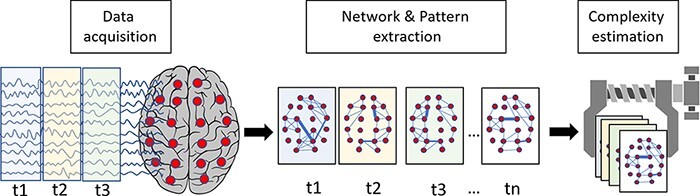
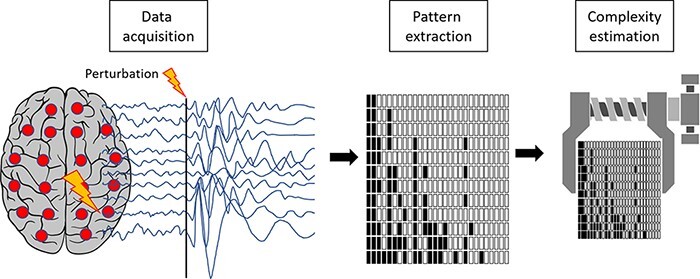
Verification
Claims the paper makes
The claims and statistics of this paper haven’t been checked yet.
Free: it reads the open-access text and checks the first 5 claims that cite a source we can check. Create a free account to check every claim.
Claims other papers make about this one
Each is checked against this paper’s own text: does it say what the citing paper says it does?
The source backs part of the claim, not all of it — or backs it for a different population, condition or comparison.
In the citing paper
“Despite the infeasibility of an exhaustive calculation of the relevant quantities and structures for a realistic system, IIT already provides considerable explanatory and predictive power in many real-world situations, making it eminently testable [4, 57, 58].”
From Integrated information theory (IIT) 4.0: Formulating the properties of phenomenal existence in physical terms (2023) · cites this paper as [58]
Experimental — accuracy not yet measuredThe source backs part of the claim, not all of it — or backs it for a different population, condition or comparison.
In the citing paper
“A growing body of experimental evidence suggests that the patterns of neuronal interactions that are relevant for consciousness must not only be tightly integrated through feedforward and feedback connections but must also be differentiated and information rich.32,168,169”
From An integrative, multiscale view on neural theories of consciousness (2024) · cites this paper as [32]
Experimental — accuracy not yet measuredThe cited source says what the claim attributes to it.
In the citing paper
“A recent empirical convergence has emerged on measures of integration and differentiation holding the promise of a more accurate detection of consciousness.32”
From An integrative, multiscale view on neural theories of consciousness (2024) · cites this paper as [32]
The cited source says what the claim attributes to it.
In the citing paper
“Third, although there are open questions about how far beyond the consensus cases the iterative re fi nement of theories, measures, and tests might eventually take us, some optimism on this front can be drawn from the signi fi cant theoretical [49] and empirical [63] convergence on complexity-related measures of global states of consciousness in humans.”
From Tests for consciousness in humans and beyond (2024) · cites this paper as [49]
The check wasn’t confident either way, so it gives no verdict — never disputed.
In the citing paper
“The external perturbation is typically interpreted in a way that fits the nature of the dream, rather than that of the stimulus169,170.”
From Consciousness and sleep (2024) · cites this paper as [169]
Experimental — accuracy not yet measured
Self-check
Percentages, sums and reported differences re-computed from the paper’s own numbers.
The self-check needs the paper’s full text.
Citations
Cites
Causality: Models, Reasoning, and Inference
Pearl, J. (2009) · doi:10.1017/cbo9780511803161 · Cited by 11,653
Functional and Effective Connectivity: A Review
Friston, K. J. (2011) · Brain Connectivity · doi:10.1089/brain.2011.0008 · Cited by 3,415 · cited 1×
“However, the vast majority of studies (159 in our literature search; see Supplementary Table S1) adopted an observational strategy, often assisted by specific methods to mitigate the risk of confusing correlation with causation (Friston 2011).”
An information integration theory of consciousness
Tononi, G. (2004) · BMC Neuroscience · doi:10.1186/1471-2202-5-42 · Cited by 1,958 · cited 4×
“For example, besides the Integrated Information Theory (Tononi 2004), which represents the direct evolution of the DCH, other frameworks, such as the Global Neuronal Workspace, the Kolmogorov Complexity Theory of Con-sciousness, and the Free Energy Principle, have more recently embraced, albeit…”
InfluentialSteriade, M., Nunez, A., & Amzica, F. (1993) · The Journal of Neuroscience · doi:10.1523/jneurosci.13-08-03252.1993 · Cited by 1,903
(1990) · CaltechAUTHORS (California Institute of Technology) · Cited by 1,661
The Book of Why: The New Science of Cause and Effect
Goldberg, L. R. (2019) · Notices of the American Mathematical Society · doi:10.1090/noti1912 · Cited by 1,655
Tononi, G., Sporns, O., & Edelman, G. M. (1994) · Proceedings of the National Academy of Sciences · doi:10.1073/pnas.91.11.5033 · Cited by 1,626
Tononi, G. (1998) · Science · doi:10.1126/science.282.5395.1846 · Cited by 1,561 · cited 3×
“…if it is part of a distributed functional cluster [i.e. a subset of a neural system with dynamics that display high statistical dependence internally and relatively lower dependence with elements outside the subset (Tononi et al. 1998)] that achieves high integration in hundreds of milliseconds.”
InfluentialCellular and network mechanisms of rhythmic recurrent activity in neocortex
Sanchez-Vives, M. V., & McCormick, D. A. (2000) · Nature Neuroscience · doi:10.1038/79848 · Cited by 1,539
Breakdown of cortical effective connectivity during sleep
Massimini, M., Ferrarelli, F., Huber, R., Esser, S. K., Singh, H., & Tononi, G. (2005) · Science · doi:10.1126/science.1117256 · Cited by 1,534 · cited 2×
“It is worth noting that, also in this case, a small subset of studies (see, e.g. Massimini et al. 2005; Usami et al. 2015) only performed the first step explicitly, thus quantifying the differentiation only in a qualitative manner (i.e. without formally applying quantitative measures to estimate…”
Self-citation
Research works printed but not linked: 1
- 22. Barnett L, Muthukumaraswamy SD, Carhart-Harris RL et al. Decreased directed functional connectivity in the psychedelic state. NeuroImage 2020;209:116462. doi: 10.1016/j.neuroimage.2019.116462 · DOI · Paper page
Cited by
Items 101–175 of 175
Wilsenach, J., Deane, C. M., Reinert, G., & Warnaby, C. E. (2025) · Network Neuroscience · doi:10.1162/netn.a.27 · Cited by 4
“…indicating a high capacity of the state to independently process multiple input streams, while high efficiency allows for fast simultaneous information sharing and integration between brain areas (Meunier, Lambiotte, & Bullmore, 2010; Sarasso et al., 2021; Zamora-López, Zhou, & Kurths, 2010).”
Synchronization, Information, and Brain Dynamics in Consciousness Research
Esteban, F. J., Vargas, E., Langa, J. A., & Toscano, F. S. (2026) · Applied Sciences · doi:10.3390/app16021056 · Cited by 4
Explanation, scope, and perspective: sources of schismogenesis in consciousness science
Ellia, F., & Tsuchiya, N. (2026) · Trends in Cognitive Sciences · doi:10.1016/j.tics.2026.03.005 · Cited by 6
Are disorders of consciousness ‘dis’connection or ‘dys’connection syndromes?
Edlow, B. L., & Massimini, M. (2023) · Brain Communications · doi:10.1093/braincomms/fcad328 · Cited by 3
Self-citationBeni, M. H. H., Hosseinpour, K., Seyednejad, M. R., & Aghajan, H. K. (2025) · Scientific Reports · doi:10.1038/s41598-025-00826-5 · Cited by 3
Sanfey, J. (2024) · Entropy · doi:10.3390/e26080647 · Cited by 4
“The Φ measure appeared in the early years of this century [48,49], when IIT was beginning its fateful shift away from statistical temporal dependencies in dynamical patterns [50], a move that proved conceptually disastrous.”
BackgroundQualia and the Formal Structure of MeaningPreprint
Arsiwalla, X. D. (2024) · PsyArXiv (OSF Preprints) · doi:10.31234/osf.io/ugjh7 · Cited by 3
Ugail, H., & Howard, N. (2025) · arXiv (Cornell University) · doi:10.48550/arxiv.2512.10972 · Cited by 5
“Robustness to realistic noise, duration, and montage variations supports potential empirical and clinical applicability, complementing evidence that complexity-based metrics can remain informative under challenging conditions [7, 21, 22].”
InfluentialBuilding blocks for theories of consciousness
Lopez, A., & Wiese, W. (2025) · Consciousness and Cognition · doi:10.1016/j.concog.2025.103919 · Cited by 3
Altered electrophysiological meta-state dynamics in disorders of consciousness
Nùñez, P., Tewarie, P. K. B., Rodríguez-González, V., Alnagger, N., van der Lande, G., Vitello, M. M., Cardone, P., Thibaut, A., Belloli, L. M. L., Laureys, S., et al. (2025) · NeuroImage · doi:10.1016/j.neuroimage.2025.121519 · Cited by 5
Chen, J. C. C., Sumner, R. L., Thorstensen, E. B., Hannam, J. A., Hoeh, N. R., Ayeni, H. A., Singh, V., Wilson, A. M., Campbell, D., Sundram, F., et al. (2025) · Human Psychopharmacology Clinical and Experimental · doi:10.1002/hup.70022 · Cited by 2
“Recent pharmaco‐EEG investigations have broadened to explore other EEG measures such as Lempel Ziv complexity (LZC) as a measure of consciousness (Sarasso et al. 2021), aperiodic analyses as a measure of excitation‐ inhibition ratio (Pani et al. 2022), and microstates as a measure of cognitive…”
Structural representation and the Newman problem of the brain and AI
Lyre, H. (2025) · Philosophy and the Mind Sciences · doi:10.33735/phimisci.2025.11855 · Cited by 2
Neuroentropy and Consciousness: A Meta-Analytic Review
Palencia, J. L. D. (2025) · BRAIN BROAD RESEARCH IN ARTIFICIAL INTELLIGENCE AND NEUROSCIENCE · doi:10.70594/brain/16.4/16 · Cited by 2
Röhr, H., Atad, D. A., Trautwein, F., Mediano, P. A. M., Dor‐Ziderman, Y., Schweitzer, Y., Berkovich‐Ohana, A., Schmidt, S., & van Vugt, M. K. (2025) · Human Brain Mapping · doi:10.1002/hbm.70440 · Cited by 2
“This is in line with the more general observation that temporal complexity of the signal time course is a reliable marker of different states of consciousness (reviewed in Sarasso et al. 2021).”
Electrophysiological effects of psilocybin co-administered with midazolam
Sutherland, M. H., Nicholas, C. R. N., Lennertz, R. C., Wenthur, C. J., Krause, B. M., Sauder, C. J., Riedner, B. A., Smith, R. F., Hutson, P. R., Raison, C. L., et al. (2026) · Translational Psychiatry · doi:10.1038/s41398-026-03894-x · Cited by 3
“LZC measures the compressibility of time-varying signals by counting the number of non-redundant binary patterns contained in the signal [43], and is associated with the repertoire of brain network states [44].”
Human consciousness and cognition go hand in hand, but require different types of explanations
Boly, M. (2026) · Aperture Neuro · doi:10.52294/001c.158354 · Cited by 2
Advanced meditation, sleep, and consciousness science: An emerging frontier
Bonamino, C., Hausen, C., & Sacchet, M. D. (2026) · Neuroscience & Biobehavioral Reviews · doi:10.1016/j.neubiorev.2026.106741 · Cited by 2
Newman, D., Maschke, C., Mashour, G. A., & Blain‐Moraes, S. (2026) · British Journal of Anaesthesia · doi:10.1016/j.bja.2026.03.082 · Cited by 3
Szymkowicz, E., Alnagger, N., Seyfzadehdarabad, F., Cardone, P., Whyte, J., & Gosseries, O. (2023) · Springer eBooks · doi:10.1007/978-3-031-50563-8_7 · Cited by 3
Electrophysiological Signatures of Alpha Coma
Degano, G., Misirocchi, F., Rigoni, I., Kaplan, P. W., Quintard, H., Vulliémoz, S., Schaller, K., Kleinschmidt, A. K., Seeck, M., & Stefano, P. D. (2025) · Journal of Clinical Neurophysiology · doi:10.1097/wnp.0000000000001141 · Cited by 2
“16,45,46 Our analysis of the sample entropy revealed that alpha-coma patients may exhibit higher unpredictability and less regularity than healthy control subjects.”
Quantifying consciousness through intrinsic probability density function
Huang, N. E., Yuan, W.-S., Yang, A. C., Kuo, T. B. J., Tang, W.-X., Kang, H., Wagner, M., & Liang, W. (2025) · Biological Psychology · doi:10.1016/j.biopsycho.2025.109101 · Cited by 2
Chis-Ciure, R. (2025) · Philosophical Explorations · doi:10.1080/13869795.2025.2550245 · Cited by 3
“Several brain complexity measures derived from the theory’s formalism and their ability to predict consciousness disorder patients’ recovery provide preliminary empirical support (Casali et al. 2013; Sarasso et al. 2021).”
Conceptualizing Consciousness: a Change in Perspective
Aparicio, M. K., & Lazaridis, C. (2023) · Physical Medicine and Rehabilitation Clinics of North America · doi:10.1016/j.pmr.2023.06.021 · Cited by 2
Frohlich, J., Crone, J. S., Mediano, P. A. M., Toker, D., & Bor, D. (2023) · Frontiers in Human Neuroscience · doi:10.3389/fnhum.2023.1256168 · Cited by 2
“came to the surprising conclusion that the complexity of spontaneous EEG signals, often associated with one’s level of consciousness (Sarasso et al., 2021), does not correspond to dream content in the second stage of non-rapid eye movement sleep (NREM2).”
BackgroundShimaoka, D., Hemmi, C., Leung, A., Price, N. S. C., Banks, M. I., Nourski, K. V., & Tsuchiya, N. (2024) · PsyArXiv (OSF Preprints) · doi:10.31234/osf.io/7gync · Cited by 2
On the utility of toy models for theories of consciousnessPreprint
Albantakis, L. (2025) · arXiv (Cornell University) · doi:10.48550/arxiv.2508.00190 · Cited by 3
“One common concern is that consciousness appears to be Gghtly linked to complexity (Sarasso et al. 2021).”
Modeling complexity in multifunctional materials
Pahari, B. R., & Oates, W. S. (2025) · Journal of Intelligent Material Systems and Structures · doi:10.1177/1045389x251336268 · Cited by 1
“This provides exciting opportunities for understanding novel dynamical systems in materials science, biology, dynamical systems, economics, and many other fields (Apolina´rio et al., 2022; Bielinskyi and Serdyuk, 2021; Sarasso et al., 2021).”
Walter, J., Andrillon, T., & Windt, J. (2025) · Neuroscience of Consciousness · doi:10.1093/nc/niaf022 · Cited by 1
“…have been theorized to be linked to the neural mechanisms of consciousness, such as complexity, connectivity, or criticality ( Sitt et al. 2014, Sarasso et al. 2021, Walter and Hinterberger 2022), sleep activity, or brain regions or specific brain networks ( Soddu et al. 2012, Demertzi et al.…”
Dynamic topographies of intrinsic neural timescales: a key role for consciousness
Buccellato, A., Zang, D., Çatal, Y., Ventura, B., Facca, M., Qi, Z., Bisiacchi, P. S., Felice, A. D., Wu, X., & Northoff, G. (2025) · Computers in Biology and Medicine · doi:10.1016/j.compbiomed.2025.111102 · Cited by 2
Neural complexity in preterm infants is predicted by developmental variables
Semeia, L., Zaylaa, A., Metaxas, D., Nourhashemi, M., Mahmoudzadeh, M., Birkenfeld, A. L., Sippel, K., Mediano, P. A. M., Preissl, H. T., Wallois, F., et al. (2025) · PLOS complex systems. · doi:10.1371/journal.pcsy.0000056 · Cited by 2
“…are not exclusive to infancy, but also appear in adults during states of greatly attenuated consciousness such as disorders of consciousness or deep anesthesia [72], our results may also have implications for explaining why neural complexity is also reduced during the absence of consciousness [56].”
Congyu, L., Tewarie, P. K. B., Alnagger, N., Mindlin, I., van der Lande, G., Belloli, L. M. L., Laureys, S., Naccache, L., Rohaut, B., Thibaut, A., et al. (2026) · PLoS Computational Biology · doi:10.1101/2025.10.24.683919 · Cited by 2
“Numerous studies have shown that the complexity of brain signals is tightly linked with conscious experience, indicating that for a system to be able to support consciousness, it must be able to both integrate and differentiate information efficiently 34 .”
On the evolutionary dynamics of complexity and consciousness
Edelman, S. (2026) · Frontiers in Complex Systems · doi:10.3389/fcpxs.2025.1672525 · Cited by 1
On the Speculative Terminology Surrounding AI
Ashruf, C. M. A. (2026) · IEEE Technology and Society Magazine · doi:10.1109/mts.2026.3687052 · Cited by 1
A three-component dynamical index of consciousness-related neural organisation
Ugail, H., & Howard, N. (2026) · Biological Cybernetics · doi:10.1007/s00422-026-01049-1 · Cited by 1
“Recent reviews consolidate these findings, linking complexity, differentiation, and the level of consciousness (Sarasso et al. 2021).”
Measures of differentiation and integration: One step closer to consciousness
Massimini, M., Sarasso, S., Casarotto, S., & Rosanova, M. (2022) · Behavioral and Brain Sciences · doi:10.1017/s0140525x21002016 · Cited by 1
Self-citationNeural Correlates of Consciousness and Complexity
Onoda, K. (2022) · Japanese Journal of Physiological Psychology and Psychophysiology · doi:10.5674/jjppp.2204si · Cited by 1
Insights in consciousness research 2021
Raffone, A., Srinivasan, N., Simione, L., Arsiwalla, X. D., & Kleiner, J. (2023) · Frontiers research topics · doi:10.3389/978-2-8325-2443-5 · Cited by 1
Dynamical measures of developing neuroelectric fields in emerging consciousness
Bosl, W. J., & Capua-Shenkar, J. (2025) · Current Opinion in Behavioral Sciences · doi:10.1016/j.cobeha.2024.101480 · Cited by 1
Intersection of Brain Complexity, Functional Connectivity, and Neuropsychology: A Systematic Review
Targino, R. D. M., Esmeraldo, M. A., Falcão, I. C., & Melo, K. M. (2025) · Cureus · doi:10.7759/cureus.80719 · Cited by 1
“The studies described provide significant findings regarding the logic and operationalization of strategies aimed at empirical complexity measures, while also identifying problems and limitations in this field [2,3].”
Spatiotemporal brain complexity quantifies consciousness outside of perturbation paradigmsPreprint
Breyton, M., Fousek, J., Rabuffo, G., Sorrentino, P., Kusch, L., Massimini, M., Petkoski, S., & Jirsa, V. (2025) · eLife · doi:10.7554/elife.98920.2 · Cited by 3
Self-citationAtad, D. A., Mediano, P. A. M., Trautwein, F., Dor‐Ziderman, Y., Röhr, H., Schweitzer, Y., Nave, O., Fulder, S. J., & Berkovich‐Ohana, A. (2025) · PsyArXiv (OSF Preprints) · doi:10.31234/osf.io/yhavc_v1 · Cited by 1
Newman, D., Maschke, C., O’Byrne, J., Colombo, M. A., Comanducci, A., Casarotto, S., Citerio, G., Rosanova, M., Massimini, M., Jerbi, K., et al. (2026) · bioRxiv (Cold Spring Harbor Laboratory) · doi:10.64898/2026.06.04.730221 · Cited by 1
“Complexity-based accounts have long emphasized that conscious states are distinguished not by maximal activity, but by the capacity to sustain richly differentiated yet integrated dynamics 20-22 .”
Self-citationStatistical diversity distinguishes global states of consciousnessPreprint
Starkey, J., Carhart-Harris, R. L., Pigorini, A., Nobili, L., & Barrett, A. B. (2023) · bioRxiv (Cold Spring Harbor Laboratory) · doi:10.1101/2023.12.05.570101
Champetier, P. (2023) · theses.fr (ABES) · doi:10.70675/323f5d1dz6fd3z49d7z9d48z77d2f3bf899e
Consciousness Makes Sense in the Light of EvolutionPreprint
Grinde, B. (2024) · Qeios · doi:10.32388/av7ywd
Complexity Measures in Diverse Dynamical Regimes and Application to States of ConsciousnessPreprint
Odan, S. (2024) · Preprints.org · doi:10.20944/preprints202410.0649.v1
Zhang, L. (2024) · Applied and Computational Mathematics · doi:10.11648/j.acm.20241305.17
Sharma, K., Deco, G., & Solodkin, A. (2024) · Cognitive Neuropsychology · doi:10.1080/02643294.2024.2420406
“Despite their differences, theories of consciousness generally concur that greater complexity in neural activity correlates with a richer phenomenal experience (Sarasso et al., 2021).”
Methodological Issues in Consciousness Research, volume II
Raffone, A., Overgaard, M., Cleeremans, A., & Simione, L. (2025) · Frontiers research topics · doi:10.3389/978-2-8325-6243-7
Perturbational complexity of cortical responses to thermal painPreprint
Montemagno, K. T., Courtin, A. S., Mulders, D., & Fardo, F. (2025) · bioRxiv (Cold Spring Harbor Laboratory) · doi:10.1101/2025.07.04.663180
EEG Brain Rhythms During Resting‐State Wakefulness and Sleep in Elderly Expert Meditators
Champetier, P., Hamel, A., André, C., Ourry, V., Lacroix, T., Rehel, S., Chauveau, L., Haudry, S., Bertran, F., Sayette, V. D. L., et al. (2025) · Journal of Sleep Research · doi:10.1111/jsr.70161 · Cited by 1
“Although our study did not include questionnaires about mental state to evaluate consciousness during sleep, we analysed EEG complexity, which is considered as an index of the level of consciousness (Sarasso et al. 2021).”
InfluentialDeciphering Complexity in Human Brain Organoids via a Novel Hurst Exponent Estimation
Ferraz, M. S. A., Muotri, A. R., & Kihara, A. H. (2025) · Physical Review Letters · doi:10.1103/kl6z-ctdd · Cited by 2
Neurophysiological Markers of (Dis)Connectedness: Insights from Ketamine
Alnagger, N., Cardone, P., Montupil, J., Annen, J., Martial, C., Bonhomme, V. L., & Gosseries, O. (2025) · Neuromethods · doi:10.1007/978-1-0716-4603-8_8
The interaction between language and consciousness
Aubinet, C., Gosseries, O., & Majerus, S. (2025) · Neuroscience & Biobehavioral Reviews · doi:10.1016/j.neubiorev.2025.106498
(Dis)confirming theories of consciousness and their predictionsPreprint
Negro, N. (2023) · PhilSci-Archive (University of Pittsburgh)
Neuronalne korelaty świadomej treści
Koculak, M. (n.d.) · Jagiellonian University Repository (Jagiellonian University)
Court, C. (2025) · White Rose eTheses Online (University of Leeds, The University of Sheffield, University of York)
Waterman, A. (2026) · PhilPapers (PhilPapers Foundation) · doi:10.5281/zenodo.18319158
Wu, J., Cui, C., Dai, X.-Y., Wang, W., Liu, D.-Q., Wu, H., Gao, S., Zhang, L.-Q., Liu, L., Song, W., et al. (2026) · Journal of Neuroscience · doi:10.1523/jneurosci.1383-25.2026
“Leading consciousness theories posit that brain complexity is a key element of consciousness (Sarasso et al., 2021; Q. Wang et al., 2024; Storm et al., 2024).”
Pharmacotherapy in Disorders of Consciousness: A Mechanism-Based Review
Gillet, A., Geron, C., Vitello, M. M., & Lejeune, N. (2026) · CNS Drugs · doi:10.1007/s40263-026-01274-z
Minds and machines: AI's transformative role in human identity and medicine
Corti, S. P., Ferrucci, R., Angotzi, G. N., Arighi, A., Brambilla, P., Buijs, E. F. M., Carrafiello, G., Crippa, M., Momi, E. D., Debbio, P. D., et al. (2026) · Digital Health · doi:10.1177/20552076251390473
Self-citationVeyrié, A. (2023) · theses.fr (ABES) · doi:10.70675/23e281a7zdc6cz4e1az85e2z9a85f114ce71 · Cited by 1
Temporal and Spectral Neural Complexity Reveal Graded Auditory AwarenessPreprint
Liardi, A., Bor, D., Rosas, F. E., & Mediano, P. A. M. (2026) · bioRxiv (Cold Spring Harbor Laboratory) · doi:10.64898/2026.04.20.719685
“Among the many approaches to finding NCCs, one of the most successful has been the analysis of neural complexity [9– 12], making complexity measures a central tool for probing different levels of consciousness across a wide range of conditions [13].”
Electrophysiological biomarkers of concussion in adolescents measured using magnetoencephalography
Kelardashti, N., Zamyadi, R., Sur, J., Johnston, P. R., Gill, P. K., Irvin, A., Hickling, A., Davis, A. L., Ibrahim, G. M., Wheeler, A. L., et al. (2026) · Clinical Neurophysiology · doi:10.1016/j.clinph.2026.2111898
Dohnány, S., Jerotic, K., Orsenigo, D., Serra, E., Ali, H., Buhler, J., Liu, Z.-Q., Muta, K., Hata, J., Okano, H., et al. (2026) · bioRxiv (Cold Spring Harbor Laboratory) · doi:10.64898/2026.06.06.730576
“Diffusion Map Embedding is a nonlinear manifold learning technique [6, 51] that exploits the properties of the graph Laplacian to model the diffusion process, and is therefore related to harmonic mode decomposition - though performed on functional data rather than using a common structural…”
An analogical abductive argument to assess fetal consciousness
Negro, N. (2026) · Philosophy and the Mind Sciences · doi:10.33735/phimisci.2026.12593 · Cited by 1
“Related approaches can be found in (Sarasso et al., 2021; Seth et al., 2004; Seth and Baars, 2005).”
Shimaoka, D., Hemmi, C., Leung, A., Price, N. S. C., Banks, M. I., Nourski, K. V., & Tsuchiya, N. (2026) · PsyArXiv (OSF Preprints) · doi:10.31234/osf.io/7gync_v2 · Cited by 1
Selte, A., Haworth, S. E., Vanasse, T. J., Alauddin, T., Gjini, K., Philibert‐Rosas, S., Brace, C. J., Sevak, B. N., Riedner, B. A., Aparicio, M. K., et al. (2026) · bioRxiv (Cold Spring Harbor Laboratory) · doi:10.64898/2026.08.16.745040
“(3, 32) However, network estimates can be sensitive to analytic choices, including thresholding and parameter selection, which can affect the stability of global graph metrics.”
Zou, X., Jiang, B., & Zhang, C. (2026) · Frontiers in Neuroscience · doi:10.3389/fnins.2026.1925503
“Unlike PCI, which requires TMS perturbation, the measures used here are computed from resting-state recordings alone.”
InfluentialState-dependent brain responsiveness, from local circuits to the whole brainPreprint
Destexhe, A., Goldman, J. S., Tort‐Colet, N., Roques, A., Fousek, J., Petkoski, S., Jirsa, V., David, O., Jedynak, M., Capone, C., et al. (2026) · eLife · doi:10.7554/elife.108768.2 · Cited by 1
Self-citationAithal, P. S., & Srinivasan, R. (2026) · Poornaprajna International Journal of Philosophy & Languages (PIJPL) · doi:10.64818/pijpl.3107.4634.0058
Inferring brain structural complexity from dynamical measuresPreprint
Gaglioti, G., Cattani, A., Nieus, T. R., Momi, D., Comolatti, R., Porta, L. D., Sarasso, S., & Massimini, M. (2026) · bioRxiv (Cold Spring Harbor Laboratory) · doi:10.64898/2026.10.21.760743
“Empirical neuroscience has developed a diverse toolkit of measures to estimate the integration-differentiation balance from brain activity, especially in humans (47, 48).”
Self-citation
Metadata
- Authors
- Sarasso, S., Casali, A. G., Casarotto, S., Rosanova, M., Sinigaglia, C., & Massimini, M.
- Affiliations
- University of Milan (IT)
- Universidade Federal de São Paulo (BR)
- Corresponding author
- Massimini, Marcello
- ORCID
- Venue
- Neuroscience of Consciousness
- Publisher
- Oxford University Press (OUP)
- Published
- 2021-01-01
- Volume
- 2021
- Issue
- 2
- Pages
- niab023-niab023
- ISSN
- 2057-2107 (ISSN-L)
- PMC
- PMC10941977
- OpenAlex
- W3198228854
- Cited by
- 171
- References
- 333
- Citations by year
- 2026: 26 · 2025: 40 · 2024: 44 · 2023: 39 · 2022: 20 · 2021: 2
- FWCI
- 4.30
- Type
- journal article
- Language
- en
- Open access
- gold
- doi.org
- Locations
- Neuroscience of Consciousness (publishedVersion, cc-by)
- PubMed Central (publishedVersion, cc-by)
- PubMed (publishedVersion)
- Archivio Istituzionale della Ricerca (Universita Degli Studi Di Milano) (submittedVersion, cc-by)
- Funders
- H2020 Future and Emerging Technologies (Specific Grant Agreement No. 945539 (Human Brain P)
- Tiny Blue Dot Foundation
- Regione Lombardia - Fondazione Regionale per la Ricerca Biomedica (ERAPERMED2019-101, GA779282)
- Topics
- Social Sciences › Arts and Humanities › Philosophy › Philosophy and Theoretical Science
- Life Sciences › Neuroscience › Cognitive Neuroscience › Neural dynamics and brain function
- Health Sciences › Medicine › Clinical Neurology › Traumatic Brain Injury Research
- Keywords
- consciousness, complexity measures, sleep, anesthesia, hallucinations, coma, theoretical predictions
About these checks
Registry, retraction, Cites and statistics results are computed, not judged, with one exception: a printed reference that no index lists is read once by a model before it counts as a citation error. Claims are extracted by a model and kept only when their quote appears verbatim in the text; each cited source is then checked, with a model’s help, for whether it says what the claim relies on. Those verdicts can be wrong — read the claim’s quote and the cited source before relying on one.
Statistics and arithmetic are recomputed, not judged.
Confidence bands are shown only for fields calibrated on our annotated test set. None is calibrated yet, so no band is shown.
What counts as a claim ›How we measure confidence ›How we check this ›
Are you an author, or do you see a problem with this page? Request a review
Data sources
Bibliographic data: Semantic Scholar, OpenAlex, Crossref.
Contains information from the Semantic Scholar Academic Graph Datasets, made available under the ODC Attribution License (ODC-BY 1.0).
Semantic Scholar’s data is described in: Kinney, R., et al. (2023). The Semantic Scholar Open Data Platform. arXiv:2301.10140.
