

The DOI matches its Crossref record; 32 of the 32 references it cites were found in a registry or an index.
Applied Rapid Qualitative Analysis to Develop a Contextually Appropriate Intervention and Increase the Likelihood of Uptake
Open accessAbstract
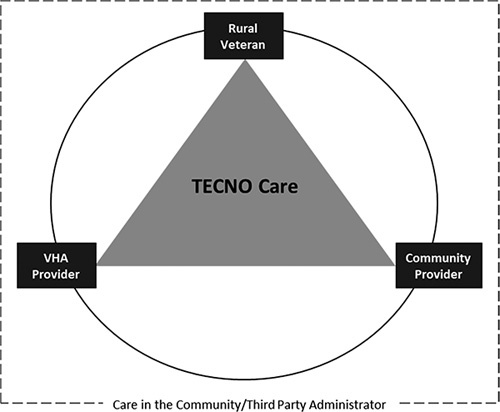
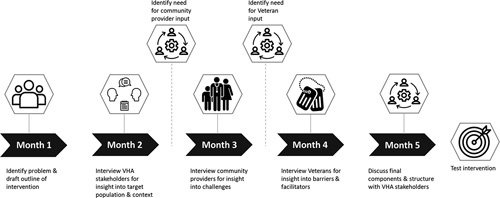
BACKGROUND: Rapid approaches to collecting and analyzing qualitative interview data can accelerate discovery timelines and intervention development while maintaining scientific rigor. We describe the application of these methods to a program designed to improve care coordination between the Veterans Health Administration (VHA) and community providers. METHODS: Care coordination between VHA and community providers can be challenging in rural areas. The Telehealth-based Coordination of Non-VHA Care (TECNO Care) intervention was designed to improve care coordination among VHA and community providers. To ensure contextually appropriate implementation of TECNO Care, we conducted preimplementation interviews with veterans, VHA administrators, and VHA and community providers involved in community care. Using both a rapid approach and qualitative analysis, an interviewer and 1-2 note-taker(s) conducted interviews. RESULTS: Over 5 months, 18 stakeholders were interviewed and we analyzed these data to identify how best to deliver TECNO Care. Responses relevant to improving care coordination include health system characteristics; target population; metrics and outcomes; challenges with the current system; and core components. Veterans who frequently visit VHA or community providers and are referred for additional services are at risk for poor outcomes and may benefit from additional care coordination. Using these data, we designed TECNO Care to include information on VHA services and processes, assist in the timely completion of referrals, and facilitate record sharing. CONCLUSION: Rapid qualitative analysis can inform near real-time intervention development and ensure relevant content creation while setting the stage for stakeholder buy-in. Rigorous and timely analyses support the delivery of contextually appropriate, efficient, high-value patient care.
Overview
The claims and statistics of this paper haven’t been checked yet.
Run the check — free, no account needed. It reads the open-access text and checks the sources it cites.
Integrity signals
Registry
Cites
Statistics
Figures
Verification
Claims the paper makes
The claims and statistics of this paper haven’t been checked yet.
Run the check — free, no account needed. It reads the open-access text and checks the sources it cites.
Claims other papers make about this one
Each is checked against this paper’s own text: does it say what the citing paper says it does?
The source backs part of the claim, not all of it — or backs it for a different population, condition or comparison.
In the citing paper
“Rapid qualitative analysis is useful to obtain targeted qualitative data and comparative results when data collection targets and processes are highly structured [65].”
From Synthetic Lies: Understanding AI-Generated Misinformation and Evaluating Algorithmic and Human Solutions (2023) · cites this paper as [65]
Experimental — accuracy not yet measured
Self-check
Percentages, sums and reported differences re-computed from the paper’s own numbers.
The self-check needs the paper’s full text.
Citations
Cites
Damschroder, L. J., Aron, D. C., Keith, R. E., Kirsh, S. R., Alexander, J. A., & Lowery, J. C. (2009) · Implementation Science · doi:10.1186/1748-5908-4-50 · Cited by 14,496
Sample Size in Qualitative Interview Studies: Guided by Information Power
Malterud, K., Siersma, V. D., & Guassora, A. D. (2016) · Qualitative Health Research · doi:10.1177/1049732315617444 · Cited by 12,703
Gale, N. K., Heath, G., Cameron, E., Rashid, S., & Redwood, S. (2013) · BMC Medical Research Methodology · doi:10.1186/1471-2288-13-117 · Cited by 10,865
Methods for the thematic synthesis of qualitative research in systematic reviews
Thomas, J., & Harden, A. (2008) · BMC Medical Research Methodology · doi:10.1186/1471-2288-8-45 · Cited by 9,312
Avoidable waste in the production and reporting of research evidence
Chalmers, I., & Glasziou, P. (2009) · The Lancet · doi:10.1016/s0140-6736(09)60329-9 · Cited by 2,208
Managing Clinical Knowledge for Health Care Improvement
Balas, E. A., & Boren, S. A. (2000) · Yearbook of Medical Informatics · doi:10.1055/s-0038-1637943 · Cited by 1,479 · cited 9×
“(2) Inner setting, contextual features of the VHA such as the administrative structure and processes that influence health care delivery and care coordination.”
BackgroundMethodInfluentialImplementation science: What is it and why should I care?
Bauer, M. S., & Kirchner, J. (2020) · Psychiatry Research · doi:10.1016/j.psychres.2019.04.025 · Cited by 1,167 · cited 3×
“(4) What are the central care coordination tasks TECNO Care should address? [Intervention characteristics]—We ensured that TECNO Care was neither duplicative nor burdensome to those who would be delivering TECNO Care.”
BackgroundMatrix Analysis as a Complementary Analytic Strategy in Qualitative Inquiry
Averill, J. B. (2002) · Qualitative Health Research · doi:10.1177/104973230201200611 · Cited by 866
Gale, R. C., Wu, J., Erhardt, T., Bounthavong, M., Reardon, C. M., Damschroder, L. J., & Midboe, A. M. (2019) · Implementation Science · doi:10.1186/s13012-019-0853-y · Cited by 846 · cited 3×
“VHA and community providers Community care experiences (1) What conditions or types of patients do you think require better care coordination between VHA and community providers? [Outer setting; patient needs and resources] (2) Who are the key players inside your organization that we should talk with about TECNO? [Pro…”
BackgroundTaylor, B., Henshall, C., Kenyon, S., Litchfield, I., & Greenfield, S. (2018) · BMJ Open · doi:10.1136/bmjopen-2017-019993 · Cited by 659 · cited 1×
“(6) What are the right metrics to assess TECNO Care’s effectiveness? [Process]—We identified which metrics should be followed to assess the program’s impact.”
Background
Cited by
Sorted by citations
Zhou, J., Zhang, Y., Luo, Q., Parker, A. G., & De Choudhury, M. (2023) · Proceedings of the 2023 CHI Conference on Human Factors in Computing Systems · doi:10.1145/3544548.3581318 · Cited by 288
“Rapid qualitative analysis is useful to obtain targeted qualitative data and comparative results when data collection targets and processes are highly structured [65].”
BackgroundKowalski, C. P., Nevedal, A., Finley, E. P., Young, J. P., Lewinski, A. A., Midboe, A. M., & Hamilton, A. B. (2024) · Implementation Science · doi:10.1186/s13012-024-01397-1 · Cited by 206
Self-citationChatGPT as a tool for medical education and clinical decision-making on the wards: Case study
Skryd, A., & Lawrence, K. (2024) · JMIR Formative Research · doi:10.2196/51346 · Cited by 63
“…short-hand attending notes from the clinical sessions and identify both emergent major, minor, and outlier themes and themes specifically related to the use of ChatGPT for real-time ward-based educational contexts; these themes were reviewed and revised between both authors (KL and AS) [10,11].”
BackgroundLee, H. S., Wright, C., Ferranto, J., Buttimer, J., Palmer, C. E., Welchman, A., Mazor, K. M., Fisher, K. A., Smelson, D., O’Connor, L., et al. (2025) · Frontiers in Psychiatry · doi:10.3389/fpsyt.2024.1505024 · Cited by 55
Burden, M. A., Astik, G. J., Auerbach, A. D., Bowling, G., Kangelaris, K. N., Keniston, A., Kochar, A., Leykum, L. K., Linker, A. S., Sakumoto, M., et al. (2024) · JAMA Internal Medicine · doi:10.1001/jamainternmed.2024.1890 · Cited by 52
Schexnayder, J. K., Perry, K. R., Sheahan, K. L., Elliott, N. T. M., Subramaniam, S., Strawbridge, E. M., Webel, A. R., Bosworth, H. B., & Gierisch, J. M. (2023) · Qualitative Health Research · doi:10.1177/10497323231167348 · Cited by 33
“, 2015) or in real time during interviews (Lewinski et al., 2021; Nevedal et al., 2021).”
Self-citationIsangula, K. G., Kelly, S. A., & Wamoyi, J. (2024) · International Journal of Qualitative Methods · doi:10.1177/16094069241299223 · Cited by 60
“Most of these studies focus on developing rapid practices, such as employing targeted transcription methods, to ensure smooth and rapid generation of qualitative insights (Lewinski et al., 2021; Vindrola-Padros et al., 2020; Vindrola-Padros & Johnson, 2020).”
Keniston, A., Sakumoto, M., Astik, G. J., Auerbach, A. D., Eid, S. M., Kangelaris, K. N., Kulkarni, S. A., Lee, T., Leykum, L. K., Linker, A. S., et al. (2022) · Journal of General Internal Medicine · doi:10.1007/s11606-022-07480-x · Cited by 30
Tamlyn, A. L., Tjilos, M., Bosch, N. A., Barnett, K. G., Perkins, R. B., Walkey, A. J., Assoumou, S. A., Linas, B. P., & Drainoni, M. (2023) · Health Expectations · doi:10.1111/hex.13726 · Cited by 26
Eliacin, J., Polsinelli, A. J., Epperson, F., Gao, S., Heiden, S. V., Westmoreland, G. R., Richards, R., Richards, M., Campbell, C., Hendrie, H. C., et al. (2023) · Alzheimer s & Dementia Translational Research & Clinical Interventions · doi:10.1002/trc2.12399 · Cited by 23
“JE receives support from Veterans Affairs (VA) IK2 HX002283, National Institute on Aging (NIA; P30 AG10133, P30 AG072976), Veterans Health Affairs, Health Services Research and Development Career Development Award [16-153], and Academy of Communication in Health Putnam Scholar Fellowship.”
BackgroundKnees, M., Keniston, A., Yu, A., Sakumoto, M., Westergaard, S., Schwatka, N. V., Peterson, R. J., Kochar, A., Auerbach, A. D., Lee, T. M., et al. (2024) · Journal of Hospital Medicine · doi:10.1002/jhm.13522 · Cited by 23
Nes, A. A. G., Zlámal, J., Linnerud, S. C. W., Steindal, S. A., & Solberg, M. T. (2023) · JMIR Human Factors · doi:10.2196/44101 · Cited by 23
“Rapid approaches to collecting and analyzing data can accelerate an application’s development while maintaining scientific rigor [42].”
BackgroundEliacin, J., Hathaway, E. E., Wang, S., O’Connor, C. E., Saykin, A. J., & Cameron, K. A. (2022) · Alzheimer s & Dementia Diagnosis Assessment & Disease Monitoring · doi:10.1002/dad2.12384 · Cited by 16
Norman, G., Mason, T., Dumville, J. C., Bower, P., Wilson, P. M., & Cullum, N. A. (2022) · BMJ Open · doi:10.1136/bmjopen-2022-064345 · Cited by 16
Examining the Primary Care Experience of Patients With Opioid Use Disorder: A Qualitative Study
Incze, M. A., Chen, D., Galyean, P. O., Kimball, E. R., Stolebarger, L., Zickmund, S. L., & Gordon, A. J. (2023) · Journal of Addiction Medicine · doi:10.1097/adm.0000000000001140 · Cited by 15
Using the WHO building blocks to examine cross-border public health surveillance in MENA
Buback, L., Martin, S., Pardo, E., Massoud, F., Formigo, J. P., Bonyani, A., Farag, N. H., Almayahi, Z. K., Ishii, K., Welty, S., et al. (2025) · International Journal for Equity in Health · doi:10.1186/s12939-025-02393-7 · Cited by 17
“This rapid qualitative method has been proven to be useful in resource-constrained contexts to promote timely uptake of findings by imple-menters [28, 29] and was most applicable to our time and resource-constrained settings.”
The “what, why, and how?” of story completion in health services research: a scoping review
Pong, C. Y., Roberts, N., & Lum, E. (2024) · BMC Medical Research Methodology · doi:10.1186/s12874-024-02274-7 · Cited by 14
“…health services, or implementation research have worked on ways to accelerate actionable outputs without compromising scientific rigor; for example, rapid qualitative analysis to reduce the time taken to analyze qualitative data [46, 47] and methods to hasten on-the-ground implementation [48].”
BackgroundHamer, M. K., Alasmar, A. Y., Kwan, B. M., Wynia, M. K., Ginde, A. A., & DeCamp, M. W. (2022) · Medicine · doi:10.1097/md.0000000000032191 · Cited by 13
“[22,23] Rapid methods were favored over traditional qualitative methods to speed delivery of the findings and inform clinician-facing messages as part of the broader project.[24] First, we developed a coding matrix based on the interview questions and DOI domains to summarize the transcribed data.”
MethodReeve, B. B., Lucas, N. R., Chen, D., McFatrich, M., Jones, H. N., Gordon, K. L., Leiva, L. Z., Lin, L., Coenraads, M., von Hehn, J., et al. (2023) · European Journal of Paediatric Neurology · doi:10.1016/j.ejpn.2023.07.007 · Cited by 13
Fernandes, C.-S. F., Deng, Y., Tran, A. H., Hieftje, K. D., Pendergrass, T. M., Taylor, C. K., & Fiellin, L. E. (2022) · Games for Health Journal · doi:10.1089/g4h.2021.0118 · Cited by 13
“31 Two authors completed systematic debriefing 32 after each focus group and then created an outline of salient themes from them.”
Singh, D. N., Kaur, H., Roy, S., Juvekar, S. K., Pinnock, H., & Agarwal, D. M. (2023) · BMJ Open Respiratory Research · doi:10.1136/bmjresp-2023-001696 · Cited by 12
Jones, K., Cusack, M. C., True, G., Harris, T. E., Roncarati, J. S., Antonellis, C., Brecht, T., & Montgomery, A. E. (2024) · Health Services Research · doi:10.1111/1475-6773.14316 · Cited by 11
Amonoo, H. L., Guo, M., Keane, E. P., Boardman, A. C., Song, M. T., Wolfe, E. D., Cutler, C. S., Jim, H., Lee, S. J., Huffman, J. C., et al. (2024) · Transplantation and Cellular Therapy · doi:10.1016/j.jtct.2024.09.022 · Cited by 12
Tovar, A., Fox, K., Gans, K. M., Risica, P. M., Papandonatos, G. D., Ramirez, A., Gorin, A. A., von Ash, T., Jennings, E., Bouchard, K. L., et al. (2023) · Public Health Nutrition · doi:10.1017/s1368980023000174 · Cited by 13
“A rapid qualitative analysis(27) was conducted to summarise the interview data.”
MethodGamarel, K. E., Darbes, L. A., Wall, K. M., Jones, J. S., Washington, C., Rosso, M. T., Claude, K., Hightow‐Weidman, L., Sullivan, P. S., & Stephenson, R. B. (2023) · AIDS and Behavior · doi:10.1007/s10461-023-03994-5 · Cited by 12
“We used an established rapid deductive-inductive qualitative analytic approach designed for intervention development and evaluation [29, 30].”
MethodConsolidated Framework for Implementation Research (CFIR)
Drake, C. D., Lewinski, A. A., & Zullig, L. L. (2022) · The International Encyclopedia of Health Communication · doi:10.1002/9781119678816.iehc0944 · Cited by 12
Self-citationHoutsma, C., Powers, J. T., Raines, A. M., Bailey, M., Barber, C. W., & True, G. (2023) · Injury Epidemiology · doi:10.1186/s40621-023-00413-0 · Cited by 11
Patzel, M., Barnes, C., Ramalingam, N., Gunn, R., Kenzie, E. S., Ono, S. S., & Davis, M. M. (2023) · Journal of General Internal Medicine · doi:10.1007/s11606-023-08126-2 · Cited by 11
Faiz, J., Blegen, M., Núñez, V., Gonzalez, D. C., Stokes, D. C., Truong, K., Ryan, G. W., Briggs-Malonson, M., & Kahn, K. L. (2024) · International Journal for Equity in Health · doi:10.1186/s12939-024-02174-8 · Cited by 11
“We forewent pilot testing of the interview guide given the expeditious timeline of the Task Force [61].”
MethodCultural adaptation of an internet-based self-help app for grieving Syrian refugees in Switzerland
Aeschlimann, A., Heim, E., Hoxha, A., Triantafyllidou, V., Killikelly, C., Haji, F., Stoeckli, R. T., Aebersold, M., & Maercker, A. R. A. (2024) · BMC Public Health · doi:10.1186/s12889-024-20507-8 · Cited by 12
“To efficiently meet the project timeline, we initially performed rapid qualitative analyses (RQA; [59, 60]) for KIIUE2 and KIIUE3 to prepare for the decision-making meetings.”
MethodDorfman, C. S., Shelby, R. A., Stalls, J. M., Somers, T. J., Keefe, F. J., Vilardaga, J. P., Winger, J. G., Mitchell, K., Ehren, C., & Oeffinger, K. C. (2023) · Journal of Adolescent and Young Adult Oncology · doi:10.1089/jayao.2022.0100 · Cited by 10
“63 Interviews were summarized using a structured template that mapped on to the interview guides.”
Mwamba, C., Beres, L. K., Mukamba, N., Jere, L., Foloko, M., Lumbo, K., Sikombe, K., Simbeza, S., Mody, A., Pry, J. M., et al. (2023) · Journal of the International AIDS Society · doi:10.1002/jia2.26114 · Cited by 10
Shayani, D. R., Danitz, S. B., Low, S. K., Hamilton, A. B., & Iverson, K. M. (2022) · International Journal of Environmental Research and Public Health · doi:10.3390/ijerph19052513 · Cited by 10
Smiley, S. L., & Felner, J. K. (2024) · Nicotine & Tobacco Research · doi:10.1093/ntr/ntad141 · Cited by 11
Long, C., Beres, L. K., Wu, A. W., Fong, A., & Giladi, A. M. (2024) · PLoS ONE · doi:10.1371/journal.pone.0304351 · Cited by 8
Nijagal, M. A., Odiase, O. J., Bell, A. J., Ayadi, A. M. E., Williams, S., Nicolaisen, C., Jacobs, G., Mack, B., LaSerre, M., Stewart, C. E., et al. (2024) · Birth · doi:10.1111/birt.12839 · Cited by 7
Lewinski, A. A., Shapiro, A. S., Bosworth, H. B., Crowley, M. J., McCant, F., Howard, T. A., Jeffreys, A. S., McConnell, E. S., Tanabe, P. J., Barcinas, S. J., et al. (2021) · The Science of Diabetes Self-Management and Care · doi:10.1177/26350106211043487 · Cited by 9
Self-citationKelleher, S. A., Fisher, H. M., Hyland, K. A., Miller, S. N., Amaden, G. H., Diachina, A. K., Pittman, A., Winger, J. G., Sung, A. D., Berchuck, S. I., et al. (2022) · Journal of Psychosocial Oncology · doi:10.1080/07347332.2022.2152519 · Cited by 11
Adapting Community Health Worker Care Models to Advance Mental Health Services Among LGBTQ Youth
Barnett, M. L., Salem, H., Rosas, Y. G., Feinberg, E., Nunez-Pepen, R., Chu, A., Belmont-Ryu, H., Matsuno, E. G., & Broder‐Fingert, S. (2023) · Administration and Policy in Mental Health and Mental Health Services Research · doi:10.1007/s10488-023-01268-9 · Cited by 13
“1 3 facilitators or barriers of delivering interventions (Lewinski et al., 2021).”
BackgroundMethodHausmann, L. R. M., Lamorte, C., Estock, J. L., & Collaborative, O. B. O. T. E. (2023) · Health Equity · doi:10.1089/heq.2023.0009 · Cited by 10
“Themes were extracted through rapid qualitative analysis.(41) Interviewers summarized key points from each interview into an excel spreadsheet.”
MethodQualitative analysis of a community pharmacy practice transformation initiative
Bacci, J. L., Ferreri, S. P., Coley, K. C., Daly, C. J., Hake, K. L., Herbert, S. M. C., Hughes, T. D., McDonough, R. P., Roller, J., McGivney, M. S., et al. (2022) · JACCP JOURNAL OF THE AMERICAN COLLEGE OF CLINICAL PHARMACY · doi:10.1002/jac5.1728 · Cited by 9
“A rapid analysis approach was appropriate given the use of an evaluation framework and structured nature of the interviews.(31) Each interview was summarized by the research team member who led the interview using a”
MethodJuckett, L., Howard, M. L., Fields, B., Jarrott, S. E., Mion, L. C., & Thomas, K. S. (2023) · The Gerontologist · doi:10.1093/geront/gnad167 · Cited by 8
Minian, N., Gayapersad, A., Coroiu, A., Dragonetti, R., Zawertailo, L. A., Zaheer, J., O’Neill, B. G., Lange, S., Thomson, N., Crawford, A. S., et al. (2024) · Frontiers in Psychiatry · doi:10.3389/fpsyt.2024.1286078 · Cited by 7
Barber, L. E., Smith-Ireland, D., Enun, B., & Johnson, D. A. (2025) · Sleep Health · doi:10.1016/j.sleh.2025.02.007 · Cited by 8
Trinkley, K. E., Wright, G. C., Allen, L. A., Bennett, T. D., Glasgow, R. E., Hale, G., Heckman, S., Huebschmann, A. G., Kahn, M. G., Kao, D. P., et al. (2023) · Applied Clinical Informatics · doi:10.1055/s-0043-1775566 · Cited by 8
“38 The manualreviewofunstructureddocumentationandcomments was conducted by two independent reviewers with clinical training (L.W. and V.W.).”
MethodSaulnier, K. G., Koscinski, B., Flynt, S., Accorso, C., & Allan, N. P. (2023) · Cognitive Behaviour Therapy · doi:10.1080/16506073.2023.2288551 · Cited by 9
“Rapid qualitative analysis techniques were used to adapt the interview questions and intervention prototype as an iterative process (Lewinski et al., 2021).”
MethodEliacin, J., Matthias, M. S., Cameron, K. A., & Burgess, D. J. (2023) · Patient Education and Counseling · doi:10.1016/j.pec.2023.107847 · Cited by 9
“Rapid data analysis is a rigorous, applied qualitative research method that facilitates the analysis of targeted qualitative data on shorter timeline [36].”
MethodPavon, J. M., Zhang, A. D., Fish, L. J., Falkovic, M., Colon-Emeric, C. S., Gallagher, D. M., Schmader, K. E., & Hastings, S. N. (2024) · Journal of the American Geriatrics Society · doi:10.1111/jgs.19011 · Cited by 7
“27 Summaries were organized by COM-B domains and participant type for analysis and interpretation.”
Guss, C. E., Gluskin, B. S., DeMaio, D., Wisk, L. E., & Krakower, D. (2025) · Patient Education and Counseling · doi:10.1016/j.pec.2025.109277 · Cited by 7
Using design thinking to strengthen the community pharmacist’s role in epilepsy care
Zaraa, S., White, H. S., Stergachis, A. S., Novotny, E. J., Protos, C., Simic, G., & Bacci, J. L. (2023) · Epilepsy & Behavior · doi:10.1016/j.yebeh.2023.109542 · Cited by 7
Lyleroehr, M., Webster, K., Perry, L. M., Patten, E. A., Cantoral, J., Smith, J. D., Cella, D. F., Penedo, F. J., & Garcia, S. F. (2024) · Journal of Patient-Reported Outcomes · doi:10.1186/s41687-024-00742-8 · Cited by 7
“Team members with experience in qualitative analysis (ML, KW, EP) conducted a rapid analysis [42] of the patient feedback to evaluate initial impressions and inform ongoing cPRO implementation [39, 43, 44].”
MethodSocial Needs Screening in Academic Health Systems: A Landscape Assessment
Bretsch, J. K., Wallace, A. S., & McCoy, R. (2024) · Population Health Management · doi:10.1089/pop.2024.0111 · Cited by 8
“13 In the face of this rapidly changing environment and as health systems take a more holistic approach to health care by addressing SDOH, 14,15 it is essential to continue improving processes and measures to ensure that individuals with social needs receive the support and care they require.”
Goldstein, K. M., Perry, K. R., Lewinski, A. A., Walsh, C., Shepherd‐Banigan, M. E., Bosworth, H. B., Weidenbacher, H. J., Blalock, D. V., & Zullig, L. L. (2022) · BMJ Open · doi:10.1136/bmjopen-2022-062261 · Cited by 7
Self-citationFortune, N., Bailie, J., Gordon, J., Plunkett, K., Hargrave, J., Madden, R., & Llewellyn, G. M. (2023) · Australian and New Zealand Journal of Public Health · doi:10.1016/j.anzjph.2023.100032 · Cited by 7
Callister, C., Astik, G. J., Atkins, R. C., Alday, A., Dayton, K., Keniston, A., Linker, A. S., McBeth, L. J., Merriman, J., Westergaard, S., et al. (2024) · Journal of Hospital Medicine · doi:10.1002/jhm.13561 · Cited by 6
Litschi, M. A., Lancaster, S. L., Linkh, D. J., & Lafferty, M. (2025) · Journal of General Internal Medicine · doi:10.1007/s11606-025-09570-y · Cited by 6
Mak, S., Kinney, R. L., Bailey, A. L., Gaffey, A. E., Relyea, M., Spanakis, E. K., & Ash, G. I. (2025) · Journal of General Internal Medicine · doi:10.1007/s11606-025-09876-x · Cited by 6
“Interviews were conducted using Microsoft Teams in April–June 2022 and facilitated by two PhD-level researchers with expertise in digital health technologies and experienced in qualitative methodologies (SM, female; GA, male).”
Rabin, B. A., Cain, K. L., Ayers, L. O., Lomeli, A., Escoto, A. A., Burola, M. L., Aguilar, M. D., Calvillo, S. T., Reyes, B. J., Salgin, L., et al. (2024) · BMC Health Services Research · doi:10.1186/s12913-023-10341-w · Cited by 6
“This approach can be used in circumstances when there are highly structured and defined deliverables and the information gained from the analysis is meant to inform specific actions (i.e., refining a program to address concerns raised by diverse partners) [29–31].”
BackgroundBakker, N., van Weely, S. F. E., Hutting, N., Heerkens, Y. F., Engels, J. A., Staal, J. B., van der Leeden, M., Boonen, A. E. R. C. H., Vlieland, T. P. M. V., & Knoop, J. (2024) · Journal of Occupational Rehabilitation · doi:10.1007/s10926-023-10170-y · Cited by 6
Westergaard, S., Bowden, K. R., Astik, G. J., Bowling, G., Keniston, A., Linker, A. S., Sakumoto, M., Schwatka, N. V., Auerbach, A. D., & Burden, M. A. (2024) · Journal of Hospital Medicine · doi:10.1002/jhm.13356 · Cited by 6
Reynolds, H. E., Nacht, C. L., Opalo, C., Marroquin, M., Dopp, A. R., Murtaugh, K. L., Flynn, R. P., Baumgardner, M., & Storholm, E. D. (2024) · Annals of LGBTQ Public and Population Health · doi:10.1891/lgbtq-2023-0038 · Cited by 6
Adapting the serious illness conversation guide for unhoused older adults: a rapid qualitative study
Latimer, A., Pope, N. D., Lin, C., Kang, J., Sasdi, O., Wu, J. R., Moser, D. K., & Lennie, T. A. (2024) · BMC Palliative Care · doi:10.1186/s12904-024-01485-5 · Cited by 8
Keane, E. P., Guo, M., Gudenkauf, L. M., Boardman, A. C., Song, M., Wolfe, E. D., Larizza, I. S., Mate-Kole, M., Healy, B. C., Huffman, J. C., et al. (2024) · Contemporary Clinical Trials · doi:10.1016/j.cct.2024.107746 · Cited by 7
Pavoncello, V., Kislaya, I., Andrianarimanana, D. K., Marchese, V., Rakotomalala, R. L. H., Rasamoelina, T., Veilleux, S., Guth, A., Zafinimampera, A. O., Ratefiarisoa, S., et al. (2025) · Implementation Science · doi:10.1186/s13012-024-01412-5 · Cited by 6
“Qualitative data on the campaign process were analysed using a rapid deductive approach relying on notes and meeting minutes rather than transcripts (e.g. [20, 21]).”
Gamarel, K. E., Durst, A., Zelaya, D. G., van den Berg, J. J., Souza, T., Johnson, M. O., Wu, E., Monti, P. M., & Kahler, C. W. (2023) · AIDS and Behavior · doi:10.1007/s10461-023-04148-3 · Cited by 6
“We used an established rapid deductive-inductive qualitative analytic approach designed for intervention development and evaluation [36, 37].”
Impact of the COVID-19 Pandemic on the Community Pharmacy Workforce
Bacci, J. L., Pollack, S. W., Skillman, S. M., Odegard, P. S., Danielson, J. H., & Frogner, B. K. (2023) · Medical Care Research and Review · doi:10.1177/10775587231204101 · Cited by 6
“A rapid analysis approach best suited the fast-changing impact of the subject matter, the COVID-19 pandemic, and the semi-structured nature of the interviews (Lewinski et al., 2021) Specifically, notes were combined to summarize key points from each interview.”
BackgroundBadawy, J., Sakumoto, M., Murphy, E., Schmit, D., Davis, C., Segon, A., Auerbach, A. D., & Burden, M. A. (2024) · Journal of Hospital Medicine · doi:10.1002/jhm.13406 · Cited by 5
Umutesi, G., Weiner, B. J., Oluoch, L. M., Bukusi, E. A., Onono, M. A., Njoroge, B. W., Mecca, L., Ngure, K., Mugo, N., & Barnabas, R. V. (2024) · JNCI Monographs · doi:10.1093/jncimonographs/lgae031 · Cited by 5
“For free-text responses (qualitative data), a rapid qualitative approach was used to identify themes that emerged from text responses (34,35).”
Weerahandi, H. M., Burden, M. A., Kopp, Z., Callister, C., Burke, J., Dayton, K., Keniston, A., Ledford, R. W., Raffel, K. E., Schnipper, J. L., et al. (2025) · Journal of Hospital Medicine · doi:10.1002/jhm.70018 · Cited by 5
Knaub, M., Leon, S., Pokharel, S., Kiryanova, V., Giroux, K., Khanna, P., Rychtera, A., Duquette, D., Mathura, P. V., Verdin, N., et al. (2025) · Health Expectations · doi:10.1111/hex.70230 · Cited by 5
Zhong, D., Wu, Y., Aarons, G. A., Hutchinson, A. M., Wong, W. C., Lv, S., Song, Z., Wu, Y., Bishai, D. M., Chen, K., et al. (2025) · Implementation Science Communications · doi:10.1186/s43058-025-00780-3 · Cited by 5
“We used rapid qualitative analysis with targeted data reduction [15].”
Claeys, K. C., Weston, L. E., Pineles, L. L., Morgan, D. J., & Krein, S. L. (2023) · Infection Control and Hospital Epidemiology · doi:10.1017/ice.2023.106 · Cited by 5
“20 24 Specifically, we developed a summary template using key domains represented in the interview guide, which included the following: current practices with subdomains for culture ordering, processing, and result reporting; intervention tools with subdomains for potential usability and suggested…”
MethodLoeb, T. B., Ramm, K., Gholami, M., SHEDD, K. L., Soetenga, S., BHAGAT, M., JACKSON, N. J., Chung, U. Y. R., Duru, O. K., Mangione, C. M., et al. (2024) · BMC Public Health · doi:10.1186/s12889-024-20198-1 · Cited by 5
Morasco, B. J., Pal, N., Ono, S. S., McPherson, S., Lynch, F. L., Dickerson, J. F., Dobscha, S. K., Krebs, E. E., Makris, U. E., Mixon, A. S., et al. (2024) · Pain Medicine · doi:10.1093/pm/pnae075 · Cited by 5
Vanderkruik, R. C., Woodworth, E. C., Frisch, C. M., Nelson, S., Dunk, M. M., Freeman, M. P., Cohen, L. S., Stice, E. M., & Bartels, S. J. (2025) · Implementation Research and Practice · doi:10.1177/26334895251319811 · Cited by 6
Storholm, E. D., Nacht, C. L., Opalo, C., Flynn, R. P., Murtaugh, K. L., Marroquin, M., Baumgardner, M., & Dopp, A. R. (2025) · Journal of Community Health · doi:10.1007/s10900-025-01468-4 · Cited by 6
“…were analyzed using the Rigorous and Accelerated Data Reduction “RADaR” technique, which has been used in implementation science where findings must inform implementation decisions in a timely manner, including research that has informed scale-up of PrEP-related interventions [ 46, 55–59].”
Digital Medicine System in Veterans With Severe Mental Illness: Feasibility and Acceptability Study
Gonzales, S. E., Okusaga, O. O., Reuteman-Fowler, J. C., Oakes, M., Brown, J. N., Moore, S. D., Lewinski, A. A., Rodriguez, C., Moncayo, N., Smith, V. A., et al. (2022) · JMIR Formative Research · doi:10.2196/34893 · Cited by 6
“Guided by rapid qualitative analysis procedures [10], we completed semistructured interviews to examine the feasibility and acceptability of the DMS to support medication adherence.”
MethodSelf-citationLian, T., Reid, H., Rader, A., Dewitt-Feldman, S., Hezarkhani, E., Gu, E., Scott, M., Kutzer, K. M., Sandhu, S., Crowder, C., et al. (2022) · JMIR Research Protocols · doi:10.2196/37316 · Cited by 5
“In order to rapidly develop rigorous and actionable evidence for this intervention, qualitative interview data will be analyzed using a rapid qualitative approach, which will employ a thematic analysis informed a priori by the constructs of this study’s conceptual model [57].”
MethodSelf-citationO’Leary, M. C., Lich, K. H., Reuland, D. S., Brenner, A. T., Moore, A., Ratner, S. P., Birken, S. A., & Wheeler, S. B. (2023) · Cancer Causes & Control · doi:10.1007/s10552-023-01769-w · Cited by 5
“After audio-recording and transcribing the interviews, we used rapid qualitative analysis, a rigorous, but less time-intensive, analytic approach previously used in implementation research to address targeted, action-oriented questions [22, 23].”
MethodMelhado, T. V., Schneegans, S., Rochat, A., Kawasaki, K., Finley, E. P., Wheeler, D., & Allison, W. E. (2023) · Frontiers in Health Services · doi:10.3389/frhs.2023.1219308 · Cited by 5
“Transcripts and recordings from the re fl ections were reviewed independently by two experienced qualitative researchers using rapid qualitative analysis (27 – 29).”
MethodEzem, N., Lewinski, A. A., Miller, J., King, H. A., Oakes, M. M., Monk, L., Starks, M. A., Granger, C. B., Bosworth, H. B., & Blewer, A. L. (2024) · Resuscitation Plus · doi:10.1016/j.resplu.2024.100550 · Cited by 5
“22 Although the interviews were audio-recorded, data from the structured notetaking forms and debrief forms were entered into a Microsoft Excel document.”
MethodSelf-citationHealth Professional vs Layperson Values and Preferences on Scarce Resource Allocation
Buhr, R. G., Huynh, A., Lee, C., Nair, V. P., Romero, R., & Wisk, L. E. (2024) · JAMA Network Open · doi:10.1001/jamanetworkopen.2024.1958 · Cited by 5
Fisher, H. M., Hyland, K. A., Miller, S. N., Amaden, G. H., Diachina, A. K., Ulmer, C. S., Danforth, M., LeBlanc, T. W., Somers, T. J., & Keefe, F. J. (2024) · Behavioral Sleep Medicine · doi:10.1080/15402002.2024.2339819 · Cited by 7
“…of focus group transcriptions was conducted using rapid analysis, which can inform intervention development more quickly than traditional, often lengthy qualitative procedures (e.g., thematic analysis; Lewinski et al., 2021; Taylor et al., 2018) and thereby expedite subsequent pilot testing.”
Rush, C. L., Brewer, J. R., Levey, N., Presciutti, A., McDermott, K. A., Pasinski, R., Yousif, N., Gholston, M., Raju, V., Greenberg, J., et al. (2024) · Family & Community Health · doi:10.1097/fch.0000000000000416 · Cited by 5
DeJong, C., Durstenfeld, M. S., Davis, J. D., Wang, C., Riley, E. D., Huffman, M. D., Hickey, M. D., Shade, S. B., Chen, J. C., Kazi, D. S., et al. (2025) · BMJ Open · doi:10.1136/bmjopen-2024-093663 · Cited by 5
Ramos-Pibernus, A. G., Rodríguez‐Madera, S., Rosario-Hernández, E., Moreta-Ávila, F., Silva-Reteguis, J., & Rivera-Segarra, E. (2022) · BMC Public Health · doi:10.1186/s12889-022-14375-3 · Cited by 5
“To examine the open-ended questions’ qualitative data, the analyst implemented a rapid thematic analysis, a new innovative analytic technique that allowed to obtain targeted qualitative data in a shorter period [33, 34].”
A sociotechnical approach to defining clinical responsibilities for patient-generated health data
Griffin, A. C., Moyer, M. F., Anoshiravani, A., Hornsey, S., & Sharp, C. (2025) · npj Digital Medicine · doi:10.1038/s41746-025-01680-5 · Cited by 4
Qualitative study of Black and Latino (a/e) caregiver participation on family-centered rounds
Margolis, K., Pollak, K. I., Fish, L. J., Falkovic, M., Altamirano, P. G., Parnell, H. E., & Parente, V. M. (2025) · Patient Education and Counseling · doi:10.1016/j.pec.2025.109267 · Cited by 4
Cohen‐Mekelburg, S., Hodish, G., Ebner, D., Resnicow, K., Waljee, A. K., Saini, S. D., Hawley, S. T., DeJonckheere, M. J., Riehl, M. E., Naftaly, J. P., et al. (2026) · Digestive Diseases and Sciences · doi:10.1007/s10620-026-09858-x · Cited by 4
“We analyzed qualitative interview data using an inductive-deductive rapid qualitative analysis process [26, 27].”
Brasileiro, J., Muessig, K. E., Lascko, T., Sam-Agudu, N. A., Rochelle, A. E., Mansfield, M. E., Ehoche, A., Adebajo, S., Hightow-Weidman, L. B., Charurat, M., et al. (2026) · Implementation Science Communications · doi:10.1186/s43058-026-00913-2 · Cited by 3
“Rapid qualitative analysis [27, 28] was used to analyze FGD data and identify potential adaptations to the HMP app.”
Hand, B. N., PREPARE for Autistic Adults Advisory Board, Gilmore, D., DeVassie, H., Longo, A., Juckett, L., Hanks, C. D., Havercamp, S. M., & Coury, D. L. (2024) · Autism in Adulthood · doi:10.1089/aut.2023.0137 · Cited by 4
Vahlkamp, A., Schneider, J., Markossian, T. W., Balbale, S. N., Ray, C. E., Stroupe, K. T., & Limaye, S. S. (2024) · Kidney Medicine · doi:10.1016/j.xkme.2024.100906 · Cited by 4
“22,23 Analysis was conducted by 3 study team members trained in qualitative data analysis (CR, TM, and SB) to identify emerging themes around key barriers and facilitators for acceptability, appropriateness, and feasibility, as well as the perceived impact of engaging Veterans in GOC conversations.”
Supporting Parents of Infants With Chronic Critical Illness in the Transition From NICU to Home
Deming, R. S., Porter, A. S., Wojcik, M. H., Wolfe, J., & Snaman, J. M. (2025) · PEDIATRICS · doi:10.1542/peds.2024-070143 · Cited by 4
A Pilot Randomized Control Trial Demonstrating the Efficacy of the SIESTA Sleep Hygiene Intervention
Koinis‐Mitchell, D., Boergers, J., Yeo, A. J., Molera, G., Kopel, S. J., McQuaid, E. L., Chen, K., Wolfson, A. R., Chavez, L. M., Jandasek, B. N., et al. (2023) · Clinical Pediatrics · doi:10.1177/00099228231207307 · Cited by 5
“48,49 Interviews were summarized into executive summaries independently by at least 2 staff members by review of interview notes, debrief forms, and recordings.”
Rochon, E. A., Sy, M. S., Phillips, M., Anderson, E. W., Plys, E., Ritchie, C. S., & Vranceanu, A. (2023) · JMIR Research Protocols · doi:10.2196/52799 · Cited by 4
Loeb, T. B., Gholami, M., Ramm, K., SHEDD, K. L., Soetenga, S., JACKSON, N. J., Chung, U. Y. R., Duru, O. K., Mangione, C. M., Hamilton, A. B., et al. (2024) · Frontiers in Public Health · doi:10.3389/fpubh.2024.1327429 · Cited by 4
Aintabi, D., Greenberg, G. M., Berinstein, J. A., DeJonckheere, M. J., Wray, D., Sripada, R. K., Saini, S. D., Higgins, P., & Cohen‐Mekelburg, S. (2024) · Crohn s & Colitis 360 · doi:10.1093/crocol/otae032 · Cited by 4
“…including one who was non-adherent to PRO questionnaire completion also felt that IBD-specific PRO questions did not always allow them to differentiate their IBD-related symptoms from non-IBD issues such as ostomy-related symptoms and other auto-immune disorders (Figure 4, Participants 7,12 ).”
BackgroundTravis, A., O’Donnell, A. E., Giraldo‐Santiago, N., Stone, S. M., Torres, D., Adler, S. R., Vranceanu, A., & Ritchie, C. S. (2024) · JMIR Research Protocols · doi:10.2196/58356 · Cited by 4
“Rapid data analysis (RDA) guided immediate refinement of the intervention, based on the Framework Method [18,19].”
Akyirem, S., Wagner, J. A., Chen, H. N., Lipson, J., Minchala, M., Raygoza-Cortez, K., & Whittemore, R. (2024) · JMIR Diabetes · doi:10.2196/58526 · Cited by 4
“Data were analyzed using a rapid content analysis method [33,34].”
MethodMalone, S. M., Bono, K., Saito, J. M., Rangel, S. J., Liu, J., Newland, J. G., & McKay, V. (2024) · BMC Health Services Research · doi:10.1186/s12913-024-11714-5 · Cited by 4
“Finally, the longitudinal interview data were analyzed using rapid qualitative methods [32–34].”
Metadata
- Authors
- Lewinski, A. A., Crowley, M. J., Miller, C., Bosworth, H. B., Jackson, G. L., Steinhauser, K., White-Clark, C., McCant, F., & Zullig, L. L.
- Affiliations
- Duke University (US)
- Harvard University (US)
- Center of Innovation to Accelerate Discovery and Practice Transformation, Durham Veterans Affairs Health Care System
- Durham VA Health Care System (US)
- Corresponding author
- Lewinski, Allison A.
- Crowley, Matthew J.
- Bosworth, Hayden B.
- Jackson, George L.
- Steinhauser, Karen
- McCant, Felicia
- Zullig, Leah L.
- ORCID
- Venue
- Medical Care
- Published
- 2021-05-13
- Volume
- 59
- Issue
- Suppl 3
- Pages
- S242-S251
- ISSN
- 0025-7079 (ISSN-L)
- PMC
- PMC8132894
- OpenAlex
- W3163088900
- Cited by
- 296
- References
- 32
- Citations by year
- 2026: 83 · 2025: 70 · 2024: 79 · 2023: 43 · 2022: 20 · 2021: 1
- FWCI
- 40.17
- Type
- journal article
- Language
- en
- Open access
- hybrid
- doi.org
- Licence
- Locations
- Medical Care (publishedVersion, cc-by-nc-nd)
- PubMed Central (publishedVersion, cc-by-nc-nd)
- PubMed (publishedVersion)
- Funders
- U.S. Department of Veterans Affairs (CIN 13–410, IK6 HX003161)
- Topics
- Health Sciences › Health Professions › General Health Professions › Health Policy Implementation Science
- Social Sciences › Education › Qualitative Research Methods and Applications
- Health Sciences › Medicine › Public Health, Environmental and Occupational Health › Telemedicine and Telehealth Implementation
- Keywords
- rapid qualitative analysis, intervention development, care coordination, Veterans Health Administration, community service providers, telemedicine, rural veterans, stakeholder engagement, referral completion, health record sharing, implementation readiness
- MeSH terms
- Stakeholder Participation, Veterans Health Services, Community Health Services, Health Plan Implementation, Humans, Patient Acceptance of Health Care, Patient Care Management, United States, United States Department of Veterans Affairs, Veterans, Telemedicine, Rural Health Services, Qualitative Research
About these checks
Registry, retraction, Cites and statistics results are computed, not judged, with one exception: a printed reference that no index lists is read once by a model before it counts as a citation error. Claims are extracted by a model and kept only when their quote appears verbatim in the text; each cited source is then checked, with a model’s help, for whether it says what the claim relies on. Those verdicts can be wrong — read the claim’s quote and the cited source before relying on one.
Statistics and arithmetic are recomputed, not judged.
Confidence bands are shown only for fields calibrated on our annotated test set. None is calibrated yet, so no band is shown.
What counts as a claim ›How we measure confidence ›How we check this ›
Are you an author, or do you see a problem with this page? Request a review
