

The DOI matches its Crossref record; 32 of the 32 references it cites were found in a registry or an index.
Applied Rapid Qualitative Analysis to Develop a Contextually Appropriate Intervention and Increase the Likelihood of Uptake
Open accessAbstract
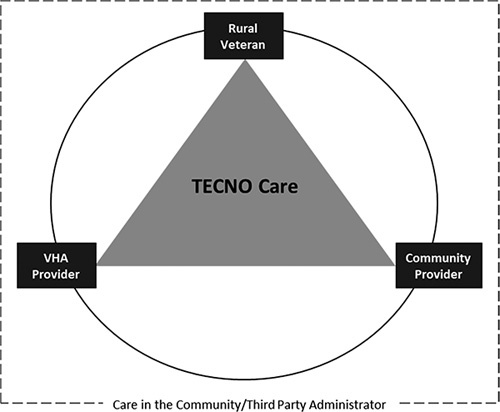
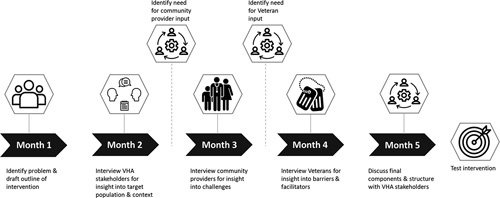
BACKGROUND: Rapid approaches to collecting and analyzing qualitative interview data can accelerate discovery timelines and intervention development while maintaining scientific rigor. We describe the application of these methods to a program designed to improve care coordination between the Veterans Health Administration (VHA) and community providers. METHODS: Care coordination between VHA and community providers can be challenging in rural areas. The Telehealth-based Coordination of Non-VHA Care (TECNO Care) intervention was designed to improve care coordination among VHA and community providers. To ensure contextually appropriate implementation of TECNO Care, we conducted preimplementation interviews with veterans, VHA administrators, and VHA and community providers involved in community care. Using both a rapid approach and qualitative analysis, an interviewer and 1-2 note-taker(s) conducted interviews. RESULTS: Over 5 months, 18 stakeholders were interviewed and we analyzed these data to identify how best to deliver TECNO Care. Responses relevant to improving care coordination include health system characteristics; target population; metrics and outcomes; challenges with the current system; and core components. Veterans who frequently visit VHA or community providers and are referred for additional services are at risk for poor outcomes and may benefit from additional care coordination. Using these data, we designed TECNO Care to include information on VHA services and processes, assist in the timely completion of referrals, and facilitate record sharing. CONCLUSION: Rapid qualitative analysis can inform near real-time intervention development and ensure relevant content creation while setting the stage for stakeholder buy-in. Rigorous and timely analyses support the delivery of contextually appropriate, efficient, high-value patient care.
Overview
The claims and statistics of this paper haven’t been checked yet.
Run the check — free, no account needed. It reads the open-access text and checks the sources it cites.
Integrity signals
Registry
Cites
Statistics
Figures
Verification
Claims the paper makes
The claims and statistics of this paper haven’t been checked yet.
Run the check — free, no account needed. It reads the open-access text and checks the sources it cites.
Claims other papers make about this one
Each is checked against this paper’s own text: does it say what the citing paper says it does?
The source backs part of the claim, not all of it — or backs it for a different population, condition or comparison.
In the citing paper
“Rapid qualitative analysis is useful to obtain targeted qualitative data and comparative results when data collection targets and processes are highly structured [65].”
From Synthetic Lies: Understanding AI-Generated Misinformation and Evaluating Algorithmic and Human Solutions (2023) · cites this paper as [65]
Experimental — accuracy not yet measured
Self-check
Percentages, sums and reported differences re-computed from the paper’s own numbers.
The self-check needs the paper’s full text.
Citations
Cites
Damschroder, L. J., Aron, D. C., Keith, R. E., Kirsh, S. R., Alexander, J. A., & Lowery, J. C. (2009) · Implementation Science · doi:10.1186/1748-5908-4-50 · Cited by 14,496
Sample Size in Qualitative Interview Studies: Guided by Information Power
Malterud, K., Siersma, V. D., & Guassora, A. D. (2016) · Qualitative Health Research · doi:10.1177/1049732315617444 · Cited by 12,703
Gale, N. K., Heath, G., Cameron, E., Rashid, S., & Redwood, S. (2013) · BMC Medical Research Methodology · doi:10.1186/1471-2288-13-117 · Cited by 10,865
Methods for the thematic synthesis of qualitative research in systematic reviews
Thomas, J., & Harden, A. (2008) · BMC Medical Research Methodology · doi:10.1186/1471-2288-8-45 · Cited by 9,312
Avoidable waste in the production and reporting of research evidence
Chalmers, I., & Glasziou, P. (2009) · The Lancet · doi:10.1016/s0140-6736(09)60329-9 · Cited by 2,208
Managing Clinical Knowledge for Health Care Improvement
Balas, E. A., & Boren, S. A. (2000) · Yearbook of Medical Informatics · doi:10.1055/s-0038-1637943 · Cited by 1,479 · cited 9×
“(2) Inner setting, contextual features of the VHA such as the administrative structure and processes that influence health care delivery and care coordination.”
BackgroundMethodInfluentialImplementation science: What is it and why should I care?
Bauer, M. S., & Kirchner, J. (2020) · Psychiatry Research · doi:10.1016/j.psychres.2019.04.025 · Cited by 1,167 · cited 3×
“(4) What are the central care coordination tasks TECNO Care should address? [Intervention characteristics]—We ensured that TECNO Care was neither duplicative nor burdensome to those who would be delivering TECNO Care.”
BackgroundMatrix Analysis as a Complementary Analytic Strategy in Qualitative Inquiry
Averill, J. B. (2002) · Qualitative Health Research · doi:10.1177/104973230201200611 · Cited by 866
Gale, R. C., Wu, J., Erhardt, T., Bounthavong, M., Reardon, C. M., Damschroder, L. J., & Midboe, A. M. (2019) · Implementation Science · doi:10.1186/s13012-019-0853-y · Cited by 846 · cited 3×
“VHA and community providers Community care experiences (1) What conditions or types of patients do you think require better care coordination between VHA and community providers? [Outer setting; patient needs and resources] (2) Who are the key players inside your organization that we should talk with about TECNO? [Pro…”
BackgroundTaylor, B., Henshall, C., Kenyon, S., Litchfield, I., & Greenfield, S. (2018) · BMJ Open · doi:10.1136/bmjopen-2017-019993 · Cited by 659 · cited 1×
“(6) What are the right metrics to assess TECNO Care’s effectiveness? [Process]—We identified which metrics should be followed to assess the program’s impact.”
Background
Cited by
Sorted by citations
Items 101–200 of 297
Lohiniva, A., Isosomppi, S., Pasanen, S., & Sutinen, J. (2023) · Journal of Patient-Reported Outcomes · doi:10.1186/s41687-023-00582-y · Cited by 4
“The study followed thematic analysis with purposeful data reduction activities [25, 26].”
MethodImplementing Peer Specialists in Suicide Prevention Efforts in the Veterans Health Administration
Schmutte, T. J., Krishnamurti, L. S., Davidson, L., Klee, A. S., Bullock, J. S., Panas, R. M., Pfeiffer, P. N., & Chinman, M. (2023) · Psychiatric Quarterly · doi:10.1007/s11126-023-10034-x · Cited by 4
“Interview guides were created based on our past qualitative research experience and informed by other research using Intervention Mapping or rapid qualitative analyses [27, 28].”
MethodWang, K. E., Vranceanu, A., & Lester, E. G. (2023) · PLoS ONE · doi:10.1371/journal.pone.0295546 · Cited by 4
Kabukye, J. K., Namagembe, R., Nakku, J. E. M., Kiberu, V. M., Sjölinder, M., Nilsson, S., & Wamala-Larsson, C. (2024) · JMIR Human Factors · doi:10.2196/53976 · Cited by 6
van Moppes, N. M., Nasori, M., Bont, J., van Es, J. M., Visser, M. R. M., & van den Muijsenbergh, M. E. T. C. (2024) · BMC Medical Education · doi:10.1186/s12909-024-05521-z · Cited by 4
Shih, J. J., Kwok, V. E., Luna, I., Kim, H. C., Garcia, F., Gutierrez, C., Garcia, M., Lyles, C. R., & Khoong, E. C. (2025) · JMIR Cardio · doi:10.2196/60196 · Cited by 3
“Rapid qualitative data analysis was used to analyze qualitative data [20-23].”
Zullig, L. L., Lewinski, A. A., Woolson, S., White‐Clark, C., Miller, C. J., Bosworth, H. B., Burleson, S. C., Garrett, M. P., Darling, K. L., & Crowley, M. J. (2023) · The Journal of Rural Health · doi:10.1111/jrh.12740 · Cited by 3
Self-citationAdapting E-cigarette prevention programming to reach the latinx community
Herrmann, A. K., Ferullo, S. L., Hernandez, M., Barriga, V. A., Leggis, B., Ruiz, J., Glenn, B. A., & Bastani, R. (2023) · Cancer Causes & Control · doi:10.1007/s10552-023-01796-7 · Cited by 3
“…were analyzed by the study team with an emphasis on identifying themes that could guide program development and refinement, using an directed approach [30] consistent with rapid qualitiative analysis [31–35], in keeping with iterative nature and quick turn-around time required in this work.”
Christian, H., Crasta, D. J., Lloyd-Lester, G., True, G., Goodman, M. S., Bass, B., Coric, K., Ruetten, T., Lane, R., & Khazanov, G. K. (2024) · Injury Epidemiology · doi:10.1186/s40621-024-00511-7 · Cited by 4
“Co-facilitator interviews were also analyzed using a rapid qualitative analysis approach designed to produce immediate, actionable results (Hamilton 2020, 2013; Lewinski et al. 2021).”
MethodCultural Adaptation of RUBI Intervention with Korean Families (K-RUBI): A Mixed Method Study
Lee, J. D., Kang, V. Y., Kim, G. Y., Jung, S.-H., Joo, S., Kim, H., Son, J., & Bearss, K. E. (2024) · Journal of Autism and Developmental Disorders · doi:10.1007/s10803-024-06599-6 · Cited by 3
“A rapid qualitative analysis method (Lewinski et al., 2021) was used to familiarize with the content of each transcript.”
Lovejoy, T. I., Midboe, A. M., Higgins, D. M., Ali, J., Kerns, R. D., Heapy, A. A., Nalule, E. K., & Pal, N. (2024) · Journal of Pain · doi:10.1016/j.jpain.2024.104727 · Cited by 3
Neff, K. M. H., Brandt, K., Chang, A. R., Lutcher, S., Mackeen, A. D., Marshall, K. A., Naylor, A., Seiler, C. J., Wood, G. C., Wright, L., et al. (2024) · BMC Public Health · doi:10.1186/s12889-024-20509-6 · Cited by 3
Dang, M., Le, Y. N., Naz‐McLean, S., Vo, N. H., Do, P. T., Doan, L. T. T., Nhan, T., Nguyen, M. T., Phan, A. H., Dziuban, E. J., et al. (2024) · BMC Infectious Diseases · doi:10.1186/s12879-024-10352-w · Cited by 3
Lanzi, R. G., Varley, A. L., Ott, C., Wolfner, C., Balise, R. R., Betancourt, G., Bonner, C. P., Corneli, A. L., Elopre, L. E., Farinas, J., et al. (2025) · JAIDS Journal of Acquired Immune Deficiency Syndromes · doi:10.1097/qai.0000000000003637 · Cited by 3
Rochon, E. A., Thacker, A., Phillips, M., Ritchie, C. S., Vranceanu, A., & Plys, E. (2025) · JMIR Aging · doi:10.2196/66212 · Cited by 3
“Consistent with previous studies using RDA [55], we compiled RDA template notes from 2 to 3 team members (ie, 1 PhD-level clinical psychologist and 2 bachelor-level research assistants) into a single matrix for each focus group.”
Lewis, M. A., Litt, D., Fairlie, A. M., Graupensperger, S. A., Cross, A. N., Stankus, R., Murphy, J., & Kilmer, J. R. (2025) · Journal of Studies on Alcohol and Drugs · doi:10.15288/jsad.24-00434 · Cited by 3
Makhnoon, S., Robles, F. E., Lee, J. L., Grant, D., Rojas, M., Gao, A., Pezzia, C., Eluri, V., Sadeghi, N., Zhang, S., et al. (2025) · Cancer Medicine · doi:10.1002/cam4.71125 · Cited by 3
“We audio recorded, transcribed, and conducted rapid qualitative analysis of semi-structured 1:1 patient interviews to generate actionable targeted data to guide program improvement [27, 28].”
Keadle, S. K., Hasanaj, K., Leonard, K. S., Tolas, A., Crosley‐Lyons, R., Pfisterer, B., Legato, M., Fernandez, A., Lowell, E., Hollingshead, K. E., et al. (2023) · Contemporary Clinical Trials · doi:10.1016/j.cct.2023.107402 · Cited by 3
Tejeda, C. J., Garabedian, P. M., Rice, H. E., Samal, L., Latham, N. K., & Dykes, P. C. (2023) · PubMed Central · Cited by 3
Thomas, C., Shaffner, J., Johnson, R., Wiedeman, C., Fill, M. A., Jones, T. F., Schaffner, W., & Dunn, J. R. (2024) · Public Health Reports · doi:10.1177/00333549231223710 · Cited by 3
Guo, M., Keane, E. P., Baliousis, M., Gudenkauf, L. M., Mate-Kole, M., Boardman, A. C., Larizza, I. S., Song, M. T., Wolfe, E. D., Schaefer, D. A., et al. (2025) · Transplantation and Cellular Therapy · doi:10.1016/j.jtct.2025.03.017 · Cited by 3
Hershberger, P. E., Adlam, K., Driessnack, M., Gruss, V. A., Grotevant, H. D., Klock, S. C., Pasch, L. A., & Gallo, A. M. (2025) · Journal of Pediatric Nursing · doi:10.1016/j.pedn.2025.02.009 · Cited by 2
Roth, A. M., D'Angelo, A. K., Gordon, D., Cocchiaro, B. F., Lingamoorthy, A., Laurano, R., Salzman, M., Brenner, J. S., & Baston, C. M. (2025) · Journal of Medical Internet Research · doi:10.2196/73566 · Cited by 3
“Elements of rapid qualitative evaluation were used to examine narrative data [33,34].”
Wani, H., Britton, M., Chen, T. A., Siddiqi, A. D., Moosa, A. B., Williams, T., Casey, K. B., Reitzel, L. R., & Leal, I. M. (2025) · Cancers · doi:10.3390/cancers17152442 · Cited by 2
“Data were analyzed using a rapid analytic approach that included the use of structured templates and matrices [46].”
Koray, M. H., Adomah-Afari, A., Xu, D. R., & Wu, D. (2025) · BMC Public Health · doi:10.1186/s12889-025-24285-9 · Cited by 3
“Its validity has been well-established in implementation studies requiring rapid decision-making [40–43].”
Cuidando Juntos: A Culturally Adapted Psychoeducation Program for Latino Dementia Caregivers
Quiñones-Cordero, M. M., Gallagher-Thompson, D. E., Ghosh, J., Velasquez, R., Bilbrey, A. C., & Montoro‐Rodríguez, J. (2025) · Clinical Gerontologist · doi:10.1080/07317115.2025.2576139 · Cited by 2
“This method adheres to established scientific standards, maintaining rigor and supporting the timely collection of valuable qualitative data (Lewinski et al., 2021).”
Keane, E. P., Adri, F. N., Larizza, I. S., Monahan, J. A., Song, M. T., Boardman, A. C., Schaefer, D. A., Wu, J. H., Conway, S., Brown, L., et al. (2026) · Transplantation and Cellular Therapy · doi:10.1016/j.jtct.2026.01.033 · Cited by 2
Crouch, T. B., Nguyen, M., Wells, M., Redman, T., Ashar, Y., Schubiner, H., Westcott, G., Kinser, P., Maxwell, M., Chelimsky, G., et al. (2026) · Clinical Autonomic Research · doi:10.1007/s10286-026-01189-1 · Cited by 4
“This method enables efficient extraction of key themes to inform time-sensitive project goals, e.g., intervention development, while maintaining the depth of participant narratives [38].”
Patient and Clinician Attitudes Toward Mobile Health Apps: Qualitative Study
James, C. A., Krein, S. L., Yon, S., Dorsch, M. P., Piette, J. D., & Nallamothu, B. K. (2026) · JMIR mhealth and uhealth · doi:10.2196/77519 · Cited by 2
“Rapid qualitative analysis is a particularly useful method when the data collection is targeted (eg, selection of interviewees) and processes (interview protocol) are highly structured [59-61].”
Domlyn, A. M., Dodge, J., Pfeiffer, P. N., Robinson, C., Evans, L., Damschroder, L. J., Stewart, M. A., Garlick, B., Sussman, J. B., & Nevedal, A. (2026) · Implementation Science Communications · doi:10.1186/s43058-026-00956-5 · Cited by 2
“Rapid analysis is timely and reliable [17, 23, 35, 36], particularly for CFIR [9].”
Clinician Perspectives of Managing Opioid Related Transitions
Carnago, L. R., Knisely, M. R., Tanabe, P. J., Paice, J. A., & Oyesanya, T. O. (2026) · Pain Management Nursing · doi:10.1016/j.pmn.2026.06.019 · Cited by 2
Shi, S., Palmer, J. A., Newmeyer, N., Carroll, D., Steinberg, N., Olivieri‐Mui, B. L., & Kim, D. H. (2022) · Journal of the American Geriatrics Society · doi:10.1111/jgs.18107 · Cited by 2
“We conducted inductive qualitative thematic analysis of semi-structured interview data based upon rapid assessment procedures.(13) Analysts performed three stages of analysis: (1) summarizing transcripts in a template organized by questions from the semi-structured interview guide (N.”
MethodAlexopoulos, A., Soliman, D., Lewinski, A. A., Strawbridge, E. M., Steinhauser, K. E., Edelman, D. E., & Crowley, M. J. (2022) · Journal of Diabetes and its Complications · doi:10.1016/j.jdiacomp.2022.108364 · Cited by 2
Self-citationWhite, M. J., Xie, R., Lane, H., Rodriguez, J., Gilchrist, L., Howard, J., Perrin, E. M., Skinner, A. C., & Silberberg, M. (2023) · Translational Behavioral Medicine · doi:10.1093/tbm/ibac108 · Cited by 2
Delamerced, J., Ramirez, L., Kimberly, J. A., Vargas, S. I., Flanigan, T., Sanchez, M. C., Bruciati, K., & So‐Armah, K. (2023) · JAIDS Journal of Acquired Immune Deficiency Syndromes · doi:10.1097/qai.0000000000003256 · Cited by 2
Keeney, T., Wu, C. Z., Savini, A., Stone, S., Travis, A., Vranceanu, A., Steinhauser, K. E., Greer, J. A., Pastva, A. M., & Ritchie, C. S. (2024) · Journal of Palliative Medicine · doi:10.1089/jpm.2023.0476 · Cited by 2
“Rather, we used and applied rapid qualitative analysis 27,28 to code de-identified data from agenda templates into a matrix to reduce data and identify themes important to LiveWell-HF prototype development.”
Self-citationPettit, A. R., Klaiman, T. A., Kersting, R. C., Johnson, C., Ogbuefi, N., Moran, M., Sinclair, K., Steckel, J., Norton, L. A., Orr, J. A., et al. (2024) · Implementation Science Communications · doi:10.1186/s43058-024-00670-0 · Cited by 3
Rush, C. L., Lyons, C., Gittle, J., Seward, M., Scalia, J., Ho, D., Babu, S., Garret, M. A., Brizzi, K. T., Berry, J. D., et al. (2024) · Journal of Pain and Symptom Management · doi:10.1016/j.jpainsymman.2024.12.010 · Cited by 2
Browne, J., Mills, W. L., Lopez, C. T., Philip, N. S., Hall, K. S. M., Young, A. S., Guthrie, K. M., & Wu, W. (2025) · International Journal of Environmental Research and Public Health · doi:10.3390/ijerph22020191 · Cited by 2
Baker, D. G., Kenny, B., Prober, S., Sabo, A., Hamilton, M. P., Gao, C. X., & Cross, S. P. M. (2025) · Australian Health Review · doi:10.1071/ah24222 · Cited by 2
Fox, R. S., Brandon, K., Badger, T. A., Gaumond, J. S., Morales, A. A., Ong, J. C., Parthasarathy, S., Rini, C. K., Zee, P. C., Tanner, E. J., et al. (2025) · Translational Behavioral Medicine · doi:10.1093/tbm/ibaf001 · Cited by 2
Yamin, J. B., Wilson, J. M., Pester, B., Allen, C., Yoon, J., Cornelius, M. C., Dharmendran, D., Steinhilber, K., Crago, M. A., Kazemipour, S., et al. (2025) · Frontiers in Pain Research · doi:10.3389/fpain.2025.1558753 · Cited by 1
“We utilized developmental formative evaluation, a type of rapid qualitative analysis (52), to analyze the feedback data from participant interviews following participation in the ACT intervention.”
Portnoy, G., Stover, C., Presseau, C., Webermann, A., Martino, S., Orazietti, S. A., & Murphy, C. M. (2025) · Journal of Family Violence · doi:10.1007/s10896-025-00908-y · Cited by 1
Raffa, B. J., Higgins, I. C. A., Montiel, C., Stafford, A. M., & Cholera, R. (2025) · Journal of Immigrant and Minority Health · doi:10.1007/s10903-025-01714-w · Cited by 2
“Rapid qualitative analysis uses visual displays to connect and analyze findings and produce timely, action-oriented results [41].”
Quinn, M., Wright, N. C., Scherdt, M., Barton, D. L., Titler, M. G., Armin, J. S., Naughton, M. J., Wenzel, J. A., Percac‐Lima, S., Mishra, P., et al. (2023) · Journal of Cancer Survivorship · doi:10.1007/s11764-023-01440-y · Cited by 2
“Data were extracted from HSP forms using a rapid analysis approach [24, 25] and organized into tables and matrices which allowed us to identify common areas of focus in the work; track the stages of change for each effort; and catego - rize types of changes attained across all sites.”
Kumar, B., Feng, A., Gheriani, G.-A., Iftekhar, A., Ni, R., Ghaffari-Rafi, S., Dolovcak, S., Thoene, P. B., Knaack, A., Swee, M. L., et al. (2023) · Southern Medical Journal · doi:10.14423/smj.0000000000001606 · Cited by 2
Impacts of COVID-19 on Health and Healthcare for Rural Veterans in Home-Based Primary Care
Yee, P., Echt, K. V., Markland, A. D., & Zubkoff, L. (2023) · Journal of Applied Gerontology · doi:10.1177/07334648231197386 · Cited by 2
“This focused but rigorous approach is applied to obtain targeted qualitative data and inform intervention development and implementation on a shorter timeline than traditional approaches (Gale et al., 2013; Lewinski et al., 2021; Watkins, 2017).”
BackgroundMethodKenya, S., Young, B., Richards, L., Casanova, F. O., Rodriguez, A. E., Blackmon, J., Carrasquillo, O., Pan, Y., & Jones-Weiss, D. (2024) · The Open AIDS Journal · doi:10.2174/0118746136309444240425061403 · Cited by 2
Burden, M. A., Keniston, A., McBeth, L. J., Astik, G. J., Kangelaris, K. N., Kochar, A., Knees, M., Segon, A., Westergaard, S., Yu, A., et al. (2024) · Journal of Hospital Medicine · doi:10.1002/jhm.13572 · Cited by 2
Conner, C. L., Redding, M. C., Seker, E., Greer, M., & Garza, M. Y. (2023) · Research Square · doi:10.21203/rs.3.rs-3477512/v1 · Cited by 2
Thompson, H. S., Kinney, T.-N., Leach, C., Sass, A., Washington, A., Dailey, R., Towner, E., Beavers, A. W., Sneed, R. S., Edwards, K. S., et al. (2025) · Health Equity · doi:10.1089/heq.2024.0160 · Cited by 1
“12 A fi nal aim was to describe the ways in which data collection efforts and fi ndings shaped the coalition ’ s plans and work in the short term.”
InfluentialRiffin, C. A., Brody, L. A., Wolff, J. L., & Pillemer, K. A. (2025) · Journal of Applied Gerontology · doi:10.1177/07334648251323688 · Cited by 1
“The content of participants ’ responses to open-ended questions about CHEC ’ s utility was abstracted; common themes in caregivers ’ perspectives were identi fi ed using rapid qualitative analysis (Lewinski et al., 2021; Renfro et al., 2022).”
Lessons Learned in Engaging Adolescents and Young Adults to End the US HIV Epidemic
Macapagal, K. R., Stoner, M. C. D., Guss, C. E., Sukhija-Cohen, A. C., Moucheraud, C., Saberi, P., & Maragh‐Bass, A. C. (2025) · JAIDS Journal of Acquired Immune Deficiency Syndromes · doi:10.1097/qai.0000000000003616 · Cited by 1
Gass, J. C., Funderburk, J. S., Wiseblatt, A. F., Edelman, D. E., Nelson, G., Roelk, B. L., & Maisto, S. A. (2025) · The Journal of Behavioral Health Services & Research · doi:10.1007/s11414-025-09943-5 · Cited by 1
“Qualitative responses were evaluated using a Rapid Qualitative Approach 28,29 by authors JG, BR, and AW, and 50% of interviews were double-coded to ensure reliability.”
TB and diabetes in Eswatini: Addressing suboptimal treatment outcomes through integrated services
Hirsch‐Moverman, Y., Bezuidenhout, D., Senthilvelan, S., Palmo, L., Vambe, D., Ginindza, N. M., Dlamini, N., Howard, A. A., & Mantell, J. E. (2025) · PLOS Global Public Health · doi:10.1371/journal.pgph.0004607 · Cited by 1
“Qualitative analysis was performed using the Rigorous and Accelerated Data Reduction (RADaR) technique, a pragmatic method that uses a series of tables to triangulate themes in qualitative data and allows for a systematic approach to analyze qualitative data [33,34].”
StandUPTV: a full-factorial optimization trial to reduce sedentary screen time among adults
Keadle, S. K., Hasanaj, K., Leonard, K. S., Fernandez, A., Freid, L., Weiss, S., Legato, M., Anand, H., Hagobian, T. A., Phillips, S. M., et al. (2025) · International Journal of Behavioral Nutrition and Physical Activity · doi:10.1186/s12966-025-01771-2 · Cited by 1
“Due to a focused scope on acceptability and enhancing future iterations of StandUPTV, responses during the final exit interviews were summarized using a rapid qualitative analysis (RQA) approach [40].”
Wolfe, N., Argaiz, A., Garcia, A., Cain, R., Peare, A., Goran, M. I., Kipke, M. D., & Baezconde-Garbanati, L. A. (2025) · American Journal of Public Health · doi:10.2105/ajph.2025.308083 · Cited by 1
Øgård‐Repål, A., Johnsen, H. M., Martínez, S., Fangen, K., & Ersfjord, E. M. I. (2025) · Discover Health Systems · doi:10.1007/s44250-025-00270-2 · Cited by 1
“Such approach to collecting and analysing qualitative data can accelerate the development of interventions such as the telehealth solution while maintaining scientific rigour [26].”
Vanderkruik, R. C., Frisch, C. M., Woodworth, E. C., Scharner, S., Bartels, S. J., Freeman, M. P., Cohen, L. S., & Stice, E. M. (2025) · Contemporary Clinical Trials · doi:10.1016/j.cct.2025.108039 · Cited by 1
Exploring Diabetes Clinical Trial Participation: A Diverse Group Interview Study
Taira, D. A., Tengan, K., Takata, J., Porter, C., Ranken, M. S., Sentell, T. L., & Seto, T. B. (2025) · Therapeutic Innovation & Regulatory Science · doi:10.1007/s43441-025-00867-y · Cited by 1
“(PI man, aged 18–39) Two important reasons for both NH and PI participants that were not emphasized in the literature, were helping family members and building a sense of cameraderie .”
Osweiler, B. W., Rammaha, T., Szlyk, H. S., Dell, N. A., Macon, J., Jacobson, N. C., Burley, C., Goodman, M., Cavazos‐Rehg, P. A., & Ramsey, A. T. (2025) · Frontiers in Psychiatry · doi:10.3389/fpsyt.2025.1607652 · Cited by 1
Hand, B. N., Gilmore, D., Hyer, J. M., DeVassie, H., Radford, D., PREPARE for Autistic Adults Advisory Board, Juckett, L., Hanks, C. D., Havercamp, S. M., & Coury, D. L. (2025) · Autism in Adulthood · doi:10.1177/25739581251376162 · Cited by 1
A Patient-Informed Framework of Financial Strain Among Adults with Multimorbidity
Sloan, C. E., Lourie, M. A., Bowling, C. B., Pignone, M. P., Houtven, C. H. V., & McDermott, C. L. (2025) · Journal of General Internal Medicine · doi:10.1007/s11606-025-09911-x · Cited by 1
Adeyeye, M. C., Ekwunife, O. I., Esuga, M., Njoku, N., Boateng, K. P., Ezeoke, U., Monemeh, F., Ekundayo, O., Sambo, A. A., Ogwuche, E., et al. (2026) · Journal of Pharmaceutical Policy and Practice · doi:10.1080/20523211.2025.2597561 · Cited by 1
“We used rapid qualitative analysis techniques to analyze the interviews (Lewinski et al., 2021).”
Rogers, A. H., Pester, B., Fligelman, S., Pielech, M., Groenewald, C. B., Ketterl, T. G., Vest, B. M., & Palermo, T. M. (2026) · Pediatric Blood & Cancer · doi:10.1002/1545-5017.70131 · Cited by 1
Kalvesmaki, A., Nederostek, K., Craven, A. G., Perkins, F., & Gallardo, E. (2026) · Issues in Mental Health Nursing · doi:10.1080/01612840.2025.2596958 · Cited by 1
“These data will be templated and analyzed using rapid qualitative methods for intervention development and implementation (King, 2012; Lewinski et al., 2021; Schexnayder et al., 2023).”
Osilla, K. C., Watkins, K. E., Lord, T., Lord, G., Cook, F. J., Nameth, K., Kim, J. P., Hawkins, W., & Athey, A. J. (2026) · Addiction Science & Clinical Practice · doi:10.1186/s13722-026-00652-8 · Cited by 1
“We will also conduct a rapid content analysis [60] to efficiently glean insights that can be incorporated while still recruiting for the study.”
MacCarthy, S., Valenti, K. G., Beck, A., Dancy, L., Puga, F., & Bowen, F. (2026) · Frontiers in Public Health · doi:10.3389/fpubh.2026.1651099 · Cited by 2
Dash, G. F., Balcke, E., Poore, H. E., & Dick, D. M. (2026) · Journal of Substance Use and Addiction Treatment · doi:10.1016/j.josat.2026.210103 · Cited by 1
Social media savvy: how LGBTQ+ youth create positive and affirming experiences online
Ingram, S. D., Henderson, E. R., Gralewski-Goel, N., Escobar-Viera, C. G., Lin, C. A., Coulter, R. W. S., & Egan, J. E. (2026) · Sexual & Relationship Therapy · doi:10.1080/14681994.2026.2672479 · Cited by 1
“Rapid Qualitative Analysis is an acceptable, rigorous analysis technique that allows quick, targeted data to be gathered, specifically for accelerating the intervention design process (Lewinski et al., 2021).”
Rife, T., Douglas, M., Xie, W., & Cocohoba, J. M. (2026) · JMIR Formative Research · doi:10.2196/93868 · Cited by 1
“We analyzed written veteran advocate feedback documents and the transcript of the audio-recorded focus group using a rapid, team-based consensus thematic approach designed for formative refinement of study materials [10,11,19,20].”
Bergey, A. E., Leal, I. M., Britton, M., Moosa, A. B., Chen, T. A., Goulbourne, T. D., Siddiqi, A. D., Williams, T., Casey, K., & Reitzel, L. R. (2026) · International Journal of Environmental Research and Public Health · doi:10.3390/ijerph23070898 · Cited by 1
“Structured templates were drawn up, consisting of key thematic domains based on the content of the interview guides, to organize and summarize data [71].”
Moving Beyond the Numbers: Data Walks as a Tool to Engage Youth in Research
Barnick, K. A., Merrill, J., Lies, M., García, E., Santana, Y., & Gutierrez‐Kapheim, M. (2026) · Journal of Adolescent Research · doi:10.1177/07435584261480311 · Cited by 1
Harris, M., Houtven, C. H. V., & Hastings, S. N. (2022) · JMIR Research Protocols · doi:10.2196/43098 · Cited by 1
“Immediately after each focus group session, the notetaker and the group facilitator will develop postgroup summaries and debrief notes that highlight key points from the group [40,41].”
BackgroundMethodDomlyn, A. M., Collier, T., Chehoski, B. E., Haines, C., Patterson, B., Stevens, R. N., Niles, M. L., & Weist, M. D. (2024) · Children & Schools · doi:10.1093/cs/cdae006 · Cited by 1
Tyagi, P., Bouldin, E. D., Hathaway, W. A., D'Arcy, D., Nasr, S. Z., Intrator, O. K., & Dang, S. (2024) · JMIR Research Protocols · doi:10.2196/57341 · Cited by 1
Studer, S., Nuhn, C., Weise, C., & Kleinstäuber, M. (2025) · Journal of Psychosomatic Research · doi:10.1016/j.jpsychores.2025.112069 · Cited by 3
Athanas, R., Frumence, G., DeBoer, R. J., & Ulrich, C. M. (2025) · AJOB Empirical Bioethics · doi:10.1080/23294515.2025.2474910 · Cited by 1
“The PI also used rapid qualitative analysis whereby data were immediately reviewed after two to three inter-views and continued iteratively focusing on emerging themes (Lewinski et al. 2021; St. George et al. 2023).”
Hua, S. V., Klaiman, T. A., Coratti, S., White, J., John, A., Putt, M. E., Dixon, E. L., Posner, H., & Volpp, K. G. M. (2025) · Contemporary Clinical Trials · doi:10.1016/j.cct.2025.107921 · Cited by 1
Buback, L., Daniels, K., Etim-Inyang, T., Jongdeepaisal, M., Sirimatayanant, M., Khonputsa, P., Beyeler, N., & Maude, R. J. (2025) · PLOS Global Public Health · doi:10.1371/journal.pgph.0004528 · Cited by 1
“This rapid qualitative method has proven to be useful in resource-constrained contexts to promote timely uptake of findings by implementers [21,22] and was most applicable to our resource-constrained settings.”
Silvert, C. J., Diaz, J. M., Serra, R., Cole, S. M., Warner, L. A. S., & Roberts, T. G. (2025) · Journal of International Agricultural and Extension Education · doi:10.4148/2831-5960.1513 · Cited by 1
Bredenberg, E., Callister, C., Dafoe, A., Holliman, B. D., Rowan, S. E., & Calcaterra, S. L. (2025) · Journal of Hospital Medicine · doi:10.1002/jhm.70097 · Cited by 1
Walker, D. M., DePuccio, M. J., Hefner, J. L., Sieck, C. J., Hogan, T. H., McAlearney, A. S., Swoboda, C. M., & Huerta, T. R. (2022) · Ohio Journal of Public Health · doi:10.18061/ojph.v4i2.8469 · Cited by 1
Agarwal, A., Macholl, K., Koenders, S. L., Qian, A., Mehta, J., Ahuja, P., Buenrostro, K., Sun, K. M., Dohan, D. P., Gurvitz, M. Z., et al. (2025) · medRxiv · doi:10.1101/2025.04.01.25325065 · Cited by 1
“26 Using the matrix, cross-participant comparisons were made to summarize determinants of patient engagement and solutions for improving ACHD specialized care.”
Ohio Journal of Public Health Vol. 4, Issue 2 (January 2022): Full Issue
Ohio Public Health Association OPHA (2022) · Ohio Journal of Public Health · doi:10.18061/ojph.v4i2.8823
Nes, A. A. G., Zlámal, J., Linnerud, S. C. W., Steindal, S. A., & Solberg, M. T. (2022) · doi:10.2196/preprints.44101
Exploring the conduct and reporting of qualitative research in trials using mixed methods
Clement, C. (2023) · Cronfa (Swansea University) · doi:10.23889/suthesis.62588
Rubinstein, E. B., Rayel, H., Crawford, E. C., & Larson, M. (2023) · Journal of American College Health · doi:10.1080/07448481.2023.2225628
“39 Weekly team debriefs created opportunities for team-based reflexivity, not only to address each researcher’s individual assumptions and biases, but also to refine the research design and interview guide.”
Multilevel Community Engagement to Inform a Randomized Clinical Trial
Wycoff, K., Coleman, J. G., Santoro, C. M., Zullig, L. L., Darden, N., Holland, P. M., Cruice, J. F., Mitchell, S., Smith, M. T. D., McNeil, S. J., et al. (2023) · Obstetrics and Gynecology · doi:10.1097/aog.0000000000005344
Self-citationMeans, A. R., List, K., Roll, A., Gwayi-Chore, M.-C., Dolley, S., Schünemann, H. J., Norman, T., & Walson, J. L. (2024) · Frontiers in Health Services · doi:10.3389/frhs.2023.1310694
Cultural adaptation of an internet-based self-help app for grieving Syrian refugees in SwitzerlandPreprint
Aeschlimann, A., Heim, E., Hoxha, A., Triantafyllidou, V., Killikelly, C., Haji, F., Stoeckli, R. T., Aebersold, M., & Maercker, A. R. A. (2024) · Research Square · doi:10.21203/rs.3.rs-4804166/v1
Browne, J., Battaglini, C. L., İmamoğlu, A., Stiles, B. J., Jarskog, L. F., Sheeran, P., Abrantes, A. M., Elliott, T., González, O., & Penn, D. L. (2024) · BMC Psychiatry · doi:10.1186/s12888-024-06250-9
Kwan, B. M., Sobczak, C., Fish, L. E., Ginde, A. A., Grant, G., Hamer, M. K., Leggott, K., Owen, V., Reno, J. E., Shrader, J., et al. (2024) · Frontiers in Public Health · doi:10.3389/fpubh.2024.1412947
Narayanasamy, S., Griffith, B. C., Gonzales, S. E., Boeke, C. E., Gumulira, Y., Hamza, N., Joseph, J. T., Lewinski, A. A., Lufesi, N., Martin-Odoom, A., et al. (2025) · medRxiv · doi:10.1101/2025.03.24.25324159
Self-citationFitzpatrick, A. M., Ly, S. M., Canfield, J., So‐Armah, K., Palmer, J. A., & Hurstak, E. (2025) · Substance Use & Addiction Journal · doi:10.1177/29767342251319610
“33,34 Rapid approaches to analyzing qualitative data have been found to accelerate discovery timelines and allow for actionable intervention development while maintaining scientific rigor.”
Reif, S., Wilson, S. M., Wilson, E., Cooper, H., Weinhold, A., & Corneli, A. L. (2025) · PLOS mental health. · doi:10.1371/journal.pmen.0000148
Mills, L., Sepulveda, E. R., Miller, Z. M., Jones, J., Hernandez, G., Ly, S. M., Canfield, J., Flanigan, T., Goulet, P., Joseph, R., et al. (2025) · Research Square · doi:10.21203/rs.3.rs-6534966/v1
Impact Framework of Sugar Agroindustry Restructuring on Supply Chains
Kusuma, Y. A., Rosyidi, C. N., Pujiyanto, E., & Damayanti, R. W. (2025) · Lecture notes in mechanical engineering · doi:10.1007/978-981-96-4353-0_40
Senthilvelan, S., Mantell, J. E., Palmo, L., Howard, A. A., Vambe, D., Ginindza, N. M., Dlamini, N., & Hirsch‐Moverman, Y. (2025) · Health Education Research · doi:10.1093/her/cyaf028
Metadata
- Authors
- Lewinski, A. A., Crowley, M. J., Miller, C., Bosworth, H. B., Jackson, G. L., Steinhauser, K., White-Clark, C., McCant, F., & Zullig, L. L.
- Affiliations
- Duke University (US)
- Harvard University (US)
- Center of Innovation to Accelerate Discovery and Practice Transformation, Durham Veterans Affairs Health Care System
- Durham VA Health Care System (US)
- Corresponding author
- Lewinski, Allison A.
- Crowley, Matthew J.
- Bosworth, Hayden B.
- Jackson, George L.
- Steinhauser, Karen
- McCant, Felicia
- Zullig, Leah L.
- ORCID
- Venue
- Medical Care
- Published
- 2021-05-13
- Volume
- 59
- Issue
- Suppl 3
- Pages
- S242-S251
- ISSN
- 0025-7079 (ISSN-L)
- PMC
- PMC8132894
- OpenAlex
- W3163088900
- Cited by
- 296
- References
- 32
- Citations by year
- 2026: 83 · 2025: 70 · 2024: 79 · 2023: 43 · 2022: 20 · 2021: 1
- FWCI
- 40.17
- Type
- journal article
- Language
- en
- Open access
- hybrid
- doi.org
- Licence
- Locations
- Medical Care (publishedVersion, cc-by-nc-nd)
- PubMed Central (publishedVersion, cc-by-nc-nd)
- PubMed (publishedVersion)
- Funders
- U.S. Department of Veterans Affairs (CIN 13–410, IK6 HX003161)
- Topics
- Health Sciences › Health Professions › General Health Professions › Health Policy Implementation Science
- Social Sciences › Education › Qualitative Research Methods and Applications
- Health Sciences › Medicine › Public Health, Environmental and Occupational Health › Telemedicine and Telehealth Implementation
- Keywords
- rapid qualitative analysis, intervention development, care coordination, Veterans Health Administration, community service providers, telemedicine, rural veterans, stakeholder engagement, referral completion, health record sharing, implementation readiness
- MeSH terms
- Stakeholder Participation, Veterans Health Services, Community Health Services, Health Plan Implementation, Humans, Patient Acceptance of Health Care, Patient Care Management, United States, United States Department of Veterans Affairs, Veterans, Telemedicine, Rural Health Services, Qualitative Research
About these checks
Registry, retraction, Cites and statistics results are computed, not judged, with one exception: a printed reference that no index lists is read once by a model before it counts as a citation error. Claims are extracted by a model and kept only when their quote appears verbatim in the text; each cited source is then checked, with a model’s help, for whether it says what the claim relies on. Those verdicts can be wrong — read the claim’s quote and the cited source before relying on one.
Statistics and arithmetic are recomputed, not judged.
Confidence bands are shown only for fields calibrated on our annotated test set. None is calibrated yet, so no band is shown.
What counts as a claim ›How we measure confidence ›How we check this ›
Are you an author, or do you see a problem with this page? Request a review
