

The DOI matches its Crossref record; 38 of the 38 references it cites were found in a registry or an index.
OpenSAFELY: factors associated with COVID-19-related hospital death in the linked electronic health records of 17 million adult NHS patients
Open accessPreprint — published as 10.1038/s41586-020-2521-4 · Paper page
Abstract
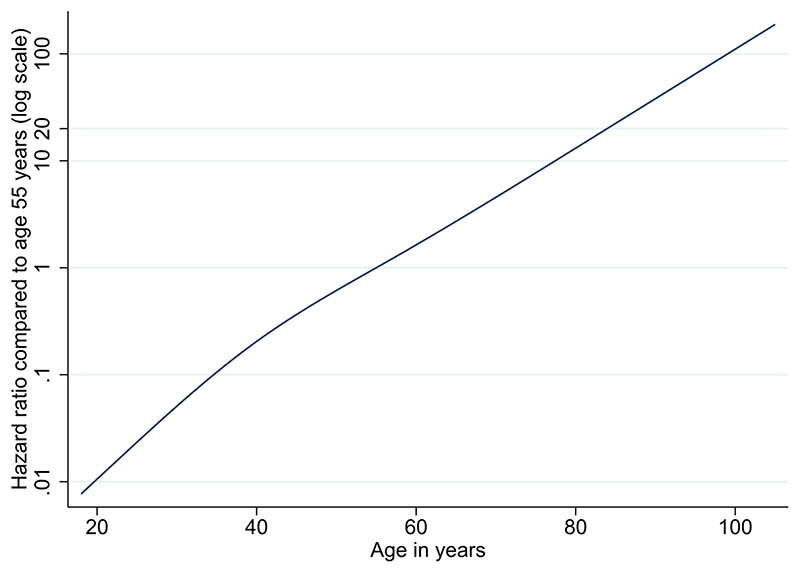
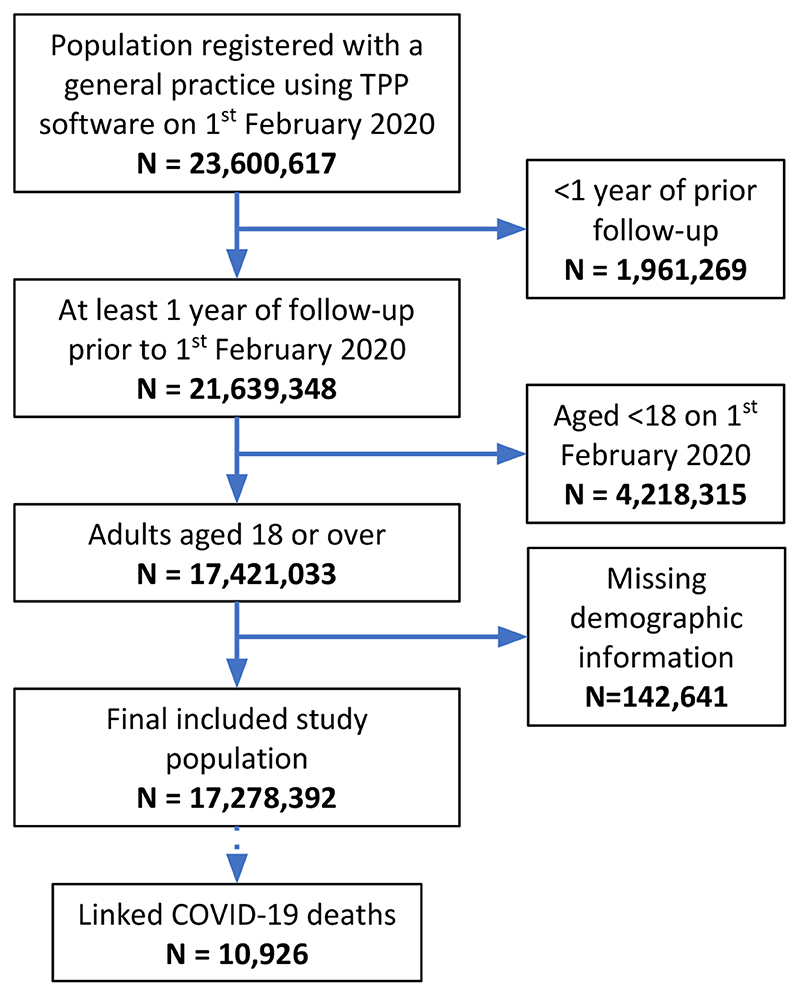
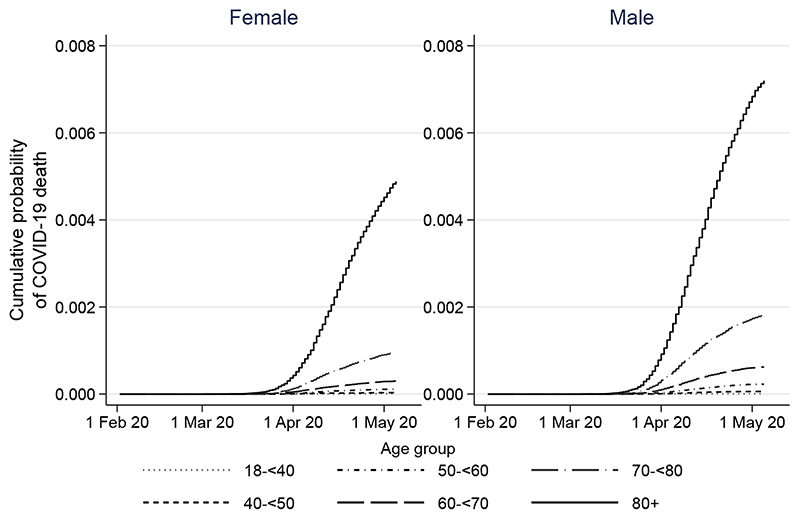
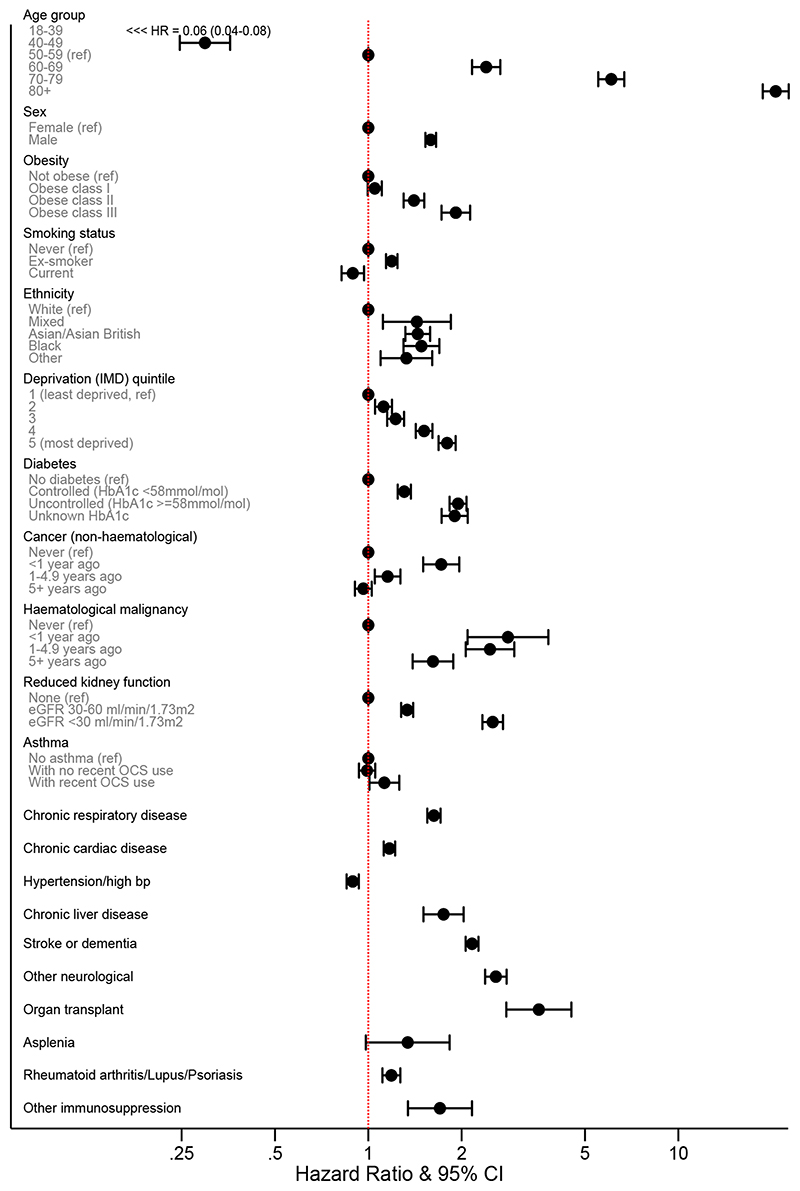
Background: Establishing who is at risk from a novel rapidly arising cause of death, and why, requires a new approach to epidemiological research with very large datasets and timely data. Working on behalf of NHS England we therefore set out to deliver a secure and pseudonymised analytics platform inside the data centre of a major primary care electronic health records vendor establishing coverage across detailed primary care records for a substantial proportion of all patients in England. The following results are preliminary. Data sources: Primary care electronic health records managed by the electronic health record vendor TPP, pseudonymously linked to patient-level data from the COVID-19 Patient Notification System (CPNS) for death of hospital inpatients with confirmed COVID-19, using the new OpenSAFELY platform. Population: 17,425,445 adults. Time period: 1st Feb 2020 to 25th April 2020. Primary outcome: Death in hospital among people with confirmed COVID-19. Methods: Cohort study analysed by Cox-regression to generate hazard ratios: age and sex adjusted, and multiply adjusted for co-variates selected prospectively on the basis of clinical interest and prior findings. Results: There were 5683 deaths attributed to COVID-19. In summary after full adjustment, death from COVID-19 was strongly associated with: being male (hazard ratio 1.99, 95%CI 1.88-2.10); older age and deprivation (both with a strong gradient); uncontrolled diabetes (HR 2.36 95% CI 2.18-2.56); severe asthma (HR 1.25 CI 1.08-1.44); and various other prior medical conditions. Compared to people with ethnicity recorded as white, black people were at higher risk of death, with only partial attenuation in hazard ratios from the fully adjusted model (age-sex adjusted HR 2.17 95% CI 1.84-2.57; fully adjusted HR 1.71 95% CI 1.44-2.02); with similar findings for Asian people (age-sex adjusted HR 1.95 95% CI 1.73-2.18; fully adjusted HR 1.62 95% CI 1.431.82). Conclusions: We have quantified a range of clinical risk factors for death from COVID-19, some of which were not previously well characterised, in the largest cohort study conducted by any country to date. People from Asian and black groups are at markedly increased risk of in-hospital death from COVID-19, and contrary to some prior speculation this is only partially attributable to pre-existing clinical risk factors or deprivation; further research into the drivers of this association is therefore urgently required. Deprivation is also a major risk factor with, again, little of the excess risk explained by co-morbidity or other risk factors. The findings for clinical risk factors are concordant with policies in the UK for protecting those at highest risk. Our OpenSAFELY platform is rapidly adding further NHS patients’ records; we will update and extend these results regularly.
Overview
The claims and statistics of this paper haven’t been checked yet.
Run the check — free, no account needed. It reads the open-access text and checks the sources it cites.
Integrity signals
Registry
Cites
Statistics
Figures
Verification
Claims the paper makes
The claims and statistics of this paper haven’t been checked yet.
Run the check — free, no account needed. It reads the open-access text and checks the sources it cites.
Claims other papers make about this one
Each is checked against this paper’s own text: does it say what the citing paper says it does?
In the citing paper
“However, most associations observed between baseline characteristics and mortality or intubation are in line with prior epidemiological studies [17,19].”
From Association between antidepressant use and reduced risk of intubation or death in hospitalized patients with COVID-19: results from an observational study (2021) · cites this paper as [17]
Self-check
Percentages, sums and reported differences re-computed from the paper’s own numbers.
The self-check needs the paper’s full text.
Citations
Cites
Clinical characteristics of coronavirus disease 2019 in China
Guan, W.-J., Ni, Z.-Y., Hu, Y., Liang, W.-H., Ou, C.-Q., He, J.-X., Liu, L., Shan, H., Lei, C.-L., Hui, D. S. C., et al. (2020) · New England Journal of Medicine · doi:10.1056/nejmoa2002032 · Cited by 30,246
A New Equation to Estimate Glomerular Filtration Rate
Levey, A. S., Stevens, L. A., Schmid, C. H., Zhang, Y. (., Castro, A. F., Feldman, H. I., Kusek, J. W., Eggers, P., Van Lente, F., Greene, T., et al. (2009) · Annals of Internal Medicine · doi:10.7326/0003-4819-150-9-200905050-00006 · Cited by 25,603
Clinical Characteristics of Coronavirus Disease 2019 in China
Eastin, C., & Eastin, T. (2020) · Journal of Emergency Medicine · doi:10.1016/j.jemermed.2020.04.004 · Cited by 24,945 · cited 2×
“9 Smoking prevalence among hospitalised patients was lower than expected in China (1,099 patients, 12.6% vs 28% in the general population), 10 and in a small French study (139 outpatients and 343 inpatients; Standardized Incidence Ratios 0.197 and 0.246, respectively).”
BackgroundInfluentialSimonnet, A., Chetboun, M., Poissy, J., Raverdy, V., Noulette, J., Duhamel, A., Labreuche, J., Mathieu, D., Pattou, F. N., Jourdain, M., et al. (2020) · Obesity · doi:10.1002/oby.22831 · Cited by 2,150
Hagard, S. (1995) · The Knight and the Blast Furnace · doi:10.1177/102538239500200213 · Cited by 1,914
Robertson, J. (1988) · Public Health · doi:10.1016/s0033-3506(88)80059-3 · Cited by 1,472
Clegg, A. P., Bates, C. J., Young, J. B., Ryan, R. P., Nichols, L., Teale, E. A., Mohammed, M. A., Parry, J., & Marshall, T. P. (2016) · Age and Ageing · doi:10.1093/ageing/afw039 · Cited by 1,341
Self-citationObesity in Patients Younger Than 60 Years Is a Risk Factor for COVID-19 Hospital Admission
Lighter, J., Phillips, M., Hochman, S. E., Sterling, S., Johnson, D., François, F., & Stachel, A. G. (2020) · Clinical Infectious Diseases · doi:10.1093/cid/ciaa415 · Cited by 1,233 · cited 3×
“63)(6); obesity was also reported as a risk factor for treatment escalation in smaller studies in France and New York.(7,8) .”
BackgroundInfluentialStrongman, H., Gadd, S. C., Matthews, A., Mansfield, K. E., Stanway, S. J., Lyon, A. R., dos‐Santos‐Silva, I., Smeeth, L. L., & Bhaskaran, K. (2019) · The Lancet · doi:10.1016/s0140-6736(19)31674-5 · Cited by 548
Self-citationIs ethnicity linked to incidence or outcomes of covid-19?
Khunti, K. K., Singh, A. K., Pareek, M., & Hanif, W. (2020) · BMJ · doi:10.1136/bmj.m1548 · Cited by 493 · cited 1×
“12,13,46 Commentators and researchers have reasonably speculated that this might be due to higher prevalence of medical problems such as cardiovascular disease or diabetes among BME people, or higher deprivation.”
Background
Cited by
Sorted by citations
Items 201–300 of 628
A global respiratory perspective on the COVID-19 pandemic: commentary and action proposals
To, T. M., Viegi, G., Cruz, Á. A., Taborda‐Barata, L., Asher, I., Behera, D., Bennoor, K. S., Boulet, L., Bousquet, J. J., Camargos, P. A. M., et al. (2020) · European Respiratory Journal · doi:10.1183/13993003.01704-2020 · Cited by 41
“Despite a high burden of CRDs worldwide, CRDs (such as asthma or COPD) have not been consistently identified as a significant comorbidity for COVID-19 [6].”
BackgroundDin, S., Kent, A. J., Pollok, R., Meade, S., Kennedy, N. A., Arnott, I. D., Beattie, R. M., Chua, F., Cooney, R. M., Dart, R., et al. (2020) · Gut · doi:10.1136/gutjnl-2020-321927 · Cited by 32
Masterson‐Algar, P., Cheshire‐Allen, M., Hyde, M., Keating, N. C., & Windle, G. (2021) · Dementia · doi:10.1177/14713012211053971 · Cited by 39
Katsoulis, M., Pasea, L., Lai, A. G., Dobson, R., Denaxas, S., Hemingway, H., & Banerjee, A. (2020) · Public Health · doi:10.1016/j.puhe.2020.12.003 · Cited by 44
Bell, S., Campbell, J., McDonald, J., O’Neill, M., Watters, C., Buck, K., Cousland, Z., Findlay, M., Lone, N., Metcalfe, W., et al. (2020) · BMC Nephrology · doi:10.1186/s12882-020-02061-8 · Cited by 56
“Although the numbers of infections do not necessarily track to outcomes, most UK and Scotland data demonstrate that infection rates and deaths with SARSCoV-2 are higher in areas of socioeconomic deprivation (27).”
BackgroundDugail, I., Amri, E., & Vitale, N. (2020) · Biochimie · doi:10.1016/j.biochi.2020.07.001 · Cited by 34
Piscoya, A., del Riego, A. P., Cerna-Viacava, R., Rocco, J., Roman, Y. M., Escobedo, A. A., Pasupuleti, V., White, C. M., & Hernández, A. V. (2022) · PLoS ONE · doi:10.1371/journal.pone.0269368 · Cited by 38
Rutherford, M. A., Scott, J., Karabayas, M., Antonelou, M., Gopaluni, S., Gray, D., Barrett, J., Brix, S. R., Dhaun, N., McAdoo, S. P., et al. (2021) · Arthritis & Rheumatology · doi:10.1002/art.41728 · Cited by 43
“Conversely, patients who are receiving background corticosteroids or have co-morbid respiratory disease, should be closely monitored when presenting with COVID-19 since their risk of progression to a severe state appears higher (11).”
BackgroundMethodChia, J. M. X., Goh, Z. Z. S., Chua, Z. Y., Ng, K. Y. Y., Ishak, D., Fung, S. M., Ngeow, J. Y. Y., & Griva, K. (2021) · BMJ Open · doi:10.1136/bmjopen-2020-041070 · Cited by 39
Coping with COVID-19 in Sub-Saharan Africa: What Might the Future Hold?
Mennechet, F. J. D., & Dzomo, G. R. T. (2020) · Virologica Sinica · doi:10.1007/s12250-020-00279-2 · Cited by 41
Mendelson, M., Boloko, L., Boutall, A., Cairncross, L. L., Calligaro, G., Coccia, C., Dave, J. A., Villiers, M. D., Dlamini, S. K., Frankenfeld, P., et al. (2020) · South African Medical Journal · doi:10.7196/samj.2020.v110i10.15157 · Cited by 37
El‐Sharkawi, D., & Iyengar, S. (2020) · British Journal of Haematology · doi:10.1111/bjh.16956 · Cited by 37
Holman, N., Knighton, P., Kar, P., et al. (2020) · doi:10.2139/ssrn.3605226 · Cited by 34
Patient-specific COVID-19 resource utilization prediction using fusion AI model
Tariq, A., Celi, L. A., Newsome, J. M., Purkayastha, S., Bhatia, N. K., Trivedi, H., Gichoya, J. W., & Banerjee, I. (2021) · npj Digital Medicine · doi:10.1038/s41746-021-00461-0 · Cited by 36
COVID-19 and Hepatitis B Infection
Alqahtani, S. A., & Buti, M. (2019) · Antiviral Therapy · doi:10.3851/imp3382 · Cited by 40
Walker, J. L., Grint, D. J., Strongman, H., Eggo, R. M., Peppa, M., Minassian, C., Mansfield, K. E., Rentsch, C. T., Douglas, I., Mathur, R., et al. (2021) · BMC Public Health · doi:10.1186/s12889-021-10427-2 · Cited by 38
“Several studies of the associations between underlying health conditions and COVID-19 outcomes in England have used standalone primary care records to characterise underlying health conditions [3, 27].”
BackgroundSelf-citationCastro, M. C., Gurzenda, S., Macário, E. M., & de França, G. V. A. (2021) · BMJ Open · doi:10.1136/bmjopen-2021-049089 · Cited by 42
Hoertel, N., Rico, M. S., Vernet, R., Beeker, N., Neuraz, A., Alvarado, J. M., Daniel, C., Paris, N., Gramfort, A., Lemaitre, G., et al. (2021) · British Journal of Clinical Pharmacology · doi:10.1111/bcp.14784 · Cited by 44
“age [14], obesity, current smoking status, any medical condition associated with increased risk of severe COVID-19 [14, 15], and clinical and biological markers of severe COVID-19 [16, 17] at admission.”
BackgroundResultCheng, D., Calderwood, C., Skyllberg, E., & Ainley, A. (2021) · BMJ Open Respiratory Research · doi:10.1136/bmjresp-2020-000813 · Cited by 37
“Increased mortality in individuals of Asian ethnicity has been reported in multiple settings.(21) However, we do not find an association between Black ethnicity and survival in our cohort, as is reported elsewhere.”
BackgroundImmunometabolic Status of COVID-19 Cancer Patients
Sica, A., Colombo, M. P., Trama, A., Horn, L., Garassino, M. C., & Torri, V. (2020) · Physiological Reviews · doi:10.1152/physrev.00018.2020 · Cited by 35
Roberts, T., Daniels, J., Hulme, W., Hirst, R., Horner, D., Lyttle, M., Samuel, K., Graham, B., Reynard, C., Barrett, M., et al. (2021) · Emergency Medicine Journal · doi:10.1136/emermed-2020-210438 · Cited by 31
Prado-Galbarro, F. J., Sánchez‐Piedra, C., Gamiño-Arroyo, A. E., & Cruz-Cruz, C. (2020) · Public Health · doi:10.1016/j.puhe.2020.09.014 · Cited by 32
Clinical characteristics and outcomes of COVID-19 patients with diabetes mellitus in Kuwait
Alshukry, A., Abbas, M. B., Ali, Y., Alahmad, B., Al‐Shammari, A. A., Alhamar, G., Abu‐Farha, M., Abubaker, J. A., Devarajan, S., Dashti, A. A., et al. (2021) · Heliyon · doi:10.1016/j.heliyon.2021.e06706 · Cited by 51
“Emerging evidence also indicates that preexisting medical conditions, including hypertension, cardiovascular disease, chronic kidney disease, chronic obstructive pulmonary disease, solid organ transplantation, and diabetes, can increase the risk of poor COVID-19 prognosis [2,12,13,14,15,16,17].”
Three critical clinicobiological phases of the human SARS-associated coronavirus infections.
Turk, C., Turk, S., Malkan, U., et al. (2020) · European Review for Medical and Pharmacological Sciences · doi:10.26355/eurrev_202008_22660 · Cited by 31
In vivo antiviral host response to SARS-CoV-2 by viral load, sex, and agePreprint
Lieberman, N., Peddu, V., Xie, H., et al. (2020) · bioRxiv · doi:10.1101/2020.06.22.165225 · Cited by 31
Sofonea, M. T., Reyné, B., Elie, B., Djidjou‐Demasse, R., Selinger, C., Michalakis, Y., & Alizon, S. (2020) · medRxiv · doi:10.1101/2020.05.22.20110593 · Cited by 31
Boddington, N., Charlett, A., Elgohari, S., et al. (2020) · medRxiv · doi:10.1101/2020.05.18.20086157 · Cited by 31
“It is also possible that asthma is not a risk factor for COVID-19 infection: asthma has been under-represented in case series of hospitalised patients, and there are mixed findings on the association of asthma with severe outcomes of COVID-19 (5, 11-13, 24-27).”
BackgroundResultSelf-citationLeveraging the Electronic Health Record to Address the COVID-19 Pandemic
Satterfield, B. A., Dikilitas, O., & Kullo, I. J. (2021) · Mayo Clinic Proceedings · doi:10.1016/j.mayocp.2021.04.008 · Cited by 42
Characteristics and Outcome of SARS-CoV-2 Infection in Cancer Patients
Basse, C., Diakite, S., Servois, V., Frélaut, M., Noret, A., Bellesœur, A., Moreau, P., Massiani, M.-A., Bouyer, A.-S., Vuagnat, P., et al. (2020) · JNCI Cancer Spectrum · doi:10.1093/jncics/pkaa090 · Cited by 64
Oni, T., Micklesfield, L. K., Wadende, P. A., Obonyo, C., Woodcock, J., Mogo, E., Odunitan-Wayas, F. A., Assah, F. K., Tatah, L., Foley, L. S., et al. (2020) · Global Health Action · doi:10.1080/16549716.2020.1810415 · Cited by 33
“increased risk of hospitalisation and death from COVID-19 [11].”
BackgroundKjøllesdal, M., Skyrud, K., Gele, A., et al. (2021) · Scandinavian Journal of Public Health · doi:10.1177/14034948211015860 · Cited by 29
“[16] Williamson EJ, Walker AJ, Bhaskaran K, et al.”
BackgroundRashid, M. O., Timmis, A., Kinnaird, T. D., Curzen, N. P., Zaman, A., Shoaib, A., Mohamed, M., de Belder, M., Deanfield, J. E., Martin, G. P., et al. (2021) · Heart · doi:10.1136/heartjnl-2020-318356 · Cited by 36
COVID-19 in Ethiopia: a geospatial analysis of vulnerability to infection, case severity and death
Alene, K. A., Gelaw, Y. A., Fetene, D. M., Koye, D. N., Melaku, Y. A., Gesesew, H. A., Birhanu, M. M., Adane, A. A., Muluneh, M. D., Dachew, B. A., et al. (2021) · BMJ Open · doi:10.1136/bmjopen-2020-044606 · Cited by 36
Neurological features and outcome in COVID-19: dementia can predict severe disease
Ghaffari, M., Ansari, H., Beladimoghadam, N., Aghamiri, S. H., Haghighi, M., Nabavi, M., Mansouri, B., Mehrpour, M., Assarzadegan, F., Hesami, O., et al. (2021) · Journal of NeuroVirology · doi:10.1007/s13365-020-00918-0 · Cited by 30
“The role of age, gender, association with comorbidities (hypertension, cardiovascular and cerebrovascular diseases, diabetes), smoking, body mass index, biochemical changes, and type of pulmonary involvement in chest computed tomography (CT) scan are mentioned as the major contributors to more severe disease and morta…”
BackgroundComposition of the immunoglobulin G glycome associates with the severity of COVID-19Preprint
Petrović, T., Alves, I., Bugada, D., Pascual, J., Vučković, F., Skelin, A., Gaifem, J., Villar-García, J., Vicente, M. M., Fernandes, Â., et al. (2020) · medRxiv · doi:10.1101/2020.10.17.20214205 · Cited by 20
A Learning-Based Model to Evaluate Hospitalization Priority in COVID-19 Pandemics
Zheng, Y. K., Zhu, Y., Ji, M., Wang, R., Liu, X., Zhang, M., Liu, J., Zhang, X., Qin, C. H., Fang, L., et al. (2020) · Patterns · doi:10.1016/j.patter.2020.100092 · Cited by 26
“For instance, a machine-learning model developed by Yan et al., 9 and a big data analysis performed by Williamson et al., 8 focused on early identification of COVID-19 mortality during hospital stay, rather than the timely identification or prediction of severe disease.”
MAFLD in COVID-19 patients: an insidious enemy
Dongiovanni, P., Meroni, M., Longo, M., & Fracanzani, A. (2020) · Expert Review of Gastroenterology & Hepatology · doi:10.1080/17474124.2020.1801417 · Cited by 27
“The Metabolic Syndrome (MS), a cluster of conditions such as insulin resistance, obesity, diabetes mellitus (DM), hypertension, and hyperlipidemia [3], is emerging as a significant risk factor for worse outcomes in patients with COVID-19 [4].”
BackgroundTran, L. D. A., Zanini, D., Laforge, V., et al. (2020) · International Journal of Antimicrobial Agents · doi:10.1016/j.ijantimicag.2020.106219 · Cited by 28
COVID-19 clinical outcomes and nationality: results from a Nationwide registry in Kuwait
Hamadah, H., Alahmad, B., Behbehani, M., Al‐Youha, S., Almazeedi, S. M., Al‐Haddad, M., Jamal, M. H., & Al-Sabah, S. K. (2020) · BMC Public Health · doi:10.1186/s12889-020-09490-y · Cited by 34
Characteristics and outcome of SARS-CoV-2 infection in cancer patients.
Basse, C., Diakité, S., Servois, V., et al. (2020) · medRxiv · doi:10.1101/2020.05.14.20101576 · Cited by 28
Common Pitfalls in the Interpretation of COVID-19 Data and Statistics
Backhaus, A. (2020) · Intereconomics · doi:10.1007/s10272-020-0893-1 · Cited by 28
Halsey, R., Priftakis, D., Mackenzie, S., et al. (2020) · European Journal of Nuclear Medicine and Molecular Imaging · doi:10.1007/s00259-020-04972-y · Cited by 27
“The UK cohort analysis of patient deaths by the OpenSAFELY initiative has quantified several demographic risk factors for adverse outcomes in COVID-19 infection, including male sex, increasing age, black and ethnic minority ethnicity (BAME) status, as well as socioeconomic factors such as deprivation and predisposing…”
MethodCancer Research: The Lessons to Learn from COVID-19
Bailey, C., Black, J. R., & Swanton, C. (2020) · Cancer Discovery · doi:10.1158/2159-8290.cd-20-0823 · Cited by 33
“Cancer Research: The lessons to learn from COVID-19 Chris Bailey (1), James RM Black (2), Charles Swanton (1,3,4)”
BackgroundInfluentialBooth, S. W., Willan, J., Wong, H., Khan, D., Farnell, R., Hunter, A., Eyre, T. A., Katz, H., Dungarwalla, M., Chen, L., et al. (2020) · European Journal Of Haematology · doi:10.1111/ejh.13469 · Cited by 27
Correa-Agudelo, E., Baye, T. M., Hernández, A., Branscum, A. J., MacKinnon, N. J., & Cuadros, D. F. (2021) · International Journal of Environmental Research and Public Health · doi:10.3390/ijerph18084021 · Cited by 49
Bayesian estimation of SARS-CoV-2 prevalence in Indiana by random testing
Yiannoutsos, C. T., Halverson, P. K., & Menachemi, N. (2021) · Proceedings of the National Academy of Sciences · doi:10.1073/pnas.2013906118 · Cited by 21
Jassat, W., Cohen, C., Tempia, S., Masha, M., Goldstein, S., Kufa, T., Murangandi, P., Savulescu, D. M., Walaza, S., Bam, J., et al. (2020) · medRxiv · doi:10.1101/2020.12.21.20248409 · Cited by 23
“unconfirmed/undiagnosed disease in this cohort (13, 52).”
Şahin, E., Orhan, C., Uckun, F. M., & Şahin, K. (2020) · Frontiers in Nutrition · doi:10.3389/fnut.2020.580504 · Cited by 28
Ebrahimi, N., Aslani, S., Babaie, F., Hemmatzadeh, M., Hosseinzadeh, R., Joneidi, Z., Tourzani, Z. M., Pakravan, N., & Mohammadi, H. (2020) · International Immunopharmacology · doi:10.1016/j.intimp.2020.107082 · Cited by 28
“[12,13] (both articles are preprints and have not been peer-reviewed).”
Uchida, Y., Uemura, H., Yamaba, S., et al. (2020) · Journal of gastroenterology · doi:10.1007/s00535-020-01717-4 · Cited by 26
Rogers, N. T., Waterlow, N., Brindle, H. E., et al. (2020) · medRxiv · doi:10.1101/2020.05.12.20098921 · Cited by 26
Inpatient COVID-19 mortality has reduced over time: Results from an observational cohort
Bechman, K., Yates, M., Mann, K., Nagra, D., Smith, L., Rutherford, A. I., Patel, A., Periselneris, J. N., Walder, D., Dobson, R., et al. (2022) · PLoS ONE · doi:10.1371/journal.pone.0261142 · Cited by 31
“The OpenSafely group identified increasing age, deprivation, comorbidity, and ethnicity as predictors of COVID-19 mortality using UK primary care records linked to hospital episode statistics [2].”
MethodGibson, J. (2020) · New Zealand Economic Papers · doi:10.1080/00779954.2020.1844786 · Cited by 25
The use of geroprotectors to prevent multimorbidity: Opportunities and challenges
Morsli, S., & Bellantuono, I. (2020) · Mechanisms of Ageing and Development · doi:10.1016/j.mad.2020.111391 · Cited by 24
Eyre, D., Lumley, S., O'Donnell, D., et al. (2020) · medRxiv · doi:10.1101/2020.06.24.20135038 · Cited by 25
“Increased risk of adverse outcomes has been widely reported in Black and Asian ethnic groups,(16) with evidence they are also at increased risk of infection.”
BackgroundAssessment and management of adults with asthma during the covid-19 pandemic
Beaney, T. E., Salman, D., Samee, T., & Mak, V. (2020) · BMJ · doi:10.1136/bmj.m2092 · Cited by 31
On the Need to Revitalize Descriptive Epidemiology
Fox, M. P., Murray, E. J., Lesko, C. R., & Sealy-Jefferson, S. M. (2022) · American Journal of Epidemiology · doi:10.1093/aje/kwac056 · Cited by 155
Noor, Z., Wasif, R., Siddiqui, S., & Khan, S. (2021) · Nonprofit Management and Leadership · doi:10.1002/nml.21486 · Cited by 28
“Centers for Disease Control and Prevention's data reveal that COVID-19 death and infection rates for minorities exceed the national average due to income and educational disparities, lack of access to adequate health care, and a higher rate of unemployment (Evelyn, 2020; Williamson et al., 2020).”
InfluentialUsing Machine Learning Algorithms to Develop a Clinical Decision-Making Tool for COVID-19 Inpatients
Vepa, A., Saleem, A., Rakhshan, K., Daneshkhah, A., Sedighi, T., Shohaimi, S., Omar, A., Salari, N., Chatrabgoun, O., Dharmaraj, D., et al. (2021) · International Journal of Environmental Research and Public Health · doi:10.3390/ijerph18126228 · Cited by 26
“In addition to demographics, various biochemical parameters and co-morbidities, such as obesity, diabetes, hypertension, chronic obstructive pulmonary disease (COPD) and malignancy, have been identifed as risk factors for poor COVID-19 outcomes [6–9].”
BackgroundKisserli, A., Schneider, N., Audonnet, S., Tabary, T., Goury, A., Cousson, J., Mahmoudi, R., Bani‐Sadr, F., Kanagaratnam, L., Jolly, D., et al. (2021) · Immunobiology · doi:10.1016/j.imbio.2021.152093 · Cited by 56
“The density of CR1/E is regulated by two co-dominant autosomal alleles associated with a point mutation in intron 27 of the gene coding for CR1 (Wilson et al., 1986; Rodriguez De Cordoba and Rubinstein, 1986).”
for the COVID-HRC group, Monreal, E., de la Maza, S. S., Fernández-Velasco, J. I., Natera‐Villalba, E., Rita, C. G., Rodríguez‐Jorge, F., Beltrán‐Corbellini, Á., Iturrieta-Zuazo, I., de Santiago, E. R., et al. (2020) · Journal of Clinical Immunology · doi:10.1007/s10875-020-00927-y · Cited by 25
“In a recent large database study in the UK, malignant disease and solid organ transplantation were associated with significantly elevated risks of in-hospital death among patients with COVID-19 [27].”
BackgroundResultCaring for patients with COPD and COVID-19: a viewpoint to spark discussion
Simons, S. O., Hurst, J. R., Miravitlles, M., Franssen, F. M. E., Janssen, D. J. A., Papi, A. A., Duiverman, M. L., & Kerstjens, H. A. M. (2020) · Thorax · doi:10.1136/thoraxjnl-2020-215095 · Cited by 24
Kolková, Z., Bjurström, M. F., Länsberg, J.-K., et al. (2020) · Case Reports in Women's Health · doi:10.1016/j.crwh.2020.e00240 · Cited by 24
Troppy, S., Wilt, G. E., Whiteman, A., et al. (2021) · Public health reports (1974) · doi:10.1177/00333549211036750 · Cited by 23
Díaz, E., Mamelund, S., Eid, J., Aasen, H. S., Kaarbøe, O. M., Brokstad, R. J. C., Gloppen, S., Beyer, A., & Kumar, B. N. (2021) · Scandinavian Journal of Public Health · doi:10.1177/14034948211019795 · Cited by 31
“[10] Williamson E, Walker AJ, bhaskaran k, et al.”
BackgroundPhilipose, Z., Smati, N., Wong, C., et al. (2020) · medRxiv · doi:10.1101/2020.08.12.20156257 · Cited by 23
Jain, V., Clarke, J., & Beaney, T. E. (2022) · Journal of Epidemiology & Community Health · doi:10.1136/jech-2022-218920 · Cited by 36
Risk factors for hospital admission among COVID-19 patients with diabetes
Hayek, A. A., Robert, A. A., Matar, A., Algarni, A., Alkubedan, H., Alharbi, T., Amro, A. A., Alrashidi, S. A., & Dawish, M. A. A. (2020) · Saudi Medical Journal · doi:10.15537/smj.2020.10.25419 · Cited by 32
Alam, S., O’Halloran, S., & Fowke, A. (2024) · The Cognitive Behaviour Therapist · doi:10.1017/s1754470x24000084 · Cited by 26
“Racially-minoritised (non-White) people have been disproportionately affected by COVID-19, with an increased risk of dying from the virus (Williamson et al ., 2020).”
BackgroundEthics of selective restriction of liberty in a pandemic
Cameron, J., Williams, B. M., Ragonnet, R. R., Marais, B. J., Trauer, J. M., & Savulescu, J. (2021) · Journal of Medical Ethics · doi:10.1136/medethics-2020-107104 · Cited by 32
Herbeć, A., Brown, J., Jackson, S., Kale, D., Zatoński, M., Garnett, C., Chadborn, T., & Shahab, L. (2020) · Acta Psychologica · doi:10.1016/j.actpsy.2021.103458 · Cited by 21
Thinking Beyond the Lockdown: On the Possibility of a Democratic Biopolitics
Sotiris, P. (2020) · Historical Materialism · doi:10.1163/1569206x-12342803 · Cited by 32
“…of severe covid-19 disease, is well-documented as being socially determined.23 We can add to this further socially-determined aspects of the pandemic: the increased danger and exposure in contemporary work-spaces, especially for 18 Office for National Statistics 2020b. 19 Williamson et al. 2020.”
BackgroundJeon, J., Baruah, G., Sarabadani, S., & Palanica, A. (2020) · Journal of Medical Internet Research · doi:10.2196/20509 · Cited by 33
The COVID-19 Pandemic: Lessons for Financially Fragile and Aging Societies
van Dalen, H. P., & Henkens, K. (2020) · Work Aging and Retirement · doi:10.1093/workar/waaa011 · Cited by 27
“It has been clear that people who are obese and who also face complications such as diabetes and hypertension are more likely to become seriously ill and have a higher mortality risk if they are infected with the COVID-19 virus (Finer, Garnett, & Bruun, 2020; Williamson et al., 2020).”
BackgroundSchultze, A., Walker, A., Mackenna, B., et al. (2020) · medRxiv · doi:10.1101/2020.06.19.20135491 · Cited by 21
Self-citationA vulnerability index for COVID-19: spatial analysis to inform equitable response in Kenya
Macharia, P., Joseph, N. K., & Okiro, E. (2020) · medRxiv · doi:10.1101/2020.05.27.20113803 · Cited by 21
“…the coronavirus disease 2019 (COVID-19) in the United States and the United Kingdom where Black, Asian and minority ethnic communities are being disproportionately affected [5 – 7] as are poorer communities [8,9] ; during the Ebola outbreak the disease was linked to rural and remote areas [10] .”
BackgroundReilev, M., Kristensen, K., Pottegaard, A., et al. (2020) · medRxiv · doi:10.1101/2020.05.24.20111823 · Cited by 21
Lycopene: a therapeutic strategy against coronavirus disease 19 (COVID- 19)
Khongthaw, B., Dulta, K., Chauhan, P. K., Kumar, V., & Ighalo, J. O. (2022) · Inflammopharmacology · doi:10.1007/s10787-022-01061-4 · Cited by 29
Zvolensky, M. J., Kauffman, B. Y., Garey, L., Viana, A. G., & Matoska, C. T. (2022) · Behaviour Research and Therapy · doi:10.1016/j.brat.2022.104141 · Cited by 27
Evaluating the Impact of the COVID-19 Pandemic on New Cancer Diagnoses and Oncology Care in Manitoba
Decker, K., Lambert, P. J., Feely, A., Bucher, O., Kim, J. O., Hebbard, P. C., Thiessen, M. H., Fatoye, T., Pitz, M. W., Koul, R., et al. (2021) · Current Oncology · doi:10.3390/curroncol28040269 · Cited by 22
Willicombe, M., Gleeson, S., Clarke, C., et al. (2020) · Transplantation · doi:10.1097/tp.0000000000003526 · Cited by 20
A multi-institutional assessment of COVID-19-related risk in radiation oncology
Viscariello, N., Evans, S., Parker, S., et al. (2020) · Radiotherapy and Oncology · doi:10.1016/j.radonc.2020.10.013 · Cited by 20
“Given that cancer patients appear to be at increased risk for contracting COVID [4] and for experiencing negative outcomes from the disease [2], it is important to control the clinical environment in such a way as to reduce nosocomial viral transmission and”
BackgroundSelf-citationSARS-CoV-2 and Obesity: “CoVesity”—a Pandemic Within a Pandemic
Zakka, K. R., Chidambaram, S., Mansour, S., Mahawar, K. K., Salminen, P. T. P., Almino, R., Schauer, P. R., Kinross, J. K., Purkayastha, S., & Collaborative, O. B. O. T. P. (2021) · Obesity Surgery · doi:10.1007/s11695-020-04919-0 · Cited by 27
“We have recognized that obesity is a risk factor for poor outcomes in COVID–19 infection(28, 51).”
BackgroundDragano, N., Rupprecht, C., Dortmann, O., et al. (2020) · medRxiv · doi:10.1101/2020.06.17.20133918 · Cited by 20
“Underlying health conditions are more frequent among socioeconomically disadvantaged groups, thus, leading to increased risk of infections and severe health outcomes (26, 27).”
BackgroundPrediction of Non-canonical Routes for SARS-CoV-2 Infection in Human Placenta Cells
Constantino, F. B., Cury, S. S., Nogueira, C. R., Carvalho, R. F., & Justulin, L. A. (2021) · Frontiers in Molecular Biosciences · doi:10.3389/fmolb.2021.614728 · Cited by 33
Carey, I. M., Cook, D. G., Harris, T. J., DeWilde, S., Chaudhry, U. A. R., & Strachan, D. P. (2021) · PLoS ONE · doi:10.1371/journal.pone.0260381 · Cited by 21
De‐Giorgio, F., Grassi, V. M., Bergamin, E., Cina, A., Nonno, F. D., Colombo, D., Nardacci, R., Falasca, L., Conte, C., d’Aloja, E., et al. (2021) · International Journal of Environmental Research and Public Health · doi:10.3390/ijerph18168851 · Cited by 19
Kapoor, R., Timsina, L., Gupta, N., Kaur, H., Vidger, A. J., Pollander, A. M., Jacobi, J., Khare, S., & Rahman, O. (2020) · Journal of Clinical Medicine · doi:10.3390/jcm9113635 · Cited by 24
“5% or higher has been associated with increased in-hospital mortality within COVID-19 patients [32].”
BackgroundPolcer, R. E.-A., Jones, E., & Pettersson, K. (2021) · Case Reports in Obstetrics and Gynecology · doi:10.1155/2021/8868822 · Cited by 13
“Risk factors for developing symptomatic Covid-19 and severe respiratory distress syndrome include age above 70 years and, in addition, a medical condition such as diabetes, chronic respiratory disease, cardiovascular and kidney disease, impaired immune system, obesity, and neuromuscular disease [3].”
BackgroundEthics of kidney care in the era of COVID-19
Martin, D., Parsons, J. A., Caskey, F. J., Harris, D. C. H., & Jha, V. (2020) · Kidney International · doi:10.1016/j.kint.2020.09.014 · Cited by 21
“In settings where access to care was already difficult, the disruption of COVID19 has proven catastrophic for some patients.5 COVID-19 infection is associated with the development of nephropathy and acute kidney injury (AKI), increasing demand for dialysis during surge periods.6–10 Kidney transplant patients are more…”
InfluentialZahra, W., Dixon, J. W., Mirtorabi, N., Rolton, D. J., Tayton, E. R., Hale, P., Fisher, W. J., Barnes, R. J., Tunstill, S. A., Iyer, S., et al. (2020) · Bone & Joint Open · doi:10.1302/2633-1462.18.bjo-2020-0105.r1 · Cited by 20
Correa-Agudelo, E., Mersha, T., Hernández, A., et al. (2020) · medRxiv · doi:10.1101/2020.07.11.20151563 · Cited by 19
COVID-19 in patients with rheumatic diseases: what is the real mortality risk?
Marques, C., Pinheiro, M., Reis, E., et al. (2020) · Annals of the Rheumatic Diseases · doi:10.1136/annrheumdis-2020-218388 · Cited by 19
SARS-CoV-2/COVID-19: a primer for cardiologists
de Vries, A. A. F. (2020) · Netherlands Heart Journal · doi:10.1007/s12471-020-01475-1 · Cited by 22
Beyond dexamethasone, emerging immuno‐thrombotic therapies for COVID‐19
Jensen, M. P., George, M., Gilroy, D., & Sofat, R. (2021) · British Journal of Clinical Pharmacology · doi:10.1111/bcp.14540 · Cited by 17
“The effect appears to be only partially attributable to pre-existing clinical risk factors and deprivation.(145,146) Interest has also focussed on ethnic differences in the expression of ACE2, with a preliminary report noting significantly higher ACE2 expression in East Asian individuals compared to other ethnic group…”
BackgroundShah, A., Subramanian, A., Lewis, J., Dhalla, S., Ford, E., Haroon, S., Kuan, V., & Nirantharakumar, K. (2023) · medRxiv · doi:10.1101/2023.01.06.23284202 · Cited by 19
COVID-19 and Ethnic Inequalities in England
Platt, L. (2021) · LSE Public Policy Review · doi:10.31389/lseppr.33 · Cited by 18
“Racial inequalities in COVID-19 hospitalisations and deaths have been documented in the US [6], Canada [7], as well as the UK, where there is extensive and ongoing research on the experience of ethnic minorities [3, 4, 8, 9, 10].”
BackgroundFrager, S. Z., Szymanski, J. M., Schwartz, J. M., Massoumi, H., Kinkhabwala, M. M., & Wolkoff, A. W. (2020) · Hepatology Communications · doi:10.1002/hep4.1648 · Cited by 19
Telomere length, epidemiology and pathogenesis of severe COVID‐19
Tsilingiris, D., Tentolouris, A., Eleftheriadou, I., & Tentolouris, N. (2020) · European Journal of Clinical Investigation · doi:10.1111/eci.13376 · Cited by 23
Metadata
- Authors
- Collaborative, T. O., Williamson, E., Walker, A. J., Bhaskaran, K., Bacon, S., Bates, C., Morton, C. E., Curtis, H. J., Mehrkar, A., Evans, D., Inglesby, P., Cockburn, J., McDonald, H. I., MacKenna, B., Tomlinson, L., Douglas, I. J., Rentsch, C. T., Mathur, R., Wong, A., Grieve, R., Harrison, D., Forbes, H., Schultze, A., Croker, R., Parry, J., Hester, F., Harper, S., Perera, R., Evans, S., Smeeth, L., & Goldacre, B.
- Affiliations
- London School of Hygiene & Tropical Medicine (GB)
- University of Oxford (GB)
- National Institute for Health and Care Research (GB)
- Corresponding author
- Goldacre, Ben
- ORCID
- Williamson, Elizabeth
- Walker, Alex J
- Bhaskaran, Krishnan
- Bacon, Seb
- Morton, Caroline E
- Curtis, Helen J
- Inglesby, Peter
- Cockburn, Jonathan
- McDonald, Helen I
- MacKenna, Brian
- Tomlinson, Laurie
- Douglas, Ian J
- Rentsch, Christopher T
- Mathur, Rohini
- Wong, Angel
- Grieve, Richard
- Harrison, David
- Schultze, Anna
- Croker, Richard
- Hester, Frank
- Perera, Raf
- Evans, Stephen
- Smeeth, Liam
- Goldacre, Ben
- Venue
- Nature
- Publisher
- openRxiv
- Published
- 2020-05-07
- Volume
- 584
- Issue
- 7821
- Pages
- 430-436
- ISSN
- 0028-0836 (ISSN-L)
- PMC
- PMC7611074
- OpenAlex
- W3047144258
- Cited by
- 6,674
- References
- 32
- Citations by year
- 2026: 176 · 2025: 303 · 2024: 698 · 2023: 904 · 2022: 1505 · 2021: 2173 · 2020: 908
- FWCI
- 179.94
- Type
- journal article
- Language
- en
- Open access
- bronze
- doi.org
- Locations
- Nature (publishedVersion)
- medRxiv (acceptedVersion, cc-by)
- PubMed (publishedVersion)
- LSHTM Research Online (London School of Hygiene and Tropical Medicine) (acceptedVersion)
- PubMed Central (acceptedVersion, cc-by)
- RePEc: Research Papers in Economics (submittedVersion)
- Queen Mary Research Online (Queen Mary University of London) (submittedVersion)
- Funders
- London School of Hygiene and Tropical Medicine
- Wellcome Trust (107731/Z/15/Z, 201375/Z/16/Z, 201375, 107731)
- UK Research and Innovation
- National Institute for Health Research Health Protection Research Unit
- National Institute for Health and Care Research
- British Heart Foundation (FS/19/19/34175)
- Department of Health and Social Care
- Royal Society
- Diabetes UK
- Public Health England
- Medical Research Council (MR/S003940/1)
- NIHR Oxford Biomedical Research Centre
- National Institute for Health and Care Research Applied Research Collaboration Oxford and Thames Valley
- Topics
- Health Sciences › Medicine › Infectious Diseases › COVID-19 Clinical Research Studies
- Health Sciences › Medicine › Oncology › COVID-19 and healthcare impacts
- Physical Sciences › Mathematics › Modeling and Simulation › COVID-19 epidemiological studies
- Keywords
- COVID-19 pandemic, COVID-19 mortality, risk factors, OpenSAFELY, primary care electronic health records, sex differences, age, socioeconomic deprivation, diabetes mellitus, severe asthma, ethnicity, NHS England, cohort studies
- MeSH terms
- Betacoronavirus, COVID-19, SARS-CoV-2, Adolescent, Adult, Age Factors, Aged, Aged, 80 and over, Aging, Asthma, Diabetes Mellitus, Female, Humans, Hypertension, Male, Middle Aged, Pneumonia, Viral, Sex Characteristics, Smoking, State Medicine, Cohort Studies, Proportional Hazards Models, Age Distribution, Coronavirus Infections, Risk Assessment, Black People, Asian People, Young Adult, Pandemics
About these checks
Registry, retraction, Cites and statistics results are computed, not judged, with one exception: a printed reference that no index lists is read once by a model before it counts as a citation error. Claims are extracted by a model and kept only when their quote appears verbatim in the text; each cited source is then checked, with a model’s help, for whether it says what the claim relies on. Those verdicts can be wrong — read the claim’s quote and the cited source before relying on one.
Statistics and arithmetic are recomputed, not judged.
Confidence bands are shown only for fields calibrated on our annotated test set. None is calibrated yet, so no band is shown.
What counts as a claim ›How we measure confidence ›How we check this ›
Are you an author, or do you see a problem with this page? Request a review
