

The DOI matches its Crossref record; 38 of the 38 references it cites were found in a registry or an index.
OpenSAFELY: factors associated with COVID-19-related hospital death in the linked electronic health records of 17 million adult NHS patients
Open accessPreprint — published as 10.1038/s41586-020-2521-4 · Paper page
Abstract
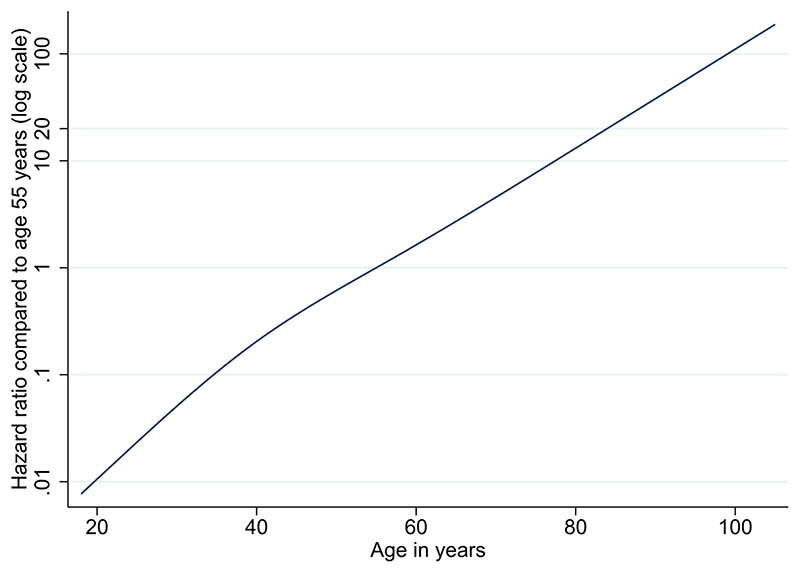
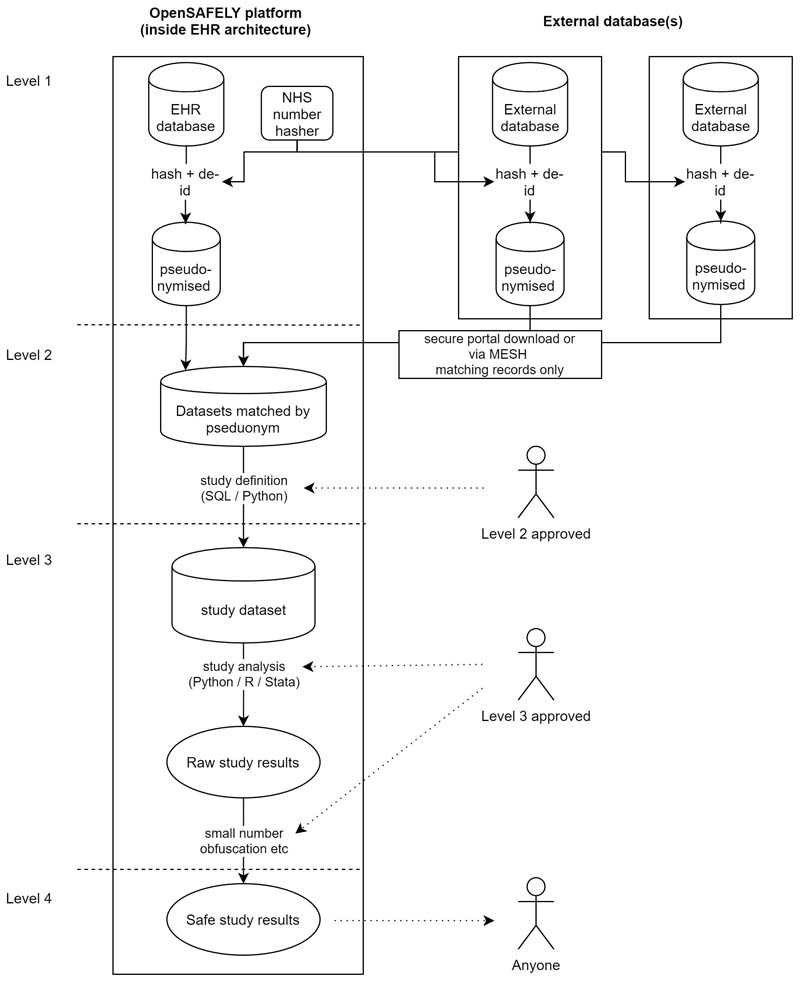
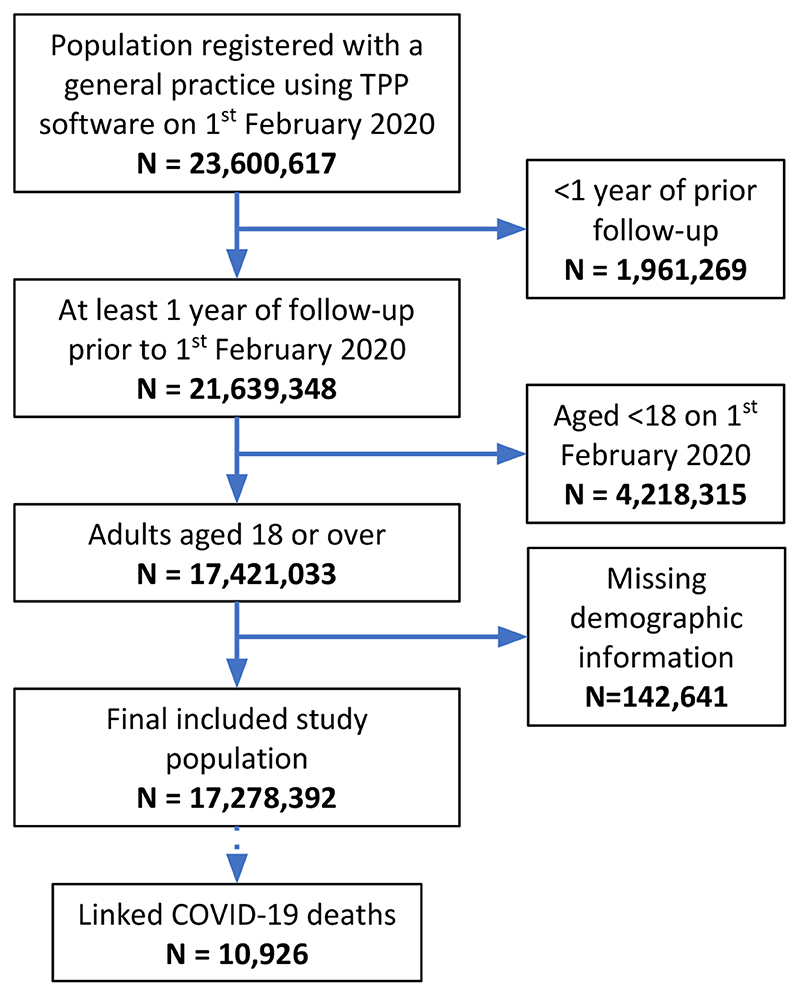
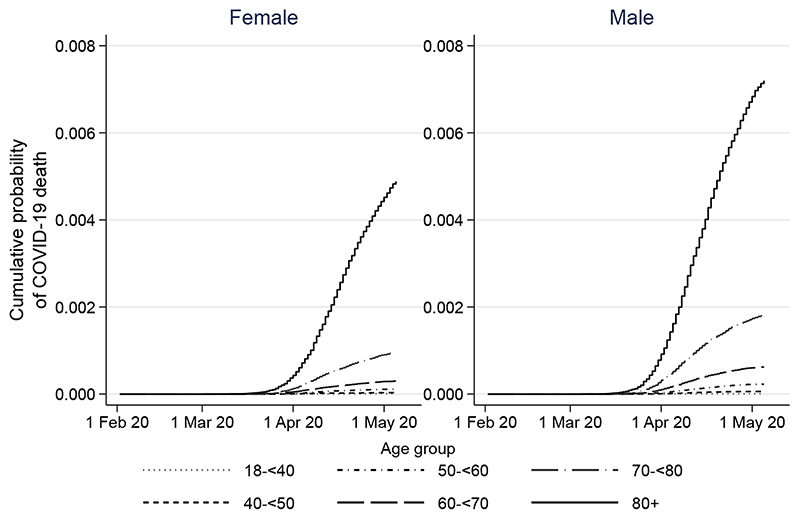
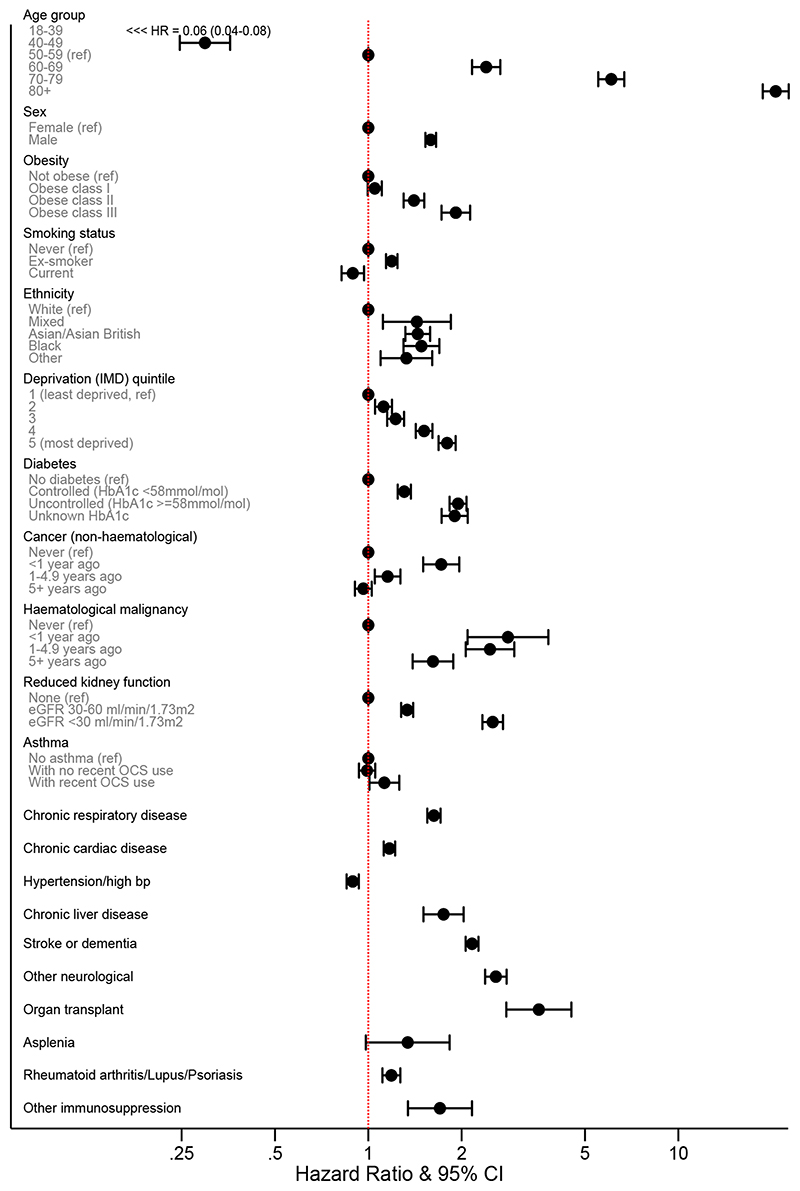
Background: Establishing who is at risk from a novel rapidly arising cause of death, and why, requires a new approach to epidemiological research with very large datasets and timely data. Working on behalf of NHS England we therefore set out to deliver a secure and pseudonymised analytics platform inside the data centre of a major primary care electronic health records vendor establishing coverage across detailed primary care records for a substantial proportion of all patients in England. The following results are preliminary. Data sources: Primary care electronic health records managed by the electronic health record vendor TPP, pseudonymously linked to patient-level data from the COVID-19 Patient Notification System (CPNS) for death of hospital inpatients with confirmed COVID-19, using the new OpenSAFELY platform. Population: 17,425,445 adults. Time period: 1st Feb 2020 to 25th April 2020. Primary outcome: Death in hospital among people with confirmed COVID-19. Methods: Cohort study analysed by Cox-regression to generate hazard ratios: age and sex adjusted, and multiply adjusted for co-variates selected prospectively on the basis of clinical interest and prior findings. Results: There were 5683 deaths attributed to COVID-19. In summary after full adjustment, death from COVID-19 was strongly associated with: being male (hazard ratio 1.99, 95%CI 1.88-2.10); older age and deprivation (both with a strong gradient); uncontrolled diabetes (HR 2.36 95% CI 2.18-2.56); severe asthma (HR 1.25 CI 1.08-1.44); and various other prior medical conditions. Compared to people with ethnicity recorded as white, black people were at higher risk of death, with only partial attenuation in hazard ratios from the fully adjusted model (age-sex adjusted HR 2.17 95% CI 1.84-2.57; fully adjusted HR 1.71 95% CI 1.44-2.02); with similar findings for Asian people (age-sex adjusted HR 1.95 95% CI 1.73-2.18; fully adjusted HR 1.62 95% CI 1.431.82). Conclusions: We have quantified a range of clinical risk factors for death from COVID-19, some of which were not previously well characterised, in the largest cohort study conducted by any country to date. People from Asian and black groups are at markedly increased risk of in-hospital death from COVID-19, and contrary to some prior speculation this is only partially attributable to pre-existing clinical risk factors or deprivation; further research into the drivers of this association is therefore urgently required. Deprivation is also a major risk factor with, again, little of the excess risk explained by co-morbidity or other risk factors. The findings for clinical risk factors are concordant with policies in the UK for protecting those at highest risk. Our OpenSAFELY platform is rapidly adding further NHS patients’ records; we will update and extend these results regularly.
Overview
The claims and statistics of this paper haven’t been checked yet.
Run the check — free, no account needed. It reads the open-access text and checks the sources it cites.
Integrity signals
Registry
Cites
Statistics
Figures
Verification
Claims the paper makes
The claims and statistics of this paper haven’t been checked yet.
Run the check — free, no account needed. It reads the open-access text and checks the sources it cites.
Claims other papers make about this one
Each is checked against this paper’s own text: does it say what the citing paper says it does?
In the citing paper
“However, most associations observed between baseline characteristics and mortality or intubation are in line with prior epidemiological studies [17,19].”
From Association between antidepressant use and reduced risk of intubation or death in hospitalized patients with COVID-19: results from an observational study (2021) · cites this paper as [17]
Self-check
Percentages, sums and reported differences re-computed from the paper’s own numbers.
The self-check needs the paper’s full text.
Citations
Cites
Clinical characteristics of coronavirus disease 2019 in China
Guan, W.-J., Ni, Z.-Y., Hu, Y., Liang, W.-H., Ou, C.-Q., He, J.-X., Liu, L., Shan, H., Lei, C.-L., Hui, D. S. C., et al. (2020) · New England Journal of Medicine · doi:10.1056/nejmoa2002032 · Cited by 30,246
A New Equation to Estimate Glomerular Filtration Rate
Levey, A. S., Stevens, L. A., Schmid, C. H., Zhang, Y. (., Castro, A. F., Feldman, H. I., Kusek, J. W., Eggers, P., Van Lente, F., Greene, T., et al. (2009) · Annals of Internal Medicine · doi:10.7326/0003-4819-150-9-200905050-00006 · Cited by 25,603
Clinical Characteristics of Coronavirus Disease 2019 in China
Eastin, C., & Eastin, T. (2020) · Journal of Emergency Medicine · doi:10.1016/j.jemermed.2020.04.004 · Cited by 24,945 · cited 2×
“9 Smoking prevalence among hospitalised patients was lower than expected in China (1,099 patients, 12.6% vs 28% in the general population), 10 and in a small French study (139 outpatients and 343 inpatients; Standardized Incidence Ratios 0.197 and 0.246, respectively).”
BackgroundInfluentialSimonnet, A., Chetboun, M., Poissy, J., Raverdy, V., Noulette, J., Duhamel, A., Labreuche, J., Mathieu, D., Pattou, F. N., Jourdain, M., et al. (2020) · Obesity · doi:10.1002/oby.22831 · Cited by 2,150
Hagard, S. (1995) · The Knight and the Blast Furnace · doi:10.1177/102538239500200213 · Cited by 1,914
Robertson, J. (1988) · Public Health · doi:10.1016/s0033-3506(88)80059-3 · Cited by 1,472
Clegg, A. P., Bates, C. J., Young, J. B., Ryan, R. P., Nichols, L., Teale, E. A., Mohammed, M. A., Parry, J., & Marshall, T. P. (2016) · Age and Ageing · doi:10.1093/ageing/afw039 · Cited by 1,341
Self-citationObesity in Patients Younger Than 60 Years Is a Risk Factor for COVID-19 Hospital Admission
Lighter, J., Phillips, M., Hochman, S. E., Sterling, S., Johnson, D., François, F., & Stachel, A. G. (2020) · Clinical Infectious Diseases · doi:10.1093/cid/ciaa415 · Cited by 1,233 · cited 3×
“63)(6); obesity was also reported as a risk factor for treatment escalation in smaller studies in France and New York.(7,8) .”
BackgroundInfluentialStrongman, H., Gadd, S. C., Matthews, A., Mansfield, K. E., Stanway, S. J., Lyon, A. R., dos‐Santos‐Silva, I., Smeeth, L. L., & Bhaskaran, K. (2019) · The Lancet · doi:10.1016/s0140-6736(19)31674-5 · Cited by 548
Self-citationIs ethnicity linked to incidence or outcomes of covid-19?
Khunti, K. K., Singh, A. K., Pareek, M., & Hanif, W. (2020) · BMJ · doi:10.1136/bmj.m1548 · Cited by 493 · cited 1×
“12,13,46 Commentators and researchers have reasonably speculated that this might be due to higher prevalence of medical problems such as cardiovascular disease or diabetes among BME people, or higher deprivation.”
Background
Cited by
Sorted by citations
How mental health care should change as a consequence of the COVID-19 pandemic
Moreno, C., Wykes, T., Galderisi, S., Nordentoft, M., Crossley, N., Jones, N., Cannon, M., Correll, C. U., Byrne, L., Carr, S., et al. (2020) · The Lancet Psychiatry · doi:10.1016/s2215-0366(20)30307-2 · Cited by 1,840
Why does COVID-19 disproportionately affect older people?
Mueller, A. L., McNamara, M. S., & Sinclair, D. A. (2020) · Aging · doi:10.18632/aging.103344 · Cited by 1,128
Dietary Choices and Habits during COVID-19 Lockdown: Experience from Poland
Sidor, A., & Rzymski, P. (2020) · Nutrients · doi:10.3390/nu12061657 · Cited by 1,178
Aftab, R. (2020) · InnovAiT Education and inspiration for general practice · doi:10.1177/1755738020938394 · Cited by 3
COVID-19 in people with diabetes: understanding the reasons for worse outcomes
Apicella, M., Campopiano, M. C., Mantuano, M., Mazoni, L., Coppelli, A., & Prato, S. D. (2020) · The Lancet Diabetes & Endocrinology · doi:10.1016/s2213-8587(20)30238-2 · Cited by 949
Talic, S., Shah, S., Wild, H., Gašević, D., Maharaj, A. D., Ademi, Z., Li, X., Xu, W., Mesa‐Eguiagaray, I., Rostron, J., et al. (2021) · BMJ · doi:10.1136/bmj-2021-068302 · Cited by 850
Izcovich, A., Ragusa, M. A., Tortosa, F. G., Marzio, M. A. L., Agnoletti, C., Bengolea, A., Ceirano, A., Espinosa, F., Saavedra, E., Sanguine, V., et al. (2020) · PLoS ONE · doi:10.1371/journal.pone.0241955 · Cited by 676
Links between air pollution and COVID-19 in England
Travaglio, M., Yu, Y., Popovic, R., Selley, L., Leal, N. S., & Martins, L. M. (2020) · Environmental Pollution · doi:10.1016/j.envpol.2020.115859 · Cited by 646
Lee, L. Y. W., Cazier, J., Starkey, T., Briggs, S., Arnold, R. R., Bisht, V., Booth, S. W., Campton, N. A., Cheng, V. W. T., Collins, G. P., et al. (2020) · The Lancet Oncology · doi:10.1016/s1470-2045(20)30442-3 · Cited by 575
Baqui, P. O., Bica, I., Marra, V., Ercole, A., & van der Schaar, M. (2020) · The Lancet Global Health · doi:10.1016/s2214-109x(20)30285-0 · Cited by 627
Fix, O. K., Hameed, B., Fontana, R. J., Kwok, R. M., McGuire, B. M., Mulligan, D. C., Pratt, D. S., Russo, M. W., Schilsky, M. L., Verna, E. C., et al. (2020) · Hepatology · doi:10.1002/hep.31281 · Cited by 473
Lai, A. G., Pasea, L., Banerjee, A., Hall, G., Denaxas, S., Chang, W. H., Katsoulis, M., Williams, B., Pillay, D., Noursadeghi, M., et al. (2020) · BMJ Open · doi:10.1136/bmjopen-2020-043828 · Cited by 447
Chaudhry, R., Dranitsaris, G., Mubashir, T., Bartoszko, J. M., & Riazi, S. (2020) · EClinicalMedicine · doi:10.1016/j.eclinm.2020.100464 · Cited by 433
“A potential protective effect of smoking was identified in a recent evaluation of 17 million adult patients within the National Health Service of the United Kingdom, with 5683 COVID related deaths [31].”
BackgroundResultChai, K. L., Valk, S. J., Piechotta, V., Kimber, C., Monsef, I., Doree, C. J., Wood, E. M., Lamikanra, A., Roberts, D. J., McQuilten, Z., et al. (2020) · Cochrane Database of Systematic Reviews · doi:10.1002/14651858.cd013600.pub3 · Cited by 150
Forecasting for COVID-19 has failed
Ioannidis, J. P. A., Cripps, S., & Tanner, M. A. (2020) · International Journal of Forecasting · doi:10.1016/j.ijforecast.2020.08.004 · Cited by 432
“Based on available prognostic models (e.g. Williamson et al. (2020)), this prognostic classification should be readily attainable.”
InfluentialA stochastic agent-based model of the SARS-CoV-2 epidemic in France
Hoertel, N., Blachier, M., Blanco, C., Olfson, M., Massetti, M., Rico, M. S., Limosin, F., & Leleu, H. (2020) · Nature Medicine · doi:10.1038/s41591-020-1001-6 · Cited by 356
Ioannidis, J. P. A., Axfors, C., & Contopoulos‐Ioannidis, D. G. (2020) · Environmental Research · doi:10.1016/j.envres.2020.109890 · Cited by 333
“Moreover, females may have approximately 2-times lower risk than males (Williamson et al., 2020).”
Hoertel, N., Sánchez-Rico, M., Vernet, R., Beeker, N., Jannot, A.-S., Neuraz, A., Salamanca, E., Paris, N., Daniel, C., Gramfort, A., et al. (2021) · Molecular Psychiatry · doi:10.1038/s41380-021-01021-4 · Cited by 269
“However, most associations observed between baseline characteristics and mortality or intubation are in line with prior epidemiological studies [17, 19].”
ResultOutcomes of patients with end-stage kidney disease hospitalized with COVID-19
Ng, J. H., Hirsch, J. S., Wanchoo, R., Sachdeva, M., Sakhiya, V., Hong, S., Jhaveri, K. D., Fishbane, S. N., Abate, M. T., Andrade, H. P., et al. (2020) · Kidney International · doi:10.1016/j.kint.2020.07.030 · Cited by 300
“In a recent paper from the United Kingdom, the OpenSAFELY Collaborative also found a protective effect of HTN.(10) In their post hoc analysis, the authors found a significant interaction between HTN and age, whereby HTN was associated with lower mortality only among those aged $70 years.”
InfluentialIn vivo antiviral host transcriptional response to SARS-CoV-2 by viral load, sex, and age
Lieberman, N. A. P., Peddu, V., Xie, H. J., Shrestha, L., Huang, M.-L. W., Mears, M. C., Cajimat, M. N. B., Bente, D. A., Shi, P., Bovier, F. T., et al. (2020) · PLoS Biology · doi:10.1371/journal.pbio.3000849 · Cited by 267
Webb, G. J., Marjot, T., Cook, J. A., Aloman, C., Armstrong, M. J., Brenner, E. J., Catana, M.-A., Cargill, T. N., Dhanasekaran, R., García‐Juárez, I., et al. (2020) · The Lancet. Gastroenterology & hepatology · doi:10.1016/s2468-1253(20)30271-5 · Cited by 237
Joy, M., McGagh, D., Jones, N., Liyanage, H., Sherlock, J., Parimalanathan, V., Akinyemi, O., van Vlymen, J., Howsam, G., Marshall, M., et al. (2020) · British Journal of General Practice · doi:10.3399/bjgp20x710933 · Cited by 178
Ethnic and racial disparities in COVID-19-related deaths: counting the trees, hiding the forest
Yaya, S., Yeboah, H., Charles, C. H., Otu, A. A., & Labonté, R. (2020) · BMJ Global Health · doi:10.1136/bmjgh-2020-002913 · Cited by 356
Simons, D., Shahab, L., Brown, J., & Perski, O. (2020) · Qeios · doi:10.32388/ujr2aw · Cited by 10
Modelling optimal vaccination strategy for SARS-CoV-2 in the UK
Moore, S., Hill, E. M., Dyson, L., Tildesley, M. J., & Keeling, M. J. (2021) · PLoS Computational Biology · doi:10.1371/journal.pcbi.1008849 · Cited by 201
“Table 1: Table of identified significant health conditions as calculated in [30].”
BackgroundWilson, M. G., Hull, J. H., Rogers, J., Pollock, N., Dodd, M., Haines, J., Harris, S., Loosemore, M., Malhotra, A., Pieles, G. E., et al. (2020) · British Journal of Sports Medicine · doi:10.1136/bjsports-2020-102710 · Cited by 207
Diabetes and COVID-19: Risks, Management, and Learnings From Other National Disasters
Hartmann‐Boyce, J., Morris, E. M., Goyder, C., Kinton, J., Perring, J. C., Nunan, D., Mahtani, K. R., Buse, J. B., Prato, S. D., Ji, L., et al. (2020) · Diabetes Care · doi:10.2337/dc20-1192 · Cited by 256
Lassale, C. M., Gaye, B., Hamer, M., Galé, C. R., & Batty, G. D. (2020) · Brain Behavior and Immunity · doi:10.1016/j.bbi.2020.05.074 · Cited by 205
“In the UK, inequalities in COVID19 in prognostic studies have been reported such that, in cohorts of hospitalised patients, minority groups appear to have the greatest risk of progression to intensive care and death.(7) In the US, a pooling of hospital data from 38 states also shows that minorities have a greater rate…”
The burden of loneliness: Implications of the social determinants of health during COVID-19
McQuaid, R. J., Cox, S. M. L., Ogunlana, A., & Jaworska, N. (2020) · Psychiatry Research · doi:10.1016/j.psychres.2020.113648 · Cited by 216
Successfully implementing a national electronic health record: a rapid umbrella review
Fennelly, O., Cunningham, C., Grogan, L., Cronin, H., O’Shea, C., Roche, M., Lawlor, F., & O’Hare, N. (2020) · International Journal of Medical Informatics · doi:10.1016/j.ijmedinf.2020.104281 · Cited by 228
Bilal, U., Tabb, L. P., Barber, S., & Diez Roux, A. V. (2021) · Annals of Internal Medicine · doi:10.7326/m20-3936 · Cited by 183
Bailey, D., Clark, J. J., Colombelli, A., Corradini, C., Propris, L. D., Derudder, B., Fratesi, U., Fritsch, M. J., Harrison, J., Hatfield, M., et al. (2020) · Regional Studies · doi:10.1080/00343404.2020.1798611 · Cited by 199
“In particular, evidence suggests that the virus has disproportionally affected the lives of people living in disadvantaged locations and conditions (Williamson et al., 2020).”
BackgroundLassau, N., Ammari, S., Chouzenoux, É., Gortais, H., Hérent, P., Devilder, M., Soliman, S., Meyrignac, O., Talabard, M.-P., Lamarque, J.-P., et al. (2021) · Nature Communications · doi:10.1038/s41467-020-20657-4 · Cited by 187
Socioeconomic inequalities and COVID-19 – A review of the current international literature
Wachtler, B., Michalski, N., Nowossadeck, E., Diercke, M., Wahrendorf, M., Hövener, C., Lampert, T., & Hoebel, J. (2020) · PubMed Central · doi:10.25646/7059 · Cited by 173
Mok, V., Pendlebury, S. T., Wong, A., Alladi, S., Au, L. W. C., Bath, P. M., Biessels, G. J., Chen, C., Cordonnier, C., Dichgans, M., et al. (2020) · Alzheimer s & Dementia · doi:10.1002/alz.12143 · Cited by 206
Self-citationExcess deaths in people with cardiovascular diseases during the COVID-19 pandemic
Banerjee, A., Chen, S., Pasea, L., Lai, A. G., Katsoulis, M., Denaxas, S., Nafilyan, V., Williams, B., Wong, W. K., Bakhai, A., et al. (2020) · European Journal of Preventive Cardiology · doi:10.1093/eurjpc/zwaa155 · Cited by 164
Sy, K. T. L., Haw, N. J., & Uy, J. (2020) · Scandinavian Journal of Infectious Diseases · doi:10.1080/23744235.2020.1806353 · Cited by 172
Konstantinoudis, G., Padellini, T., Bennett, J. E., Davies, B., Ezzati, M., & Blangiardo, M. (2020) · Environment International · doi:10.1016/j.envint.2020.106316 · Cited by 149
“…obstructive pulmonary disease (COPD) and diabetes, because of 1) indications of previous literature that they increase the COVID-19 mortality risk (Williamson et al. 2020; Yang et al. 2020), 2) previous literature that suggest an effect with longterm exposure NO2 (Balti et al. 2014; Cai et al.…”
BackgroundRogers, N. T., Waterlow, N. R., Brindle, H., Enria, L., Eggo, R. M., Lees, S., & Roberts, C. H. (2020) · Frontiers in Public Health · doi:10.3389/fpubh.2020.575091 · Cited by 140
Acute kidney injury associated with COVID-19: A retrospective cohort study
Kolhe, N. V., Fluck, R., Selby, N. M., & Taal, M. W. (2020) · PLoS Medicine · doi:10.1371/journal.pmed.1003406 · Cited by 169
“In initial reports, AKI incidence in people with COVID19 has ranged from 5% to 29% with substantial variation between centres, possibly due to differences in population demographics and risk factors for AKI [1,2,5–9].”
InfluentialRichardson, S. J., Carroll, C. B., Close, J., Gordon, A. L., O’Brien, J., Quinn, T. J., Rochester, L., Sayer, A. A., Shenkin, S. D., van der Velde, N., et al. (2020) · Age and Ageing · doi:10.1093/ageing/afaa149 · Cited by 128
“Older people are bearing the brunt of the pandemic as a group at the highest risk of hospitalization and death from COVID-19 illness [1,2], but they are also significantly affected by the loss of social contact, constraints on movement, disrupted supply chains and loss of non-COVID-19 healthcare that are all consequen…”
BackgroundCouchoud, C., Bayer, F., Ayav, C., Bechade, C., Brunet, P., Chantrel, F., Frimat, L., Galland, R., Hourmant, M., Laurain, E., et al. (2020) · Kidney International · doi:10.1016/j.kint.2020.07.042 · Cited by 148
The potential impacts of obesity on COVID-19
Albashir, A. A. D. (2020) · Clinical Medicine · doi:10.7861/clinmed.2020-0239 · Cited by 150
Covid-19 by Race and Ethnicity: A National Cohort Study of 6 Million United States VeteransPreprint
Rentsch, C., Kidwai-Khan, F., Tate, J., et al. (2020) · medRxiv · doi:10.1101/2020.05.12.20099135 · Cited by 133
Self-citationChadeau‐Hyam, M., Bodinier, B., Elliott, J., Whitaker, M. D., Tzoulaki, I., Vermeulen, R. C. H., Kelly‐Irving, M., Delpierre, C., & Elliott, P. (2020) · International Journal of Epidemiology · doi:10.1093/ije/dyaa134 · Cited by 137
“27,30,31 Whereas the ICU data included a comparator group with non-COVID-19 viral pneumonia, ISARIC data include COVID-19 cases only.”
Ravanan, R., Callaghan, C. J., Mumford, L. L., Ushiro‐Lumb, I., Thorburn, D., Casey, J., Friend, P. J., Parameshwar, J. K., Currie, I. S., Burnapp, L., et al. (2020) · American Journal of Transplantation · doi:10.1111/ajt.16247 · Cited by 143
Enria, L., Waterlow, N. R., Rogers, N. T., Brindle, H. E., Lal, S. D., Eggo, R. M., Lees, S. S., & Roberts, C. H. (2021) · PLoS ONE · doi:10.1371/journal.pone.0239247 · Cited by 152
“Because of low uptake, our study was unable to elicit responses from Black, Asian and Minority Ethnic (BAME) communities and we could not draw any conclusions on the perceptions of a demographic group that has been shown to be disproportionately affected by the pandemic [26, 27].”
Severity of COVID-19 at elevated exposure to perfluorinated alkylates
Grandjean, P., Timmermann, C. A. G., Kruse, M., Nielsen, F., Vinholt, P. J., Boding, L., Heilmann, C., & Mølbak, K. (2020) · PLOS ONE · doi:10.1371/journal.pone.0244815 · Cited by 131
Ioannidis, J. P. A., Axfors, C., & Contopoulos‐Ioannidis, D. G. (2021) · Environmental Research · doi:10.1016/j.envres.2021.110856 · Cited by 123
“…Received 25 January 2021; Received in revised form 4 February 2021; Accepted 4 February 2021 Environmental Research 195 (2021) 110856 gradient for death across age groups (Williamson et al., 2020; Ioannidis et al., 2020; O’Driscoll et al., 2020).”
BackgroundApea, V., Wan, Y. I., Dhairyawan, R., Puthucheary, Z., Pearse, R. M., Orkin, C. M., & Prowle, J. R. (2021) · BMJ Open · doi:10.1136/bmjopen-2020-042140 · Cited by 150
“Current data are limited in either number of COVID-19 patients, ethnic diversity or event rates with limited adjustment for known risk factors and potential predictors(8-11).”
BackgroundResultShah, V., Ko, T. K., Zuckerman, M. A., Vidler, J. B., Sharif, S., Mehra, V., Gandhi, S., Kühnl, A., Yallop, D., Avenoso, D., et al. (2020) · British Journal of Haematology · doi:10.1111/bjh.16935 · Cited by 111
COVID-19 mortality in the UK Biobank cohort: revisiting and evaluating risk factors
Elliott, J., Bodinier, B., Whitaker, M. D., Delpierre, C., Vermeulen, R. C. H., Tzoulaki, I., Elliott, P., & Chadeau‐Hyam, M. (2021) · European Journal of Epidemiology · doi:10.1007/s10654-021-00722-y · Cited by 119
Singh, A. K., & Misra, A. (2020) · Diabetes & Metabolic Syndrome Clinical Research & Reviews · doi:10.1016/j.dsx.2020.08.032 · Cited by 133
Grundy, E. J., Suddek, T., Filippidis, F. T., Majeed, A., & Coronini‐Cronberg, S. (2020) · Tobacco Induced Diseases · doi:10.18332/tid/124788 · Cited by 120
Multimorbidity, polypharmacy, and COVID-19 infection within the UK Biobank cohort
McQueenie, R., Foster, H. M. E., Jani, B., Katikireddi, S. V., Sattar, N. A., Pell, J. P., Ho, F. K. W., Niedzwiedz, C. L., Hastie, C. E., Anderson, J. J., et al. (2020) · PLoS ONE · doi:10.1371/journal.pone.0238091 · Cited by 134
COVID-19 and Gastrointestinal Disease: Implications for the Gastroenterologist
Hunt, R. H., East, J. E., Lanas, Á., Malfertheiner, P., Satsangi, J. J., Scarpignato, C., & Webb, G. J. (2020) · Digestive Diseases · doi:10.1159/000512152 · Cited by 126
Nachega, J. B., Ishoso, D. K., Otshudiema, J. O., Hermans, M. P., Machekano, R. N., Sam-Agudu, N. A., Nswe, C. B.-P., Kingebeni, P. M., Madinga, J. N., Mukendi, S. K., et al. (2020) · American Journal of Tropical Medicine and Hygiene · doi:10.4269/ajtmh.20-1240 · Cited by 134
“study found that HIV-positive individuals had more than double the risk of COVID-19–related mortality than HIV-uninfected individuals after controlling for known confounding factors.(39) Similarly, a retrospective analysis of > 20,000 South African adults with COVID-19 showed that HIV was associated with a doubling of…”
ResultKyrou, I., Karteris, E., Robbins, T., Chatha, K. K., Drenos, F., & Randeva, H. S. (2020) · BMC Medicine · doi:10.1186/s12916-020-01697-5 · Cited by 123
“Recent mortality data strongly indicate that Black, Asian, and Minority Ethnic (BAME) groups are at increased risk of death from COVID-19 even after adjusting for multiple other covariates [9, 10, 46, 47].”
BackgroundSmoking and COVID-19: What we know so far
Shastri, M. D., Shukla, S. D., Chong, W. C., Rajendra, K. C., Dua, K., Patel, R. P., Peterson, G. M., & O’Toole, R. (2020) · Respiratory Medicine · doi:10.1016/j.rmed.2020.106237 · Cited by 110
“One of the largest cohort studies conducted to date from the UK reported an increased risk for in-hospital COVID-19 death in ex-smokers compared to never-smokers (HR 1⋅8 [95% CI 1⋅7–1⋅9]) when adjusted for age and sex [64].”
Mikolai, J., Keenan, K. L., & Kulu, H. (2020) · SSM - Population Health · doi:10.1016/j.ssmph.2020.100628 · Cited by 137
“…of COVID-19 suggests that infections and deaths from the disease operate along existing axes of social inequalities, and that individuals from ethnic minorities, poorer socioeconomic backgrounds and deprived areas are more likely to suffer (Jordan & Adab, 2020; Williamson et al., 2020).”
Bektas, A., Schurman, S. H., Franceschi, C., & Ferrucci, L. (2020) · Immunity & Ageing · doi:10.1186/s12979-020-00196-8 · Cited by 102
“Interestingly, at least in studies conducted in adult and older COVID-19 patients, prognostic factors for mortality are the same as those found associated with a high likelihood and prospective risk of chronic inflammation, namely older age, male sex, obesity, smoking, cardiovascular diseases, asthma or other respirat…”
Cardiometabolic Traits, Sepsis, and Severe COVID-19
Ponsford, M., Gkatzionis, A., Walker, V. M., Grant, A. J., Wootton, R. E., Moore, L. S. P., Fatumo, S., Mason, A. M., Zuber, V., Willer, C. J., et al. (2020) · Circulation · doi:10.1161/circulationaha.120.050753 · Cited by 124
SARS-CoV-2 pandemic: An overview
Martellucci, C. A., Flacco, M. E., Cappadona, R., Bravi, F., Mantovani, L. G., & Manzoli, L. (2020) · Advances in Biological Regulation · doi:10.1016/j.jbior.2020.100736 · Cited by 116
Reilev, M., Kristensen, K. B., Pottegård, A., Lund, L. C., Hallas, J., Ernst, M., Christiansen, C. F., Sørensen, H. T., Johansen, N. B., Brun, N. C., et al. (2020) · International Journal of Epidemiology · doi:10.1093/ije/dyaa140 · Cited by 267
“In accordance with previous descriptive studies, older men with co-morbidities dominated the subgroup of cases with severe or fatal disease.(24,25) Additionally, we found that men had a 2.”
ResultThe Wider Impacts of the Coronavirus Pandemic on the NHS*
Propper, C., Stoye, G., & Zaranko, B. (2020) · Fiscal Studies · doi:10.1111/1475-5890.12227 · Cited by 108
Epidemiology of COVID-19 in the Kingdom of Saudi Arabia: An Ecological Study
Alyami, M. H., Naser, A. Y., Orabi, M. A. A., Alwafi, H. H., & Alyami, H. S. (2020) · Frontiers in Public Health · doi:10.3389/fpubh.2020.00506 · Cited by 109
Metabolic Syndrome and COVID 19: Endocrine-Immune-Vascular Interactions Shapes Clinical Course
Bansal, R., Gubbi, S., & Muniyappa, R. (2020) · Endocrinology · doi:10.1210/endocr/bqaa112 · Cited by 119
Mudanças alimentares na coorte NutriNet Brasil durante a pandemia de covid-19
Steele, E. M., Rauber, F., Costa, C. D. S., Leite, M. A., Gabe, K. T., Louzada, M. L. D. C., Levy, R. B., & Monteiro, C. A. (2020) · Revista de Saúde Pública · doi:10.11606/s1518-8787.2020054002950 · Cited by 171
COVID‐19 and Ethnic Inequalities in England and Wales*
Platt, L., & Warwick, R. (2020) · Fiscal Studies · doi:10.1111/1475-5890.12228 · Cited by 160
COVID‐19: we must not forget about Indigenous health and equity
McLeod, M., Gurney, J., Harris, R. B., Cormack, D. M., & King, P. T. (2020) · Australian and New Zealand Journal of Public Health · doi:10.1111/1753-6405.13015 · Cited by 139
Sattar, N., Ho, F. K., Gill, J. M., Ghouri, N., Gray, S. R., Celis-Morales, C. A., Katikireddi, S. V., Berry, C., Pell, J. P., McMurray, J. J., et al. (2020) · Diabetes & Metabolic Syndrome: Clinical Research & Reviews · doi:10.1016/j.dsx.2020.06.060 · Cited by 104
“When taken in context with other emerging data [2,3,5], our results support the need for public health campaigns to help and support individuals across different ethnic groups who are overweight or obese to lose weight to lessen their chances of severe COVID-19.”
Bravi, F., Flacco, M. E., Carradori, T., Volta, C. A., Cosenza, G., Togni, A. D., Martellucci, C. A., Parruti, G., Mantovani, L. G., & Manzoli, L. (2020) · PLoS ONE · doi:10.1371/journal.pone.0235248 · Cited by 86
“Thus, the present study confirms prior findings on the independent relationship of older age and male gender with death [44], and of COPD with progression towards severe disease [26].”
ResultHarrison, E. M., Docherty, A. B., Barr, B., Buchan, I. E., Carson, G., Drake, T. M., Dunning, J. W., Fairfield, C. J., Gamble, C. L., Green, C., et al. (2020) · SSRN Electronic Journal · doi:10.2139/ssrn.3618215 · Cited by 68
Selenium and RNA Virus Interactions: Potential Implications for SARS-CoV-2 Infection (COVID-19)
Hiffler, L., & Rakotoambinina, B. (2020) · Frontiers in Nutrition · doi:10.3389/fnut.2020.00164 · Cited by 115
Grint, D. J., Wing, K., Houlihan, C. F., Gibbs, H. P., Evans, S. J. W., Williamson, E., McDonald, H. I., Bhaskaran, K., Evans, D., Walker, A. J., et al. (2021) · Clinical Infectious Diseases · doi:10.1093/cid/ciab754 · Cited by 92
Self-citationSingh, A. K., & Khunti, K. (2020) · Diabetes Research and Clinical Practice · doi:10.1016/j.diabres.2020.108266 · Cited by 92
“[46] Williamson E, Walker AJ, Bhaskaran KJ, Bacon S, Bates C, Morton CE, et al.”
The global impact of SARS-CoV-2 in 181 people with cystic fibrosis
McClenaghan, E., Cosgriff, R., Brownlee, K. G., Ahern, S., Burgel, P., Byrnes, C. A., Colombo, C., Corvol, H., Cheng, S. Y., Daneau, G., et al. (2020) · Journal of Cystic Fibrosis · doi:10.1016/j.jcf.2020.10.003 · Cited by 89
When Two Pandemics Meet: Why Is Obesity Associated with Increased COVID-19 Mortality?
Lockhart, S. M., & O’Rahilly, S. (2020) · Med · doi:10.1016/j.medj.2020.06.005 · Cited by 98
“Obesity is Associated with Severe 350 Forms of COVID-19.”
BackgroundInfluentialSex differences in immune responses to SARS-CoV-2 that underlie disease outcomes
Takahashi, T., Wong, P., Ellingson, M., et al. (2020) · medRxiv · doi:10.1101/2020.06.06.20123414 · Cited by 87
Ethnicity, household composition and COVID-19 mortality: a national linked data study
Nafilyan, V., Islam, N., Ayoubkhani, D., et al. (2020) · medRxiv · doi:10.1101/2020.11.27.20238147 · Cited by 85
Self-citationNon‐steroidal anti‐inflammatory drugs, prostaglandins, and COVID‐19
Robb, C. T., Goepp, M., Rossi, A. G., & Yao, C. (2020) · British Journal of Pharmacology · doi:10.1111/bph.15206 · Cited by 104
“without underlying medical conditions can also develop severe disease (Huang et al., 2020; Oxley et al., 2020; Williamson et al., 2020).”
BackgroundIndseth, T., Grøsland, M., Arnesen, T. M., Skyrud, K. D., Kløvstad, H., Veneti, L., Telle, K. E., & Kjøllesdal, M. K. R. (2021) · Scandinavian Journal of Public Health · doi:10.1177/1403494820984026 · Cited by 83
“Social disadvantage, as experienced by many immigrants, has also been linked to increased risk of COVID-19 [5,6].”
BackgroundSaso, A., Skirrow, H., & Kampmann, B. (2020) · Vaccines · doi:10.3390/vaccines8030556 · Cited by 100
“Risk factors for adverse outcomes had already been established [2,3] with healthy women of childbearing age, newborn babies and infants generally considered to be less severely affected by the severe acute respiratory syndrome coronavirus-2 (SARS-CoV-2) than other age groups [4,5].”
BackgroundPiscoya, A., Ng-Sueng, L. F., del Riego, A. P., Cerna-Viacava, R., Pasupuleti, V., Roman, Y. M., Thota, P., White, C. M., & Hernández, A. V. (2020) · PLoS ONE · doi:10.1371/journal.pone.0243705 · Cited by 81
Perez‐Guzman, P. N., Daunt, A., Mukherjee, S. K., Crook, P., Forlano, R., Kont, M. D., Løchen, A., Vollmer, M., Middleton, P. K., Judge, R., et al. (2020) · Clinical Infectious Diseases · doi:10.1093/cid/ciaa1091 · Cited by 81
Mamelund, S., Shelley‐Egan, C., & Røgeberg, O. J. (2021) · PLoS ONE · doi:10.1371/journal.pone.0244346 · Cited by 98
“This resembles the finding of a study of COVID-19 hospital deaths demonstrating that medical risk factors did little to explain the higher risks of the deprived and of immigrants in the UK [69].”
ResultAsthma and the Coronavirus Disease 2019 Pandemic: A Literature Review
Morais‐Almeida, M., Pité, H., Aguiar, R., Ansotegui, I. J., & Bousquet, J. (2020) · International Archives of Allergy and Immunology · doi:10.1159/000509057 · Cited by 98
Jacobs, M., Eeckhoutte, H. P. V., Wijnant, S. R. A., Janssens, W., Joos, G., Brusselle, G., & Bracke, K. R. (2020) · European Respiratory Journal · doi:10.1183/13993003.02378-2020 · Cited by 96
“6 SARS-CoV-2 infection [12, 13].”
BackgroundShaping more resilient and just food systems: Lessons from the COVID-19 Pandemic
Bellamy, A. S., Furness, E., Nicol, P., Pitt, H., & Taherzadeh, A. (2021) · AMBIO · doi:10.1007/s13280-021-01532-y · Cited by 88
Hegyi, P. J., Váncsa, S., Ocskay, K., Dembrovszky, F., Kiss, S., Farkas, N., Erőss, B. M., Szakács, Z., Hegyi, P. J., & Pár, G. (2021) · Frontiers in Medicine · doi:10.3389/fmed.2021.626425 · Cited by 70
British Medical Journal Publishing Group (2021) · BMJ · doi:10.1136/bmj.n2997 · Cited by 106
HIV and COVID-19: Intersecting Epidemics With Many Unknowns
Lesko, C. R., & Bengtson, A. M. (2020) · American Journal of Epidemiology · doi:10.1093/aje/kwaa158 · Cited by 133
“Ambiguity about the meaning of the term ―independent risk factor‖ make it highly likely that results will be misinterpreted and misapplied (20, 21).”
BackgroundMeyerowitz, E. A., Kim, A. Y., Ard, K. L., Basgoz, N. O., Chu, J. T., Hurtado, R. M., Lee, C. K., He, W. W., Minukas, T., Nelson, S. B., et al. (2020) · AIDS · doi:10.1097/qad.0000000000002607 · Cited by 77
Smoking and the risk of COVID-19 in a large observational population studyPreprint
Israel, A., Feldhamer, E., Lahad, A., Levin‐Zamir, D., & Lavie, G. (2020) · medRxiv · doi:10.1101/2020.06.01.20118877 · Cited by 64
Rabaan, A. A., Al-Ahmed, S. H., Garout, M. A., Al‐Qaaneh, A. M., Sule, A. A., Tirupathi, R., Mutair, A. S. A., Alhumaid, S., Hasan, A., Dhawan, M. K., et al. (2021) · Pathogens · doi:10.3390/pathogens10050565 · Cited by 84
Abdulaal, A., Patel, A. M., Charani, E., Denny, S., Mughal, N., & Moore, L. S. P. (2020) · Journal of Medical Internet Research · doi:10.2196/20259 · Cited by 88
Societal Impacts of Pandemics: Comparing COVID-19 With History to Focus Our Response
Patterson, G. E., McIntyre, K. M., Clough, H. E., & Rushton, J. (2021) · Frontiers in Public Health · doi:10.3389/fpubh.2021.630449 · Cited by 114
Obesity and covid-19: the role of the food industry
Tan, M., He, F. J., & MacGregor, G. A. (2020) · BMJ · doi:10.1136/bmj.m2237 · Cited by 78
Andrews, C., Schultze, A., Curtis, H. J., et al. (2022) · medRxiv · doi:10.1101/2022.06.23.22276802 · Cited by 72
“The deployment of TPP SystmOne software is known to be geographically clustered (6), and factors such as sex, age, ethnicity and levels of deprivation, which are important clinical risk factors for death from COVID-19 (7), show regional variability across England (8).”
BackgroundSelf-citation
Metadata
- Authors
- Collaborative, T. O., Williamson, E., Walker, A. J., Bhaskaran, K., Bacon, S., Bates, C., Morton, C. E., Curtis, H. J., Mehrkar, A., Evans, D., Inglesby, P., Cockburn, J., McDonald, H. I., MacKenna, B., Tomlinson, L., Douglas, I. J., Rentsch, C. T., Mathur, R., Wong, A., Grieve, R., Harrison, D., Forbes, H., Schultze, A., Croker, R., Parry, J., Hester, F., Harper, S., Perera, R., Evans, S., Smeeth, L., & Goldacre, B.
- Affiliations
- London School of Hygiene & Tropical Medicine (GB)
- University of Oxford (GB)
- National Institute for Health and Care Research (GB)
- Corresponding author
- Goldacre, Ben
- ORCID
- Williamson, Elizabeth
- Walker, Alex J
- Bhaskaran, Krishnan
- Bacon, Seb
- Morton, Caroline E
- Curtis, Helen J
- Inglesby, Peter
- Cockburn, Jonathan
- McDonald, Helen I
- MacKenna, Brian
- Tomlinson, Laurie
- Douglas, Ian J
- Rentsch, Christopher T
- Mathur, Rohini
- Wong, Angel
- Grieve, Richard
- Harrison, David
- Schultze, Anna
- Croker, Richard
- Hester, Frank
- Perera, Raf
- Evans, Stephen
- Smeeth, Liam
- Goldacre, Ben
- Venue
- Nature
- Publisher
- openRxiv
- Published
- 2020-05-07
- Volume
- 584
- Issue
- 7821
- Pages
- 430-436
- ISSN
- 0028-0836 (ISSN-L)
- PMC
- PMC7611074
- OpenAlex
- W3047144258
- Cited by
- 6,674
- References
- 32
- Citations by year
- 2026: 176 · 2025: 303 · 2024: 698 · 2023: 904 · 2022: 1505 · 2021: 2173 · 2020: 908
- FWCI
- 179.94
- Type
- journal article
- Language
- en
- Open access
- bronze
- doi.org
- Locations
- Nature (publishedVersion)
- medRxiv (acceptedVersion, cc-by)
- PubMed (publishedVersion)
- LSHTM Research Online (London School of Hygiene and Tropical Medicine) (acceptedVersion)
- PubMed Central (acceptedVersion, cc-by)
- RePEc: Research Papers in Economics (submittedVersion)
- Queen Mary Research Online (Queen Mary University of London) (submittedVersion)
- Funders
- London School of Hygiene and Tropical Medicine
- Wellcome Trust (107731/Z/15/Z, 201375/Z/16/Z, 201375, 107731)
- UK Research and Innovation
- National Institute for Health Research Health Protection Research Unit
- National Institute for Health and Care Research
- British Heart Foundation (FS/19/19/34175)
- Department of Health and Social Care
- Royal Society
- Diabetes UK
- Public Health England
- Medical Research Council (MR/S003940/1)
- NIHR Oxford Biomedical Research Centre
- National Institute for Health and Care Research Applied Research Collaboration Oxford and Thames Valley
- Topics
- Health Sciences › Medicine › Infectious Diseases › COVID-19 Clinical Research Studies
- Health Sciences › Medicine › Oncology › COVID-19 and healthcare impacts
- Physical Sciences › Mathematics › Modeling and Simulation › COVID-19 epidemiological studies
- Keywords
- COVID-19 pandemic, COVID-19 mortality, risk factors, OpenSAFELY, primary care electronic health records, sex differences, age, socioeconomic deprivation, diabetes mellitus, severe asthma, ethnicity, NHS England, cohort studies
- MeSH terms
- Betacoronavirus, COVID-19, SARS-CoV-2, Adolescent, Adult, Age Factors, Aged, Aged, 80 and over, Aging, Asthma, Diabetes Mellitus, Female, Humans, Hypertension, Male, Middle Aged, Pneumonia, Viral, Sex Characteristics, Smoking, State Medicine, Cohort Studies, Proportional Hazards Models, Age Distribution, Coronavirus Infections, Risk Assessment, Black People, Asian People, Young Adult, Pandemics
About these checks
Registry, retraction, Cites and statistics results are computed, not judged, with one exception: a printed reference that no index lists is read once by a model before it counts as a citation error. Claims are extracted by a model and kept only when their quote appears verbatim in the text; each cited source is then checked, with a model’s help, for whether it says what the claim relies on. Those verdicts can be wrong — read the claim’s quote and the cited source before relying on one.
Statistics and arithmetic are recomputed, not judged.
Confidence bands are shown only for fields calibrated on our annotated test set. None is calibrated yet, so no band is shown.
What counts as a claim ›How we measure confidence ›How we check this ›
Are you an author, or do you see a problem with this page? Request a review
