

Blind Hyperspectral Unmixing Using Autoencoders: A Critical Comparison
Open accessThe DOI matches its Crossref record; 131 of the 132 references it cites were found in a registry or an index.
Abstract
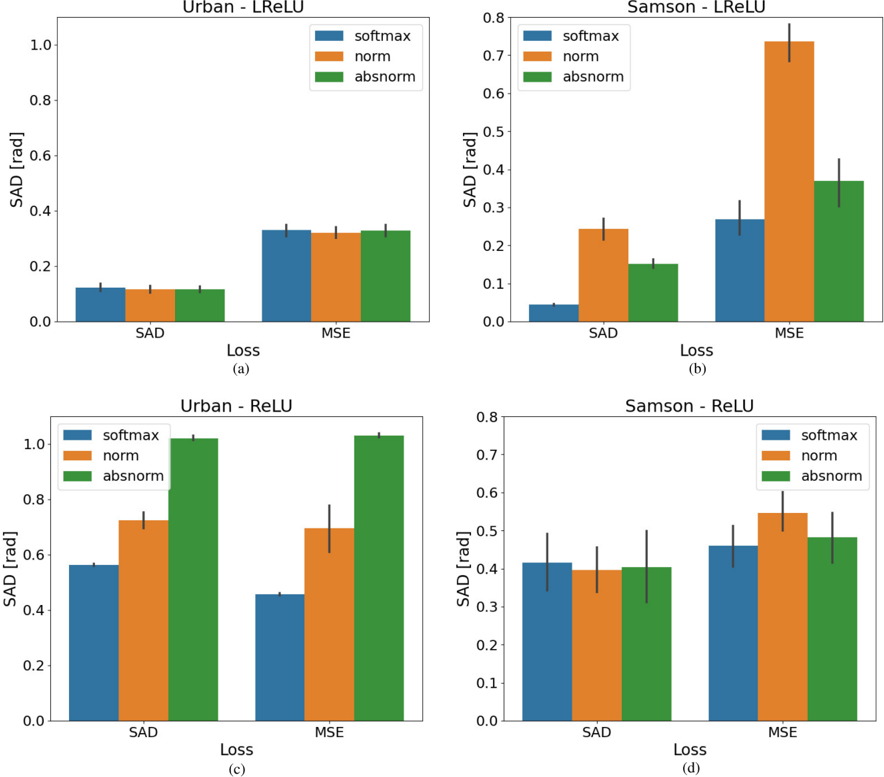
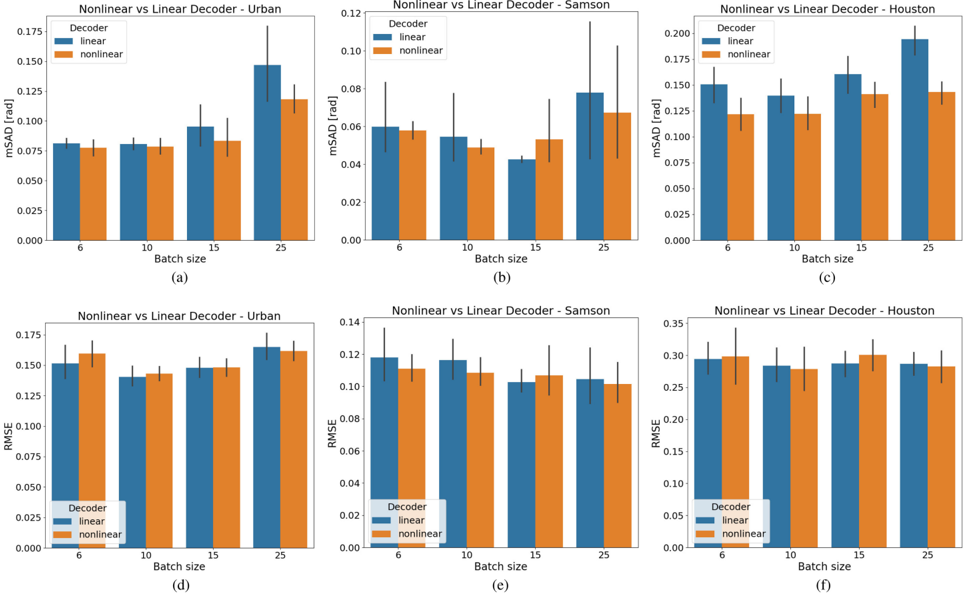
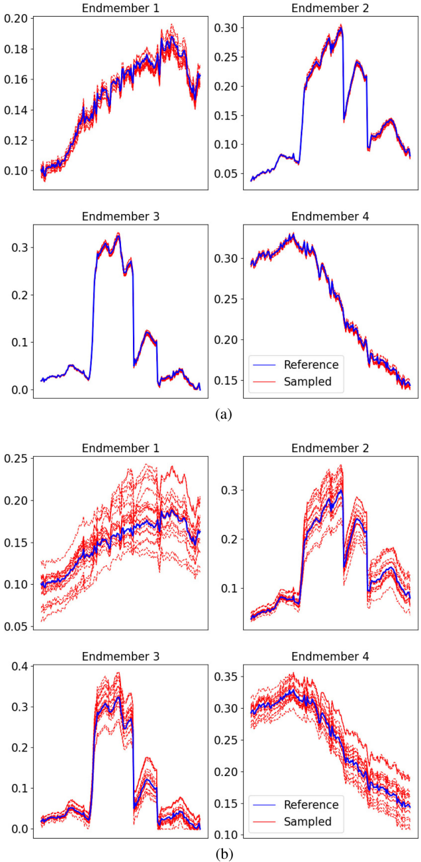
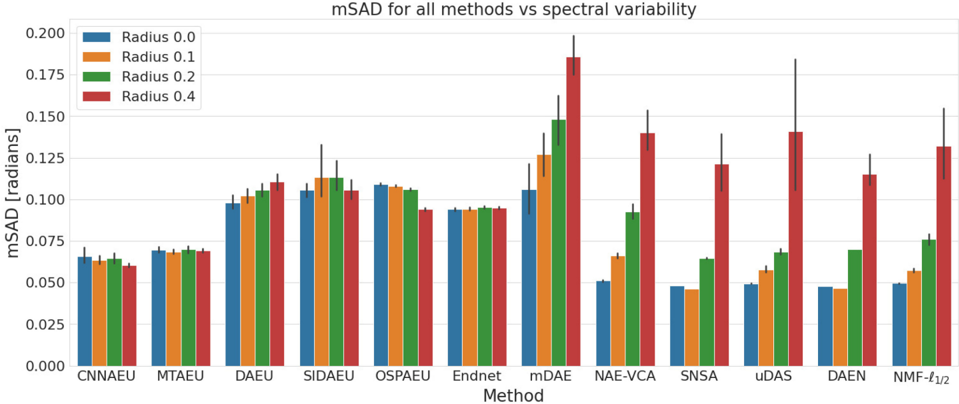
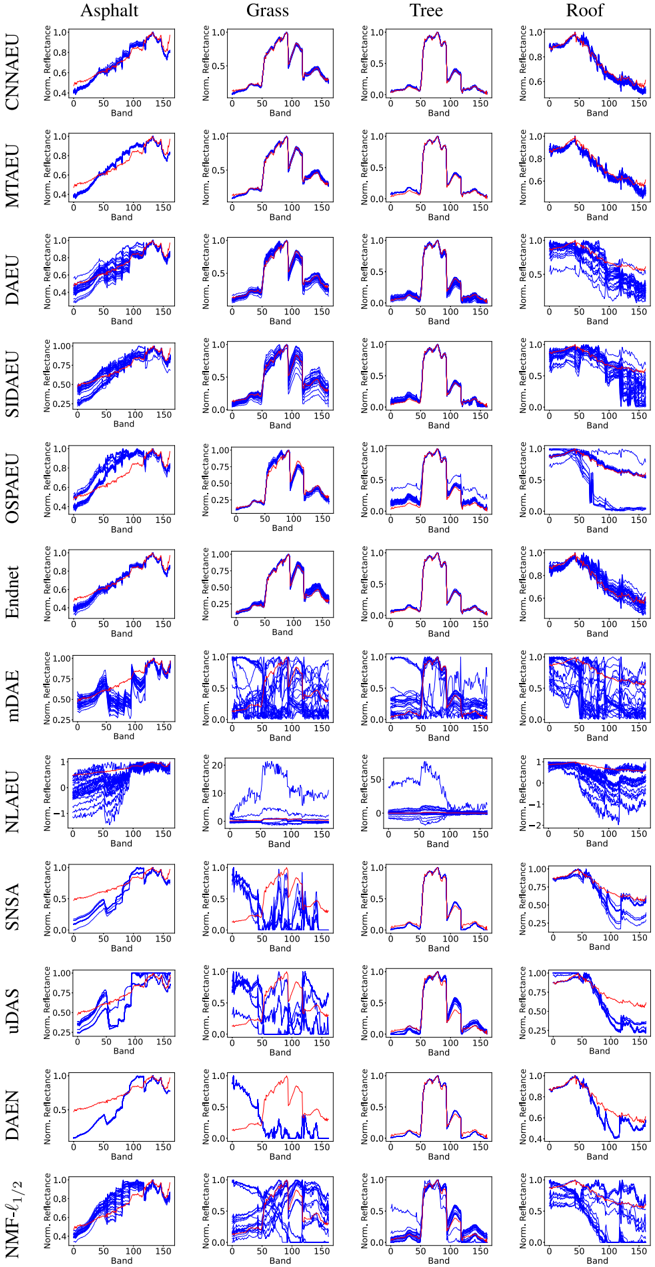
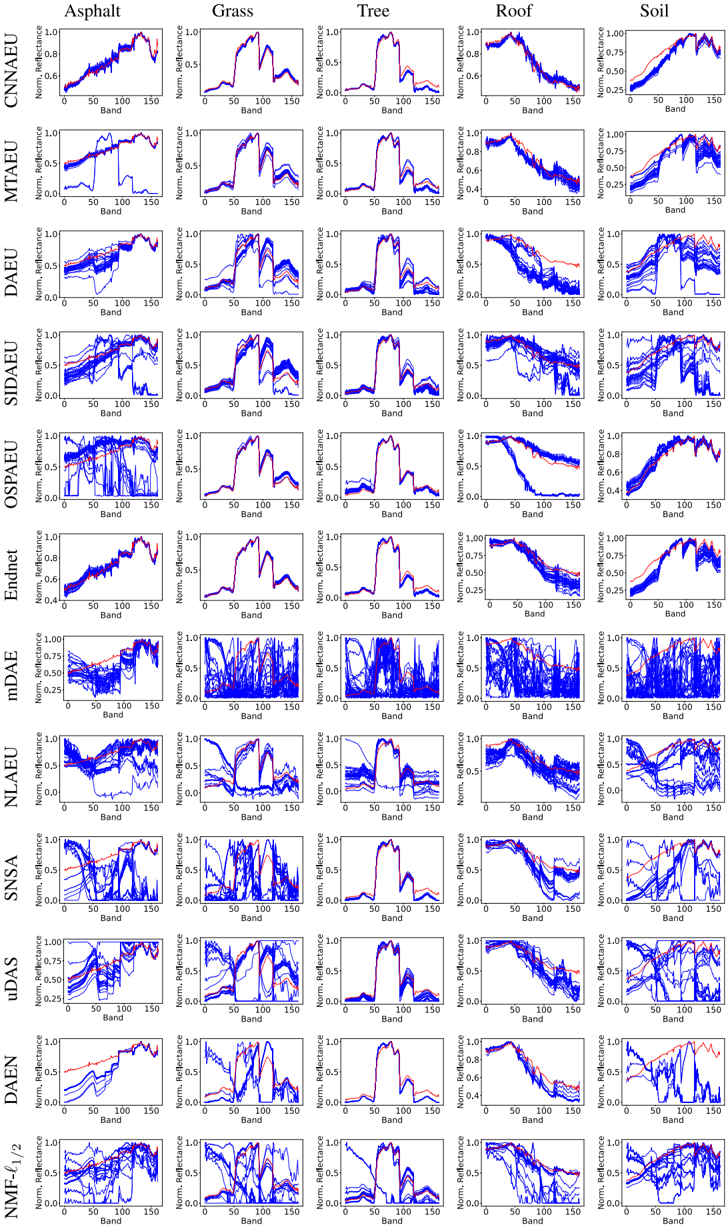
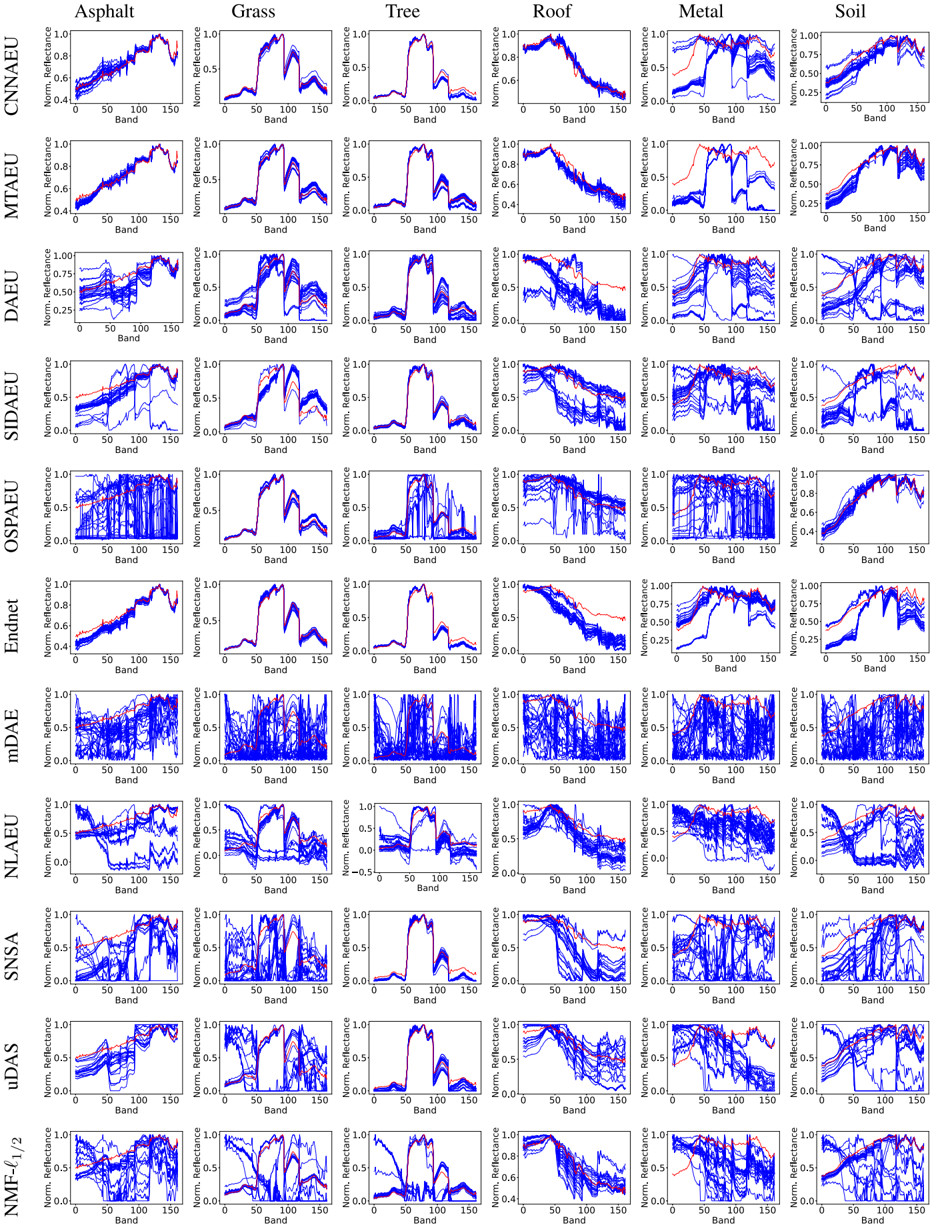
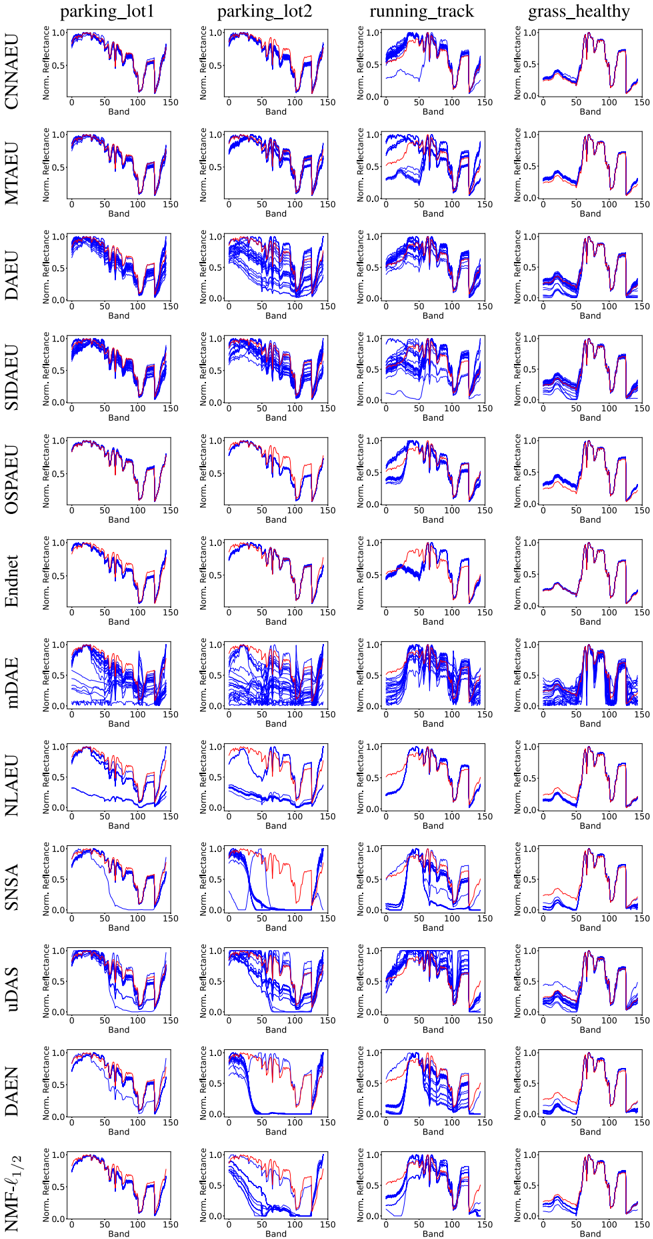
Deep learning (DL) has heavily impacted the data-intensive field of remote sensing. Autoencoders are a type of DL methods that have been found to be powerful for blind hyperspectral unmixing (HU). HU is the process of resolving the measured spectrum of a pixel into a combination of a set of spectral signatures called endmembers and simultaneously determining their fractional abundances in the pixel. This article details the various autoencoder architectures used in HU and provides a critical comparison of some of the existing published blind unmixing methods based on autoencoders. Eleven different autoencoder methods and one traditional method will be compared in blind unmixing experiments using four real datasets and four synthetic datasets with different spectral variability. Additionally, extensive ablation experiments with a simple spectral unmixing autoencoder will be performed. The results are interpreted in terms of the various implementation details, and the question of why autoencoder methods are so powerful compared to traditional methods is unraveled. The source codes for all methods implemented in this article can be found athttps://github.com/burknipalsson/hu_autoencoders.
Overview
The claims and statistics of this paper haven’t been checked yet.
Free: it reads the open-access text and checks the first 5 claims that cite a source we can check. Create a free account to check every claim.
Integrity signals
Registry
Cites
Statistics
Figures


Verification
Claims the paper makes
The claims and statistics of this paper haven’t been checked yet.
Free: it reads the open-access text and checks the first 5 claims that cite a source we can check. Create a free account to check every claim.
Self-check
Percentages, sums and reported differences re-computed from the paper’s own numbers.
The self-check needs the paper’s full text.
Citations
Cites
Hochreiter, S., & Schmidhuber, J. (1997) · Neural Computation · doi:10.1162/neco.1997.9.8.1735 · Cited by 102,318 · cited 1×
“The method in [110] is the first blind HU method to utilize a long short-term memory [111] network.”
Method(2014) · Cited by 33,419
Batch Normalization: Accelerating Deep Network Training by Reducing Internal Covariate Shift
Ioffe, S., & Szegedy, C. (2015) · arXiv · doi:10.48550/arxiv.1502.03167 · Cited by 27,818 · cited 2×
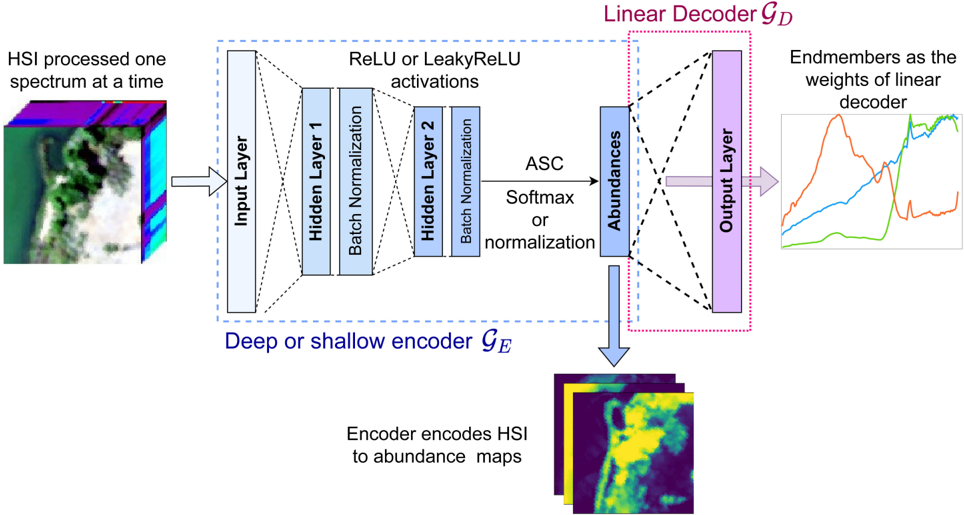
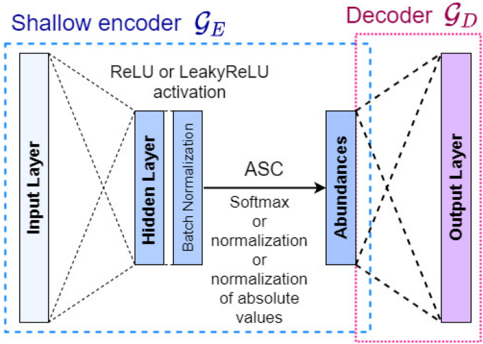
“Batch normalization is used to speed up the training of neural networks and make them more stable through normalization of the inputs to a layer by recentering and rescaling [86].”
BackgroundMethodUnpaired image-to-image translation using cycle-consistent adversarial networks
Zhu, J.-Y., Park, T., Isola, P., & Efros, A. A. (2017) · 2017 IEEE International Conference on Computer Vision (ICCV) · doi:10.1109/iccv.2017.244 · Cited by 23,602
Reducing the dimensionality of data with neural networks
Hinton, G. E., & Salakhutdinov, R. R. (2006) · Science · doi:10.1126/science.1127647 · Cited by 20,928
Auto-Encoding Variational Bayes
Kingma, D. P., & Welling, M. (2013) · arXiv · doi:10.48550/arxiv.1312.6114 · Cited by 20,067
Learning Internal Representations by Error Propagation
Rumelhart, D. E., Hinton, G. E., & Williams, R. J. (1985) · doi:10.21236/ada164453 · Cited by 16,172
(2012) · Cited by 8,009
Practical Bayesian Optimization of Machine Learning Algorithms
Snoek, J., Larochelle, H., & Adams, R. P. (2012) · arXiv · doi:10.48550/arxiv.1206.2944 · Cited by 6,691 · cited 1×
“In recent years, Bayesian optimization [118] has emerged as a state-of-the-art optimization framework for the optimization of blackbox functions, especially expensive ones.”
Background(2017) · International Conference on Machine Learning · Cited by 6,382
Research works printed but not linked: 7
- 13. I. Goodfellow, Y. Bengio, and A. Courville, Deep Learning. Cambridge, MA, USA: MIT Press, 2016.
- 40. J. Bioucas-Dias and J. Nascimento, "Hyperspectral subspace identifica- tion," IEEE Trans. Geosci. Remote Sens., vol. 46, no. 8, pp. 2435-2445, Aug. 2008.
- 53. J. Sigurdsson, M. O. Ulfarsson, and J. R. Sveinsson, "Hyperspectral unmixing with l q regularization," IEEE Trans. Geosci. Remote Sens., vol. 52, no. 11, pp. 6793-6806, Nov. 2014.
- 63. A. Makhzani, J. Shlens, N. Jaitly, and I. Goodfellow, "Adversarial au- toencoders," 2016. [Online]. Available: http://arxiv.org/abs/1511.0564
- 67. M. Chen, Z. Xu, K. Q. Weinberger, and F. Sha, "Marginalized stacked denoising autoencoders," in j. Mach. Learn. Res., vol. 16, no. 1, pp. 3849-3875, 2015.
- 71. A. L. Maas, A. Y. Hannun, and A. Y. Ng, "Rectifier nonlinearities improve neural network acoustic models," in Proc. Int. Conf. Mach. Learn., 2013, vol. 30, no. 1, p. 3.
- 102. M. Arjovsky, S. Chintala, and L. Bottou, "Wasserstein generative ad- versarial networks," in Proc. 34th Int. Conf. Mach. Learn., Aug. 2017, vol. 70, pp. 214-223.
Cited by
Autoencoders and their applications in machine learning: a survey
Berahmand, K., Daneshfar, F., Salehi, E. S., Li, Y., & Xu, Y. (2024) · Artificial Intelligence Review · doi:10.1007/s10462-023-10662-6 · Cited by 593
Self-Supervised Learning in Remote Sensing: A review
Wang, Y., Albrecht, C. M., Braham, N. A. A., Mou, L., & Zhu, X. X. (2022) · IEEE Geoscience and Remote Sensing Magazine · doi:10.1109/mgrs.2022.3198244 · Cited by 364
“AUTOENCODERS IN REMOTE SENSING AEs have been widely used to learn representation from various remote sensing data like multispectral images [92]–[99], HSIs [100]–[107], and SAR images [108]–[111].”
MethodHyperspectral Unmixing Using Transformer Network
Ghosh, P., Roy, S. K., Koirala, B., Rasti, B., & Scheunders, P. (2022) · IEEE Transactions on Geoscience and Remote Sensing · doi:10.1109/tgrs.2022.3196057 · Cited by 175
“In [30], autoencoders that have been used for hyperspectral unmixing are grouped into five different categories: (a) Sparse nonnegative autoencoders (a stack of nonnegative sparse autoencoders (SNSA)) [31] (b) Variational autoencoders (Deep AutoEncoder Network (DAEN) [32], Deep Generative Unmixing algorithm (DeepGUn)…”
MethodHyperspectral Unmixing Based on Nonnegative Matrix Factorization: A Comprehensive Review
Feng, X.-R., Li, H.-C., Wang, R., Du, Q., Jia, X., & Plaza, A. (2022) · IEEE Journal of Selected Topics in Applied Earth Observations and Remote Sensing · doi:10.1109/jstars.2022.3175257 · Cited by 179
“Therefore, many researchers have focused on hyperspectral unmixing using autoencoder and its variants, achieving more competitive unmixing performance [41]–[47].”
BackgroundTensor Decompositions for Hyperspectral Data Processing in Remote Sensing: A comprehensive review
Wang, M., Hong, D., Han, Z., Li, J., Yao, J. T., Gao, L., Zhang, B., & Chanussot, J. (2023) · IEEE Geoscience and Remote Sensing Magazine · doi:10.1109/mgrs.2022.3227063 · Cited by 146
“A classic tutorial [244] is presented for practitioners to understand the parallel and distributed computation of big tensors from the perspective of mathematical analytics.”
BackgroundSelf-Supervised Remote Sensing Feature Learning: Learning Paradigms, Challenges, and Future Works
Tao, C., Qi, J., Guo, M., Zhu, Q., & Li, H. (2023) · IEEE Transactions on Geoscience and Remote Sensing · doi:10.1109/tgrs.2023.3276853 · Cited by 125
“[17], [18], [19], [20], autoencoder [21], [22], [23], [24], [25], [26], [27], [28], [29], [30], and deep belief networks [31].”
Yüzer, E., Doğan, V., Kılıç, V., & Şen, M. (2022) · Sensors and Actuators B Chemical · doi:10.1016/j.snb.2022.132489 · Cited by 108
Chen, J., Zhao, M., Wang, X., Richard, C., & Rahardja, S. (2023) · IEEE Signal Processing Magazine · doi:10.1109/msp.2022.3208987 · Cited by 90
“Preliminary comparison results of several autoencoder-based unmixing methods with synthetic and real datasets have been recently provided in [42].”
ResultMulti-stage convolutional autoencoder network for hyperspectral unmixing
Yu, Y., Ma, Y., Mei, X., Fan, F., Huang, J., & Li, H. (2022) · International Journal of Applied Earth Observation and Geoinformation · doi:10.1016/j.jag.2022.102981 · Cited by 68
Rasti, B., Zouaoui, A., Mairal, J., & Chanussot, J. (2024) · IEEE Transactions on Geoscience and Remote Sensing · doi:10.1109/tgrs.2024.3393570 · Cited by 83
“A comparative study was provided on the performance of AEs for hyperspectral unmixing in [10].”
BackgroundMethodInfluentialUST-Net: A U-Shaped Transformer Network Using Shifted Windows for Hyperspectral Unmixing
Yang, Z., Xu, M., Liu, S., Sheng, H., & Wan, J. (2023) · IEEE Transactions on Geoscience and Remote Sensing · doi:10.1109/tgrs.2023.3321839 · Cited by 62
“…recent years, such as long short-term memory (LSTM), generative adversarial network (GAN), convolutional neural network (CNN), transformer, and other state-of-the-art networks, have been adapted into AE structures and successfully applied to HU [40], [41], [42], [43], [44], [45], [46], [47], [48].”
BackgroundMethodHyperspectral unmixing for Raman spectroscopy via physics-constrained autoencoders
Georgiev, D., Fernández-Galiana, Á., Vilms Pedersen, S., Papadopoulos, G., Xie, R., Stevens, M. M., & Barahona, M. (2024) · Proceedings of the National Academy of Sciences · doi:10.1073/pnas.2407439121 · Cited by 50
“Autoencoder (AE) neural networks have recently emerged as a framework to enhance the precision of hyperspectral unmixing in remote sensing, spurred by the availability of standardized benchmark datasets for model evaluation (e.g., Urban , Sam-son , AVARIS Cuprite ) [50, 51, 52, 53, 54].”
BackgroundUnDAT: Double-Aware Transformer for Hyperspectral Unmixing
Duan, Y., Xu, X., Li, T., Pan, B., & Shi, Z. (2023) · IEEE Transactions on Geoscience and Remote Sensing · doi:10.1109/tgrs.2023.3310155 · Cited by 56
“AE-based unmixing methods use fully connected and activation layers, with the decoder representing endmembers and the hidden layer outputs providing the corresponding abundances [34], [35],”
MethodLi, M., Yang, B., & Wang, B. (2024) · IEEE Transactions on Geoscience and Remote Sensing · doi:10.1109/tgrs.2024.3363427 · Cited by 51
“Due to the powerful learning capabilities of deep neural networks, learning-based unmixing methods are gaining increasing attention [33], [34].”
BackgroundDynamical Hyperspectral Unmixing With Variational Recurrent Neural Networks
Borsoi, R., Imbiriba, T., & Closas, P. (2023) · IEEE Transactions on Image Processing · doi:10.1109/tip.2023.3266660 · Cited by 28
“Among such strategies, AECs have become a predominant approach for deep learning-based HU due to their close connection to linear or nonlinear mixing models and good experimental performance [18].”
BackgroundA Multi-Attention Autoencoder for Hyperspectral Unmixing Based on the Extended Linear Mixing Model
Su, L., Liu, J., Yuan, Y., & Chen, Q. (2023) · Remote Sensing · doi:10.3390/rs15112898 · Cited by 30
“Then, the proposed method is compared with the current mainstream non-deep learning unmixing algorithms [18,26] and deep learning algorithms [36,40,48] based on the LMM.”
BackgroundMethodConventional to Deep Learning Methods for Hyperspectral Unmixing: A Review
Zou, J., Qu, H., & Zhang, P. (2025) · Remote Sensing · doi:10.3390/rs17172968 · Cited by 33
UnmixDiff: Unmixing-Based Diffusion Model for Hyperspectral Image Synthesis
Yu, Y., Pan, E., Ma, Y., Mei, X., Chen, Q., & Ma, J. (2024) · IEEE Transactions on Geoscience and Remote Sensing · doi:10.1109/tgrs.2024.3425517 · Cited by 34
“Recently, DL has emerged as a powerful and effective tool for hyperspectral unmixing (HU) due to its capability to learn the complex relationships between the observed spectral data and the underlying materials [59], [60].”
BackgroundMethodStationary Wavelet Convolutional Network With Generative Feature Learning for Hyperspectral Unmixing
Xu, M., Xu, J. C., Liu, S., Sheng, H., Shen, B., & Hou, K. (2024) · IEEE Transactions on Geoscience and Remote Sensing · doi:10.1109/tgrs.2024.3516114 · Cited by 29
Residual Dense Autoencoder Network for Nonlinear Hyperspectral Unmixing
Yang, X., Chen, J., Wang, C., & Chen, Z. (2022) · IEEE Journal of Selected Topics in Applied Earth Observations and Remote Sensing · doi:10.1109/jstars.2022.3188565 · Cited by 25
Spatial Validation of Spectral Unmixing Results: A Systematic Review
Cavalli, R. M. (2023) · Remote Sensing · doi:10.3390/rs15112822 · Cited by 27
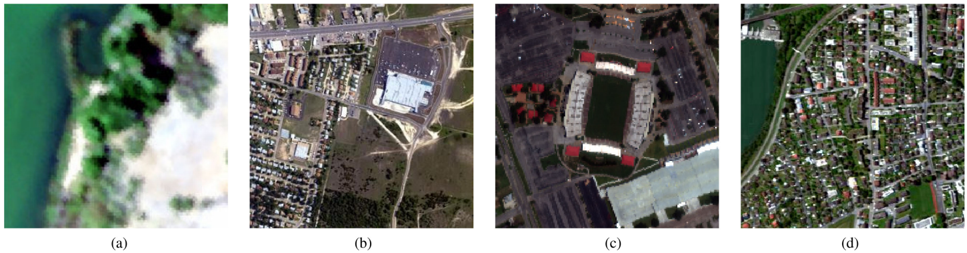
“, [59,78],) dataset that was acquired with the CASI-1500 sensor ; Urban (Texas, USA, e.”
BackgroundMethodInfluentialEntropic Descent Archetypal Analysis for Blind Hyperspectral Unmixing
Zouaoui, A., Muhawenayo, G., Rasti, B., Chanussot, J., & Mairal, J. (2023) · IEEE Transactions on Image Processing · doi:10.1109/tip.2023.3301769 · Cited by 31
“See [48] for a comprehensive study on the various existing autoencoder architectures for blind hyperspectral unmixing.”
Liu, W., Ma, Y., Wang, X., Huang, J., Chen, Q., Li, H., & Mei, X. (2024) · IEEE Transactions on Geoscience and Remote Sensing · doi:10.1109/tgrs.2024.3375934 · Cited by 28
“The AE network, usually as the backbone network for HU, consists of two main parts: the encoder layer maps the HSI to a low-dimensional feature (abundance) while the decoder layer reconstructs the HSI with the corresponding basis (endmembers) [24].”
BackgroundLiu, R., Lei, C., Xie, L., & Qin, X. (2024) · IEEE Transactions on Geoscience and Remote Sensing · doi:10.1109/tgrs.2024.3354046 · Cited by 23
“In recent years, deep learning-based autoencoder methods have emerged as effective solutions for handling spectral variability [28].”
BackgroundTissue Classification of Breast Cancer by Hyperspectral Unmixing
Jong, L.-J. S., Post, A. L., Veluponnar, D., Geldof, F., Sterenborg, H. J. C. M., Ruers, T. J. M., & Dashtbozorg, B. (2023) · Cancers · doi:10.3390/cancers15102679 · Cited by 20
“On top of that, the most common nonlinear mixing models employ autoencoder architectures [25,26].”
BackgroundLearning Interpretable Deep Disentangled Neural Networks for Hyperspectral Unmixing
Borsoi, R. A., Erdogmus, D., & Imbiriba, T. (2023) · IEEE Transactions on Computational Imaging · doi:10.1109/tci.2023.3321985 · Cited by 19
“Recently, autoencoder (AEC) networks have become widely used in unsupervised HU [7].”
BackgroundMethodA Global Spatial-Spectral Feature Fused Autoencoder for Nonlinear Hyperspectral Unmixing
Zhang, M., Yang, M., Xie, H., Yue, P., Zhang, W., Jiao, Q., Xu, L., & Tan, X. (2024) · Remote Sensing · doi:10.3390/rs16173149 · Cited by 17
Unmixing Before Fusion: A Generalized Paradigm for Multi-Source-Based Hyperspectral Image Synthesis
Yu, Y., Pan, E., Wang, X., Wu, Y., Mei, X., & Ma, J. (2024) · IEEE Computer Society Conference on Computer Vision and Pattern Recognition/Proceedings - IEEE Computer Society Conference on Computer Vision and Pattern Recognition/Proceedings · doi:10.1109/cvpr52733.2024.00888 · Cited by 24
“Each endmember signifies a distinct material or component present within the scene, offering a comprehensive elucidation of the image’s composition [29].”
IVIU-Net: Implicit Variable Iterative Unrolling Network for Hyperspectral Sparse Unmixing
Shao, Y., Liu, Q., & Xiao, L. (2023) · IEEE Journal of Selected Topics in Applied Earth Observations and Remote Sensing · doi:10.1109/jstars.2023.3241249 · Cited by 19
“The method based on the autoencoder has been found to be very effective for blind hyperspectral unmixing [24], [25].”
MethodAdvances in hyperspectral image unmixing: From algorithmic frameworks to practical applications
Ren, L., Han, Z., Gao, L., Zhang, T., Wu, R., & Zhang, H. (2025) · Information Geography · doi:10.1016/j.infgeo.2025.100035 · Cited by 25
Multiscale Convolutional Mask Network for Hyperspectral Unmixing
Xu, M., Xu, J. C., Liu, S., Sheng, H., & Yang, Z. (2024) · IEEE Journal of Selected Topics in Applied Earth Observations and Remote Sensing · doi:10.1109/jstars.2024.3352080 · Cited by 17
“In this regard, existing unmixing methods commonly used vertex component analysis (VCA) [34] to extract endmem-bers for initialization [25], [26], [27], [33], [35].”
MethodA Global Spectral–Spatial Feature Learning Network for Semisupervised Hyperspectral Unmixing
Kong, F., Chen, M., Li, Y., & Li, D. (2022) · IEEE Journal of Selected Topics in Applied Earth Observations and Remote Sensing · doi:10.1109/jstars.2022.3168333 · Cited by 12
AĞRALI, M., Kılıç, V., Onan, A., KOÇ, E. M., Koç, A. M., Büyüktoka, R. E., Acar, T., & Adıbelli, Z. H. (2023) · International Journal of Imaging Systems and Technology · doi:10.1002/ima.22876 · Cited by 13
Liang, B., Li, F., Zhang, S., Plaza, A., Deng, C., Lai, P., Zheng, J., Wang, S., & Su, D. (2023) · IEEE Transactions on Geoscience and Remote Sensing · doi:10.1109/tgrs.2023.3336664 · Cited by 11
“In future work, we will further optimize the SGSU hyperspectral unmixing model using new technologies such as deep learning [36], [37], [38] and parallel computing [39], [40].”
MethodCao, F., Situ, Y., & Ye, H. (2025) · IEEE Transactions on Geoscience and Remote Sensing · doi:10.1109/tgrs.2025.3537171 · Cited by 11
“This article uses the combination of the spectral angle distance (SAD) and the mean square error (MSE) similar to the work in [55], represented as where Y i is the i th observed HSI pixel, and ˆ Y i is the i th reconstructed HSI pixel in ˆ Y = MS .”
SSANet: An Adaptive Spectral–Spatial Attention Autoencoder Network for Hyperspectral Unmixing
Wang, J., Xu, J., Chong, Q., Liu, Z., Yan, W., Xing, H., Xing, Q., & Ni, M. (2023) · Remote Sensing · doi:10.3390/rs15082070 · Cited by 10
Autoencoder-Based Hyperspectral Unmixing with Simultaneous Number-of-Endmembers Estimation
Alshahrani, A. A., Bchir, O., & Ismail, M. M. B. (2025) · Sensors · doi:10.3390/s25082592 · Cited by 9
“These methods include geometrical, statistical, and sparse regression methods [10].”
InfluentialNonlinear Spectral Unmixing Using Bézier Surfaces
Koirala, B., Rasti, B., Bnoulkacem, Z., & Scheunders, P. (2024) · IEEE Transactions on Geoscience and Remote Sensing · doi:10.1109/tgrs.2024.3422495 · Cited by 11
A multi-domain dual-stream network for hyperspectral unmixing
Hu, J., Wang, T., Jin, Q., Peng, C., & Liu, Q. (2024) · International Journal of Applied Earth Observation and Geoinformation · doi:10.1016/j.jag.2024.104247 · Cited by 12
Multi-source attention autoencoder network for hyperspectral unmixing with LiDAR data
Hu, J., Bai, Y., Li, Z., Jin, Q., & Peng, C. (2025) · Neurocomputing · doi:10.1016/j.neucom.2025.129380 · Cited by 8
Cruz-Guerrero, I. A., Mejia-Rodriguez, A. R., Ortega, S., Fabelo, H. A., Callicó, G. M., Jo, J. A., & Campos-Delgado, D. U. (2023) · Journal of the Franklin Institute · doi:10.1016/j.jfranklin.2023.08.027 · Cited by 8
Abbas, K., Puigt, M., Delmaire, G., & Roussel, G. (2024) · IEEE Transactions on Computational Imaging · doi:10.1109/tci.2024.3402322 · Cited by 7
“Deep learning methods, particularly autoencoders, have shown promise in HU but require extensive training [42], [52], [53], [54].”
BackgroundAĞRALI, M., & Kılıç, V. (2024) · Biomedical Signal Processing and Control · doi:10.1016/j.bspc.2024.106167 · Cited by 7
Dual Embedding Transformer Network for Hyperspectral Unmixing
Yang, H., & Zhang, C. (2024) · IEEE Journal of Selected Topics in Applied Earth Observations and Remote Sensing · doi:10.1109/jstars.2024.3523747 · Cited by 7
“These algorithms can be roughly classified into geometric meth-ods [8], [9], [10], [11], [12], statistical methods [13], [14], [15], sparse regression methods [16], [17], and heuristic intelligent algorithms [18], [19], blind unmixing methods [20], [21], and so on.”
Hyperspectral Anomaly Detection and Unmixing via Joint Optimization and Deep Interactive Network
He, X., Wang, Y., Ling, Q., Li, K., Luo, Y., & Zhou, S. (2026) · IEEE Transactions on Geoscience and Remote Sensing · doi:10.1109/tgrs.2026.3705375 · Cited by 6
“Autoencoders (AEs) have emerged as a powerful paradigm for blind HU [31].”
Anomaly-Guided Double Autoencoders for Hyperspectral Unmixing
Liu, H., Zhang, C., Huang, J., & Wei, Z. (2025) · Remote Sensing · doi:10.3390/rs17050800 · Cited by 5
Superpixel-Based Autoencoder-Like Nonnegative Tensor Factorization for Hyperspectral Unmixing
Feng, X.-R., Li, H.-C., Deng, Y., Wang, W., Mei, S., & Du, Q. (2025) · IEEE Transactions on Geoscience and Remote Sensing · doi:10.1109/tgrs.2025.3602210 · Cited by 5
“Typical architectures are autoencoder [20], [21], [22] and convolutional neural networks (CNNs) [23], [24].”
Spectral-spatial adversarial network for nonlinear hyperspectral unmixing of imbalanced datasets
Yang, X., Chen, J., & Chen, Z. (2023) · International Journal of Applied Earth Observation and Geoinformation · doi:10.1016/j.jag.2023.103478 · Cited by 8
Huang, J., & Zhang, P. (2023) · Remote Sensing · doi:10.3390/rs15245694 · Cited by 5
“Various AE network structures have been employed for hyperspectral unmixing [23,24,26,30,31,40–54].”
MethodTemperature scaling unmixing framework based on convolutional autoencoder
Xu, J. W., Xu, M., Liu, S., Sheng, H., & Yang, Z. (2024) · International Journal of Applied Earth Observation and Geoinformation · doi:10.1016/j.jag.2024.103864 · Cited by 11
Egodawela, S., Gostar, A. K., Buddika, H. A. D. S., Harischandra, N., Dammika, A. J., White, P., & Mahmoodian, M. (2024) · IEEE Sensors Journal · doi:10.1109/jsen.2024.3428472 · Cited by 5
“More recently, CAEs have become popular for SU due to their ability to exploit the spatial structure and correlations in SU data [48].”
BackgroundInfluentialDSFC-AE: A New Hyperspectral Unmixing Method Based on Deep Shared Fully Connected Autoencoder
Chen, H., Chen, T., Zhang, Y., Du, B., & Plaza, A. (2024) · IEEE Journal of Selected Topics in Applied Earth Observations and Remote Sensing · doi:10.1109/jstars.2024.3450856 · Cited by 5
“It achieves this by minimizing the error in reconstructing the original data under the imposition of actual physical constraints, thus learning the low-dimensional features of the raw data [36].”
BackgroundMethodRodríguez-Ortega, J., Khaldi, R., Alcaraz‐Segura, D., & Tabik, S. (2024) · IEEE Journal of Selected Topics in Applied Earth Observations and Remote Sensing · doi:10.1109/jstars.2024.3359647 · Cited by 5
“Several studies explored the potential of DL methods for SU in LULC mapping using either single time-step HS data [2, 8, 9] or single time-step MS data [10].”
Song, C., Lu, L., & Zeng, C. (2024) · Symmetry · doi:10.3390/sym16111414 · Cited by 5
Unrolling Plug-and-Play Network for Hyperspectral Unmixing
Zhao, M., Tang, L., & Chen, J. (2025) · IEEE Transactions on Geoscience and Remote Sensing · doi:10.1109/tgrs.2025.3540992 · Cited by 8
“Many proposed based on deep autoencoders [17].”
Pixel-Level and Global Similarity-Based Adversarial Autoencoder Network for Hyperspectral Unmixing
Wei, T., Zhang, H., Zeng, S., Wang, L., Liu, C., & Li, B. (2025) · IEEE Journal of Selected Topics in Applied Earth Observations and Remote Sensing · doi:10.1109/jstars.2025.3542228 · Cited by 4
“In response, blind unmixing strategies employing deep learning (DL), which concurrently estimate endmembers and abundances [31], have gained prominence.”
Singh, A. K., & Bruzzone, L. (2025) · IEEE Transactions on Geoscience and Remote Sensing · doi:10.1109/tgrs.2025.3574396 · Cited by 6
“In remote sensing image analysis, autoencoders are used for image classification [45], [46], [47], hyperspectral image denoising [48], hyperspectral image unmixing [49], and generative feature extraction [50], [51].”
Deep NMF and Autoencoder: A Comparative Analysis for Hyperspectral Unmixing Using Prisma Real Images
Settembre, G., Buono, N. D., Esposito, F., & Taggio, N. (2024) · IEEE International Geoscience and Remote Sensing Symposium (IGARSS) · doi:10.1109/igarss53475.2024.10642930 · Cited by 4
“In this study, among LMMs, we present a comparative analysis between two particular fully unsupervised approaches: deep nonnegative matrix factorization (DNMF) [2, 3] and artificial neural network autoencoder (AE)-based methods [4].”
BackgroundMethodLan, D.-Y., He, P., Qi, Y.-P., Lü, F., & Zhang, H. (2024) · Waste Management · doi:10.1016/j.wasman.2024.09.011 · Cited by 4
A Variable-Iterative Fully Convolutional Neural Network for Sparse Unmixing
Kong, F., Lv, Z., Wang, K., Xu, F., Zheng, Y., & Yu, S. (2024) · Photogrammetric Engineering & Remote Sensing · doi:10.14358/pers.24-00038r2 · Cited by 3
Endmember Estimation Using Fuzzy Grade of Membership and Spectral Matching
Devi, M. R. V., & Kalaivani, S. (2023) · IEEE Access · doi:10.1109/access.2023.3310649 · Cited by 3
“Deep learning algorithms, such as the convolutional neural network, radial basis function, and auto encoders are used in dimension reduction and classification of hyperspectral images [64].”
MethodA Biobjective Model-Driven Autocoder for Blind Hyperspectral Unmixing
Liu, J., Zong, H., Wu, Z., & Xiao, L. (2025) · IEEE Transactions on Geoscience and Remote Sensing · doi:10.1109/tgrs.2025.3577325 · Cited by 5
“Autoencoders are especially well-suited for HU due to their strengths in feature extraction, dimensionality reduction, and unsupervised learning [38].”
Hevaganinge, A., Lowenstein, E., Filatova, A., Modak, M., Mogo, N. T., Rowley, B., Yarmowsky, J., Ehizibolo, J., Hevaganinge, R., Musser, A., et al. (2025) · Scientific Reports · doi:10.1038/s41598-025-85930-2 · Cited by 2
Kai, 秦. Q., Yuxi, 郝. H., Yingjun, 赵. Z., Xin, 崔. C., Yuechao, 杨. Y., Ling, 朱. Z., & Qinglin, 田. T. (2025) · Infrared and Laser Engineering · doi:10.3788/irla20250131 · Cited by 2
Vestal, M., Ireland, J., Wang, X., Subramanian, R., & Herath, D. C. (2025) · INTERNATIONAL CONFERENCE ON MULTIMODAL INTERACTION · doi:10.1145/3716553.3759262 · Cited by 2
“A deep convolutional autoencoder based on hyper-spectral unmixing [11, 12] is developed as a method to compress the images into 3 channels.”
Hyperspectral Unmixing Network Based on Hybrid Spectral Variability Model
Huang, J., Liu, H., & Wei, Z. (2025) · IEEE International Geoscience and Remote Sensing Symposium (IGARSS) · doi:10.1109/igarss55030.2025.11243760 · Cited by 2
“The encoder generates a low-dimensional representation (abundance) of the input, and the decoder reconstructs the input based on this representation, with the connection weights between nodes corresponding to endmembers [7].”
Yao, H., Li, Y., Feng, W., Zhu, J., Yan, H., Zhang, S., & Zhao, H. (2025) · Symmetry · doi:10.3390/sym17122137 · Cited by 2
“49 ′ E) was constructed using the sliding window method [33,34] based on the preprocessed GF-2 imagery.”
Liu, X., Chen, W., & Qu, S. (2026) · Engineering Applications of Artificial Intelligence · doi:10.1016/j.engappai.2026.114384 · Cited by 2
SAYRACI, B., AĞRALI, M., & Kılıç, V. (2022) · European Journal of Science and Technology · doi:10.31590/ejosat.1209632 · Cited by 5
Wu, J., Zhao, J., & Long, H. (2024) · International Journal of Remote Sensing · doi:10.1080/01431161.2024.2408038 · Cited by 2
ACR-Net: Adaptive Correlation Refined Hyperspectral Unmixing
Hu, M., Wu, C., Liu, R., & Zhang, L. (2025) · IEEE Transactions on Geoscience and Remote Sensing · doi:10.1109/tgrs.2025.3581078 · Cited by 3
“Many researchers have observed the strong connection between autoencoders (AEs) and unmixing, leading to the development of numerous AE-based unmixing algorithms [42], [43].”
Tang, J., Bao, W., Lei, B., Qu, K., & Feng, W. (2023) · Workshop on Hyperspectral Image and Signal Processing: Evolution in Remote Sensing · doi:10.1109/whispers61460.2023.10430602 · Cited by 2
“Deep learning has shown great potential in hyperspectral image processing [5], and many researchers are trying to use deep learning technology to obtain better hyperspectral image unmixing effects [6, 7, 8].”
BackgroundYang, B., & Zhang, Z. (2024) · IEEE International Geoscience and Remote Sensing Symposium (IGARSS) · doi:10.1109/igarss53475.2024.10642904 · Cited by 1
“In the decoder of this AE, the reconstructed pixel ˆ x is required to approach to instead of based on the spectral angle distance [7], making the encoder produce a coarse abundance .”
BackgroundInfluentialEELS hyperspectral images unmixing using autoencoders
Brun, N., Lambert, G., & Bocher, L. (2024) · The European Physical Journal Applied Physics · doi:10.1051/epjap/2024240025 · Cited by 1
“More complex neural networks such as CNNAEU and MTAEU, which are ef fi cient according to the literature in remote sensing [29], should be able to handle STEM-EELS data.”
BackgroundMethodInfluentialAlfaro-Mejía, E., Delgado, C. J., & Manian, V. B. (2025) · IEEE Journal of Selected Topics in Applied Earth Observations and Remote Sensing · doi:10.1109/jstars.2025.3576281 · Cited by 1
“This behavior has been observed and utilized in previous studies [44], [45], [46], [47], [48], [49].”
Settembre, G., Esposito, F., & Buono, N. D. (2025) · Advanced Modeling and Simulation in Engineering Sciences · doi:10.1186/s40323-025-00313-6 · Cited by 2
“In this context, the latent (or bottleneck) layer embodies the subspace that represents the essential features of the data; here, the encoded features can be interpreted as abundance maps, and the decoder weights correspond to endmember signatures [23].”
Fully Blind Hyperspectral Unmixing Without Explicit Mixing Models or Endmember Initialization
Chen, D., Zhang, J., Li, J., Benediktsson, J. A., & Ulfarsson, M. (2026) · IEEE Transactions on Geoscience and Remote Sensing · doi:10.1109/tgrs.2026.3671829 · Cited by 2
“Similar to existing autoencoder-based approaches, the encoder of UNTR is designed to estimate abundances by extracting rich spatial–spectral features and mapping them to a latent abundance space [3].”
InfluentialSelf-citationAziz, B. A., Rushdi, M. A., Yoshida, S., Dief, T. N., Shaban, I. A., & Kamra, M. M. (2026) · Applied Sciences · doi:10.3390/app16178774 · Cited by 1
Mugdha, A. C., & Wilson, J. W. (2023) · Advanced Chemical Microscopy for Life Science and Translational Medicine · doi:10.1117/12.2668708 · Cited by 1
“A drawback of neural networks is that the choice of network architecture and hyperparameters is highly dependent on the dataset 4 , so that application to entirely different imaging modalities is nontrivial.”
BackgroundA Deep Disentangled Approach for Interpretable Hyperspectral Unmixing
Borsoi, R. A., Imbiriba, T., & Erdogmus, D. (2023) · IEEE International Conference on Acoustics Speech and Signal Processing · doi:10.1109/icassp49357.2023.10095764 · Cited by 1
“However, such models are still over-simplified, motivating machine learning approaches capable of allying both flexibility and performance [4].”
BackgroundKMNET for Hyperspectral Unmixing
Dhondi, S., Sarma, T. H., Reddy, A., Lakshmi, S. S., & Rao, K. R. M. (2023) · IEEE India Geoscience and Remote Sensing Symposium (InGARSS) · doi:10.1109/ingarss59135.2023.10490373 · Cited by 1
“Autoencoders are a type of DL method that has been found to be powerful for blind hyperspectral unmixing (HU) [4], [5].”
MethodTwo-Stream Autoencoder-Based Hyperspectral Unmixing using Hapke Model
Li, R., Liu, H., Zhang, J., & Wei, Z. (2024) · IEEE International Geoscience and Remote Sensing Symposium (IGARSS) · doi:10.1109/igarss53475.2024.10640399 · Cited by 1
“The decoder utilizes these feature maps to reconstruct the images, where the weight matrix represents the endmembers [5].”
MethodHyperspectral unmixing with spatial context and endmember ensemble learning with attention mechanism
Ratnayake, R. M. K. L., Sumanasekara, D. M. U. P., Wickramathilaka, H. M. K. D., Godaliyadda, R. I., Herath, V. R., & Ekanayake, M. P. B. (2025) · ISPRS Open Journal of Photogrammetry and Remote Sensing · doi:10.1016/j.ophoto.2025.100086 · Cited by 3
Du, Q. (2024) · Elsevier eBooks · doi:10.1016/b978-0-443-13220-9.00007-x
A Preliminary Study on Spectral Unmixing for Marine Plastic Debris Surveying
Maravalhas-Silva, J., Silva, H. M., Lima, A. P., & Silva, E. (2024) · MTS/IEEE OCEANS Conference (OCEANS) · doi:10.1109/oceans51537.2024.10682192
“The authors in [20] use the term ”blind [spectral] unmixing” to emphasize that the algorithms both extract the endmembers and estimate the abundances.”
BackgroundMethodGenerating Synthetic Data to Train a Deep Unrolled Network for Hyperspectral Unmixing
Hadjeres, R., Kervazo, C., & Florence Tupin, D. (2024) · European Signal Processing Conference (EUSIPCO) · doi:10.23919/eusipco63174.2024.10714958
“And finally, CNNAEU is an autoencoder-based unmixing method that has shown highly accurate results in the critical comparison of autoencoder-based unmixing methods [22].”
MethodBand Mask Network with Spatial-Spectral Fusion for Hyperspectral Unmixing
Xu, J. C., Xu, M., Liu, S., & Sheng, H. (2025) · International Symposium on Autonomous Systems (ISAS) · doi:10.1109/icaisisas64483.2025.11051638
Qudsi, I., Herlambang, A., & Koeshidayatullah, A. (2025) · Middle East Oil, Gas and Geosciences Show (MEOS GEO) · doi:10.2118/227298-ms
Xiaojuan, 柳. L., & Longshan, 杨. Y. (2025) · Laser & Optoelectronics Progress · doi:10.3788/lop250876
Aziz, B. A., Saab, N. A., Raad, A., Assainova, O., Khalil, M. A., & Elbouz, M. (2025) · International Conference on Advances in Biomedical Engineering (ICABME) · doi:10.1109/icabme66883.2025.11210879
“Since unmixing can be modeled as reconstructing an HSI via an abundance matrix (low-rank) and an EM matrix (high-rank), autoencoders (AEs) have become a base framework for this task [20], [21].”
Zhao, Y., Gao, B.-H., Ren, Y.-T., He, M.-J., & Qi, H. (2025) · Measurement · doi:10.1016/j.measurement.2025.119699
Chen, D., Liang, X., Wang, L., & Zhang, J. (2025) · IEEE International Geoscience and Remote Sensing Symposium (IGARSS) · doi:10.1109/igarss55030.2025.11242663
“The current effective approach for blind HU is primarily through autoencoders (AEs) [1], which typically consist of an encoder and a decoder.”
InfluentialDeclercq, K., Rahiche, A., & Cheriet, M. (2025) · IEEE International Conference on Computer Vision Workshops · doi:10.1109/iccvw69036.2025.00780
“Our model successfully extracted the abundances corresponding to three given GT scenarios for 6, 5, and 4 materials, respectively, with performance similar to fixed-rank models [38].”
InfluentialHyperspectral Unmixing Using Frequency-Adaptive Convolutional-Mamba Network
Zhao, Z., Xu, X. D., Deng, C., Guo, Y., Li, J., & Plaza, A. (2026) · IEEE Journal of Selected Topics in Applied Earth Observations and Remote Sensing · doi:10.1109/jstars.2026.3677880 · Cited by 1
“Among these, the autoencoder (AE) framework [25] has become main-stream, as its natural encoder–decoder structure is well-suited for modeling abundance estimation and endmember extraction simultaneously in an unsupervised, end-to-end manner.”
Méthodes de résolution de courbes multivariées pour la microspectroscopie CARS
Boildieu, D. (2022) · theses.fr (ABES) · doi:10.70675/dd7aba87z9a38z4852zb30az3e1fc805612b · Cited by 1
Dématriçage et démélange conjoints d'images multispectrales
Abbas, K. (2024) · theses.fr (ABES) · doi:10.70675/39490f6dze871z43ffzae51z114e487e2679
Zouaoui, A. (2024) · theses.fr (ABES) · doi:10.70675/1a3080ecz5fc2z4db0z8e62zea166723e7c5
Liu, R., Pu, J., Chen, Y., Miao, Y., Liu, D., & Wang, Q. (2026) · Remote Sensing · doi:10.3390/rs18081250
Metadata
- Authors
- Palsson, B., Sveinsson, J. R., & Ulfarsson, M. O.
- Affiliations
- University of Iceland (IS)
- Venue
- IEEE Journal of Selected Topics in Applied Earth Observations and Remote Sensing
- Published
- 2022
- Volume
- 15
- Pages
- 1340-1372
- ISSN
- 1939-1404 (ISSN-L)
- 2151-1535
- OpenAlex
- W4206620949
- Semantic Scholar
- 8475118dcfc15e84d175514b4b242035da50955e
- Cited by
- 107
- References
- 132
- Citations by year
- 2026: 16 · 2025: 27 · 2024: 32 · 2023: 24 · 2022: 8
- FWCI
- 8.88
- Type
- journal article
- Language
- en
- Open access
- gold
- doi.org
- Locations
- IEEE Journal of Selected Topics in Applied Earth Observations and Remote Sensing (publishedVersion, cc-by)
- DOAJ (DOAJ: Directory of Open Access Journals) (submittedVersion, cc-by-sa)
- Opin vísindi (Opin vísindi) (submittedVersion, other-oa)
- Opin vísindi (Opin vísindi) (submittedVersion, cc-by-nc-sa)
- Funders
- Icelandic Research Fund (174075-05, 207233-052)
- Topics
- Physical Sciences › Computer Science › Computer Vision and Pattern Recognition › Remote-Sensing Image Classification
- Physical Sciences › Earth and Planetary Sciences › Geochemistry and Petrology › Geochemistry and Geologic Mapping
- Physical Sciences › Chemistry › Analytical Chemistry › Spectroscopy and Chemometric Analyses
- Keywords
- autoencoder, endmember extraction, fractional abundance estimation, spectral signatures, ablation study, deep learning for remote sensing
About these checks
Registry, retraction, Cites and statistics results are computed, not judged, with one exception: a printed reference that no index lists is read once by a model before it counts as a citation error. Claims are extracted by a model and kept only when their quote appears verbatim in the text; each cited source is then checked, with a model’s help, for whether it says what the claim relies on. Those verdicts can be wrong — read the claim’s quote and the cited source before relying on one.
Statistics and arithmetic are recomputed, not judged.
Confidence bands are shown only for fields calibrated on our annotated test set. None is calibrated yet, so no band is shown.
What counts as a claim ›How we measure confidence ›How we check this ›
Are you an author, or do you see a problem with this page? Request a review
Data sources
Bibliographic data: Semantic Scholar, OpenAlex, Crossref.
Contains information from the Semantic Scholar Academic Graph Datasets, made available under the ODC Attribution License (ODC-BY 1.0).
Semantic Scholar’s data is described in: Kinney, R., et al. (2023). The Semantic Scholar Open Data Platform. arXiv:2301.10140.
