

A Deep Convolutional Neural Network Method to Detect Seizures and Characteristic Frequencies Using Epileptic Electroencephalogram (EEG) Data
Open accessThe DOI matches its Crossref record; 40 of the 40 references it cites were found in a registry or an index.
Abstract
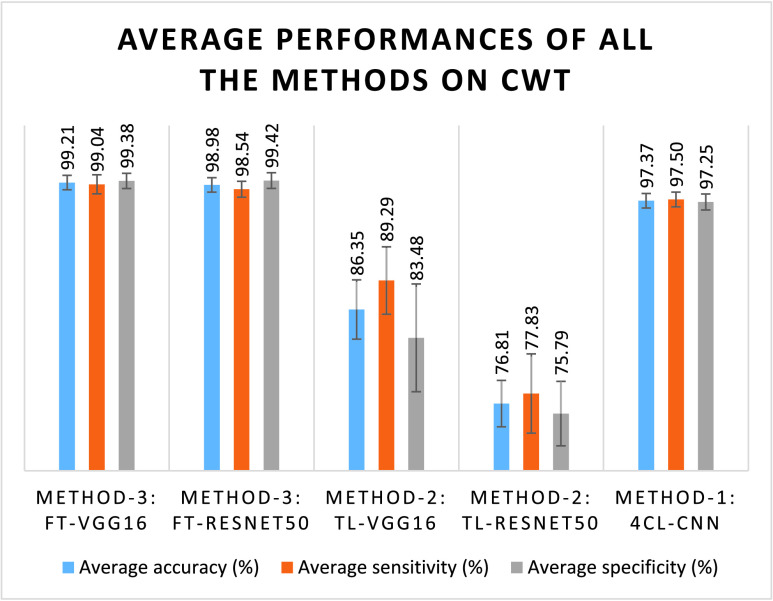
BACKGROUND: Diagnosing epileptic seizures using electroencephalogram (EEG) in combination with deep learning computational methods has received much attention in recent years. However, to date, deep learning techniques in seizure detection have not been effectively harnessed due to sub-optimal classifier design and improper representation of the time-domain signal. METHODS: In this study, we focused on designing and evaluating deep convolutional neural network-based classifiers for seizure detection. Signal-to-image conversion methods are proposed to convert time-domain EEG signal to a time-frequency represented image to prepare the input data for classification. We proposed and evaluated three classification methods comprising of five classifiers to determine which is more accurate for seizure detection. Accuracy data were then compared to previous studies of the same dataset. RESULTS: We found our proposed model and signal-to-image conversion method outperformed all previous studies in the most cases. The proposed FT-VGG16 classifier achieved the highest average classification accuracy of 99.21%. In addition, the Shapley Additive exPlanations (SHAP) analysis approach was employed to uncover the feature frequencies in the EEG that contribute most to improved classification accuracy. To the best of our knowledge, this is the first study to compute the contribution of frequency components to target seizure classification; thus allowing the identification of distinct seizure-related EEG frequency components compared to normal EEG measures. CONCLUSION: Thus our developed deep convolutional neural network models are useful to detect seizures and characteristic frequencies using EEG data collected from the patients and this model could be clinically applicable for the automated seizures detection.
Overview
The claims and statistics of this paper haven’t been checked yet.
Free: it reads the open-access text and checks the first 5 claims that cite a source we can check. Create a free account to check every claim.
Integrity signals
Registry
Cites
Statistics
Figures

Verification
Claims the paper makes
The claims and statistics of this paper haven’t been checked yet.
Free: it reads the open-access text and checks the first 5 claims that cite a source we can check. Create a free account to check every claim.
Self-check
Percentages, sums and reported differences re-computed from the paper’s own numbers.
The self-check needs the paper’s full text.
Citations
Cites
Deep Residual Learning for Image Recognition
He, K., Zhang, X., Ren, S., & Sun, J. (2016) · 2016 IEEE Conference on Computer Vision and Pattern Recognition (CVPR) · doi:10.1109/cvpr.2016.90 · Cited by 235,474
Very Deep Convolutional Networks for Large-Scale Image Recognition
Simonyan, K., & Zisserman, A. (2014) · arXiv · doi:10.48550/arxiv.1409.1556 · Cited by 114,148
A Unified Approach to Interpreting Model Predictions
Lundberg, S., & Lee, S.-I. (2017) · arXiv · doi:10.48550/arxiv.1705.07874 · Cited by 23,707
A Practical Guide to Wavelet Analysis
Torrence, C., & Compo, G. P. (1998) · Bulletin of the American Meteorological Society · doi:10.1175/1520-0477(1998)079<0061:apgtwa>2.0.co;2 · Cited by 14,890
Gauriat, C.-M., Pencolé, Y., Ribot, P., & Brouillet, G. (2024) · HAL (Le Centre pour la Communication Scientifique Directe) · doi:10.4230/oasics.dx.2024.27 · Cited by 12,586
Improving neural networks by preventing co-adaptation of feature detectors
Hinton, G. E., Srivastava, N., Krizhevsky, A., Sutskever, I., & Salakhutdinov, R. R. (2012) · arXiv · doi:10.48550/arxiv.1207.0580 · Cited by 6,382 · cited 1×
“Another strategy we follow to combat the overfitting problem is the dropout technique [35].”
BackgroundIdentifying Medical Diagnoses and Treatable Diseases by Image-Based Deep Learning
Kermany, D. S., Goldbaum, M., Cai, W., Valentim, C. C. S., Liang, H., Baxter, S. L., McKeown, A., Yang, G., Wu, X., Yan, F., et al. (2018) · Cell · doi:10.1016/j.cell.2018.02.010 · Cited by 4,842
Axiomatic attribution for deep networks
Sundararajan, M., Taly, A., & Yan, Q. (2017) · arXiv · doi:10.48550/arxiv.1703.01365 · Cited by 4,087
Multi-column deep neural networks for image classification
Ciresan, D., Meier, U., & Schmidhuber, J. (2012) · 2012 IEEE Conference on Computer Vision and Pattern Recognition · doi:10.1109/cvpr.2012.6248110 · Cited by 3,720
Andrzejak, R. G., Lehnertz, K., Mormann, F., Rieke, C., David, P., & Elger, C. E. (2001) · Physical Review E · doi:10.1103/physreve.64.061907 · Cited by 3,032 · cited 1×
“We have used EEG data from the repository of the Bonn University [26].”
Method
Research works printed but not linked: 1
- T. Tieleman and G. Hinton, “ Lecture 6.5-RMSPROP: Divide the gradient by a running average of its recent magnitude,” Neural Netw. Mach. Learn., vol. 4, no. 2, pp. 26– 31, 2012.
Cited by
Recognition of human emotions using EEG signals: A review
Rahman, M. M., Sarkar, A. K., Hossain, M. A., Hossain, M. S., Islam, M. R., Hossain, M. B., Quinn, J. M. W., & Moni, M. A. (2021) · Computers in Biology and Medicine · doi:10.1016/j.compbiomed.2021.104696 · Cited by 227
Znet: Deep Learning Approach for 2D MRI Brain Tumor Segmentation
Ottom, M. A., Rahman, H. A., & Dinov, I. D. (2022) · IEEE Journal of Translational Engineering in Health and Medicine · doi:10.1109/jtehm.2022.3176737 · Cited by 178
“The loss function in autoencoders is calculated in terms of the similarity between input images and the reconstructed images [19], [20].”
MethodEpileptic Seizure Detection Based on Bidirectional Gated Recurrent Unit Network
Zhang, Y., Yao, S., Yang, R., Liu, X., Qiu, W., Han, L., Zhou, W., & Shang, W. (2022) · IEEE Transactions on Neural Systems and Rehabilitation Engineering · doi:10.1109/tnsre.2022.3143540 · Cited by 156
Multiple classification of EEG signals and epileptic seizure diagnosis with combined deep learning
Varlı, M., & Yılmaz, H. (2023) · Journal of Computational Science · doi:10.1016/j.jocs.2023.101943 · Cited by 143
Cao, J. L., Zhou, T., Zhi, S., Lam, S., Ren, G., Zhang, Y., Wang, Y., Dong, Y., & Cai, J. (2024) · Information Sciences · doi:10.1016/j.ins.2024.120212 · Cited by 141
An analysis of explainability methods for convolutional neural networks
Vonderhaar, L., Elvira, T., & Ochoa, O. (2022) · Engineering Applications of Artificial Intelligence · doi:10.1016/j.engappai.2022.105606 · Cited by 154
Gao, Y., Chen, X., Liu, A., Deng, L., Wu, L., Qian, R., Xie, H., & Zhang, Y. (2022) · IEEE Journal of Translational Engineering in Health and Medicine · doi:10.1109/jtehm.2022.3144037 · Cited by 123
“Electroencephalography (EEG) is a powerful tool for recording the brain’s electrical activity and is extensively used in the diagnosis of people with epilepsy in medicine [2]–[5].”
Data leakage in deep learning studies of translational EEG
Brookshire, G., Kasper, J., Blauch, N. M., Wu, Y. C., Glatt, R., Merrill, D. A., Gerrol, S., Yoder, K. J., Quirk, C., & Lucero, C. (2024) · Frontiers in Neuroscience · doi:10.3389/fnins.2024.1373515 · Cited by 103
“We therefore reused the model architecture presented by Rashed-Al-Mahfuz et al. (2021) without modification.”
MethodEpilepsy detection in 121 patient populations using hypercube pattern from EEG signals
Taşçı, İ., Taşçı, B., Barua, P. D., Doğan, Ş., Tuncer, T., Palmer, E. E., Fujita, H., & Acharya, U. R. (2023) · Information Fusion · doi:10.1016/j.inffus.2023.03.022 · Cited by 105
Shoeibi, A., Moridian, P., Khodatars, M., Ghassemi, N., Jafari, M., Alizadehsani, R., Kong, Y., Górriz, J. M., Ramírez, J., Khosravi, A., et al. (2022) · Computers in Biology and Medicine · doi:10.1016/j.compbiomed.2022.106053 · Cited by 136
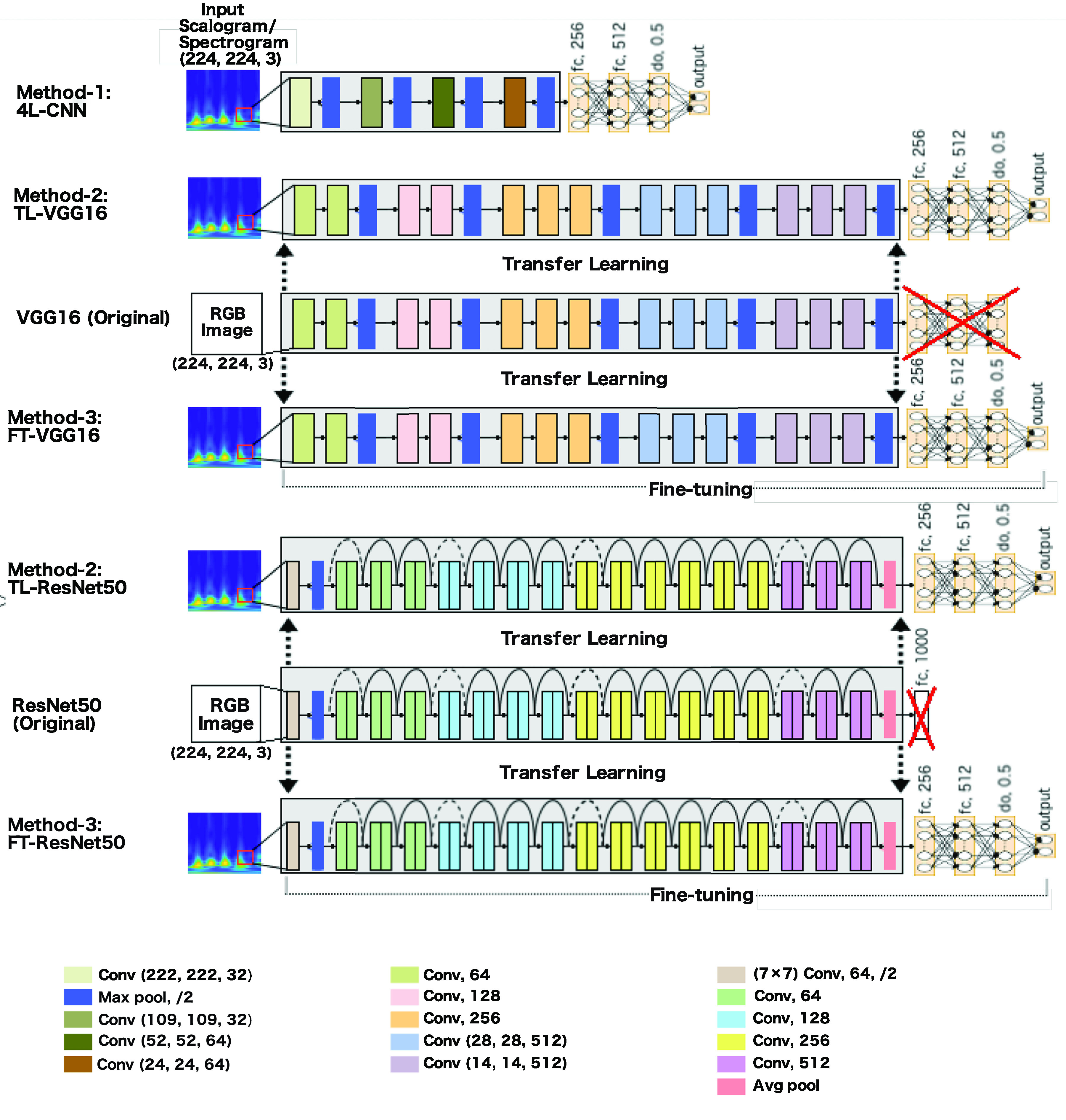
“(Rashed-Al-Mahfuz et al., 2021) Bonn sEEG and IEEG Segmentation STFT and CWT, RGB Representation, DA 2D Data (Spectrogram, Scalogram) Keras FT-VGG16 – Softmax 99.”
MethodDetection of epileptic seizure using EEG signals analysis based on deep learning techniques
Abdulwahhab, A. H., Abdulaal, A. H., Al-Ghrairi, A. H. T., Mohammed, A. A., & Valizadeh, M. (2024) · Chaos Solitons & Fractals · doi:10.1016/j.chaos.2024.114700 · Cited by 105
Saminu, S., Xu, G., Zhang, S., Kader, I. A. E., Aliyu, H. A., Jabire, A. H., Ahmed, Y. K., & Adamu, M. J. (2022) · Artificial Intelligence and Applications · doi:10.47852/bonviewaia2202297 · Cited by 112
Deep learning for neurodegenerative disorder (2016 to 2022): A systematic review
Chaki, J., & Woźniak, M. (2022) · Biomedical Signal Processing and Control · doi:10.1016/j.bspc.2022.104223 · Cited by 92
LightSeizureNet: A Lightweight Deep Learning Model for Real-Time Epileptic Seizure Detection
Qiu, S., Wang, W., & Jiao, H. (2022) · IEEE Journal of Biomedical and Health Informatics · doi:10.1109/jbhi.2022.3223970 · Cited by 87
“Some works even directly employ the classical models that have been successful in the field of computer vision, such as ResNet and VGG [7].”
MethodDeepCarc: Deep Learning-Powered Carcinogenicity Prediction Using Model-Level Representation
Li, T., Tong, W., Roberts, R. A., Liu, Z., & Thakkar, S. (2021) · Frontiers in Artificial Intelligence · doi:10.3389/frai.2021.757780 · Cited by 67
“, 2020) and cardiovascular toxicity (Wang et al., 2017; Maher et al., 2020; Rashed-Al-Mahfuz et al., 2021; Zeleznik et al., 2021).”
Deep-EEG: An Optimized and Robust Framework and Method for EEG-Based Diagnosis of Epileptic Seizure
Mir, W. A., Anjum, M., Izharuddin, I., & Shahab, S. (2023) · Diagnostics · doi:10.3390/diagnostics13040773 · Cited by 73
“Md.Rashed-Al-Mahefuz et al. [31] focused on drawing and estimating deep convolutional neural network-based classifiers for seizure detection.”
Cherian, R., & Kanaga, E. G. M. (2022) · Journal of Neuroscience Methods · doi:10.1016/j.jneumeth.2022.109483 · Cited by 69
Vidyasagar, K. E. C., Kumar, K. R., Sai, G. N. K. A., Ruchita, M., & Saikia, M. J. (2024) · IEEE Access · doi:10.1109/access.2024.3399114 · Cited by 73
“For instance, in [76], the authors compared STFT spectrograms and CWT scalograms for EEG signal classification in seizure detection and found that CWT scalograms outperformed STFT.”
BackgroundKavitha, K. V. N., Sharmila, A., Imoize, A. L., Ojo, S., Selvan, K. S., Ahanger, T. A., & Alhassan, M. (2022) · Journal of Healthcare Engineering · doi:10.1155/2022/8928021 · Cited by 66
“performances of the four classifiers are evaluated using six parameters, namely, accuracy, specificity, sensitivity, positive predicted value (PPV), negative predicted value (NPV), and Mathews correlation coefficient (MCC) [4, 5].”
MethodHe, Z., Yang, J., Alroobaea, R., & Por, L. Y. (2024) · Biomedical Signal Processing and Control · doi:10.1016/j.bspc.2024.106603 · Cited by 56
Evaluation of Feature Selection Methods for Classification of Epileptic Seizure EEG Signals
Sánchez-Hernández, S. E., Salido-Ruiz, R. A., Torres-Ramos, S., & Román-Godínez, I. (2022) · Sensors · doi:10.3390/s22083066 · Cited by 65
“Furthermore, transformation of the EEG signal to different domains has been explored by applying Fourier [15], short-term Fourier [7,16,17], wavelet transform [15,16,18–20], and contourlet transform [21].”
BackgroundMethodGrubov, V., Nazarikov, S. I., Kurkin, S., Павлович, У. Н., Andrikov, D. A., Karpov, O. E., & Hramov, A. E. (2024) · IEEE Access · doi:10.1109/access.2024.3453039 · Cited by 66
“For ANNs, EEG wavelet spectra exhibit a structure similar to images, which allows the task of seizure detection to be partially substituted with the task of image classification [25], [26], [27], [28].”
MethodDutta, A. K., Raparthi, M., Alsaadi, M. A., Bhatt, M. W., Dodda, S. B., Prashant, G. C., Sandhu, M., & Patni, J. C. (2024) · Multimedia Tools and Applications · doi:10.1007/s11042-024-18918-1 · Cited by 67
“For tasks like emotion recognition [8], motor imagery classification [9], sleep staging [10], etc., BiLSTM networks outperform CNNs in terms of architecture when it comes to extracting temporal aspects of brain activities in different states.”
Traumatic Brain Injury (TBI) Detection: Past, Present, and Future
Alouani, A. T., & Elfouly, T. (2022) · Biomedicines · doi:10.3390/biomedicines10102472 · Cited by 53
“In [67], signal-to-image conversion was used to convert the EEG signal to a time–frequency image.”
MethodHo, T. K. K., & Armanfard, N. (2023) · Proceedings of the AAAI Conference on Artificial Intelligence · doi:10.1609/aaai.v37i7.25952 · Cited by 73
HCLA_CBiGRU: Hybrid convolutional bidirectional GRU based model for epileptic seizure detection
Natu, M., Bachute, M. R., & Kotecha, K. V. (2023) · Neuroscience Informatics · doi:10.1016/j.neuri.2023.100135 · Cited by 49
EEG-based epileptic seizure detection using deep learning techniques: A survey
Xu, J., Yan, K., Deng, Z., Yang, Y., Liu, J., Wang, J., & Yuan, S. (2024) · Neurocomputing · doi:10.1016/j.neucom.2024.128644 · Cited by 56
Islam, M. S., Thapa, K., & Yang, S. (2022) · Sensors · doi:10.3390/s22030728 · Cited by 45
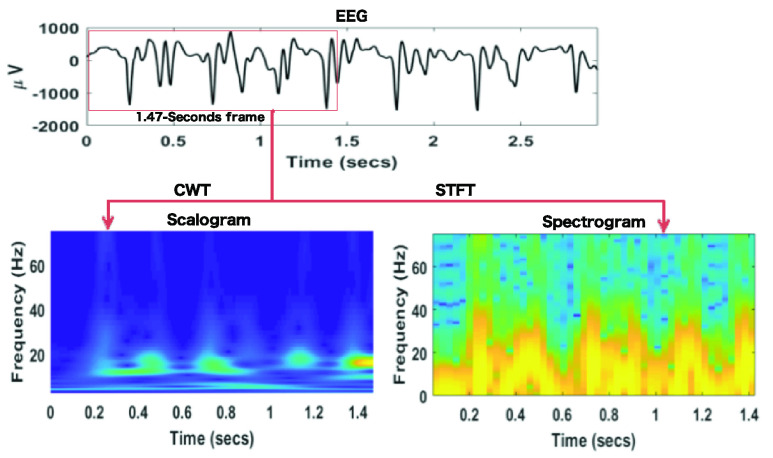
“The author Mahfuz [35] used CWT to convert the time-domain signal to a time-frequency image and proposed deep CNN to evaluate their performance where images were used as an input.”
MethodSpatial–Temporal EEG Fusion Based on Neural Network for Major Depressive Disorder Detection
Zhang, B., Wei, D., Yan, G., Li, X., Su, Y., & Cai, H. (2023) · Interdisciplinary Sciences Computational Life Sciences · doi:10.1007/s12539-023-00567-x · Cited by 45
“In literature [33], the time-domain EEG signal was converted into time–frequency representation image, and then input into different types of CNN to realize automatic seizure detection.”
MethodIENet: a robust convolutional neural network for EEG based brain-computer interfaces
Du, Y., & Liu, J. (2022) · Journal of Neural Engineering · doi:10.1088/1741-2552/ac7257 · Cited by 34
“Following the data processing method given in [44], we generate training set, validation set and test set in a ratio of 8:1:1.”
BackgroundMethodInfluentialDing, W., Abdel‐Basset, M., Hawash, H., Abdel-Razek, S., & Liu, C.-S. (2023) · Information Sciences · doi:10.1016/j.ins.2023.02.052 · Cited by 41
Less Parameterization Inception-Based End to End CNN Model for EEG Seizure Detection
Shyu, K., Huang, S., Lee, L., & Lee, P. (2023) · IEEE Access · doi:10.1109/access.2023.3277634 · Cited by 32
“In recent years, many seizure detection algorithms are also based on deep learning models, such as long short-term memory (LSTM) [15], gated recurrent units (GRU) [16], CNN [17], [18], [19], [20], [21], [22], [23] etc.”
BackgroundMethodResultWang, Z., Lu, H., Yan, H., Kan, H., & Li, J. H. (2023) · Scientific Reports · doi:10.1038/s41598-023-38320-5 · Cited by 33
“Despite Deep Neural Networks (DNNs) [16, 17] being prevalent in the segmentation of DR lesions, they still face two major challenges: significant morphological variations of DR lesions across different degrees and difficulty distinguishing DR lesions from comparable structures [18].”
BackgroundGao, Q., Omran, A. H., Baghersad, Y., Mohammadi, O., Alkhafaji, M. A., Al-Azzawi, A. K. J., Al-Khafaji, S. H., Emami, N., Toghraie, D. S., & Golkar, M. J. (2023) · Engineering Applications of Artificial Intelligence · doi:10.1016/j.engappai.2023.106479 · Cited by 36
Bunterngchit, C., Wang, J., & Hou, Z. (2024) · IEEE Journal of Translational Engineering in Health and Medicine · doi:10.1109/jtehm.2024.3448457 · Cited by 34
“Studies have shown that STFT-based features can improve classification accuracy in EEG-based BCIs [36], [37], [38], [39].”
BackgroundTripathi, P. M., Kumar, A., Kumar, M., & Komaragiri, R. (2023) · Computer Methods and Programs in Biomedicine · doi:10.1016/j.cmpb.2023.107680 · Cited by 32
Multi-Domain Based Dynamic Graph Representation Learning for EEG Emotion Recognition
Tang, H., Xie, S., Xie, X., Cui, Y., Li, B., Zheng, D., Hao, Y., Wang, X., Jiang, Y., & Tian, Z. (2024) · IEEE Journal of Biomedical and Health Informatics · doi:10.1109/jbhi.2024.3415163 · Cited by 37
“The Smoothed pseudo-Wigner–Ville distribution (SPWVD) [31] and continuous wavelet transform (CWT) [32] are two common ways to construct time-frequency images.”
BackgroundEpilepsy detection based on multi-head self-attention mechanism
Ru, Y., An, G., Wei, Z., & Chen, H. (2024) · PLoS ONE · doi:10.1371/journal.pone.0305166 · Cited by 26
Shoeibi, A., Ghassemi, N., Khodatars, M., Jafari, M., Moridian, P., Alizadehsani, R., Khadem, A. A., Kong, Y., Zare, A., Górriz, J. M., et al. (2021) · arXiv (Cornell University) · Cited by 30
Accurate Hardware Predictor for Epileptic Seizure
Khalil, K., Kumar, A., & Bayoumi, M. (2025) · IEEE Transactions on Circuits and Systems I Regular Papers · doi:10.1109/tcsi.2024.3524513 · Cited by 23
“There are several works in the literature on the detection and management of seizures using machine learning, such as [8], [30], [31], [32], [33], [34], [35], and [36], employing Convolutional Neural Networks (CNN), Recurrent Neural Networks (RNN), and Support Vector Machines (SVM).”
Lekkas, G., Vrochidou, Ε., & Papakostas, G. A. (2025) · BioMedInformatics · doi:10.3390/biomedinformatics5010007 · Cited by 37
3D residual-attention-deep-network-based childhood epilepsy syndrome classification
Feng, Y., Zheng, R., Cui, X., Wang, T., Jiang, T., Gao, F., & Cao, J. (2022) · Knowledge-Based Systems · doi:10.1016/j.knosys.2022.108856 · Cited by 24
Kim, S., Choo, S., Park, D., Park, H., Nam, C. S., Jung, J., & Lee, S. (2023) · International Journal of Human-Computer Studies · doi:10.1016/j.ijhcs.2023.103009 · Cited by 33
Lee, H.-T., Cheon, H.-R., Lee, S., Shim, M., & Hwang, H. (2023) · Scientific Reports · doi:10.1038/s41598-023-43542-8 · Cited by 44
Mounika, S., & Reeja, S. R. (2023) · Biomedical Signal Processing and Control · doi:10.1016/j.bspc.2023.105593 · Cited by 21
A Wearable Brain-Computer Interface With Fewer EEG Channels for Online Motor Imagery Detection
Rao, Z., Zhu, J., Lu, Z., Zhang, R., Li, K., Guan, Z., & Li, Y. (2024) · IEEE Transactions on Neural Systems and Rehabilitation Engineering · doi:10.1109/tnsre.2024.3502135 · Cited by 25
“…Shapley Additive Explanations: A post hoc interpretation technique called SHapley Additive exPlanations (SHAP) was used to evaluate the contribution of different features to the MI classification [37], [38]: Authorized licensed use limited to the terms of the applicable license agreement with IEEE.”
A Low Complexity Estimation Method of Entropy for Real-Time Seizure Detection
Shyu, K., Huang, S., Lee, L., & Lee, P. (2023) · IEEE Access · doi:10.1109/access.2023.3235913 · Cited by 20
“network to analyze the original EEG signal, [6] uses the time”
BackgroundMourad, R., Diab, A., Merhi, Z., Khalil, M. A., & Jeannès, R. L. B. (2025) · Brain Research · doi:10.1016/j.brainres.2025.149797 · Cited by 31
Gowtham Reddy, N., Hait, S. R., Guha, D., & Mahadevappa, M. (2023) · Expert Systems with Applications · doi:10.1016/j.eswa.2023.122424 · Cited by 21
Evaluation of the Relation between Ictal EEG Features and XAI Explanations
Sánchez-Hernández, S. E., Torres-Ramos, S., Román-Godínez, I., & Salido-Ruiz, R. A. (2024) · Brain Sciences · doi:10.3390/brainsci14040306 · Cited by 22
“…Activated Period [18] SHAP [16] ProtoPNet, Attention Pooling, Layerwise Relevance Propagation, SHAP [15] Activation values [14] Attention Pooling [19] SHAP [53] EEG-SHAP [54] SHAP, Maximized inputs In light of the capacity of XAI methods to identify information relevant to the classifier, it may…”
MethodHigh-Frequency Oscillations and Epileptogenic Network
Li, X., Zhang, H., Lai, H., Wang, J., Wang, W., & Yang, X. (2021) · Current Neuropharmacology · doi:10.2174/1570159x19666210908165641 · Cited by 21
“Through high-resolution mapping of biomarkers of epileptogenicity, electroencephalography (EEG), in particular intracranial electroencephalography (iEEG), allows for direct visualization of the epileptogenic network and its dynamic evolution in time [18-20].”
Veeranki, Y. R., McNaboe, R. Q., & Posada-Quintero, H. F. (2023) · Signals · doi:10.3390/signals4040045 · Cited by 20
Enhancing seizure detection with hybrid XGBoost and recurrent neural networks
Betgeri, S. S., Shukla, M., Kumar, D., Khan, S. B., Khan, M. A., & Alkhaldi, N. A. (2025) · Neuroscience Informatics · doi:10.1016/j.neuri.2025.100206 · Cited by 17
Zhou, Q., Zhang, S., Du, Q., & Ke, L. (2024) · Computers in Biology and Medicine · doi:10.1016/j.compbiomed.2024.108086 · Cited by 19
Explainable cross-task adaptive transfer learning for motor imagery EEG classification
Miao, M., Yang, Z., Zeng, H., Zhang, W., Bao-guo, X., & Hu, W. (2023) · Journal of Neural Engineering · doi:10.1088/1741-2552/ad0c61 · Cited by 19
Karnati, M., Sahu, G., Yadav, A., Seal, A., Jaworek-Korjakowska, J., Penhaker, M., & Krejcar, O. (2024) · Knowledge-Based Systems · doi:10.1016/j.knosys.2024.112322 · Cited by 16
A Novel Hybrid Classical- Quantum Network to Detect Epileptic SeizuresPreprint
Sameer, M., & Gupta, B. (2022) · medRxiv · doi:10.1101/2022.05.18.22275295 · Cited by 16
“Mahfuz et al.[10] has transformed EEG data into time-frequency images using Short-time Fourier transform and Continuous wavelet transform and then applied to different CNN models.”
MethodIdentifying EEG Biomarkers of Depression with Novel Explainable Deep Learning Architectures
Ellis, C. A., Sancho, M. L., Miller, R. L., & Calhoun, V. D. (2024) · Communications in computer and information science · doi:10.1007/978-3-031-63803-9_6 · Cited by 17
Miandoab, M. P., Abedini‐Nassab, R., & Akrami, S. M. R. (2024) · Neuroscience · doi:10.1016/j.neuroscience.2024.01.014 · Cited by 12
Automatic epileptic seizure detection with an ultra lightweight 3D-CNN model
Xie, C., Qiu, S., Zhou, C., Song, X., Yang, J., Huang, J., Wang, W., & Jiao, H. (2025) · Biomedical Signal Processing and Control · doi:10.1016/j.bspc.2025.108260 · Cited by 13
Ellis, C. A., Sattiraju, A., Miller, R. L., & Calhoun, V. D. (2023) · bioRxiv (Cold Spring Harbor Laboratory) · doi:10.1101/2023.03.20.533467 · Cited by 13
“These include single-channel features like spectral power [1]–[3], [18], [25], [28], [42]–[45] and multi-channel features like temporal and spectral connectivity [26], [27], [46]–[49].”
BackgroundChavan, P. A., & Desai, S. S. (2024) · Multimedia Tools and Applications · doi:10.1007/s11042-024-18560-x · Cited by 9
“The second category includes seizure detection, which entails building a model to differentiate between epileptic (ictal) and non-sei-zure (interictal) EEG sections [26–30].”
Neural activity during inhibitory control predicts suicidal ideation with machine learning
Nan, J., Grennan, G., Ravichandran, S., Ramanathan, D., & Mishra, J. (2024) · NPP—Digital Psychiatry and Neuroscience · doi:10.1038/s44277-024-00012-x · Cited by 9
“Feature importance scores were calculated using SHapley Additive exPlanations (SHAP) [52, 65, 66].”
MethodWang, H., Han, H., Gan, J. Q., & Wang, H. (2024) · IEEE Journal of Biomedical and Health Informatics · doi:10.1109/jbhi.2024.3463737 · Cited by 12
“EEG-based BCIs are based on motor imagery (MI) classification [3], [4], event-related potential (ERP) recognition [5], [6], or steady-state visual evoked potentials (SSVEP) analysis [7], [8] and have found many applications including healthcare such as seizure detection [9], [10].”
Lu, X., Wang, T., Ye, M., Huang, S., Wang, M., & Zhang, J. (2023) · Frontiers in Neuroscience · doi:10.3389/fnins.2023.1117340 · Cited by 10
Exploring LLM Embedding Potential for Dementia Detection Using Audio Transcripts
Llaca-Sánchez, B. A., García-Noguez, L. R., Aceves-Fernández, M. A., Takács, A., & Tovar‐Arriaga, S. (2025) · Eng—Advances in Engineering · doi:10.3390/eng6070163 · Cited by 13
A Survey on Healthcare EEG Classification-Based ML Methods
Al-hamzawi, A. A., Al‐Shammary, D., & Hammadi, A. H. (2022) · Lecture notes on data engineering and communications technologies · doi:10.1007/978-981-19-2069-1_64 · Cited by 8
Khanmohmmadi, S., Khatibi, T., Tajeddin, G., Noughabi, E. A., & Shojaee, A. (2025) · Scientific Reports · doi:10.1038/s41598-025-01893-4 · Cited by 13
“A two-dimensional image generated by STFT is called a spectrogram image 31 .”
Denoising of Ocular Artifacts from single-channel EEG signals: A Review
Madhavi, K. S., Deeksha, M., Gayathri, S. L., Venkat, N. U. N., & Goru, H. K. (2022) · International Conference on Advanced Computing and Communication Systems (ICACCS) · doi:10.1109/icaccs54159.2022.9785129 · Cited by 6
Afzal, M. F., Desai, S. A., Barry, W., Tcheng, T. K., Kuo, J. T. W., Benard, S. W., Traner, C. B., Greene, D., Seale, C. G., & Morrell, M. J. (2025) · Frontiers in Human Neuroscience · doi:10.3389/fnhum.2025.1680395 · Cited by 6
Macharla, A., & Pradeepini, G. (2023) · Indonesian Journal of Electrical Engineering and Computer Science · doi:10.11591/ijeecs.v32.i2.pp877-886 · Cited by 9
Detection of Epilepsy Disorder Using Spectrogram Images Generated From Brain EEG Signals
Bhandage, V. A., Pokuri, T., Desai, D., & Jeyabose, A. (2024) · IEEE Access · doi:10.1109/access.2024.3520861 · Cited by 6
Lin, L., Chang, M.-Y., Chiu, Y.-H., Chiang, C., Wu, R., Yang, R., & Ouyang, C. (2022) · Pediatrics & Neonatology · doi:10.1016/j.pedneo.2021.12.011 · Cited by 6
FSTA-Net: Motor Imagery EEG Decoding Based on Frequency–Spatial–Time Features
Li, W., Ma, Y., Qin, P., Wang, X., Yi, Z., Shao, K., & Wu, X. (2024) · IEEE Sensors Journal · doi:10.1109/jsen.2024.3403875 · Cited by 4
“Chaudhary et al. [25] and M. Rashed-Al-Mahfuz et al. [26] used CWT and STFT to convert EEG into time–frequency information and then used a deep convolutional neural network (CNN) to recognize the spectrum.”
MethodRathod, P., Naik, S. T., & Bhalodiya, J. M. (2024) · Neural Computing and Applications · doi:10.1007/s00521-024-10915-7 · Cited by 4
“In [31], similar work is performed on another dataset in which seizure, non-seizure and interictal classification is performed on the Bonn dataset and an explanation is provided using the SHAP method.”
Survey on Effective Deep Learning-based Automated Epileptic Seizure Detection
Manjupriya, R., & Leema, A. A. (2022) · International Conference on Augmented Intelligence and Sustainable Systems (ICAISS) · doi:10.1109/icaiss55157.2022.10010833 · Cited by 4
Machine learning for (non–)epileptic tissue detection from the intraoperative electrocorticogram
Hoogteijling, S., Schaft, E. V., Dirks, E. H. M., Straumann, S., Demuru, M., van Eijsden, P., Gebbink, T. A., Otte, W. M., Huiskamp, G. J. M., Klooster, M. A. V. ’., et al. (2024) · Clinical Neurophysiology · doi:10.1016/j.clinph.2024.08.012 · Cited by 7
Tang, S., Dunnmon, J., Saab, K. K., Zhang, X., Huang, Q., Dubost, F., Rubin, D. L., & Lee‐Messer, C. (2021) · arXiv (Cornell University) · Cited by 5
Sharmila, P. J. J., & Angel, T. S. S. (2025) · Signal Image and Video Processing · doi:10.1007/s11760-025-04360-9 · Cited by 3
Passive flow regime identification based on synchrosqueezing wavelet transform and deep learning
Azam, H., Pao, W. K. S., Sallih, N., & Sohail, M. (2025) · Experimental and Computational Multiphase Flow · doi:10.1007/s42757-024-0214-1 · Cited by 5
“SHAP, a powerful technique rooted in game theory, provides a rigorous framework for explaining the output of machine learning models (Rashed-Al-Mahfuz et al., 2021).”
Aslan, S., & Bingöl, H. (2024) · Journal of Physical Chemistry and Functional Materials · doi:10.54565/jphcfum.1500546 · Cited by 4
An algorithm for seizure detection in rodents
Kamintsky, L., van Hameren, G., Weissberg, I., Moradi, P., Prager, O., Ahmad, A. A., Schori, L., Becker, A. J., Zigel, Y., & Friedman, A. (2025) · Epilepsia Open · doi:10.1002/epi4.70070 · Cited by 4
Exploring KAN as a next-generation replacement for MLPs in EEG-based seizure detection
Allogmani, E. (2025) · Neuroscience Informatics · doi:10.1016/j.neuri.2025.100226 · Cited by 3
Epilepsy Detection with CNN and Explanation with Layer-wise Relevance Propagation
Rathod, P., Naik, S. T., & Bhalodiya, J. M. (2024) · International Conference on Computing, Communication and Networking Technologies (ICCCNT) · doi:10.1109/icccnt61001.2024.10726082 · Cited by 4
“However, very limited XAI methods are used in literature to explain and interpret the predictions of CNN models for seizure signal identification [16] [17].”
MethodTang, X., Li, J., Li, X., Zhang, H., Dang, X., & Chen, B. (2025) · IEEE Sensors Journal · doi:10.1109/jsen.2025.3538100 · Cited by 2
“The STFT, one of the widely used methods for time-frequency analysis [18], serves as a compromise between time-based and frequency-based representations [19], allowing for the display of frequencies contained within a signal at specific time points.”
Ganti, B., Balasubramanian, K., & Pati, S. B. B. (2025) · IEEE Access · doi:10.1109/access.2025.3614148 · Cited by 3
“Moreover, Recurrent Neural Networks (RNNs), particularly Long Short-Term Memory (LSTM) and Gated Recurrent Units (GRU), excel at modeling temporal dependencies across EEG sequences, capturing the dynamic nature of epileptic events [44], [45].”
Latent Prototype-Based Clustering: A Novel Exploratory Electroencephalography Analysis Approach
Sun, Z., Zhang, P., & Chen, H. (2024) · Sensors · doi:10.3390/s24154920 · Cited by 2
“The muscle activity and eye movement artifacts were already removed from the collected data on the basis of visual inspection [21].”
MethodElshekhidris, I. H., Amien, M. B. M., & fragoon, A. (2025) · Neuroscience Informatics · doi:10.1016/j.neuri.2025.100188 · Cited by 2
Explainable artificial intelligence in epilepsy management: Unveiling the model interpretability
Najmusseher, N., Banu, P. K. N., Azar, A. T., & Kamal, N. A. (2025) · Elsevier eBooks · doi:10.1016/b978-0-443-23979-3.00008-7 · Cited by 5
Zhao, A. R., Yuan, R., Kouznetsova, V. L., & Tsigelny, I. F. (2025) · Advanced technology in neuroscience . · doi:10.4103/atn.atn-d-25-00017 · Cited by 10
Wang, Y., Qianneng, Z., Luo, J., Lu, Y., Wang, H., Pang, Y., & Huang, Z. (2021) · IEICE Electronics Express · doi:10.1587/elex.18.20210536 · Cited by 2
“Although ANN has been found to exhibit good performance in seizure detection, it requires an extensive training process and a complicated design procedure since the connection weights and biases are time-consuming to be adjusted especially for lots of hidden layers [17, 22, 23, 24].”
BackgroundArtificial Neural Network Approach in Detecting and Predicting Epileptic Seizure
Geeitha, S., Divyabharathy, S., Elakkiya, P., Roshini, B., & Sankavi, M. (2022) · International Conference on Applied Artificial Intelligence and Computing (ICAAIC) · doi:10.1109/icaaic53929.2022.9793264 · Cited by 2
Parkinson’s Disease Identification using Deep Neural Network with RESNET50
Anila, M., & Pradeepini, G. (2022) · International Journal of Advanced Computer Science and Applications · doi:10.14569/ijacsa.2022.0131156 · Cited by 5
“The ResNet uses residual units to prevent the gradient from disappearing [25].”
MethodAnomaly detection of EEG in patients with epilepsy based on graph deviation network
Chen, M., Liu, C., Gao, H., Tao, H., & Lin, S. (2023) · International Conference on Computer Information Science and Application Technology (CISAT) · doi:10.1117/12.3004116 · Cited by 2
“Acharya et al. employed a 13-layer 1D CNN to obtain an accuracy of 88.67% in categorizing the datasets from the University of Bonn[7].”
BackgroundInfluential(2023) · International journal of intelligent engineering and systems · doi:10.22266/ijies2023.1231.47 · Cited by 2
Munjal, R., Varshney, T., Choudhary, A., & Dhiman, R. (2023) · International Conference on Computing, Communication, and Intelligent Systems (ICCCIS) · doi:10.1109/icccis60361.2023.10425262 · Cited by 2
Wei, X., Cao, X., Zhang, Z., & Zhou, Y. (2022) · Research Square · doi:10.21203/rs.3.rs-2047009/v1 · Cited by 2
Multi-Classification of epileptic High Frequency Oscillations using a Time-Frequency image-based CNN
Krikid, F., Karfoul, A., Kachouri, A., & Jeannès, R. L. B. (2022) · International Multi-Conference on Systems, Signals & Devices (SSD) · doi:10.1109/ssd54932.2022.9955931 · Cited by 1
“Note that the CNN model was adopted here as it has widely demonstrated its efficacy in dealing with two-dimensional (2D) images [15], [16].”
MethodHarnessing Machine Learning and Deep Learning for Improved Epileptic Seizure Detection: A Review
Chaturvedi, A. (2023) · International Conference on Information Management & Machine Intelligence (ICIMMI) · doi:10.1145/3647444.3647944 · Cited by 2
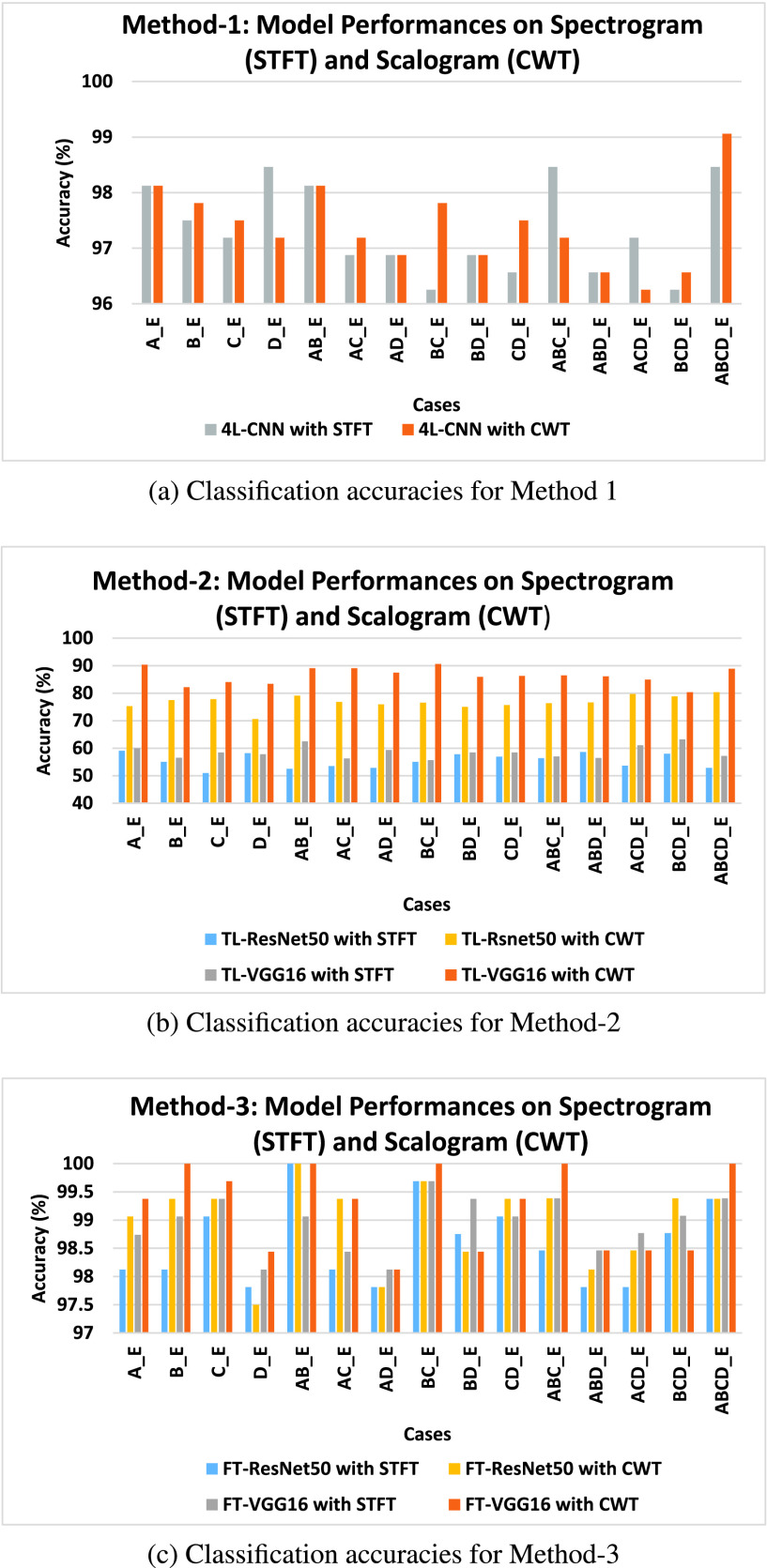
“Abdelhameed et al. (2021) reported an accuracy of 98.79% for their model [2], while Rashed-Al-Mahfuz et al. (2021) achieved state-of-the-art performance with their proposed DL architectures [26].”
MethodInfluentialAlMohimeed, I. (2024) · International Conference on Networking and Communications (ICNWC) · doi:10.1109/icnwc60771.2024.10537520 · Cited by 1
“In [14], the FT-VGG16 classifier was devised.”
Metadata
- Authors
- Rashed-Al-Mahfuz, M., Moni, M. A., Uddin, S., Alyami, S. A., Summers, M. A., & Eapen, V.
- Affiliations
- University of Rajshahi (BD)
- UNSW Sydney (AU)
- The University of Sydney (AU)
- Imam Mohammad ibn Saud Islamic University (SA)
- Garvan Institute of Medical Research (AU)
- Corresponding author
- Moni, Mohammad Ali
- ORCID
- Venue
- IEEE Journal of Translational Engineering in Health and Medicine
- Published
- 2021
- Volume
- 9
- Pages
- 1-12
- ISSN
- 2168-2372 (ISSN-L)
- PMC
- PMC7851059
- OpenAlex
- W3119307757
- Cited by
- 138
- References
- 39
- Citations by year
- 2026: 13 · 2025: 33 · 2024: 31 · 2023: 27 · 2022: 28 · 2021: 6
- FWCI
- 12.09
- Type
- journal article
- Language
- en
- Open access
- gold
- doi.org
- Locations
- IEEE Journal of Translational Engineering in Health and Medicine (publishedVersion, cc-by)
- Europe PMC (PubMed Central) (publishedVersion, cc-by)
- PubMed Central (publishedVersion, cc-by)
- PubMed (publishedVersion)
- UNSWorks (UNSW Sydney) (submittedVersion, cc-by-nc-nd)
- Charles Sturt University Research Output (CRO) (submittedVersion, cc-by)
- DOAJ (DOAJ: Directory of Open Access Journals) (submittedVersion, cc-by-sa)
- Greater South Information System
- Topics
- Life Sciences › Neuroscience › Cognitive Neuroscience › EEG and Brain-Computer Interfaces
- Physical Sciences › Computer Science › Artificial Intelligence › Emotion and Mood Recognition
- Health Sciences › Medicine › Clinical Neurology › Epilepsy research and treatment
- Keywords
- seizure detection, epileptic EEG, deep convolutional neural networks, SHAP feature attribution, EEG frequency components, automated seizure detection, epilepsy diagnosis
- MeSH terms
- Electroencephalography, Epilepsy, Humans, Seizures, Signal Processing, Computer-Assisted, Neural Networks, Computer
About these checks
Registry, retraction, Cites and statistics results are computed, not judged, with one exception: a printed reference that no index lists is read once by a model before it counts as a citation error. Claims are extracted by a model and kept only when their quote appears verbatim in the text; each cited source is then checked, with a model’s help, for whether it says what the claim relies on. Those verdicts can be wrong — read the claim’s quote and the cited source before relying on one.
Statistics and arithmetic are recomputed, not judged.
Confidence bands are shown only for fields calibrated on our annotated test set. None is calibrated yet, so no band is shown.
What counts as a claim ›How we measure confidence ›How we check this ›
Are you an author, or do you see a problem with this page? Request a review
Data sources
Bibliographic data: Semantic Scholar, OpenAlex, Crossref.
Contains information from the Semantic Scholar Academic Graph Datasets, made available under the ODC Attribution License (ODC-BY 1.0).
Semantic Scholar’s data is described in: Kinney, R., et al. (2023). The Semantic Scholar Open Data Platform. arXiv:2301.10140.
