

A Deep Convolutional Neural Network Method to Detect Seizures and Characteristic Frequencies Using Epileptic Electroencephalogram (EEG) Data
Open accessThe DOI matches its Crossref record; 40 of the 40 references it cites were found in a registry or an index.
Abstract
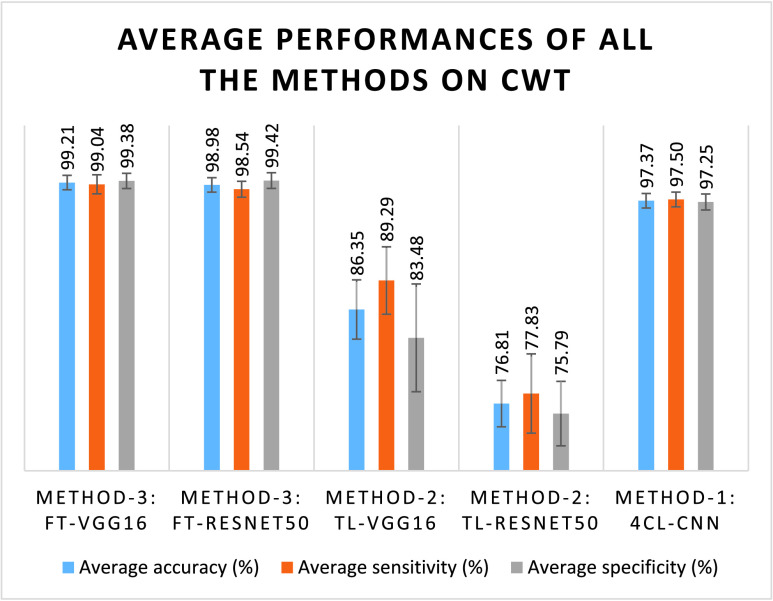
BACKGROUND: Diagnosing epileptic seizures using electroencephalogram (EEG) in combination with deep learning computational methods has received much attention in recent years. However, to date, deep learning techniques in seizure detection have not been effectively harnessed due to sub-optimal classifier design and improper representation of the time-domain signal. METHODS: In this study, we focused on designing and evaluating deep convolutional neural network-based classifiers for seizure detection. Signal-to-image conversion methods are proposed to convert time-domain EEG signal to a time-frequency represented image to prepare the input data for classification. We proposed and evaluated three classification methods comprising of five classifiers to determine which is more accurate for seizure detection. Accuracy data were then compared to previous studies of the same dataset. RESULTS: We found our proposed model and signal-to-image conversion method outperformed all previous studies in the most cases. The proposed FT-VGG16 classifier achieved the highest average classification accuracy of 99.21%. In addition, the Shapley Additive exPlanations (SHAP) analysis approach was employed to uncover the feature frequencies in the EEG that contribute most to improved classification accuracy. To the best of our knowledge, this is the first study to compute the contribution of frequency components to target seizure classification; thus allowing the identification of distinct seizure-related EEG frequency components compared to normal EEG measures. CONCLUSION: Thus our developed deep convolutional neural network models are useful to detect seizures and characteristic frequencies using EEG data collected from the patients and this model could be clinically applicable for the automated seizures detection.
Overview
The claims and statistics of this paper haven’t been checked yet.
Free: it reads the open-access text and checks the first 5 claims that cite a source we can check. Create a free account to check every claim.
Integrity signals
Registry
Cites
Statistics
Figures
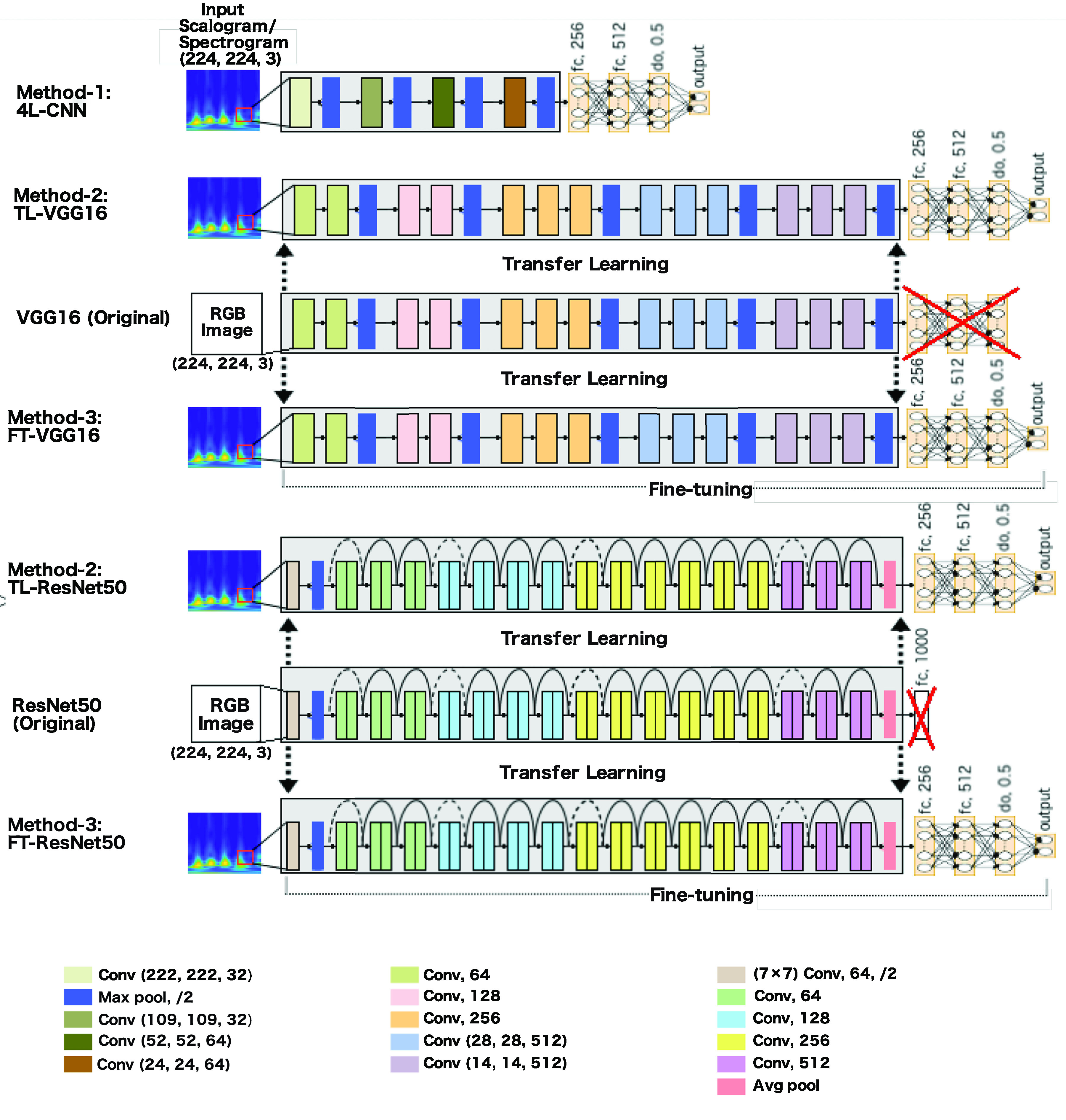
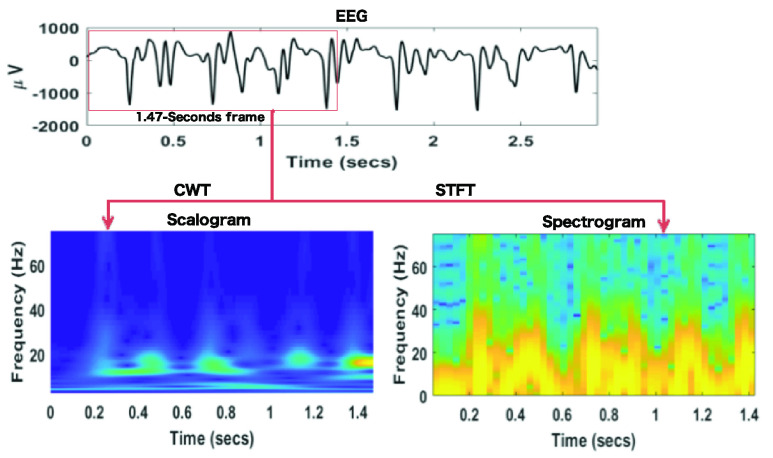
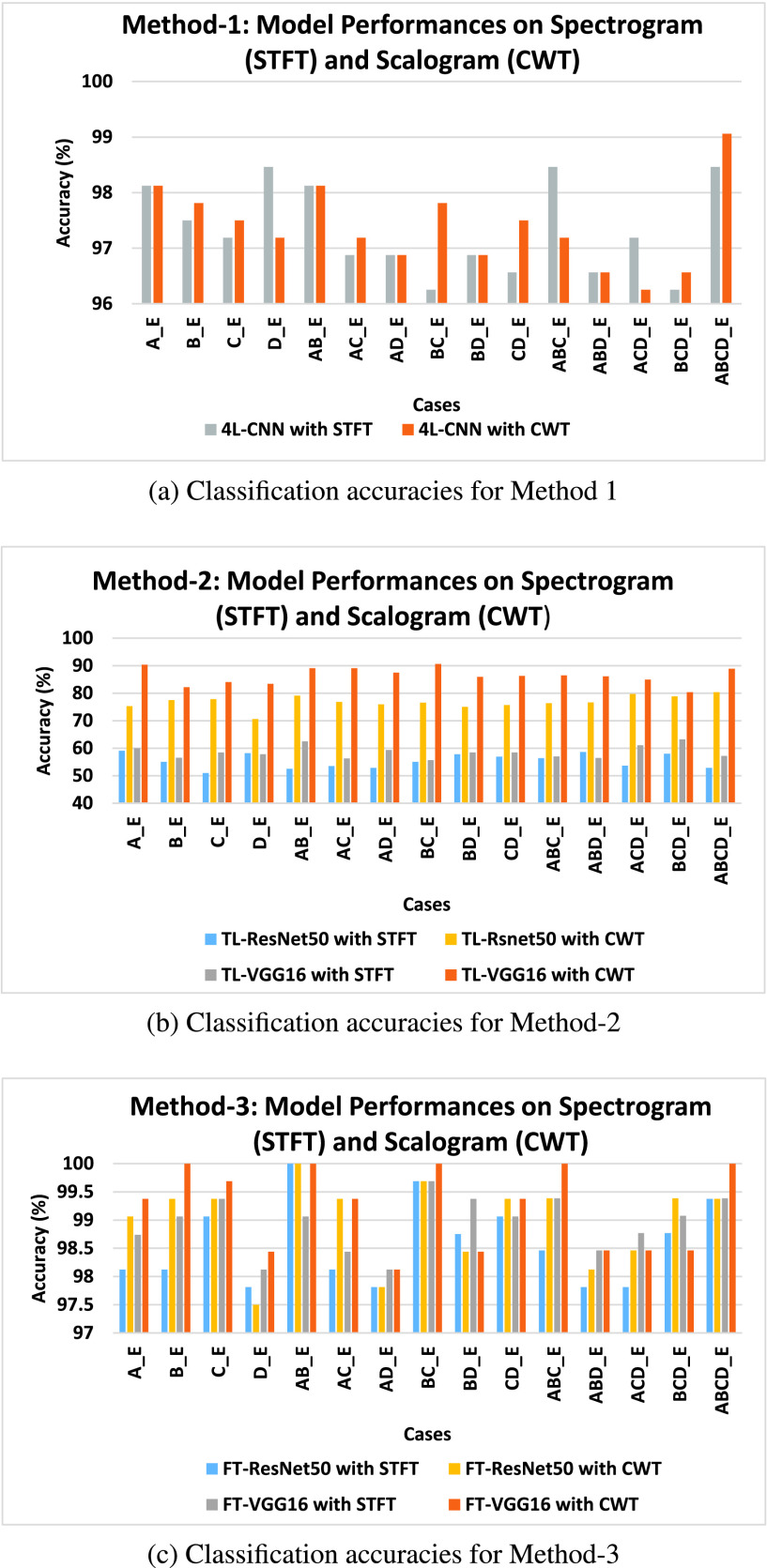
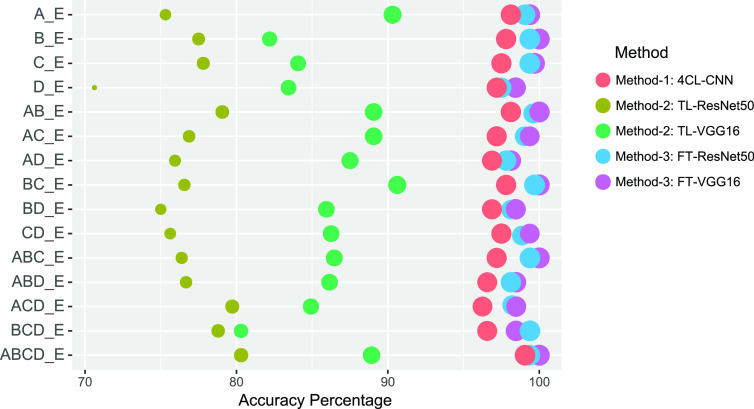

Verification
Claims the paper makes
The claims and statistics of this paper haven’t been checked yet.
Free: it reads the open-access text and checks the first 5 claims that cite a source we can check. Create a free account to check every claim.
Self-check
Percentages, sums and reported differences re-computed from the paper’s own numbers.
The self-check needs the paper’s full text.
Citations
Cites
Deep Residual Learning for Image Recognition
He, K., Zhang, X., Ren, S., & Sun, J. (2016) · 2016 IEEE Conference on Computer Vision and Pattern Recognition (CVPR) · doi:10.1109/cvpr.2016.90 · Cited by 235,474
Very Deep Convolutional Networks for Large-Scale Image Recognition
Simonyan, K., & Zisserman, A. (2014) · arXiv · doi:10.48550/arxiv.1409.1556 · Cited by 114,148
A Unified Approach to Interpreting Model Predictions
Lundberg, S., & Lee, S.-I. (2017) · arXiv · doi:10.48550/arxiv.1705.07874 · Cited by 23,707
A Practical Guide to Wavelet Analysis
Torrence, C., & Compo, G. P. (1998) · Bulletin of the American Meteorological Society · doi:10.1175/1520-0477(1998)079<0061:apgtwa>2.0.co;2 · Cited by 14,890
Gauriat, C.-M., Pencolé, Y., Ribot, P., & Brouillet, G. (2024) · HAL (Le Centre pour la Communication Scientifique Directe) · doi:10.4230/oasics.dx.2024.27 · Cited by 12,586
Improving neural networks by preventing co-adaptation of feature detectors
Hinton, G. E., Srivastava, N., Krizhevsky, A., Sutskever, I., & Salakhutdinov, R. R. (2012) · arXiv · doi:10.48550/arxiv.1207.0580 · Cited by 6,382 · cited 1×
“Another strategy we follow to combat the overfitting problem is the dropout technique [35].”
BackgroundIdentifying Medical Diagnoses and Treatable Diseases by Image-Based Deep Learning
Kermany, D. S., Goldbaum, M., Cai, W., Valentim, C. C. S., Liang, H., Baxter, S. L., McKeown, A., Yang, G., Wu, X., Yan, F., et al. (2018) · Cell · doi:10.1016/j.cell.2018.02.010 · Cited by 4,842
Axiomatic attribution for deep networks
Sundararajan, M., Taly, A., & Yan, Q. (2017) · arXiv · doi:10.48550/arxiv.1703.01365 · Cited by 4,087
Multi-column deep neural networks for image classification
Ciresan, D., Meier, U., & Schmidhuber, J. (2012) · 2012 IEEE Conference on Computer Vision and Pattern Recognition · doi:10.1109/cvpr.2012.6248110 · Cited by 3,720
Andrzejak, R. G., Lehnertz, K., Mormann, F., Rieke, C., David, P., & Elger, C. E. (2001) · Physical Review E · doi:10.1103/physreve.64.061907 · Cited by 3,032 · cited 1×
“We have used EEG data from the repository of the Bonn University [26].”
Method
Research works printed but not linked: 1
- T. Tieleman and G. Hinton, “ Lecture 6.5-RMSPROP: Divide the gradient by a running average of its recent magnitude,” Neural Netw. Mach. Learn., vol. 4, no. 2, pp. 26– 31, 2012.
Cited by
Items 101–138 of 138
Detection of Seizures Through Pre-Ictal Phase Using Optimized 1D-Capsule Network
Vinodh, J., & Kanaga, E. G. M. (2024) · IEEE International Conference on Information Technology, Electronics and Intelligent Communication Systems (ICITEICS) · doi:10.1109/iciteics61368.2024.10624971 · Cited by 1
“Because deep learning techniques are becoming more and more prominent, applications for analyzing EEG data have also gained popularity recently [15, 16].”
BackgroundComparative Analysis of ML and DL Models for Automated Epileptic Seizure Detection: A Review
Sravani, D., Prasad, C. R., & Ravichander, J. (2025) · World Skills Conference on Universal Data Analytics and Sciences (WorldSUAS) · doi:10.1109/worldsuas66815.2025.11198935 · Cited by 1
Saadoon, Y. A., Khalil, M. A., & Battikh, D. (2025) · International Conference on Advances in Biomedical Engineering (ICABME) · doi:10.1109/icabme66883.2025.11211556 · Cited by 1
“On the other hand, CNNs are a promising alternative because they can automatically learn hierarchical features from complex datasets, such as EEG recordings, to uncover spatiotemporal patterns associated with seizure activity [10].”
Padmaja, B., Maram, B., Raheem, A. K. A., Khan, S., Basheti, I. A., Abass, K. S., & Khan, W. A. (2026) · Scientific Reports · doi:10.1038/s41598-026-36121-0 · Cited by 1
Arshath, A. A., & Karthikeyan, D. (2026) · International Conference on Electronic Systems and Intelligent Computing (ICESIC) · doi:10.1109/icesic67389.2026.11496587 · Cited by 1
“Models based on CNN have used time-frequency analysis methods (e.g., CWT, STFT, spectrogram) to achieve high accuracy in detecting seizures and have performed well on benchmark datasets [1], [2], [7], [8].”
CAD system for epileptic seizure detection from EEG through image processing and SURF-BOF technique
Alshayeji, M. H. (2023) · Machine Learning Science and Technology · doi:10.1088/2632-2153/ad0572 · Cited by 1
“The authors in [17] employed the first method to calculate the contribution of the frequency component to the target seizure classification, making it possible to identify specific seizure-related EEG frequency components from baseline EEG measurements.”
MethodPerformance Analysis of Explainable Artificial Intelligence Methods in Epilepsy Detection
Rathod, P., Naik, S. T., & Bhalodiya, J. M. (2025) · Learning and Technology Conference (L&T) · doi:10.1109/lt64002.2025.10940497 · Cited by 1
“In [9], the predictions of VGG16 and Resnet50 networks in classifying EEG signals are explained using the SHAP method.”
Chawale, M. S. A., Mohod, S. B., & Chandak, M. D. S. (2022) · International Journal of Scientific Research in Science and Technology · doi:10.32628/ijsrst229174
Wei, X., Zhang, Z., & Zhou, Y. (2022) · Research Square · doi:10.21203/rs.3.rs-1976657/v1
Design of an improved soft computing model for EEG classification using MFCC and quad classifier
Kala, S., Mishra, P. K., & Dubey, S. P. (2022) · International Journal of Health Sciences · doi:10.53730/ijhs.v6ns4.10819
“However, these models display moderate precision execution, which can be improved through the work in [14, 15, 16], wherein moderate discriminative insufficient depiction classifier, time region progressive components request using long transient memory (LSTM) brain association, and Deep Convolutional Neural Network (…”
BackgroundAnalyzing the machine learning models for seizure detection using EEG frequencies
Verma, R. (2022) · International Conference on Parallel, Distributed and Grid Computing (PDGC) · doi:10.1109/pdgc56933.2022.10053182
“In [2], Rashed-Al-Mahfuz et al. proposed and assessed three classification methods consisting of five classifiers to evaluate the most accurate method for seizure detection and concluded that FT-VGG16 classifier achieved the highest average classification accuracy of 99.21%.”
MethodInfluential2D MRI IMAGE SEGMENTATION AND CLASSIFICATION USING LSTM IN RNN
(2023) · International Research Journal of Modernization in Engineering Technology and Science · doi:10.56726/irjmets35322
Han, J. (2024) · Academic Journal of Science and Technology · doi:10.54097/3v9scg07
Epilepsy detection based on optimal filterbank decomposition and KNN classifier
Jain, T., Sharma, I., Sharma, M. M., & Yadav, S. (2025) · Biomedical Signal Processing and Control · doi:10.1016/j.bspc.2025.107906
Optimising EEG Analysis for Enhanced Epilepsy Detection using DRCNN
Harshavardhan, D., Saisree, K., Ragavarshini, S., & Sridevi, S. (2024) · International Conference on Communication, Computing and Energy Efficient Technologies (I3CEET) · doi:10.1109/i3ceet61722.2024.10993554
Alagesan, S., Murugan, R., Devi, K. S., & Ramanujam, E. (2025) · International Conference on Knowledge and Smart Technology · doi:10.1109/kst65016.2025.11003331
“M Rashed et al. [7] Focused on designing and evaluating advanced models based on deep convolutional neural networks for precise seizure detection.”
Enhancing Epilepsy Care in Resource-Constrained Settings Through Streamlined EEG Data Analysis
Thommeykutty, R., Roy, A., & Asha, K. (2025) · Lecture notes in networks and systems · doi:10.1007/978-3-031-78946-5_28
Prime-like structures in EEG signal matrices: A framework for analysing EEG signals in epilepsy
Fuad, A. A. A., Yusof, Y., Ruslan, A., & Zenian, S. B. (2025) · Mathematical Modeling and Computing · doi:10.23939/mmc2025.02.558
Khanmohmmadi, S., Khatibi, T., Tajeddin, G., Noughabi, E. A., & Shojaee, A. (2025) · PLoS ONE · doi:10.1371/journal.pone.0325288
“The Continuous wavelet transform (CWT) is a useful frequency-time analysis tool for non-stationary signals [27].”
Explainable Deep Learning for Enhanced Epilepsy Monitoring and Diagnosis: A Review
Amrani, G., Adadi, A., & Berrada, M. (2025) · Lecture notes in networks and systems · doi:10.1007/978-3-031-91334-1_10
Early detection of parkinson’s disease through electrode configurations and sensory states
Salah, F. B., Echtioui, A., & BenAyed, Y. (2025) · Network Modeling Analysis in Health Informatics and Bioinformatics · doi:10.1007/s13721-025-00583-5
“This setup was chosen because the Hamming window is widely used in EEG research, particularly for analyzing non-stationary brain signals, such as those observed in Parkinson, Seizure, and Epilepsy studies (Wiest et al. 2020; Rashed-Al-Mahfuz et al. 2021; Bhandage et al. 2024).”
Kunduru, V. R., & Balaji, N. (2025) · Optimal Control Applications and Methods · doi:10.1002/oca.70023
“Terms Hd , Eh and Sc specifies the hidden neuron count, epoch count and steps per epoch, in which it has the ranges of [5 to 255], [5 to 50] and [300 to 500], correspondingly.”
Self-Supervised Learning With Adaptive Graph Modeling for EEG-Based Epileptic Seizure Classification
Hu, Y., Liu, J., Zhang, W., Sui, Y., Meng, Q., & Sun, R. (2025) · IEEE Transactions on Biomedical Engineering · doi:10.1109/tbme.2025.3605790 · Cited by 4
“Second, existing methods largely rely on supervised learning and labeled data [1], [2], [20], [21], [22], [23], [24], limiting their clinical scalability.”
Deep learning applied in epilepsy: Bibliometric and visual analysis
Yiman, W., & Wenqi, W. (2025) · Digital Health · doi:10.1177/20552076251375840 · Cited by 1
“37,38 Graph neural networks (GNNs) offer a fresh perspective on epilepsy mechanism research by analyzing brain network connections.”
Gopalakrishnan, R., Vijay Franklin, J., & Kanna, P. R. (2025) · AKCE International Journal of Graphs and Combinatorics · doi:10.1080/09728600.2025.2559654
Epileptic Seizure Detection in EEG using Machine Learning Approaches: A Systematic Review
Albastomi, A., Tjandrasa, H., & Hidayati, S. C. (2025) · IEEE Information Technology International Seminar (ITIS) · doi:10.1109/itis67966.2025.11309177
Manjupriya, R., & Leema, A. A. (2026) · Frontiers in Computational Neuroscience · doi:10.3389/fncom.2025.1725924
Ling, C. Y.-F., Phang, P., & Liew, S. (2026) · PeerJ Computer Science · doi:10.7717/peerj-cs.3617
Retracted: EEG Signal Analysis for Accurate Epilepsy Detection with Advanced Deep Learning Models
Subbalakshmi, C., Sankar, R. S. R., Mamatha, A., Venkatesh, M., Ravikumar, N., & Kumar, M. V. (2025) · IEEE International Conference on Recent Trends in Computing and Smart Mobility (RCSM) · doi:10.1109/rcsm67767.2025.11507977
“The author noted that EEG is the most robust and economical modality to use in determining the existence of seizures, however, its nature is noisy and non-stationary and makes its analysis difficult [12-13].”
RetractedEnhancing Privacy in EEG-Based Deep Learning Models Using Differential Privacy Layers
Betgeri, S. S., Shukla, M., & Kumar, D. (2026) · Lecture notes in networks and systems · doi:10.1007/978-3-032-27563-9_37
Zuo, M., Zhu, H., Liu, Z., Zhang, Q., & Song, S. (2026) · Cognitive Neurodynamics · doi:10.1007/s11571-026-10501-8
Bridging Feature-Based and Temporal Learning for EEG-Based Epileptic Seizure Detection
Sachin, B. D., Nithya, C. S., Kampana, K. R., Babu, A. J. S., Ajay, S., & Nayana, K. N. (2026) · International Conference on Advanced Computing and Knowledge Engineering (ICACKE) · doi:10.1109/icacke65470.2026.11651246
Machine learning techniques for detection of brain state associated with Himalayan Yoga meditation
Munjal, R., & Varshney, T. (2026) · Cogent Engineering · doi:10.1080/23311916.2026.2720609
Hybrid Attention Networks for Automated Epileptic Seizure Recognition from EEG Signals
Sharma, D., Gupta, A., Arora, G., & Jain, U. (2026) · International Conference on Emerging VLSI and Semiconductor Technology for AI and Computing Applications (EVST) · doi:10.1109/evst69093.2026.11660544
“End-to-end learning for seizure identification was made workable by Convolutional Neural Networks (CNNs) [5], which demonstrated exceptional proficiency in collecting spatial hierarchies in EEG spectro-grams or raw signals from the Bonn dataset.”
Jonna, S., & Natarajan, K. (2026) · Journal of Clinical Neuroscience · doi:10.1016/j.jocn.2026.112257
A Multi-Modal AI System for Epilepsy Diagnosis and Treatment Response
Gunathilaka, S., Ranaweera, D., Navodya, S., Himsara, D., Rathnayake, S. C., & Thelijjagoda, S. (2026) · IEEE International Conference on Electro Information Technology · doi:10.1109/eit68936.2026.11670359
“Current advancements focus on deep learning, in which CNN-based systems are trained to discover distinctive features from raw EEG or spectrograms automatically [12].”
EEG Tabanlı Epilepsi Tespitinde 1D-CNN ve BiLSTM Modellerinin Karşılaştırmalı Analizi
Karaman, O. B., & Gültepe, Y. (2026) · Osmaniye Korkut Ata Üniversitesi Fen Bilimleri Enstitüsü Dergisi · doi:10.47495/okufbed.1799181
An Interpretable Deep Learning Framework for EEG-Based Seizure Classification Using the Bonn
Hung, W.-H., Lin, Y.-F., Liu, B.-Y., Hung, K.-D., & Tsai, M.-H. (2026) · International Conference on Smart Data, Intelligence, and Analytics (ICoSDIA) · doi:10.1109/icosdia70683.2026.11690461
“More recent studies have reported competitive seizure-detection results using lightweight CNNs, hybrid one-dimensional CNN pipelines, and deep convolutional models designed to identify seizure-related frequency characteristics [9], [10], [12], [17].”
Metadata
- Authors
- Rashed-Al-Mahfuz, M., Moni, M. A., Uddin, S., Alyami, S. A., Summers, M. A., & Eapen, V.
- Affiliations
- University of Rajshahi (BD)
- UNSW Sydney (AU)
- The University of Sydney (AU)
- Imam Mohammad ibn Saud Islamic University (SA)
- Garvan Institute of Medical Research (AU)
- Corresponding author
- Moni, Mohammad Ali
- ORCID
- Venue
- IEEE Journal of Translational Engineering in Health and Medicine
- Published
- 2021
- Volume
- 9
- Pages
- 1-12
- ISSN
- 2168-2372 (ISSN-L)
- PMC
- PMC7851059
- OpenAlex
- W3119307757
- Cited by
- 138
- References
- 39
- Citations by year
- 2026: 13 · 2025: 33 · 2024: 31 · 2023: 27 · 2022: 28 · 2021: 6
- FWCI
- 12.09
- Type
- journal article
- Language
- en
- Open access
- gold
- doi.org
- Locations
- IEEE Journal of Translational Engineering in Health and Medicine (publishedVersion, cc-by)
- Europe PMC (PubMed Central) (publishedVersion, cc-by)
- PubMed Central (publishedVersion, cc-by)
- PubMed (publishedVersion)
- UNSWorks (UNSW Sydney) (submittedVersion, cc-by-nc-nd)
- Charles Sturt University Research Output (CRO) (submittedVersion, cc-by)
- DOAJ (DOAJ: Directory of Open Access Journals) (submittedVersion, cc-by-sa)
- Greater South Information System
- Topics
- Life Sciences › Neuroscience › Cognitive Neuroscience › EEG and Brain-Computer Interfaces
- Physical Sciences › Computer Science › Artificial Intelligence › Emotion and Mood Recognition
- Health Sciences › Medicine › Clinical Neurology › Epilepsy research and treatment
- Keywords
- seizure detection, epileptic EEG, deep convolutional neural networks, SHAP feature attribution, EEG frequency components, automated seizure detection, epilepsy diagnosis
- MeSH terms
- Electroencephalography, Epilepsy, Humans, Seizures, Signal Processing, Computer-Assisted, Neural Networks, Computer
About these checks
Registry, retraction, Cites and statistics results are computed, not judged, with one exception: a printed reference that no index lists is read once by a model before it counts as a citation error. Claims are extracted by a model and kept only when their quote appears verbatim in the text; each cited source is then checked, with a model’s help, for whether it says what the claim relies on. Those verdicts can be wrong — read the claim’s quote and the cited source before relying on one.
Statistics and arithmetic are recomputed, not judged.
Confidence bands are shown only for fields calibrated on our annotated test set. None is calibrated yet, so no band is shown.
What counts as a claim ›How we measure confidence ›How we check this ›
Are you an author, or do you see a problem with this page? Request a review
Data sources
Bibliographic data: Semantic Scholar, OpenAlex, Crossref.
Contains information from the Semantic Scholar Academic Graph Datasets, made available under the ODC Attribution License (ODC-BY 1.0).
Semantic Scholar’s data is described in: Kinney, R., et al. (2023). The Semantic Scholar Open Data Platform. arXiv:2301.10140.
