

Zero-Shot Medical Image Translation via Frequency-Guided Diffusion Models
Open accessThe DOI matches its Crossref record; 41 of the 41 references it cites were found in a registry or an index.
Abstract
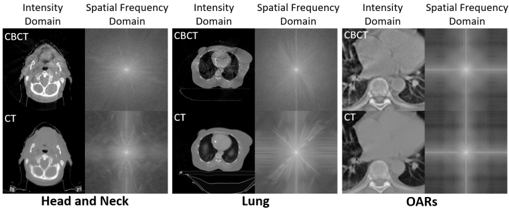
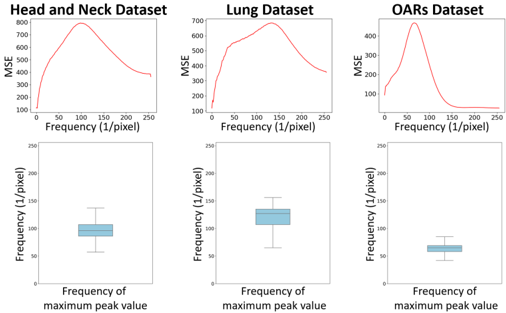
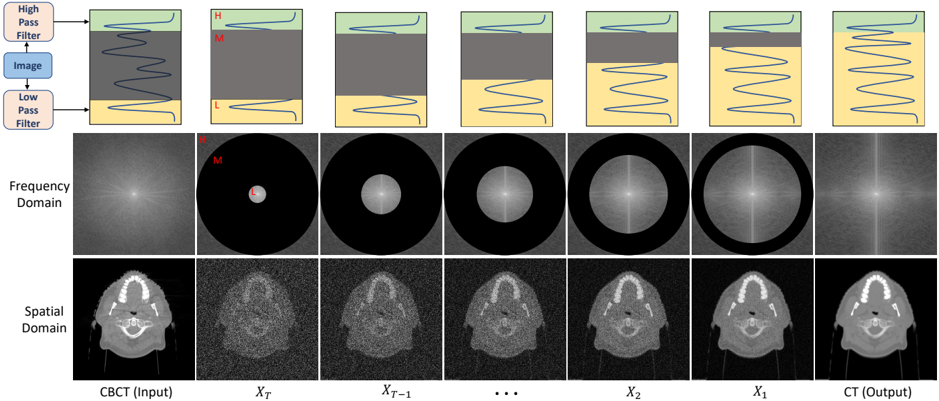
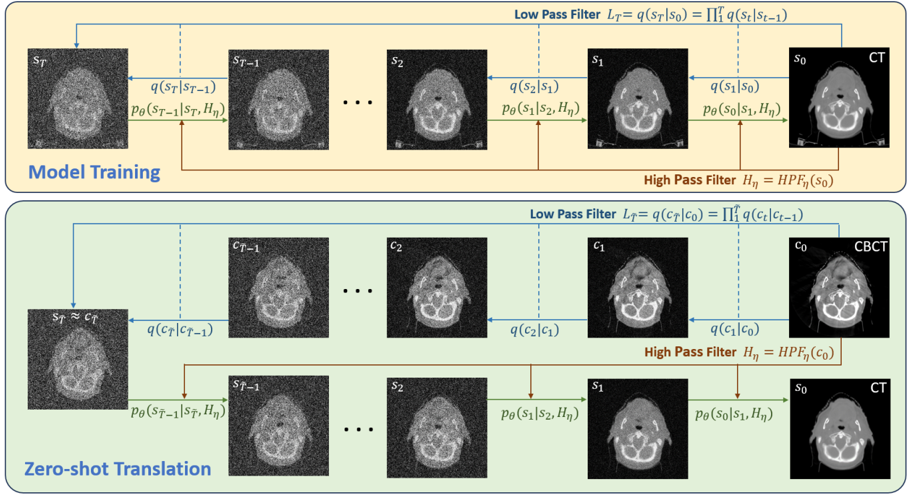
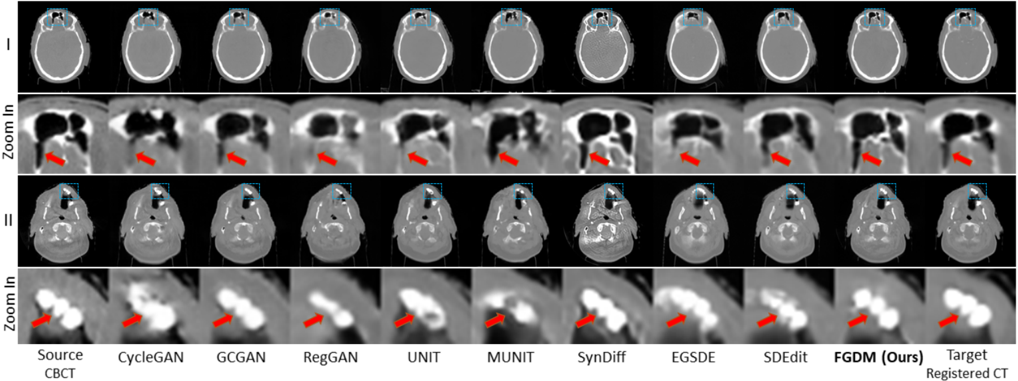
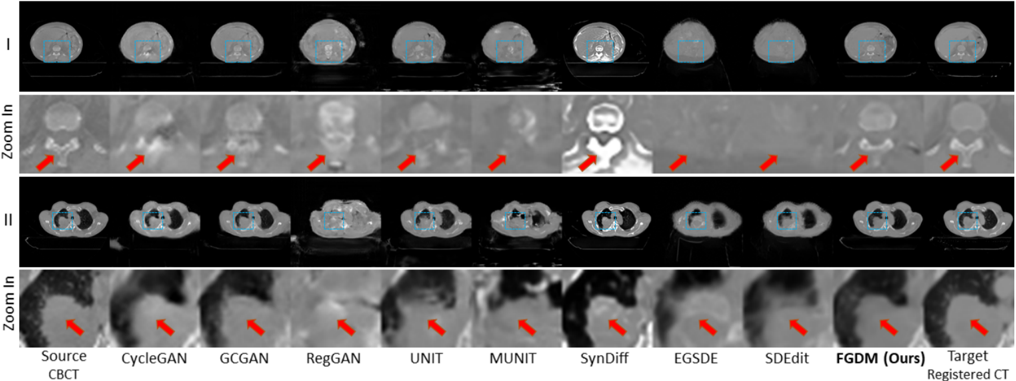
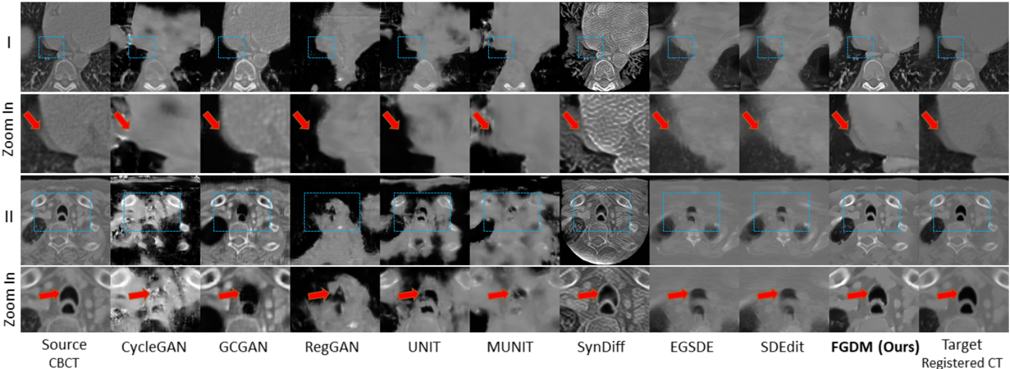
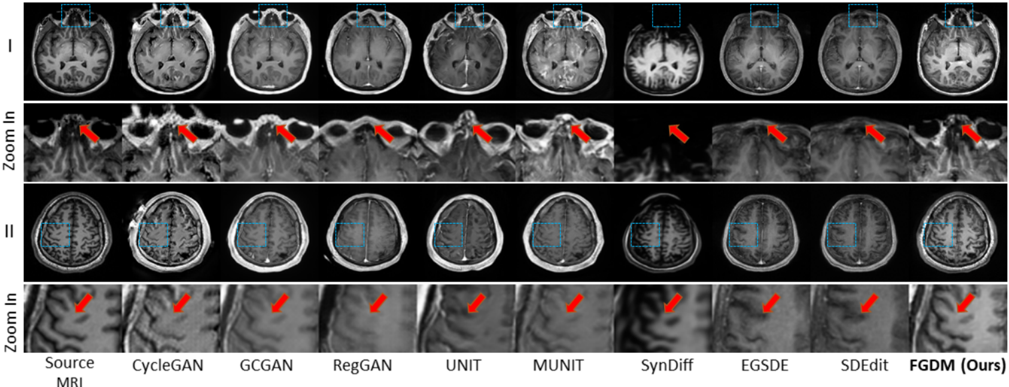
Recently, the diffusion model has emerged as a superior generative model that can produce high quality and realistic images. However, for medical image translation, the existing diffusion models are deficient in accurately retaining structural information since the structure details of source domain images are lost during the forward diffusion process and cannot be fully recovered through learned reverse diffusion, while the integrity of anatomical structures is extremely important in medical images. For instance, errors in image translation may distort, shift, or even remove structures and tumors, leading to incorrect diagnosis and inadequate treatments. Training and conditioning diffusion models using paired source and target images with matching anatomy can help. However, such paired data are very difficult and costly to obtain, and may also reduce the robustness of the developed model to out-of-distribution testing data. We propose a frequency-guided diffusion model (FGDM) that employs frequency-domain filters to guide the diffusion model for structure-preserving image translation. Based on its design, FGDM allows zero-shot learning, as it can be trained solely on the data from the target domain, and used directly for source-to-target domain translation without any exposure to the source-domain data during training. We evaluated it on three cone-beam CT (CBCT)-to-CT translation tasks for different anatomical sites, and a cross-institutional MR imaging translation task. FGDM outperformed the state-of-the-art methods (GAN-based, VAE-based, and diffusion-based) in metrics of Fréchet Inception Distance (FID), Peak Signal-to-Noise Ratio (PSNR), and Structural Similarity Index Measure (SSIM), showing its significant advantages in zero-shot medical image translation.
Overview
The claims and statistics of this paper haven’t been checked yet.
Free: it reads the open-access text and checks the first 5 claims that cite a source we can check. Create a free account to check every claim.
Integrity signals
Registry
Cites
Statistics
Figures

Verification
Claims the paper makes
The claims and statistics of this paper haven’t been checked yet.
Free: it reads the open-access text and checks the first 5 claims that cite a source we can check. Create a free account to check every claim.
Claims other papers make about this one
Each is checked against this paper’s own text: does it say what the citing paper says it does?
The check wasn’t confident either way, so it gives no verdict — never disputed.
In the citing paper
“Second, a pronounced domain gap exists between images and videos21–23.”
From Temporally consistent low-light face video enhancement via video-to-video conditional diffusion (2026) · cites this paper as [21]
Experimental — accuracy not yet measured
Self-check
Percentages, sums and reported differences re-computed from the paper’s own numbers.
The self-check needs the paper’s full text.
Citations
Cites
Image quality assessment: from error visibility to structural similarity
Wang, Z., Bovik, A. C., Sheikh, H. R., & Simoncelli, E. P. (2004) · IEEE Transactions on Image Processing · doi:10.1109/tip.2003.819861 · Cited by 57,892
Unpaired image-to-image translation using cycle-consistent adversarial networks
Zhu, J.-Y., Park, T., Isola, P., & Efros, A. A. (2017) · 2017 IEEE International Conference on Computer Vision (ICCV) · doi:10.1109/iccv.2017.244 · Cited by 23,602
Generative adversarial networks
Goodfellow, I., Pouget-Abadie, J., Mirza, M., Xu, B., Warde-Farley, D., Ozair, S., Courville, A., & Bengio, Y. (2020) · Communications of the ACM · doi:10.1145/3422622 · Cited by 18,384
Denoising Diffusion Probabilistic Models
Ho, J., Jain, A., & Abbeel, P. (2020) · arXiv · doi:10.48550/arxiv.2006.11239 · Cited by 8,712 · cited 3×
“In diffusion models [9], [10], [28], there is a forward diffusion process q ( · ) that gradually adds white Gaussian noise with constant variance σ 2 to the original data s 0 in T steps : where α 1 : t ∈ ( 0 , 1 ] T is a decreasing sequence, and the reverse denoising process p θ ( · ) is defined by…”
BackgroundGANs Trained by a Two Time-Scale Update Rule Converge to a Local Nash Equilibrium
Heusel, M., Ramsauer, H., Unterthiner, T., Nessler, B., & Hochreiter, S. (2017) · arXiv · doi:10.48550/arxiv.1706.08500 · Cited by 8,365
Elastix: a toolbox for intensity-based medical image registration
Klein, S., Staring, M., Murphy, K., Viergever, M. A., & Pluim, J. (2010) · IEEE Transactions on Medical Imaging · doi:10.1109/tmi.2009.2035616 · Cited by 4,311 · cited 1×
“For testing, an open-source deformable image registration toolbox [36] was used to align the CT to CBCT, and the registered CT images were used Authorized licensed use limited to the terms of the applicable license agreement with IEEE.”
MethodDiffusion Models Beat GANs on Image Synthesis
Dhariwal, P., & Nichol, A. (2021) · arXiv · doi:10.48550/arxiv.2105.05233 · Cited by 3,362 · cited 1×
“Recently, diffusion models are developed as a new type of generative AI method, which can generate images of very high quality with excellent Frechet Inception Distance (FID) [5], [6], [7], [8], [9].”
MethodDeep Unsupervised Learning using Nonequilibrium Thermodynamics
Sohl-Dickstein, J., Weiss, E. A., Maheswaranathan, N., & Ganguli, S. (2015) · arXiv · doi:10.48550/arxiv.1503.03585 · Cited by 2,637 · cited 1×
“In diffusion models [9], [10], [28], there is a forward diffusion process q ( · ) that gradually adds white Gaussian noise with constant variance σ 2 to the original data s 0 in T steps : where α 1 : t ∈ ( 0 , 1 ] T is a decreasing sequence, and the reverse denoising process p θ ( · ) is defined by…”
BackgroundAn Introduction to Variational Autoencoders
Kingma, D. P., & Welling, M. (2019) · Foundations and Trends® in Machine Learning · doi:10.1561/2200000056 · Cited by 2,609 · cited 15×
“Compared to GANs or VAEs, FGDM offers an additional benefit as it only uses the data from the target domain to train the diffusion model to learn the distribution at intermediate frequencies.”
MethodInfluentialDenoising Diffusion Implicit Models
Song, J., Meng, C., & Ermon, S. (2020) · arXiv · doi:10.48550/arxiv.2010.02502 · Cited by 2,507 · cited 2×
“Recently, diffusion models are developed as a new type of generative AI method, which can generate images of very high quality with excellent Frechet Inception Distance (FID) [5], [6], [7], [8], [9].”
BackgroundMethod
Research works printed but not linked: 1
- 8. Y. Song, J. Sohl-Dickstein, D. P. Kingma, A. Kumar, S. Ermon, and B. Poole, "Score-based generative modeling through stochastic differential equations," in International Conference on Learning Representations, 2021. [Online]. Available: https://openreview.net/ forum?id=PxTIG12RRHS
Cited by
Diffusion models in medical imaging: A comprehensive survey
Kazerouni, A., Aghdam, E. K., Heidari, M., Azad, R., Fayyaz, M., Hacihaliloglu, I., & Merhof, D. (2023) · Medical Image Analysis · doi:10.1016/j.media.2023.102846 · Cited by 765
“[89] introduce a novel approach for structure-preserving image translation using frequency-domain filters, the Frequency-Guided Diffusion Model (FGDM).”
MethodDiffusion Models in Low-Level Vision: A Survey
He, C., Shen, Y., Fang, C., Xiao, F., Tang, L., Zhang, Y., Zuo, W., Guo, Z., & Li, X. (2025) · IEEE Transactions on Pattern Analysis and Machine Intelligence · doi:10.1109/tpami.2025.3545047 · Cited by 212
“For example, Li et al. [125] propose the Frequency-Guided Diffusion Model (FGDM), which uses frequency-domain filters to preserve structure during image translation.”
Self-citationDiffBoost: Enhancing Medical Image Segmentation via Text-Guided Diffusion Model
Zhang, Z., Yao, L., Wang, B., Jha, D., Durak, G., Keleş, E., Medetalibeyoğlu, A., & Bağcı, U. (2024) · IEEE Transactions on Medical Imaging · doi:10.1109/tmi.2024.3519307 · Cited by 102
“Diffusion models are also used for image-to-image translation applications such as generating CT scans from MRIs [27], [28], [29].”
Mutual Information Guided Diffusion for Zero-Shot Cross-Modality Medical Image Translation
Wang, Z., Yang, Y., Chen, Y., Yuan, T., Sermesant, M., Delingette, H., & Wu, O. (2024) · IEEE Transactions on Medical Imaging · doi:10.1109/tmi.2024.3382043 · Cited by 85
“Huang et al. [33] introduced a diffusion guidance method based on frequency domain analysis for in-domain medical image translation, demonstrating outstanding results in tasks involving zero-shot image translation within the same modality, such as Cone-beam Computed Tomography systems (CBCT) to CT…”
MethodI-MedSAM: Implicit Medical Image Segmentation with Segment Anything
Wei, X., Cao, J., Jin, Y., Lu, M., Wang, G., & Zhang, S. (2024) · Lecture notes in computer science · doi:10.1007/978-3-031-72684-2_6 · Cited by 97
Diffusion Models for Medical Image Computing: A Survey
Shi, Y., Abulizi, A., Wang, H., Feng, K., Abudukelimu, N., Su, Y., & Abudukelimu, H. (2024) · Tsinghua Science & Technology · doi:10.26599/tst.2024.9010047 · Cited by 60
SCDM: Unified Representation Learning for EEG-to-fNIRS Cross-Modal Generation in MI-BCIs
Li, Y., Wang, Y., Lei, B., & Wang, S. (2025) · IEEE Transactions on Medical Imaging · doi:10.1109/tmi.2025.3532480 · Cited by 39
“The diffusion model, inspired by the variational inference, generates data by progressively incorporating and removing noise, offering more stable training and enabling diverse sample generation, with demonstrated potential for cross-modal generation of medical images [52], [53], [54], [55], [56].”
Self-citationDiffusion model for medical image denoising, reconstruction and translation
Wang, W., Xia, J., Luo, G., Dong, S., Li, X., Wen, J., & Li, S. (2025) · Computerized Medical Imaging and Graphics · doi:10.1016/j.compmedimag.2025.102593 · Cited by 44
Texture-preserving diffusion model for CBCT-to-CT synthesis
Zhang, Y., Li, L., Wang, J., Yang, X., Zhou, H., He, J., Xie, Y., Jiang, Y., Sun, W., Zhang, X., et al. (2024) · Medical Image Analysis · doi:10.1016/j.media.2024.103362 · Cited by 32
Self-citationJoshi, S., Forjaz, A., Han, K. S., Shen, Y., Queiroga, V., Selaru, F. A., Gérard, M., Xenes, D., Matelsky, J., Wester, B. A., et al. (2025) · Nature Methods · doi:10.1038/s41592-025-02712-4 · Cited by 38
“1) 27 .”
InfluentialContourDiff: Unpaired Medical Image Translation with Structural Consistency
Chen, Y., Konz, N., Gu, H., Dong, H., Chen, Y., Li, L., Lee, J., & Mazurowski, M. A. (2025) · The Journal of Machine Learning for Biomedical Imaging · doi:10.59275/j.melba.2025-79a2 · Cited by 31
“Recently, several conditional diffusion models have been introduced for image translation tasks, both in natural images Batzolis et al. (2021); Rombach et al. (2022); Li et al. (2023a); Kim et al. (2023) and medical imaging Li et al. (2023b); ¨Ozbey et al. (2023); Kim and Park (2024).”
Synthetic CT generation based on CBCT using improved vision transformer CycleGAN
Hu, Y., Zhou, H., Cao, N., Li, C., & Hu, C. (2024) · Scientific Reports · doi:10.1038/s41598-024-61492-7 · Cited by 25
Hu, C., Cao, N., Li, X., He, Y., & Zhou, H. (2025) · Scientific Reports · doi:10.1038/s41598-025-92094-6 · Cited by 30
“Li et al. 48 proposed a frequency-domain guided diffusion model FGDM, which utilizes a frequency-domain filter to guide the diffusion process and effectively preserves the structural information in the image.”
HLSNC-GAN: Medical Image Synthesis Using Hinge Loss and Switchable Normalization in CycleGAN
Heng, Y., Yinghua, M., Khan, F. G., Khan, A., & Zeng, H. (2024) · IEEE Access · doi:10.1109/access.2024.3390245 · Cited by 20
“To address this issue, Li et al. [52] proposed a frequency-guided diffusion model (FGDM).”
BackgroundAzad, M., Fahad, N. M., Raiaan, M. A. K., Anik, T. R., Khan, M. F. K., Toyé, H. M. K., & Muhammad, G. (2026) · Diagnostics · doi:10.3390/diagnostics16020211 · Cited by 26
“Approximately 33% of studies in this domain included clinician involvement, which is relatively low given the critical role of denoising in improving diagnostic accuracy.”
Prior frequency guided diffusion model for limited angle (LA)-CBCT reconstruction
Xie, J., Shao, H., Li, Y., & Zhang, Y. (2024) · Physics in Medicine and Biology · doi:10.1088/1361-6560/ad580d · Cited by 17
“PFGDM is built upon the findings of our recent work on zero-shot image translation (Li et al. , 2023), which observed that a diffusion model conditioned on image-domain high-frequency information can better retain the anatomical details within the images.”
MethodSelf-citationShen, X., Huang, H., Nichyporuk, B., & Arbel, T. (2025) · IEEE Transactions on Medical Imaging · doi:10.1109/tmi.2025.3583974 · Cited by 18
“In other work, Li et al. [37] uses frequency-domain filters to guide the diffusion model for structure-preserving image translation, achieving robust generalization capability.”
A Physics-Informed Deep Neural Network for Harmonization of CT Images
Zarei, M., Sotoudeh‐Paima, S., McCabe, C., Abadi, E., & Samei, E. (2024) · IEEE Transactions on Biomedical Engineering · doi:10.1109/tbme.2024.3428399 · Cited by 16
Med-LVDM: Medical latent variational diffusion model for medical image translation
Kui, X., Liu, B., Sun, Z., Li, Q., Zhang, M., Liang, W. P., & Zou, B. (2025) · Biomedical Signal Processing and Control · doi:10.1016/j.bspc.2025.107735 · Cited by 16
Jin, L., Peng, Y., Wang, J., Jiang, Y., & Zhang, K. (2025) · Expert Systems with Applications · doi:10.1016/j.eswa.2025.127451 · Cited by 14
Self-citationMartyniak, S., Kaleta, J., Dall’Alba, D., Naskręt, M., Płotka, S., & Korzeniowski, P. (2025) · IEEE Winter Conference on Applications of Computer Vision · doi:10.1109/wacv61041.2025.00419 · Cited by 26
“To address the lengthy training times required for diffusion models, some works focus on zero-shot approaches [24,53,54].”
FDDM: unsupervised medical image translation with a frequency-decoupled diffusion model
Li, Y., Shao, H., Qian, X., & Zhang, Y. (2025) · Machine Learning Science and Technology · doi:10.1088/2632-2153/adc656 · Cited by 12
“The FID calculation method is based on the distribution differences between generated and real images, and a higher FID value reflects a mismatch in data distribution.”
Self-citationAghaei, A., & Moghaddam, M. E. (2025) · Scientific Reports · doi:10.1038/s41598-025-13478-2 · Cited by 12
“Techniques such as Generative Adversarial Networks (GANs), Deep Convolutional GANs (DCGANs), and Diffusion models have demonstrated considerable success in the medical field 36–38 .”
RED: Residual estimation diffusion for low-dose PET sinogram reconstruction
Ai, X., Bin, H., Chen, F., Shi, L., Li, B., Wang, S., & Liu, Q. (2025) · Medical Image Analysis · doi:10.1016/j.media.2025.103558 · Cited by 10
Zhu, Q., Wang, Y., Zhu, S., & Du, B. (2025) · Pattern Recognition · doi:10.1016/j.patcog.2025.111638 · Cited by 12
Zhao, J., Tian, Y., Xiao, A., Tian, J., & Hu, Z. (2025) · Biomedical Signal Processing and Control · doi:10.1016/j.bspc.2024.107359 · Cited by 9
AI-powered segmentation and prognosis with missing MRI in pediatric brain tumors
Chrysochoou, D., Gandhi, D. B., Adib, S., Familiar, A., Vunnava, B., Varshochi, S., Khalili, N., Khalili, N., Ware, J. B., Tu, W., et al. (2026) · npj Precision Oncology · doi:10.1038/s41698-025-01269-x · Cited by 9
“…c and shared features 23 , learning shared representations less dependent on any single input 24 , 25 adversarial training to help networks learn effectively from both complete and incomplete MRI data 26 , style transfer techniques to bridge gaps between available and missing modalities 27 , and…”
Computationally Efficient Diffusion Models in Medical Imaging: A Comprehensive ReviewPreprint
Abdullah, Huang, T., Lee, I., & Ahn, E. (2025) · arXiv (Cornell University) · doi:10.48550/arxiv.2505.07866 · Cited by 16
“…(xix)[46], (xx) [71], (xxi) [47], (xxii) [81], (xxiii) [82], (xxiv) [83], (xxv) [60], (xxvi) [61], (xxvii) [84], (xxviii) [39], (xxix) [85], (xxx) [86], (xxxi) [87], (xxxii) [88], (xxxiii) [89], (xxxiv) [26], (xxxv) [90], (xxxvi) [91], (xxxvii )[62], (xxxviii) [92], (xxxix) [93], (xl) [94], (xli)…”
InfluentialZhu, Q., Zhu, S., Du, B., & Wang, Y. (2025) · Pattern Recognition · doi:10.1016/j.patcog.2025.111695 · Cited by 10
Wang, X., Feng, Y., Wang, S., Wang, D., & Cheng, T. C. E. (2025) · Decision Support Systems · doi:10.1016/j.dss.2025.114492 · Cited by 9
JFSP-ViT: A Joint Frequency-Spatial Perception Vision Transformer for Diabetic Retinopathy Grading
Wang, Y., Shen, S., & Tong, N. (2025) · IEEE Access · doi:10.1109/access.2025.3600453 · Cited by 8
“In medical imaging, several studies have incorporated frequency domain information into deep networks to enhance performance [8], [9], [10], [11], [12].”
Denoising diffusion wavelet models for zero-shot medical image translation
Li, Y., Kong, X., Xie, J., Steeg, G. V., & Zhang, Y. (2025) · Knowledge-Based Systems · doi:10.1016/j.knosys.2025.113800 · Cited by 7
Self-citationZhong, Z., & Xie, X. (2024) · BJR|Artificial Intelligence · doi:10.1093/bjrai/ubae012 · Cited by 11
Pre- to post-contrast medical image synthesis with outline-guide accelerate diffusion model
Fan, X., Xu, L., Zheng, B., Zeng, X., Li, W., & Huang, Z. (2025) · Neural Networks · doi:10.1016/j.neunet.2025.107851 · Cited by 6
Denoising Diffusion Probabilistic Models for Magnetic Resonance Fingerprinting
Mayo, P., Pirkl, C. M., Achim, A., Menze, B. H., & Golbabaee, M. (2026) · IEEE Access · doi:10.1109/access.2026.3674726 · Cited by 6
“While DDPM applications in medical imaging are emerging (e.g. in segmentation [36], [37], image-to-image translation [38], [39], and image reconstruction [40], [41], [42], [43], [44]), their potential for MRF has remained largely unexplored.”
Conditional Diffusion Models for CT Image Synthesis from CBCT: A Systematic Review
Altalib, A., Li, C., & Perelli, A. (2026) · Tomography · doi:10.3390/tomography12050064 · Cited by 5
Zhang, Q., Zhou, C., Zhang, X., Fan, W., Zheng, H., Liang, D., & Hu, Z. (2024) · EJNMMI Physics · doi:10.1186/s40658-024-00706-3 · Cited by 5
Dong, G., He, Y., Liu, X., Dai, J., Xie, Y., & Liang, X. (2025) · Bioengineering · doi:10.3390/bioengineering12020132 · Cited by 4
Self-citationYu, S., Li, Y., Jiao, P., Liu, Y., Zhao, J., Yan, C., Wang, Q., & Wang, S. (2025) · Medical Physics · doi:10.1002/mp.17818 · Cited by 5
Self-citationCBCT-to-CT synthesis with a hybrid of CycleGAN and latent diffusion
Luo, F., Ma, C., Shi, J., & Xu, K. (2025) · Neuroradiology · doi:10.1007/s00234-025-03634-w · Cited by 6
“Recent studies have also highlighted the effectiveness of diffusion models in other medical imaging tasks, including frequency-guided zero-shot translation [16] and low-dose CT denoising via diffusion probabilistic priors [17].”
Multimodal medical image‐to‐image translation via variational autoencoder latent space mapping
Liang, Z., Cheng, M., Ma, J., Hu, Y., Li, S., & Tian, X. (2025) · Medical Physics · doi:10.1002/mp.17912 · Cited by 4
Fu, L., Li, X., Cai, X., Wang, Y., Wang, X., Yao, Y., & Shen, Y. (2023) · arXiv (Cornell University) · doi:10.48550/arxiv.2312.06187 · Cited by 4
“Li et al. [33] propose a zero-sample medical image synthesis method based on frequency-guided diffusion models.”
BackgroundMethodSinoSynth: A Physics-Based Domain Randomization Approach for Generalizable CBCT Image Enhancement
Pang, Y., Liu, Y., Chen, X., Yap, P., & Lian, J. (2024) · Lecture notes in computer science · doi:10.1007/978-3-031-72104-5_62 · Cited by 5
“We integrate SinoSynth into several existing synthetic CT generation frameworks, including Denoising Diffusion GAN (DDGAN) [29], CycleGAN [7], DRIT [16], ROI-aware DCLGAN [8], and FGDM [17].”
MethodMR-to-CT Translation Using Frequency-Separated Diffusion Models
Gong, C., Huang, Z., Wu, Z., Zhao, M., Fan, H., Bai, X., Feng, M., Granados, A., Meng, G., Lei, Z., et al. (2025) · IEEE International Symposium on Biomedical Imaging (ISBI) · doi:10.1109/isbi60581.2025.10980939 · Cited by 3
“The forward diffusion process can be regarded as a low-pass filter [8], allowing the extraction of low-frequency CT information as the initial step in the model’s reverse diffusion process.”
Deep Learning for CT Synthesis in Radiotherapy
Guo, Y., Luo, Y., Hooshangnejad, H., Zhang, R., Feng, X., Chen, Q., Ngwa, W. F., & Ding, K. (2025) · Bioengineering · doi:10.3390/bioengineering12121297 · Cited by 5
Kalantar, R., Lin, G., Winfield, J. M., Messiou, C., Koh, D., & Blackledge, M. (2023) · IEEE International Conference on Medical Artificial Intelligence (MedAI) · doi:10.1109/medai59581.2023.00061 · Cited by 3
“Li et al. [17] extended the capabilities of DDPM by incorporating frequency-domain filters to preserve structural features in medical image synthesis, facilitating zero-shot cone-beam CT (CBCT)-to-CT translations.”
BackgroundGong, C., Jian, J., Huang, Y., Luo, M., Ding, S., Yuan, X., Wang, X., & Zhang, Y. (2025) · Medical Physics · doi:10.1002/mp.17723 · Cited by 6
“32–35 Nevertheless, the potential of diffusion methods in terms of medical image translation remains largely unexplored, partly due to the computational burden associated with image sampling and the challenges of unpaired training in a conventional diffusion model.”
Self-citationDistribution matching with subset‐ k ‐space embedding for multi‐contrast MRI reconstruction
Guan, Y., Lü, Y., Cheng, J., Wei, H., Wang, S., & Liu, Q. (2025) · Medical Physics · doi:10.1002/mp.18056 · Cited by 3
“43,44 By utilizing the learned score function as a prior,the score-based diffusion model can easily generate high-quality contrasts from corrupted measurements.”
Source-free cross-modality medical image synthesis with diffusion priors
Chen, J., Wang, X., Bai, J., Yang, K. G., Hu, X., & Li, Y. (2025) · Journal of King Saud University - Computer and Information Sciences · doi:10.1007/s44443-025-00200-5 · Cited by 3
“FGDM assumes domain-invariant frequency components and uses a target-trained model to reconstruct missing mid-frequency signals.”
Self-citationWang, Z., Yi, R.-J., Wen, X., Zhu, C., Xu, K., & He, K.-L. (2025) · The Visual Computer · doi:10.1007/s00371-025-04036-y · Cited by 5
Sui, D., Tian, X., Li, Y., Guo, M., Li, X., Wang, K., & Luo, G. (2025) · Knowledge-Based Systems · doi:10.1016/j.knosys.2025.114260 · Cited by 2
Self-citationMedZeroSeg: Zero-shot medical image segmentation via vision foundation models
Zhang, R., Huang, M., & Li, R. (2026) · PLoS ONE · doi:10.1371/journal.pone.0344978 · Cited by 3
Self-citationA Simple Yet Mighty Hartley Diffusion Versatilist for Generalizable Dense Vision Tasks
Bi, Q., Yi, J., Huang, H., Zheng, H., Zhan, H., Ji, W., Huang, Y., Li, Y., & Zheng, Y. (2025) · IEEE/CVF International Conference on Computer Vision (ICCV) · doi:10.1109/iccv51701.2025.00635 · Cited by 4
“The forward diffusion of training process can be regarded as a form of low-pass filtering that captures semantic information [42, 70, 96], promoting the learning of the joint probability distribution between image and ground truth.”
Self-citationXie, J., Shao, H., Li, Y., Yan, S., Shen, C., Wang, J., & Zhang, Y. (2025) · Physics in Medicine and Biology · doi:10.1088/1361-6560/addf0e · Cited by 2
“Similarly, Li et al. (Li et al. , 2023) have shown that diffusion models achieve robust medical image translation without exposure to the test-domain data during training.”
Self-citationCross-modal conditional latent diffusion model for brain MRI to ultrasound image translation
Jiang, S., Wang, L., Li, Y., Yang, Z., Zhou, Z., & Li, B. (2025) · Physics in Medicine and Biology · doi:10.1088/1361-6560/adf0bc · Cited by 2
Self-citationStructure-Preserving Diffusion Model for Unpaired Medical Image Translation
Wang, H., Wang, X., & Cui, Z. (2024) · Lecture notes in computer science · doi:10.1007/978-3-031-73284-3_22 · Cited by 3
A Comparative Study of Deep Learning Models for MRI to CT Image Synthesis
Afnaan, K., Jaswanth, T., Nishal, S., Kumar, S. A., Singh, T., & Hushme, K. (2025) · International Conference on Integrated Circuits and Communication Systems (ICICACS) · doi:10.1109/icicacs65178.2025.10968915 · Cited by 1
“MRI is renowned for its superior soft-tissue contrast, whereas CT excels in visualizing bone structures and density variations [2].”
Wang, B., Lei, C., Hong, K., Kan, X., Ouyang, Y., Li, J., Guo, Y., & Li, R. (2025) · Computerized Medical Imaging and Graphics · doi:10.1016/j.compmedimag.2025.102605 · Cited by 1
Self-citationDiffusing Boundaries: CBCT-to-CT Translation with Extended Field of View
Spinat, Q., Duran, A., Teboul, O., Nikos Paragios, A., & Komodakis, N. (2025) · Lecture notes in computer science · doi:10.1007/978-3-032-05169-1_15 · Cited by 1
“Recent advances in conditional diffusion models have brought a new wave of research to the CBCT-to-CT image translation task [6, 13, 16].”
Nimitha, U., & Ameer, P. M. (2025) · IEEE Access · doi:10.1109/access.2025.3623475 · Cited by 1
“Paired translation necessitates aligned input-output data pairs [7], while unpaired translation eliminates this requirement.”
Multi-condition guided unpaired MRI T1-to-FLAIR image-to-image translation
Ma, J., Liang, A., & Chen, J. (2025) · Biomedical Signal Processing and Control · doi:10.1016/j.bspc.2025.108959 · Cited by 1
Touati, R., & Kadoury, S. (2025) · Annual International Conference of the IEEE Engineering in Medicine and Biology Society (EMBC) · doi:10.1109/embc58623.2025.11254089 · Cited by 1
“…the mutual information-guided diffusion model [11], which enables unsupervised translation with a local conditioning layer to reduce computational cost, and the frequency-guided diffusion model (FGDM) [12], which employs frequency-domain filters for structural preservation and zero-shot learning.”
Multiscale Segmentation-Guided Diffusion Model for CBCT-to-CT Synthesis
Guo, Y., Luo, Y., Hooshangnejad, H., Zhang, R., Feng, X., Chen, Q., Ngwa, W. F., & Ding, K. (2025) · Life · doi:10.3390/life15121871 · Cited by 1
“To further improve the fidelity of sCT, energy-guided diffusion models [17] and frequency-guided diffusion models [18,19] have attracted attention for their efficacy in both paired and unpaired settings.”
Jang, H., Han, N. Y., Kwon, J., Seo, H., Park, B. J., & Choi, K. (2025) · Expert Systems with Applications · doi:10.1016/j.eswa.2025.130631 · Cited by 2
Fast and Slow Diffusion With Fuzzy Contextual Representation for Medical Image Translation
Tang, Y., Zheng, J., Ren, F., Huang, D., Zeng, D., & Wu, D. (2025) · IEEE Transactions on Emerging Topics in Computational Intelligence · doi:10.1109/tetci.2025.3642000 · Cited by 2
“The recent work [23] leveraged high-and low-frequency information as guidance in Diffusion Models to achieve medical image translation in zero-shot scenarios.”
InfluentialArif, S. (2026) · Frontiers in Medicine · doi:10.3389/fmed.2026.1770289 · Cited by 1
“Pathology images, although highly detailed, may exhibit inconsistencies due to nonuniform staining, varying magnifica-tions, and tissue deformation (6).”
Structure Preserving Adversarial Diffusion for Unpaired Medical Image Synthesis
Paniagua, K. E. G., Conze, P.-H., Jaouen, V., & Angelini, E. D. (2026) · IEEE International Symposium on Biomedical Imaging (ISBI) · doi:10.1109/isbi61048.2026.11515588 · Cited by 1
“To mitigate these issues, several works have projected data into alternative domains (e.g., frequency space) to reduce modality discrepancies [11, 12] or adopted zero-shot strategies that leverage overlaps between source and target domains [6, 4, 13].”
Kui, X., Zhang, M., Liu, B., Li, Q., Zou, B., & Chen, L. (2026) · Meta-Radiology · doi:10.1016/j.metrad.2026.100234 · Cited by 1
Self-citationZhao, J., Han, K., Huang, Q., Tian, J., & Hu, Z. (2026) · doi:10.1109/cvprf71909.2026.00538 · Cited by 1
“Among them, FGDM [19] also maintain consistent noise levels between the source and target images in the final step of the forward process, leveraging them as shared low-frequency information to guide unpaired image transformation.”
InfluentialOrgan‐aware CBCT enhancement via dual path learning for prostate cancer treatment
Chen, X., Pang, Y., Ahmad, S., Royce, T. J., Wang, A. Z., Lian, J., & Yap, P. (2023) · Medical Physics · doi:10.1002/mp.16752 · Cited by 1
GDUI: Guided Diffusion Model for Unlabeled Images
Xie, X., & Zhao, J. (2024) · Algorithms · doi:10.3390/a17030125 · Cited by 2
Semisupervised Breast MRI Density Segmentation Integrating Fine and Rough Annotations
Xie, T., Sun, Y., Yang, H., Li, S., Song, J., Yang, Q., Chen, H., Wu, M., & Tan, T. (2024) · IEEE Transactions on Artificial Intelligence · doi:10.1109/tai.2024.3491693 · Cited by 1
“To address this, MVnet employs a combination of a Gaussian high-pass filter and a low-pass Laplace filter [16] through weighted fusion.”
HFGS: High-Frequency Information Guided Net for Multi-Regions Pseudo-CT Synthesis
Zhao, R., Qi, J., Li, R., Yang, T., Li, J., Zhang, J., & Zhang, Z. (2024) · IEEE International Conference on Bioinformatics and Biomedicine (BIBM) · doi:10.1109/bibm62325.2024.10822547 · Cited by 1
“The traditional methods simply use edge extraction operators to provide high-frequency information as a supplement [27], [28], which has two limitations: 1) Due to the inference stage only involving the source modality, the model can only extract high-frequency information from the source modality…”
Self-citationG2PDiffusion: Cross-Species Genotype-to-Phenotype Prediction Via Evolutionary Diffusion
Liu, M., Gao, Z., Chang, H., Li, S. Z., Shan, S., & Chen, X. (2025) · IEEE/CVF International Conference on Computer Vision (ICCV) · doi:10.1109/iccv51701.2025.01925 · Cited by 2
“Beyond conventional applications, DMs have been extended to specialized domains, such as medical imaging [30], where they assist in data augmentation and anomaly detection, as well as graph-to-image synthesis [49] and satellite imagery generation [14].”
HepatoGEN: Generating Hepatobiliary Phase MRI with Perceptual and Adversarial ModelsPreprint
Hooge, J., Sanroma-Guell, G., Stavropoulou, F., Ullmann, A., Knobloch, G., Klemens, M., Schmidt, C., Weckbach, S., & Bolz, A. (2025) · arXiv.org · doi:10.48550/arxiv.2504.18405
“For medical image translation, preserving high-frequency image details and the integrity of anatomical structures is critical, as distortions, spatial shifts, or structural loss can lead to incorrect diagnoses and treatment decisions [19].”
Temporally consistent low-light face video enhancement via video-to-video conditional diffusion
Ding, X., He, K., Sun, H., & Yang, J. (2026) · Scientific Reports · doi:10.1038/s41598-026-44219-8
Medical image synthesis algorithm based on vision graph neural network with manifold matching
Zeng, X., Lu, B., & Zhang, J. (2024) · Biomedical Signal Processing and Control · doi:10.1016/j.bspc.2024.107381 · Cited by 1
QID$$^2$$: An Image-Conditioned Diffusion Model for Q-Space Up-Sampling of DWI Data
Chen, Z., Wang, J., & Venkataraman, A. (2025) · Lecture notes in computer science · doi:10.1007/978-3-031-86920-4_11
Self-citationZhou, S., Huang, X., Zhao, H., Yang, H., Xu, Z., Zhou, H., Zhang, G., Tang, W., Zhang, W., Zhang, X., et al. (2025) · Expert Systems with Applications · doi:10.1016/j.eswa.2025.130527
Probabilistic brain MR image transformation using generative models
Rezvani, S., Moazami, S., Azevedo, C. J., & Oberai, A. A. (2025) · Scientific Reports · doi:10.1038/s41598-025-31958-3 · Cited by 1
Tren Penelitian Grafik yang Dihasilkan AI: Analisis Bibliometrik Publikasi 2020-2025
Adjuah, T., & Hasanah, U. (2025) · JESII Journal of Elektronik Sistem InformasI · doi:10.31848/jesii.v3i2.4218
Adaptive Domain Shift in Diffusion Models for Cross-Modality Image TranslationPreprint
Wang, Z., Chen, Y., & Ren, S. (2026) · arXiv (Cornell University) · doi:10.48550/arxiv.2601.18623
“Medical imaging-specific adaptations integrate frequency-domain constraints (Li et al., 2024) and local mutual information guidance (Wang et al., 2024d) to improve fidelity.”
CD-Net: Context-Driven Ultrasound Image Enhancement, a 2.5D Approach for Scoliosis Assessment
Zhang, C., Dana, S., Jia, W., Zheng, Y., & Ling, S. H. (2025) · Conference proceedings/Conference proceedings - IEEE International Conference on Systems, Man, and Cybernetics · doi:10.1109/smc58881.2025.11342976
“The Frequency-Guided Diffusion Model (FGDM) uses frequency-domain filters to preserve structure [18].”
Decoupled Diffusion Model for Medical Image Translation
Qiu, D., Liu, X., Yuan, Z., Tang, J., & Lei, T. (2025) · Conference proceedings/Conference proceedings - IEEE International Conference on Systems, Man, and Cybernetics · doi:10.1109/smc58881.2025.11343708
“In the field of medical image translation, [14] proposed a frequency-guided diffusion model (FGDM), which utilizes frequency-domain filters of low-frequency and high-frequency information to guide the generation of mid-frequency signals for CBCT-to-CT conversion.”
Meng, X., Dong, Z., Li, D., Zheng, T., Zheng, S., Dong, Y., & Liu, Q. (2025) · IEEE International Conference on Bioinformatics and Biomedicine (BIBM) · doi:10.1109/bibm66473.2025.11357103
“Recent denoising diffusion models have shown great promise in medical imaging applications, including medical image segmentation [9], [10], direct image synthesis [11], [12], and image-to-image translation [13].”
Zhang, G., Wang, Z., Gao, Z., Xu, L., Zhou, Z., Yu, H., Zhang, J., Liu, X., Zhang, W., Wang, S., et al. (2026) · Neural Networks · doi:10.1016/j.neunet.2026.109801
General Diffusion Transformer for Arbitrary Medical Image Translation
Zheng, J., Wang, X., Luo, Y., Wang, Y., Tang, Y., & Wu, D. O. (2026) · IEEE Transactions on Fuzzy Systems · doi:10.1109/tfuzz.2026.3659832 · Cited by 1
“The effectiveness of the diffusion model in medical image enhancement has been validated in [5].”
Zhou, Y., Dong, Y., Wang, J., Shakweer, W. M. E.-S., Shakweer, I. M. E.-S., Hu, Z., & Li, Q. (2026) · Expert Systems with Applications · doi:10.1016/j.eswa.2026.131755
Self-citationSkeDiff: Skeleton 3D CT Diffusion Reconstruction Using 2D X-Ray
Gao, Y., Ge, R., Gu, Y., Li, Y., Gu, J., Chen, Y., Zhou, M., Li, M., Li, G., & Coatrieux, J.-L. (2026) · IEEE Journal of Biomedical and Health Informatics · doi:10.1109/jbhi.2026.3668315
“Li et al. [29] explored frequency-guided diffusion to maintain structural fidelity during translation, and Jiang et al. [30] proposed a conditional latent diffusion model for multi-modal MRI generation.”
Self-citationXia, Y., Zhu, H., Hou, T., Chen, N., chen, K., Zheng, Z., & Huang, B. (2026) · Engineering Applications of Artificial Intelligence · doi:10.1016/j.engappai.2026.114290
Yuan, S., Yang, L. T., Liu, D., & Gao, Y. (2026) · ACM Transactions on Multimedia Computing Communications and Applications · doi:10.1145/3797038
SynthModDiff: A Diffusion-Based Framework for Robust Multi-Domain MRI Synthesis
Van, H. N., Minh, N. P., Huy, H. N. L., & Ngoc, H. L. H. (2026) · Informatica · doi:10.15388/26-infor622
Kong, F., Cheng, H., Chen, T., Shi, X., & Yuan, C. (2026) · Applied Sciences · doi:10.3390/app16073140
Multi-domain translation in a semi-supervised setting
Mayet, T. (2024) · theses.fr (ABES) · doi:10.70675/fe7ad65fz43e7z4217z9f1bzb3daad07b68f
Kim, H., Yeon, J., & Lee, M. (2026) · IEEE Transactions on Nuclear Science · doi:10.1109/tns.2026.3682596
“Unlike conventional image-to-image models requiring paired data, FGDM leverages the intrinsic frequency decomposition of anatomical structures to guide the reverse di ff usion process using a single-domain (target-only) training strategy [13].”
Wen-Sheng, F., Pang, B., Zhi-Yong, Y., Ya-Fei, C., Chao-Feng, W., & Xi-Jun, W. (2026) · Current Science · doi:10.18520/cs/v130/i8/704-711
Prasad, P., Bhat, S., Siddiqui, S., Bhatt, S., Mallya, M., Somvanshi, A. K., Mehta, D., & Jadhav, K. S. (2026) · IEEE International Symposium on Biomedical Imaging (ISBI) · doi:10.1109/isbi61048.2026.11515370
“…these advantages, their direct application to generate medical images often results in anatomically inconsistent and biologically inaccurate images [8], as DDPMs typically optimize only pixel-level losses without explicit mechanisms for aligning generated images with expert clinical judgment [9].”
HAGD: Hierarchical Anatomical-Guided Diffusion for Synthetic CT Generation from CBCT
Guo, Y., Luo, Y., Hooshangnejad, H., Zhou, Z., & Ding, K. (2026) · IEEE International Symposium on Biomedical Imaging (ISBI) · doi:10.1109/isbi61048.2026.11515500
“To further enhance the fidelity of sCT images, recent studies have incorporated auxiliary conditions into the diffusion model, such as frequency guidance [8].”
Spatial position association-based 3D CT reconstruction from biplanar X-rays
Li, J., Li, Y., Ren, X., Zhang, L., Qiang, Y., Zhao, J., Yue, H., & Wang, Y. (2026) · Journal of Visual Communication and Image Representation · doi:10.1016/j.jvcir.2026.104845
Self-citationZhao, J., Xiao, A., Tian, J., Zhu, S., & Hu, Z. (2026) · IEEE Transactions on Circuits and Systems for Video Technology · doi:10.1109/tcsvt.2026.3702718
“Models like FGDM [30] utilize similar high-and low-frequency information to guide the reverse di ff usion process and preserve structural details to generate high-quality unpaired medical images, but such similar information is di ffi cult to satisfy in most unpaired medical images, including…”
Metadata
- Authors
- Li, Y., Shao, H.-C., Liang, X., Chen, L., Li, R., Jiang, S., Wang, J., & Zhang, Y.
- Affiliations
- The University of Texas Southwestern Medical Center (US)
- Venue
- IEEE Transactions on Medical Imaging
- Published
- 2024-03
- Volume
- 43
- Issue
- 3
- Pages
- 980-993
- ISSN
- 0278-0062 (ISSN-L)
- 1558-254X
- PMC
- PMC11000254
- OpenAlex
- W4387757480
- Cited by
- 111
- References
- 39
- Citations by year
- 2026: 44 · 2025: 48 · 2024: 16
- FWCI
- 10.07
- Type
- journal article
- Language
- en
- Open access
- green
- www.ncbi.nlm.nih.gov
- Licence
- Locations
- IEEE Transactions on Medical Imaging (publishedVersion)
- PubMed (publishedVersion)
- PubMed Central (acceptedVersion)
- arXiv (Cornell University) (submittedVersion, cc-by)
- arXiv (Cornell University) (cc-by)
- Funders
- National Institutes of Health (R01 CA240808, R01 CA258987)
- Topics
- Physical Sciences › Computer Science › Computer Vision and Pattern Recognition › Generative Adversarial Networks and Image Synthesis
- Physical Sciences › Computer Science › Artificial Intelligence › Domain Adaptation and Few-Shot Learning
- Health Sciences › Medicine › Health Informatics › Artificial Intelligence in Healthcare and Education
- Keywords
- diffusion models, frequency domain filters, structure preservation, out-of-distribution robustness
- MeSH terms
- Image Processing, Computer-Assisted, Magnetic Resonance Imaging, Phantoms, Imaging, Cone-Beam Computed Tomography, Signal-To-Noise Ratio
About these checks
Registry, retraction, Cites and statistics results are computed, not judged, with one exception: a printed reference that no index lists is read once by a model before it counts as a citation error. Claims are extracted by a model and kept only when their quote appears verbatim in the text; each cited source is then checked, with a model’s help, for whether it says what the claim relies on. Those verdicts can be wrong — read the claim’s quote and the cited source before relying on one.
Statistics and arithmetic are recomputed, not judged.
Confidence bands are shown only for fields calibrated on our annotated test set. None is calibrated yet, so no band is shown.
What counts as a claim ›How we measure confidence ›How we check this ›
Are you an author, or do you see a problem with this page? Request a review
Data sources
Bibliographic data: Semantic Scholar, OpenAlex, Crossref.
Contains information from the Semantic Scholar Academic Graph Datasets, made available under the ODC Attribution License (ODC-BY 1.0).
Semantic Scholar’s data is described in: Kinney, R., et al. (2023). The Semantic Scholar Open Data Platform. arXiv:2301.10140.
