

The DOI matches its Crossref record; 88 of the 88 references it cites were found in a registry or an index; 4 of the 68 sources its claims cite were checked for support.
INSURGENT HERITAGE: Mobilizing Memory, Place‐based Care and Cultural Citizenships
Open accessAbstract
Bridging critical heritage studies with insurgent planning theory, this article proposes the notion of ‘insurgent heritage’ to discuss heritage preservation's role in constructing urban citizenship in Latin America. Critical heritage scholars have pointed to the European dominant heritage discourse deployed worldwide that excludes subordinated voices in the production of heritage. The research has also illuminated alternative understandings of preservation that sit outside of or opposed to the state and the cultural elites’ concept of what should or should not be preserved. My use of insurgent heritage adds another layer of nuance to this body of work. It promotes a pluriversal perspective by building on Southern urbanisms, Latin American social collective action, and feminist scholarship. Inspired by ethnographic work with heritage grassroots organizations in Chile, this line of argument shows that communities’ local knowledge pushes against the practice of heritage preservation and planning by only sanctioned experts. Instead, by transgressing false dichotomies of informal and formal arenas of politics, insurgent heritage proposes multiple perspectives to envision alternative futures. It reframes grassroots heritage as a sociocultural process mediated by the interplay of memory-work and the specifics of place as an ethical form of place-based care that highlights the cultural dimension of citizenship.
Overview
AI snapshot
Written from the paper’s full text.
TL;DR
The article theorizes "insurgent heritage" by bridging critical heritage studies with insurgent planning theory, arguing that grassroots preservation movements in Latin America mobilize memory and place-based care to expand citizenship beyond neoliberal and authorized heritage discourse (AHD) frameworks. It develops the concept through the case of Mesa Ciudadana de Patrimonio, Cultura y Turismo de Lota, a Chilean heritage organization formed after the 1997 coal mine closure.
Key findings
- Insurgent heritage is defined as the preservation of knowledge and actions emerging from collective life to address inequalities, oblivion and exclusions in built-environment production in the global South; the article adds three principles: (1) memory-work and place as drivers of counter-hegemonic practice, (2) disruption of Eurocentric heritage discourse via place-based care, and (3) culture as an essential, even "stand-alone," dimension of citizenship.
- Mesa operates across both "invited" and "invented" spaces of participation (Miraftab): it protests and holds sit-ins, yet also occupies the Ministry of Arts, Culture and Heritage's advisory COSOC, where its participation is "not legally binding" and described by its representative as "symbolic."
- Mesa's alternative tourism initiative, Descubre Lota Caminando, offers five historic routes covering more and different places than the four sites promoted by the private NGO managing official heritage, and foregrounds Mapuche history, women's everyday struggles and gender violence rather than the Cousiño family narrative.
- After the 2010 earthquake (8.8 Richter scale), Mesa secured heritage subsidies to repair 51 historic collective housing buildings, benefiting 169 homes and 703 families; in 2020, after a decade of demands, the government formed an inter-ministerial working group on a UNESCO nomination plan in which Mesa members claimed and now hold a leading voice.
Methods
- Community-engaged qualitative research combining archival research, ethnographic methods and arts-based participatory methods, with field visits between 2016 and 2020 (ranging from several days to six months, April–September 2018).
- Data: participant observation of Mesa, 33 in-depth interviews, 10 walking interviews, ethnographic site observations shadowing members, a collaborative arpillera urbana workshop with 55 local women (January 2020), plus ongoing informal interactions (phone, text, online workshops, home visits, email).
- Analytical approach draws on New Chilean Social History scholarship and Latin American feminists, analyzing social movements from the ground up and in co-construction rather than through pre-established categories.
Limitations
- The paper states that "more research is needed to expand and document insurgent heritage," posing open questions about where else it occurs, who drives it, how effective it is at improving quality of life, and how engaged scholars can support it.
- Evident from the text: the argument rests on a single Chilean case (Lota/Mesa), and the author's close collaboration with the organization shapes the data, though the paper frames this engaged positionality as a methodological choice rather than a limitation.
- Evident from the text: the article is largely theoretical/conceptual, offering principles rather than systematic comparative or outcome measurement.
Model-written summary. Check it against the paper before relying on it.
Integrity signals
Registry
Cites
Statistics
Figures
Verification
Claims the paper makes
50 No basis given · 46 Own interpretation · 16 Sources not found · 15 No full text of the sources · 12 Not checked yet · 11 Own result · 2 Partly supported · 1 Supported · 1 Couldn’t confirm · accuracy not yet measured
A result the paper reports from its own data — it cites no other source for it, so there is none to check. The quote shows it is in the paper.
In the paper
“Mesa's annual heritage marches through the streets of Lota, and the iconic march in 2013 in front of the regional government in Concepción to denounce the deterioration of Lota's industrial heritage, were inspired by the coal miners' marches--most notably by the great march of 1960, when miners and their families walked from Lota to the regional government in Concepción to demand better labor”
§ Mobilizing Memory, Place-based Care and Cultural Citizenships > -Memory-work and place as drivers of insurgent heritage
plaindirect- Asserted: passes — The authors put it forward as true.
- Checkable: passes — It can be checked against evidence.
- Load-bearing: passes — The paper’s conclusions depend on it.
- Based: passes — The paper gives a reason why it holds.
The paper states this without a source or data behind it here, so there is nothing to check it against. The quote shows it is in the paper.
In the paper
“For example, in 2020, following a decade of demands from Mesa, the government formed an inter-ministerial working group to develop a plan for the city based on its cultural heritage and tourism potential with the aim of nominating part of the city for UNESCO's World Heritage list.”
§ Mobilizing Memory, Place-based Care and Cultural Citizenships > 3
plaindirect- Asserted: passes — The authors put it forward as true.
- Checkable: passes — It can be checked against evidence.
- Load-bearing: passes — The paper’s conclusions depend on it.
- Based: passes — The paper gives a reason why it holds.
A result the paper reports from its own data — it cites no other source for it, so there is none to check. The quote shows it is in the paper.
In the paper
“For example, one of the women leaders of Mesa participates in the Civil Society Council of the Ministry of Arts, Culture and Heritage (COSOC) that aims to involve citizens in heritage governance.”
§ Mobilizing Memory, Place-based Care and Cultural Citizenships > 3
plainSingle case- Asserted: passes — The authors put it forward as true.
- Checkable: passes — It can be checked against evidence.
- Load-bearing: unclear — It is unclear whether the paper’s conclusions depend on it.
- Based: passes — The paper gives a reason why it holds.
The paper states this without a source or data behind it here, so there is nothing to check it against. The quote shows it is in the paper.
In the paper
“Mesa also regularly facilitates heritage educational workshops to integrate neighborhood leaders and youth into the projects they envision for Lota.”
§ Mobilizing Memory, Place-based Care and Cultural Citizenships > 3
plaindirect- Asserted: passes — The authors put it forward as true.
- Checkable: passes — It can be checked against evidence.
- Load-bearing: unclear — It is unclear whether the paper’s conclusions depend on it.
- Based: passes — The paper gives a reason why it holds.
The paper states this without a source or data behind it here, so there is nothing to check it against. The quote shows it is in the paper.
In the paper
“The historical touristic routes this agency promotes include only four heritage sites, much fewer than the number acknowledged by the community.”
§ Mobilizing Memory, Place-based Care and Cultural Citizenships > Mesa Ciudadana de Patrimonio, Cultura y Turismo de Lota
plain- Asserted: passes — The authors put it forward as true.
- Checkable: passes — It can be checked against evidence.
- Load-bearing: passes — The paper’s conclusions depend on it.
- Based: unclear — It is unclear why the paper says it holds.
The paper states this without a source or data behind it here, so there is nothing to check it against. The quote shows it is in the paper.
In the paper
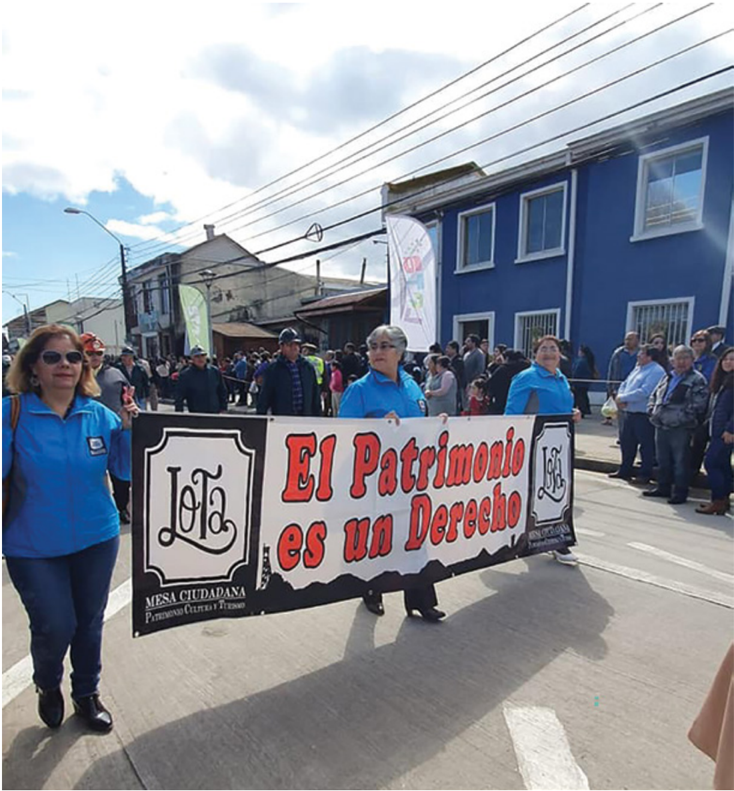
“In response, residents organized within the heritage grassroots organization Mesa Ciudadana de Patrimonio, Cultura y Turismo de Lota to challenge exclusionary notions and practices in historic preservation and planning and to envision an alternative future.”
§ Mobilizing Memory, Place-based Care and Cultural Citizenships > 3
plaindirect- Asserted: passes — The authors put it forward as true.
- Checkable: passes — It can be checked against evidence.
- Load-bearing: passes — The paper’s conclusions depend on it.
- Based: passes — The paper gives a reason why it holds.
None of the sources cited for this claim have been checked yet.
In the paper
“Thus heritage narratives are limited to the achievements of the Cousiño family, founder of the coal company, and the industry's contribution to Chile's capitalist development.3”
§ Mobilizing Memory, Place-based Care and Cultural Citizenships > Mesa Ciudadana de Patrimonio, Cultura y Turismo de Lota
plainSingle case- Asserted: passes — The authors put it forward as true.
- Checkable: passes — It can be checked against evidence.
- Load-bearing: passes — The paper’s conclusions depend on it.
- Based: passes — The paper gives a reason why it holds.
The paper states this without a source or data behind it here, so there is nothing to check it against. The quote shows it is in the paper.
In the paper
“Their owners and staff do not even live in Lota, but in Santiago and Concepción, respectively.”
§ Mobilizing Memory, Place-based Care and Cultural Citizenships > Mesa Ciudadana de Patrimonio, Cultura y Turismo de Lota
plain- Asserted: passes — The authors put it forward as true.
- Checkable: passes — It can be checked against evidence.
- Load-bearing: passes — The paper’s conclusions depend on it.
- Based: passes — The paper gives a reason why it holds.
The paper states this without a source or data behind it here, so there is nothing to check it against. The quote shows it is in the paper.
In the paper
“In contrast, grassroots groups, by using heritage as a discourse and by advancing placebased care practices outside of official frameworks, have claimed disparate types of rights not formally established, such as Mesa's claims to the right to heritage, memory and place.”
§ Mobilizing Memory, Place-based Care and Cultural Citizenships > -The cultural dimensions of citizenship and heritage as an activist tool against exclusion
plaindirect- Asserted: passes — The authors put it forward as true.
- Checkable: passes — It can be checked against evidence.
- Load-bearing: passes — The paper’s conclusions depend on it.
- Based: unclear — It is unclear why the paper says it holds.
- Rests on an assumption: The heritage practices of Mesa Ciudadana de Patrimonio in Lota are representative of grassroots movements' insurgent heritage more broadly, so that conclusions drawn from this case hold for grassroots organizations generally.
In the paper
“By claiming their right to heritage and to memory, Mesa members show how those excluded from economic, social, cultural and/or political resources in Chile have found in the cultural dimension of citizenship a way to express their claims, helping them to escape fragmentation and isolation (Rosaldo, 1994).”
§ Mobilizing Memory, Place-based Care and Cultural Citizenships > -The cultural dimensions of citizenship and heritage as an activist tool against exclusion
What the sources say
- Not checked — no full text of the sourcecites Rosaldo, 1994 source
plaindirect- Asserted: passes — The authors put it forward as true.
- Checkable: passes — It can be checked against evidence.
- Load-bearing: passes — The paper’s conclusions depend on it.
- Based: passes — The paper gives a reason why it holds.
- Rests on an assumption: The heritage practices of Mesa Ciudadana de Patrimonio in Lota are representative of grassroots movements' insurgent heritage more broadly, so that conclusions drawn from this case hold for grassroots organizations generally.
- It may state two separate claims as one. 68
- Probably not a substantial claim. 68
The cited sources support only part of this claim — read each source’s verdict below.
In the paper
“Thus, insurgent heritage practices respond to the specifics of local places (Miraftab, 2012) in terms of attachment and socialization, important for the construction of community-based identity (Mah, 2010) and for instigating the dynamic workings of memory.”
§ Mobilizing Memory, Place-based Care and Cultural Citizenships > -Memory-work and place as drivers of insurgent heritage
What the sources say
- Not matchedcites Miraftab, 2012
Couldn’t be matched to a paper in Crossref, so it can’t be checked.
- Supportedcites Mah, 2010 source
The section “Memory and industrial ruins” (p. 6) links place attachment and socialisation to collective, community-based identity. The same section describes memory as a dynamic force, supporting the memory-related framing. The citation to Mah is attached to the community-based identity point, not the separate claim about insurgent heritage practices. (LLM, conf=0.90)
plaindirect- Asserted: passes — The authors put it forward as true.
- Checkable: passes — It can be checked against evidence.
- Load-bearing: passes — The paper’s conclusions depend on it.
- Based: passes — The paper gives a reason why it holds.
It may state two separate claims as one.
- Not matched
Every source the paper cites for this claim was checked and supports it.
In the paper
“The restructuring in Chile ended up less like another coup in a small Latin American country than a sign of what has become the new hegemonic global system (ibid.).”
§ Mobilizing Memory, Place-based Care and Cultural Citizenships > -Memory-work and place as drivers of insurgent heritage
What the sources say
- Supportedcites Poblete, 2015 source
The Abstract describes Chile’s restructuring as less another coup in a small Latin American country than a sign of what would emerge globally through Reaganism and Thatcherism. It identifies that broader transformation as neoliberal globalization, supporting the paraphrase’s reference to a new global system. No page number is supplied in our copy. (LLM, conf=0.93)
plaindirect- Asserted: passes — The authors put it forward as true.
- Checkable: passes — It can be checked against evidence.
- Load-bearing: passes — The paper’s conclusions depend on it.
- Based: passes — The paper gives a reason why it holds.
Probably not a substantial claim.
- Supported
The cited sources support only part of this claim — read each source’s verdict below.
In the paper
“However, while the totalizing and dehistoricizing present has invested significant political, social and cultural work in forgetting, counter memory-work can recall the languages, practices and cultural meanings of the multiple pasts and futures as resources to imagine more socially just worlds through place-based practices of social care and material preservation (Till, 2012;Poblete, 2015).”
§ Mobilizing Memory, Place-based Care and Cultural Citizenships > -Memory-work and place as drivers of insurgent heritage
What the sources say
- Not matchedcites Till, 2012
Couldn’t be matched to a paper in Crossref, so it can’t be checked.
- Partly supportedcites Poblete, 2015 sourceExperimental — accuracy not yet measured
Split into 2 atoms — 1 confirmed, 1 partially supported, 0 disputed, 0 misattributed, 0 unverifiable. Expand the claim to see per-atom verdicts.
plaindirect- Asserted: passes — The authors put it forward as true.
- Checkable: unclear — It is unclear whether it could be checked against evidence.
- Load-bearing: passes — The paper’s conclusions depend on it.
- Based: passes — The paper gives a reason why it holds.
It may state two separate claims as one.
- Not matched
The cited sources that could be checked couldn’t confirm or dispute this claim.
In the paper
“Considering culture as 'socially established structures of meaning' emphasizes cultural citizenship as a process of meaning-making of the self and the cultural context in which people live (Van Hensbroek, 2010: 321).”
§ Mobilizing Memory, Place-based Care and Cultural Citizenships > -The cultural dimensions of citizenship and heritage as an activist tool against exclusion
What the sources say
- Could not verifycites Van Hensbroek, 2010 sourceExperimental — accuracy not yet measured
The available indexed passages contain the paper’s title, keywords and citation metadata, but no discussion from p. 321. Searches for “meaning-making of the self” and “socially established structures of meaning” returned no passage addressing the claim, so our copy cannot verify it. (LLM, conf=0.70)
plain- Asserted: passes — The authors put it forward as true.
- Checkable: fails — It may be too vague to check against evidence.
- Load-bearing: passes — The paper’s conclusions depend on it.
- Based: passes — The paper gives a reason why it holds.
Probably not a substantial claim. It may be too vague to check against evidence.
- Could not verify
In the paper
“Mesa demonstrates how heritage grassroots organizations use AHD to counter hegemonic moves without limiting themselves to 'invited' spaces of participation, instead combining them with new spaces or reappropriating old ones to invoke people's citizenship rights and advance their interests (Miraftab, 2009: 35).”
§ Mobilizing Memory, Place-based Care and Cultural Citizenships > From the authorized heritage discourse to insurgent planning
What the sources say
- Not checked — no full text of the sourcecites Miraftab, 2009: 35 source
boosteddirectSingle case- Asserted: passes — The authors put it forward as true.
- Checkable: passes — It can be checked against evidence.
- Load-bearing: passes — The paper’s conclusions depend on it.
- Based: passes — The paper gives a reason why it holds.
It may state two separate claims as one.
- Rests on an assumption: Mesa's practices are representative of Latin American heritage grassroots organizations.
A result the paper reports from its own data — it cites no other source for it, so there is none to check. The quote shows it is in the paper.
In the paper
“Nevertheless, she states that Mesa strategically uses this opportunity to learn how official heritage works and to connect with political authorities to achieve the organization's goals.”
§ Mobilizing Memory, Place-based Care and Cultural Citizenships > 3
plaindirectSingle case- Asserted: passes — The authors put it forward as true.
- Checkable: passes — It can be checked against evidence.
- Load-bearing: fails — The paper’s conclusions may not depend on it.
- Based: passes — The paper gives a reason why it holds.
Probably not a substantial claim. The paper’s conclusions may not depend on it. It may state two separate claims as one.
The paper states this without a source or data behind it here, so there is nothing to check it against. The quote shows it is in the paper.
In the paper
“They begin all their walks by explaining that Lota is the land of the indigenous Mapuche, who occupied the territory before being gradually displaced first by the Spanish settler colonizers and later by the Chilean state.”
§ Mobilizing Memory, Place-based Care and Cultural Citizenships > 3
plain- Asserted: passes — The authors put it forward as true.
- Checkable: passes — It can be checked against evidence.
- Load-bearing: fails — The paper’s conclusions may not depend on it.
- Based: passes — The paper gives a reason why it holds.
Probably not a substantial claim. The paper’s conclusions may not depend on it. It may state two separate claims as one.
The paper states this without a source or data behind it here, so there is nothing to check it against. The quote shows it is in the paper.
In the paper
“They complement the walk with oral histories and urban legends that tell the stories of collective struggles for better labor and living conditions and recount memories of neighborhood and workplace offerings of support and care.”
§ Mobilizing Memory, Place-based Care and Cultural Citizenships > 3
plain- Asserted: passes — The authors put it forward as true.
- Checkable: passes — It can be checked against evidence.
- Load-bearing: unclear — It is unclear whether the paper’s conclusions depend on it.
- Based: passes — The paper gives a reason why it holds.
It may state two separate claims as one.
The paper states this without a source or data behind it here, so there is nothing to check it against. The quote shows it is in the paper.
In the paper
“Initially the working group did not involve citizens; however, Mesa members claimed their right to participate actively in the group, and today they are one of the leading voices developing this plan.”
§ Mobilizing Memory, Place-based Care and Cultural Citizenships > 3
plaindirect- Asserted: passes — The authors put it forward as true.
- Checkable: passes — It can be checked against evidence.
- Load-bearing: passes — The paper’s conclusions depend on it.
- Based: passes — The paper gives a reason why it holds.
It may state two separate claims as one.
The paper states this without a source or data behind it here, so there is nothing to check it against. The quote shows it is in the paper.
In the paper
“Mesa members work to preserve and promote Lota's heritage to advance sustainable tourism that can develop their community economically while struggling against their historic places' deterioration and disappearance.”
§ Mobilizing Memory, Place-based Care and Cultural Citizenships > 3
plaindirect- Asserted: passes — The authors put it forward as true.
- Checkable: passes — It can be checked against evidence.
- Load-bearing: passes — The paper’s conclusions depend on it.
- Based: passes — The paper gives a reason why it holds.
It may state two separate claims as one.
The paper states this without a source or data behind it here, so there is nothing to check it against. The quote shows it is in the paper.
In the paper
“They demand their right to remain in their city, keep their homes, have basic services and maintain a decent, safe, clean environment in which to live.”
§ Mobilizing Memory, Place-based Care and Cultural Citizenships > 3
plain- Asserted: passes — The authors put it forward as true.
- Checkable: passes — It can be checked against evidence.
- Load-bearing: fails — The paper’s conclusions may not depend on it.
- Based: passes — The paper gives a reason why it holds.
Probably not a substantial claim. The paper’s conclusions may not depend on it. It may state two separate claims as one.
The paper states this without a source or data behind it here, so there is nothing to check it against. The quote shows it is in the paper.
In the paper
“However, the COSOC is only an advisory body, and Mesa's participation is not legally binding on decision making.”
§ Mobilizing Memory, Place-based Care and Cultural Citizenships > 3
plain- Asserted: passes — The authors put it forward as true.
- Checkable: passes — It can be checked against evidence.
- Load-bearing: unclear — It is unclear whether the paper’s conclusions depend on it.
- Based: passes — The paper gives a reason why it holds.
It may state two separate claims as one.
The paper states this without a source or data behind it here, so there is nothing to check it against. The quote shows it is in the paper.
In the paper
“They also demand their right to preserve their memories as working-class people so that their history is not forgotten or shrouded by other grand narratives.”
§ Mobilizing Memory, Place-based Care and Cultural Citizenships > 3
plain- Asserted: passes — The authors put it forward as true.
- Checkable: passes — It can be checked against evidence.
- Load-bearing: passes — The paper’s conclusions depend on it.
- Based: passes — The paper gives a reason why it holds.
Probably not a substantial claim.
The paper states this without a source or data behind it here, so there is nothing to check it against. The quote shows it is in the paper.
In the paper
“Lota residents feel excluded from and are critical of the NGO's management and narration of the local heritage that describes a history of Lota they consider far from the reality they experienced.”
§ Mobilizing Memory, Place-based Care and Cultural Citizenships > Mesa Ciudadana de Patrimonio, Cultura y Turismo de Lota
plain- Asserted: passes — The authors put it forward as true.
- Checkable: passes — It can be checked against evidence.
- Load-bearing: passes — The paper’s conclusions depend on it.
- Based: passes — The paper gives a reason why it holds.
It may state two separate claims as one.
The paper states this without a source or data behind it here, so there is nothing to check it against. The quote shows it is in the paper.
In the paper
“They also condemn the less visible preservation efforts in most of the city other than in the NGO-managed heritage sites, demonstrating the uneven preservation logic that often privileges certain types of heritage over others.”
§ Mobilizing Memory, Place-based Care and Cultural Citizenships > Mesa Ciudadana de Patrimonio, Cultura y Turismo de Lota
boosteddirect- Asserted: passes — The authors put it forward as true.
- Checkable: passes — It can be checked against evidence.
- Load-bearing: passes — The paper’s conclusions depend on it.
- Based: passes — The paper gives a reason why it holds.
It may state two separate claims as one.
A result the paper reports from its own data — it cites no other source for it, so there is none to check. The quote shows it is in the paper.
In the paper
“They say that red is a provocation because it represents the union forces that marked Lota's history of social empowerment.”
§ Mobilizing Memory, Place-based Care and Cultural Citizenships > -Memory-work and place as drivers of insurgent heritage
plaindirect- Asserted: passes — The authors put it forward as true.
- Checkable: passes — It can be checked against evidence.
- Load-bearing: fails — The paper’s conclusions may not depend on it.
- Based: passes — The paper gives a reason why it holds.
Probably not a substantial claim. The paper’s conclusions may not depend on it.
The paper states this without a source or data behind it here, so there is nothing to check it against. The quote shows it is in the paper.
In the paper
“The state granted management of several of the coal company's sites to a private non-governmental organization (NGO) that controls what narratives about the past should be told.”
§ Mobilizing Memory, Place-based Care and Cultural Citizenships > Mesa Ciudadana de Patrimonio, Cultura y Turismo de Lota
plaindirect- Asserted: passes — The authors put it forward as true.
- Checkable: passes — It can be checked against evidence.
- Load-bearing: passes — The paper’s conclusions depend on it.
- Based: fails — The paper may give no reason why it holds.
Probably not a substantial claim. The paper may give no reason why it holds. It may state two separate claims as one.
A result the paper reports from its own data — it cites no other source for it, so there is none to check. The quote shows it is in the paper.
In the paper
“Moreover, both Rosa and Nelly have dyed their hair red as a political statement and as a way to consciously carry and embody their collective memory and their attachment to place in their own selves while they do their heritage work.6”
§ Mobilizing Memory, Place-based Care and Cultural Citizenships > -Memory-work and place as drivers of insurgent heritage
plaindirect- Asserted: passes — The authors put it forward as true.
- Checkable: passes — It can be checked against evidence.
- Load-bearing: unclear — It is unclear whether the paper’s conclusions depend on it.
- Based: passes — The paper gives a reason why it holds.
It may state two separate claims as one.
The paper states this without a source or data behind it here, so there is nothing to check it against. The quote shows it is in the paper.
In the paper
“Unlike the romanticized version of shared spaces highlighted in most official accounts, they focus on women's everyday struggles to find a space to bake bread or wash clothes, and provide examples of gender violence triggered by the precarious conditions of workers' families and Lota's patriarchal culture.”
§ Mobilizing Memory, Place-based Care and Cultural Citizenships > 3
plaindirect- Asserted: passes — The authors put it forward as true.
- Checkable: passes — It can be checked against evidence.
- Load-bearing: passes — The paper’s conclusions depend on it.
- Based: passes — The paper gives a reason why it holds.
It may state two separate claims as one.
A result the paper reports from its own data — it cites no other source for it, so there is none to check. The quote shows it is in the paper.
In the paper
“As Mesa's president, Elizabeth, explained, members demand their right to heritage because it reminds them of what to look for in seeking a better future for Lota. 4”
§ Mobilizing Memory, Place-based Care and Cultural Citizenships > 3
plaindirectSingle case- Asserted: passes — The authors put it forward as true.
- Checkable: passes — It can be checked against evidence.
- Load-bearing: fails — The paper’s conclusions may not depend on it.
- Based: passes — The paper gives a reason why it holds.
Probably not a substantial claim. The paper’s conclusions may not depend on it.
The paper states this without a source or data behind it here, so there is nothing to check it against. The quote shows it is in the paper.
In the paper
“They have organized protests and sit-ins in the municipality office to demand adequate trash collection in the city, and they often negotiate informally with authorities to promote the implementation of projects and the reconstruction of deteriorated homes.”
§ Mobilizing Memory, Place-based Care and Cultural Citizenships > 3
plain- Asserted: passes — The authors put it forward as true.
- Checkable: passes — It can be checked against evidence.
- Load-bearing: unclear — It is unclear whether the paper’s conclusions depend on it.
- Based: passes — The paper gives a reason why it holds.
It may state two separate claims as one.
The paper states this without a source or data behind it here, so there is nothing to check it against. The quote shows it is in the paper.
In the paper
“As residents see it, bureaucratic processes and uncoordinated practices from the various agencies involved in heritage and urban planning have left most of the heritage in Lota in a state of ruination and abandonment.”
§ Mobilizing Memory, Place-based Care and Cultural Citizenships > Mesa Ciudadana de Patrimonio, Cultura y Turismo de Lota
plaindirect- Asserted: fails — The authors may not put it forward as true.
- Checkable: passes — It can be checked against evidence.
- Load-bearing: passes — The paper’s conclusions depend on it.
- Based: passes — The paper gives a reason why it holds.
Probably not a substantial claim. The authors may not put it forward as true.
A result the paper reports from its own data — it cites no other source for it, so there is none to check. The quote shows it is in the paper.
In the paper
“According to Rosa, heritage has enabled her to have a role in decision making, and fundamentally it has empowered her to occupy a position in public life that did not previously exist for her as a female.”
§ Mobilizing Memory, Place-based Care and Cultural Citizenships > -Memory-work and place as drivers of insurgent heritage
plaindirectSingle case- Asserted: passes — The authors put it forward as true.
- Checkable: passes — It can be checked against evidence.
- Load-bearing: passes — The paper’s conclusions depend on it.
- Based: passes — The paper gives a reason why it holds.
Probably not a substantial claim. It may state two separate claims as one.
The paper states this without a source or data behind it here, so there is nothing to check it against. The quote shows it is in the paper.
In the paper
“For example, in 2010, following an 8.8 Richter scale earthquake, Mesa managed to secure heritage subsidies to repair 51 historic collective housing buildings (benefiting 169 homes and 703 families).”
§ Mobilizing Memory, Place-based Care and Cultural Citizenships > 3
plaindirect- Asserted: passes — The authors put it forward as true.
- Checkable: passes — It can be checked against evidence.
- Load-bearing: fails — The paper’s conclusions may not depend on it.
- Based: passes — The paper gives a reason why it holds.
Probably not a substantial claim. The paper’s conclusions may not depend on it.
The paper states this without a source or data behind it here, so there is nothing to check it against. The quote shows it is in the paper.
In the paper
“After the closure of Lota's coal mine, the state, following a neoliberal rationale, implemented a reconversion plan that included the privatization of part of Lota's heritage, denying its residents the possibility to use, manage or profit from these historic sites.”
§ Mobilizing Memory, Place-based Care and Cultural Citizenships > Mesa Ciudadana de Patrimonio, Cultura y Turismo de Lota
plaindirectSingle case- Asserted: passes — The authors put it forward as true.
- Checkable: passes — It can be checked against evidence.
- Load-bearing: passes — The paper’s conclusions depend on it.
- Based: passes — The paper gives a reason why it holds.
It may state two separate claims as one.
The paper states this without a source or data behind it here, so there is nothing to check it against. The quote shows it is in the paper.
In the paper
“Initially Mesa was led by former miners and union leaders, but today mostly women manage the organization.”
§ Mobilizing Memory, Place-based Care and Cultural Citizenships > 3
plain- Asserted: passes — The authors put it forward as true.
- Checkable: passes — It can be checked against evidence.
- Load-bearing: fails — The paper’s conclusions may not depend on it.
- Based: passes — The paper gives a reason why it holds.
Probably not a substantial claim. The paper’s conclusions may not depend on it. It may state two separate claims as one.
A result the paper reports from its own data — it cites no other source for it, so there is none to check. The quote shows it is in the paper.
In the paper
“As the Mesa representative of COSOC notes, Mesa's participation is symbolic and mostly serves to support the organization's discourse of citizen participation.”
§ Mobilizing Memory, Place-based Care and Cultural Citizenships > 3
plaindirectSingle case- Asserted: passes — The authors put it forward as true.
- Checkable: passes — It can be checked against evidence.
- Load-bearing: fails — The paper’s conclusions may not depend on it.
- Based: passes — The paper gives a reason why it holds.
Probably not a substantial claim. The paper’s conclusions may not depend on it. It may state two separate claims as one.
The paper states this without a source or data behind it here, so there is nothing to check it against. The quote shows it is in the paper.
In the paper
“Recently, this NGO resigned and the government transferred the administration and management of these sites to another NGO (also from Santiago) that is making some efforts to collaborate with the community.”
§ Mobilizing Memory, Place-based Care and Cultural Citizenships > 3
plain- Asserted: passes — The authors put it forward as true.
- Checkable: passes — It can be checked against evidence.
- Load-bearing: fails — The paper’s conclusions may not depend on it.
- Based: passes — The paper gives a reason why it holds.
Probably not a substantial claim. The paper’s conclusions may not depend on it. It may state two separate claims as one.
The paper states this without a source or data behind it here, so there is nothing to check it against. The quote shows it is in the paper.
In the paper
“Mesa does not align itself with any political party and defends its independence from either the right or left parties' coalitions; it is also autonomous from the heritage tourism NGO.”
§ Mobilizing Memory, Place-based Care and Cultural Citizenships > 3
plain- Asserted: passes — The authors put it forward as true.
- Checkable: passes — It can be checked against evidence.
- Load-bearing: unclear — It is unclear whether the paper’s conclusions depend on it.
- Based: passes — The paper gives a reason why it holds.
It may state two separate claims as one.
The paper states this without a source or data behind it here, so there is nothing to check it against. The quote shows it is in the paper.
In the paper
“One of these initiatives, Descubre Lota Caminando (Discover Lota by Walking), led by Rosa and Nelly, self-proclaimed descendants of miners, offers five historic routes that cover more and significantly different places in comparison to the routes promoted by the NGO.”
§ Mobilizing Memory, Place-based Care and Cultural Citizenships > 3
plaincorrelationalSingle case- Asserted: passes — The authors put it forward as true.
- Checkable: passes — It can be checked against evidence.
- Load-bearing: fails — The paper’s conclusions may not depend on it.
- Based: fails — The paper may give no reason why it holds.
Probably not a substantial claim. The paper’s conclusions may not depend on it. The paper may give no reason why it holds. It may state two separate claims as one.
The paper states this without a source or data behind it here, so there is nothing to check it against. The quote shows it is in the paper.
In the paper
“Mesa serves as an umbrella body for 26 local community organizations, crisis committees, cultural groups and neighborhood associations that emerged in Lota after the mine closed in 1997, representing more than 400 residents in total.”
§ Mobilizing Memory, Place-based Care and Cultural Citizenships > 3
plain- Asserted: passes — The authors put it forward as true.
- Checkable: passes — It can be checked against evidence.
- Load-bearing: unclear — It is unclear whether the paper’s conclusions depend on it.
- Based: passes — The paper gives a reason why it holds.
It may state two separate claims as one.
The paper states this without a source or data behind it here, so there is nothing to check it against. The quote shows it is in the paper.
In the paper
“One of Mesa's female members is part of the leadership of a national network of grassroots heritage organizations, the Asociacion Chilena de Barrios y Zonas Patrimoniales (the Chilean Association of Heritage Neighborhoods and Zones).”
§ Mobilizing Memory, Place-based Care and Cultural Citizenships > -Insurgent heritage as a place-based ethics of care
plainSingle case- Asserted: passes — The authors put it forward as true.
- Checkable: passes — It can be checked against evidence.
- Load-bearing: fails — The paper’s conclusions may not depend on it.
- Based: fails — The paper may give no reason why it holds.
Probably not a substantial claim. The paper’s conclusions may not depend on it. The paper may give no reason why it holds.
The paper states this without a source or data behind it here, so there is nothing to check it against. The quote shows it is in the paper.
In the paper
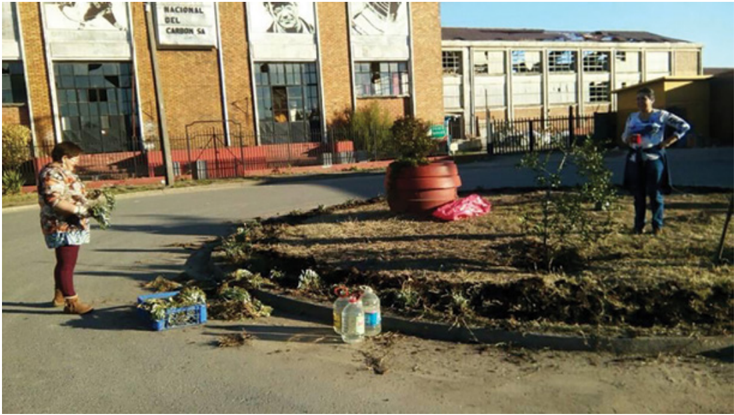
“In this context, place-based caring can be as simple as Rosa and Nelly asking their clients to pick up any trash they see on their heritage hike or restoring places that have been left in disrepair because these are important for a sense of place.”
§ Mobilizing Memory, Place-based Care and Cultural Citizenships > -Insurgent heritage as a place-based ethics of care
plaindirect- Asserted: passes — The authors put it forward as true.
- Checkable: passes — It can be checked against evidence.
- Load-bearing: unclear — It is unclear whether the paper’s conclusions depend on it.
- Based: passes — The paper gives a reason why it holds.
It may state two separate claims as one.
The paper states this without a source or data behind it here, so there is nothing to check it against. The quote shows it is in the paper.
In the paper
“In her view, the landscape also reflects the culture of individualism that pushes to replace the communal way of being of Lotinos and Lotinas.”
§ Mobilizing Memory, Place-based Care and Cultural Citizenships > -Insurgent heritage as a place-based ethics of care
plaindirectSingle case- Asserted: fails — The authors may not put it forward as true.
- Checkable: passes — It can be checked against evidence.
- Load-bearing: passes — The paper’s conclusions depend on it.
- Based: passes — The paper gives a reason why it holds.
Probably not a substantial claim. The authors may not put it forward as true.
The paper states this without a source or data behind it here, so there is nothing to check it against. The quote shows it is in the paper.
In the paper
“Their actions are committed to developing more human-centered urban environments through place-based ethical practices and horizontal power structures by highlighting the cultural dimensions of citizenship.”
§ Mobilizing Memory, Place-based Care and Cultural Citizenships > Conclusion
plaindirect- Asserted: passes — The authors put it forward as true.
- Checkable: passes — It can be checked against evidence.
- Load-bearing: passes — The paper’s conclusions depend on it.
- Based: passes — The paper gives a reason why it holds.
Probably not a substantial claim.
- Rests on an assumption: The heritage practices of Mesa Ciudadana de Patrimonio in Lota are representative of grassroots movements' insurgent heritage more broadly, so that conclusions drawn from this case hold for grassroots organizations generally.
A result the paper reports from its own data — it cites no other source for it, so there is none to check. The quote shows it is in the paper.
In the paper
“Engaging with heritage interpretation has enabled me to make sense of my own history and my own memories of the precariousness in which I lived … Through heritage and by telling my own memories and those of my family I have found a new role in society, I am something now you know?I have a voice (interview, July 2018).”
§ Mobilizing Memory, Place-based Care and Cultural Citizenships > -Insurgent heritage as a place-based ethics of care
plaindirectSingle case- Asserted: passes — The authors put it forward as true.
- Checkable: passes — It can be checked against evidence.
- Load-bearing: passes — The paper’s conclusions depend on it.
- Based: passes — The paper gives a reason why it holds.
It may state two separate claims as one.
A result the paper reports from its own data — it cites no other source for it, so there is none to check. The quote shows it is in the paper.
In the paper
“As one local activist described to me, Lota's contemporary landscape and industrial ruins reflect the 'wound' left by the capitalist market that has since moved on.”
§ Mobilizing Memory, Place-based Care and Cultural Citizenships > -Insurgent heritage as a place-based ethics of care
plaindirectSingle case- Asserted: fails — The authors may not put it forward as true.
- Checkable: passes — It can be checked against evidence.
- Load-bearing: fails — The paper’s conclusions may not depend on it.
- Based: passes — The paper gives a reason why it holds.
Probably not a substantial claim. The authors may not put it forward as true. The paper’s conclusions may not depend on it.
The paper states this without a source or data behind it here, so there is nothing to check it against. The quote shows it is in the paper.
In the paper
“At the same time, Mesa's work has prompted the improvement of the places where members and their neighbors live, such as demands for trash collection in their city and the restoration and provision of housing through historic preservation subsidies.”
§ Mobilizing Memory, Place-based Care and Cultural Citizenships > -Insurgent heritage as a place-based ethics of care
plaindirect- Asserted: passes — The authors put it forward as true.
- Checkable: passes — It can be checked against evidence.
- Load-bearing: fails — The paper’s conclusions may not depend on it.
- Based: fails — The paper may give no reason why it holds.
Probably not a substantial claim. The paper’s conclusions may not depend on it. The paper may give no reason why it holds.
The paper states this without a source or data behind it here, so there is nothing to check it against. The quote shows it is in the paper.
In the paper
“They are often invited to talk and share their experiences with other regional and national organizations, and they regularly engage in parliamentary and governmental heritage debates.”
§ Mobilizing Memory, Place-based Care and Cultural Citizenships > -Insurgent heritage as a place-based ethics of care
plain- Asserted: passes — The authors put it forward as true.
- Checkable: passes — It can be checked against evidence.
- Load-bearing: passes — The paper’s conclusions depend on it.
- Based: passes — The paper gives a reason why it holds.
It may state two separate claims as one.
None of the sources cited for this claim have been checked yet.
In the paper
“The neoliberal norm, then, reconfigures how people experience the social order: the market generates new mediations that disdain the social past and block the imagination of alternative futures (Huyssen, 2003;Aravena Núñez, 2015;Poblete, 2015).”
§ Mobilizing Memory, Place-based Care and Cultural Citizenships > -Memory-work and place as drivers of insurgent heritage
What the sources say
plaindirect- Asserted: passes — The authors put it forward as true.
- Checkable: passes — It can be checked against evidence.
- Load-bearing: passes — The paper’s conclusions depend on it.
- Based: passes — The paper gives a reason why it holds.
It may state two separate claims as one.
The paper states this without a source or data behind it here, so there is nothing to check it against. The quote shows it is in the paper.
In the paper
“This strategy produces a disjunction between the inclusion discourse and real spaces for citizens to engage in politics, increasingly triggering social unrest in many Latin American countries because of a shared perception of inequitable rights and opportunities to intervene in political decisions.”
§ Mobilizing Memory, Place-based Care and Cultural Citizenships > From the authorized heritage discourse to insurgent planning
plaindirect- Asserted: passes — The authors put it forward as true.
- Checkable: passes — It can be checked against evidence.
- Load-bearing: passes — The paper’s conclusions depend on it.
- Based: passes — The paper gives a reason why it holds.
It may state two separate claims as one.
In the paper
“Miraftab (2009: 33) defined the principles of insurgent planning as counterhegemonic, transgressive and imaginative: counter-hegemonic because they destabilize the normalized order of things; transgressive because they transgress time and place by locating historical memory and transnational consciousness at the heart of grassroots actions; and imaginative because they promote alternative futures.”
§ Mobilizing Memory, Place-based Care and Cultural Citizenships > 3
What the sources say
- Not checked — no full text of the sourcecites Miraftab, 2009 source
plain- Asserted: passes — The authors put it forward as true.
- Checkable: passes — It can be checked against evidence.
- Load-bearing: passes — The paper’s conclusions depend on it.
- Based: passes — The paper gives a reason why it holds.
Probably not a substantial claim. It may state two separate claims as one.
None of the sources cited for this claim have been checked yet.
In the paper
“In Latin America, since the 1990s, this strategy has characterized governments across the political spectrum (Guerra, 1997) that have created a perverse confluence between the participatory project constructed around the extension of citizenship and rights and the supposed recovery and deepening of democracy and reduction of the state's role as the guarantor of rights and social equity (Dagnino, 2”
§ Mobilizing Memory, Place-based Care and Cultural Citizenships > From the authorized heritage discourse to insurgent planning
What the sources say
- Not matchedcites Guerra, 1997
Couldn’t be matched to a paper in Crossref, so it can’t be checked.
- Not checked — no full text of the sourcecites Dagnino, 2007 source
plaindirect- Asserted: passes — The authors put it forward as true.
- Checkable: passes — It can be checked against evidence.
- Load-bearing: passes — The paper’s conclusions depend on it.
- Based: passes — The paper gives a reason why it holds.
It may state two separate claims as one.
- Not matched
None of the sources cited for this claim have been checked yet.
In the paper
“Poblete (2015) argues that Chile, as the first neoliberal experiment, made visible a form of neoliberal violence and memory processes that have entailed radical changes in our understanding of the social order and its defining practices.”
§ Mobilizing Memory, Place-based Care and Cultural Citizenships > -Memory-work and place as drivers of insurgent heritage
What the sources say
- Not checked yetcites Poblete, 2015 source
Checked before — its earlier verdict is held back until a new check runs.
plaindirect- Asserted: passes — The authors put it forward as true.
- Checkable: passes — It can be checked against evidence.
- Load-bearing: fails — The paper’s conclusions may not depend on it.
- Based: passes — The paper gives a reason why it holds.
Probably not a substantial claim. The paper’s conclusions may not depend on it. It may state two separate claims as one.
- Not checked yet
A conclusion the paper draws from its own results — it cites no other source for it, so there is none to check. The quote shows it is in the paper.
In the paper
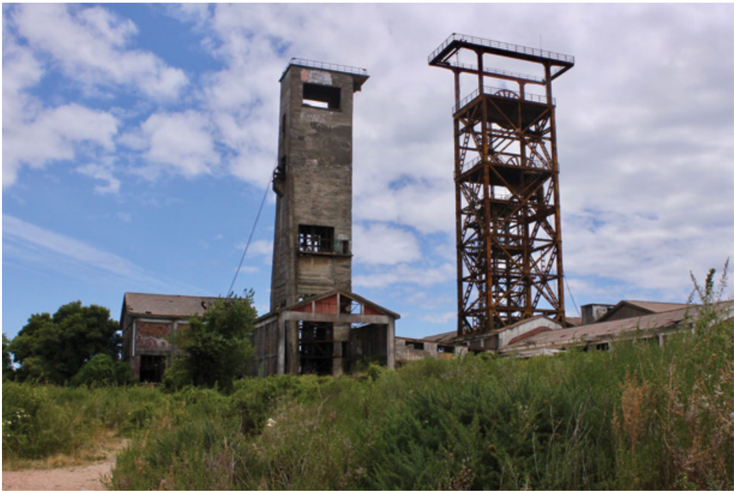
“The industrial heritage of Lota illustrates how this complex heritage dynamic works in Chile (see Figure 2).”
§ Mobilizing Memory, Place-based Care and Cultural Citizenships > Mesa Ciudadana de Patrimonio, Cultura y Turismo de Lota
plaindirectSingle case- Asserted: passes — The authors put it forward as true.
- Checkable: passes — It can be checked against evidence.
- Load-bearing: passes — The paper’s conclusions depend on it.
- Based: passes — The paper gives a reason why it holds.
Probably not a substantial claim.
A claim is checked only against the cited paper’s full text, never its abstract, and none is available for its sources.
In the paper
“Thus, while the neoliberal state works to silence any reference to a social past, insurgent practices 'stimulate historical collective memories and historicize the problems arising from the actions and inactions of authorities--what Sandercock [1998] calls insurgent historiographies' (Miraftab, 2009: 45).”
§ Mobilizing Memory, Place-based Care and Cultural Citizenships > -Memory-work and place as drivers of insurgent heritage
What the sources say
plaindirect- Asserted: passes — The authors put it forward as true.
- Checkable: passes — It can be checked against evidence.
- Load-bearing: passes — The paper’s conclusions depend on it.
- Based: passes — The paper gives a reason why it holds.
It may state two separate claims as one.
In the paper
“Social movement scholars working in Latin America have noted that omitting, silencing and forgetting constitute a primary tool traditionally implemented by hegemonic power structures to subordinate groups, particularly in the Americas, dating from the expansionism of European authority over people and territories to neoliberalism and its insistence on a culture of 'presentism' (Traverso, 2016).”
§ Mobilizing Memory, Place-based Care and Cultural Citizenships > -Memory-work and place as drivers of insurgent heritage
What the sources say
- Not matchedcites Traverso, 2016
Couldn’t be matched to a paper in Crossref, so it can’t be checked.
plaindirect- Asserted: passes — The authors put it forward as true.
- Checkable: passes — It can be checked against evidence.
- Load-bearing: passes — The paper’s conclusions depend on it.
- Based: passes — The paper gives a reason why it holds.
Probably not a substantial claim.
- Not matched
The paper states this without a source or data behind it here, so there is nothing to check it against. The quote shows it is in the paper.
In the paper
“Moreover, the institutions that administer them have not established coordinated processes to oversee the protection of urban heritage sites and address the social inequities and exclusions embedded in the configuration of these spaces.”
§ Mobilizing Memory, Place-based Care and Cultural Citizenships > Mesa Ciudadana de Patrimonio, Cultura y Turismo de Lota
plain- Asserted: passes — The authors put it forward as true.
- Checkable: passes — It can be checked against evidence.
- Load-bearing: passes — The paper’s conclusions depend on it.
- Based: passes — The paper gives a reason why it holds.
It may state two separate claims as one.
In the paper
“Thus, heritage is, in a sense, a mentality that consistently legitimizes and delegitimizes a range of cultural and social values (Smith, 2006: 53).”
§ Mobilizing Memory, Place-based Care and Cultural Citizenships > From the authorized heritage discourse to insurgent planning
What the sources say
- Not checked — no full text of the sourcecites Smith, 2006: 53 source
hedgeddirect- Asserted: passes — The authors put it forward as true.
- Checkable: passes — It can be checked against evidence.
- Load-bearing: passes — The paper’s conclusions depend on it.
- Based: passes — The paper gives a reason why it holds.
Probably not a substantial claim.
The paper states this without a source or data behind it here, so there is nothing to check it against. The quote shows it is in the paper.
In the paper
“Therefore, while the official discourse of heritage continues to reflect a homogeneous image of society and a controlling state, evidencing its Eurocentric roots, the neoliberalization process diminishes implementation of the law, weakens regulations, implements bureaucratic processes, and diffuses power to various public and private agencies that do not work in coordination.”
§ Mobilizing Memory, Place-based Care and Cultural Citizenships > Mesa Ciudadana de Patrimonio, Cultura y Turismo de Lota
plaindirect- Asserted: passes — The authors put it forward as true.
- Checkable: passes — It can be checked against evidence.
- Load-bearing: passes — The paper’s conclusions depend on it.
- Based: passes — The paper gives a reason why it holds.
It may state two separate claims as one.
A conclusion the paper draws from its own results — it cites no other source for it, so there is none to check. The quote shows it is in the paper.
In the paper
“In this sense, heritage is not just a top-down hegemonic process but can constitute a means by which marginalized groups shape their identities, build community and construct political legitimization.”
§ Mobilizing Memory, Place-based Care and Cultural Citizenships > From the authorized heritage discourse to insurgent planning
plaindirect- Asserted: passes — The authors put it forward as true.
- Checkable: passes — It can be checked against evidence.
- Load-bearing: passes — The paper’s conclusions depend on it.
- Based: passes — The paper gives a reason why it holds.
It may state two separate claims as one.
A conclusion the paper draws from its own results — it cites no other source for it, so there is none to check. The quote shows it is in the paper.
In the paper
“The community tourism initiatives are also driven by memory-work related to personal and family histories, enabling Mesa's members to influence how Lota's heritage landscape is understood and shaped.”
§ Mobilizing Memory, Place-based Care and Cultural Citizenships > -Memory-work and place as drivers of insurgent heritage
plaindirect- Asserted: passes — The authors put it forward as true.
- Checkable: passes — It can be checked against evidence.
- Load-bearing: passes — The paper’s conclusions depend on it.
- Based: passes — The paper gives a reason why it holds.
It may state two separate claims as one.
A claim is checked only against the cited paper’s full text, never its abstract, and none is available for its sources.
In the paper
“critical heritage scholars have pointed to the European dominant heritage discourse deployed worldwide through colonialism and globalization processes that excludes subordinated voices in the production of historic places (Smith, 2006;Waterton and Watson, 2015).”
§ Mobilizing Memory, Place-based Care and Cultural Citizenships > Introduction
What the sources say
plaindirect- Asserted: passes — The authors put it forward as true.
- Checkable: passes — It can be checked against evidence.
- Load-bearing: passes — The paper’s conclusions depend on it.
- Based: passes — The paper gives a reason why it holds.
Probably not a substantial claim.
A conclusion the paper draws from its own results — it cites no other source for it, so there is none to check. The quote shows it is in the paper.
In the paper
“Ultimately, place is what matters the most to Mesa because it constitutes the link between the industrial past, the deindustrialized present and the post-industrial future Lota residents imagine.”
§ Mobilizing Memory, Place-based Care and Cultural Citizenships > 3
plaindirect- Asserted: passes — The authors put it forward as true.
- Checkable: passes — It can be checked against evidence.
- Load-bearing: passes — The paper’s conclusions depend on it.
- Based: passes — The paper gives a reason why it holds.
Probably not a substantial claim.
A conclusion the paper draws from its own results — it cites no other source for it, so there is none to check. The quote shows it is in the paper.
In the paper
“Insurgent heritage concurs with these principles but extends them by emphasizing the interplay of memory-work and place as drivers of insurgent actions, heritage as a place-based ethics of care that advances 'politics in feminine' and heritage as an activist tool that stresses the cultural dimensions of citizenship.”
§ Mobilizing Memory, Place-based Care and Cultural Citizenships > 3
plaindirect- Asserted: passes — The authors put it forward as true.
- Checkable: passes — It can be checked against evidence.
- Load-bearing: passes — The paper’s conclusions depend on it.
- Based: passes — The paper gives a reason why it holds.
Probably not a substantial claim. It may state two separate claims as one.
In the paper
“This depoliticizes communities' struggles and extends state control within the society, while ignoring the historical legitimacy of the experiences of local groups and thus ignoring or trivializing the social, cultural and political roles they currently play.”
§ Mobilizing Memory, Place-based Care and Cultural Citizenships > From the authorized heritage discourse to insurgent planning
What the sources say
- Not checked — no full text of the sourcecites Smith, 2006: 36 source
plaindirect- Asserted: passes — The authors put it forward as true.
- Checkable: passes — It can be checked against evidence.
- Load-bearing: passes — The paper’s conclusions depend on it.
- Based: passes — The paper gives a reason why it holds.
It may state two separate claims as one.
None of the sources cited for this claim could be matched to a paper in Crossref, so there is nothing to check it against.
In the paper
“It is rooted in the unique approaches and collective capacity of those charged with caring, preserving and reproducing social life, which should be taught and expected across genders (Armijo, 2017;Mason-Deese, 2018).”
§ Mobilizing Memory, Place-based Care and Cultural Citizenships > -Insurgent heritage as a place-based ethics of care
What the sources say
- Not matchedcites Armijo, 2017
Couldn’t be matched to a paper in Crossref, so it can’t be checked.
- Not matchedcites Mason-Deese, 2018
Couldn’t be matched to a paper in Crossref, so it can’t be checked.
plain- Asserted: passes — The authors put it forward as true.
- Checkable: passes — It can be checked against evidence.
- Load-bearing: passes — The paper’s conclusions depend on it.
- Based: passes — The paper gives a reason why it holds.
Probably not a substantial claim. It may state two separate claims as one.
- Not matched
A conclusion the paper draws from its own results — it cites no other source for it, so there is none to check. The quote shows it is in the paper.
In the paper
“In contrast, insurgent heritage suggests that the preservation of knowledge and experiences of ordinary people offer a place-based ethics of care--that is, communities' material and intangible resources to care not only for those places officially recognized as heritage sites but integrally for the environment, for people and for the self.”
§ Mobilizing Memory, Place-based Care and Cultural Citizenships > -Insurgent heritage as a place-based ethics of care
hedgeddirect- Asserted: passes — The authors put it forward as true.
- Checkable: fails — It may be too vague to check against evidence.
- Load-bearing: passes — The paper’s conclusions depend on it.
- Based: passes — The paper gives a reason why it holds.
Probably not a substantial claim. It may be too vague to check against evidence.
The paper states this without a source or data behind it here, so there is nothing to check it against. The quote shows it is in the paper.
In the paper
“Another consequence of AHD is that it excludes understandings of heritage that sit outside of or in opposition to it, controlling and validating certain narratives about the past while regulating those that contradict the stories of nationalism, colonialism and imperialism.”
§ Mobilizing Memory, Place-based Care and Cultural Citizenships > From the authorized heritage discourse to insurgent planning
plaindirect- Asserted: passes — The authors put it forward as true.
- Checkable: passes — It can be checked against evidence.
- Load-bearing: passes — The paper’s conclusions depend on it.
- Based: fails — The paper may give no reason why it holds.
Probably not a substantial claim. The paper may give no reason why it holds. It may state two separate claims as one.
None of the sources cited for this claim could be matched to a paper in Crossref, so there is nothing to check it against.
In the paper
“In this sense, care is a type of engagement with the world that is both rational and affective, involving all human actions as people maintain, continue and repair their world so they can thrive within it (Tronto, 1993;Till, 2012).”
§ Mobilizing Memory, Place-based Care and Cultural Citizenships > -Insurgent heritage as a place-based ethics of care
What the sources say
- Not matchedcites Tronto, 1993
Couldn’t be matched to a paper in Crossref, so it can’t be checked.
- Not matchedcites Till, 2012
Couldn’t be matched to a paper in Crossref, so it can’t be checked.
plain- Asserted: passes — The authors put it forward as true.
- Checkable: fails — It may be too vague to check against evidence.
- Load-bearing: passes — The paper’s conclusions depend on it.
- Based: passes — The paper gives a reason why it holds.
Probably not a substantial claim. It may be too vague to check against evidence.
- Not matched
None of the sources cited for this claim have been checked yet.
In the paper
“According to Juan Poblete (2015), as a memory apparatus, neoliberalism avoids any critical elaboration on the past, eternalizes the current economic order and condemns collective action.”
§ Mobilizing Memory, Place-based Care and Cultural Citizenships > -Memory-work and place as drivers of insurgent heritage
What the sources say
- Not checked yetcites Poblete, 2015 source
Checked before — its earlier verdict is held back until a new check runs.
plaindirect- Asserted: passes — The authors put it forward as true.
- Checkable: passes — It can be checked against evidence.
- Load-bearing: passes — The paper’s conclusions depend on it.
- Based: passes — The paper gives a reason why it holds.
Probably not a substantial claim. It may state two separate claims as one.
- Not checked yet
In the paper
“Critical views on heritage argue that embedded in AHD 'is the idea that the proper care of heritage, and its associated values, lies with the experts, as it is only they who have the abilities and understanding to identify the innate value contained at and within historically important sites and places' (Smith, 2006: 29).”
§ Mobilizing Memory, Place-based Care and Cultural Citizenships > -Insurgent heritage as a place-based ethics of care
What the sources say
- Not checked — no full text of the sourcecites Smith, 2006 source
plain- Asserted: passes — The authors put it forward as true.
- Checkable: passes — It can be checked against evidence.
- Load-bearing: passes — The paper’s conclusions depend on it.
- Based: passes — The paper gives a reason why it holds.
Probably not a substantial claim.
A conclusion the paper draws from its own results — it cites no other source for it, so there is none to check. The quote shows it is in the paper.
In the paper
“As described in the previous section, the practice of memory allows Rosa and Nelly to tell a more nuanced version of Lota's past and to make visible experiences that official heritage tend to silence, such as those of working-class women or Lota's history of indigenous dispossession.”
§ Mobilizing Memory, Place-based Care and Cultural Citizenships > -Memory-work and place as drivers of insurgent heritage
plaindirect- Asserted: passes — The authors put it forward as true.
- Checkable: passes — It can be checked against evidence.
- Load-bearing: passes — The paper’s conclusions depend on it.
- Based: passes — The paper gives a reason why it holds.
It may state two separate claims as one.
None of the sources cited for this claim could be matched to a paper in Crossref, so there is nothing to check it against.
In the paper
“Drawing from Joan Tronto's (1993) four dimensions of care, Till (2012) proposes a placed-based ethics of care.”
§ Mobilizing Memory, Place-based Care and Cultural Citizenships > -Insurgent heritage as a place-based ethics of care
What the sources say
- Not matchedcites Tronto, 1993
Couldn’t be matched to a paper in Crossref, so it can’t be checked.
- Not matchedcites Till, 2012
Couldn’t be matched to a paper in Crossref, so it can’t be checked.
plaindirect- Asserted: passes — The authors put it forward as true.
- Checkable: passes — It can be checked against evidence.
- Load-bearing: passes — The paper’s conclusions depend on it.
- Based: passes — The paper gives a reason why it holds.
Probably not a substantial claim.
- Not matched
None of the sources cited for this claim have been checked yet.
In the paper
“a new kind of citizen has emerged to disrupt the established rules (Holston and Appadurai, 1999), asking probing questions about the cultural dimensions of citizenship (Rosaldo, 1994;Flores and Benmayor, 1998;Almeida and Cordero, 2015).”
§ Mobilizing Memory, Place-based Care and Cultural Citizenships > Introduction
What the sources say
- Not matchedcites Holston and Appadurai, 1999
Couldn’t be matched to a paper in Crossref, so it can’t be checked.
- Not checked — no full text of the sourcecites Rosaldo, 1994 source
- Not matchedcites Flores and Benmayor, 1998
Couldn’t be matched to a paper in Crossref, so it can’t be checked.
plain- Asserted: passes — The authors put it forward as true.
- Checkable: passes — It can be checked against evidence.
- Load-bearing: passes — The paper’s conclusions depend on it.
- Based: passes — The paper gives a reason why it holds.
It may state two separate claims as one.
- Not matched
A conclusion the paper draws from its own results — it cites no other source for it, so there is none to check. The quote shows it is in the paper.
In the paper
“This contradictory process restricts people's actions and their possibilities to intervene in heritage governance, mutes their histories from official discourses and eliminates critical elaboration of the past.”
§ Mobilizing Memory, Place-based Care and Cultural Citizenships > Mesa Ciudadana de Patrimonio, Cultura y Turismo de Lota
plaindirect- Asserted: passes — The authors put it forward as true.
- Checkable: passes — It can be checked against evidence.
- Load-bearing: passes — The paper’s conclusions depend on it.
- Based: fails — The paper may give no reason why it holds.
Probably not a substantial claim. The paper may give no reason why it holds. It may state two separate claims as one.
A conclusion the paper draws from its own results — it cites no other source for it, so there is none to check. The quote shows it is in the paper.
In the paper
“In this sense, the insurgent heritage concept points to a more inclusive model of heritage theory by reflecting on the fluidity and place-based ethical care practices that characterize grassroots preservation movements in Latin America, enabling an opening up of new political possibilities in the future.”
§ Mobilizing Memory, Place-based Care and Cultural Citizenships > From the authorized heritage discourse to insurgent planning
plaindirect- Asserted: passes — The authors put it forward as true.
- Checkable: fails — It may be too vague to check against evidence.
- Load-bearing: passes — The paper’s conclusions depend on it.
- Based: passes — The paper gives a reason why it holds.
Probably not a substantial claim. It may be too vague to check against evidence. It may state two separate claims as one.
A conclusion the paper draws from its own results — it cites no other source for it, so there is none to check. The quote shows it is in the paper.
In the paper
“Further, Mesa is employing heritage as a political activist tool to establish its own terms of engagement in political life, thus transforming the power relations in heritage planning.”
§ Mobilizing Memory, Place-based Care and Cultural Citizenships > 3
plaindirectSingle case- Asserted: passes — The authors put it forward as true.
- Checkable: passes — It can be checked against evidence.
- Load-bearing: passes — The paper’s conclusions depend on it.
- Based: passes — The paper gives a reason why it holds.
It may state two separate claims as one.
A conclusion the paper draws from its own results — it cites no other source for it, so there is none to check. The quote shows it is in the paper.
In the paper
“The right to heritage also means material redistribution of resources and the tangible safeguarding of place, such as the provision of housing through the preservation of historic buildings, adequate trash collection, and denouncement of environmental pollution caused by the poor management of Lota's Chiflón del Diablo mine.”
§ Mobilizing Memory, Place-based Care and Cultural Citizenships > 3
plaindirectSingle case- Asserted: passes — The authors put it forward as true.
- Checkable: passes — It can be checked against evidence.
- Load-bearing: passes — The paper’s conclusions depend on it.
- Based: passes — The paper gives a reason why it holds.
Probably not a substantial claim. It may state two separate claims as one.
In the paper
“The transition to democracy and implementation of neoliberal governance created new struggles, among them being the issue of how to contend with differing notions of citizenship and rights (Roberts, 2014).”
§ Mobilizing Memory, Place-based Care and Cultural Citizenships > Introduction
What the sources say
- Not checked — no full text of the sourcecites Roberts, 2014 source
plaindirect- Asserted: passes — The authors put it forward as true.
- Checkable: passes — It can be checked against evidence.
- Load-bearing: passes — The paper’s conclusions depend on it.
- Based: passes — The paper gives a reason why it holds.
It may state two separate claims as one.
A conclusion the paper draws from its own results — it cites no other source for it, so there is none to check. The quote shows it is in the paper.
In the paper
“Through these new spaces of inclusion, people can exercise what Mesa defines as their 'right to heritage'--to delineate what heritage means to them, establish it as a planning priority at the local level, and preserve the memories, identities and places that are relevant for them individually and collectively.”
§ Mobilizing Memory, Place-based Care and Cultural Citizenships > 3
plaindirect- Asserted: passes — The authors put it forward as true.
- Checkable: passes — It can be checked against evidence.
- Load-bearing: passes — The paper’s conclusions depend on it.
- Based: passes — The paper gives a reason why it holds.
Probably not a substantial claim. It may state two separate claims as one.
The paper states this without a source or data behind it here, so there is nothing to check it against. The quote shows it is in the paper.
In the paper
“Contrary to the neoliberal rationale that refuses shared vulnerabilities and interconnectedness, a feminist ethics of care is grounded on intimacy and interdependency.”
§ Mobilizing Memory, Place-based Care and Cultural Citizenships > -Insurgent heritage as a place-based ethics of care
plain- Asserted: passes — The authors put it forward as true.
- Checkable: fails — It may be too vague to check against evidence.
- Load-bearing: passes — The paper’s conclusions depend on it.
- Based: passes — The paper gives a reason why it holds.
Probably not a substantial claim. It may be too vague to check against evidence. It may state two separate claims as one.
The paper states this without a source or data behind it here, so there is nothing to check it against. The quote shows it is in the paper.
In the paper
“Moreover, it disregards grassroots heritages not focused on material or aesthetic values according to official canons and instead focuses on people's attachments, uses and care of places, memories, identities or sense of belonging.”
§ Mobilizing Memory, Place-based Care and Cultural Citizenships > From the authorized heritage discourse to insurgent planning
plaindirect- Asserted: passes — The authors put it forward as true.
- Checkable: passes — It can be checked against evidence.
- Load-bearing: passes — The paper’s conclusions depend on it.
- Based: fails — The paper may give no reason why it holds.
Probably not a substantial claim. The paper may give no reason why it holds. It may state two separate claims as one.
The paper states this without a source or data behind it here, so there is nothing to check it against. The quote shows it is in the paper.
In the paper
“These urban and heritage instruments are strongly centralized and do not consider citizen engagement.”
§ Mobilizing Memory, Place-based Care and Cultural Citizenships > Mesa Ciudadana de Patrimonio, Cultura y Turismo de Lota
boosted- Asserted: passes — The authors put it forward as true.
- Checkable: passes — It can be checked against evidence.
- Load-bearing: passes — The paper’s conclusions depend on it.
- Based: fails — The paper may give no reason why it holds.
Probably not a substantial claim. The paper may give no reason why it holds. It may state two separate claims as one.
The paper states this without a source or data behind it here, so there is nothing to check it against. The quote shows it is in the paper.
In the paper
“The contradictory nature of AHD under neoliberalism is exemplified by the post-dictatorship experience in Chile, where official heritage narratives embedded in norms and regulations have remained mostly unchanged since 1929, yet practices have been increasingly complicated by neoliberal restructuring implemented in the 1980s.”
§ Mobilizing Memory, Place-based Care and Cultural Citizenships > Mesa Ciudadana de Patrimonio, Cultura y Turismo de Lota
plaindirectSingle case- Asserted: passes — The authors put it forward as true.
- Checkable: passes — It can be checked against evidence.
- Load-bearing: passes — The paper’s conclusions depend on it.
- Based: unclear — It is unclear why the paper says it holds.
It may state two separate claims as one.
A conclusion the paper draws from its own results — it cites no other source for it, so there is none to check. The quote shows it is in the paper.
In the paper
“This dimension refers to the plurality, trust and solidarity that emerge from an ongoing engagement in care processes with others and, I add, with place.”
§ Mobilizing Memory, Place-based Care and Cultural Citizenships > -Insurgent heritage as a place-based ethics of care
plaindirect- Asserted: passes — The authors put it forward as true.
- Checkable: passes — It can be checked against evidence.
- Load-bearing: passes — The paper’s conclusions depend on it.
- Based: passes — The paper gives a reason why it holds.
Probably not a substantial claim.
None of the sources cited for this claim have been checked yet.
In the paper
“Insurgent heritage as an ethics of place-based care also proposes that care should move beyond the private space and develop into a political communal concept to center it across multiple scales and life levels (Noddings, 1984;Gómez Urrutia, 2010;Robinson, 2011;Tronto, 2013;Armijo, 2017).”
§ Mobilizing Memory, Place-based Care and Cultural Citizenships > -Insurgent heritage as a place-based ethics of care
What the sources say
plaindirect- Asserted: passes — The authors put it forward as true.
- Checkable: passes — It can be checked against evidence.
- Load-bearing: passes — The paper’s conclusions depend on it.
- Based: passes — The paper gives a reason why it holds.
Probably not a substantial claim.
In the paper
“Tronto (2013) has recently defined this political mobilizing force to collectively transform the world as the fifth dimension of care: 'caring with'.”
§ Mobilizing Memory, Place-based Care and Cultural Citizenships > -Insurgent heritage as a place-based ethics of care
What the sources say
- Not checked — no full text of the sourcecites Tronto, 2013 source
plain- Asserted: passes — The authors put it forward as true.
- Checkable: passes — It can be checked against evidence.
- Load-bearing: passes — The paper’s conclusions depend on it.
- Based: passes — The paper gives a reason why it holds.
Probably not a substantial claim.
In the paper
“Till argues that this fourth type of care also means acknowledging the interdependency in which people live, recognizing the 'other' as different from the self in ways that allow inclusiveness and openness and the crafting of social shells (Till, 2012: 11).”
§ Mobilizing Memory, Place-based Care and Cultural Citizenships > -Insurgent heritage as a place-based ethics of care
What the sources say
- Not matchedcites Till, 2012
Couldn’t be matched to a paper in Crossref, so it can’t be checked.
plaindirect- Asserted: passes — The authors put it forward as true.
- Checkable: passes — It can be checked against evidence.
- Load-bearing: fails — The paper’s conclusions may not depend on it.
- Based: passes — The paper gives a reason why it holds.
Probably not a substantial claim. The paper’s conclusions may not depend on it. It may state two separate claims as one.
- Not matched
In the paper
“Third, 'giving care' means developing the competency to care for the self, other people, places and things.”
§ Mobilizing Memory, Place-based Care and Cultural Citizenships > -Insurgent heritage as a place-based ethics of care
What the sources say
- Not matchedcites Till, 2012
Couldn’t be matched to a paper in Crossref, so it can’t be checked.
plain- Asserted: passes — The authors put it forward as true.
- Checkable: passes — It can be checked against evidence.
- Load-bearing: passes — The paper’s conclusions depend on it.
- Based: passes — The paper gives a reason why it holds.
Probably not a substantial claim.
- Not matched
A conclusion the paper draws from its own results — it cites no other source for it, so there is none to check. The quote shows it is in the paper.
In the paper
“Advancing a 'politics in feminine' through place-based practices, insurgent heritage pluralizes the possibilities to act in public matters that affect the preservation of places and memories important to people.”
§ Mobilizing Memory, Place-based Care and Cultural Citizenships > -Insurgent heritage as a place-based ethics of care
plaindirect- Asserted: passes — The authors put it forward as true.
- Checkable: fails — It may be too vague to check against evidence.
- Load-bearing: passes — The paper’s conclusions depend on it.
- Based: fails — The paper may give no reason why it holds.
Probably not a substantial claim. It may be too vague to check against evidence. The paper may give no reason why it holds.
The paper states this without a source or data behind it here, so there is nothing to check it against. The quote shows it is in the paper.
In the paper
“Since the 1970s, these scholars have attempted to address the unequal power relations implicit in Eurocentric modes of planning by focusing on everyday life experiences and calling for planning methods centered on local knowledge and the specifics of place.”
§ Mobilizing Memory, Place-based Care and Cultural Citizenships > Conclusion
plaindirect- Asserted: passes — The authors put it forward as true.
- Checkable: passes — It can be checked against evidence.
- Load-bearing: fails — The paper’s conclusions may not depend on it.
- Based: fails — The paper may give no reason why it holds.
Probably not a substantial claim. The paper’s conclusions may not depend on it. The paper may give no reason why it holds.
A conclusion the paper draws from its own results — it cites no other source for it, so there is none to check. The quote shows it is in the paper.
In the paper
“Considering how industrialization, deindustrialization and subsequent heritagization processes have harmed Lota's environment, and excluded the intersectional experiences of residents from historic narratives and heritage management processes, insurgent heritage offers an alternative for repairing those landscapes that may help to create more socially, politically and culturally just futures”
§ Mobilizing Memory, Place-based Care and Cultural Citizenships > -Insurgent heritage as a place-based ethics of care
hedgedconditional- Asserted: passes — The authors put it forward as true.
- Checkable: fails — It may be too vague to check against evidence.
- Load-bearing: passes — The paper’s conclusions depend on it.
- Based: passes — The paper gives a reason why it holds.
Probably not a substantial claim. It may be too vague to check against evidence. It may state two separate claims as one.
A conclusion the paper draws from its own results — it cites no other source for it, so there is none to check. The quote shows it is in the paper.
In the paper
“For example, through place-based caring practices, Mesa has demonstrated that the care for heritage is not only a domain of experts but lies in grassroots situated knowledges, allowing the organization to create new spaces of political action.”
§ Mobilizing Memory, Place-based Care and Cultural Citizenships > -Insurgent heritage as a place-based ethics of care
boosteddirectSingle case- Asserted: passes — The authors put it forward as true.
- Checkable: passes — It can be checked against evidence.
- Load-bearing: passes — The paper’s conclusions depend on it.
- Based: unclear — It is unclear why the paper says it holds.
It may state two separate claims as one.
A conclusion the paper draws from its own results — it cites no other source for it, so there is none to check. The quote shows it is in the paper.
In the paper
“The insurgent heritage approach that is non-linear, intersectional, multilayered, transgressive and creative, and which spans formal and informal spaces of participation and embraces ethical practices of place-based care, might restore preservation and planning goals towards building more just communities.”
§ Mobilizing Memory, Place-based Care and Cultural Citizenships > Conclusion
hedgedconditional- Asserted: passes — The authors put it forward as true.
- Checkable: fails — It may be too vague to check against evidence.
- Load-bearing: passes — The paper’s conclusions depend on it.
- Based: fails — The paper may give no reason why it holds.
Probably not a substantial claim. It may be too vague to check against evidence. The paper may give no reason why it holds.
A conclusion the paper draws from its own results — it cites no other source for it, so there is none to check. The quote shows it is in the paper.
In the paper
“These concerns demand integrated and coordinated work between institutions, individuals and groups, but also an acknowledgment of multidimensional rights that challenges the idea of universal political rights mediated by the market.”
§ Mobilizing Memory, Place-based Care and Cultural Citizenships > -The cultural dimensions of citizenship and heritage as an activist tool against exclusion
plain- Asserted: passes — The authors put it forward as true.
- Checkable: fails — It may be too vague to check against evidence.
- Load-bearing: passes — The paper’s conclusions depend on it.
- Based: passes — The paper gives a reason why it holds.
Probably not a substantial claim. It may be too vague to check against evidence. It may state two separate claims as one.
A conclusion the paper draws from its own results — it cites no other source for it, so there is none to check. The quote shows it is in the paper.
In the paper
“Insurgent heritage prompts scholars and policymakers to consider people's lived experiences--including their creative practices and narratives, the affects connected to heritage landscapes and communities, and the way they talk and care for places--to create more appropriate heritage and planning frames than those that continue to legitimize multiple forms of exclusion and oblivion.”
§ Mobilizing Memory, Place-based Care and Cultural Citizenships > Conclusion
plaindirect- Asserted: passes — The authors put it forward as true.
- Checkable: fails — It may be too vague to check against evidence.
- Load-bearing: passes — The paper’s conclusions depend on it.
- Based: passes — The paper gives a reason why it holds.
Probably not a substantial claim. It may be too vague to check against evidence.
A conclusion the paper draws from its own results — it cites no other source for it, so there is none to check. The quote shows it is in the paper.
In the paper
“It stresses the relevance of heritage in terms of political and civil rights by providing spaces for people to participate in political decisions about the places they inhabit.”
§ Mobilizing Memory, Place-based Care and Cultural Citizenships > -The cultural dimensions of citizenship and heritage as an activist tool against exclusion
plaindirect- Asserted: passes — The authors put it forward as true.
- Checkable: passes — It can be checked against evidence.
- Load-bearing: passes — The paper’s conclusions depend on it.
- Based: passes — The paper gives a reason why it holds.
Probably not a substantial claim.
None of the sources cited for this claim have been checked yet.
In the paper
“This process occurs both in relations with the state and in relations among individuals, regardless of whether they have formal membership in a political community or whether it happens within neighborhoods, schools, hospitals, workplaces or the virtual spaces people inhabit (Rosaldo, 1994;Van Hensbroek, 2010).”
§ Mobilizing Memory, Place-based Care and Cultural Citizenships > -The cultural dimensions of citizenship and heritage as an activist tool against exclusion
What the sources say
plaincorrelational- Asserted: passes — The authors put it forward as true.
- Checkable: passes — It can be checked against evidence.
- Load-bearing: passes — The paper’s conclusions depend on it.
- Based: passes — The paper gives a reason why it holds.
It may state two separate claims as one.
A conclusion the paper draws from its own results — it cites no other source for it, so there is none to check. The quote shows it is in the paper.
In the paper
“Insurgent heritage, as an ethical practice grounded in place that advances a politics in feminine, presents experiences and spaces of belonging that challenge, transgress and undermine conventional citizenship boundaries.”
§ Mobilizing Memory, Place-based Care and Cultural Citizenships > -The cultural dimensions of citizenship and heritage as an activist tool against exclusion
plaindirect- Asserted: passes — The authors put it forward as true.
- Checkable: fails — It may be too vague to check against evidence.
- Load-bearing: passes — The paper’s conclusions depend on it.
- Based: passes — The paper gives a reason why it holds.
Probably not a substantial claim. It may be too vague to check against evidence.
A conclusion the paper draws from its own results — it cites no other source for it, so there is none to check. The quote shows it is in the paper.
In the paper
“These qualities are needed to understand citizenship as entangled in care relations, to consider the caring needs in societies and environments, and to take collective political action.”
§ Mobilizing Memory, Place-based Care and Cultural Citizenships > -Insurgent heritage as a place-based ethics of care
plaindirect- Asserted: passes — The authors put it forward as true.
- Checkable: fails — It may be too vague to check against evidence.
- Load-bearing: passes — The paper’s conclusions depend on it.
- Based: passes — The paper gives a reason why it holds.
Probably not a substantial claim. It may be too vague to check against evidence. It may state two separate claims as one.
In the paper
“Second, 'caring for' a place entails responsibility to develop hands-on care.”
§ Mobilizing Memory, Place-based Care and Cultural Citizenships > -Insurgent heritage as a place-based ethics of care
What the sources say
- Not matchedcites Till, 2012
Couldn’t be matched to a paper in Crossref, so it can’t be checked.
plaindirect- Asserted: passes — The authors put it forward as true.
- Checkable: passes — It can be checked against evidence.
- Load-bearing: passes — The paper’s conclusions depend on it.
- Based: passes — The paper gives a reason why it holds.
Probably not a substantial claim.
- Not matched
In the paper
“Scholars often define the right to cultural heritage and memory from the perspective of third-generation rights, as defined in liberal terms that go beyond the political and social (first-and second-generation rights, respectively) (Till, 2012).”
§ Mobilizing Memory, Place-based Care and Cultural Citizenships > -The cultural dimensions of citizenship and heritage as an activist tool against exclusion
What the sources say
- Not matchedcites Till, 2012
Couldn’t be matched to a paper in Crossref, so it can’t be checked.
plain- Asserted: passes — The authors put it forward as true.
- Checkable: passes — It can be checked against evidence.
- Load-bearing: fails — The paper’s conclusions may not depend on it.
- Based: passes — The paper gives a reason why it holds.
Probably not a substantial claim. The paper’s conclusions may not depend on it.
- Not matched
A conclusion the paper draws from its own results — it cites no other source for it, so there is none to check. The quote shows it is in the paper.
In the paper
“Mesa includes a multiplicity of voices and approaches in the way places and landscapes are understood, while heritage has enabled members to improve their own sense of self by creating new spaces of citizenship for themselves and fellow activists who have been historically excluded from spheres of political participation.”
§ Mobilizing Memory, Place-based Care and Cultural Citizenships > -Insurgent heritage as a place-based ethics of care
plaindirect- Asserted: passes — The authors put it forward as true.
- Checkable: passes — It can be checked against evidence.
- Load-bearing: passes — The paper’s conclusions depend on it.
- Based: passes — The paper gives a reason why it holds.
It may state two separate claims as one.
A conclusion the paper draws from its own results — it cites no other source for it, so there is none to check. The quote shows it is in the paper.
In the paper
“On the other hand, the activities that Mesa leads--including popular education workshops, community tourism initiatives, the preservation of traditions such as the peñas, among others--seek to reclaim residents' sense of collective worth and to assert that Lota as a community still matters.”
§ Mobilizing Memory, Place-based Care and Cultural Citizenships > -Insurgent heritage as a place-based ethics of care
plaindirectSingle case- Asserted: passes — The authors put it forward as true.
- Checkable: passes — It can be checked against evidence.
- Load-bearing: passes — The paper’s conclusions depend on it.
- Based: passes — The paper gives a reason why it holds.
It may state two separate claims as one.
In the paper
“Instead, it stresses difference as a function of social and cultural relations, as Mariane Young (1990) argues, and which, I add, cannot be dissociated from place.”
§ Mobilizing Memory, Place-based Care and Cultural Citizenships > -The cultural dimensions of citizenship and heritage as an activist tool against exclusion
What the sources say
- Not matchedcites Young, 1990
Couldn’t be matched to a paper in Crossref, so it can’t be checked.
plaindirect- Asserted: passes — The authors put it forward as true.
- Checkable: passes — It can be checked against evidence.
- Load-bearing: passes — The paper’s conclusions depend on it.
- Based: passes — The paper gives a reason why it holds.
It may state two separate claims as one.
- Not matched
None of the sources cited for this claim have been checked yet.
In the paper
“Advancing cultural citizenship means to co-author the cultural context in which one lives and to understand it, not as a dimension of politics only, but as a self-contained notion of citizenship (Van Hensbroek, 2010).”
§ Mobilizing Memory, Place-based Care and Cultural Citizenships > -The cultural dimensions of citizenship and heritage as an activist tool against exclusion
What the sources say
- Not checked yetcites Van Hensbroek, 2010 source
Checked before — its earlier verdict is held back until a new check runs.
plain- Asserted: passes — The authors put it forward as true.
- Checkable: fails — It may be too vague to check against evidence.
- Load-bearing: passes — The paper’s conclusions depend on it.
- Based: passes — The paper gives a reason why it holds.
Probably not a substantial claim. It may be too vague to check against evidence.
- Not checked yet
A conclusion the paper draws from its own results — it cites no other source for it, so there is none to check. The quote shows it is in the paper.
In the paper
“The insurgent heritage explored in this article suggests that by bridging the gap between preservation and planning, we can better understand how grassroots organizations use the past as a resource in the present to conceive and advance complex radical urban and political strategies.”
§ Mobilizing Memory, Place-based Care and Cultural Citizenships > Conclusion
hedgedconditional- Asserted: passes — The authors put it forward as true.
- Checkable: fails — It may be too vague to check against evidence.
- Load-bearing: passes — The paper’s conclusions depend on it.
- Based: passes — The paper gives a reason why it holds.
Probably not a substantial claim. It may be too vague to check against evidence.
- Rests on an assumption: The heritage practices of Mesa Ciudadana de Patrimonio in Lota are representative of grassroots movements' insurgent heritage more broadly, so that conclusions drawn from this case hold for grassroots organizations generally.
A conclusion the paper draws from its own results — it cites no other source for it, so there is none to check. The quote shows it is in the paper.
In the paper
“I argue that by emphasizing the cultural dimensions of citizenship, insurgent heritage offers a more integrated approach to understanding citizenship, where first-, second-and thirdgeneration rights are equally significant, mutually constituted and interdependent, enabling the construction of more democratic theorizations of citizenship.”
§ Mobilizing Memory, Place-based Care and Cultural Citizenships > -The cultural dimensions of citizenship and heritage as an activist tool against exclusion
plaindirect- Asserted: passes — The authors put it forward as true.
- Checkable: unclear — It is unclear whether it could be checked against evidence.
- Load-bearing: passes — The paper’s conclusions depend on it.
- Based: passes — The paper gives a reason why it holds.
It may state two separate claims as one.
A conclusion the paper draws from its own results — it cites no other source for it, so there is none to check. The quote shows it is in the paper.
In the paper
“It forces people to think more about horizontal power relations and a different way of framing life based on the communal, countering dominant imaginaries of individualism, binary state-citizens relations and fraudulent participation discourses.”
§ Mobilizing Memory, Place-based Care and Cultural Citizenships > -Insurgent heritage as a place-based ethics of care
plaindirect- Asserted: passes — The authors put it forward as true.
- Checkable: fails — It may be too vague to check against evidence.
- Load-bearing: passes — The paper’s conclusions depend on it.
- Based: passes — The paper gives a reason why it holds.
Probably not a substantial claim. It may be too vague to check against evidence. It may state two separate claims as one.
The paper states this without a source or data behind it here, so there is nothing to check it against. The quote shows it is in the paper.
In the paper
“While political citizenship concerns decision making in society, cultural citizenship concerns meaning-making and allows for identifying important forms of cultural exclusion not necessarily involved in political exclusion.”
§ Mobilizing Memory, Place-based Care and Cultural Citizenships > -The cultural dimensions of citizenship and heritage as an activist tool against exclusion
plain- Asserted: passes — The authors put it forward as true.
- Checkable: fails — It may be too vague to check against evidence.
- Load-bearing: passes — The paper’s conclusions depend on it.
- Based: passes — The paper gives a reason why it holds.
Probably not a substantial claim. It may be too vague to check against evidence. It may state two separate claims as one.
The paper states this without a source or data behind it here, so there is nothing to check it against. The quote shows it is in the paper.
In the paper
“Similarly, critical heritage scholars have examined how heritage often perpetuates dominant power relations, excluding diverse subjectivities in identity formations and the assertion of memories, histories and places.”
§ Mobilizing Memory, Place-based Care and Cultural Citizenships > Conclusion
plaindirect- Asserted: passes — The authors put it forward as true.
- Checkable: passes — It can be checked against evidence.
- Load-bearing: fails — The paper’s conclusions may not depend on it.
- Based: passes — The paper gives a reason why it holds.
Probably not a substantial claim. The paper’s conclusions may not depend on it.
A conclusion the paper draws from its own results — it cites no other source for it, so there is none to check. The quote shows it is in the paper.
In the paper
“It also emphasizes that heritage issues are tied to larger concerns about social, ecological and cultural sustainability that involve co-producing clean environments, revitalizing places that are important for intergenerational memories, accessing natural and cultural resources, and advancing self-determination about the self-identities people want to assert.”
§ Mobilizing Memory, Place-based Care and Cultural Citizenships > -The cultural dimensions of citizenship and heritage as an activist tool against exclusion
plaincorrelational- Asserted: passes — The authors put it forward as true.
- Checkable: passes — It can be checked against evidence.
- Load-bearing: passes — The paper’s conclusions depend on it.
- Based: passes — The paper gives a reason why it holds.
Probably not a substantial claim. It may state two separate claims as one.
A conclusion the paper draws from its own results — it cites no other source for it, so there is none to check. The quote shows it is in the paper.
In the paper
“Insurgent heritage pushes for an agenda of preservation policies that considers both processes of co-decision-making and co-construction of meaning.”
§ Mobilizing Memory, Place-based Care and Cultural Citizenships > -The cultural dimensions of citizenship and heritage as an activist tool against exclusion
plaindirect- Asserted: passes — The authors put it forward as true.
- Checkable: passes — It can be checked against evidence.
- Load-bearing: passes — The paper’s conclusions depend on it.
- Based: fails — The paper may give no reason why it holds.
Probably not a substantial claim. The paper may give no reason why it holds.
A conclusion the paper draws from its own results — it cites no other source for it, so there is none to check. The quote shows it is in the paper.
In the paper
“Thus the work of Mesa is critical because it seeks to preserve and reproduce ways of building community in Lota.”
§ Mobilizing Memory, Place-based Care and Cultural Citizenships > -Insurgent heritage as a place-based ethics of care
plaindirect- Asserted: passes — The authors put it forward as true.
- Checkable: passes — It can be checked against evidence.
- Load-bearing: passes — The paper’s conclusions depend on it.
- Based: passes — The paper gives a reason why it holds.
Probably not a substantial claim.
In the paper
“Fourth, 'receiving care' means that an individual assures that the care work has been done and has made an improvement; such a commitment results in responsiveness tied to accepting care.”
§ Mobilizing Memory, Place-based Care and Cultural Citizenships > -Insurgent heritage as a place-based ethics of care
What the sources say
- Not matchedcites Till, 2012
Couldn’t be matched to a paper in Crossref, so it can’t be checked.
plaindirect- Asserted: passes — The authors put it forward as true.
- Checkable: passes — It can be checked against evidence.
- Load-bearing: fails — The paper’s conclusions may not depend on it.
- Based: passes — The paper gives a reason why it holds.
Probably not a substantial claim. The paper’s conclusions may not depend on it. It may state two separate claims as one.
- Not matched
The paper relies on this without support.
The grassroots movements in Chile, Argentina, Brazil and Latinx communities in the United States are sufficiently comparable to illustrate a single concept of insurgent heritage.
“Chile, Argentina, Brazil and Latinx communities in the United States provide examples of grassroots movements whose members, marginalized from planning and heritage decision-making processes and authorized aesthetic canons, are mobilizing to have a voice and play an active role in defining their urban heritage.”
The paper relies on this without support.
Mesa's practices are representative of Latin American heritage grassroots organizations.
“Mesa demonstrates how heritage grassroots organizations use AHD to counter hegemonic moves without limiting themselves to 'invited' spaces of participation, instead combining them with new spaces or reappropriating old ones to invoke people's citizenship rights and advance their interests (Miraftab, 2009: 35).”
The paper relies on this without support.
The Mesa organization's practices and narratives are representative of a broader grassroots insurgent heritage movement in Chile.
“The industrial heritage of Lota illustrates how this complex heritage dynamic works in Chile (see Figure 2).”
The paper relies on this without support.
The authors' interpretation of the interviews and observations accurately reflects the meanings and intentions of the participants.
“As one local activist described to me, Lota's contemporary landscape and industrial ruins reflect the 'wound' left by the capitalist market that has since moved on.”
The paper relies on this without support.
The heritage practices of Mesa Ciudadana de Patrimonio in Lota are representative of grassroots movements' insurgent heritage more broadly, so that conclusions drawn from this case hold for grassroots organizations generally.
“The insurgent heritage explored in this article suggests that by bridging the gap between preservation and planning, we can better understand how grassroots organizations use the past as a resource in the present to conceive and advance complex radical urban and political strategies.”
Self-check
Percentages, sums and reported differences re-computed from the paper’s own numbers.
Each contradiction between two passages listed here was confirmed by an independent check.
Rated minor: it would not touch a result — a value no result rests on, a p-value that stays on the same side of the significance level, or a conflict that is clerical, resolved elsewhere in the paper, or outside its own findings.
In the paper
§ Mobilizing Memory, Place-based Care and Cultural Citizenships > Introduction
“reframing it through ethical practices of place-based care (Till, 2014)”
§ Mobilizing Memory, Place-based Care and Cultural Citizenships > References
“Till, K.E. (2012) Wounded cities: memory-work and a place- based ethics of care.”
Citations
Cites
Justice and the Politics of Difference
Young, I. M. (2011) · Princeton University Press eBooks · doi:10.1515/9781400839902 · Cited by 9,469
(1984) · DigitalGeorgetown (Georgetown University Library) · Cited by 6,312
(1993) · Cited by 5,568
Smith, L. (2006) · doi:10.4324/9780203602263 · Cited by 4,094
Escobar, A. (2018) · Duke University Press eBooks · doi:10.1215/9780822371816 · Cited by 2,741
The Darker Side of Western Modernity
Mignolo, W. D. (2011) · Duke University Press eBooks · doi:10.1215/9780822394501 · Cited by 2,698
Present Pasts: Urban Palimpsests and the Politics of Memory
Huyssen, A. (2003) · doi:10.1515/9781503620308 · Cited by 1,386
Ong, A., Domínguez, V. R., Friedman, J., Schiller, N., Stolcke, V., Wu, D., & Hu, Y. (1996) · Current Anthropology · doi:10.1086/204560 · Cited by 1,020
Insurgent Citizenship: Disjunctions of Democracy and Modernity in Brazil
Lazar, S. (2009) · Hispanic American Historical Review · doi:10.1215/00182168-2009-076 · Cited by 904
Neoliberalism as a mobile technology
Ong, A. (2007) · Transactions of the Institute of British Geographers · doi:10.1111/j.1475-5661.2007.00234.x · Cited by 891
Research works printed but not linked: 16
- Aravena Núñez P., 2015, Patrimonio, historiografía y memoria social: presentismo radical y abdicación de la operación histórica [Heritage, historiography and social memory: radical presentism and abdication of the historical operation], Diálogo andino, 45, 77
- Armijo L., 2017, El cuidado en la agenda de investigación de América Latina: continuidades de un debate actual [Care in the Latin American research agenda: continuities of a current debate], Análisis, 9, 25
- Carrión F., 2013, Teorías sobre la ciudad en América Latina [Theories of the Latin American city]
- Garcés M., 2012, El despertar de la sociedad: los movimientos sociales en América Latina y Chile [The society's awakening: the social movements in Latin America and Chile]
- Grez S., 1999, Manifiesto de historiadores [Historians’ manifesto]
- Guerra C., 1997, Nueva estrategia neoliberal: la participacion ciudadana en Chile [New neoliberal strategies: the citizens’ participation in Chile]
- Gutiérrez Aguilar R., 2017, Horizontes comunitario‐populares [New popular‐communal horizons]
- Jelin E., 2002, Los trabajos de la memoria [The works of memory]
- Mason‐Deese L., 2018, Where freedom starts: sex power violence #MeToo: a Verso Report
- Richard N., 2019, Eruptions of memory
- Robertson I.J.M., 2008, The Ashgate research companion to heritage and identity
- Salazar G., 2002, La nueva historia y los nuevos movimientos sociales [The new history and the new social movements], Revista Chilena de Temas Sociológicos, 8, 253
- Salazar G., 2012, Movimientos sociales en Chile: trayectoria histórica y proyección política [Social movements in Chile: historic trajectory and political projection]
- Smith L., 2009, Paper presented at the conference ‘Missing Out on Heritage: Socio‐economic Status and Heritage’
- 10.1057/9781137293565_2 · DOI
- Wells J.C., 2016, Latin Americans and heritage values in Allentown's 7th Street corridor, Journal of Architectural and Planning Research, 33, 181
Cited by
Sorted by citations
Tang, Z., & Wu, E. (2025) · Humanities and Social Sciences Communications · doi:10.1057/s41599-025-05611-3 · Cited by 17
Preserving culinary heritage through sustainable tourism: Voices of local communities
Bajrami, D. D., Vuksanović, N., & Radosavac, A. (2025) · Bizinfo Blace · doi:10.71159/bizinfo250019d · Cited by 8
Pasta, F., Johnson, C., & Can, Ş. (2025) · Environment and Urbanization · doi:10.1177/09562478251365120 · Cited by 6
Naming the colonized and vanquished: archiving the successes of the imperial enterprise
Mapara, J. C., & Siamena, E. (2024) · Cogent Arts and Humanities · doi:10.1080/23311983.2024.2408870 · Cited by 5
Thomas, A. (2025) · Emerald Group Publishing Limited eBooks · doi:10.1108/978-1-80592-501-920251022 · Cited by 5
Metadata
- Authors
- Novoa, M.
- Venue
- International Journal of Urban and Regional Research
- Publisher
- Wiley
- Published
- 2022-11
- Volume
- 46
- Issue
- 6
- Pages
- 1016-1034
- ISSN
- 0309-1317 (ISSN-L)
- 1468-2427
- OpenAlex
- W4309012395
- Cited by
- 24
- References
- 82
- Citations by year
- 2026: 8 · 2025: 9 · 2024: 4 · 2023: 3
- FWCI
- 20.92
- Type
- journal article
- Language
- en
- Open access
- hybrid
- doi.org
- Licence
- Locations
- International Journal of Urban and Regional Research (publishedVersion, cc-by-nc-nd)
- Topics
- Social Sciences › Arts and Humanities › Archeology (arts and humanities) › Cultural Heritage Management and Preservation
- Social Sciences › Cultural Studies › Cultural Identity and Heritage
- Social Sciences › Urban Studies › Urban Development and Cultural Heritage
- Keywords
- cultural heritage preservation, urban citizenship, Latin America, memory work, place-based care, cultural citizenship, insurgent planning, southern urbanism, community knowledge, Chile
About these checks
Registry, retraction, Cites and statistics results are computed, not judged, with one exception: a printed reference that no index lists is read once by a model before it counts as a citation error. Claims are extracted by a model and kept only when their quote appears verbatim in the text; each cited source is then checked, with a model’s help, for whether it says what the claim relies on. Those verdicts can be wrong — read the claim’s quote and the cited source before relying on one.
A language model drew the claims from the paper on 2026-11-10, under version 3 of the claim definition (model deepseek-v4.1-flash, prompt extract-v3).
A second model labelled each claim on 2026-11-10 (model jev-1.13-20260917, definition revision gold-guideline-v0.2).
Cited sources are checked with a language model’s help (gpt-6-sol).
Statistics and arithmetic are recomputed, not judged.
Confidence bands are shown only for fields calibrated on our annotated test set. None is calibrated yet, so no band is shown.
What counts as a claim ›How we measure confidence ›How we check this ›
Are you an author, or do you see a problem with this page? Request a review
