

The DOI matches its Crossref record; 74 of the 77 references it cites were found in a registry or an index.
Hypoglycaemia in Type 2 diabetes
Open accessAbstract
The primary cause of hypoglycaemia in Type 2 diabetes is diabetes medication—in particular, those which raise insulin levels independently of blood glucose, such as sulphonylureas (SUs) and exogenous insulin. The risk of hypoglycaemia is increased in older patients, those with longer diabetes duration, lesser insulin reserve and perhaps in the drive for strict glycaemic control. Differing definitions, data collection methods, drug type/regimen and patient populations make comparing rates of hypoglycaemia difficult. It is clear that patients taking insulin have the highest rates of self‐reported severe hypoglycaemia (25% in patients who have been taking insulin for > 5 years). SUs are associated with significantly lower rates of severe hypoglycaemia. However, large numbers of patients take SUs in the UK, and it is estimated that each year > 5000 patients will experience a severe event caused by their SU therapy which will require emergency intervention. Hypoglycaemia has substantial clinical impact, in terms of mortality, morbidity and quality of life. The cost implications of severe episodes—both direct hospital costs and indirect costs—are considerable: it is estimated that each hospital admission for severe hypoglycaemia costs around £1000. Hypoglycaemia and fear of hypoglycaemia limit the ability of current diabetes medications to achieve and maintain optimal levels of glycaemic control. Newer therapies, which focus on the incretin axis, may carry a lower risk of hypoglycaemia. Their use, and more prudent use of older therapies with low risk of hypoglycaemia, may help patients achieve improved glucose control for longer, and reduce the risk of diabetic complications.
Overview
The claims and statistics of this paper haven’t been checked yet.
Run the check — free, no account needed. It reads the open-access text and checks the sources it cites.
Integrity signals
Registry
Cites
Statistics
Figures
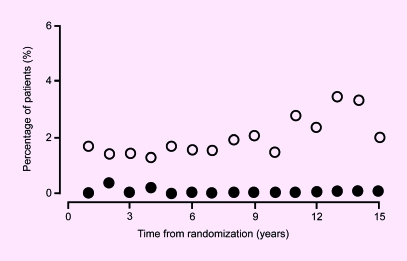
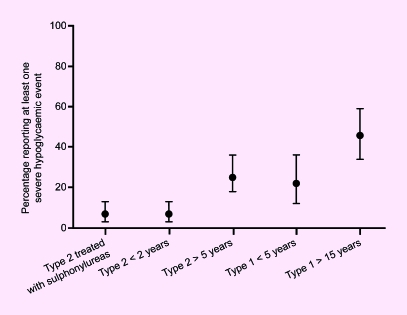
Verification
Claims the paper makes
The claims and statistics of this paper haven’t been checked yet.
Run the check — free, no account needed. It reads the open-access text and checks the sources it cites.
Claims other papers make about this one
Each is checked against this paper’s own text: does it say what the citing paper says it does?
In the citing paper
“plasma glucose concentrations ≤3.9 mmol/l (70 mg/dl) sometimes occur in non-diabetic individuals [1,3].This is true, particularly in women and children, albeit generally during prolonged fasting.”
From Preventing hypoglycaemia: what is the appropriate glucose alert value? (2009) · cites this paper as [3]
In the citing paper
“they recommend a therapeutic plasma glucose concentration lower limit of 4.0-4.5 mmol/l (72-81 mg/dl).”
From Preventing hypoglycaemia: what is the appropriate glucose alert value? (2009) · cites this paper as [3]
In the citing paper
“Amiel et al. [3] also suggest a value of 3.5 mmol/l (63 mg/dl).”
From Preventing hypoglycaemia: what is the appropriate glucose alert value? (2009) · cites this paper as [3]
In the citing paper
“However, maintaining glycaemic control in patients is no easy task, as hypo- or hyperglycaemia can result from administration of the currently available treatments resulting in either too much or not enough, respectively, of an anti-hyperglycaemic effect.3,48”
From A review of current trends with type 2 diabetes epidemiology, aetiology, pathogenesis, treatments and future perspectives (2021) · cites this paper as [48]
Self-check
Percentages, sums and reported differences re-computed from the paper’s own numbers.
The self-check needs the paper’s full text.
Citations
Cites
Stratton, I. M. (2000) · BMJ · doi:10.1136/bmj.321.7258.405 · Cited by 9,059
Turner, R. C., Fox, C., Matthews, McElroy, H. H., Cull, C. A., Holman, R. R., Neil, P., Hadden, D. R., Wright, D., Manley, E., et al. (1998) · The Lancet · Cited by 8,419
Dormandy, J. A., Charbonnel, B., Eckland, D. J., Erdmann, E., Massi-Benedetti, M., Moules, I. K., Skene, A. M., Tan, M. H., Lefèbvre, P. J., Murray, G. D., et al. (2005) · The Lancet · doi:10.1016/s0140-6736(05)67528-9 · Cited by 4,129
Glycemic durability of rosiglitazone, metformin, or glyburide monotherapy
Kahn, S. E., Haffner, S. M., Heise, M. A., Herman, W. H., Holman, R. R., Jones, N. P., Kravitz, B. G., Lachin, J. M., O'Neill, M. C., Zinman, B., et al. (2006) · New England Journal of Medicine · doi:10.1056/nejmoa066224 · Cited by 2,962
DeFronzo, R. A., Ratner, R. E., Han, J., Kim, D. D., Fineman, M. S., & Baron, A. D. (2005) · Diabetes Care · doi:10.2337/diacare.28.5.1092 · Cited by 1,559
Buse, J. B., Henry, R. R., Han, J., Kim, D. D., Fineman, M. S., Baron, A. D., & for the Exenatide-113 Clinical Study Group (2004) · Diabetes Care · doi:10.2337/diacare.27.11.2628 · Cited by 1,346
Kendall, D. M., Riddle, M. C., Rosenstock, J., Zhuang, D., Kim, D. D., Fineman, M. S., & Baron, A. D. (2005) · Diabetes Care · doi:10.2337/diacare.28.5.1083 · Cited by 1,177
Cryer, P. E., Davis, S. N., & Shamoon, H. (2003) · Diabetes Care · doi:10.2337/diacare.26.6.1902 · Cited by 1,160
Defining and Reporting Hypoglycemia in Diabetes
American Diabetes Association Workgroup on Hypoglycemia (2005) · Diabetes Care · doi:10.2337/diacare.28.5.1245 · Cited by 1,146
Research works printed but not linked: 3
- Canadian Diabetes Association, 2003, Hypoglycemia, Can J Diabetes, 27, S43
- 10.1210/jc.82.5.1458 · DOI
- Curtis L, 2006, Unit Costs of Health and Social Care
Cited by
Sorted by citations
Rodbard, H. W., Jellinger, P. S., Davidson, J. A., Einhorn, D., Garber, A. J., Grunberger, G., Handelsman, Y., Horton, E. S., Lebovitz, H., Levy, P., et al. (2009) · Endocrine Practice · doi:10.4158/ep.15.6.540 · Cited by 942
Haak, T., Hanaire, H., Ajjan, R., Hermanns, N., Riveline, J.-P., & Rayman, G. (2017) · Diabetes Therapy · doi:10.1007/s13300-016-0223-6 · Cited by 623
Diabetic emergencies - ketoacidosis, hyperglycaemic hyperosmolar state and hypoglycaemia
Umpierrez, G., & Korytkowski, M. (2016) · Nature Reviews Endocrinology · doi:10.1038/nrendo.2016.15 · Cited by 563
Reed, J., Bain, S., & Kanamarlapudi, V. (2021) · Diabetes, Metabolic Syndrome and Obesity: Targets and Therapy · doi:10.2147/dmso.s319895 · Cited by 441
Yaffe, K. S. (2013) · JAMA Internal Medicine · doi:10.1001/jamainternmed.2013.6176 · Cited by 439
Miller, M. E., Bonds, D. E., Gerstein, H. C., Seaquist, E. R., Bergenstal, R. M., Calles-Escandon, J., Childress, R. D., Craven, T. E., Cuddihy, R. M., Dailey, G., et al. (2010) · BMJ · doi:10.1136/bmj.b5444 · Cited by 429
Gallwitz, B., Rosenstock, J., Rauch, T., Bhattacharya, S., Patel, S. D., von Eynatten, M., Dugi, K. A., & Woerle, H. (2012) · The Lancet · doi:10.1016/s0140-6736(12)60691-6 · Cited by 339
Jendle, J., Nauck, M. A., Matthews, D. R., Frid, A., Hermansen, K., Düring, M., Zdravkovic, M., Strauss, B. J., Garber, A. J., & Groups, O. B. O. T. L. A. L. S. (2009) · Diabetes, Obesity and Metabolism · doi:10.1111/j.1463-1326.2009.01158.x · Cited by 312
Hypoglycemia unawareness in older compared with middle-aged patients with type 2 diabetes
Bremer, J. P., Jauch-Chara, K., Hallschmid, M., Schmid, S., & Schultes, B. (2009) · Diabetes Care · doi:10.2337/dc09-0114 · Cited by 298
Yapanis, M., James, S., Craig, M. E., O'Neal, D. N., & Ekinci, E. I. (2022) · The Journal of Clinical Endocrinology & Metabolism · doi:10.1210/clinem/dgac034 · Cited by 319
Hypoglycemia: The neglected complication
Kalra, S., Mukherjee, J. J., Venkataraman, S., Bantwal, G., Shaikh, S., Saboo, B., Das, A. K., & Ramachandran, A. (2013) · Indian Journal of Endocrinology and Metabolism · doi:10.4103/2230-8210.117219 · Cited by 255
Bravis, V., Hui, E., Salih, S., Mehar, S., Hassanein, M. M., & Devendra, D. (2010) · Diabetic Medicine · doi:10.1111/j.1464-5491.2010.02948.x · Cited by 225
Lactic Acidosis Induced by Metformin
Lalau, J. (2010) · Drug Safety · doi:10.2165/11536790-000000000-00000 · Cited by 221
Mechanisms of hypoglycemia unawareness and implications in diabetic patients
Martín-Timón, I. (2015) · World Journal of Diabetes · doi:10.4239/wjd.v6.i7.912 · Cited by 204
Matthews, D. R., Dejager, S., Åhrén, B., Fonseca, V. A., Ferrannini, E., Couturier, A., Foley, J. E., & Zinman, B. (2010) · Diabetes Obesity and Metabolism · doi:10.1111/j.1463-1326.2010.01233.x · Cited by 198
Bruce, D. G., Davis, W. A., Casey, G. P., Clarnette, R. M., Brown, S. G. A., Jacobs, I. G., Almeida, O. P., & Davis, T. M. E. (2009) · Diabetologia · doi:10.1007/s00125-009-1437-1 · Cited by 202
Cardiovascular effects of gliptins
Scheen, A. J. (2013) · Nature Reviews Cardiology · doi:10.1038/nrcardio.2012.183 · Cited by 175
Sarkar, U., Karter, A. J., Liu, J. Y., Moffet, H. H., Adler, N. E., & Schillinger, D. (2010) · Journal of General Internal Medicine · doi:10.1007/s11606-010-1389-7 · Cited by 173
Gooßen, K., & Gräber, S. (2012) · Diabetes Obesity and Metabolism · doi:10.1111/j.1463-1326.2012.01610.x · Cited by 167
Determinants of Severe Hypoglycemia Complicating Type 2 Diabetes: The Fremantle Diabetes Study
Davis, T. M. E., Brown, S. G. A., Jacobs, I. G., Bulsara, M. K., Bruce, D. G., & Davis, W. A. (2010) · The Journal of Clinical Endocrinology & Metabolism · doi:10.1210/jc.2009-2828 · Cited by 169
Arnolds, S., Dellweg, S., Clair, J., Dain, M., Nauck, M. A., Rave, K., & Kapitza, C. (2010) · Diabetes Care · doi:10.2337/dc09-2191 · Cited by 167
Characterization of pancreatic NMDA receptors as possible drug targets for diabetes treatment
Marquard, J., Otter, S., Welters, A., Stirban, A., Fischer, A., Eglinger, J., Herebian, D., Kletke, O., Klemen, M. S., Stožer, A., et al. (2015) · Nature Medicine · doi:10.1038/nm.3822 · Cited by 161
Breaking Down Patient and Physician Barriers to Optimize Glycemic Control in Type 2 Diabetes
Ross, S. A. (2013) · The American Journal of Medicine · doi:10.1016/j.amjmed.2013.06.012 · Cited by 162
Karter, A. J., Warton, E. M., Lipska, K. J., Ralston, J. D., Moffet, H. H., Jackson, G. G., Huang, E. S., & Miller, D. R. (2017) · JAMA Internal Medicine · doi:10.1001/jamainternmed.2017.3844 · Cited by 150
Avoiding hypoglycemia: a key to success for glucose-lowering therapy in type 2 diabetes
Ahren, B. (2013) · Vascular Health and Risk Management · doi:10.2147/vhrm.s33934 · Cited by 148
Pharmacologic management of type 2 diabetes
Harper, W., Clement, M., Goldenberg, R., Hanna, A., Main, A., Retnakaran, R., Sherifali, D., Woo, V., & Yale, J.-F. (2013) · Canadian Journal of Diabetes · doi:10.1016/j.jcjd.2013.01.021 · Cited by 138
Marrett, E., Radican, L., Davies, M. J., & Zhang, Q. (2011) · BMC Research Notes · doi:10.1186/1756-0500-4-251 · Cited by 133
Elliott, L., Fidler, C., Ditchfield, A., & Stissing, T. (2016) · Diabetes Therapy · doi:10.1007/s13300-016-0157-z · Cited by 142
Treatment of severe diabetic hypoglycemia with glucagon: an underutilized therapeutic approach
Kedia (2011) · Diabetes Metabolic Syndrome and Obesity · doi:10.2147/dmso.s20633 · Cited by 139
Barzilai, N., Guo, H., Mahoney, E. M., Caporossi, S., Golm, G. T., Langdon, R. B., Williams‐Herman, D., Kaufman, K. D., Amatruda, J. M., Goldstein, B. J., et al. (2011) · Current Medical Research and Opinion · doi:10.1185/03007995.2011.568059 · Cited by 130
Cariou, B., Fontaine, P., Eschwege, E., Lièvre, M., Gouet, D., Huet, D., Madani, S., Lavigne, S., & Charbonnel, B. (2015) · Diabetes & Metabolism · doi:10.1016/j.diabet.2014.10.007 · Cited by 129
Exercise therapy in Type 2 diabetes
Praet, S., & van Loon, L. J. C. (2009) · Acta Diabetologica · doi:10.1007/s00592-009-0129-0 · Cited by 135
Signorovitch, J. E., Macaulay, D., Diener, M., Yan, Y., Wu, E. Q., Gruenberger, J. ‐., & Frier, B. M. (2013) · Diabetes, Obesity and Metabolism · doi:10.1111/dom.12031 · Cited by 125
Hypoglycemia in Patients with Diabetes and Renal Disease
Alsahli, M., & Gerich, J. E. (2015) · Journal of Clinical Medicine · doi:10.3390/jcm4050948 · Cited by 127
Continuous Glucose Monitoring: A Brief Review for Primary Care Practitioners
Ajjan, R., Slattery, D., & Wright, E. E. (2019) · Advances in Therapy · doi:10.1007/s12325-019-0870-x · Cited by 133
Green, A. J., Fox, K., & Grandy, S. (2012) · Diabetes Research and Clinical Practice · doi:10.1016/j.diabres.2012.01.002 · Cited by 124
The A1C and ABCD of glycaemia management in type 2 diabetes: a physician's personalized approach
Pozzilli, P., Leslie, R. D., Chan, J. C. N., Fronzo, R. D., Monnier, L., Raz, I., & Prato, S. D. (2010) · Diabetes/Metabolism Research and Reviews · doi:10.1002/dmrr.1092 · Cited by 115
Williams, S. A., Pollack, M. F., & DiBonaventura, M. (2011) · Diabetes Research and Clinical Practice · doi:10.1016/j.diabres.2010.12.027 · Cited by 102
Glycemic Control and Extended Hemodialysis Survival in Patients with Diabetes Mellitus
Williams, M. E., Lacson, E. K., Jr., Wang, W., Lazarus, J. M., & Hakim, R. M. (2010) · Clinical Journal of the American Society of Nephrology · doi:10.2215/cjn.09301209 · Cited by 98
Zhang, Y., Ting, R. Z. W., Yang, W., Jia, W., Li, W., Ji, L., Guo, X., Kong, A. P. S., Wing, Y. K., Luk, A. O. Y., et al. (2014) · Journal of Diabetes · doi:10.1111/1753-0407.12238 · Cited by 99
Lopez, J., Annunziata, K., Bailey, R., Morisky, D. E., & Rupnow, M. (2014) · Patient Preference and Adherence · doi:10.2147/ppa.s58813 · Cited by 96
Aung, P. P., Strachan, M. W. J., Frier, B. M., Butcher, I., Deary, I. J., Price, J. F., & on behalf of the Edinburgh Type 2 Diabetes Study Investigators (2011) · Diabetic Medicine · doi:10.1111/j.1464-5491.2011.03505.x · Cited by 95
Home, P., Fritsche, A., Schinzel, S., & Massi‐Benedetti, M. (2010) · Diabetes Obesity and Metabolism · doi:10.1111/j.1463-1326.2010.01232.x · Cited by 96
Economic and Clinical Impact of Inpatient Diabetic Hypoglycemia
Curkendall, S. M., Natoli, J. L., Alexander, C. M., Nathanson, B. H., Haidar, T., & Dubois, R. W. (2009) · Endocrine Practice · doi:10.4158/ep08343.or · Cited by 97
Zhao, Y., Campbell, C. R., Fonseca, V. A., & Shi, L. (2012) · Diabetes Care · doi:10.2337/dc11-2048 · Cited by 95
Ratzki-Leewing, A., Harris, S. B., Mequanint, S., Reichert, S. M., Belle Brown, J., Black, J. E., & Ryan, B. L. (2018) · BMJ Open Diabetes Research & Care · doi:10.1136/bmjdrc-2017-000503 · Cited by 90
Insulin therapy and quality of life. A review
Pouwer, F., & Hermanns, N. (2009) · Diabetes/Metabolism Research and Reviews · doi:10.1002/dmrr.981 · Cited by 91
Guidelines for managing diabetes in Ramadan
Ali, S., Davies, M. J., Brady, E. M., Gray, L. J., Khunti, K. K., Beshyah, S., & Hanif, W. (2016) · Diabetic Medicine · doi:10.1111/dme.13080 · Cited by 91
Breitscheidel, L., Stamenitis, S., Dippel, F. W., & Schöffski, O. (2009) · Journal of Medical Economics · doi:10.3111/13696990903479199 · Cited by 90
Glycemic Management in ESRD and Earlier Stages of CKD
Williams, M. E., & Garg, R. (2014) · American Journal of Kidney Diseases · doi:10.1053/j.ajkd.2013.10.049 · Cited by 89
Salem, C. B., Fathallah, N., Hmouda, H., & Bouraoui, K. (2010) · Drug Safety · doi:10.2165/11538290-000000000-00000 · Cited by 91
Aravind, S. R., Tayeb, K. A., Ismail, S. B., Shehadeh, N., KADDAHA, G., Liu, R., Balshaw, R. F., Lesnikova, N., Heisel, O., Girman, C. J., et al. (2011) · Current Medical Research and Opinion · doi:10.1185/03007995.2011.578245 · Cited by 85
Katon, W. J., Young, B. A., Russo, J. E., Lin, E., Ciechanowski, P. S., Ludman, E. J., & Korff, M. R. V. (2013) · The Annals of Family Medicine · doi:10.1370/afm.1501 · Cited by 88
The risk factors of inpatient hypoglycemia: A systematic review
Pratiwi, C., Mokoagow, M. I., Kshanti, I. A., & Soewondo, P. (2020) · Heliyon · doi:10.1016/j.heliyon.2020.e03913 · Cited by 83
Ragia, G., Petridis, I., Tavridou, A., Christakidis, D., & Manolopoulos, V. G. (2009) · Pharmacogenomics · doi:10.2217/pgs.09.96 · Cited by 83
Cardiovascular Effects of Dipeptidyl Peptidase-4 Inhibitors: From Risk Factors to Clinical Outcomes
Scheen, A. J. (2013) · Postgraduate Medicine · doi:10.3810/pgm.2013.05.2659 · Cited by 81
Vildagliptin therapy and hypoglycaemia in Muslim type 2 diabetes patients during Ramadan
Devendra, D., Gohel, B., Bravis, V., Hui, E., Salih, S., Mehar, S., & Hassanein, M. (2009) · International Journal of Clinical Practice · doi:10.1111/j.1742-1241.2009.02171.x · Cited by 80
Bron, M., Marynchenko, M. B., Yang, H., Yu, A. P., & Wu, E. Q. (2012) · Postgraduate Medicine · doi:10.3810/pgm.2012.01.2525 · Cited by 78
Preventing hypoglycaemia: what is the appropriate glucose alert value?
Cryer, P. E. (2009) · Diabetologia · doi:10.1007/s00125-008-1205-7 · Cited by 77
Key considerations around the risks and consequences of hypoglycaemia in people with type 2 diabetes
Barnett, A. H., Cradock, S., Fisher, M., Hall, G., Hughes, E., & Middleton, A. (2010) · International Journal of Clinical Practice · doi:10.1111/j.1742-1241.2009.02332.x · Cited by 77
Singh, A.-K., Patel, P. K., Choudhary, K., Joshi, J., Yadav, D., & Jin, J. (2020) · Biomolecules · doi:10.3390/biom10020207 · Cited by 76
Hypoglycemia, Chronic Kidney Disease, and Diabetes Mellitus
Alsahli, M., & Gerich, J. E. (2014) · Mayo Clinic Proceedings · doi:10.1016/j.mayocp.2014.07.013 · Cited by 81
Walz, L., Pettersson, B., Rosenqvist, U., Deleskog, A., Journath, G., & Wändell, P. (2014) · Patient Preference and Adherence · doi:10.2147/ppa.s58781 · Cited by 75
Exercise Therapy in Type 2 Diabetes
van Dijk, J., Tummers, K., Stehouwer, C. D. A., Hartgens, F., & van Loon, L. J. C. (2012) · Diabetes Care · doi:10.2337/dc11-2112 · Cited by 80
Holstein, A., Hammer, C., Hahn, M., Kulamadayil-Heidenreich, N. S. A., & Kovacs, P. L. (2010) · Expert Opinion on Drug Safety · doi:10.1517/14740338.2010.492777 · Cited by 74
Hassanein, M., Hanif, W., Malik, W., Kamal, A. D., Geransar, P., Lister, N., Andrews, C., & Barnett, A. H. (2011) · Current Medical Research and Opinion · doi:10.1185/03007995.2011.579951 · Cited by 73
Disorders of glucose metabolism: post mortem analyses in forensic cases–part II
Mußhoff, F., Heß, C., & Madea, B. (2010) · International Journal of Legal Medicine · doi:10.1007/s00414-010-0510-0 · Cited by 70
Feldman, S. M., Rosen, R., & DeStasio, J. (2009) · Journal of the American Medical Directors Association · doi:10.1016/j.jamda.2009.02.010 · Cited by 70
Fear of Hypoglycaemia: Defining a Minimum Clinically Important Difference
Stargardt, T., Gonder-Frederick, L. A., Krobot, K. J., & Alexander, C. M. (2009) · Health and Quality of Life Outcomes · doi:10.1186/1477-7525-7-91 · Cited by 69
Zhang, Y., Hong, J., Chi, J., Gu, W., Ning, G., & Wang, W. (2013) · Diabetes/Metabolism Research and Reviews · doi:10.1002/dmrr.2482 · Cited by 68
Alarouj, M., Hassoun, A. A. K., Medlej, R., Pathan, M. F., Shaltout, I., Chawla, M. S., Hristoskova, S., diTommaso, S., & Kadwa, M. (2013) · International Journal of Clinical Practice · doi:10.1111/ijcp.12243 · Cited by 67
Bøgelund, M., Vilsbøll, T., Faber, J., Henriksen, J. E., Gjesing, R. P., & Lammert, M. (2011) · Current Medical Research and Opinion · doi:10.1185/03007995.2011.625404 · Cited by 66
Davidson, J. A., Liebl, A., Christiansen, J. S., Fulcher, G., Ligthelm, R. J., Brown, P., Gylvin, T., & Kawamori, R. (2009) · Clinical Therapeutics · doi:10.1016/j.clinthera.2009.08.011 · Cited by 64
Uncovering undetected hypoglycemic events
Unger, J. (2012) · Diabetes Metabolic Syndrome and Obesity · doi:10.2147/dmso.s29367 · Cited by 62
Bode, B. W., Brett, J., Falahati, A., & Pratley, R. E. (2011) · The American Journal of Geriatric Pharmacotherapy · doi:10.1016/j.amjopharm.2011.09.007 · Cited by 62
Is hypoglycemia fear independently associated with health-related quality of life?
Shi, L., Shao, H., Zhao, Y., & Thomas, N. A. (2014) · Health and Quality of Life Outcomes · doi:10.1186/s12955-014-0167-3 · Cited by 62
Barnett, A. H., Patel, S., Harper, R., Toorawa, R., Thiemann, S., von Eynatten, M., & Woerle, H. J. (2012) · Diabetes Obesity and Metabolism · doi:10.1111/dom.12011 · Cited by 61
Disorders of glucose metabolism–post mortem analyses in forensic cases: part I
Heß, C., Mußhoff, F., & Madea, B. (2010) · International Journal of Legal Medicine · doi:10.1007/s00414-010-0509-6 · Cited by 63
Bloomfield, H. E., Greer, N. L., Newman, D. R., MacDonald, R. H., Carlyle, M. H., FITZGERALD, P. J., Rutks, I. R., & Wilt, T. J. (2012) · Cited by 59
Exploring the effects of DPP-4 inhibitors on the kidney from the bench to clinical trials
Coppolino, G., Leporini, C., Rivoli, L., Ursini, F., Paola, E. D. D., Cernaro, V., Arturi, F., Bolignano, D., Russo, E., Sarro, G. D., et al. (2017) · Pharmacological Research · doi:10.1016/j.phrs.2017.12.001 · Cited by 62
Hajós, T. R. S., Polonsky, W. H., Pouwer, F., Gonder-Frederick, L., & Snoek, F. J. (2014) · Diabetes Care · doi:10.2337/dc13-0971 · Cited by 58
Holstein, A., Hahn, M., Patzer, O. M., Seeringer, A., Kovacs, P. L., & Stingl, J. (2011) · European Journal of Clinical Pharmacology · doi:10.1007/s00228-010-0976-1 · Cited by 59
Having diabetes and having to fast: a qualitative study of British Muslims with diabetes
Patel, N. R., Kennedy, A. P., Blickem, C., Rogers, A. E., Reeves, D., & Chew-Graham, C. A. (2014) · Health Expectations · doi:10.1111/hex.12163 · Cited by 58
Optimal therapy of type 2 diabetes: a controversial challenge
Dardano, A., Penno, G., Prato, S. D., & Miccoli, R. (2014) · Aging · doi:10.18632/aging.100646 · Cited by 58
The characteristic of cognitive function in Type 2 diabetes mellitus
Gao, Y., Xiao, Y., Miao, R., Zhao, J., Zhang, W., Huang, G., & Ma, F. (2015) · Diabetes Research and Clinical Practice · doi:10.1016/j.diabres.2015.05.019 · Cited by 56
Bacchi, E., Negri, C., Trombetta, M., Zanolin, M. E., Lanza, M., Bonora, E., & Moghetti, P. (2012) · PLoS ONE · doi:10.1371/journal.pone.0049937 · Cited by 57
Liraglutide in clinical practice: dosing, safety and efficacy: Liraglutide in practice
Peterson, G. E., & Pollom, R. D. (2010) · International Journal of Clinical Practice · doi:10.1111/j.1742-1241.2010.02498.x · Cited by 55
Willis, W. D., Diago, J. I., Madec-Hily, A., & Aslam, A. (2013) · Expert Review of Pharmacoeconomics & Outcomes Research · doi:10.1586/erp.12.80 · Cited by 53
Sheu, W. H., Ji, L.-N., Nitiyanant, W., Baik, S. H., Yin, D., Mavros, P., & Chan, S.-P. (2012) · Diabetes Research and Clinical Practice · doi:10.1016/j.diabres.2011.12.027 · Cited by 55
Bruderer, S. G., Bodmer, M., Jick, S. S., Bader, G., Schlienger, R. G., & Meier, C. R. (2014) · Diabetes, Obesity and Metabolism · doi:10.1111/dom.12282 · Cited by 53
Swinnen, S. G. H. A., Mullins, P., Miller, M., Hoekstra, J. B. L., & Holleman, F. (2009) · Diabetologia · doi:10.1007/s00125-008-1147-0 · Cited by 52
Dementia in Diabetes: The Role of Hypoglycemia
Husain, K. H., Sarhan, S. F., AlKhalifa, H. K. A. A., Buhasan, A., Moin, A. S. M., & Butler, A. E. (2023) · International Journal of Molecular Sciences · doi:10.3390/ijms24129846 · Cited by 52
McEwan, P., Evans, M., & Bergenheim, K. (2010) · Diabetes Obesity and Metabolism · doi:10.1111/j.1463-1326.2010.01198.x · Cited by 50
Borzı̀, V., Frasson, S., Gussoni, G., Lillo, M., Gerloni, R., Augello, G., Gulli, G., Ceriello, A., Solerte, B., Bonizzoni, E., et al. (2016) · Diabetes Research and Clinical Practice · doi:10.1016/j.diabres.2016.01.020 · Cited by 52
Hypoglycaemia when adding sulphonylurea to metformin: a systematic review and network meta‐analysis
Andersen, S. E., & Christensen, M. (2016) · British Journal of Clinical Pharmacology · doi:10.1111/bcp.13059 · Cited by 52
Lukashevich, V., Schweizer, A., Foley, J. E., Dickinson, Groop, P., & Kothny, W. (2013) · Vascular Health and Risk Management · doi:10.2147/vhrm.s39300 · Cited by 50
Morton, J. I., Ilomäki, J., Magliano, D. J., & Shaw, J. E. (2020) · Diabetologia · doi:10.1007/s00125-020-05304-3 · Cited by 51
Evolution and resolution of human brain perfusion responses to the stress of induced hypoglycemia
Teh, M. M., Dunn, J., Choudhary, P., Samarasinghe, Y. P., Macdonald, I. A., O'Doherty, M. J., Marsden, P. K., Reed, L. J., & Amiel, S. A. (2010) · NeuroImage · doi:10.1016/j.neuroimage.2010.06.033 · Cited by 49
Self-citationDavis, T. M. E. (2014) · Diabetes Obesity and Metabolism · doi:10.1111/dom.12295 · Cited by 49
Economic impact of hypoglycemia on healthcare in Spain
Brito-Sanfiel, M. Á., Diago, J. I., & Calderón, A. (2010) · Expert Review of Pharmacoeconomics & Outcomes Research · doi:10.1586/erp.10.73 · Cited by 48
Metadata
- Authors
- Amiel, S. A., Dixon, T., Mann, R., & Jameson, K.
- Affiliations
- King's College London (GB)
- University of Sheffield (GB)
- MSD (UK) Limited (United Kingdom) (GB)
- Corresponding author
- Amiel, S. A.
- Venue
- Diabetic Medicine
- Publisher
- Wiley
- Published
- 2008-02-27
- Volume
- 25
- Issue
- 3
- Pages
- 245-254
- ISSN
- 0742-3071 (ISSN-L)
- 1464-5491
- PMC
- PMC2327221
- OpenAlex
- W2156888511
- Cited by
- 472
- References
- 77
- Citations by year
- 2026: 4 · 2025: 7 · 2024: 10 · 2023: 11 · 2022: 15 · 2021: 14 · 2020: 15 · 2019: 22 · 2018: 34 · 2017: 17 · 2016: 29 · 2015: 33 · 2014: 46 · 2013: 55 · 2012: 46
- FWCI
- 5.23
- Type
- journal article
- Language
- en
- Open access
- bronze
- doi.org
- Locations
- Diabetic Medicine (publishedVersion)
- PubMed Central (publishedVersion, cc-by)
- PubMed (publishedVersion)
- Research Portal (King's College London) (submittedVersion)
- Topics
- Health Sciences › Medicine › Endocrinology, Diabetes and Metabolism › Diabetes Management and Research
- Health Sciences › Medicine › Endocrinology, Diabetes and Metabolism › Diabetes Treatment and Management
- Health Sciences › Medicine › Public Health, Environmental and Occupational Health › Patient Safety and Medication Errors
- Keywords
- hypoglycemia, type 2 diabetes, sulfonylureas, insulin therapy, severe hypoglycemia, glycemic control, incretin-based therapy, hospital costs, diabetes complications
- MeSH terms
- Diabetes Mellitus, Type 2, Hospitalization, Humans, Hypoglycemia, Insulin, Risk Factors, Sulfonylurea Compounds, Antidiuretic Agents
About these checks
Registry, retraction, Cites and statistics results are computed, not judged, with one exception: a printed reference that no index lists is read once by a model before it counts as a citation error. Claims are extracted by a model and kept only when their quote appears verbatim in the text; each cited source is then checked, with a model’s help, for whether it says what the claim relies on. Those verdicts can be wrong — read the claim’s quote and the cited source before relying on one.
Statistics and arithmetic are recomputed, not judged.
Confidence bands are shown only for fields calibrated on our annotated test set. None is calibrated yet, so no band is shown.
What counts as a claim ›How we measure confidence ›How we check this ›
Are you an author, or do you see a problem with this page? Request a review
