

The DOI matches its Crossref record; 208 of the 211 references it cites were found in a registry or an index.
Thiamine deficiency disorders: diagnosis, prevalence, and a roadmap for global control programs
Open accessAbstract
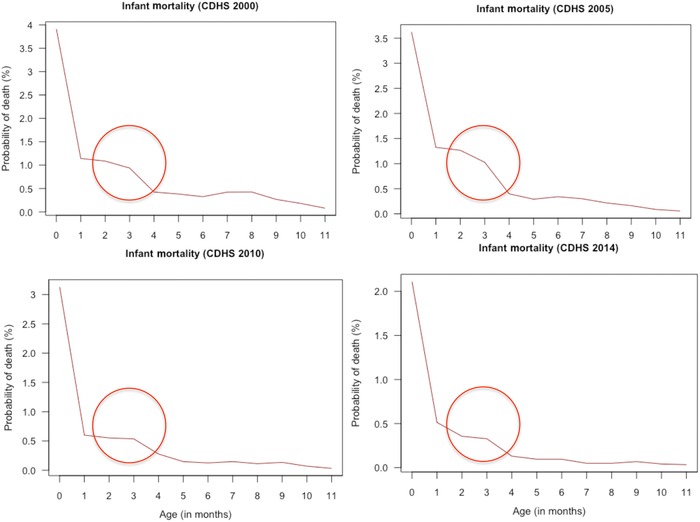
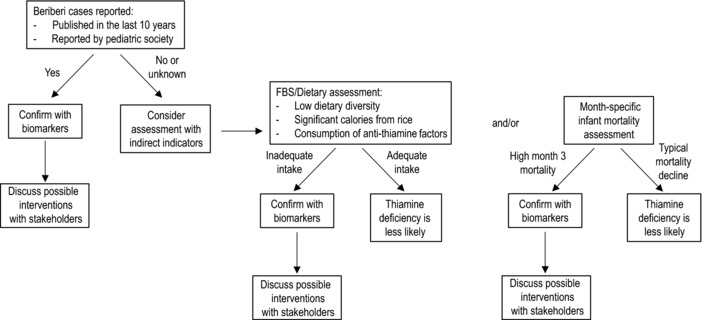
Thiamine is an essential micronutrient that plays a key role in energy metabolism. Many populations worldwide may be at risk of clinical or subclinical thiamine deficiencies, due to famine, reliance on staple crops with low thiamine content, or food preparation practices, such as milling grains and washing milled rice. Clinical manifestations of thiamine deficiency are variable; this, along with the lack of a readily accessible and widely agreed upon biomarker of thiamine status, complicates efforts to diagnose thiamine deficiency and assess its global prevalence. Strategies to identify regions at risk of thiamine deficiency through proxy measures, such as analysis of food balance sheet data and month-specific infant mortality rates, may be valuable for understanding the scope of thiamine deficiency. Urgent public health responses are warranted in high-risk regions, considering the contribution of thiamine deficiency to infant mortality and research suggesting that even subclinical thiamine deficiency in childhood may have lifelong neurodevelopmental consequences. Food fortification and maternal and/or infant thiamine supplementation have proven effective in raising thiamine status and reducing the incidence of infantile beriberi in regions where thiamine deficiency is prevalent, but trial data are limited. Efforts to determine culturally and environmentally appropriate food vehicles for thiamine fortification are ongoing.
Overview
The claims and statistics of this paper haven’t been checked yet.
Run the check — free, no account needed. It reads the open-access text and checks the sources it cites.
Integrity signals
Registry
Cites
Statistics
Figures
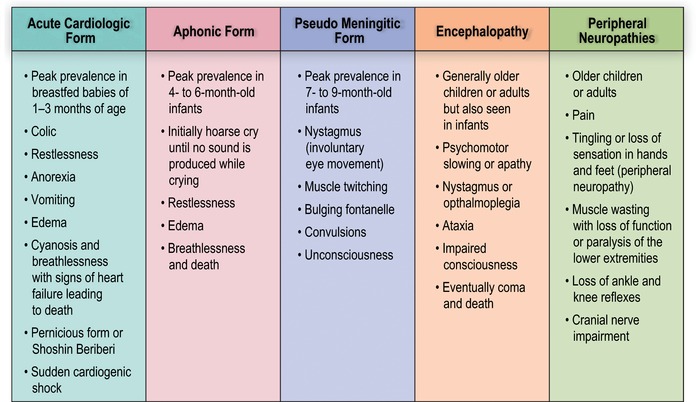
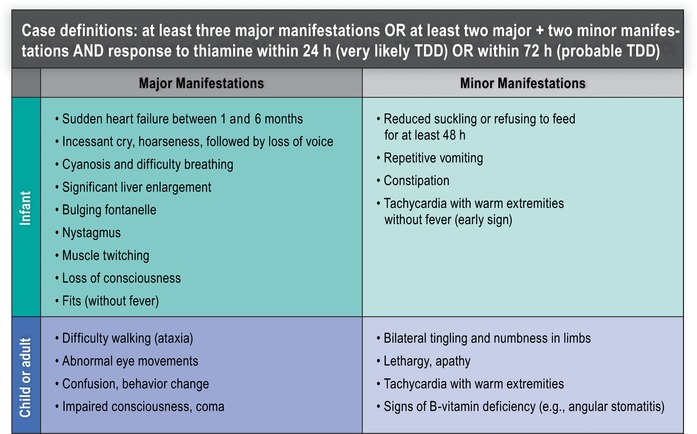
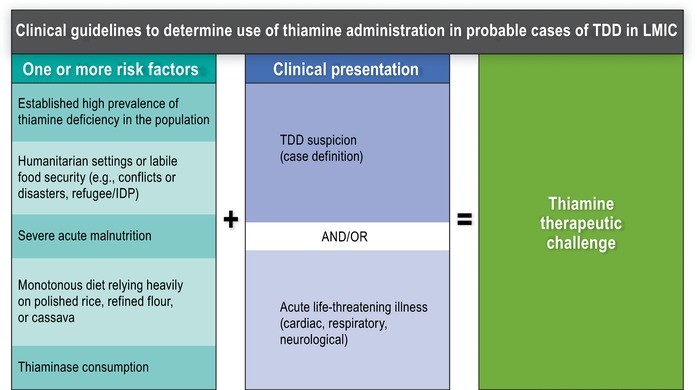
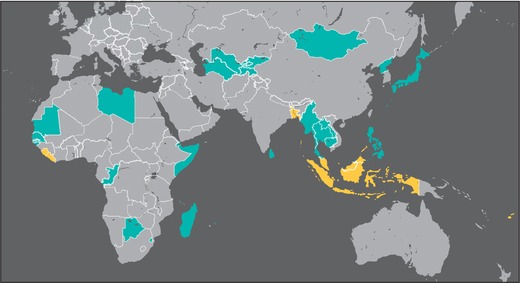
Verification
Claims the paper makes
The claims and statistics of this paper haven’t been checked yet.
Run the check — free, no account needed. It reads the open-access text and checks the sources it cites.
Claims other papers make about this one
Each is checked against this paper’s own text: does it say what the citing paper says it does?
In the citing paper
“Beriberi, the disease resulting from severe thiamine (vitamin B1) deficiency affects several organs, including the muscular and peripheral nervous systems [99]. General symptoms include fatigue, ataxia due to muscle weakness in the legs and arms, muscle pain and tenderness, and dyspnoea on exertion.”
From Vitamins and Minerals for Energy, Fatigue and Cognition: A Narrative Review of the Biochemical and Clinical Evidence (2020) · cites this paper as [99]
In the citing paper
“An accidental thiamine deficiency in children fed an infant formula erroneously lacking thiamine, resulted in persistent cognitive and motor deficits. Even the children who initially appeared unaffected subsequently displayed a range of cognitive dysfunction, including delayed language acquisition, language impairment and dyslexia, poor coordination skills, and learning disabilities; quoted in [99”
From Vitamins and Minerals for Energy, Fatigue and Cognition: A Narrative Review of the Biochemical and Clinical Evidence (2020) · cites this paper as [99]
In the citing paper
“Cerebral beriberi (thiamine (vitamin B1) deficiency) may lead to encephalopathies, characterized by abnormal eye movements, and cognitive impairment, involving a confused, apathetic state and a profound memory disorder, with severe amnesia and loss of recent and working memory.”
From Vitamins and Minerals for Energy, Fatigue and Cognition: A Narrative Review of the Biochemical and Clinical Evidence (2020) · cites this paper as [99]
Self-check
Percentages, sums and reported differences re-computed from the paper’s own numbers.
The self-check needs the paper’s full text.
Citations
Cites
Institute of Medicine (1998) · National Academies Press eBooks · doi:10.17226/6015 · Cited by 2,464
Principles Of Nutritional Assessment
Gibson, R. S. (2005) · doi:10.1093/oso/9780195171693.001.0001 · Cited by 1,887
Modern Nutrition in Health and Disease
Solomons, N. W. (1994) · American Journal of Clinical Nutrition · doi:10.1093/ajcn/60.4.643 · Cited by 1,690
Guidelines on food fortification with micronutrients
Allen, L. H. (2006) · Cited by 1,562
The Optimal Duration of Exclusive Breastfeeding
Kramer, M. S., & Kakuma, R. (2004) · Advances in experimental medicine and biology · doi:10.1007/978-1-4757-4242-8_7 · Cited by 987
Origin, dispersal, cultivation and variation of rice
Khush, G. S. (1997) · Plant Molecular Biology · doi:10.1023/a:1005810616885 · Cited by 984
Origin, dispersal, cultivation and variation of rice
Khush, G. S. (1997) · Springer eBooks · doi:10.1007/978-94-011-5794-0_3 · Cited by 972
Dewey, K. G., & Brown, K. H. (2003) · Food and Nutrition Bulletin · doi:10.1177/156482650302400102 · Cited by 800
Global trends in dietary micronutrient supplies and estimated prevalence of inadequate intakes
Beal, T., Massiot, E., Arsenault, J. E., Smith, M. R., & Hijmans, R. J. (2017) · PLoS ONE · doi:10.1371/journal.pone.0175554 · Cited by 441
Origin, dispersal, cultivation and variation of rice.
Khush, G. S. (1997) · PubMed · Cited by 433
Research works printed but not linked: 13
- FAO & World Health Organization, 2005, Vitamin and Mineral Requirements in Human Nutrition, 1
- Turck D., 2016, EFSA scientific opinion on dietary reference values for thiamin, EFSA J, 14, e04653
- 10.1371/journal.pntd.0000969 · DOI
- Tajahmady A., 2004, Une épidémie de béribéri infantile à Mayotte, avril–juillet 2004, Bull. Epidemiol. Hebdo., 45, 213
- Murase C., 2013, Shoshin beirberi in a young man living on Japanese rice balls, J. Gen. Intern. Med., 28, S390
- Bailey A.L., 1990, A normal phase high performance liquid chromatographic method for the determination of thiamin in blood and tissue samples, J. Micronutr. Anal., 7, 147
- Hurrell R., 1999, The Mineral Fortification of Foods
- Institute of Medicine, 1998, Dietary Reference Intakes for Thiamin, Riboflavin, Niacin, Vitamin B6, Folate, Vitamin B12, Pantothenic acid, Biotin, and Choline
- Otten J., 2006, Dietary Reference Intakes: the Essential Guide to Nutrient Requirements
- Pillaiyar P., 1981, Household parboiling of parboiled rice, Kishan World, 8, 20
- 10.1016/S0033-3549(04)50217-0 · DOI
- Isela R., 2005, Alimentación y estado nutricio de mujeres embarazadas derechohabientes del Instituto Mexicano del Seguro Social en un área suburbana de la Ciudad de México, Ginecol. Obs. Mex., 73, 3
- Eliana Duran F., 2007, Dietetic adequation of micronutrients in pregnant women, Rev. Chil. Nutr., 34, 321
Cited by
Sorted by citations
Berger, M. M., Shenkin, A., Schweinlin, A., Amrein, K., Augsburger, M., Biesalski, H.-K., Bischoff, S. C., Casaer, M. P., Gundogan, K., Lepp, H.-L., et al. (2022) · Clinical Nutrition · doi:10.1016/j.clnu.2022.02.015 · Cited by 615
Tardy, A.-L., Pouteau, E., Marquez, D., Yilmaz, C., & Scholey, A. (2020) · Nutrients · doi:10.3390/nu12010228 · Cited by 541
“Even the children who initially appeared unaffected subsequently displayed a range of cognitive dysfunction, including delayed language acquisition, language impairment and dyslexia, poor coordination skills, and learning disabilities; quoted in [99].”
BackgroundInfluentialBiological Properties of Vitamins of the B-Complex, Part 1: Vitamins B1, B2, B3, and B5
Hrubša, M., Siatka, T., Najmanová, I., Vopršalová, M., Krčmová, L. K., Matoušová, K., Javorská, L., Macáková, K., Mercolini, L., Remião, F., et al. (2022) · Nutrients · doi:10.3390/nu14030484 · Cited by 284
Thiamine deficiency disorders: a clinical perspective
Smith, T. J., Johnson, C. R., Koshy, R. M., Hess, S. Y., Qureshi, U. A., Mynak, M. L., & Fischer, P. R. (2020) · Annals of the New York Academy of Sciences · doi:10.1111/nyas.14536 · Cited by 231
Neurological, Psychiatric, and Biochemical Aspects of Thiamine Deficiency in Children and Adults
Dhir, S., Tarasenko, M., Napoli, E., & Giulivi, C. (2019) · Frontiers in Psychiatry · doi:10.3389/fpsyt.2019.00207 · Cited by 231
“org reflect thiamine metabolic function (102) or a direct association to its levels in the tissues.”
BackgroundThe importance of thiamine (vitamin B1) in plant health: From crop yield to biofortification
Fitzpatrick, T. B., & Chapman, L. (2020) · Journal of Biological Chemistry · doi:10.1074/jbc.rev120.010918 · Cited by 191
“These extreme forms of thiamine deficiency can ultimately cause death (84).”
BackgroundMethodInfluentialPublic Health Aspects in the Prevention and Control of Vitamin Deficiencies
Darnton‐Hill, I. (2019) · Current Developments in Nutrition · doi:10.1093/cdn/nzz075 · Cited by 126
“Thiamin insufficiency (as assessed by low blood-thiamin statuses) is endemic among several Southeast Asian countries: Cambodia (70–100% of infants and 27–100% of reproductive-age women); Laos (13% of hospitalized infants); and Thailand (16–25% of children and 30% of elderly adults) (11).”
BackgroundThiamine deficiency in fishes: causes, consequences, and potential solutions
Harder, A. M., Ardren, W. R., Evans, A. N., Futia, M. H., Kraft, C. E., Marsden, J. E., Richter, C. A., Rinchard, J., Tillitt, D. E., & Christie, M. R. (2018) · Reviews in Fish Biology and Fisheries · doi:10.1007/s11160-018-9538-x · Cited by 94
Johnson, C. R., Fischer, P. R., Thacher, T. D., Topazian, M. D., Bourassa, M. W., & Combs, G. F. (2019) · Nutrition and Health · doi:10.1177/0260106019830847 · Cited by 79
Hiding in Plain Sight: Modern Thiamine Deficiency
Marrs, C., & Lonsdale, D. (2021) · Cells · doi:10.3390/cells10102595 · Cited by 85
“Published reference intervals for whole-blood TPP vary widely across labs, however, from a lower limit of 63–105 nmol/L to an upper limit of 171–229 nmol/L [3].”
BackgroundInfluentialGwathmey, K. G., & Grogan, J. (2019) · Muscle & Nerve · doi:10.1002/mus.26783 · Cited by 84
“Assessment of function and biologic activity may be further tested via the activity of erythrocyte transketolase (TK) in the erythrocyte TK activation assay, although this is not widely available.(7,35) It is important to test defi-”
BackgroundThiamine (vitamin B1) in septic shock: a targeted therapy
Moskowitz, A. L., & Donnino, M. W. (2020) · Journal of Thoracic Disease · doi:10.21037/jtd.2019.12.82 · Cited by 62
“In areas of the developing world, outbreaks of thiamine deficiency are known to occur as a result of inadequate nutritional support (9).”
BackgroundInfluentialSambon, M., Wins, P., & Bettendorff, L. (2021) · International Journal of Molecular Sciences · doi:10.3390/ijms22115418 · Cited by 69
“However, TD-disorders are complex and can adopt various forms [9].”
BackgroundJones, K. S., Parkington, D. A., Cox, L., & Koulman, A. (2020) · Annals of the New York Academy of Sciences · doi:10.1111/nyas.14547 · Cited by 60
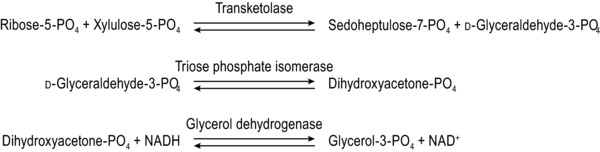
“(1) xylulose-5-phosphate + ribose-5-phosphate sedoheptulose-7-phosphate + glyceraldehyde-3phosphate (2) xylulose-5-phosphate + erthyose-4-phosphate fructose-6-phosphate + glyceraldehyde-3phosphate”
BackgroundMethodInfluentialNutritional Optic Neuropathies: State of the Art and Emerging Evidences
Roda, M., di Geronimo, N., Pellegrini, M., & Schiavi, C. (2020) · Nutrients · doi:10.3390/nu12092653 · Cited by 59
“Thiamine esters and other metabolites are found in blood and urine [48].”
BackgroundAntioxidants in Potatoes: A Functional View on One of the Major Food Crops Worldwide
Hellmann, H. A., Goyer, A., & Navarre, D. A. (2021) · Molecules · doi:10.3390/molecules26092446 · Cited by 59
Bager, P., Hvas, C. L., Rud, C. L., & Dahlerup, J. F. (2020) · Alimentary Pharmacology & Therapeutics · doi:10.1111/apt.16166 · Cited by 55
Brown, K. H., Moore, S. E., Hess, S. Y., McDonald, C. M., Jones, K. S., Meadows, S., Manger, M. S., Coates, J., Alayón, S., & Osendarp, S. J. M. (2021) · American Journal of Clinical Nutrition · doi:10.1093/ajcn/nqab173 · Cited by 53
“Thiamine RBC or whole blood thiamine diphosphate, RBC transketolase activity Global Thiamine Alliance (35)”
BackgroundCardiovascular disease in low- and middle-income countries associated with environmental factors
Sliwa, K. S., Viljoen, C. A., Stewart, S., Miller, M. R., Prabhakaran, D., Kumar, R., Thienemann, F., Piniero, D., Prabhakaran, P., Narula, J., et al. (2024) · European Journal of Preventive Cardiology · doi:10.1093/eurjpc/zwad388 · Cited by 50
Thiamine deficiency unrelated to alcohol consumption in high‐income countries: a literature review
Gomes, F., Bergeron, G., Bourassa, M. W., & Fischer, P. R. (2021) · Annals of the New York Academy of Sciences · doi:10.1111/nyas.14569 · Cited by 47
Lindschinger, M., Tatzber, F., Schimetta, W., Schmid, I., Lindschinger, B., Cvirn, G., Stanger, O., Lamont, E., & Wonisch, W. (2019) · Oxidative Medicine and Cellular Longevity · doi:10.1155/2019/6082613 · Cited by 53
“Sufficient supply is also required among others, for children [26], celiac disease patients [27], or alcoholics [28].”
BackgroundLucas, F. L. R., Piso, T. R. C., van der Heide, N. J., Galenkamp, N. S., Hermans, J. H., Wloka, C., & Maglia, G. (2021) · Angewandte Chemie International Edition · doi:10.1002/anie.202107807 · Cited by 45
The Relevance of Thiamine Evaluation in a Practical Setting
Pacei, F., Tesone, A., Nazzareno, L., Laudi, E., Cretti, A., Pnini, S., Varesco, F., & Colombo, C. (2020) · Nutrients · doi:10.3390/nu12092810 · Cited by 60
“Thiamine, also called vitamin B1 or aneurin, is a water-soluble vitamin, and it is an essential micronutrient for human beings [1].”
BackgroundMicronutrient Depletion in Heart Failure: Common, Clinically Relevant and Treatable
Cvetinovic, N., Loncar, G., Isakovic, A. M., von Haehling, S., Doehner, W., Lainščak, M., & Farkaš, J. (2019) · International Journal of Molecular Sciences · doi:10.3390/ijms20225627 · Cited by 44
“Thiamin (B1) * 25–75 ng/mL 75–195 nmol/L [24]”
Vora, B., Green, E. A. E., Khuri, N., Bällgren, F., Sirota, M., & Giacomini, K. M. (2019) · American Journal of Clinical Nutrition · doi:10.1093/ajcn/nqz255 · Cited by 42
(FAF), E. P. O. F. A. A. F., Younes, M., Aquilina, G., Castle, L., Engel, K., Fowler, P. J., Fernández, M. J. F., Fürst, P., Gundert‐Remy, U., Gürtler, R., et al. (2022) · EFSA Journal · doi:10.2903/j.efsa.2022.7594 · Cited by 42
Rakotoambinina, B., Hiffler, L., & Gomes, F. (2021) · Annals of the New York Academy of Sciences · doi:10.1111/nyas.14669 · Cited by 42
Walker, C., Ryu, S., Giannone, R. J., Garcia, S., & Trinh, C. T. (2019) · Applied and Environmental Microbiology · doi:10.1128/aem.02299-19 · Cited by 40
Jia, W., Wang, H., Li, C., Shi, J., Yong, F., & Jia, H. (2024) · Journal of Translational Medicine · doi:10.1186/s12967-024-04969-3 · Cited by 39
“Vitamin B1 deficiency also has been linked to various neurodegenerative disorders, including Alzheimer’s disease, Parkinson’s disease, and Huntington’s disease [14, 15].”
BackgroundBariatric Surgery in Adolescents: To Do or Not to Do?
Calcaterra, V., Cena, H., Pelizzo, G., Porri, D., Regalbuto, C., Vinci, F., Destro, F., Vestri, E., Verduci, E., Bosetti, A., et al. (2021) · Children · doi:10.3390/children8060453 · Cited by 42
Bahardoust, M., Eghbali, F., Shahmiri, S. S., Alijanpour, A., Yarigholi, F., Valizadeh, R., Madankan, A., Pouraskari, A. B., Ashtarinezhad, B., Farokhi, H., et al. (2022) · Obesity Surgery · doi:10.1007/s11695-022-06178-7 · Cited by 38
“In five studies, nausea and vomiting were reported as the initial symptoms of the thiamin deficiency (22, 24, 25, 29, 31).”
BackgroundSambon, M., Вячеславовна, Г. А., Demelenne, A., Alhama-Riba, J., Coumans, B., Lakaye, B., Wins, P., Fillet, M., Anthony, D. C., Strekalova, T. V., et al. (2020) · Biomedicines · doi:10.3390/biomedicines8090361 · Cited by 39
“Thiamine deficiency disorders are life-threatening conditions requiring a rapid treatment to restore thiamine levels to physiological values [6].”
BackgroundAdole, V. A., Pawar, T. B., & Jagdale, B. S. (2020) · Journal of Sulfur Chemistry · doi:10.1080/17415993.2020.1817456 · Cited by 38
Association between diabetes and thiamine status - A systematic review and meta-analysis
Ziegler, D., Reiners, K., Strom, A., & Obeid, R. (2023) · Metabolism · doi:10.1016/j.metabol.2023.155565 · Cited by 41
Olanbiwoninu, A. A., Greppi, A., Awotundun, T. A., Adebayo, E. A., Spano, G., Mora, D., & Russo, P. (2023) · Food Bioscience · doi:10.1016/j.fbio.2023.102996 · Cited by 41
Infantile Thiamine Deficiency: New Insights into an Old Disease
Nazir, M., Lone, R., & Charoo, B. A. (2019) · Indian Pediatrics · doi:10.1007/s13312-019-1592-5 · Cited by 36
Thiamine fortification strategies in low‐ and middle‐income settings: a review
Whitfield, K. C., Smith, T. J., Rohner, F., Wieringa, F. T., & Green, T. (2021) · Annals of the New York Academy of Sciences · doi:10.1111/nyas.14565 · Cited by 35
Bifidobacterium deficit in United States infants drives prevalent gut dysbiosis
Jarman, J. B., Torres, P. J., Stromberg, S. P., Sato, H., Stack, C., Ladrillono, A., Pace, S., Jiménez, N. M., Haselbeck, R. J., Insel, R. A., et al. (2025) · Communications Biology · doi:10.1038/s42003-025-08274-7 · Cited by 36
“Notably, C3 has shifted bileacidmetabolism,akeydriverofmaturationofthegutmicrobiomeanda correlativefactorininfantcholestasis 72,73 ,andreducedthiamineproduction, an essential micronutrient 74 .”
Sastry, U. M. K. R., Jayranganath, M., Kumar, R., Ghosh, S., Bharath, A., Subramanian, A. P., Managuli, A., Gangadhara, M., & Manjunath, C. N. (2020) · Archives of Disease in Childhood · doi:10.1136/archdischild-2019-318777 · Cited by 34
Infantile thiamine deficiency in South and Southeast Asia: An age‐old problem needing new solutions
Smith, T. J., & Hess, S. Y. (2021) · Nutrition Bulletin · doi:10.1111/nbu.12481 · Cited by 33
“Distributing thiamine supplements to women from the third trimester of pregnancy and during breastfeeding should therefore be considered in high-risk regions, and is currently being implemented in both Laos (Government of Lao PDR 2015) and Myanmar (Whitfield et al.2018), although, at present, there is no data on effic…”
BackgroundMethodInfluentialPhan, J., Nair, D., Jain, S., Montagne, T., Flores, D. V., Nguyen, A., Dietsche, S., Gombar, S., & Cotter, P. (2021) · mSystems · doi:10.1128/msystems.01215-21 · Cited by 33
Thiamine deficiency in pregnancy and lactation: implications and present perspectives
Kareem, O., Nisar, S., Tanvir, M., Muzaffer, U., & Bader, G. N. (2023) · Frontiers in Nutrition · doi:10.3389/fnut.2023.1080611 · Cited by 37
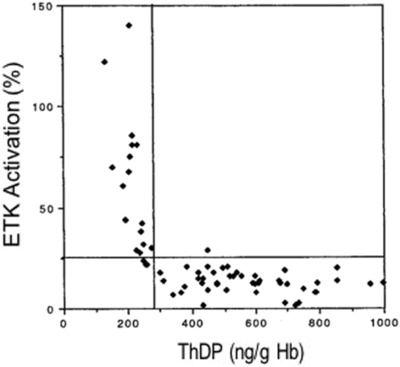
“There are two principal methods of evaluating the thiamine status: assessment of the degree of ThDP saturation of a thiaminedependent enzyme [erythrocyte transketolase (ETK) assay] and evaluation of the metabolites of thiamine inaccessible tissues (81).”
BackgroundMethodInfluentialDudek, I., Hajduga, D., Sieńko, C., Maani, A., Sitarz, R., Sitarz, M., & Forma, A. (2020) · Current Pathobiology Reports · doi:10.1007/s40139-020-00214-w · Cited by 30
Insights Into Thiamine Supplementation in Patients With Septic Shock
Costa, N. A., Pereira, A. G., Sugizaki, C. S. D. A., Vieira, N. M., Garcia, L. R., de Paiva, S. A. R., Zornoff, L. A. M., Azevedo, P. S., Polegato, B. F., & Minicucci, M. F. (2022) · Frontiers in Medicine · doi:10.3389/fmed.2021.805199 · Cited by 32
Adesemoye, E. T., Sanni, A. I., Spano, G., Capozzi, V., & Fragasso, M. (2025) · Fermentation · doi:10.3390/fermentation11020103 · Cited by 27
Micronutrient deficiencies and their public health implications for South-East Asia
Wieringa, F. T., Dijkhuizen, M. A., & Berger, J. (2019) · Current Opinion in Clinical Nutrition & Metabolic Care · doi:10.1097/mco.0000000000000603 · Cited by 27
Jensen, O., Matthaei, J., Blome, F. G., Schwab, M. G., Tzvetkov, M. V., & Brockmöller, J. (2019) · Clinical Pharmacology & Therapeutics · doi:10.1002/cpt.1666 · Cited by 27
Vitamin B1 Thiamine Deficiency
Wiley, K., & Gupta, M. (2021) · StatPearls · Cited by 26
Metabolic engineering provides insight into the regulation of thiamin biosynthesis in plants
Strobbe, S., Verstraete, J., Stove, C. P., & Straeten, D. V. D. (2021) · PLANT PHYSIOLOGY · doi:10.1093/plphys/kiab198 · Cited by 25
“Unfortunately, thiamin deficiency is a persisting global health problem, affecting many populations in Southeast Asia, as well as the elderly population in the Western world (Hoffman, 2016; Whitfield et al., 2018; Johnson et al., 2019).”
Insufficiency of B vitamins with its possible clinical implications
Tanaka, K., Ao, M., & Kuwabara, A. (2020) · Journal of Clinical Biochemistry and Nutrition · doi:10.3164/jcbn.20-56 · Cited by 23
Gallant, J., Chan, K. L., Green, T., Wieringa, F. T., Leemaqz, S., Ngik, R., Measelle, J. R., Baldwin, D. A., Borath, M., Sophonneary, P., et al. (2021) · American Journal of Clinical Nutrition · doi:10.1093/ajcn/nqab052 · Cited by 24
“The daily increase of 1.2 mg would likely benefit other mothers in other rice-consuming nations, such as Laos, Myanmar, and parts of India such as Assam (1).”
BackgroundMethodInfluentialPharmacological thiamine levels as a therapeutic approach in Alzheimer's disease
Gibson, G. E., Feldman, H., Zhang, S., Flowers, S. A., & Luchsinger, J. A. (2022) · Frontiers in Medicine · doi:10.3389/fmed.2022.1033272 · Cited by 24
Transporters in vitamin uptake and cellular metabolism: impacts on health and disease
Yuan, Y., & Chen, L. (2025) · Life Metabolism · doi:10.1093/lifemeta/loaf008 · Cited by 25
“This underscores the importance of monitoring thiamine levels globally, even in areas where severe manifestations are rare [16].”
Suwanwong, Y., & Somchai Boonpangrak, A. (2021) · European Polymer Journal · doi:10.1016/j.eurpolymj.2021.110835 · Cited by 23
Association Between Vitamin Deficiencies and Ophthalmological Conditions
Pereira, A., Adekunle, R. D., Zaman, M., & Wan, M. J. (2023) · Clinical ophthalmology · doi:10.2147/opth.s401262 · Cited by 23
“Additionally, patients who have had bariatric surgery or are on either long-term peritoneal dialysis or parental feeds are also at risk.(20) Both women and men are affected by beriberi equally; however, pregnant women and infants are at higher risk.”
BackgroundInfluentialVerstraete, J., & Stove, C. P. (2021) · Analytical Chemistry · doi:10.1021/acs.analchem.0c05018 · Cited by 22
Syed, A. R. S., Syed, A. A., Akram, A., Azam, M. S., Muzammil, M. A., Deepak, Ansari, A. I., Eqbal, F., Farooq, M. H., Khatri, M., et al. (2023) · Heart & Lung · doi:10.1016/j.hrtlng.2023.04.011 · Cited by 22
Pakeeza, Draz, M. U., Yaqub, A., Jafry, A. T., Khan, M., & Ajab, H. (2024) · RSC Advances · doi:10.1039/d4ra00555d · Cited by 24
Changes in the content of minerals, B-group vitamins and tocopherols in processed kale leaves
Korus, A. (2020) · Journal of Food Composition and Analysis · doi:10.1016/j.jfca.2020.103464 · Cited by 21
Widespread thiamine deficiency in California salmon linked to an anchovy-dominated marine prey base
Mantua, N. J., Bell, H., Todgham, A. E., Daniels, M. E., Rinchard, J., Ludwig, J. M., Field, J. C., Lindley, S. T., Rowland, F. E., Richter, C. A., et al. (2025) · Proceedings of the National Academy of Sciences · doi:10.1073/pnas.2426011122 · Cited by 20
Ma, X., & Xu, S. (2022) · iScience · doi:10.1016/j.isci.2022.105614 · Cited by 22
“A recent study suggested that many populations worldwide are at risk of clinical or subclinical thiamine deficiencies, due to famine, reliance on thiamine-low staple crops, or food preparation practices, such as milling grains and washing milled rice.(4) More specifically, severe thiamine deficiency is recognized as a…”
Du, Y., Wang, M., Tong, M., Wu, D., Chu, J., & Yao, X. (2023) · Postharvest Biology and Technology · doi:10.1016/j.postharvbio.2023.112634 · Cited by 20
Hwabejire, H. O., Akpoghelie, P. O., Edo, G. I., Onoharigho, F. O., & Agbo, J. J. (2023) · Proceedings of the Indian National Science Academy · doi:10.1007/s43538-023-00219-0 · Cited by 21
Beekum, M. V., Berger, J., van Geystelen, J., Hondru, G., Som, S. V., Theary, C., Laillou, A., Poirot, E., Bork, K. A., Wieringa, F. T., et al. (2022) · Scientific Reports · doi:10.1038/s41598-022-22861-2 · Cited by 24
Nutritional Heart Disease and Cardiomyopathies
Sliwa, K. S., Viljoen, C. A., Hasan, B. S., & Ntusi, N. (2023) · Journal of the American College of Cardiology · doi:10.1016/j.jacc.2022.08.812 · Cited by 20
Bettendorff, L. (2023) · International Journal of Molecular Sciences · doi:10.3390/ijms241411296 · Cited by 21
“Stress was induced either by a modified swim test, the presence of a predator for five consecutive nights [48,49], or chronic ultrasound exposure for 20 days [50].”
BackgroundMethodInfluentialMeaselle, J. R., Baldwin, D. A., Gallant, J., Chan, K. L., Green, T., Wieringa, F. T., Borath, M., Sophonneary, P., Hampel, D., Shahab‐Ferdows, S., et al. (2021) · Annals of the New York Academy of Sciences · doi:10.1111/nyas.14610 · Cited by 19
Methods and approaches to estimate B vitamin status in dairy cows: Knowledge, gaps and advances
Girard, C. L., & Graulet, B. (2020) · Methods · doi:10.1016/j.ymeth.2020.05.021 · Cited by 19
Lin, S., Leppla, I. E., Yan, H., Probert, J. M., Randhawa, P. A., Leoutsakos, J., Probasco, J. C., & Neufeld, K. J. (2019) · Psychosomatics · doi:10.1016/j.psym.2019.08.002 · Cited by 18
Infantile thiamine deficiency: Redefining the clinical patterns
Qureshi, U. A., Bhat, A. S., Qureshi, U. A., Ahmad, K., Wani, N. A., Bashir, A., & Akram, M. (2020) · Nutrition · doi:10.1016/j.nut.2020.111097 · Cited by 18
Verstraete, J., & Stove, C. P. (2021) · American Journal of Clinical Nutrition · doi:10.1093/ajcn/nqab146 · Cited by 18
Nutritional Fish Diseases in Aquaculture: A Human Health Hazard or Mythical Theory: An Overview
Syanya, F. J., Litabas, J. A., Mathia, W. M., & Ntakirutimana, R. (2023) · European Journal of Nutrition & Food Safety · doi:10.9734/ejnfs/2023/v15i81326 · Cited by 18
“Its phosphorylated form, thiamine diphosphate, serves as a cofactor for several enzymes involved in cellular metabolism [97].”
BackgroundBrown, K. H., Hess, S. Y., Moore, S. E., Combs, G. F., Cashman, K. D., McNulty, H., Allen, L. H., Krebs, N. F., Pfeiffer, C. M., Rybak, M. E., et al. (2025) · American Journal of Clinical Nutrition · doi:10.1016/j.ajcnut.2025.06.030 · Cited by 17
A fresh look at thiamine deficiency—new analyses by the global thiamine alliance
Bourassa, M. W., Bergeron, G., & Brown, K. H. (2021) · Annals of the New York Academy of Sciences · doi:10.1111/nyas.14594 · Cited by 17
Carrot and carotene and multiple health outcomes: an umbrella review of the evidence
Yi, X., Li, J. H., Liao, D., Peng, G., Zheng, X., Xu, H., Zhang, T., & Ai, J. (2023) · Journal of the Science of Food and Agriculture · doi:10.1002/jsfa.12425 · Cited by 17
Jones, K. S., Parkington, D. A., Bourassa, M. W., Cerami, C., & Koulman, A. (2023) · Annals of the New York Academy of Sciences · doi:10.1111/nyas.14962 · Cited by 17
Can thiamine substitution restore cognitive function in alcohol use disorder?
Listabarth, S., Vyssoki, B., Marculescu, R., Gleiß, A., Groemer, M., Trojer, A., Harrer, C., Weber, S., & König, D. (2023) · Alcohol and Alcoholism · doi:10.1093/alcalc/agad017 · Cited by 18
“WE) or for patients receiving TS as a prophylactic treatment in AUD have been agreed on (Whitfield et al. 2018).”
Rigutto‐Farebrother, J., & Zimmermann, M. B. (2024) · Nutrients · doi:10.3390/nu16152517 · Cited by 20
“Salt has also proven to be a successful and cost-efficient route to deliver diethylcarbamazine, which is safe and effective at protecting individuals from the devastating effects of lymphatic filariasis [49–51].”
BackgroundTRAM-LAG1-CLN8 family proteins are acyltransferases regulating phospholipid composition
Sheokand, P. K., James, A. M., Jenkins, B., Lysyganicz, P. K., Lacabanne, D., King, M. S., Kunji, E. R. S., Siniossoglou, S., Koulman, A., Murphy, M. P., et al. (2025) · Science Advances · doi:10.1126/sciadv.adr3723 · Cited by 17
Jeppesen, T. D., Madsen, K. L., Poulsen, N. S., Løkken, N., & Vissing, J. (2021) · Journal of Clinical Medicine · doi:10.3390/jcm10081796 · Cited by 16
Clergue‐Duval, V., Coulbault, L., Questel, F., Cabé, N., Lanièpce, A., Delage, C., Boudehent, C., Bloch, V., Segobin, S. H., Naassïla, M., et al. (2022) · Antioxidants · doi:10.3390/antiox11102078 · Cited by 16
“It is rarely impaired and is not an indicator of thiamine status [37,48].”
BackgroundMethodInfluentialGenetic basis of thiaminase I activity in a vertebrate, zebrafish Danio rerio
Richter, C. A., Evans, A. N., Heppell, S. A., Zajicek, J. L., & Tillitt, D. E. (2023) · Scientific Reports · doi:10.1038/s41598-023-27612-5 · Cited by 16
Kareem, O., Mufti, S., Nisar, S., Tanvir, M., Muzaffer, U., Ali, N., SHEIKH, I. A., & Bader, G. N. (2023) · PLoS neglected tropical diseases · doi:10.1371/journal.pntd.0011324 · Cited by 16
“This again is in consonance with the previous data that reports the presence of thiamine antagonists and thiaminases in various foods like pickles and tea, leading to insufficiency of thiamine in adults [31,51].”
BackgroundResultJarosz, Ł. S., Socała, K., Michalak, K., Wiater, A., Ciszewski, A., Majewska, M., Marek, A., Grądzki, Z., & Właź, P. (2023) · Psychopharmacology · doi:10.1007/s00213-023-06519-z · Cited by 16
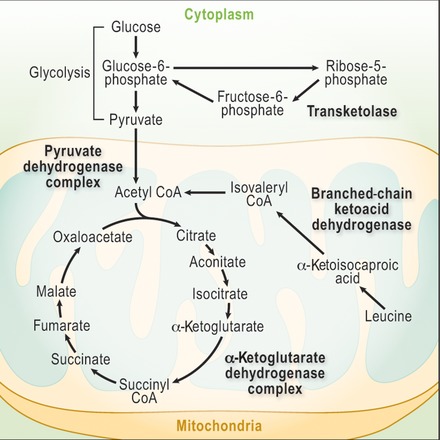
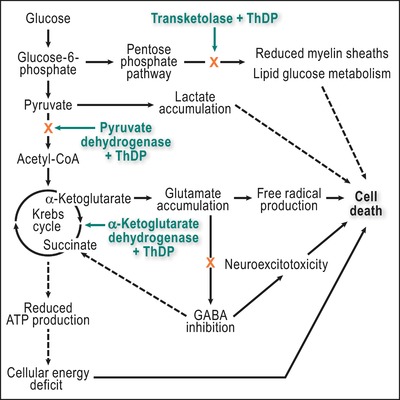
“One such vitamin is thiamine (vitamin B 1 ), a deficiency of which causes metabolic disorders associated with a lack of production of enzymes such as pyruvate dehydrogenase and α-ketoglutarate dehydrogenase complex (Whitfield et al. 2018).”
BackgroundMaguire, D., Talwar, D. K., Burns, A., Catchpole, A., Stefanowicz, F. A., Robson, G., Ross, D. P., Young, D., Ireland, A., Forrest, E. H., et al. (2019) · Journal of Translational Medicine · doi:10.1186/s12967-019-02141-w · Cited by 16
Hess, S. Y., Smith, T. J., Fischer, P. R., Trehan, I., Hiffler, L., Arnold, C. D., Sitthideth, D., Tancredi, D. J., Schick, M., Yeh, J. Z., et al. (2020) · BMJ Open · doi:10.1136/bmjopen-2019-036539 · Cited by 16
Macro- and Micronutrients in Milk from Healthy Cambodian Mothers: Status and Interrelations
Whitfield, K. C., Shahab‐Ferdows, S., Kroeun, H., Sophonneary, P., Green, T., Allen, L. H., & Hampel, D. (2020) · Journal of Nutrition · doi:10.1093/jn/nxaa070 · Cited by 16
“Upper secondary 5 (7) 1 (4) 3 (12) 1 (5)”
BackgroundInfluentialBracci, E. L., Keogh, J. B., Milte, R., & Murphy, K. J. (2021) · British Journal Of Nutrition · doi:10.1017/s0007114521002282 · Cited by 16
“Thiamin is a water-soluble vitamin required for cell growth and development (105; 106; 107) .”
BackgroundBiochemical and medical aspects of vitamin B1 research
Makarchikov, A. F., Wins, P., & Bettendorff, L. (2025) · Neurochemistry International · doi:10.1016/j.neuint.2025.105962 · Cited by 15
Fortification of Sugar: A Call for Action
Iwuozor, K. O., Mbamalu, P. S., Olaniyi, B. O., Anyanwu, V. U., Emenike, E. C., & Adeniyi, A. G. (2022) · Sugar Tech · doi:10.1007/s12355-022-01183-7 · Cited by 15
“Within the past decade, thiamine deficiency has been recorded in Asia (Bhutan (Dzed et al. 2015; Tsheten et al. 2016), Vietnam (Nguyen et al. 2016), and Kiribati (Nilles et al. 2018)), Africa (Guinea (Whitfield et al. 2018)), and South America (French Guiana (Mosnier et al. 2017)).”
BackgroundThiamine: An indispensable regulator of paediatric neuro-cardiovascular health and diseases
Mallimoggala, Y. S. P., Biswas, M., Anburaj, S. E., Iqbal, F., Aroor, S., Suryakanth, V. B., & Lewis, L. (2024) · European Journal of Pediatrics · doi:10.1007/s00431-024-05756-4 · Cited by 15
“…gravidarum-induced acute thiamine deficiency; complete resolution of symptoms was achieved with 1000 mg/day IV thiamine supplementation for 3 days [13, 67]. d) Addressing malnutrition and food diversification: Consumption of diverse foodstuffs, especially a diet rich in legumes and vegetables,…”
BackgroundInfluentialIimura, Y., Andoh, S., Kawamata, T., Sato, A., Yokoyama, K., Imai, Y., Tojo, A., Nojima, M., Sugiura, M., & Kuroda, S. (2021) · Journal of Neurosciences in Rural Practice · doi:10.1055/s-0041-1735825 · Cited by 14
“28,29 A lack of thiamine leads to failure of the Krebs cycle.”
Nisar, S., Tanvir, M., Ganie, M. A., Kareem, O., Muzaffer, U., & Wani, I. A. (2022) · Nutrition · doi:10.1016/j.nut.2022.111730 · Cited by 14
Pumpkin, Cauliflower and Broccoli as New Carriers of Thiamine Compounds for Food Fortification
Szymandera-Buszka, K. E., Piechocka, J., Jankowska, A., Przeor, M., & Jędrusek‐Golińska, A. (2021) · Foods · doi:10.3390/foods10030578 · Cited by 14
“It is similar in the case of products such as tea, coffee, raw fish and crustaceans [9,17].”
BackgroundEvolutionary and ecological correlates of thiaminase in fishes
Rowland, F. E., Richter, C. A., Tillitt, D. E., & Walters, D. (2023) · Scientific Reports · doi:10.1038/s41598-023-44654-x · Cited by 13
Thiamine deficiency‐related neuropathy: A reversible entity from an endemic area
Nisar, S., Wani, I. Y., Altaf, U., Muzaffer, U., Kareem, O., Tanvir, M., & Ganie, M. A. (2023) · European Journal of Neurology · doi:10.1111/ene.16155 · Cited by 13
Khalid, W., Arshad, M. S., Nayik, G. A., Alfarraj, S. A., Ansari, M. J., & Guiné, R. P. F. (2022) · Molecules · doi:10.3390/molecules27238201 · Cited by 13
“It provides different nutrients (fatty acids, amino acids, vitamins and minerals) and phytochemicals (polyphenols, glucosinolates and carotenoids) to humans [12].”
BackgroundReynolds, G. L., Epps, S. J., Huntley, A. L., & Atan, D. (2022) · Nutrients · doi:10.3390/nu14153068 · Cited by 12
“Thiamine deficiency is often diagnosed clinically, without biochemical confirmation, because thiamine compounds are photosensitive and only stable for a few hours at room temperature, so specimens need to be transported on ice and in darkness, then rapidly frozen for storage [86].”
BackgroundVinnai, B. Á., Arianti, R., Győry, F., Bacsó, Z., Fésüs, L., & Kristóf, E. (2023) · Frontiers in Nutrition · doi:10.3389/fnut.2023.1207394 · Cited by 12
Serra, M. D. R., Mollace, R., Ritorto, G., Ussia, S., Altomare, C., Tavernese, A., Preianò, M., Palma, E., Muscoli, C., Mollace, V., et al. (2025) · International Journal of Molecular Sciences · doi:10.3390/ijms26093932 · Cited by 12
“…brown rice, and oats), pulses (e.g., beans, peas, and lentils), meat (mainly pork), fi sh (e.g., tuna or salmon), nuts or seeds (e.g., walnuts, almonds, or sun fl ower seeds), and vegetables (e.g., asparagus, spinach, and cauli fl ower), and supplements are key sources of thiamine (Figure 1) [2].”
Metadata
- Authors
- Whitfield, K. C., Bourassa, M. W., Adamolekun, B., Bergeron, G., Bettendorff, L., Brown, K. H., Cox, L., Fattal‐Valevski, A., Fischer, P. R., Frank, E. L., Hiffler, L., Hlaing, L. M., Jefferds, M. E., Kapner, H., Kounnavong, S., Mousavi, M. P. S., Roth, D. E., Tsaloglou, M., Wieringa, F., & Combs, G. F.
- Affiliations
- Mount Saint Vincent University (CA)
- New York Academy of Sciences (US)
- University of Tennessee Health Science Center (US)
- University of Liège (BE)
- Gates Foundation (US)
- MRC Elsie Widdowson Laboratory (GB)
- Tel Aviv University (IL)
- Mayo Clinic (US)
- University of Utah (US)
- Médecins Sans Frontières (ES)
- Ministry of Health and Sports (MM)
- Centers for Disease Control and Prevention (US)
- Independent contractor New York New York
- Ministry of Health (LA)
- Harvard University (US)
- University of Toronto (CA)
- Diagnostics For All (US)
- Institut de Recherche pour le Développement (FR)
- Tufts University (US)
- Corresponding author
- Combs, Gerald F.
- ORCID
- Venue
- Annals of the New York Academy of Sciences
- Publisher
- Wiley
- Published
- 2018-08-27
- Volume
- 1430
- Issue
- 1
- Pages
- 3-43
- ISSN
- 0077-8923 (ISSN-L)
- 1749-6632
- PMC
- PMC6392124
- OpenAlex
- W2889058844
- Cited by
- 336
- References
- 211
- Citations by year
- 2026: 44 · 2025: 41 · 2024: 46 · 2023: 59 · 2022: 43 · 2021: 52 · 2020: 33 · 2019: 17 · 2018: 1
- FWCI
- 17.45
- Type
- journal article
- Language
- en
- Open access
- hybrid
- doi.org
- Licence
- Locations
- Annals of the New York Academy of Sciences (publishedVersion, cc-by-nc)
- Europe PMC (PubMed Central) (publishedVersion, cc-by-nc)
- PubMed Central (publishedVersion, cc-by-nc)
- PubMed (publishedVersion)
- eScholarship (California Digital Library) (submittedVersion, cc-by-nc)
- Medecins Sans Frontieres Field Research (Medecins Sans Frontieres) (submittedVersion)
- Open Repository and Bibliography (University of Liège) (submittedVersion, cc-by)
- Funders
- Bill and Melinda Gates Foundation
- Topics
- Health Sciences › Medicine › Clinical Neurology › Alcoholism and Thiamine Deficiency
- Health Sciences › Nursing › Nutrition and Dietetics › Child Nutrition and Water Access
- Life Sciences › Agricultural and Biological Sciences › Food Science › Nutrition, Health, and Society Studies
- Keywords
- thiamine deficiency, beriberi, infantile beriberi, infant mortality, food fortification, thiamine supplementation, food balance sheets, grain milling, rice washing, micronutrient deficiency, prevalence, neurodevelopmental outcomes
- MeSH terms
- Food, Fortified, Humans, Public Health, Risk Factors, Thiamine Deficiency, Global Health, Prevalence, Dietary Supplements
About these checks
Registry, retraction, Cites and statistics results are computed, not judged, with one exception: a printed reference that no index lists is read once by a model before it counts as a citation error. Claims are extracted by a model and kept only when their quote appears verbatim in the text; each cited source is then checked, with a model’s help, for whether it says what the claim relies on. Those verdicts can be wrong — read the claim’s quote and the cited source before relying on one.
Statistics and arithmetic are recomputed, not judged.
Confidence bands are shown only for fields calibrated on our annotated test set. None is calibrated yet, so no band is shown.
What counts as a claim ›How we measure confidence ›How we check this ›
Are you an author, or do you see a problem with this page? Request a review
