

The DOI matches its Crossref record; 208 of the 211 references it cites were found in a registry or an index.
Thiamine deficiency disorders: diagnosis, prevalence, and a roadmap for global control programs
Open accessAbstract
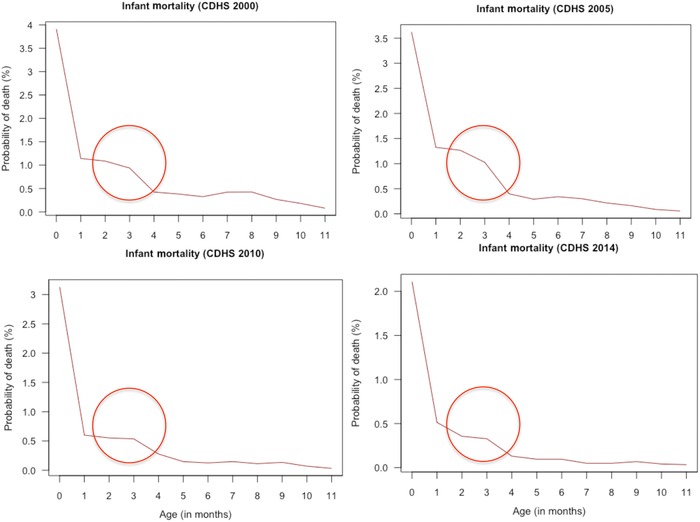
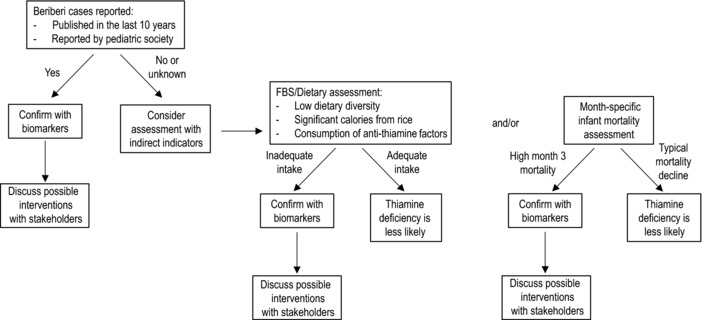
Thiamine is an essential micronutrient that plays a key role in energy metabolism. Many populations worldwide may be at risk of clinical or subclinical thiamine deficiencies, due to famine, reliance on staple crops with low thiamine content, or food preparation practices, such as milling grains and washing milled rice. Clinical manifestations of thiamine deficiency are variable; this, along with the lack of a readily accessible and widely agreed upon biomarker of thiamine status, complicates efforts to diagnose thiamine deficiency and assess its global prevalence. Strategies to identify regions at risk of thiamine deficiency through proxy measures, such as analysis of food balance sheet data and month-specific infant mortality rates, may be valuable for understanding the scope of thiamine deficiency. Urgent public health responses are warranted in high-risk regions, considering the contribution of thiamine deficiency to infant mortality and research suggesting that even subclinical thiamine deficiency in childhood may have lifelong neurodevelopmental consequences. Food fortification and maternal and/or infant thiamine supplementation have proven effective in raising thiamine status and reducing the incidence of infantile beriberi in regions where thiamine deficiency is prevalent, but trial data are limited. Efforts to determine culturally and environmentally appropriate food vehicles for thiamine fortification are ongoing.
Overview
The claims and statistics of this paper haven’t been checked yet.
Run the check — free, no account needed. It reads the open-access text and checks the sources it cites.
Integrity signals
Registry
Cites
Statistics
Figures
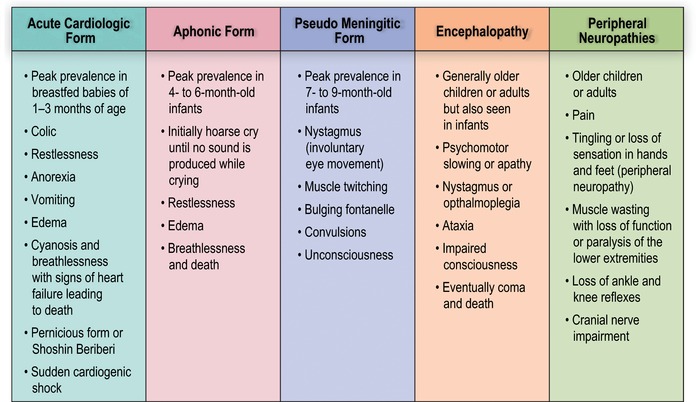
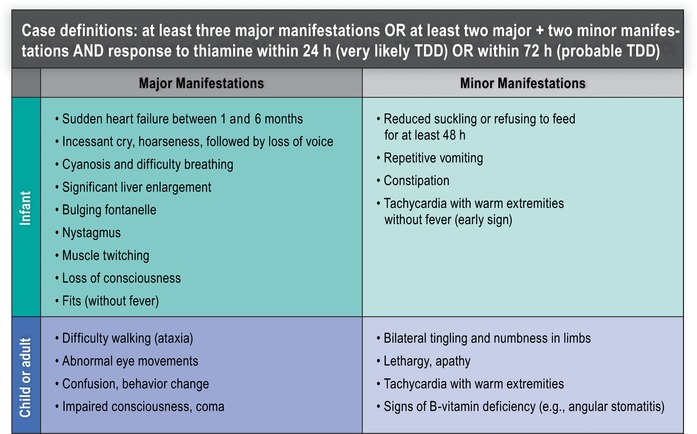
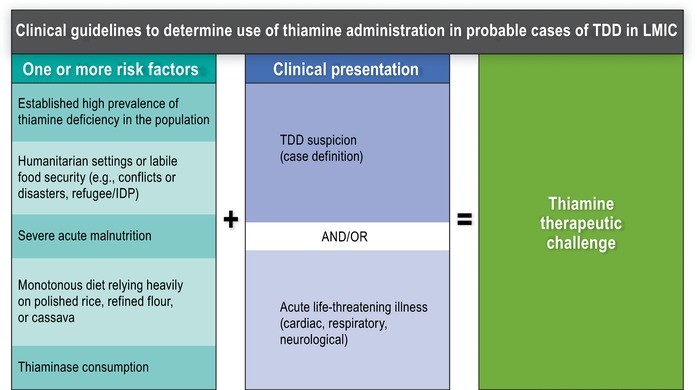
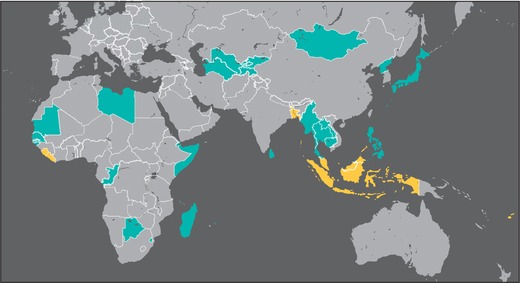
Verification
Claims the paper makes
The claims and statistics of this paper haven’t been checked yet.
Run the check — free, no account needed. It reads the open-access text and checks the sources it cites.
Claims other papers make about this one
Each is checked against this paper’s own text: does it say what the citing paper says it does?
In the citing paper
“Beriberi, the disease resulting from severe thiamine (vitamin B1) deficiency affects several organs, including the muscular and peripheral nervous systems [99]. General symptoms include fatigue, ataxia due to muscle weakness in the legs and arms, muscle pain and tenderness, and dyspnoea on exertion.”
From Vitamins and Minerals for Energy, Fatigue and Cognition: A Narrative Review of the Biochemical and Clinical Evidence (2020) · cites this paper as [99]
In the citing paper
“An accidental thiamine deficiency in children fed an infant formula erroneously lacking thiamine, resulted in persistent cognitive and motor deficits. Even the children who initially appeared unaffected subsequently displayed a range of cognitive dysfunction, including delayed language acquisition, language impairment and dyslexia, poor coordination skills, and learning disabilities; quoted in [99”
From Vitamins and Minerals for Energy, Fatigue and Cognition: A Narrative Review of the Biochemical and Clinical Evidence (2020) · cites this paper as [99]
In the citing paper
“Cerebral beriberi (thiamine (vitamin B1) deficiency) may lead to encephalopathies, characterized by abnormal eye movements, and cognitive impairment, involving a confused, apathetic state and a profound memory disorder, with severe amnesia and loss of recent and working memory.”
From Vitamins and Minerals for Energy, Fatigue and Cognition: A Narrative Review of the Biochemical and Clinical Evidence (2020) · cites this paper as [99]
Self-check
Percentages, sums and reported differences re-computed from the paper’s own numbers.
The self-check needs the paper’s full text.
Citations
Cites
Institute of Medicine (1998) · National Academies Press eBooks · doi:10.17226/6015 · Cited by 2,464
Principles Of Nutritional Assessment
Gibson, R. S. (2005) · doi:10.1093/oso/9780195171693.001.0001 · Cited by 1,887
Modern Nutrition in Health and Disease
Solomons, N. W. (1994) · American Journal of Clinical Nutrition · doi:10.1093/ajcn/60.4.643 · Cited by 1,690
Guidelines on food fortification with micronutrients
Allen, L. H. (2006) · Cited by 1,562
The Optimal Duration of Exclusive Breastfeeding
Kramer, M. S., & Kakuma, R. (2004) · Advances in experimental medicine and biology · doi:10.1007/978-1-4757-4242-8_7 · Cited by 987
Origin, dispersal, cultivation and variation of rice
Khush, G. S. (1997) · Plant Molecular Biology · doi:10.1023/a:1005810616885 · Cited by 984
Origin, dispersal, cultivation and variation of rice
Khush, G. S. (1997) · Springer eBooks · doi:10.1007/978-94-011-5794-0_3 · Cited by 972
Dewey, K. G., & Brown, K. H. (2003) · Food and Nutrition Bulletin · doi:10.1177/156482650302400102 · Cited by 800
Global trends in dietary micronutrient supplies and estimated prevalence of inadequate intakes
Beal, T., Massiot, E., Arsenault, J. E., Smith, M. R., & Hijmans, R. J. (2017) · PLoS ONE · doi:10.1371/journal.pone.0175554 · Cited by 441
Origin, dispersal, cultivation and variation of rice.
Khush, G. S. (1997) · PubMed · Cited by 433
Research works printed but not linked: 13
- FAO & World Health Organization, 2005, Vitamin and Mineral Requirements in Human Nutrition, 1
- Turck D., 2016, EFSA scientific opinion on dietary reference values for thiamin, EFSA J, 14, e04653
- 10.1371/journal.pntd.0000969 · DOI
- Tajahmady A., 2004, Une épidémie de béribéri infantile à Mayotte, avril–juillet 2004, Bull. Epidemiol. Hebdo., 45, 213
- Murase C., 2013, Shoshin beirberi in a young man living on Japanese rice balls, J. Gen. Intern. Med., 28, S390
- Bailey A.L., 1990, A normal phase high performance liquid chromatographic method for the determination of thiamin in blood and tissue samples, J. Micronutr. Anal., 7, 147
- Hurrell R., 1999, The Mineral Fortification of Foods
- Institute of Medicine, 1998, Dietary Reference Intakes for Thiamin, Riboflavin, Niacin, Vitamin B6, Folate, Vitamin B12, Pantothenic acid, Biotin, and Choline
- Otten J., 2006, Dietary Reference Intakes: the Essential Guide to Nutrient Requirements
- Pillaiyar P., 1981, Household parboiling of parboiled rice, Kishan World, 8, 20
- 10.1016/S0033-3549(04)50217-0 · DOI
- Isela R., 2005, Alimentación y estado nutricio de mujeres embarazadas derechohabientes del Instituto Mexicano del Seguro Social en un área suburbana de la Ciudad de México, Ginecol. Obs. Mex., 73, 3
- Eliana Duran F., 2007, Dietetic adequation of micronutrients in pregnant women, Rev. Chil. Nutr., 34, 321
Cited by
Sorted by citations
Items 101–200 of 334
Hess, S. Y., McLain, A. C., Frongillo, E. A., Afshin, A., Kassebaum, N. J., Osendarp, S. J. M., Atkin, R., Rawat, R., & Brown, K. H. (2021) · Current Developments in Nutrition · doi:10.1093/cdn/nzab141 · Cited by 13
Arianti, R., Vinnai, B. Á., Győry, F., Guba, A., Csősz, É., Kristóf, E., & Fésüs, L. (2023) · The Journal of Nutritional Biochemistry · doi:10.1016/j.jnutbio.2023.109385 · Cited by 12
Assessment of salt intake to consider salt as a fortification vehicle for thiamine in Cambodia
Chan, K. L., Gallant, J., Leemaqz, S., Baldwin, D. A., Borath, M., Kroeun, H., Measelle, J. R., Ngik, R., Sophonneary, P., Wieringa, F. T., et al. (2021) · Annals of the New York Academy of Sciences · doi:10.1111/nyas.14562 · Cited by 12
Medina, F. E., & Prejanò, M. (2021) · ACS Catalysis · doi:10.1021/acscatal.0c05414 · Cited by 11
Neuroprotective effect of thiamine-producing lactic acid bacteria in a murine Parkinsonian model
Terán, M. D. M., Visñuk, D. P., de Giori, G. S., de LeBlanc, A. D. M., & LeBlanc, J. G. (2022) · Food & Function · doi:10.1039/d2fo01195f · Cited by 11
Akwu, A. S., Patras, A., Pendyala, B., Kurup, A. H., Chen, F., Boushra, M., Khalil, M., & Vergne, M. J. (2023) · Journal of Food Safety · doi:10.1111/jfs.13037 · Cited by 11
Wen, A., Zhu, Y., Yee, S. W., Park, B., Giacomini, K. M., Greenberg, A. S., & Newman, J. W. I. (2023) · Metabolites · doi:10.3390/metabo13080885 · Cited by 11
“TDP levels are regulated [4] and often used as a clinical status biomarker for deficiency either directly or via functional assays in red blood cells (RBC) [1].”
BackgroundContribution of Crop Biofortification in Mitigating Vitamin Deficiency Globally
Chaturvedi, S., Chaudhary, R., & Tiwari, S. (2021) · Wiley eBooks · doi:10.1002/9781119672425.ch7 · Cited by 11
Modeling thiamine fortification: a case study from Kuria atoll, Republic of Kiribati
Green, T., Whitfield, K. C., Daniels, L., Brown, R. C., & Houghton, L. A. (2021) · Annals of the New York Academy of Sciences · doi:10.1111/nyas.14561 · Cited by 10
“14 This method includes four passes: (1) a list of all food and beverages consumed in a 24-h period; (2) food preparation methods; (3) portion size and recipe information; and (4) a final review, to recall any forgotten foods and to correct errors.”
MethodAn Overview of Type B Lactic Acidosis Due to Thiamine (B1) Deficiency
Agedal, K. J., Steidl, K. E., & Burgess, J. L. (2023) · The Journal of Pediatric Pharmacology and Therapeutics · doi:10.5863/1551-6776-28.5.397 · Cited by 10
Whitfield, K. C., Kroeun, H., Green, T., Wieringa, F. T., Borath, M., Sophonneary, P., Measelle, J. R., Baldwin, D. A., Yelland, L. N., Leemaqz, S., et al. (2019) · BMJ Open · doi:10.1136/bmjopen-2019-029255 · Cited by 10
“Thiamine fortification of salt is a potentially low-cost and sustainable means of combating suboptimal thiamine status; however, knowledge gaps must be filled before thiamine fortification can proceed.(4) There are limited data available on the dose of thiamine required by lactating women to optimise the thiamine conc…”
BackgroundInfluentialMaguire, D., Catchpole, A., Sheerins, O., Talwar, D. K., Burns, A., Blyth, M., Shaw, A., Jones, B. G., Drury, C., Harten, J., et al. (2021) · Scientific Reports · doi:10.1038/s41598-021-90591-y · Cited by 10
Strobbe, S., Verstraete, J., Fitzpatrick, T. B., Faustino, M. V., Lourenço, T. F., Oliveira, M. M., Stove, C. P., & Straeten, D. V. D. (2022) · New Phytologist · doi:10.1111/nph.17974 · Cited by 10
Hess, S. Y., Smith, T. J., Arnold, C. D., Jones, K. S., Hampel, D., Hiffler, L., Trehan, I., Fischer, P. R., Meadows, S., Parkington, D. A., et al. (2024) · Current Developments in Nutrition · doi:10.1016/j.cdnut.2024.103786 · Cited by 9
“Low dietary thiamine intake can be further aggravated by the consumption of thiamine inhibitors (such as betel nut or thiaminase in raw fi sh) [4], traditional postpartum restrictive diets [10 – 12], and elevated thiamine requirements during times of increased energy utilization such as acute…”
BackgroundMethodResultInfluentialSuter, P. M. (2020) · Elsevier eBooks · doi:10.1016/b978-0-12-805378-2.00017-6 · Cited by 9
Isolated Pulvinar/Hockey Stick Sign in Nonalcoholic Wernicke’s Encephalopathy
Khan, F., Sharma, N., Din, M. U., & Bansal, V. (2020) · American Journal of Case Reports · doi:10.12659/ajcr.928272 · Cited by 9
“Measurement of serum thiamine is not widely available due to lack of standardization and has a poor correlation with clinical symptomatology [30]; thus, diagnosing WE is even Figure 3.”
BackgroundLange, S., Mędrzycka-Dąbrowska, W. A., Friganović, A., Oomen, B., & Krupa, S. (2021) · International Journal of Environmental Research and Public Health · doi:10.3390/ijerph18168809 · Cited by 9
“Figure 1 presents the predisposing factors for thiamine deficiency [7,8,22,26,27].”
BackgroundHasan, S. A., & Shajira, E. S. (2023) · American Journal of Case Reports · doi:10.12659/ajcr.939008 · Cited by 9
“The global awareness of thiamine deficiency and it is prevalence is poorly documented, along with nonavailability of the diagnostic markers [13,17[.”
Park, T., Fischer, S., Lambert, C., Hilger, T. H., Jordan, I., & Cadisch, G. (2023) · Agriculture · doi:10.3390/agriculture13050984 · Cited by 9
Descriptive spectrum of thiamine deficiency in pregnancy: A potentially preventable condition
Nisar, S., Kareem, O., Muzaffer, U., Tanvir, M., Ganaie, M. A., & Ahmed, R. N. (2023) · International Journal of Gynecology & Obstetrics · doi:10.1002/ijgo.14989 · Cited by 9
“13 The manifestations of thiamine deficiency in infants and adults, including pregnancy, have been widely reported throughout the world, but the overall clinical picture is not easy to recognize, as it can mimic or be mistaken for other disorders.”
BackgroundHirata, S., Sawane, K., Adachi, J., Isoyama, J., Sugiura, Y., Matsunaga, A., Hosomi, K., Tomonaga, T., Suematsu, M., Nagatake, T., et al. (2020) · iScience · doi:10.1016/j.isci.2020.101426 · Cited by 10
Thiamine deficiency in Gambian women of reproductive age
Bourassa, M. W., Gomes, F., Jones, K. S., Koulman, A., Prentice, A. M., & Cerami, C. (2021) · Annals of the New York Academy of Sciences · doi:10.1111/nyas.14695 · Cited by 9
Khan, M. U., Mubeen, M., Chohan, H. K., Jawed, S., Jamal, A., Qamar, J. A., Chohan, M. K., Siddiqui, A. A., Anwar, A., & Hashmi, A. A. (2023) · Cureus · doi:10.7759/cureus.46178 · Cited by 9
“Consequently, serum and urine thiamin levels are evaluated by blood testing and the measurement of the presence of thiamine metabolites in the urine, respectively [8].”
MethodMathew, E. M., Sakore, P., Lewis, L., Manokaran, K., Rao, P., & Moorkoth, S. (2019) · Biomedical Chromatography · doi:10.1002/bmc.4668 · Cited by 9
A food‐based approach could improve dietary adequacy for 12–23‐month‐old Eastern Ugandan children
Kimere, N. C., Nambooze, J., Lim, H., Bulungu, A. L. S., Wellard, K., & Ferguson, E. (2022) · Maternal and Child Nutrition · doi:10.1111/mcn.13311 · Cited by 8
Smith, T. J., Arnold, C. D., Fischer, P. R., Trehan, I., Hiffler, L., Sitthideth, D., Stein‐Wexler, R., Yeh, J. Z., Jones, K. S., Hampel, D., et al. (2024) · The Journal of Pediatrics · doi:10.1016/j.jpeds.2024.113961 · Cited by 8
Hegde, N., Ashwal, A., Deekonda, S., & Suresh, K. (2020) · Obstetric Medicine · doi:10.1177/1753495x20960906 · Cited by 8
“Thiamine diphosphate level of the erythrocytes is the biologically active vitamin form and an indicator of thiamine status.(15) However, the tests which assess the biomarkers of thiamine status are not widely practiced.”
BackgroundReed, A. N., Rowland, F. E., Krajcik, J. A., & Tillitt, D. E. (2023) · Veterinary Sciences · doi:10.3390/vetsci10020156 · Cited by 8
“Thiamine, or vitamin B1, is an essential vitamin required in all living organisms for metabolism, growth, immunity, and neurological development and function [1].”
BackgroundVitamin deficiencies in children: Lessons from clinical and neuroimaging findings
Dupuy, G., Roux, C., Barrois, R., Imbard, A., Pontoizeau, C., Dangles, M.-T., Aubart, M., Arnoux, J., Margoses, D., Brassier, A., et al. (2024) · European Journal of Paediatric Neurology · doi:10.1016/j.ejpn.2024.02.013 · Cited by 9
Iimura, Y., Kurokawa, T., Andoh, S., Kanemoto, Y., Kawamata, T., Yazawa, K., Sato, A., Yokoyama, K., Imai, Y., Tsurita, G., et al. (2021) · Biomedicine & Pharmacotherapy · doi:10.1016/j.biopha.2021.111929 · Cited by 8
The prevalence of thiamine deficiency among elderly nursing home residents: A cross‐sectional study
Uchida, N., Ishida, M., Sato, I., Yoshioka, A., Takahashi, T., Furuya, D., Ebihara, Y., Ito, H., & Onishi, H. (2023) · Journal of General and Family Medicine · doi:10.1002/jgf2.609 · Cited by 8
Lake Trout population dynamics in the Northern Refuge of Lake Michigan: Importance of stocking rate
Madenjian, C. P., Dieter, P. M., Desorcie, T. J., Lengnick, S. A., O’Brien, T. P., Benes, L. M., Farha, S. A., & Leonhardt, B. S. (2023) · North American Journal of Fisheries Management · doi:10.1002/nafm.10915 · Cited by 8
Cofactors and Coenzymes | Biochemistry of Thiamine and Thiamine Phosphate Compounds
Bettendorff, L., & Wins, P. (2020) · Elsevier eBooks · doi:10.1016/b978-0-12-809633-8.21271-5 · Cited by 8
Thiamine, gastrointestinal beriberi and acetylcholine signaling
Overton, E., Emelyanova, A. A., & Bunik, V. I. (2025) · Frontiers in Nutrition · doi:10.3389/fnut.2025.1541054 · Cited by 7
“Many of these symptoms are also present in the thiamine deficiency states (137), supporting involvement of ACP2 in thiamine metabolism.”
B Vitamin Deficiencies and Associated Neuropathies
Alvarez, M., Póveda, S., Cisneros, A., Parra, D. Y., Luna, M., Rincón, O., & Guzman, I. (2026) · Current Nutrition Reports · doi:10.1007/s13668-025-00723-3 · Cited by 8
Bettendorff, L. (2020) · Elsevier eBooks · doi:10.1016/b978-0-323-66162-1.00010-x · Cited by 8
Mates, E. A., Alluri, D., Artis, T., & Riddle, M. S. (2021) · Journal of Clinical Medicine · doi:10.3390/jcm10071449 · Cited by 7
“Thiamine diphosphate is an essential cofactor for the metabolism of carbohydrates and amino acids [1,3].”
BackgroundMethodInfluentialWong, D. M., Young, L. R., & Dembek, K. A. (2021) · Journal of Veterinary Internal Medicine · doi:10.1111/jvim.16188 · Cited by 8
Li, X., Luan, H., Zhang, H., Li, C., Bu, Q., Zhou, B., Tang, N., Zhou, H., Xu, Y. H., Jiang, W., et al. (2021) · British Journal Of Nutrition · doi:10.1017/s0007114521003111 · Cited by 7
“Therefore,ifthe dietaryintakeofthiamineisnot maintained, thiamine deficiency can occur within a few weeks (7) .”
BackgroundSuryakanthi, C., Kundana, P. K., Reddy, N., Satyanarayana Reddy, B., Poddutoor, P. K., Rizwan, A., & Konanki, R. (2021) · European Journal of Paediatric Neurology · doi:10.1016/j.ejpn.2021.12.010 · Cited by 7
Wang, K., Yin, L., Song, Y., Zhang, M., Lu, Y., & Wang, S. (2022) · Journal of Pharmacy Practice · doi:10.1177/08971900221097193 · Cited by 7
“However, there is no validated thiamine deficiency test in critically ill patients.(30) Some studies suggested the measurement of free thiamine serum and thiamine pyrophosphate in whole blood or erythrocytes for thiamine deficiency.”
BackgroundAkkuzu, E., Yavuz, S., Özcan, S., Sincar, Ş., Bayrakçı, B., Kendirli, T., Paşaoğlu, H., & Kalkan, G. (2022) · Pediatric Critical Care Medicine · doi:10.1097/pcc.0000000000002931 · Cited by 7
Caspase-3 mediated programmed cell death by a gold-stabilised peptide carbene
Gupta, A., Nigam, S., Avasthi, I., Sharma, B., Ateeq, B., & Verma, S. K. (2019) · Bioorganic & Medicinal Chemistry Letters · doi:10.1016/j.bmcl.2019.126672 · Cited by 7
Acute respiratory failure in an infant and thiamine deficiency in West Africa: a case report
Hiffler, L., Escajadillo, K., Rocaspana, M., & Janet, S. (2020) · Oxford Medical Case Reports · doi:10.1093/omcr/omaa041 · Cited by 7
“It appears that some West African populations are at risk of thiamine deficiency [10].”
BackgroundResultAn Unusual, Reversible Cause of Acute High-Output Heart Failure Complicated by Refractory Shock
Durstenfeld, M. S., & Hsue, P. Y. (2020) · Circulation · doi:10.1161/circulationaha.120.046366 · Cited by 7
Thiamine administration toallpatients with alcohol use disorder: why not?
Agabio, R., & Leggio, L. (2021) · The American Journal of Drug and Alcohol Abuse · doi:10.1080/00952990.2021.1978474 · Cited by 7
“metabolic function and there are no universally accepted cutoff values for thiamine deficiency (7).”
Cross-Sectional Study of Thiamine Deficiency and Its Associated Risks in Emergency Care
Miller, J. B., Grahf, D. C., Nassereddine, H., Nehme, J., Rammal, J., Ross, J., Rose, K., Hrabec, D., Tirgari, S., & Lewandowski, C. (2024) · Western Journal of Emergency Medicine · doi:10.5811/westjem.18472 · Cited by 6
Pereira, A. G., Cunha, L. N. D. P., de Paiva, S. A. R., Azevedo, P. S., Zornoff, L. A. M., Polegato, B. F., Costa, N. A., & Minicucci, M. F. (2025) · Medical Principles and Practice · doi:10.1159/000547719 · Cited by 6
“Thiamine deficiency is still often an under-recognized condition; however, the presence of signs and symptoms of Beriberi indicates thiamine deficiency without the need for laboratory confirmation [32].”
Rohun, J., Dorniak, K., Młodziński, K., Bachorski, W., Gruchała, M., Raczak, G., & Daniłowicz‐Szymanowicz, L. (2023) · Life · doi:10.3390/life13010205 · Cited by 6
“However, all of them are only performed in highly specialized centers, and the measurement is time-consuming, complicated, and thereby, infrequent [17,18].”
BackgroundMangione, D., Vassiliadis, A., Gullo, G., Gullo, C. L., Cucinella, G., Venezia, R., & Zaami, S. (2024) · Journal of Clinical Medicine · doi:10.3390/jcm13030716 · Cited by 6
“All specimens therefore have to be carried at low temperatures and not exposed to light, to then be frozen and stored [5].”
BackgroundGutiérrez-Rey, M., Castellar-Visbal, L., Acevedo-Vergara, K., Vargas-Manotas, J., Rivera-Porras, D., Londoño-Juliao, G., Castillo-Guerrero, B., Perdomo-Jiménez, M.-C., & Bermúdez, V. (2024) · Journal of Personalized Medicine · doi:10.3390/jpm14060638 · Cited by 7
“Therefore, regular thiamine consumption is essential to ensure adequate intracellular levels [75].”
BackgroundScoping review of micronutrient imbalances, clinical manifestations, and interventions
English, K. J., Uwibambe, C., Daniels, P., & Dzukey, E. (2025) · World Journal of Methodology · doi:10.5662/wjm.v15.i4.107664 · Cited by 7
Evaluation of the safety of 500 mg intravenous push thiamine at a tertiary academic medical center
Aldhaeefi, M., McLaughlin, K. C., Goodberlet, M. Z., & Szumita, P. M. (2022) · Science Progress · doi:10.1177/00368504221096539 · Cited by 6
“Thiamine deficiency is most commonly seen in patients with alcohol use disorder and/ or critical illness.(3) Deficiency may present with central nervous system sequelae in Wernicke-Korsakoff syndrome and dry beriberi, or with cardiovascular system sequelae wet beriberi.”
BackgroundComparação dos casos de beribéri entre indígenas e não indígenas, Brasil, 2013 a 2018
Assunção, A. K. M., Branco, M. D. R. F. C., Santos, T. D. S., Costa, S. D. S. B., Júnior, J. D. J. D., Frota, M. T. B. A., de Oliveira, B. L. C. A., & dos Santos, A. M. (2023) · Ciência & Saúde Coletiva · doi:10.1590/1413-81232023287.16422022 · Cited by 6
“En-tretanto, há uma dificuldade na determinação da prevalência global e regional dos distúrbios por deficiência de tiamina (DDTs), pois as informa-ções são insuficientemente documentadas devi-do à escassez de dados dos biomarcadores em nível populacional 1 .”
BackgroundRitorto, G., Ussia, S., Mollace, R., Serra, M. D. R., Tavernese, A., Palma, E., Muscoli, C., Mollace, V., & Macrì, R. (2025) · International Journal of Molecular Sciences · doi:10.3390/ijms26073090 · Cited by 5
“Notably, thiamine deficiency is widespread in low-and middle-income nations, particularly those relying heavily on rice, such as Laos, Nepal, West Africa, Myanmar, Cambodia, and India [23].”
InfluentialKOULMAN, A., Jones, K. S., Collins, D. M., Parkington, D. A., Amoutzopoulos, B., Page, P., & Forouhi, N. G. (2026) · Clinical Nutrition ESPEN · doi:10.1016/j.clnesp.2025.102893 · Cited by 5
Cutaneous Signs of Nutritional Deficiencies
Park, S. E., Williams, M., Crew, A. B., & Hsiao, J. L. (2024) · Current Geriatrics Reports · doi:10.1007/s13670-024-00425-8 · Cited by 5
“Though there is no universally accepted cutoff value for thiamine deficiency, the expected concentration of ThDP in whole blood is approximately 70–180 nmol/L for healthy individuals [44].”
Evolutionary perspectives on thiamine supplementation of managed Pacific salmonid populations
Harder, A. M., Reed, A. N., & Rowland, F. E. (2024) · Canadian Journal of Fisheries and Aquatic Sciences · doi:10.1139/cjfas-2024-0109 · Cited by 5
“…being necessary for life, very few multicellular organisms can synthesize thiamine de novo , and most species must obtain it through diet or absorption from exogenous sources or partial synthesis from thiamine-related precursors (Kraft & Angert 2017; Tylicki et al. 2018; Whitfield et al. 2018).”
BackgroundFeatures of refeeding syndrome in pediatric intensive care unit patients (literature review)
Лисица, И. А., Аleksаndrovich, Y. S., Zavyalova, A. N., Лисовский, О. В., Новикова, В. П., & Викторович, П. В. (2024) · Messenger of Anesthesiology and Resuscitation · doi:10.24884/2078-5658-2024-21-5-97-107 · Cited by 5
Thiamine in Lipid Systems vs. the Antioxidant Activity of Epigallocatechin Gallate and Caffeine
Piechocka, J., & Szymandera-Buszka, K. E. (2021) · Sustainability · doi:10.3390/su13094644 · Cited by 5
“This may result from the intake of small portions of food, as well as the consumption of highly processed products [4,12,19].”
BackgroundBeriberi in Brazil: A Disease That Affects Indigenous People
Assunção, A. K. M., Branco, M. D. R. F. C., Santos, T. D. S., Costa, S. D. S. B., Júnior, J. D. J. D., Soeiro, V. M. D. S., Araújo, A. S., Queiroz, R. C. D. S., Frota, M. T. B. A., Caldas, A. D. J. M., et al. (2021) · Food and Nutrition Bulletin · doi:10.1177/03795721211002057 · Cited by 5
“Thiamine deficiency testing is rarely available in the region of occurrence of beriberi, and testing is not available on the national health system,(2) making the confirmation of the diagnosis rare among people with limited financial resources.(21) The diagnosis of beriberi relies on a high level of clinical awareness…”
BackgroundNutritional Toxicologic Pathology
Wallig, M. A., Usborne, A. L., & Keenan, K. P. (2023) · Elsevier eBooks · doi:10.1016/b978-0-443-16153-7.00003-4 · Cited by 6
Baldo, F., Drago, E., Nisticò, D., Buratti, S., Calvillo, M., Micalizzi, C., Schiaffino, M. C., & Maghnie, M. (2023) · Children · doi:10.3390/children10101602 · Cited by 5
Vitamin B6 and vitamin D deficiency co‐occurrence in geriatric memory patients
Przybelski, A. G., Bendlin, B. B., Jones, J. E., Vogt, N. M., & Przybelski, R. J. (2024) · Alzheimer s & Dementia Diagnosis Assessment & Disease Monitoring · doi:10.1002/dad2.12525 · Cited by 5
Vitamin Bs as Potent Anticancer Agents through MMP-2/9 Regulation
Vo, H. V. T., Kim, N., & Lee, H. J. (2025) · Frontiers in Bioscience-Landmark · doi:10.31083/fbl24072 · Cited by 6
Hayek, A., Djabou, M., Mewton, N., Bonnefoy‐Cudraz, E., & Bochaton, T. (2020) · CJC Open · doi:10.1016/j.cjco.2020.07.011 · Cited by 5
“Discussion Thiamine deficiency is an unusual cause of circulatory failure(1) and remains a health hazard, especially due to malnutrition.(2) Treatment with thiamine is safe and effective, highlighting the importance of suspecting the diagnosis early, particularly in an emergency situation.”
BackgroundKhalid, W., Arshad, M. S., Imran, M., Ahmad, R. S., Imran, A., Qaisrani, T. B., Asghar, Z., Husain, A., Anjum, F. M., & Suleria, H. A. R. (2021) · Food Science & Nutrition · doi:10.1002/fsn3.2476 · Cited by 5
RetractedLee, D., Kim, K., Lee, Y., Oh, K., & Jung, S. J. (2022) · Journal of Preventive Medicine and Public Health · doi:10.3961/jpmph.22.313 · Cited by 5
“Finally, our study found a potential relationship with prolonged sleep in a food-secure environment where thiamine deficiency is rare [9], thus suggesting the possibility that marginal intake may also be harmful.”
BackgroundPrevalence of thiamine deficiency in anorexia nervosa: a systematic review and narrative synthesis
O’Brien, M., Quirke, R., Gowan, R., & McNicholas, F. (2024) · European Child & Adolescent Psychiatry · doi:10.1007/s00787-024-02576-7 · Cited by 4
“Moreover, thiamine has a short half-life of roughly 1–12 h, and the human body’s capacity to store thiamine is limited [15].”
Shenoy, S., Deekshit, V. K., Rao, S. S., Ashwini, P., & Shenoy, R. D. (2024) · Journal of Tropical Pediatrics · doi:10.1093/tropej/fmae030 · Cited by 4
Thiamine Deficiency Masquerading As Guillain-Barré Syndrome
Benameur, K., & Clarke, K. (2025) · Cureus · doi:10.7759/cureus.78310 · Cited by 4
“Free thiamine, thiamine monophosphate, and TPP are primarily detected in serum, plasma, and urine [4].”
InfluentialAn Unusual Case of Wernicke's Encephalopathy in a Child
Nwaobi, S. O., Thomas, D., & Ugoh, A. C. (2022) · Cureus · doi:10.7759/cureus.27260 · Cited by 4
“Thiamine serves as a cofactor for many enzymes during the metabolism of glucose, proteins, and lipids [4].”
BackgroundMadenjian, C. P., Keeler, K. M., Grivicich, L. T., Haver, P. E., Gordon, R. R., Tillitt, D. E., & Rinchard, J. (2022) · North American Journal of Fisheries Management · doi:10.1002/nafm.10807 · Cited by 4
Food Products of Non–plant Origin to Combat the Problem of Nutritional Deficiency
Sharma, V., Ahmad, S., Mohan, C., & Rastogi, S. (2024) · Advances in Science, Technology & Innovation/Advances in science, technology & innovation · doi:10.1007/978-3-031-51647-4_12 · Cited by 4
Thiamine deficiency in diabetes, obesity and bariatric surgery: Recipes for diabetic ketoacidosis
Panda, A., Heidari, A., Borumand, M., Ahmed, M., Hassan, A. M., & Ahmed, M. H. (2024) · Journal of Family Medicine and Primary Care · doi:10.4103/jfmpc.jfmpc_1413_23 · Cited by 5
“[12] Thiamine deficiency primarily affects the cardiovascular and nervous systems.”
BackgroundReay, W. R., Clarke, E. D., Albiñana, C., & Hwang, L. (2024) · Advances in Nutrition · doi:10.1016/j.advnut.2024.100344 · Cited by 4
Post-COVID Wernicke's presenting as bilateral vision loss
Shepherd, E. A., Smyth, D. L., Sterenstein, A., Dorsch, A., & Mizen, T. R. (2022) · American Journal of Ophthalmology Case Reports · doi:10.1016/j.ajoc.2022.101271 · Cited by 4
Alcohol: the role in nutrition and health
Suter, P. M. (2020) · Elsevier eBooks · doi:10.1016/b978-0-12-818460-8.00025-3 · Cited by 5
Hinnouho, G., Hampel, D., Shahab‐Ferdows, S., Barffour, M. A., McAnena, L. B., Arnold, C. D., Wessells, K. R., Kounnavong, S., Allen, L. H., McNulty, H., et al. (2022) · European Journal of Nutrition · doi:10.1007/s00394-022-02890-3 · Cited by 4
“The lack of universally accepted cut-off value for thiamine deficiency resulted in a wide range in the prevalence of thiamine deficiency across studies [13, 72] making it difficult to determine the severity of thiamine deficiency as a public health concern.”
BackgroundInfluentialSmith, T. J., Sitthideth, D., Tan, X., Arnold, C. D., Kounnavong, S., & Hess, S. Y. (2022) · Journal of Nutritional Science · doi:10.1017/jns.2022.94 · Cited by 4
“Thiamine deficiency disorders (TDDs), including the most severe form beriberi, presents a further public health concern in Lao PDR and other countries in South and Southeast Asia((10,11)) and is a contributor to infant mortality in the region.”
BackgroundMittal, S., Jena, M. K., & Pathak, B. (2024) · The Journal of Physical Chemistry B · doi:10.1021/acs.jpcb.4c05619 · Cited by 3
Edwards, K. A. (2026) · Annals of the New York Academy of Sciences · doi:10.1111/nyas.70245 · Cited by 3
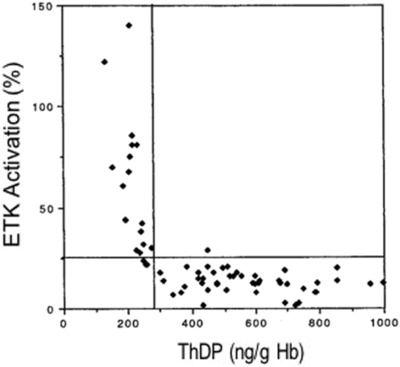
“Reference ranges for TDP concentrations, ETKA ratios, and specific TKT activities relevant to different age groups or populations at greater risk for thiamine deficiency may be beneficial in more accurately determining thiamine deficiency status [ 32, 45, 59, 62 ].”
OsTH1 is a key player in thiamin biosynthesis in rice
Faustino, M. V., Lourenço, T. F., Strobbe, S., Cao, D., Fonseca, A., Rocha, I., Straeten, D. V. D., & Oliveira, M. M. (2024) · Scientific Reports · doi:10.1038/s41598-024-62326-2 · Cited by 3
“…active form (thiamin diphosphate, TDP) acts, in all domains of life, as a cofactor for enzymes of the central carbon metabolism related to tricarboxylic acids and other acetyl Co-A pathways (e.g. fatty acids synthesis/breakdown, mevalonate dependent pathways), as well as amino acid pathways 1,2 .”
The importance of thiamine availability in the thermogenic competency of human adipocytes
Vinnai, B. Á., Arianti, R., Fischer‐Posovszky, P., Wabitsch, M., Fésüs, L., & Kristóf, E. (2025) · Molecular and Cellular Endocrinology · doi:10.1016/j.mce.2025.112483 · Cited by 3
Lucas, F. L. R., Piso, T. R. C., van der Heide, N. J., Galenkamp, N. S., Hermans, J. H., Wloka, C., & Maglia, G. (2021) · Angewandte Chemie · doi:10.1002/ange.202107807 · Cited by 3
Huang, J. V., Tan, A. P., Law, E. C., Godfrey, K. M., Qiu, A., Daniel, L. M., Fortier, M. V., Tan, K. H., Chan, J. K. Y., Cameron‐Smith, D., et al. (2023) · Translational Psychiatry · doi:10.1038/s41398-023-02332-6 · Cited by 3
“Thiamine status, instead, is indicated by erythrocyte TDP or the functional assessment of erythrocyte transketolase (ETK) activity [41].”
BackgroundResultInfluentialFactors influencing egg thiamine concentrations of Lake Ontario lake trout: 2019–2020
Heisey, A., Osborne, C. A., Lantry, B. F., Tillitt, D. E., & Rinchard, J. (2023) · Journal of Great Lakes Research · doi:10.1016/j.jglr.2023.04.002 · Cited by 3
Thiamine: overview of history of discovery, mechanism of action, role and deficiency
Napiórkowska, E. (2023) · Prospects in Pharmaceutical Sciences · doi:10.56782/pps.159 · Cited by 3
Race explains substantial variance in whole blood thiamine diphosphate concentrations
Zahr, N. M. (2024) · Nutrition Research · doi:10.1016/j.nutres.2024.03.011 · Cited by 2
Huang, P., Chen, J., Deng, Z., & Yang, W. (2025) · Frontiers in Pediatrics · doi:10.3389/fped.2025.1576805 · Cited by 2
Cannabis Use Patterns and Blood Profiles in Adolescent Cannabinoid Hyperemesis Syndrome
Bloom, J., Beaudoin, F. L., Lin, T. R., Gaipo, A., Ortega, C., & Wightman, R. (2025) · Pediatric Emergency Care · doi:10.1097/pec.0000000000003495 · Cited by 2
Fulminant Thiamine Deficiency in An Infant
Reddy, M. N., Keerthy, R., & Reddy, L. R. (2025) · The Indian Journal of Pediatrics · doi:10.1007/s12098-025-05841-y · Cited by 2
“Pulmonary hypertension, metabolic acidosis, and basal ganglia changes are increasingly recognized in breastfed infants of subclinically deficient mothers [2 , 3].”
Heughebaert, L., Berger, N., Moyersoen, I., & Stove, C. P. (2026) · American Journal of Clinical Nutrition · doi:10.1016/j.ajcnut.2025.101187 · Cited by 2
Therrien, C. A., Baker, P. M., Garner, S. R., Swanson, H. K., & Neff, B. D. (2026) · Scientific Reports · doi:10.1038/s41598-026-35139-8 · Cited by 2
Micronutrients and Associated Pathologies
Uğuz, A., Uğuz, A. C., Sánchez, M. P. T., Moratinos, A. B. R., & Pariente, J. A. (2026) · Advances in biochemistry in health and disease · doi:10.1007/978-3-032-14441-6_4 · Cited by 2
Lake Trout population dynamics on Six Fathom Bank and Yankee Reef in Lake Huron, 1992–2023
Madenjian, C. P., Koenigbauer, S. T., Bonilla-Gómez, J. L., Farha, S. A., O’Brien, T. P., Phillips, K. R., Dieter, P. M., Leonhardt, B. S., Hondorp, D. W., Esselman, P. C., et al. (2026) · North American Journal of Fisheries Management · doi:10.1093/najfmt/vqag008 · Cited by 2
The burden of cardiovascular diseases in Asia from 1990 to 2023
Zhuang, Y., Hu, X., Yang, L., Li, Y., Yu, L., Gao, H., Xi, J., Ma, Q., & Yin, P. (2026) · Cardiac Research · doi:10.1097/re9.0000000000000027 · Cited by 3
Peripheral Neuropathy Outbreaks in Bhutan, 2020–2021
Chhetri, V., Dorji, T., Monger, A., & Pokhrel, H. P. (2023) · Outbreak Surveillance Investigation & Response (OSIR) Journal · doi:10.59096/osir.v16i1.261866 · Cited by 2
B vitamins and brain dysfunction
Iskra, D. A., & Trufanov, A. G. (2023) · S S Korsakov Journal of Neurology and Psychiatry · doi:10.17116/jnevro202312307197 · Cited by 2
Wijemanna, U., & Lee, K. (2023) · Aquaculture International · doi:10.1007/s10499-023-01308-z · Cited by 2
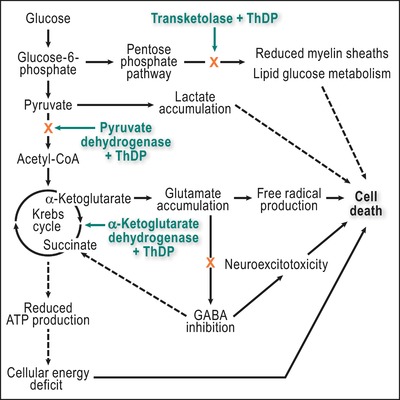
“Thiamine deficiency leads to reduced activity of α-KGDC, which may result in reduced ATP synthesis and oxidative damage, followed by cell death (Whitfield et al. 2018).”
Metadata
- Authors
- Whitfield, K. C., Bourassa, M. W., Adamolekun, B., Bergeron, G., Bettendorff, L., Brown, K. H., Cox, L., Fattal‐Valevski, A., Fischer, P. R., Frank, E. L., Hiffler, L., Hlaing, L. M., Jefferds, M. E., Kapner, H., Kounnavong, S., Mousavi, M. P. S., Roth, D. E., Tsaloglou, M., Wieringa, F., & Combs, G. F.
- Affiliations
- Mount Saint Vincent University (CA)
- New York Academy of Sciences (US)
- University of Tennessee Health Science Center (US)
- University of Liège (BE)
- Gates Foundation (US)
- MRC Elsie Widdowson Laboratory (GB)
- Tel Aviv University (IL)
- Mayo Clinic (US)
- University of Utah (US)
- Médecins Sans Frontières (ES)
- Ministry of Health and Sports (MM)
- Centers for Disease Control and Prevention (US)
- Independent contractor New York New York
- Ministry of Health (LA)
- Harvard University (US)
- University of Toronto (CA)
- Diagnostics For All (US)
- Institut de Recherche pour le Développement (FR)
- Tufts University (US)
- Corresponding author
- Combs, Gerald F.
- ORCID
- Venue
- Annals of the New York Academy of Sciences
- Publisher
- Wiley
- Published
- 2018-08-27
- Volume
- 1430
- Issue
- 1
- Pages
- 3-43
- ISSN
- 0077-8923 (ISSN-L)
- 1749-6632
- PMC
- PMC6392124
- OpenAlex
- W2889058844
- Cited by
- 336
- References
- 211
- Citations by year
- 2026: 44 · 2025: 41 · 2024: 46 · 2023: 59 · 2022: 43 · 2021: 52 · 2020: 33 · 2019: 17 · 2018: 1
- FWCI
- 17.45
- Type
- journal article
- Language
- en
- Open access
- hybrid
- doi.org
- Licence
- Locations
- Annals of the New York Academy of Sciences (publishedVersion, cc-by-nc)
- Europe PMC (PubMed Central) (publishedVersion, cc-by-nc)
- PubMed Central (publishedVersion, cc-by-nc)
- PubMed (publishedVersion)
- eScholarship (California Digital Library) (submittedVersion, cc-by-nc)
- Medecins Sans Frontieres Field Research (Medecins Sans Frontieres) (submittedVersion)
- Open Repository and Bibliography (University of Liège) (submittedVersion, cc-by)
- Funders
- Bill and Melinda Gates Foundation
- Topics
- Health Sciences › Medicine › Clinical Neurology › Alcoholism and Thiamine Deficiency
- Health Sciences › Nursing › Nutrition and Dietetics › Child Nutrition and Water Access
- Life Sciences › Agricultural and Biological Sciences › Food Science › Nutrition, Health, and Society Studies
- Keywords
- thiamine deficiency, beriberi, infantile beriberi, infant mortality, food fortification, thiamine supplementation, food balance sheets, grain milling, rice washing, micronutrient deficiency, prevalence, neurodevelopmental outcomes
- MeSH terms
- Food, Fortified, Humans, Public Health, Risk Factors, Thiamine Deficiency, Global Health, Prevalence, Dietary Supplements
About these checks
Registry, retraction, Cites and statistics results are computed, not judged, with one exception: a printed reference that no index lists is read once by a model before it counts as a citation error. Claims are extracted by a model and kept only when their quote appears verbatim in the text; each cited source is then checked, with a model’s help, for whether it says what the claim relies on. Those verdicts can be wrong — read the claim’s quote and the cited source before relying on one.
Statistics and arithmetic are recomputed, not judged.
Confidence bands are shown only for fields calibrated on our annotated test set. None is calibrated yet, so no band is shown.
What counts as a claim ›How we measure confidence ›How we check this ›
Are you an author, or do you see a problem with this page? Request a review
