

The DOI matches its Crossref record; 34 of the 34 references it cites were found in a registry or an index.
Genomic Characterization of a Novel SARS-CoV-2 Lineage from Rio de Janeiro, Brazil
Open accessPublished version of a preprint
Abstract
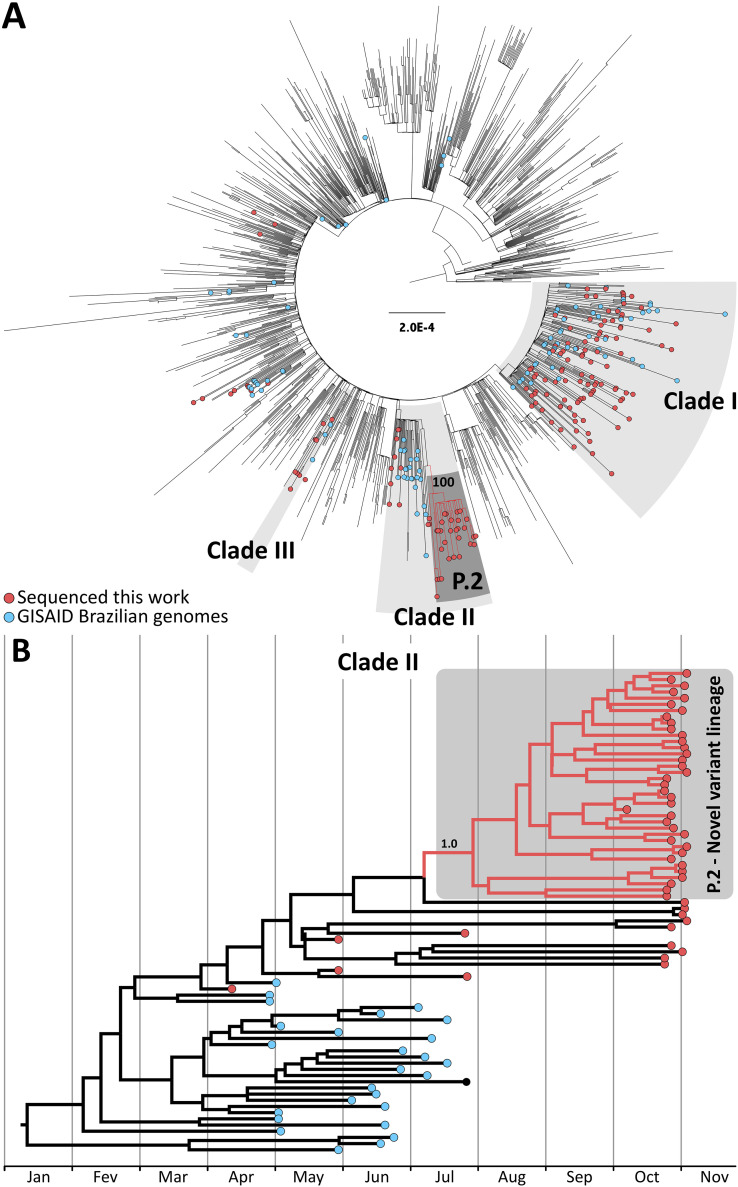
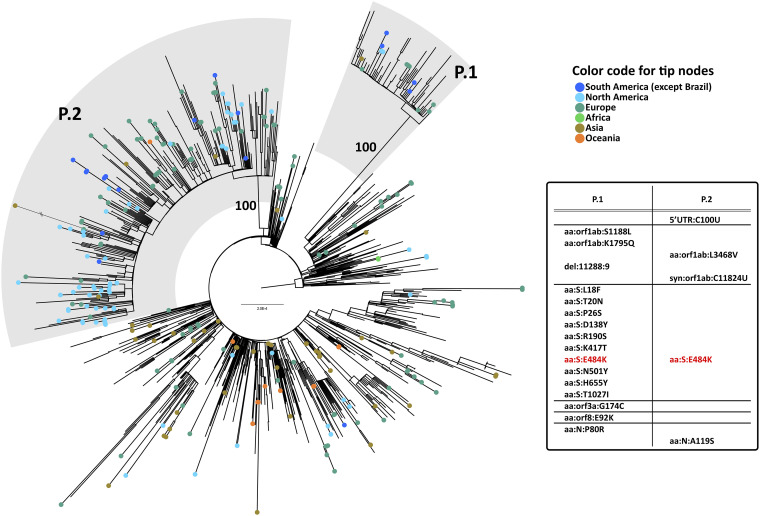
Almost simultaneously, several studies reported the emergence of novel SARS-CoV-2 lineages characterized by their phylogenetic and genetic distinction (1), (2), (3), (4).….
Overview
The claims and statistics of this paper haven’t been checked yet.
Run the check — free, no account needed. It reads the open-access text and checks the sources it cites.
Integrity signals
Registry
Cites
Statistics
Figures
Verification
Claims the paper makes
The claims and statistics of this paper haven’t been checked yet.
Run the check — free, no account needed. It reads the open-access text and checks the sources it cites.
Claims other papers make about this one
Each is checked against this paper’s own text: does it say what the citing paper says it does?
In the citing paper
“The B.1.1.7 variant is associated with increased transmissibility,9,10 and similar epidemiological observations have been reported for the SA and BR variants.4,5”
From Impact of SARS-CoV-2 variants on the total CD4+ and CD8+ T cell reactivity in infected or vaccinated individuals (2021) · cites this paper as [5]
Self-check
Percentages, sums and reported differences re-computed from the paper’s own numbers.
The self-check needs the paper’s full text.
Citations
Cites
Trimmomatic: a flexible trimmer for Illumina sequence data
Bolger, A. M., Lohse, M., & Usadel, B. (2014) · Bioinformatics · doi:10.1093/bioinformatics/btu170 · Cited by 65,548
BEDTools: a flexible suite of utilities for comparing genomic features
Quinlan, A. R., & Hall, I. M. (2010) · Bioinformatics · doi:10.1093/bioinformatics/btq033 · Cited by 27,437
IQ-TREE 2: New Models and Efficient Methods for Phylogenetic Inference in the Genomic Era
Minh, B. Q., Schmidt, H. A., Chernomor, O., Schrempf, D., Woodhams, M. D., von Haeseler, A., & Lanfear, R. (2020) · Molecular Biology and Evolution · doi:10.1093/molbev/msaa015 · Cited by 16,873
A framework for variation discovery and genotyping using next-generation DNA sequencing data
DePristo, M. A., Banks, E., Poplin, R. E., Garimella, K. V., Maguire, J., Hartl, C., Philippakis, A., del Angel, G., Rivas, M. A., Hanna, M., et al. (2011) · Nature Genetics · doi:10.1038/ng.806 · Cited by 11,508
Posterior summarization in Bayesian phylogenetics using tracer 1.7
Rambaut, A., Drummond, A. J., Xie, D., Baele, G., & Suchard, M. A. (2018) · Systematic Biology · doi:10.1093/sysbio/syy032 · Cited by 11,159
Application of Phylogenetic Networks in Evolutionary Studies
Huson, D. H., & Bryant, D. (2005) · Molecular Biology and Evolution · doi:10.1093/molbev/msj030 · Cited by 8,895
Dating of the human–ape splitting by a molecular clock of mitochondrial DNA.
Hasegawa, M., Kishino, H., & Yano, T.-A. (1985) · Journal of Molecular Evolution · doi:10.1007/bf02101694 · Cited by 8,687
adegenet : a R package for the multivariate analysis of genetic markers
Jombart, T. (2008) · Bioinformatics · doi:10.1093/bioinformatics/btn129 · Cited by 8,335
Li, H. (2011) · Bioinformatics · doi:10.1093/bioinformatics/btr509 · Cited by 6,454
Bayesian phylogenetic and phylodynamic data integration using BEAST 1.10
Suchard, M. A., Lemey, P., Baele, G., Ayres, D. L., Drummond, A. J., & Rambaut, A. (2018) · Virus Evolution · doi:10.1093/ve/vey016 · Cited by 3,749
Cited by
Sorted by citations
Items 101–200 of 373
Negi, S. S., Schein, C. H., & Braun, W. A. (2022) · Scientific Reports · doi:10.1038/s41598-022-04950-4 · Cited by 35
Gupta, Y. A., Maciorowski, D., Zak, S. E., Kulkarni, C. V., Herbert, A. S., Durvasula, R. V., Fareed, J., Dye, J. M., & Kempaiah, P. M. (2021) · International Journal of Biological Macromolecules · doi:10.1016/j.ijbiomac.2021.04.148 · Cited by 35
Genomic epidemiology of SARS-CoV-2 in Esteio, Rio Grande do Sul, Brazil
Franceschi, V. B., Caldana, G. D., Mayer, A. D. M., Cybis, G. B., Neves, C. A. M., Ferrareze, P. A. G., Demoliner, M., de Almeida, P. R., Gularte, J. S., Hansen, A. W., et al. (2021) · BMC Genomics · doi:10.1186/s12864-021-07708-w · Cited by 34
Epidemiological dynamics of SARS-CoV-2 VOC Gamma in Rio de Janeiro, Brazil
Moreira, F. R. R., D’arc, M., Mariani, D., Herlinger, A. L., Schiffler, F. B., Rossi, Á. D., Leitão, I. D. C., Miranda, T. D. S., Cosentino, M. A. C., Tôrres, M. C. D. P., et al. (2021) · Virus Evolution · doi:10.1093/ve/veab087 · Cited by 34
Self-citationda Cunha, L. E. R., Stolet, A. A., Strauch, M. A., Pereira, V. A. R., Dumard, C. H., Gomes, A. M. O., Monteiro, F. L. L., Higa, L. M., Souza, P. N. C., Fonseca, J. G. D. S., et al. (2021) · iScience · doi:10.1016/j.isci.2021.103315 · Cited by 37
Self-citationda Silva, F. L. B., Giron, C. C., & Laaksonen, A. (2022) · The Journal of Physical Chemistry B · doi:10.1021/acs.jpcb.2c04225 · Cited by 31
SARS-CoV-2 variants: Impact on biological and clinical outcome
Mahilkar, S., Agrawal, S. R., Chaudhary, S., Parikh, S., Sonkar, S. C., Verma, D. K., Chitalia, V., Mehta, D., Koner, B. C., Vijay, N., et al. (2022) · Frontiers in Medicine · doi:10.3389/fmed.2022.995960 · Cited by 36
How will emerging SARS-CoV-2 variants impact herd immunity?
Lippi, G., & Henry, B. M. (2021) · Annals of Translational Medicine · doi:10.21037/atm-21-893 · Cited by 33
Cassaniti, I., Bergami, F., Percivalle, E., Gabanti, E., Sammartino, J. C., Ferrari, A., Adzasehoun, K. M. G., Zavaglio, F., Zelini, P., Comolli, G., et al. (2021) · Clinical Microbiology and Infection · doi:10.1016/j.cmi.2021.09.016 · Cited by 36
Lamarca, A. P., de Almeida, L. G. P., Francisco, R. D. S., Agnez‐Lima, L. F., Scortecci, K. C., Perez, V. P., Brustolini, O. J. B., Sousa, E. S. S., Secco, D., Santos, Â., et al. (2021) · PLoS neglected tropical diseases · doi:10.1371/journal.pntd.0009835 · Cited by 35
Self-citationOlsen, R. J., Christensen, P. A., Long, S. W., Subedi, S., Hodjat, P., Olson, R., Nguyen, M., Davis, J. J., Yerramilli, P., Saavedra, M. O., et al. (2021) · American Journal Of Pathology · doi:10.1016/j.ajpath.2021.07.002 · Cited by 30
Nkosi, T., Chasara, C., Mbatha, A., Nsimbi, M., Papadopoulos, A. O., Nguni, T. L., Karim, F., Moosa, M. Y. S., Gazy, I., Jambo, K., et al. (2022) · eLife · doi:10.7554/elife.78374 · Cited by 31
Differential proinflammatory activities of Spike proteins of SARS-CoV-2 variants of concern
Tyrkalska, S. D., Martínez‐López, A., Arroyo, A. B., Martínez-Morcillo, F. J., Candel, S., García‐Moreno, D., Mesa-del-Castillo, P., Cayuela, M. L., & Mulero, V. (2022) · Science Advances · doi:10.1126/sciadv.abo0732 · Cited by 32
de Oliveira, M. H. S., Lippi, G., & Henry, B. M. (2021) · medRxiv · doi:10.1101/2021.03.24.21254046 · Cited by 30
SARS -CoV-2 T-cell immunity to variants of concern following vaccinationPreprint
Gallagher, K., Leick, M. B., Larson, R. C., Berger, T. R., Katsis, K., Yam, J. Y., Brini, G., Grauwet, K., MGH COVID-19 Collection & Processing Team, & Maus, M. V. (2021) · bioRxiv (Cold Spring Harbor Laboratory) · doi:10.1101/2021.05.03.442455 · Cited by 32
da Silva, M. S., Demoliner, M., Hansen, A. W., Gularte, J. S., Silveira, F., Heldt, F. H., Filippi, M., Pereira, V. M. D. A. G., da Silva, F. P., Mallmann, L., et al. (2021) · Revista do Instituto de Medicina Tropical de São Paulo · doi:10.1590/s1678-9946202163058 · Cited by 30
Gräf, T., Bello, G., Naveca, F. G., Gomes, M. F. D. C., Cardoso, V. L. O., da Silva, A. F., Dezordi, F. Z., dos Santos, M. C., Santos, K. C. D. O., Batista, É. L. R., et al. (2022) · iScience · doi:10.1016/j.isci.2022.104156 · Cited by 30
Self-citationGorman, M. J., Patel, N., Guebre‐Xabier, M., Zhu, A. L., Atyeo, C. G., Pullen, K. M., Loos, C., Goez-Gazi, Y., Carrion, R., Tian, J.-H., et al. (2021) · bioRxiv (Cold Spring Harbor Laboratory) · doi:10.1101/2021.02.05.429759 · Cited by 29
Altered Subgenomic RNA Expression in SARS-CoV-2 B.1.1.7 InfectionsPreprint
Parker, M. D., Lindsey, B., Shah, D. R., Hsu, S., Keeley, A., Partridge, D., Leary, S., Cope, A., State, A., Johnson, K., et al. (2021) · bioRxiv · doi:10.1101/2021.03.02.433156 · Cited by 33
Design, immunogenicity, and efficacy of a pan-sarbecovirus dendritic-cell targeting vaccine
Coléon, S., Wiedemann, A., Surénaud, M., Lacabaratz, C., Hüe, S., Prague, M., Cervantes-Gonzalez, M., Wang, Z., Ellis, J., Sansoni, A., et al. (2022) · EBioMedicine · doi:10.1016/j.ebiom.2022.104062 · Cited by 29
Neutralizing activity of Sputnik V vaccine sera against SARS-CoV-2 variantsPreprint
Ikegame, S., Siddiquey, M. N. A., Hung, C.-T., Haas, G. D., Brambilla, L., Oguntuyo, K. Y., Kowdle, S., Vilardo, A. E., Edelstein, A., Perandones, C., et al. (2021) · medRxiv · doi:10.1101/2021.03.31.21254660 · Cited by 30
Murray, M. J., McIntosh, M., Atkinson, C. E., Mahungu, T. W., Wright, E., Chatterton, W., Gandy, M., & Reeves, M. B. (2021) · Journal of Infection · doi:10.1016/j.jinf.2021.03.010 · Cited by 28
Fernandez, R. A. T., Quimque, M. T. J., Notarte, K. I., Manzano, J. A., Pilapil, D. Y. H., de Leon, V. N., Jose, J. J. P. S., Villalobos, O. A., Muralidharan, N. H., Gromiha, M. M., et al. (2021) · Journal of Biomolecular Structure and Dynamics · doi:10.1080/07391102.2021.1969281 · Cited by 29
Data-driven analysis of amino acid change dynamics timely reveals SARS-CoV-2 variant emergence
Bernasconi, A., Mari, L., Casagrandi, R., & Ceri, S. (2021) · Scientific Reports · doi:10.1038/s41598-021-00496-z · Cited by 26
Watanabe, K., Watanabe, C., Honma, T., Tian, Y., Kawashima, Y., Kawashita, N., Takagi, T., & Fukuzawa, K. (2021) · The Journal of Physical Chemistry Letters · doi:10.1021/acs.jpclett.1c00663 · Cited by 27
Bezerra, B. B., da Silva, G. P. D., Coelho, S. V. A., Corrêa, I. A., de Souza, M. R. M., Macedo, K. V. G., Matos, B. M., Tanuri, A., Matassoli, F. L., da Costa, L. J., et al. (2022) · Antiviral Research · doi:10.1016/j.antiviral.2022.105373 · Cited by 26
Self-citationCHARMM‐GUI Enhanced Sampler for various collective variables and enhanced sampling methods
Suh, D., Feng, S., Lee, H.-Y., Zhang, H., Park, S., Kim, S., Lee, J., Choi, S., & Im, W. (2022) · Protein Science · doi:10.1002/pro.4446 · Cited by 27
Neutralizing activity of Sputnik V vaccine sera against SARS-CoV-2 variantsPreprint
Ikegame, S., Siddiquey, M. N. A., Hung, C.-T., Haas, G. D., Brambilla, L., Oguntuyo, K. Y., Kowdle, S., Vilardo, A. E., Edelstein, A., Perandones, C., et al. (2021) · Research Square · doi:10.21203/rs.3.rs-400230/v1 · Cited by 27
Ratcliff, J., Nguyen, D. V., Fish, M., Rynne, J., Jennings, A., Williams, S. V., Al-Beidh, F., Bonsall, D., Evans, A. L., Golubchik, T., et al. (2021) · The Journal of Infectious Diseases · doi:10.1093/infdis/jiab283 · Cited by 27
Genetic drift in the genome of SARS COV‐2 and its global health concern
Bano, I., Sharif, M., & Alam, S. (2021) · Journal of Medical Virology · doi:10.1002/jmv.27337 · Cited by 23
Sousa, V. D. C., da Silva, M. C., de Mello, M. P., Guimaräes, J. A. M., & Perini, J. A. (2022) · Journal of Infection and Public Health · doi:10.1016/j.jiph.2022.06.010 · Cited by 26
van der Wijst, M. G. P., Vazquez, S. E., Hartoularos, G. C., Bastard, P., Grant, T., Bueno, R., Lee, D. S., Greenland, J. R., Sun, Y., Perez, R. K., et al. (2021) · bioRxiv (Cold Spring Harbor Laboratory) · doi:10.1101/2021.03.09.434529 · Cited by 29
Cai, H. Y., & Cai, A. (2021) · Journal of Veterinary Diagnostic Investigation · doi:10.1177/10406387211023481 · Cited by 28
Franceschi, V. B., Ferrareze, P. A. G., Zimerman, R. A., Cybis, G. B., & Thompson, C. E. (2021) · Virus Research · doi:10.1016/j.virusres.2021.198532 · Cited by 25
Fukuzawa, K., Kato, K., Watanabe, C., Kawashima, Y., Handa, Y., Yamamoto, A., Watanabe, K., Ohyama, T., Kamisaka, K., Takaya, D., et al. (2021) · Journal of Chemical Information and Modeling · doi:10.1021/acs.jcim.1c00694 · Cited by 27
Cobre, A. D. F., Surek, M., Stremel, D. P., Fachi, M. M., Borba, H. H. L., Tonin, F. S., & Pontarolo, R. (2022) · Computers in Biology and Medicine · doi:10.1016/j.compbiomed.2022.105659 · Cited by 25
Li, R., Mor, M., Ma, B., Clark, A. E., Alter, J., Werbner, M., Lee, J. C., Leibel, S. L., Carlin, A. F., Dessau, M., et al. (2022) · Communications Biology · doi:10.1038/s42003-022-03739-5 · Cited by 25
Bridging animal and clinical research during SARS-CoV-2 pandemic: A new-old challenge
Winkler, M. S., Skirecki, T., Brunkhorst, F. M., Cajander, S., Cavaillon, J., Ferrer, R., Flohé, S. B., García‐Salido, A., Giamarellos‐Bourboulis, E. J., Girardis, M., et al. (2021) · EBioMedicine · doi:10.1016/j.ebiom.2021.103291 · Cited by 26
Ferraz, M. V. F., Moreira, E. G., Coêlho, D. F., Wallau, G. L., & Lins, R. D. (2021) · Chemical Communications · doi:10.1039/d1cc01747k · Cited by 24
Lau, E. Y., Negrete, O. A., Bennett, W. F., Bennion, B. J., Borucki, M. K., Bourguet, F. A., Epstein, A., Franco, M., Harmon, B., He, S., et al. (2021) · Frontiers in Molecular Biosciences · doi:10.3389/fmolb.2021.678701 · Cited by 24
Francisco, R. D. S., Lamarca, A. P., de Almeida, L. G. P., Cavalcante, L. T. D. F., Machado, D. T., Martins, Y., Brustolini, O. J. B., Gerber, A. L., Guimarães, A. P. D. C., Bellini, R. G., et al. (2021) · Viruses · doi:10.3390/v13102013 · Cited by 26
Self-citationPasquale, A. D., Radomski, N., Mangone, I., Calistri, P., Lorusso, A., & Cammà, C. (2021) · BMC Genomics · doi:10.1186/s12864-021-08112-0 · Cited by 23
Genomic surveillance, evolution and global transmission of SARS-CoV-2 during 2019–2022
Sharif, N., Alzahrani, K. J., Ahmed, S. N., Khan, A., Banjer, H. J., Alzahrani, F. M., Parvez, A. K., & Dey, S. K. (2022) · PLoS ONE · doi:10.1371/journal.pone.0271074 · Cited by 26
On the origin of SARS-CoV-2—The blind watchmaker argument
Wu, C., Wen, H., Lü, J., Su, X., Hughes, A. C., Zhai, W., Chen, C., Chen, H., Li, M., Song, S., et al. (2021) · Science China Life Sciences · doi:10.1007/s11427-021-1972-1 · Cited by 21
Research progress in spike mutations of SARS‐CoV‐2 variants and vaccine development
He, X., He, C., Hong, W., Yang, H. J., & Wei, X. (2023) · Medicinal Research Reviews · doi:10.1002/med.21941 · Cited by 25
Tonsils are major sites of persistence of SARS-CoV-2 in children
de Lima, T. M., Júnior, R. B. M., Miura, C. S., de Souza, M. G. M., Cassiano, M. H. A., Rodrigues, T. S., Veras, F. P., Sousa, J. F., Gomes, R., de Almeida, G. M., et al. (2023) · Microbiology Spectrum · doi:10.1128/spectrum.01347-23 · Cited by 26
Neamțu, A., Mocci, F., Laaksonen, A., & da Silva, F. L. B. (2022) · Colloids and Surfaces B Biointerfaces · doi:10.1016/j.colsurfb.2022.112986 · Cited by 23
Sieve analysis to understand how SARS-CoV-2 diversity can impact vaccine protection
Rolland, M., & Gilbert, P. B. (2021) · PLoS Pathogens · doi:10.1371/journal.ppat.1009406 · Cited by 21
Temporal spread and evolution of SARS‐CoV‐2 in the second pandemic wave in Brazil
Wolf, J. M., Kipper, D., Borges, G. R., Streck, A. F., & Lunge, V. R. (2021) · Journal of Medical Virology · doi:10.1002/jmv.27371 · Cited by 21
Goes, L. R., Siqueira, J. D., Garrido, M. M., Alves, B. M., Pereira, A. C. P. M., Cicala, C., Arthos, J. A., Viola, J. P. B., & Soares, M. A. (2021) · Infection Genetics and Evolution · doi:10.1016/j.meegid.2021.104998 · Cited by 21
β2-adrenergic signaling promotes higher-affinity B cells and antibodies
Ben-Shalom, N., Sandbank, E., Abramovitz, L., Hezroni, H., Levine, T., Trachtenberg, E., Fogel, N., Mor, M., Yefet, R., Stoler‐Barak, L., et al. (2023) · Brain Behavior and Immunity · doi:10.1016/j.bbi.2023.06.020 · Cited by 21
Rapid spread and high impact of the variant of concern P.1 in the largest city of Brazil
Barbosa, G. R., Moreira, L. V. L., Justo, A. F. O., Perosa, A. H., Luna, L. K. D. S., Chaves, A. P. C., Bueno, M. S., Conte, D., Carvalho, J. M. A., Prates, J., et al. (2021) · Journal of Infection · doi:10.1016/j.jinf.2021.04.008 · Cited by 20
COVID-19 Genetic Variants and Their Potential Impact in Vaccine Development
Giau, V. V., Bagyinszky, E., & An, S. S. A. (2022) · Microorganisms · doi:10.3390/microorganisms10030598 · Cited by 21
Spread of endemic SARS-CoV-2 lineages in Russia before April 2021
Klink, G. V., Safina, K. R., Garushyants, S. K., Moldovan, M. A., Nabieva, E., Komissarov, A. B., Lioznov, D. A., & Bazykin, G. A. (2022) · PLoS ONE · doi:10.1371/journal.pone.0270717 · Cited by 21
Immune response induced by novel coronavirus infection
Sun, Y., Zou, Y., Wang, H., Cui, G., Yu, Z., & Ren, Z. (2022) · Frontiers in Cellular and Infection Microbiology · doi:10.3389/fcimb.2022.988604 · Cited by 20
Sallam, M., & Mahafzah, A. M. (2021) · Pathogens · doi:10.3390/pathogens10030302 · Cited by 23
Grudlewska‐Buda, K., Wiktorczyk-Kapischke, N., Wałecka-Zacharska, E., Kwiecińska-Piróg, J., Buszko, K., Leis, K., Juszczuk, K., Gospodarek-Komkowska, E., & Skowron, K. (2021) · Journal of Clinical Medicine · doi:10.3390/jcm10091962 · Cited by 27
Richard, D., Shaw, L. P., Lanfear, R., Corbett-Detig, R. B., Hinrichs, A. S., McBroome, J., Turakhia, Y., Acman, M., Owen, C. J., Tan, C. C. S., et al. (2021) · bioRxiv (Cold Spring Harbor Laboratory) · doi:10.1101/2021.05.06.442903 · Cited by 20
Jing, L., Wu, X., Krist, M. P., Hsiang, T.-Y., Campbell, V. L., McClurkan, C. L., Favors, S. M., Hemingway, L. A., Godornes, C., Tong, D. Q., et al. (2022) · JCI Insight · doi:10.1172/jci.insight.158126 · Cited by 18
Bollen, N., Artesi, M., Durkin, K., Hong, S. L., Potter, B. I., Boujemla, B., Vanmechelen, B., Martí‐Carreras, J., Wawina-Bokalanga, T., Meex, C., et al. (2021) · Scientific Reports · doi:10.1038/s41598-021-97667-9 · Cited by 18
Su, W., Sia, S. F., Schmitz, A. J., Bricker, T. L., Starr, T. N., Greaney, A. J., Turner, J. S., Mohammed, B. M., Liu, Z., Choy, K. T., et al. (2021) · mBio · doi:10.1128/mbio.02395-21 · Cited by 17
Lai, A., Bergna, A., Ventura, C. D., Menzo, S., Bruzzone, B. M., Sagradi, F., Ceccherini‐Silberstein, F., Weisz, A., Clementi, N., Brindicci, G., et al. (2022) · Viruses · doi:10.3390/v14112508 · Cited by 16
Neutralizing Antibodies to SARS‐CoV‐2 Selected from a Human Antibody Library Constructed Decades Ago
Qiang, M., Ma, P., Li, Y., Liu, H., Harding, A. C., Min, C., Wang, F., Liu, L., Yuan, M., Ji, Q., et al. (2021) · Advanced Science · doi:10.1002/advs.202102181 · Cited by 20
Menasria, T., & Aguilera, J. (2022) · Microorganisms · doi:10.3390/microorganisms10020467 · Cited by 18
Perez-Romero, C. A., Tonda, A. P., Mendoza‐Maldonado, L., Coz, E., Tabeling, P., Vanhomwegen, J., Claassen, E., Garssen, J., Kraneveld, A. D., & Lopez‐Rincon, A. (2021) · bioRxiv (Cold Spring Harbor Laboratory) · doi:10.1101/2021.01.20.427043 · Cited by 18
Variantes emergentes do SARS-CoV-2 e suas implicações na saúde coletiva
Freitas, A. R. R., Giovanetti, M., & Alcantara, L. C. J. (2021) · InterAmerican Journal of Medicine and Health · doi:10.31005/iajmh.v4i.181 · Cited by 24
Ensovibep, a novel trispecific DARPin candidate that protects against SARS-CoV-2 variantsPreprint
Rothenberger, S., Hurdiss, D. L., Walser, M., Malvezzi, F., Mayor, J., Ryter, S., Moreno, H., Liechti, N., Bosshart, A., Iss, C., et al. (2021) · bioRxiv (Cold Spring Harbor Laboratory) · doi:10.1101/2021.02.03.429164 · Cited by 17
Emergence of the novel SARS-CoV-2 lineage VUI-NP13L and massive spread of P.2 in South Brazil
Sant’Anna, F. H., Varela, A. P. M., Prichula, J., Comerlato, J., Comerlato, C. B., Roglio, V. S., Pereira, G. F. M., Moreno, F. F., Seixas, A., & Wendland, E. (2021) · Emerging Microbes & Infections · doi:10.1080/22221751.2021.1949948 · Cited by 16
Zhao, L. P., Lybrand, T. P., Gilbert, P. B., Hawn, T. R., Schiffer, J. T., Stamatatos, L., Payne, T. H., Carpp, L. N., Geraghty, D. E., & Jerome, K. R. (2021) · Viruses · doi:10.3390/v14010009 · Cited by 15
Lhomme, S., Latour, J., Jeanne, N., Trémeaux, P., Ranger, N., Migueres, M., Salin, G., Donnadieu, C., & Izopet, J. (2021) · Viruses · doi:10.3390/v13122544 · Cited by 16
Delshad, M., Sanaei, M., Pourbagheri‐Sigaroodi, A., & Bashash, D. (2022) · International Immunopharmacology · doi:10.1016/j.intimp.2022.109128 · Cited by 18
Molecular strategies for antibody binding and escape of SARS-CoV-2 and its mutations
Hendy, M. A., Kaufman, S., & Ponga, M. R. (2021) · Scientific Reports · doi:10.1038/s41598-021-01081-0 · Cited by 17
The starting dates of COVID-19 multiple waves
Gianfelice, P. R. D. L., Oyarzabal, R. S., Cunha, A., Grzybowski, J. M. V., Batista, F. D. C., & Macau, E. E. N. (2022) · Chaos An Interdisciplinary Journal of Nonlinear Science · doi:10.1063/5.0079904 · Cited by 16
Full-Length Recombinant hSP-D Binds and Inhibits SARS-CoV-2
Arroyo, R., Grant, S. N., Colombo, M., Salvioni, L., Corsi, F., Truffi, M., Ottolina, D., Hurst, B. L., Salzberg, M. O., Prosperi, D., et al. (2021) · Biomolecules · doi:10.3390/biom11081114 · Cited by 15
Tierling, S., Kattler, K., Vogelgesang, M., Pfuhl, T., Lohse, S., Porto, C. L., Schmitt, B., Seiwert, N., Salhab, A., Smola, S., et al. (2021) · Open Forum Infectious Diseases · doi:10.1093/ofid/ofab364 · Cited by 15
Nicot, F., Trémeaux, P., Latour, J., Jeanne, N., Ranger, N., Raymond, S., Dimeglio, C., Salin, G., Donnadieu, C., & Izopet, J. (2022) · Journal of Medical Virology · doi:10.1002/jmv.28123 · Cited by 15
Carvalho, M. S., Bastos, L. S., Fuller, T. L., Cruz, O. G., Damasceno, L. S., Calvet, G. A., Resende, P. C., Smith, C. E., Whitworth, J. A. G., Siqueira, M. M., et al. (2022) · The Lancet Regional Health - Americas · doi:10.1016/j.lana.2022.100283 · Cited by 15
Giron, C. C., Laaksonen, A., & da Silva, F. L. B. (2022) · Journal of Biomolecular Structure and Dynamics · doi:10.1080/07391102.2022.2095305 · Cited by 18
Epidemic Spread of SARS-CoV-2 Lineage B.1.1.7 in Brazil
Moreira, F. R. R., Menezes, D., Zauli, D. A. G., Silva, J. D. P., de Lima, A. B., Malta, F. S. V., Ferreira, A. C. D. S., Pardini, V. C., Magalhães, W. C. S., Queiroz, D. C., et al. (2021) · Viruses · doi:10.3390/v13060984 · Cited by 15
Self-citationVarela, A. P. M., Prichula, J., Mayer, F. Q., Salvato, R. S., Sant’Anna, F. H., Gregianini, T. S., Martins, L. G., Seixas, A., & da Veiga, A. B. G. (2021) · Infection Genetics and Evolution · doi:10.1016/j.meegid.2021.105144 · Cited by 14
SARS-CoV-2 Genomic Surveillance in Brazil: A Systematic Review with Scientometric Analysis
Menezes, D., Fonseca, P. L. C., de Araújo, J. L. F., & de Souza, R. P. (2022) · Viruses · doi:10.3390/v14122715 · Cited by 14
Evolution of Sequence and Structure of SARS-CoV-2 Spike Protein: A Dynamic Perspective
Sinha, A., Sangeet, S., & Roy, S. (2023) · ACS Omega · doi:10.1021/acsomega.3c00944 · Cited by 14
Dispersion patterns of SARS-CoV-2 variants Gamma, Lambda and Mu in Latin America and the Caribbean
Gräf, T., Martínez, A. A., Bello, G., Dellicour, S., Lemey, P., Colizza, V., Mazzoli, M., Poletto, C., Cardoso, V. L. O., da Silva, A. F., et al. (2024) · Nature Communications · doi:10.1038/s41467-024-46143-9 · Cited by 16
Hussein, H. A. M., Thabet, A. A., Wardany, A. A., El-Adly, A. M., Ali, M. E., Hassan, M. E. A., Abdeldayem, M. A. B., Mohamed, A.-R. M. A., Sobhy, A., El‐Mokhtar, M. A., et al. (2024) · Virology Journal · doi:10.1186/s12985-024-02342-w · Cited by 17
Franceschi, V. B., Caldana, G. D., Perin, C., Horn, A., Peter, C., Cybis, G. B., Ferrareze, P. A. G., Rotta, L. N., Cadegiani, F., Zimerman, R. A., et al. (2021) · Pathogens · doi:10.3390/pathogens10080988 · Cited by 14
Borah, M., Roy, B. K., Kapitaniak, T., Rajagopal, K., & VOLOS, C. K. (2021) · The European Physical Journal Special Topics · doi:10.1140/epjs/s11734-021-00335-2 · Cited by 14
Dissecting Naturally Arising Amino Acid Substitutions at Position L452 of SARS-CoV-2 Spike
Tan, T. S., Toyoda, M., Ode, H., Barabona, G., Hamana, H., Kitamatsu, M., Kishi, H., Motozono, C., Iwatani, Y., & Ueno, T. (2022) · Journal of Virology · doi:10.1128/jvi.01162-22 · Cited by 14
Miteva, D., Kitanova, M., Batselova, H., Lazova, S., Chervenkov, L., Peshevska-Sekulovska, M., Sekulovski, M., Gulinac, M., Vasilev, G., Tomov, L., et al. (2023) · Vaccines · doi:10.3390/vaccines11071181 · Cited by 16
The need for a multi-level drug targeting strategy to curb the COVID-19 pandemic
Kontoghiorghes, G. J., Fetta, S., & Kontoghiorghe, C. (2021) · Frontiers in Bioscience-Landmark · doi:10.52586/5064 · Cited by 14
Dorlass, E. G., Lourenço, K. L., Magalhães, R. D. M., Sato, H. I., Fiorini, A., Peixoto, R. B., Coelho, H. P., Telezynski, B. L., Scagion, G. P., Ometto, T., et al. (2021) · Genomics · doi:10.1016/j.ygeno.2021.10.015 · Cited by 13
Evolutionary Traits and Genomic Surveillance of SARS-CoV-2 in South America
Ortíz-Pineda, P. A., & Sierra-Torres, C. H. (2022) · Global Health · doi:10.1155/2022/8551576 · Cited by 13
Nunes, D. R., Braconi, C. T., Ludwig‐Begall, L. F., Arns, C. W., & Durães‐Carvalho, R. (2022) · PLoS ONE · doi:10.1371/journal.pone.0268389 · Cited by 14
Farès, W., Ghedira, K., Gdoura, M., Chouikha, A., Boubaker, S., Khedhiri, M., Ayouni, K., Lamari, A., Touzi, H., Hammemi, W., et al. (2021) · Microbiology Spectrum · doi:10.1128/spectrum.00639-21 · Cited by 13
First detection of SARS-CoV-2 variant B.1.1.7 in Senegal
Padane, A., Kanteh, A., Lèye, N., Mboup, A., Manneh, J., Mbow, M., Diaw, P. A., Ndiaye, B., Lô, G., Lo, C. I., et al. (2021) · New Microbes and New Infections · doi:10.1016/j.nmni.2021.100877 · Cited by 13
Qin, H., Han, W., Li, J., Xu, S., Wang, Y., Li, Z., Wang, Y., Zhang, C., Huang, Z. W., & Cong, Y. (2022) · bioRxiv (Cold Spring Harbor Laboratory) · doi:10.1101/2022.01.10.475532 · Cited by 13
Immunogenicity of Ad26.COV2.S vaccine against SARS-CoV-2 variants in humans
Alter, G., Yu, J., Liu, J., Chandrashekar, A., Borducchi, E. N., Tostanoski, L. H., McMahan, K., Jacob-Dolan, C., Martinez, D., Chang, A., et al. (2021) · immuneACCESS · doi:10.21417/ga2021n · Cited by 19
Demoliner, M., da Silva, M. S., Gularte, J. S., Hansen, A. W., de Almeida, P. R., Weber, M. N., Heldt, F. H., Silveira, F., Filippi, M., Pereira, V. M. D. A. G., et al. (2021) · Infection Genetics and Evolution · doi:10.1016/j.meegid.2021.105134 · Cited by 12
Lennerstrand, J., & Palanisamy, N. (2021) · Viruses · doi:10.3390/v13101974 · Cited by 12
Volkan, E. (2021) · Molecular Biotechnology · doi:10.1007/s12033-021-00353-4 · Cited by 12
Sabin, A. P., Richmond, C. S., & Kenny, P. A. (2022) · Diagnostic Microbiology and Infectious Disease · doi:10.1016/j.diagmicrobio.2022.115656 · Cited by 12
Metadata
- Authors
- Voloch, C. M., da Silva Francisco, R., de Almeida, L. G. P., Cardoso, C. C., Brustolini, O. J., Gerber, A. L., Guimarães, A. P. D. C., Mariani, D., da Costa, R. M., Ferreira, O. C., Workgroup, C.-U., Workgroup, L., Cavalcanti, A. C., Frauches, T. S., de Mello, C. M. B., Leitão, I. D. C., Galliez, R. M., Faffe, D. S., Castiñeiras, T. M. P. P., Tanuri, A., & de Vasconcelos, A. T. R.
- Affiliations
- Universidade Federal do Rio de Janeiro (BR)
- Laboratório de Bioinformática, Laboratório Nacional de Computação Científica, Petrópolis, Brazil
- Laboratório Nacional de Computação Científica (BR)
- Departamento de Genética, Instituto de Biologia, Universidade Federal do Rio de Janeiro, Rio de Janeiro, Brazil
- Secretaria de Estado de Saúde do Rio de Janeiro (BR)
- Secretaria Estadual de Saúde do Rio de Janeiro, Rio de Janeiro, Brazil
- ORCID
- Venue
- Journal of Virology
- Publisher
- American Society for Microbiology
- Published
- 2021-04-26
- Volume
- 95
- Issue
- 10
- ISSN
- 0022-538X (ISSN-L)
- 1098-5514
- PMC
- PMC8139668
- OpenAlex
- W3135409471
- Cited by
- 372
- References
- 31
- Citations by year
- 2026: 5 · 2025: 8 · 2024: 25 · 2023: 34 · 2022: 93 · 2021: 206
- FWCI
- 28.43
- Type
- journal article
- Language
- en
- Open access
- hybrid
- doi.org
- Licence
- Locations
- Journal of Virology (publishedVersion, cc-by)
- medRxiv (acceptedVersion)
- PubMed Central (publishedVersion, cc-by)
- PubMed (publishedVersion)
- Funders
- Fundação Carlos Chagas Filho de Amparo à Pesquisa do Estado do Rio de Janeiro (E-26/210.179/2020, E-26/010.002434/2019, E-26/210.178/2020, E-26/010.002278/2019, E-26/202.903/20, E-26/202.791/2019)
- Instituto Serrapilheira
- MCTI | Conselho Nacional de Desenvolvimento Científico e Tecnológico (404096/2020-4, 303170/2017-4)
- MCTI | Financiadora de Estudos e Projetos (01.20.0029.000462/20)
- Topics
- Health Sciences › Medicine › Infectious Diseases › SARS-CoV-2 and COVID-19 Research
- Health Sciences › Medicine › Infectious Diseases › COVID-19 Clinical Research Studies
- Health Sciences › Medicine › Infectious Diseases › SARS-CoV-2 detection and testing
- Keywords
- SARS-CoV-2, novel viral lineages, genomic profiling, phylogenetic analysis, genetic divergence, Rio de Janeiro, COVID-19 pandemic
About these checks
Registry, retraction, Cites and statistics results are computed, not judged, with one exception: a printed reference that no index lists is read once by a model before it counts as a citation error. Claims are extracted by a model and kept only when their quote appears verbatim in the text; each cited source is then checked, with a model’s help, for whether it says what the claim relies on. Those verdicts can be wrong — read the claim’s quote and the cited source before relying on one.
Statistics and arithmetic are recomputed, not judged.
Confidence bands are shown only for fields calibrated on our annotated test set. None is calibrated yet, so no band is shown.
What counts as a claim ›How we measure confidence ›How we check this ›
Are you an author, or do you see a problem with this page? Request a review
