

The Pathogen Candida albicans Hijacks Pyroptosis for Escape from Macrophages
Open accessThe DOI matches its Crossref record; 45 of the 45 references it cites were found in a registry or an index.
Abstract
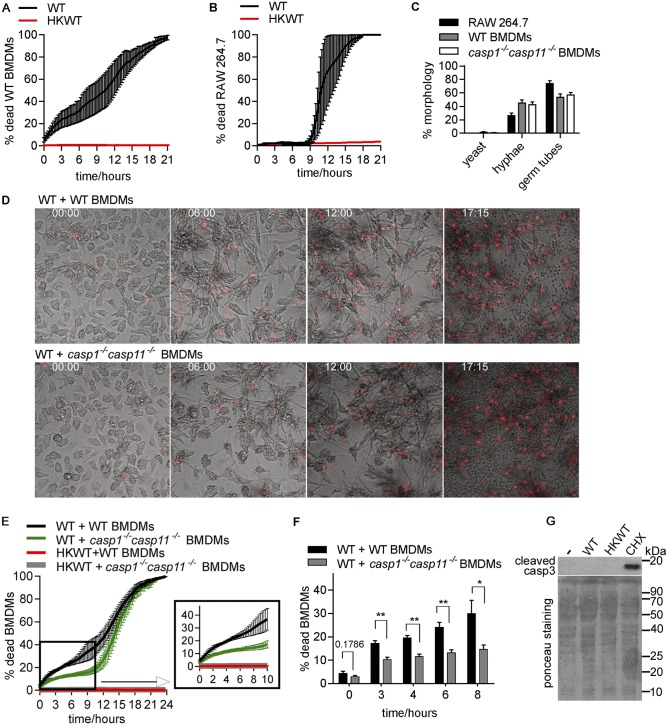
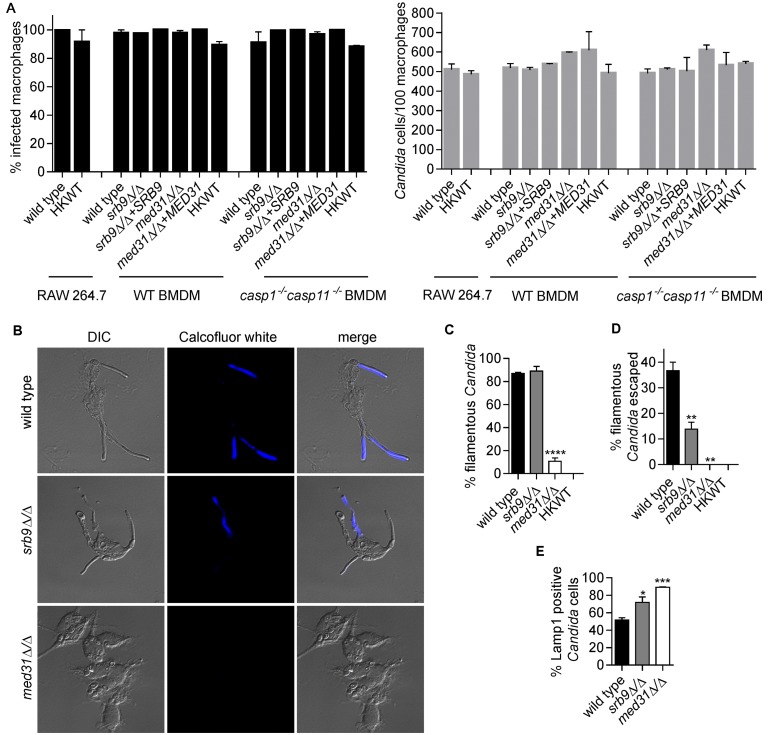
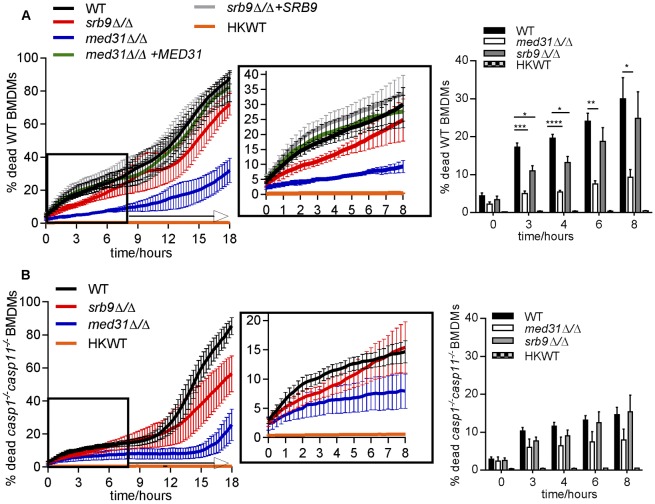
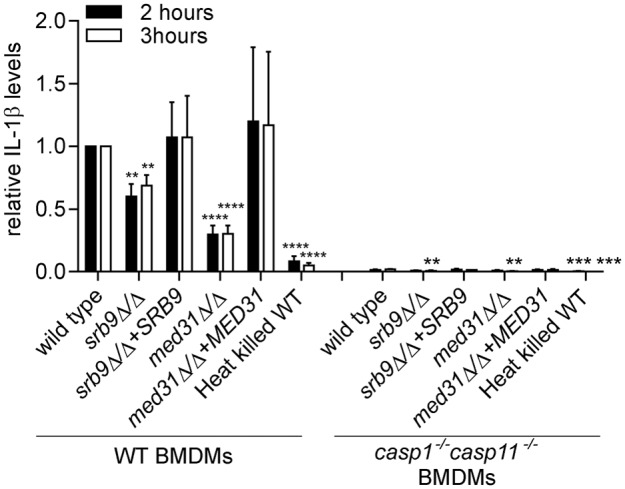
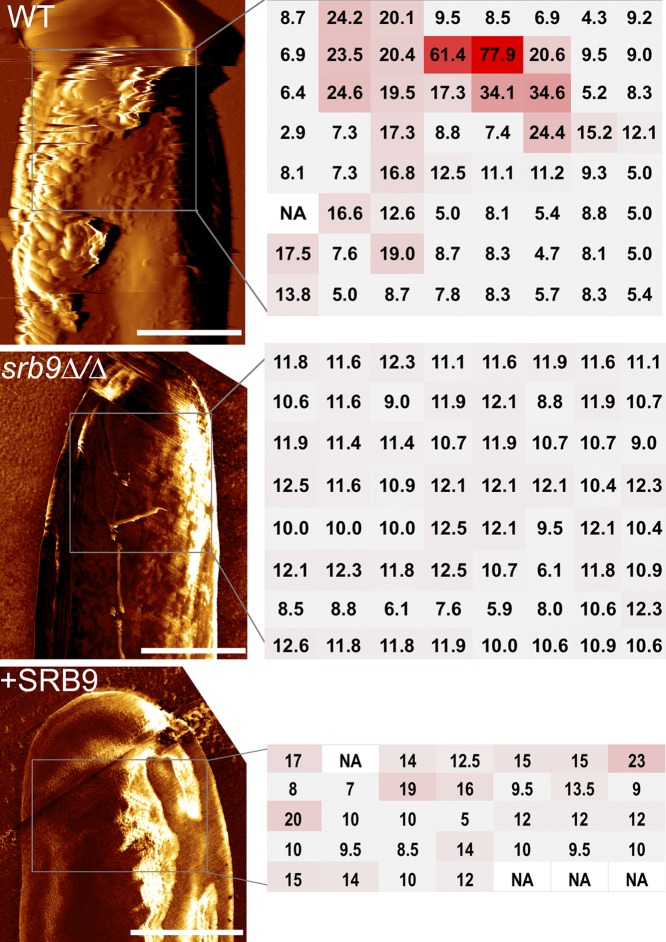
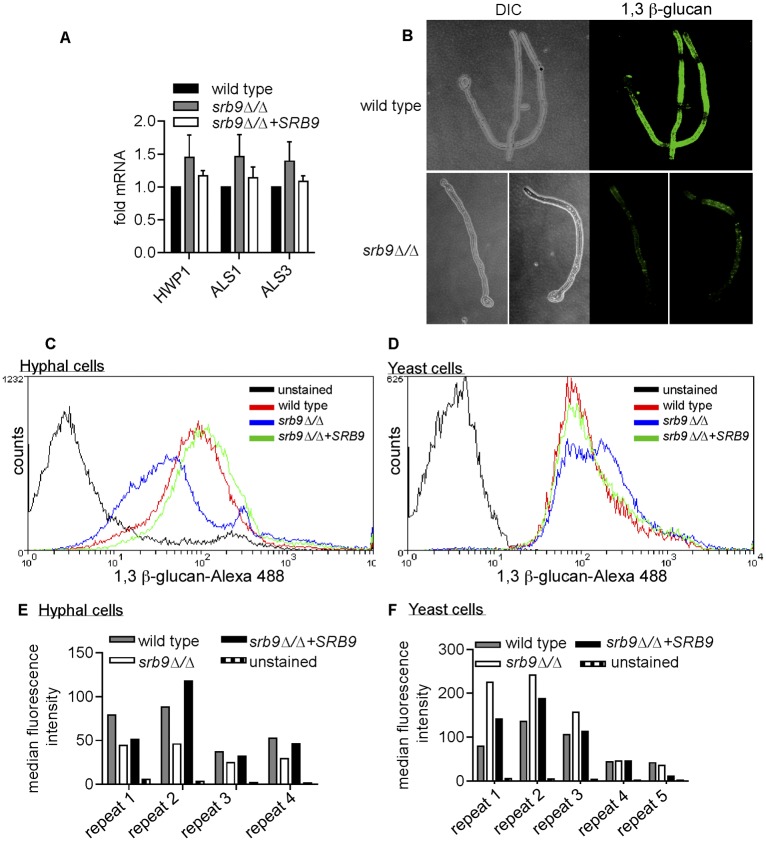
The fungal pathogen Candida albicans causes macrophage death and escapes, but the molecular mechanisms remained unknown. Here we used live-cell imaging to monitor the interaction of C. albicans with macrophages and show that C. albicans kills macrophages in two temporally and mechanistically distinct phases. Early upon phagocytosis, C. albicans triggers pyroptosis, a proinflammatory macrophage death. Pyroptosis is controlled by the developmental yeast-to-hypha transition of Candida . When pyroptosis is inactivated, wild-type C. albicans hyphae cause significantly less macrophage killing for up to 8 h postphagocytosis. After the first 8 h, a second macrophage-killing phase is initiated. This second phase depends on robust hyphal formation but is mechanistically distinct from pyroptosis. The transcriptional regulator Mediator is necessary for morphogenesis of C. albicans in macrophages and the establishment of the wild-type surface architecture of hyphae that together mediate activation of macrophage cell death. Our data suggest that the defects of the Mediator mutants in causing macrophage death are caused, at least in part, by reduced activation of pyroptosis. A Mediator mutant that forms hyphae of apparently wild-type morphology but is defective in triggering early macrophage death shows a breakdown of cell surface architecture and reduced exposed 1,3 β-glucan in hyphae. Our report shows how Candida uses host and pathogen pathways for macrophage killing. The current model of mechanical piercing of macrophages by C. albicans hyphae should be revised to include activation of pyroptosis by hyphae as an important mechanism mediating macrophage cell death upon C. albicans infection. IMPORTANCE Upon phagocytosis by macrophages, Candida albicans can transition to the hyphal form, which causes macrophage death and enables fungal escape. The current model is that the highly polarized growth of hyphae results in macrophage piercing. This model is challenged by recent reports of C. albicans mutants that form hyphae of wild-type morphology but are defective in killing macrophages. We show that C. albicans causes macrophage cell death by at least two mechanisms. Phase 1 killing (first 6 to 8 h) depends on the activation of the pyroptotic programmed host cell death by fungal hyphae. Phase 2 (up to 24 h) is rapid and depends on robust hyphal formation but is independent of pyroptosis. Our data provide a new model for how the interplay between fungal morphogenesis and activation of a host cell death pathway mediates macrophage killing by C. albicans hyphae.
Overview
The claims and statistics of this paper haven’t been checked yet.
Free: it reads the open-access text and checks the first 5 claims that cite a source we can check. Create a free account to check every claim.
Integrity signals
Registry
Cites
Statistics
Figures
Verification
Claims the paper makes
The claims and statistics of this paper haven’t been checked yet.
Free: it reads the open-access text and checks the first 5 claims that cite a source we can check. Create a free account to check every claim.
Claims other papers make about this one
Each is checked against this paper’s own text: does it say what the citing paper says it does?
The source backs part of the claim, not all of it — or backs it for a different population, condition or comparison.
In the citing paper
“Among the known C. albicans virulence factors20, filamentation21 plays a key role in phagocytosis escape mediated through physical processes or by triggering NLRP3/caspase-1 inflammasome-dependent lysis22,23.”
From The δ subunit of F1Fo-ATP synthase is required for pathogenicity of Candida albicans (2021) · cites this paper as [22]
Experimental — accuracy not yet measuredThe cited source says what the claim attributes to it.
In the citing paper
“Furthermore, filamentation enables C. albicans to kill and escape from macrophages through mechanical penetration of cell membranes [29], NLRP3/caspase-1 inflammasome-dependent pyroptosis [51], cytolysis [52] and glucose competition [53].”
From The F 1 F o -ATP synthase α subunit of Candida albicans induces inflammatory responses by controlling amino acid catabolism (2023) · cites this paper as [51]
Self-check
Percentages, sums and reported differences re-computed from the paper’s own numbers.
The self-check needs the paper’s full text.
Citations
Cites
Hidden Killers: Human Fungal Infections
Brown, G. D., Denning, D. W., Gow, N. A. R., Levitz, S. M., Netea, M. G., & White, T. C. (2012) · Science Translational Medicine · doi:10.1126/scitranslmed.3004404 · Cited by 4,284
Non-canonical inflammasome activation targets caspase-11
Kayagaki, N., Warming, S., Lamkanfi, M., Walle, L. V., Louie, S., Dong, J., Newton, K., Qu, Y., Liu, J., Heldens, S., et al. (2011) · Nature · doi:10.1038/nature10558 · Cited by 2,530 · cited 2×
“albicans-mediated killing of macrophages, we utilized BMDMs derived from casp1 / casp11 / mutant mice (27).”
BackgroundMethodSelf-citationNonfilamentous C. albicans Mutants Are Avirulent
Lo, H.-J., Köhler, J. R., DiDomenico, B., Loebenberg, D., Cacciapuoti, A., & Fink, G. R. (1997) · Cell · doi:10.1016/s0092-8674(00)80358-x · Cited by 1,809 · cited 2×
“Generally, yeast-form cells fail to cause damage and to escape from macrophages (4, 5).”
BackgroundNoncanonical Inflammasome Activation by Intracellular LPS Independent of TLR4
Kayagaki, N., Wong, M. T., Stowe, I. B., Ramani, S. R., Gonzalez, L. C., Akashi-Takamura, S., Miyake, K., Zhang, J., Lee, W. P., Muszyński, A., et al. (2013) · Science · doi:10.1126/science.1240248 · Cited by 1,545
Caspase-1-induced pyroptosis is an innate immune effector mechanism against intracellular bacteria
Miao, E. A., Leaf, I. A., Treuting, P. M., Mao, D. P., Dors, M., Sarkar, A., Warren, S. E., Wewers, M. D., & Aderem, A. (2010) · Nature Immunology · doi:10.1038/ni.1960 · Cited by 1,336 · cited 2×
“Caspase-1 and caspase-11 can independently induce pyroptosis (18, 27).”
BackgroundCytoplasmic LPS Activates Caspase-11: Implications in TLR4-Independent Endotoxic Shock
Hagar, J. A., Powell, D. A., Aachoui, Y., Ernst, R. K., & Miao, E. A. (2013) · Science · doi:10.1126/science.1240988 · Cited by 1,259
Candida albicans morphogenesis and host defence: discriminating invasion from colonization
Gow, N. A. R., van de Veerdonk, F. L., Brown, A. J. P., & Netea, M. G. (2012) · Nature Reviews Microbiology · doi:10.1038/nrmicro2711 · Cited by 888 · cited 1×
“The budding yeast state is associated with commensalism, while the developmental transition to hyphal growth is generally related to disease (2).”
BackgroundSyk kinase signalling couples to the Nlrp3 inflammasome for anti-fungal host defence
Gross, O., Poeck, H., Bscheider, M., Dostert, C., Hannesschläger, N., Endres, S., Hartmann, G., Tardivel, A., Schweighoffer, E., Tybulewicz, V., et al. (2009) · Nature · doi:10.1038/nature07965 · Cited by 819
Human dectin-1 deficiency and mucocutaneous fungal infections
Ferwerda, B., Ferwerda, G., Plantinga, T. S., Willment, J. A., van Spriel, A. B., Venselaar, H., Elbers, C. C., Johnson, M. D., Cambi, A., Huysamen, C., et al. (2009) · New England Journal of Medicine · doi:10.1056/nejmoa0901053 · Cited by 752
Salmonella induces macrophage death by caspase‐1‐dependent necrosis
Brennan, M. A., & Cookson, B. T. (2000) · Molecular Microbiology · doi:10.1046/j.1365-2958.2000.02103.x · Cited by 674
Cited by
Items 101–200 of 296
Kalra, R. S., Dhanjal, J. K., Meena, A. S., Kalel, V. C., Dahiya, S., Singh, B., Dewanjee, S., & Kandimalla, R. J. L. (2021) · Frontiers in Aging Neuroscience · doi:10.3389/fnagi.2021.662786 · Cited by 38
An Ultrasensitive Mechanism Regulates Influenza Virus-Induced Inflammation
Shoemaker, J. E., Fukuyama, S., Eisfeld, A. J., Zhao, D., Kawakami, E., Sakabe, S., Maemura, T., Gorai, T., Katsura, H., Muramoto, Y., et al. (2015) · PLoS Pathogens · doi:10.1371/journal.ppat.1004856 · Cited by 37
ERG11 couples oxidative stress adaptation, hyphal elongation and virulence in Candida albicans
Wu, Y., Wu, M., Wang, Y., Chen, Y., Gao, J. Q., & Ying, C. (2018) · FEMS Yeast Research · doi:10.1093/femsyr/foy057 · Cited by 36
“Under Pressure” – How fungi evade, exploit, and modulate cells of the innate immune system
Lange, T., Kasper, L., Gresnigt, M. S., Brunke, S., & Hube, B. (2023) · Seminars in Immunology · doi:10.1016/j.smim.2023.101738 · Cited by 36
Mitochondrial Ca2+ Signaling Is an Electrometabolic Switch to Fuel Phagosome Killing
Seegren, P. V., Downs, T. K., Stremska, M. E., Harper, L. R., Cao, R., Olson, R. J., Upchurch, C. M., Doyle, C. A., Kennedy, J. A., Stipes, E. J., et al. (2020) · Cell Reports · doi:10.1016/j.celrep.2020.108411 · Cited by 36
John, D. A., Williams, L., Kanamarlapudi, V., Humphrey, T. J., & Wilkinson, T. S. (2017) · Frontiers in Microbiology · doi:10.3389/fmicb.2017.01840 · Cited by 35
Haider, M. J. A., Dambuza, I. M., Asamaphan, P., Stappers, M. H. T., Reid, D. M., Yamasaki, S., Brown, G. D., Gow, N. A. R., & Erwig, L. P. (2019) · PLoS ONE · doi:10.1371/journal.pone.0220867 · Cited by 35
Davlieva, M. G., Tovar-Yanez, A., DeBruler, K., Leonard, P. G., Zianni, M. R., Arias, C. A., & Shamoo, Y. E. (2016) · Journal of Molecular Biology · doi:10.1016/j.jmb.2016.09.016 · Cited by 34
Specific pathways mediating inflammasome activation by Candida parapsilosis
Tóth, A., Zajta, E., Csonka, K., Vágvölgyi, C., Netea, M. G., & Gácser, A. (2017) · Scientific Reports · doi:10.1038/srep43129 · Cited by 33
Sugar Phosphorylation Controls Carbon Source Utilization and Virulence of Candida albicans
Wijnants, S., Riedelberger, M., Penninger, P., Kuchler, K., & Dijck, P. V. (2020) · Frontiers in Microbiology · doi:10.3389/fmicb.2020.01274 · Cited by 33
In Fungal Intracellular Pathogenesis, Form Determines Fate
May, R. C., & Casadevall, A. (2018) · mBio · doi:10.1128/mbio.02092-18 · Cited by 33
Radosa, S., Ferling, I., Sprague, J. L., Westermann, M., & Hillmann, F. (2019) · Environmental Microbiology · doi:10.1111/1462-2920.14588 · Cited by 33
Carboxylic Acid Transporters in Candida Pathogenesis
Alves, R. M. A., Sousa-Silva, M., Vieira, D., Soares, P. A., Chebaro, Y., Lorenz, M. C., Casal, M., Soares‐Silva, I., & Paiva, S. (2020) · mBio · doi:10.1128/mbio.00156-20 · Cited by 32
Deen, N. S., Gong, L., Naderer, T., Devenish, R. J., & Kwok, T. (2015) · Helicobacter · doi:10.1111/hel.12223 · Cited by 32
Self-citationBletz, M. C., Vences, M., Sabino‐Pinto, J., Taguchi, Y., Shimizu, N., Nishikawa, K., & Kurabayashi, A. (2017) · Hydrobiologia · doi:10.1007/s10750-017-3126-2 · Cited by 32
Fungal-Induced Programmed Cell Death
Williams, T. J., Gonzales-Huerta, L. E., & Armstrong-James, D. P. H. (2021) · Journal of Fungi · doi:10.3390/jof7030231 · Cited by 31
Wang, Q., Verma, J., Vidan, N., Wang, Y., Tucey, T. M., Lo, T. L., Harrison, P. F., See, M., Swaminathan, A., Kuchler, K., et al. (2020) · Cell Reports · doi:10.1016/j.celrep.2020.107528 · Cited by 31
Self-citationThe GRA17 Parasitophorous Vacuole Membrane Permeability Pore Contributes to Bradyzoite Viability
Paredes-Santos, T. C., Wang, Y., Waldman, B. S., Lourido, S., & Saeij, J. P. J. (2019) · Frontiers in Cellular and Infection Microbiology · doi:10.3389/fcimb.2019.00321 · Cited by 31
Candida auris —macrophage cellular interactions and transcriptional response
Miramón, P., Pountain, A. W., & Lorenz, M. C. (2023) · Infection and Immunity · doi:10.1128/iai.00274-23 · Cited by 29
“Previous reports have investigated C. auris -macrophage interactions with a focus on relative early time points (45, 46), since C. albicans effects on macrophage activation and viability occur within the first 6–8 h (inflammasome activation, cytokine production, cell lysis) (48, 49).”
ResultSome like it hot: Candida activation of inflammasomes
Camilli, G., Griffiths, J. S., Ho, J., Richardson, J. P., & Naglik, J. R. (2020) · PLoS Pathogens · doi:10.1371/journal.ppat.1008975 · Cited by 29
Sphingolipids as Regulators of the Phagocytic Response to Fungal Infections
Bryan, A. M., Poeta, M. D., & Luberto, C. (2015) · Mediators of Inflammation · doi:10.1155/2015/640540 · Cited by 29
Candida spp. and phagocytosis: multiple evasion mechanisms
Oliver, J. C., Ferreira, C. B. R. J., Silva, N. C., & Dias, A. L. T. (2019) · Antonie van Leeuwenhoek · doi:10.1007/s10482-019-01271-x · Cited by 29
Gerwien, F., Dunker, C., Brandt, P., Garbe, E., Jacobsen, I. D., & Vylkova, S. (2020) · mSphere · doi:10.1128/msphere.00393-20 · Cited by 29
Transition of microbiota in chicken cecal droppings from commercial broiler farms
Takeshita, N., Watanabe, T., Ishida‐Kuroki, K., & Sekizaki, T. (2021) · BMC Veterinary Research · doi:10.1186/s12917-020-02688-7 · Cited by 29
Challenges in the microbial production of flavonoids
Delmulle, T., Maeseneire, S. L. D., & Mey, M. D. (2017) · Phytochemistry Reviews · doi:10.1007/s11101-017-9515-3 · Cited by 29
Microbial Egress: A Hitchhiker's Guide to Freedom
Traven, A., & Naderer, T. (2014) · PLoS Pathogens · doi:10.1371/journal.ppat.1004201 · Cited by 28
Self-citationPhagocytes as central players in the defence against invasive fungal infection
Hünniger, K., & Kurzai, O. (2018) · Seminars in Cell and Developmental Biology · doi:10.1016/j.semcdb.2018.03.021 · Cited by 28
Integrating Inflammasome Signaling in Sexually Transmitted Infections
Lupfer, C. R., & Anand, P. K. (2016) · Trends in Immunology · doi:10.1016/j.it.2016.08.004 · Cited by 28
Kaden, T., Alonso‐Román, R., Akbarimoghaddam, P., Mosig, A. S., Graf, K., Raasch, M., Hoffmann, B., Figge, M. T., Hube, B., & Gresnigt, M. S. (2024) · Biomaterials · doi:10.1016/j.biomaterials.2024.122525 · Cited by 27
I’m Infected, Eat Me! Innate Immunity Mediated by Live, Infected Cells Signaling To Be Phagocytosed
Birkle, T. J. Y., & Brown, G. C. (2021) · Infection and Immunity · doi:10.1128/iai.00476-20 · Cited by 26
Te, N., Rodon, J., Ballester, M., Pérez, M., Pailler‐García, L., Segalés, J., Vergara‐Alert, J., & Bensaïd, A. (2021) · PLoS Pathogens · doi:10.1371/journal.ppat.1009229 · Cited by 26
Yoshida, K., Hirano, R., Sakai, Y., Choi, M., Sakanaka, M., Kurihara, S., Iino, H., Xiao, J., Katayama, T., & Odamaki, T. (2021) · Communications Biology · doi:10.1038/s42003-021-02072-7 · Cited by 25
Dühring, S., Ewald, J., Germerodt, S., Kaleta, C., Dandekar, T., & Schuster, S. (2017) · Journal of The Royal Society Interface · doi:10.1098/rsif.2017.0095 · Cited by 25
Effect of collagen and EPS components on the viscoelasticity of Pseudomonas aeruginosa biofilms
Rahman, M. U., Fleming, D. F., Sinha, I., Rumbaugh, K. P., Gordon, V. D., & Christopher, G. F. (2021) · Soft Matter · doi:10.1039/d1sm00463h · Cited by 25
Structural insights into an atypical secretory pathway kinase crucial for Toxoplasma gondii invasion
Lentini, G., Chaabene, R. B., Vadas, O., Ramakrishnan, C., Mukherjee, B., Mehta, V., Lunghi, M., Grossmann, J., Maco, B., Visentin, R., et al. (2021) · Nature Communications · doi:10.1038/s41467-021-24083-y · Cited by 25
Elalouf, A., Elalouf, H., & Rosenfeld, A. (2023) · Frontiers in Immunology · doi:10.3389/fimmu.2023.1292625 · Cited by 24
Candidalysin biology and activation of host cells
Lortal, L., Lyon, C. M., Sprague, J. L., Sonnberger, J., Paulin, O. K. A., Wickramasinghe, D. N., Richardson, J. P., Hube, B., & Naglik, J. R. (2025) · mBio · doi:10.1128/mbio.00603-24 · Cited by 24
The Great Escape: Pathogen Versus Host
Kong, E. F., & Jabra‐Rizk, M. A. (2015) · PLoS Pathogens · doi:10.1371/journal.ppat.1004661 · Cited by 24
Alarmin(g) the innate immune system to invasive fungal infections
Caffrey, A. K., & Obar, J. J. (2016) · Current Opinion in Microbiology · doi:10.1016/j.mib.2016.06.002 · Cited by 22
Feng, J., Yao, S., Dong, Y., Hu, J. R., Whiteway, M. S., & Feng, J. (2020) · mSphere · doi:10.1128/msphere.00062-20 · Cited by 22
The δ subunit of F1Fo-ATP synthase is required for pathogenicity of Candida albicans
Li, S., Zhao, Y., Zhang, Y., Zhang, Y., Zhang, Z., Tang, C., Weng, L., Chen, X., Zhang, G., & Zhang, H. (2021) · Nature Communications · doi:10.1038/s41467-021-26313-9 · Cited by 21
Pountain, A. W., Collette, J. R., Farrell, W. M., & Lorenz, M. C. (2021) · mBio · doi:10.1128/mbio.03317-21 · Cited by 21
McCrory, C., Verma, J., Tucey, T. M., Turner, R., Weerasinghe, H., Beilharz, T. H., & Traven, A. (2023) · mBio · doi:10.1128/mbio.02605-23 · Cited by 21
Self-citationPuumala, E., Nandakumar, M., Yiu, B., Stogios, P. J., Strickland, B. G., Żarnowski, R., Wang, X., Williams, N. S., Savchenko, A. V., Andes, D. R., et al. (2025) · Nature Communications · doi:10.1038/s41467-025-57346-z · Cited by 21
FliC of Vibrio splendidus-related strain involved in adhesion to Apostichopus japonicus
Dai, F., Li, Y., Shao, Y., Li, C., & Zhang, W. (2020) · Microbial Pathogenesis · doi:10.1016/j.micpath.2020.104503 · Cited by 21
Respiration supports intraphagosomal filamentation and escape of Candida albicans from macrophages
Case, N. T., Westman, J., Hallett, M. T., Plumb, J. D., Farheen, A., Maxson, M. E., MacAlpine, J., Liston, S. D., Hube, B., Robbins, N., et al. (2023) · mBio · doi:10.1128/mbio.02745-23 · Cited by 20
Balachandra, V. K., Verma, J., Shankar, M., Tucey, T. M., Traven, A., Schittenhelm, R. B., & Ghosh, S. (2020) · PLoS Genetics · doi:10.1371/journal.pgen.1009071 · Cited by 20
Self-citationThe effect of herbal medicine in innate immunity to Candida albicans
Bao, M.-Y., Li, M., Bu, Q., Yang, Y., Song, H., Wang, C., Wang, T.-M., & Li, N. (2023) · Frontiers in Immunology · doi:10.3389/fimmu.2023.1096383 · Cited by 20
Borrego, C., Sabater, S., & Proia, L. (2020) · Scientific Reports · doi:10.1038/s41598-020-67774-0 · Cited by 20
Recognition of Fungal Components by the Host Immune System
García-Carnero, L. C., Martínez-Álvarez, J. A., Salazar-García, L. M., Lozoya‐Pérez, N. E., González-Hernández, S. E., & Tamez-Castrellón, A. K. (2019) · Current Protein and Peptide Science · doi:10.2174/1389203721666191231105546 · Cited by 20
Extracellular Vesicles from Candida haemulonii var. vulnera Modulate Macrophage Oxidative Burst
Oliveira, B. T. M., Dourado, T. M. H., dos Santos, P. W. D. S., Bitencourt, T. A., Tirapelli, C. R., Colombo, A. L., & Almeida, F. B. D. R. (2023) · Journal of Fungi · doi:10.3390/jof9050562 · Cited by 20
Buerger, P., Wood‐Charlson, E. M., Weynberg, K. D., Willis, B. L., & van Oppen, M. J. H. (2016) · Frontiers in Microbiology · doi:10.3389/fmicb.2016.02077 · Cited by 20
Virulence and pathogenicity of aCandida albicansmutant with reduced filamentation
Peroumal, D., Kodavati, M. M., Patel, S. K., Kumari, P., Sahu, S. R., & Acharya, N. (2019) · Cellular Microbiology · doi:10.1111/cmi.13103 · Cited by 19
Clemente, A. M., Castronovo, G., Antonelli, A., D’Andrea, M. M., Tanturli, M., Perissi, E., Paccosi, S., Parenti, A., Cozzolino, F., Rossolini, G. M., et al. (2017) · PLoS ONE · doi:10.1371/journal.pone.0178847 · Cited by 19
McMullen, J. G., Bueno, E., Blow, F., & Douglas, A. E. (2021) · Genome Biology and Evolution · doi:10.1093/gbe/evab127 · Cited by 19
Genome-Wide Response to Drugs and Stress in the Pathogenic Yeast Candida glabrata
Pais, P., Galocha, M., & Teixeira, M. C. (2019) · Progress in molecular and subcellular biology · doi:10.1007/978-3-030-13035-0_7 · Cited by 18
Hyphal Growth of Phagocytosed Fusarium oxysporum Causes Cell Lysis and Death of Murine Macrophages
Schäfer, K., Bain, J. M., Pietro, A. D., Gow, N. A. R., & Erwig, L. P. (2014) · PLoS ONE · doi:10.1371/journal.pone.0101999 · Cited by 18
“We've got to get out”—Strategies of human pathogenic fungi to escape from phagocytes
Sonnberger, J., Kasper, L., Lange, T., Brunke, S., & Hube, B. (2023) · Molecular Microbiology · doi:10.1111/mmi.15149 · Cited by 17
Lactic acid in the vaginal milieu modulates the Candida -host interaction
Rosati, D., Valentine, M., Bruno, M., Pradhan, A., Dietschmann, A., Jaeger, M., Leaves, I., van de Veerdonk, F. L., Joosten, L. A. B., Roy, S., et al. (2025) · Virulence · doi:10.1080/21505594.2025.2451165 · Cited by 17
Ziegler, A. C., Müller, T., & Gräler, M. H. (2020) · Cellular Signalling · doi:10.1016/j.cellsig.2020.109849 · Cited by 17
Wegelius, A., Li, X., Turco, F., & Stensjö, K. (2018) · PLoS ONE · doi:10.1371/journal.pone.0203898 · Cited by 16
Shankar, M., Uwamahoro, N., Backman, E., Holmberg, S. M., Niemiec, M. J., Roth, J., Vogl, T., & Urban, C. F. (2021) · Frontiers in Immunology · doi:10.3389/fimmu.2021.553911 · Cited by 16
Self-citationZeng, H., Stadler, M., Abraham, W., Müsken, M., & Schrey, H. (2023) · Journal of Fungi · doi:10.3390/jof9070726 · Cited by 15
Dynamic Interplay of Host and Pathogens in an Avian Whole-Blood Model
Sreekantapuram, S., Lehnert, T., Prauße, M. T. E., Berndt, A., Berens, C., Figge, M. T., & Jacobsen, I. D. (2020) · Frontiers in Immunology · doi:10.3389/fimmu.2020.00500 · Cited by 15
The Type III Secretion Effector CteG Mediates Host Cell Lytic Exit of Chlamydia trachomatis
Pereira, I. S., Pais, S. V., Borges, V., Borrego, M. J., Gomes, J. P., & Mota, L. J. (2022) · Frontiers in Cellular and Infection Microbiology · doi:10.3389/fcimb.2022.902210 · Cited by 15
Wilson, H. B., & Lorenz, M. C. (2023) · Infection and Immunity · doi:10.1128/iai.00087-23 · Cited by 14
Telomeric ORFS in Candida albicans: Does Mediator Tail Wag the Yeast?
Sullivan, D. J., Berman, J. G., Myers, L. C., & Moran, G. P. (2015) · PLoS Pathogens · doi:10.1371/journal.ppat.1004614 · Cited by 14
Pascoal, F., Costa, R., Assmy, P., Duarte, P., & Magalhães, C. (2021) · Microbial Ecology · doi:10.1007/s00248-021-01821-9 · Cited by 14
Wang, Z., Qu, S., Gao, D. M., Shao, Q., Nie, C., & Xing, C. (2022) · Nano Letters · doi:10.1021/acs.nanolett.2c04484 · Cited by 13
IRE1α promotes phagosomal calcium flux to enhance macrophage fungicidal activity
McFadden, M. J., Reynolds, M. B., Michmerhuizen, B. C., Olafsson, E. B., Marshall, S. A., Davis, F. A., Schultz, T. L., Iwawaki, T., Sexton, J. Z., O’Riordan, M. X., et al. (2025) · Cell Reports · doi:10.1016/j.celrep.2025.115694 · Cited by 13
Fukumoto, J., Sakura, T., Matsubara, R., Tahara, M., Matsuzaki, M., & Nagamune, K. (2021) · Biology Open · doi:10.1242/bio.058988 · Cited by 13
Macrophage pyroptosis induced by Candida albicans
Zhang, F.-Y., Lian, N., & Li, M. (2024) · Pathogens and Disease · doi:10.1093/femspd/ftae003 · Cited by 12
Vaz, C., Reales‐Calderón, J. A., Pitarch, A., Vellosillo, P., Trevisán-Herraz, M., Hernáez, M. L., Monteoliva, L., & Gil, C. (2019) · Journal of Proteome Research · doi:10.1021/acs.jproteome.9b00032 · Cited by 12
Galleria mellonella as an insect model for P. destructans, the cause of White-nose Syndrome in bats
Beekman, C. N., Meckler, L., Kim, E., & Bennett, R. J. (2018) · PLoS ONE · doi:10.1371/journal.pone.0201915 · Cited by 12
Compromised NLRP 3 and AIM 2 inflammasome function in autoimmune NZB /W F1 mouse macrophages
Thygesen, S. J., Takizawa, K. E., Robertson, A. A. B., Sester, D. P., & Stacey, K. J. (2018) · Immunology and Cell Biology · doi:10.1111/imcb.12193 · Cited by 12
Li, T., Xie, Y., Shi, L., Sun, Y., Wen, J., Deng, Z., Zhang, H., Li, H., Yang, J., & Xiao, H. Q. (2021) · ImmunoHorizons · doi:10.4049/immunohorizons.2000093 · Cited by 12
Microbial Production of Value-Added Chemicals from Pyrolysis Oil and Syngas
Neumann, A., Dörsam, S., Oswald, F., & Ochsenreither, K. (2015) · Springer eBooks · doi:10.1007/978-94-017-7475-8_4 · Cited by 11
Almeida‐Paes, R., Figueiredo‐Carvalho, M. H. G., da Silva, L. B., Gerfen, G. J., Araújo, G. R. D. S., Frasés, S., Zancopé‐Oliveira, R. M., & Nosanchuk, J. D. (2021) · Future Microbiology · doi:10.2217/fmb-2020-0228 · Cited by 11
Jaeger, M., Dietschmann, A., Austermeier, S., Dinçer, S., Porschitz, P., Vornholz, L., Maas, R. J. A., Sprenkeler, E. G. G., Ruland, J., Wirtz, S. J., et al. (2024) · Virulence · doi:10.1080/21505594.2024.2333367 · Cited by 11
Pyroptosis and Airway Homeostasis Regulation
Xu, P., LI, F., & TANG, H. (2023) · Physiological Research · doi:10.33549/physiolres.934971 · Cited by 11
Pan, M., Wang, Q., Cheng, T., Wu, D., Wang, T., Yan, G., & Shao, J. (2021) · Biofouling · doi:10.1080/08927014.2021.1985473 · Cited by 10
Sensing the threat posed by Aspergillus infection
Obar, J. J. (2020) · Current Opinion in Microbiology · doi:10.1016/j.mib.2020.08.004 · Cited by 10
Host Immune Responses During Infections with Candida albicans
Stappers, M. H. T., & Brown, G. D. (2017) · Springer eBooks · doi:10.1007/978-3-319-50409-4_9 · Cited by 10
Yousif, D., Wu, Y., Gonzales, A., Mathieu, C., Zeng, Y., Sample, L., Terando, S., Li, T., & Xiao, J. (2024) · Pharmaceutics · doi:10.3390/pharmaceutics16020215 · Cited by 10
Neonatal malnutrition programs the oxidant function of macrophages in response to Candida albicans
da Costa, T. B., de Morais, N. G., Pedrosa, A. L. F., de Albuquerque, S. D. C. G., de Castro, M. C. A. B., Pereira, V. R. A., de Paiva-Cavalcanti, M., & de Castro, C. M. M. B. (2016) · Microbial Pathogenesis · doi:10.1016/j.micpath.2016.02.012 · Cited by 10
van Wagenberg, C. P. A., & van Horne, P. L. M. (2016) · Microbial Risk Analysis · doi:10.1016/j.mran.2016.05.004 · Cited by 10
Commensal to Pathogen Transition of Candida albicans
Niemiec, M. J., Kapitan, M., Polke, M., & Jacobsen, I. D. (2017) · Elsevier eBooks · doi:10.1016/b978-0-12-809633-8.12077-1 · Cited by 9
Infection-induced glucose starvation triggers NINJ1-dependent macrophage lysis and Candida escape
Weerasinghe, H., Tulyaprawat, O., Stölting, H., Sonnberger, J., Mobbs, B., Nickson, J., Lange, T., van Denderen, B., Lo, T. L., Schille, T. B., et al. (2026) · Nature Communications · doi:10.1038/s41467-026-74195-6 · Cited by 9
Self-citationiTRAQ-based proteomic analysis of Paracoccidioides brasiliensis in response to hypoxia
Oliveira, L. N., Lima, P. D. S., Araújo, D. S., Portis, I. G., Júnior, A. D. C. M. D. S., Coelho, A. S. G., de Sousa, M. V., Ricart, C. A. O., Fontes, W., & Soares, C. M. D. A. (2021) · Microbiological Research · doi:10.1016/j.micres.2021.126730 · Cited by 9
Song, Y., Wang, Z., Long, Y., Mao, Y., Jiang, F., & Lu, Y. (2022) · Research in Microbiology · doi:10.1016/j.resmic.2022.103955 · Cited by 9
Praetorius, J., Hitzler, S. U. J., Gresnigt, M. S., & Figge, M. T. (2025) · FEMS Yeast Research · doi:10.1093/femsyr/foaf011 · Cited by 8
Miao, Y., Ding, T., Liu, Y., Zhou, X., & Du, J. C. (2023) · Animals · doi:10.3390/ani13203222 · Cited by 8
Figueira, L. W., de Oliveira, J. R., NETTO, A. A. L., Zamarioli, L. D. S., Marcucci, M. C., Camargo, S. E. A., & de Oliveira, L. D. (2020) · Future Microbiology · doi:10.2217/fmb-2019-0297 · Cited by 7
Immunomodulatory functions of microorganisms in tissue regenerative healing
Wang, M., Liu, H., Huang, M., Huang, Y., Ming, Y., Chen, W., Chen, Y., Tang, Z., & Jia, B. (2023) · Acta Biomaterialia · doi:10.1016/j.actbio.2023.10.007 · Cited by 7
Commensal to Pathogen Transition of Candida albicans
Jacobsen, I. D., Niemiec, M. J., Kapitan, M., & Polke, M. (2020) · Elsevier eBooks · doi:10.1016/b978-0-12-809633-8.21281-8 · Cited by 6
Laurian, R., Jacot‐des‐Combes, C., Bastián, F., Dementhon, K., & Cotton, P. (2020) · Pathogens and Disease · doi:10.1093/femspd/ftaa014 · Cited by 6
Garg, M., Verma, M., Khan, A. S., Yadav, P., Rahman, S. S., Ali, A., & Kamthan, M. (2025) · Life Sciences · doi:10.1016/j.lfs.2025.123368 · Cited by 6
Pre‐existing mycobacterial infection modulates Candida albicans ‐driven pyroptosis
Bhatt, B., Prakhar, P., Lohia, G. K., Rajmani, R. S., & Balaji, K. N. (2021) · FEBS Journal · doi:10.1111/febs.16243 · Cited by 6
Role of Candida albicans mating in genetic variability and adaptation to the host
Correia, I., Román, E., Prieto, D., Hidalgo-Vico, S., Alonso‐Monge, R., & Plá, J. (2019) · Fungal Biology Reviews · doi:10.1016/j.fbr.2019.06.001 · Cited by 6
The morpheein model of allosterism: a remedial step for targeting virulent l-asparaginase
Vimal, A., & Kumar, A. (2016) · Drug Discovery Today · doi:10.1016/j.drudis.2016.10.004 · Cited by 6
Metadata
- Authors
- Uwamahoro, N., Verma-Gaur, J., Shen, H.-H., Qu, Y., Lewis, R., Lu, J., Bambery, K., Masters, S. L., Vince, J. E., Naderer, T., & Traven, A.
- Affiliations
- Monash University (AU)
- Department of Biochemistry and Molecular Biology, Monash University, Clayton, Victoria, Australia
- The University of Melbourne (AU)
- Australian Synchrotron (AU)
- ORCID
- Venue
- mBio
- Publisher
- American Society for Microbiology
- Published
- 2014-05
- Volume
- 5
- Issue
- 2
- Pages
- e00003-14
- ISSN
- 2150-7511 (ISSN-L)
- 2161-2129
- PMC
- PMC3977349
- OpenAlex
- W2148931210
- Cited by
- 264
- References
- 45
- Citations by year
- 2026: 15 · 2025: 14 · 2024: 12 · 2023: 22 · 2022: 17 · 2021: 38 · 2020: 38 · 2019: 23 · 2018: 24 · 2017: 19 · 2016: 16 · 2015: 19 · 2014: 7
- FWCI
- 14.29
- Type
- journal article
- Language
- en
- Open access
- gold
- doi.org
- Licence
- cc-by-nc-sa
- creativecommons.org/licenses/by-nc-sa/3.0/ (vor)
- journals.asm.org/non-commercial-tdm-license (tdm)
- Locations
- mBio (publishedVersion, cc-by-nc-sa)
- Europe PMC (PubMed Central) (publishedVersion, cc-by-nc-sa)
- PubMed Central (publishedVersion, cc-by-nc-sa)
- Monash University Research Portal (Monash University) (publishedVersion, other-oa)
- PubMed (publishedVersion)
- DOAJ (DOAJ: Directory of Open Access Journals) (submittedVersion, cc-by-sa)
- Minerva Access (University of Melbourne) (submittedVersion, cc-by-nc-sa)
- Funders
- Monash University
- Medical Research Council
- National Health and Medical Research Council
- Topics
- Health Sciences › Medicine › Infectious Diseases › Antifungal resistance and susceptibility
- Life Sciences › Biochemistry, Genetics and Molecular Biology › Molecular Biology › Fungal and yeast genetics research
- Life Sciences › Biochemistry, Genetics and Molecular Biology › Molecular Biology › Inflammasome and immune disorders
- Keywords
- Candida albicans, pyroptosis, macrophage killing, hyphal morphogenesis, yeast-to-hypha transition, Mediator complex, β-1,3-glucan, phagocytosis, host-pathogen interaction, fungal virulence, programmed cell death
- MeSH terms
- Animals, Candida albicans, Candidiasis, Humans, Macrophages, Mice, Inbred BALB C, Mice, Inbred C57BL, Cell Death, Hyphae, Immune Evasion, Optical Imaging
About these checks
Registry, retraction, Cites and statistics results are computed, not judged, with one exception: a printed reference that no index lists is read once by a model before it counts as a citation error. Claims are extracted by a model and kept only when their quote appears verbatim in the text; each cited source is then checked, with a model’s help, for whether it says what the claim relies on. Those verdicts can be wrong — read the claim’s quote and the cited source before relying on one.
Statistics and arithmetic are recomputed, not judged.
Confidence bands are shown only for fields calibrated on our annotated test set. None is calibrated yet, so no band is shown.
What counts as a claim ›How we measure confidence ›How we check this ›
Are you an author, or do you see a problem with this page? Request a review
Data sources
Bibliographic data: Semantic Scholar, OpenAlex, Crossref.
Contains information from the Semantic Scholar Academic Graph Datasets, made available under the ODC Attribution License (ODC-BY 1.0).
Semantic Scholar’s data is described in: Kinney, R., et al. (2023). The Semantic Scholar Open Data Platform. arXiv:2301.10140.
