

The DOI matches its Crossref record; 81 of the 81 references it cites were found in a registry or an index.
Bacterial Adrenergic Sensors Regulate Virulence of Enteric Pathogens in the Gut
Open accessAbstract
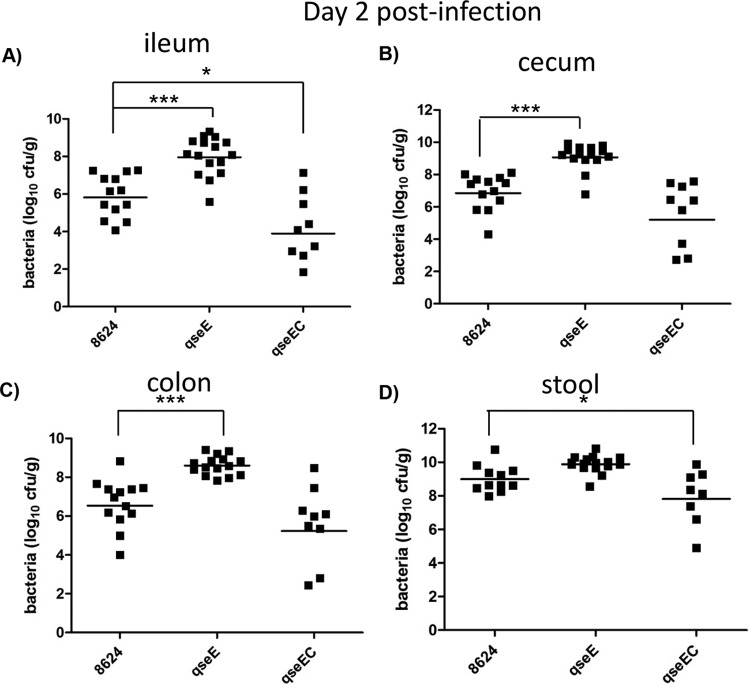
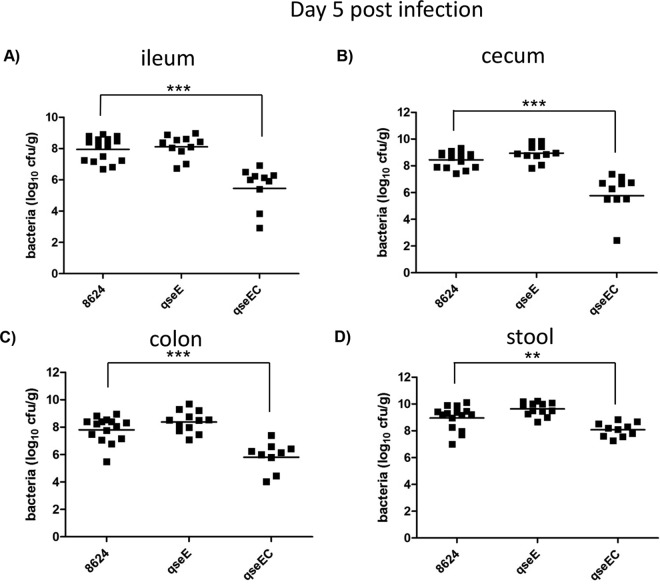
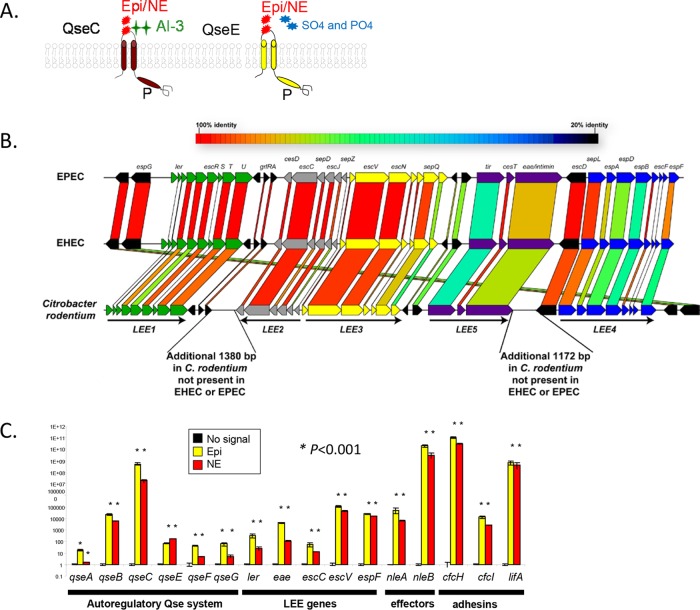
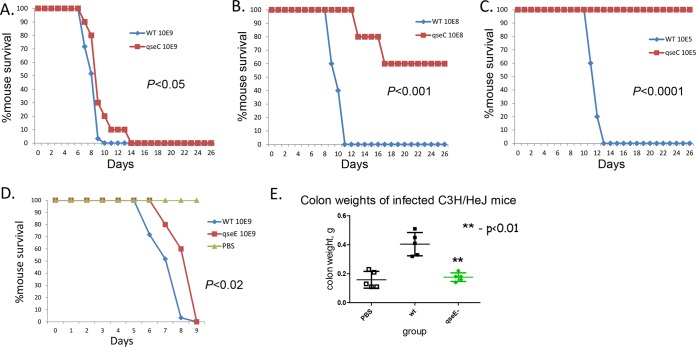
UNLABELLED: Enteric pathogens such as enterohemorrhagic Escherichia coli (EHEC) and Citrobacter rodentium, which is largely used as a surrogate EHEC model for murine infections, are exposed to several host neurotransmitters in the gut. An important chemical exchange within the gut involves the neurotransmitters epinephrine and/or norepinephrine, extensively reported to increase virulence gene expression in EHEC, acting through two bacterial adrenergic sensors: QseC and QseE. However, EHEC is unable to establish itself and cause its hallmark lesions, attaching and effacing (AE) lesions, on murine enterocytes. To address the role of these neurotransmitters during enteric infection, we employed C. rodentium Both EHEC and C. rodentium harbor the locus of enterocyte effacement (LEE) that is necessary for AE lesion formation. Here we show that expression of the LEE, as well as that of other virulence genes in C. rodentium, is also activated by epinephrine and/or norepinephrine. Both QseC and QseE are required for LEE gene activation in C. rodentium, and the qseC and qseE mutants are attenuated for murine infection. C. rodentium has a decreased ability to colonize dopamine β-hydroxylase knockout (Dbh(-/-)) mice, which do not produce epinephrine and norepinephrine. Both adrenergic sensors are required for C. rodentium to sense these neurotransmitters and activate the LEE genes during infection. These data indicate that epinephrine and norepinephrine are sensed by bacterial adrenergic receptors during enteric infection to promote activation of their virulence repertoire. This is the first report of the role of these neurotransmitters during mammalian gastrointestinal (GI) infection by a noninvasive pathogen. IMPORTANCE: The epinephrine and norepinephrine neurotransmitters play important roles in gut physiology and motility. Of note, epinephrine and norepinephrine play a central role in stress responses in mammals, and stress has profound effects on GI function. Bacterial enteric pathogens exploit these neurotransmitters as signals to coordinate the regulation of their virulence genes. The bacterial QseC and QseE adrenergic sensors are at the center of this regulatory cascade. C. rodentium is a noninvasive murine pathogen with a colonization mechanism similar to that of EHEC, enabling the investigation of host signals in mice. The presence of these neurotransmitters in the gut is necessary for C. rodentium to fully activate its virulence program, in a QseC/QseE-dependent manner, to successfully colonize its murine host. Our study data provide the first example of epinephrine and norepinephrine signaling within the gut to stimulate infection by a bacterial pathogen in a natural animal infection.
Overview
The claims and statistics of this paper haven’t been checked yet.
Run the check — free, no account needed. It reads the open-access text and checks the sources it cites.
Integrity signals
Registry
Cites
Statistics
Figures
Verification
Claims the paper makes
The claims and statistics of this paper haven’t been checked yet.
Run the check — free, no account needed. It reads the open-access text and checks the sources it cites.
Claims other papers make about this one
Each is checked against this paper’s own text: does it say what the citing paper says it does?
The source backs part of the claim, not all of it — or backs it for a different population, condition or comparison.
In the citing paper
“Also, norepinephrine can act as a quorum sensing molecule to increase the expression of bacterial virulence genes through interaction with bacterial quorum sensing histidine kinase (Curtis et al., 2014;Moreira et al., 2016).”
From The Microbiota-Gut-Brain Axis (2019) · cites this paper as Moreira et al., 2016
Experimental — accuracy not yet measured
Self-check
Percentages, sums and reported differences re-computed from the paper’s own numbers.
The self-check needs the paper’s full text.
Citations
Cites
One-step inactivation of chromosomal genes in Escherichia coli K-12 using PCR products.
Datsenko, K., & Wanner, B. (2000) · Proceedings of the National Academy of Sciences of the United States of America · doi:10.1073/pnas.120163297 · Cited by 15,902 · cited 1×
“Nonpolar mutants of qseE and qseEC in C. rodentium were constructed through the use of a lambda Red system (81).”
Kaper, J. B., Nataro, J. P., & Mobley, H. L. T. (2004) · Nature Reviews Microbiology · doi:10.1038/nrmicro818 · Cited by 5,583 · cited 2×
“rodentium, as well as EHEC, does not breach the intestinal mucosa and invade the host systemically; the bacteria are restricted to the mucosal layer of the intestine (58, 79).”
Indigenous bacteria from the gut microbiota regulate host serotonin biosynthesis
Yano, J. M., Yu, K., Donaldson, G. P., Shastri, G. G., Ann, P., Ma, L., Nagler, C. R., Ismagilov, R. F., Mazmanian, S. K., & Hsiao, E. Y. (2015) · Cell · doi:10.1016/j.cell.2015.02.047 · Cited by 3,614 · cited 1×
“This two-way-street communication is currently gaining appreciation given that there are important relationships between neurotransmitters and the GI microbiota, with the microbiota inducing biosynthesis of the serotonin neurotransmitter (72) and modulating the levels of active epinephrine and norepinephrine in the gu…”
Lupp, C., Robertson, M. L., Wickham, M. E., Sekirov, I., Champion, O. L., Gaynor, E. C., & Finlay, B. B. (2007) · Cell Host & Microbe · doi:10.1016/j.chom.2007.06.010 · Cited by 1,310 · cited 2×
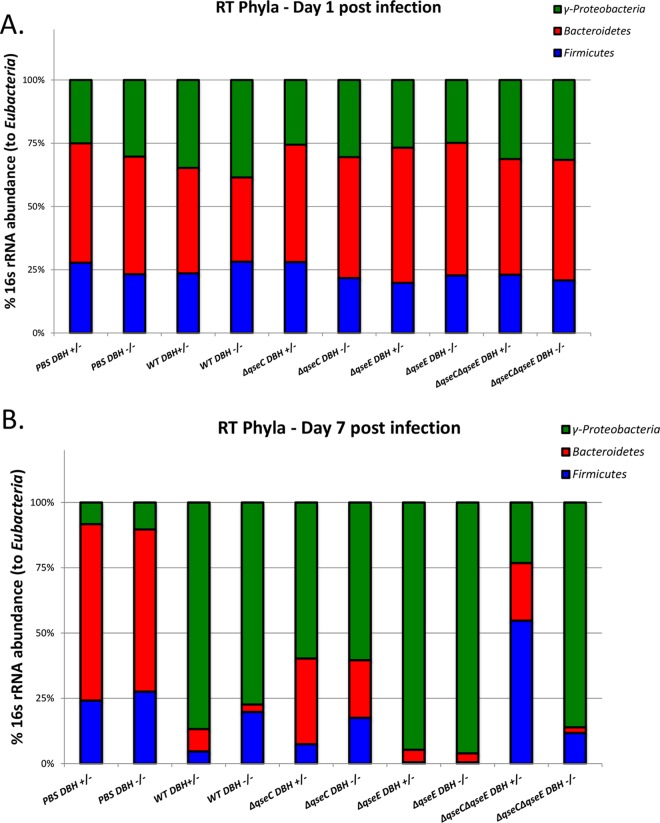
“rodentium also causes significant changes in the structure of the microbial community, decreasing the number of anaerobes and increasing the numbers of -proteobacteria (73).”
Enteropathogenic E. coli (EPEC) transfers its receptor for intimate adherence into mammalian cells.
Kenny, B., Devinney, R., Stein, M., Reinscheid, D., Frey, E., & Finlay, B. (1997) · Cell · doi:10.1016/s0092-8674(00)80437-7 · Cited by 1,258
Jerse, A. E., Yu, J., Tall, B. D., & Kaper, J. B. (1990) · Proceedings of the National Academy of Sciences · doi:10.1073/pnas.87.20.7839 · Cited by 1,125 · cited 1×
“The LEE genes encode a type III secretion system (T3SS) (31), an adhesin (intimin) (32) and its receptor (Tir) (33), and transcriptional regulators, chaperones, and effector proteins (34– 38).”
Control of brain development, function, and behavior by the microbiome
Sampson, T. R., & Mazmanian, S. K. (2015) · Cell Host & Microbe · doi:10.1016/j.chom.2015.04.011 · Cited by 1,093 · cited 1×
“Neurological diseases, such as autism, depression, and neurodegenerative diseases, are often strongly influenced by intestinal factors (80).”
Stecher, B., Robbiani, R., Walker, A. W., Westendorf, A. M., Barthel, M., Kremer, M., Chaffron, S., Macpherson, A. J., Buer, J., Parkhill, J., et al. (2007) · PLoS Biology · doi:10.1371/journal.pbio.0050244 · Cited by 1,048 · cited 1×
“It is known that invading enteric pathogens such as Salmonella enterica and C. rodentium cause inflammation within the gut that in turn diminishes the overall numbers of bacteria in the microbiota, sometimes acting as a competition advantage to the pathogen (73, 74).”
Brain-gut-microbe communication in health and disease
Grenham, S., Clarke, G., Cryan, J. F., & Dinan, T. G. (2011) · Frontiers in Physiology · doi:10.3389/fphys.2011.00094 · Cited by 952 · cited 1×
“Notably, stress affects gastrointestinal (GI) function, leading to increased gastric acid production and intestinal motility, and can also alter the composition of the gut microbiota (1).”
Bacteria–host communication: the language of hormones
Sperandio, V., Torres, A. G., Jarvis, B., Nataro, J. P., & Kaper, J. B. (2003) · Proceedings of the National Academy of Sciences · doi:10.1073/pnas.1537100100 · Cited by 902 · cited 5×
“These transcription events ultimately enable the organism to form AE lesions and produce Shiga toxin (responsible for HUS), thereby leading to the clinical manifestations of infection (7, 19, 20, 23).”
InfluentialSelf-citation
Cited by
Sorted by citations
Cryan, J. F., O'Riordan, K. J., Cowan, C. S. M., Sandhu, K. V., Bastiaanssen, T. F. S., Boehme, M., Codagnone, M. G., Cussotto, S., Fulling, C., Golubeva, A. V., et al. (2019) · Physiological Reviews · doi:10.1152/physrev.00018.2018 · Cited by 5,286
The Enteric Network: Interactions between the Immune and Nervous Systems of the Gut
Yoo, B. B., & Mazmanian, S. K. (2017) · Immunity · doi:10.1016/j.immuni.2017.05.011 · Cited by 485
“Also, wild-type C. rodentium is ineffective at colonizing mice that do not express dopamine beta-hydroxylase (Moreira et al., 2016), the enzyme required for norepinephrine and epinephrine synthesis.”
BackgroundBrain–gut–microbiome interactions in obesity and food addiction
Gupta, A., Osadchiy, V., & Mayer, E. A. (2020) · Nature Reviews Gastroenterology & Hepatology · doi:10.1038/s41575-020-0341-5 · Cited by 276
Obesity and gut–microbiota–brain axis: A narrative review
Asadi, A., Mehr, N. S., Mohamadi, M. H., Shokri, F., Heidary, M., Sadeghifard, N., & Khoshnood, S. (2022) · Journal of Clinical Laboratory Analysis · doi:10.1002/jcla.24420 · Cited by 266
Citrobacter rodentium–host–microbiota interactions: immunity, bioenergetics and metabolism
Mullineaux-Sanders, C., Sanchez‐Garrido, J., Hopkins, E. G. D., Shenoy, A. R., Barry, R. E., & Frankel, G. M. (2019) · Nature Reviews Microbiology · doi:10.1038/s41579-019-0252-z · Cited by 180
Pathogens, microbiome and the host: emergence of the ecological Koch's postulates
Vonaesch, P., Anderson, M. C., & Sansonetti, P. J. (2018) · FEMS Microbiology Reviews · doi:10.1093/femsre/fuy003 · Cited by 177
“A recent study has shown that the two neurotransmitters 498 epinephrine and norepinephrine, that are produced by the endocrine cells localized in the intestine are needed for 499 the full expression of virulence/colonization genes (Moreira et al. 2016).”
BackgroundKloock, S., Ziegler, C. G., & Dischinger, U. (2023) · Pharmacology & Therapeutics · doi:10.1016/j.pharmthera.2023.108549 · Cited by 173
Salmonella enterica Serovar Typhimurium Strategies for Host Adaptation
Anderson, C. J., & Kendall, M. M. (2017) · Frontiers in Microbiology · doi:10.3389/fmicb.2017.01983 · Cited by 115
“…regulate virulence by utilizing and/or sensing nitrate (Spees et al., 2013; Winter et al., 2013), epi/NE (Curtis et al., 2014; Halang et al., 2015; Moreira et al., 2016; Rooks et al., 2017), ethanolamine (Maadani et al., 2007; Kendall et al., 2012; DebRoy et al., 2014; Gonyar and Kendall, 2014;…”
BackgroundBacterial Chat: Intestinal Metabolites and Signals in Host-Microbiota-Pathogen Interactions
Lustri, B. C., Sperandio, V., & Moreira, C. G. (2017) · Infection and Immunity · doi:10.1128/iai.00476-17 · Cited by 98
“and NE in the mouse intestine, as shown in infection studies with dopaminehydroxylase knockout (Dbh / ) mice, which are unable to produce Epi and NE (94).”
BackgroundInfluentialSelf-citationRoles of Shiga Toxins in Immunopathology
Lee, M., & Tesh, V. L. (2019) · Toxins · doi:10.3390/toxins11040212 · Cited by 98
“Recently, the Sperandio laboratory has demonstrated that neurotransmitter signaling through epinephrine and norepinephrine within the gut is crucial for the noninvasive enteric pathogens EHEC and Citrobacter rodentium to fully activate virulence mechanisms, including actin polymerization and A/E lesion formation durin…”
BackgroundGut Microbiota and Bone Diseases: A Growing Partnership
Chen, Y., Wang, X., Zhang, C., Liu, Z., Li, C., & Ren, Z. (2022) · Frontiers in Microbiology · doi:10.3389/fmicb.2022.877776 · Cited by 87
Regulation of type III secretion system in Pseudomonas syringae
Xie, Y., Shao, X., & Deng, X. (2019) · Environmental Microbiology · doi:10.1111/1462-2920.14779 · Cited by 77
Cuesta, S., Burdisso, P., Segev, A., Kourrich, S., & Sperandio, V. (2022) · Cell Host & Microbe · doi:10.1016/j.chom.2022.09.014 · Cited by 76
Self-citationRole of the endocannabinoid system in the regulation of intestinal homeostasis
Cuddihey, H., MacNaughton, W. K., & Sharkey, K. A. (2022) · Cellular and Molecular Gastroenterology and Hepatology · doi:10.1016/j.jcmgh.2022.05.015 · Cited by 79
Acne and Stress: Impact of Catecholamines on Cutibacterium acnes
Borrel, V., THOMAS, P. A., Catovic, C., Racine, P., Konto‐Ghiorghi, Y., Lefeuvre, L., Poc, C. D., Zouboulis, C. C., & Feuilloley, M. G. J. (2019) · Frontiers in Medicine · doi:10.3389/fmed.2019.00155 · Cited by 72
Brain–Gut–Microbiome Interactions and Intermittent Fasting in Obesity
Frank, J., Gupta, A., Osadchiy, V., & Mayer, E. A. (2021) · Nutrients · doi:10.3390/nu13020584 · Cited by 68
Biphasic chemotaxis of Escherichia coli to the microbiota metabolite indole
Yang, J., Chawla, R., Rhee, K. Y., Gupta, R., Manson, M. D., Jayaraman, A., & Lele, P. P. (2020) · Proceedings of the National Academy of Sciences · doi:10.1073/pnas.1916974117 · Cited by 67
“However, there exists a spatially varying mix of different microbial and host metabolite signals within the GI tract, some of which are potent chemoattractants (15, 58).”
BackgroundThe Type III Secretion System of Pathogenic Escherichia coli
Slater, S. L., Sagfors, A., Pollard, D. J., Ruano‐Gallego, D., & Frankel, G. M. (2018) · Current topics in microbiology and immunology · doi:10.1007/82_2018_116 · Cited by 71
“Environmental signals are largely integrated by A/E pathogens through sensor kinases (Moreira et al. 2016) including quorum sensing that affects internal specific and global transcriptional regulators: PerC (EPEC)/PchABC (EHEC) or the histone-like nucleoid-structuring protein (H-NS) (Bustamante et al.”
BackgroundQseB/QseC: a two-component system globally regulating bacterial behaviors
Zhu, Y., Dou, Q., Du, L., & Wang, Y. (2023) · Trends in Microbiology · doi:10.1016/j.tim.2023.02.001 · Cited by 65
The role of the commensal microbiota in adaptive and maladaptive stressor-induced immunomodulation
Mackos, A. R., Maltz, R. M., & Bailey, M. T. (2016) · Hormones and Behavior · doi:10.1016/j.yhbeh.2016.10.006 · Cited by 63
Ramírez, V. T., Godinez, D. R., Brust‐Mascher, I., Nonnecke, E. B., Castillo, P. A., Gardner, M. B., Tu, D., Sladek, J. A., Miller, E. N., Lebrilla, C. B., et al. (2019) · PLoS Pathogens · doi:10.1371/journal.ppat.1007719 · Cited by 63
“rodentium [45] and enterohemorrhagic Escherichia coli [46].”
Endocannabinoids Inhibit the Induction of Virulence in Enteric Pathogens
Ellermann, M., Pacheco, A. R., Jimenez, A. G., Russell, R. M., Cuesta, S., Kumar, A., Zhu, W., do Vale, G. D., Martin, S. A., Raj, P., et al. (2020) · Cell · doi:10.1016/j.cell.2020.09.022 · Cited by 62
“However, several of these mutants are not completely avirulent and unable to colonize the gut (Curtis et al., 2014b; Moreira et al., 2016; Pifer et al., 2018; Menezes-Garcia et al., 2020).”
BackgroundSelf-citationQseC inhibition as an antivirulence approach for colitis-associated bacteria
Rooks, M. G., Veiga, P., Reeves, A. Z., Lavoie, S., Yasuda, K., Asano, Y., Yoshihara, K., Michaud, M., Wardwell-Scott, L., Gallini, C. A., et al. (2017) · Proceedings of the National Academy of Sciences · doi:10.1073/pnas.1612836114 · Cited by 57
Ceppa, F., Izzo, L., Sardelli, L., Raimondi, I., Tunesi, M., Albani, D., & Giordano, C. (2020) · Frontiers in Cellular and Infection Microbiology · doi:10.3389/fcimb.2020.00297 · Cited by 58
Regulation of the Locus of Enterocyte Effacement in Attaching and Effacing Pathogens
Furniss, R. C. D., & Clements, A. (2017) · Journal of Bacteriology · doi:10.1128/jb.00336-17 · Cited by 56
“transcription of the T3SS machinery, allowing infection (78).”
BackgroundCavalu, S. D., Elbaramawi, S. S., Eissa, A. G., Radwan, M. F., Ibrahim, T. S., Khafagy, E., Lopes, B. S., Ali, M. A. M., Hegazy, W. A. H., & Elfaky, M. A. (2022) · International Journal of Molecular Sciences · doi:10.3390/ijms232113088 · Cited by 52
RetractedAlmalki, A. J., Ibrahim, T. S., Elhady, S. S., Hegazy, W. A. H., & Darwish, K. M. (2022) · Pharmaceuticals · doi:10.3390/ph15020110 · Cited by 49
Social-Stress-Responsive Microbiota Induces Stimulation of Self-Reactive Effector T Helper Cells
Werbner, M., Barsheshet, Y., Werbner, N., Zigdon, M., Averbuch, I., Oren, Z., Brant, B., Elliott, E., Gelberg, S., Titelbaum, M., et al. (2019) · mSystems · doi:10.1128/msystems.00292-18 · Cited by 49
“Major mediators of the stress response are the stress hormones, including epinephrine and norepinephrine (12, 47).”
Balasubramanian, S., Osburne, M., BrinJones, H., Tai, A., & Leong, J. (2018) · bioRxiv · doi:10.1371/journal.ppat.1007494 · Cited by 43
Pathophysiologic Role of Neurotransmitters in Digestive Diseases
Yang, X., Lou, J., Shan, W., Ding, J., Jin, Z., Hu, Y., Du, Q., Liao, Q., Xie, R., & Xu, J. (2021) · Frontiers in Physiology · doi:10.3389/fphys.2021.567650 · Cited by 48
Stewart, D. B., Wright, J., Fowler, M., McLimans, C. J., Tokarev, V., Amaniera, I., Baker, O. R., Wong, H. T., Brabec, J. L., Drucker, R., et al. (2019) · mSphere · doi:10.1128/msphere.00454-19 · Cited by 46
“In a study focused on enterohemorrhagic Escherichia coli (EHEC) and Citrobacter rodentium, Moreira and colleagues (18) provided the first description of host stress hormones (norepinephrine and epinephrine), which directly affect gut physiology through colonic adrenergic receptors, also having a direct effect on bacte…”
BackgroundThe role of two-component regulatory systems in environmental sensing and virulence inSalmonella
de Pina, L. C., da Silva, F. S. H., Galvão, T. C., Pauer, H., Ferreira, R. B. R., & Antunes, L. C. M. (2021) · Critical Reviews in Microbiology · doi:10.1080/1040841x.2021.1895067 · Cited by 39
“In both EHEC and Salmonella, QseEF is known to be involved in regulating the expression of virulence traits, such as T3SS (Reading et al. 2007, 2009; Moreira et al. 2016).”
BackgroundLyte, M., Villageliú, D. N., Crooker, B. A., & Brown, D. R. (2018) · Journal of Dairy Science · doi:10.3168/jds.2017-13589 · Cited by 38
Conversations in the Gut: The Role of Quorum Sensing in Normobiosis
Markus, V., Paul, A. A., Teralı, K., Özer, N., Marks, R. S., Golberg, K., & Kushmaro, A. (2023) · International Journal of Molecular Sciences · doi:10.3390/ijms24043722 · Cited by 43
“Enteric pathogens use stress hormones as signaling molecules to modify their virulence genes [52].”
BackgroundElfaky, M. A., Elbaramawi, S. S., Eissa, A. G., Ibrahim, T. S., Khafagy, E., Ali, M. A. M., & Hegazy, W. A. H. (2023) · Applied Microbiology and Biotechnology · doi:10.1007/s00253-023-12522-3 · Cited by 41
Long Chain Fatty Acids and Virulence Repression in Intestinal Bacterial Pathogens
Mitchell, M. K., & Ellermann, M. (2022) · Frontiers in Cellular and Infection Microbiology · doi:10.3389/fcimb.2022.928503 · Cited by 42
Enterohemorrhagic Escherichia coli outwits hosts through sensing small molecules
Carlson-Banning, K. M., & Sperandio, V. (2017) · Current Opinion in Microbiology · doi:10.1016/j.mib.2017.12.002 · Cited by 38
“Recent data in the EHEC murine surrogate model, Citrobacter rodentium, highlight how qseC, qseE, and qseEC mutants are attenuated for murine infection because they fail to correctly sense epinephrine and norepinephrine [9].”
BackgroundInfluentialSelf-citationNisco, N. J. D., Rivera‐Cancel, G., & Orth, K. (2018) · mBio · doi:10.1128/mbio.02122-17 · Cited by 37
“Activation of the FusKR signaling cascade by fucose represses transcription of several genes, including Ler, the master regulator of the LEE-encoded T3SS (43).”
BackgroundInfluentialDong, T. S., Gee, G. C., Beltrán‐Sánchez, H., Wang, M. D., Osadchiy, V., Kilpatrick, L. A., Chen, Z., Subramanyam, V., Zhang, Y., Guo, Y., et al. (2022) · Biological Psychiatry · doi:10.1016/j.biopsych.2022.10.011 · Cited by 38
“These top-down signals from the brain influence gastrointestinal processes, including motility (22), intestinal permeability (23), and microbial gene expression (24–31).”
Turner, N. C. A., Connolly, J. P. R., & Roe, A. J. (2018) · Biochemical Society Transactions · doi:10.1042/bst20180546 · Cited by 34
A Review of the Impact of Maternal Prenatal Stress on Offspring Microbiota and Metabolites
Yeramilli, V. A., Cheddadi, R., Shah, J., Brawner, K. M., & Martin, C. A. (2023) · Metabolites · doi:10.3390/metabo13040535 · Cited by 38
Thabit, A. K., Eljaaly, K., Zawawi, A., Ibrahim, T. S., Eissa, A. G., Elbaramawi, S. S., Hegazy, W. A. H., & Elfaky, M. A. (2022) · Microorganisms · doi:10.3390/microorganisms10101976 · Cited by 35
“As a closed-loop, the AIs produced by bacteria stimulate the production of the neuroendocrine hormone in host cells that will be sensed resulting in augmenting virulence [6,8,9].”
BackgroundInfluentialEvgS/EvgA, the unorthodox two-component system regulating bacterial multiple resistance
Zhang, R., & Wang, Y. (2023) · Applied and Environmental Microbiology · doi:10.1128/aem.01577-23 · Cited by 35
“In addition, we speculate that EvgS/EvgA is related to the QseC/QseB TCS. QseC/QseB is able to sense norepinephrine produced by the adrenergic neurons in the gut (142, 143).”
BackgroundBacterial signaling as an antimicrobial target
Ellermann, M., & Sperandio, V. (2020) · Current Opinion in Microbiology · doi:10.1016/j.mib.2020.08.001 · Cited by 36
“enterocyte effacement (LEE), a pathogenicity island that is essential for causing disease [44,45,90].”
BackgroundSelf-citationEndothelial Senescence and Chronic Fatigue Syndrome, a COVID-19 Based Hypothesis
Sfera, A., Osorio, C. P., del Campo, C. M. Z.-M., Pereida, S., Maurer, S., Maldonado, J. C., & Kozlakidis, Z. (2021) · Frontiers in Cellular Neuroscience · doi:10.3389/fncel.2021.673217 · Cited by 34
“Indeed, many gut microbes express muscarinic and adrenergic receptors, suggesting that autoantibodies may target these molecules (Furukawa and Haga, 2000; Karavolos et al., 2013; Moreira et al., 2016).”
BackgroundDiet and microbiota-gut-brain axis in relation to tail biting in pigs: A review
Kobek‐Kjeldager, C., Schönherz, A. A., Canibe, N., & Pedersen, L. J. (2021) · Applied Animal Behaviour Science · doi:10.1016/j.applanim.2021.105514 · Cited by 39
Protozoan predation as a driver of diversity and virulence in bacterial biofilms
Hoque, M. M., Espinoza-Vergara, G., & McDougald, D. (2023) · FEMS Microbiology Reviews · doi:10.1093/femsre/fuad040 · Cited by 32
Hypergravity disrupts murine intestinal microbiota
Alauzet, C., Cunat, L., Wack, M., Lozniewski, A., Busby-Venner, H., Agrinier, N., Cailliez‐Grimal, C., & Frippiat, J. (2019) · Scientific Reports · doi:10.1038/s41598-019-45153-8 · Cited by 36
Woodward, S. E., Krekhno, Z., & Finlay, B. B. (2019) · Cellular Microbiology · doi:10.1111/cmi.13107 · Cited by 32
“Interestingly, epinephrine and norepinephrine are required within the gut for full activation of C. rodentium's virulence programme (Moreira et al., 2016).”
BackgroundInfluentialElfaky, M. A., Thabit, A. K., Eljaaly, K., Zawawi, A., Abdelkhalek, A. S., Almalki, A. J., Ibrahim, T. S., & Hegazy, W. A. H. (2022) · Antibiotics · doi:10.3390/antibiotics11111585 · Cited by 32
“Bacterial espionage was observed particularly in gut pathogens, where bacterial sensors sense the surrounding chemical changes, easing their accommodation and enhancing bacterial virulence [23,24].”
BackgroundPre-trained molecular representations enable antimicrobial discovery
Olayo-Alarcón, R., Amstalden, M. K., Zannoni, A., Bajramovic, M., Sharma, C. M., Brochado, A. R., Rezaei, M., & Müller, C. L. (2025) · Nature Communications · doi:10.1038/s41467-025-58804-4 · Cited by 32
Göpel, Y., & Görke, B. (2018) · PLoS Genetics · doi:10.1371/journal.pgen.1007547 · Cited by 31
Ren, W., Hua, M., Cao, F., & Zeng, W. (2023) · Advanced Science · doi:10.1002/advs.202306128 · Cited by 32
Vitetta, L., Gorgani, N. N., Vitetta, G., & Henson, J. D. (2023) · Biomolecules · doi:10.3390/biom13091307 · Cited by 33
“In animal studies, high epinephrine and norepinephrine levels can stimulate infections by increasing the virulence of some pathogens [20].”
BackgroundInfluentialPeixoto, R. J. M., Alves, E. S., Wang, M., Ferreira, R. B. R., Granato, A., Han, J., Gill, H., Jacobson, K., Lobo, L. A., Domingues, R. M. C. P., et al. (2017) · Applied and Environmental Microbiology · doi:10.1128/aem.01148-17 · Cited by 26
Alotaibi, H. F., Alotaibi, H. F., Darwish, K. M., Khafagy, E., Lila, A. S. A., Ali, M. A. M., Hegazy, W. A. H., & Alshawwa, S. Z. (2023) · Biomedicines · doi:10.3390/biomedicines11123161 · Cited by 26
Yang, Q., Zou, P., Cao, Z., Wang, Q., Fu, S., Xie, G., & Huang, J. (2021) · Frontiers in Cellular and Infection Microbiology · doi:10.3389/fcimb.2020.594652 · Cited by 23
Wang, H., Li, J., Wu, G., Lin, X., Chen, J., Liang, J., Zhang, J., Luo, X., Mao, H., Xie, J., et al. (2024) · Cell Reports Medicine · doi:10.1016/j.xcrm.2024.101754 · Cited by 22
“40 Although we did not find Citrobacter rodentium in the mucus of our study, whether Helicobacter could be affected by NE or other neurotransmitters warrants further studies.”
Liu, B., Jiang, L., Liu, Y., Sun, H., Yan, J., Kang, C., & Yang, B. (2023) · Nature Communications · doi:10.1038/s41467-023-43149-7 · Cited by 23
Genomewide transcriptional response of Escherichia coli O157:H7 to norepinephrine
Sharma, V. K., Akavaram, S., & Bayles, D. O. (2022) · BMC Genomics · doi:10.1186/s12864-021-08167-z · Cited by 21
“About half of norepinephrine (NE) is synthesized and utilized locally within the enteric nervous system by adrenergic neurons in the basal-lateral layer of the gut, epinephrine (E), on the other hand, is mostly synthesized in the adrenal medulla and reaches the small intestine via blood [30, 32, 33].”
BackgroundThe orchestra of human bacteriome by hormones
Luqman, A. (2023) · Microbial Pathogenesis · doi:10.1016/j.micpath.2023.106125 · Cited by 22
Kim, M., Barnett-Neefs, C., Chavez, R. A., Kealey, E., Wiedmann, M., & Stasiewicz, M. J. (2024) · Journal of Food Protection · doi:10.1016/j.jfp.2024.100304 · Cited by 21
Evaluation of Escherichia coli pathotypes associated with Irritable Bowel Syndrome
Dogan, B., Belcher-Timme, H. F., Dogan, E. I., Jiang, Z., DuPont, H. L., Synder, N., Yang, S. C., Chandler, B., Scherl, E., & Simpson, K. W. (2018) · FEMS Microbiology Letters · doi:10.1093/femsle/fny249 · Cited by 19
Quorum Sensing and the Gut Microbiome
Jimenez, A. G., & Sperandio, V. (2019) · Elsevier eBooks · doi:10.1016/b978-0-12-814905-8.00006-x · Cited by 19
Self-citationWand, M. E., & Sutton, J. M. (2020) · Journal of Medical Microbiology · doi:10.1099/jmm.0.001173 · Cited by 20
Dual-function quorum-sensing systems in bacterial pathogens and symbionts
Barrasso, K., Watve, S. S., Simpson, C. A., Geyman, L. J., van Kessel, J. C., & Ng, W. (2020) · PLoS Pathogens · doi:10.1371/journal.ppat.1008934 · Cited by 17
“Similarly, qseC null mutants were also impaired for colonizing the mouse intestine, highlighting the importance of host signal sensing during host colonization [12].”
BackgroundInfluentialMicrobial orchestration of neuroimmune crosstalk: from homeostasis to disease
Ouyang, H., Yang, Y., Zhang, X., Cui, Y., & Zhang, Y. (2025) · Frontiers in Immunology · doi:10.3389/fimmu.2025.1679286 · Cited by 21
Gut human microbiota and multiple sclerosis
Kozhieva, M. K., Melnikov, M., Rogovskii, V., Oleskin, A. V., Kabilov, M. R., & Boyko, A. N. (2017) · S S Korsakov Journal of Neurology and Psychiatry · doi:10.17116/jnevro201711710211-19 · Cited by 18
“По данным литературы [73, 74], рост ряда патогенных энтеробактерий в наибольшей степени стимулируется норадреналином, характерным для ответа макроорганизма на инфекцию.”
Carrico, A. W., Cherenack, E. M., Rubin, L. H., McIntosh, R. C., Ghanooni, D., Chavez, J. V., Klatt, N. R., & Paul, R. H. (2022) · Psychosomatic Medicine · doi:10.1097/psy.0000000000001133 · Cited by 18
Giannakopoulou, N., Mendis, N., Zhu, L., Gruenheid, S., Faucher, S. P., & Moual, H. L. (2018) · Frontiers in Cellular and Infection Microbiology · doi:10.3389/fcimb.2018.00320 · Cited by 18
Sulfation of catecholamines and serotonin by SULT1A3 allozymes
Bairam, A. F., Rasool, M. I., Alherz, F. A., Abunnaja, M. S., Daibani, A. A. E., Gohal, S. A., Kurogi, K., Sakakibara, Y., Suiko, M., & Liu, M. (2018) · Biochemical Pharmacology · doi:10.1016/j.bcp.2018.03.005 · Cited by 18
Thomassin, J., Leclerc, J., Giannakopoulou, N., Zhu, L., Salmon, K., Portt, A. E., Daigle, F., Moual, H. L., & Gruenheid, S. (2016) · Infection and Immunity · doi:10.1128/iai.00654-16 · Cited by 16
“rodentium virulence for the QseBC and QseFE TCSs that respond to the catecholamines epinephrine and norepinephrine in the gut (33).”
BackgroundSocial Isolation and Breast Cancer
Hilakivi-Clarke, L. A., & Andrade, F. D. O. (2023) · Endocrinology · doi:10.1210/endocr/bqad126 · Cited by 21
Non-Neuronal Transmitter Systems in Bacteria, Non-Nervous Eukaryotes, and Invertebrate Embryos
Shmukler, Y. B., & Никишин, Д. А. (2022) · Biomolecules · doi:10.3390/biom12020271 · Cited by 15
“The adrenergic sensor QseE phosphorylates the RR QseF, which coordinates the expression of virulence genes involved in the formation of lesions in intestinal epithelia by EHEC, as well as the bacterial stress response SOS [37,38].”
BackgroundZhao, B., Osbelt, L., Lesker, T. R., Wende, M., Gálvez, E. J. C., Hönicke, L., Bublitz, A., Greweling‐Pils, M. C., Graßl, G. A., Neumann‐Schaal, M., et al. (2022) · Cell Reports · doi:10.1016/j.celrep.2023.112549 · Cited by 18
Du, X., Tang, Z., Li, Y., Zhang, L., Zheng, Q., Zeng, X., Hu, Q., Tian, Q., Liang, L., Zhao, X., et al. (2024) · Virulence · doi:10.1080/21505594.2024.2350904 · Cited by 15
“NE is partly produced in the enteric nervous system [26] and reaches concentrations up to 50 ng/g in the colon [27].”
Quantifying phage infectivity from characteristics of bacterial population dynamics
Blazanin, M., Vasen, E., Jolis, C. V., An, W., & Turner, P. E. (2025) · Proceedings of the National Academy of Sciences · doi:10.1073/pnas.2513377122 · Cited by 15
Yang, D., Kong, Y., Sun, W., Kong, W., & Shi, Y. (2019) · mBio · doi:10.1128/mbio.02772-18 · Cited by 16
Malmuthuge, N., Howell, A., Arsic, N., Prysliak, T., Perez‐Casal, J., & Griebel, P. J. (2021) · Animal Microbiome · doi:10.1186/s42523-021-00123-2 · Cited by 15
Ocular surface microbiome: Influences of physiological, environmental, and lifestyle factors
Rizzuto, V., Settino, M., Stroffolini, G., Covello, G., Vanags, J., Naccarato, M., Montanari, R., Rocha‐de‐Lossada, C., Mazzotta, C. G., Forestiero, A., et al. (2025) · Computers in Biology and Medicine · doi:10.1016/j.compbiomed.2025.110046 · Cited by 15
Ramírez, V. T., Swain, S., Murray, K. M., & Reardon, C. (2020) · Infection and Immunity · doi:10.1128/iai.00928-19 · Cited by 14
“It has been reported that NE can act as a ligand for bacterial quorum-sensing proteins (97), inducing bacterial proliferation and expression of virulence genes (98, 99).”
BackgroundCrosstalk between adipose tissue and the microbiota-gut-brain axis in metabolic diseases
Yu, Z.-W., Wang, Y., Yu, Z. H., Lu, M., & Xu, B. (2022) · International Journal of Biological Sciences · doi:10.7150/ijbs.68786 · Cited by 15
Cameron, E. A., Gruber, C. C., Ritchie, J. M., Waldor, M. K., & Sperandio, V. (2018) · Infection and Immunity · doi:10.1128/iai.00936-17 · Cited by 14
Self-citationSun, H., Huang, D., Pang, Y., Chen, J., Kang, C., Zhao, M., & Yang, B. (2024) · FEMS Microbiology Reviews · doi:10.1093/femsre/fuae028 · Cited by 14
“…(Yang et al. 2015 , 2023b , Cordonnier et al. 2016 , Liu et al. 2022 ), hormones (e pine phrine and nore pine phrine) (Reading et al. 2009 , Mor eir a et al. 2016 ), ions (ir on, ammonium, and ma gne-sium) (Tobe et al. 2014 , Liu et al. 2020 , Jia et al. 2021 ), and intestinal physiology…”
Metatranscriptomics-based metabolic modeling of patient-specific urinary microbiome during infection
Josephs‐Spaulding, J., Rettig, H. C., Zimmermann, J., Chkonia, M., Mischnik, A., Franzenburg, S., Graspeuntner, S., Rupp, J., & Kaleta, C. (2025) · npj Biofilms and Microbiomes · doi:10.1038/s41522-025-00823-6 · Cited by 13
Ellermann, M. (2023) · Advances in Drug and Alcohol Research · doi:10.3389/adar.2023.11359 · Cited by 13
Zhang, L., Chen, G., Zeng, X., Yue, H., Zheng, Q., Hu, Q., Tian, Q., Liang, L., Zhao, X., Yang, Z., et al. (2024) · Inflammatory Bowel Diseases · doi:10.1093/ibd/izae063 · Cited by 12
Ribeiro, T. R. M., Salgaço, M. K., Adorno, M. Â. T., da Silva, M. A., Piazza, R. M. F., Sivieri, K., & Moreira, C. G. (2021) · BMC Microbiology · doi:10.1186/s12866-021-02220-3 · Cited by 11
“The QseBC 2-component system, first described in EHEC [34], plays a crucial role in regulating the virulence genes expression of important human enteropathogens [35].”
BackgroundInfluentialSelf-citationTyus, D., Leslie, J. L., Naz, F., Uddin, M. J., Thompson, B. A., & Petri, W. A. (2024) · Cell Reports Medicine · doi:10.1016/j.xcrm.2024.101771 · Cited by 10
Gut microbiota causally impacts adrenal function: a two-sample mendelian randomization study
Liu, T., Ji, H., Li, Z., Luan, Y., Zhu, C., Li, D., Gao, Y., & Yan, Z. (2024) · Scientific Reports · doi:10.1038/s41598-024-73420-w · Cited by 10
“…the brain can influence gastrointestinal activity through both the sympathetic-adrenal-medullary pathway and the hypothalamic-pituitary-adrenal (HPA) axis, which includes gastrointestinal motility, secretion of digestive fluids, and the distribution and gene expression of gut microbiota 10,11 .”
Stanley, S., Silva‐Costa, C., Gomes‐Silva, J., Melo‐Cristino, J., Malley, R., & Ramirez, M. (2025) · EBioMedicine · doi:10.1016/j.ebiom.2025.105781 · Cited by 9
Lin, W.-Y., Lee, Y., Yu, P.-H., Tsai, Y.-L., She, P.-Y., Li, T.-S., & Liaw, S. (2022) · International Journal of Molecular Sciences · doi:10.3390/ijms23010487 · Cited by 9
“In addition, epinephrine can induce QseEF expression [21,24].”
BackgroundHamed, A., Pullinger, G. D., Stevens, M. P., Farveen, F., & Freestone, P. P. E. (2022) · FEMS Microbiology Letters · doi:10.1093/femsle/fnac012 · Cited by 9
“Further, while Moreira et al. (2016) reported a role for QseC in NE-induced growth, motility, and Type III secretion system expression in S. Typhimurium, Pullinger et al. (2010a) reported that qseC, -”
Ma, J., Ahmed, M. A. H., Shao, S., Zhang, Y., Wang, Q., & Yin, K. (2023) · Microbiological Research · doi:10.1016/j.micres.2023.127561 · Cited by 8
Ribeiro, T. R. M., Lustri, B. C., Elias, W. P., & Moreira, C. G. (2019) · Journal of Bacteriology · doi:10.1128/jb.00203-19 · Cited by 8
Self-citationDong, T. S., Shera, S., Peters, K., Gee, G. C., Beltrán‐Sánchez, H., Wang, M. C., Kilpatrick, L. A., Zhang, X., Labus, J. S., Vaughan, A., et al. (2024) · Frontiers in Microbiology · doi:10.3389/fmicb.2024.1457028 · Cited by 8
Tepekule, B., Barcik, W., Staiger, W. I., Bergadà-Pijuan, J., Scheier, T., Brülisauer, L., Hall, A. R., Günthard, H. F., Hilty, M., Kouyos, R. D., et al. (2025) · Proceedings of the National Academy of Sciences · doi:10.1073/pnas.2412742122 · Cited by 7
Citrobacter rodentium infection at the gut–brain axis interface
Martins, F. H., & Cuesta, S. (2021) · Current Opinion in Microbiology · doi:10.1016/j.mib.2021.06.003 · Cited by 9
Phylogenetic and functional diversity among Drosophila -associated metagenome-assembled genomes
Comeault, A. A., Orta, A. H., Fidler, D. B., Nunn, T., Ellison, A., Anspach, T., & Matute, D. R. (2025) · mSystems · doi:10.1128/msystems.00027-25 · Cited by 6
Cloning, Sequencing and Phylogenetic Analysis of stn gene of Salmonella Typhimurium
Singh, Y., Tiwari, A., Kumar, R., & Saxena, M. K. (2017) · Biosciences Biotechnology Research Asia · doi:10.13005/bbra/2583 · Cited by 8
“Therefore like other toxoid vaccine like tetanus (Moreira et al., 2016) it may be a suitable target for the development of toxoid vaccine against salmonellosis.”
Metadata
- Authors
- Moreira, C. G., Russell, R., Mishra, A. A., Narayanan, S., Ritchie, J. M., Waldor, M. K., Curtis, M. M., Winter, S. E., Weinshenker, D., & Sperandio, V.
- Affiliations
- The University of Texas Southwestern Medical Center (US)
- Kansas State University (US)
- University of Surrey (GB)
- Brigham and Women's Hospital (US)
- Emory University (US)
- Corresponding author
- Sperandio, Vanessa
- ORCID
- Venue
- mBio
- Publisher
- American Society for Microbiology
- Published
- 2016-07-06
- Volume
- 7
- Issue
- 3
- ISSN
- 2150-7511 (ISSN-L)
- 2161-2129
- PMC
- PMC4959670
- OpenAlex
- W2411358133
- Cited by
- 157
- References
- 81
- Citations by year
- 2026: 21 · 2025: 20 · 2024: 16 · 2023: 23 · 2022: 17 · 2021: 11 · 2020: 9 · 2019: 16 · 2018: 11 · 2017: 8 · 2016: 3
- FWCI
- 12.19
- Type
- journal article
- Language
- en
- Open access
- gold
- doi.org
- Licence
- Locations
- mBio (publishedVersion, cc-by)
- PubMed Central (publishedVersion, cc-by)
- PubMed (publishedVersion)
- K-State Research Exchange (Kansas State University) (submittedVersion, cc-by)
- Surrey Research Insight Open Access (The University of Surrey) (submittedVersion)
- Digital Access to Scholarship at Harvard (DASH) (Harvard University) (submittedVersion, cc-by)
- Open Research (University of Surrey) (submittedVersion, other-oa)
- DOAJ (DOAJ: Directory of Open Access Journals) (submittedVersion, cc-by-sa)
- DOAJ (DOAJ: Directory of Open Access Journals) (submittedVersion)
- eScholarship (California Digital Library) (submittedVersion, cc-by)
- UNESP Institutional Repository (São Paulo State University) (submittedVersion)
- Funders
- HHS | National Institutes of Health (T32 AI7520)
- HHS | NIH | National Institute of Allergy and Infectious Diseases (AI101472, AI05135, AI053067)
- Topics
- Life Sciences › Immunology and Microbiology › Microbiology › Escherichia coli research studies
- Life Sciences › Biochemistry, Genetics and Molecular Biology › Genetics › Bacterial Genetics and Biotechnology
- Life Sciences › Immunology and Microbiology › Microbiology › Enterobacteriaceae and Cronobacter Research
- Keywords
- QseC, epinephrine, norepinephrine, enteric pathogens, Citrobacter rodentium, enterohemorrhagic Escherichia coli, locus of enterocyte effacement, virulence gene regulation, dopamine beta-hydroxylase, intestinal colonization, attaching and effacing lesions, host-pathogen interaction
- MeSH terms
- Animals, Dopamine beta-Hydroxylase, Enterobacteriaceae Infections, Epinephrine, Escherichia coli Infections, Genes, Bacterial, Norepinephrine, Phosphoproteins, Receptors, Adrenergic, Vasoconstrictor Agents, Virulence, Gene Expression Regulation, Bacterial, Mice, Knockout, Enterocytes, Escherichia coli Proteins, Gastrointestinal Tract, Citrobacter rodentium, Mice, Enterohemorrhagic Escherichia coli, Host-Pathogen Interactions
About these checks
Registry, retraction, Cites and statistics results are computed, not judged, with one exception: a printed reference that no index lists is read once by a model before it counts as a citation error. Claims are extracted by a model and kept only when their quote appears verbatim in the text; each cited source is then checked, with a model’s help, for whether it says what the claim relies on. Those verdicts can be wrong — read the claim’s quote and the cited source before relying on one.
Statistics and arithmetic are recomputed, not judged.
Confidence bands are shown only for fields calibrated on our annotated test set. None is calibrated yet, so no band is shown.
What counts as a claim ›How we measure confidence ›How we check this ›
Are you an author, or do you see a problem with this page? Request a review
