

O -Mannosylation in Candida albicans Enables Development of Interkingdom Biofilm Communities
Open accessThe DOI matches its Crossref record; 88 of the 88 references it cites were found in a registry or an index.
Abstract
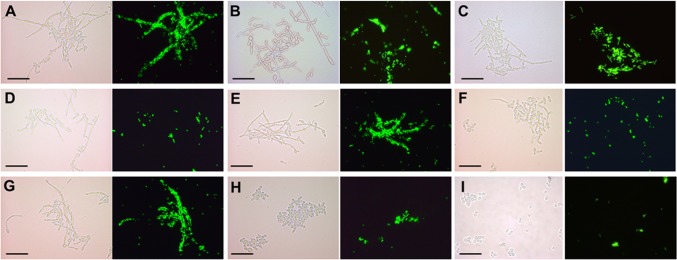
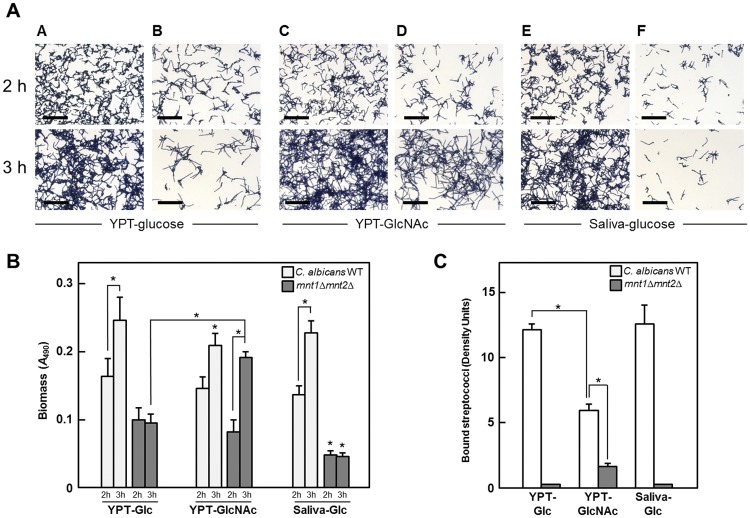
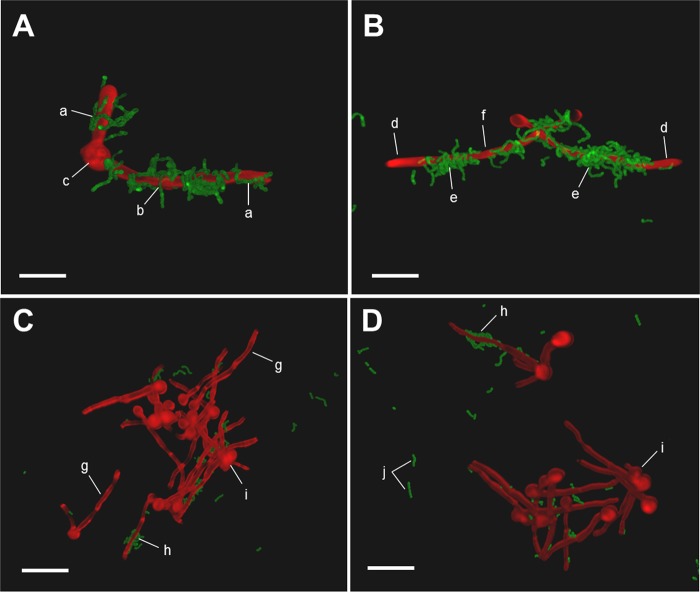
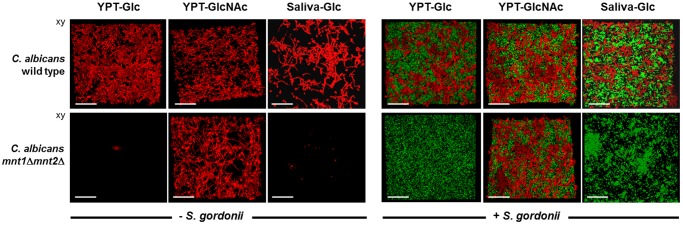
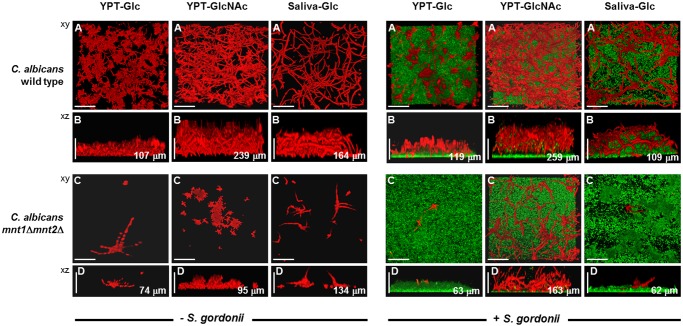
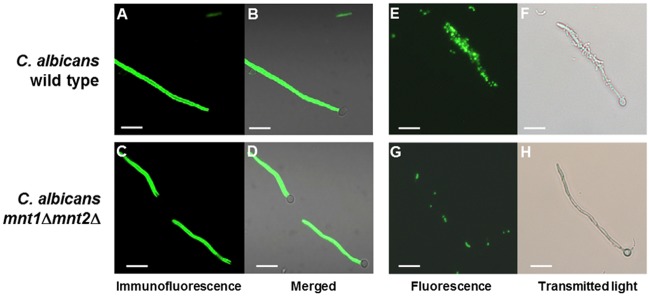
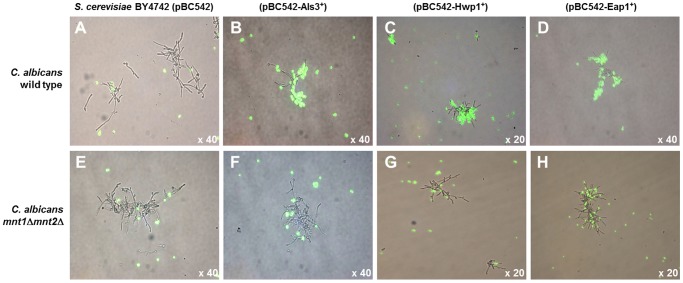
Candida albicans is a fungus that colonizes oral cavity surfaces, the gut, and the genital tract. Streptococcus gordonii is a ubiquitous oral bacterium that has been shown to form biofilm communities with C. albicans . Formation of dual-species S. gordonii - C. albicans biofilm communities involves interaction of the S. gordonii SspB protein with the Als3 protein on the hyphal filament surface of C. albicans . Mannoproteins comprise a major component of the C. albicans cell wall, and in this study we sought to determine if mannosylation in cell wall biogenesis of C. albicans was necessary for hyphal adhesin functions associated with interkingdom biofilm development. A C. albicans mnt1 Δ mnt2 Δ mutant, with deleted α-1,2-mannosyltransferase genes and thus defective in O -mannosylation, was abrogated in biofilm formation under various growth conditions and produced hyphal filaments that were not recognized by S. gordonii . Cell wall proteomes of hypha-forming mnt1 Δ mnt2 Δ mutant cells showed growth medium-dependent alterations, compared to findings for the wild type, in a range of protein components, including Als1, Als3, Rbt1, Scw1, and Sap9. Hyphal filaments formed by mnt1 Δ mnt2 Δ mutant cells, unlike wild-type hyphae, did not interact with C. albicans Als3 or Hwp1 partner cell wall proteins or with S. gordonii SspB partner adhesin, suggesting defective functionality of adhesins on the mnt1 Δ mnt2 Δ mutant. These observations imply that early stage O -mannosylation is critical for activation of hyphal adhesin functions required for biofilm formation, recognition by bacteria such as S. gordonii , and microbial community development. IMPORTANCE In the human mouth, microorganisms form communities known as biofilms that adhere to the surfaces present. Candida albicans is a fungus that is often found within these biofilms. We have focused on the mechanisms by which C. albicans becomes incorporated into communities containing bacteria, such as Streptococcus . We find that impairment of early stage addition of mannose sugars to C. albicans hyphal filament proteins deleteriously affects their subsequent performance in mediating formation of polymicrobial biofilms. Our analyses provide new understanding of the way that microbial communities develop, and of potential means to control C. albicans infections.
Overview
The claims and statistics of this paper haven’t been checked yet.
Free: it reads the open-access text and checks the first 5 claims that cite a source we can check. Create a free account to check every claim.
Integrity signals
Registry
Cites
Statistics
Figures
Verification
Claims the paper makes
The claims and statistics of this paper haven’t been checked yet.
Free: it reads the open-access text and checks the first 5 claims that cite a source we can check. Create a free account to check every claim.
Claims other papers make about this one
Each is checked against this paper’s own text: does it say what the citing paper says it does?
In the citing paper
“As the outermost layer, mannans face direct exposure of environmental stresses and are greatly influenced by various kinds of oral challenges, such as diverse bacterial microbiota and dietary supplements in the host [35].”
From High iron-mediated increased oral fungal burden, oral-to-gut transmission, and changes to pathogenicity of Candida albicans in oropharyngeal candidiasis (2022) · cites this paper as [35]
Self-check
Percentages, sums and reported differences re-computed from the paper’s own numbers.
The self-check needs the paper’s full text.
Citations
Cites
Baker Brachmann, C., Davies, A., Cost, G. J., Caputo, E., Li, J., Hieter, P., & Boeke, J. D. (1998) · Yeast · doi:10.1002/(sici)1097-0061(19980130)14:2<115::aid-yea204>3.0.co;2-2 · Cited by 3,401 · cited 1×
“Saccharomyces cerevisiae strains (24, 78) were cultivated aerobically at 30°C on CSM medium (per liter: 6.”
MethodIshihama, Y., Oda, Y., Tabata, T., Sato, T., Nagasu, T., Rappsilber, J., & Mann, M. (2005) · Molecular & Cellular Proteomics · doi:10.1074/mcp.m500061-mcp200 · Cited by 2,055 · cited 2×
“a Absolute protein abundance emPAI values (83, 84) are means for 3 independent biological replicates relative SE.”
BackgroundMethodIsogenic strain construction and gene mapping in Candida albicans.
Fonzi, W. A., & Irwin, M. Y. (1993) · Genetics · doi:10.1093/genetics/134.3.717 · Cited by 1,687
Prediction of sequence-dependent and mutational effects on the aggregation of peptides and proteins
Fernandez-Escamilla, A.-M., Rousseau, F., Schymkowitz, J., & Serrano, L. (2004) · Nature Biotechnology · doi:10.1038/nbt1012 · Cited by 1,658 · cited 1×
“The Als3 protein contains at least one amyloid sequence (32) and SspB carries three potential amyloid sequences within the central region and C-terminal regions of the polypeptide (VVYTYT, IWFAF, and TTSFVLN), as predicted by the TANGO computer algorithm (75), that could have amyloidigenic activity.”
BackgroundChandra, J., Kuhn, D. M., Mukherjee, P. K., Hoyer, L. L., McCormick, T., & Ghannoum, M. A. (2001) · Journal of Bacteriology · doi:10.1128/jb.183.18.5385-5394.2001 · Cited by 1,578 · cited 1×
“Biofilm formation occurs in three or four phases, starting first with the deposition of yeast-form cells onto the substratum and then the formation of hyphae (7).”
BackgroundOdds, F. C. (1979) · Medical Entomology and Zoology · Cited by 1,297
Candida albicans Secreted Aspartyl Proteinases in Virulence and Pathogenesis
Naglik, J. R., Challacombe, S. J., & Hube, B. (2003) · Microbiology and Molecular Biology Reviews · doi:10.1128/mmbr.67.3.400-428.2003 · Cited by 1,179
Candida biofilms and their role in infection
Douglas, L. J. (2003) · Trends in Microbiology · doi:10.1016/s0966-842x(02)00002-1 · Cited by 1,150 · cited 1×
“albicans biofilms in vitro on surfaces of acrylic, rubber disks, catheter strips, or glass coverslips (15).”
Growth of Candida albicans hyphae
Sudbery, P. E. (2011) · Nature Reviews Microbiology · doi:10.1038/nrmicro2636 · Cited by 1,110 · cited 2×
“The hyphalinduction signal from GlcNAc is transmitted through Ngt1 and then to the hyphal gene transcription regulator Efg1 (62).”
BackgroundCandida albicans morphogenesis and host defence: discriminating invasion from colonization
Gow, N. A. R., van de Veerdonk, F. L., Brown, A. J. P., & Netea, M. G. (2012) · Nature Reviews Microbiology · doi:10.1038/nrmicro2711 · Cited by 888 · cited 1×
“The outer cell wall layer is comprised principally of mannoproteins which are embedded in a polysaccharide skeleton provided by -(1,3)- and -(1,6)-linked glucan chains and covalently linked chitin (18).”
Background
Cited by
d'Enfert, C., Kaune, A.-K., Alaban, L.-R., Chakraborty, S., Cole, N., Delavy, M., Kosmala, D., Marsaux, B., Fróis-Martins, R., Morelli, M., et al. (2021) · FEMS Microbiology Reviews · doi:10.1093/femsre/fuaa060 · Cited by 347
Self-citationDi Stefano, M., Polizzi, A., Santonocito, S., Romano, A., Lombardi, T., & Isola, G. (2022) · International Journal of Molecular Sciences · doi:10.3390/ijms23095142 · Cited by 292
“albicans survival in composite biofilms found on natural or prosthetic surfaces [40].”
BackgroundHwang, G., Liu, Y., Kim, D., Li, Y., Krysan, D. J., & Koo, H. (2017) · PLOS Pathogens · doi:10.1371/journal.ppat.1006407 · Cited by 214
Polke, M., Hube, B., & Jacobsen, I. D. (2015) · Advances in Applied Microbiology · doi:10.1016/bs.aambs.2014.12.002 · Cited by 184
Bain, J. M., Louw, J., Lewis, L. E., Okai, B., Walls, C. A., Ballou, E. R., Walker, L. A., Reid, D., Munro, C. A., Brown, A. J. P., et al. (2014) · mBio · doi:10.1128/mbio.01874-14 · Cited by 160
“Furthermore, this mutant is reported to be defective in biofilm formation, has altered adhesive properties, and was less virulent in vivo (36, 38).”
BackgroundSelf-citationCandida–streptococcal interactions in biofilm-associated oral diseases
Koo, H., Andes, D. R., & Krysan, D. J. (2018) · PLOS Pathogens · doi:10.1371/journal.ppat.1007342 · Cited by 156
Candida –Bacteria Interactions: Their Impact on Human Disease
Allison, D. L., Willems, H. M. E., Jayatilake, J. A. M. S., Bruno, V. M., Peters, B. M., & Shirtliff, M. E. (2016) · Microbiology Spectrum · doi:10.1128/microbiolspec.vmbf-0030-2016 · Cited by 131
“Meanwhile, Dutton and colleagues have demonstrated that O -mannosylation of the C. albicans cell wall is required for hyphae to bind with S. gordonii (105).”
BackgroundPolymicrobial Candida biofilms: friends and foe in the oral cavity
O'Donnell, L. E., Millhouse, E., Sherry, L., Kean, R., Malcolm, J., Nile, C. J., & Ramage, G. (2015) · FEMS Yeast Research · doi:10.1093/femsyr/fov077 · Cited by 102
Cellular Components Mediating Coadherence of Candida albicans and Fusobacterium nucleatum
Wu, T., Cen, L., Kaplan, C., Zhou, X., Lux, R., Shi, W., & He, X. (2015) · Journal of Dental Research · doi:10.1177/0022034515593706 · Cited by 97
“1988), as well as functioning as adhesins to mediate the direct Candida-bacteria and Candida–host cell recognitions (Salgado et al. 2011; Dutton et al. 2014).”
BackgroundCandida Interactions with the Oral Bacterial Microbiota
Montelongo-Jauregui, D., & Lopez-Ribot, J. L. (2018) · Journal of Fungi · doi:10.3390/jof4040122 · Cited by 92
“gordonii [63], with follow-up studies demonstrating a role for secreted aspartyl protease 9 (Sap9)”
BackgroundStreptococcus gordonii comCDE (competence) operon modulates biofilm formation with Candida albicans
Jack, A. A., Daniels, D. E., Jepson, M. A., Vickerman, M. M., Lamont, R. J., Jenkinson, H. F., & Nobbs, A. H. (2015) · Microbiology · doi:10.1099/mic.0.000010 · Cited by 88
“Coverslips were rinsed with PBS and stained with FITC for 30 min in the dark (Dutton et al., 2014).”
BackgroundMethodInfluentialSelf-citationCross-kingdom interaction between Candida albicans and oral bacteria
Du, Q., Ren, B., Zhou, X., Zhang, L., & Xu, X. (2022) · Frontiers in Microbiology · doi:10.3389/fmicb.2022.911623 · Cited by 94
“…albicans O-mannosylation deficient strain (mnt11 mnt21 mutant) has defective functionality of adhesins, and its hyphal filaments do not interact with SspB adhesin on the S. gordonii surface or C. albicans Als3/Hwp1 protein, which is different from C. albicans wild-type hyphae (Dutton et al., 2014).”
BackgroundInfluentialDressed to impress: impact of environmental adaptation on the Candida albicans cell wall
Hall, R. A. (2015) · Molecular Microbiology · doi:10.1111/mmi.13020 · Cited by 73
“Components of the cell wall including adhesion proteins and carbohydrates are important mediators of bacterial attachment (Brand et al., 2008; Ovchinnikova et al., 2013; Dutton et al., 2014), often requiring several components (extensively reviewed in Demuyser et al.”
BackgroundEnemies and brothers in arms:Candida albicans and gram-positive bacteria
Förster, T. M., Mogavero, S., Dräger, A., Graf, K., Polke, M., Jacobsen, I. D., & Hube, B. (2016) · Cellular Microbiology · doi:10.1111/cmi.12657 · Cited by 66
Caspofungin Induced Cell Wall Changes of Candida Species Influences Macrophage Interactions
Walker, L. A., & Munro, C. A. (2020) · Frontiers in Cellular and Infection Microbiology · doi:10.3389/fcimb.2020.00164 · Cited by 70
Self-citationA common vesicle proteome drives fungal biofilm development
Zarnowski, R., Sanchez, H., Jaromin, A., Zarnowska, U. J., Nett, J. E., Mitchell, A. P., & Andes, D. (2022) · Proceedings of the National Academy of Sciences · doi:10.1073/pnas.2211424119 · Cited by 63
Cavalcanti, I. M. G., Del Bel Cury, A. A., Jenkinson, H. F., & Nobbs, A. H. (2017) · Molecular Oral Microbiology · doi:10.1111/omi.12154 · Cited by 62
Self-citationBamford, C. V., Nobbs, A. H., Barbour, M. E., Lamont, R. J., & Jenkinson, H. F. (2015) · Microbiology · doi:10.1099/mic.0.083378-0 · Cited by 62
“C. albicans was grown in YPD medium with shaking (200 r.p.m.) at 37 uC (Nobbs et al., 2010) and induced to form hyphae by transfer to YPT-Glc medium (Dutton et al., 2014).”
BackgroundMethodInfluentialSelf-citationScoffield, J. A., Duan, D., Zhu, F., & Wu, H. (2017) · PLoS Pathogens · doi:10.1371/journal.ppat.1006300 · Cited by 64
The appendix and ulcerative colitis — an unsolved connection
Agrawal, M., Allin, K. H., Mehandru, S., Faith, J. J., Jess, T., & Colombel, J. (2023) · Nature Reviews Gastroenterology & Hepatology · doi:10.1038/s41575-023-00774-3 · Cited by 71
Interkingdom networking within the oral microbiome
Nobbs, A. H., & Jenkinson, H. F. (2015) · Microbes and Infection · doi:10.1016/j.micinf.2015.03.008 · Cited by 57
Self-citationShaping the oral mycobiota: interactions of opportunistic fungi with oral bacteria and the host
Xu, H., & Dongari-Bagtzoglou, A. (2015) · Current Opinion in Microbiology · doi:10.1016/j.mib.2015.06.002 · Cited by 56
Interactions between Candida albicans and the resident microbiota
Li, H., Miao, M., Jia, C., Cao, Y.-B., Yan, T., Jiang, Y., & Yang, F. J. (2022) · Frontiers in Microbiology · doi:10.3389/fmicb.2022.930495 · Cited by 75
“gordonii and mixed species biofilm formation (Dutton et al., 2014).”
Role of Candida albicans secreted aspartyl protease Sap9 in interkingdom biofilm formation
Dutton, L. C., Jenkinson, H. F., Lamont, R. J., & Nobbs, A. H. (2016) · Pathogens and Disease · doi:10.1093/femspd/ftw005 · Cited by 53
“For dual-species biofilms, the C. albicans suspension was gently aspirated, replaced with 1.8ml YPT-Glc medium, and 0.2ml suspension of S. gordonii DL1 expressing green fluorescent protein (strain UB2549 GFPmut3b∗) (Dutton et al. 2014) was added.”
BackgroundMethodInfluentialSelf-citationMontelongo-Jauregui, D., Saville, S. P., & Lopez-Ribot, J. L. (2019) · mBio · doi:10.1128/mbio.01179-19 · Cited by 53
“This bacterium is considered an early colonizer of the oral cavity, and increasing evidence points to the multiple ways in which these two organisms interact with each other (7, 9, 17, 19, 21).”
BackgroundDutton, L. C., Paszkiewicz, K. H., Silverman, R. J., Splatt, P. R., Shaw, S., Nobbs, A. H., Lamont, R. J., Jenkinson, H. F., & Ramsdale, M. (2016) · Molecular Oral Microbiology · doi:10.1111/omi.12111 · Cited by 47
“gordonii involves promotion of hyphal morphogenesis (Dutton et al., 2014).”
BackgroundMethodResultInfluentialSelf-citationCavalcanti, I. M. G., Nobbs, A. H., Ricomini-Filho, A. P., Jenkinson, H. F., & Cury, A. A. D. B. (2016) · Pathogens and Disease · doi:10.1093/femspd/ftw002 · Cited by 49
Self-citationArzmi, M. H., Alnuaimi, A. D., Dashper, S. G., Cirillo, N., Reynolds, E. C., & McCullough, M. J. (2016) · Medical Mycology · doi:10.1093/mmy/myw042 · Cited by 51
Candida–Bacterial Biofilms and Host–Microbe Interactions in Oral Diseases
Negrini, T. D. C., Koo, H., & Arthur, R. A. (2019) · Advances in experimental medicine and biology · doi:10.1007/978-3-030-28524-1_10 · Cited by 51
Stefano, M. D., Santonocito, S., Polizzi, A., Mauceri, R., Troiano, G., Giudice, A. L., Romano, A., Mascitti, M., & Isola, G. (2023) · International Journal of Molecular Sciences · doi:10.3390/ijms24021084 · Cited by 69
“albicans to persist in mixed biofilms on natural or synthetic surfaces [14].”
BackgroundAdhesion and Adhesives of Fungi and Oomycetes
Epstein, L., & Nicholson, R. L. (2016) · Springer eBooks · doi:10.1007/978-3-319-46082-6_2 · Cited by 48
Satała, D., Gonzalez‐Gonzalez, M., Smolarz, M., Surowiec, M., Kulig, K., Wronowska, E., Zawrotniak, M., Kozik, A., Rąpała‐Kozik, M., & Karkowska‐Kuleta, J. (2022) · Frontiers in Cellular and Infection Microbiology · doi:10.3389/fcimb.2021.765942 · Cited by 45
“albicans mnt1D mnt2D mutant strains and bacteria was significantly disturbed, probably as a result of improper surface exposition of fungal cell wall adhesins (Dutton et al., 2014).”
BackgroundPidwill, G. R., Rego, S., Jenkinson, H. F., Lamont, R. J., & Nobbs, A. H. (2018) · Infection and Immunity · doi:10.1128/iai.00669-17 · Cited by 43
“These growth conditions have previously been shown to induce candidal hypha formation (57).”
BackgroundSelf-citationShahbazi, M., Haghkhah, M., Rahbar, M. R., Nezafat, N., & Ghasemi, Y. (2015) · International Journal of Peptide Research and Therapeutics · doi:10.1007/s10989-015-9489-1 · Cited by 38
“Keywords Cell-mediated response Humoral responses Epitope Polymicrobial Bioinformatics”
BackgroundThe vaccines and antibodies associated with Als3p for treatment of Candida albicans infections
Sui, X., Yan, L., & Jiang, Y. (2017) · Vaccine · doi:10.1016/j.vaccine.2017.08.082 · Cited by 41
Candida albicans Induces Oral Microbial Dysbiosis and Promotes Oral Diseases
Kashyap, B., Padala, S. R., Kaur, G., & Kullaa, A. M. (2024) · Microorganisms · doi:10.3390/microorganisms12112138 · Cited by 42
Back, C. R., Douglas, S. K., Emerson, J. E., Nobbs, A. H., & Jenkinson, H. F. (2015) · Molecular Oral Microbiology · doi:10.1111/omi.12106 · Cited by 32
Self-citationMacrophage Migration Is Impaired within Candida albicans Biofilms
Alonso, M., Gow, N. A. R., Erwig, L. P., & Bain, J. M. (2017) · Journal of Fungi · doi:10.3390/jof3030031 · Cited by 37
Shao, T., Kakade, P., Witchley, J. N., Frazer, C., Murray, K. L., Ene, I. V., Haslam, D. B., Hagan, T., Noble, S. M., Bennett, R. J., et al. (2022) · Cell Reports · doi:10.1016/j.celrep.2022.110837 · Cited by 31
“Interestingly, expression of GSC1 and MNT2, required for β -1,3-glucan and mannan biosynthesis, respectively (Dutton et al., 2014; Mio et al., 1997; Munro et al., 2005), was repressed by UME6 because significantly reduced expression was observed in mice colonized with UME6-on compared with UME6-off…”
Molecular association of Candida albicans and vulvovaginal candidiasis: focusing on a solution
David, H., & Solomon, A. P. (2023) · Frontiers in Cellular and Infection Microbiology · doi:10.3389/fcimb.2023.1245808 · Cited by 38
Biofilms and oral health: nanotechnology for biofilm control
Govindarajan, D. K., Mohanarangam, M., Kadirvelu, L., Sivaramalingam, S. S., Jothivel, D., Ravichandran, A., Periasamy, S., & Kandaswamy, K. (2025) · Discover Nano · doi:10.1186/s11671-025-04299-3 · Cited by 30
“The hyphal cells have specific adhesins, such as Als (agglutinin-like sequence) and Hwp (Hyphal wall protein), which help them bind to oral bacteria like S. gordonii , S. ora-lis , and P. gingivalis [39, 102].”
Veerapandian, R., & Vediyappan, G. (2019) · Frontiers in Microbiology · doi:10.3389/fmicb.2019.02328 · Cited by 29
“albicans were grown alone or in combination in TYES medium with or without GAs (500 μg/ml) statically for 18 h at 37C and in 5% CO2, as reported with some minor modifications (Dutton et al., 2014; Ricker et al., 2014).”
BackgroundMethodChinnici, J. L., Yerke, L. M., Tsou, C., Busarajan, S., Mancuso, R., Sadhak, N. D., Kim, J.-W., & Maddi, A. (2019) · PeerJ · doi:10.7717/peerj.7870 · Cited by 28
Rąpała‐Kozik, M., Surowiec, M., Juszczak, M., Wronowska, E., Kulig, K., Bednarek, A., Gonzalez‐Gonzalez, M., Karkowska‐Kuleta, J., Zawrotniak, M., Satała, D., et al. (2023) · Yeast · doi:10.1002/yea.3855 · Cited by 32
“For S. gordonii, in in vitro model, the cell wall‐anchored bacterial proteins SspA and SspB were revealed as involved in a direct interaction with fungal Als3 adhesin (Bamford et al., 2015; Dutton et al., 2014).”
Microbial Interactions and Immunity Response in Oral Candida Species
Černáková, L., & Rodrigues, C. F. (2020) · Future Microbiology · doi:10.2217/fmb-2020-0113 · Cited by 32
Tripathi, A., Nahar, A., Sharma, R., Kanaskie, T., Al-Hebshi, N., & Puri, S. (2022) · Journal of Oral Microbiology · doi:10.1080/20002297.2022.2044110 · Cited by 16
“albicans cell wall inhibits its interaction with both these bacteria [32,34].”
BackgroundJesionowski, A. M., Mansfield, J. M., Brittan, J. L., Jenkinson, H. F., & Vickerman, M. M. (2015) · Molecular Oral Microbiology · doi:10.1111/omi.12125 · Cited by 17
“Pooled human saliva, collected from a minimum of six volunteers as approved by the National Research Ethics Committee South Central Oxford C (Number 08/H0606/87+5), was treated with 0.25 M dithiothreitol, and clarified by centrifugation, as previously described (Dutton et al. , 2014).”
MethodInfluentialSelf-citationCandida -Bacteria Interactions: Their Impact on Human Disease
Allison, D. L., Willems, H. M. E., Jayatilake, J. A. M. S., Bruno, V. M., Peters, B. M., & Shirtliff, M. E. (2016) · ASM Press eBooks · doi:10.1128/9781555819286.ch5 · Cited by 15
Serrage, H. J., Fitzgibbon, L., Alibhai, D., Cross, S., Rostami, N., Jack, A. A., Lawler, C. R. E., Jakubovics, N. S., Jepson, M. A., & Nobbs, A. H. (2022) · Applied and Environmental Microbiology · doi:10.1128/aem.00698-22 · Cited by 16
Self-citationThe Role of Glycoside Hydrolases in S. gordonii and C. albicans Interactions
Zhou, Z., Ren, B., Li, J., Zhou, X., Xu, X., & Zhou, Y. (2022) · Applied and Environmental Microbiology · doi:10.1128/aem.00116-22 · Cited by 11
“In addition, they may also share metabolic benefits (10).”
BackgroundChan, C. X. J., Joseph, I. G., Huang, A., Jackson, D. N., & Lipke, P. N. (2015) · PLoS ONE · doi:10.1371/journal.pone.0129152 · Cited by 11
8 An Emerging Interdisciplinary Field: Fungal–Bacterial Interactions
Tarkka, M. T., & Deveau, A. (2016) · Springer eBooks · doi:10.1007/978-3-319-29532-9_8 · Cited by 11
O-Mannosylation of Proteins Enables Histoplasma Yeast Survival at Mammalian Body Temperatures
Garfoot, A. L., Goughenour, K. D., Wüthrich, M., Rajaram, M. V. S., Schlesinger, L. S., Klein, B. S., & Rappleye, C. A. (2018) · mBio · doi:10.1128/mbio.02121-17 · Cited by 13
“Together with the decreased -glucan exposure, these results indicate that proper organization of the fungal cell wall requires O-linked mannosylation of proteins, likely those proteins that contribute to hydrolysis or formation of cell wall polysaccharide linkages, as these enzymes are often glycosylated (36, 37).”
BackgroundThe Activity of Fungichromin against the Formation of Candida albicans Biofilm
An, D., Wang, X., Li, J., Jiang, S., Ma, X., Zhang, H., Shi, H., Sun, H., Ye, L., & Li, J. (2016) · Biological and Pharmaceutical Bulletin · doi:10.1248/bpb.b16-00380 · Cited by 11
Characterization of N- and O-linked galactosylated oligosaccharides from fission yeast species
Fukunaga, T., Tanaka, N., Furumoto, T., Nakakita, S., Ohashi, T., Higuchi, Y., Maekawa, H., & Takegawa, K. (2020) · Journal of Bioscience and Bioengineering · doi:10.1016/j.jbiosc.2020.03.008 · Cited by 8
Commensal to Pathogen Transition of Candida albicans
Niemiec, M. J., Kapitan, M., Polke, M., & Jacobsen, I. D. (2017) · Elsevier eBooks · doi:10.1016/b978-0-12-809633-8.12077-1 · Cited by 9
Kuraoka, T., 石山, 亜., Oyamada, H., Ogawa, Y., & Kobayashi, H. (2018) · FEBS Open Bio · doi:10.1002/2211-5463.12558 · Cited by 9
Wanicharat, W., Wanachantararak, P., Poomanee, W., Leelapornpisid, P., & Leelapornpisid, W. (2022) · Archives of Oral Biology · doi:10.1016/j.archoralbio.2022.105539 · Cited by 9
Glycans in the oral bacteria and fungi: Shaping host-microbe interactions and human health.
Ren, X., Wang, M., Du, J., Dai, Y., Dang, L., Li, Z., & Shu, J. (2024) · International Journal of Biological Macromolecules · doi:10.1016/j.ijbiomac.2024.136932 · Cited by 7
Tanaka, H., Yanai, C., Miura, N. N., Ishibashi, K., Yamanaka, D., Ohnishi, H., Ohno, N., & Adachi, Y. (2020) · Medical Mycology Journal · doi:10.3314/mmj.20-00008 · Cited by 6
Commensal to Pathogen Transition of Candida albicans
Jacobsen, I. D., Niemiec, M. J., Kapitan, M., & Polke, M. (2020) · Elsevier eBooks · doi:10.1016/b978-0-12-809633-8.21281-8 · Cited by 6
Rąpała‐Kozik, M., Zawrotniak, M., Gogól, M., Bartnicka, D., Satała, D., Smolarz, M., Karkowska‐Kuleta, J., & Kozik, A. (2019) · IntechOpen eBooks · doi:10.5772/intechopen.81537 · Cited by 4
“compared to monospecies infections [56, 57].”
BackgroundClinical Significance, Molecular Formation, and Natural Antibiofilm Agents of Candida albicans
Abdulghani, M. M. M., & Zore, G. B. (2024) · Springer eBooks · doi:10.1007/978-981-97-5165-5_9 · Cited by 2
The architecture of gut microecological networks and the governance of host metabolic homeostasis
Chen, X. G., You, W., & Zhou, S. H. E. N. G. H. (2026) · Mycology: An International Journal on Fungal Biology · doi:10.1080/21501203.2026.2684091 · Cited by 1
Higashijima, K., Kuraoka, T., FUJIMATSU, N., Ambo, A., Ito, F., Ogawa, Y., & Kobayashi, H. (2026) · Microorganisms · doi:10.3390/microorganisms14071472 · Cited by 1
“Elucidating the detailed chemical structures of these mannans is of fundamental importance for biological and molecular studies of yeast mannan biosynthesis [32,33].”
Fukunaga, T., Ohashi, T., Tanaka, Y., Yoshimatsu, T., Higuchi, Y., Maekawa, H., & Takegawa, K. (2022) · Journal of Bioscience and Bioengineering · doi:10.1016/j.jbiosc.2022.07.014 · Cited by 1
Silva, P. A., Souza, A. A., de Oliveira, G. M., Ramada, M. H. S., Hernández, N. V., Mora-Montes, H. M., Bueno, R. V., Martins-de-Sa, D., de Freitas, S. M., Felipe, M. S. S., et al. (2024) · Fungal Biology and Biotechnology · doi:10.1186/s40694-024-00174-5 · Cited by 1
“The outermost layer is formed primarily of mannoproteins carrying highly O - and N -linked glycans, known as mannans [23, 24].”
BackgroundSilva, P. A., Souza, A. A., de Oliveira, G. M., Ramada, M. H. S., Hernández, N. V., Mora-Montes, H. M., Bueno, R. V., Martins-de-Sa, D., de Freitas, S. M., Felipe, M. S. S., et al. (2024) · Figshare · doi:10.6084/m9.figshare.25770402
Silva, P. A., Souza, A. A., de Oliveira, G. M., Ramada, M. H. S., Hernández, N. V., Mora-Montes, H. M., Bueno, R. V., Martins-de-Sa, D., de Freitas, S. M., Felipe, M. S. S., et al. (2024) · Figshare · doi:10.6084/m9.figshare.26717259
Silva, P. A., Souza, A. A., de Oliveira, G. M., Ramada, M. H. S., Hernández, N. V., Mora-Montes, H. M., Bueno, R. V., Martins-de-Sa, D., de Freitas, S. M., Felipe, M. S. S., et al. (2024) · Figshare · doi:10.6084/m9.figshare.25770488
Silva, P. A., Souza, A. A., de Oliveira, G. M., Ramada, M. H. S., Hernández, N. V., Mora-Montes, H. M., Bueno, R. V., Martins-de-Sa, D., de Freitas, S. M., Felipe, M. S. S., et al. (2024) · Figshare · doi:10.6084/m9.figshare.26717265
Silva, P. A., Souza, A. A., de Oliveira, G. M., Ramada, M. H. S., Hernández, N. V., Mora-Montes, H. M., Bueno, R. V., Martins-de-Sa, D., de Freitas, S. M., Felipe, M. S. S., et al. (2024) · Figshare · doi:10.6084/m9.figshare.26717262
Tričković, V., Zurovac, T., Milovanović, B., Mijatović, J., & Eraković, M. (2024) · Acta stomatologica Naissi · doi:10.5937/asn2490007t
A modular genetic toolbox for precise gene regulation and multi-color imaging in streptococci
Mignolet, J., Schmid, A., Staub, J., van der Meer, J. R., Veening, J., & Libante, V. (2026) · microLife · doi:10.1093/femsml/uqag006
“…of labeling (codon optimization-based) strategies in other streptococcal species (Knoops et al. 2022a , Lun and Will-son 2004 , Chen et al. 2012 , Dutton et al. 2014 , Vickerman et al. 2015 , Reck and Wagner-Dobler 2016 , Sullivan and Ulett 2018 , Liang et al. 2019 , Anandan et al. 2024 ,…”
Fungal-Bacterial Interactions in Oral Candidiasis and Periodontal Disease: A Narrative Review
Sachidananda Mallya, P. (2026) · Journal of Health and Allied Sciences NU · doi:10.25259/jhasnu_120_2025
Sadony, D. M., Mohamed, A. I., Hamed, A. A., Hasan, S. F., & Elkhouly, H. I. (2026) · Lasers in Dental Science · doi:10.1007/s41547-026-00349-w
Metadata
- Authors
- Dutton, L. C., Nobbs, A. H., Jepson, K., Jepson, M. A., Vickerman, M. M., Aqeel Alawfi, S., Munro, C. A., Lamont, R. J., & Jenkinson, H. F.
- Affiliations
- University of Bristol (GB)
- University at Buffalo, State University of New York (US)
- Institute of Medical Sciences, University of Aberdeen, Aberdeen, Scotland
- University of Aberdeen (GB)
- University of Louisville (US)
- ORCID
- Venue
- mBio
- Publisher
- American Society for Microbiology
- Published
- 2014-05
- Volume
- 5
- Issue
- 2
- Pages
- e00911-e00911
- ISSN
- 2150-7511 (ISSN-L)
- 2161-2129
- PMC
- PMC3993854
- OpenAlex
- W2100187536
- Cited by
- 75
- References
- 88
- Citations by year
- 2026: 5 · 2025: 1 · 2024: 9 · 2023: 4 · 2022: 11 · 2020: 6 · 2019: 5 · 2018: 5 · 2017: 5 · 2016: 10 · 2015: 11 · 2014: 3
- FWCI
- 6.77
- Type
- journal article
- Language
- en
- Open access
- gold
- doi.org
- Licence
- cc-by-nc-sa
- creativecommons.org/licenses/by-nc-sa/3.0/ (vor)
- journals.asm.org/non-commercial-tdm-license (tdm)
- Locations
- mBio (publishedVersion, cc-by-nc-sa)
- Europe PMC (PubMed Central) (publishedVersion, cc-by-nc-sa)
- PubMed Central (publishedVersion, cc-by-nc-sa)
- PubMed (publishedVersion)
- Explore Bristol Research (publishedVersion)
- Aberdeen University Research Archive (Aberdeen University) (submittedVersion)
- DOAJ (DOAJ: Directory of Open Access Journals) (submittedVersion, cc-by-sa)
- Funders
- University of Bristol
- National Institutes of Health
- Medical Research Council
- National Institute of Dental and Craniofacial Research (DE016690, R01DE016690)
- Topics
- Health Sciences › Medicine › Infectious Diseases › Antifungal resistance and susceptibility
- Life Sciences › Biochemistry, Genetics and Molecular Biology › Molecular Biology › Fungal and yeast genetics research
- Life Sciences › Biochemistry, Genetics and Molecular Biology › Molecular Biology › Bacterial biofilms and quorum sensing
- Keywords
- O-mannosylation, Candida albicans, Streptococcus gordonii, dual-species biofilms, ALS3, SspB, cell wall proteome, dental plaque
- MeSH terms
- Bacterial Adhesion, Candida albicans, Fungal Proteins, Humans, Mannosyltransferases, Membrane Glycoproteins, Mouth, Gene Deletion, Biofilms, Streptococcus gordonii, Microbial Interactions
About these checks
Registry, retraction, Cites and statistics results are computed, not judged, with one exception: a printed reference that no index lists is read once by a model before it counts as a citation error. Claims are extracted by a model and kept only when their quote appears verbatim in the text; each cited source is then checked, with a model’s help, for whether it says what the claim relies on. Those verdicts can be wrong — read the claim’s quote and the cited source before relying on one.
Statistics and arithmetic are recomputed, not judged.
Confidence bands are shown only for fields calibrated on our annotated test set. None is calibrated yet, so no band is shown.
What counts as a claim ›How we measure confidence ›How we check this ›
Are you an author, or do you see a problem with this page? Request a review
Data sources
Bibliographic data: Semantic Scholar, OpenAlex, Crossref.
Contains information from the Semantic Scholar Academic Graph Datasets, made available under the ODC Attribution License (ODC-BY 1.0).
Semantic Scholar’s data is described in: Kinney, R., et al. (2023). The Semantic Scholar Open Data Platform. arXiv:2301.10140.
