

A Broadly Implementable Research Course in Phage Discovery and Genomics for First-Year Undergraduate Students
Open accessThe DOI matches its Crossref record; 63 of the 63 references it cites were found in a registry or an index.
Abstract
Engaging large numbers of undergraduates in authentic scientific discovery is desirable but difficult to achieve. We have developed a general model in which faculty and teaching assistants from diverse academic institutions are trained to teach a research course for first-year undergraduate students focused on bacteriophage discovery and genomics. The course is situated within a broader scientific context aimed at understanding viral diversity, such that faculty and students are collaborators with established researchers in the field. The Howard Hughes Medical Institute (HHMI) Science Education Alliance Phage Hunters Advancing Genomics and Evolutionary Science (SEA-PHAGES) course has been widely implemented and has been taken by over 4,800 students at 73 institutions. We show here that this alliance-sourced model not only substantially advances the field of phage genomics but also stimulates students’ interest in science, positively influences academic achievement, and enhances persistence in science, technology, engineering, and mathematics (STEM) disciplines. Broad application of this model by integrating other research areas with large numbers of early-career undergraduate students has the potential to be transformative in science education and research training. IMPORTANCE Engagement of undergraduate students in scientific research at early stages in their careers presents an opportunity to excite students about science, technology, engineering, and mathematics (STEM) disciplines and promote continued interests in these areas. Many excellent course-based undergraduate research experiences have been developed, but scaling these to a broader impact with larger numbers of students is challenging. The Howard Hughes Medical Institute (HHMI) Science Education Alliance Phage Hunting Advancing Genomics and Evolutionary Science (SEA-PHAGES) program takes advantage of the huge size and diversity of the bacteriophage population to engage students in discovery of new viruses, genome annotation, and comparative genomics, with strong impacts on bacteriophage research, increased persistence in STEM fields, and student self-identification with learning gains, motivation, attitude, and career aspirations.
Overview
The claims and statistics of this paper haven’t been checked yet.
Free: it reads the open-access text and checks the first 5 claims that cite a source we can check. Create a free account to check every claim.
Integrity signals
Registry
Cites
Statistics
Figures
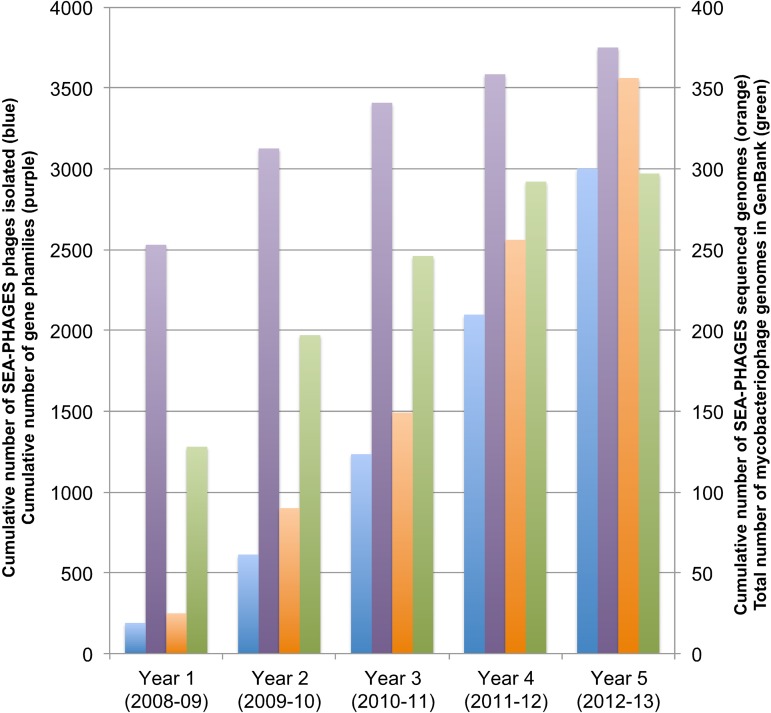
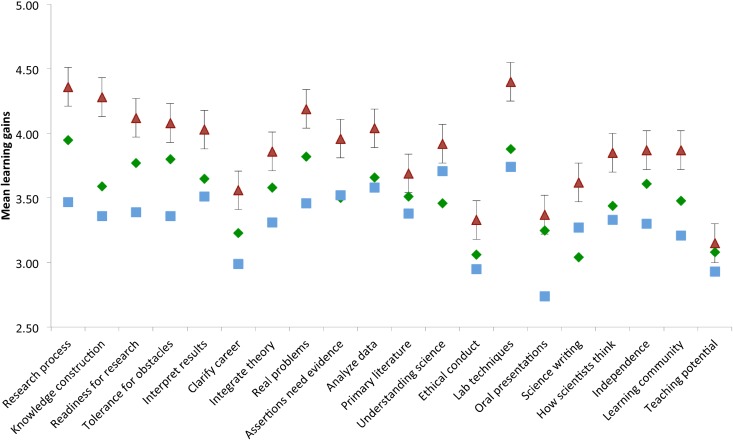
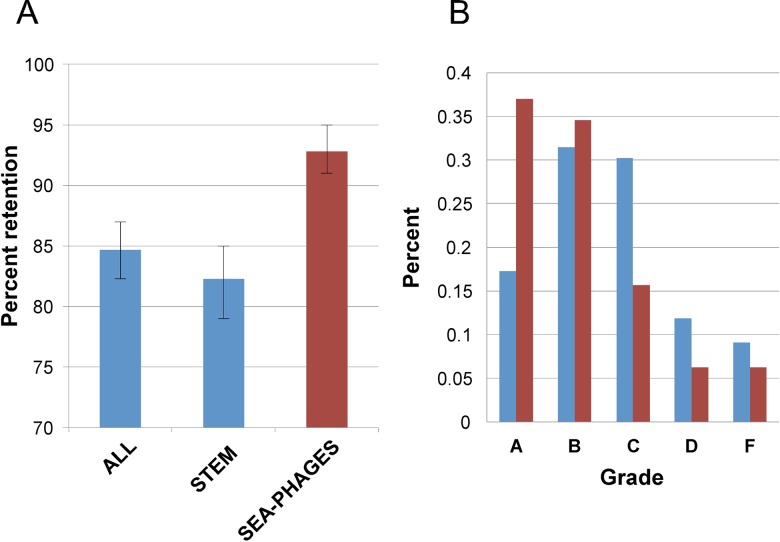
Verification
Claims the paper makes
The claims and statistics of this paper haven’t been checked yet.
Free: it reads the open-access text and checks the first 5 claims that cite a source we can check. Create a free account to check every claim.
Claims other papers make about this one
Each is checked against this paper’s own text: does it say what the citing paper says it does?
The source backs part of the claim, not all of it — or backs it for a different population, condition or comparison.
In the citing paper
“It is an inclusive, community-oriented, course-based research experience that has served the education of thousands of students worldwide, while also providing the research community with a cornucopia of novel genes and functions.”
From Mycobacterium smegmatis: The Vanguard of Mycobacterial Research (2023) · cites this paper as [181]
Experimental — accuracy not yet measuredThe cited source says what the claim attributes to it.
In the citing paper
“while also providing the research community with a cornucopia of novel genes and functions”
From Mycobacterium smegmatis: The Vanguard of Mycobacterial Research (2023) · cites this paper as [181]
Self-check
Percentages, sums and reported differences re-computed from the paper’s own numbers.
The self-check needs the paper’s full text.
Citations
Cites
Improved microbial gene identification with GLIMMER
Delcher, A. (1999) · Nucleic Acids Research · doi:10.1093/nar/27.23.4636 · Cited by 2,493 · cited 1×
“Genome annotations were performed using various software platforms, including GBrowse (54), Apollo (55), DNAMaster (http://cobamide2.bio.pitt.edu/), Glim-mer(56),GeneMark(57),andanalysisprogramsavailableattheNational CenterforBiotechnologyInformation(NCBI).”
Rising Above The Gathering Storm: Energizing and Employing America for a Brighter Economic Future
Augustine, N. R. (2006) · Cited by 2,064
Benefits of Undergraduate Research Experiences
Russell, S. H., Hancock, M. P., & McCullough, J. (2007) · Science · doi:10.1126/science.1140384 · Cited by 1,380
Seymour, E., Hunter, A., Laursen, S. L., & DeAntoni, T. (2004) · Science Education · doi:10.1002/sce.10131 · Cited by 1,332
Hunter, A., Laursen, S. L., & Seymour, E. (2007) · Science Education · doi:10.1002/sce.20173 · Cited by 1,324 · cited 1×
“Thepositiveimpactsof thiscourse-basedresearchexperiencearesimilartowhathasbeen reportedforapprentice-basedresearchexperiences(5,53),repre-sentaneffectiveresponsetothecalltoactionintheNational ScienceFoundation(NSF) Vision and Change and PCAST reports (1, 4), and provide validation for this…”
The Generic Genome Browser: A Building Block for a Model Organism System Database
Stein, L. D., Mungall, C., Shu, S., Caudy, M., Mangone, M., Day, A., Nickerson, E., Stajich, J. E., Harris, T. W., Arva, A., et al. (2002) · Genome Research · doi:10.1101/gr.403602 · Cited by 1,145 · cited 2×
“Genome annotations were performed using various software platforms, including GBrowse (54), Apollo (55), DNAMaster (http://cobamide2.”
Undergraduate research experiences support science career decisions and active learning
Lopatto, D. (2007) · CBE—Life Sciences Education · doi:10.1187/cbe.07-06-0039 · Cited by 1,009 · cited 1×
“An abundance of evidence shows that involvement of undergraduate students in authentic research experiences has strong benefits for their engagement and interest in science (5–7) and that this often increases student interest in STEM careers (8).”
Self-citationSurvey of undergraduate research experiences (SURE): First findings
Lopatto, D. (2004) · Cell Biology Education · doi:10.1187/cbe.04-07-0045 · Cited by 969 · cited 1×
“The Survey of Undergraduate Research Experience (SURE) and the Classroom Undergraduate Research Experience (CURE) measure the students’ assessment of their understanding of science and scientists, confidenceintheirabilitytoperformresearch,andtheirperceived gainsinskills(50).”
Self-citationThe American Association for the Advancement of Science
HAULTAIN, A. (1889) · Nature · doi:10.1038/040556a0 · Cited by 946
BIO2010 : Transforming Undergraduate Education for Future Research Biologists
Earth, D. O. (2003) · Cited by 855
Research works printed but not linked: 1
- Goodner B Wheeler C Hall P Slater S 2003 Massively parallel undergraduates for bacterial genome finishing. ASM News 69: 584– 585
Cited by
Items 201–300 of 528
Sandquist, E. J., Spencer‐Cervato, C., & Ogilvie, C. A. (2019) · Council on Undergraduate Research Quarterly · doi:10.18833/spur/2/4/9 · Cited by 12
Goller, C., & Ott, L. E. (2020) · Biochemistry and Molecular Biology Education · doi:10.1002/bmb.21349 · Cited by 12
Shortlidge, E. E., Kern, A. M., Goodwin, E. C., & Olimpo, J. T. (2023) · CBE—Life Sciences Education · doi:10.1187/cbe.22-09-0183 · Cited by 13
“In a network CURE, faculty often attend a training along with individuals at other institutions to implement a CURE based on an already-established structure (e.g., the Genomics Education Project [Hark et al. , 2011]; SEA-PHAGES [Jordan et al. , 2014]; Tiny Earth [Hurley et al. , 2021]).”
BackgroundCURE Disrupted! Takeaways from a CURE without a Wet-Lab Experience
Sommers, A. S., Miller, A. W., Gift, A. D., Richter-Egger, D. L., Darr, J. P., & Cutucache, C. E. (2020) · Journal of Chemical Education · doi:10.1021/acs.jchemed.0c01214 · Cited by 11
Ott, L. E., LaCourse, W. R., Matón, K. I., Kowalewski, C., Stolle-McAllister, K., & Godsay, S. (2020) · PubMed · doi:10.13016/m2d9h7-zx8x · Cited by 12
Burmeister, A. R., Bauer, M., & Graham, M. J. (2023) · Journal of Microbiology and Biology Education · doi:10.1128/jmbe.00033-23 · Cited by 10
Kern, A. M., & Olimpo, J. T. (2022) · Journal of Microbiology and Biology Education · doi:10.1128/jmbe.00137-22 · Cited by 10
Delogu, F., Nelson, M., Timmons, S. C., Weinstein, M., Bhattacharya, B., Jaussen, P., Al-Hamando, M., Al-Azary, H., Anyaiwe, O. E. D., Appleby, L., et al. (2023) · Frontiers in Education · doi:10.3389/feduc.2023.1142572 · Cited by 10
Kleinschmit, A. J., Genné-Bacon, E. A., Drace, K., Govindan, B., Larson, J. R., Qureshi, A. A., & Bascom‐Slack, C. (2024) · Journal of Microbiology and Biology Education · doi:10.1128/jmbe.00149-23 · Cited by 11
“Network CUREs have been documented for providing a centralized support system to bring together diverse intellectual capital across institutional types to drive scientific and curriculum structure [e.g., references (21, 22, 45, 46, 50, 52, 68–73)].”
BackgroundZhu, Y., Wang, C., Hanauer, D. I., & Graham, M. J. (2024) · Studies in Higher Education · doi:10.1080/03075079.2024.2361328 · Cited by 11
“Previous research has shown the potential of CUREs to improve overall student outcomes, including increased engagement, academic performance, and intent to persist in science (Hanauer et al. 2012; Jordan et al. 2014; Scott 2021).”
Vijayakumar, S., Sekar, R., Praveenkumar, A., & Selvam, R. (2019) · Quantitative Biology · doi:10.1007/s40484-019-0179-4 · Cited by 9
Aparna, Y., Anuradha, K. T., Jyothi, C., Manjari, K. S., & Challa, A. K. (2020) · Frontiers in Microbiology · doi:10.3389/fmicb.2020.589405 · Cited by 9
Scholarship-Based Undergraduate Laboratory Courses Modeled on a Graduate School Research Rotation
Bowers, G. M., Larsen, R. K., & Neiles, K. Y. (2021) · Journal of Chemical Education · doi:10.1021/acs.jchemed.1c00009 · Cited by 9
Robertson, S. D., Bixler, A., Eslinger, M., Gaudier‐Diaz, M. M., Kleinschmit, A. J., Marsteller, P., O’Toole, K. K., Sankar, U., & Goller, C. (2021) · Frontiers in Education · doi:10.3389/feduc.2021.711512 · Cited by 12
PhamDB: a web-based application for building Phamerator databases
Lamine, J., DeJong, R. J., & Nelesen, S. M. (2016) · Bioinformatics · doi:10.1093/bioinformatics/btw106 · Cited by 9
Self-citationMcCabe, T. M., & Olimpo, J. T. (2020) · Journal of Microbiology and Biology Education · doi:10.1128/jmbe.v21i1.2009 · Cited by 9
Assessment of Course-Based Research Modules Based on Faculty Research in Introductory Biology
Cole, M. F., Hickman, M. A., Morran, L. T., & Beck, C. W. (2021) · Journal of Microbiology and Biology Education · doi:10.1128/jmbe.00148-21 · Cited by 9
“The SEA-PHAGES program engages students from dozens of institutions in a research education community where students isolate and characterize bacteriophage (11).”
BackgroundSmith, M., Olimpo, J. T., Santillan, K. A., & McLaughlin, J. S. (2022) · Journal of Microbiology and Biology Education · doi:10.1128/jmbe.00212-21 · Cited by 12
Sargent, L., Liu, Y., Leung, W., Mortimer, N. T., Lopatto, D. E., Goecks, J., & Elgin, S. C. R. (2020) · PLoS Computational Biology · doi:10.1371/journal.pcbi.1007863 · Cited by 10
Self-citationPublishing student-led discoveries in genetics
Heller, D. M., & Sivanathan, V. (2022) · G3 Genes Genomes Genetics · doi:10.1093/g3journal/jkac141 · Cited by 9
Towards airway microbiome engineering for improving respiratory health
Hern, K. E., & Prindle, A. B. (2025) · Advanced Drug Delivery Reviews · doi:10.1016/j.addr.2025.115662 · Cited by 8
“…a customized phage treatment for this patient, researchers used an existing collection of phages isolated by students in the SEA-PHAGES program [170] as well as their own environmental isolates and tested their activity against the patients ’ M. abscessus strain with the hope of identifying a…”
Genome Sequence of Bacillus cereus Group Phage SalinJah
Erill, I., & Caruso, S. M. (2016) · Genome Announcements · doi:10.1128/genomea.00953-16 · Cited by 8
Self-citationHewitt, H. B., Simon, M., Mead, C., Grayson, S., Beall, G. L., Zellem, R. T., Tock, K., & Pearson, K. A. (2023) · Physical Review Physics Education Research · doi:10.1103/physrevphyseducres.19.020156 · Cited by 11
“Prior research suggests that we would expect to see a statistically significant increase across all four outcomes [16,54 – 57].”
Using networks to analyze and visualize the distribution of overlapping genes in virus genomes
Muñoz‐Baena, L., & Poon, A. F. Y. (2022) · PLoS Pathogens · doi:10.1371/journal.ppat.1010331 · Cited by 9
“The number of genome sequences for previously unknown viruses is rapidly accumulating in public databases, driven in part by environmental metagenomic sequencing projects [32] and education/outreach programs like SEA-PHAGES [33].”
BackgroundProphage-Derived Regions in Curtobacterium Genomes: Good Things, Small Packages
Evseev, P. V., Lukianova, A. A., Tarakanov, R. I., Tokmakova, A. D., Popova, A. V., Kulikov, E. E., Shneider, M. M., Ignatov, A. N., & Анатольевич, М. К. (2023) · International Journal of Molecular Sciences · doi:10.3390/ijms24021586 · Cited by 8
Genome Sequences of 19 Rhodococcus erythropolis Cluster CA Phages
Bonilla, J. A., Isern, S., Findley, A. M., Klyczek, K. K., Michael, S. F., Saha, M. S., Buchser, W., Forsyth, M. H., Paudel, S., Gissendanner, C. R., et al. (2017) · Genome Announcements · doi:10.1128/genomea.01201-17 · Cited by 8
Self-citationWildy Prize Lecture, 2020–2021: Who wouldn’t want to discover a new virus?
Hatfull, G. F. (2021) · Microbiology · doi:10.1099/mic.0.001094 · Cited by 8
Self-citationFreeman, S., Mukerji, J., Sievers, M., Beltran, I. B., Dickinson, K., Dy, G. E. C., Gardiner, A., Glenski, E. H., Hill, M. J., Kerr, B., et al. (2023) · CBE—Life Sciences Education · doi:10.1187/cbe.21-12-0331 · Cited by 8
“…sequencing (Jacob, 2012; Harris and Bellino, 2013; Wang et al., 2015), isolating and describing uncharacterized types of phage (Hatfull, 2010; Jordan et al., 2014), documenting allelic variation at a specific gene (Lau and Robinson, 2009), or annotating genomes (Shaffer et al., 2010;…”
Hussa, E. A. (2018) · FEMS Microbiology Letters · doi:10.1093/femsle/fny246 · Cited by 8
“Innovative microbiology-based pedagogies are becoming more popular (Strobel and Strobel 2007; Jordan 2014; Fahnert 2017), and are making their way into general education curricula as a means to reach a diverse population of students.”
BackgroundBuilding Back More Equitable STEM Education: Teach Science by Engaging Students in Doing SciencePreprint
Elgin, S. C. R., Hays, S., Mingo, V., Shaffer, C. D., & Williams, J. (2021) · bioRxiv (Cold Spring Harbor Laboratory) · doi:10.1101/2021.06.01.446616 · Cited by 9
“The impact on students is very positive ( e.g. , Jordan et al., 2014).”
Self-citationWottrich, S., Mendonca, S., Safarpour, C., Nguyen, C., Marinelli, L. J., Hancock, S. P., Modlin, R. L., & Parker, J. M. (2024) · Microbiome Research Reports · doi:10.20517/mrr.2023.42 · Cited by 7
Data‐rich textbook figures promote core competencies: Comparison of two textbooks
Finby, B., Heyer, L. J., & Campbell, A. M. (2021) · Biochemistry and Molecular Biology Education · doi:10.1002/bmb.21488 · Cited by 7
“Justification for these changes include training a science-literate workforce,(1) a more informed voting public that supports basic research(2) and increased diversity of students who pursue STEM majors.(3,4) The AP Biology redesign and the report Vision and Change explicitly called for a focus on two aspects of learn…”
BackgroundHenry, M. A., Shorter, S. K., Charkoudian, L. K., Heemstra, J. M., Le, B., & Corwin, L. A. (2022) · International Journal of STEM Education · doi:10.1186/s40594-022-00331-5 · Cited by 10
“Alternatively, cognitive restructuring might allow a student to see a failure experience in STEM as an opportunity to learn and use it to inform how they approach future STEM challenges (Gin et al., 2018; Jordan et al., 2014).”
BackgroundAlvarez-Berríos, M. P., & Haynes, G. (2023) · CBE—Life Sciences Education · doi:10.1187/cbe.23-05-0083 · Cited by 7
“…discoveries that are relevant to others outside the learning environment have been increasingly utilized as a form of high-impact teaching practice that is meant to improve scientific skills (Jordan et al. , 2014; Bell et al. , 2017; Gin et al ., 2018; Ing et al ., 2021; Buchanan and Fisher, 2022).”
BackgroundModels of classroom assessment for course-based research experiences
Hanauer, D. I., Zhang, T., Graham, M. J., Adams, S. D., Ahumada‐Santos, Y. P., Alvey, R. M., Antunes, M. S., Ayuk, M. A., Báez‐Flores, M. E., Bancroft, C. T., et al. (2023) · Frontiers in Education · doi:10.3389/feduc.2023.1279921 · Cited by 8
“Recent educational initiatives in STEM are facilitating wide-spread implementation of course-based research experiences (CRE) because they increase persistence for students across many demographics (Russell et al., 2007; Jordan et al., 2014; Hanauer et al., 2017; Hernandez et al., 2018).”
BackgroundSelf-citationComplete Genome Sequence of Gordonia terrae 3612
Russell, D. A., Guerrero-Bustamante, C. A., Garlena, R. A., & Hatfull, G. F. (2016) · Genome Announcements · doi:10.1128/genomea.01058-16 · Cited by 7
“terrae 3612 has been explored as a host for bacteriophage isolation within the Science Education Alliance Phage Hunters Advancing Genomics and Evolutionary Science (SEA-PHAGES) program (9, 10), and 250 individual phages have been isolated, 80 of which have been genomically characterized (http://phagesdb.”
BackgroundSelf-citationAdapting to Change: Studying Undergraduate Research in the Current Education Environment
Lopatto, D. E. (2017) · Scholarship and Practice of Undergraduate Research · doi:10.18833/spur/1/1/7 · Cited by 8
Self-citationStrategies for creating undergraduate research and outreach experiences
Coleman, F. T., & Graham, D. E. (2025) · BMC Proceedings · doi:10.1186/s12919-025-00334-4 · Cited by 8
Confronting Failure: Building Confidence and Resilience in Undergraduate Researchers
(2022) · Council on Undergraduate Research eBooks · doi:10.18833/cf/20 · Cited by 9
Alam, M. S., Guan, P., Zhu, Y., Zeng, S., Fang, X., Wang, S., Yusuf, B., Zhang, J., Tian, X., Fang, C., et al. (2023) · Frontiers in Cellular and Infection Microbiology · doi:10.3389/fcimb.2022.1056007 · Cited by 6
Phages for the treatment of Mycobacterium species
Opperman, C. J., Wojno, J., Goosen, W. J., & Warren, R. M. (2023) · Progress in molecular biology and translational science · doi:10.1016/bs.pmbts.2023.03.016 · Cited by 8
Miranda, R. J., Warren, C., Mcdougal, K., Kimble, S. J. A., Sanchez, J., Norman, L. L., Anderson, V., & Hemm, M. R. (2023) · Biochemistry and Molecular Biology Education · doi:10.1002/bmb.21764 · Cited by 7
“Participation in CUREs can help students gain research skills,(12,13) and improve their attitudes toward science.(14-18) Research suggests CUREs can improve students' self-efficacy(13) and that undergraduates engaged in research are more likely to persist in science classes, complete their degree, and pursue STEM care…”
Using Technology in Science Education:A Bibliometric Analysis
Aksoy, A. C. A. (2024) · Journal of Education in Science Environment and Health · doi:10.55549/jeseh.730 · Cited by 6
Prophage induction can facilitate the in vitro dispersal of multicellular Streptomyces structures
Jaffal, H., Kortebi, M., Misson, P., Tavares, P., Ouldali, M., Leh, H., Lautru, S., Lioy, V. S., Lecointe, F., & Bury‐Moné, S. (2024) · PLoS Biology · doi:10.1371/journal.pbio.3002725 · Cited by 6
Complete Genome Sequence of Bacillus cereus Group Phage TsarBomba
Erill, I., & Caruso, S. M. (2015) · Genome Announcements · doi:10.1128/genomea.01178-15 · Cited by 6
“Isolation and analysis of the phage was carried out by undergraduate student researchers as part of the SEA-PHAGES program described previously (2).”
MethodSelf-citationPope, W. H., Carbonara, M. E., Cioffi, H. M., Cruz, T., Dang, B. Q., Doyle, A. N., Fan, O. H., Gallagher, M., Gentile, G. M., German, B. A., et al. (2015) · Genome Announcements · doi:10.1128/genomea.00586-15 · Cited by 6
Self-citationSupporting Students from Day 1 of College: The Importance of Relatedness to Inclusivity
Scogin, S. C., Austin, M., Alexander, C., Mader, C. M., Best, A. A., Rietberg, K., Supanich, K., Iaderosa, L., Sommavilla, C., & Barber, J. (2020) · Journal of Microbiology and Biology Education · doi:10.1128/jmbe.v21i2.2015 · Cited by 6
Furrow, R. E., Kim, H. G., Abdelrazek, S. M. R., Dahlhausen, K. E., Yao, A. I., Eisen, J. A., Goldman, M. S., Albeck, J. G., & Facciotti, M. T. (2020) · Frontiers in Microbiology · doi:10.3389/fmicb.2020.581903 · Cited by 6
Complete Genome Sequences of Three phi29-Like Bacillus cereus Group Podoviridae
Erill, I., & Caruso, S. M. (2017) · Genome Announcements · doi:10.1128/genomea.00701-17 · Cited by 6
Self-citationRapala, J. R., Miller, B., Garcia, M. L., Dolan, M., Bockman, M. R., HANSSON, M. G., Russell, D. A., Garlena, R. A., Cresawn, S. G., Westbye, A. B., et al. (2021) · PLoS ONE · doi:10.1371/journal.pone.0255262 · Cited by 6
Self-citationExploring bacteriophage therapy for drug-resistant bacterial infections.
Schooley, R. T. (2023) · PubMed Central · Cited by 13
Mishra, C., Clase, K. L., Bucklin, C. J., & Daniel, K. L. (2018) · Models and modeling in science education · doi:10.1007/978-3-319-89945-9_9 · Cited by 6
Self-citationOne million more: assessing a decade of progress in undergraduate STEM education
Bhatti, H. A. (2025) · Journal of Microbiology and Biology Education · doi:10.1128/jmbe.00155-25 · Cited by 5
“…program models like Science Education Alliance-Phage Hunters Advancing Genomics and Evolutionary Science (SEA-PHAGES) grew to over 150 institutions (28) These results also demonstrate how NCES data provide metrics for assessing higher education outcomes amid increasing demands for accountability…”
Academic Pipeline Programs: Diversifying Pathways from the Bachelor's to the Professoriate
Byrd, C. D., & Mason, R. S. (2021) · Lever Press eBooks · doi:10.3998/mpub.12216775 · Cited by 7
Faculty rewards from course-based undergraduate research experiences (CURE) in biochemistry
Soto, A. M., Weldon, J. E., & Hancock, S. P. (2025) · Journal of Microbiology and Biology Education · doi:10.1128/jmbe.00165-24 · Cited by 7
“…of our CURE was uncharacterized and encoded by mycobacteriophages, students were provided an opportunity to make novel discoveries that are of interest to the ever-growing field of mycobacteriophage functional genomics and complement undergraduate educational initiatives in phage discovery (22).”
From classroom to clinic: Biochemistry lab for pre‐health majors
Bolduc, K. C., McCollough, S. L., & Stoeckman, A. K. (2022) · Biochemistry and Molecular Biology Education · doi:10.1002/bmb.21675 · Cited by 5
“2023;51:10–14.wileyonlinelibrary.com/journal/bmb they will encounter in their future careers.3–5 One approach to create a more engaging laboratory experience for students is through the use of discovery-based undergraduate research programs, such as SEAPHAGES.6,7 This program is a two-semester undergraduate course exp…”
BackgroundAssessment in Undergraduate Research
Singer, J. K., Weiler, D., Zimmerman, B., Fox, S. P., & Ambos, E. L. (2022) · Cambridge University Press eBooks · doi:10.1017/9781108869508.021 · Cited by 8
yEvo: A modular eukaryotic genetics and evolution research experience for high school students
Taylor, M. B., Warwick, A. R., Skophammer, R. G., Boyer, J. M., Geck, R. C., Gunkelman, K., Walson, M., Rowley, P. A., & Dunham, M. J. (2024) · Ecology and Evolution · doi:10.1002/ece3.10811 · Cited by 5
“…time away from academic laboratory research to develop educational activities, but our experience (and many others, e.g., Brownell et al., 2015; Jordan et al., 2014; Kerfeld & Simons, 2007; Mavor et al., 2018; Saha et al., 2017) demonstrates that education and research can be merged in…”
BackgroundA Progressive Reading, Writing, and Artistic Module to Support Scientific Literacy
Stockwell, S. B. (2016) · Journal of Microbiology and Biology Education · doi:10.1128/jmbe.v17i1.990 · Cited by 7
Goodin, M. M., Hatfull, G. F., & Malik, H. S. (2016) · Annual Review of Virology · doi:10.1146/annurev-vi-3-100316-100011 · Cited by 5
Self-citationAptamers in Education: Undergraduates Make Aptamers and Acquire 21st Century Skills Along the Way
Stovall, G. M., Huynh, V. A., Engelman, S., & Ellington, A. D. (2019) · Sensors · doi:10.3390/s19153270 · Cited by 6
“Previous outcomes of such initiatives have shown that participation in CURES leads to a 17% increased college graduate rate in 6 years; a 23% increased likelihood of earning a science, engineering, or mathematics degree (UT-Austin FRI, [13]); increased student interest in science, college retention, and science course…”
BackgroundLee, T. W.-S., Carpenter, B. S., Birol, O., Katz, D. J., & Schmeichel, K. L. (2019) · CourseSource · doi:10.24918/cs.2019.29 · Cited by 6
Active and Peer-Based Learning
Penprase, B. E. (2020) · Springer eBooks · doi:10.1007/978-3-030-41633-1_2 · Cited by 5
Cresiski, R. H., Shi, Q., Thanki, S., & Navarrete, L. A. (2021) · Journal of the Scholarship of Teaching and Learning · doi:10.14434/josotl.v21i1.30353 · Cited by 5
Jones, P. A., Frischer, D., Mueller, S., Le, T. K., Schwanes, A., Govindaraju, A. M., Shalvarjian, K. E., Leducq, J., Marx, C. J., Martinez-Gomez, N. C., et al. (2022) · Journal of Microbiology and Biology Education · doi:10.1128/jmbe.00227-21 · Cited by 5
“Methylothon was originally designed as a “nose-to-tail” microbial ecology module for high school biotechnology or biology classes, in which students would begin by isolating organisms from their local environment, proceed through PCR and sequencing for identification, and finish by learning phylogenetic tools to place…”
MethodGenome Sequence of a Newly Isolated Mycobacteriophage, ShedlockHolmes
Pope, W. H., Carter, J. T., Dasher, K. L., Haynberg, M. C., Reddi, A., Shedlock, K. A., Lapin, J. S., Prout, A. K., Grubb, S. R., Warner, M. H., et al. (2015) · Genome Announcements · doi:10.1128/genomea.00597-15 · Cited by 4
Self-citationExploring the Lytic and Lysogenic Life Cycles of Bacteriophages
Joy, J. P. (2021) · CourseSource · doi:10.24918/cs.2021.6 · Cited by 5
Completing the Research Article Writing Process in An Introductory Course
O’Brochta, W. (2021) · Journal of Political Science Education · doi:10.1080/15512169.2021.2002697 · Cited by 4
“As a potential side benefit, involving students in the research process may increase interest in the discipline (Carson and Miller 2013; Harrison et al. 2011; Jordan et al. 2014; Scheel 2002; Wenk and Tronsky 2011).”
BackgroundCasper, A. M., & Laporte, M. M. (2024) · CBE—Life Sciences Education · doi:10.1187/cbe.23-06-0122 · Cited by 5
“…and Triplett, 2008; Harrison et al. , 2011; Bascom-Slack et al. , 2012; Kloser et al. , 2013; Auchincloss et al. , 2014; Bangera and Brownell, 2014; Jordan et al. , 2014; Shaffer et al. , 2014; Rodenbusch et al. , 2016; Hanauer et al. , 2017; Indorf et al. , 2019; Lopatto et al. , 2022; Newell and…”
Santillan, K. A., Rediske, A. M., & Olimpo, J. T. (2024) · Journal of Microbiology and Biology Education · doi:10.1128/jmbe.00150-24 · Cited by 6
Timofeeva, A. M., Galyamova, M. R., Krivosheev, D. M., Karabanov, S. Y., & Sedykh, S. E. (2024) · Microorganisms · doi:10.3390/microorganisms12112308 · Cited by 5
Mashintonio, A. F., & Heineman, R. H. (2025) · Journal of Microbiology and Biology Education · doi:10.1128/jmbe.00212-24 · Cited by 6
“Despite Brownell and colleagues’ (22) call over 10 years ago to be mindful of factors, such as proper controls, student self-selection bias, student achievement level, and small sample size, we found few published studies that address or account for them (30, 41–46).”
InfluentialComplete Genome Sequences of Cluster P1 and Cluster C1 Mycobacterium smegmatis Phages Jung and Ronan
Van, R., Nie, W., Abdela, F., Eivazi, B., Kickbusch, D., Finkle, M., Cris, C., Rubinstein, M., Akavan, B., Raja, M., et al. (2020) · Microbiology Resource Announcements · doi:10.1128/mra.00678-20 · Cited by 4
“pathogenicity, versatility, and ease of cultivation (1).”
Kleinschmit, A. J., Govindan, B., Larson, J. R., Qureshi, A. A., & Bascom‐Slack, C. (2023) · Frontiers in Education · doi:10.3389/feduc.2023.1291071 · Cited by 4
Tetranucleotide usage highlights genomic heterogeneity among mycobacteriophages
Siranosian, B. A., Perera, S., Williams, E., Ye, C., de Graffenried, C. L., & Shank, P. R. (2015) · F1000Research · doi:10.12688/f1000research.6077.1 · Cited by 4
Butela, K. A., Gurney, S. M. R., Hendrickson, H. L., LeBlanc-Straceski, J., Zimmerman, A. M., Conant, S. B., Freed, N. E., Silander, O., Thomson, J. J., Berkes, C. A., et al. (2017) · Genome Announcements · doi:10.1128/genomea.01182-17 · Cited by 4
Self-citationMass Spectrometry as a Tool to Enhance “-omics” Education
Wolyniak, M. J., Reyna, N. S., Plymale, R. C., Pope, W. H., & Westholm, D. E. (2018) · Journal of Microbiology and Biology Education · doi:10.1128/jmbe.v19i1.1459 · Cited by 4
Self-citationDeveloping a Course-Based Research Experience for Undergraduates: The ASU West Experience
Sweat, K. G., Marshall, P. A., Foltz-Sweat, J. L., & Broatch, J. (2018) · Journal of the Arizona-Nevada Academy of Science · doi:10.2181/036.047.0202 · Cited by 5
“One example is the Howard Hughes Medical Institute's SEA PHAGES course in which students isolate phages from locally collected soil samples, isolate and sequence the DNA, and then annotate the phage genome (Jordan et al. 2014).”
Blocker, D., Koert, M. T., Mattson, C. L., Patel, H. H., Patel, P., Patel, R., Paudel, H., Hunters, 2. U. P., Erill, I., & Caruso, S. M. (2018) · Microbiology Resource Announcements · doi:10.1128/mra.00993-18 · Cited by 4
“The samples were collected and isolated by undergraduate researchers as part of the SEA-PHAGES program at the University of Maryland Baltimore County (2).”
MethodSelf-citationSalisbury, A., Cassin, E. K., Pineda, K. A., Barroga, N., Cadiz, V., Cisneros, R., Fersini, J., Jeanite, T., Juste, J., Ines, J., et al. (2019) · Microbiology Resource Announcements · doi:10.1128/mra.01558-18 · Cited by 4
Salisbury, A., Doss, R., Mehta, A., Bhatti, K., DaPra, C., Huntsinger, A., Rodriguez, S., Yacek, S., Sandberg, R., Gildore, A., et al. (2019) · Microbiology Resource Announcements · doi:10.1128/mra.00677-19 · Cited by 4
“to the versatility of this host and its consequent popularity with the Howard Hughes Medical Institute’s (HHMI) Science Education Alliance-Phage Hunters Advancing Genomic and Evolutionary Science (SEA-PHAGES) program (2).”
BackgroundPeterková, D., Šramková, Z., Mancoš, M., & Godány, A. (2020) · Journal of Microbiology Biotechnology and Food Sciences · doi:10.15414/jmbfs.2020.10.2.221-229 · Cited by 4
Kostyk, N., Chigbu, O., Cochran, E., Davis, J., Essig, J., Do, L., Farooque, N., Gbadamosi, Z., Gnanodayan, A., Hale, A., et al. (2021) · Microbiology Resource Announcements · doi:10.1128/mra.00300-21 · Cited by 4
“Virginia Commonwealth University (VCU) students discovered, characterized, and annotated the genomes of 10 novel bacteriophages, as part of the HHMI SEAPHAGES program (1).”
BackgroundSelf-citationIsmail, A., Saini, T., Qaffas, A. A., Erill, I., Caruso, S. M., Temple, L. M., & Johnson, A. A. (2023) · Viruses · doi:10.3390/v15020276 · Cited by 4
“Through research-based laboratory courses across the country, the SEA-PHAGES program [2] has facilitated undergraduate researchers making numerous contributions to what we know about genetic diversity of phages that infect a particular host, especially actinobacteriophages [3,4].”
BackgroundSelf-citationPhage Hunting in the High School Classroom
Bittle, C., Brittain, K., Doore, S. M., Dover, J. A., Drarvik, S. M. B., Parent, K. N., Ratnayake, R., Stone, P., Schrad, J. R., Schrad, K. P., et al. (2023) · The American Biology Teacher · doi:10.1525/abt.2023.85.8.440 · Cited by 4
“Due to these low resource requirements, laboratory exercises where students isolate phages are already becoming more prevalent in undergraduate biology programs, which led the way for our modified high school module (Jordan et al., 2014; Williamson et al., 2014).”
BackgroundGenome Sequences of Two Bacillus cereus Group Bacteriophages, Eyuki and AvesoBmore
Erill, I., & Caruso, S. M. (2015) · Genome Announcements · doi:10.1128/genomea.01199-15 · Cited by 4
“Here, we present the genomes of the Bacillus bacteriophages Eyuki and AvesoBmore, which were isolated from soil samples collected from Ellicott City and Baltimore, MD, by undergraduate student researchers as part of the SEA-PHAGES program (1).”
MethodSelf-citationComplete Genome Sequences of Nine Bacillus cereus Group Phages
Foltz, S., & Johnson, A. A. (2016) · Genome Announcements · doi:10.1128/genomea.00473-16 · Cited by 4
“Students at Virginia Commonwealth University, as part of the SEA PHAGES program (2), have discovered, characterized, and annotated the genomes of nine phages infecting B.”
BackgroundSelf-citationGenné-Bacon, E. A., Fux, M., Bove, S. A., Payne, F., Xenakis, G., Coley, J. D., & Bascom‐Slack, C. (2024) · CBE—Life Sciences Education · doi:10.1187/cbe.23-05-0091 · Cited by 4
“…reaching many more students than traditional research experiences (Shaffer et al. , 2010; Brownell et al. , 2013; Bangera and Brownell, 2014; Jordan et al. , 2014; Wolkow et al. , 2014; Dolan, 2016; Rodenbusch et al. , 2016; Hensel and Davidson, 2018; Hyman et al. , 2019; Hurley et al. ,…”
BackgroundHuman Gut Bacteriophageome: Insights Into Drug Resistance Mechanisms in Tuberculosis
Jafari, E., Azizian, R., Tabasi, M., Banakar, M., & Lankarani, K. B. (2025) · Interdisciplinary Perspectives on Infectious Diseases · doi:10.1155/ipid/8811027 · Cited by 3
“In the future, phage treatment has the potential to be a fexible method for treating bacterial illnesses with careful planning and data analysis [83].”
Phage Therapy: Targeting the Gut Microbiota for the Treatment of Acute Pancreatitis
Chen, J., Duan, C., Zhang, K., Liu, J., & Han, C. (2026) · Journal of Gastroenterology and Hepatology · doi:10.1111/jgh.70308 · Cited by 4
Jablonski, G., & Grinath, A. S. (2023) · CBE—Life Sciences Education · doi:10.1187/cbe.22-11-0218 · Cited by 3
“…how students participated in critique because structured research experiences have been shown to positively shape student motivation, sense of belonging, and STEM identity (Hunter et al. , 2010; Thiry and Laursen, 2011; Brownell et al. , 2012; Jordan et al. , 2014; Rodríguez Amaya et al. , 2018).”
BackgroundMiller, M. E., Tobin, T. C., Aiello, D. P., Hanson, P. K., Strome, E. D., Johnston, S. D., Issel‐Tarver, L., Kushner, D. B., & Keeney, J. B. (2024) · Journal of Microbiology and Biology Education · doi:10.1128/jmbe.00165-23 · Cited by 6
“Consistent with other widely adopted CUREs (18, 19), students completing the ORFan modules reported an apparently large increase in score in each of the categories shown in Fig.”
Karippadath, A., Shrivastava, M., Rump, G. K., & Gardner, S. M. (2025) · Journal of Biological Education · doi:10.1080/00219266.2025.2452210 · Cited by 1
“CURE are exploratory in nature and generate models or hypotheses (Jordan et al. 2014), while others, such as the Bean Beetle Microbiome CURE, use a hypothesis driven approach (Zelaya et al. 2020).”
Mentoring Novice Undergraduate Researchers: Faculty Perceptions and Salient Practices
Greer, J., & Lester, A. (2025) · Innovative Higher Education · doi:10.1007/s10755-025-09789-x · Cited by 3
Guo, X. H., & He, Z. (2025) · mSystems · doi:10.1128/msystems.00508-25 · Cited by 3
“Moreover, various initiatives for phage discovery, such as the Sci ence Education Alliance-Phage Hunters Advancing Genomics and Evolutionary Science program, aim to expand the phage communities associated with specific hosts (8).”
Anders, K. R., Barekzi, N. A., Best, A. A., Frederick, G. D., Mavrodi, D. V., Vazquez, E., SEA-PHAGES, Amoh, N. Y. A., Baliraine, F. N., Buchser, W., et al. (2017) · Genome Announcements · doi:10.1128/genomea.01202-17 · Cited by 3
Self-citationLee, M., Puglisi, K. M., 1, U. S.-B. C., Erill, I., & Caruso, S. M. (2018) · Genome Announcements · doi:10.1128/genomea.00493-18 · Cited by 3
“This work was completed as part of the SEA-PHAGES (5) and UMBC STEM-BUILD (6) programs.”
MethodSelf-citationGaballa, J. M., Dabrian, K., Desai, R., Ngo, R., Park, D., Sakaji, E., Sun, Y., Tan, B. X., Brinck, M. S., Brobst, O., et al. (2019) · Microbiology Resource Announcements · doi:10.1128/mra.01481-18 · Cited by 3
Elahi, B. (2020) · ASEE Annual Conference & Exposition · doi:10.18260/1-2--30613 · Cited by 3
Saha, S., Shippy, T. D., Brown, S. J., Benoit, J. B., & D’Elia, T. (2021) · Journal of Microbiology and Biology Education · doi:10.1128/jmbe.v22i1.2395 · Cited by 3
“Large-scale programs that use genome annotation as part of the course content have proven successful (5, 6), contributing to the evidence that annotation increases understanding of genetics (5, 7 – 9).”
Background
Metadata
- Authors
- Jordan, T. C., Burnett, S. H., Carson, S., Caruso, S. M., Clase, K., DeJong, R. J., Dennehy, J. J., Denver, D. R., Dunbar, D., Elgin, S. C. R., Findley, A. M., Gissendanner, C. R., Golebiewska, U. P., Guild, N., Hartzog, G. A., Grillo, W. H., Hollowell, G. P., Hughes, L. E., Johnson, A., King, R. A., Lewis, L. O., Li, W., Rosenzweig, F., Rubin, M. R., Saha, M. S., Sandoz, J., Shaffer, C. D., Taylor, B., Temple, L., Vazquez, E., Ware, V. C., Barker, L. P., Bradley, K. W., Jacobs-Sera, D., Pope, W. H., Russell, D. A., Cresawn, S. G., Lopatto, D., Bailey, C. P., & Hatfull, G. F.
- Affiliations
- Lewis & Clark College (US)
- Brigham Young University (US)
- North Carolina State University (US)
- University of Maryland, Baltimore County (US)
- Purdue University West Lafayette (US)
- Calvin University (US)
- Queens College, CUNY (US)
- Oregon State University (US)
- Cabrini University (US)
- Washington University in St. Louis (US)
- University of Louisiana at Monroe (US)
- City University of New York (US)
- University of Colorado Boulder (US)
- University of California, Santa Cruz (US)
- North Carolina Central University (US)
- University of North Texas (US)
- Virginia Commonwealth University (US)
- Western Kentucky University (US)
- University of Mary Washington (US)
- Indiana University Indianapolis (US)
- University of Montana (US)
- University of Puerto Rico at Cayey (PR)
- William & Mary (US)
- James Madison University (US)
- Lehigh University (US)
- Howard Hughes Medical Institute (US)
- Department of Biological Sciences, University of Pittsburgh, Pittsburgh, Pennsylvania, USA
- University of Pittsburgh (US)
- Grinnell College (US)
- ORCID
- Carson, Susan
- Caruso, Steven M.
- Clase, Kari
- DeJong, Randall J.
- Dennehy, John J.
- Denver, Dee R.
- Dunbar, David
- Elgin, Sarah C. R.
- Hartzog, Grant A.
- Grillo, Wendy H.
- Hollowell, Gail P.
- Hughes, Lee E.
- Johnson, Allison
- King, Rodney A.
- Lewis, Lynn O.
- Li, Wei
- Rosenzweig, Frank
- Saha, Margaret S.
- Shaffer, Christopher D.
- Temple, Louise
- Ware, Vassie C.
- Pope, Welkin H.
- Russell, Daniel A.
- Cresawn, Steven G.
- Bailey, Cheryl P.
- Hatfull, Graham F.
- Venue
- mBio
- Publisher
- American Society for Microbiology
- Published
- 2014-02-28
- Volume
- 5
- Issue
- 1
- Pages
- e01051-13
- ISSN
- 2150-7511 (ISSN-L)
- 2161-2129
- PMC
- PMC3950523
- OpenAlex
- W2110153690
- Cited by
- 509
- References
- 62
- Citations by year
- 2026: 16 · 2025: 24 · 2024: 43 · 2023: 48 · 2022: 64 · 2021: 62 · 2020: 51 · 2019: 43 · 2018: 42 · 2017: 43 · 2016: 38 · 2015: 29 · 2014: 6
- FWCI
- 198.87
- Type
- journal article
- Language
- en
- Open access
- gold
- doi.org
- Licence
- cc-by-nc-sa
- creativecommons.org/licenses/by-nc-sa/3.0/ (vor)
- journals.asm.org/non-commercial-tdm-license (tdm)
- Locations
- mBio (publishedVersion, cc-by-nc-sa)
- Europe PMC (PubMed Central) (publishedVersion, cc-by-nc-sa)
- PubMed Central (publishedVersion, cc-by-nc-sa)
- PubMed (publishedVersion)
- University of North Texas Digital Library (University of North Texas) (submittedVersion)
- CUNY Academic Works (City University of New York) (submittedVersion, cc-by-nc-sa)
- Digital Commons@Becker (Washington University School of Medicine) (submittedVersion)
- Open Scholarship Institutional Repository (Washington University in St. Louis) (submittedVersion, cc-by-nc-sa)
- The Mathematics Enthusiast (submittedVersion, cc-by-nc-sa)
- W&M Publish (College of William & Mary) (submittedVersion)
- DOAJ (DOAJ: Directory of Open Access Journals) (submittedVersion, cc-by-sa)
- eScholarship (California Digital Library) (submittedVersion)
- Maryland Shared Open Access Repository (USMAI Consortium) (submittedVersion, cc-by-nc-sa)
- Digital Repository at the University of Maryland (University of Maryland College Park)
- Funders
- Howard Hughes Medical Institute
- National Institute of General Medical Sciences (R25GM059429)
- National Institute on Minority Health and Health Disparities (P20MD006144)
- Topics
- Social Sciences › Education › Science Education and Pedagogy
- Life Sciences › Biochemistry, Genetics and Molecular Biology › Molecular Biology › Genetics, Bioinformatics, and Biomedical Research
- Social Sciences › Education › Undergraduate Neuroscience Education and Research
- Keywords
- phage genomics, undergraduate research experience, first-year students, STEM persistence, viral diversity, genome annotation, comparative genomics
- MeSH terms
- Adult, Bacteria, Bacteriophages, Female, Humans, Male, Microbiology, Students, Genomics, Young Adult
About these checks
Registry, retraction, Cites and statistics results are computed, not judged, with one exception: a printed reference that no index lists is read once by a model before it counts as a citation error. Claims are extracted by a model and kept only when their quote appears verbatim in the text; each cited source is then checked, with a model’s help, for whether it says what the claim relies on. Those verdicts can be wrong — read the claim’s quote and the cited source before relying on one.
Statistics and arithmetic are recomputed, not judged.
Confidence bands are shown only for fields calibrated on our annotated test set. None is calibrated yet, so no band is shown.
What counts as a claim ›How we measure confidence ›How we check this ›
Are you an author, or do you see a problem with this page? Request a review
Data sources
Bibliographic data: Semantic Scholar, OpenAlex, Crossref.
Contains information from the Semantic Scholar Academic Graph Datasets, made available under the ODC Attribution License (ODC-BY 1.0).
Semantic Scholar’s data is described in: Kinney, R., et al. (2023). The Semantic Scholar Open Data Platform. arXiv:2301.10140.
