

Aspergillus Cell Wall Chitin Induces Anti- and Proinflammatory Cytokines in Human PBMCs via the Fc-γ Receptor/Syk/PI3K Pathway
Open accessThe DOI matches its Crossref record; 48 of the 49 references it cites were found in a registry or an index.
Abstract
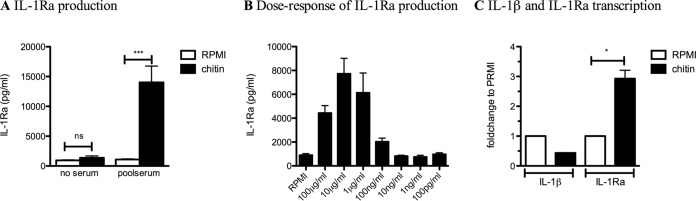
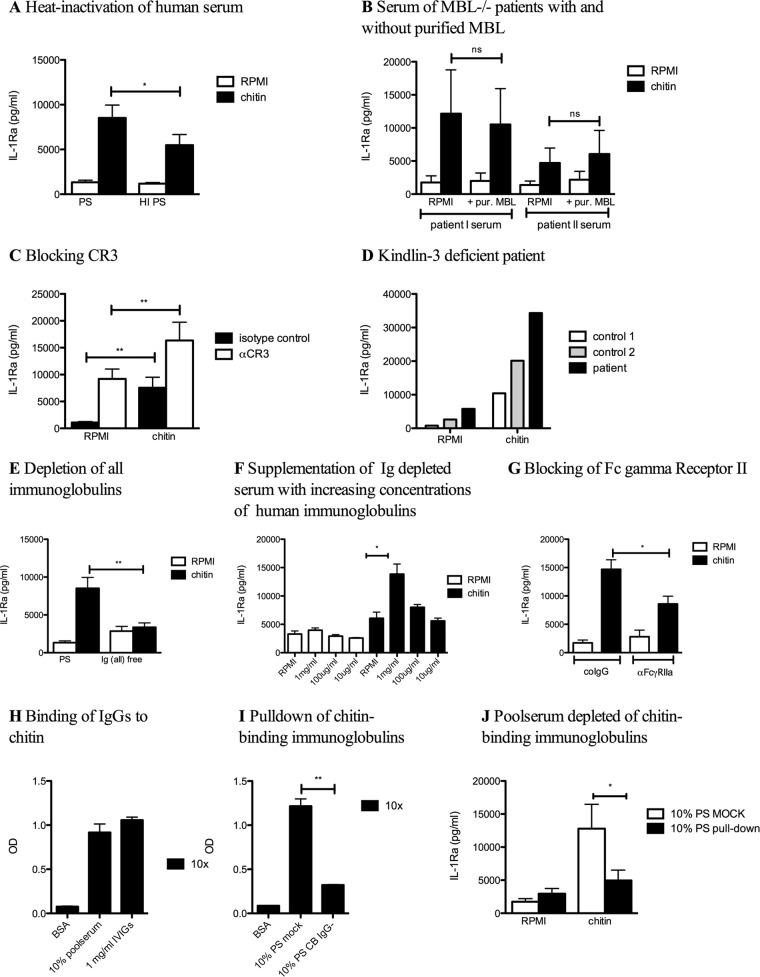
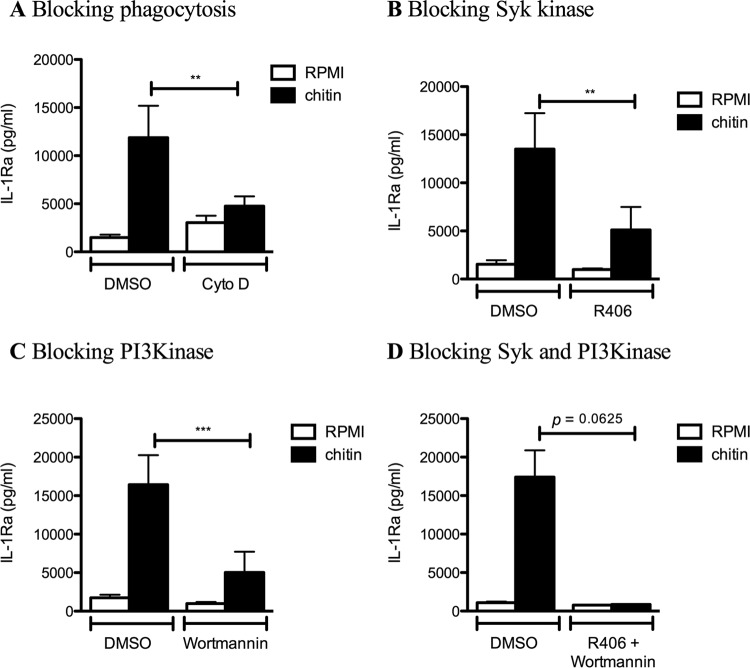
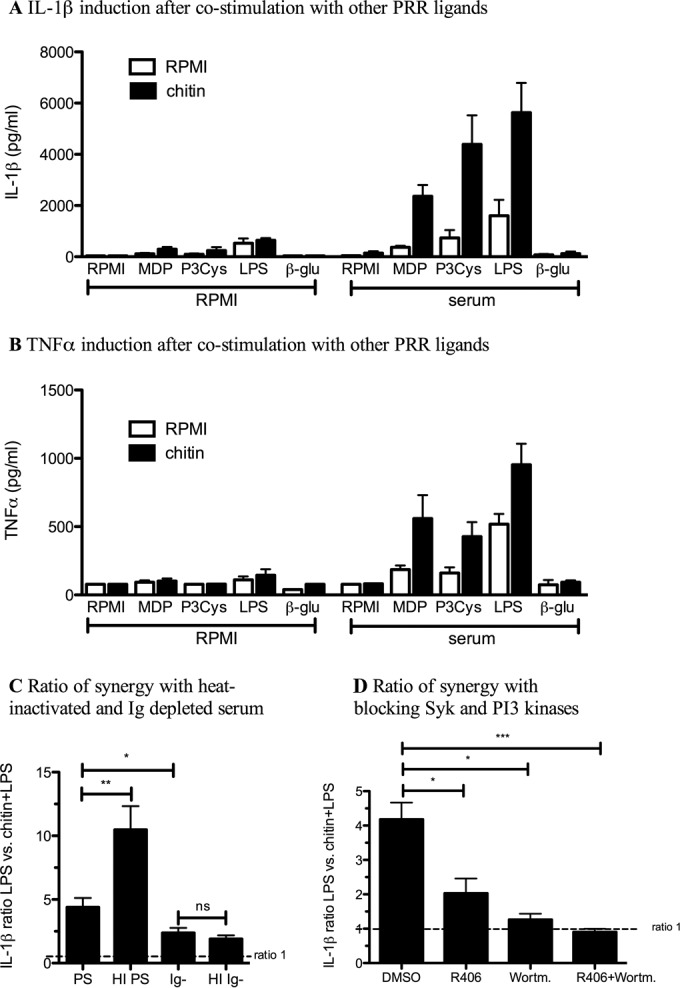
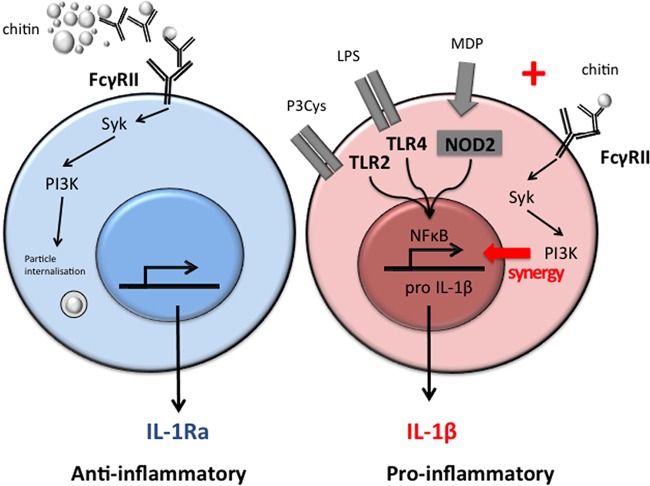
Chitin is an important cell wall component of Aspergillus fumigatus conidia, of which hundreds are inhaled on a daily basis. Previous studies have shown that chitin has both anti- and proinflammatory properties; however the exact mechanisms determining the inflammatory signature of chitin are poorly understood, especially in human immune cells. Human peripheral blood mononuclear cells were isolated from healthy volunteers and stimulated with chitin from Aspergillus fumigatus . Transcription and production of the proinflammatory cytokine interleukin-1β (IL-1β) and the anti-inflammatory cytokine IL-1 receptor antagonist (IL-1Ra) were measured from the cell culture supernatant by quantitative PCR (qPCR) or enzyme-linked immunosorbent assay (ELISA), respectively. Chitin induced an anti-inflammatory signature characterized by the production of IL-1Ra in the presence of human serum, which was abrogated in immunoglobulin-depleted serum. Fc-γ-receptor-dependent recognition and phagocytosis of IgG-opsonized chitin was identified as a novel IL-1Ra-inducing mechanism by chitin. IL-1Ra production induced by chitin was dependent on Syk kinase and phosphatidylinositol 3-kinase (PI3K) activation. In contrast, costimulation of chitin with the pattern recognition receptor (PRR) ligands lipopolysaccharide, Pam3Cys, or muramyl dipeptide, but not β-glucan, had synergistic effects on the induction of proinflammatory cytokines by human peripheral blood mononuclear cells (PBMCs). In conclusion, chitin can have both pro- and anti-inflammatory properties, depending on the presence of pathogen-associated molecular patterns and immunoglobulins, thus explaining the various inflammatory signatures reported for chitin. IMPORTANCE Invasive aspergillosis and allergic aspergillosis are increasing health care problems. Patients get infected by inhalation of the airborne spores of Aspergillus fumigatus . A profound knowledge of how Aspergillus and its cell wall components are recognized by the host cell and which type of immune response it induces is necessary to develop target-specific treatment options with less severe side effects than the treatment options to date. There is controversy in the literature about the receptor for chitin in human cells. We identified the Fc-γ receptor and Syk/PI3K pathway via which chitin can induce anti-inflammatory immune responses by inducing IL-1 receptor antagonist in the presence of human immunoglobulins but also proinflammatory responses in the presence of bacterial components. This explains why Aspergillus does not induce strong inflammation just by inhalation and rather fulfills an immune-dampening function. While in a lung coinfected with bacteria, Aspergillus augments immune responses by shifting toward a proinflammatory reaction.
Overview
The claims and statistics of this paper haven’t been checked yet.
Free: it reads the open-access text and checks the first 5 claims that cite a source we can check. Create a free account to check every claim.
Integrity signals
Registry
Cites
Statistics
Figures
Verification
Claims the paper makes
The claims and statistics of this paper haven’t been checked yet.
Free: it reads the open-access text and checks the first 5 claims that cite a source we can check. Create a free account to check every claim.
Claims other papers make about this one
Each is checked against this paper’s own text: does it say what the citing paper says it does?
In the citing paper
“The other major cell wall component, chitin, also induces an immune response; however, the immune chitin receptor has not been identified, although the Fc-γ receptor seems to be important to induce a Syk kinase-dependent pathway (465).”
From Aspergillus fumigatus and Aspergillosis in 2019 (2019) · cites this paper as [465]
Self-check
Percentages, sums and reported differences re-computed from the paper’s own numbers.
The self-check needs the paper’s full text.
Citations
Cites
Fcγ receptors as regulators of immune responses
Nimmerjahn, F., & Ravetch, J. V. (2008) · Nature Reviews Immunology · doi:10.1038/nri2206 · Cited by 2,947
Dectin-1 is required for β-glucan recognition and control of fungal infection
Taylor, P. R., Tsoni, S. V., Willment, J. A., Dennehy, K. M., Rosas, M., Findon, H., Haynes, K., Steele, C., Botto, M., Gordon, S., et al. (2007) · Nature Immunology · doi:10.1038/ni1408 · Cited by 1,161 · cited 1×
“While -(1,3)-glucan is known as the ligand for dectin-1 (8), recent studies propose different identities of the chitin recognition receptor and the induced immune response.”
Role of Chitin and Chitinase/Chitinase-Like Proteins in Inflammation, Tissue Remodeling, and Injury
Lee, C. G., Da Silva, C. A., Dela Cruz, C. S., Ahangari, F., Ma, B., Kang, M.-J., He, C.-H., Takyar, S., & Elias, J. A. (2011) · Annual Review of Physiology · doi:10.1146/annurev-physiol-012110-142250 · Cited by 896 · cited 9×
“Chitin is one of the major fibrillar components of the Aspergillus cell wall and is covalently bound to -(1,3)-glucans (6).”
BackgroundMethodInfluentialChitin induces accumulation in tissue of innate immune cells associated with allergy
Reese, T. A., Liang, H.-E., Tager, A. M., Luster, A. D., Van Rooijen, N., Voehringer, D., & Locksley, R. M. (2007) · Nature · doi:10.1038/nature05746 · Cited by 753 · cited 1×
“In addition to proteins, the polysaccharide chitin is also known to induce allergy by causing accumulation of interleukin-4 (IL-4)expressing innate immune cells (2).”
BackgroundA Chitinase-like Protein in the Lung and Circulation of Patients with Severe Asthma
Chupp, G. L., Lee, C. G., Jarjour, N., Shim, Y. M., Holm, C. T., He, S., Dziura, J. D., Reed, J., Coyle, A. J., Kiener, P., et al. (2007) · New England Journal of Medicine · doi:10.1056/nejmoa073600 · Cited by 547 · cited 1×
“Polymorphisms in chitinase genes (4) or elevated serum levels of chitinaselike proteins have been associated with asthma (5), although the exact mechanism describing how chitinases and chitin interact with immune cells and trigger immune responses is not yet completely understood.”
BackgroundVetvicka, V, Thornton, B. P., & Ross, G. D. (1996) · Journal of Clinical Investigation · doi:10.1172/jci118777 · Cited by 407 · cited 1×
“CR3 is a known receptor recognizing complement-opsonized particles (12) and -glucan (13, 14).”
Backgroundda Silva Ferreira, M. E., Kress, M. R. V. Z., Savoldi, M., Goldman, M. H. S., Härtl, A., Heinekamp, T., Brakhage, A. A., & Goldman, G. H. (2006) · Eukaryotic Cell · doi:10.1128/ec.5.1.207-211.2006 · Cited by 403
Myeloid C-type Lectin Receptors in Pathogen Recognition and Host Defense
Osorio, F., & Reis e Sousa, C. (2011) · Immunity · doi:10.1016/j.immuni.2011.05.001 · Cited by 378
Inhibition of toll‐like receptor 4 breaks the inflammatory loop in autoimmune destructive arthritis
Abdollahi‐Roodsaz, S., Joosten, L. A. B., Roelofs, M. F., Radstake, T. R. D. J., Matera, G., Popa, C., van der Meer, J. W. M., Netea, M. G., & van den Berg, W. B. (2007) · Arthritis & Rheumatism · doi:10.1002/art.22848 · Cited by 302
Self-citationTasting the fungal cell wall: Tasting fungal cell wall
Latgé, J.-P. (2010) · Cellular Microbiology · doi:10.1111/j.1462-5822.2010.01474.x · Cited by 295 · cited 1×
“Furthermore, it has been shown that insoluble fibrillar polysaccharides can induce potent inflammatory responses by engaging multimerization of pattern recognition receptors (PRRs) and formation of supramolecular PRR complexes, which is known as the fibril hypothesis (30).”
BackgroundSelf-citationFungal Chitin Dampens Inflammation through IL-10 Induction Mediated by NOD2 and TLR9 Activation
Wagener, J., Malireddi, R. K. S., Lenardon, M. D., Köberle, M., Vautier, S., MacCallum, D. M., Biedermann, T., Schaller, M., Netea, M. G., Kanneganti, T.-D., et al. (2014) · PLoS Pathogens · doi:10.1371/journal.ppat.1004050 · Cited by 289 · cited 5×
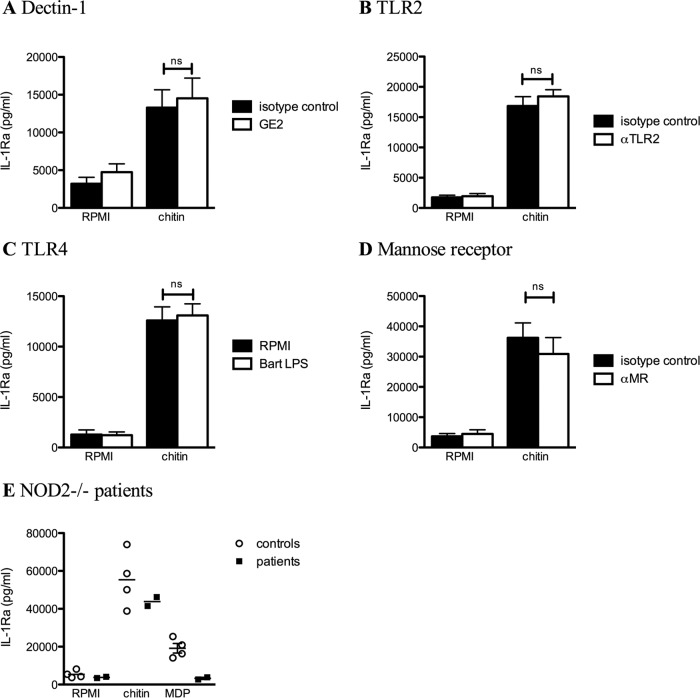
“Since the MR has previously been reported to be involved in chitin-induced immune responses in mice (11), we investigated mannose-binding lectin (MBL), which shares homology with the MR, as well as blocking the MR on PBMCs.”
BackgroundMethodSelf-citationImpact of Immune Complex Size and Glycosylation on IgG Binding to Human FcγRs
Lux, A., Yu, X., Scanlan, C. N., & Nimmerjahn, F. (2013) · The Journal of Immunology · doi:10.4049/jimmunol.1200501 · Cited by 272 · cited 1×
“Fc- RII has low affinity for monomeric IgG and only recognizes IgG complexes (26, 27), which might be similar to the ones artificially created by the binding of many IgGs to long chitin molecules.”
BackgroundTLR-2 and IL-17A in Chitin-Induced Macrophage Activation and Acute Inflammation
Da Silva, C. A., Hartl, D., Liu, W., Lee, C. G., & Elias, J. A. (2008) · The Journal of Immunology · doi:10.4049/jimmunol.181.6.4279 · Cited by 245 · cited 1×
“Additionally, chitin was described to have proinflammatory properties by inducing IL-17 via the Toll-like receptor 2 (TLR2) pathway (10) in murine cells, and a recent study suggested recognition of chitin via the mannose receptor (MR) on the surface of the phagocytes and by the nucleotide-binding oligomerization domai…”
BackgroundLAD-1/variant syndrome is caused by mutations in FERMT3
Kuijpers, T. W., van de Vijver, E., Weterman, M. A. J., de Boer, M., Tool, A. T. J., van den Berg, T. K., Moser, M., Jakobs, M. E., Seeger, K., Sanal, Ö., et al. (2009) · Blood · doi:10.1182/blood-2008-10-182154 · Cited by 229 · cited 1×
“One patient had the autosomal recessive mutation in FERMT3, the gene encoding kindlin-3, leading to the leukocyte adhesion deficiency type III (35, 36).”
BackgroundAllergic Bronchopulmonary Aspergillosis in Asthma and Cystic Fibrosis
Knutsen, A. P., & Slavin, R. G. (2011) · Clinical and Developmental Immunology · doi:10.1155/2011/843763 · Cited by 209 · cited 9×
“Chitin is one of the major fibrillar components of the Aspergillus cell wall and is covalently bound to -(1,3)-glucans (6).”
BackgroundMethodInfluentialMoalli, F., Doni, A., Deban, L., Zelante, T., Zagarella, S., Bottazzi, B., Romani, L., Mantovani, A., & Garlanda, C. (2010) · Blood · doi:10.1182/blood-2009-12-258376 · Cited by 205
Recognition and Blocking of Innate Immunity Cells by Candida albicans Chitin
Mora-Montes, H. M., Netea, M. G., Ferwerda, G., Lenardon, M. D., Brown, G. D., Mistry, A. R., Kullberg, B. J., O'Callaghan, C. A., Sheth, C. C., Odds, F. C., et al. (2011) · Infection and Immunity · doi:10.1128/iai.01282-10 · Cited by 204 · cited 1×
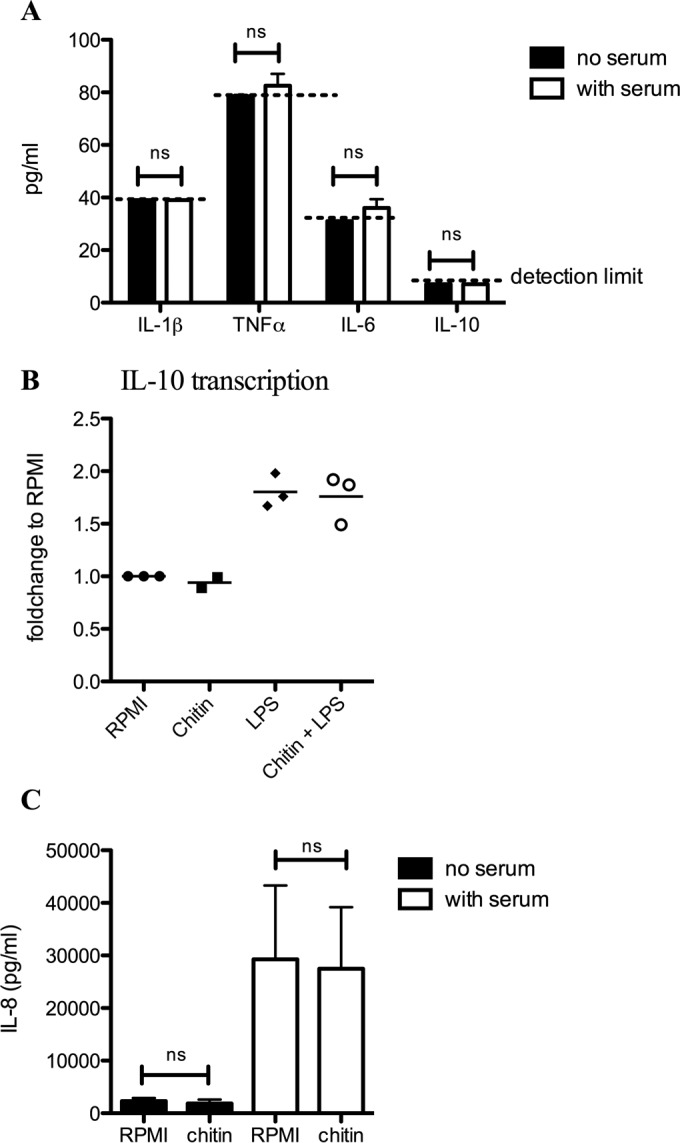
“(16, 17), which described chitin as an immunologically inert particle, not inducing TNF- , IL-1 , IL-6, or IL-10 production (17) or inflammasome activation (18).”
BackgroundSelf-citationOverview of the interleukin-1 family of ligands and receptors
Dinarello, C. A. (2013) · Seminars in Immunology · doi:10.1016/j.smim.2013.10.001 · Cited by 198
Innate Sensing of Chitin and Chitosan
Bueter, C. L., Specht, C. A., & Levitz, S. M. (2013) · PLoS Pathogens · doi:10.1371/journal.ppat.1003080 · Cited by 191 · cited 2×
“(16, 17), which described chitin as an immunologically inert particle, not inducing TNF- , IL-1 , IL-6, or IL-10 production (17) or inflammasome activation (18).”
BackgroundRichie, D. L., Hartl, L., Aimanianda, V., Winters, M. S., Fuller, K. K., Miley, M. D., White, S., McCarthy, J. W., Latgé, J.-P., Feldmesser, M., et al. (2009) · PLoS Pathogens · doi:10.1371/journal.ppat.1000258 · Cited by 185 · cited 1×
“contamination when checked by gas chromatographic analyses (42).”
BackgroundSelf-citationSpectrum and Mechanisms of Inflammasome Activation by Chitosan
Bueter, C. L., Lee, C. K., Wang, J. P., Ostroff, G. R., Specht, C. A., & Levitz, S. M. (2014) · The Journal of Immunology · doi:10.4049/jimmunol.1301695 · Cited by 158 · cited 2×
“as mouse peritoneal cells, mouse bone marrow-derived dendritic cells (DCs), and human PBMCs (18).”
BackgroundColorimetric Determination of Chitosan
Müzzarelli, R. A. A. (1998) · Analytical Biochemistry · doi:10.1006/abio.1998.2705 · Cited by 152
Functional duality of the cell wall
Latgé, J.-P., & Beauvais, A. (2014) · Current Opinion in Microbiology · doi:10.1016/j.mib.2014.05.009 · Cited by 144 · cited 2×
“While in a resting conidium, polysaccharides are shielded by a rodlet and melanin layer; during germination chitin is exposed on the mycelium surface and can interact with cells of the innate immune system (6).”
BackgroundSelf-citationGresnigt, M. S., Bozza, S., Becker, K. L., Joosten, L. A. B., Abdollahi-Roodsaz, S., van der Berg, W. B., Dinarello, C. A., Netea, M. G., Fontaine, T., De Luca, A., et al. (2014) · PLoS Pathogens · doi:10.1371/journal.ppat.1003936 · Cited by 142 · cited 6×
“Immunoglobulin opsonization mediates chitin-induced IL1Ra.”
BackgroundSelf-citationPolymorphisms and Haplotypes of Acid Mammalian Chitinase Are Associated with Bronchial Asthma
Bierbaum, S., Nickel, R., Koch, A., Lau, S., Deichmann, K. A., Wahn, U., Superti-Furga, A., & Heinzmann, A. (2005) · American Journal of Respiratory and Critical Care Medicine · doi:10.1164/rccm.200506-890oc · Cited by 133 · cited 1×
“Polymorphisms in chitinase genes (4) or elevated serum levels of chitinaselike proteins have been associated with asthma (5), although the exact mechanism describing how chitinases and chitin interact with immune cells and trigger immune responses is not yet completely understood.”
BackgroundLowman, D. W., Greene, R. R., Bearden, D. W., Kruppa, M. D., Pottier, M., Monteiro, M. A., Soldatov, D. V., Ensley, H. E., Cheng, S.-C., Netea, M. G., et al. (2014) · Journal of Biological Chemistry · doi:10.1074/jbc.m113.529131 · Cited by 132
Self-citationDetermination of the degree of acetylation of chitosan by UV spectrophotometry using dual standards
Liu, D., Wei, Y., Yao, P., & Jiang, L. (2006) · Carbohydrate Research · doi:10.1016/j.carres.2006.01.008 · Cited by 112
Muszkieta, L., Aimanianda, V., Mellado, E., Gribaldo, S., Alcàzar-Fuoli, L., Szewczyk, E., Prevost, M.-C., & Latgé, J.-P. (2014) · Cellular Microbiology · doi:10.1111/cmi.12326 · Cited by 110
Self-citationCharacterization of FIBCD1 as an Acetyl Group-Binding Receptor That Binds Chitin
Schlosser, A., Thomsen, T., Moeller, J. B., Nielsen, O., Tornøe, I., Mollenhauer, J., Moestrup, S. K., & Holmskov, U. (2009) · The Journal of Immunology · doi:10.4049/jimmunol.0901526 · Cited by 95 · cited 1×
“identified FIBCD1 as a high-affinity chitin binding receptor of the intestine that controls immune responses against ingested parasites and fungi (9).”
BackgroundPurification and Characterization of an Endo‐1,3‐β‐Glucanase from Aspergillus fumigatus
Fontaine, T., Hartland, R. P., Beauvais, A., Diaquin, M., & Latge, J. (1997) · European Journal of Biochemistry · doi:10.1111/j.1432-1033.1997.0315a.x · Cited by 87
Self-citationAntifungal innate immunity: recognition and inflammatory networks
Becker, K. L., Ifrim, D. C., Quintin, J., Netea, M. G., & van de Veerdonk, F. L. (2015) · Seminars in Immunopathology · doi:10.1007/s00281-014-0467-z · Cited by 86
Self-citationSobota, A., Strzelecka-Kiliszek, A., Gładkowska, E., Yoshida, K., Mrozińska, K., & Kwiatkowska, K. (2005) · The Journal of Immunology · doi:10.4049/jimmunol.175.7.4450 · Cited by 85 · cited 1×
“Fc- receptors can be activated by binding to immunoglobulin-opsonized particles and subsequent internalization and receptor clustering (25).”
BackgroundFagiolo, U., Kricek, F., Ruf, C., Peserico, A., Amadori, A., & Cancian, M. (2000) · Journal of Allergy and Clinical Immunology · doi:10.1067/mai.2000.108913 · Cited by 83
Becker, K. L., Gresnigt, M. S., Smeekens, S. P., Jacobs, C. W., Magis‐Escurra, C., Jaeger, M., Wang, X., Lubbers, R., Oosting, M., Joosten, L. A. B., et al. (2015) · Clinical & Experimental Allergy · doi:10.1111/cea.12354 · Cited by 83 · cited 1×
“Although CR3 plays a crucial role in mediating adaptive T cell responses against Aspergillus conidia (22, 23), this receptor was also not involved in chitin-induced IL-1Ra.”
BackgroundSelf-citationLectin Site Ligation of CR3 Induces Conformational Changes and Signaling
O'Brien, X. M., Heflin, K. E., Lavigne, L. M., Yu, K., Kim, M., Salomon, A. R., & Reichner, J. S. (2012) · Journal of Biological Chemistry · doi:10.1074/jbc.m111.298307 · Cited by 66 · cited 1×
“CR3 is a known receptor recognizing complement-opsonized particles (12) and -glucan (13, 14).”
BackgroundVogelpoel, L. T. C., Hansen, I. S., Visser, M. W., Nagelkerke, S. Q., Kuijpers, T. W., Kapsenberg, M. L., de Jong, E. C., & den Dunnen, J. (2014) · Immunobiology · doi:10.1016/j.imbio.2014.07.016 · Cited by 66
Netea, M. G., Ferwerda, G., de Jong, D. J., Girardin, S. E., Kullberg, B. J., & van der Meer, J. W. M. (2005) · PubMed · Cited by 64
Self-citationSabnis, S., Rege, P. R., & Block, L. H. (1997) · Pharmaceutical Development and Technology · doi:10.3109/10837459709031444 · Cited by 58
Smeekens, S. P., Gresnigt, M. S., Becker, K. L., Cheng, S.-C., Netea, S. A., Jacobs, L., Jansen, T., van de Veerdonk, F. L., Williams, D. L., Joosten, L. A. B., et al. (2015) · Cytokine · doi:10.1016/j.cyto.2014.10.013 · Cited by 55 · cited 15×
“6B) or May/June 2016 Volume 7 Issue 3 e01823-15 ® mbio.asm.org 3 PI3K (Fig.”
BackgroundSelf-citationAgarwal, S., Specht, C. A., Huang, H., Ostroff, G. R., Ram, S., Rice, P. A., & Levitz, S. M. (2011) · mBio · doi:10.1128/mbio.00178-11 · Cited by 42 · cited 1×
“had shown in an earlier study that chitin is a poor inducer of the alternative complement pathway (24), the role of complement activation seen in this study could be caused by activation of the classical pathway.”
BackgroundGresnigt, M. S., Becker, K. L., Smeekens, S. P., Jacobs, C. W. M., Joosten, L. A. B., van der Meer, J. W. M., Netea, M. G., & van de Veerdonk, F. L. (2013) · The Journal of Immunology · doi:10.4049/jimmunol.1202601 · Cited by 39
Self-citationJung, J., & Zhao, Y. (2013) · Food Chemistry · doi:10.1016/j.foodchem.2013.11.165 · Cited by 34
Cardoso, M. B., Signini, R., & Filho, S. P. C. (2001) · Polymer Bulletin · doi:10.1007/s002890170010 · Cited by 33
Kin, N. W., Stefanov, E. K., Dizon, B. L. P., & Kearney, J. F. (2012) · The Journal of Immunology · doi:10.4049/jimmunol.1200702 · Cited by 33 · cited 1×
“have shown that antibodies against bacterial polysaccharides can bind to chitin and dampen the overall immune response to chitin (33).”
BackgroundKindlin-3 in the immune system.
Fagerholm, S. C., Lek, H. S., & Morrison, V. L. (2014) · Europe PMC (PubMed Central) · Cited by 28
Sprong, T., Jack, D. L., Klein, N. J., TURNER, M. W., van der Ley, P., Steeghs, L., Jacobs, L., van der Meer, J. W. M., & van Deuren, M. (2004) · Cytokine · doi:10.1016/j.cyto.2004.06.007 · Cited by 24 · cited 1×
“rified from human plasma, as described in a previous study (39).”
MethodThe Role of Interleukin-1 Family Members in the Host Defence Against Aspergillus fumigatus
Gresnigt, M. S., & van de Veerdonk, F. L. (2014) · Mycopathologia · doi:10.1007/s11046-014-9776-y · Cited by 21
Self-citationvan de Vijver, E., Tool, A. T. J., Sanal, Ö., Çetin, M., Ünal, Ş., Aytaç, S., Seeger, K., Pagliara, D., Rutella, S., van den Berg, T. K., et al. (2013) · Journal of Allergy and Clinical Immunology · doi:10.1016/j.jaci.2013.10.020 · Cited by 12
Research works printed but not linked: 1
- Smeekens SP, Gresnigt MS, Becker KL, Cheng SC, Netea SA, Jacobs L, Jansen T, van de Veerdonk FL, Williams DL, Joosten LA, Dinarello CA, Netea MG 2015 An anti-inflammatory property of Candida albicans beta-glucan: induction of high levels of interleukin-1 receptor antagonist via a Dectin-1/CR3 independent mechanism. Cytokine 71: 215– 222. doi: 10.1016/j.cyto.2014.10.013. 25461401 PMC4437193 · DOI · Paper page
Cited by
The Fungal Cell Wall: Structure, Biosynthesis, and Function
Gow, N. A. R., Latge, J.-P., & Munro, C. A. (2017) · Microbiology Spectrum · doi:10.1128/microbiolspec.funk-0035-2016 · Cited by 1,423
Aspergillus fumigatus and Aspergillosis in 2019
Latgé, J.-P., & Chamilos, G. (2019) · Clinical Microbiology Reviews · doi:10.1128/cmr.00140-18 · Cited by 1,400
Self-citationThe Fungal Cell Wall: Candida, Cryptococcus, and Aspergillus Species
Garcia-Rubio, R., de Oliveira, H. C., Rivera, J., & Trevijano-Contador, N. (2020) · Frontiers in Microbiology · doi:10.3389/fmicb.2019.02993 · Cited by 917
Aspergillus fumigatus morphology and dynamic host interactions
van de Veerdonk, F. L., Gresnigt, M. S., Romani, L., Netea, M. G., & Latgé, J.-P. (2017) · Nature Reviews Microbiology · doi:10.1038/nrmicro.2017.90 · Cited by 490
Self-citationLatgé, J.-P., Beauvais, A., & Chamilos, G. (2017) · Annual Review of Microbiology · doi:10.1146/annurev-micro-030117-020406 · Cited by 207
Self-citation
Metadata
- Authors
- Becker, K. L., Aimanianda, V., Wang, X., Gresnigt, M. S., Ammerdorffer, A., Jacobs, C. W., Gazendam, R. P., Joosten, L. A. B., Netea, M. G., Latgé, J. P., & van de Veerdonk, F. L.
- Affiliations
- Radboud University Nijmegen (NL)
- Institut Pasteur (FR)
- Amsterdam UMC Location University of Amsterdam (NL)
- Department of Internal Medicine and Radboud Center for Infectious Diseases (RCI), Radboud University Medical Center, Nijmegen, The Netherlands
- Corresponding author
- Latgé, J. P.
- ORCID
- Venue
- mBio
- Publisher
- American Society for Microbiology
- Published
- 2016-07-06
- Volume
- 7
- Issue
- 3
- ISSN
- 2150-7511 (ISSN-L)
- 2161-2129
- PMC
- PMC4895119
- OpenAlex
- W2414474414
- Cited by
- 73
- References
- 49
- Citations by year
- 2026: 1 · 2025: 6 · 2024: 7 · 2023: 2 · 2022: 3 · 2021: 8 · 2020: 10 · 2019: 14 · 2018: 6 · 2017: 14 · 2016: 2
- FWCI
- 6.23
- Type
- journal article
- Language
- en
- Open access
- gold
- doi.org
- Licence
- other-oa
- creativecommons.org/licenses/by/4.0/ (vor)
- journals.asm.org/non-commercial-tdm-license (tdm)
- Locations
- mBio (publishedVersion, other-oa)
- Europe PMC (PubMed Central) (publishedVersion, cc-by)
- PubMed Central (publishedVersion, cc-by)
- PubMed (publishedVersion)
- Pure Amsterdam UMC (submittedVersion, other-oa)
- Radboud Repository (Radboud University) (submittedVersion)
- Data Archiving and Networked Services (DANS) (submittedVersion)
- HAL (submittedVersion, cc-by)
- DOAJ (DOAJ: Directory of Open Access Journals) (submittedVersion, cc-by-sa)
- DOAJ (DOAJ: Directory of Open Access Journals) (submittedVersion)
- Radboud Repository (Radboud University) (submittedVersion, other-oa)
- Funders
- Netherlands Organisation for Scientific Research
- RIMLS grant from Radboudumc
- ERC Consolidator Grant (#310372)
- Aviesan Fungi Grant Aspergillus
- ANR grant (ASP2R2)
- ANR-DST (ANR-13-ISV3-0004-01)
- E-rare grant EURO CMC
- Topics
- Life Sciences › Biochemistry, Genetics and Molecular Biology › Molecular Biology › Studies on Chitinases and Chitosanases
- Life Sciences › Immunology and Microbiology › Immunology › Immune Response and Inflammation
- Life Sciences › Biochemistry, Genetics and Molecular Biology › Molecular Biology › Inflammasome and immune disorders
- Keywords
- chitin, Aspergillus fumigatus, Fc gamma receptor, Syk, phosphatidylinositol 3-kinase, interleukin-1 receptor antagonist, IL-1β, peripheral blood mononuclear cells, IgG opsonization, phagocytosis, pattern recognition receptors, lipopolysaccharide, Pam3Cys, muramyl dipeptide, anti-inflammatory cytokines, inflammatory cytokines
- MeSH terms
- Pathogen-Associated Molecular Pattern Molecules, Syk Kinase, Acetylmuramyl-Alanyl-Isoglutamine, Aspergillus fumigatus, Cell Wall, Chitin, Humans, Leukocytes, Mononuclear, Lipoproteins, Signal Transduction, Cytokines, Receptors, IgG, Phosphatidylinositol 3-Kinases, Interleukin-1beta, Interleukin 1 Receptor Antagonist Protein
About these checks
Registry, retraction, Cites and statistics results are computed, not judged, with one exception: a printed reference that no index lists is read once by a model before it counts as a citation error. Claims are extracted by a model and kept only when their quote appears verbatim in the text; each cited source is then checked, with a model’s help, for whether it says what the claim relies on. Those verdicts can be wrong — read the claim’s quote and the cited source before relying on one.
Statistics and arithmetic are recomputed, not judged.
Confidence bands are shown only for fields calibrated on our annotated test set. None is calibrated yet, so no band is shown.
What counts as a claim ›How we measure confidence ›How we check this ›
Are you an author, or do you see a problem with this page? Request a review
Data sources
Bibliographic data: Semantic Scholar, OpenAlex, Crossref.
Contains information from the Semantic Scholar Academic Graph Datasets, made available under the ODC Attribution License (ODC-BY 1.0).
Semantic Scholar’s data is described in: Kinney, R., et al. (2023). The Semantic Scholar Open Data Platform. arXiv:2301.10140.
