

What is CRISPR/Cas9?
Open accessThe DOI matches its Crossref record; 13 of the 14 references it cites were found in a registry or an index; 24 of the 24 sources its claims cite were checked for support.
Abstract
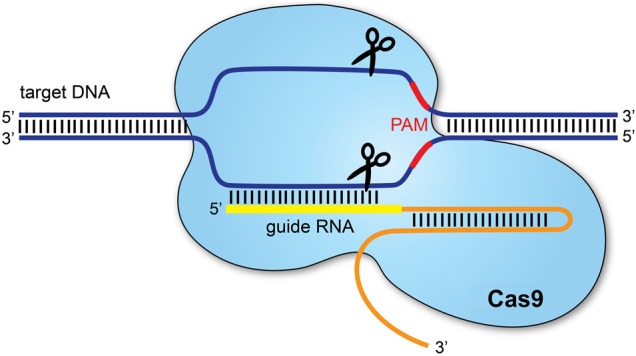
Clustered regularly interspaced palindromic repeats (CRISPR)/Cas9 is a gene-editing technology causing a major upheaval in biomedical research. It makes it possible to correct errors in the genome and turn on or off genes in cells and organisms quickly, cheaply and with relative ease. It has a number of laboratory applications including rapid generation of cellular and animal models, functional genomic screens and live imaging of the cellular genome.1 It has already been demonstrated that it can be used to repair defective DNA in mice curing them of genetic disorders,2 and it has been reported that human embryos can be similarly modified.3 Other potential clinical applications include gene therapy, treating infectious diseases such as HIV and engineering autologous patient material to treat cancer and other diseases. In this review we will give an overview of CRISPR/Cas9 with an emphasis on how it may impact on the specialty of paediatrics. Although it is likely to have a significant effect on paediatrics through its impact in the laboratory, here we will concentrate on its potential clinical applications. We will also describe some of the difficulties and ethical controversies associated with this novel technology. CRISPR/Cas9 is a gene-editing technology which involves two essential components: a guide RNA to match a desired target gene, and Cas9 (CRISPR-associated protein 9)—an endonuclease which causes a double-stranded DNA break, allowing modifications to the genome (see figure 1). Figure 1 The CRISPR/Cas9 system.1 Clustered regularly interspaced palindromic repeats (CRISPR) refers to sequences in the bacterial genome. They afford protection against invading viruses, when combined with a series of CRISPR-associated (Cas) proteins. Cas9, one of the associated proteins, is an endonuclease that cuts both strands of DNA. Cas9 is directed to its target by a section of RNA. This can be synthesised as a single strand called …
Overview
CoChat Summary
TL;DR
CRISPR/Cas9 is a gene-editing technology pairing a guide RNA with the Cas9 endonuclease to create targeted double-stranded DNA breaks, enabling genome correction or gene regulation. This narrative review outlines its potential paediatric clinical applications—correcting monogenic disorders, treating HIV, and engineering somatic cells ex vivo—while flagging delivery, off-target, and germline-ethics challenges.
Key findings
- CRISPR/Cas9 requires two components: a guide RNA matching the target gene and Cas9, an endonuclease that causes a double-stranded DNA break; repair via homology-directed repair allows edits "as precise as a single base-pair," while non-homologous end joining typically yields random insertions/deletions.
- Preclinical disease applications cited: correction of the most common CF mutation in intestinal organoids from two patients restored CFTR function; AAV-delivered CRISPR/Cas9 recovered dystrophin expression and partial muscle function in a DMD mouse model; BCL11A enhancer disruption induced fetal haemoglobin in mice and primary human erythroblast cells.
- HIV: CRISPR/Cas9 targeting of the HIV-1 genome inactivated viral gene expression and replication in latently infectable cells without toxic effects, and cells could be immunised against HIV-1 infection.
- Ex vivo engineering: CRISPR/Cas9 enabled knockout and knock-in editing in primary human CD4+ T-cells (including blocking PD-1 expression), and correction of the β-thalassaemia mutation in human induced pluripotent stem cells.
Methods
- Design: narrative review article (not primary research), aimed at describing CRISPR/Cas9 and its potential impact on paediatrics, with emphasis on clinical applications and associated difficulties and ethical controversies.
- Data: no original dataset; the review synthesises published preclinical and in vitro studies (e.g., Schwank et al on CF organoids, Tabebordbar et al on DMD mice, Canver et al on BCL11A, Hu et al on HIV-1, Schumann et al on T-cells, Xie et al on β-thalassaemia iPSCs).
- Analysis: descriptive synthesis of cited literature; no formal quantitative analysis reported.
Limitations
- Stated: delivery to the right cells in vivo remains a particular issue—AAV may be too small to transduce the Cas9 gene efficiently, and a smaller Cas9 has efficacy implications; other non-viral delivery systems need optimisation.
- Stated: off-target effects elsewhere in the genome could cause long-term complications including malignancy; Cas9 concentration and expression duration matter, and long-term safety is unestablished.
- Stated: germline/embryo editing is permanent with unclear long-term consequences, and ethical boundaries remain undetermined; the review notes its therapeutic examples are predominantly directed at somatic cells. Evident from the text: the clinical applications discussed are largely preclinical or in vitro, so bedside translation is not yet demonstrated.
Model-written summary. Check it against the paper before relying on it.
Integrity signals
Registry
Cites
Statistics
Figures
Verification
Claims the paper makes
23 Valid · 0 Not valid · 0 Not checked · 9 Own results and interpretations
Every source the paper cites for this claim was checked and supports it.
In the paper
“it has been reported that human embryos can be similarly modified.3”
§ What is CRISPR/Cas9? > INTRODUCTION
What the sources say
- Supportedcites [3] Liang P, Xu Y, Zhang X, et al. CRISPR/Cas9-mediated gene editing in human tripronuclear zygotes. Protein Cell 2015;6:363-72. source
The Introduction reports that CRISPR/Cas9 cleaved an endogenous gene in human tripronuclear zygotes and describes mosaicism and mutations in the edited embryos. This supports the claim that human embryos can be modified, with the qualification that the study used tripronuclear rather than normal embryos. (LLM, conf=0.92)
plainstates a cause- Asserted: passes — The authors put it forward as true.
- Checkable: passes — It can be checked against evidence.
- Load-bearing: unclear — It is unclear whether the paper’s conclusions depend on it.
- Based: passes — The paper gives a reason why it holds.
- Supported
Every source the paper cites for this claim was checked and supports it.
In the paper
“Using adult intestinal stem cells obtained from two patients with CF, they successfully corrected the most common mutation causing CF in intestinal organoids.”
§ What is CRISPR/Cas9? > Correction of genetic disorders
What the sources say
- Supportedcites [4] Schwank G, Koo BK, Sasselli V, et al. Functional repair of CFTR by CRISPR/Cas9 in intestinal stem cell organoids of cystic fibrosis patients. Cell Stem Cell 2013;13:653-8. source
The indexed paper describes F508 del as the most common CFTR mutation and says both patients carried it. Its concluding passage states that the authors used CRISPR/Cas9 to correct the mutation in adult intestinal stem cells from two CF patients and demonstrated function in organoids (indexed section: Abstract; page not given). (LLM, conf=0.94)
plainstates a causen = 2- Asserted: passes — The authors put it forward as true.
- Checkable: passes — It can be checked against evidence.
- Load-bearing: unclear — It is unclear whether the paper’s conclusions depend on it.
- Based: passes — The paper gives a reason why it holds.
- Supported
Every source the paper cites for this claim was checked and supports it.
In the paper
“They demonstrated that once the mutation had been corrected, the function of the CF transmembrane conductor receptor (CFTR) was restored.4”
§ What is CRISPR/Cas9? > Correction of genetic disorders
What the sources say
- Supportedcites [4] Schwank G, Koo BK, Sasselli V, et al. Functional repair of CFTR by CRISPR/Cas9 in intestinal stem cell organoids of cystic fibrosis patients. Cell Stem Cell 2013;13:653-8. source
The Summary states that the CFTR locus was corrected in intestinal stem cells from CF patients and that the corrected allele was fully functional in expanded organoids. The results passage reports swelling in corrected organoids, absent in untransfected controls, and concludes that the corrected allele rescued the CFTR phenotype. (LLM, conf=0.95)
boostedstates a causen = 2- Asserted: passes — The authors put it forward as true.
- Checkable: passes — It can be checked against evidence.
- Load-bearing: passes — The paper’s conclusions depend on it.
- Based: passes — The paper gives a reason why it holds.
- Supported
Every source the paper cites for this claim was checked and supports it.
In the paper
“This produces a truncated, but still functional protein.”
§ What is CRISPR/Cas9? > Correction of genetic disorders
What the sources say
- Supportedcites [5] Tabebordbar M, Zhu K, Cheng JK, et al. In vivo gene editing in dystrophic mouse muscle and muscle stem cells. Science 2016;351:407-11. source
The Abstract states that exon removal can produce a truncated but still functional protein. It reports that exon 23 deletion restored dystrophin expression in the mdx mouse model and partially recovered muscle function. (LLM, conf=0.93)
plain- Asserted: passes — The authors put it forward as true.
- Checkable: passes — It can be checked against evidence.
- Load-bearing: passes — The paper’s conclusions depend on it.
- Based: passes — The paper gives a reason why it holds.
- Supported
Every source the paper cites for this claim was checked and supports it.
In the paper
“Treated mice were shown to partially recover muscle functional deficiencies.5”
§ What is CRISPR/Cas9? > Correction of genetic disorders
What the sources say
- Supportedcites [5] Tabebordbar M, Zhu K, Cheng JK, et al. In vivo gene editing in dystrophic mouse muscle and muscle stem cells. Science 2016;351:407-11. source
The Abstract states that AAV-Dmd CRISPR treatment partially recovered muscle functional deficiencies in mdx mice, a model of DMD. It also reports improved muscle force and reduced force loss after damage compared with control-treated muscles. (LLM, conf=0.95)
plainstates a cause- Asserted: passes — The authors put it forward as true.
- Checkable: passes — It can be checked against evidence.
- Load-bearing: passes — The paper’s conclusions depend on it.
- Based: passes — The paper gives a reason why it holds.
- Supported
16 more claims · 12 with their cited sources checked
Create a free account to see all 32 claims and every source verdict.
- It may state two separate claims as one. 6
- Probably not a substantial claim. 6
Claims other papers make about this one
Each is checked against this paper’s own text: does it say what the citing paper says it does?
In the citing paper
“CRISPR/Cas9 is a two-component system that involves a guide RNA specific to the gene of interest and an endonuclease that induces a site specific double-stranded DNA to allow for genetic modification.9”
From Gene Therapy for Retinal Degenerative Diseases: Progress, Challenges, and Future Directions (2023) · cites this paper as [9]
Citations
Cites
Development and Applications of CRISPR-Cas9 for Genome Engineering
Hsu, P. D., Lander, E. S., & Zhang, F. (2014) · Cell · doi:10.1016/j.cell.2014.05.010 · Cited by 5,762
Schwank, G., Koo, B.-K., Sasselli, V., Dekkers, J. F., Heo, I., Demircan, T., Sasaki, N., Boymans, S., Cuppen, E., van der Ent, C. K., et al. (2013) · Cell Stem Cell · doi:10.1016/j.stem.2013.11.002 · Cited by 1,424
In vivo genome editing improves muscle function in a mouse model of Duchenne muscular dystrophy
Nelson, C. E., Hakim, C. H., Ousterout, D. G., Thakore, P. I., Moreb, E. A., Rivera, R. M. C., Madhavan, S., Pan, X., Ran, F. A., Yan, W. X., et al. (2016) · Science · doi:10.1126/science.aad5143 · Cited by 1,144 · cited 3×
“Two similar studies have described using the CRISPR/Cas9 system in vivo to increase expression of the dystrophin gene and improve muscle function in mouse models of DMD. 6 7 Other studies have used CRISPR/Cas9 to target duplication of exons in the human dystrophin gene in vitro and have shown that this approach can le…”
MethodInfluentialCRISPR/Cas9-mediated gene editing in human tripronuclear zygotes
Liang, P., Xu, Y., Zhang, X., Ding, C., Huang, R., Zhang, Z., Lv, J., Xie, X., Chen, Y., Li, Y., et al. (2015) · Protein & Cell · doi:10.1007/s13238-015-0153-5 · Cited by 1,135
In vivo gene editing in dystrophic mouse muscle and muscle stem cells
Tabebordbar, M., Zhu, K., Cheng, J. K. W., Chew, W. L., Widrick, J. J., Yan, W. X., Maesner, C., Wu, E. Y., Xiao, R., Ran, F. A., et al. (2016) · Science · doi:10.1126/science.aad5177 · Cited by 1,046
Genome editing with Cas9 in adult mice corrects a disease mutation and phenotype
Yin, H., Xue, W., Chen, S., Bogorad, R. L., Benedetti, E., Grompe, M., Koteliansky, V., Sharp, P. A., Jacks, T., & Anderson, D. G. (2014) · Nature Biotechnology · doi:10.1038/nbt.2884 · Cited by 951
BCL11A enhancer dissection by Cas9-mediated in situ saturating mutagenesis
Canver, M. C., Smith, E. C., Sher, F., Pinello, L., Sanjana, N. E., Shalem, O., Chen, D. D., Schupp, P. G., Vinjamur, D. S., Garcia, S. P., et al. (2015) · Nature · doi:10.1038/nature15521 · Cited by 886
Prevention of muscular dystrophy in mice by CRISPR/Cas9–mediated editing of germline DNA
Long, C., McAnally, J. R., Shelton, J. M., Mireault, A. A., Bassel-Duby, R., & Olson, E. N. (2014) · Science · doi:10.1126/science.1254445 · Cited by 720
Generation of knock-in primary human T cells using Cas9 ribonucleoproteins
Schumann, K., Lin, S., Boyer, E., Simeonov, D. R., Subramaniam, M., Gate, R. E., Haliburton, G. E., Ye, C. J., Bluestone, J. A., Doudna, J. A., et al. (2015) · Proceedings of the National Academy of Sciences · doi:10.1073/pnas.1512503112 · Cited by 702
Don’t edit the human germ line
Lanphier, E., Urnov, F., Haecker, S. E., Werner, M., & Smolenski, J. (2015) · Nature · doi:10.1038/519410a · Cited by 530
Cited by
The Impact of Plant-Parasitic Nematodes on Agriculture and Methods of Control
Bernard, G. C., Egnin, M., & Bonsi, C. (2017) · Nematology - Concepts, Diagnosis and Control · doi:10.5772/intechopen.68958 · Cited by 216
Developmental and epileptic encephalopathies: from genetic heterogeneity to phenotypic continuum
Guerrini, R., Conti, V., Mantegazza, M., Balestrini, S., Galanopoulou, A. S., & Benfenati, F. (2023) · Physiological Reviews · doi:10.1152/physrev.00063.2021 · Cited by 196
Current State and Future Directions in the Therapy of ALS
Tzeplaeff, L., Wilfling, S., Requardt, M. V., & Herdick, M. (2023) · Cells · doi:10.3390/cells12111523 · Cited by 148
Towards application of CRISPR-Cas12a in the design of modern viral DNA detection tools (Review)
Dronina, J., Samukaitė-Bubnienė, U., & Ramanavičius, A. (2022) · Journal of Nanobiotechnology · doi:10.1186/s12951-022-01246-7 · Cited by 151
Gene Therapy for Retinal Degenerative Diseases: Progress, Challenges, and Future Directions
Drag, S., Dotiwala, F., & Upadhyay, A. K. (2023) · Investigative Opthalmology & Visual Science · doi:10.1167/iovs.64.7.39 · Cited by 145
Zhu, Y. (2022) · BioMed Research International · doi:10.1155/2022/9978571 · Cited by 121
“The PAM is an important component for targeting [7], whose main function is to help Cas9 accurately distinguish its own DNA and foreign DNA with identical sequence.”
InfluentialAhmed, M. M., Hassan, H. K., Okesanya, O. J., Ukoaka, B. M., Eshun, G., Mourid, M. R., Adigun, O. A., Ogaya, J. B., Mohamed, Z., & Lucero‐Prisno, D. E. (2024) · Infection and Drug Resistance · doi:10.2147/idr.s494327 · Cited by 109
“24 The CRISPR-Cas system is primarily acquired through horizontal gene transfer, which includes transformation, conjugation, and transduction.”
Dronina, J., Samukaitė-Bubnienė, U., & Ramanavičius, A. (2020) · Biosensors and Bioelectronics · doi:10.1016/j.bios.2020.112867 · Cited by 89
Cui, L., Wang, X., Huang, D., Zhao, Y., Feng, J., Lu, Q., Pu, Q., Wang, Y., Cheng, G., Wu, M., et al. (2020) · Pathogens · doi:10.3390/pathogens9010053 · Cited by 86
RNA Therapeutics - Research and Clinical Advancements
Feng, R., Patil, S., Zhao, X., Miao, Z., & Qian, A. (2021) · Frontiers in Molecular Biosciences · doi:10.3389/fmolb.2021.710738 · Cited by 81
“(Redman et al., 2016) In addition, ethical concerns and germline applications of CRISPR-Cas9 also need to be considered before translating CRISPR-Cas9 into therapeutic applications.”
BackgroundEngineered mitochondria in diseases: mechanisms, strategies, and applications
Li, M., Wu, L., Si, H., Wu, Y., Liu, Y., Zeng, Y., & Shen, B. (2025) · Signal Transduction and Targeted Therapy · doi:10.1038/s41392-024-02081-y · Cited by 80
Roth, S. C. (2019) · Journal of the Medical Library Association JMLA · doi:10.5195/jmla.2019.604 · Cited by 63
“yogurt engineers Philippe Horvath and Rodolphe Barrangou of Danisco (DuPont) in their study of the sequences of the bacterial genome that protect against invading viruses [21].”
BackgroundThe Horizon of Gene Therapy in Modern Medicine: Advances and Challenges
Arjmand, B., Larijani, B. A., Hosseini, M. S., Payab, M., Gilany, K., Goodarzi, P., Roudsari, P. P., Amanollahi, M., & Mohammadi, N. S. H. (2019) · Advances in experimental medicine and biology · doi:10.1007/5584_2019_463 · Cited by 72
CRISPR-Cas9 Gene Therapy: Non-Viral Delivery and Stimuli-Responsive Nanoformulations
Lee, H., Rho, W., Kim, Y.-H., Chang, H., & Jun, B. (2025) · Molecules · doi:10.3390/molecules30030542 · Cited by 64
“The CRISPR-Cas9 system is a gene-editing technology derived from the immune systems of bacteria and archaea and is based on a natural immune defense mechanism that targets and cleaves foreign genetic material with a protospacer-adjacent motif (PAM) [31].”
Advances in detection of stress tolerance in plants through metabolomics approaches
Khan, N., Ali, S., Shahid, M. A., & Masouleh, A. K. (2017) · Plant Omics · doi:10.21475/poj.10.03.17.pne600 · Cited by 62
The transformative potential of AI-driven CRISPR-Cas9 genome editing to enhance CAR T-cell therapy
Boretti, A. A. (2024) · Computers in Biology and Medicine · doi:10.1016/j.compbiomed.2024.109137 · Cited by 58
CRISPR-Cas System: A Tool to Eliminate Drug-Resistant Gram-Negative Bacteria
Kundar, R. R., & Gokarn, K. (2022) · Pharmaceuticals · doi:10.3390/ph15121498 · Cited by 51
Allemailem, K. S. (2024) · International Journal of Nanomedicine · doi:10.2147/ijn.s453566 · Cited by 60
“It is also used for the removal of bacterial pathogens, 65,66 elimination of major infectious viruses, 67,68 and improvement of genetic defects.”
MethodCheng, Y., Wang, H., & Li, M. (2023) · Journal of Diabetes and its Complications · doi:10.1016/j.jdiacomp.2023.108524 · Cited by 50
Recent applications, future perspectives, and limitations of the CRISPR-Cas system
Park, S.-J., Lee, G. E., Cho, S. M., & Choi, E.-H. (2025) · Molecular Therapy — Nucleic Acids · doi:10.1016/j.omtn.2025.102634 · Cited by 49
“11 Similarly, UL12, a domain derived from HSV-1 alkaline nuclease that recruits the MRN complex, when tethered to Cas9, augmented HDR efficiency 2-fold.”
CRISPR-Cas9: A method for establishing rat models of drug metabolism and pharmacokinetics
Lu, J., Liu, J., Guo, Y., Zhang, Y., Xu, Y., & Wang, X. (2021) · Acta Pharmaceutica Sinica B · doi:10.1016/j.apsb.2021.01.007 · Cited by 46
Gene editing as applied to prevention of reproductive porcine reproductive and respiratory syndrome
Whitworth, K. M., & Prather, R. S. (2017) · Molecular Reproduction and Development · doi:10.1002/mrd.22811 · Cited by 48
Rahmati, R., Zarimeidani, F., Boroujeni, M. R. G., Sadighbathi, S., Kashaniasl, Z., Saleh, M., & Alipourfard, I. (2025) · Probiotics and Antimicrobial Proteins · doi:10.1007/s12602-025-10561-y · Cited by 45
“CRISPR/Cas9 is a gene-editing technique consisting of two crucial elements: a guide RNA that matches a specific target gene and Cas9, an enzyme that induces a double-stranded DNA break, allowing modifications to the genome [13].”
Exosomes for CRISPR-Cas9 Delivery: The Cutting Edge in Genome Editing
Aslan, C., Zolbanin, N. M., Faraji, F., & Jafari, R. (2023) · Molecular Biotechnology · doi:10.1007/s12033-023-00932-7 · Cited by 37
“This tool has been shown to detect and correct defects in genes quickly and effectively [6].”
InfluentialAn Overview of CRISPR-Based Technologies in Wine Yeasts to Improve Wine Flavor and Safety
Vilela, A. (2021) · Fermentation · doi:10.3390/fermentation7010005 · Cited by 38
Research Progress on Nanoparticles-Based CRISPR/Cas9 System for Targeted Therapy of Tumors
Nie, D., Guo, T., Yue, M., Li, W., Zong, X., Zhu, Y., Huang, J., & Lin, M. (2022) · Biomolecules · doi:10.3390/biom12091239 · Cited by 36
Kotit, S. (2023) · Global Cardiology Science and Practice · doi:10.21542/gcsp.2023.4 · Cited by 56
“The CRISPR/Cas9 gene-editing technology 41 allows the genome to be altered by causing a double-stranded DNA break 42 .”
BackgroundNonlocal models in biology and life sciences: Sources, developments, and applications
Pal, S., & Melnik, R. (2025) · Physics of Life Reviews · doi:10.1016/j.plrev.2025.02.005 · Cited by 38
Regulatory T cell-based therapy in type 1 diabetes: Latest breakthroughs and evidence
Huang, Q., & Zhu, J. (2024) · International Immunopharmacology · doi:10.1016/j.intimp.2024.112724 · Cited by 34
Recent Developments in Gene Therapy for Neovascular Age-Related Macular Degeneration: A Review
Finocchio, L., Zeppieri, M., Gabai, A., Toneatto, G., Spadea, L., & Salati, C. (2023) · Biomedicines · doi:10.3390/biomedicines11123221 · Cited by 34
“The CRISPR/Cas9 system comprises a guide RNA targeting the gene of interest and an endonuclease that creates a site-specific double-stranded DNA “cut”, enabling precise genetic modification [144].”
BackgroundMehta, A., Motavaf, M., Raza, D., McLure, A. J., Osei-Opare, K. D., Bordone, L. A., & Gru, A. A. (2025) · Cells · doi:10.3390/cells14110779 · Cited by 38
“FGF5 functions by stimulating hair cycle activation, which has been shown to increase fiber length and the amount of hair follicles [93].”
Mani, S., Jindal, D., & Singh, M. (2022) · Current Gene Therapy · doi:10.2174/1566523222666220328142427 · Cited by 37
Gene therapy in wound healing using nanotechnology
Pang, C., Fan, K. S., Wei, L., & Kolar, M. K. (2020) · Wound Repair and Regeneration · doi:10.1111/wrr.12881 · Cited by 32
Park, A., & Lee, J. Y. (2024) · The Journal of Microbiology · doi:10.1007/s12275-024-00159-4 · Cited by 30
“…technology, two principal elements are introduced into the designated cells: the Cas9 nuclease, which generates double-stranded breaks at precise genomic coordinates, and a single-guide RNA (sgRNA) that navigates the Cas9 enzyme to a specified sequence within the genome (Redman et al., 2016).”
Approaches to Enhance Precise CRISPR/Cas9-Mediated Genome Editing
Denes, C. E., Cole, A. J., Aksoy, Y. A., Li, G., Neely, G. G., & Hesselson, D. (2021) · International Journal of Molecular Sciences · doi:10.3390/ijms22168571 · Cited by 32
Hosseini, S. A., Jouneghani, A. S., Ghatrehsamani, M., Yaghoobi, H., Elahian, F., & Mirzaei, S. A. (2022) · International Journal of Biological Macromolecules · doi:10.1016/j.ijbiomac.2022.11.018 · Cited by 29
Antiviral Approach to Cytomegalovirus Infection: An Overview of Conventional and Novel Strategies
Bottino, P., Pastrone, L., Curtoni, A., Bondi, A., Sidoti, F., Zanotto, E., Cavallo, R., Solidoro, P., & Costa, C. S. (2023) · Microorganisms · doi:10.3390/microorganisms11102372 · Cited by 30
“…several promising laboratory applications such as the rapid generation of cellular and animal models, functional genomic screens, and gene therapy for the treatment of infectious diseases (e.g., HIV), malignancies, and other diseases (e.g., cystic fibrosis and Duchenne muscular dystrophy) [132].”
BackgroundPlant genome editing: CRISPR, base editing, prime editing, and beyond
Xie, Y., Haq, S. I. U., Jiang, X., Zheng, D., Feng, N., Wang, W., He, J., & Qiu, Q. (2022) · Grassland Research · doi:10.1002/glr2.12034 · Cited by 31
Human monkeypox virus: Detection methods and perspectives for diagnostics
Stefano, J. S., Silva, L. R. G. E., Kalinke, C., de Oliveira, P. R., Crapnell, R. D., Brazaca, L. C., Bonacin, J. A., Campuzano, S., Banks, C. E., & Janegitz, B. C. (2023) · TrAC Trends in Analytical Chemistry · doi:10.1016/j.trac.2023.117226 · Cited by 27
Shetty, V. P., Akshay, S. D., Rai, P., & Deekshit, V. K. (2023) · Journal of Applied Microbiology · doi:10.1093/jambio/lxad137 · Cited by 28
CRISPR and KRAS: a match yet to be made
Bender, G., Yamaci, R. F., & Taneri, B. (2021) · Journal of Biomedical Science · doi:10.1186/s12929-021-00772-0 · Cited by 31
“Apart from the viral delivery systems, non-viral systems are being investigated for better transduction such as lipid- or polymer-based nanocarriers [4, 38, 39].”
BackgroundAdvancing cancer treatments: The role of oligonucleotide-based therapies in driving progress
Dume, B. R., Licărete, E., & Banciu, M. (2024) · Molecular Therapy — Nucleic Acids · doi:10.1016/j.omtn.2024.102256 · Cited by 34
“155 The CRISPR-Cas system consists of two main components, an sgRNA molecule and the Cas9 nuclease, forming together a complex that can cleave speci fi c DNA sites.”
BackgroundCRISPR-Cas9 and Its Bioinformatics Tools: A Systematic Review
Jasieniecka, A., & Domingues, I. (2025) · Current Issues in Molecular Biology · doi:10.3390/cimb47050307 · Cited by 26
Liu, W., Huang, Z., Xia, J., Cui, Z., Li, L., Qi, Z., & Liu, W. (2022) · Bioscience Reports · doi:10.1042/bsr20220800 · Cited by 25
“Asmt-knockout mice (F0) were generated via co-injection of in vitro -synthesized Asmt sgRNA (5 -gCGCCTACACCAACTCCCCCC-3 ), Cas9 mRNA and pMD19T-T7 vector into the zygotes of C57BL/6 mice [20].”
Progresses of CRISPR/Cas9 genome editing in forage crops
Haq, S. I. U., Zheng, D., Feng, N., Jiang, X., Qiao, F., He, J.-S., & Qiu, Q. (2022) · Journal of Plant Physiology · doi:10.1016/j.jplph.2022.153860 · Cited by 28
Advances of Recombinant Adenoviral Vectors in Preclinical and Clinical Applications
Scarsella, L., Ehrke‐Schulz, E., Paulussen, M., Thal, S. C., Ehrhardt, A., & Aydin, M. (2024) · Viruses · doi:10.3390/v16030377 · Cited by 29
“This methodology includes two important components: a guide RNA to match the target gene and an endonuclease, which induces a double-stranded DNA break [199].”
MethodRecent advances in gene-editing approaches for tackling antibiotic resistance threats: a review
Al-Fadhli, A. H., & Jamal, W. Y. (2024) · Frontiers in Cellular and Infection Microbiology · doi:10.3389/fcimb.2024.1410115 · Cited by 27
“Additionally, it is employed in the improvement of genetic fl aws, the eradication of major infectious viruses (Kim and Lee, 2022; Redman et al., 2016), and the removal of bacterial infections (Kang et al., 2017; Park et al., 2017).”
BackgroundCRISPR/Cas9 in cancer therapy: A review with a special focus on tumor angiogenesis
Hariprabu, K. N. G., Muthusamy, S., & Vimalraj, S. (2021) · International Journal of Biological Macromolecules · doi:10.1016/j.ijbiomac.2021.10.029 · Cited by 25
Advancements of gene therapy in cancer treatment: A comprehensive review
Abas, M. D. M., Asri, M. F. M., Yusafawi, N. A. S., Rosman, N. A. Z., Baharuddin, N. A. Z., Taher, M., Darnis, D. S., & Khotib, J. (2024) · Pathology - Research and Practice · doi:10.1016/j.prp.2024.155509 · Cited by 27
Successful Correction by Prime Editing of a Mutation in the RYR1 Gene Responsible for a Myopathy
Godbout, K., Rousseau, J., & Tremblay, J. P. (2023) · Cells · doi:10.3390/cells13010031 · Cited by 24
Breeding for water-use efficiency in wheat: progress, challenges and prospects
Hafeez, A., Ali, S., Javed, M. A., Iqbal, R., Khan, M. N., Çığ, F., Sabagh, A. E., Abujamel, T. S., Harakeh, S., Erċışlı, S., et al. (2024) · Molecular Biology Reports · doi:10.1007/s11033-024-09345-4 · Cited by 26
“Clustered regularly interspaced short palindromic repeats (CRISPR) is a gene edited technique which help researchers to perform some alteration in DNA of plants, organisms and animals including human [88].”
CRISPR/Cas9-Based Genome Editing of Fall Armyworm (Spodoptera frugiperda): Progress and Prospects
Salum, Y. M., Yin, A., Zaheer, U., Liu, Y., Guo, Y., & He, W. (2024) · Biomolecules · doi:10.3390/biom14091074 · Cited by 22
“The CRISPR/Cas9 system has two main components: the Cas9 protein, which cleaves double-stranded DNA (dsDNA) to facilitate genome modification, and a chimeric 20-bp single-guide RNA (sgRNA), which guides Cas9 to identify and recognize the desired sequence [2,3].”
BackgroundLerner, A., Lieber, A. D., Nelson‐Dooley, C., Leu, A. F., Perro, M., Koch, G. M., Benzvi, C., & Smith, J. (2026) · Microorganisms · doi:10.3390/microorganisms14020467 · Cited by 23
“It can turn genes on or off [33].”
Polθ Inhibition: An Anticancer Therapy for HR-Deficient Tumours
Barszczewska-Pietraszek, G., Drzewiecka, M., Czarny, P. L., Skórski, T., & Śliwiński, T. (2022) · International Journal of Molecular Sciences · doi:10.3390/ijms24010319 · Cited by 19
Carrascal-Hernández, D. C., Flórez‐López, E., Peralta-Ruiz, Y. Y., Chaves‐López, C., & Grande‐Tovar, C. D. (2022) · Agriculture · doi:10.3390/agriculture12101722 · Cited by 19
CRISPR-Cas9 for sustainable food production: Impacts, recent advancements and future perspectives
Ray, S., Sneha, K., & Jangid, C. (2023) · Food and Humanity · doi:10.1016/j.foohum.2023.10.014 · Cited by 25
A’azizam, N. M. N., Chopra, S., Guleria, P., Kumar, V., Rahim, M. H. A., & Yaacob, J. S. (2024) · Functional & Integrative Genomics · doi:10.1007/s10142-024-01325-y · Cited by 17
“This combination efficiently induces DSBs in the host genome (Redman et al. 2016).”
Development of Personalized Strategies for Precisely Battling Malignant Melanoma
Isaak, A. J., Clements, G. R., Buenaventura, R. G. M., Merlino, G. T., & Yu, Y. (2024) · International Journal of Molecular Sciences · doi:10.3390/ijms25095023 · Cited by 17
“The CRISPR-Cas9 system involves two main components: guide RNA sequences that bind to the target gene with high specificity and the Cas9 endonuclease that allows for genome modifications by causing a double-stranded DNA break [166].”
BackgroundCRISPR-Cas9 in the Tailoring of Genetically Engineered Animals
Urban, W., Kropacz, M., Łach, M., & Jankowska, A. (2025) · Current Issues in Molecular Biology · doi:10.3390/cimb47050330 · Cited by 19
“…editing tool relies on two crucial components (shown in Figure 1): (i) an artificially bioengineered single-guided RNA (sgRNA) with a sequence that matches a desired target gene and (ii) Cas9 (CRISPR-associated protein 9) endonuclease, which introduces double-stranded breaks (DSBs) in DNA [12].”
Epigenetic Aspects and Prospects in Autoimmune Hepatitis
Czaja, A. J. (2022) · Frontiers in Immunology · doi:10.3389/fimmu.2022.921765 · Cited by 18
Ajithkumar, V., Soni, K. B., Alex, S., Anuradha, T. S., Augustine, R., & Manju, R. V. (2025) · Plant Molecular Biology Reporter · doi:10.1007/s11105-025-01601-6 · Cited by 24
“CRISPR/Cas9 is a powerful genome-editing tool that enables precise and efficient modification of nucleotides, thereby allowing targeted regulation of gene expression (Redman et al. 2016).”
Microbial bioproducts: current advances, industrial applications, and future perspectives
Arshad, M., Arshad, I., Aslam, H., Sukmawati, D., Anvar, A. H., Shakir, H. A., Khan, M. N., Franco, M., & Irfan, M. I. (2025) · Journal of Umm Al-Qura University for Applied Sciences · doi:10.1007/s43994-025-00247-0 · Cited by 19
“In CRISPR-Cas9, CRISPR stands for clustered regularly interspaced palindromic repeats, which consists of Cas9 endonuclease derived from bacteria and a guide RNA [59].”
Collagen: The superior material for full-thickness oral mucosa tissue engineering
Gelin, A., Masson‐Meyers, D. S., Amini, F., Moharamzadeh, K., & Tayebi, L. (2024) · Journal of Oral Biosciences · doi:10.1016/j.job.2024.06.006 · Cited by 15
The utility of Drosophila melanogaster as a fungal infection model
Mpamhanga, C. D., & Kounatidis, I. (2024) · Frontiers in Immunology · doi:10.3389/fimmu.2024.1349027 · Cited by 16
“The gene editing tool CRISPR/Cas9 utilises guide RNA which matches with target gene (CRISPR) and CRISPR-associated protein 9 (Cas9), an endonuclease which helps to break the dsDNA and facilitate editing of the target gene (80) and it can be used for loss-of-function studies (12, 45, 81).”
BackgroundRecent advances in spatiotemporal control of the CRISPR/Cas9 system
Zhang, J., Zhou, Y., Qiao, J., & Liu, Y. (2024) · Colloids and Surfaces B Biointerfaces · doi:10.1016/j.colsurfb.2024.114474 · Cited by 15
Hereditary transthyretin amyloidosis (ATTRv)
Triposkiadis, F. K., Briasoulis, Α., Starling, R. C., Magouliotis, D. E., Kourek, C., Zakynthinos, G. Ε., Iliodromitis, E. K., PARASKEVAIDIS, I. A., & Xanthopoulos, A. V. (2025) · Current Problems in Cardiology · doi:10.1016/j.cpcardiol.2025.103019 · Cited by 16
Yuan, R., Wang, B., Wang, Y., & Liu, P. (2024) · Oncology and Therapy · doi:10.1007/s40487-024-00279-2 · Cited by 14
Current and emerging technologies to develop Point-of-Care Diagnostics in medical mycology
Matsuo, T., Wurster, S., Hoenigl, M., & Kontoyiannis, D. P. (2024) · Expert Review of Molecular Diagnostics · doi:10.1080/14737159.2024.2397515 · Cited by 12
Unveiling the Future of Cardiac Care: A Review of Gene Therapy in Cardiomyopathies
Venturiello, D., Tiberi, P. G., Perulli, F., Nardoianni, G., Guida, L., Barsali, C., Terrone, C., Cianca, A., Lustri, C., Sclafani, M., et al. (2024) · International Journal of Molecular Sciences · doi:10.3390/ijms252313147 · Cited by 14
Berzsenyi, I., Pantazi, V., Borsos, B. N., & Pankotai, T. (2021) · Mutation Research/Reviews in Mutation Research · doi:10.1016/j.mrrev.2021.108397 · Cited by 15
Assessing off-target effects in CRISPR/Cas9: challenges and strategies for precision DNA editing
Basit, A., Zhu, J., & Zheng, W. (2026) · Archives of Microbiology · doi:10.1007/s00203-025-04687-4 · Cited by 18
Immune-Based Therapeutic Interventions for Acute Myeloid Leukemia
Perna, F., Espinoza-Gutarra, M. R., Bombaci, G., Farag, S. S., & Schwartz, J. E. (2022) · Cancer treatment and research · doi:10.1007/978-3-030-96376-7_8 · Cited by 12
Neurologic orphan diseases: Emerging innovations and role for genetic treatments
Kioutchoukova, I. P., Foster, D. T., Thakkar, R. N., Foreman, M. A., Burgess, B. J., Toms, R., Valero, E., & Lucke-Wold, B. P. (2023) · World Journal of Experimental Medicine · doi:10.5493/wjem.v13.i4.59 · Cited by 13
Aberrant protein aggregation in amyotrophic lateral sclerosis
Wang, H., & Zeng, R. (2024) · Journal of Neurology · doi:10.1007/s00415-024-12485-z · Cited by 12
“CRISPR/CRISPR-associated (Cas)9 (CRISPR/ Cas9):Furthermore, viral vectors can also carry the CRISPR/ Cas9 [279].”
Insights into the Function of Regulatory RNAs in Bacteria and Archaea
Fard, E. S., Taghvimi, S., Kichi, Z. A., Weber, C., Shabaninejad, Z., Taheri‐Anganeh, M., Khatami, S. H., Mousavi, P., Movahedpour, A., & Natarelli, L. (2021) · International Journal of Translational Medicine · doi:10.3390/ijtm1030024 · Cited by 14
Promising Stem Cell therapy in the Management of HIV and AIDS: A Narrative Review
Kandula, U. R., & Wake, A. D. (2022) · Biologics · doi:10.2147/btt.s368152 · Cited by 16
“High-throughput CRISPR screenings using many “new flavours” of Cas and sequential and/or functional outcomes, in specific, have become more effective and practical.(104,105)”
BackgroundAbavisani, M., Sajjadi, S. M., Ebadpour, N., Kesharwani, P., Karav, S., & Sahebkar, A. (2025) · Chemical Engineering Journal · doi:10.1016/j.cej.2025.165777 · Cited by 10
Integrating biotechnology into diagnostic labs: Innovations in PCR and molecular procedures
Tahir, M. F., Ishtiaq, S., Anas, M., Irfan, A., Jaremko, M., Fahad, S., Ercişli, S., Almahasheer, H., & Abdelsalam, N. R. (2025) · Current Research in Biotechnology · doi:10.1016/j.crbiot.2025.100325 · Cited by 12
CRISPR/Cas9 gene editing: A new hope for transthyretin amyloidosis treatment
Shahzad, F., Rehman, M. E. U., Basit, J., Saeed, S., Abbas, K., & Farhan, M. (2022) · Annals of Medicine and Surgery · doi:10.1016/j.amsu.2022.104784 · Cited by 13
Pandya, K., & Kumar, D. (2025) · Ageing Research Reviews · doi:10.1016/j.arr.2025.102922 · Cited by 10
Qin, Y., Hu, J., & Su, K. (2025) · Synthetic and Systems Biotechnology · doi:10.1016/j.synbio.2025.11.005 · Cited by 9
Marchi, F. D., Lombardi, I., Bombaci, A., Diamanti, L., Olivero, M., Perciballi, E., Tornabene, D., Vulcano, E., Ferrari, D., & Mazzini, L. (2025) · Expert Review of Neurotherapeutics · doi:10.1080/14737175.2025.2508781 · Cited by 10
Angon, P. B., & Habiba, U. (2022) · Current Applied Science and Technology · doi:10.55003/cast.2022.03.23.003 · Cited by 10
Current and Future Diagnostics for Hepatitis C Virus Infection
Zilouchian, H., Faqah, O., Kabir, M. A., Gross, D., Pan, R., Shaifman, S., Younas, M. A., Haseeb, M. A., Thomas, E., & Asghar, W. (2025) · Chemosensors · doi:10.3390/chemosensors13020031 · Cited by 8
CRISPR-Powered Liquid Biopsies in Cancer Diagnostics
Slattery, J. R., Naung, N. Y., Kalinna, B. H., & Pál, M. (2025) · Cells · doi:10.3390/cells14191539 · Cited by 10
“…use of Cas9 in gene-editing applications, in which DNA cleavage of the target sequence is the primary goal, after which genetic modification is facilitated commonly by non-homologous end-joining, resulting in gene deletion; or homology directed repair, resulting in gene addition (Figure 1a) [30].”
CRISPR Technology: Transforming the Future of Medicine and Diagnostics
Iyer, K. A., Tenchov, R., Diaz, L. M. L., Jain, P., Thite, T., Deng, Y., & Zhou, Q. A. (2025) · Biochemistry · doi:10.1021/acs.biochem.5c00480 · Cited by 13
“11,12 Since its adaptation for gene editing, CRISPR technology has rapidly advanced.”
Chakraborty, C., Bhattacharya, M., Das, A., Agoramoorthy, G., & Lee, S.-S. (2026) · Molecular Therapy — Nucleic Acids · doi:10.1016/j.omtn.2026.102859 · Cited by 12
The Gut Gambit: A Review of How Microbial Imbalance Fuels Metabolic Mayhem
Venkata, L. N. S., Mishra, A. K., Mohanta, Y. K., Rustagi, S., Bahuguna, A., Tomar, A., Baek, K.-H., & Mishra, B. (2026) · Nutrients · doi:10.3390/nu18060888 · Cited by 9
“Although numerous studies emphasize the broad ranging health advantages of dietary fibers, a substantial knowledge vacuum about the precise processes by which they affect various illnesses still exists [201].”
Manikishore, M., Maurya, S. K., Rathee, S., & Patil, U. K. (2024) · Current Pharmaceutical Biotechnology · doi:10.2174/0113892010307288240526071810 · Cited by 12
Mondal, P., Alyateem, G., Mitchell, A. V., & Gottesman, M. M. (2024) · Scientific Reports · doi:10.1038/s41598-024-66244-1 · Cited by 11
“Two stable PANC-1 cell lines were established by lentiviral transduction of Cas9 (Addgene # 52962-LV) 16 or dCas9-KREB (Addgene # 89567) 17 .”
Wottrich, S., Mendonca, S., Safarpour, C., Nguyen, C., Marinelli, L. J., Hancock, S. P., Modlin, R. L., & Parker, J. M. (2024) · Microbiome Research Reports · doi:10.20517/mrr.2023.42 · Cited by 7
Survey of attitude to human genome modification in Nigeria
Jibrilla, M., Raji, H. M., & Okeke, M. I. (2023) · Journal of Community Genetics · doi:10.1007/s12687-023-00689-1 · Cited by 7
“It has been confirmed that using CRISPR, a bunch of mice were treated and recovered partially from muscle functional deficiencies (Redman et al. 2016).”
Ikrama, M., Usama, M., Haider, M. I., Israr, S., & Humayon, M. (2024) · Therapeutic Advances in Rare Disease · doi:10.1177/26330040241292378 · Cited by 10
Amyloids and the Heart: An Update
Triposkiadis, F. K., Briasoulis, Α., & Xanthopoulos, A. V. (2024) · Journal of Clinical Medicine · doi:10.3390/jcm13237210 · Cited by 8
Reactivating apoptotic pathways in cancer: A review of novel therapeutic approaches
Mantri, S., & Doshi, G. (2025) · European Journal of Pharmacology · doi:10.1016/j.ejphar.2025.177965 · Cited by 10
CRISPR for detection of drug resistance genes
Demirayak, P. S., & Sazaklıoğlu, S. A. (2025) · Clinica Chimica Acta · doi:10.1016/j.cca.2025.120626 · Cited by 6
SMN2 as a therapeutic target in spinal muscular atrophy: advances in gene expression modulation
Virata, M. J., Abello, R. M. R., Brillante, E. M. B., & Corneta, M. B. (2025) · Journal of Translational Genetics and Genomics · doi:10.20517/jtgg.2025.56 · Cited by 8
CRISPR Genome Editing in Personalized Therapy for Oral and Maxillofacial Diseases: A Scoping Review
Dziedzic, A. M., Kubina, R., Skonieczna, M., Madej, M., Fiegler-Rudol, J., Abid, M. F., Nadhim, D., & Tanasiewicz, M. (2025) · Biomedicines · doi:10.3390/biomedicines13112745 · Cited by 9
(2022) · Biointerface Research in Applied Chemistry · doi:10.33263/briac133.224 · Cited by 7
Engineered T cells for Colorectal Cancer
Bakarurraini, N. A. A. R., Kamarudin, A. A., Jamal, R., & Abu, N. (2024) · Immunotherapy · doi:10.1080/1750743x.2024.2391733 · Cited by 8
Metadata
- Authors
- Redman, M., King, A., Watson, C., & King, D.
- Affiliations
- University of York (GB)
- John Radcliffe Hospital (GB)
- Churchill Hospital (GB)
- Sheffield Children's Hospital (GB)
- Corresponding author
- King, David
- Venue
- Archives of disease in childhood - Education & practice edition
- Publisher
- BMJ
- Published
- 2016-04-08
- Volume
- 101
- Issue
- 4
- Pages
- 213-215
- ISSN
- 1743-0585 (ISSN-L)
- 1743-0593
- PMC
- PMC4975809
- OpenAlex
- W2339144537
- Cited by
- 248
- References
- 14
- Citations by year
- 2026: 25 · 2025: 71 · 2024: 56 · 2023: 30 · 2022: 29 · 2021: 15 · 2020: 9 · 2019: 5 · 2018: 2 · 2017: 4 · 2016: 1
- FWCI
- 2.08
- Type
- journal article
- Language
- en
- Open access
- hybrid
- doi.org
- Licence
- cc-by
- Locations
- Archives of Disease in Childhood Education & Practice (publishedVersion, cc-by)
- Europe PMC (PubMed Central) (publishedVersion, cc-by)
- PubMed Central (publishedVersion, cc-by)
- PubMed (publishedVersion)
- White Rose Research Online (University of Leeds, The University of Sheffield, University of York) (acceptedVersion)
- HighWire Press Open Archive (submittedVersion)
- Funders
- Wellcome Trust (108785/Z/15/Z)
- Topics
- Life Sciences › Biochemistry, Genetics and Molecular Biology › Molecular Biology › CRISPR and Genetic Engineering
- Life Sciences › Biochemistry, Genetics and Molecular Biology › Molecular Biology › RNA regulation and disease
- Life Sciences › Biochemistry, Genetics and Molecular Biology › Genetics › Virus-based gene therapy research
- Keywords
- CRISPR/Cas9, genome editing, guide RNA, Cas9 endonuclease, clinical application, gene therapy, genetic disorders, ethical controversies, HIV treatment, cancer immunotherapy
- MeSH terms
- Adolescent, Child, Child, Preschool, Female, Humans, Infant, Infant, Newborn, Male, Pediatrics, Disease Management, Gene Silencing, Young Adult, Clustered Regularly Interspaced Short Palindromic Repeats, CRISPR-Cas Systems, CRISPR-Associated Proteins
About these checks
Registry, retraction, Cites and statistics results are computed, not judged, with one exception: a printed reference that no index lists is read once by a model before it counts as a citation error. Claims are extracted by a model and kept only when their quote appears verbatim in the text; each cited source is then checked, with a model’s help, for whether it says what the claim relies on. Those verdicts can be wrong — read the claim’s quote and the cited source before relying on one.
The claim verdicts this report counts are experimental: their accuracy is not yet measured.
A language model drew the claims from the paper on 2026-11-07, under version 3 of the claim definition (model deepseek-v4.1-flash, prompt extract-v3).
A second model labelled each claim on 2026-11-07 (model jev-1.13-20260917, definition revision gold-guideline-v0.2).
Cited sources are checked with a language model’s help (gpt-6-sol).
Statistics and arithmetic are recomputed, not judged.
Confidence bands are shown only for fields calibrated on our annotated test set. None is calibrated yet, so no band is shown.
What counts as a claim ›How we measure confidence ›How we check this ›
Are you an author, or do you see a problem with this page? Request a review
Data sources
Bibliographic data: Semantic Scholar, OpenAlex, Crossref.
Contains information from the Semantic Scholar Academic Graph Datasets, made available under the ODC Attribution License (ODC-BY 1.0).
Semantic Scholar’s data is described in: Kinney, R., et al. (2023). The Semantic Scholar Open Data Platform. arXiv:2301.10140.
