

What is CRISPR/Cas9?
Open accessThe DOI matches its Crossref record; 13 of the 14 references it cites were found in a registry or an index; 24 of the 24 sources its claims cite were checked for support.
Abstract
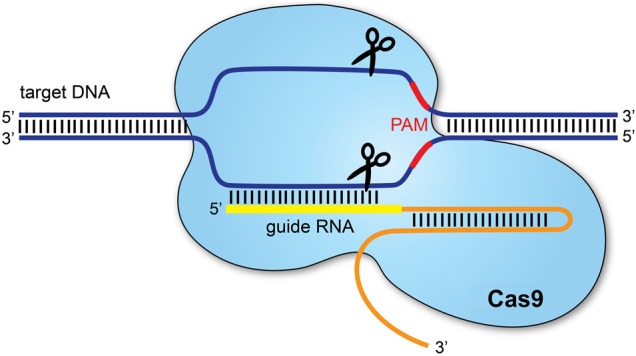
Clustered regularly interspaced palindromic repeats (CRISPR)/Cas9 is a gene-editing technology causing a major upheaval in biomedical research. It makes it possible to correct errors in the genome and turn on or off genes in cells and organisms quickly, cheaply and with relative ease. It has a number of laboratory applications including rapid generation of cellular and animal models, functional genomic screens and live imaging of the cellular genome.1 It has already been demonstrated that it can be used to repair defective DNA in mice curing them of genetic disorders,2 and it has been reported that human embryos can be similarly modified.3 Other potential clinical applications include gene therapy, treating infectious diseases such as HIV and engineering autologous patient material to treat cancer and other diseases. In this review we will give an overview of CRISPR/Cas9 with an emphasis on how it may impact on the specialty of paediatrics. Although it is likely to have a significant effect on paediatrics through its impact in the laboratory, here we will concentrate on its potential clinical applications. We will also describe some of the difficulties and ethical controversies associated with this novel technology. CRISPR/Cas9 is a gene-editing technology which involves two essential components: a guide RNA to match a desired target gene, and Cas9 (CRISPR-associated protein 9)—an endonuclease which causes a double-stranded DNA break, allowing modifications to the genome (see figure 1). Figure 1 The CRISPR/Cas9 system.1 Clustered regularly interspaced palindromic repeats (CRISPR) refers to sequences in the bacterial genome. They afford protection against invading viruses, when combined with a series of CRISPR-associated (Cas) proteins. Cas9, one of the associated proteins, is an endonuclease that cuts both strands of DNA. Cas9 is directed to its target by a section of RNA. This can be synthesised as a single strand called …
Overview
CoChat Summary
TL;DR
CRISPR/Cas9 is a gene-editing technology pairing a guide RNA with the Cas9 endonuclease to create targeted double-stranded DNA breaks, enabling genome correction or gene regulation. This narrative review outlines its potential paediatric clinical applications—correcting monogenic disorders, treating HIV, and engineering somatic cells ex vivo—while flagging delivery, off-target, and germline-ethics challenges.
Key findings
- CRISPR/Cas9 requires two components: a guide RNA matching the target gene and Cas9, an endonuclease that causes a double-stranded DNA break; repair via homology-directed repair allows edits "as precise as a single base-pair," while non-homologous end joining typically yields random insertions/deletions.
- Preclinical disease applications cited: correction of the most common CF mutation in intestinal organoids from two patients restored CFTR function; AAV-delivered CRISPR/Cas9 recovered dystrophin expression and partial muscle function in a DMD mouse model; BCL11A enhancer disruption induced fetal haemoglobin in mice and primary human erythroblast cells.
- HIV: CRISPR/Cas9 targeting of the HIV-1 genome inactivated viral gene expression and replication in latently infectable cells without toxic effects, and cells could be immunised against HIV-1 infection.
- Ex vivo engineering: CRISPR/Cas9 enabled knockout and knock-in editing in primary human CD4+ T-cells (including blocking PD-1 expression), and correction of the β-thalassaemia mutation in human induced pluripotent stem cells.
Methods
- Design: narrative review article (not primary research), aimed at describing CRISPR/Cas9 and its potential impact on paediatrics, with emphasis on clinical applications and associated difficulties and ethical controversies.
- Data: no original dataset; the review synthesises published preclinical and in vitro studies (e.g., Schwank et al on CF organoids, Tabebordbar et al on DMD mice, Canver et al on BCL11A, Hu et al on HIV-1, Schumann et al on T-cells, Xie et al on β-thalassaemia iPSCs).
- Analysis: descriptive synthesis of cited literature; no formal quantitative analysis reported.
Limitations
- Stated: delivery to the right cells in vivo remains a particular issue—AAV may be too small to transduce the Cas9 gene efficiently, and a smaller Cas9 has efficacy implications; other non-viral delivery systems need optimisation.
- Stated: off-target effects elsewhere in the genome could cause long-term complications including malignancy; Cas9 concentration and expression duration matter, and long-term safety is unestablished.
- Stated: germline/embryo editing is permanent with unclear long-term consequences, and ethical boundaries remain undetermined; the review notes its therapeutic examples are predominantly directed at somatic cells. Evident from the text: the clinical applications discussed are largely preclinical or in vitro, so bedside translation is not yet demonstrated.
Model-written summary. Check it against the paper before relying on it.
Integrity signals
Registry
Cites
Statistics
Figures
Verification
Claims the paper makes
23 Valid · 0 Not valid · 0 Not checked · 9 Own results and interpretations
Every source the paper cites for this claim was checked and supports it.
In the paper
“it has been reported that human embryos can be similarly modified.3”
§ What is CRISPR/Cas9? > INTRODUCTION
What the sources say
- Supportedcites [3] Liang P, Xu Y, Zhang X, et al. CRISPR/Cas9-mediated gene editing in human tripronuclear zygotes. Protein Cell 2015;6:363-72. source
The Introduction reports that CRISPR/Cas9 cleaved an endogenous gene in human tripronuclear zygotes and describes mosaicism and mutations in the edited embryos. This supports the claim that human embryos can be modified, with the qualification that the study used tripronuclear rather than normal embryos. (LLM, conf=0.92)
plainstates a cause- Asserted: passes — The authors put it forward as true.
- Checkable: passes — It can be checked against evidence.
- Load-bearing: unclear — It is unclear whether the paper’s conclusions depend on it.
- Based: passes — The paper gives a reason why it holds.
- Supported
Every source the paper cites for this claim was checked and supports it.
In the paper
“Using adult intestinal stem cells obtained from two patients with CF, they successfully corrected the most common mutation causing CF in intestinal organoids.”
§ What is CRISPR/Cas9? > Correction of genetic disorders
What the sources say
- Supportedcites [4] Schwank G, Koo BK, Sasselli V, et al. Functional repair of CFTR by CRISPR/Cas9 in intestinal stem cell organoids of cystic fibrosis patients. Cell Stem Cell 2013;13:653-8. source
The indexed paper describes F508 del as the most common CFTR mutation and says both patients carried it. Its concluding passage states that the authors used CRISPR/Cas9 to correct the mutation in adult intestinal stem cells from two CF patients and demonstrated function in organoids (indexed section: Abstract; page not given). (LLM, conf=0.94)
plainstates a causen = 2- Asserted: passes — The authors put it forward as true.
- Checkable: passes — It can be checked against evidence.
- Load-bearing: unclear — It is unclear whether the paper’s conclusions depend on it.
- Based: passes — The paper gives a reason why it holds.
- Supported
Every source the paper cites for this claim was checked and supports it.
In the paper
“They demonstrated that once the mutation had been corrected, the function of the CF transmembrane conductor receptor (CFTR) was restored.4”
§ What is CRISPR/Cas9? > Correction of genetic disorders
What the sources say
- Supportedcites [4] Schwank G, Koo BK, Sasselli V, et al. Functional repair of CFTR by CRISPR/Cas9 in intestinal stem cell organoids of cystic fibrosis patients. Cell Stem Cell 2013;13:653-8. source
The Summary states that the CFTR locus was corrected in intestinal stem cells from CF patients and that the corrected allele was fully functional in expanded organoids. The results passage reports swelling in corrected organoids, absent in untransfected controls, and concludes that the corrected allele rescued the CFTR phenotype. (LLM, conf=0.95)
boostedstates a causen = 2- Asserted: passes — The authors put it forward as true.
- Checkable: passes — It can be checked against evidence.
- Load-bearing: passes — The paper’s conclusions depend on it.
- Based: passes — The paper gives a reason why it holds.
- Supported
Every source the paper cites for this claim was checked and supports it.
In the paper
“This produces a truncated, but still functional protein.”
§ What is CRISPR/Cas9? > Correction of genetic disorders
What the sources say
- Supportedcites [5] Tabebordbar M, Zhu K, Cheng JK, et al. In vivo gene editing in dystrophic mouse muscle and muscle stem cells. Science 2016;351:407-11. source
The Abstract states that exon removal can produce a truncated but still functional protein. It reports that exon 23 deletion restored dystrophin expression in the mdx mouse model and partially recovered muscle function. (LLM, conf=0.93)
plain- Asserted: passes — The authors put it forward as true.
- Checkable: passes — It can be checked against evidence.
- Load-bearing: passes — The paper’s conclusions depend on it.
- Based: passes — The paper gives a reason why it holds.
- Supported
Every source the paper cites for this claim was checked and supports it.
In the paper
“Treated mice were shown to partially recover muscle functional deficiencies.5”
§ What is CRISPR/Cas9? > Correction of genetic disorders
What the sources say
- Supportedcites [5] Tabebordbar M, Zhu K, Cheng JK, et al. In vivo gene editing in dystrophic mouse muscle and muscle stem cells. Science 2016;351:407-11. source
The Abstract states that AAV-Dmd CRISPR treatment partially recovered muscle functional deficiencies in mdx mice, a model of DMD. It also reports improved muscle force and reduced force loss after damage compared with control-treated muscles. (LLM, conf=0.95)
plainstates a cause- Asserted: passes — The authors put it forward as true.
- Checkable: passes — It can be checked against evidence.
- Load-bearing: passes — The paper’s conclusions depend on it.
- Based: passes — The paper gives a reason why it holds.
- Supported
16 more claims · 12 with their cited sources checked
Create a free account to see all 32 claims and every source verdict.
- It may state two separate claims as one. 6
- Probably not a substantial claim. 6
Claims other papers make about this one
Each is checked against this paper’s own text: does it say what the citing paper says it does?
In the citing paper
“CRISPR/Cas9 is a two-component system that involves a guide RNA specific to the gene of interest and an endonuclease that induces a site specific double-stranded DNA to allow for genetic modification.9”
From Gene Therapy for Retinal Degenerative Diseases: Progress, Challenges, and Future Directions (2023) · cites this paper as [9]
Citations
Cites
Development and Applications of CRISPR-Cas9 for Genome Engineering
Hsu, P. D., Lander, E. S., & Zhang, F. (2014) · Cell · doi:10.1016/j.cell.2014.05.010 · Cited by 5,762
Schwank, G., Koo, B.-K., Sasselli, V., Dekkers, J. F., Heo, I., Demircan, T., Sasaki, N., Boymans, S., Cuppen, E., van der Ent, C. K., et al. (2013) · Cell Stem Cell · doi:10.1016/j.stem.2013.11.002 · Cited by 1,424
In vivo genome editing improves muscle function in a mouse model of Duchenne muscular dystrophy
Nelson, C. E., Hakim, C. H., Ousterout, D. G., Thakore, P. I., Moreb, E. A., Rivera, R. M. C., Madhavan, S., Pan, X., Ran, F. A., Yan, W. X., et al. (2016) · Science · doi:10.1126/science.aad5143 · Cited by 1,144 · cited 3×
“Two similar studies have described using the CRISPR/Cas9 system in vivo to increase expression of the dystrophin gene and improve muscle function in mouse models of DMD. 6 7 Other studies have used CRISPR/Cas9 to target duplication of exons in the human dystrophin gene in vitro and have shown that this approach can le…”
MethodInfluentialCRISPR/Cas9-mediated gene editing in human tripronuclear zygotes
Liang, P., Xu, Y., Zhang, X., Ding, C., Huang, R., Zhang, Z., Lv, J., Xie, X., Chen, Y., Li, Y., et al. (2015) · Protein & Cell · doi:10.1007/s13238-015-0153-5 · Cited by 1,135
In vivo gene editing in dystrophic mouse muscle and muscle stem cells
Tabebordbar, M., Zhu, K., Cheng, J. K. W., Chew, W. L., Widrick, J. J., Yan, W. X., Maesner, C., Wu, E. Y., Xiao, R., Ran, F. A., et al. (2016) · Science · doi:10.1126/science.aad5177 · Cited by 1,046
Genome editing with Cas9 in adult mice corrects a disease mutation and phenotype
Yin, H., Xue, W., Chen, S., Bogorad, R. L., Benedetti, E., Grompe, M., Koteliansky, V., Sharp, P. A., Jacks, T., & Anderson, D. G. (2014) · Nature Biotechnology · doi:10.1038/nbt.2884 · Cited by 951
BCL11A enhancer dissection by Cas9-mediated in situ saturating mutagenesis
Canver, M. C., Smith, E. C., Sher, F., Pinello, L., Sanjana, N. E., Shalem, O., Chen, D. D., Schupp, P. G., Vinjamur, D. S., Garcia, S. P., et al. (2015) · Nature · doi:10.1038/nature15521 · Cited by 886
Prevention of muscular dystrophy in mice by CRISPR/Cas9–mediated editing of germline DNA
Long, C., McAnally, J. R., Shelton, J. M., Mireault, A. A., Bassel-Duby, R., & Olson, E. N. (2014) · Science · doi:10.1126/science.1254445 · Cited by 720
Generation of knock-in primary human T cells using Cas9 ribonucleoproteins
Schumann, K., Lin, S., Boyer, E., Simeonov, D. R., Subramaniam, M., Gate, R. E., Haliburton, G. E., Ye, C. J., Bluestone, J. A., Doudna, J. A., et al. (2015) · Proceedings of the National Academy of Sciences · doi:10.1073/pnas.1512503112 · Cited by 702
Don’t edit the human germ line
Lanphier, E., Urnov, F., Haecker, S. E., Werner, M., & Smolenski, J. (2015) · Nature · doi:10.1038/519410a · Cited by 530
Cited by
Items 101–200 of 325
Functional roles of intrinsic disorder in CRISPR-associated protein Cas9
Du, Z., & Uversky, V. N. (2017) · Molecular BioSystems · doi:10.1039/c7mb00279c · Cited by 6
Nanobiophotonics and fluorescence nanoscopy in 2020
Chacko, J. V. (2020) · Elsevier eBooks · doi:10.1016/b978-0-12-818392-2.00006-8 · Cited by 6
Das, S., & Manor, U. (2024) · Frontiers in Neurology · doi:10.3389/fneur.2024.1511938 · Cited by 5
Aso-Campos, H., & Zolla, G. (2026) · Frontiers in Sustainability · doi:10.3389/frsus.2025.1683332 · Cited by 5
Xiao, Z., Chen, Y., & Cui, Z. (2020) · International Journal of Clinical and Experimental Pathology · Cited by 5
Gene Modification and Omics Technology for Pollution Management
Chathangad, S. N., Bovas, N. A., Kothari, M., & Sadhukhan, S. (2025) · Interdisciplinary biotechnological advances · doi:10.1007/978-981-97-7221-6_17 · Cited by 6
Implications of CRISPR-Cas9 Genome Editing Methods in Atherosclerotic Cardiovascular Diseases
Goharrizi, M. A. S. B., Ghodsi, S., & Memarjafari, M. (2023) · Current Problems in Cardiology · doi:10.1016/j.cpcardiol.2023.101603 · Cited by 5
Kılıç, K. D. (2023) · Advances in computational intelligence and robotics book series · doi:10.4018/978-1-6684-9814-9.ch008 · Cited by 6
Omics-Based Approaches in Developing Treatments Against Antimicrobial Resistance
Wang, Z., Xie, W., Luo, D., Wang, L., Xu, Y., Rosenn, E. H., & Soni, V. (2024) · Springer eBooks · doi:10.1007/978-3-031-65986-7_12 · Cited by 5
Vargas, V. I., Shultz, R. B., Laimo, F. A., Cullen, D. K., & Lee, H. H. (2026) · Biomaterials · doi:10.1016/j.biomaterials.2026.124206 · Cited by 5
Genome-Editing Tools for Flax Genetic Improvement
Clemis, V., Zaidi, M. A., & Fofana, B. (2023) · Compendium of plant genomes · doi:10.1007/978-3-031-16061-5_11 · Cited by 5
Cerbulescu, T., Anghel, A., Brie, A. D., Anghel, F. M., Salavat, M.-C. P., Ardelean, A. I., Barac, I. R., & Borugă, O. (2025) · Romanian Journal of Morphology and Embryology · doi:10.47162/rjme.65.4.01 · Cited by 5
“…the expression of MMPs and TIMPs is gene editing technologies, in particular, clustered regularly interspaced palindromic repeats (CRISPR)/CRISPR-associated protein 9 (Cas9) – a genetic engineering method that allows the modification of certain genes with increased precision in a short time [88].”
Nagendran, P., Murugesan, G., & Natarajan, J. (2025) · Medicine Advances · doi:10.1002/med4.70016 · Cited by 4
Application of Gene Editing in Triple‐Negative Breast Cancer Research
Feng, S., Li, J., Yan, A., Zhu, X., Zhang, L., Tang, D., & Liu, L. (2025) · Cell Biochemistry and Function · doi:10.1002/cbf.70044 · Cited by 4
Challenges to Gene Editing Approaches in the Retina
Bonillo, M., Pfromm, J. K., & Fischer, M. D. (2022) · Klinische Monatsblätter für Augenheilkunde · doi:10.1055/a-1757-9810 · Cited by 6
“CRISPR/Cas systems utilize a guide RNA (gRNA) to lead the Cas protease to the target sequence on the host genome, where the Cas protease inserts a DSB, essentially functioning as a pair of “genetic scissors” [12].”
BackgroundXu, X., Zhang, X., Peng, X., Liu, C., Li, W., & Liu, M. (2022) · Theriogenology · doi:10.1016/j.theriogenology.2022.11.044 · Cited by 4
Prime editing and its application in beta-hemoglobinopathies
Das, S. S. (2024) · The Nucleus · doi:10.1007/s13237-024-00470-w · Cited by 4
Unlocking the Transformative Power of Synthetic Biology
Amaan, A., Garg, P., & Prachi, S. (2024) · Archives of Biotechnology and Biomedicine · doi:10.29328/journal.abb.1001039 · Cited by 4
Organoids, Biocybersecurity, and Cyberbiosecurity—A Light Exploration
Palmer, X., Akafia, C. S. K., Woodson, E., Woodson, A., & Potter, L. N. (2024) · Organoids · doi:10.3390/organoids3020007 · Cited by 5
“CRISPR/Cas9 is a gene editing technology that involves two components: a guide RNA to match a desired target CRISPR/Cas9 gene and Cas9-an endonuclease that causes a double-stranded DNA break, allowing modifications to the genome [200].”
BackgroundGeneration and Characterization of a NovelPrkcd-Cre Rat Model
Toivainen, S., Petrella, M., Li, X., Visser, E., Weiss, T., Vellere, S., Zeier, Z. R., Wahlestedt, C., Barbier, E., Domi, E., et al. (2024) · Journal of Neuroscience · doi:10.1523/jneurosci.0528-24.2024 · Cited by 3
“To that end, we developed and characterized a Prkcd-Cre knock-in rat line using a CRISPR/Cas9 strategy (Redman et al., 2016).”
MethodInnovative Nanotechnology in CRISPR-Based Crop Genome Editing
Alam, O., Khan, S. U., Gul, S., Gul, H., & Ullah, I. (2024) · Nanotechnology in the life sciences · doi:10.1007/978-3-031-76000-6_6 · Cited by 5
Cardiac amyloidosis: New insights into pathophysiology and therapeutic advances
Ghazal, M., Jensen, E., Akkawi, A. R., Fancher, A. J., Oundo, E., & Briasoulis, Α. (2025) · Current Problems in Cardiology · doi:10.1016/j.cpcardiol.2025.103125 · Cited by 3
CRISPR-Cas9 gene editing in neuropsychiatric disorders: Challenges and promising avenues
Aderinto, N., Olatunji, G. D., Kokori, E., Yusuf, I. A., Moradeyo, A. A., Egbunu, E. O., Oluwakorede, A. T., Obasanjo, O. M., Aboje, J. E., Ogieuhi, I. J., et al. (2025) · Brain Disorders · doi:10.1016/j.dscb.2025.100304 · Cited by 5
Oliveira, J., Guilgur, L. G., Assunção, R., Murta, D., & Trindade, A. (2026) · Insects · doi:10.3390/insects17010070 · Cited by 5
Systems for Targeted Silencing of Gene Expression and Their Application in Plants and Animals
Motorina, D. M., Galimova, Y. A., Battulina, N. V., & Omelina, E. S. (2024) · International Journal of Molecular Sciences · doi:10.3390/ijms25105231 · Cited by 3
“The dCas9 protein alone, and the chimeric dCas9-SRDX repressor in combination with three gRNAs designed to target and bind to the promoter region and the fi rst exon of the PDS gene, were agroin fi ltrated into leaves of N. benthamiana .”
BackgroundMousavi, S. M., Kalashgrani, M. Y., Rahmanian, V., Mirshafiei, M., Omidifar, N., Shokripour, M., Lai, C. W., Thomas, P., Aljabri, M. D., Rahman, M. M., et al. (2025) · Journal of Industrial and Engineering Chemistry · doi:10.1016/j.jiec.2025.06.017 · Cited by 6
In risk we trust/Editing embryos and mirroring future risks and uncertainties
Šlesingerová, E. (2018) · Medicine Health Care and Philosophy · doi:10.1007/s11019-018-9851-0 · Cited by 5
Adnyana, I. M. D. M., Eljatin, D. S., Sudaryati, N. L. G., Adiwinoto, R. P., Raza, S. M., & da Cruz, Z. V. (2024) · Journal of Medicine and Health Technology · doi:10.12962/j30466865.v1i1.1172 · Cited by 3
CRISPR-Cas9 as a gene editing tool using cardiac glycoside reductase operon for digoxin metabolism
Nale, T., Dhingra, K., & Verma, S. (2024) · Journal of Knowledge Learning and Science Technology · doi:10.60087/jklst.v3.n4.p224 · Cited by 3
From Safety to Security and to Food Ethics
Bălan, I. M., Traşcă, T. I., Tulcan, C., Belc, N., Mustăţea, G., Tripon, R. M., Lattanzio, V. M. T., Rychlik, M., & Duță, D. E. (2024) · IntechOpen eBooks · doi:10.5772/intechopen.1006089 · Cited by 3
Does SARS-CoV-2 Possess “Allergen-Like” Epitopes?
Rubio‐Casillas, A., Cowley, D., Uversky, V. N., Redwan, E. M. M. M., Brogna, C., & Piscopo, M. (2025) · COVID · doi:10.3390/covid5040055 · Cited by 3
“A gene-editing technique known as CRISPR-Cas9 [184] could be utilized to selectively delete or modify an “allergen-like” epitope from a virus or a bacterium, thereby preventing a Th2-skewed response and redirecting it toward a Th1-dominant response.”
Application of Biomedical Molecular Techniques in Environmental Sciences
Torres, S. M., Dailey, Y. T., & White, K. A. (2021) · Springer eBooks · doi:10.1007/978-3-030-53893-4_10 · Cited by 4
Mary Shelley’s Frankenstein: Dialogs Between Fiction and Science Teaching
Ferrasa, I. A. D. C., Machado, E. F., Miquelin, A. F., Mocellin, R. C., Leal, B. E. S., Kuchla, M., Oliveira, L. K. R., & Coelho, A. M. S. (2022) · Science & Education · doi:10.1007/s11191-021-00309-9 · Cited by 3
CRISPR-Cas9 Gene Editing: Current Progress and Future Applications
Bishnoi, S. (2023) · International Journal for Research in Applied Science and Engineering Technology · doi:10.22214/ijraset.2023.55035 · Cited by 2
Novel gene therapies for sickle cell disease, Duchenne muscular dystrophy, and hemophilia A
Solano, L. (2024) · JAAPA · doi:10.1097/01.jaa.0000000000000142 · Cited by 2
Kumar, A. (2024) · Springer eBooks · doi:10.1007/978-981-97-6374-0_14 · Cited by 2
Harnessing CRISPR Technology to Edit Noncoding RNAs for Enhanced Disease Resistance in Crops
Sarkar, A., Ghosh, S., Sinha, D., Das, P., Murmu, S., & Chaurasia, H. (2025) · Wiley eBooks · doi:10.1002/9781394280049.ch11 · Cited by 2
Sharma, K. K., Tamrakar, V. K., Singh, P., Bhargava, A., Thakur, P., & Negi, S. S. (2025) · Nucleosides Nucleotides & Nucleic Acids · doi:10.1080/15257770.2025.2570269 · Cited by 2
Bördén, K., Vellai, T., & Sigmond, T. (2025) · International Journal of Molecular Sciences · doi:10.3390/ijms262010178 · Cited by 2
“Our improved reporter system consisted of a GFP::mCherry::LGG-1 strain generated with the CRISPR/Cas9 system [56] and a GFP::ATG-5 strain created using the same technique.”
Ramesh, B., & Fakoya, A. O. J. (2025) · Cureus · doi:10.7759/cureus.95908 · Cited by 4
“This technology holds promise for broader applications, including treatments for infectious diseases and cancer, as well as agricultural advancements [23].”
Wang, Y., Zhang, C., Li, M.-J., Iqbal, A., Ahmed, K. S., Idrees, A., Habiba, Yang, B.-M., & Jiang, L. (2025) · Insects · doi:10.3390/insects17010035 · Cited by 2
“Furthermore, transcription-activated effector endonucleases (TALENs), mega nucleases (MNs), zinc finger nucleases (ZFNs), and CRISPR/Cas are the four main types of SDNs used for gene editing [60].”
Advances in CRISPR-Cas for Diagnosis and Treatment of Klebsiella pneumoniae
Feng, C., & Yin, J. (2026) · Pathogens · doi:10.3390/pathogens15060570 · Cited by 2
“In contrast, HDR uses a homologous DNA template, such as donor DNA, to enable precise gene correction or insertion [13].”
InfluentialPublic Perception of Human Applications of CRISPR Gene Editing
Yabar, A. S. T., McGuire, R. M., & Guertin, L. E. (2018) · Digital WPI · Cited by 2
Genselektive Therapieansätze bei der Huntington-Krankheit
Mühlbäck, A., Lindenberg, K. S., Saft, C., Priller, J., & Landwehrmeyer, G. B. (2020) · Der Nervenarzt · doi:10.1007/s00115-020-00882-4 · Cited by 2
Habibi, A., Risqiyani, S. Z., & Putri, D. A. S. (2021) · JIMKI Jurnal Ilmiah Mahasiswa Kedokteran Indonesia · doi:10.53366/jimki.v9i1.321 · Cited by 4
CRISPR and COVID-19: Lessons Learned to Prepare for the Next Pathogen
Bond, J. C. (2022) · Georgetown Scientific Research Journal · doi:10.48091/gsr.v2i1.29 · Cited by 2
Genome Editing and Diabetic Cardiomyopathy
Kambis, T. N., & Mishra, P. K. (2022) · Advances in experimental medicine and biology · doi:10.1007/978-981-19-5642-3_7 · Cited by 2
Using biophysical cues and biomaterials to improve genetic models
Molley, T. G., & Engler, A. J. (2023) · Current Opinion in Biomedical Engineering · doi:10.1016/j.cobme.2023.100502 · Cited by 2
Ueda, M. (2024) · Translational Pediatrics · doi:10.21037/tp-24-131 · Cited by 2
“The FDA has recently approved the use of CRISPR-Cas9 in the hemoglobin-beta ( HBB ) gene for the treatments of sickle cell disease (SCD) and transfusion-dependent beta thalassemia (97,98).”
Wybrane zagadnienia z zakresu ochrony i zagrożeń środowiska, t.4
(2024) · doi:10.24326/mon.2024.13 · Cited by 2
Pan, T.-L., Cha, J., Wang, H., Zhang, J., Xiao, J., Shen, J., Zhou, M., Li, Y., JiQiong, M., Zhao, K., et al. (2025) · Veterinary Sciences · doi:10.3390/vetsci12030249 · Cited by 2
“The CRISPR/Cas9 system serves as an immune defense mechanism that originated in prokaryotic organisms [1,2], composed of CRISPR sequences and Cas9 proteins [3,4].”
Mouse Models of HIV-Associated Atherosclerosis
Stephens, V. R., Ameli, S., Major, A. S., & Wanjalla, C. N. (2025) · International Journal of Molecular Sciences · doi:10.3390/ijms26073417 · Cited by 2
“CRISPR/Cas9 utilizes guide RNAs complementary to the target genes, which directs the endonuclease, Cas9, to the desired site where it makes a double-stranded break in the DNA [9].”
InfluentialGenome-Based Advances in Modeling Renal Ciliopathies and Enhancing Patient Care
Secondulfo, F., Blanco, F. D. V., Capolongo, G., Piluso, G., Nigro, V., Perna, A. F., Capasso, G., & Zacchia, M. (2025) · Kidney & Blood Pressure Research · doi:10.1159/000547131 · Cited by 2
“The required sequence of DNA to be used by homologous repair can be delivered with Cas9 allowing very specific DNA changes [135].”
Genetic and genomic investigations in the neonatal intensive care unit
Burke, K., Howard, Z., & Kamath, A. (2016) · Paediatrics and Child Health · doi:10.1016/j.paed.2016.08.001 · Cited by 2
Recent Advances in Targeted Genetic Medicines for Cystic Fibrosis
Elboraie, S., Kafetzis, K. N., Shrivastava, R., & Tagalakis, A. D. (2021) · IntechOpen eBooks · doi:10.5772/intechopen.92434 · Cited by 2
Synergistic CRISPR/Cas9 Gene Editing and CAR T-cell Therapy for FLT3-Mutated in AML
Lee, D. (2024) · Journal of Student Research · doi:10.47611/jsrhs.v13i1.6131 · Cited by 3
“CRISPR/Cas9-edited cells can serve as models to test potential drugs targeting FLT3 mutations (Gostimskaya, 2022; Ho et al., 2021; Redman et al., 2016).”
BackgroundMethodInfluentialExploring the Ethical Implications of CRISPR-Cas9 Genetic Modification on Viable Embryos
Bolden, M., Croly, M., Liu, L., & Veal, G. (2024) · Systems and Information Engineering Design Symposium · doi:10.1109/sieds61124.2024.10534729 · Cited by 1
“Being directed by guide RNA, Cas9, an endonuclease, CRISPR cuts both strands of DNA allowing for the genome to be modified [6].”
BackgroundCRISPR/Cas9 technology in the modeling of and evaluation of possible treatments for Niemann-Pick C
Reyhani-Ardabili, M., Fathi, M., & Ghafouri‐Fard, S. (2024) · Molecular Biology Reports · doi:10.1007/s11033-024-09801-1 · Cited by 1
“This system has two essential constituents: a guide RNA to match a chosen target gene, and an endonuclease, which induces a double-stranded DNA break, permitting genome modifications [20].”
Asghar, A., Akram, A., Mushtaq, N., Malik, N. U. A., & Gul, A. (2024) · Elsevier eBooks · doi:10.1016/b978-0-443-26614-0.00001-1 · Cited by 1
Translating weighted probabilistic bits to synthetic genetic circuits
Ciccone, M. D., & Messina, C. D. (2024) · The Plant Genome · doi:10.1002/tpg2.20525 · Cited by 1
“This break is repaired with a homologous DNA piece to systemically alter the genetic target (Redman et al., 2016).”
Tsamouri, M. M., Kent, M. S., Mudryj, M. M., & Ghosh, P. (2024) · Veterinary oncology. · doi:10.1186/s44356-024-00011-2 · Cited by 1
“It can be applied to various diseases, including genetic disorders, viral diseases or cancer [93].”
Achievements in molecular biology: CRISPR/Cas9 in gene therapy (literature review)
Voroshchuk, O., & Yaremchuk, О. Z. (2024) · International Journal of Medicine and Medical Research · doi:10.61751/ijmmr/2.2024.81 · Cited by 1
Impact of Microbial Nanobiotechnology on the Economy of Developing Countries
Aryal, S., Kumari, P., Gautam, C. K., & Gupta, R. K. (2025) · Springer eBooks · doi:10.1007/978-3-031-78845-1_11 · Cited by 4
Biotechnology in Medicine: Fundamentals
Nigam, M., Singh, N., Dimri, D. B., & Mishra, A. P. (2025) · Interdisciplinary biotechnological advances · doi:10.1007/978-981-96-4959-4_1 · Cited by 2
Alwadi, D., Felty, Q. H., Doke, M., Roy, D., Yoo, C., & Deoraj, A. (2025) · International Journal of Molecular Sciences · doi:10.3390/ijms26125463 · Cited by 1
“CRISPR/Cas9 is a gene-editing technology that applies to direct RNA to match a selected target gene and Cas9 enzyme (CRISPR-associated protein-9, an endonuclease), which generates a double-stranded DNA break, allowing transformations to the genome [111].”
Gene Therapy and Down Syndrome: Can the future of Medicine bring a breakthrough?
Gondek, K., Wojcieszek, M., Czarnota, M., Gacka, D., Fidelis, M., Żołnierek, A., Mączyńska, A. A., Szumlińska, W., Al-karawi, N. A., Kędziorek, P., et al. (2025) · Journal of Education Health and Sport · doi:10.12775/jehs.2025.82.60525 · Cited by 1
Bhat, M. A., & Goyal, S. (2025) · Stem Cell Reviews and Reports · doi:10.1007/s12015-025-10927-3 · Cited by 1
“The CRISPR/Cas9 system consists of two main components: a single-guide RNA (gRNA) that targets the gene of interest and the Cas9 endonuclease that induces site-specific DSBs, allowing for genetic modi - fications [40 ].”
Zhang, Y. (2025) · International Journal of Health Sciences and Research · doi:10.52403/ijhsr.20250745 · Cited by 1
Application of CRISPR-Cas9 technology in farm animals: A comprehensive review
Pritham, P. P., Siri, T. S., Madala, G., Sindhuri, A. H., Kancharla, S., Kolli, P., Mandadapu, G., Rath, P. K., Mishra, B. P., & Jena, M. K. (2025) · Asia-Pacific Journal of Molecular Biology and Biotechnology · doi:10.35118/apjmbb.2025.033.3.07 · Cited by 2
Varghese, R., Pachamuthu, K., Manickavasagam, M., Muthukaliannan, G. K., & Ramamoorthy, S. (2025) · Elsevier eBooks · doi:10.1016/b978-0-443-43920-9.00002-6 · Cited by 1
CRISPR-Cas9 and Parkinson’s Disease: A Review of Gene Editing Strategies and Therapeutic Potential
Zeshan, M., & Rodríguez-Acevedo, K. L. (2025) · American journal of student research. · doi:10.70251/hyjr2348.35525535 · Cited by 1
Targeting Circular RNAs (circRNAs) in Atherosclerosis Using CRISPR Technology
Nazarudeen, A., Aswathy, V. R., Rauf, A. A., Aswathy, U. V., Chandran, V. R. M., Abhirami, N., Sudhina, S., Chandran, A., & Ayyappan, J. P. (2025) · The Journal of Gene Medicine · doi:10.1002/jgm.70048 · Cited by 1
“…in improved editing accuracy while preserving editing efficiency by screening a pool of SpCas9 variants with random mutations in the REC3 domain [95]. dCas9 is “dead Cas9” or “ deactivated Cas9” It is a modified form of the Cas9 protein, which was initially developed as a DNA-cutting nuclease.”
Bari, S. J., Menon, V., Bhuvanesh, S., Usman, K., & Sinha, S. (2026) · International Journal of Microbiology · doi:10.1155/ijm/2121430 · Cited by 1
Manchikatla, S., Amritha, V. S., Anith, K. N., Vijayasree, V., & Kumaranag, K. M. (2026) · Indian Journal of Microbiology · doi:10.1007/s12088-026-01557-5 · Cited by 1
“Complete genome characterizations are available for Slow Bee Paralysis Virus (9.5 kb genome)[24], SBV, KBV, ABPV, BQCV, DWV, IAPV and CBPV[60].”
InfluentialChhabada, Y., & Yadav, K. S. (2026) · Nanomedicine · doi:10.1080/17435889.2026.2671280 · Cited by 1
du Plessis, J., & Omar, A. (2026) · Cancer Medicine · doi:10.1002/cam4.72112 · Cited by 1
“CRISPR-based technologies have become central to this effort because they allow programmable perturbation of gene function with high scalability and flexibility [24–28].”
Gotama, K. T., Fahira, A., & Pandhita, B. A. W. (2019) · Journal of Asian Medical Students Association · Cited by 1
Madariaga, I., Duque-Restrepo, J. C., Ayala, P., & García‐Robles, R. (2020) · IATREIA · doi:10.17533/udea.iatreia.56 · Cited by 1
Saxena, M., & Arora, G. (2020) · Elsevier eBooks · doi:10.1016/b978-0-12-817193-6.00007-8 · Cited by 1
Chambers, J. B. (2019) · Springer eBooks · doi:10.1007/978-3-030-23104-0_14 · Cited by 2
Stably Integrating an Inducible CRISPR-Cas9 to Protect Against Viral Infections in Vitro
Madireddy, I., & Smela, M. P. (2022) · PubMed Central · doi:10.17912/micropub.biology.000590 · Cited by 1
Mahmood, A., Ajaz, M., Rasool, W., Manzoor, M., & Naeem, N. (2023) · Pakistan BioMedical Journal · doi:10.54393/pbmj.v6i3.855 · Cited by 2
Martínez, M. D. L. L. C., Armella, V. A., Derive, S., González-del-Rincón, M. L., García, H. S. R., Ross, A., Ruiz-Gómez, L., & Añorve, V. A. T. (2019) · Open Insight · doi:10.23924/oi.v10i18.326 · Cited by 3
Smith, T., Burfield, M., & Forster, B. M. (2023) · Journal of Pedagogical Sociology and Psychology · doi:10.33902/jpsp.20232000 · Cited by 1
ÖZEN, G. İ., & Selvı, M. (2023) · Fen Bilimleri Öğretimi Dergisi · doi:10.56423/fbod.1347482 · Cited by 1
CRISPR-Cas9 System In Vivo Delivery to Combat HBV
Ali, J., Aslam, H., & Yousuf, A. (2023) · BIOEDUSCIENCE · doi:10.22236/jbes/12693 · Cited by 1
“One of the most well-known and widely used genome editing tools, CRISPR-Cas9, belongs to the Type II CRISPR-Cas system (Redman et al., 2016).”
BackgroundMethodVerma, P., Kethar, J., & Appavu, R. (2023) · Journal of Student Research · doi:10.47611/jsrhs.v12i3.5052 · Cited by 1
Bhunia, P. K., Verma, D., Roy, P., Raj, V., & Kasturi, P. (2024) · Springer eBooks · doi:10.1007/978-981-97-1912-9_23 · Cited by 1
Gene therapies for neurodegenerative disease: current knowledge and challenges
Arora, B., Garg, S., Shrivastav, A., Sharma, M., Sahu, B., & Kumar, U. (2024) · Elsevier eBooks · doi:10.1016/b978-0-443-23826-0.00007-6 · Cited by 1
How is synthetic lethality and CRISPR able to revolutionize the field of cancer treatment?
Liu, Y. (2025) · Journal of Student Research · doi:10.47611/jsrhs.v14i1.8539 · Cited by 1
“Clustered Regularly Interspaced Short Palindromic Repeats (CRISPR) is a technology used in gene-editing which contains a guide RNA and a CRISPR-associated protein 9 (Cas9) (Redman, 2016).”
Pangenomics for developing heavy metal stress-tolerant plants
Sinha, D., Majgaonkar, A., Kazi, Z., Chatterjee, S., Paul, I., Paulchoudhury, A., & Das, S. (2025) · Elsevier eBooks · doi:10.1016/b978-0-443-26791-8.00013-3 · Cited by 1
CRISPR Gen Düzenleme Yöntemi Nedir? CRISPR-Cas9 Sistemini Kullanarak Genleri Nasıl Düzenleriz?Preprint
Özer, O., Karagözoğlu, M., Uysal, Ö., & Akgören, K. (2014) · doi:10.47023/ea.bilim.407 · Cited by 1
The Future of Organ Procurement.
Stephan, A. G. (2024) · Experimental and Clinical Transplantation · doi:10.6002/ect.mesot2023.l7 · Cited by 1
Therapy and mechanism of Mendelian eye diseases
Tsai, Y.-T. (2018) · Columbia Academic Commons (Columbia University) · doi:10.7916/d8k37bhv
Research in practice: fitting it together
Apps, J. R. (2020) · Archives of Disease in Childhood Education & Practice · doi:10.1136/archdischild-2019-318689
Moreno, P. A. (2020) · Digital Commons - University of South Florida (University of South Florida)
CRISPR/Cas9 system: A versatile gene editing tool in disease prevention and treatment
Maria, A. (2019) · BRAC University Institutional Repository (BRAC University)
Identifying Essential Viral Genes through Genomic Engineering
Carroll, A. (2020) · TopSCHOLAR (Western Kentucky University)
A REVIEW ON THE APPLICATION OF CRISPR/Cas9-GENOME EDITING TOOL
Kalita, E. (2021) · Indian Journal Of Applied Research · doi:10.36106/ijar/2611035
CRISPR as a Potential Technique to Reduce Suicide Risk
Zamora, H., & Cornejo, J. (2021) · Journal of Student Research · doi:10.47611/jsrhs.v10i3.2240
Metadata
- Authors
- Redman, M., King, A., Watson, C., & King, D.
- Affiliations
- University of York (GB)
- John Radcliffe Hospital (GB)
- Churchill Hospital (GB)
- Sheffield Children's Hospital (GB)
- Corresponding author
- King, David
- Venue
- Archives of disease in childhood - Education & practice edition
- Publisher
- BMJ
- Published
- 2016-04-08
- Volume
- 101
- Issue
- 4
- Pages
- 213-215
- ISSN
- 1743-0585 (ISSN-L)
- 1743-0593
- PMC
- PMC4975809
- OpenAlex
- W2339144537
- Cited by
- 248
- References
- 14
- Citations by year
- 2026: 25 · 2025: 71 · 2024: 56 · 2023: 30 · 2022: 29 · 2021: 15 · 2020: 9 · 2019: 5 · 2018: 2 · 2017: 4 · 2016: 1
- FWCI
- 2.08
- Type
- journal article
- Language
- en
- Open access
- hybrid
- doi.org
- Licence
- cc-by
- Locations
- Archives of Disease in Childhood Education & Practice (publishedVersion, cc-by)
- Europe PMC (PubMed Central) (publishedVersion, cc-by)
- PubMed Central (publishedVersion, cc-by)
- PubMed (publishedVersion)
- White Rose Research Online (University of Leeds, The University of Sheffield, University of York) (acceptedVersion)
- HighWire Press Open Archive (submittedVersion)
- Funders
- Wellcome Trust (108785/Z/15/Z)
- Topics
- Life Sciences › Biochemistry, Genetics and Molecular Biology › Molecular Biology › CRISPR and Genetic Engineering
- Life Sciences › Biochemistry, Genetics and Molecular Biology › Molecular Biology › RNA regulation and disease
- Life Sciences › Biochemistry, Genetics and Molecular Biology › Genetics › Virus-based gene therapy research
- Keywords
- CRISPR/Cas9, genome editing, guide RNA, Cas9 endonuclease, clinical application, gene therapy, genetic disorders, ethical controversies, HIV treatment, cancer immunotherapy
- MeSH terms
- Adolescent, Child, Child, Preschool, Female, Humans, Infant, Infant, Newborn, Male, Pediatrics, Disease Management, Gene Silencing, Young Adult, Clustered Regularly Interspaced Short Palindromic Repeats, CRISPR-Cas Systems, CRISPR-Associated Proteins
About these checks
Registry, retraction, Cites and statistics results are computed, not judged, with one exception: a printed reference that no index lists is read once by a model before it counts as a citation error. Claims are extracted by a model and kept only when their quote appears verbatim in the text; each cited source is then checked, with a model’s help, for whether it says what the claim relies on. Those verdicts can be wrong — read the claim’s quote and the cited source before relying on one.
The claim verdicts this report counts are experimental: their accuracy is not yet measured.
A language model drew the claims from the paper on 2026-11-07, under version 3 of the claim definition (model deepseek-v4.1-flash, prompt extract-v3).
A second model labelled each claim on 2026-11-07 (model jev-1.13-20260917, definition revision gold-guideline-v0.2).
Cited sources are checked with a language model’s help (gpt-6-sol).
Statistics and arithmetic are recomputed, not judged.
Confidence bands are shown only for fields calibrated on our annotated test set. None is calibrated yet, so no band is shown.
What counts as a claim ›How we measure confidence ›How we check this ›
Are you an author, or do you see a problem with this page? Request a review
Data sources
Bibliographic data: Semantic Scholar, OpenAlex, Crossref.
Contains information from the Semantic Scholar Academic Graph Datasets, made available under the ODC Attribution License (ODC-BY 1.0).
Semantic Scholar’s data is described in: Kinney, R., et al. (2023). The Semantic Scholar Open Data Platform. arXiv:2301.10140.
