

Immune checkpoint inhibitors: an emerging cause of insulin-dependent diabetes
Open accessThe DOI matches its Crossref record; 23 of the 23 references it cites were found in a registry or an index.
Abstract
Objective: Insulin-dependent diabetes can occur with immune checkpoint inhibitor (ICI) therapy. We aimed to characterize the frequency, natural history and potential predictors of ICI-induced diabetes. Research design and methods: We reviewed 1444 patients treated with ICIs over 6 years at our cancer center, and from the 1163 patients who received programmed cell death protein 1 (PD-1) inhibitors, we identified 21 such cases, 12 of which developed new-onset insulin-dependent diabetes and 9 experienced worsening of pre-existing type 2 diabetes. Results: ICI-induced diabetes occurred most frequently with pembrolizumab (2.2%) compared with nivolumab (1%) and ipilimumab (0%). The median age was 61 years, and body mass index was 31 kg/m 2, which are both higher than expected for spontaneous type 1 diabetes. Other immune-related adverse events occurred in 62%, the most common being immune mediated thyroid disease. New-onset insulin-dependent diabetes developed after a median of four cycles or 5 months; 67% presented with diabetic ketoacidosis and 83% with low or undetectable C-peptide. Autoantibodies were elevated in 5/7 (71%) at the time of new-onset diabetes. Diabetes did not resolve during a median follow-up of 1 year. Conclusions: PD-1 inhibitors can lead to insulin deficiency presenting as new-onset diabetes or worsening of pre-existing type 2 diabetes, with a frequency of 1.8 %. The underlying mechanism appears similar to spontaneous type 1 diabetes but there is a faster progression to severe insulin deficiency. Better characterization of ICI-induced diabetes will improve patient care and enhance our understanding of immune-mediated diabetes.
Overview
The claims and statistics of this paper haven’t been checked yet.
Free: it reads the open-access text and checks the first 5 claims that cite a source we can check. Create a free account to check every claim.
Integrity signals
Registry
Cites
Statistics
Figures
Verification
Claims the paper makes
The claims and statistics of this paper haven’t been checked yet.
Free: it reads the open-access text and checks the first 5 claims that cite a source we can check. Create a free account to check every claim.
Claims other papers make about this one
Each is checked against this paper’s own text: does it say what the citing paper says it does?
The check wasn’t confident either way, so it gives no verdict — never disputed.
In the citing paper
“Of the various immunosuppressive agents, belatacept1582,1583 appears to be the least diabetogenic and tacrolimus having the highest risk for PTDM.1584–1590”
From American Association of Clinical Endocrinology Clinical Practice Guideline: Developing a Diabetes Mellitus Comprehensive Care Plan-2022 Update. (2022) · cites this paper as [1586]
Experimental — accuracy not yet measuredThe check wasn’t confident either way, so it gives no verdict — never disputed.
In the citing paper
“Electrolyte abnormalities such as hypomagnesemia may also add to the risk.1586”
From American Association of Clinical Endocrinology Clinical Practice Guideline: Developing a Diabetes Mellitus Comprehensive Care Plan-2022 Update. (2022) · cites this paper as [1586]
Experimental — accuracy not yet measured
Self-check
Percentages, sums and reported differences re-computed from the paper’s own numbers.
The self-check needs the paper’s full text.
Citations
Cites
Hallmarks of Cancer: The Next Generation
Hanahan, D., & Weinberg, R. A. (2011) · Cell · doi:10.1016/j.cell.2011.02.013 · Cited by 66,590
PD-1 and PD-L1 Immune Checkpoint Blockade to Treat Breast Cancer
Hartkopf, A. D., Taran, F.-A., Wallwiener, M., Walter, C. B., Krämer, B., Grischke, E.-M., & Brucker, S. Y. (2016) · Breast Care · doi:10.1159/000453569 · Cited by 30,845
Adverse Renal Effects of Immune Checkpoint Inhibitors: A Narrative Review
Wanchoo, R., Karam, S., Uppal, N. N., Barta, V. S., Deray, G., Devoe, C., Launay-Vacher, V., Jhaveri, K. D., & on behalf of Cancer and Kidney International Network Workgroup on Immune Checkpoint Inhibitors (2017) · American Journal of Nephrology · doi:10.1159/000455014 · Cited by 15,256
The blockade of immune checkpoints in cancer immunotherapy
Pardoll, D. M. (2012) · Nature Reviews Cancer · doi:10.1038/nrc3239 · Cited by 13,838 · cited 1×
“This combined effect suppresses intrinsic immune-mediated antitumor activity.(2) The immune checkpoint inhibitors (ICIs) are monoclonal antibodies designed to block these checkpoints, thus resulting in a derepression of cytotoxic T cell function,(3) 4 in turn leading to enhanced antitumor immune response.”
BackgroundCombined Nivolumab and Ipilimumab or Monotherapy in Untreated Melanoma
Larkin, J., Chiarion-Sileni, V., Gonzalez, R., Grob, J. J., Cowey, C. L., Lao, C. D., Schadendorf, D., Dummer, R., Smylie, M., Rutkowski, P., et al. (2015) · New England Journal of Medicine · doi:10.1056/nejmoa1504030 · Cited by 8,157 · cited 1×
“5% were reported with combined use of CTLA-4 and PD-1 inhibitors recently.(10) Clinical trials for PD-L1 inhibitors have not reported new-onset diabetes, but a case of this has been published.”
BackgroundEnhancement of Antitumor Immunity by CTLA-4 Blockade
Leach, D. R., Krummel, M. F., & Allison, J. P. (1996) · Science · doi:10.1126/science.271.5256.1734 · Cited by 3,955
Safety Profile of Nivolumab Monotherapy: A Pooled Analysis of Patients With Advanced Melanoma
Weber, J. S., Hodi, F. S., Wolchok, J. D., Topalian, S. L., Schadendorf, D., Larkin, J., Sznol, M., Long, G. V., Li, H., Waxman, I. M., et al. (2017) · Journal of Clinical Oncology · doi:10.1200/jco.2015.66.1389 · Cited by 1,158 · cited 1×
“Unfortunately, these antibodies were not tested prior to initiating ICI therapy; hence, we are not able to comment on their status as a biomarker for predicting the development of ICI-induced diabetes.”
BackgroundBarroso-Sousa, R., Barry, W. T., Garrido-Castro, A. C., Hodi, F. S., Min, L., Krop, I. E., & Tolaney, S. M. (2018) · JAMA Oncology · doi:10.1001/jamaoncol.2017.3064 · Cited by 1,115
Freeman-Keller, M., Kim, Y., Cronin, H., Richards, A., Gibney, G., & Weber, J. S. (2016) · Clinical Cancer Research · doi:10.1158/1078-0432.ccr-15-1136 · Cited by 863
Novel cancer immunotherapy agents with survival benefit: recent successes and next steps
Sharma, P., Wagner, K., Wolchok, J. D., & Allison, J. P. (2011) · Nature Reviews Cancer · doi:10.1038/nrc3153 · Cited by 642
Cited by
Blonde, L., Umpierrez, G. E., Reddy, S. S., McGill, J. B., Berga, S. L., Bush, M., Chandrasekaran, S., DeFronzo, R. A., Einhorn, D., Galindo, R. J., et al. (2022) · Endocrine Practice · doi:10.1016/j.eprac.2022.08.002 · Cited by 507
Immune-Related Adverse Events (irAEs): Diagnosis, Management, and Clinical Pearls
Darnell, E. P., Mooradian, M. J., Baruch, E. N., Yilmaz, M., & Reynolds, K. L. (2020) · Current Oncology Reports · doi:10.1007/s11912-020-0897-9 · Cited by 380
Quattrin, T., Mastrandrea, L. D., & Walker, L. S. K. (2023) · The Lancet · doi:10.1016/s0140-6736(23)00223-4 · Cited by 244
Husebye, E. S., Castinetti, F., Criseno, S., Curigliano, G., Decallonne, B., Fleseriu, M., Higham, C. E., Lupi, I., Paschou, S. A., Toth, M., et al. (2022) · European Journal of Endocrinology · doi:10.1530/eje-22-0689 · Cited by 192
Immune checkpoint inhibitor diabetes mellitus: a novel form of autoimmune diabetes
Quandt, Z., Young, A., & Anderson, M. (2020) · Clinical and Experimental Immunology · doi:10.1111/cei.13424 · Cited by 184
PD-L1 Inhibitor-Induced Thyroiditis Is Associated with Better Overall Survival in Cancer Patients
Kotwal, A., Kottschade, L., & Ryder, M. (2020) · Thyroid · doi:10.1089/thy.2019.0250 · Cited by 168
“This phenomenon has been reported with PD-1 inhibitors (23,24).”
BackgroundSelf-citationStelmachowska‐Banaś, M., & Czajka-Oraniec, I. (2020) · Endocrine Connections · doi:10.1530/ec-20-0342 · Cited by 152
“Elevated lipase levels were detected in 52% and 57% of reported cases of ICI-induced DM (88, 89).”
InfluentialHolistic Approach to Immune Checkpoint Inhibitor-Related Adverse Events
Poto, R., Troiani, T., Criscuolo, G., Marone, G., Ciardiello, F., Tocchetti, C. G., & Varricchi, G. (2022) · Frontiers in Immunology · doi:10.3389/fimmu.2022.804597 · Cited by 147
New insight in endocrine-related adverse events associated to immune checkpoint blockade
Elia, G., Ferrari, S. M., Galdiero, M. R., Ragusa, F., Paparo, S. R., Ruffilli, I., Varricchi, G., Fallahi, P., & Antonelli, A. (2019) · Best Practice & Research Clinical Endocrinology & Metabolism · doi:10.1016/j.beem.2019.101370 · Cited by 114
Immunotoxicity from checkpoint inhibitor therapy: clinical features and underlying mechanisms
Fessas, P., Possamai, L. A., Clark, J., Daniels, E., Gudd, C., Mullish, B. H., Alexander, J. L., & Pinato, D. J. (2020) · Immunology · doi:10.1111/imm.13141 · Cited by 105
Management of Diabetic Ketoacidosis in Children and Adolescents with Type 1 Diabetes Mellitus
Castellanos, L. E., Tuffaha, M., Koren, D., & Levitsky, L. L. (2020) · Pediatric Drugs · doi:10.1007/s40272-020-00397-0 · Cited by 140
Deshpande, R. P., Sharma, S., & Watabe, K. (2020) · Cancers · doi:10.3390/cancers12102983 · Cited by 108
“It was also observed that knowing the family history of diabetes or autoimmunity helps to a great extent in predicting the predisposition of the patients to CPI induced diabetes [186].”
BackgroundImmune checkpoint inhibitors and risk of type 1 diabetes
Chen, X., Affinati, A. H., Lee, Y., Turcu, A. F., Henry, N. L., Schiopu, E., Qin, A., Othus, M., Clauw, D., Ramnath, N., et al. (2022) · Diabetes Care · doi:10.2337/dc21-2213 · Cited by 93
Time to dissect the autoimmune etiology of cancer antibody immunotherapy
Dougan, M., & Pietropaolo, M. (2020) · Journal of Clinical Investigation · doi:10.1172/jci131194 · Cited by 91
Preiato, V. L., Salvagni, S., Ricci, C., Ardizzoni, A., Pagotto, U., & Pelusi, C. (2021) · Reviews in Endocrine and Metabolic Disorders · doi:10.1007/s11154-020-09618-w · Cited by 89
Wu, L., Tsang, V., Menzies, A. M., Sasson, S. C., Carlino, M. S., Brown, D. A., Clifton-Bligh, R., & Gunton, J. E. (2023) · Diabetes Care · doi:10.2337/dc22-2202 · Cited by 68
Kawada-Horitani, E., Kita, S., Okita, T., Nakamura, Y., Nishida, H., Honma, Y., Fukuda, S., Tsugawa-Shimizu, Y., Kozawa, J., Sakaue, T., et al. (2022) · Diabetologia · doi:10.1007/s00125-022-05708-3 · Cited by 74
Guideline for the Management of Diabetes Mellitus in the Elderly in China (2024 Edition)
Guo, L., & Xiao, X. (2024) · Aging Medicine · doi:10.1002/agm2.12294 · Cited by 79
Liu, Y., Zhang, H., Zhou, L., Li, W., Yang, L., Li, W., Li, K., & Liu, X. (2021) · Frontiers in Oncology · doi:10.3389/fonc.2021.627612 · Cited by 65
“(16) M (12) F (9) Lung cancer (5) Melanoma (9) Breast cancer (2) RCC (1) Multiple myeloma (1) Lymphoma (1) MCC (1) Esophageal cancer (1) Pancreatic cancer (1) NR Pembrolizumab 8.”
BackgroundEndocrine complications of immunotherapies: a review
Hattersley, R., Nana, M., & Lansdown, A. (2021) · Clinical Medicine · doi:10.7861/clinmed.2020-0827 · Cited by 69
Perdigoto, A. L., Deng, S., Du, K., Kuchroo, M. R., Burkhardt, D. B., Tong, A., Israel, G. M., Robert, M., Weisberg, S. P., Kirkiles-Smith, N. C., et al. (2022) · JCI Insight · doi:10.1172/jci.insight.156330 · Cited by 66
“CPI-induced diabetes mellitus (CPI-DM) is a relatively uncommon complication of CPI therapy with an estimated overall prevalence of 0.2% to 1.9% of CPI-treated individuals but can present acutely and may be life-threatening (7, 8, 10–14).”
InfluentialCho, Y. K., & Jung, C. H. (2023) · Diabetes & Metabolism Journal · doi:10.4093/dmj.2023.0072 · Cited by 62
Lechner, M. G., Zhou, Z., Hoang, A. T., Huang, N., Ortega, J., Scott, L. N., Chen, H.-C., Patel, A. Y., Tafti, R. Y., Kim, K., et al. (2023) · Science Translational Medicine · doi:10.1126/scitranslmed.adg0675 · Cited by 63
Singh, N., Hocking, A. M., & Buckner, J. H. (2023) · Immunological Reviews · doi:10.1111/imr.13247 · Cited by 55
Autoimmune Endocrinopathies: An Emerging Complication of Immune Checkpoint Inhibitors
Quandt, Z., Young, A., Perdigoto, A. L., Herold, K. C., & Anderson, M. S. (2020) · Annual Review of Medicine · doi:10.1146/annurev-med-050219-034237 · Cited by 56
A guideline for the outpatient management of glycaemic control in people with cancer
Joharatnam‐Hogan, N., Chambers, P., Dhatariya, K., Board, R., & the Joint British Diabetes Society for Inpatient Care (JBDS), U. C. B. (. (2022) · Diabetic Medicine · doi:10.1111/dme.14636 · Cited by 50
Identification of Immune Checkpoint Inhibitor–Induced Diabetes
Ruiz-Esteves, K. N., SHANK, K. R., Deutsch, A. J., Gunturi, A., Chamorro-Pareja, N., Colling, C., Zubiri, L., Perlman, K., Ouyang, T., Villani, A., et al. (2024) · JAMA Oncology · doi:10.1001/jamaoncol.2024.3104 · Cited by 52
The multifaceted nature of diabetes mellitus induced by checkpoint inhibitors
Marchand, L., Disse, E., Dalle, S., Reffet, S., Vouillarmet, J., Fabien, N., Thivolet, C. H., & Cugnet‐Anceau, C. (2019) · Acta Diabetologica · doi:10.1007/s00592-019-01402-w · Cited by 49
Is immune checkpoint inhibitor-associated diabetes the same as fulminant type 1 diabetes mellitus?
Kyriacou, A., Melson, E., Chen, W., & Kempegowda, P. (2020) · Clinical Medicine · doi:10.7861/clinmed.2020-0054 · Cited by 49
Yuen, K. C. J., Samson, S. L., Bancos, I., Gosmanov, A. R., Jasim, S., Fecher, L. A., & Weber, J. S. (2022) · Endocrine Practice · doi:10.1016/j.eprac.2022.04.010 · Cited by 46
Brower, B., McCoy, A. S., Ahmad, H., Eitman, C., Bowman, I. A., Rembisz, J., & Milowsky, M. I. (2024) · Frontiers in Oncology · doi:10.3389/fonc.2024.1326715 · Cited by 49
“The development of autoimmune diabetes may be accompanied by reduced C-peptide levels as well as the presence of GAD65 and islet cell antibodies (31, 42), which would not be present with steroid use, infection, or EV-associated hyperglycemia.”
BackgroundResultUnravelling Checkpoint Inhibitor Associated Autoimmune Diabetes: From Bench to Bedside
Wu, L., Tsang, V., Sasson, S. C., Menzies, A. M., Carlino, M. S., Brown, D. A., Clifton-Bligh, R. J., & Gunton, J. E. (2021) · Frontiers in Endocrinology · doi:10.3389/fendo.2021.764138 · Cited by 48
“Various case reports have reported CIADM in patients with type 2 diabetes (5, 107).”
BackgroundImmune Checkpoint Inhibitor-Induced Hypophysitis: Lessons Learnt from a Large Cancer Cohort
Kotwal, A., Rouleau, S. G., Dasari, S., Kottschade, L. A., Ryder, M. M., Kudva, Y. C., Markovic, S. N., & Erickson, D. Z. (2022) · Journal of Investigative Medicine · doi:10.1136/jim-2021-002099 · Cited by 48
Self-citationNatural Killer Cells as Key Mediators in Type I Diabetes Immunopathology
Gardner, G., & Fraker, C. A. (2021) · Frontiers in Immunology · doi:10.3389/fimmu.2021.722979 · Cited by 46
Mourad, D., Azar, N. S., Eid, A. A., & Azar, S. T. (2021) · International Journal of Molecular Sciences · doi:10.3390/ijms22042093 · Cited by 43
“8% when considering patients treated with a PD-1 inhibitor (pembrolizumab and nivolumab), as no cases of ICIDM with a CTLA-4 inhibitor alone have ever been described (ipilimumab) [8].”
BackgroundAchilles’ Heel of currently approved immune checkpoint inhibitors: immune related adverse events
Yan, T., Yu, L., Zhang, J., Chen, Y., Fu, Y., Tang, J., & Liao, D. (2024) · Frontiers in Immunology · doi:10.3389/fimmu.2024.1292122 · Cited by 45
“A study conducted by Kotwal A. et al. (108) discovered that just 1.4% of patients who received treatment with ICIs for more than 6 years developed new-onset insulin-dependent diabetes or experienced signi fi cant deterioration of type 2 diabetes.”
MethodInfluentialImplications of metabolism-driven myeloid dysfunctions in cancer therapy
Strauss, L., Guarneri, V., Gennari, A., & Sica, A. (2020) · Cellular and Molecular Immunology · doi:10.1038/s41423-020-00556-w · Cited by 43
Iwama, S., Kobayashi, T., & Arima, H. (2021) · Endocrinology and Metabolism · doi:10.3803/enm.2021.1007 · Cited by 39
“Anti-thyroid antibodies, including anti-thyroglobulin antibodies and anti-thyroid peroxidase antibodies, are positive in some patients who develop thyroid dysfunction not only at the onset of thyroid dysfunction but also at baseline (before the initiation of ICIs) (Table 1) [9,33-35,41,42].”
BackgroundPRF1 mutation alters immune system activation, inflammation, and risk of autoimmunity
Sidore, C., Orrù, V., Cocco, E. E., Steri, M., Inshaw, J. R. J., Pitzalis, M., Mulas, A., McGurnaghan, S. J., Frau, J., Porcu, E., et al. (2020) · Multiple Sclerosis Journal · doi:10.1177/1352458520963937 · Cited by 37
Recent advances in immune checkpoint inhibitor-induced type 1 diabetes mellitus
Liao, D., Liu, C., Chen, S., Liu, F., Li, W., Shangguan, D., & Shi, Y. (2023) · International Immunopharmacology · doi:10.1016/j.intimp.2023.110414 · Cited by 37
Silvestris, N., Franchina, T., Gallo, M., Argentiero, A., Avogaro, A., Cirino, G., Colao, A. A. L., Danesi, R., Cianni, G. D., D’Oronzo, S., et al. (2023) · ESMO Open · doi:10.1016/j.esmoop.2023.102062 · Cited by 38
“55,56 Specifically, ICIs, such as cytotoxic T lymphocyte antigen 4 (CTLA-4) and programmed cell death protein 1 (PD-1) inhibitors, have been found to induce de novo DM in a low percentage of patients (1%-2% across ICI regimens).”
BackgroundLü, J., Yang, J., Liang, Y., Meng, H., Zhao, J., & Zhang, X. (2019) · Frontiers in Pharmacology · doi:10.3389/fphar.2019.01453 · Cited by 37
Type 1 diabetes related to immune checkpoint inhibitors
Tachibana, M., & Imagawa, A. (2022) · Best Practice & Research Clinical Endocrinology & Metabolism · doi:10.1016/j.beem.2022.101657 · Cited by 35
Current cancer therapies and their influence on glucose control
Yim, C., Mansell, K. D., Hussein, N., & Arnason, T. (2021) · World Journal of Diabetes · doi:10.4239/wjd.v12.i7.1010 · Cited by 36
Diabetes mellitus induced by immune checkpoint inhibitors
Zheng, Z., Liu, Y., Yang, J., Tan, C., Zhou, L., Wang, X., Li, X., Zhang, S., Chen, Y., & Liu, X. (2020) · Diabetes/Metabolism Research and Reviews · doi:10.1002/dmrr.3366 · Cited by 34
“Plasma blasts may be responsible for the generation of pathogenic immunoglobulin and may also serve as antigen-presenting cells to activate T cells.43 However, these findings must be interpreted with caution; these changes in B cells have been found in irAEs other than ICI-related DM.”
BackgroundInfluentialJain, A. B., & Lai, V. (2024) · Diabetes Therapy · doi:10.1007/s13300-024-01628-0 · Cited by 32
“ICI therapy has a higher association with type 1 diabetes mellitus (T1DM) physiology due to immune-mediated damage to pancreatic beta cells; however, the incidence is reported at 1–2% [103, 106].”
BackgroundMethodThe changing clinical spectrum of endocrine adverse events in cancer immunotherapy
Chiloiro, S., Bianchi, A., Giampietro, A., Milardi, D., Marinis, L. D., & Pontecorvi, A. (2021) · Trends in Endocrinology and Metabolism · doi:10.1016/j.tem.2021.10.009 · Cited by 33
Approach to the Patient With Immune Checkpoint Inhibitor–Associated Endocrine Dysfunction
Wright, J. J., & Johnson, D. B. (2022) · The Journal of Clinical Endocrinology & Metabolism · doi:10.1210/clinem/dgac689 · Cited by 34
Marsiglio, J., McPherson, J. P., Kovacsovics-Bankowski, M., Jeter, J., Vaklavas, C., Swami, U., Grossman, D., Erickson‐Wayman, A., Soares, H. P., Kerrigan, K., et al. (2023) · Frontiers in Immunology · doi:10.3389/fimmu.2023.1229823 · Cited by 32
Clinical characteristics and outcomes of immune checkpoint inhibitor-induced diabetes mellitus
Liu, J., Shi, Y., Liu, X., Zhang, D., Zhang, H., Chen, M., Xu, Y., Zhao, J., Zhong, W., & Wang, M. (2022) · Translational Oncology · doi:10.1016/j.tranon.2022.101473 · Cited by 30
Type 1 diabetes induced by immune checkpoint inhibitors
Zhang, R., Cai, X., Liu, L., Han, X., & Ji, L. (2020) · Chinese Medical Journal · doi:10.1097/cm9.0000000000000972 · Cited by 32
“Another study with 1163 patients treated with PD-1 inhibitor, 12 (1%) patients developed type 1 diabetes.([8]) Another case series reviewed over a 6-year period at two academic institutions, identified 27 patients developing type 1 diabetes, accounting for 0.”
BackgroundPD-1 inhibitor-associated type 1 diabetes: A case report and systematic review
Lin, C., Li, X., Qiu, Y., Chen, Z., & Liu, J. (2022) · Frontiers in Public Health · doi:10.3389/fpubh.2022.885001 · Cited by 26
Wu, L., Carlino, M. S., Brown, D. A., Long, G. V., Clifton-Bligh, R. J., Mellor, R., Moore, K., Sasson, S. C., Menzies, A. M., Tsang, V., et al. (2023) · The Journal of Clinical Endocrinology & Metabolism · doi:10.1210/clinem/dgad685 · Cited by 27
Endocrine toxicity of cancer immunotherapy: clinical challenges
Anderson, B., & Morganstein, D. L. (2021) · Endocrine Connections · doi:10.1530/ec-20-0489 · Cited by 27
Zhou, L., Yang, S., Li, Y., Xue, C., & Wan, R. (2024) · Frontiers in Immunology · doi:10.3389/fimmu.2024.1448728 · Cited by 25
Immune checkpoint inhibitor–induced diabetes mellitus with pembrolizumab
Irani, A. Z., Almuwais, A., & Gibbons, H. (2022) · BMJ Case Reports · doi:10.1136/bcr-2021-245846 · Cited by 25
Immune-Related Adverse Events Associated With Immune Checkpoint Inhibitor Therapy
Ho, A. K., Ho, A. M. ‐., Cooksley, T., Nguyen, G., Erb, J., & Mizubuti, G. B. (2020) · Anesthesia & Analgesia · doi:10.1213/ane.0000000000005029 · Cited by 24
Ding, J., Yang, K., Lin, K.-L., Cao, Y.-K., & Zou, F. (2023) · Frontiers in Endocrinology · doi:10.3389/fendo.2022.1090842 · Cited by 26
Immune checkpoint inhibitor‐related type 1 diabetes incidence, risk, and survival association
Kamitani, F., Nishioka, Y., Koizumi, M., Nakajima, H., Kurematsu, Y., Okada, S., Kubo, S., Myojin, T., Noda, T., Imamura, T., et al. (2024) · Journal of Diabetes Investigation · doi:10.1111/jdi.14362 · Cited by 26
Sternschuss, M., & Rosenberg, J. E. (2025) · Future Oncology · doi:10.1080/14796694.2025.2482363 · Cited by 23
“While most cases of hyperglycemia in patients treated with EV/P are EV-associated, awareness is warranted for immune-mediated type 1 diabetes mellitus, a rare irreversible irAE associated with pembrolizumab (reported incidence rates 0.2–2.2% [40,59]).”
InfluentialPatient-Centered Diabetes Care of Cancer Patients
Kotwal, A., Cheung, Y.-M. M., Cromwell, G. E., Drincic, A., Leblebjian, H., Quandt, Z., Rushakoff, R. J., & McDonnell, M. E. (2021) · Current Diabetes Reports · doi:10.1007/s11892-021-01435-y · Cited by 24
Self-citationPathophysiology, diagnosis, and management of immune checkpoint inhibitor-induced diabetes mellitus
Kani, E.-R., Karaviti, E., Karaviti, D., Gerontiti, E., Paschou, I. A., Saltiki, K., Stefanaki, K., Ψαλτοπούλου, Θ., & Paschou, S. Α. (2024) · Endocrine · doi:10.1007/s12020-024-04050-5 · Cited by 23
Exocrine Pancreatic Insufficiency Induced by Immune Checkpoint Inhibitors
Satish, D., Lin, I., Flory, J., Gerdes, H., Postow, M. A., & Faleck, D. M. (2023) · The Oncologist · doi:10.1093/oncolo/oyad150 · Cited by 22
Wu, L., Tsang, V., Clifton-Bligh, R. J., Carlino, M. S., Tse, T., Huang, Y., Oatley, M., Cheung, N. W., Long, G. V., Menzies, A. M., et al. (2025) · Journal for ImmunoTherapy of Cancer · doi:10.1136/jitc-2024-011271 · Cited by 27
Clinical Outcomes of Immune Checkpoint Inhibitor Diabetes Mellitus at a Comprehensive Cancer Center
Jeun, R., Iyer, P. C., Best, C. J., Lavis, V. R., Varghese, J. M., Yedururi, S., Brady, V., Oliva, I. C. G., Dadu, R., Milton, D. R., et al. (2023) · Immunotherapy · doi:10.2217/imt-2021-0316 · Cited by 20
Özdemir, B. C., da Silva, C. E., Arangalage, D., Monney, P. A., Guler, S. A., Huynh‐Do, U., Stirnimann, G., Possamai, L. A., Trepp, R., Hoepner, R., et al. (2023) · Cancer Immunology Immunotherapy · doi:10.1007/s00262-023-03436-0 · Cited by 21
“ICIs can induce insulin deficiency in about 2% of cases, presenting as new onset type 1 diabetes or worsening of preexisting type 2 diabetes [37].”
BackgroundZhang, Z., Sharma, R., Hamad, L., Riebandt, G., & Attwood, K. M. (2023) · Diabetes Research and Clinical Practice · doi:10.1016/j.diabres.2023.110776 · Cited by 20
Endocrinopathies Associated With Immune Checkpoint Inhibitor Use
Kotwal, A., Kennedy, R., Kikani, N. J., Thosani, S., Goldner, W. S., & Shariff, A. I. (2024) · Endocrine Practice · doi:10.1016/j.eprac.2024.03.023 · Cited by 22
Self-citationShimada, K., Yamamoto, H., Nakatani, E., Kumamaru, H., Nishimura, S., Ichihara, N., Hirahara, N., Mori, K., Kotani, M., Miyachi, Y., et al. (2020) · Endocrine Practice · doi:10.1016/j.eprac.2020.12.009 · Cited by 23
Hypophysitis from immune checkpoint inhibitors: challenges in diagnosis and management
Kotwal, A. (2021) · Current Opinion in Endocrinology Diabetes and Obesity · doi:10.1097/med.0000000000000652 · Cited by 20
Self-citationHyperglycaemia following immune checkpoint inhibitor therapy—Incidence, aetiology and assessment
Mulla, K., Farag, S., Moore, B., Matharu, S. S., Young, K., Larkin, J., Popat, S., & Morganstein, D. L. (2023) · Diabetic Medicine · doi:10.1111/dme.15053 · Cited by 19
Al‐Taie, A., & Sheta, N. (2023) · Clinical Therapeutics · doi:10.1016/j.clinthera.2023.10.016 · Cited by 20
Endocrine Adverse Events of Nivolumab in Non-Small Cell Lung Cancer Patients—Literature Review
Dudzińska, M., Szczyrek, M., Wojas‐Krawczyk, K., Świrska, J., Chmielewska, I., & Zwolak, A. (2020) · Cancers · doi:10.3390/cancers12082314 · Cited by 20
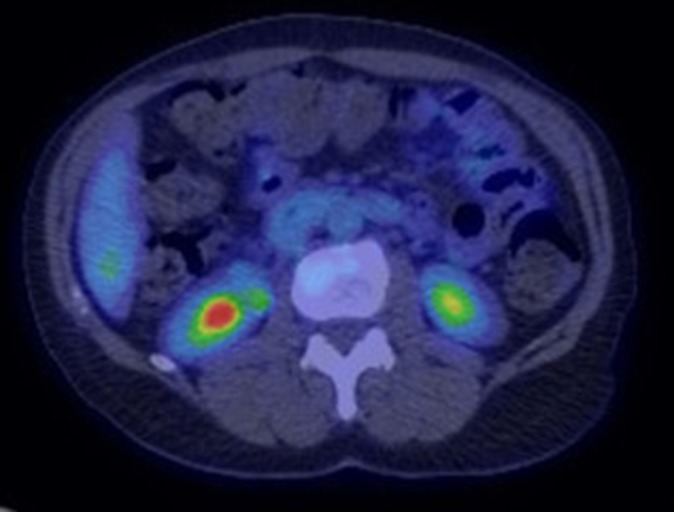
“There are reports of diffusely increased FDG uptake on PET-CT scans in the pancreas of patients with ICI-induced type 1 diabetes found at diagnosis [88].”
BackgroundSedaño, R., Cabrera, D., Jiménez, A., Ma, C., Jairath, V., Arrese, M. A., & Arab, J. P. (2022) · The American Journal of Gastroenterology · doi:10.14309/ajg.0000000000001983 · Cited by 21
Delasos, L., Bazewicz, C. G., Śliwińska, A., Lopetegui‐Lia, N., & Vredenburgh, J. J. (2020) · Journal of Oncology Pharmacy Practice · doi:10.1177/1078155220943949 · Cited by 19
“%) presenting with DKA.9,10,16 As aforementioned, many patients develop IDDM after 12weeks of therapy, thus current strategies may miss a critical monitoring period in a large subset of patients who acutely develop diabetes late in their treatment course.”
BackgroundInfluentialHuman inherited PD-L1 deficiency is clinically and immunologically less severe than PD-1 deficiency.
Johnson, M. B., Ogishi, M., Domingo‐Vila, C., Franco, E. D., Wakeling, M. N., Imane, Z., Resnick, B., Williams, E., Galão, R. P., Caswell, R. C., et al. (2024) · PubMed Central · doi:10.1084/jem.20231704 · Cited by 28
“PD-L1 blockade triggers irAEs similar to those observed during PD-1 blockade, including T1D (Bluestone et al., 2018; Kotwal et al., 2019).”
Ohara, N., Kobayashi, M., Ikeda, Y., Hoshi, T., Morita, S., Kanefuji, T., Yagi, K., Suda, T., Takada, T., Hasegawa, G., et al. (2019) · Internal Medicine · doi:10.2169/internalmedicine.3208-19 · Cited by 18
“The present case highlights the importance of testing plasma glucose levels (especially PPG levels) regularly to diagnose possible DM in patients treated with ICIs, even when such patients do not present with symptoms suggestive of severe hyperglycemia or DKA.”
BackgroundInfluentialKotwal, A., & Ryder, M. M. (2021) · Current Opinion in Endocrinology Diabetes and Obesity · doi:10.1097/med.0000000000000664 · Cited by 17
Self-citationSilvestris, N., Argentiero, A., Beretta, G. D., Bartolo, P. D., Montagnani, M., Danesi, R., Ferrari, P., D’Oronzo, S., Gori, S., Russo, A. D., et al. (2020) · Critical Reviews in Oncology/Hematology · doi:10.1016/j.critrevonc.2020.103066 · Cited by 18
Herledan, C., Toulemonde, A., Clairet, A., Boulin, M., Falandry, C., de Decker, L., Rioufol, C., Bayle, A., & Bertrand, N. (2023) · Critical Reviews in Oncology/Hematology · doi:10.1016/j.critrevonc.2023.104117 · Cited by 17
Zatelli, M. C., Faggiano, A., Argentiero, A., Danesi, R., D’Oronzo, S., Fogli, S., Franchina, T., Giorgino, F., Marrano, N., Giuffrida, D., et al. (2024) · Cancer Treatment Reviews · doi:10.1016/j.ctrv.2024.102734 · Cited by 16
Muniz, T. P., Araújo, D. V., Savage, K. J. J., Cheng, T., Saha, M., Song, X., Gill, S., Monzon, J. G., Grenier, D., Genta, S., et al. (2021) · Cancers · doi:10.3390/cancers14010089 · Cited by 16
“Although ICI-induced IDDM usually presents early during treatment, as observed by us and others [4,16,19,39], some patients develop insulin dependency as late as after 30 months of exposure to ICI, without DKA and with no expression of autoantibodies commonly found in patients with other types of autoimmune diabetes.”
Adverse events associated with immune checkpoint inhibitors: a new era in autoimmune diabetes
Aktürk, H. K., & Michels, A. W. (2020) · Current Opinion in Endocrinology Diabetes and Obesity · doi:10.1097/med.0000000000000546 · Cited by 15
Liu, Y., Liu, H., Zhao, S., Chen, K., & Jin, P. (2023) · Frontiers in Immunology · doi:10.3389/fimmu.2023.1164120 · Cited by 17
Fulminant diabetes due to immune checkpoint inhibitors in the emergency department
Peyrony, O., Ellouze, S., Fontaine, J.-P., Mohamadou, I., & Zafrani, L. (2019) · The American Journal of Emergency Medicine · doi:10.1016/j.ajem.2019.158495 · Cited by 14
Hino, C., Nishino, K., Pham, B., Jeon, W. J., Nguyen, M., & Cao, H. L. (2022) · Frontiers in Immunology · doi:10.3389/fimmu.2022.993622 · Cited by 15
Zhu, L., Cheung, Y.-M. M., Chiang, C. Y., Gallagher, E. J., Hamnvik, O. R., Mammen, J. S., Quandt, Z., Jones, R., McDunn, J., Al-Bahadili, H., et al. (2025) · Journal for ImmunoTherapy of Cancer · doi:10.1136/jitc-2025-011865 · Cited by 17
Zagouras, A. A., Patil, P. D., Yogi-Morren, D., & Pennell, N. A. (2020) · The Oncologist · doi:10.1634/theoncologist.2019-0806 · Cited by 13
“Because of mechanistic similarities with T1DM, a sizeable proportion of patients (over 50% in previous series) present with diabetic ketoacidosis at diagnosis [8].”
BackgroundDeligiorgi, M. V., & Trafalis, D. T. (2023) · International Journal of Molecular Sciences · doi:10.3390/ijms24087630 · Cited by 13
“The percentage of irDM encountered in males varies among studies [56,61–63,102] ranging from 57% [62] to 85.”
BackgroundMethodInfluentialEndocrine Adverse Events Related with Immune Checkpoint Inhibitors: An Update for Clinicians
Deligiorgi, M. V., Panayiotidis, M. I., & Trafalis, D. T. (2020) · Immunotherapy · doi:10.2217/imt-2019-0132 · Cited by 13
Polyendocrine Autoimmunity and Diabetic Ketoacidosis Following Anti-PD-1 and Interferon α
Dasgupta, A., Tsay, E., Federman, N. C., Lechner, M. G., & Su, M. A. (2022) · PEDIATRICS · doi:10.1542/peds.2021-053363 · Cited by 13
Immune checkpoints inhibitors and hyperglycemia: A meta-analysis of randomized controlled trials
Monami, M., Naletto, L., Nreu, B., Dicembrini, I., Sesti, G., & Mannucci, E. (2020) · Diabetes Research and Clinical Practice · doi:10.1016/j.diabres.2020.108115 · Cited by 12
Autoimmune diabetes from pembrolizumab: A case report and review of literature
Bhanderi, H., Khalid, F., Bodla, Z. H., Tayyeb, M., Du, D. T., & Meghal, T. (2023) · World Journal of Clinical Oncology · doi:10.5306/wjco.v14.i11.535 · Cited by 12
Yamaguchi, H., Miyoshi, Y., Uehara, Y., Fujii, K., Nagata, S., Obata, Y., Kosugi, M., Hazama, Y., & Yasuda, T. (2020) · Diabetology International · doi:10.1007/s13340-020-00459-1 · Cited by 13
Critical Care Admission of an HIV Patient with Diabetic Ketoacidosis Secondary to Pembrolizumab
Cuenca, J. A., Laserna, A., Reyes, M. P., Nates, J. L., & Botz, G. H. (2020) · Case Reports in Critical Care · doi:10.1155/2020/8671530 · Cited by 12
“Immunotherapy-induced IDD has been classified as new-onset T1DM or worsening of preexisting T2DM.”
BackgroundInfluentialKotwal, A., Perlman, J. E., Goldner, W. S., Marr, A., & Mammen, J. S. (2023) · JCO Oncology Practice · doi:10.1200/op.23.00023 · Cited by 11
Self-citationDiabetes and cancer: Optimising glycaemic control
Joharatnam‐Hogan, N., & Morganstein, D. L. (2022) · Journal of Human Nutrition and Dietetics · doi:10.1111/jhn.13051 · Cited by 12
Gómez, P. R. D. V., Piñar-Gutiérrez, A., Guerrero-Vázquez, R., Bellido, V., Morales, C., Sancho-Márquez, M. P., Espejo-García, P., Gros‐Herguido, N., López-Gallardo, G., Martínez‐Brocca, M. A., et al. (2022) · Journal of Diabetes Research · doi:10.1155/2022/4508633 · Cited by 12
Unmasking the Therapeutic Potential of Biomarkers in Type-1 Diabetes Mellitus
(2021) · Biointerface Research in Applied Chemistry · doi:10.33263/briac115.1318713201 · Cited by 11
Nivolumab-induced diabetes mellitus—a case report with literature review of the treatment options
Daetwyler, E., Zippelius, A., Danioth, S., Donath, M. Y., & Gut, L. (2023) · Frontiers in Immunology · doi:10.3389/fimmu.2023.1248919 · Cited by 10
Metadata
- Authors
- Kotwal, A., Haddox, C., Block, M., & Kudva, Y. C.
- Affiliations
- Mayo Clinic (US)
- Corresponding author
- Kudva, Yogish C
- Venue
- BMJ Open Diabetes Research & Care
- Publisher
- BMJ
- Published
- 2019-02
- Volume
- 7
- Issue
- 1
- Pages
- e000591
- ISSN
- 2052-4897 (ISSN-L)
- PMC
- PMC6398813
- OpenAlex
- W2912454954
- Cited by
- 228
- References
- 23
- Citations by year
- 2026: 17 · 2025: 37 · 2024: 35 · 2023: 43 · 2022: 30 · 2021: 25 · 2020: 32 · 2019: 9
- FWCI
- 10.03
- Type
- journal article
- Language
- en
- Open access
- gold
- doi.org
- Licence
- cc-by-nc
- Locations
- BMJ Open Diabetes Research & Care (publishedVersion, cc-by-nc)
- Europe PMC (PubMed Central) (publishedVersion, other-oa)
- PubMed Central (publishedVersion, cc-by-nc)
- PubMed (publishedVersion)
- DOAJ (DOAJ: Directory of Open Access Journals) (submittedVersion)
- Funders
- Landow gift through the Center for Immunology and Immune Therapies
- CTSA Grant from the National Center for Advancing Translational Sciences (NCATS), a component of the National Institutes of Health (UL1 TR002377)
- Topics
- Health Sciences › Medicine › Oncology › Cancer Immunotherapy and Biomarkers
- Life Sciences › Biochemistry, Genetics and Molecular Biology › Genetics › Diabetes and associated disorders
- Health Sciences › Medicine › Endocrinology, Diabetes and Metabolism › Diabetes Management and Research
- Keywords
- immune checkpoint inhibitors, type 1 diabetes, PD-1 inhibitors, immune-related adverse events, immune-related endocrine adverse events, diabetic ketoacidosis, C-peptide, autoantibodies, immune-mediated diabetes, cancer immunotherapy
- MeSH terms
- Nivolumab, Diabetes Mellitus, Type 1, Diabetes Mellitus, Type 2, Female, Glycated Hemoglobin, Humans, Immunity, Cellular, Male, Middle Aged, Retrospective Studies, CTLA-4 Antigen, Programmed Cell Death 1 Receptor, Antibodies, Monoclonal, Humanized
About these checks
Registry, retraction, Cites and statistics results are computed, not judged, with one exception: a printed reference that no index lists is read once by a model before it counts as a citation error. Claims are extracted by a model and kept only when their quote appears verbatim in the text; each cited source is then checked, with a model’s help, for whether it says what the claim relies on. Those verdicts can be wrong — read the claim’s quote and the cited source before relying on one.
Statistics and arithmetic are recomputed, not judged.
Confidence bands are shown only for fields calibrated on our annotated test set. None is calibrated yet, so no band is shown.
What counts as a claim ›How we measure confidence ›How we check this ›
Are you an author, or do you see a problem with this page? Request a review
Data sources
Bibliographic data: Semantic Scholar, OpenAlex, Crossref.
Contains information from the Semantic Scholar Academic Graph Datasets, made available under the ODC Attribution License (ODC-BY 1.0).
Semantic Scholar’s data is described in: Kinney, R., et al. (2023). The Semantic Scholar Open Data Platform. arXiv:2301.10140.
